
The Greatest Porsche 911s Ever Created
Flat-Six Heaven. We Rank The Best Porsche 911s Of All Time!
From Zuffenhausen with Love And Why Ranking the Porsche 911 Is a Fool’s Errand (So We Did It Anyway)
Since its debut at the 1963 Frankfurt Motor Show as the "901," the Porsche 911 has done the impossible: it has remained fundamentally the same while becoming entirely different. Its rear-engine layout was once called an "engineering mistake," yet through sixty years of obsessive refinement, Porsche turned that mistake into the most successful sports car blueprint in history. The 911 isn’t just a car; it is a living timeline of automotive evolution, a machine that has survived economic crises, shifting regulations, and even Porsche’s own attempts to replace it.
Trying to crown the 25 greatest Porsche 911s ever made is, frankly, an impossible task—and that’s exactly what makes it worth attempting. The 911 has been in continuous production for more than six decades, evolving across radically different eras, technologies, regulations, and philosophies, yet somehow never losing its core identity. What defines “best” depends entirely on perspective: is it purity or performance, racing pedigree or road-trip usability, emotional connection or objective numbers? A lightweight, air-cooled classic that rewards finesse can feel just as “right” as a modern GT car capable of humiliating supercars on track. Add in nostalgia, motorsport success, cultural impact, and personal memories, and any definitive ranking becomes inherently subjective—and guaranteed to spark debate among enthusiasts.
From Air-Cooled Soul to Hybrid Speed, 911 Perfection Is Rewritten Every Decade
Within this legendary bloodline, certain models stand taller than the rest and every generation Porsche gives us a new legend and a new set of amazing machines. There are the "Homologation Heroes" like the 1973 Carrera RS 2.7 that birthed the RS legend, the "Widowmakers" that introduced turbocharging to the street with terrifying force, and the modern "GT" masterpieces that blur the line between a road car and a Le Mans racer. More recently, we also have hybrid powerplants that change the game again. To choose the "best" 911 is to navigate a sea of air-cooled purism, water-cooled innovation, and raw motorsport soul. This is a tribute to the twenty-five cars that didn't just carry the 911 badge—they defined it.
That breadth is also why we’ve taken a layered approach. Alongside this Top 25 Porsche 911s of All Time list, we’ve created dedicated deep dives into the best air-cooled 911s, the standout water-cooled generations, and the modern GT, Turbo, and hybrid era for readers who want to go further down the rabbit hole. This list is our attempt to step back, zoom out, and identify the cars that matter most across the entire 911 timeline—while the era-specific guides let you explore the nuance, evolution, and obsession in much greater detail. If you want the big picture, start here. If you want to argue (and you should), the era guides are waiting.
How We Ranked the Greatest Porsche 911s Ever
Ranking the greatest Porsche 911s ever made is inherently subjective—and that’s exactly the point. This list is not a stopwatch contest or a spec-sheet shootout. Instead, we evaluated each car through a holistic lens that reflects what truly matters to Porsche enthusiasts. Historical significance played a major role: did the car change the direction of the 911 or redefine what it could be? We looked closely at driving feel and engagement—steering feedback, engine character, balance, and the emotional connection a car creates behind the wheel. Motorsport relevance mattered deeply, favoring cars born from genuine racing or homologation intent rather than marketing exercises. Rarity and mythology were weighed alongside cultural impact: how the car is spoken about today, how it has aged in the public imagination, and whether its reputation has grown stronger over time. In short, this ranking reflects not just how fast these 911s are, but how much they mattered—and still matter—to the story of Porsche.
Don't Forget to Check Out Our Era-Specific Lists
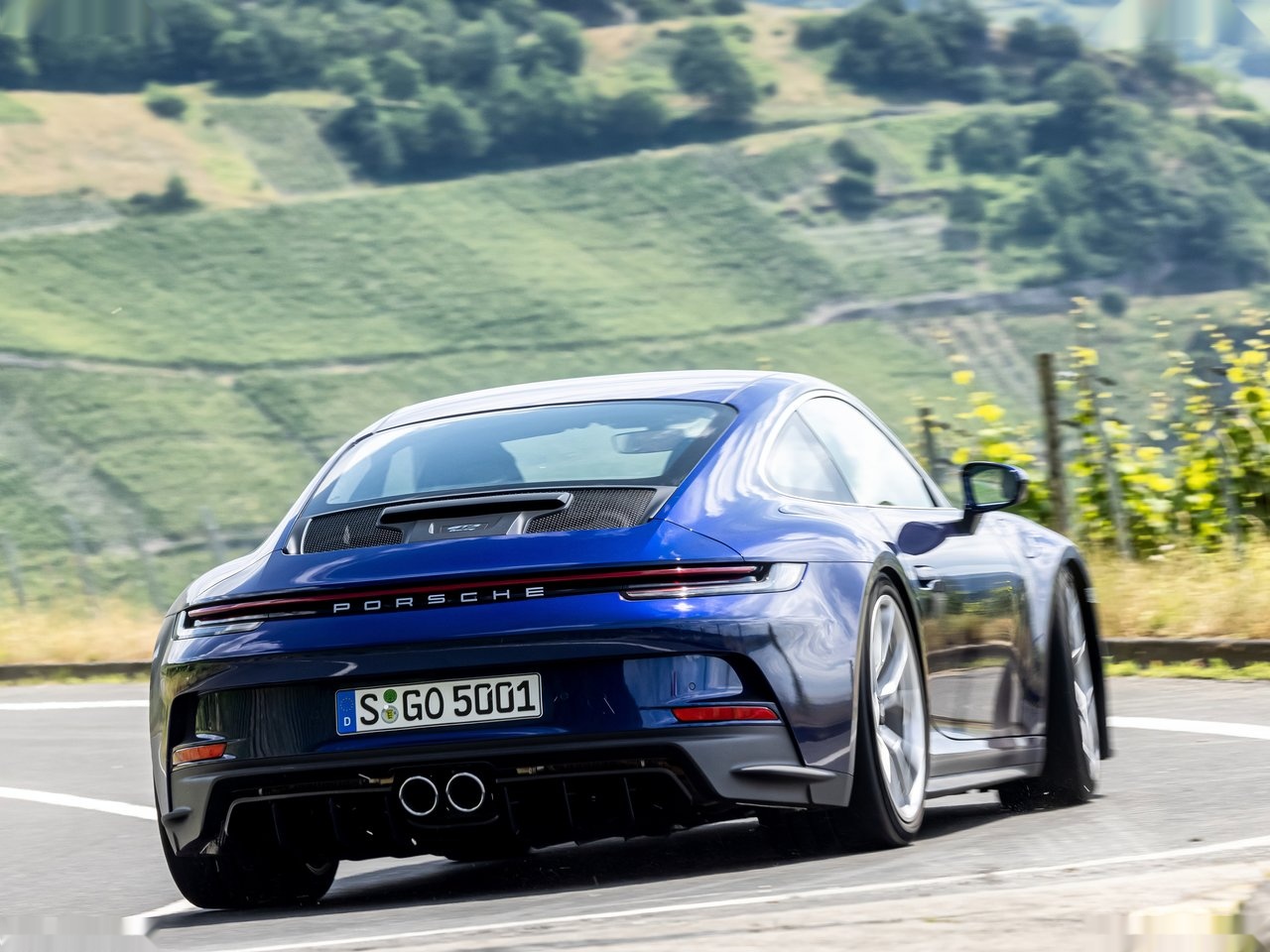
The Definitive Ranking: Best Porsche 911s Ever
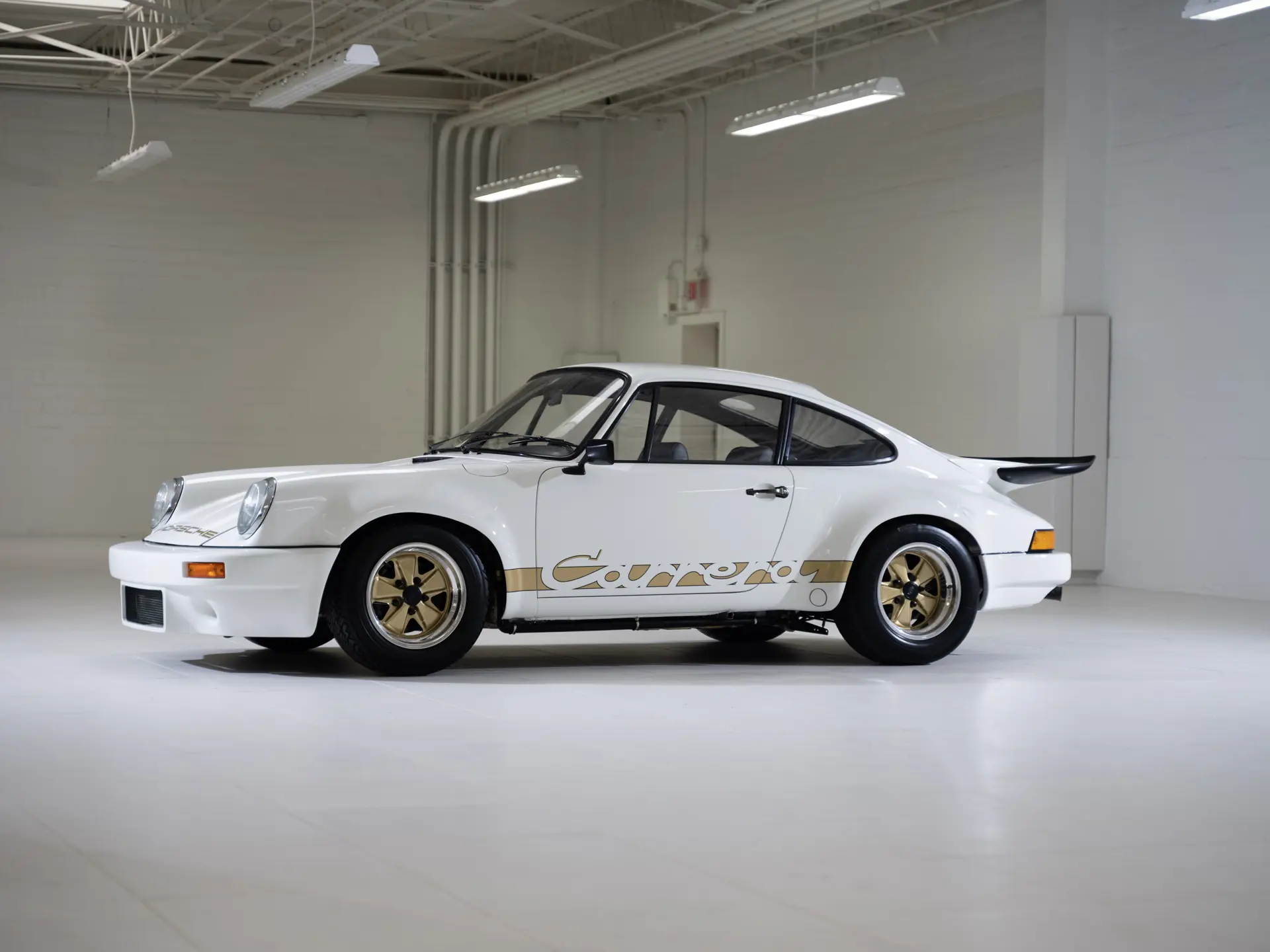
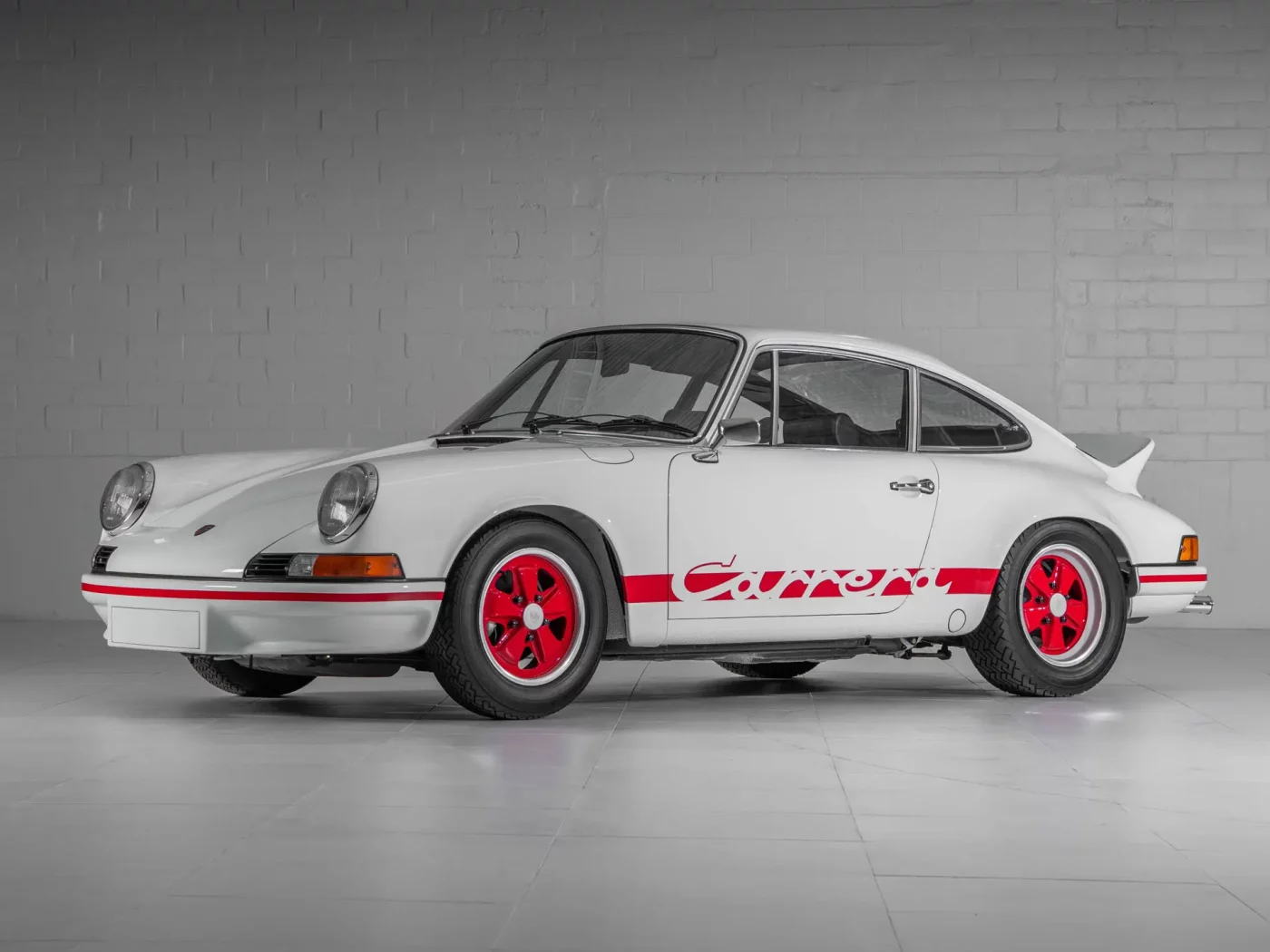
1. Porsche 911 Carrera RS 2.7 (1973)
Perfected the formula of lightweight construction, motorsport engineering, and everyday usability in a way no road car had before. Built to homologate Porsche’s racing ambitions, it became the definitive expression of what a road-going 911 could be when purity and performance were placed above all else.
Why It's On The List
The Porsche 911 Carrera RS 2.7 is not just the most important 911 collector car—it is the origin point for everything enthusiasts value about Porsche today. Built to homologate the 911 for Group 4 racing, the RS 2.7 was never intended to be a luxury road car or a marketing exercise. It existed because Porsche needed to go racing—and the result was a machine so perfectly balanced that it permanently redefined what a road-going sports car could be.
What elevates the RS 2.7 above every other early 911 is its purity of intent. Weight reduction was obsessive, engineering decisions were ruthless, and every change served performance. The car introduced the now-iconic ducktail spoiler—not for aesthetics, but to stabilize the rear at speed. The suspension was sharpened, the engine uprated, and unnecessary comfort items removed. Nothing about the RS is accidental, and that clarity still resonates five decades later.
From behind the wheel, the RS 2.7 feels alive in a way few cars—before or since—can match. Steering feedback is telepathic, throttle response is immediate, and the chassis communicates every surface change and grip transition. This is the car that taught generations of enthusiasts what “driver-focused” truly means.
As a collector car, the RS 2.7 sits in an untouchable position. It combines motorsport pedigree, cultural significance, and genuine usability in a way that no later RS has fully replicated.
The Reference Point. The Origin Story
Everything that follows exists because of this car. Lightweight philosophy, homologation purpose, visceral feedback, and instant legend status. It didn’t just move the game on—it defined it.
Details
Year: 1973
Generation: F-Series
Units built: 1580 (200 Lightweight, 1300 Touring, 80 Race)
Engine: Flat-6
Power: 210 bhp
0 – 60 mph: 5.8s
Top Speed: 150 mph
Known For
The iconic “ducktail”: The first production Porsche with a rear spoiler, improving high-speed stability and becoming one of the most recognizable design elements in automotive history.
Lightweight RS philosophy: Thinner steel, pared-back interior, and a high-revving 2.7-liter flat-six defined the RS ethos that still underpins Porsche’s GT and RS models today.
Learn More
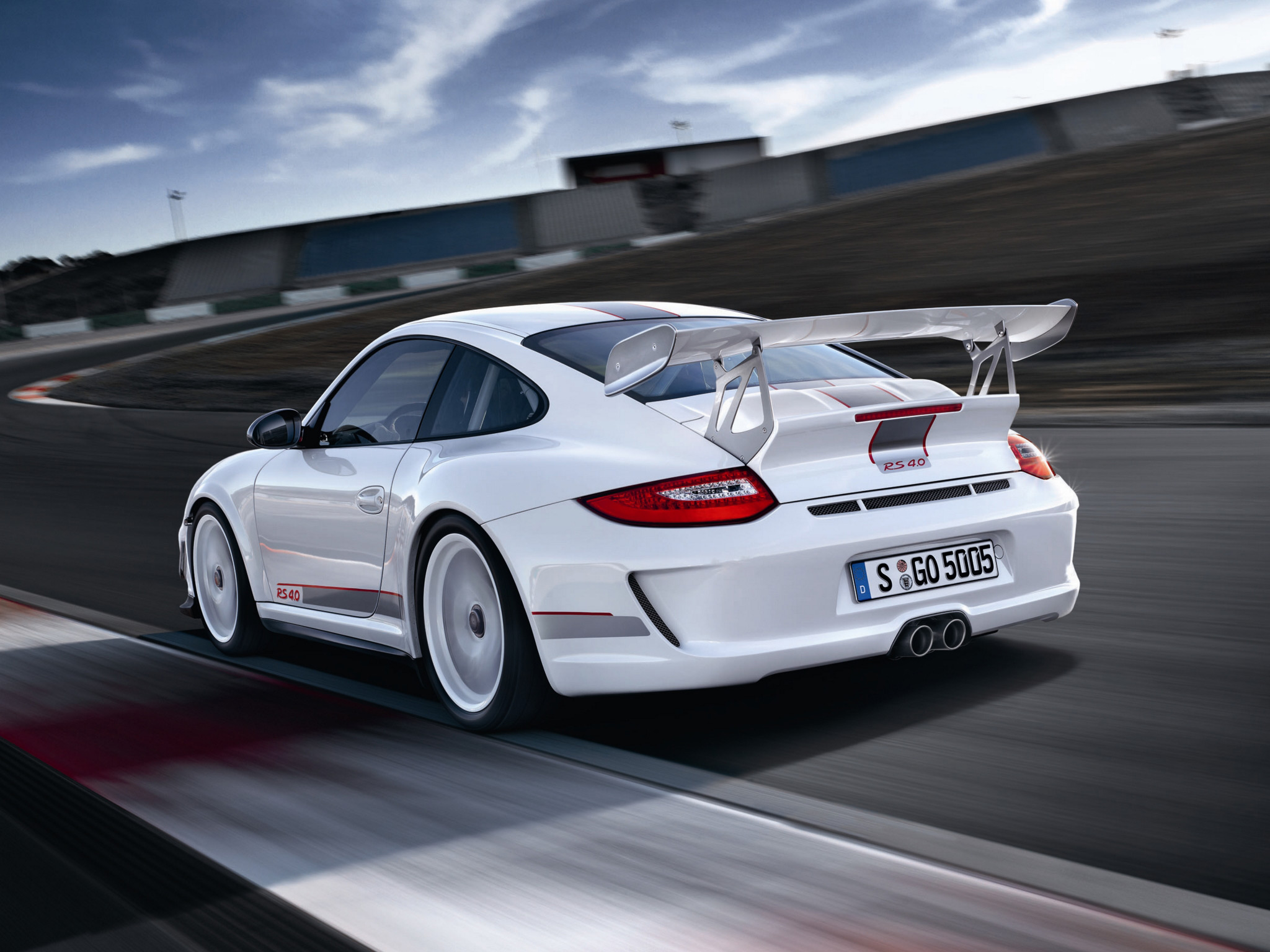
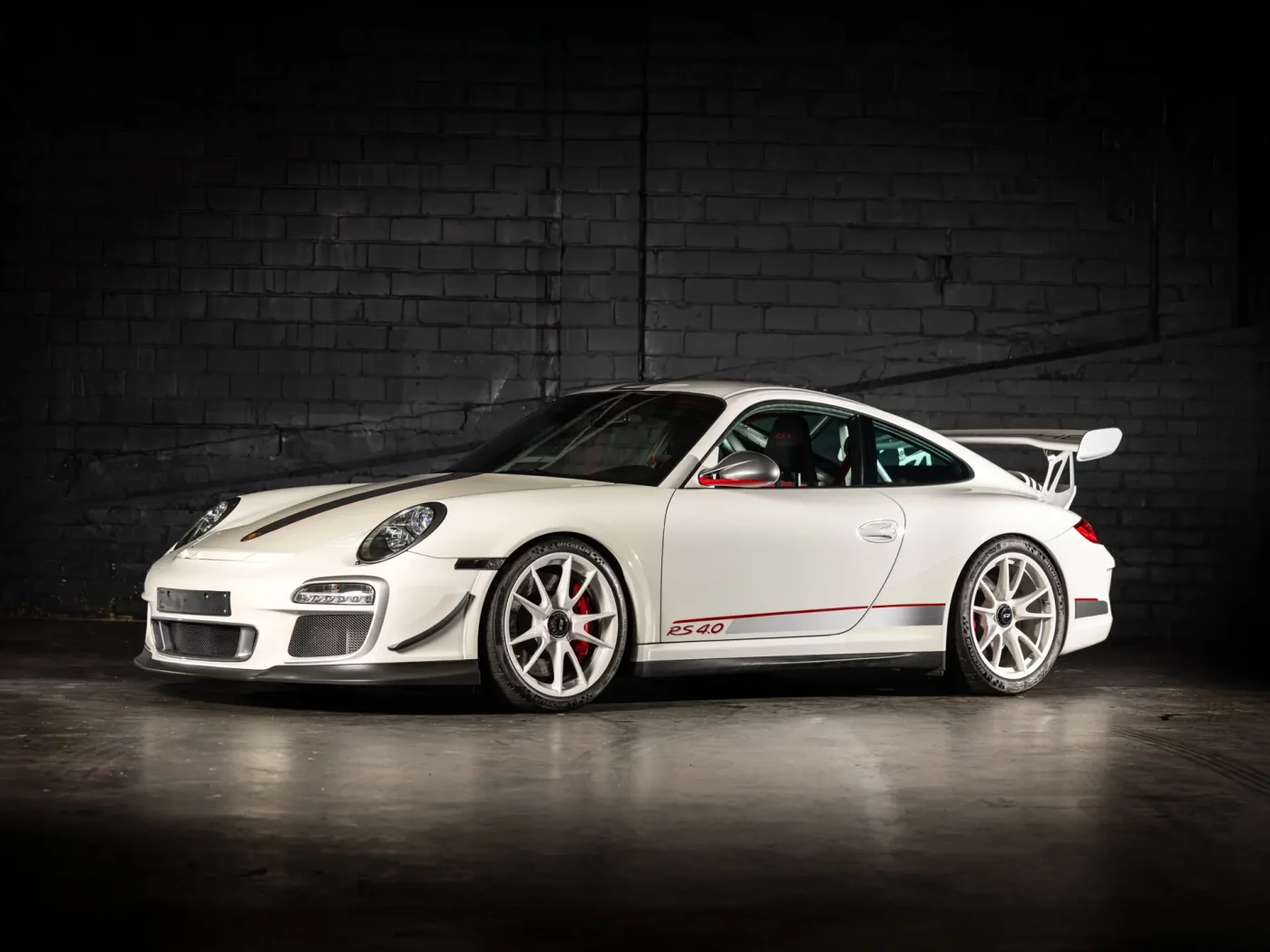
2. Porsche 911 GT3 RS 4.0 (997) (2011)
The ultimate and final evolution of the Mezger-powered, naturally aspirated RS philosophy. Built as a no-compromise farewell, it combined the largest-displacement NA flat-six Porsche ever fitted to a 911 with race-grade chassis tuning to deliver a near-perfect road-legal race car. Might be the best 911 ever. The unicorn.
Why It's On The List
The Porsche 911 GT3 RS 4.0 (997) is often spoken of in reverent terms—and with good reason. Widely regarded as the greatest 911 ever made, it represented a definitive full stop at the end of Porsche’s most celebrated engine lineage. Conceived as a final farewell to the legendary Mezger flat-six, the GT3 RS 4.0 was not a marketing exercise or a softened commemorative model; it was an uncompromising, motorsport-bred masterpiece built for drivers above all else.
At its heart was the ultimate evolution of the Mezger engine: a 4.0-liter naturally aspirated flat-six producing 500 horsepower and revving with race-car ferocity. Power delivery was instant, linear, and relentless, paired exclusively with a six-speed manual gearbox and rear-wheel drive. Every input felt alive, every throttle movement rewarded, and every lap or road blast carried the unmistakable character of an engine developed through decades of endurance racing success.
The chassis matched the engine’s intensity. Extensive use of lightweight materials, carbon-fiber body panels, aggressive aerodynamics, and track-focused suspension tuning transformed the GT3 RS 4.0 into a road-legal race car. Steering feel—hydraulic, unfiltered, and precise—was among the best ever fitted to a production vehicle. The car demanded total commitment, but in return offered a level of feedback, balance, and connection that remains unmatched even by modern hypercars.
Today, the Porsche 911 GT3 RS 4.0 stands as a benchmark not just for Porsche, but for all driver-focused performance cars. As the final Mezger-powered 911, it symbolizes the end of an era defined by mechanical purity, motorsport DNA, and emotional intensity. Rare, breathtakingly focused, and universally revered, the GT3 RS 4.0 earns its place at the very top of the greatest Porsche 911s ever made—and for many, it remains the ultimate expression of what a 911 should be.
The Mezger Mic Drop
A perfect storm: last Mezger engine, 4.0 liters, limited production, no gimmicks. Revered instantly and aging like fine wine. Many call it the greatest driving 911 ever—and it’s not a hot take.
Details
Model: Porsche 911 GT3 RS 4.0 (997)
Model Years: 2011
Production: 613 units
Engine: 4.0 L Watercooled Flat 6 (M97/74)
Power: 493 bhp @ 8250 rpm
Torque: 339 ft lbs @ 5750 rpm
0 - 60 mph: 3.9 seconds
Top Speed: 195 mph
Known For
Mezger engine swan song: The 4.0-liter flat-six is widely regarded as one of the greatest engines Porsche has ever built—razor-sharp, durable, and emotionally unmatched.
Ultimate RS purity: Extreme weight reduction, aggressive aero, and uncompromising suspension made it the pinnacle of analog, driver-first 911 engineering.
Learn More
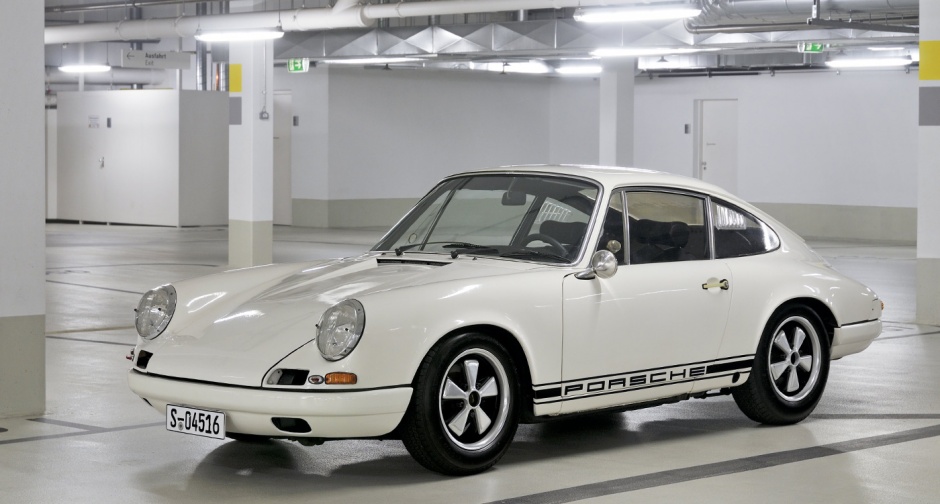
3. Porsche 911 R (1967-1968)
It stripped the platform to its purest, most motorsport-focused form—extreme lightweight construction paired with a high-revving race-bred engine. Built to prove how far the early 911 chassis could be pushed, it became the philosophical blueprint for every hardcore GT and RS Porsche that followed.
Why It's On The List
In 1967, you could walk into a Porsche dealer and buy a 911 S which was essentially the pumped up 911. No so the 911 R. To take the newly released 911 to its limit, Porsche developed a small series of racing versions that focused primarily on weight reduction. These racers were the first among a series of 911s that would dominate GT racing for over 40 years. Only 23 were built.
Four prototypes initially surfaced from Porsche’s experimental department in Spring of 1967. Every possible component was replaced by a lightweight counterpart. With the standard interior deleted, lightweight windows, fiberglass doors, hood, engine cover and bumpers, the 911R was only 1786 lbs (810 kg), some 500 lbs (230 kg) less than the standard 911! Wow.
Included was the Type 901/22 engine from the Carrera 906 with a standard alloy crankcase. Most cars used Weber 46 IDA3C carburetors, while some featured the mechanical Bosch fuel injection system. Optionally the four-cam Type 901/21 engine which produced 230 bhp (171 Kw) was available. With this engine, the 911 R accelerated from zero to 100 km/h in 5.9 seconds and could cover a distance of one kilometre from a standstill in just 24.2 seconds – one second faster than a Porsche 904 Carrera GTS and a full 5 seconds faster than an Alfa Romeo GTA.
Outwardly, the 911 was distinguished by flared wheel arches, smaller bumpers and distinctive circular rear lights. In detail, the extent of the 911R program becomes apparent with details such as a bank of louvers in the rear quarter windows, plastic door hinges and wider Fuchs alloy wheels.
While initially conceived to race in the sports car class, the R never met homologation requirements and was forced to race with the potent prototype classes. With an estimated sales price of 45,000 DM, a 911 R was nearly twice as expensive as a regular 911 S and did not sell enough units (500 were needed for homologation). The 911 R would have contributed much more to the 911’s legacy had Porsche filled its 500 car requirement for homologation.
Ghost That Haunted Porsche for 50 Years
Ultra-lightweight, no frills, born from racing intent. Its DNA reappears repeatedly (most famously in 2016). One of the purest 911s ever conceived.
Details
Year: 1967-1968
Generation: F-Series
Units built: 23 (19 plus 4 test cars)
Engine: Flat-6
Power: 230 bhp
0 – 60 mph: 5.9s
Top Speed: 152mph
Known For
Extreme lightweight engineering: Magnesium body panels, fiberglass components, and a pared-back interior resulted in a curb weight under 1,850 lbs—astonishing even by modern standards.
Racing-first DNA: Powered by a high-strung flat-six derived from Porsche’s competition engines, the 911 R was conceived as a homologation and endurance weapon, not a road car—cementing its mythic status.
Learn More
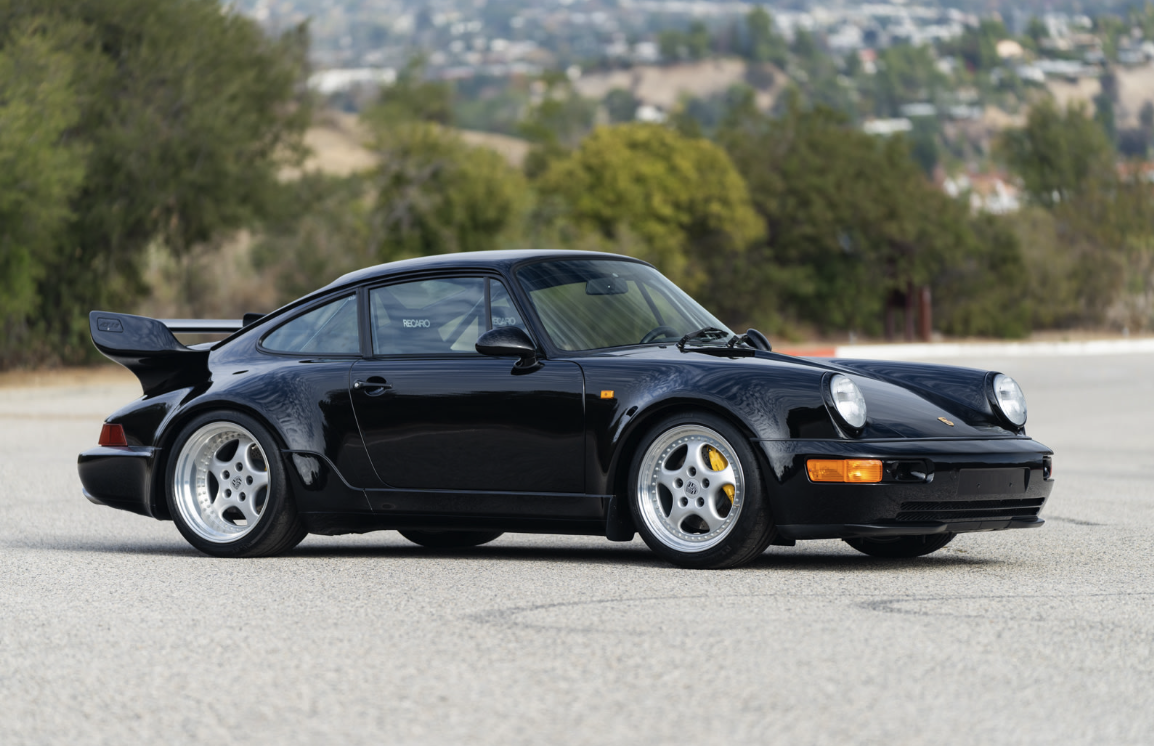
4. Porsche 911 Carrera RS 3.8 (964) (1993)
Took the already legendary RS formula and pushed it directly into race-car territory, combining a larger, more powerful engine with aggressive aero and chassis upgrades. Built in extremely limited numbers, it stands as the ultimate factory expression of the air-cooled, naturally aspirated RS ideal.
Why It's On The List
The Porsche 911 Carrera RS 3.8 is widely considered the ultimate evolution of the 964-era Rennsport philosophy—and one of the most extreme road-legal 911s Porsche has ever produced. Built in very limited numbers primarily for homologation purposes, the RS 3.8 took the already uncompromising 964 Carrera RS and pushed it even further toward motorsport territory. This was not a car designed for comfort or broad appeal; it was a near-race car for the road, created to satisfy Porsche’s most hardcore drivers.
At its heart was a heavily reworked 3.8-liter air-cooled flat-six, producing significantly more power and torque than the standard 3.6-liter RS. Paired with aggressive gearing and extensive weight reduction, the RS 3.8 delivered ferocious throttle response and relentless acceleration for its era. Porsche removed virtually every non-essential component, while wider bodywork, massive brakes, and a prominent rear wing signaled the car’s true intent. The chassis setup was stiff, adjustable, and unapologetically focused on track performance.
What truly separates the RS 3.8 from other Rennsport models is its intensity. Steering is unassisted and brutally communicative, the ride is firm to the point of discomfort on public roads, and the cabin is stripped to racing basics. Every sensation—noise, vibration, feedback—is amplified, creating an experience that demands total concentration from the driver. It is thrilling, raw, and unforgiving, offering rewards only to those willing to meet it on its terms.
Today, the Porsche 911 Carrera RS 3.8 (964) stands as one of the most collectible and revered 911s ever built. It represents the absolute peak of Porsche’s air-cooled, motorsport-derived road cars before the GT era fully took shape. Rare, uncompromising, and breathtakingly focused, the RS 3.8 isn’t just one of the greatest 911s—it’s a benchmark for what a no-excuses driver’s car can be.
The Ultimate Air-Cooled RS
Brutal, mechanical, and deeply motorsport-derived. Less romantic than the 2.7, but more serious. A car that demands respect and rewards commitment.
Details
Model: Porsche 911 Carrera RS 3.8 (964)
Model Years: 1993
Production: 55 units
Engine: 3.8 L Aircooled Flat 6 (M64/04)
Power: 300 bhp @ 6500 rpm
Torque: 265 ft lbs @ 5250 rpm
0 - 60 mph: 4.9 seconds
Top Speed: 169 mph
Known For
Race-spec 3.8-liter flat-six: Increased displacement and sharper tuning delivered one of the most thrilling naturally aspirated air-cooled engines Porsche ever built.
Extreme rarity and aggression: Wide bodywork, big rear wing, and motorsport suspension made it one of the most focused—and collectible—964-based 911s ever produced.
Learn More
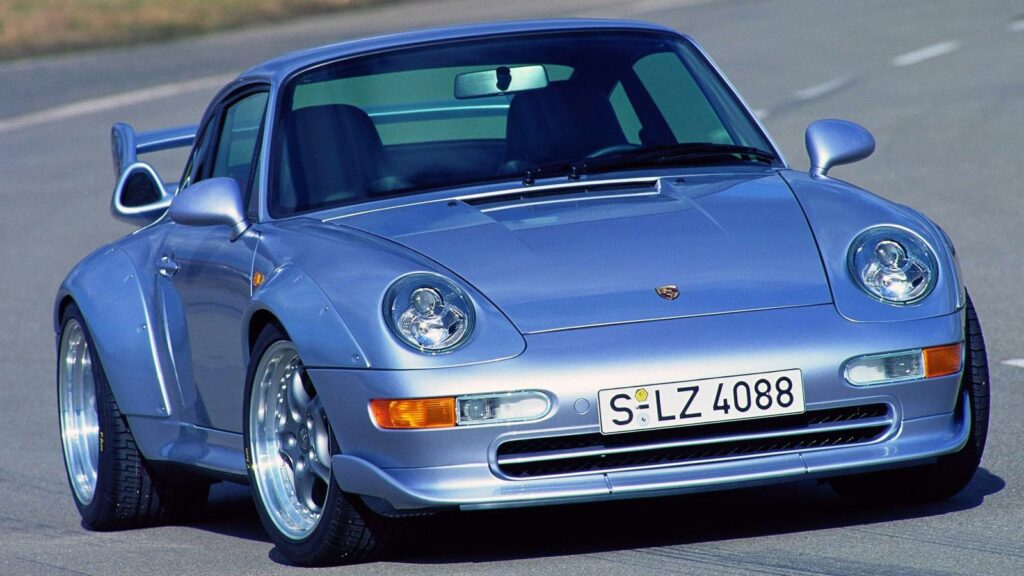
5. Porsche 911 GT2 (993) (1995 - 1998)
Stripped the already ferocious 993 Turbo down to a rear-wheel-drive, race-first weapon built to win GT competition. Savage, lightweight, and unapologetically difficult, it stands as the most extreme road-legal expression of the air-cooled 911.
Why It's On The List
The 993 GT2 is special. Based on the 993 Turbo, the 993 GT2 was built for homologation purposes. Porsche took the twin-turbo flat-six engine from the 911 Turbo and combined it with the wide-body rear-drive chassis to create one of our favorite Porsches ever. Only 57 were built and they go for over a million dollars today so don’t expect to find a bargain (remember, this is the last of the air-cooled turbocharged, extreme 911s).
The 993 GT2 featured widened plastic fenders, more aggressive front bumper with side canards and a massive rear wing with air scoops in the struts. It wore new, wider wheels and the ride height was dropped. The 993 GT2’s original 3.6 L (220 cu in) engine developed 429 hp and in 1998 it was upgraded to 444 hp. Top speed of 187 mph and a 0-60 sprint of 3.9 seconds was devastatingly fast back in 1995.
Development work behind the Turbo S LM-GT was a big contributor to the GT2. To take all this hard-earned knowledge and tech to the track, Stuttgart had to meet the FIA’s stringent requirements and build a road-legal homologation run. Thus the 993-generation 911 GT2 was born. The 993 GT2 was introduced in 1995, two years after the 993 911 had been launched.
The Widowmaker With Racing Papers
Turbocharged insanity with homologation intent. Raw, dangerous, unforgettable. This is Porsche at its most unfiltered and intimidating.
Details
Model: Porsche 911 GT2 (993)
Years: 1995 - 1996, 1998
Production: 37 units (+21 CS units)
Engine: 3.6 L Turbocharged Flat 6
Power: 424 bhp @ 5750 rpm ('95-'96), 450 bhp @ 5750 rpm ('98)
Torque: 400 ft lbs @ 4500 rpm ('95-'96), 432 ft lbs @ 3500 rpm ('98)
0 - 60 mph: 3.9 seconds ('95-'96), 3.7 seconds ('98)
Top Speed: 186 mph
Known For
No-compromise motorsport DNA: Rear-wheel drive, aggressive weight reduction, massive aero, and turbocharged power made it a homologation special barely disguised as a road car.
The original “widowmaker” GT car: Brutal performance and minimal electronic aids earned the GT2 its fearsome reputation—and cemented its status as a true driver’s 911 legend.
Learn More
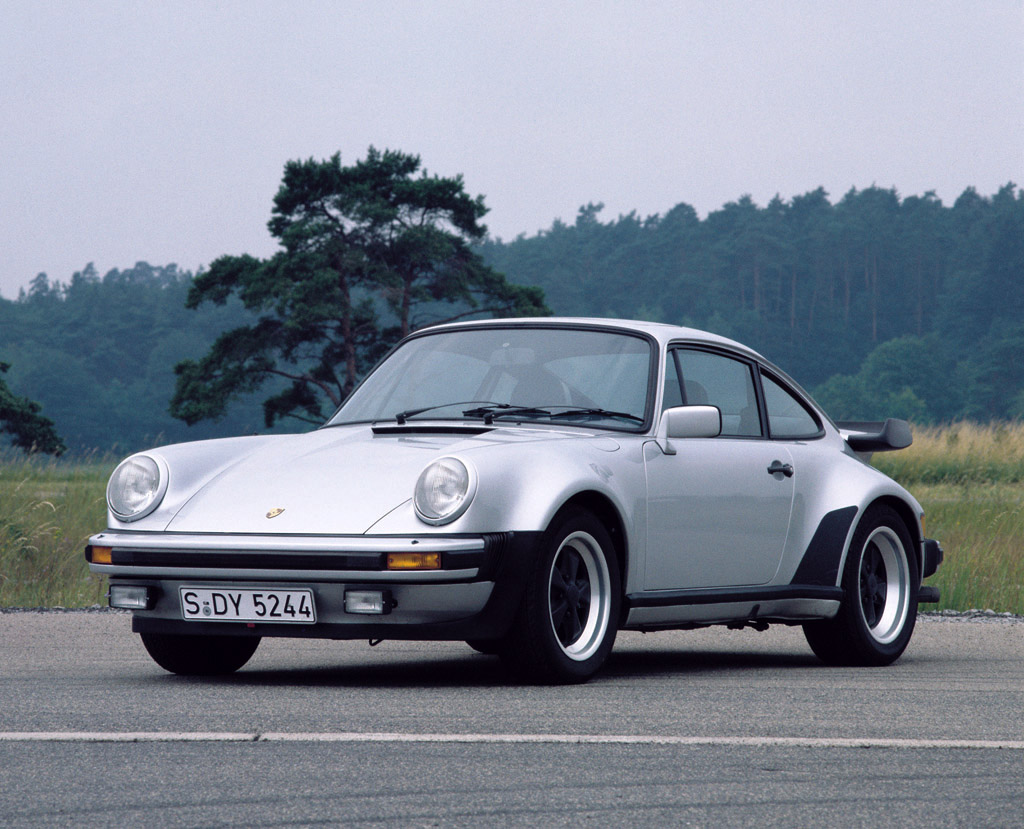
6. Porsche 911 Turbo - 3.3 Liter - 930 (1978 to 1989)
A visceral 911 experience. It is a car that demands your full attention, punishes your mistakes, and provides a rush that modern, sanitized supercars simply cannot replicate. The "analog violence" is only becoming more desirable.
Why It's On The List
In 1974 Porsche introduced the first production turbocharged 911. In Europe it was called the Porsche 911 Turbo and in the United States it was called the Porsche 930. It looked different than the normal 911s, with wider wheel-arches, bigger wheels and tires and a large rear “whale tail” spoiler. Starting out with a 3.0L engine with 260 hp, it rose to 3.3L and 300 hp for 1978. Only in 1989, its last year of production, was the 930 equipped with a five-speed gearbox. The 930 was replaced in 1990 with a 964 version featuring the same 3.3L engine. There have been turbocharged variants of each subsequent generation of 911.
The Porsche 911 Turbo 3.3-liter (930) is one of the most culturally significant Porsches ever built—and the market is increasingly treating it that way. While early 3.0-liter Turbos established the legend, it was the intercooled 3.3-liter cars that cemented the 930 as an icon, blending fearsome performance with visual drama and real-world usability. Today, that combination is driving a renewed and durable appreciation cycle.
At a fundamental level, the 930 represents Porsche’s first truly successful attempt to tame turbocharging for the road—without sanitizing it. The 3.3-liter engine brought an intercooler, improved durability, and more usable torque, but it retained the defining trait that made the Turbo famous: boost delivered on its own terms. Lag, surge, and rear-engine weight transfer weren’t engineered out—they were embraced. In a modern context, where turbocharging is invisible and algorithmically managed, the 930’s raw behavior feels increasingly special.
Just as important is the 930’s visual and cultural permanence. The wide body, massive rear wing, deep front spoiler, and unmistakable stance created a design language Porsche still references today. This isn’t nostalgia—it’s brand DNA. Few cars are as instantly recognizable across generations, and cars that define a brand’s silhouette tend to perform exceptionally well as long-term investments.
Made The 911 Scary & Famous
The poster car. The attitude. The lag. The legend. It introduced supercar drama to the 911 in a way no car before or since quite has.
Details
Model: Porsche 911 Turbo 3.3 (930)
Model Years: 1978 - 1989
Production: 18,770 units
Engine: 3.3 L Turbocharged Flat 6
Power: 300 bhp @ 5500rpm
Torque: 304 ft lbs @ 4000rpm
0 - 60 mph: 5.4 seconds
Top Speed: 160 mph
Known For
The original supercar 911: Porsche’s first production turbocharged 911, delivering explosive boost and performance that rivaled — and often embarrassed — contemporary exotics.
Iconic wide-body design: Massive rear arches, deep front spoiler, and the legendary “whale tail” made the 930 one of the most recognizable and intimidating silhouettes in Porsche history.
Learn More
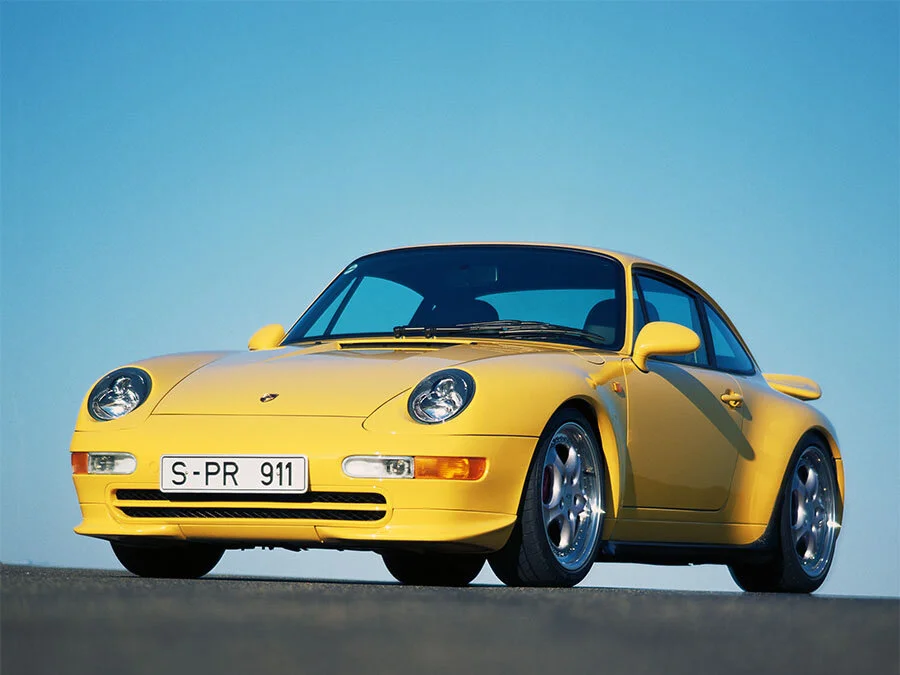
7. Porsche 911 Carrera RS 3.8 (993) (1995 – 1996)
The final air-cooled RS, combining old-school character with modern precision in a way Porsche would never repeat. A thin-glass, stripped-interior masterpiece that many consider the peak of the air-cooled driving experience.
Why It's On The List
The Porsche 911 Carrera RS 3.8 (993) occupies a singular place in Porsche history because it represents both an ending and a culmination. Introduced in 1995, it was the final air-cooled RS, but it was also the most technically advanced air-cooled 911 Porsche ever produced. Unlike earlier RS models that felt raw and sometimes unfinished, the 993 RS 3.8 combined old-school mechanical character with a level of precision and composure that hinted at the modern era to come—without sacrificing purity.
What makes the 993 RS so special is how completely Porsche refined the air-cooled platform before closing the chapter. The wider body, derived from the Carrera 4 shell, dramatically improved rigidity. Multi-link rear suspension brought newfound stability and confidence, taming the traditional 911 lift-off reputation without muting feedback. The result was an RS that felt serious, planted, and devastatingly effective, yet still unmistakably air-cooled in sound, vibration, and feel.
The 3.8-liter engine elevated the experience even further. This wasn’t about headline power figures—it was about response, torque, and durability. The engine pulled harder everywhere than earlier RS models, making the car feel more muscular and authoritative, particularly at high speeds. Where earlier RS cars felt nervous and alive, the 993 RS felt controlled and relentless, more endurance racer than homologation special. It was the moment Porsche proved that air-cooled performance had not yet hit its ceiling.
Rarity and context seal its status among the greatest RS Porsches ever made. Built primarily for Europe and produced in extremely limited numbers, the 993 RS 3.8 was never intended to be widely owned or adored—it was a tool for serious drivers. With the switch to water cooling immediately following, Porsche would never again have the opportunity to evolve the air-cooled RS concept. That finality matters. The 993 RS is not just the last of something—it is the most complete expression of what an air-cooled RS could be.
The Final Air-Cooled RS & A Masterpiece
Technically brilliant, beautifully resolved, and devastatingly capable. Less raw than the 964 RS, but more complete.
Details
Model: Porsche 911 Carrera RS 3.8 (993)
Years: 1995 - 1996
Production: 1,014 units
Engine: 3.8 L Aircooled Flat 6 (M64/20)
Power: 300 bhp @ 6,500 rpm
Torque: 262 ft lbs @ 5400 rpm
0 - 60 mph: 4.7 seconds
Top Speed: 172 mph
Known For
Being the final and most refined air-cooled RS Porsche ever built
Blending classic 911 character with near-modern chassis precision
Learn More
8. Porsche 911 Turbo S (993) (1998)
As the final hurrah for the air-cooled 911, this special edition was the most powerful factory-built 993 ever made. It featured distinctive yellow brake calipers and air intakes on the rear fenders, with only 345 units produced worldwide.
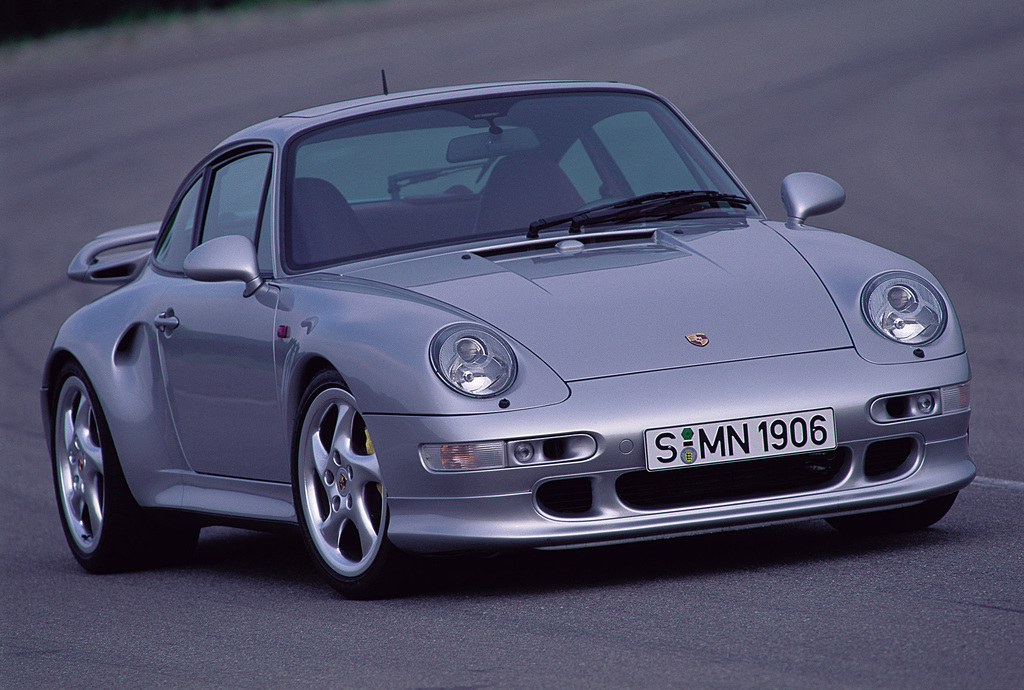
What Makes It Special
The Porsche 911 Turbo S stands as the ultimate factory expression of the air-cooled 911. Released as a final hurrah for the 993 generation, it was not merely a trim package or cosmetic sendoff, but the most powerful factory-built 993 ever produced. As Porsche prepared to transition to water cooling, the Turbo S was designed to leave an unmistakable impression—one rooted in excess, confidence, and technical mastery.
At its core was an uprated version of the legendary 3.6-liter twin-turbocharged air-cooled flat-six, pushing output beyond the standard Turbo and firmly into supercar territory for the late 1990s. Paired with all-wheel drive and a six-speed manual gearbox, the Turbo S delivered immense real-world performance with devastating acceleration and effortless high-speed stability. It represented the peak of what Porsche engineers could extract from the air-cooled platform after decades of refinement.
Visually, Porsche ensured the Turbo S announced itself without resorting to theatrics. Distinctive yellow brake calipers, unique to the Turbo S, became an instant identifier, while additional air intakes on the rear fenders subtly hinted at the car’s enhanced cooling and performance demands. These details were functional first, aesthetic second—very much in keeping with Porsche’s engineering-led philosophy. The result was a car that looked purposeful rather than flamboyant.
What ultimately cements the 1998 Turbo S as one of Porsche’s greatest special editions is timing. With only 345 units produced worldwide, it closed the book on the air-cooled Turbo lineage at its absolute zenith. Every Turbo S that followed—faster, more complex, more digital—owes its existence to this car. As the final and most extreme air-cooled 911 Turbo, it remains a cornerstone of Porsche collecting and a symbol of an era that will never be repeated.
A Fitting Send-Off
The most refined air-cooled Turbo—and a fitting sendoff.
Key Data & Specifications
Model: Porsche 911 Turbo S (993)
Years: 1997 - 1998
Production: 345 units
Engine: 3.6 L Turbocharged Flat 6
Power: 424 bhp @ 5750 rpm
Torque: 400 ft lbs @ 4500 rpm
0 - 60 mph: 3.6 seconds
Top Speed: 184 mph
Known For
Being the most powerful factory-built Porsche 993 ever produced, marking the peak of the air-cooled Turbo era
Serving as the final special edition of the air-cooled 911, with instantly recognizable Turbo S details
Learn More
9. Porsche 911 SC RS (1984)
Porsche at its most uncompromising - built not for comfort or sales, but to dominate international rallying with a lightweight, brutally effective competition car. Rare, purpose-built, and directly tied to works motorsport success, it stands as the ultimate expression of the 911’s off-road and endurance capability.
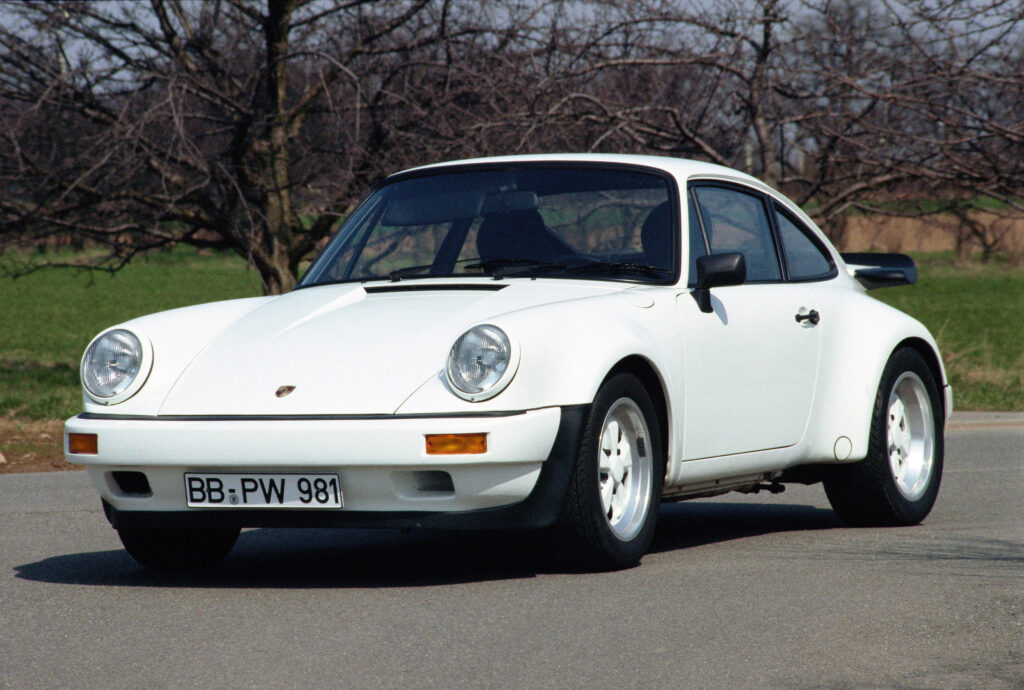
Why It's On The List
The Porsche 911 SC RS is one of the most legitimate homologation cars Porsche ever built—and one of the least talked about. Created to homologate the 911 for Group B rally competition, the SC RS wasn’t designed to celebrate heritage or excite showroom buyers. It was built because Porsche wanted to go rallying seriously, and regulations demanded a road-going production run. The result is a car that feels far closer to a works competition machine than a conventional RS.
What makes the SC RS unique within the 911 collector hierarchy is its rally-first DNA. Unlike the circuit-focused RS and RSR models before it, the SC RS was engineered to survive brutal surfaces, long stages, and real-world punishment. Reinforced bodyshells, seam welding, adjustable suspension, lightweight panels, and stripped interiors defined the package. This is a 911 designed to be driven hard on imperfect roads—something no other RS truly prioritized.
From behind the wheel, the SC RS feels raw, mechanical, and utterly purpose-built. Power delivery is linear and tractable rather than peaky, ideal for rally conditions. Steering is heavy and communicative, and the chassis feels extraordinarily rigid for an impact-bumper-era 911. It lacks the romanticism of a 2.7 RS or the elegance of a 964 RS—but it replaces that with functional brutality.
Rally Royalty
Purpose-built, rare, and historically significant. It proved the 911 could dominate beyond circuit racing and helped Porsche evolve the platform’s versatility.
Details
Model: Porsche 911 SC RS 3.0
Model Years: 1984
Production: 20 units
Engine: 3.0 L Aircooled Flat 6 (930/18)
Power: 255 bhp @ 7000 rpm
Torque: 184 ft lbs @ 6500 rpm
0 - 60 mph: 5.3 seconds
Top Speed: 158 mph
Known For
Rally-bred homologation special: Developed for Group B rally competition, featuring extensive weight reduction, reinforced suspension, and race-specific hardware.
Extreme rarity and purity: Produced in very limited numbers for homologation, making it one of the rarest and most motorsport-focused 911s ever built.
Learn More
10. Porsche 911 S Coupe (1967-1969)
The first 911 to fully define Porsche’s performance blueprint - lightweight construction, a high-revving engine, and razor-sharp handling in a pure, unfiltered package. With its motorsport-bred upgrades and perfectly balanced simplicity, it set the template for every great 911 that followed.
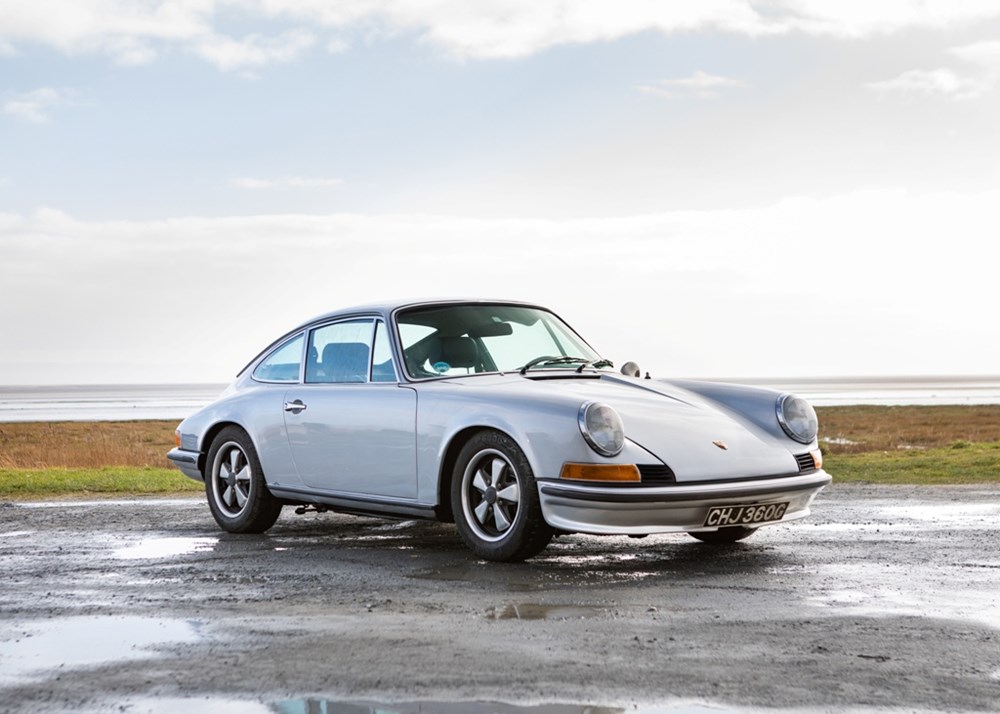
Why It's On The List
We considered adding the Targa from 1967, but ultimately we felt the 911 S was a more important model. The 911 S was introduced to increase the performance potential of the very successful 911. It had a more powerful engine along with a number of chassis enhancements that made it very desirable. Becoming the flagship of the fleet, the $6990, 180-hp, 6-cylinder 911S was loaded with performance and luxury features.
Distinctive 5-leaf wheels from Fuchs that were made from forged magnesium-alloy, a leather-covered steering wheel rim, extra instrumentation, an auxiliary gasoline heater, fog lights, pile carpets, and waffled padding on the dash (all pretty luxurious back in 1967 folks).
The tradition of race-inspired 911s really started here. A 2.0-liter flat-six producing 180-hp with a 7,200 rpm redline in 1967 was pretty special. This was clearly a more powerful and sportier car and much better than other cars of the same era.
The First Truly “Complete” 911
Light, revvy, beautifully balanced. It doesn’t shout—but it whispers brilliance. A foundational car that still feels right today.
Details
Year: 1967 - 1969
Generation: F-Series
Units built: 1,823
Engine: Flat-6
Power: 160 bhp
0 – 60 mph: 6.5s
Top Speed: 140mph
Known For
First “S” model: Introduced forged Fuchs wheels, uprated brakes, stiffer suspension, and a higher-output engine—establishing the “S” as Porsche’s performance benchmark.
Peak early-911 purity: Lightweight, narrow-body design with minimal driver aids, delivering unmatched steering feel and mechanical connection that enthusiasts still chase today.
Learn More
11. Porsche 911 Speedster (991) (2019)
Served as the emotional grand finale of the 991 era, combining a GT3-derived naturally aspirated engine with a manual gearbox and uncompromising driver focus. Stripped of excess and rich in heritage, it distilled decades of 911 evolution into one unforgettable final statement.

Why It's On The List
The Porsche 911 Speedster (991) served as a deeply emotional grand finale to the 991 generation—and, for many enthusiasts, one of the most meaningful modern 911s Porsche has ever built. Conceived as a celebration rather than a numbers exercise, the 991 Speedster distilled decades of 911 heritage into a car focused entirely on purity, connection, and feel. It was Porsche’s farewell to an era defined by naturally aspirated engines, manual gearboxes, and hydraulic-era soul.
At its heart was a GT3-derived 4.0-liter naturally aspirated flat-six, retuned for road use but still thrillingly high-revving and rich in character. Paired exclusively with a six-speed manual gearbox and rear-wheel drive, the Speedster delivered an experience rooted in rhythm and involvement rather than outright lap times. Every shift, every throttle input, and every rise in engine note reinforced that this was a car built to be driven, not optimized by algorithms.
The Speedster’s character was further shaped by its uncompromising design choices. A shortened windshield, manually operated lightweight fabric roof, and iconic double-hump rear deck paid direct homage to Porsche’s earliest Speedsters. Weight was stripped wherever possible, while suspension tuning and steering calibration emphasized feedback and balance over comfort. This was not a grand tourer or a showpiece—it was a focused driver’s car that happened to be breathtakingly beautiful.
Today, the Porsche 911 Speedster (991) is widely regarded as one of the most emotionally resonant 911s of the modern era. It closed the 991 chapter with honesty, restraint, and reverence for everything that came before it. Rare, visceral, and deeply special, the 991 Speedster earns its place among the greatest Porsche 911s ever made as a timeless reminder that the soul of the 911 lives in simplicity, sound, and connection.
Modern Love Letter To Enthusiasts
The modern love letter to everything enthusiasts value: NA engine, manual, heritage design, emotional intent. Expensive—but deeply meaningful.
Details
Model: Porsche 911 Speedster (991.2)
Model Years: 2019
Production: 1,948 units
Engine: 4.0 L Watercooled Flat 6 (MDG.GA)
Power: 502 bhp @ 8400 rpm
Torque: 346 ft lbs @ 6250 rpm
0 - 60 mph: 3.8 seconds
Top Speed: 192 mph
Known For
GT3 engine with manual purity: A high-revving NA flat-six paired exclusively with a six-speed manual delivered one of the most engaging modern 911 driving experiences ever.
Iconic Speedster design: The dramatic “double-bubble” rear deck, short windshield, and open-top layout made it one of the most beautiful and collectible modern Porsches.
Learn More
12. Porsche 911 R (991) (2016)
A deliberate rejection of lap-time obsession, reviving the joy of a manual gearbox, a high-revving GT3 engine, and a wingless, understated design. Built purely for driver engagement, it proved that emotional connection—not outright speed—was still the soul of the 911.
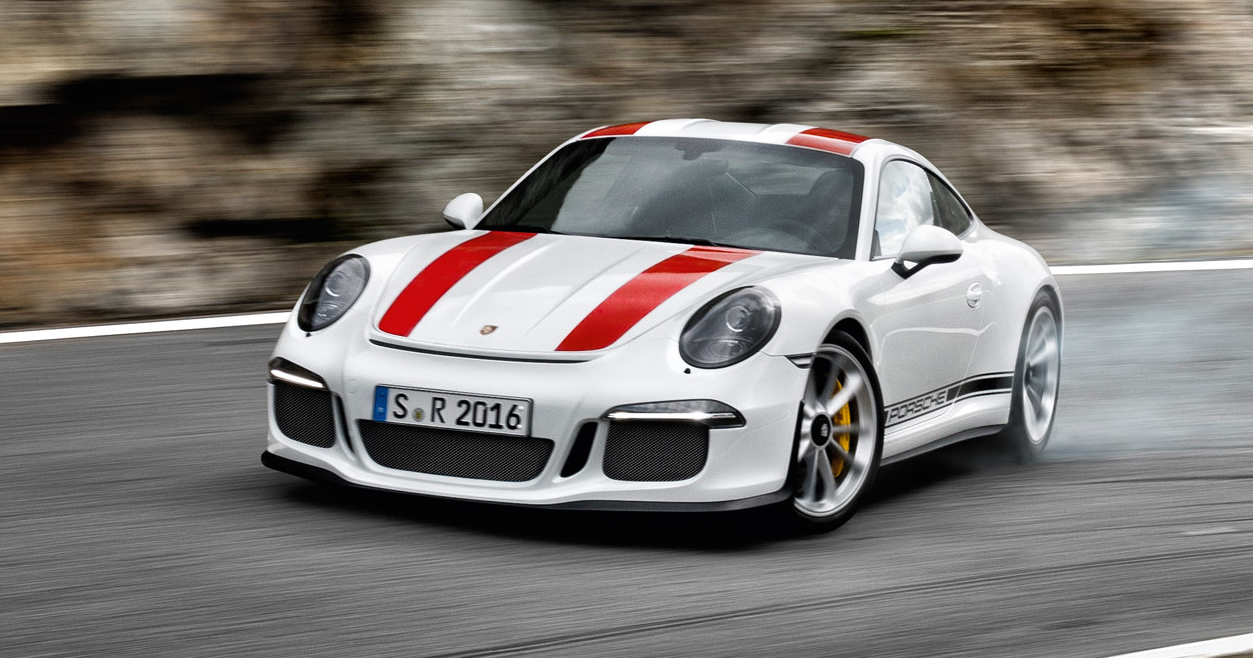
Why It's On The List
The Porsche 911 Carrera GTS Coupe (991) represents a pivotal moment in modern 911 history—the final, finest expression of the naturally aspirated Carrera before turbocharging reshaped the lineup. Introduced late in the 991.1 generation, the GTS was Porsche’s way of distilling everything enthusiasts loved about the Carrera into one perfectly judged package. It wasn’t a stopgap or cosmetic special; it was a deliberate high-water mark for the traditional Carrera formula.
Power came from a high-revving 3.8-liter naturally aspirated flat-six, delivering crisp throttle response, linear power delivery, and a soundtrack that defined the end of an era. Available with either a seven-speed manual or PDK and paired with rear-wheel drive, the GTS combined urgency with usability in a way few modern sports cars can replicate. The absence of turbocharging gave the car an immediacy and emotional clarity that many purists still view as irreplaceable.
Chassis tuning is where the Carrera GTS truly distinguished itself. Borrowing the wide-body shell of the Carrera 4 while retaining rear-wheel drive, the GTS offered a planted stance and exceptional balance. Lowered sport suspension, a limited-slip differential, and sharper steering calibration delivered confidence and composure without sacrificing ride quality. It was engaging at any speed—rewarding on a winding road, composed on the highway, and capable on track without drifting into GT-car severity.
Today, the Porsche 911 Carrera GTS (991) is widely regarded as peak modern Carrera. It struck a rare balance between performance, purity, and everyday usability at exactly the right moment in the 911’s evolution. As the last naturally aspirated GTS and one of the most complete road-focused 911s ever built, it fully earns its place among the greatest Porsche 911s ever made—and remains a benchmark for what a “perfect” Carrera should be.
Proof Porsche Listens to Us
The car that proved Porsche was listening again. Manual, no wing, GT3 engine. A cultural moment as much as a car.
Details
Model: Porsche 911 Carrera GTS Coupe (991)
Model Years: 2015 - 2016
Engine: 3.8 L Watercooled Flat 6 (MA1/03)
Power: 430 bhp @ 7500 rpm
Torque: 325 ft lbs @ 5750 rpm
0 - 60 mph: 3.8 seconds
Top Speed: 190 mph
Known For
Last naturally aspirated GTS: The final GTS powered by a NA flat-six, prized for its throttle response, sound, and linear power delivery.
Perfect Carrera sweet spot: Wide-body looks, center-lock wheels, sport-focused suspension, and everyday usability made it the most complete non-GT 991 to own and drive.
Learn More
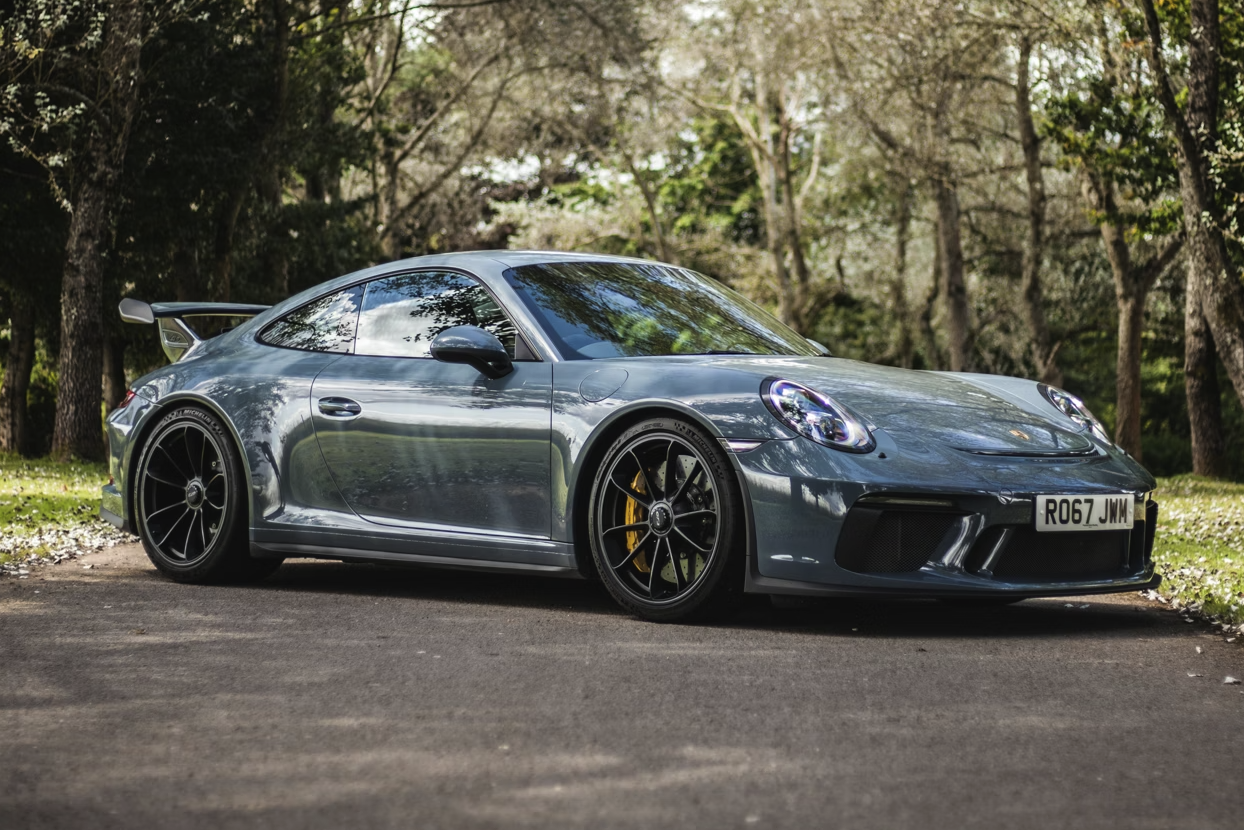
13. Porsche 911 GT3 (991.2) (2018 – 2019)
Reunited cutting-edge GT performance with a manual transmission, restoring a level of driver involvement purists feared was lost. By offering both PDK and a six-speed manual, it proved that ultimate performance and emotional engagement could coexist in a modern GT3.
Why It's On The List
The Porsche 911 GT3 (991.2) marked a deeply important moment in modern Porsche history: the reunion of cutting-edge GT performance with a manual transmission. After the PDK-only 991.1 GT3 divided purists, Porsche listened—and responded decisively. By offering both a six-speed manual and PDK, the 991.2 GT3 restored a level of driver involvement many feared had been lost, proving that emotional connection and ultimate performance did not have to be mutually exclusive.
At its core was a revised 4.0-liter naturally aspirated flat-six, producing razor-sharp throttle response, a soaring redline, and one of the most intoxicating soundtracks of any modern sports car. Whether paired with the lightning-fast PDK or the newly developed six-speed manual, the engine delivered relentless urgency and race-bred character. The manual, in particular, transformed the experience—slightly slower on paper, but richer, more immersive, and more rewarding on real roads.
The chassis remained a masterclass in precision. Rear-wheel steering, adaptive suspension, and immense braking performance gave the GT3 extraordinary capability and confidence at the limit. Yet despite its advanced technology, the car never felt clinical. Steering feel was direct and communicative, body control exceptional, and the balance between agility and stability nearly flawless. It was a car that could dominate a track day while still feeling alive and engaging at everyday speeds.
Today, the Porsche 911 GT3 (991.2) is widely regarded as one of the most complete GT3s ever built. It bridged the gap between analog passion and modern engineering, satisfying both lap-time chasers and purist drivers in equal measure. By proving that a manual gearbox still belonged at the heart of a GT3, the 991.2 model secured its place among the greatest Porsche 911s ever made—and reaffirmed what the GT3 badge truly stands for.
Peak Modern GT3
Peak balance of usability and engagement. Manual returns, engine sings, chassis is sublime.
Details
Model: Porsche 911 GT3 (991.2)
Model Years: 2018 - 2019
Production: ~ 9,500 units
Engine: 4.0 L Watercooled Flat 6 (MDG.GA)
Power: 493 bhp @ 8250 rpm
Torque: 339 ft lbs @ 6000 rpm
0 - 60 mph: 3.1 seconds
Top Speed: 199 mph
Known For
Return of the manual GT3: Porsche’s response to enthusiast demand, making the GT3 accessible to drivers who value connection over outright lap times.
Naturally aspirated GT perfection: A high-revving flat-six paired with modern chassis tech delivered one of the most rewarding blends of precision and involvement of the modern era.
Learn More
14. Porsche 911 Turbo S Leichtbau (964)
Took the already fearsome Turbo formula and stripped it to its most extreme, motorsport-focused form. By combining massive turbocharged power with radical factory weight reduction, it delivered one of the rawest, most intimidating driving experiences Porsche has ever sold to the public.

What Makes It Special
The 964 Turbo S Leichtbau exists at the intersection of homologation logic and mechanical madness. Built in tiny numbers and stripped of nearly every non-essential component, this was Porsche asking a simple question: what happens if we take the already ferocious 964 Turbo and remove restraint? The answer was one of the most extreme, intimidating, and collectible road-going 911s ever produced.
Unlike other Turbo models, the Leichtbau was never meant to broaden appeal. It was conceived to support racing programs and to satisfy Porsche’s internal belief that lighter was always better, even when paired with forced induction. Weight reduction was aggressive and unapologetic—thinner glass, stripped interior, minimal sound deadening, fixed-back seats, and lightweight body panels all contributed to a car that felt far closer to a competition special than a luxury supercar.
On the road, the Turbo S Leichtbau is an exercise in respect. Turbo lag is pronounced, boost arrives violently, and the rear-engine, rear-drive layout leaves little margin for error. There are no electronic safety nets to save a careless driver. This is not a forgiving car—but it is a thrilling one, delivering a rawness and intensity that later GT2 models would refine but never truly replicate.
Wild. Extreme. Rare.
One of Porsche’s wildest ideas: extreme, rare, and ahead of its time. A unicorn with real substance.
Key Data & Specifications
Engine: 3.3-liter turbocharged air-cooled flat-six
Power: ~381 hp
Torque: ~369 lb-ft
Transmission: 5-speed manual
Drivetrain: Rear-wheel drive
Weight: ~2,860 lbs
0–60 mph: ~4.0 seconds
Top Speed: ~180 mph
Known For
Extreme factory lightweight Turbo: Carbon fiber panels, thinner glass, deleted comfort features, and a stripped interior created a brutally focused, no-compromise 911.
Holy-grail Turbo rarity: Built in tiny numbers, it stands as one of the rarest and most collectible air-cooled 911s ever produced.
Learn More
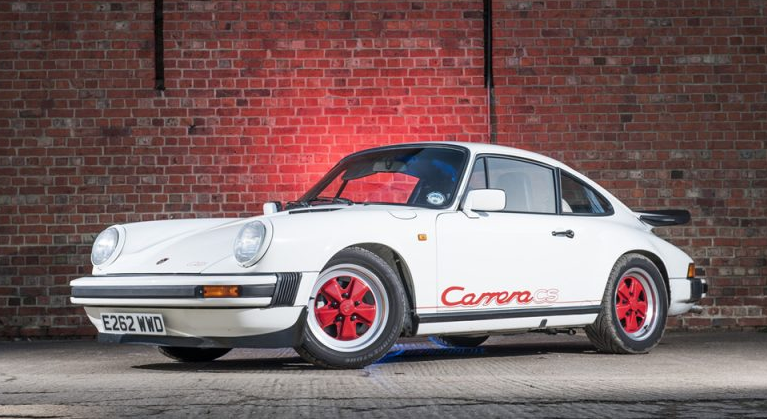
15. Porsche 911 Carrera 3.2 Clubsport (1988)
It distilled the classic G-body Porsche 911 down to its purest driver-focused form, stripping weight and distractions in pursuit of feel, response and driveability. Subtle rather than flashy, it proved that less mass—not more power—was the key to elevating the 911 driving experience.
Why It's On The List
The Porsche 911 Carrera 3.2 Clubsport represents one of the purest factory-built driver-focused 911s of the classic era. Conceived as a homologation-style special rather than a marketing exercise, the Clubsport stripped the already excellent Carrera 3.2 down to its essentials. Porsche’s goal was simple: remove weight, sharpen responses, and deliver a road car that felt as close to a racing 911 as possible—without increasing power or compromising the underlying mechanical integrity.
Mechanically, the Clubsport shared the same 3.2-liter flat-six as the standard Carrera, but the transformation came through weight reduction. Porsche deleted rear seats, sound insulation, electric accessories, undercoating, and even passenger sun visors, resulting in a car that was roughly 100 kg (220 lb) lighter. Combined with shorter gearing, stiffer suspension tuning, and reduced rotational mass, the Clubsport felt noticeably more urgent and alive, with razor-sharp throttle response and a heightened sense of connection between driver, chassis, and road.
What truly set the Clubsport apart was its character. This was not a luxury sports car or a daily driver—it was a deliberate throwback to Porsche’s competition ethos. The steering was unfiltered, the cabin loud and purposeful, and the driving experience demanded full engagement at all times. It rewarded commitment, punished complacency, and delivered a level of feedback that few road cars—then or now—can match.
Today, the Porsche 911 Carrera 3.2 Clubsport is revered as a rare and uncompromising expression of Porsche’s lightweight philosophy. Built in extremely limited numbers, it has become a benchmark for what an analog, driver-first 911 should be. In hindsight, the Clubsport foreshadowed the GT and RS models that would follow, making it not just one of the greatest classic 911s—but a foundational car in Porsche’s modern performance lineage.
A Classic Hiding In Plain Sight
A lightweight driver’s special hiding in plain sight. Subtle, analog, and deeply rewarding.
Details
Model: Porsche 911 Carrera 3.2 Clubsport
Years: 1987 - 1989
Production: 340 units
Engine: 3.2 L Aircooled Flat 6
Power: 231 bhp @ 5900 rpm
Torque: 209 ft lbs @ 4800rpm
0 - 60 mph: 5.1 seconds
Top Speed: 154 mph
Known For
Lightweight, no-nonsense philosophy: Reduced sound deadening, deleted rear seats, lighter components, and a higher-revving character sharpened an already great 911.
The thinking enthusiast’s 911: Understated appearance with profound dynamic gains, making it a spiritual precursor to later GT and RS road cars.
Learn More
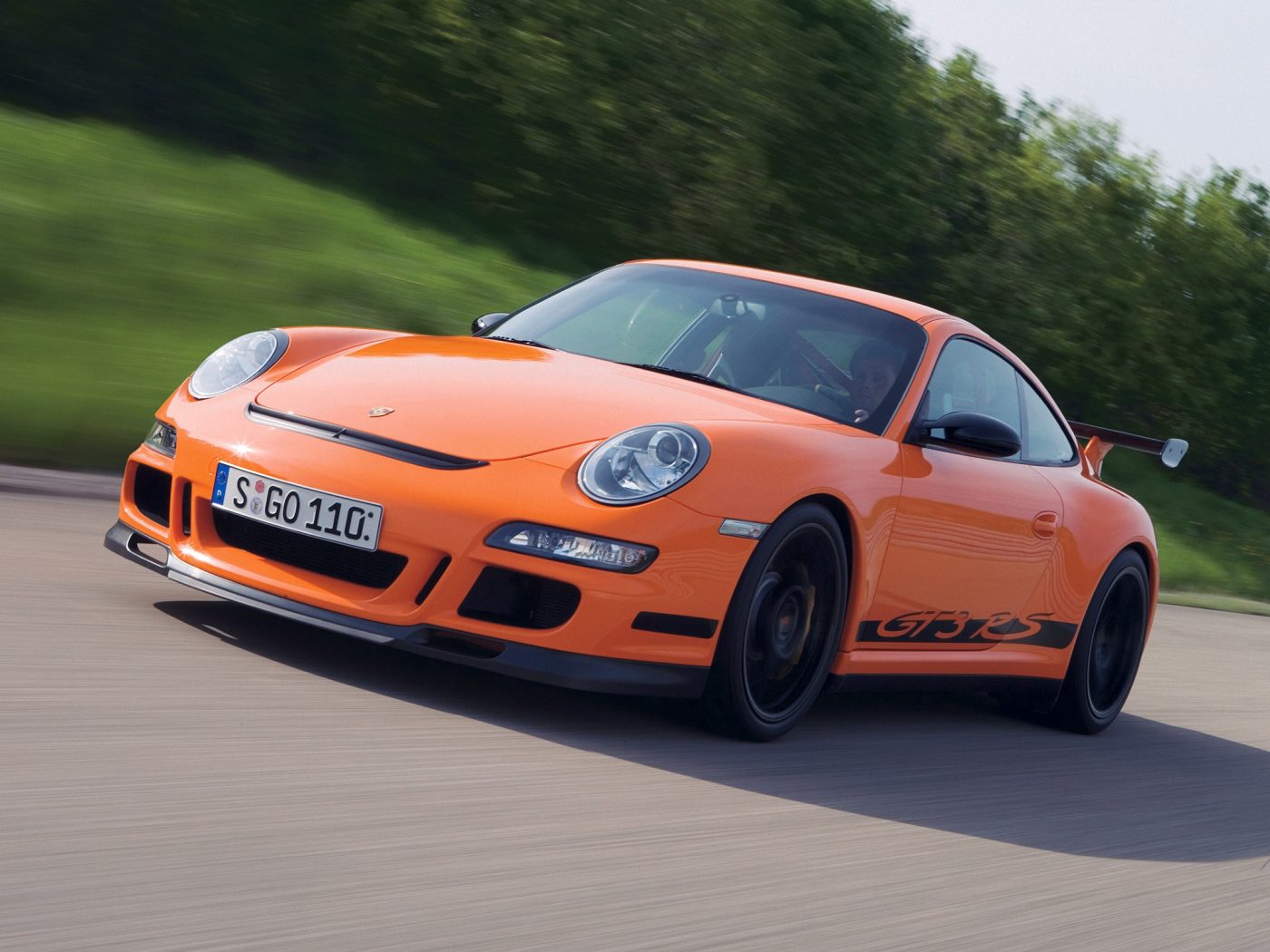
16. Porsche 911 GT3 RS (997.1) (2007 - 2008)
Elevated the GT3 formula into a sharper, lighter, and more track-focused weapon while remaining road-legal. With increased power, reduced weight, and motorsport-grade chassis tuning, it delivered one of the most immersive driving experiences Porsche ever put on the street.
Why It's On The List
The Porsche 911 GT3 RS (997.1) marked the moment the GT3 RS evolved from a hardcore enthusiast secret into a cultural icon. Building on the already exceptional 997 GT3, Porsche widened the body, sharpened the chassis, and leaned unapologetically into motorsport aesthetics—most memorably with its vivid orange or green graphics. The result was a road car that didn’t just perform like a race machine, but looked like one, bringing track-day culture firmly into the mainstream.
Power came from a high-revving 3.6-liter naturally aspirated Mezger flat-six, delivering razor-sharp throttle response and a spine-tingling top-end rush. Paired exclusively with a six-speed manual gearbox and rear-wheel drive, the GT3 RS demanded driver involvement at every moment. Weight was reduced through lightweight panels and stripped interior elements, while wider track widths and aggressive aero gave the car immense grip and stability at speed.
The driving experience was raw, intense, and deeply rewarding. Steering feel bordered on telepathic, body control was exceptional, and the car thrived on commitment. Unlike the turbocharged GT2 or Turbo models, the GT3 RS rewarded precision and momentum rather than brute force, making it a favorite among serious track-day drivers. It was approachable enough to drive hard yet focused enough to expose mistakes—an ideal tool for honing skill.
Today, the Porsche 911 GT3 RS (997.1) is widely regarded as one of the great modern RS models and a defining car of the 2000s enthusiast era. It helped popularize the idea of factory-built, track-focused road cars that could be driven hard, modified lightly, and enjoyed regularly at circuits around the world. Loud, wide, uncompromising, and unforgettable, the 997.1 GT3 RS earns its place among the greatest Porsche 911s ever made.
The Modern RS Arrived
Sharper, angrier, and more focused than anything before it. A proper RS reboot.
Details
Model: Porsche 911 GT3 RS (997)
Model Years: 2007 - 2008
Production: 1,909 units
Engine: 3.6 L Watercooled Flat 6 (M97/76)
Power: 415 bhp @ 7600 rpm
Torque: 300 ft lbs @ 5500 rpm
0 - 60 mph: 3.9 seconds
Top Speed: 193 mph
Known For
Track-first RS evolution: Wider track, lighter components, stiffer suspension, and aggressive aero pushed the RS closer to a cup car than any GT3 before it.
High-revving Mezger magic: The race-derived flat-six delivered instant throttle response and a spine-tingling redline, cementing its status as a modern Porsche icon.
Learn More
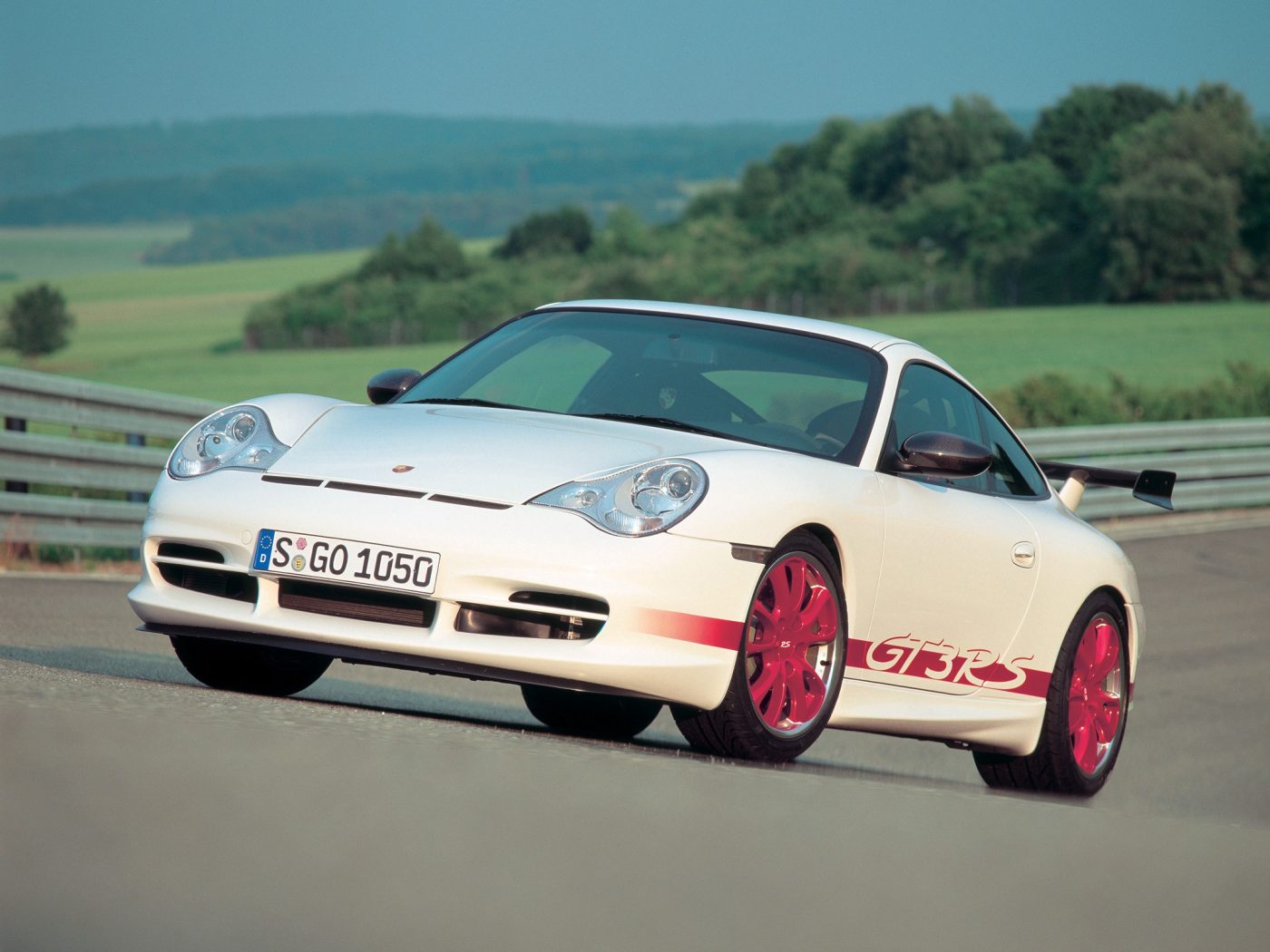
17. Porsche 911 GT3 RS (996) (2004)
Took the original GT3 formula and sharpened it into a true homologation-grade track weapon, prioritizing weight reduction, chassis precision, and race-bred durability above all else. Raw, focused, and unapologetically loud in both intent and execution, it cemented the RS badge as the ultimate driver-focused 911.
Why It's On The List
The Porsche 911 GT3 RS (996) marked a defining moment in Porsche history as the very first car to wear the GT3 RS badge. Built as a homologation-style special with unmistakable motorsport intent, it represented Porsche Motorsport doubling down on the idea of a road-legal race car for the most dedicated drivers. With its iconic white bodywork accented by blue or red graphics, the 996 GT3 RS was as visually purposeful as it was mechanically focused.
At its core was the legendary Mezger-based 3.6-liter naturally aspirated flat-six, delivering razor-sharp throttle response, a soaring redline, and bulletproof durability. Power was sent exclusively to the rear wheels through a six-speed manual gearbox, reinforcing the car’s analog, driver-first philosophy. Extensive weight reduction—including a carbon-fiber hood, lightweight glass, and a stripped interior—gave the GT3 RS an immediacy and urgency that set it apart even from the standard GT3.
The chassis tuning was uncompromising. Suspension was lowered and stiffened, aerodynamics were more aggressive, and braking performance was race-derived. Steering feel was exceptional, offering clarity and feedback that bordered on telepathic, while the car’s balance rewarded precision and commitment. This was not a car designed to flatter—it demanded full engagement and skill, delivering its rewards only to those willing to push it properly.
Today, the Porsche 911 GT3 RS (996) is revered as the foundation of one of Porsche’s most celebrated performance lineages. It established the RS formula that continues to define the ultimate track-focused 911: lighter, louder, sharper, and more focused than anything else in the range. Historically significant, visually iconic, and thrilling to drive, the 996 GT3 RS fully earns its place among the greatest Porsche 911s ever made.
The Magic Was Back
Raw, analog, and slightly unhinged—in the best way. Early RS magic.
Details
Model: Porsche 911 GT3 RS (996)
Model Years: 2004
Production: 682 units
Engine: 3.6 L Watercooled Flat 6 (M96/79)
Power: 381 bhp @ 7400 rpm
Torque: 284 ft lbs @ 5000 rpm
0 - 60 mph: 4.3 seconds
Top Speed: 190 mph
Known For
First modern GT3 RS: Established the GT3 RS template—lighter, stiffer, more aggressive than the standard GT3—defining every RS model that followed.
Mezger-powered track purity: Race-derived dry-sump flat-six, close-ratio gearing, and hardcore suspension tuning made it one of the most engaging road-legal track cars of its era
Learn More
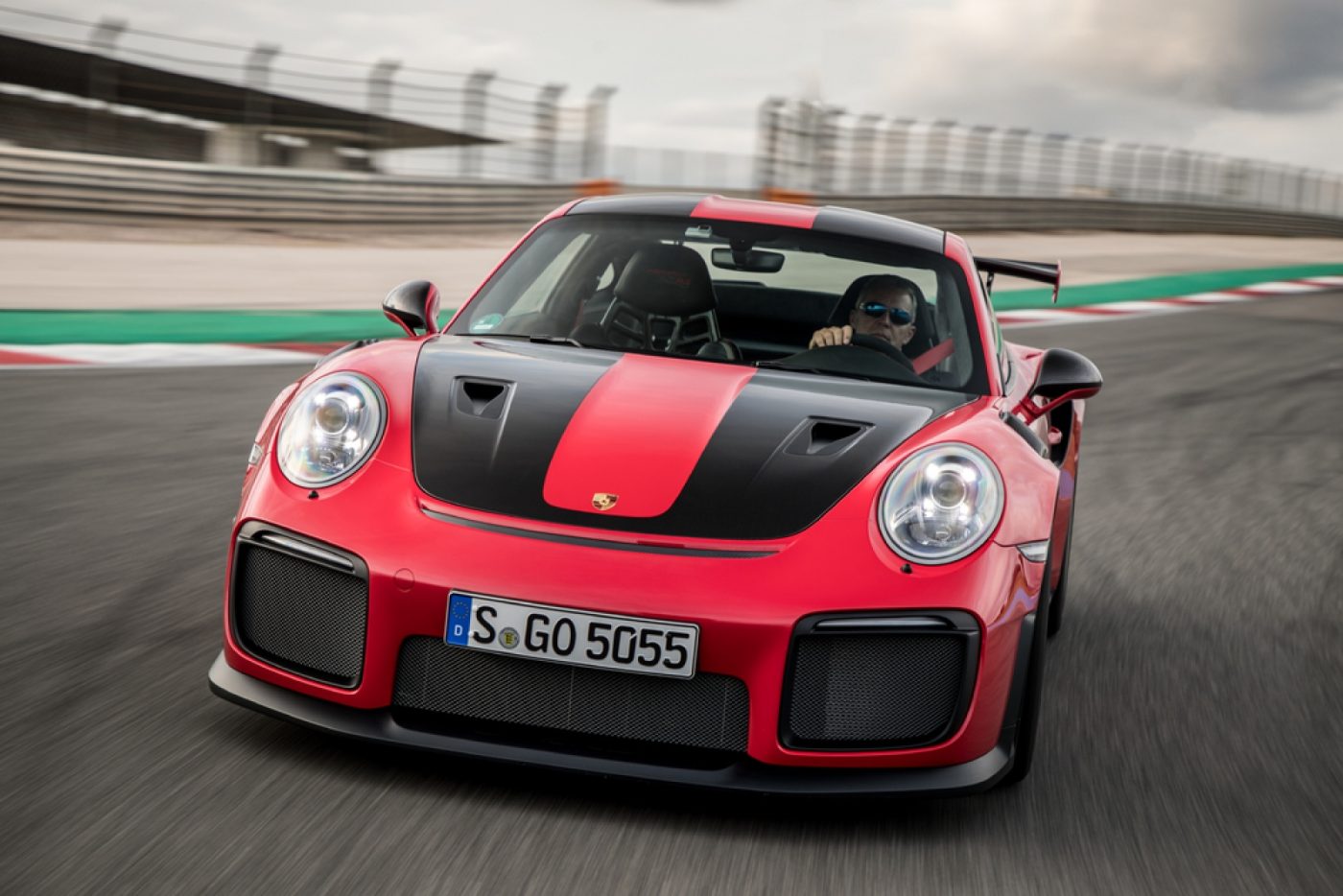
18. Porsche 911 GT2 RS (991) (2018 – 2019)
Pushed the platform to its absolute limit, combining 700 horsepower with extreme weight reduction and race-grade aerodynamics. Nicknamed “The King,” it proved the 911 could rival—and dominate—hypercars while remaining road legal.
Why It's On The List
The Porsche 911 GT2 RS (991) stands as the most extreme production 911 Porsche has ever built—a car that pushed the platform to its absolute mechanical and aerodynamic limits. Nicknamed “The King,” the GT2 RS represented the apex predator of the 991 generation, engineered with a singular objective: deliver hypercar-rivaling performance while remaining fully road legal. It was not a refinement of the GT2 formula, but a ruthless escalation of it.
Power came from a monstrous 3.8-liter twin-turbo flat-six producing 700 horsepower, sent exclusively to the rear wheels through a lightning-fast PDK gearbox. Turbo response was sharpened, traction meticulously managed, and acceleration was nothing short of violent. Despite its staggering output, the GT2 RS delivered its performance with astonishing precision, transforming raw power into devastatingly effective forward motion that few cars—at any price—could match.
Weight reduction and aerodynamics defined the GT2 RS’s character. Extensive use of carbon fiber, magnesium, and lightweight glass stripped mass wherever possible, while enormous vents, a towering rear wing, and functional aero elements generated genuine downforce. The optional Weissach Package pushed the car even further, cementing its track-first intent. This obsessive engineering culminated in a Nürburgring Nordschleife lap record that stunned the automotive world and solidified the GT2 RS’s legend.
Today, the Porsche 911 GT2 RS (991) is universally recognized as one of the greatest performance cars ever created—by Porsche or anyone else. It proved that the 911 platform could not only coexist with modern hypercars, but dominate them through engineering discipline rather than excess. Brutal, brilliant, and historically significant, the GT2 RS earns its place among the greatest Porsche 911s ever made as the ultimate expression of what the 911 can be when every limit is removed.
Monumental Performance. Scary Again.
A technical achievement bordering on absurd. Less emotional than earlier GT2s, but undeniably monumental.
Details
Model: Porsche 911 GT2 RS (991.2)
Model Years: 2018 - 2019
Engine: 3.8 L Turbocharged Flat 6 (MDH.NA)
Power: 690 bhp @ 7000 rpm
Torque: 553 ft lbs @ 2500 rpm
0 - 60 mph: 2.8 seconds
Top Speed: 211 mph
Known For
Most powerful road-going 911 ever: A 700-hp twin-turbo flat-six with water-injection technology delivered staggering performance and Nürburgring-record capability.
Ultimate GT2 expression: Rear-wheel drive, massive aero, and RS-level weight savings created the most focused and ferocious 911 Porsche has ever built.
Learn More
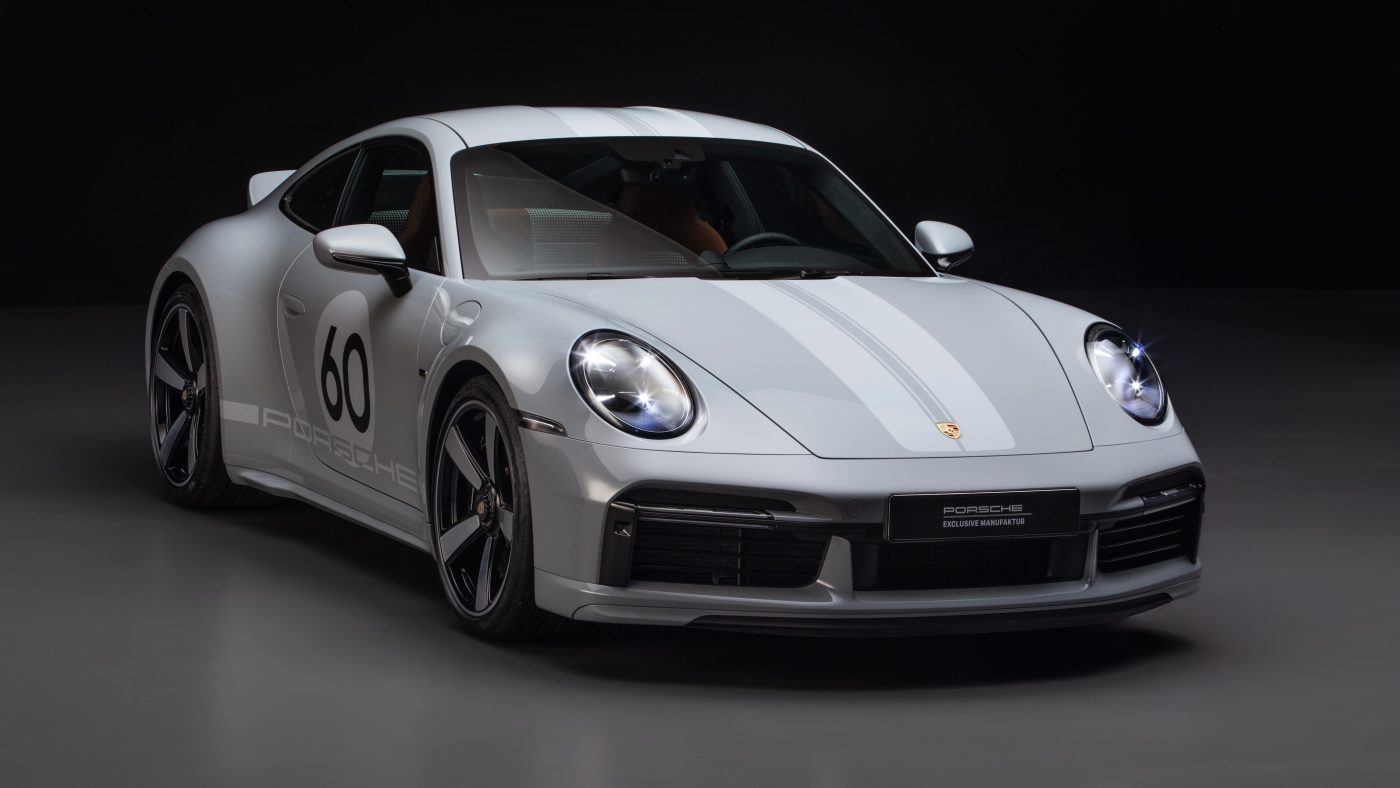
19. Porsche 911 Sport Classic (992.1) (2023)
Distilled decades of Porsche greatest hits into a single, perfectly judged car—rear-wheel drive, manual-only, turbocharged, and unapologetically heritage-driven. By pairing modern Turbo performance with analog engagement and classic design, it became an instant collector icon and a love letter to purists.
Why It's On The List
The Porsche 911 Sport Classic (992.1) was a masterfully curated celebration of everything enthusiasts love about Porsche’s past—reinterpreted through a modern lens. Rather than chasing lap records or extreme aerodynamics, Porsche set out to distill its greatest hits into one cohesive car. The result was a deeply characterful 911 that blended heritage design, analog engagement, and serious performance into a package that felt intentional, emotional, and instantly timeless.
At its core, the 992 Sport Classic paired a turbocharged flat-six derived from the 911 Turbo with rear-wheel drive and a manual-only transmission—a combination Porsche had never offered before in this form. Power delivery was muscular and immediate, yet more organic and engaging than the all-wheel-drive Turbo variants. The manual gearbox transformed the experience, demanding driver involvement and restoring a sense of rhythm and connection often missing from modern high-performance cars.
Visually and tactically, the Sport Classic was a triumph. The iconic ducktail spoiler, center-lock Fuchs-style wheels, subtle striping, and classic proportions evoked legendary 911s of the past without feeling costume-like. Inside, heritage details such as houndstooth fabric, classic color palettes, and bespoke trim created a cabin that felt both luxurious and nostalgic. Every design choice reinforced the idea that this was a driver’s car first, collector’s piece second.
Today, the Porsche 911 Sport Classic (992.1) is widely regarded as an instant modern icon. It proved that turbocharging and analog engagement can coexist, and that heritage—when executed with restraint and authenticity—can elevate rather than distract. Rare, beautifully judged, and emotionally rich, the 992 Sport Classic earns its place among the greatest Porsche 911s ever made as a love letter to purists and a benchmark for how Porsche should honor its own history.
What's Not To Love About a Turbo with Manual
Heritage done right: manual, rear-drive, turbo torque. A modern classic in waiting.
Details
Model: Porsche 911 Sport Classic (992.1)
Model Years: 2023
Production: 1,250 units (limited)
Engine: 3.7 L Turbocharged Flat-6
Power: 543 bhp
Torque: 442 ft lbs
0 - 60 mph: ~ 3.2 seconds
Top Speed: ~ 199 mph
Known For
Manual-only Turbo perfection: A rear-drive, twin-turbo flat-six paired exclusively with a manual gearbox—an almost unheard-of combination in the modern era.
Heritage greatest hits: Iconic ducktail spoiler, Fuchs-style wheels, and classic interior details made it one of the most visually and emotionally compelling 911s ever built.
Learn More
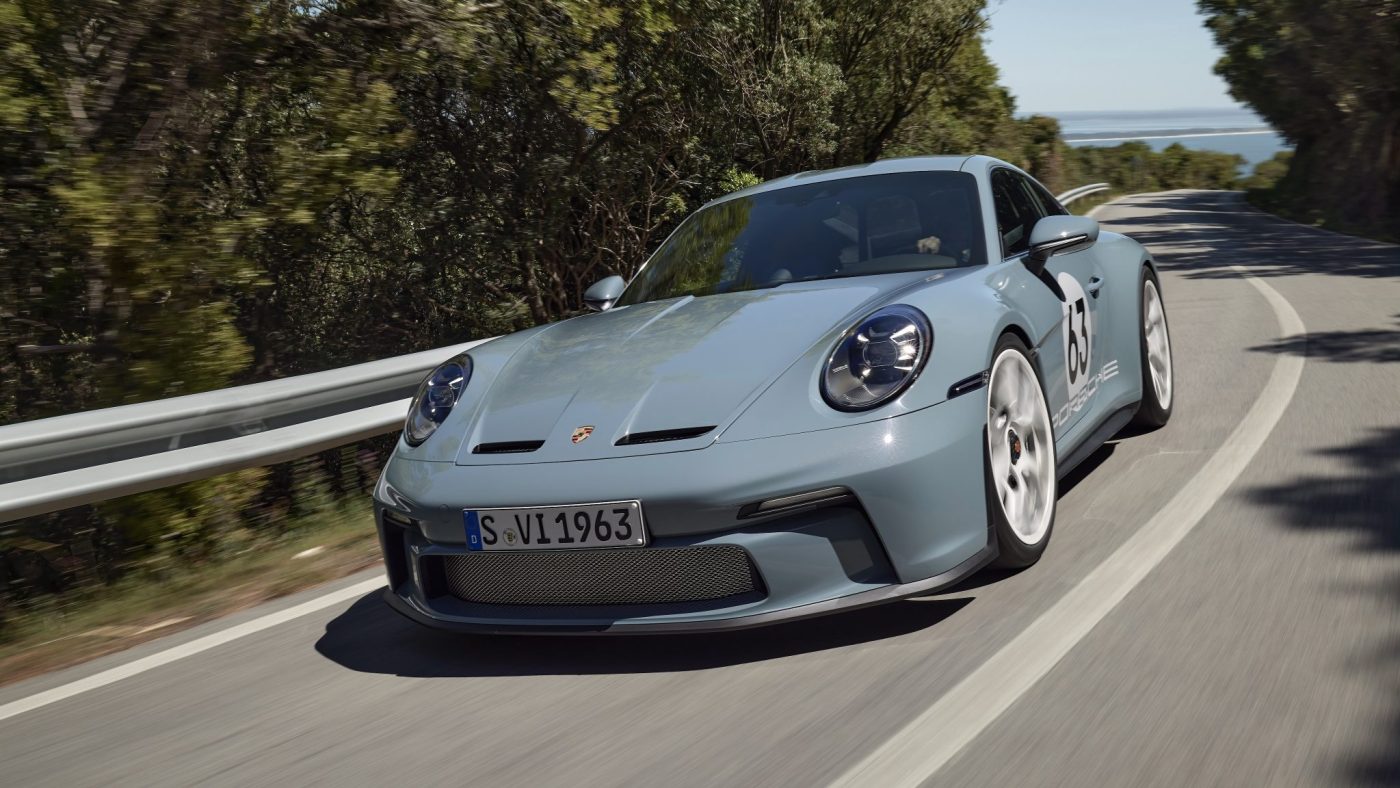
20. Porsche 911 S/T (992) (2024 – 2025)
Distilled six decades of Porsche motorsport philosophy into the lightest, most driver-focused 992 ever built. By pairing the GT3 RS–derived engine with a manual gearbox and a wingless, lightweight body, it delivered pure engagement over lap-time obsession. Probably the best 911 ever made.
Why It's On The List
The Porsche 911 S/T (992) distilled six decades of Porsche motorsport philosophy into the purest modern 911 imaginable. Conceived not to chase records but to maximize connection, the S/T stripped the 992 platform to its essentials—lighter, simpler, and more focused than any other contemporary 911. In an era dominated by aero numbers and telemetry, Porsche made a contrarian statement: ultimate engagement matters more than ultimate lap time.
At its heart is a GT3 RS–derived 4.0-liter naturally aspirated flat-six, tuned for immediacy and paired exclusively with a six-speed manual gearbox. Power delivery is instantaneous and linear, the engine’s 9,000-rpm crescendo encouraging drivers to work every gear and savor every shift. Crucially, Porsche resisted the temptation to add wings or rear-wheel steering; instead, the S/T relies on balance, throttle control, and feel—the fundamentals that made great 911s legendary in the first place.
Weight reduction defines the S/T’s character. Extensive use of lightweight materials, thinner glass, pared-back insulation, and a minimalist approach to equipment result in the lightest 992 ever built. The chassis tuning favors compliance and feedback over stiffness, allowing the car to breathe with the road and communicate its limits with exceptional clarity. Steering feel, pedal feedback, and overall coherence combine to create a driving experience that feels intimate and alive at any speed.
Today, the Porsche 911 S/T is already spoken of in reverent terms—and not without reason. It represents a rare moment of restraint and clarity from a manufacturer capable of extremes, choosing instead to celebrate what truly matters to drivers. Wingless, manual, naturally aspirated, and obsessively lightweight, the S/T feels like the spiritual successor to Porsche’s greatest road cars. For many, it isn’t just among the greatest 911s ever made—it may well be the best.
The Latest Unicorn
The purest modern GT car Porsche has ever made. Lightweight philosophy reborn—quietly historic. What the current GT3 should have been.
Details
Model: Porsche 911 S/T (992)
Model Years: 2024 - 2025
Production: 1,963 units
Engine: 4.0 L Watercooled Flat-6
Power: 518 bhp @ 8,500 rpm
Torque: 346 ft lbs @ 6150 rpm
0 - 60 mph: 3.0 seconds
Top Speed: 184 mph
Known For
Lightest 992 ever: Extensive weight reduction, including carbon fiber and lightweight components, created a uniquely responsive and intimate driving experience.
Perfect purist statement: A manual-only, high-revving, naturally aspirated 911 built to celebrate the 911’s 60th birthday—arguably the ultimate modern enthusiast Porsche.
Learn More
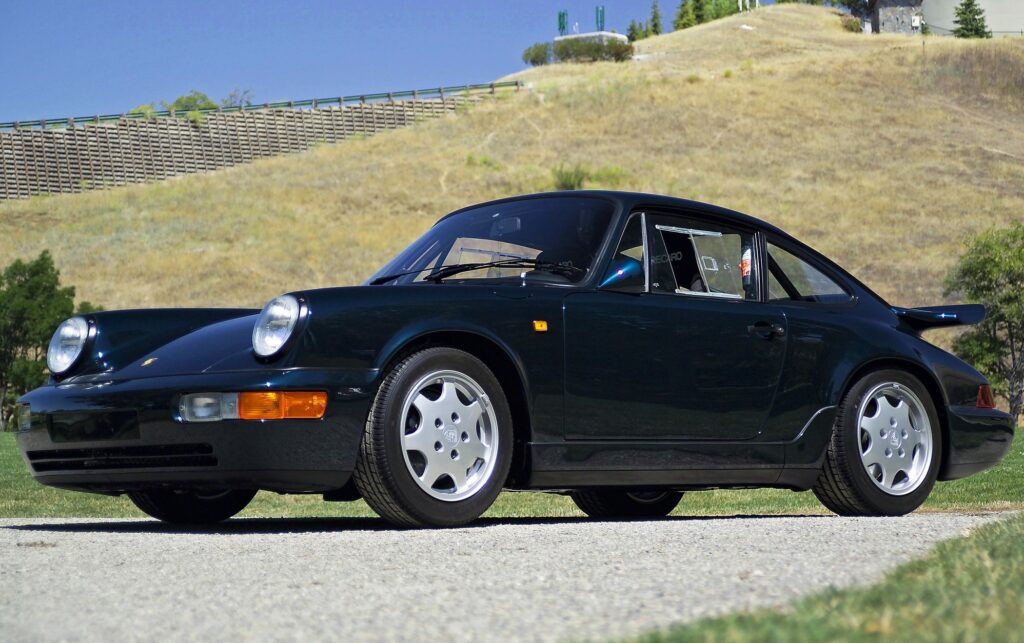
21. Porsche 911 Carrera 4 Leichtbau (964) (1990)
A no-compromise engineering experiment that fused early all-wheel-drive technology with extreme weight reduction and motorsport intent. Built in tiny numbers as a proof-of-concept, it foreshadowed Porsche’s future GT philosophy by prioritizing grip, balance, and mechanical honesty over luxury.
What Makes It Special
A handful of specially prepared lightweight 911s were fabricated by the Porsche factory and called the Carrera 4 RS Lightweight. Built by Porsche’s customer motorsport division, the Porsche 964 Carrera 4 Lightweight programme was Jürgen Barth’s way of keeping his department employed in the wake of Group C’s collapse.
130kg lighter than a 964 RS, the Carrera 4 Lightweight used the four-wheel drive drivetrain from the Dakar-winning 953 rally car and was originally envisaged for off-road use. The cars employed the same six-cylinder 3600cc boxer engine as the 260hp “regular” RS, but produced some 40 more horsepower due to the exclusion of catalytic converters and mufflers.
The RS Lightweight earned its name thanks to the combined use of an aluminum front lid, aluminum doors, Plexiglas side windows and a fiberglass rear engine lid. Its overall weight was pared down to 1100kg (2200 lbs) thus making for an exceptional power to weight ratio. For those keeping count that is 350kg (770 lbs) lighter than standard 964 C4. They also added a short ratio 5-speed transmission with lightweight flywheel.
The list of weight reduction features included an aluminum safety cage, two Recaro race seats with five-point safety belts, sport steering wheel coupled to a power assisted steering rack and a type 953 Paris-Dakar transmission. The doors and front hood replaced with aluminum versions and side window glass replaced with plexiglass. Carpeting and sound deadening was removed and left as bare metal.
Innovative Early AWD Success
A rare engineering experiment that helped shape future AWD systems.
Details
Model: 911 C4 Lightweight (964)
Years: 1991
Production: 22 units
Engine: 3.6 L Aircooled Flat 6 (M64/01)
Power: 300 bhp @ 6500 rpm
Torque: 265 ft lbs @ 5250 rpm
0 - 60 mph: 3.9 seconds
Top Speed: 125 mph
Known For
Extreme factory lightweight: Aluminum panels, stripped interior, thinner glass, and motorsport components resulted in a dramatically lighter and more focused 964.
Prototype for future GT cars: Its blend of AWD stability and weight-saving measures directly influenced Porsche’s later high-performance road and race 911s.
Learn More
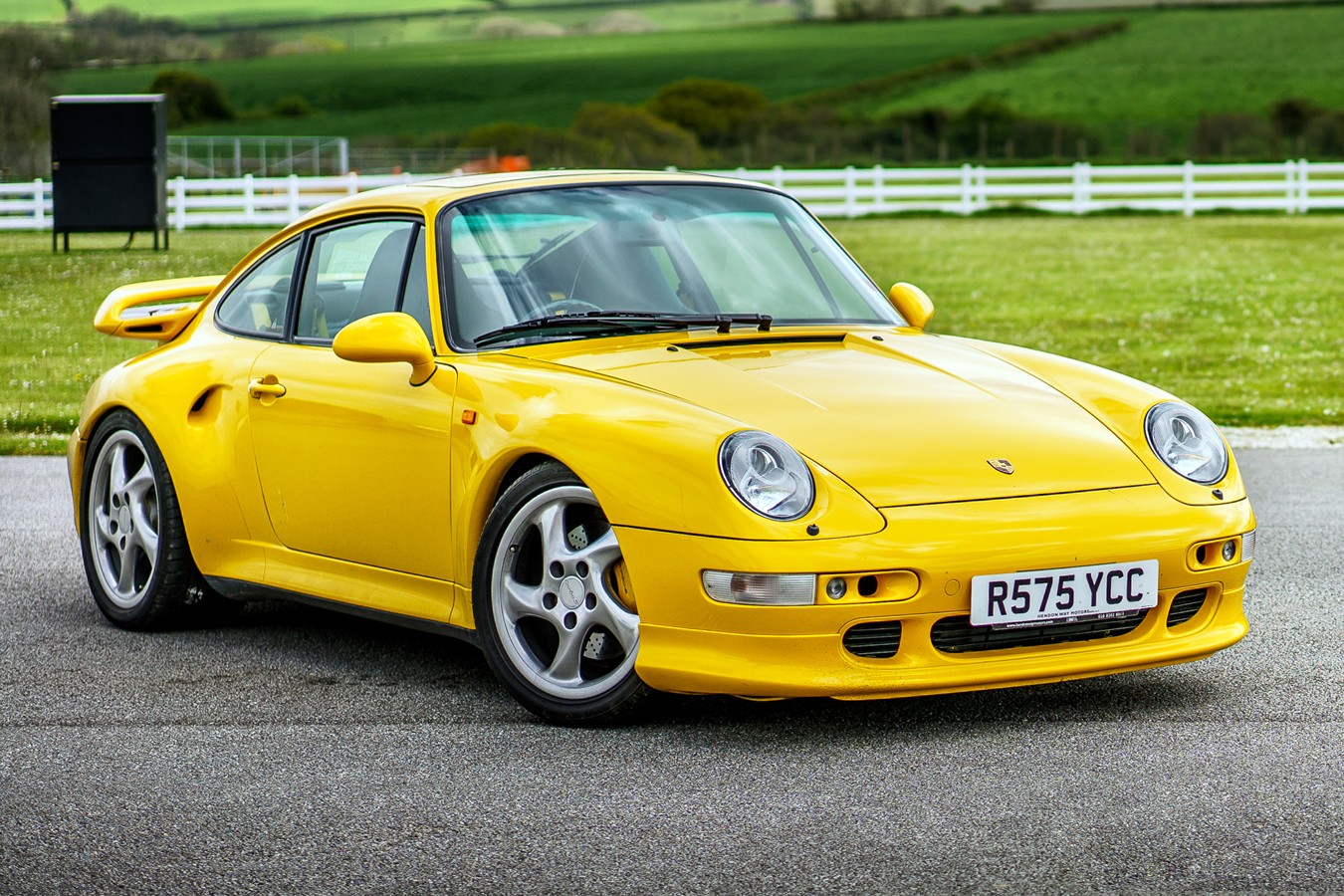
22. Porsche 911 Turbo S (993) (1997 – 1998)
Represents the absolute pinnacle of air-cooled Turbo development—more power, more exclusivity, and more presence than any Turbo before it. Built as a final farewell to the air-cooled era, it combined brutal twin-turbo performance with rare, hand-finished details that elevated it into true supercar territory.
Why It's On The List
The Porsche 911 Turbo S (993) represents the absolute pinnacle of the air-cooled 911—an ultimate, no-compromise farewell to one of Porsche’s most important eras. Built in very limited numbers at the end of 993 production, the Turbo S was Porsche Motorsport’s final and most extreme evolution of the air-cooled Turbo formula. It wasn’t merely a trim upgrade; it was a statement car designed to showcase everything Porsche had learned about performance, durability, and forced induction before moving on.
At its core was an uprated version of the already formidable 3.6-liter twin-turbo flat-six, delivering significantly more power than the standard 993 Turbo. Power was sent through an all-wheel-drive system that provided remarkable traction and stability, allowing drivers to fully exploit the engine’s explosive acceleration. Massive brakes, reinforced mechanicals, and subtle weight-saving measures ensured the Turbo S could repeatedly deliver its performance without compromise—an engineering triumph even by modern standards.
Visually, the Turbo S was understated yet unmistakably purposeful. Wide Turbo bodywork, a fixed rear wing, and distinctive yellow brake calipers hinted at its enhanced capability without resorting to excess. Inside, the car blended luxury with intent, offering a level of comfort expected of a Porsche flagship while maintaining the focused, driver-centric atmosphere that defined the 993 generation.
Today, the Porsche 911 Turbo S (993) is widely regarded as one of the most collectible and revered 911s ever built. As the final air-cooled Turbo and the most powerful production 911 of its time, it represents the ultimate convergence of tradition, performance, and engineering excellence. Rare, brutally fast, and timeless in design, the 993 Turbo S earns its place among the greatest Porsche 911s ever made—and stands as a fitting full stop to the air-cooled era.
Crazy. Sexy. Air-Cooled.
The most refined air-cooled Turbo—and a fitting sendoff.
Details
Model: Porsche 911 Turbo S (993)
Years: 1997 - 1998
Production: 345 units
Engine: 3.6 L Turbocharged Flat 6
Power: 424 bhp @ 5750 rpm
Torque: 400 ft lbs @ 4500 rpm
0 - 60 mph: 3.6 seconds
Top Speed: 184 mph
Known For
Most powerful air-cooled 911: Enhanced twin-turbo output and uprated hardware made it the fastest and most formidable air-cooled 911 Porsche ever sold.
Ultra-rare end-of-era icon: Limited production with distinctive details like yellow brake calipers and bespoke trim cemented its status as one of the most collectible 911s of all time.
Learn More
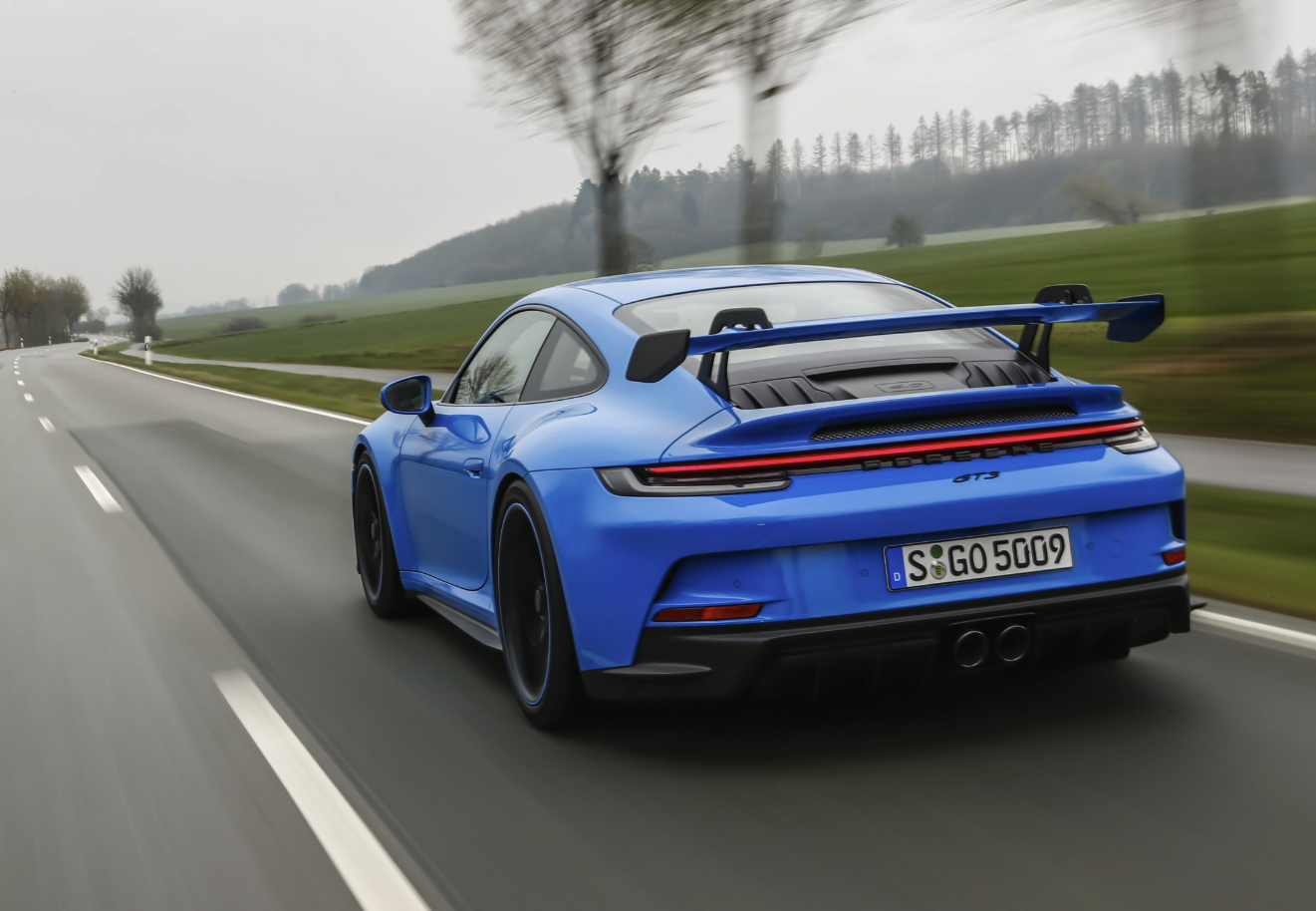
23. Porsche 911 GT3 (992.1) (2022 – 2024)
Brought true motorsport engineering to the road, introducing race-derived suspension and aerodynamic concepts never before seen on a production 911. By combining a double-wishbone front suspension with a swan-neck rear wing and a screaming naturally aspirated engine, it redefined precision, feedback, and track capability.
Why It's On The List
The Porsche 911 GT3 (992.1) represents one of the most significant technical leaps in the history of the GT3 badge. With this generation, Porsche Motorsport brought genuine race-car engineering directly to a road-legal 911, blurring the line between competition machinery and street use more than ever before. Rather than incremental refinement, the 992 GT3 was a ground-up rethink of how a GT3 should behave at the limit.
At the heart of the transformation was a double-wishbone front suspension derived directly from Porsche’s GT racing program—a first for a production 911. This setup dramatically improved front-end bite, steering precision, and tire contact under heavy load, giving the car an almost uncanny sense of accuracy on turn-in. Combined with rear-wheel steering and a fully reworked chassis, the 992 GT3 delivered feedback and composure that redefined expectations for a road-going sports car.
Power came from an evolved 4.0-liter naturally aspirated flat-six, revving to 9,000 rpm and delivering its performance with razor-sharp throttle response and an unmistakable motorsport soundtrack. Offered with either a six-speed manual or PDK, the GT3 allowed drivers to choose between ultimate lap-time efficiency or maximum involvement—both options preserving the car’s visceral, high-revving character. Aerodynamics played an equally critical role, with the striking swan-neck rear wing generating real downforce while maintaining aerodynamic efficiency.
On track, the 992 GT3 feels surgical. Grip levels are immense, braking stability exceptional, and the car’s balance inspires absolute confidence at speed. Yet despite its extreme capability, it remains usable and engaging on the road—a hallmark of the GT3 lineage. Today, the Porsche 911 GT3 (992.1) is widely regarded as one of the most precise and capable driver-focused cars ever built. By integrating true motorsport hardware into a production 911 without compromising usability, it earns its place among the greatest Porsche 911s ever made and sets a new benchmark for what a modern GT car can be.
Still The Benchmark Sportscar
Technically brilliant, emotionally intense, and a benchmark for modern performance.
Details
Model: Porsche 911 GT3 (992.1)
Model Years: 2022 - 2024
Engine: 4.0 L Watercooled Flat 6
Power: 500 bhp @ 8,250 rpm
Torque: 338 ft lbs @ 6,000 rpm
0 - 60 mph: 3.4 seconds
Top Speed: 199 mph
Known For
Double-wishbone front suspension: A first for a road-going 911, dramatically improving front-end grip, steering accuracy, and confidence at the limit.
Swan-neck aerodynamic breakthrough: Top-mounted rear wing design increased downforce efficiency while showcasing unmistakable race-car intent.
Learn More
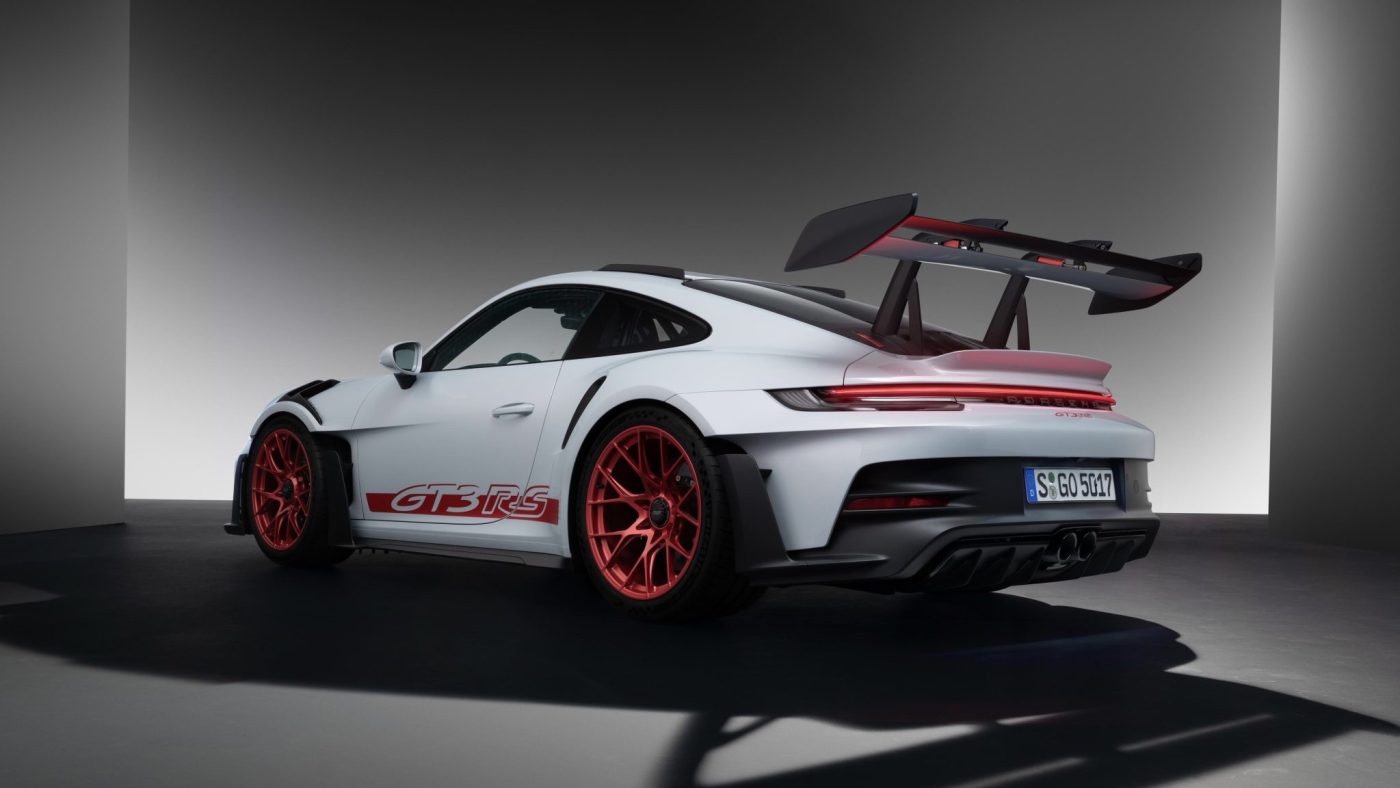
24. Porsche 911 GT3 RS (992.1) (2023 – 2025)
Pushed the concept of a road car to the brink, prioritizing aerodynamics, grip, and adjustability over every traditional comfort or aesthetic norm. With Formula 1–inspired active aero and driver-adjustable suspension controls, it became less a sports car and more a rolling aerodynamic weapon.
Why It's On The List
The Porsche 911 GT3 RS (992.1) pushed the concept of a road-legal sports car to its absolute breaking point. More than any previous RS, this generation unapologetically prioritized aerodynamics, grip, and adjustability over comfort, elegance, or tradition. Porsche Motorsport treated the 992 GT3 RS less like a fast road car and more like a homologated race machine, resulting in one of the most extreme production vehicles ever to wear a license plate.
At the heart of the car is the familiar 4.0-liter naturally aspirated flat-six, revving to 9,000 rpm and delivering razor-sharp throttle response. But unlike earlier RS models, the engine is only part of the story. The defining feature of the 992 GT3 RS is its Formula 1–inspired active aerodynamics system, capable of generating enormous downforce through adjustable front diffusers, movable aero elements, and a towering rear wing with DRS-style functionality. At speed, the car produces race-car levels of aerodynamic load, fundamentally redefining what grip and stability mean in a road car.
The chassis is equally uncompromising. Driver-adjustable controls allow on-the-fly tuning of suspension compression, rebound, and differential behavior—features previously reserved for professional race cars. Combined with the double-wishbone front suspension and ultra-wide track, the GT3 RS delivers staggering cornering capability and precision. Steering response is immediate, braking performance relentless, and the car’s ability to maintain consistency over extended track sessions borders on surreal.
On the road, the 992 GT3 RS makes no apologies. Ride quality is firm, noise levels are high, and visual subtlety is nonexistent—but that is precisely the point. This is not a car designed to charm; it is designed to dominate. Today, the Porsche 911 GT3 RS (992.1) is widely regarded as the most track-focused road car Porsche has ever built—a rolling aerodynamic weapon that redefined the outer limits of the 911 platform. In doing so, it earns its place among the greatest Porsche 911s ever made not by compromise, but by total, uncompromising focus.
Best Modern Sports Car in the World
A road-legal race car. Astounding—but more science than soul for some.
Details
Model: Porsche 911 GT3 RS (992.1)
Model Years: 2023 - 2025
Engine: 4.0 L Watercooled Flat-6
Power: 518 bhp @ 8,500 rpm
Torque: 342 ft lbs @ 6,300 rpm
0 - 60 mph: 3.00 seconds
Top Speed: 184 mph
Known For
Active DRS aero dominance: A massive, hydraulically actuated rear wing and front aero elements generate unprecedented downforce for a road-legal 911.
Race-car-level adjustability: Steering-wheel-mounted dials allow on-the-fly tuning of suspension and differential behavior, bringing true motorsport control to the street.
Learn More
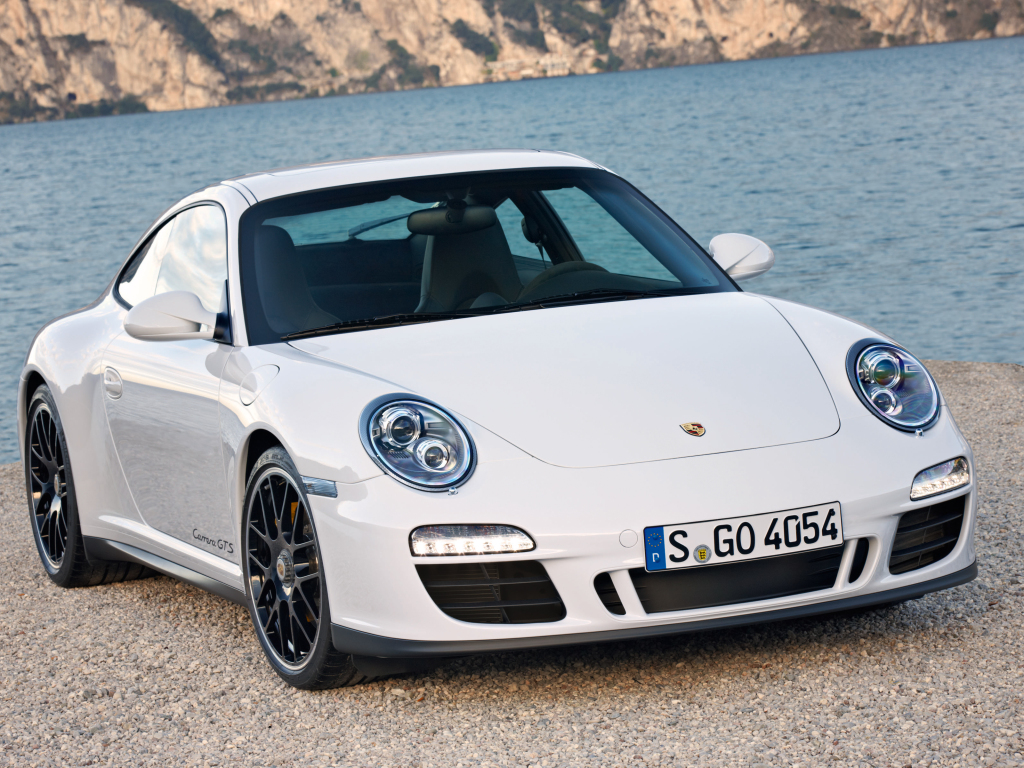
25. Porsche 911 Carrera GTS Coupe (997) (2011 – 2012)
Perfectly blended everyday usability with genuine enthusiast performance, sitting precisely between the Carrera S and GT3. As the final naturally aspirated, hydraulic-steering Carrera before turbocharging took over, it represents a last, perfectly judged expression of the classic 911 formula.
What Makes It Special
The Porsche 911 GT3 Le Mans 1985 is a landmark Sonderwunsch creation, not just for what it represents, but for how it was built. Created as a one-off tribute to the Porsche 956 that won the 1985 24 Hours of Le Mans, this GT3 was among the very first cars to showcase Porsche’s revived Sonderwunsch “Factory One-Off” program. Rather than being a customer-applied wrap or aftermarket homage, this was a ground-up, factory-approved, deeply integrated design exercise—executed with the same seriousness Porsche applies to motorsport.
The foundation was the 992-generation GT3, already considered one of the most complete driver’s cars Porsche has ever produced. Its 4.0-liter naturally aspirated flat-six, motorsport-derived chassis, and obsessive focus on balance made it the perfect modern canvas for a racing tribute. Crucially, nothing about the mechanical package was diluted or softened—the car remained every bit a GT3, with the Sonderwunsch work focused entirely on visual identity, craftsmanship, and historical storytelling.
What makes the “Le Mans 1985” GT3 extraordinary is its bespoke execution. The exterior livery directly references the iconic Rothmans-era 956, carefully reinterpreted to suit the modern 911’s surfaces rather than simply copied. Even more striking are the custom wheels, designed specifically for this project to visually echo the original race car’s competition wheels—an obsessive detail that underscores how far Porsche was willing to go to get the tribute right. This wasn’t graphic design; it was industrial design rooted in motorsport history.
As a one-off, the 911 GT3 “Le Mans 1985” matters because it signaled a philosophical shift. It showed that Sonderwunsch had evolved beyond color and trim into something closer to factory-sanctioned automotive storytelling—where heritage, engineering, and modern performance intersect in a single, unrepeatable car. In that sense, this GT3 is not only one of the most tasteful racing tributes Porsche has ever built, but also a blueprint for the future of factory one-offs.
The Sweet Spot
A perfectly judged sweet spot: power, feel, usability.
Details
Model: Porsche 911 Carrera GTS Coupe (997)
Model Years: 2011 - 2012
Production: 2,656 units
Engine: 3.8 L Watercooled Flat 6 (MA1/01 X51)
Power: 402 bhp @ 7300 rpm
Torque: 310 ft lbs @ 4200 rpm
0 - 60 mph: 4.4 seconds
Top Speed: 190 mph
Known For
The ultimate non-GT 997: More power, wider body, center-lock wheels, and sport-focused tuning made it the most complete Carrera of its generation.
End-of-era purity: Naturally aspirated flat-six, manual transmission availability, and hydraulic steering combine to make it one of the most beloved modern-era 911s to drive and own.
Learn More
26. Porsche 911 Carrera GTS Coupe (991) (2015 – 2016)
Represents the ultimate naturally aspirated Carrera before turbocharging reshaped the lineup. Blending the wide-body stance, sharper chassis tuning, and a high-revving flat-six, it delivered a perfectly balanced, deeply engaging driving experience that many consider peak modern Carrera.
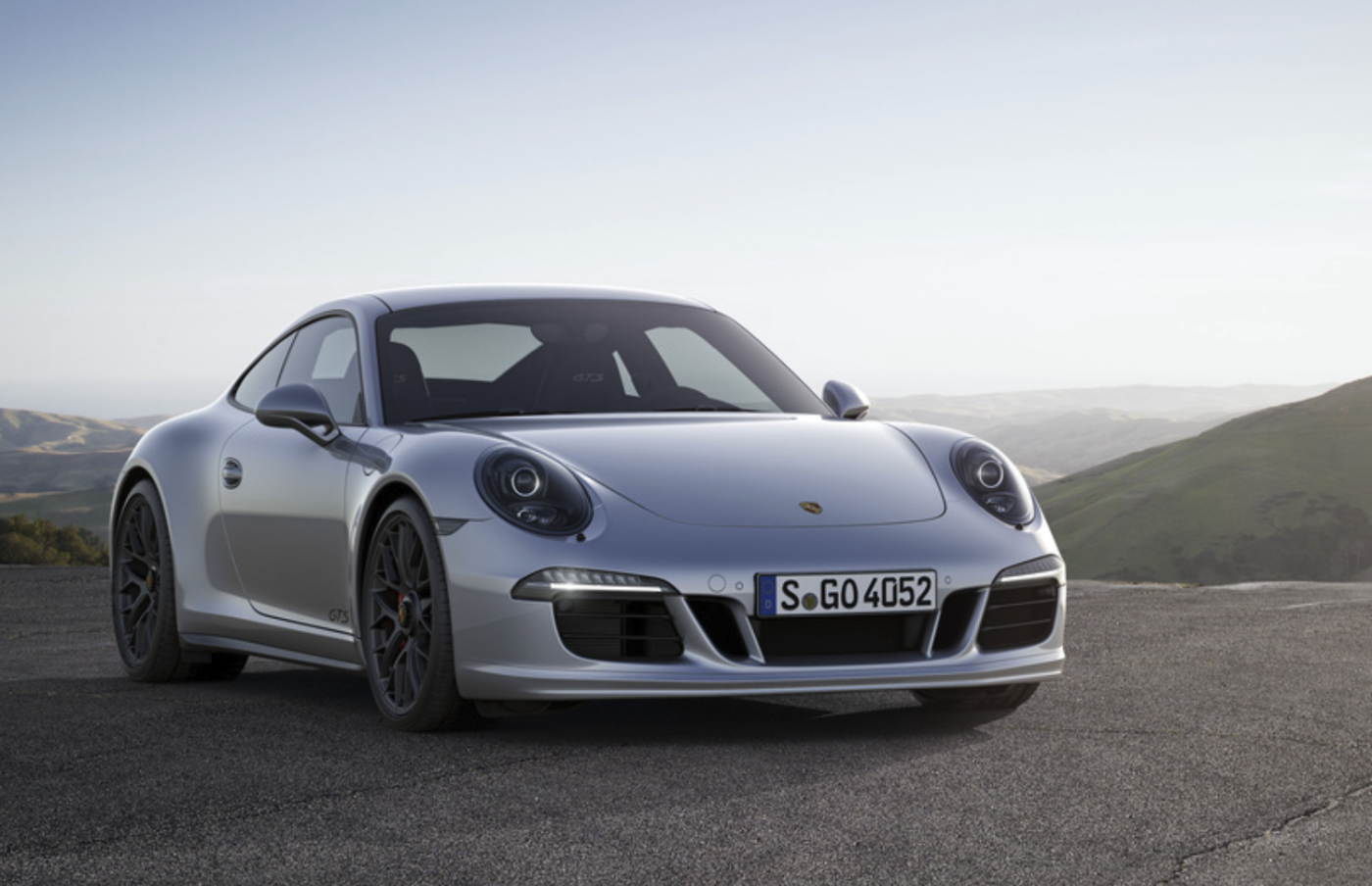
Why It's On The List
The Porsche 911 Carrera GTS Coupe (991) represents a pivotal moment in modern 911 history—the final, finest expression of the naturally aspirated Carrera before turbocharging reshaped the lineup. Introduced late in the 991.1 generation, the GTS was Porsche’s way of distilling everything enthusiasts loved about the Carrera into one perfectly judged package. It wasn’t a stopgap or cosmetic special; it was a deliberate high-water mark for the traditional Carrera formula.
Power came from a high-revving 3.8-liter naturally aspirated flat-six, delivering crisp throttle response, linear power delivery, and a soundtrack that defined the end of an era. Available with either a seven-speed manual or PDK and paired with rear-wheel drive, the GTS combined urgency with usability in a way few modern sports cars can replicate. The absence of turbocharging gave the car an immediacy and emotional clarity that many purists still view as irreplaceable.
Chassis tuning is where the Carrera GTS truly distinguished itself. Borrowing the wide-body shell of the Carrera 4 while retaining rear-wheel drive, the GTS offered a planted stance and exceptional balance. Lowered sport suspension, a limited-slip differential, and sharper steering calibration delivered confidence and composure without sacrificing ride quality. It was engaging at any speed—rewarding on a winding road, composed on the highway, and capable on track without drifting into GT-car severity.
Today, the Porsche 911 Carrera GTS (991) is widely regarded as peak modern Carrera. It struck a rare balance between performance, purity, and everyday usability at exactly the right moment in the 911’s evolution. As the last naturally aspirated GTS and one of the most complete road-focused 911s ever built, it fully earns its place among the greatest Porsche 911s ever made—and remains a benchmark for what a “perfect” Carrera should be.
Near-Perfect Naturally Aspirated All-Rounder
The modern all-rounder benchmark before things got too complex.
Details
Model: Porsche 911 Carrera GTS Coupe (991)
Model Years: 2015 - 2016
Engine: 3.8 L Watercooled Flat 6 (MA1/03)
Power: 430 bhp @ 7500 rpm
Torque: 325 ft lbs @ 5750 rpm
0 - 60 mph: 3.8 seconds
Top Speed: 190 mph
Known For
Last naturally aspirated GTS: The final GTS powered by a NA flat-six, prized for its throttle response, sound, and linear power delivery.
Perfect Carrera sweet spot: Wide-body looks, center-lock wheels, sport-focused suspension, and everyday usability made it the most complete non-GT 991 to own and drive.
Learn More
27. Porsche 911 GT2 (996) (2001 - 2005)
Took the already ferocious 996 Turbo and removed all safety nets, creating a rear-wheel-drive, turbocharged monster built with pure motorsport intent. Brutally fast and unapologetically demanding, it represents the last truly analog, no-excuses GT2 before electronics softened the breed.
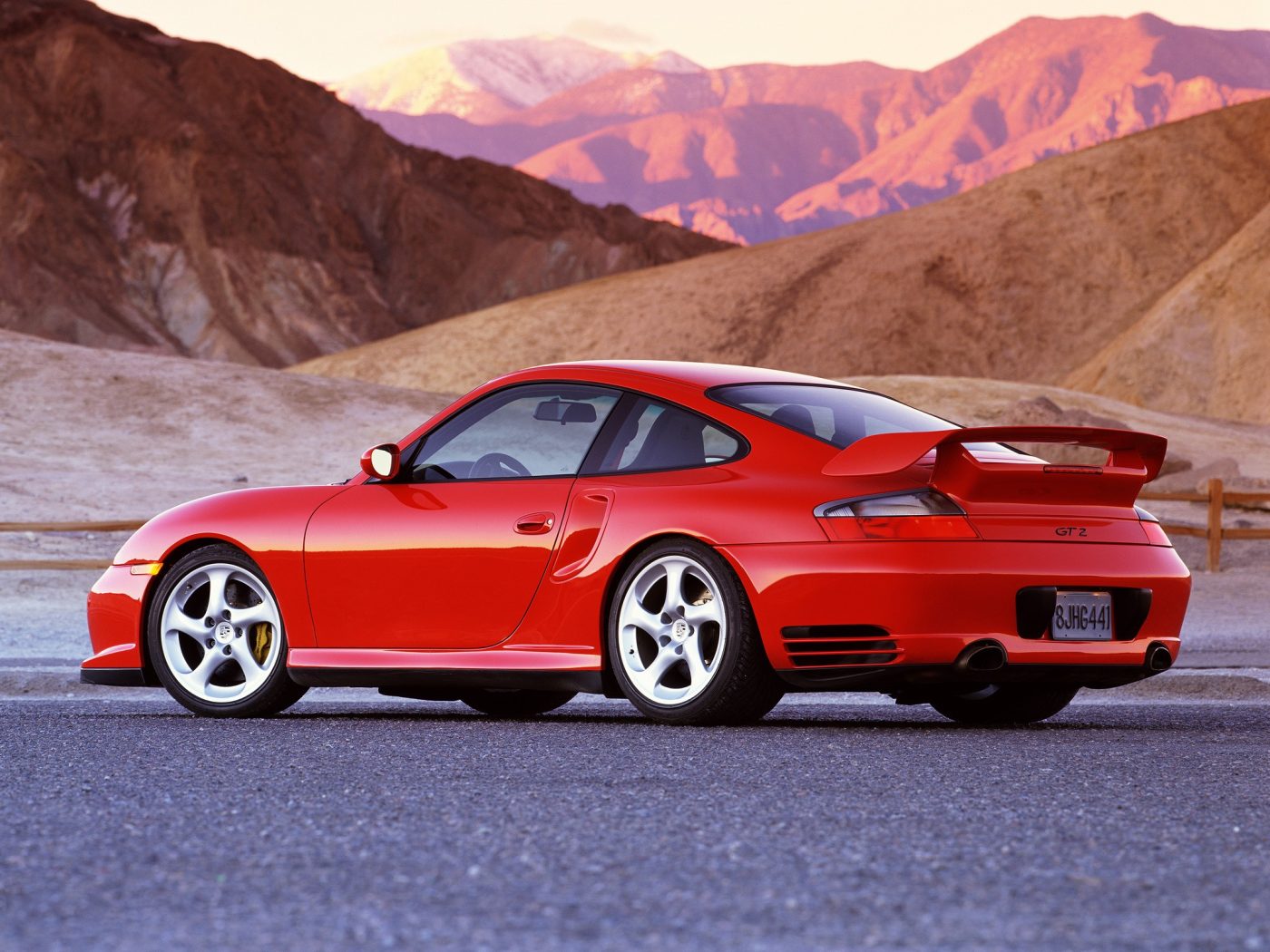
Why It's On The List
The Porsche 911 GT2 (996) is one of the most intimidating road cars Porsche has ever produced—and one of the most uncompromising 911s ever sold to the public. Developed directly from Porsche’s GT racing program, the 996 GT2 took the already ferocious Turbo and removed its safety net entirely. All-wheel drive was deleted, electronic driver aids were absent, and massive turbocharged power was sent exclusively to the rear wheels, creating a car that demanded total respect and skill. Its reputation as a true “Widowmaker” was not hype—it was earned.
Power came from a heavily uprated Mezger-based 3.6-liter twin-turbo flat-six, producing brutal acceleration once the turbos came alive. Turbo lag was pronounced and dramatic, followed by an explosive surge that could overwhelm the rear tires in an instant. With no traction control or stability systems to intervene, drivers were left to manage boost, throttle, and balance entirely on their own. In the wrong hands, the GT2 was merciless; in the right hands, it was devastatingly fast.
The chassis and aero package reflected its near-race-car intent. Extensive weight reduction, stiffer suspension, massive brakes, and an enormous rear wing gave the GT2 exceptional high-speed stability and stopping power. Steering was razor-sharp and brutally honest, offering immense feedback but zero forgiveness. The interior was stripped and purposeful, reinforcing that this was not a luxury flagship but a homologation-style weapon built for drivers who wanted the most extreme 911 available.
Today, the Porsche 911 GT2 (996) is revered as one of the last truly wild supercars of the analog era. It represents Porsche Motorsport at its most uncompromising—building a car that challenged, punished, and ultimately rewarded the bravest drivers. Rare, fearsome, and unforgettable, the 996 GT2 stands as a benchmark for raw, unfiltered performance and fully earns its place among the greatest—and most notorious—Porsche 911s ever made.
Supercar-Beating Speed. Bats**t Crazy.
Fast, flawed, and fascinating. An important evolutionary step.
Details
Model: Porsche 911 GT2 (996)
Years: 2001 - 2003 (v1), 2004 - 2005 (v2)
Production: 1,287 units
Engine: 3.6 L Turbocharged Flat 6 (M96.70S)
Power: 462 bhp (v1), 483 bhp (v2)
Torque: 457 ft lbs (v1), 472 ft lbs rpm (v2)
0 - 60 mph: 4.0 s (v1), 3.8 s (v2)
Top Speed: 196 mph (v1), 198 mph (v2)
Known For
No-ABS, no-compromise brutality: Rear-wheel drive, massive turbo power, and minimal driver aids earned it a fearsome reputation as one of the most challenging road-going 911s ever built.
True homologation GT car: Designed to underpin GT2-class racing, with aggressive aero, extreme weight reduction, and race-derived hardware throughout.
Learn More
28. Porsche 911 GT3 (997.2) (2010 – 2012)
Perfected the naturally aspirated Mezger GT3 formula at its absolute peak. With a larger 3.8-liter engine, sharper chassis tuning, and legendary hydraulic steering, it delivered one of the most precise and emotionally rewarding driving experiences Porsche has ever created.
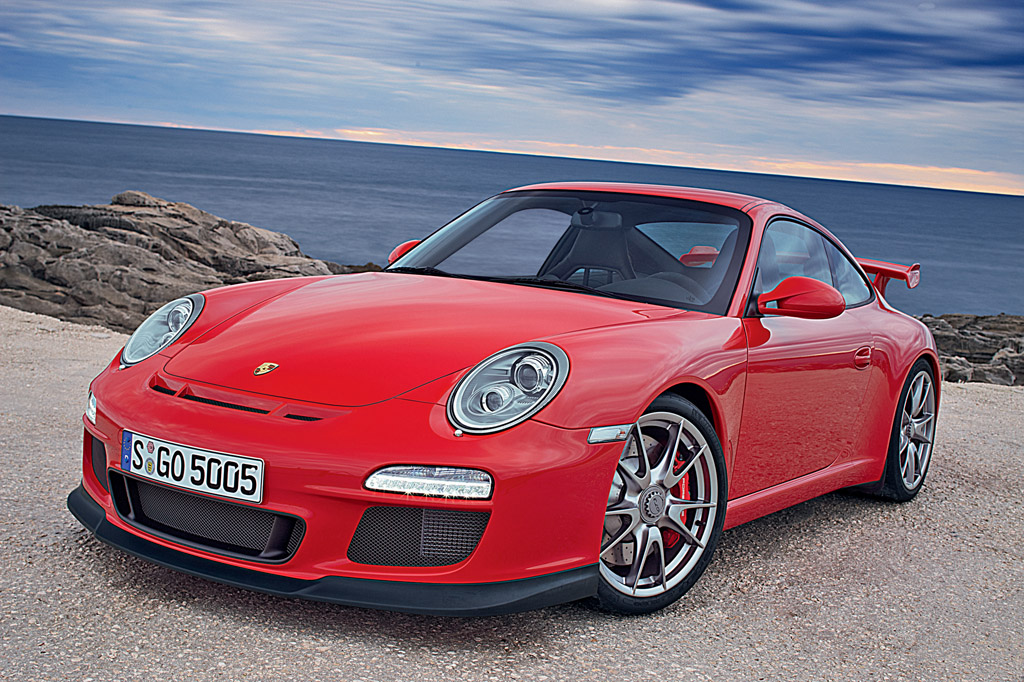
Why It's On The List
The Porsche 911 GT3 (997.2) is widely regarded as the ultimate evolution of the Mezger-powered, naturally aspirated GT3—and one of the finest driver’s cars Porsche has ever produced. Arriving late in the 997 generation, the GT3 997.2 refined an already legendary formula rather than reinventing it. With sharper responses, increased power, and subtle but meaningful chassis updates, it represented Porsche Motorsport operating at the absolute peak of the analog-modern crossover era.
Power came from a revised 3.8-liter Mezger flat-six, delivering stronger mid-range torque and an even more ferocious top-end than earlier GT3s. Throttle response was instant, the soundtrack intoxicating, and the engine’s racing lineage unmistakable. Paired exclusively with a six-speed manual gearbox and rear-wheel drive, the 997.2 GT3 demanded driver engagement at every moment, rewarding precision, commitment, and mechanical sympathy in a way few modern cars can replicate.
The chassis was where the 997.2 GT3 truly separated itself. Suspension geometry was further optimized, aerodynamics refined, and steering feel—still hydraulic—remained among the best ever fitted to a road car. The result was a machine that felt utterly composed at speed, transparent at the limit, and endlessly adjustable through throttle and steering inputs. It was equally devastating on track and thrilling on fast roads, offering race-car clarity without sacrificing road usability.
Today, the Porsche 911 GT3 (997.2) is viewed as a high-water mark for the GT3 lineage and a farewell to a purer era. It was the final GT3 to combine a Mezger engine, hydraulic steering, and a manual-only transmission—an irreplaceable combination that has since become the stuff of legend. Focused, visceral, and deeply rewarding, the 997.2 GT3 earns its place among the greatest Porsche 911s ever made and remains a benchmark for driver-focused performance cars.
One Of Our Favorite Driver's Cars
Sharper responses, increased power, and subtle but meaningful chassis updates made it near-perfect.
Details
Model: Porsche 911 GT3 (997.2)
Model Years: 2010 - 2012
Production: 2,256 units
Engine: 3.8 L Watercooled Flat 6 (M97/77)
Power: 429 bhp @ 7600 rpm
Torque: 317 ft lbs @ 6250 rpm
0 - 60 mph: 4.0 seconds
Top Speed: 194 mph
Known For
Peak Mezger GT3 engine: The 3.8-liter race-derived flat-six combined reliability, response, and a soaring redline into a definitive GT3 powerplant.
Driver-focus perfection: Widely regarded as the sweet spot between raw track capability and road usability, making it one of the most sought-after GT3s ever built.
Learn More
29. Porsche 911 Carrera T (991.2) (2018 – 2019)
Revived Porsche’s lightweight touring philosophy, prioritizing feel, balance, and driver involvement over outright power. By combining reduced weight, shorter gear ratios, and a manual-first mindset, it became a modern backroad weapon built for enthusiasts who value engagement above all else.
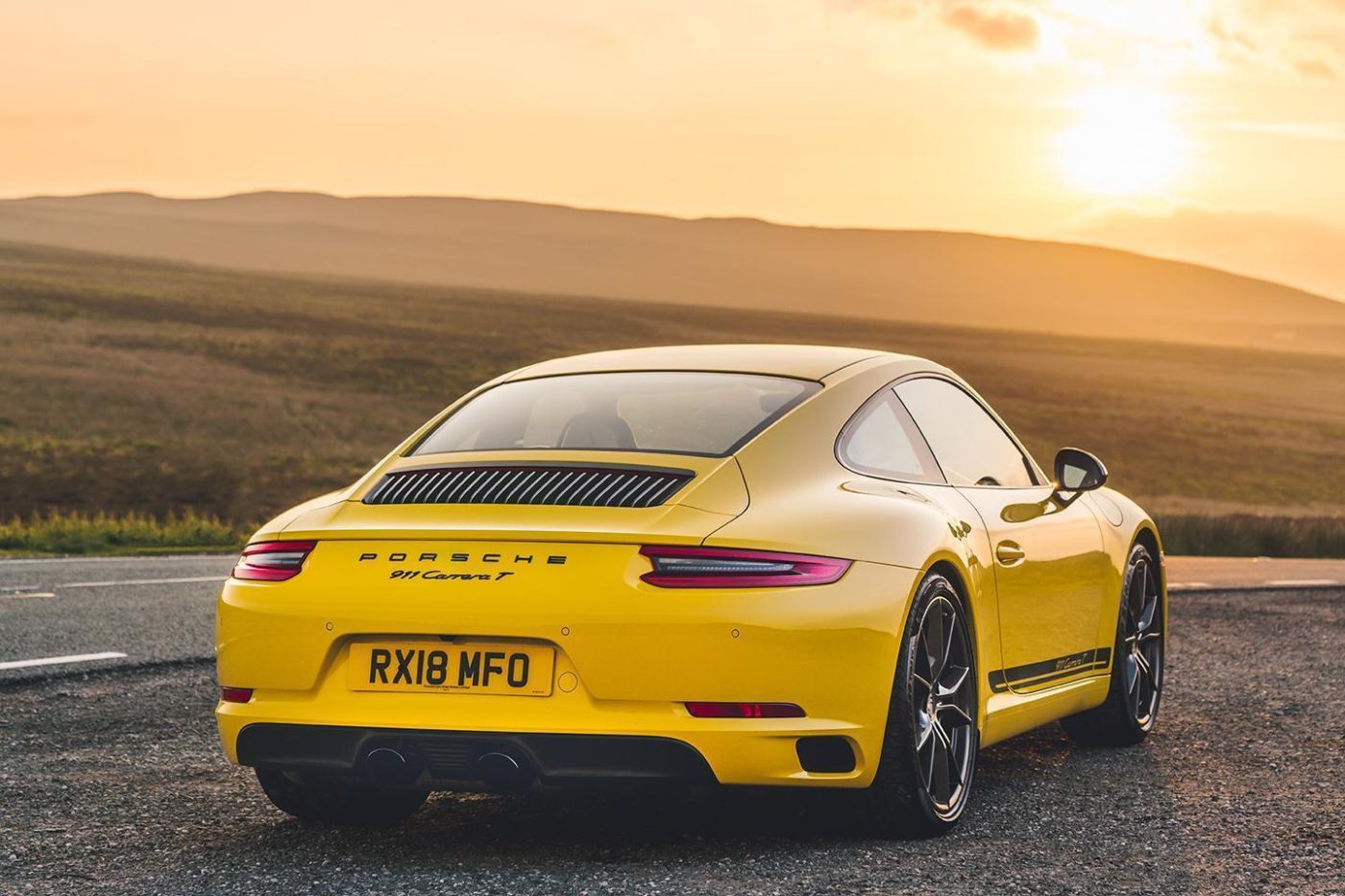
Why It's On The List
The Porsche 911 Carrera T (991.2) marked a thoughtful revival of Porsche’s lightweight touring philosophy, reinterpreted for the modern era. Rather than chasing headline power figures, the Carrera T focused on the fundamentals that have always defined the best 911s: low mass, sharp responses, and deep driver involvement. In an increasingly complex and powerful lineup, it stood out as a car built expressly for enthusiasts who value feel and balance over brute force.
Power came from the turbocharged 3.0-liter flat-six shared with the Carrera, but the transformation lay in how the car delivered its performance. Shorter gear ratios made the engine feel more alive at real-world speeds, while reduced sound insulation and lighter components sharpened the sensory experience. Offered with a manual gearbox as the spiritual default, the Carrera T encouraged drivers to work the drivetrain, rewarding precision and timing rather than raw acceleration.
Chassis tuning further reinforced the car’s mission. Lowered sport suspension, a mechanical limited-slip differential, and rear-wheel drive gave the Carrera T an agility and composure that made it exceptional on winding roads. Steering feel remained communicative, the car felt eager to change direction, and the overall experience was one of cohesion rather than excess. It was fast enough to thrill, yet approachable enough to be enjoyed fully without pushing to extreme limits.
Today, the Porsche 911 Carrera T (991.2) is increasingly appreciated as one of the most honest and engaging modern 911s. It proved that even in the turbocharged era, Porsche could still build a car centered on purity and driver connection. Lightweight in spirit, focused in execution, and endlessly rewarding on a back road, the Carrera T earns its place among the greatest Porsche 911s ever made as a modern expression of classic 911 values.
Nails the Fundamentals of Driving Fun
Carries the "focus on the driving" torch forward—less raw, still meaningful. Get it with a manual gearbox and never turn back.
Details
Model: Porsche 911 Carrera T (991.2)
Model Years: 2018 - 2019
Engine: 3.0 L Turbocharged Flat 6 (MDC.KA)
Power: 370 bhp @ 6500 rpm
Torque: 331 ft lbs @ 1700 rpm
0 - 60 mph: 4.2 seconds
Top Speed: 182 mph
Known For
Lightweight driver focus: Thinner glass, reduced sound insulation, and weight-saving measures sharpened responses and enhanced steering feel.
Backroad-biased gearing: Shorter gear ratios and a mechanical limited-slip differential made it especially rewarding on twisty roads rather than racetracks.
Learn More
30. Porsche 911 GT2 (997) (2008 - 2009)
Delivered unfiltered supercar performance by combining massive turbocharged power with rear-wheel drive and minimal electronic intervention. Ferociously fast yet brutally demanding, it stands as one of the last truly intimidating, analog-feeling Turbo-era 911s. Truly a unique and amazing car only few could handle.
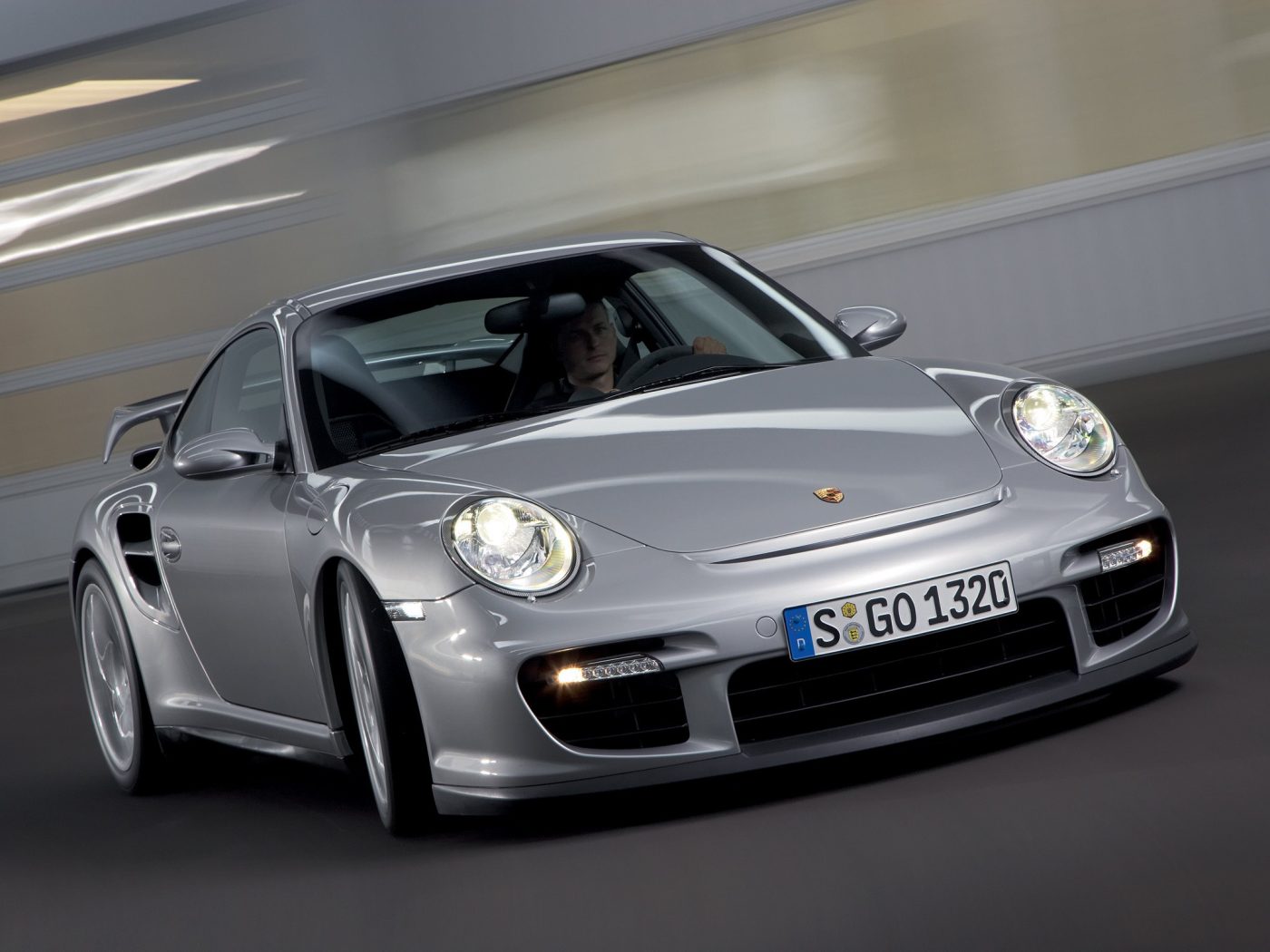
Why It's On The List
The Porsche 911 GT2 (997) represents one of the most extreme and technically fascinating road cars Porsche has ever built. Positioned at the very top of the 911 hierarchy, the 997 GT2 took the already formidable Turbo and stripped it down to a far more aggressive, driver-focused machine. Rear-wheel drive replaced all-wheel drive, electronic intervention was minimized, and outright performance took precedence over approachability—creating a car that demanded respect and rewarded mastery.
What truly set the 997 GT2 apart was its groundbreaking use of variable turbine geometry (VTG) turbochargers in a manual-gearbox, rear-wheel-drive configuration—a world first at the time. This technology dramatically reduced turbo lag while preserving immense top-end power, giving the GT2 an unusually broad and ferocious powerband. The Mezger-based 3.6-liter twin-turbo flat-six delivered explosive acceleration that rivaled contemporary hypercars, yet with sharper throttle response than any turbocharged 911 before it.
The chassis and aero package were unapologetically aggressive. Extensive use of lightweight materials, massive carbon-ceramic brakes, stiff suspension tuning, and a towering rear wing transformed the GT2 into a road-legal track weapon. Steering was brutally direct, grip levels were immense, and mistakes were not easily forgiven. Unlike the more balanced GT3, the GT2 was a car that thrived on restraint and precision—its performance ceiling was enormous, but so was the consequence of overconfidence.
Today, the 2008 Porsche 911 GT2 (997) is regarded as one of the most intimidating and technologically significant 911s ever produced. It marked a turning point in turbocharging sophistication while preserving the raw, rear-drive challenge that defines the GT2 lineage. Rare, ferocious, and deeply demanding, the 997 GT2 earns its place among the greatest Porsche 911s ever made as a true apex predator of the modern era.
Unfiltered Performance
Massive turbocharged power with rear-wheel drive and minimal electronic intervention. Ferociously fast yet brutally demanding.
Details
Model: Porsche 911 GT2 (997)
Model Years: 2008 - 2009
Production: 1,242 units
Engine: 3.6 L Turbocharged Flat 6 (M97/70S)
Power: 523 bhp @ 6250 rpm
Torque: 516 ft lbs @ 2100 rpm
0 - 60 mph: 3.4 seconds
Top Speed: 204 mph
Known For
Rear-wheel-drive turbo brutality: Massive power sent only to the rear wheels made it one of the fastest—and most challenging—road-going 911s of its time.
Peak analog GT2: Less electronic safety net than later generations, cementing its reputation as a driver-focused, no-excuses performance icon.
Learn More
31. Porsche 911 Carrera GTS Coupe (992.2) (2025 – Present)
One of the most important 911s ever because it introduced hybridization to the 911 without sacrificing performance, sound, or driver engagement. Using Porsche’s innovative T-Hybrid system to deliver instant electric-assisted torque, it marked a bold evolutionary step that preserved the 911’s soul while future-proofing its performance.
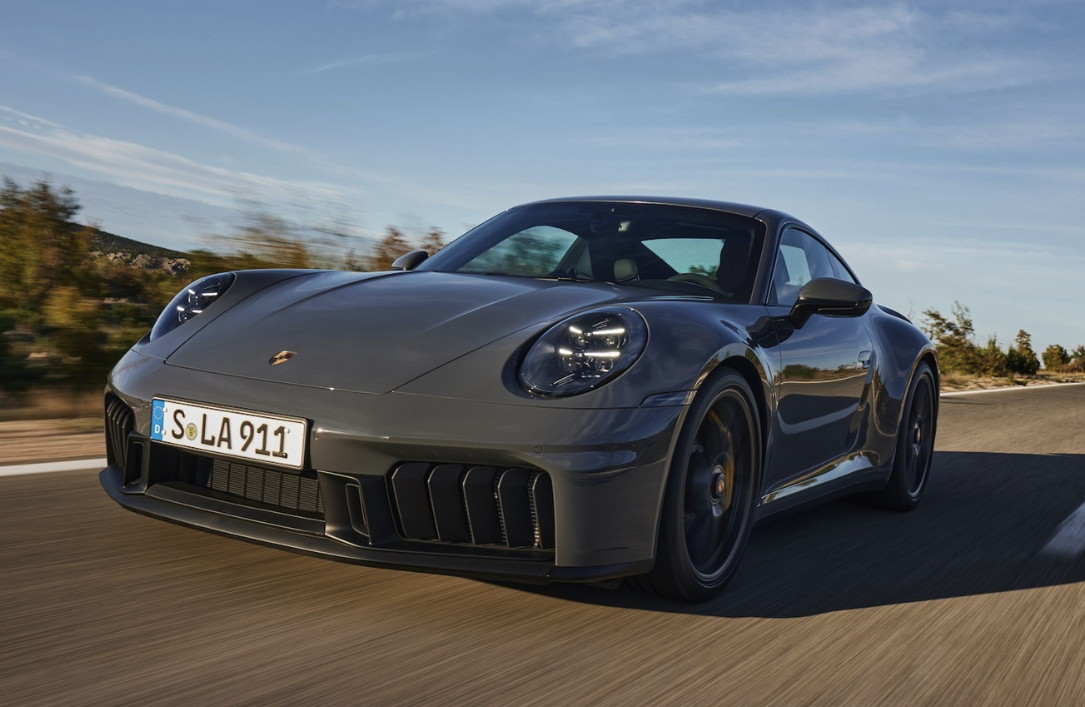
Why It's On The List
The Porsche 911 Carrera GTS Coupe T-Hybrid (992.2) stands as one of the most consequential 911s ever built. For the first time in the model’s six-decade history, Porsche introduced hybridization to the 911—not as a compliance exercise, but as a performance enhancer. The Carrera GTS T-Hybrid represents a bold evolutionary step, proving that electrification could be integrated without muting the character, sound, or driver engagement that define the 911.
At the heart of the car is Porsche’s innovative T-Hybrid system, which pairs a compact electric motor with a turbocharged flat-six to deliver instant torque and razor-sharp throttle response. Rather than chasing full-electric driving, the system is engineered purely for performance: smoothing power delivery, eliminating lag, and enhancing acceleration without adding unnecessary weight or complexity. The result is a 911 that feels more immediate and responsive than ever, retaining a visceral soundtrack and a distinctly mechanical personality.
Crucially, the Carrera GTS T-Hybrid preserves the balance and engagement expected of a GTS. Chassis tuning remains sharp and cohesive, steering feel precise, and the car’s wide-body stance gives it the planted confidence enthusiasts expect. Unlike heavier hybrid performance cars, the T-Hybrid system works transparently in the background, enhancing the driving experience rather than redefining it. From behind the wheel, it still feels unmistakably like a 911—just quicker, sharper, and more urgent.
Today, the Porsche 911 Carrera GTS Coupe T-Hybrid (992.2) is already recognized as a landmark model. It successfully future-proofed the 911 at a moment when many feared electrification would dilute its soul. By using hybrid technology to enhance rather than replace the driving experience, Porsche demonstrated that evolution and authenticity can coexist. As both a technological milestone and a deeply engaging driver’s car, the GTS T-Hybrid earns its place among the greatest Porsche 911s ever made—and may ultimately be remembered as the model that secured the 911’s future.
One of the Most Consequential 911s Ever
Technologically impressive, emotionally more muted than its predecessors. Ushers us into a hybrid era.
Details
Model: Porsche 911 Carrera GTS (992.2)
Model Years: 2025 - Present
Engine: 3.6 L eTurbo Flat-6 + Electric Motor
Power: 532 bhp @ 6500 rpm
Torque: 449 ft lbs
0 - 60 mph: 2.9 seconds
Top Speed: 194 mph
Known For
First-ever hybrid 911: Porsche’s T-Hybrid system integrates electric assistance for immediate response and sharper performance rather than efficiency-first compromise.
GTS as the innovation spearhead: Once again, the GTS badge served as the bridge between tradition and progress, defining the next era of the 911.
Learn More
32. Porsche 911 Carrera GT3 & GT3 Touring (992.2) (2025 – Present)
Represents the purest, most refined evolution of Porsche’s naturally aspirated motorsport philosophy in the modern era. By offering both the full aero GT3 and the understated Touring, Porsche perfected the balance between ultimate track precision and high-revving, road-focused engagement.
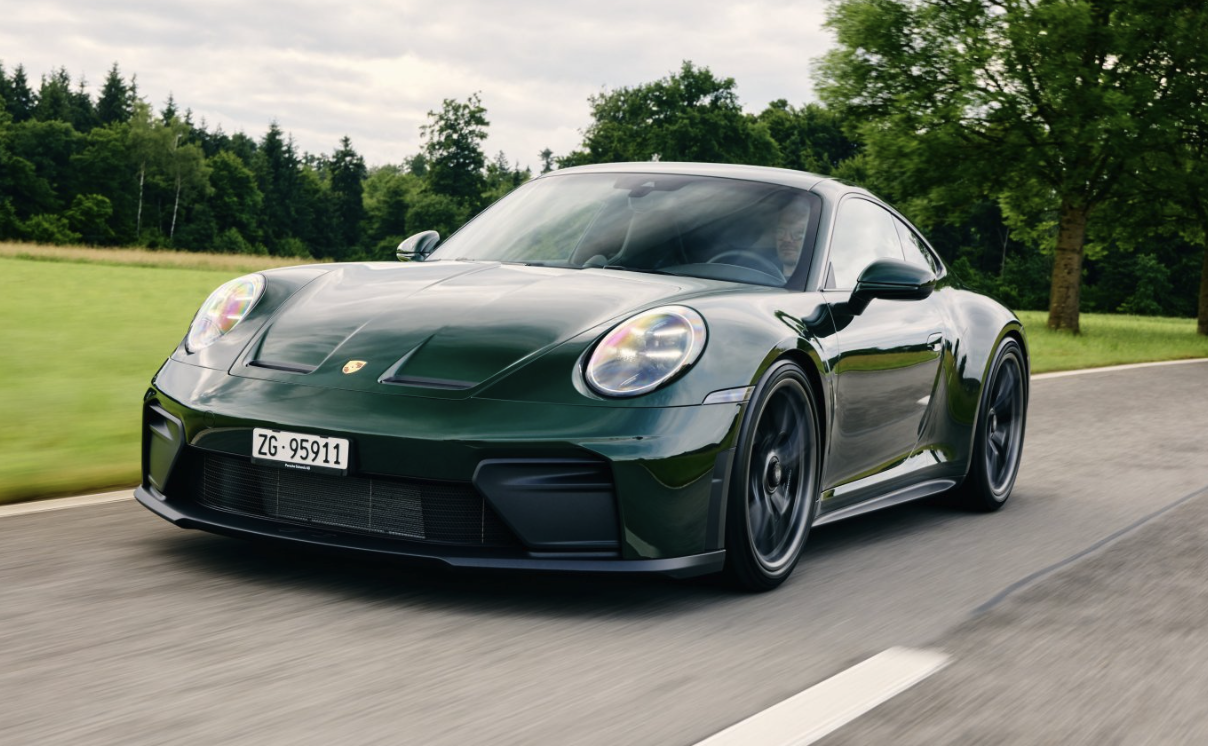
Why It's On The List
The Porsche 911 GT3 & GT3 Touring (992.2) represent the most distilled and mature expression of Porsche’s naturally aspirated motorsport philosophy in the modern era. Rather than reinventing the formula, Porsche refined it—polishing every interface, response, and sensation to deliver what many consider the purest GT3 experience yet. By offering both the full aero GT3 and the wingless Touring variant, Porsche acknowledged a fundamental truth: ultimate driver engagement can take more than one form.
At the heart of both cars is a screaming 4.0-liter naturally aspirated flat-six, revving to 9,000 rpm and delivering razor-sharp throttle response that feels increasingly rare in today’s performance landscape. Paired with either a six-speed manual or PDK, the engine remains the emotional centerpiece—rewarding commitment, precision, and high-rev driving in a way turbocharged or hybrid systems simply cannot replicate. It is motorsport character, preserved intact.
The standard GT3 leans fully into track precision. Race-derived suspension geometry, advanced aerodynamics, and a swan-neck rear wing generate immense stability and downforce, allowing the car to operate at astonishing limits with clarity and confidence. Steering feedback is exceptional, braking performance relentless, and chassis balance so composed that the car feels almost telepathic at speed. It is a road-legal race car, engineered for drivers who want maximum performance without compromise.
The GT3 Touring, by contrast, delivers the same mechanical brilliance in a more understated, road-focused form. Removing the fixed rear wing transforms the car’s character—not by reducing capability, but by shifting emphasis toward flow, balance, and everyday engagement. With added refinement options and a subtler visual presence, the Touring becomes the ultimate high-revving driver’s 911: devastatingly capable when pushed, yet elegant and livable when driven daily.
Together, the Porsche 911 GT3 and GT3 Touring (992.2) perfect a philosophy Porsche has been refining for decades. They prove that naturally aspirated engines, precision chassis tuning, and driver choice still matter—deeply. As twin expressions of the same uncompromising ideal, they earn their place among the greatest Porsche 911s ever made, not by chasing novelty, but by perfecting purity.
Ultimate In Driver Engagement
Still outstanding—but evolution rather than revolution. Now with room for the kids.
Details
Model: Porsche 911 GT3 Touring (992.2), Porsche 911 GT3 (992.2)
Model Years: 2025 - Present
Engine: 4.0 L Watercooled Flat-6
Power: 502 bhp @ 8,500 rpm
Torque: 322 ft lbs @ 6,250 rpm
0 - 60 mph: 3.2 seconds
Top Speed: 193 mph
Known For
Two philosophies, one engine: The standard GT3 delivers maximum downforce and track capability, while the Touring offers the same 9,000-rpm experience in a wingless, more discreet package.
Peak NA GT refinement: Updated aerodynamics, chassis tuning, and a modernized cockpit sharpen usability without compromising the GT3’s race-bred character.
Learn More
33. Porsche 911 Carrera RS 3.0 (1974)
Pushed the RS concept fully into race-car territory, blending brutal mechanical grip with a larger, more powerful engine and competition-grade hardware. Built in tiny numbers as a homologation special, it represents the moment the 911 evolved from lightweight road weapon into a true wide-body racing machine.
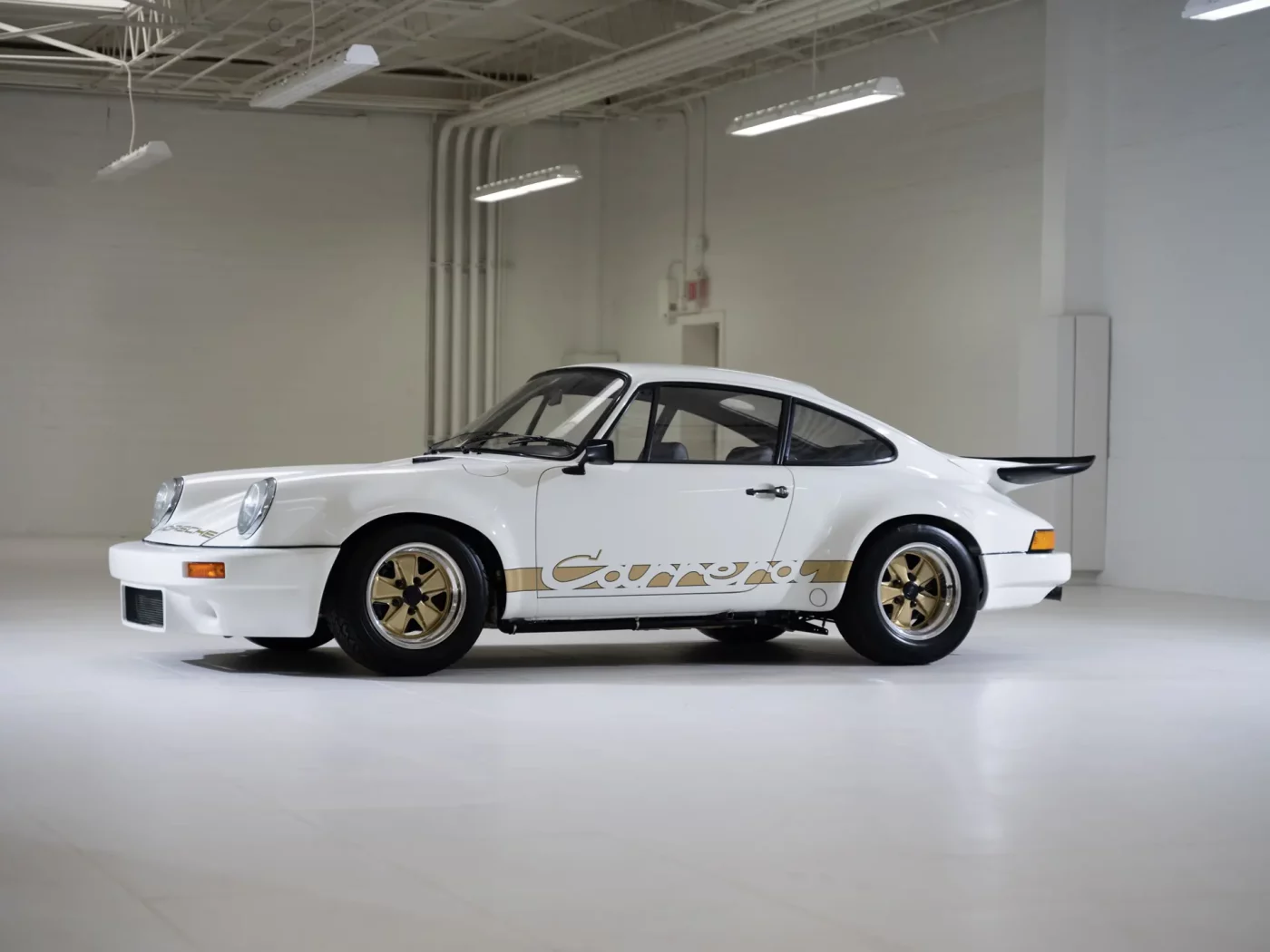
Why It's On The List
During a successful 1973, Porsche took the opportunity to develop an evolution of the RS 2.7 (having now met stricter requirements of building 1000 road cars per year in line with Group 3 rules). A quirk in the Group 3 rules allowed previously homologated cars (like the RS 2.7), to be homologated with just 100 examples built. So in 1974, Porsche launched the Carrera RS 3.0. It was almost twice as expensive as the 2.7 RS but was much more of a track machine. The chassis was similar to the ’73 Carrera RSR and the brake system was from the Porsche 917. It was a continuation of the race cars for the road trend that all of us Porsche fans love so much.
The 3.0 made 230hp with what was basically as detuned 3.0-liter RSR engine with an aluminum (rather than magnesium) crankcase and street exhaust fitted in place of the open racing unit. Cylinder heads were single-plug rather than the racing twin-plug type, and the compression ratio was given a significant bump over the outgoing 2.7’s 8.5:1 ratio, though it still runs on the equivalent of 93 octane U.S. pump gas.
With its systematic lightweight construction the RS 3.0 only weighed in at 900 kg. This low weight was achieved by using thin-gauge sheet parts and by basically removing parts and equipment from all over the place. Brakes were upgraded to larger four-piston units and the suspension was revised with RSR rear pick-up points allowing for more camber adjustment. There was a five-speed gearbox and limited-slip differential, and the fenders were widened even further to accommodate 8.0-inch wheels up front and 9.0-inches in the rear. The RS 3.0 also had the taller, larger bumpers introduced in all 1974 911s and the new rear “tray”-style spoiler.
Before you ask we love both the RS 2.7 and RS 3.0 the same. The 2.7 is the ultimate dual-purpose 911 from the era. Somebody once nailed it when they said: “The RS 2.7 is 80 percent 911 S. The RS 3.0 is 80 percent RSR.”
Pushed The RS Concept
Historically important, but living in the shadow of the 2.7 which is why its not higher on our list.
Details
Years: 1974
Units built: 109 RS 3.0s, 54 RS trim
Engine: 3.0-liter air-cooled flat-six (derived from RSR)
Power: ~230 hp @ 6,200 rpm
Torque: ~209 lb-ft
Transmission: 5-speed manual
0–60 mph: ~5.4 seconds
Top Speed: ~152 mph
Known For
Being the closest thing to a road-legal RSR Porsche ever sold
Extreme rarity paired with uncompromising RS philosophy
Learn More
34. Porsche 911 GT3 with Touring Package (991.2) (2018 – 2019)
Delivered full GT3 performance in a discreet, timeless package that prioritized driver enjoyment over visual theatrics. By removing the fixed rear wing while retaining the 9,000-rpm naturally aspirated engine. The ultimate stealth driver’s GT car.
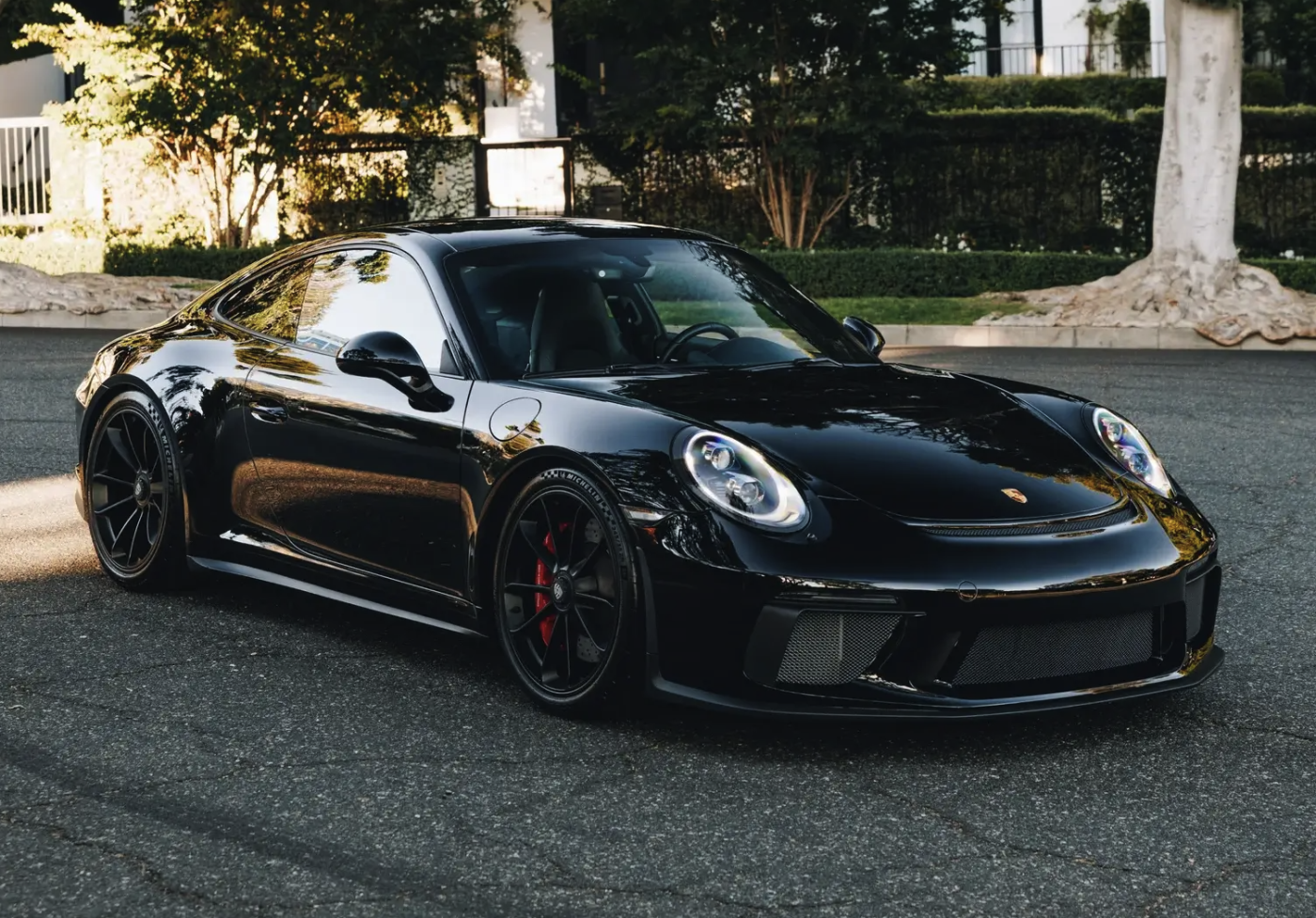
Why It's On The List
The Porsche 911 GT3 Touring Package (991.2) delivered one of the most inspired interpretations of the modern GT3 formula. Introduced alongside the standard 991.2 GT3, the Touring Package stripped away the fixed rear wing and visual aggression in favor of a cleaner, more timeless silhouette. In doing so, Porsche created a car that spoke directly to purists—those who valued feel, balance, and engagement over spectacle—without sacrificing a single ounce of performance.
Mechanically, the Touring Package was a full GT3 in every meaningful way. Power came from the same 4.0-liter naturally aspirated flat-six, revving to a spine-tingling 9,000 rpm and delivering one of the most visceral soundtracks of the modern era. Offered exclusively with a six-speed manual gearbox, the Touring emphasized rhythm, timing, and connection, rewarding drivers who wanted to be fully involved in the driving process rather than chasing lap times.
The driving experience was defined by clarity and restraint. Without the visual drama of wings and vents, the GT3 Touring revealed just how complete the underlying chassis truly was. Steering feel remained exceptional, balance was sublime, and the car felt alive at any speed—thrilling on a back road, composed on the highway, and capable on track without ever advertising its intent. It was a GT car in the purest sense: fast, focused, and deeply satisfying without shouting about it.
Today, the Porsche 911 GT3 Touring Package (991.2) is widely regarded as the ultimate stealth driver’s GT car. It represents a rare moment when Porsche delivered maximum performance wrapped in minimum theatrics, proving that true greatness doesn’t need wings or badges to announce itself. Elegant, engaging, and emotionally rich, the GT3 Touring earns its place among the greatest Porsche 911s ever made as a masterclass in understated excellence.
Ultimate Stealth Driver’s GT Car
Delivered full GT3 performance in a discreet, timeless package that prioritized driver enjoyment over visual theatrics. By removing the fixed rear wing while retaining the 9,000-rpm naturally aspirated engine.
Details
Model: Porsche 911 GT3 (991.2)
Model Years: 2018 - 2019
Production: ~ 9,500 units (total GT3)
Engine: 4.0 L Watercooled Flat 6 (MDG.GA)
Power: 493 bhp @ 8250 rpm
Torque: 339 ft lbs @ 6000 rpm
0 - 60 mph: 3.1 seconds
Top Speed: 199 mph
Known For
Wingless GT3 purity: Subtle bodywork and classic proportions hide one of the most thrilling drivetrains Porsche has ever built.
Purist’s modern classic: Manual transmission availability and understated design have made it one of the most desirable and collectible modern-era GT3 variants.
Learn More
35. Porsche 911 Sport Classic (997) (2010)
Fused modern performance with deep heritage cues, reviving classic design elements while delivering a purist, rear-wheel-drive driving experience. Limited in production and rich in historical references, it proved Porsche could honor its past without resorting to nostalgia alone.
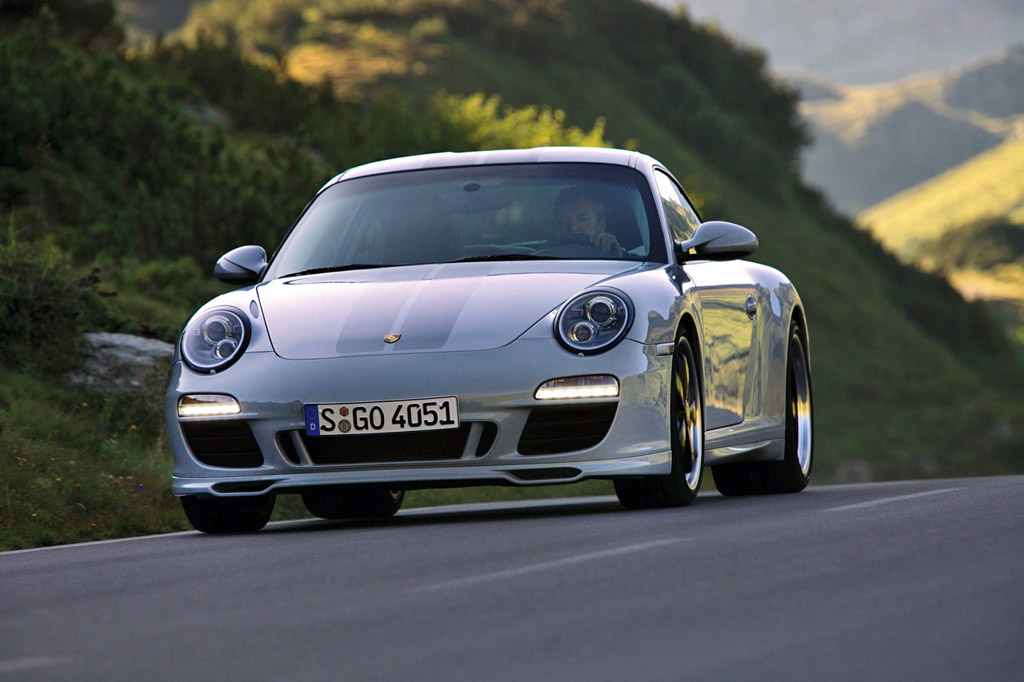
Why It's On The List
The Porsche 911 Sport Classic (997) was a bold and nostalgic tribute to Porsche’s heritage, blending modern engineering with unmistakable visual cues from the brand’s golden era. Produced in a strictly limited run, the Sport Classic was designed as a celebration of early 911 design and craftsmanship, drawing direct inspiration from icons like the Carrera RS 2.7. It stood apart from the rest of the 997 lineup not through outright performance numbers, but through character, detail, and emotional appeal.
Visually, the Sport Classic is instantly recognizable. The iconic ducktail rear spoiler, center-lock Fuchs-style wheels, and exclusive Sport Classic Grey paint gave it a timeless silhouette that felt both retro and modern. Inside, the bespoke grey-and-tan leather interior paired with classic Pepita houndstooth inserts created one of the most distinctive cabins Porsche had offered in decades. Every surface and material choice reinforced the sense that this was a hand-finished, special car rather than a standard production model.
Mechanically, the Sport Classic featured a naturally aspirated flat-six paired exclusively with a six-speed manual gearbox and rear-wheel drive, reinforcing its purist credentials. Porsche also fitted a limited-slip differential and sport-tuned suspension, giving the car a more engaging, driver-focused feel than a standard Carrera S. While it wasn’t a hardcore GT model, it delivered a deeply satisfying and analog driving experience rooted in balance, sound, and tactility.
Today, the 2010 Porsche 911 Sport Classic (997) is regarded as one of the most tasteful and desirable modern heritage-inspired 911s ever made. It marked the beginning of Porsche’s modern fascination with retro reinterpretations, paving the way for later Sport Classic and Heritage Design models. Rare, beautifully executed, and rich in character, the Sport Classic earns its place among the greatest Porsche 911s ever made—not for chasing lap times, but for celebrating the soul of the 911 itself.
Rich In History & Still A Great Driver's Car
Fused modern performance with deep heritage cues, reviving classic design elements while delivering a purist, rear-wheel-drive driving experience.
Details
Model: Porsche 911 Sport Classic (997)
Model Years: 2010
Production: 256 units
Engine: 3.8 L Watercooled Flat 6 (MA1/01 X51)
Power: 402 bhp @ 7300 rpm
Torque: 310 ft lbs @ 4200 rpm
0 - 60 mph: 4.6 seconds
Top Speed: 188 mph
Known For
Modern ducktail revival: The fixed ducktail spoiler paid direct homage to the legendary 1973 Carrera RS, blending retro design with contemporary aerodynamics.
Exclusivity and craftsmanship: Limited production, bespoke interior materials, and center-lock Fuchs-style wheels made it one of the most collectible modern-era 911s.
Learn More
36. Porsche 911 GT2 RS (997) (2011)
The most extreme, powerful, and uncompromising road-going 911 Porsche had ever built at the time. By pairing massive turbocharged output with rear-wheel drive and brutal weight reduction, it became a supercar slayer that demanded total respect from its driver.
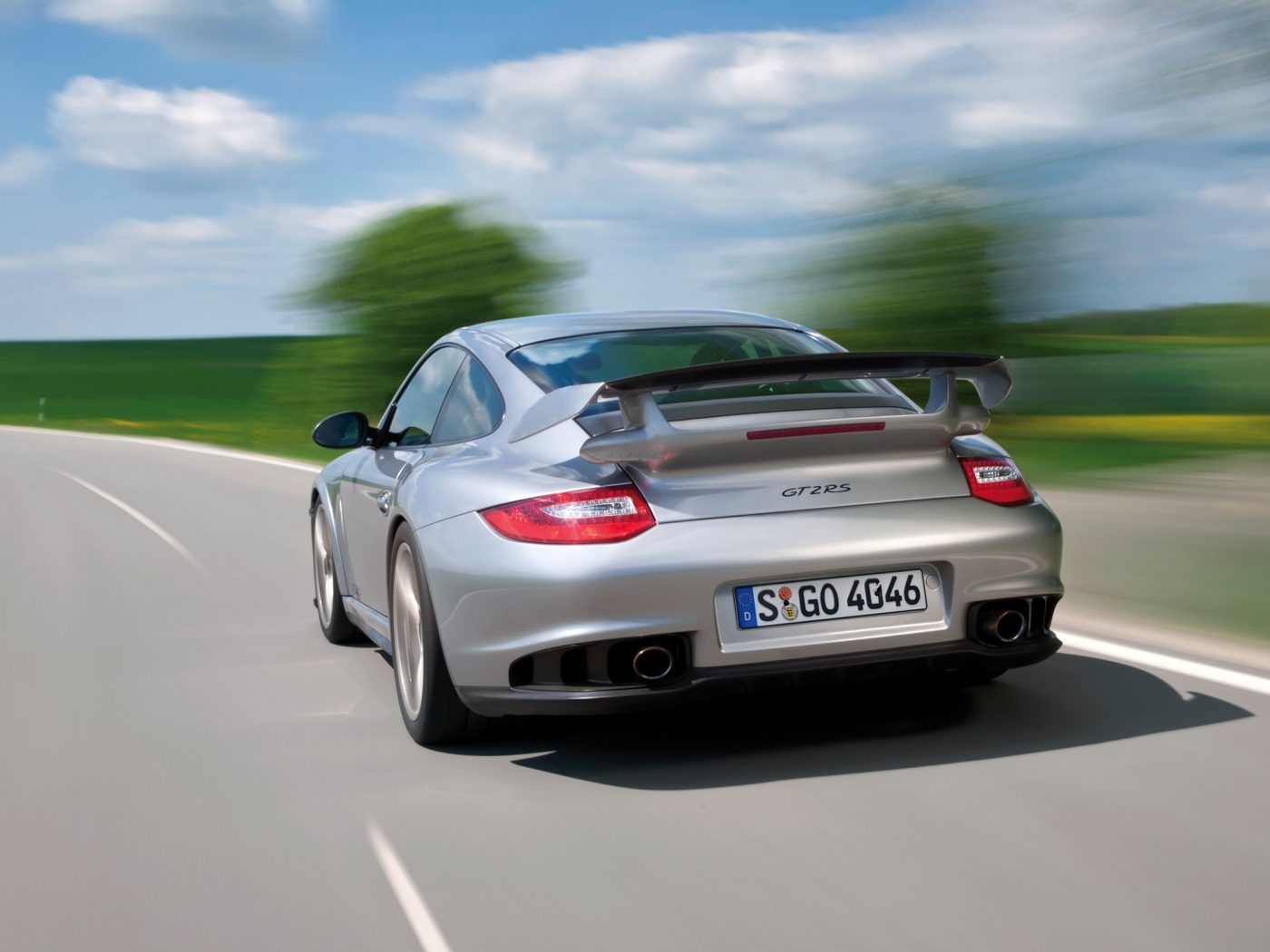
Why It's On The List
The Porsche 911 GT2 RS (997) is one of the most extreme and intimidating road cars Porsche has ever produced—a machine that pushed the 911 platform to its absolute limits. Built as the ultimate evolution of the already ferocious GT2, the GT2 RS stripped weight, added power, and sharpened every dynamic edge. With just 500 examples produced, it wasn’t merely a flagship—it was a warning shot, demonstrating how far Porsche Motorsport could go without abandoning road legality.
Power came from a heavily uprated 3.6-liter Mezger-based twin-turbo flat-six producing a staggering 620 horsepower, sent exclusively to the rear wheels through a six-speed manual gearbox. Extensive use of carbon fiber for the hood, rear wing, mirrors, and interior trim helped shed significant weight, amplifying the car’s already explosive performance. Acceleration was brutal, turbocharged thrust relentless, and the margin for error vanishingly small—this was a car that demanded full respect at all times.
The GT2 RS was not just about straight-line speed. Suspension tuning, massive brakes, and aggressive aerodynamics transformed it into a devastating track weapon, culminating in a Nürburgring Nordschleife lap record that cemented its legend. Steering feel was brutally honest, grip levels immense, and stability at high speed astonishing—provided the driver had the skill and restraint to manage its immense power. Unlike the more balanced GT3 RS, the GT2 RS was about domination rather than delicacy.
Today, the Porsche 911 GT2 RS (997) stands as one of the most fearsome production cars ever built and a defining moment in Porsche’s performance history. It represents the absolute peak of the Mezger turbo era—a carbon-clad, rear-wheel-drive monster that combined race-bred engineering with terrifying real-world speed. Rare, uncompromising, and unforgettable, the 997 GT2 RS earns its place among the greatest Porsche 911s ever made as one of the most extreme road cars Porsche will likely ever build.
The Supercar Slayer
The most extreme, powerful, and uncompromising road-going 911 Porsche had ever built at the time.
Details
Model: Porsche 911 GT2 RS (997)
Model Years: 2011
Production: 510 units
Engine: 3.8 L Turbocharged Flat 6 (M97/70)
Power: 612 bhp @ 6500 rpm
Torque: 516 ft lbs @ 2250 rpm
0 - 60 mph: 3.5 seconds
Top Speed: 205 mph
Known For
Most powerful 911 of its era: With colossal turbocharged power and minimal electronic intervention, it delivered performance that rivaled — and often eclipsed — contemporary hypercars.
No-compromise RS brutality: Rear-wheel drive, aggressive aero, stripped interior, and race-grade hardware made it one of the most intimidating and rewarding 911s ever created.
Learn More
37. Porsche 911 Carrera T (992.2) (2025 – Present)
Doubles down on the lightweight, driver-first Touring philosophy at a time when sports cars are growing heavier and more complex. By prioritizing mechanical grip, reduced mass, and simplicity, it delivers pure backroad engagement that feels intentionally analog in a modern world. Its also the only regular Carrera you can get with a manual gearbox.
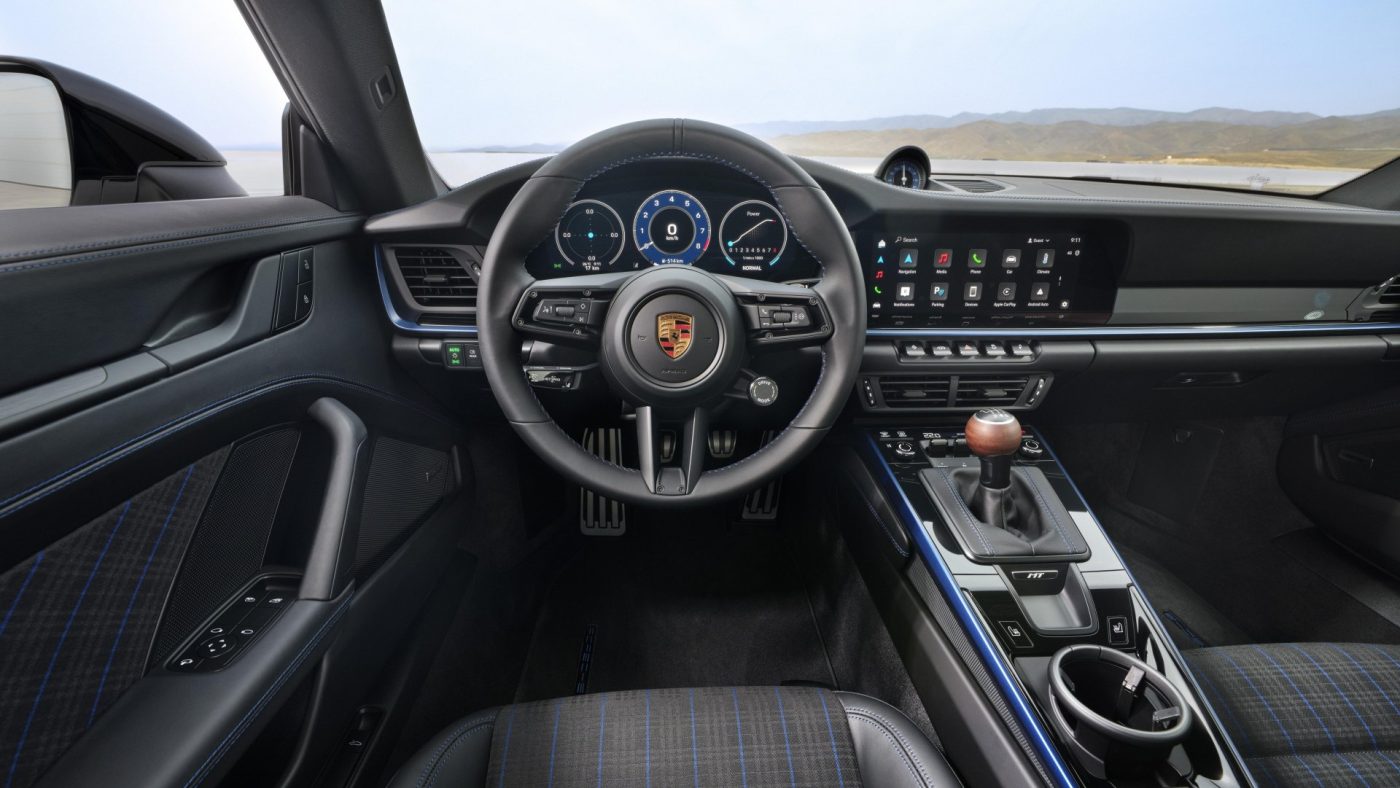
Why It's On The List
The Porsche 911 Carrera T (992.2) doubles down on Porsche’s lightweight, driver-first Touring philosophy at a moment when sports cars are becoming heavier, faster, and increasingly digital. Rather than chasing peak numbers, the Carrera T focuses on the fundamentals that have always made great 911s special: balance, feel, and involvement. It is a deliberate counterpoint to complexity—an intentionally analog-feeling 911 built for drivers who value connection over spectacle.
At the heart of that philosophy is its drivetrain choice. The 992.2 Carrera T is the only regular Carrera offered with a manual gearbox, underscoring its purist intent. Power delivery is tuned for immediacy and responsiveness rather than outright dominance, encouraging drivers to work the engine and savor each shift. Shorter gearing and reduced mass sharpen the experience, making the car feel alive and eager on real roads—exactly where a 911 like this belongs.
Chassis tuning further reinforces the Touring brief. With a focus on mechanical grip, reduced weight, and simplified specification, the Carrera T feels cohesive and playful, rewarding smooth inputs and precise throttle control. Steering remains communicative, body control is tight without being punishing, and the overall balance invites exploration at sane speeds. It’s a backroad weapon by design—fast enough to thrill, approachable enough to enjoy fully.
In a lineup packed with technological tour de force models, the Porsche 911 Carrera T (992.2) stands out for its restraint and clarity of purpose. It proves that Porsche still understands the value of simplicity, and that meaningful performance doesn’t require excess. As a modern expression of classic 911 values—and the last manual-only Carrera—it earns its place among the greatest Porsche 911s ever made, not by doing more, but by doing less, better.
Focused on Being Fun to Drive. This is Porsche Doing It Right
Driver-first Touring philosophy at a moment when sports cars are becoming heavier, faster, and increasingly digital.
Details
Model: Porsche 911 Carrera T (992.2)
Model Years: 2025 - Present
Engine: 3.0 L Turbocharged Flat-6
Power: 388 bhp @ 6500 rpm
Torque: 331 ft lbs @ 2000 rpm
0 - 60 mph: 4.3 seconds
Top Speed: 183 mph
Known For
Lightweight, grip-focused setup: Weight reduction measures, sport chassis tuning, and a mechanical emphasis sharpen feel and responsiveness where it matters most.
Driver-focused simplicity: Manual-first ethos and pared-back specification make it one of the most engaging Carreras for enthusiasts who value connection over outright numbers.
Learn More
38. Porsche 911 Turbo S (992.1) (2021 – 2025)
No longer just supercar-fast, the Turbo S delivered hypercar-level acceleration with everyday comfort, usability, and refinement unmatched in its class. With 640 horsepower and devastating all-wheel-drive traction, it redefined what a road-going 911 could accomplish in a straight line and beyond.
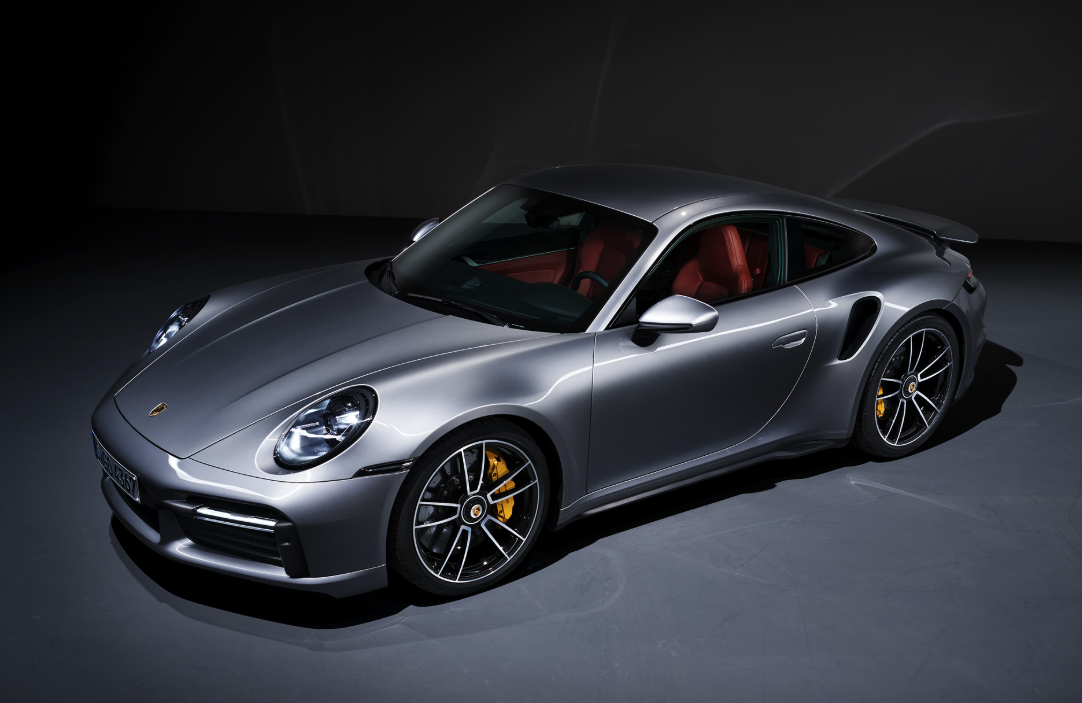
Why It's On The List
The Porsche 911 Turbo S (992.1) represents the most complete and devastatingly capable evolution of the Turbo formula in the 911’s history. Long regarded as the ultimate all-weather supercar, the 992 Turbo S pushed that reputation into hypercar territory. It was no longer merely supercar-fast—it delivered acceleration and real-world performance that rivaled, and often surpassed, machines costing twice as much, all while retaining everyday usability and refinement unmatched in its class.
At the heart of the 992 Turbo S is a twin-turbocharged 3.8-liter flat-six producing 640 horsepower, paired with an advanced all-wheel-drive system and PDK transmission. The result is explosive, almost unreal acceleration, with massive torque available instantly and traction that allows the driver to deploy every ounce of performance without hesitation. Straight-line speed is staggering, but what truly separates the Turbo S is how effortlessly it delivers that pace—smooth, controlled, and repeatable in virtually any conditions.
The chassis and dynamics elevate the experience beyond raw numbers. A wider track, rear-wheel steering, adaptive suspension, and massive brakes give the Turbo S extraordinary stability and confidence at speed. Despite its immense capability, the car feels composed rather than intimidating, allowing drivers to explore its limits with surprising ease. Unlike earlier Turbos that prioritized brute force, the 992 Turbo S blends ferocity with polish, making extreme performance feel natural rather than dramatic.
Inside, the Turbo S reinforces its dual-personality nature. The cabin is luxuriously finished, quiet when cruising, and packed with modern technology—yet always ready to transform into a high-performance weapon at the press of the throttle. Today, the Porsche 911 Turbo S (992.1) is widely regarded as one of the most accomplished road cars ever built. By combining hypercar-level performance with comfort, reliability, and usability, it redefined what a road-going 911 could achieve—and earned its place among the greatest Porsche 911s ever made.
A Great All-Round GT That Blows Hypercars Away
Effortless speed taken to absurd levels. Astonishing—but emotionally distant.
Details
Model: Porsche 911 Turbo S (992.1)
Model Years: 2021 - 2025
Engine: 3.7 L Turbocharged Flat 6
Power: 640 bhp @ 6750 rpm
Torque: 590 ft lbs @ 2500 rpm
0 - 60 mph: 2.6 seconds
Top Speed: 205 mph
Known For
Relentless acceleration: A 0–60 mph time of just 2.6 seconds made it one of the quickest production cars in the world at launch.
Effortless supercar dominance: Combines brutal speed with composure, luxury, and all-weather capability, making it a true do-it-all performance flagship.