


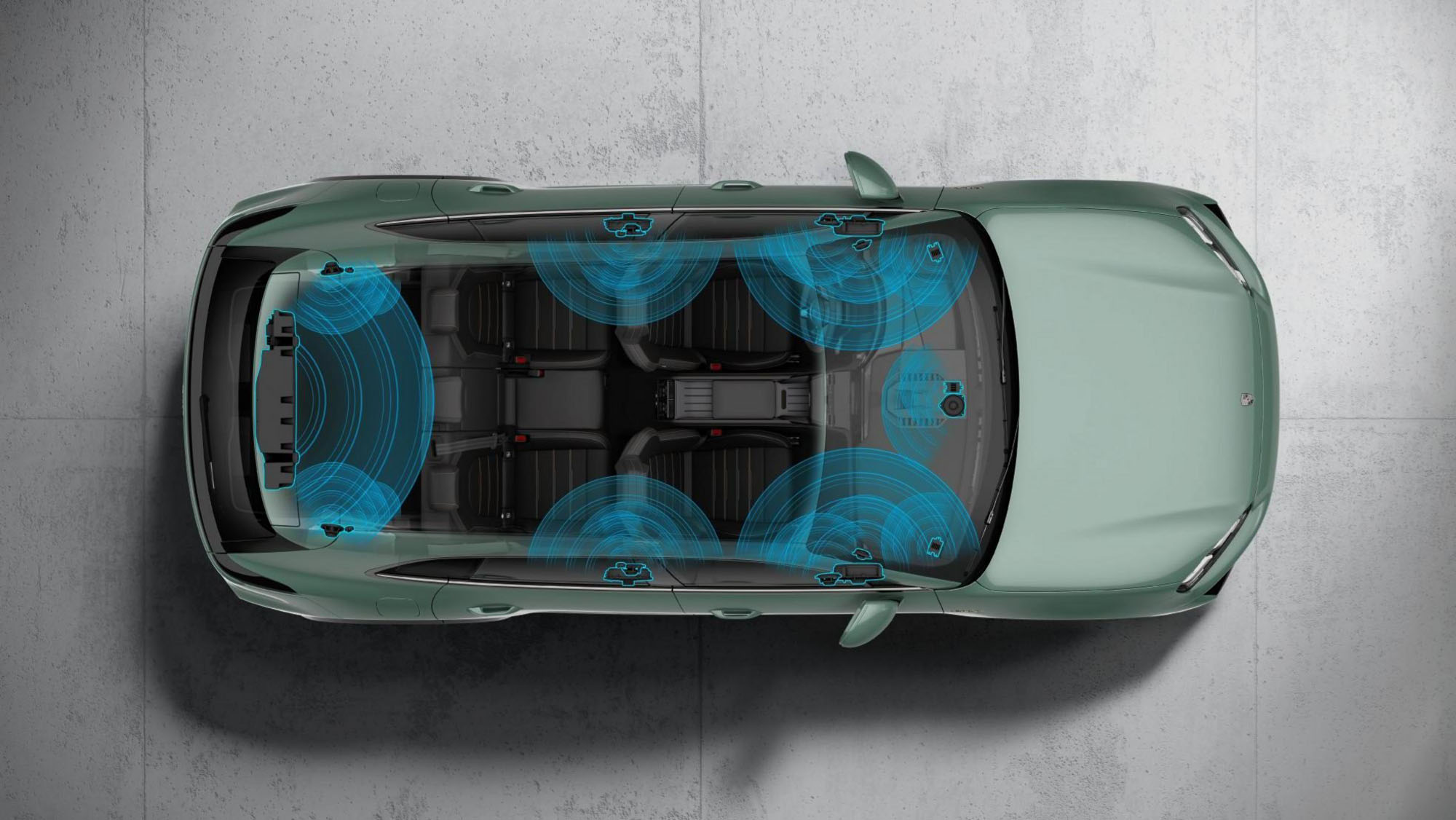
Porsche is preparing to introduce gallium nitride semiconductor technology to a production automotive audio system, a move the company says will deliver greater performance from smaller and lighter electronic components. Developed in collaboration with the University of Stuttgart, the technology will make its production debut in 2027 as part of Porsche’s Burmester® 3D High-End Surround Sound System. Porsche says it will be the first production-ready high-end automotive audio system to use gallium nitride, or GaN, technology.
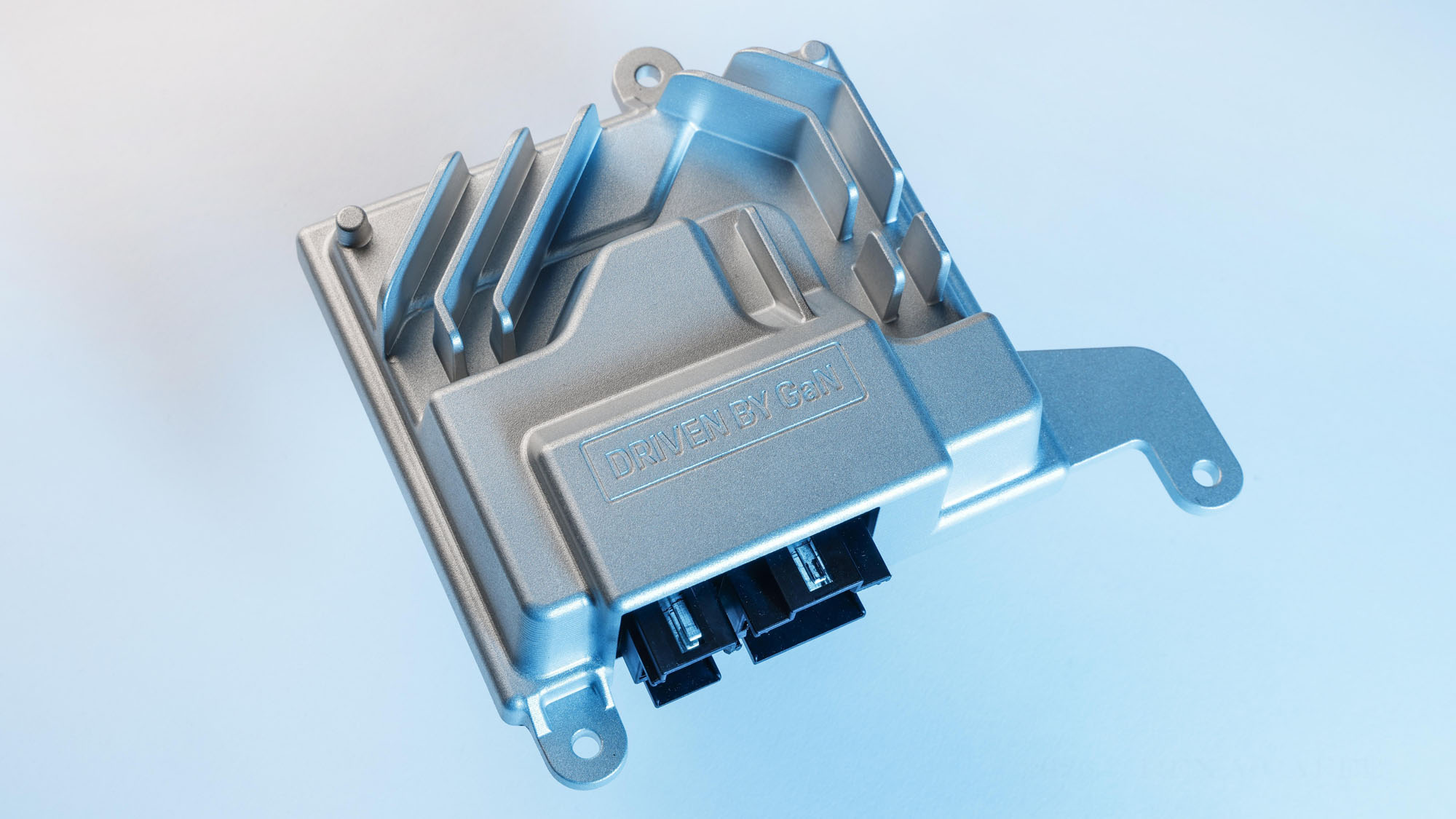
At the heart of the system is a GaN-based high-performance chip responsible for converting the voltage needed to power a 400-watt subwoofer amplifier. Compared with conventional silicon semiconductors, GaN can operate more efficiently and at higher switching frequencies while producing less heat. For Porsche, those characteristics offer advantages that go beyond sound quality. Greater efficiency means smaller cooling systems, reduced weight and more compact electronic components — all priorities in sports-car development.
Burosch said the use of GaN is intended to improve the performance of the Burmester system while bringing more advanced engineering to an area of the car that customers may not normally associate with semiconductor development.
From Consumer Electronics to Sports Cars
Gallium nitride is not new technology, but its use in automotive audio represents a relatively new application. The semiconductor material gained wider recognition through blue LEDs in the 1990s and has since found its way into products ranging from compact USB chargers to aerospace electronics.
Its advantages stem largely from the way GaN transistors handle electrical switching. They can operate at higher frequencies and with lower switching losses than comparable silicon devices, reducing the amount of energy lost as heat during voltage conversion. Those characteristics have allowed manufacturers of consumer electronics to produce increasingly compact power supplies. Porsche is applying much the same principle inside the car.
In the new Burmester amplifier, reduced heat generation means less cooling is required. Porsche says the amplifier’s heat sink can consequently be made about 20 percent lighter, while capacitors, inductors and other passive components can also be reduced in size. The result is an amplifier that is both smaller and lighter than a comparable silicon-based design. There is a sustainability benefit as well. A smaller heat sink requires less aluminum, reducing the energy and associated CO₂ emissions involved in producing the material.

Development Began in 2023
Porsche began investigating the automotive potential of GaN in mid-2023, focusing on whether the technology could withstand the operating demands of a sports car. By spring 2024, specialists in audio systems, semiconductors and sustainability were working with the University of Stuttgart’s Institute for Robust Power Semiconductor Systems on a prototype GaN subwoofer amplifier.
The development program subsequently expanded to include an international semiconductor manufacturer and an audio development partner, ultimately producing an amplifier Porsche considers ready for series production. The automaker has filed several patent applications covering innovations developed during the project.
GaN Could Have a Much Bigger Role
The audio amplifier may prove to be only the first application of gallium nitride within future Porsche models. Because GaN is particularly well suited to converting electrical power efficiently, Porsche is studying its potential use elsewhere in its vehicles, including high-voltage systems for electric sports cars.
That could make the technology particularly relevant as Porsche continues developing increasingly sophisticated electric powertrains and electrical architectures, where efficiency, thermal management and weight remain critical considerations.
Audio, however, appears likely to remain an important proving ground. Burosch said Porsche is already evaluating additional applications for GaN within future automotive sound systems.
For now, the 2027 introduction will provide the first indication of how effectively a semiconductor technology already familiar from compact consumer electronics can translate to the considerably more demanding environment of a Porsche sports car.
#Porsche #GalliumNitride #GaN #AutomotiveAudio #Burmester #PorscheTechnology #Semiconductors #PowerElectronics #CarAudio #AutomotiveInnovation