Porsche 928: The Grand Tourer That Challenged the 911
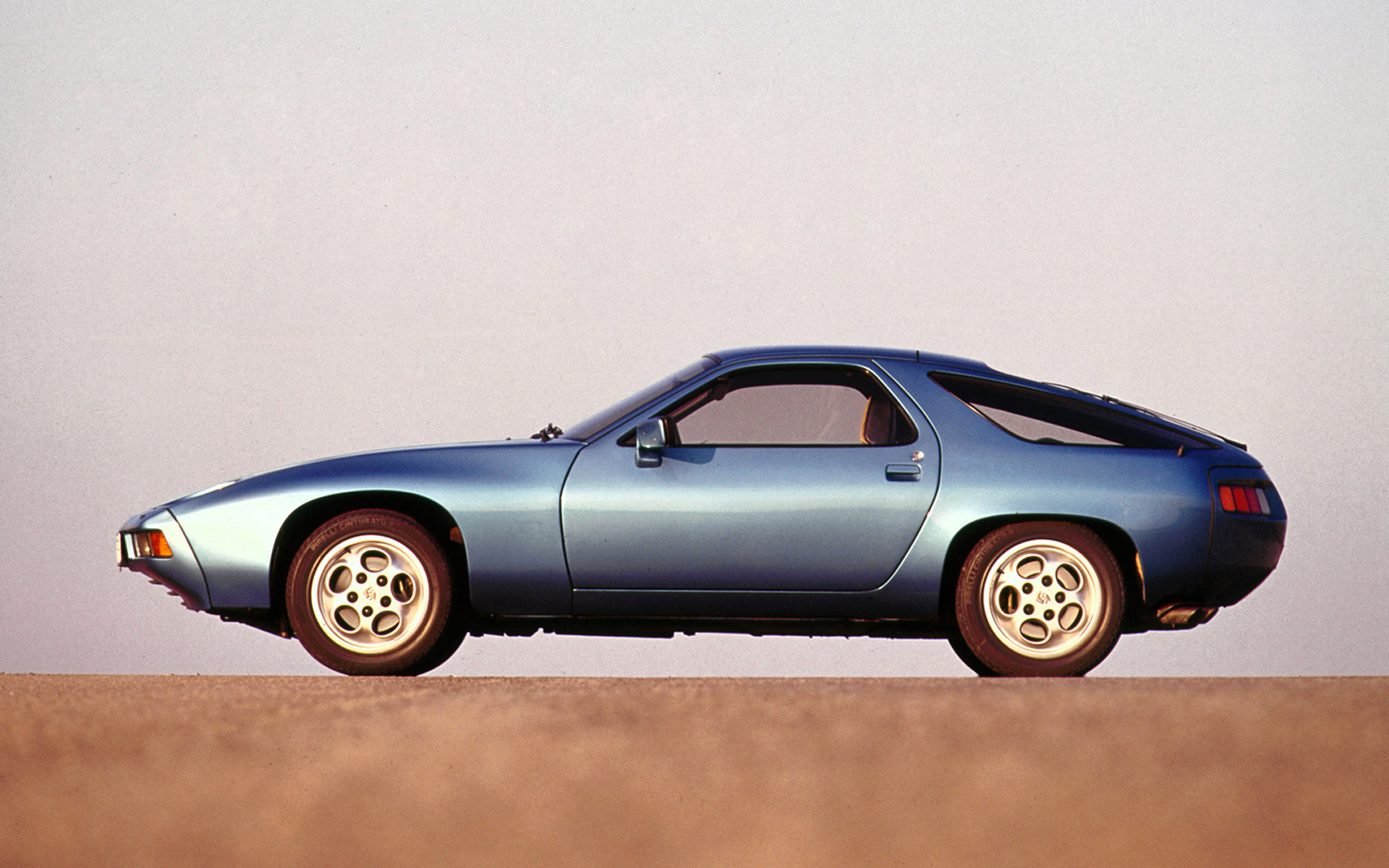
1978 Porsche 928.
The development of the Porsche 928 occurred during a period of deep uncertainty—and quiet ambition—within Porsche AG. By the early 1970s, Porsche’s reputation had become firmly tied to the rear-engine 911, a car that had evolved steadily from the earlier 356 and had come to almost singlehandedly define the brand’s identity. But that identity came with baggage. Emissions regulations were tightening. Safety standards were becoming more restrictive. And internally, there was a growing belief that the rear-engine layout which had once set the Porsche moniker apart from its competitors might eventually limit its future.
Unlike the incremental-but-intentional evolution that led to the transformation of the 356 into the 911, the Porsche 928 was conceived as something fundamentally different. It was not intended to coexist with the 911 indefinitely. It was developed—quietly at first, and later with increasing conviction—as a possible successor to the already aging 911 moniker. Porsche wanted a car that could meet modern regulatory demands, appeal strongly to the North American market (which continued to favor V8 powered, front engine sports cars, despite the steadily increasing emissions and federal safety regulations), and deliver high-speed stability and long-distance comfort without sacrificing performance. The answer, at least on paper, was for Porsche to create its own front-engine, V8-powered grand touring car that would redefine what a Porsche flagship could be.
No Subscription? You’re missing out
Get immediate ad-free access to all our premium content.