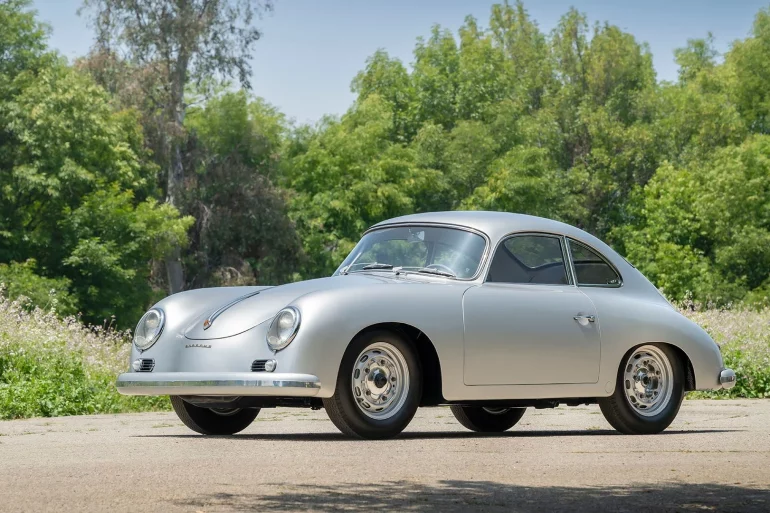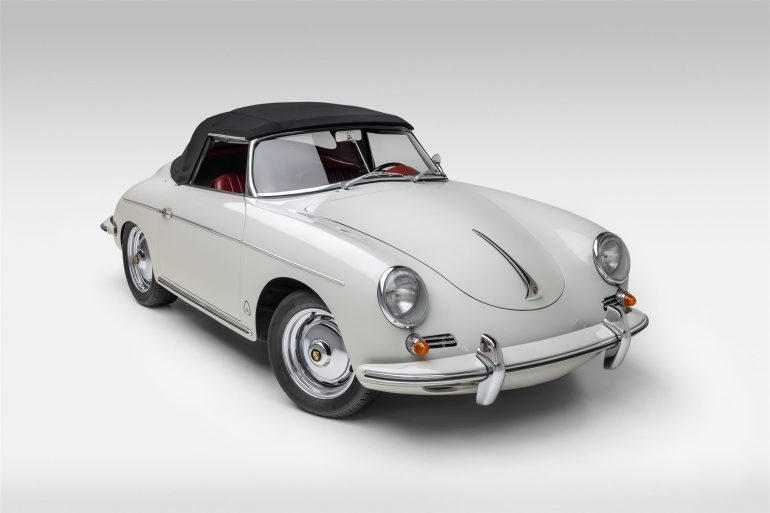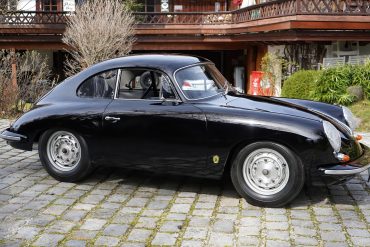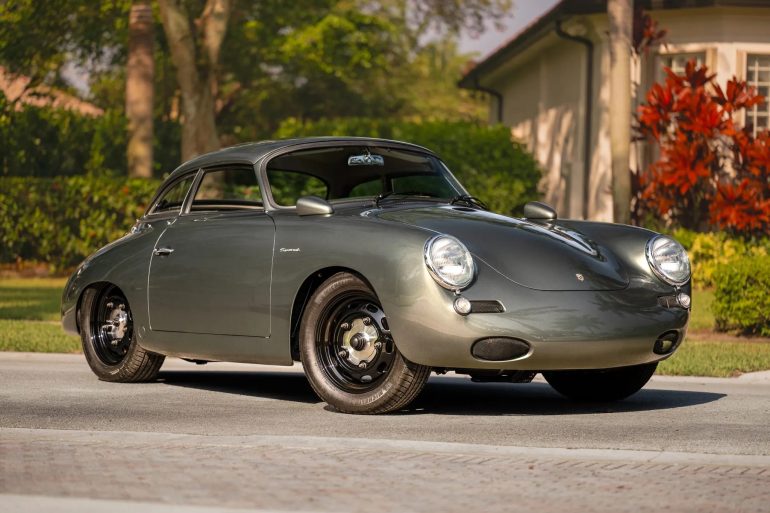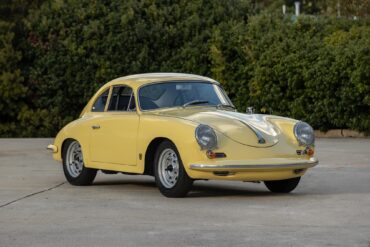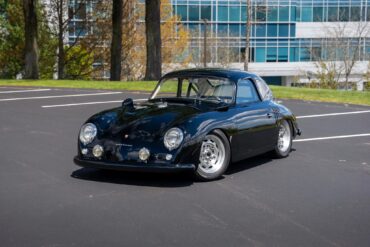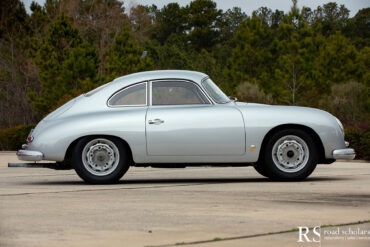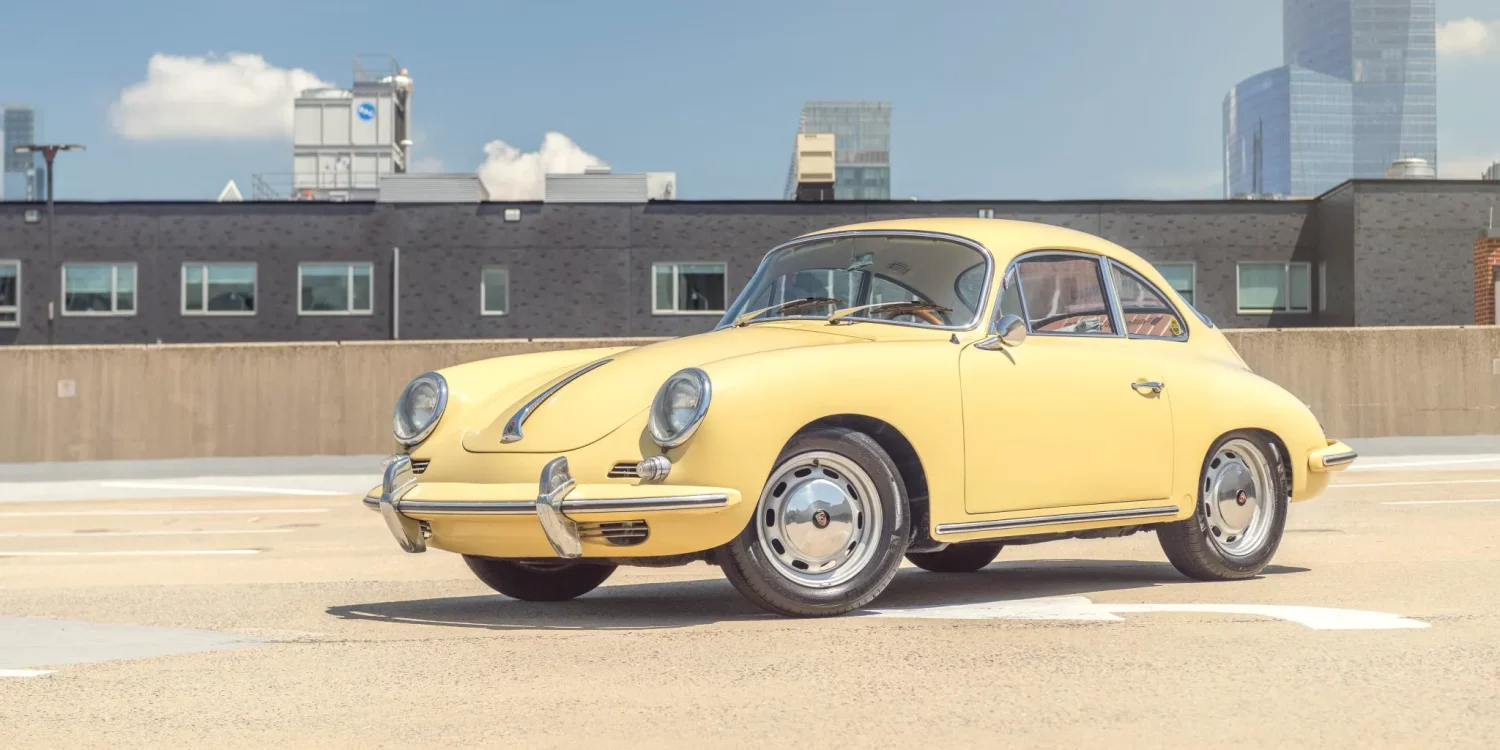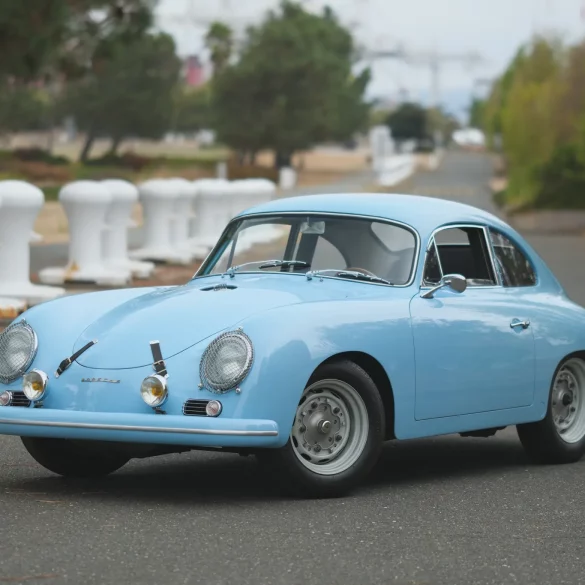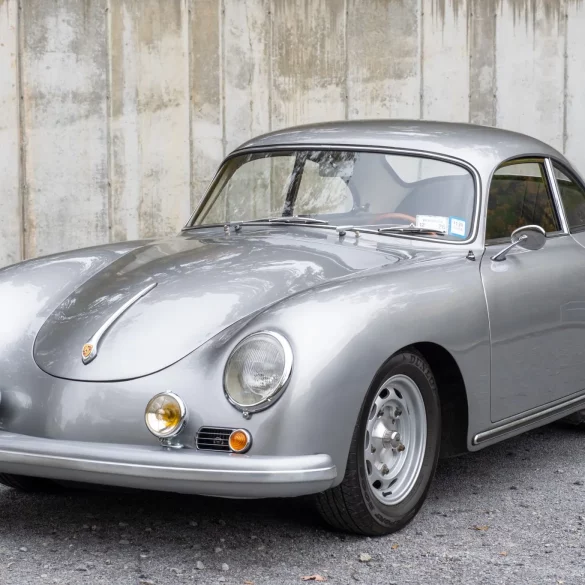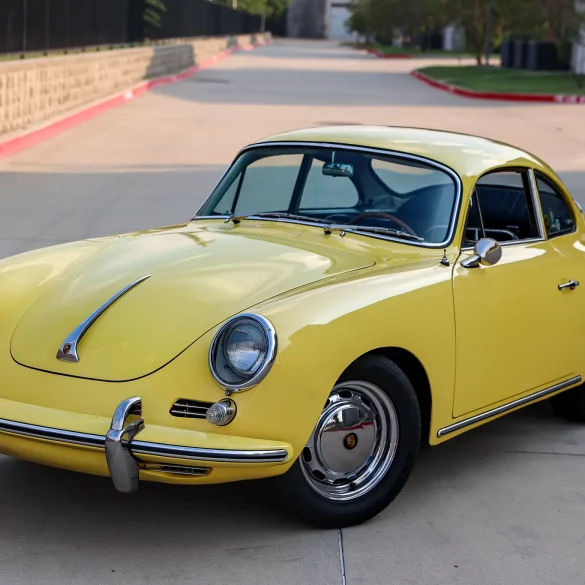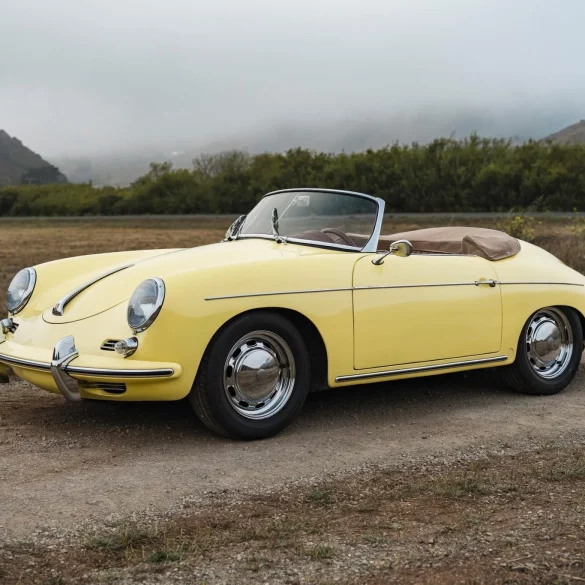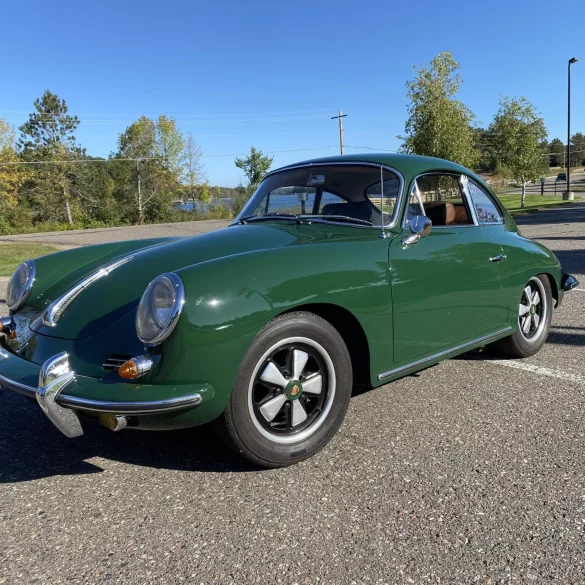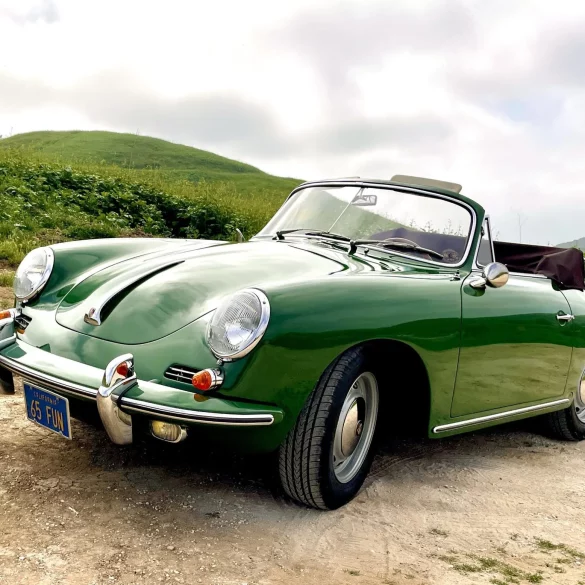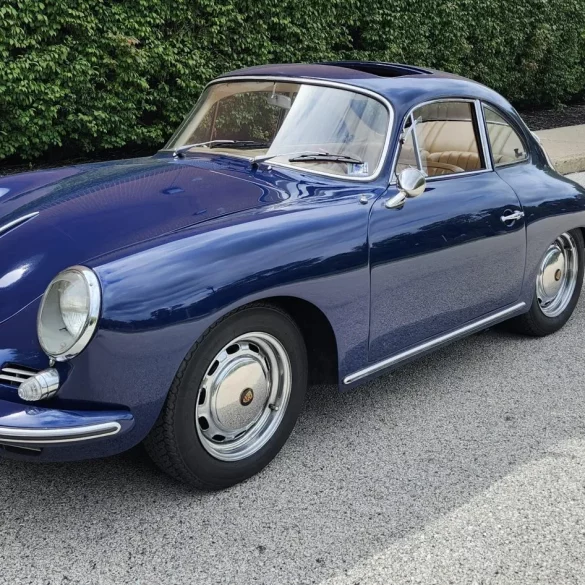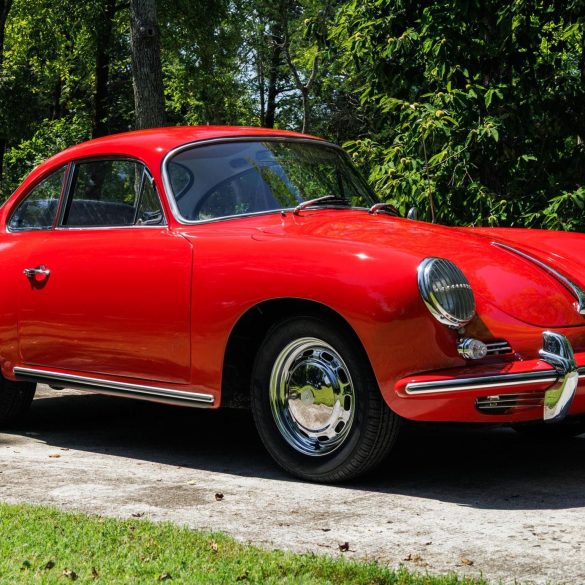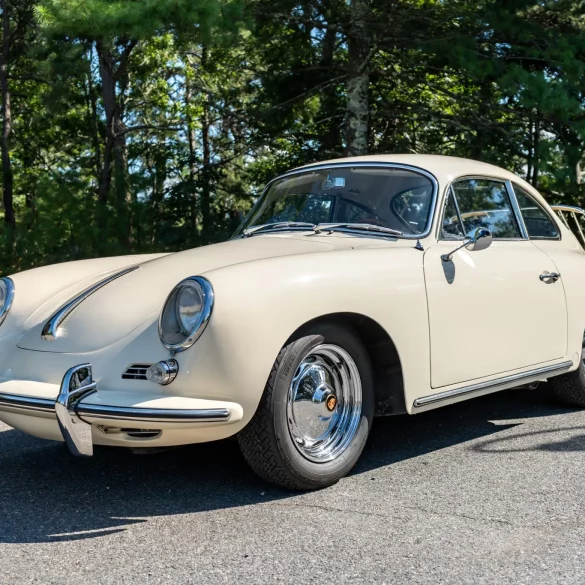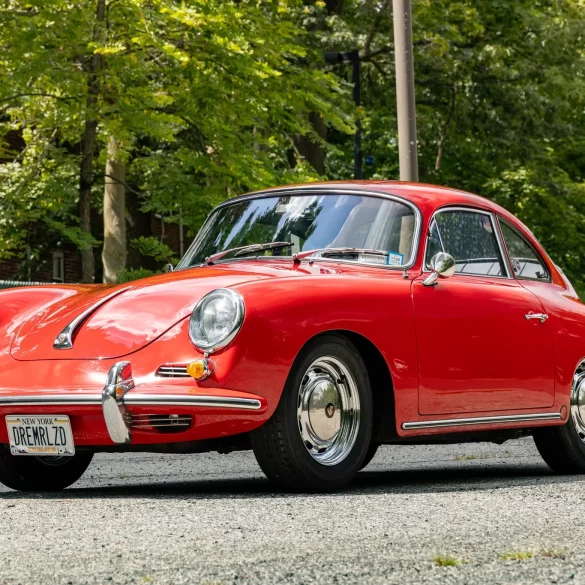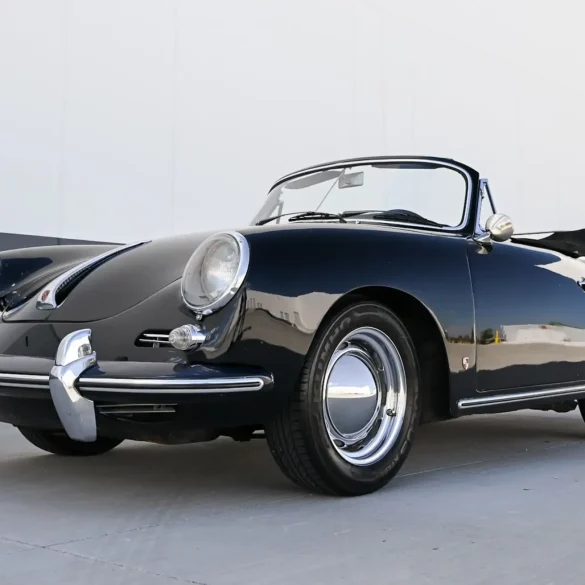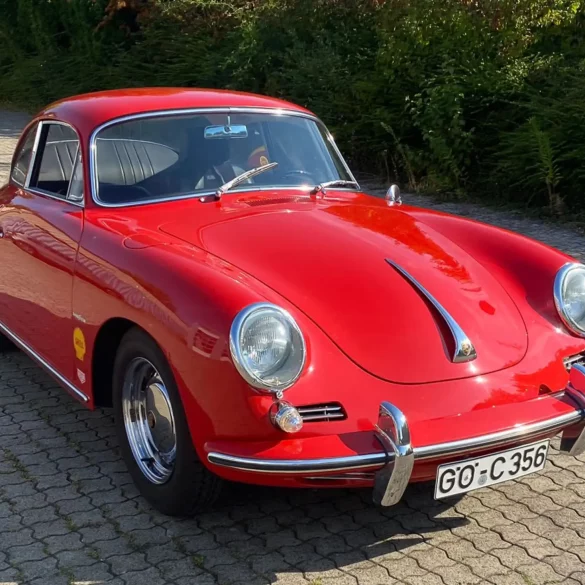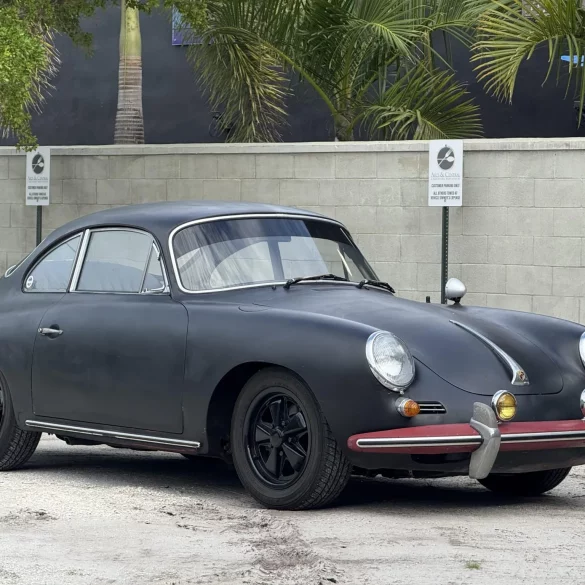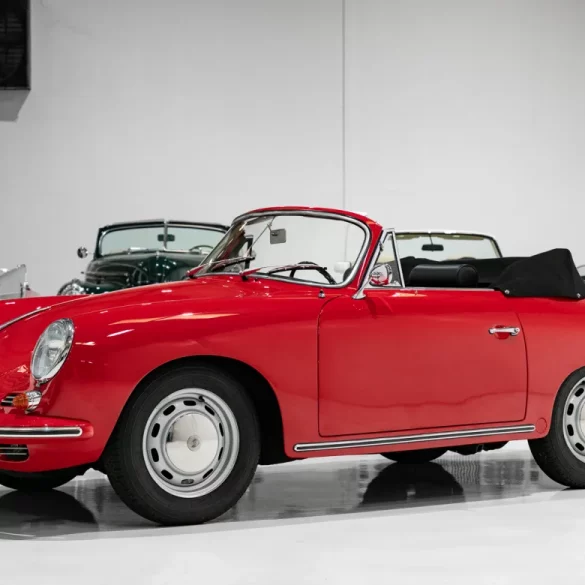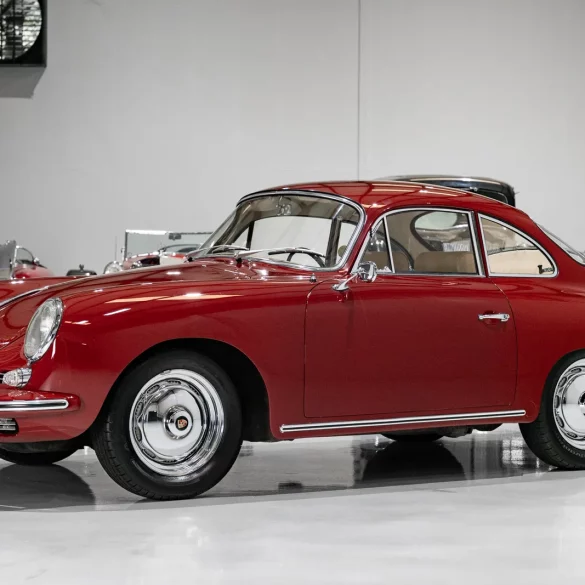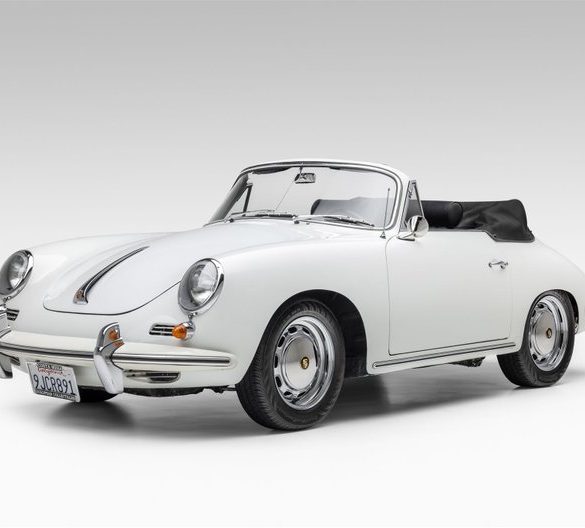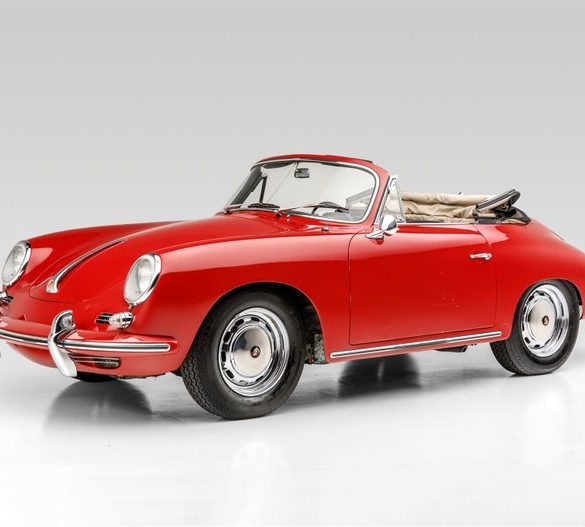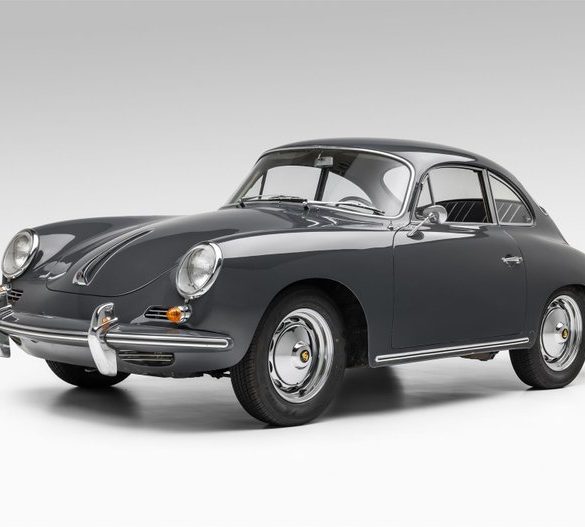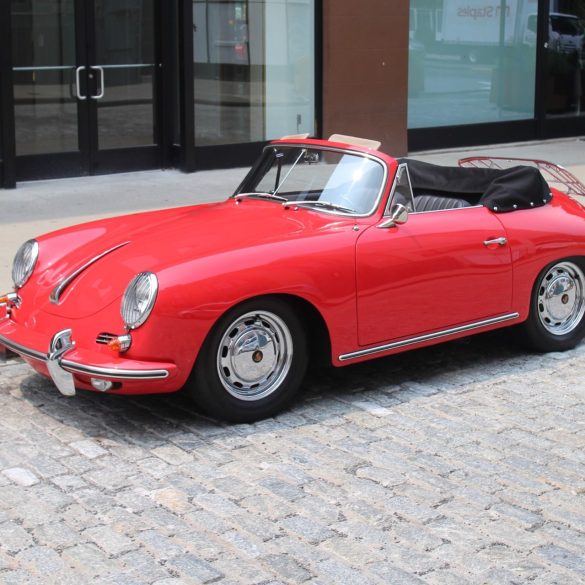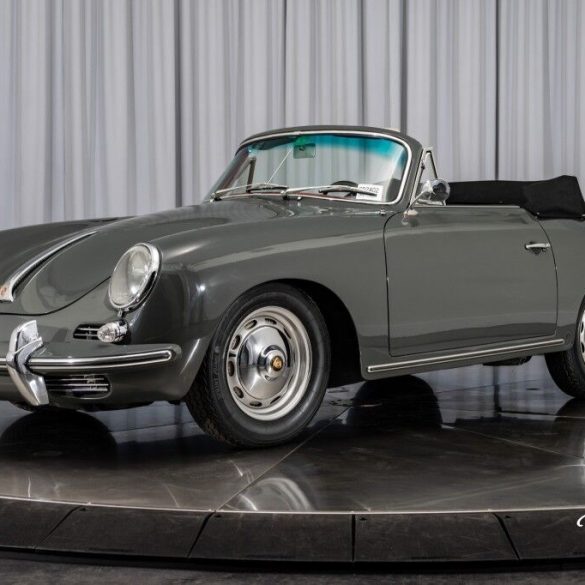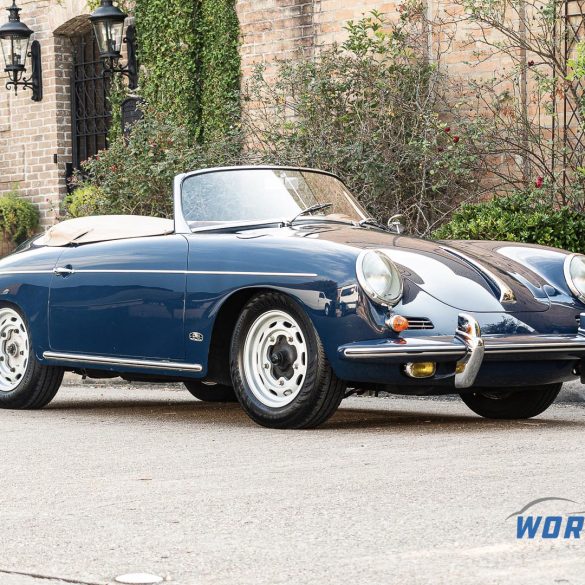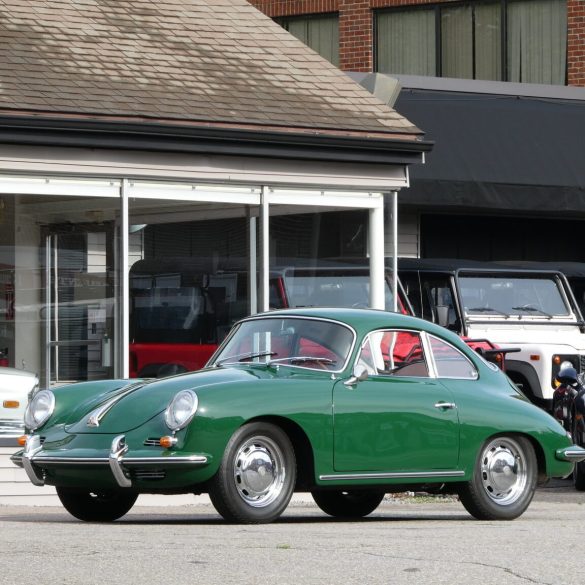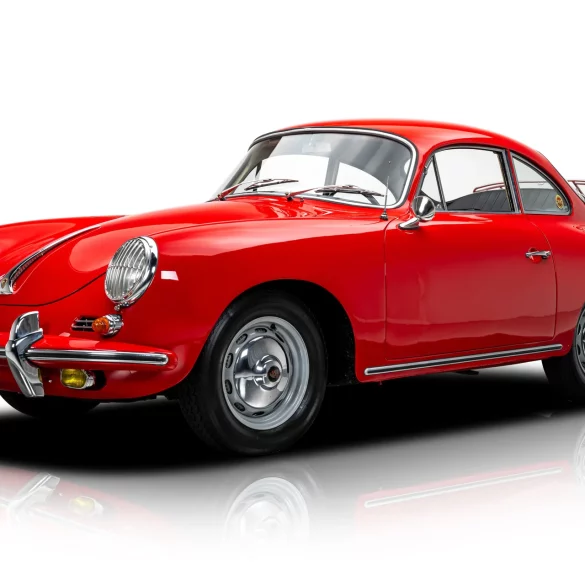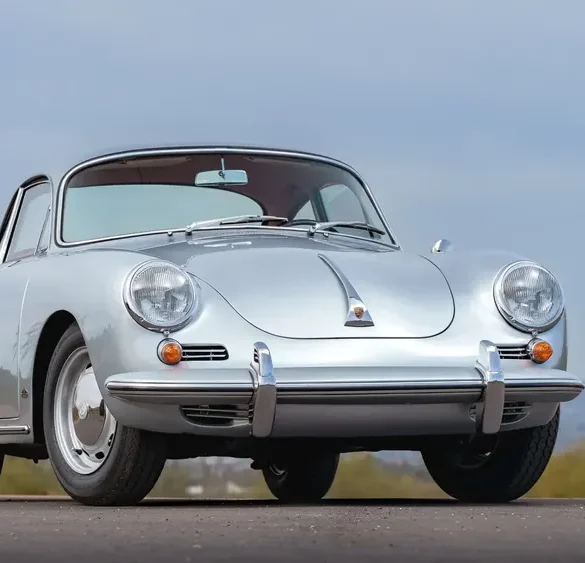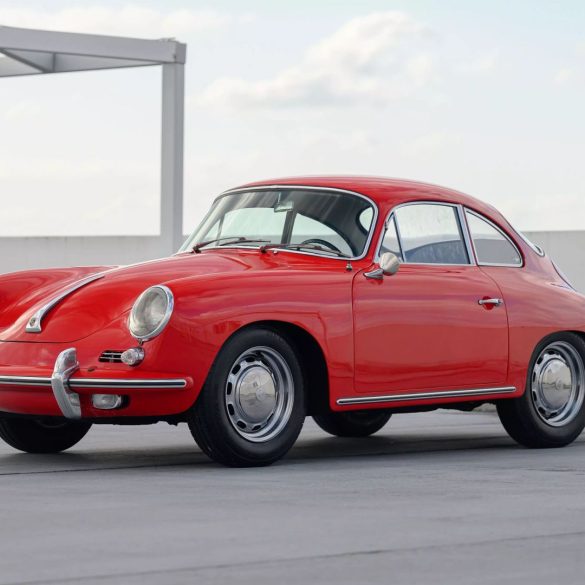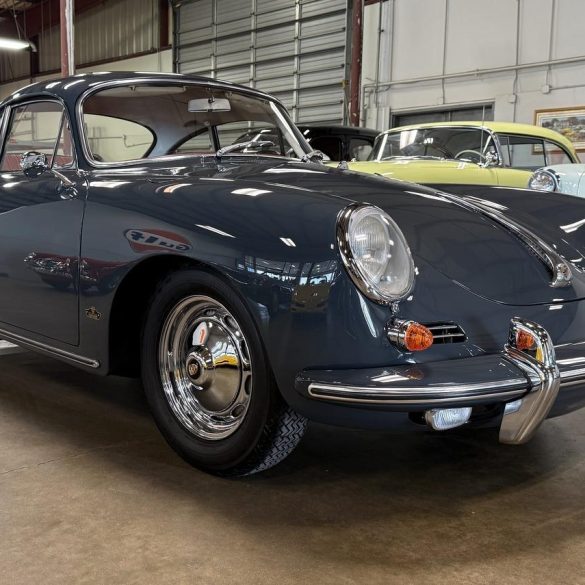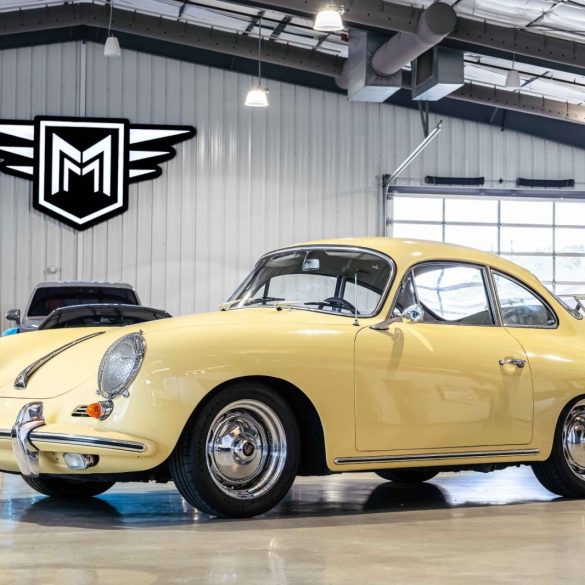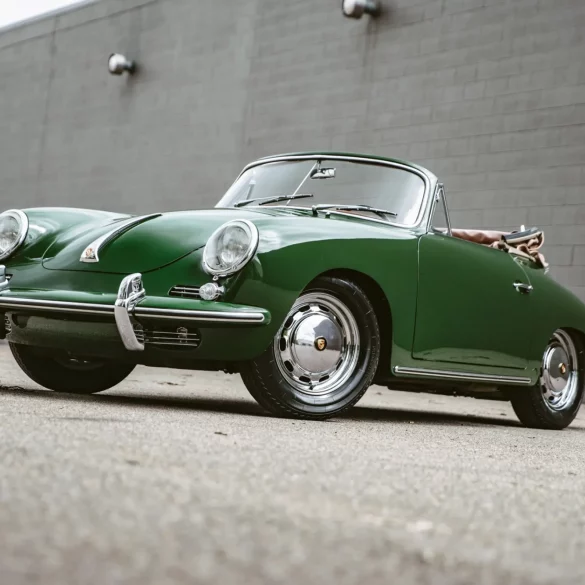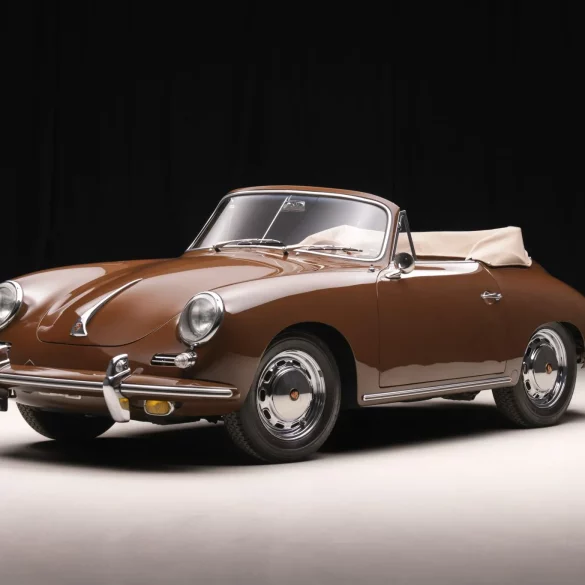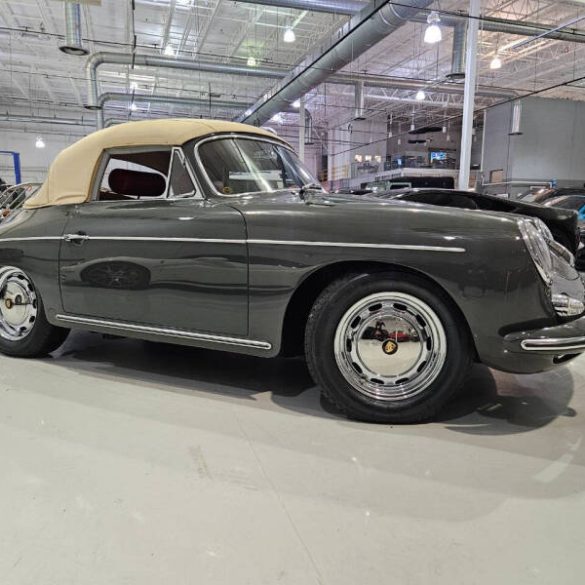
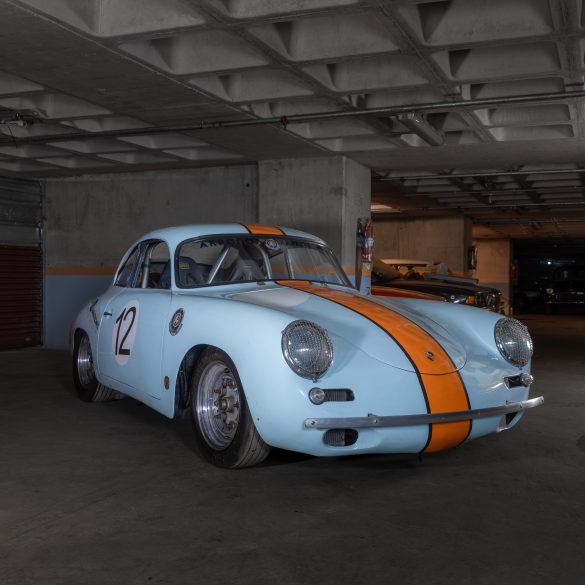
One of the all-time great sports cars, the 356 was the work of Ferry Porsche, who had been inspired by the FIAT-based Cisitalias of Piero...


The Porsche 356 is where the Porsche story truly began. Produced from the late 1940s through the mid-1960s, the 356 established the brand’s core values of lightweight construction, mechanical simplicity, and driver engagement. With its rear-engine layout, elegant design, and motorsport pedigree, the 356 laid the foundation for every Porsche that followed—including the iconic 911.
Today, the Porsche 356 is one of the most desirable and respected classics in the collector-car world. From early Pre-A cars and Speedsters to later 356 A, B, and C models, these cars appeal to a wide range of enthusiasts, collectors, and investors. Values remain strong thanks to limited supply, global demand, and the model’s unmatched historical significance.
Refine Search: All 356 / 356 Pre A / 356 A / 356 B / 356 C / 356 Race Cars
Below you’ll find a carefully curated selection of Porsche 356 cars for sale, sourced from across the web, including respected specialty dealers, leading international auction houses, and verified private listings from our enthusiast community. We bring together available examples in one place to make it easier to compare body styles, model years, condition, originality, and pricing across the market. Because Porsche 356s vary widely in specification and value—from driver-quality cars to concours-level restorations—availability and pricing can change quickly.
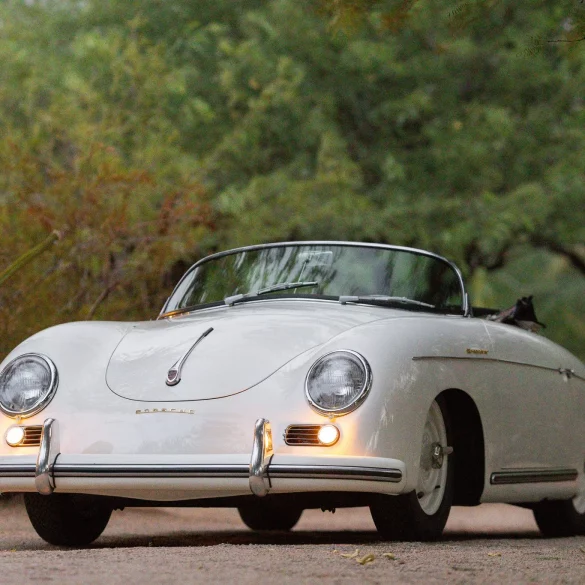
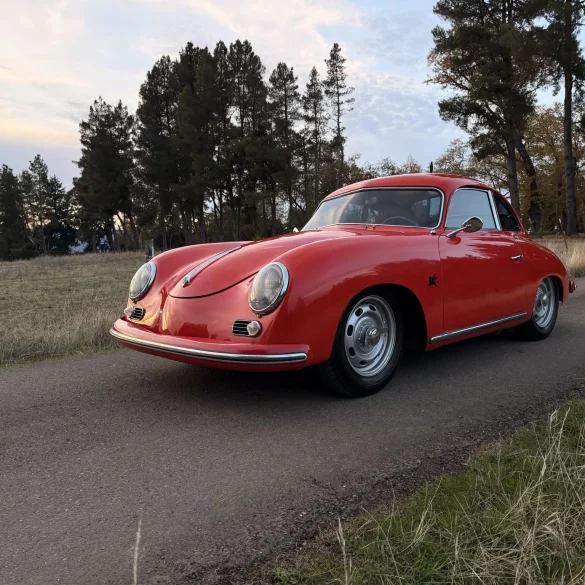
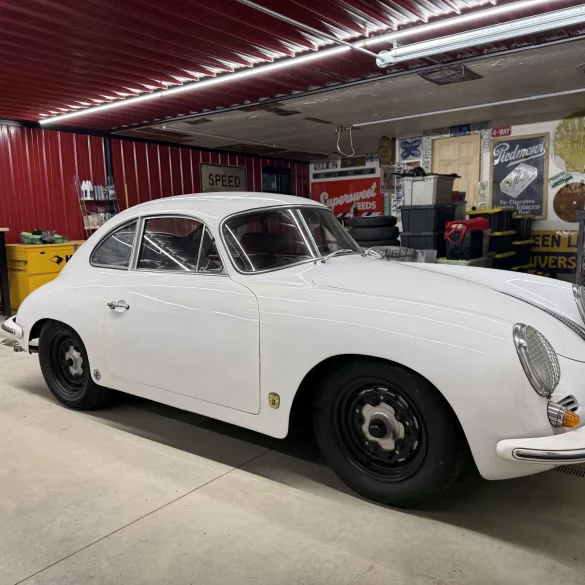
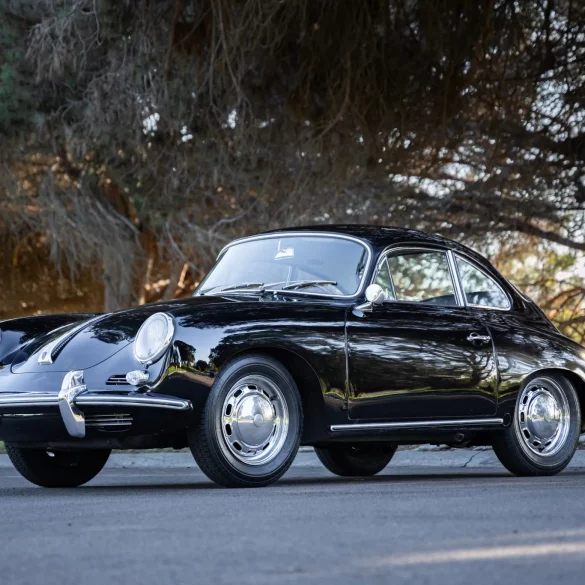
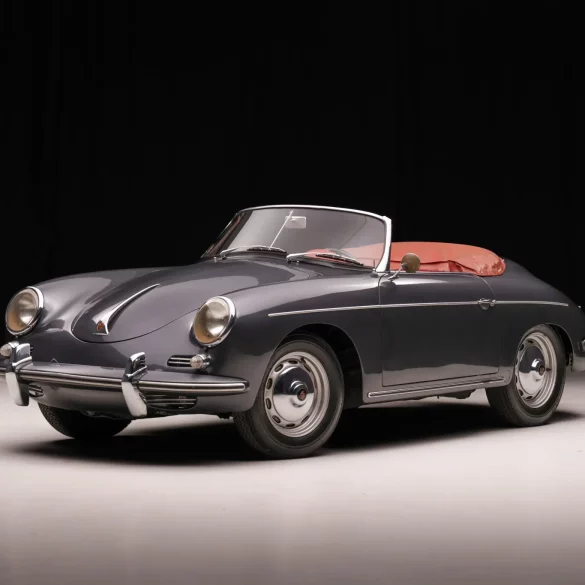
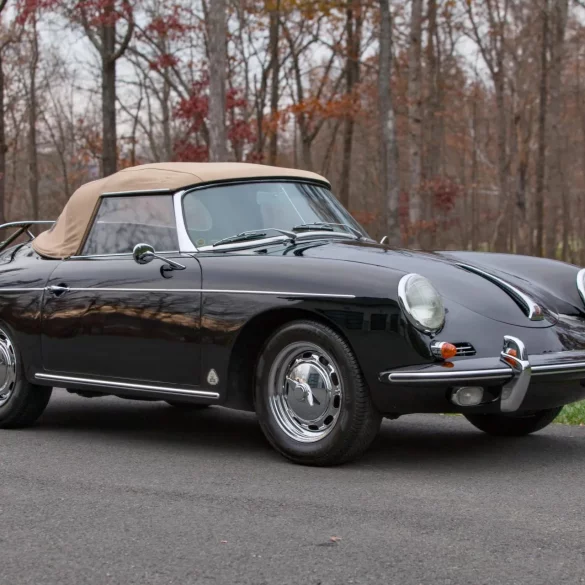
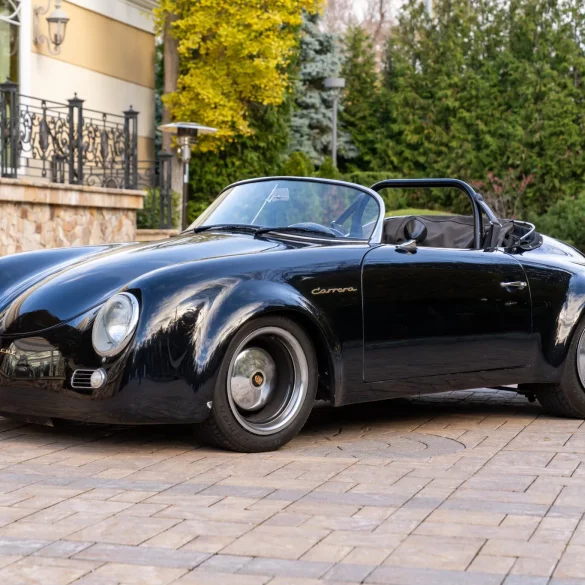
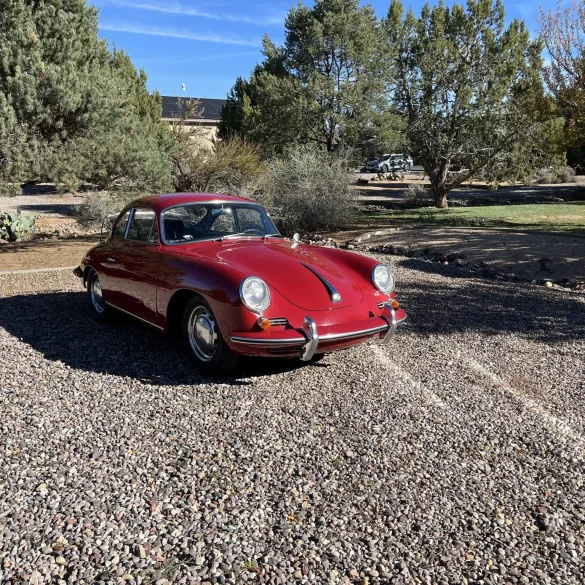
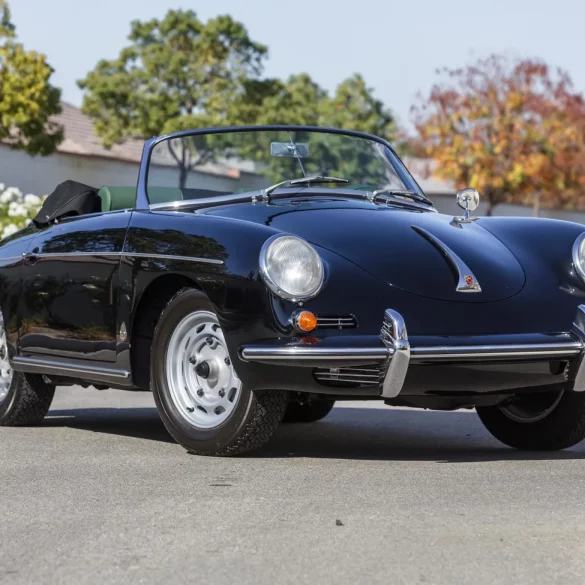
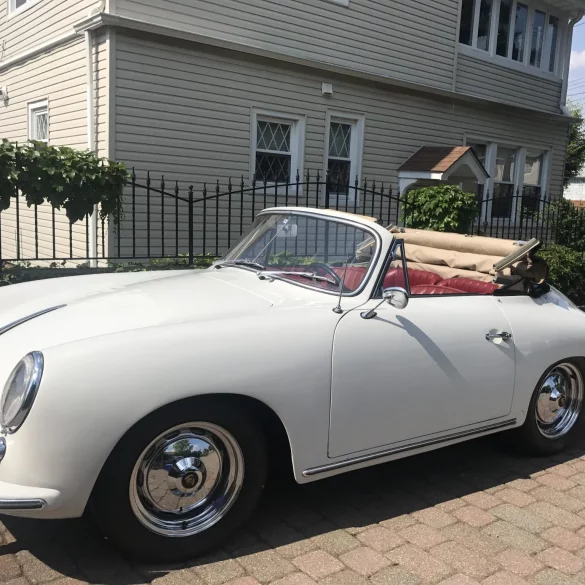
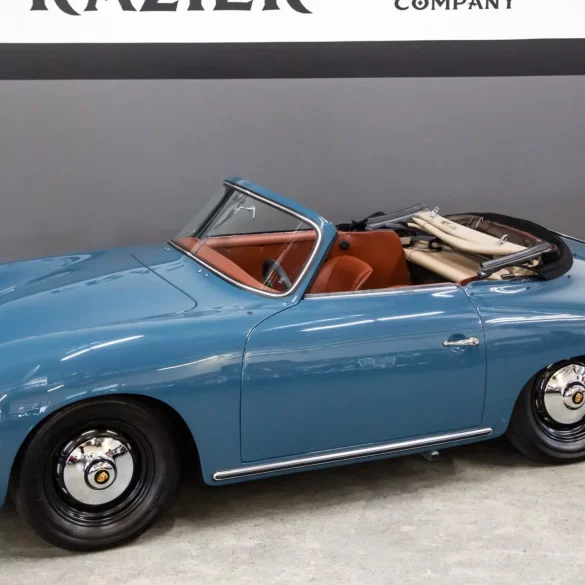
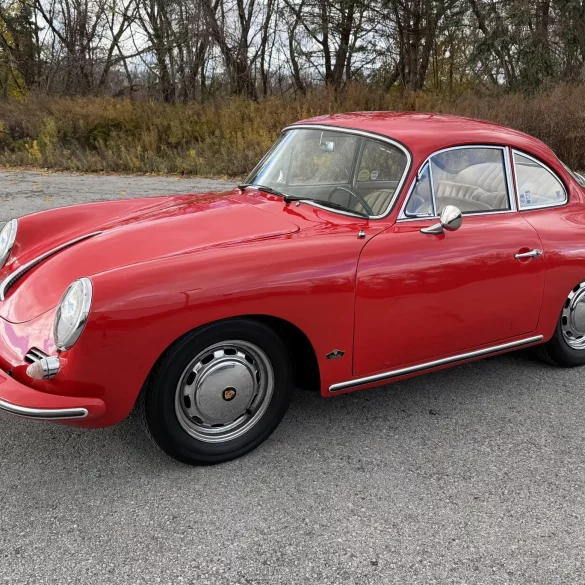
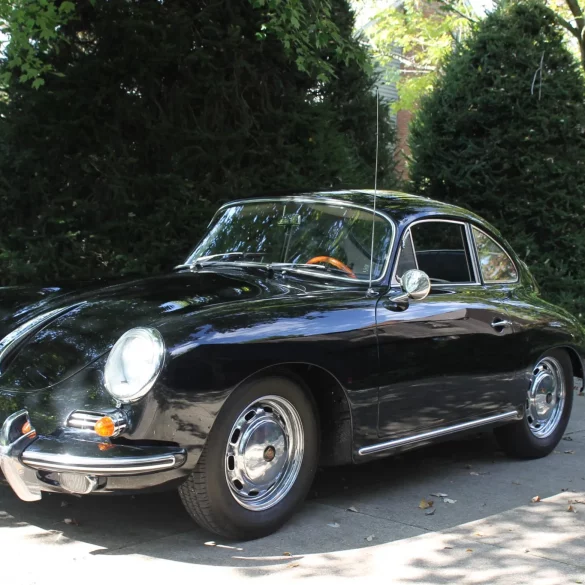
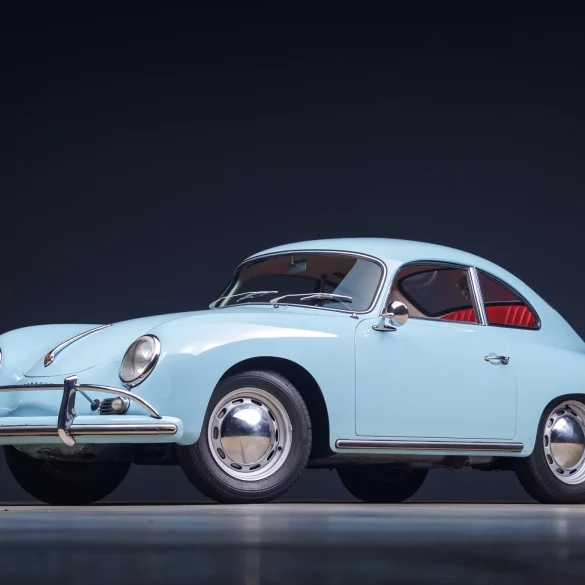
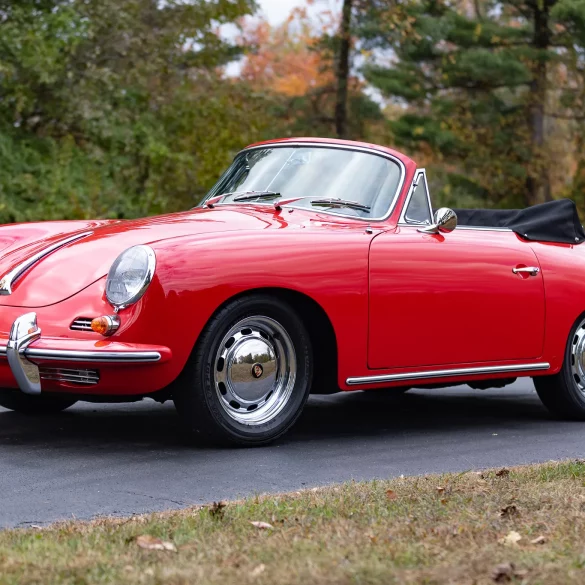
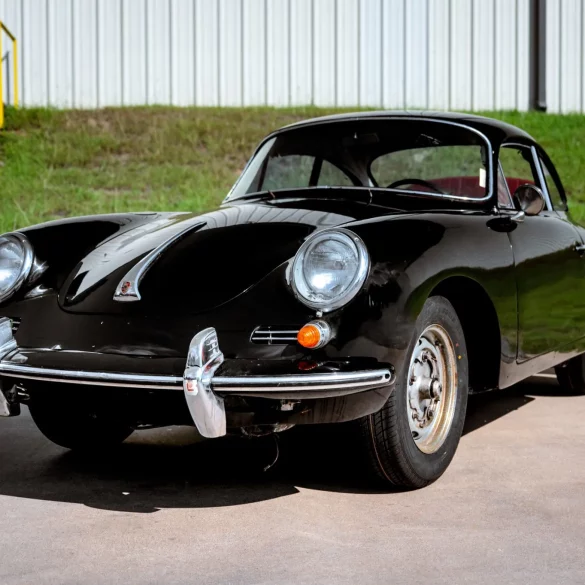
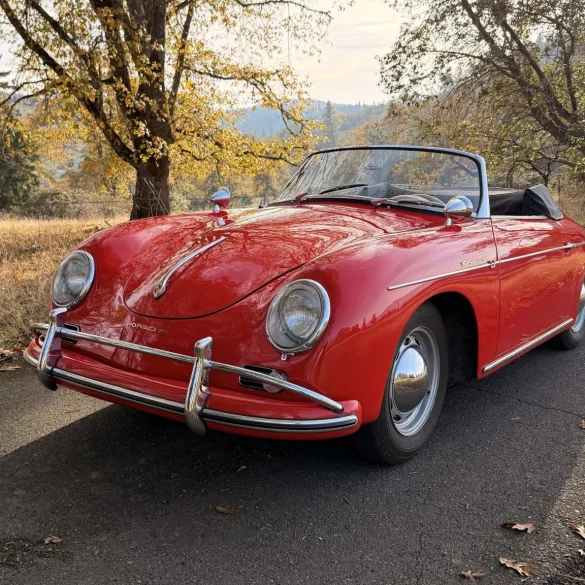
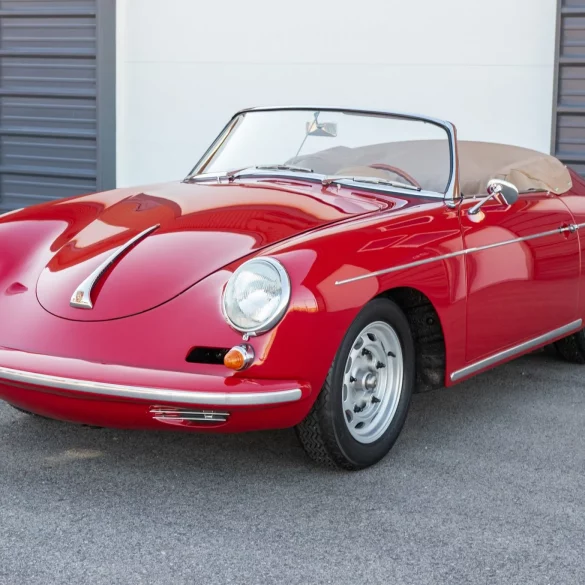
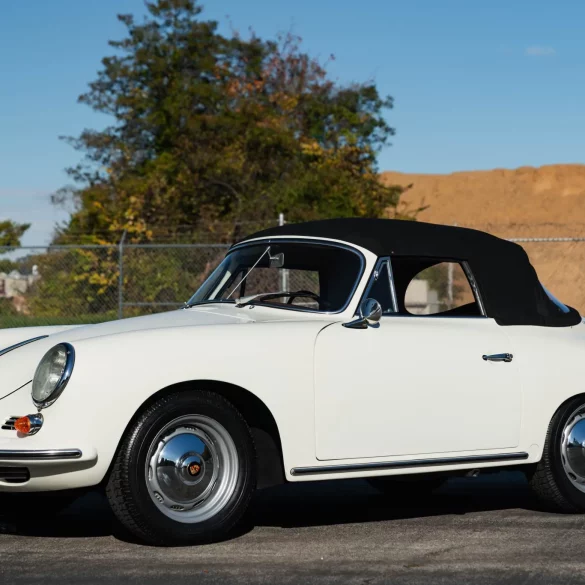
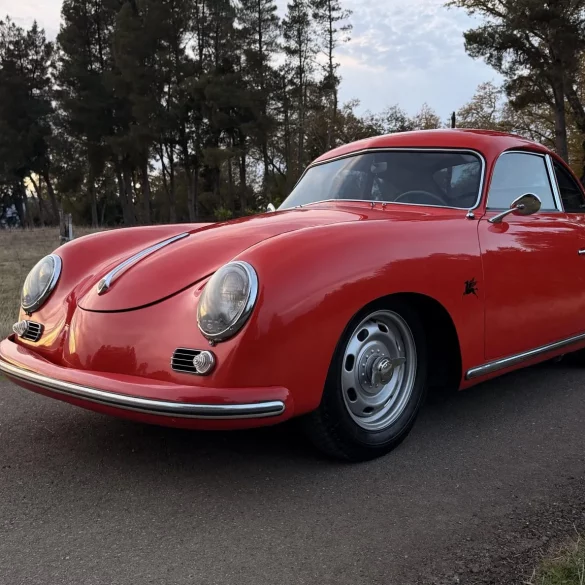
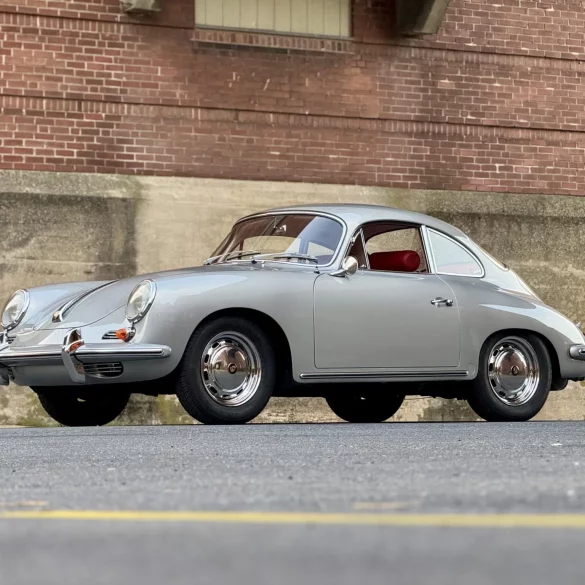
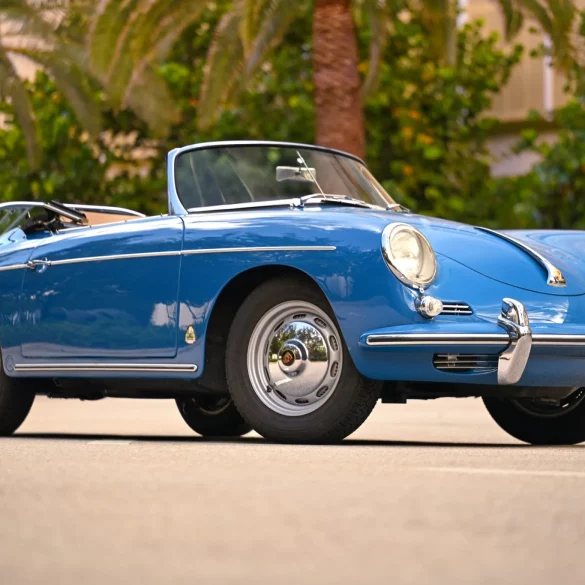
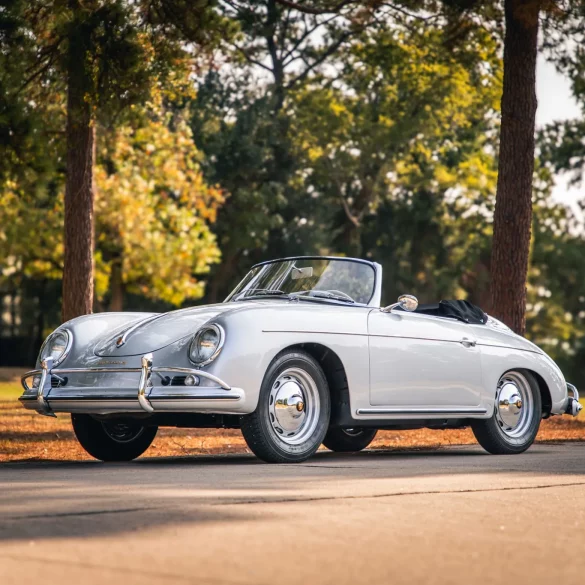
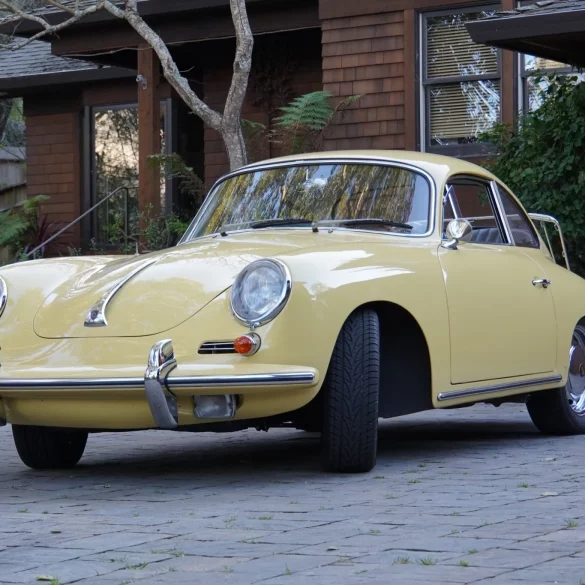
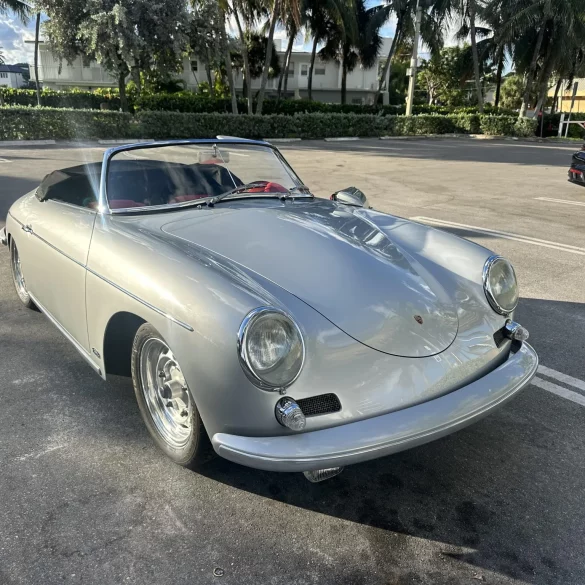
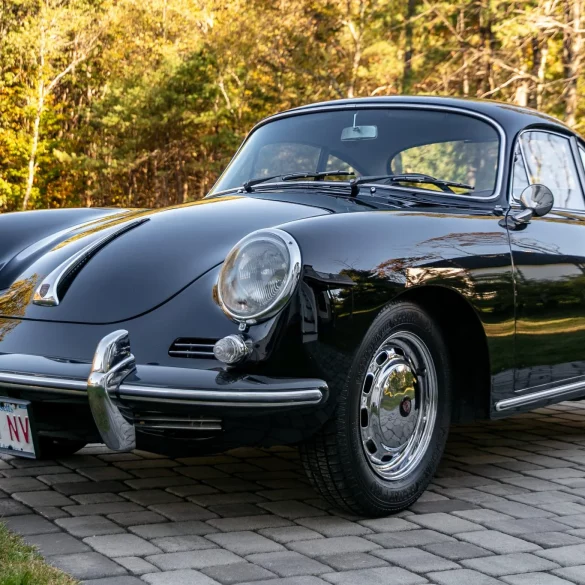
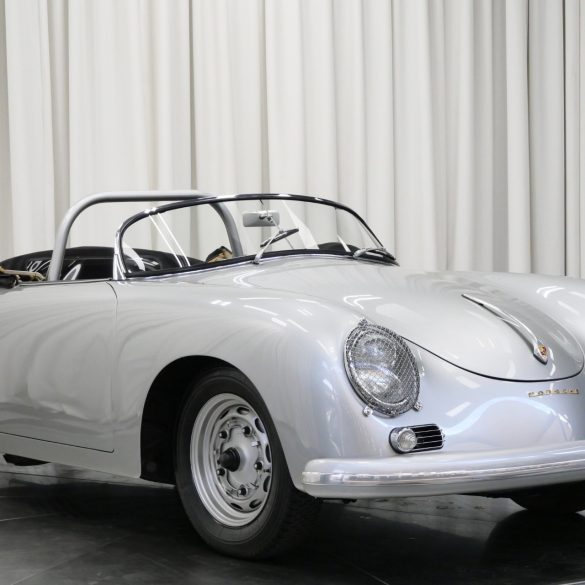
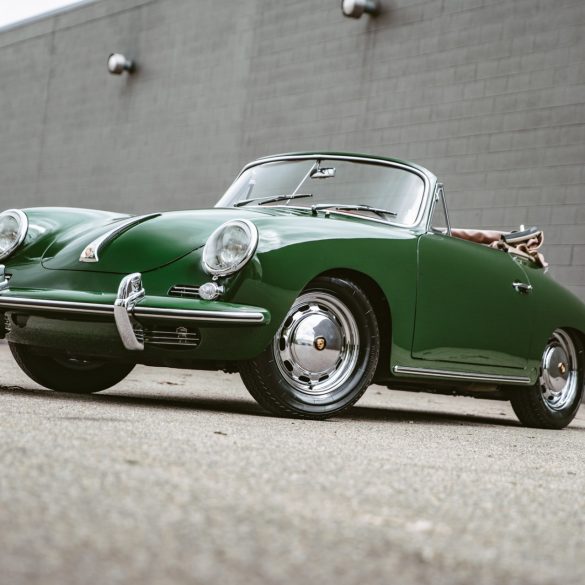
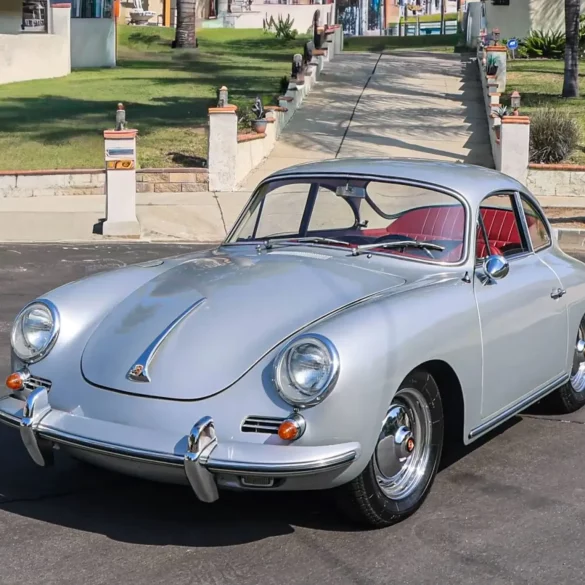
The truly special and unique Porsche 356s at auction or for sale.
The most sought-after Porsche 356 variants are those that combine rarity, performance, historical significance, and design purity. While all 356s have become desirable classics, certain models stand out due to limited production, motorsport pedigree, or collector appeal. Here's a breakdown of the most coveted Porsche 356 variants:
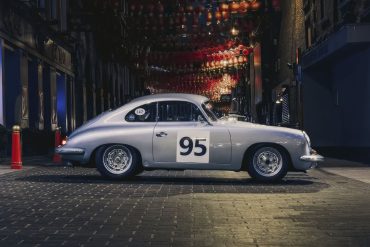
At the top of the list are the Carrera variants, especially the 356A Carrera GS, 356B Carrera GT, and the later 356C Carrera 2. These cars were powered by the exotic Fuhrmann-designed four-cam engines and were originally built for motorsport homologation. Their engines are complex and expensive to maintain, but they offer unmatched rarity and prestige. Carrera models regularly fetch six-figure and even seven-figure prices at auction.
Why sought-after? Motorsport pedigree, rare four-cam engine, limited production, and legendary status.
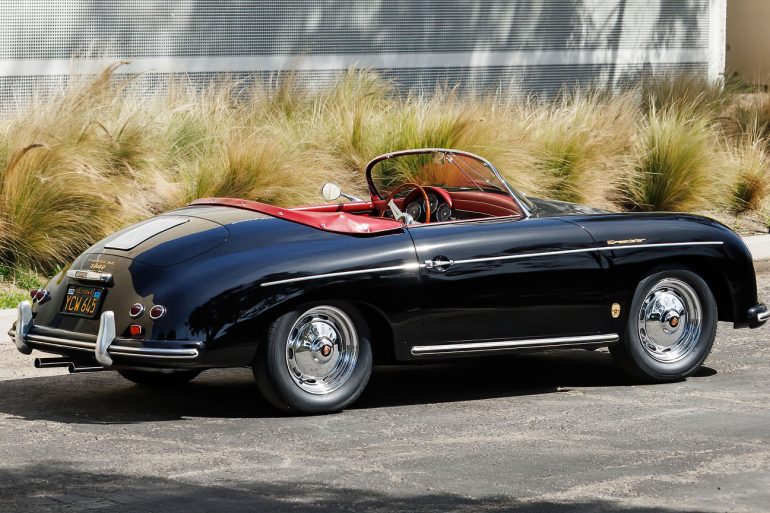
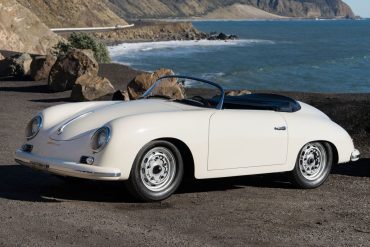
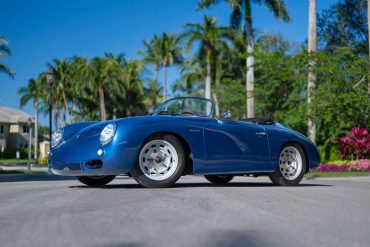
The 356 Speedster, introduced in 1954, is perhaps the most iconic 356 variant. Initially a U.S.-market car intended to be a stripped-down, affordable racer, it featured a low, raked windshield, minimalist interior, and a removable top. Its raw driving feel and beautiful proportions have made it a blue-chip collectible. Early Pre-A Speedsters are particularly prized.
Why sought-after? Iconic design, lightweight simplicity, strong U.S. demand, and significant collector cachet.
While not as famous as the Speedster, the Convertible D (1959) and later Roadster models offered more practicality while still keeping the open-top charm. They featured higher windshields, roll-up windows, and better weather protection, making them more usable than the Speedster while still desirable among collectors.
Why sought-after? Open-air motoring, better usability, transitional rarity between Speedster and cabriolet.
The final iteration of the 356, the 356C (1964–1965), introduced four-wheel disc brakes and more refined engineering. While less rare than the earlier models, 356C Coupes and Cabriolets are in high demand for being the most developed and user-friendly 356s. Matching-numbers examples with factory options like the SC engine are especially desirable.
Why sought-after? Best driving refinement, disc brakes, ease of use, strong support in the enthusiast community.
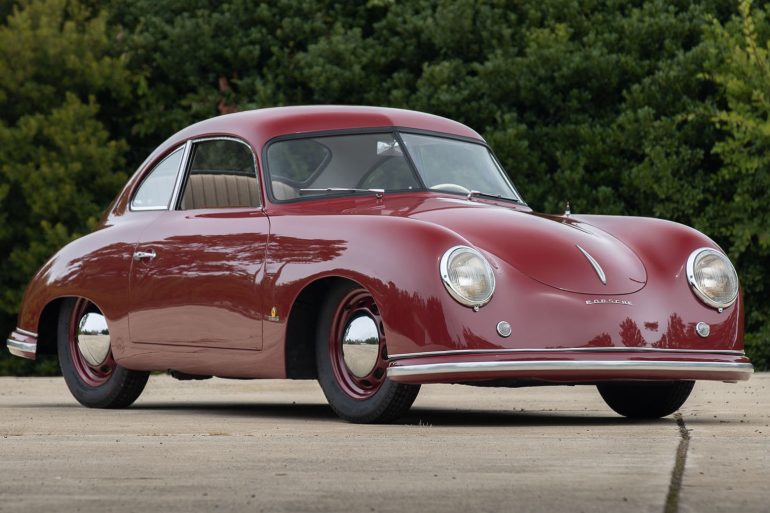
The early “Pre-A” 356s, especially those built in Gmünd, Austria, are the holy grail for some collectors. These cars are ultra-rare, handmade in small batches, and represent the very beginning of Porsche’s automotive legacy. Their value is astronomical, and they are mostly found in museums or high-end collections.
Why sought-after? Historical significance, hand-built rarity, early Porsche heritage.
If you’re looking for a collectible investment, aim for a Carrera, Speedster, or Pre-A. If you want a great-driving classic, the 356C or 356B Super 90 models are smart buys. And if you're chasing the romantic Porsche experience with an open top, the Convertible D and Roadsters strike a great balance. As with any classic, condition, originality, and documentation are key in determining ultimate desirability and value.
The “best” Porsche 356 model years to buy depend a bit on what you want from the car — investment value, drivability, rarity, or period charm — but many collectors and enthusiasts tend to favor certain years/eras over others. Here’s a breakdown of what tends to be regarded as the strongest 356 model-years (or sub-types), with pros and tradeoffs.
The final evolution of the 356 before production ended. It comes with improvements like disc brakes and the most powerful pushrod engines offered in the 356 line-up, especially on the “SC” models — making them among the most usable 356s for regular driving. Its combination of “classic Porsche charm + improved drivability and safety” makes it a favorite for people who want a true vintage 356 but don’t want all the compromises that come with the earliest cars.
Among the most collectible and iconic: the 356A remains rare compared with later 356B/B-T6/356C, and the early “Speedster” models from this era are especially desirable. For many, these represent the original “classic Porsche spirit” — lighter, simpler, purer — which appeals to passionate enthusiasts and collectors. Early 356As (and even pre-A 356s / 356/2 / Gmünd-era cars) carry significant historical and collector value — if you can find one, condition and authenticity matter more than age alone.
Certain sub-types — e.g. original “Speedsters,” four-cam “Carrera” models, well-documented matching-numbers cars — are often more desirable regardless of exact year. For collectors, provenance, originality (matching numbers, rust-free body, documented history) can significantly outweigh the “best” year.
Pre-A (earliest 356 / 356-2 / Gmünd built, 1948–1951): Extremely rare and historically significant — but also primitive, expensive, hard to find, and prone to wear/rust. Great for true collectors, tough for casual owners.
Mid-Era 356B / T5-B (≈ 1959–1961): More common and often more affordable — but many consider these the “least desirable” because they don’t have the charm of the early A cars or the refined amenities and driving improvements of the later C cars.
Any 356 that’s heavily modified, non-matching numbers, or poorly maintained: Even the “best” year won’t matter much if the car’s condition is bad. Condition, rust-free structure, and documented history tend to matter more than model-year alone
The market for Porsche 356s remains healthy and active recently — but it exhibits a wide range of pricing depending heavily on model, condition, rarity, and provenance. According to listing data aggregated on major classic-car marketplaces, “normal” 356s currently span from project- or high-mileage cars in the low tens of thousands to highly original, low-mileage survivors fetching several hundreds of thousands.
Entry-level or lower-spec 356s (needing restoration or having higher mileage) may start at roughly US $30,000–$40,000. Well-kept mid-era models (such as early 356A or 356B coupes and cabriolets) generally trade in the $80,000–$150,000 range — especially when they are rust-free, mechanically sound, and have reasonable documentation.
At the upper end, condition-correct, original (or restored to original), rare, or highly desirable variants — including early 356A models, Cabriolets, or later-series examples — frequently sell for $150,000 to $300,000 or more. Meanwhile, the most collectible 356s — such as original Speedsters, rare “matching numbers” examples, well-documented cars with minimal rust, and rare pre-A or special-trim variants — continue to command premium prices well above average.
That said, the market shows signs of shifting. Some premium or “outlaw-style” cars (modified, non-matching, or heavily altered 356s) are seeing softer demand — for instance, a 356A “Sunroof Coupe” failed to sell at a $265,000 asking recently, despite being polished up and well presented. Wolf and Mare At the same time, buyers appear to be increasingly discerning: originality, documented history, and rust- and damage-free bodies are major selling points.
In short, the 356 market remains robust — but it has grown more nuanced. While there’s still room for speculation and restoration projects at lower price points, real buyer interest — and thus stronger values — centers on cars that are either very original or properly, sensitively restored with good provenance. If you’re shopping or listing a 356, expect the biggest variation in price to come down to condition, originality, and documentation — more so than just model year or trim.
To download an easy to print version, check out our full Porsche 356 Inspection Checklist.
✅ Inspect the battery box and front floor pans for rust or corrosion.
✅ Check the longitudinals (sills/rockers) for structural rust.
✅ Look for bubbling paint or signs of filler on the doors and rear quarters.
✅ Inspect the rear shock mounts and torsion bar areas for rust damage.
✅ Examine the wheel wells for rust and poor repairs.
✅ Use a magnet to detect body filler in key areas.
✅ Check for oil leaks under the engine—rear main seal and pushrod tubes are common culprits.
✅ Perform a cold start—watch for excessive smoke (blue = oil, black = fuel).
✅ Listen for unusual engine noises (knocking, tapping, or whining).
✅ Conduct a compression test or request recent results.
✅ Check the carburetors for proper tuning and responsiveness.
✅ Inspect the cooling system (oil cooler and fan shroud) for signs of overheating.
✅ Test for smooth shifting—watch for grinding in 2nd and 3rd gear.
✅ Listen for whining or rumbling from the transmission.
✅ Check for clutch slippage or poor engagement.
✅ Inspect CV joints and axle boots for cracks or leaks.
✅ Check for excessive steering play or wandering on the road.
✅ Inspect king pins, link pins, and bushings for wear or looseness.
✅ Ensure the car sits level—sagging rear torsion bars indicate wear.
✅ Listen for clunking noises over bumps, which may indicate worn shocks or bushings.
✅ Check the firmness of the brake pedal—soft or spongy feel may indicate leaks.
✅ Inspect for leaking wheel cylinders and brake lines.
✅ Test for even braking—pulling to one side may indicate worn drums or shoes.
✅ Look for worn or out-of-round brake drums on earlier models.
✅ Test all electrical components—lights, gauges, horn, and wipers.
✅ Inspect the wiring harness for brittle or frayed wires.
✅ Check for signs of generator or voltage regulator failure (dim lights, weak battery charging).
✅ Inspect the dashboard, seats, and carpets for cracks, fading, and wear.
✅ Check for water damage, mold, or warped door panels and headliner.
✅ Verify the originality of interior components—seats, gauges, and trim affect value.
Bring a flashlight and magnet to help inspect hidden areas for rust and body filler.
Take notes and photos during your inspection for later review.
Test-drive the car, paying close attention to engine performance, braking, and steering feel.
Ask for documentation of restoration work, maintenance history, and any recent repairs.
This checklist will guide you through a thorough evaluation and help you make an informed decision when buying a Porsche 356. If the car passes these checks with minimal issues—or has detailed documentation of repairs—you’ll be well on your way to owning a true automotive icon.
To see a full write up about common Porsche 356 issues, check out our Porsche 356 Buyer's Guide or our dedicated Porsche 356 Common Issues post. Here is a quick summary of things to consider when buying, especially around common issues.
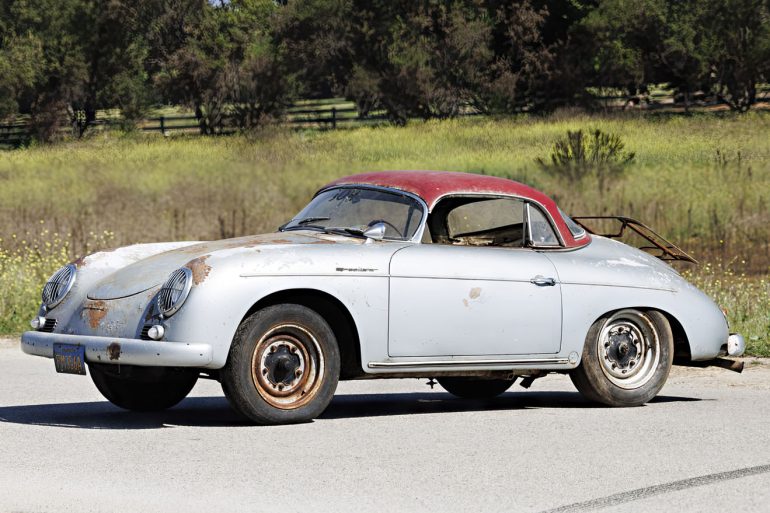
Rust is far and away the most widespread and potentially devastating issue with any Porsche 356. These cars were built with ungalvanized steel and have numerous areas prone to rust, including the floor pans, rocker panels, battery box, front fenders, door bottoms, and torsion tube areas. Rust repair on a 356 is expensive and time-consuming, especially if it involves structural components. Many cars have undergone poor or amateur repairs in the past, masking serious corrosion under thick undercoating or paint. Always insist on a pre-purchase inspection by a 356 specialist who knows where to look.
The 356’s air-cooled flat-four engine is simple but delicate when neglected. These engines are prone to oil leaks, worn valve guides, timing gear wear, and low compression if not properly maintained. Many cars have been rebuilt—sometimes multiple times—but not always by qualified shops. Common issues include:
Worn main bearings and crankshafts due to low oil pressure
Overheating damage from poor cooling system maintenance
Misadjusted carbs or incorrect jetting on Solex or Zenith carburetors
Buyers should check for evidence of recent top-end work, compression/leak-down test results, and verify whether the engine has been rebuilt by a reputable Porsche engine builder.
The 4-speed manual gearbox in the 356 is known for its durability when treated properly, but synchromesh wear (especially 2nd gear) is a common issue. Many cars exhibit grinding when shifting from 1st to 2nd gear before the oil warms up. A full transmission rebuild can be costly due to the rarity of replacement parts and the labor involved. Also, worn clutch components or deteriorated linkage bushings can make shifting vague or difficult.
Early Porsche 356s used 6-volt electrical systems, which can be dim, unreliable, and hard to maintain. Many owners convert their cars to 12-volt systems for usability—especially to improve lighting and starter performance. However, poorly done conversions can cause electrical issues or overload components. Even stock 6V systems, when maintained properly, can work well, but it's something buyers need to assess and budget for if upgrades or repairs are needed.
356s came with drum brakes throughout most of their production run, with disc brakes arriving only on late cars like the 356C. While original drum brakes can function well when properly set up, they require regular adjustment and are sensitive to heat and fade. Poorly maintained systems can suffer from Worn wheel cylinders, Contaminated brake shoes, Leaky master cylinders, Soft or brittle brake lines or Disc brake conversions are available but can affect value and originality.
Fuel tanks can corrode over time, and clogged fuel filters or deteriorating fuel lines are common. Many older 356s still run with mechanical fuel pumps, which may need rebuilding or replacement. Additionally, ethanol-blended fuels can wreak havoc on original fuel system components, so some owners upgrade to ethanol-resistant hoses and rebuilt carbs with modern seals.
Because of the wide age range and variety of models in the 356 series, some cars—especially those restored on a budget—may feature incorrect parts, trim, or body panels. Misaligned doors, poor panel gaps, and incorrect interior components are not just cosmetic concerns; they can affect driving enjoyment and resale value. Buyers should be particularly wary of cars that were "restored to sell" without attention to correctness or quality.