

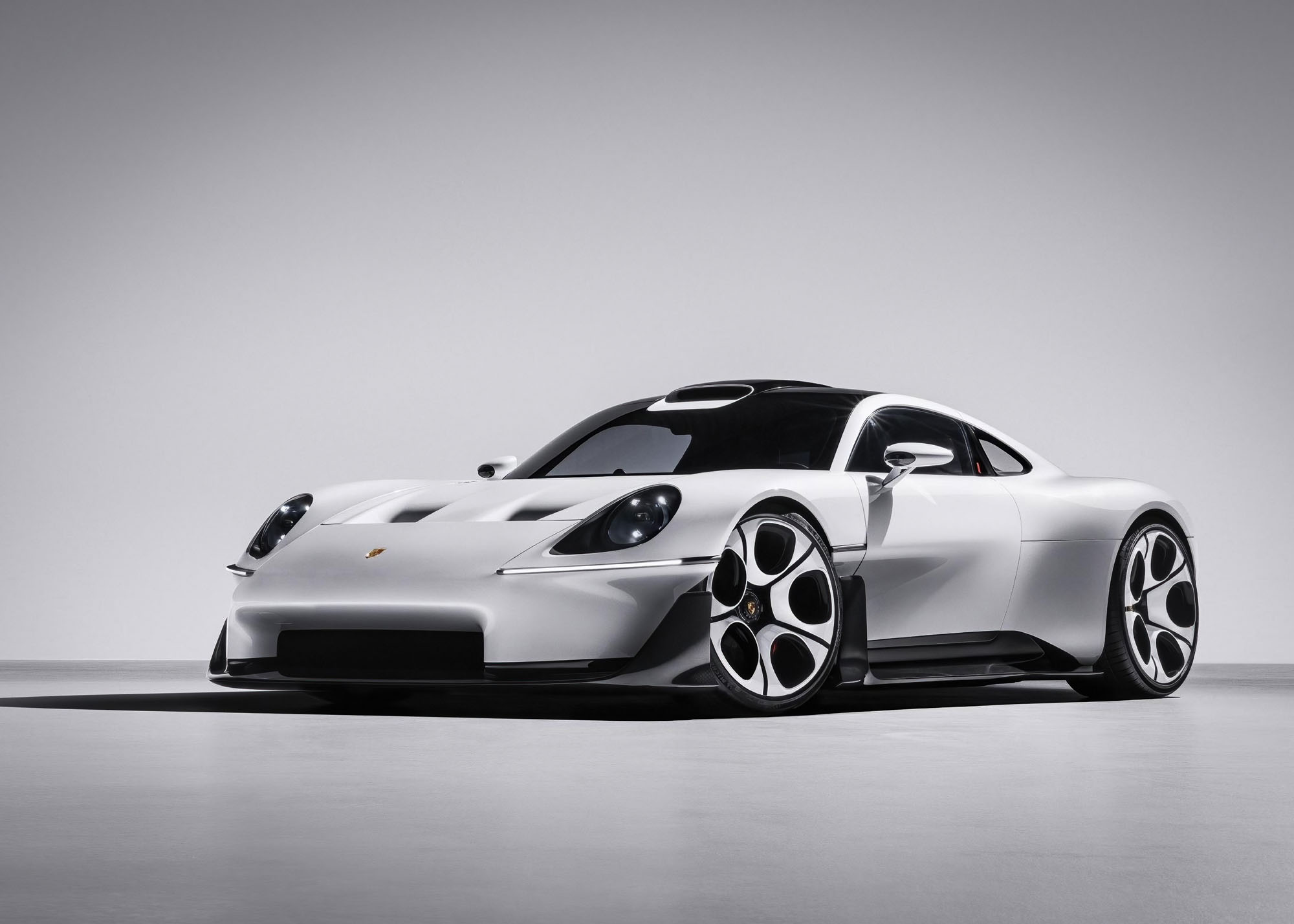
Porsche has unveiled the Mission S concept in New York, previewing a new mid-engine supercar platform positioned above the 911. Unlike limited-production halo models, the proposed platform is intended to support a permanent addition to Porsche’s sports-car lineup. The Mission S also introduces a new design direction for the German manufacturer, combining styling cues from historic Porsche road and racing cars with a driver-focused interior that reduces reliance on conventional digital displays.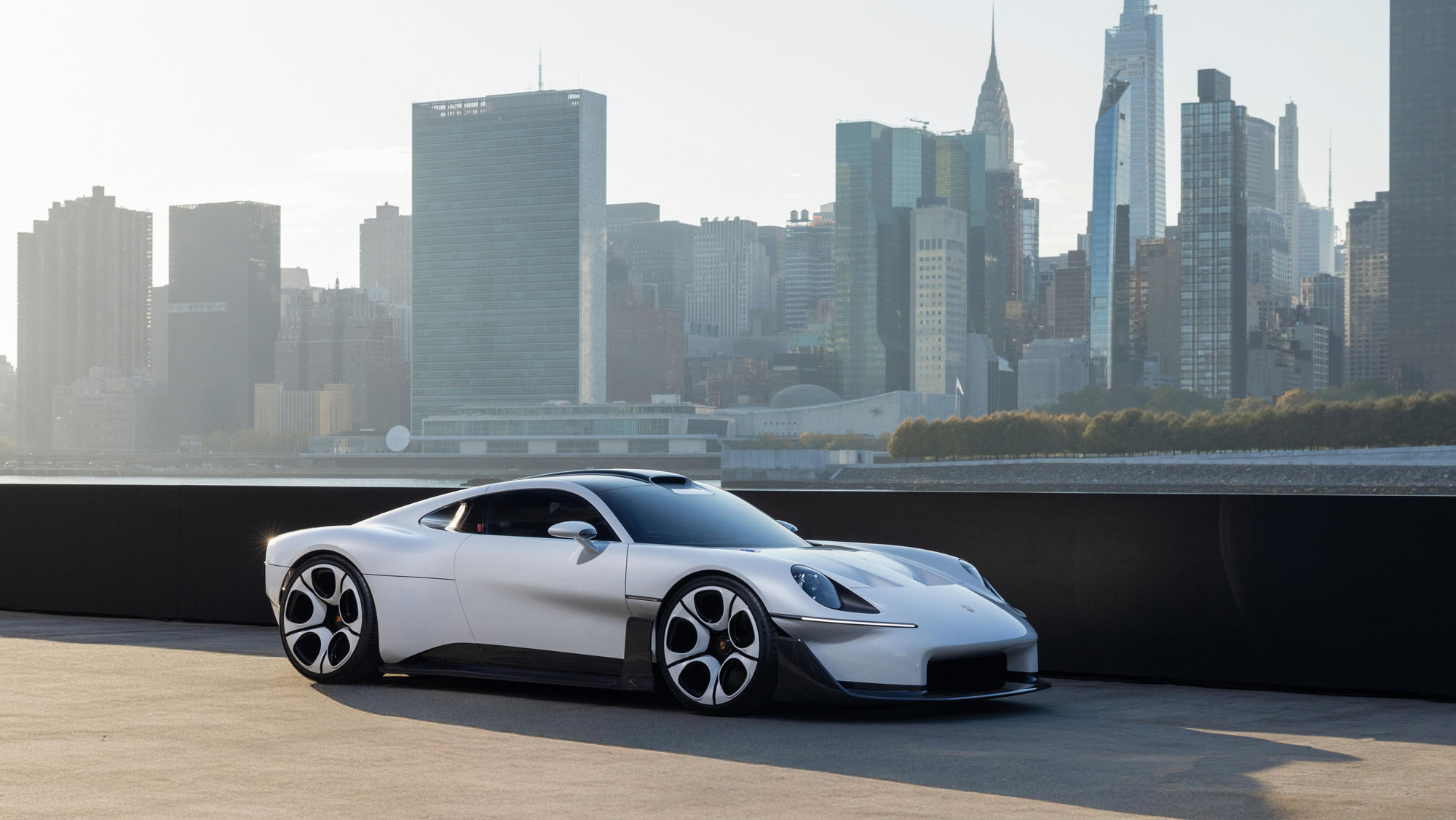
“A Porsche must be recognizable as a Porsche at first glance,” said Dr Michael Leiters, Chairman of the Executive Board of Porsche AG. “The Mission S provides a glimpse of the ideas and design features that will shape Porsche in the coming years.”
Porsche Mission S Signals a New Supercar Strategy
The Mission S made its world premiere on a pier in Queens, New York, overlooking Manhattan. Porsche selected the location because photographs of the mid-engine 550 Spyder were taken there in 1953, helping introduce one of the company’s defining early sports cars to an international audience.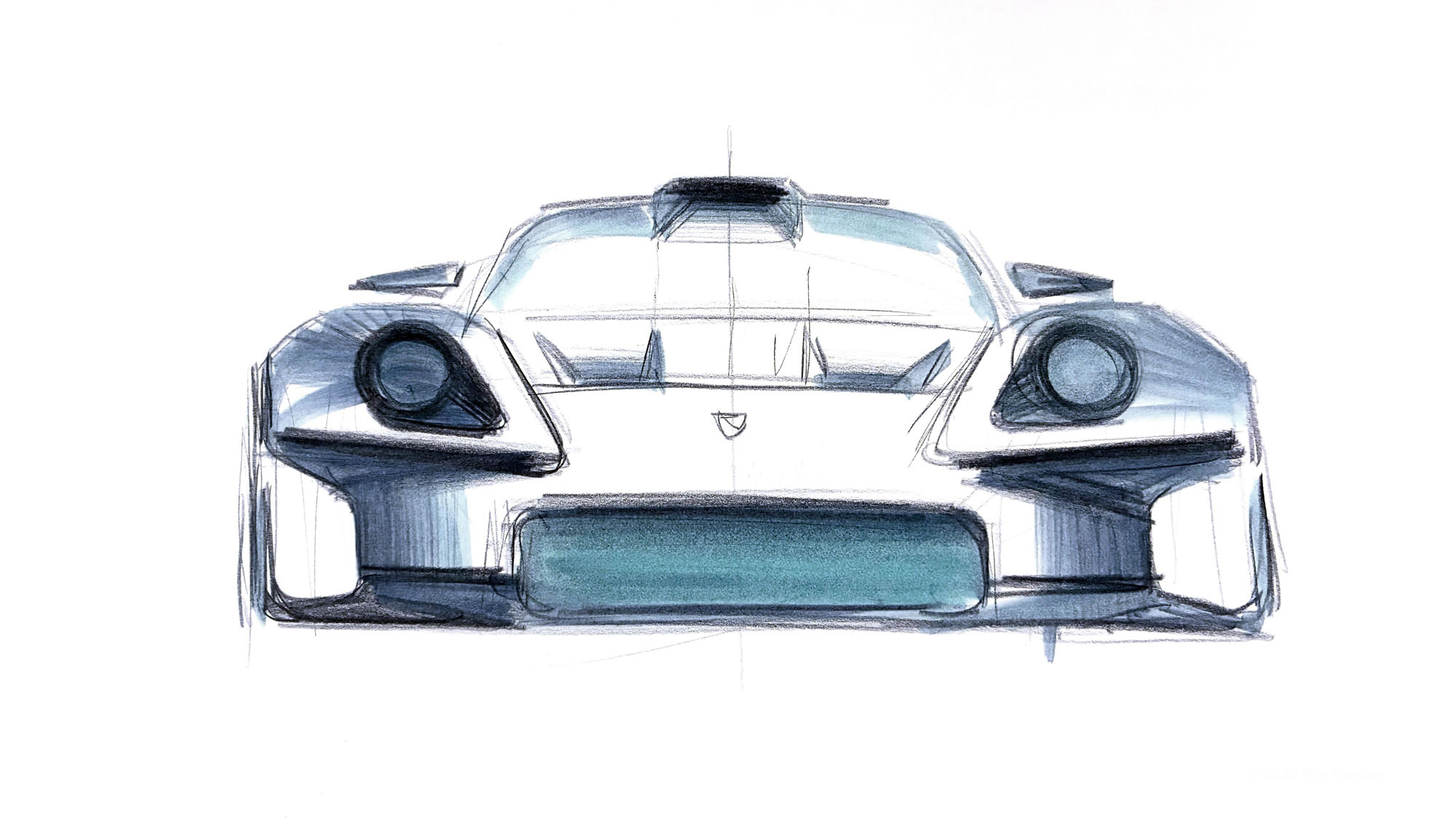
The new concept draws on that heritage while signaling Porsche’s intention to expand beyond the 911 with a permanently available mid-engine supercar offering. Porsche has not disclosed the platform’s powertrain specifications, production timetable or pricing.
Porsche Mission S Exterior Design
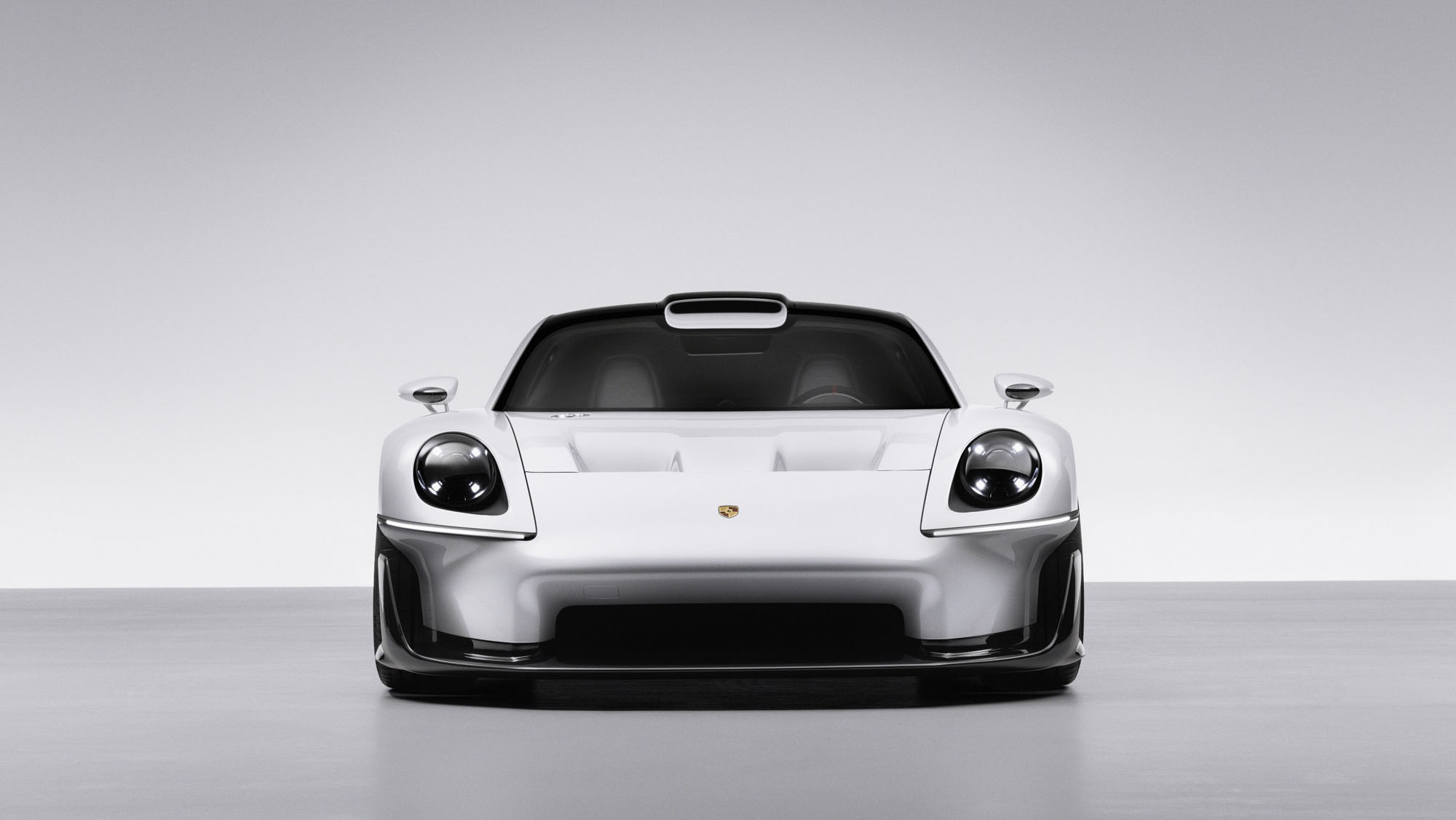
The Mission S incorporates familiar Porsche design elements, including pronounced front fenders, a low roofline and a wide stance. Its proportions reflect the mid-engine layout, while a continuous design line connects the front and rear lighting signatures.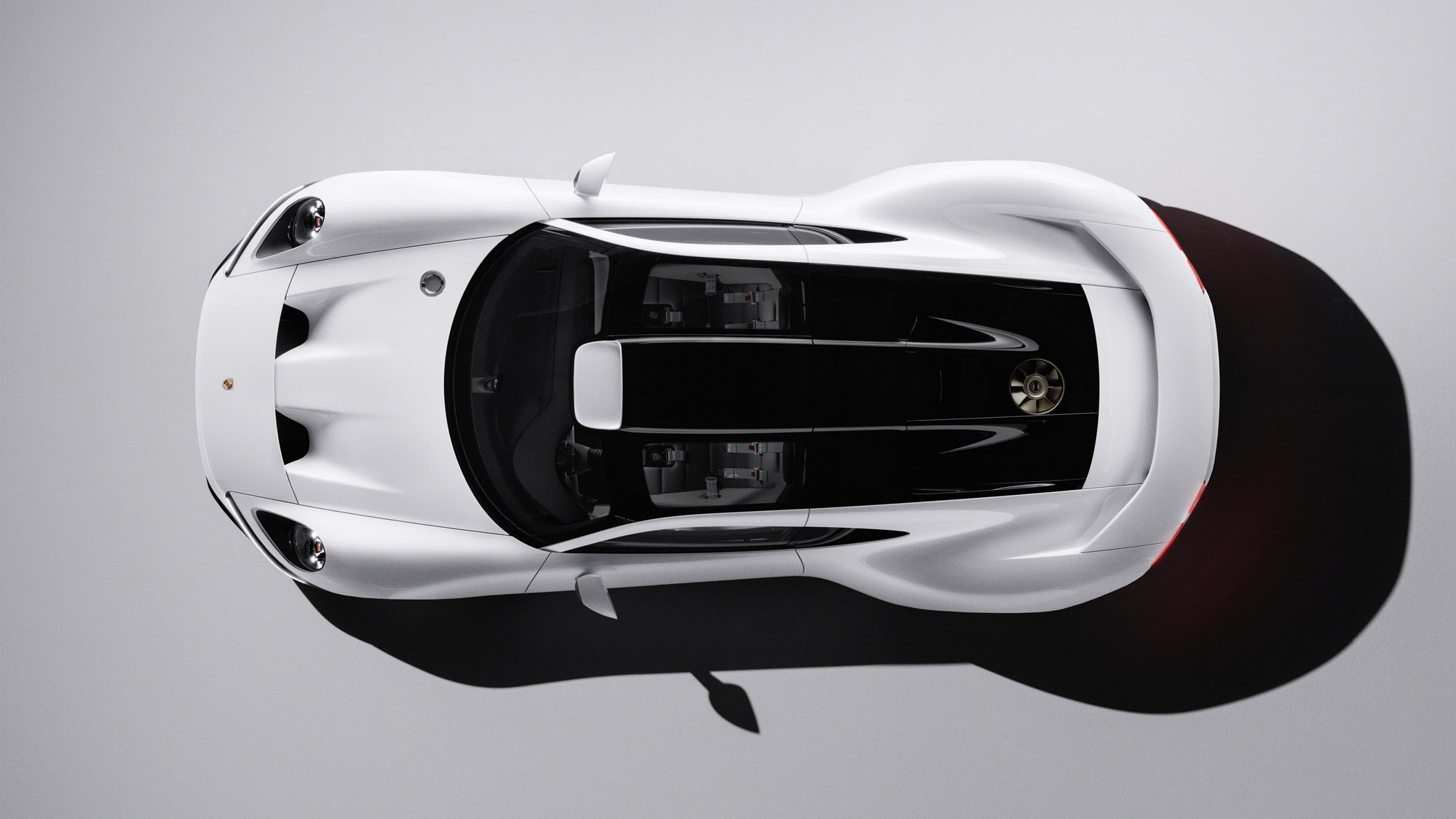
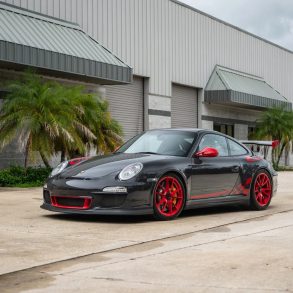
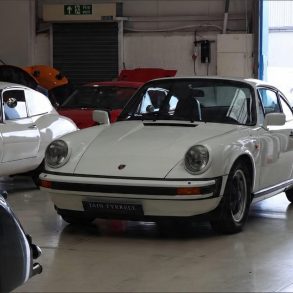
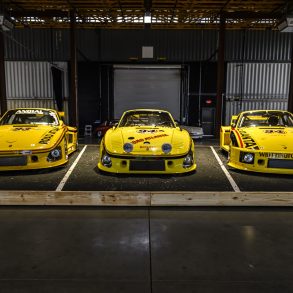
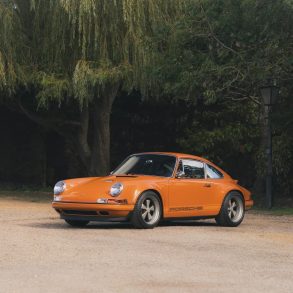
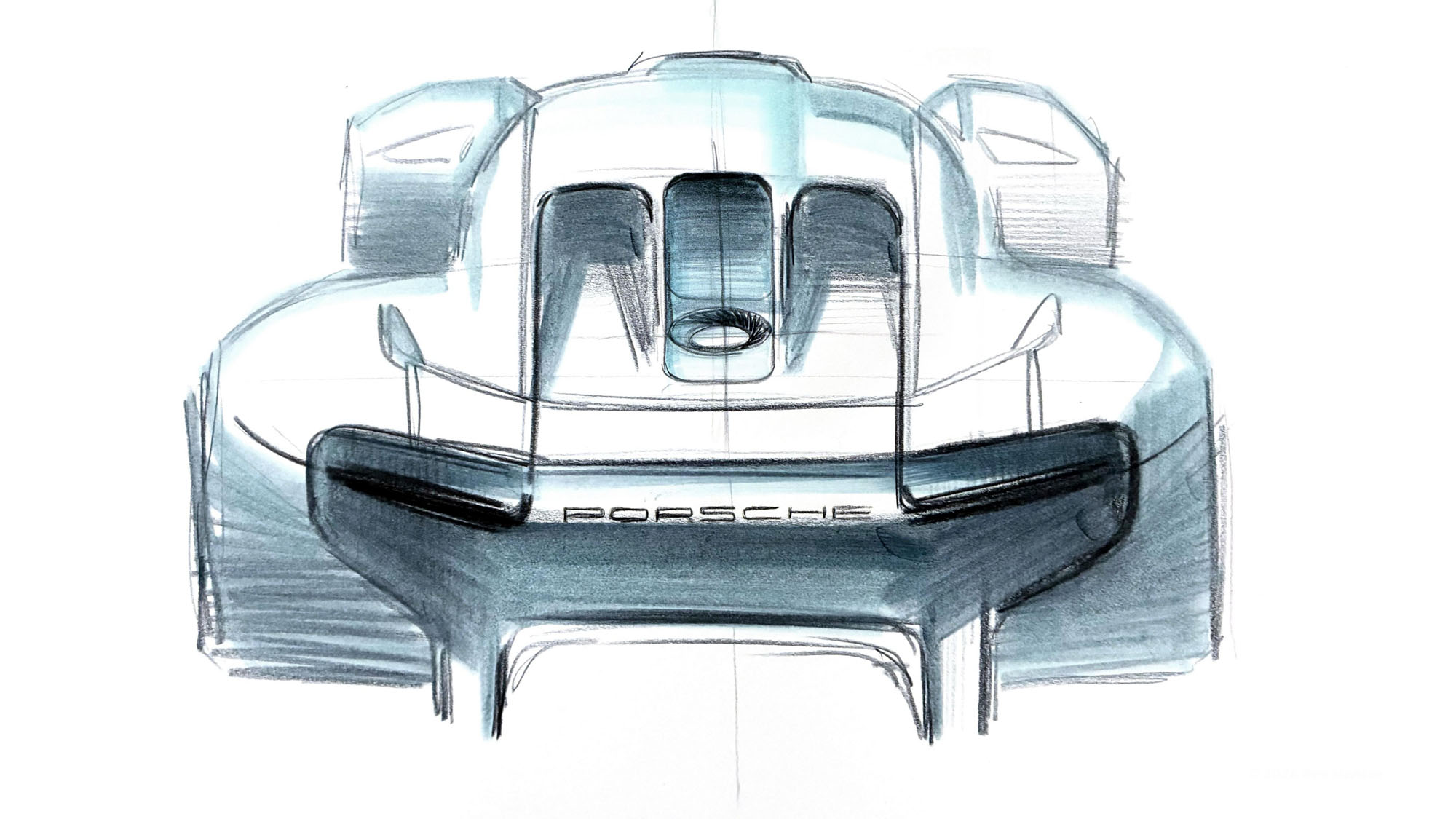
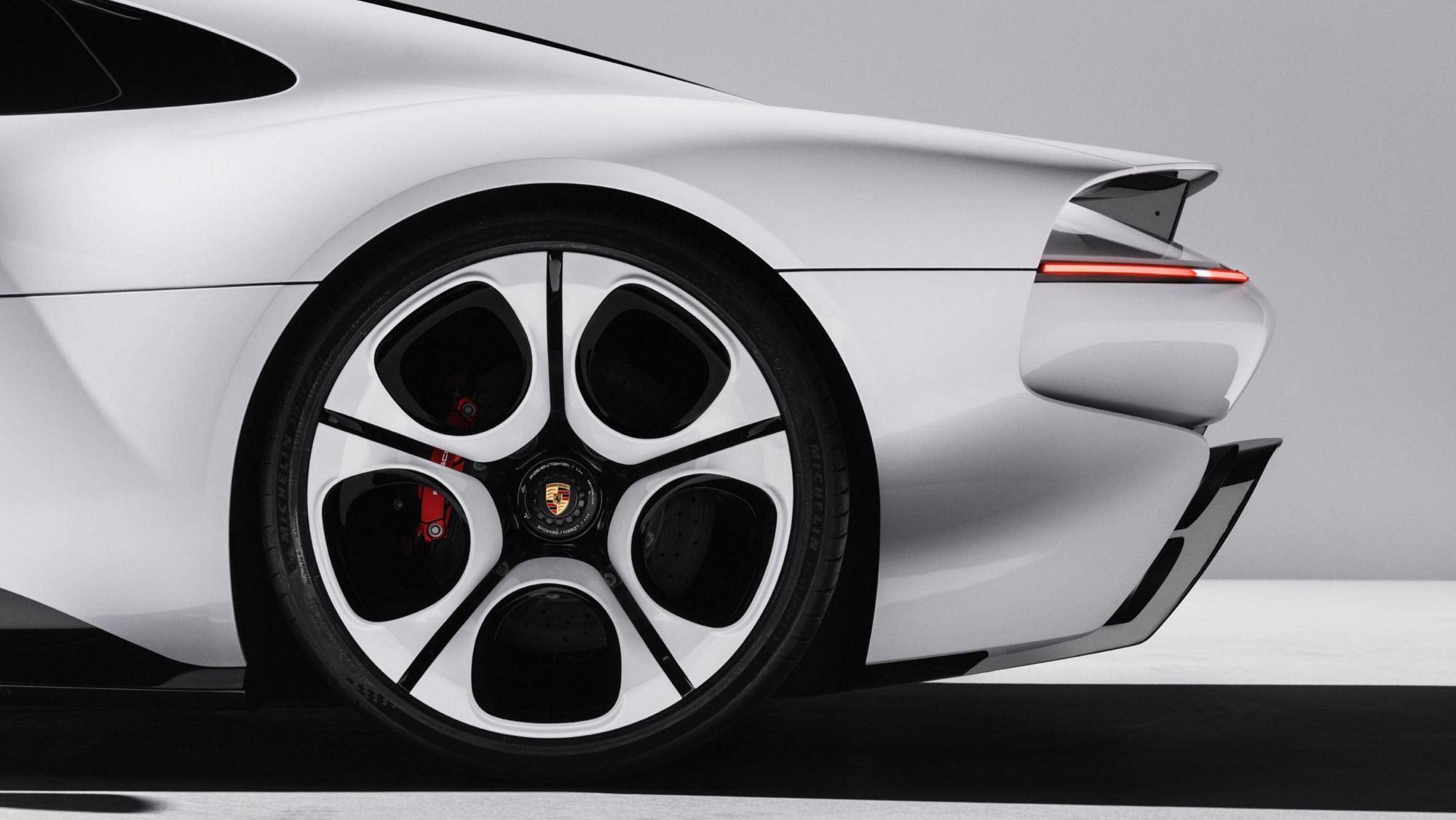
Several historic models influenced the exterior. The rounded headlights and fenders reference the 911, the flat nose recalls the 911 GT1, and the roofline takes inspiration from the 959. The rear incorporates a design concept derived from the GT1, while the cooling treatment references the Porsche 917. Other features include a fully integrated active rear wing and lightweight-oriented wheels inspired by the distinctive dial-style design of the Porsche 928.
Driver-Focused Interior Combines Analog and Digital Controls
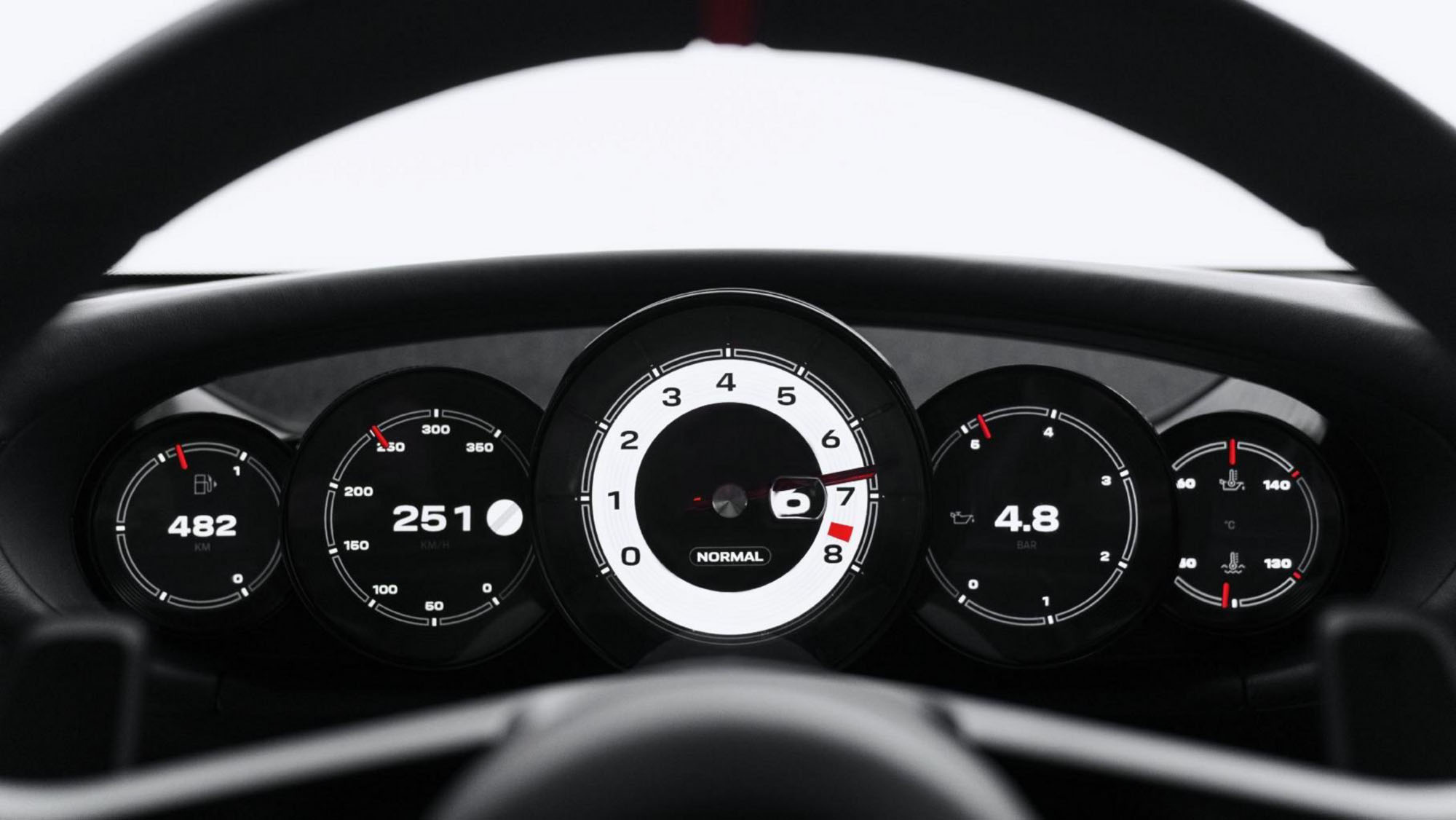
Inside, the Mission S draws inspiration from the Porsche 356 and 550 Spyder, emphasizing a low seating position, physical controls and a simplified dashboard. Five circular instruments sit behind the steering wheel, with a central analog-needle tachometer incorporating a digital display. The tachometer can move closer to the driver depending on the selected driving mode, while the arrangement of the surrounding instruments also changes.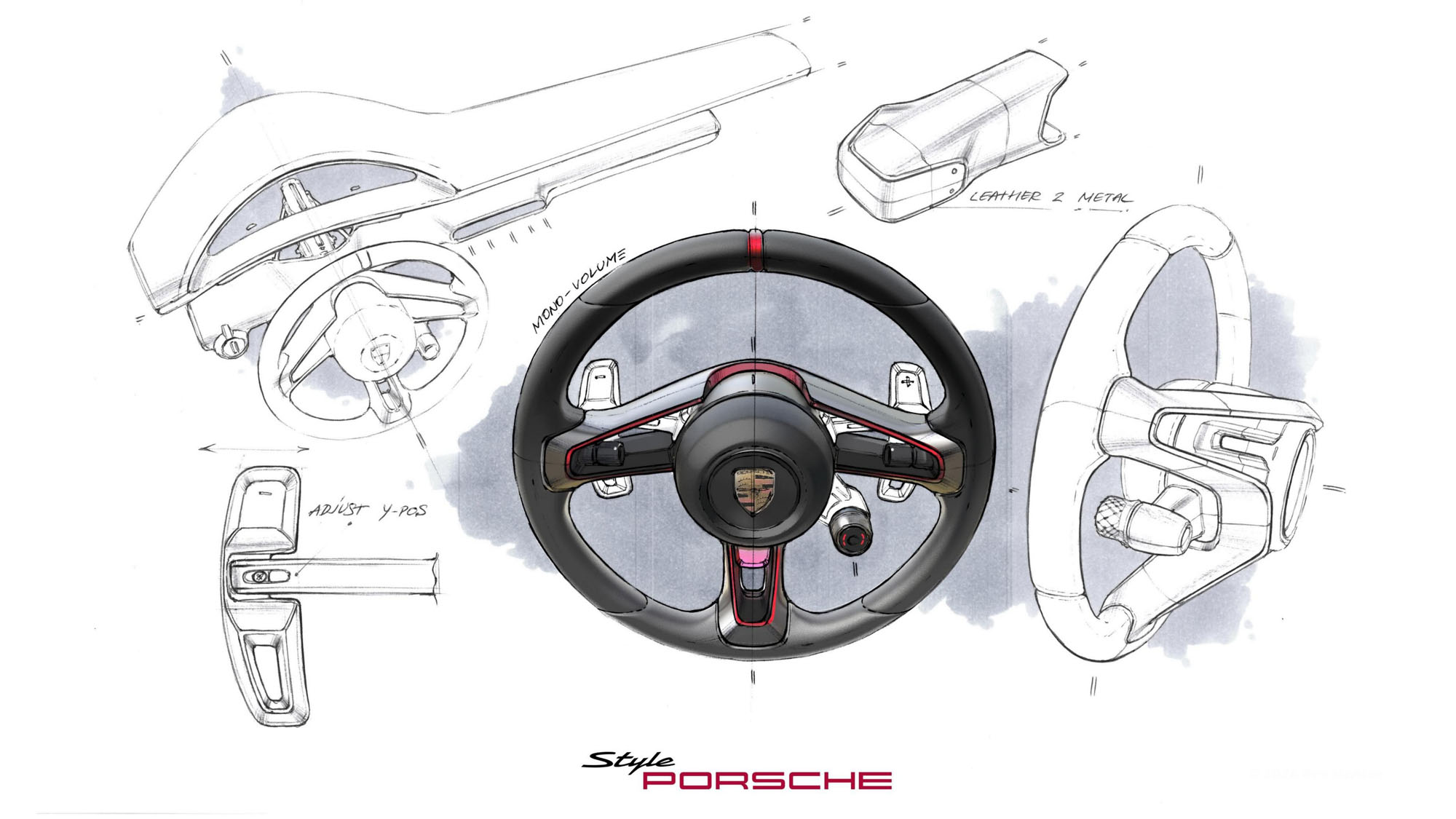
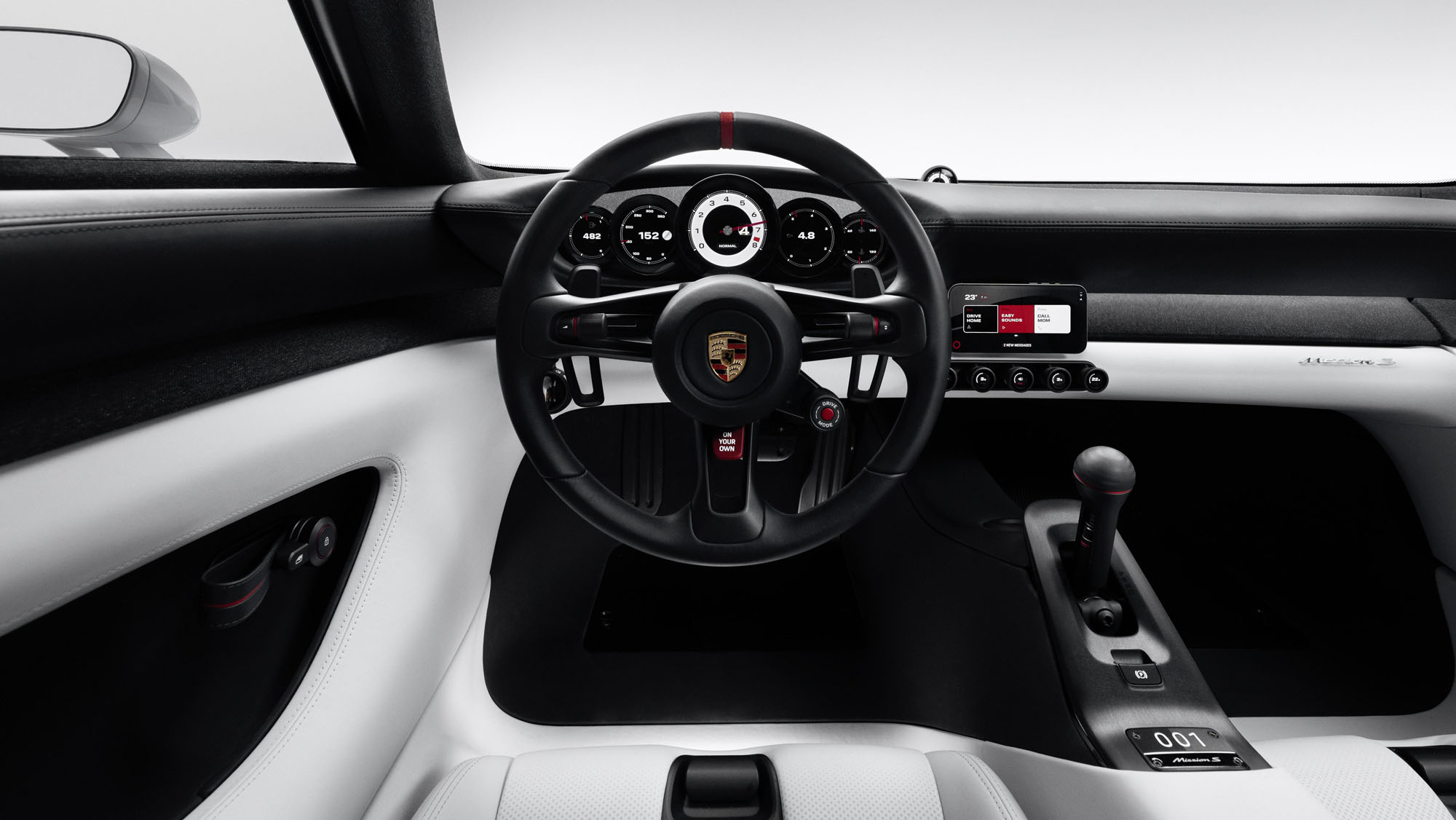
Porsche has eliminated the permanently integrated center touchscreen and fixed passenger display. Instead, the concept uses a retractable MagSafe-compatible smartphone holder, allowing the driver’s phone to serve as an optional navigation or information screen.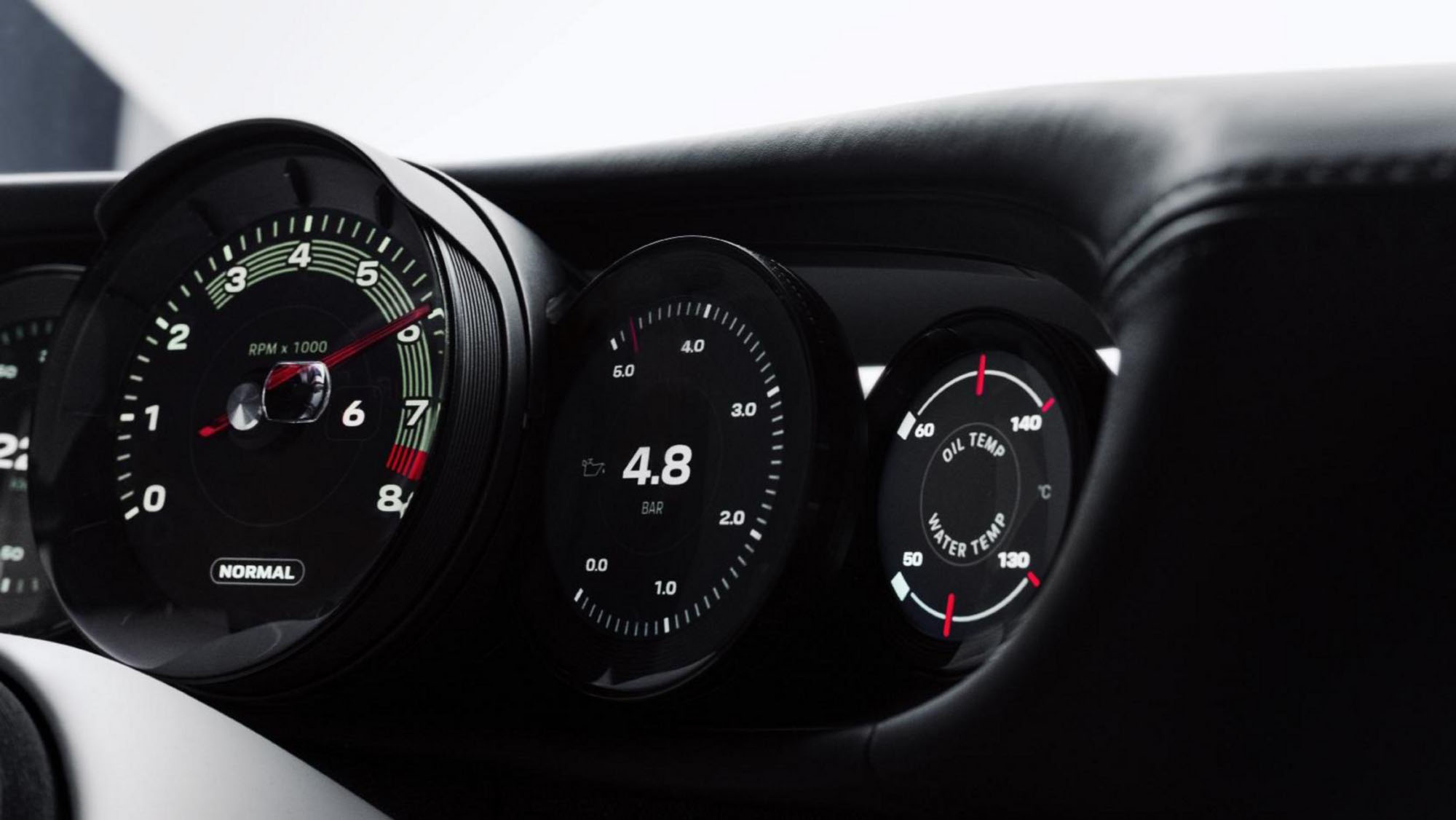
Additional features include push-pull dashboard controls, a redesigned Sport Chrono element and a key holder positioned to the left of the steering wheel. The My Porsche App allows drivers to select digital instrument designs inspired by historic Porsche gauges. The interior also features revised seat adjustment controls and an integrated seatbelt buckle in the center panel. Firn White Metallic, Light Red Metallic, Black Chrome and Special Black form a color scheme inspired by Porsche’s motorsport heritage.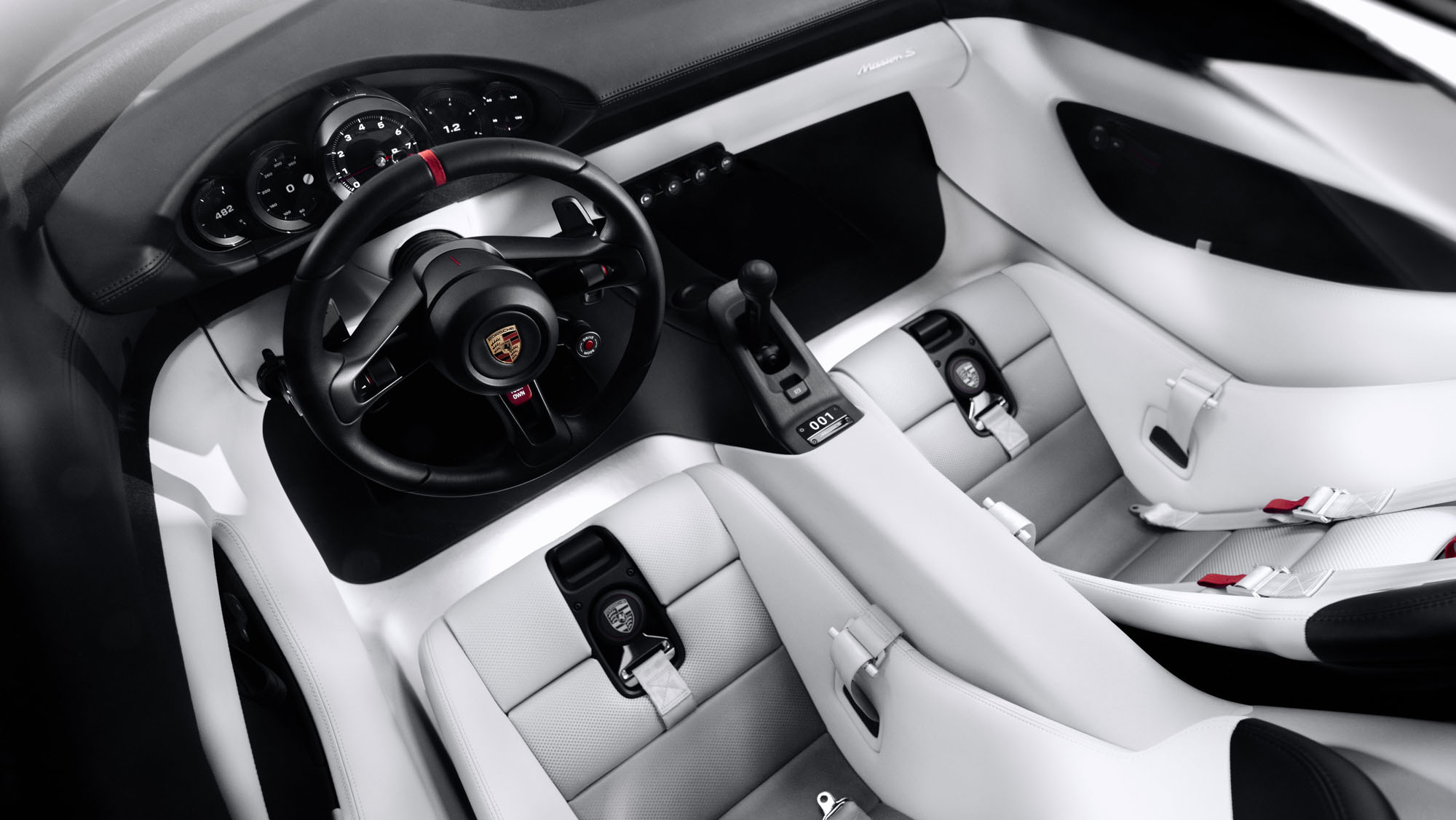


When Will the Porsche Mission S Enter Production?
Porsche has confirmed its intention to develop a permanent mid-engine supercar offering above the 911, rather than treating the Mission S solely as a one-off hypercar exercise. However, the company has not announced a production model, launch date, engine configuration, horsepower, pricing or availability. The Mission S remains a vision model illustrating Porsche’s future design and product strategy.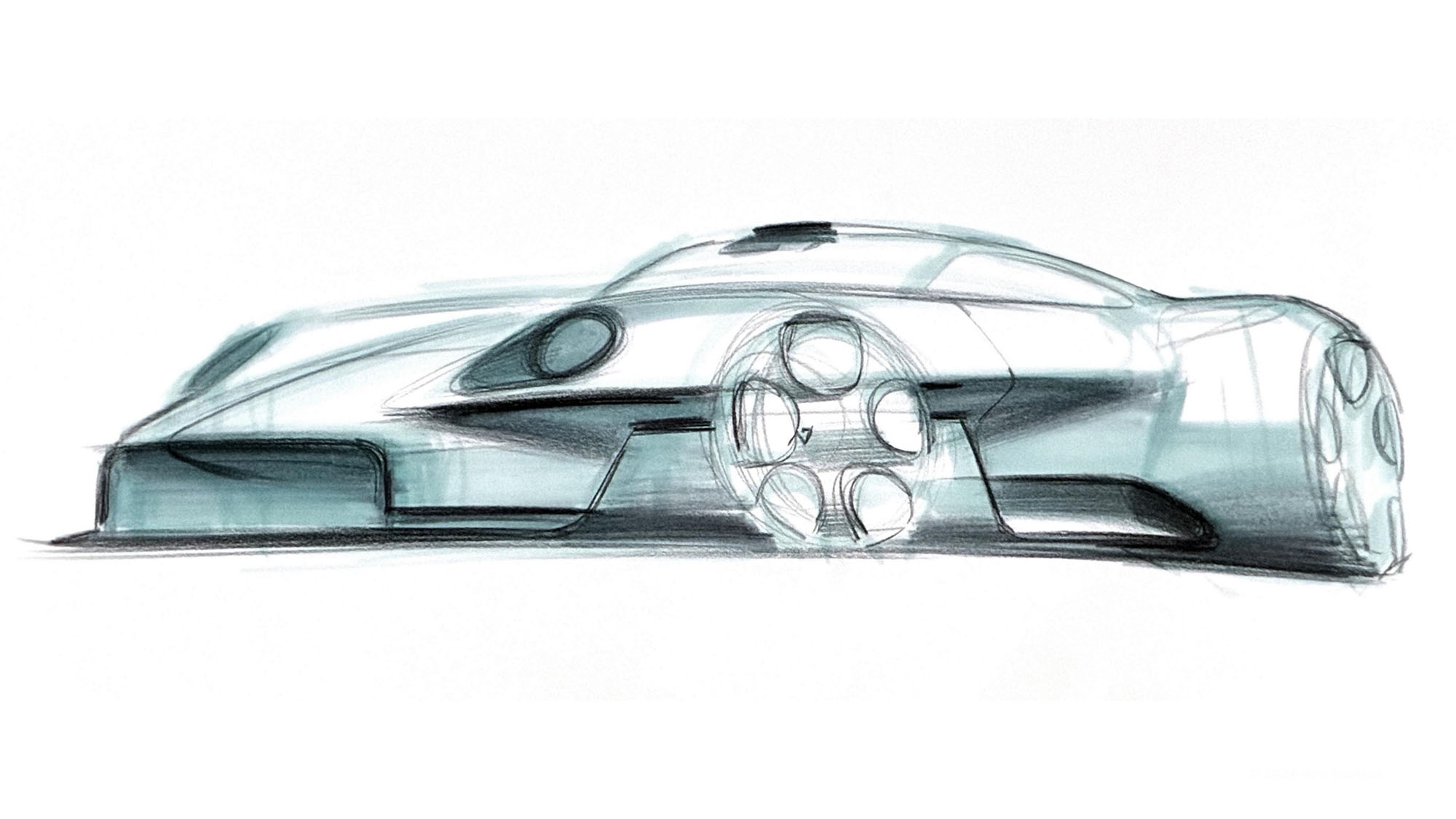
A Critical Step Towards The Future
The Mission S represents a potentially significant expansion of Porsche’s sports-car range. A permanent mid-engine platform above the 911 would establish a new position in the manufacturer’s lineup, distinct from its existing flagship sports car. For enthusiasts, the concept also suggests a renewed emphasis on traditional Porsche driving characteristics, including analog instrumentation, physical controls and ergonomics built around the driver. Its styling connects that approach with some of Porsche’s most recognizable historic sports and racing cars.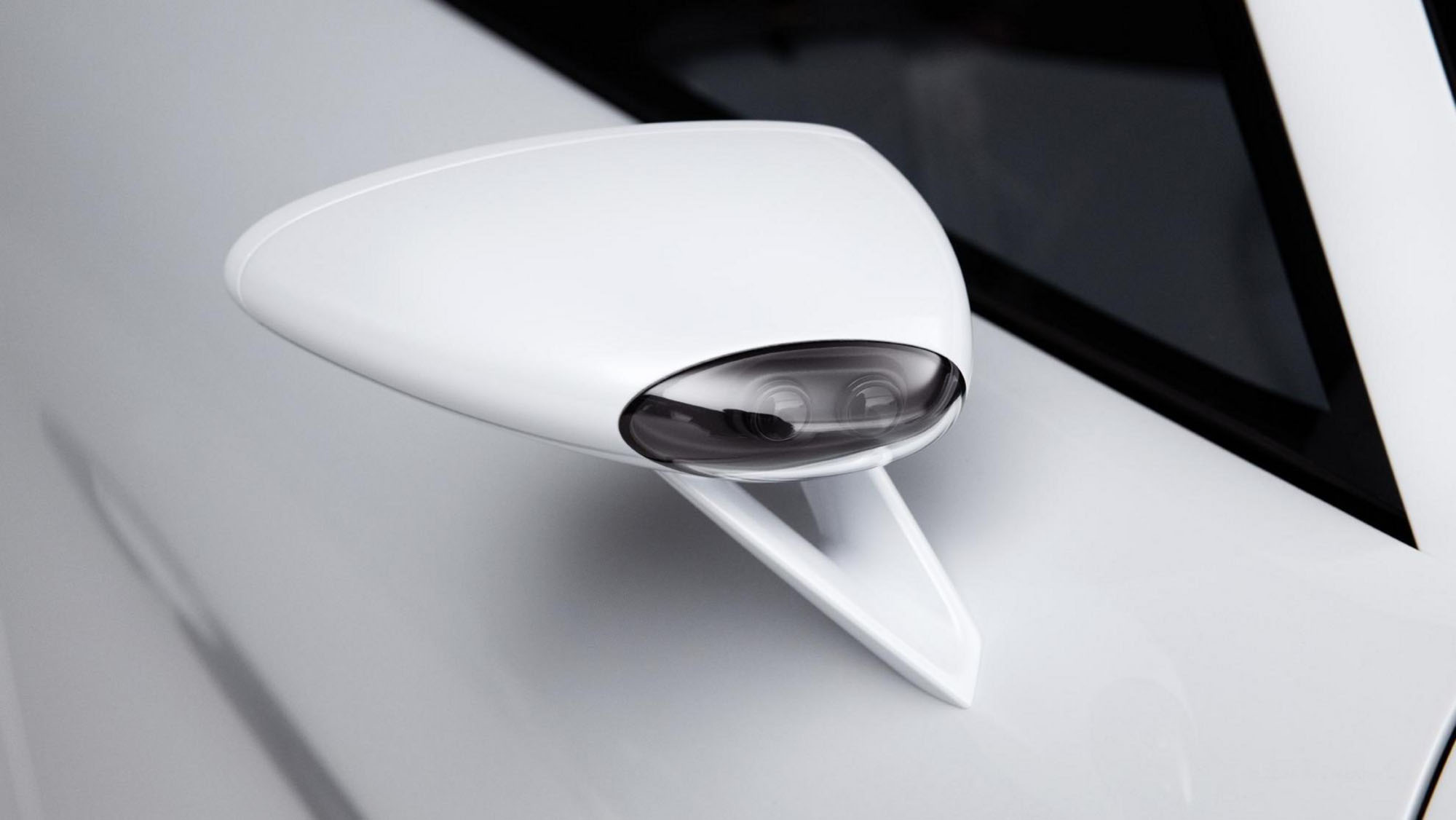
Key Facts
| Specification | Details |
| Manufacturer | Porsche |
| Concept | Mission S |
| Vehicle category | Mid-engine supercar |
| Positioning | Above Porsche 911 |
| Debut location | Queens, New York |
| Debut date | Thursday; exact date unspecified |
| Production strategy | Planned permanent model offering |
| Exterior features | Active rear wing, 928-inspired wheels |
| Instrumentation | Five circular instruments with adjustable tachometer |
| Infotainment | Retractable MagSafe-compatible smartphone system |
| Horsepower / engine | Not disclosed |
| Pricing / availability | Not announced |
Above contents © 2026 Dr. Ing. h.c. F. Porsche AG reviewed and edited by Rex McAfee , @rexmcafee 🏁