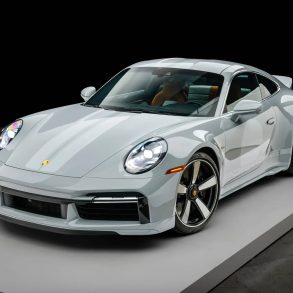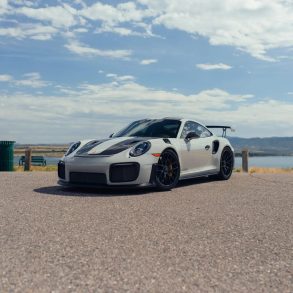


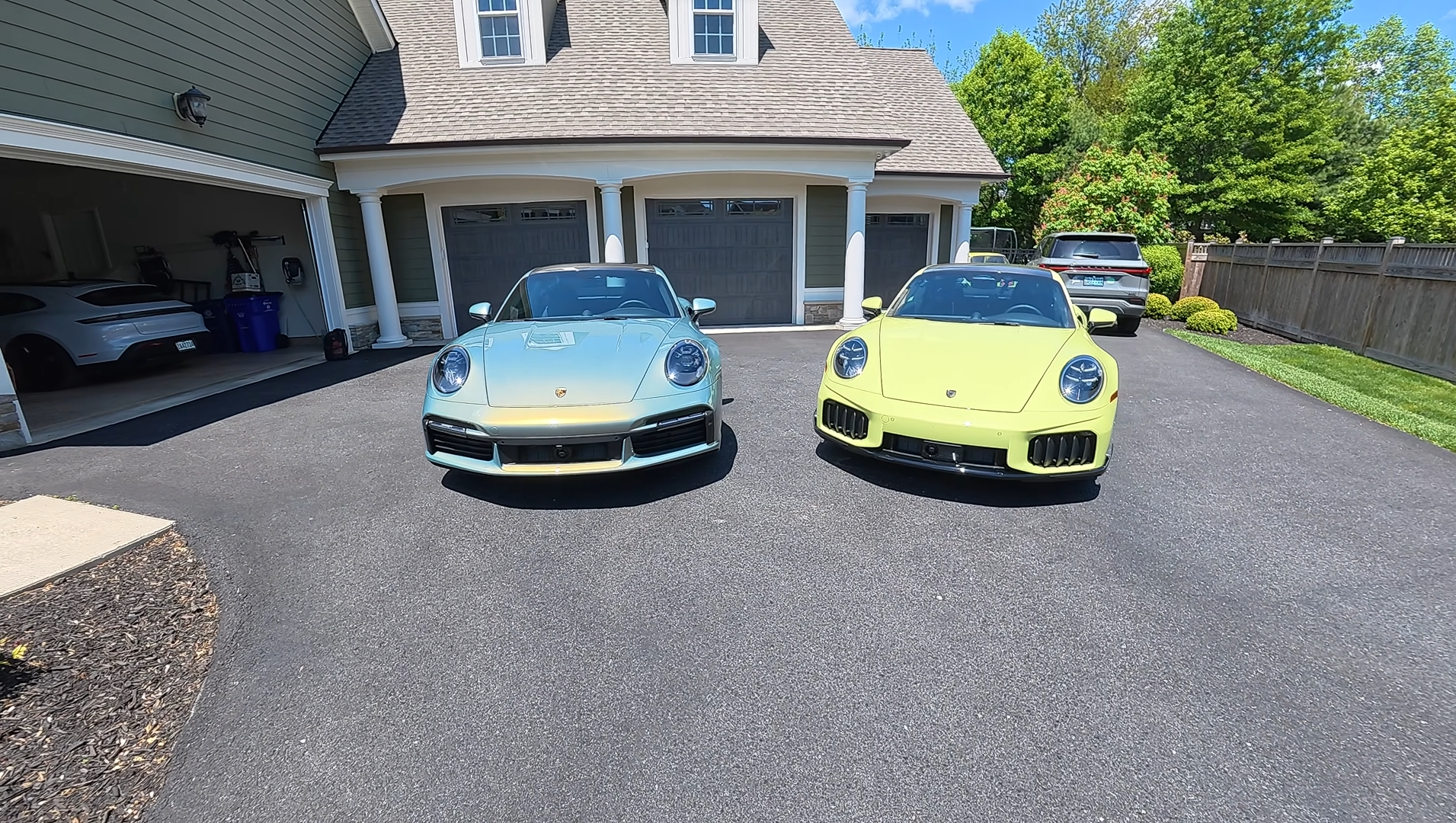
The latest iteration of the Porsche 911 Turbo S marks one of the most significant technological shifts in the model’s history, and DragTimes set out to determine whether Porsche’s new hybrid-assisted formula genuinely elevates performance over the outgoing Porsche 911 Turbo S. While the visual differences between the two generations remain subtle, the engineering transformation underneath is substantial.
The 2026 Turbo S introduces Porsche’s new T-Hybrid system, pairing a revised 3.6-liter flat-six with electrically assisted turbochargers and an integrated electric motor within the eight-speed dual-clutch transmission.
Although the combustion engine alone produces slightly less output than the older 3.7-liter unit, total system power now exceeds 700 horsepower. The tradeoff is an additional 200 pounds of weight, but Porsche’s electrification strategy appears to more than compensate through dramatically improved throttle response and reduced turbo lag.
Aerodynamic revisions also distinguish the new car, including active front cooling flaps, redesigned rear venting, and larger exhaust outlets that emphasize the wider stance. Inside, Porsche modernized the cabin with a fully digital instrument cluster, updated hybrid energy management displays, and enhanced driver-assistance systems.
Performance figures ultimately validated the hybrid approach. The new Turbo S recorded explosive 0–60 mph runs as low as 2.02 seconds with rollout, alongside a staggering 9.8-second quarter-mile at 139.5 mph despite imperfect traction conditions.
By comparison, the 2021 Turbo S managed 0–60 mph times in the 2.3–2.5-second range and quarter-mile performances around 10.2 seconds. The results confirm that Porsche’s hybridization strategy has not diluted the Turbo S formula—it has elevated it into an entirely new performance category.
Source: DragTimes