

There’s a conversation that keeps coming up in Porsche communities right now, on forums, at club events, in the comments under any article about values. It usually starts with someone mentioning what they paid for their 996 five or six years ago and what the same car fetches today. The cars people wrote off have become the cars people wish they’d held onto. And that shift has changed something about how owners think about the cars they still have.
Porsche Values Have Changed. So Has the Risk.
The Cars Nobody Wanted Are Now the Cars Everyone Wants
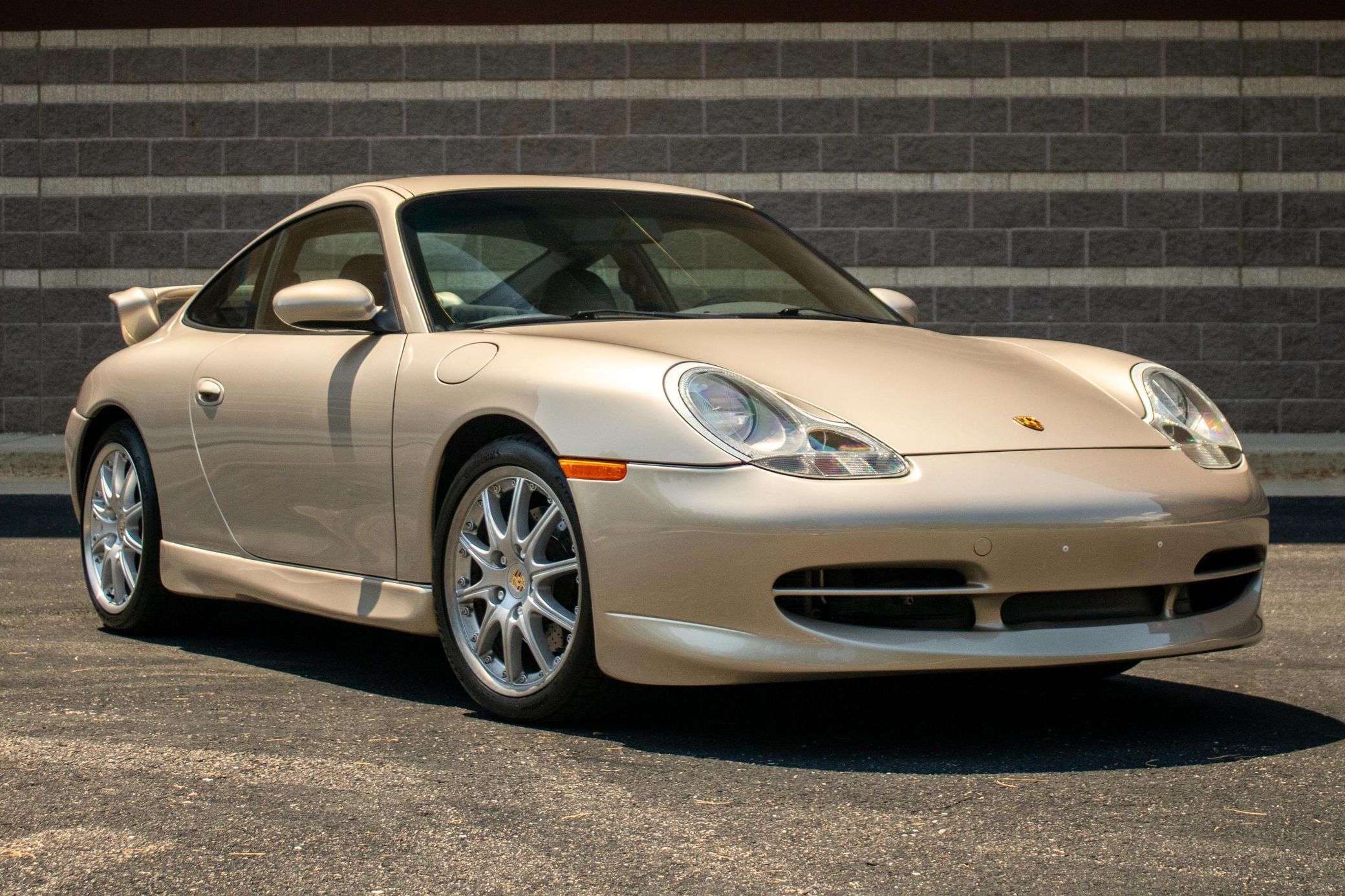
The 996 Carrera was the unloved one for years, the water-cooled 911 that old-guard owners dismissed and younger buyers picked up cheaply. Average auction values hit $45,697 in 2024, with Turbo variants up 23% year on year between 2024 and 2025. The 986 Boxster, which you could buy for under $10,000 not long ago, is being discussed seriously as the next model to move. Air-cooled 993s, already expensive, keep climbing. The 997, as the last small 911 with hydraulic power steering, has its own growing collector following. Nearly every segment of the Porsche market looks different than it did a decade ago.
What That Means If You’re Actually Using One
Fifteen years ago, daily driving a 996 or a 986 carried a certain financial logic. These were reasonably priced used sports cars. If something happened in a parking lot, the repair bill stung but it wasn’t disproportionate to what you’d paid. A lot of owners used them the way you’d use any car you liked but didn’t treat as irreplaceable, because they weren’t.
That calculus has shifted. The same car that cost $18,000 in 2017 might be worth $40,000 or more today depending on condition, variant and history. The repair cost for a parking lot scrape hasn’t changed much, but what it represents as a percentage of the car’s value has. And the gap between what a standard insurance policy pays and what an owner believes their Porsche is worth has quietly become a real problem for people who didn’t think too hard about it when they bought.
It’s not just the numbers either. Owners who bought these cars when they were cheap bought them with a certain casualness. A lot of them are now sitting on something they didn’t intend to be an investment and aren’t quite sure how to treat it.
What’s Actually Changed in How Owners Protect Their Cars
Agreed Value Insurance Has Gone Mainstream
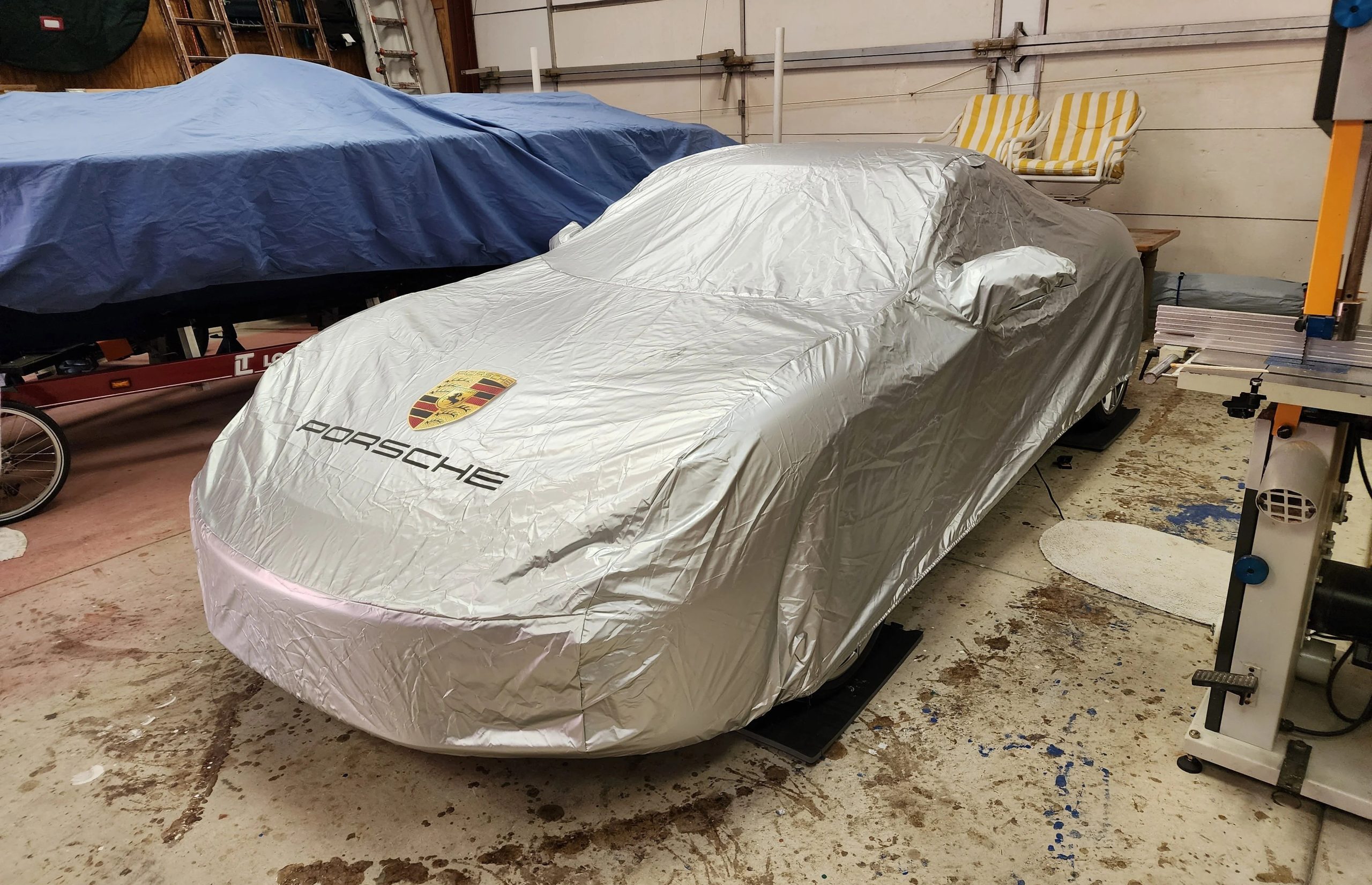
The insurance conversation has matured considerably. Specialist agreed value policies, the kind that Hagerty built its business on, have moved from niche to mainstream among serious Porsche owners. An agreed value policy sets the car’s worth upfront between owner and insurer, so there’s no negotiation after a loss about what a 997 GT3 or a low-mileage 993 is actually worth. For anyone who has watched a friend go through a standard policy claim on a Porsche and come out frustrated, the appeal is obvious.
Documentation Has Become Part of Ownership
Documentation Has Become Part of Ownership
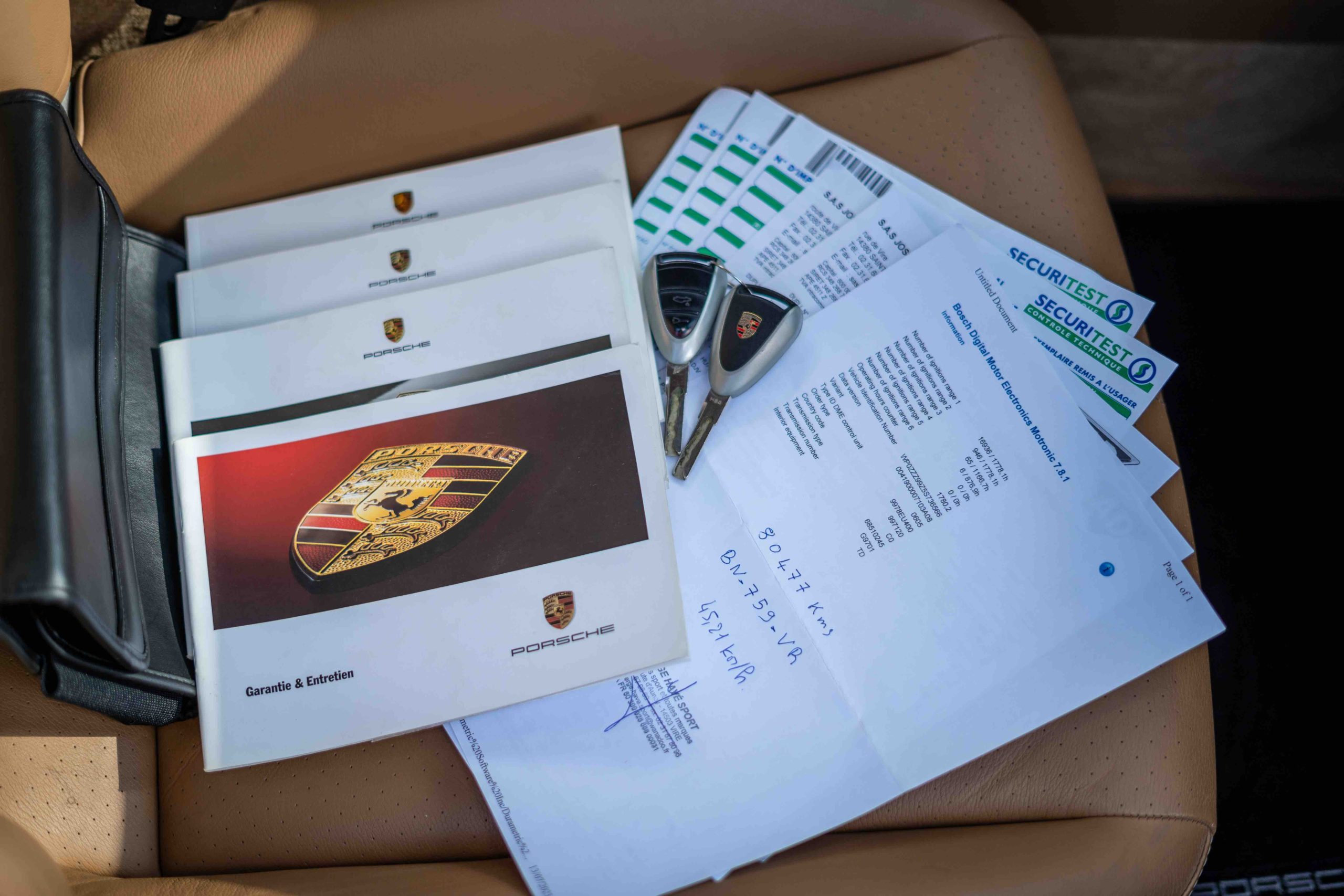
Pre-purchase inspections are now expected rather than optional. Owners photograph condition at purchase, keep full service records, document every significant repair. The kind of paper trail that used to be the domain of concours cars has become normal for any Porsche someone intends to keep or sell well. Communities have spent years passing around stories of disputed claims and undervalued settlements, and that collective experience has made people more careful.
Why Dash Cams Became Part of the Conversation
Five years ago, fitting a dash cam to a Porsche was uncommon partly because the technology didn’t justify the intrusion on a car the owner had spent money keeping right. That changed as LTE-connected units brought capabilities standard recorders couldn’t match: remote monitoring and cloud storage via mobile data, meaning footage exists independently of the device and the car can be checked on from anywhere. The conversation among Porsche owners shifted from whether to fit one to which one made sense.
What Porsche Owners Are Actually Looking for in a Dash Cam in 2026
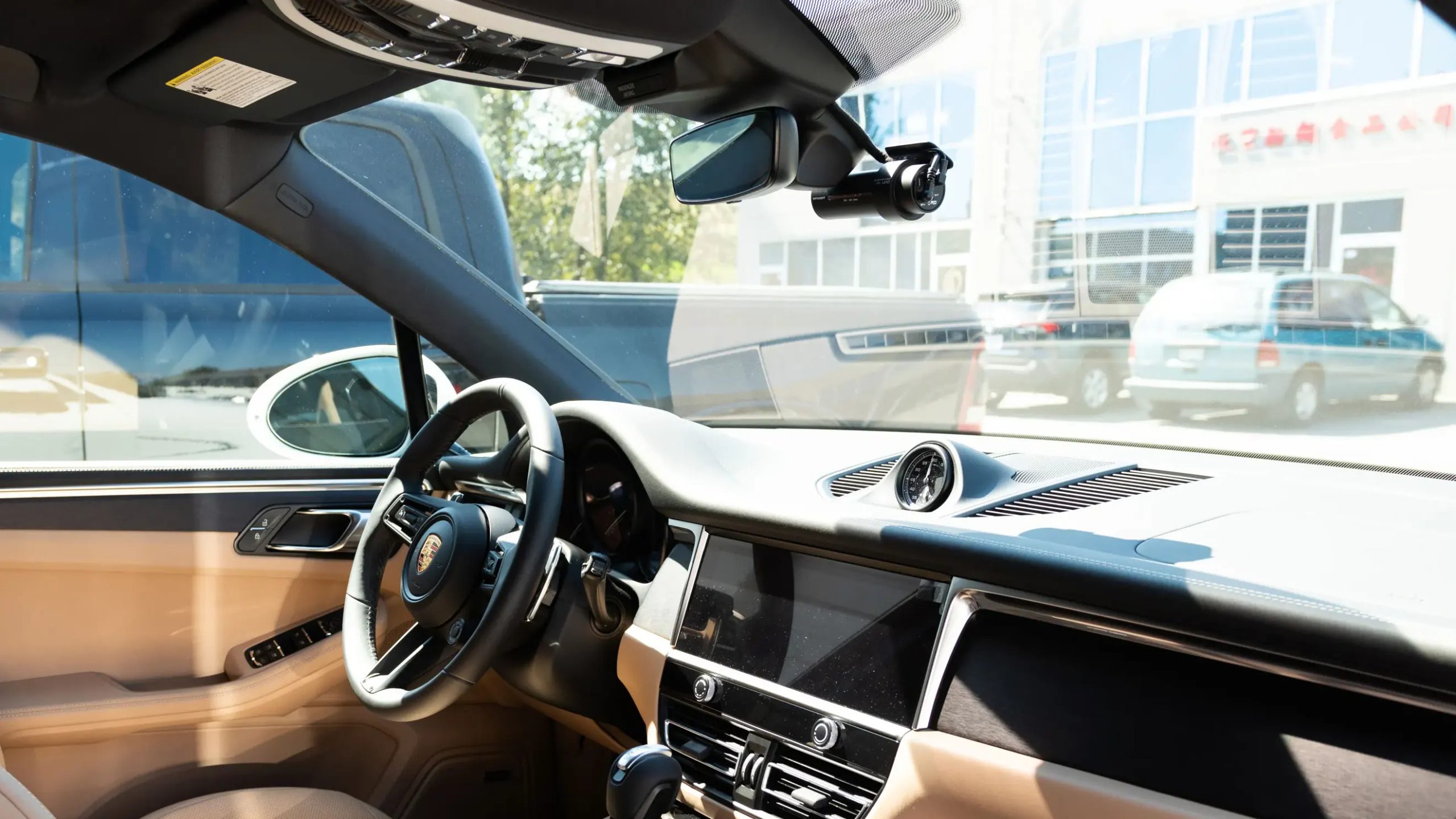
The requirements for a dash cam on a Porsche go beyond basic recording. These owners care about what the device can do after an incident as much as during one. Local storage on a memory card is useful until the camera is damaged or the card is overwritten. Cloud storage via an LTE connection means the footage is retrievable regardless of what happens to the device. Remote monitoring means being able to check on a parked car from wherever the owner happens to be. For a car worth serious money sitting in places the owner doesn’t control, those capabilities matter in a way they don’t for a car the owner is indifferent to.
The recording side is just as important. A dash cam that works until it doesn’t, or produces footage too degraded to be useful in a dispute, is worse than not having one at all because it gives a false sense of coverage. On a car worth serious money, what gets captured needs to actually hold up.
What Is the Best Dash Cam for a Porsche in 2026?
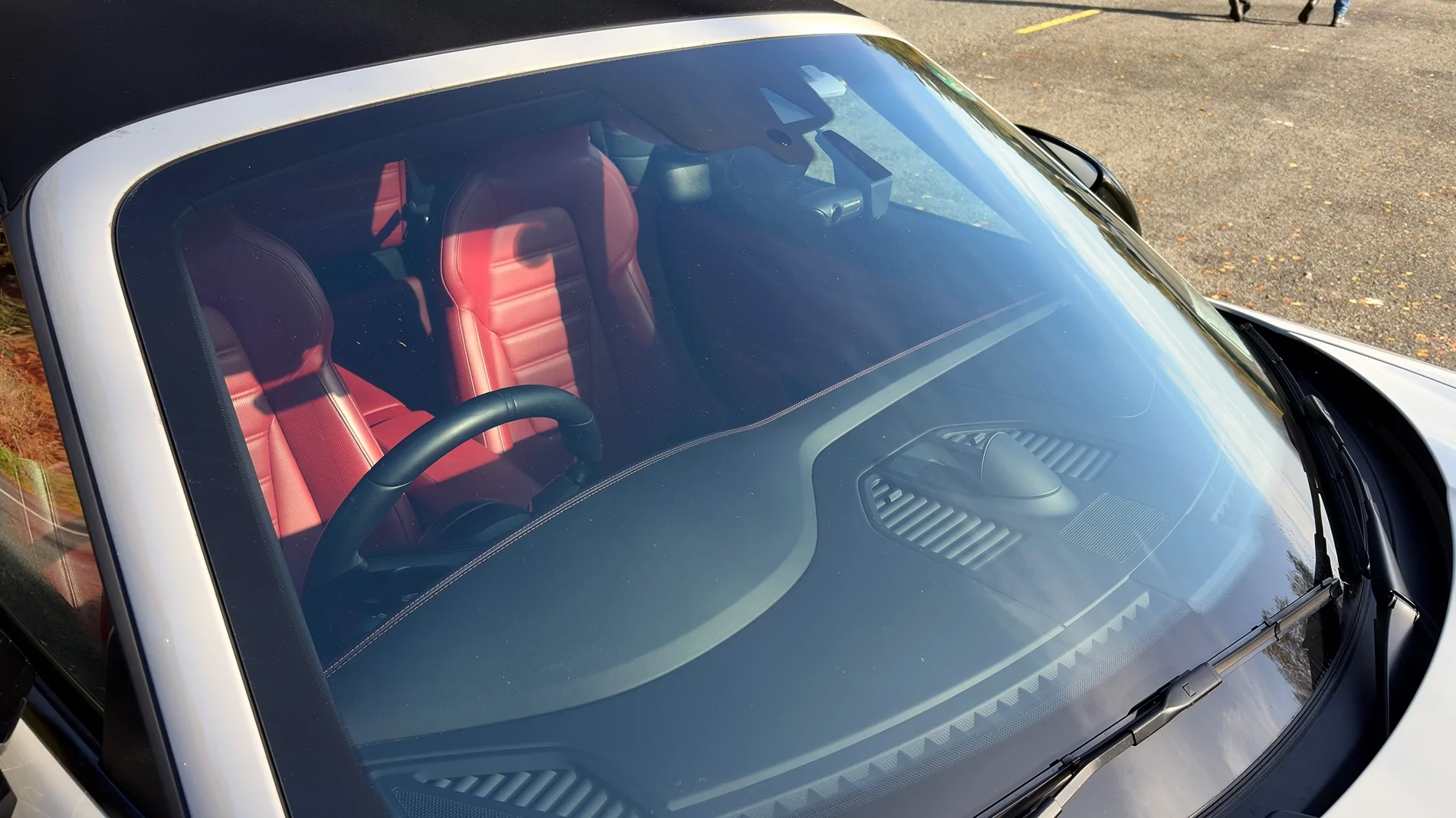
The Redtiger wireless dash cam is a strong answer for Porsche owners, specifically because of what it adds beyond standard recording. A wireless dash cam in this context isn’t about cable-free installation: it refers to an LTE-connected device that supports remote monitoring and cloud storage through mobile data. That means footage is accessible remotely, stored off the device, and retrievable even if the camera itself is damaged or stolen. For a Porsche owner who travels frequently or parks in places they can’t monitor, the ability to check on the car remotely and know that footage is stored independently of the device is a meaningful step up from a standard recorder. The Redtiger wireless also records front and rear in HD and runs continuously, covering the full journey rather than specific incidents.
Why Are Porsche Owners Choosing LTE Dash Cams Over Standard Ones?
Because cloud storage and remote access change what a dash cam can actually do after an incident. A standard dash cam stores footage on a local card that can be overwritten, damaged, or lost along with the camera. An LTE unit like the Redtiger wireless uploads footage to cloud storage via mobile data, which means the record exists independently of what happens to the physical device. For an owner whose car is worth serious money and who wants to know they have usable evidence regardless of the circumstances, that difference matters. It also means being able to check on a parked car remotely, which is something a standard dash cam simply can’t offer.
The Shift That’s Still Happening
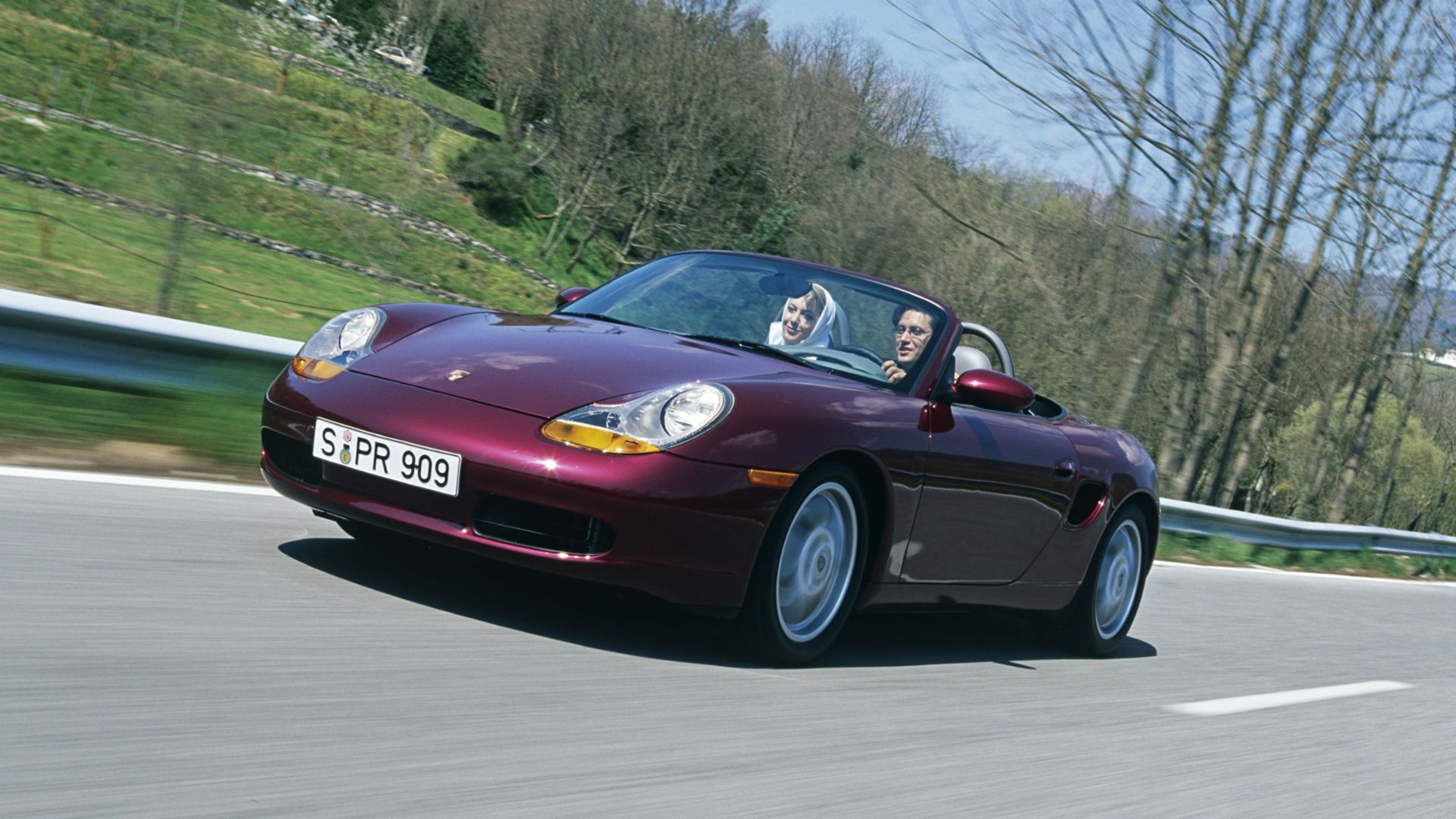
Values keep moving, and the range of models attracting serious attention keeps widening. The 986 Boxster owner who picks up a clean manual example today and keeps it carefully is in a different position than the person who treats the same car as disposable. The documentation they build, the condition they maintain, the record of how the car was used: that’s what separates the cars buyers want from the ones they pass on.
None of this requires a fundamental change in how you think about owning a Porsche. Most people reading this already look after their cars properly. It just means making sure the things you’re already doing are backed up by the things that prove it.