

There’s this assumption that once you own a Porsche, you hand it over to a dealer and write whatever check they put in front of you. Some owners genuinely believe that. Others just haven’t done the math. At $150 to $300 an hour for shop labor, even basic maintenance on a 911 or Boxster gets expensive fast. The good news is that a fair number of those jobs don’t actually require a lift, a factory scan tool or a master technician. They require the right information and a free Saturday morning.
Oil Changes: Not a Corolla, But Closer Than You Think
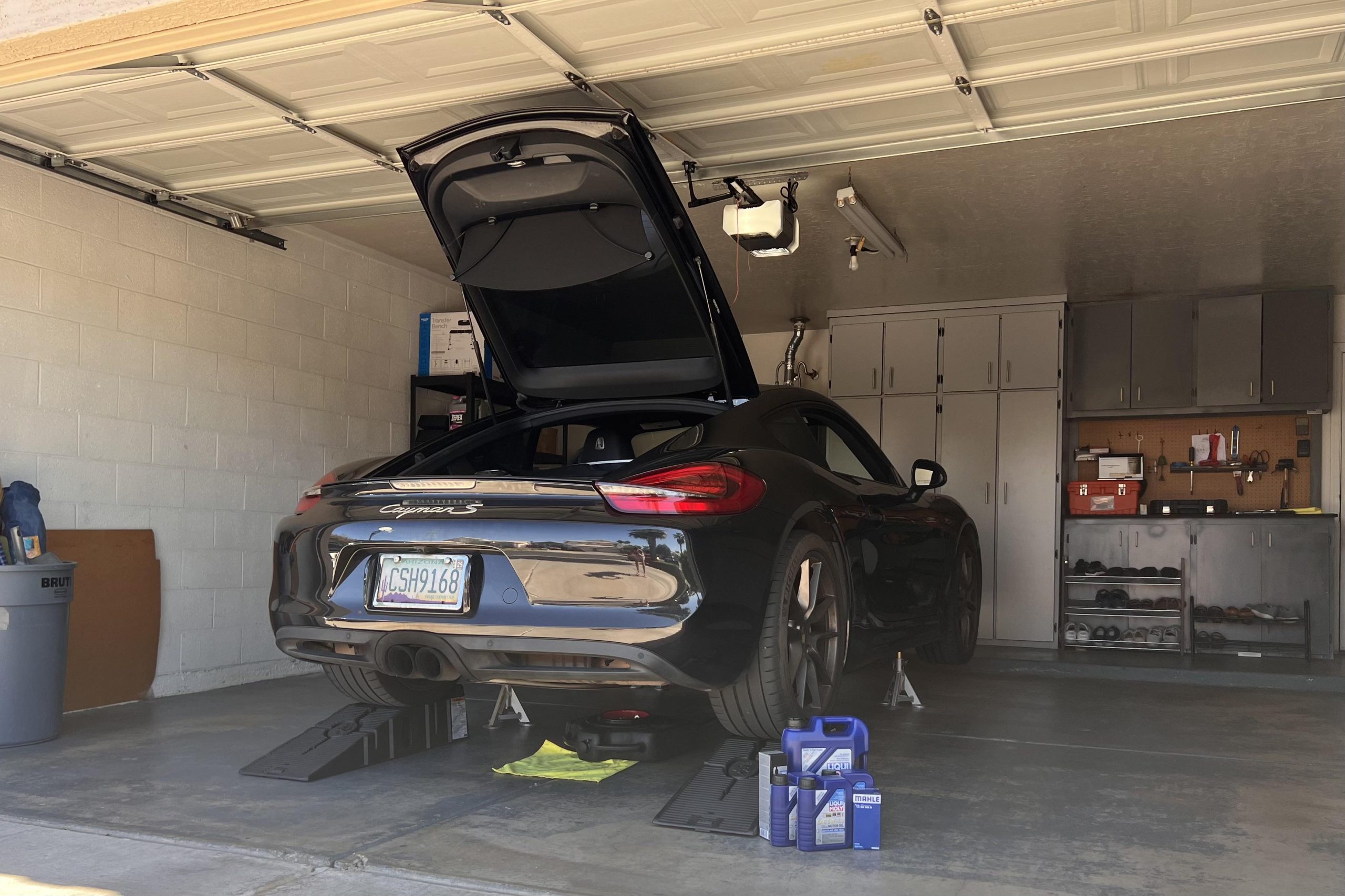
This is where the intimidation usually starts, and most of it isn’t warranted. A modern flat-six needs up to nine quarts of full synthetic and a fleece filter rather than the standard cartridge from your local parts store. You also need to know your specific drain plug location and torque spec, because Porsche doesn’t make that universal. None of that is hard. It just requires looking it up first.
The numbers make a strong case for doing it yourself. Dealer oil service on a 991 or 992 runs $700 to $1,000. An independent shop will typically do the same job for around $350. Do it yourself and you’re into it for $80 to $120 in materials. Owners on the 992 Forum have pointed out paying $800 at the dealer for parts that cost $280 at retail. Stack that across several service intervals and the savings become hard to ignore. Just make sure you’re following the right procedure for your actual model year. A 718 and a 997 Turbo are not the same job.
Brake Pad Swaps: Big Savings, One Important Caveat
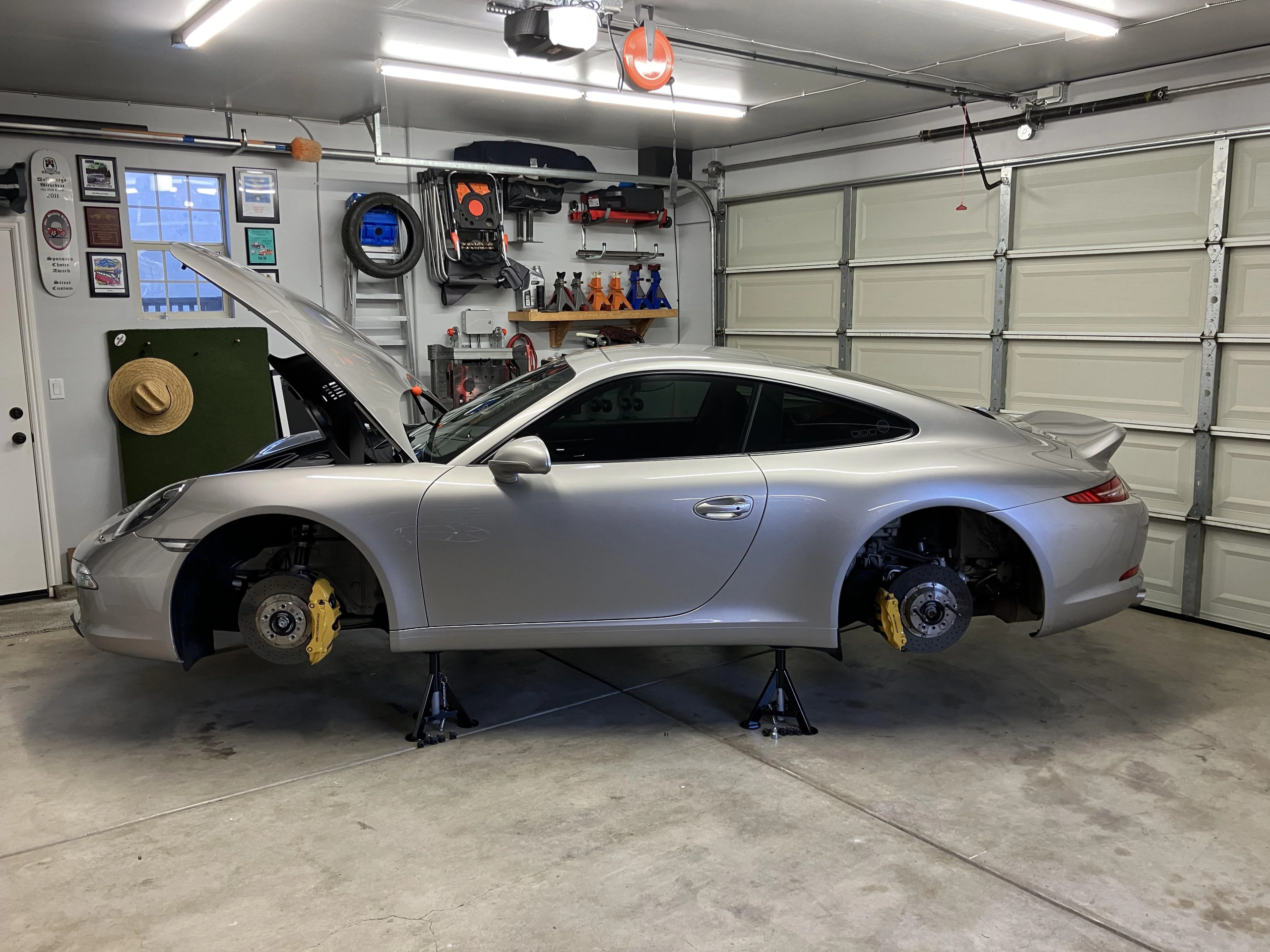
On a naturally aspirated 911, Boxster or Cayman, swapping brake pads is genuinely manageable. The calipers come off without much drama, the pads seat without specialty tooling, and a base model can realistically be done in an afternoon. Per axle, you’re saving a meaningful chunk of labor compared to dealer rates.
One thing worth knowing before you start: if your car has Porsche Ceramic Composite Brakes, walk away from this particular project. PCCB rotors chip, and a full factory replacement set approaches $20,000. That is not a number you want to encounter because of a DIY gone sideways.
For everyone running standard iron rotors, this is a solid starting point. The single most useful thing you can do before touching anything is look up the exact procedure for your trim and generation, because torque specs for caliper bracket bolts and the correct pad bedding process vary across the lineup more than most people expect. Having the right Porsche repair manual in front of you makes that kind of research straightforward. Bed the pads wrong on a performance car and you’ll be dealing with uneven rotor wear long before those pads are due for replacement.
Cabin Filter and Cowl Drain Cleaning: The Jobs Nobody Talks About
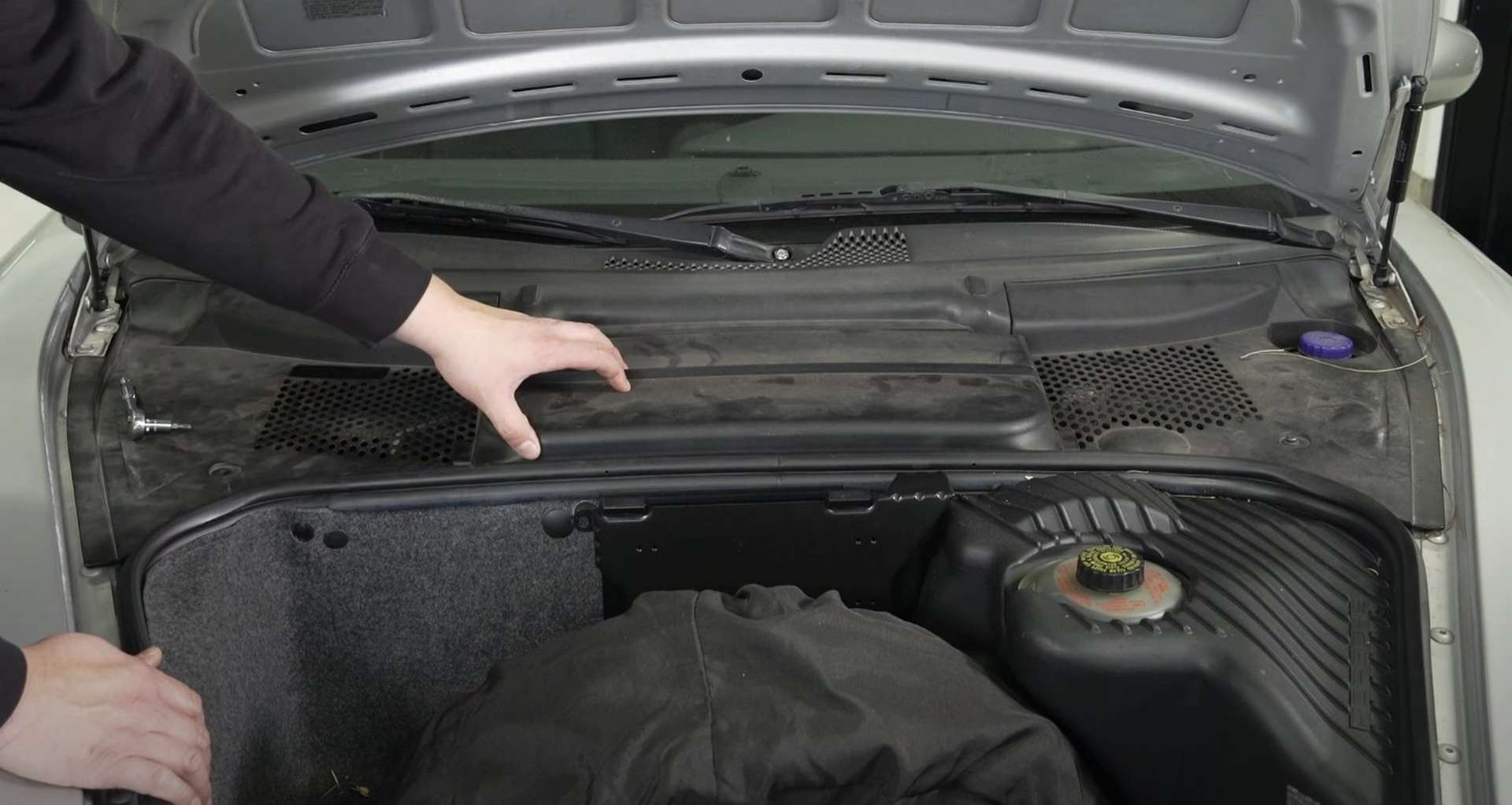
These two don’t get enough attention, mostly because they’re unglamorous. But the logic behind both is identical: a few minutes of easy work prevents a repair bill that will genuinely ruin your week. Cabin air filter replacement on most Porsche models takes around 20 minutes and $30 to $50 in parts. Dealers bill labor on top of that every time, and it compounds across ownership.
The cowl drains deserve more respect than they get. On the Boxster and Cayman, leaves collect in the tray at the base of the windshield. When those drains block up, water doesn’t just make the carpet wet. It reaches the control modules mounted under the seats, and those modules are not cheap to replace. We’re talking $3,000 or more for an electrical repair that started with a pile of leaves. Clearing the drains takes five minutes and costs nothing. Do it every fall.
Spark Plugs: Patience Over Expertise
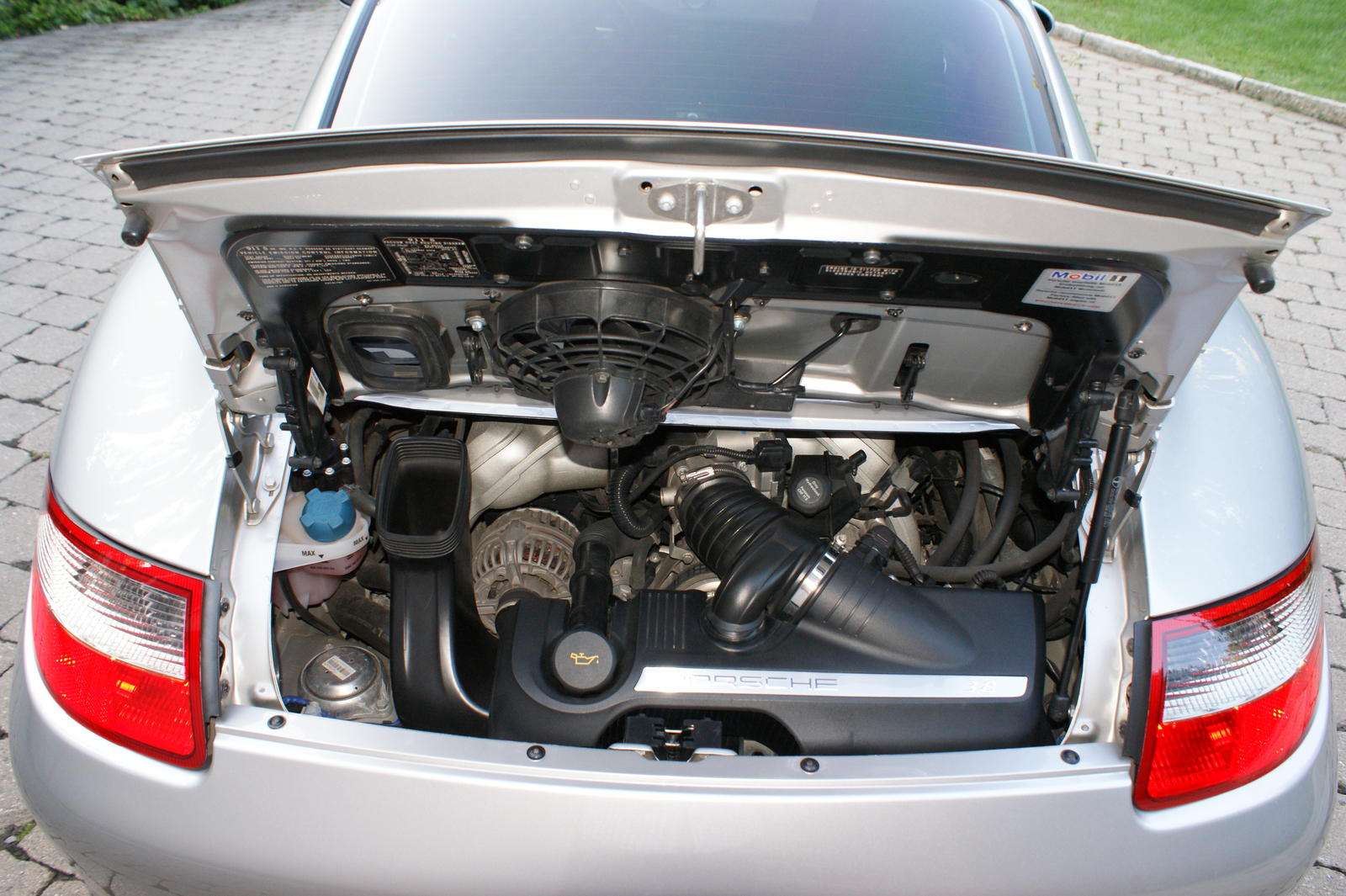
How difficult this job is depends almost entirely on which engine is in your car. On a naturally aspirated flat-six, a Cayman S or a base Carrera for instance, the rear-engine packaging makes it tight but not impossible. A home mechanic with the right socket extensions can get it done. The plugs themselves are about $100 for a set of six, and Porsche recommends replacing them every 30,000 miles or four years.
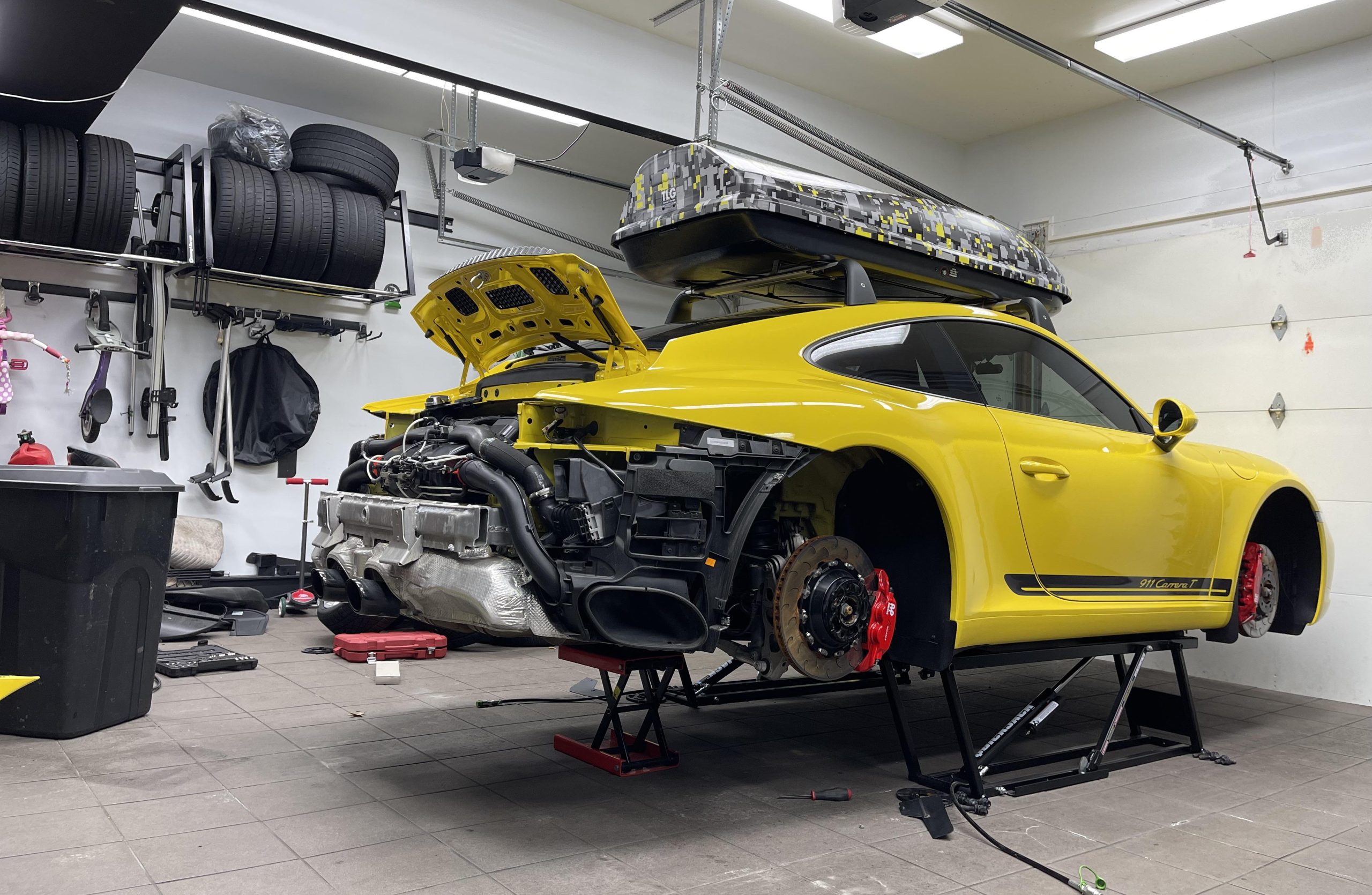
On a turbocharged 911, the job is a different situation. The turbo piping and heat shielding sit right in the way, and the factory procedure typically calls for pulling the rear bumper, tail lights and exhaust shields before you can even see the ignition coils. That turns a $100 parts job into something that clears $1,200 at a shop, which tracks with service cost breakdowns documented for the 992 generation. If you have the time, the documentation and genuine patience for a multi-hour teardown, it’s doable. Missing any one of those three, just pay someone.
Before You Touch Anything, Read the Procedure
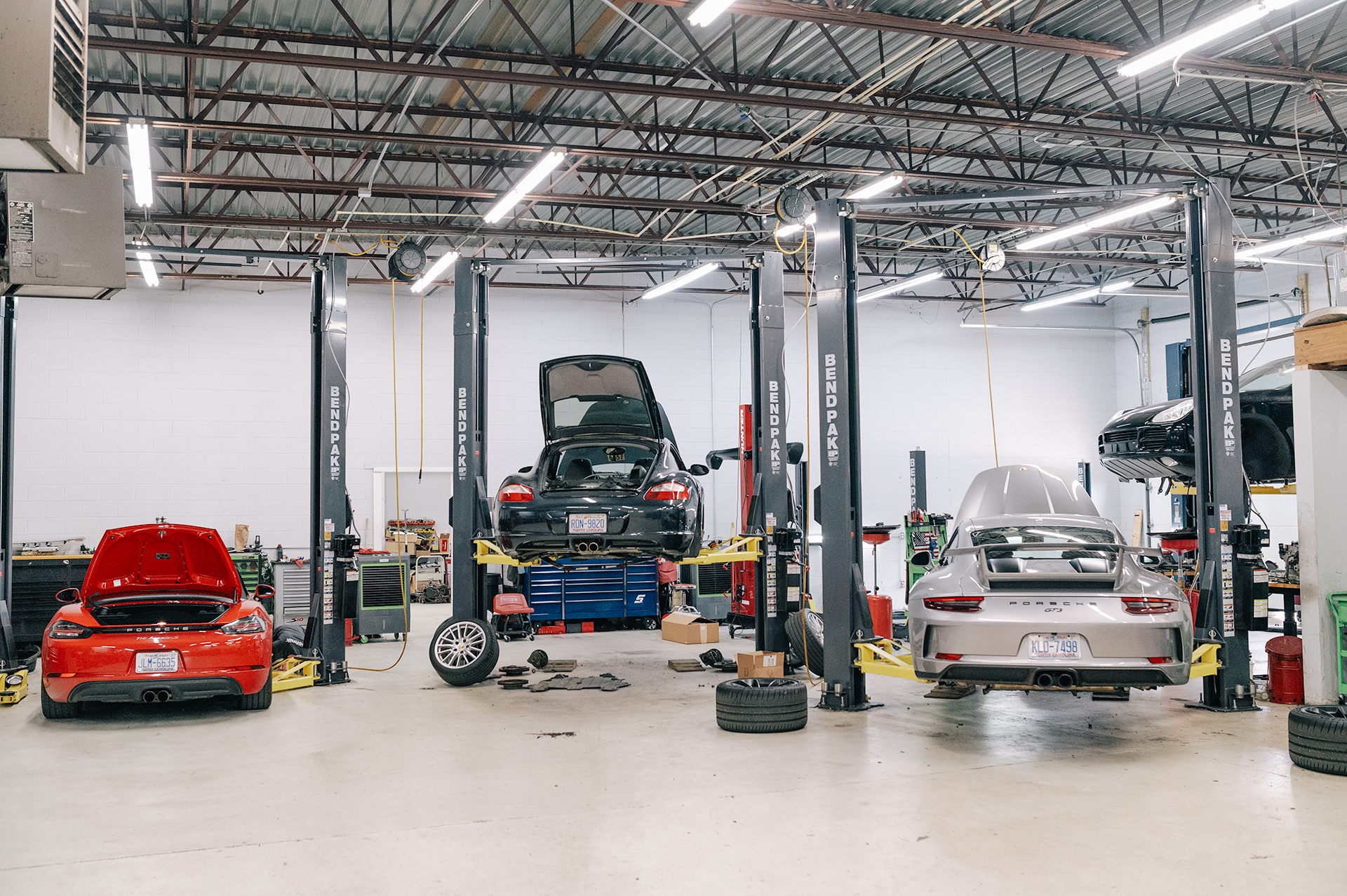
The decision to DIY isn’t really about ego or mechanical confidence. It comes down to whether you actually know what the job involves before you start it. A lot of repairs that sound intimidating are completely approachable once you’ve read through the steps. Others that seem straightforward turn out to need an engine-out procedure or a tool you definitely don’t own.
Reading the service documentation first tells you the required tools, the realistic time investment and whether there’s a point in the job where things get beyond your setup. On a car where parts are expensive and labor rates are high, spending ten minutes with the right manual before picking up a wrench is never a waste of time.