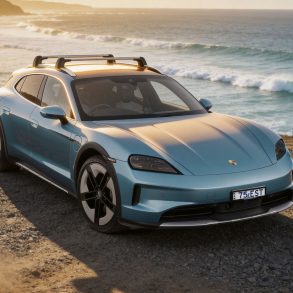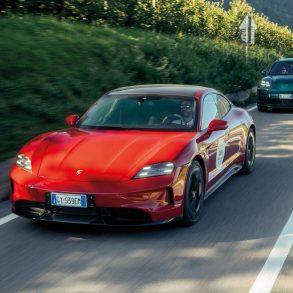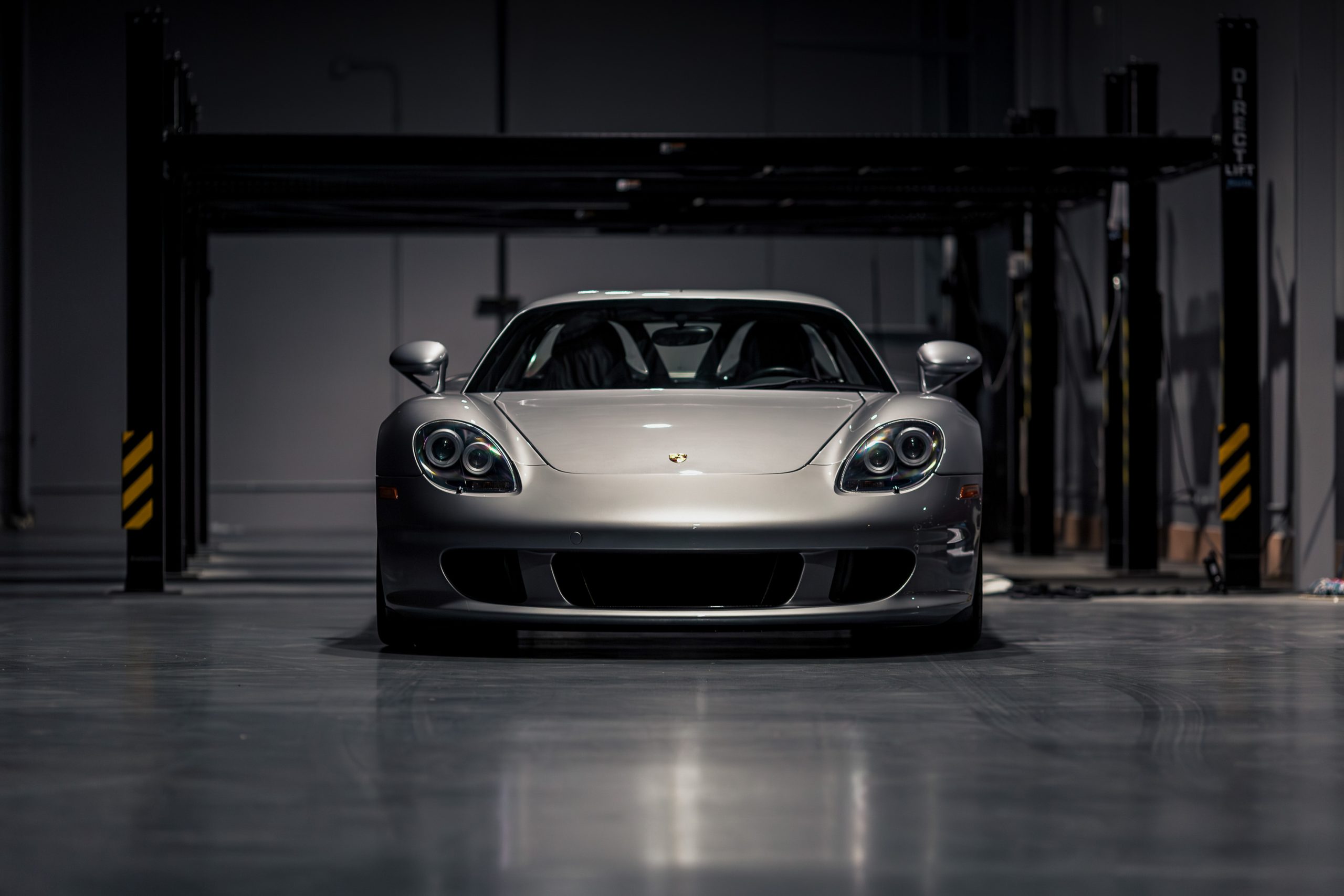


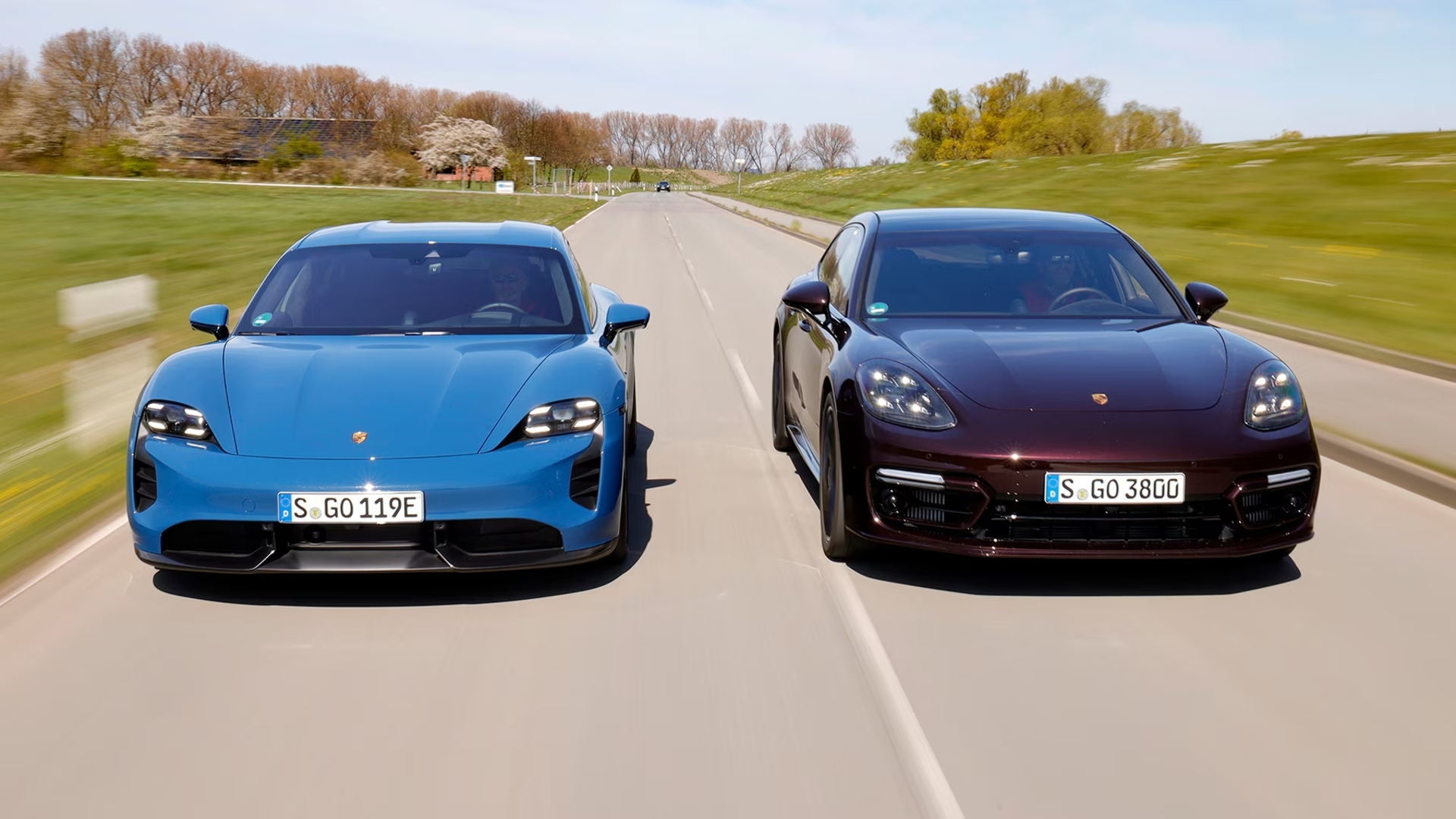
Porsche spent years telling the world that the Taycan was the future. A purpose-built electric sports sedan, developed from the ground up, on its own platform, with its own identity. And now Stuttgart is quietly considering folding it into the same family as the Panamera. If that catches you off guard, you are not alone.
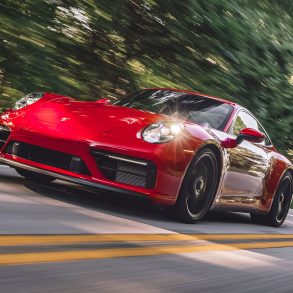
According to a report from Autocar, Porsche is exploring whether its next generation of performance sedans could live under a single unified model line, one that covers gasoline, plug-in hybrid, and fully electric variants rather than running two separate cars in parallel. This is not a done deal, not even close, but the fact that the conversation is happening at all says a lot about where Porsche finds itself right now.
The backdrop is a tough one. New CEO Michael Leiters has inherited a company dealing with slowing sales and a €1.8 billion write-down tied to delays in platform development. Former CEO Oliver Blume’s big push toward electrification has been scaled back, and the cost of running two separate engineering programs on two separate platforms is starting to look like a luxury Porsche can no longer justify without a fight.
It Is Not as Radical as It Sounds
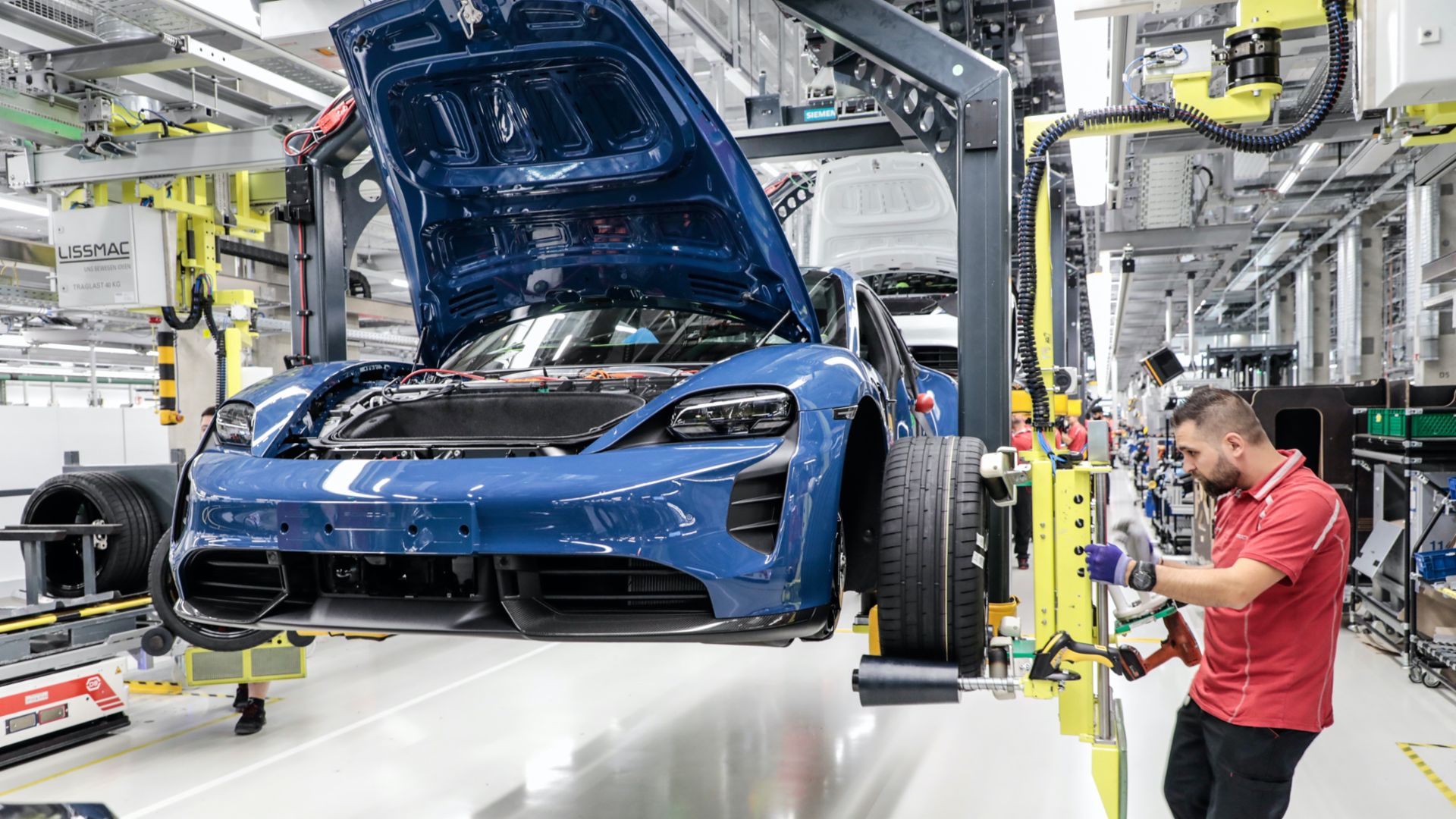
Here is the thing: Porsche already does this. The Macan and Cayenne are both sold as a single nameplate while running on completely different platforms underneath. The combustion versions carry on as normal, the electric versions sit on their own architecture, and customers just choose which one suits them. Nobody finds this particularly confusing.
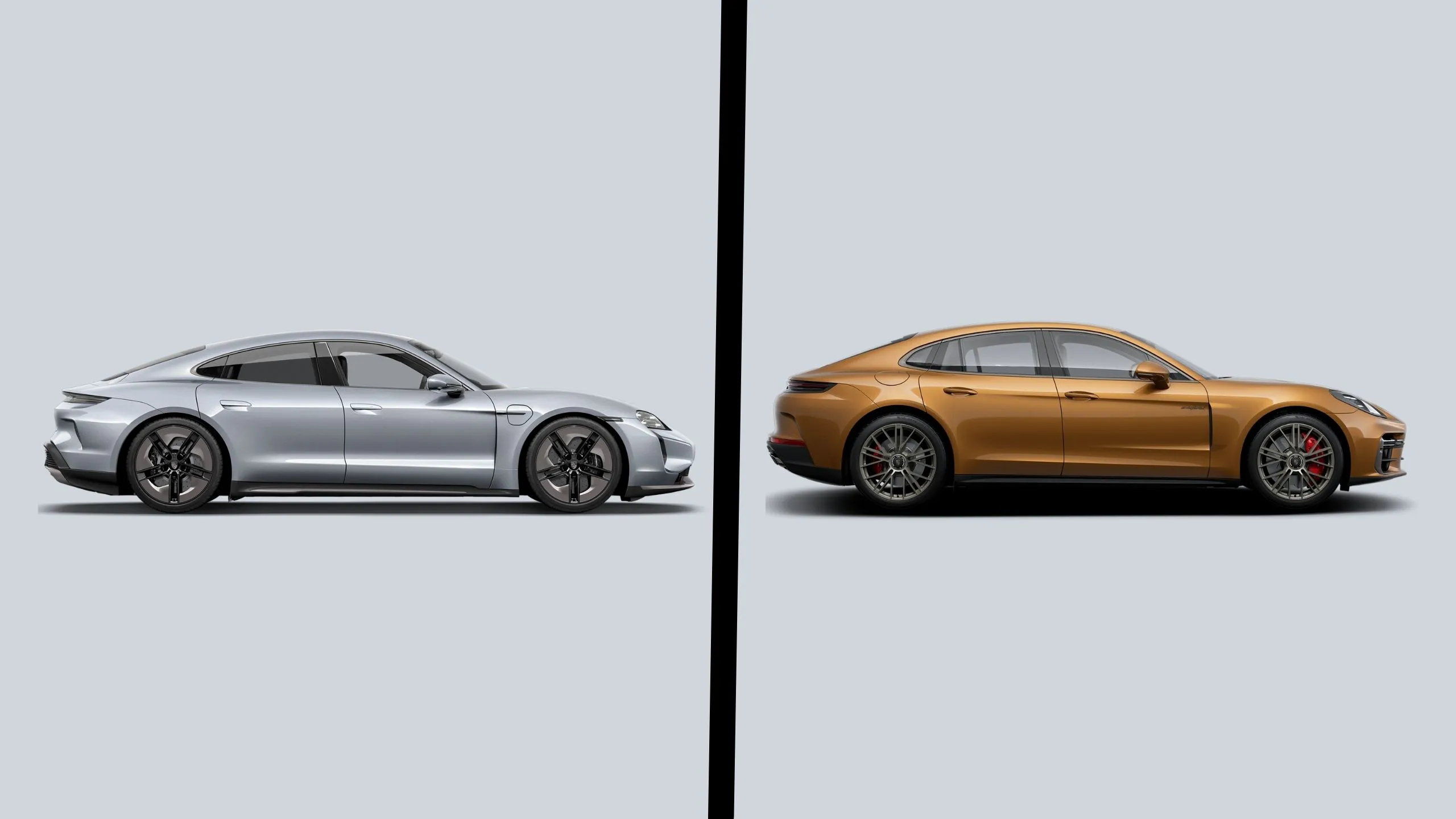
The Panamera and Taycan are not that different in footprint either. The Panamera has a 50mm longer wheelbase and sits 89mm longer overall, but those are not insurmountable differences if a successor is engineered from the start to accommodate both. Porsche insiders quoted in the Autocar report suggest it is far from a dealbreaker. One sedan family, two platforms, multiple ways to power it. That is a very Porsche solution to a very Porsche problem.
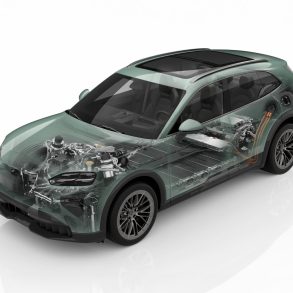
The combustion and hybrid variants would likely ride on the new PPC architecture that is set to replace the current MSB platform. The electric version would move to SSP Sport, the same architecture that was already planned for the next Taycan before things got complicated.
Which Name Wins, Panamera or Taycan?
This is where it gets interesting, because the sales numbers are not subtle. Last year Porsche delivered 27,701 Panamera units globally. The Taycan managed 16,339. That is the Panamera outselling its electric sibling by nearly 70 percent, and Taycan volumes have been falling sharply for two years running.
The Taycan arrived in 2019 and got a facelift in 2024. The current Panamera launched in late 2023 and is already penciled in for a mid-cycle refresh around 2027. Neither car is getting a full replacement before the end of the decade at the earliest, which means whatever Porsche decides, buyers have a few more years with the current setup regardless.
But when the successor does arrive, the Panamera name carries more weight commercially. It has been around since 2009, it has an extended-wheelbase variant for buyers who want the full luxury treatment, and it clearly resonates with the people actually writing cheques. Back in 2024 Porsche’s own Taycan product line chief described it as a “long-lasting” nameplate in the same breath as the 911. That line has not aged especially well.
What Would It Look Like?
The design question is a genuinely tricky one. The Taycan is lower, more aggressive, and sculpted with aerodynamics front of mind. The Panamera is taller, longer, and more of a grand tourer in its proportions. Merging those two visual identities into one coherent family without losing what makes each of them distinctive is not a small ask.
The Cayenne offers a possible blueprint. When Porsche launched the Cayenne Electric last year, it gave it its own exterior design while keeping the family resemblance intact. The same logic could apply here. A future combined sedan line could have an ICE and hybrid version that looks like the Panamera we know, and an EV variant with a sharper, more Taycan-influenced identity. Whether that would satisfy Taycan purists is another question entirely.
There is also the body style question that does not get enough attention. The Taycan currently comes in Cross Turismo and Sport Turismo variants, and those wagon-adjacent versions have developed a real following. The Panamera has its own Sport Turismo too. A merged lineup would need to figure out what to do with all of that, because cutting the wagons would not go down quietly in enthusiast circles.
Stuttcars Take
This merger makes cold financial sense, and we think it will probably happen in some form. Running two separate sedan programs on two separate platforms while one of them is underperforming commercially was always going to be a difficult argument to sustain, especially once the EV enthusiasm of a few years ago started cooling off.
What bothers us slightly is what gets lost. The Taycan was genuinely special as a statement. It was Porsche saying it could build an electric car that still felt like a Porsche, and by most accounts it delivered on that. Folding it into the Panamera family, even if the car itself carries on as an EV variant, feels a bit like quietly admitting the experiment didn’t work out the way they planned.
That said, if the result is one brilliant, properly engineered sedan family that does ICE, hybrid, and electric all at the same level of quality, we would take that over two separate cars where one is clearly running out of steam. Porsche’s job has always been to make the driving experience the headline. The platform strategy is just the means to get there. We will be watching closely.