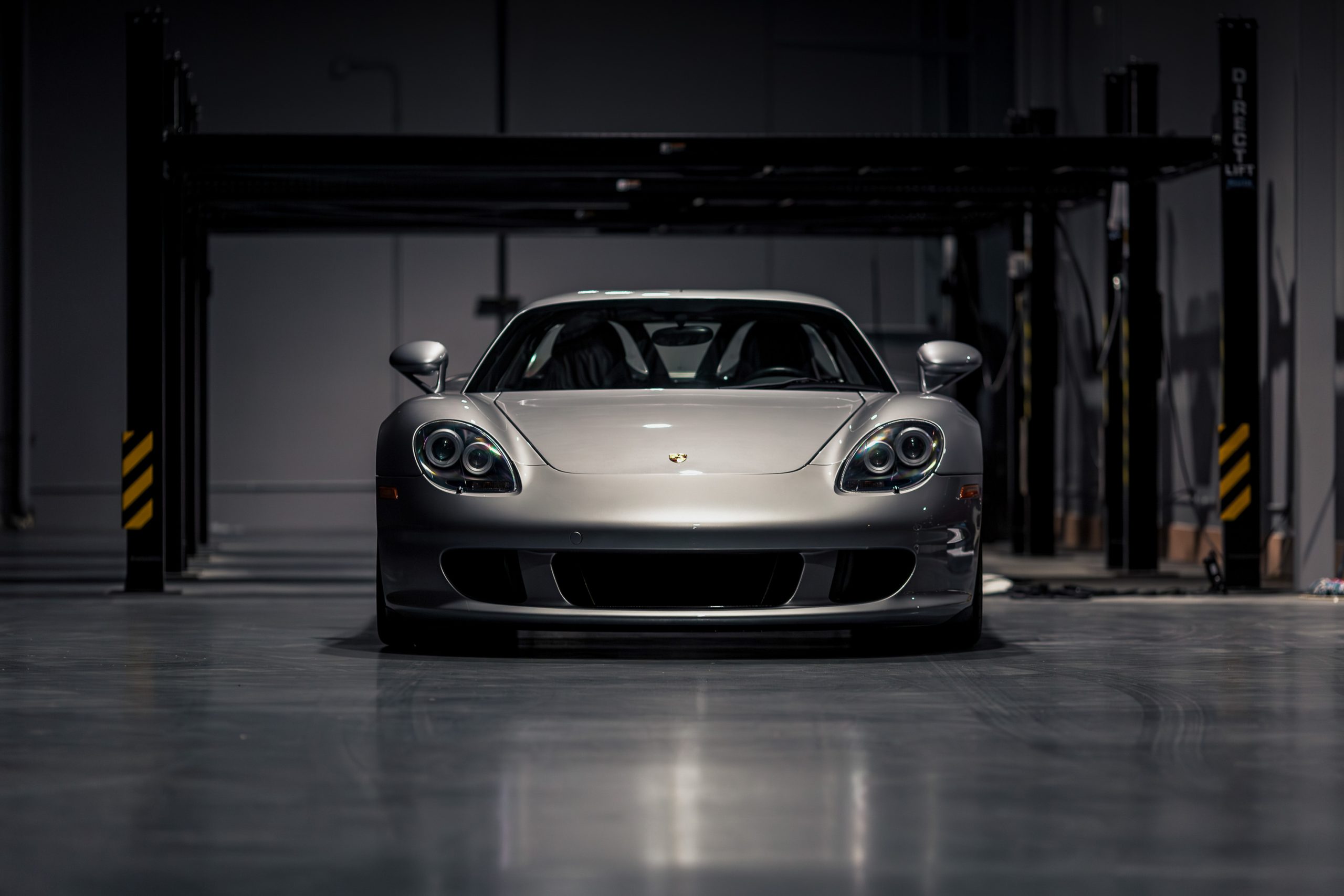

The Best Porsches for Serious Collectors - The Unicorns
This guide explores the very best Porsches for serious collectors: investment-grade cars with global recognition, historical weight, and long-term value security. These are the “can’t go wrong” Porsches buyers gravitate toward when money is no object and mistakes are unacceptable.
What's the best collector Porsche? We ask the experts.
The wide array of available Porsche models may overwhelm a new enthusiast. We hope to narrow the options and make the selection task a little easier. We asked our team of Porsche experts and enthusiastic members and they didn't let us down. This page is a culmination of their opinions and experience. If you're a serious collector or some random rich guy looking to build the ultimate collection, this is the page for you.
What about the motorsports collectible Porsches? Another World!!!
Please note that we have focused on production and road-going Porsches, because the world of motorsports Porsches is a totally different animal. Lots of collector fun can be had once you start looking at this rarified area. If you're a serious collector then you do need to consider the motorsports Porsches because they really are a very serious and expensive place to play. Here is a quick summary of the kinds of cars to think about (but we won't be going super deep).
First up are the purebred spyders. The 550 Spyder was famous for its giant-killing performance and its tragic association with James Dean. Only 90 were made. They consistently sell for $4M–$6M. The 718 RS60/RS61 was the evolution of the 550. These are even rarer (about 14–17 made) and represent the peak of Porsche's four-cam engine era. Values sit firmly in the $3M–$5M range.things like Porsche 917s, 935s and 908s, so lets leave that for another day.
The homologation "unicorns" were race cars converted into road cars just to meet racing regulations. They are barely legal for the street and visually extreme. We cover the GT1 below since there were actual production cars made, but there were also cars like 959 Paris-Dakar. While the "standard" 959 is a $2M car, the actual rally prototypes are legendary. One sold for nearly $6 million in 2018.
The 1970 Porsche 917K is the ultimate holy grail. It is the car that gave Porsche its first overall win at Le Mans and was immortalized by Steve McQueen in the film Le Mans. Only about 25 "K" (Kurzheck) models were ever made and market value are insane. In 2017, a 917K (Chassis 917-024) sold for $14.08 million. Experts believe a top-tier example with significant racing provenance could now exceed $20 million. Other race cars like the 907, 908 and so on also command big dollars due their rarity and heritage. Like we mentioned, motorsport Porsche are another animal unto itself.
The most desirable Porsches for building the ultimate collection
This article is written from the mindset of a top-tier collector, not a casual enthusiast. These are Porsches that sit at the intersection of motorsport pedigree, engineering significance, rarity, and cultural impact—cars that anchor collections rather than simply decorate them. Every selection here has already crossed the threshold from “desirable” to institutionally respected.
Some Porsches are unavoidable at the highest level: cars whose names transcend the brand itself. Think Le Mans legends, homologation miracles, and halo hypercars that rewrote performance benchmarks. These are vehicles with museum presence, auction momentum, and universal recognition—cars that define eras and will never fall out of favor, regardless of market cycles.
Beyond the headline cars are rarer, less obvious Porsches that seasoned collectors actively pursue. These include low-production factory specials, obscure racing derivatives, and short-run road cars built to satisfy regulations rather than marketing departments. They often trade hands privately, appreciate steadily, and reward buyers who understand why they matter rather than just what they are.
What unites these cars is not hype, but structural value. They have immutable attributes—production limits that will never be repeated, engines that will never be homologated again, and moments in Porsche history that cannot be recreated. Even when markets soften, these cars don’t collapse; they pause. Over time, they resume their upward trajectory because demand is global, informed, and enduring.
If you’ve just won big and want to build a Porsche collection with zero learning curve and maximum long-term upside, this is the list. These are cars you can buy confidently, insure proudly, drive sparingly (or not at all), and pass down with provenance intact. They are not speculative bets—they are cornerstones, the Porsches that serious collectors always come back to when the goal is permanence, not novelty.
About Our Selections
The Porsche brand is synonymous with automotive excellence, with a reputation carved from having built some of the most iconic performance cars for decades. Porsche models are well-known for their exhilarating performance, style and top-notch build quality. The carmaker made a name for itself by designing and building sports cars. However, its scope has gradually expanded to include a variety of body styles like sedans and SUVs. This list is different because we don't care about SUVs and sedans. We only care about the coolest, rarest and most investment grade cars ever made by Porsche. Its focused on the supercars, the rare limited editions and the quiet future collector cars that have gone a little unnoticed.
The Obvious Porsche Collector Cars
These are the Porsches that need no explanation—they instantly come to mind when talking investment-grade icons. This is the top of the Porsche hierarchy and every serious collection eventually circles back to these cars. Universally understood, endlessly documented, and structurally “safe” from a long-term value perspective.
Porsche Carrera GT
The Last Analog Hypercar—and One of the Greatest Driver’s Cars Ever Built

What Makes It Special
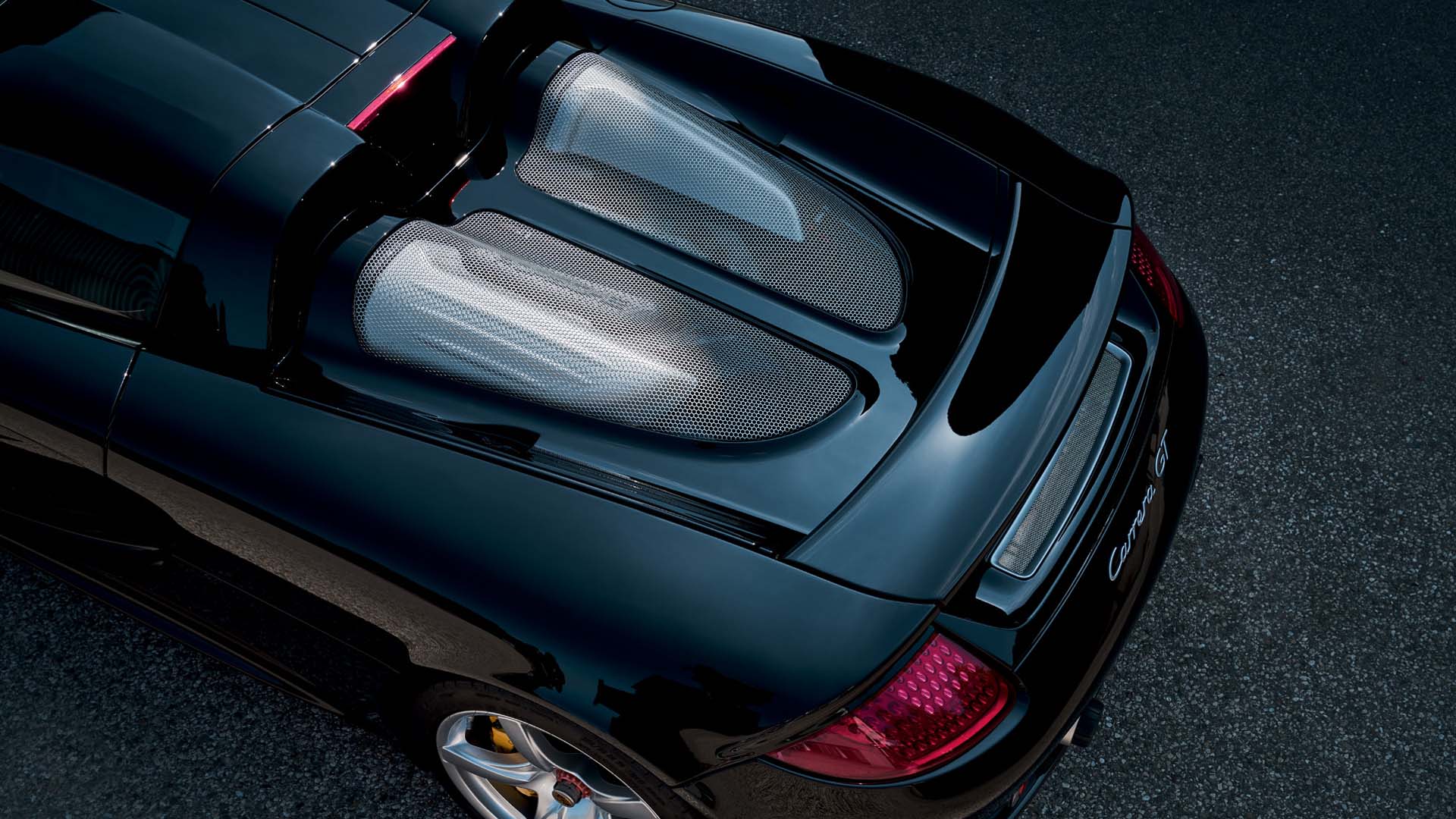
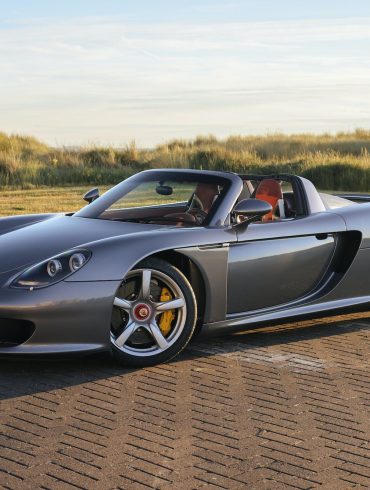
The Porsche Carrera GT sits at the very top of the modern collector hierarchy because it represents something that can never be repeated. Born from a shelved Le Mans prototype program, it is not a marketing exercise or a halo car built to chase competitors—it is a race-derived machine that somehow escaped into road-car form. In today’s world of hybrid systems, turbocharging, and electronic mediation, the Carrera GT stands alone as a purely mechanical, brutally honest hypercar.
What elevates the Carrera GT beyond most seven-figure exotics is its engineering intent. The naturally aspirated V10 is derived from Porsche’s motorsport program, mounted to a carbon-fiber monocoque with a carbon clutch that behaves more like a race car than a road car. There are no driver modes, no artificial sound, and no electronic crutches designed to flatter the driver. This is a car that demands respect, skill, and commitment—and that challenge is precisely why serious collectors revere it.
From an investment perspective, the Carrera GT checks every immutable box. Limited production, a unique engine configuration Porsche will never build again, manual transmission only, and a driving experience that modern hypercars simply cannot replicate. Values have proven resilient through market cycles, and global demand remains exceptionally strong because the buyer pool understands that there is no substitute.
Perhaps most importantly, the Carrera GT occupies a singular cultural position. It is widely regarded as the last truly analog hypercar, bridging the gap between old-school supercars and the digital era that followed. As time passes and performance cars become increasingly automated, the Carrera GT’s purity only becomes more valuable—both emotionally and financially.
Key Data & Specifications
Engine: 5.7-liter naturally aspirated V10
Power: 603 hp @ 8,000 rpm
Torque: 435 lb-ft @ 5,750 rpm
Redline: 8,400 rpm
Transmission: 6-speed manual
Chassis: Carbon-fiber monocoque
0–60 mph: ~3.5 seconds
Top Speed: ~205 mph
Production & Market
Production Numbers: 1,270 units worldwide
Original MSRP: ~$440,000 USD
Expected Price Today: ~$1.6M–$2.3M+ (condition, mileage, provenance dependent)
Known For
The last manual, naturally aspirated V10 hypercar
A no-compromise, race-derived driving experience that modern cars cannot replicate
Learn More
Porsche 959
The Car That Invented the Modern Hypercar
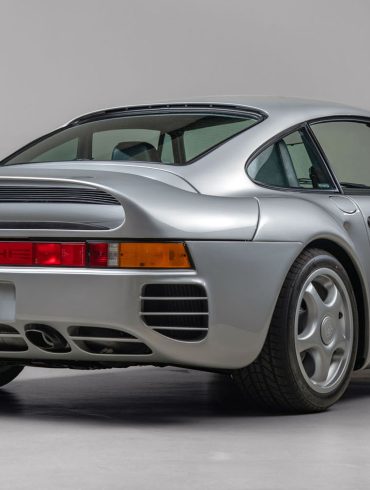
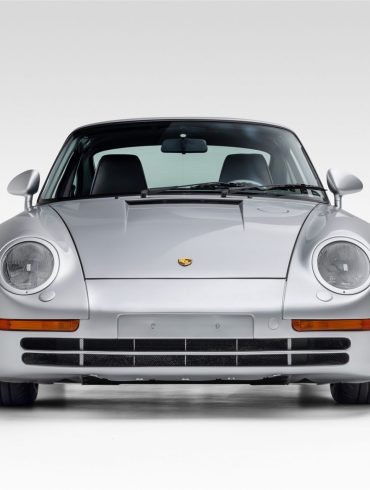
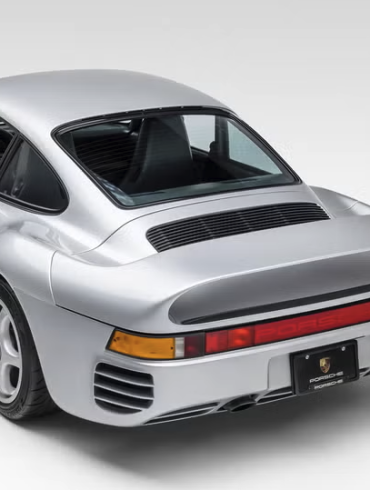
What Makes It Special
The Porsche 959 sits at the absolute top tier of collector Porsches because it wasn’t just advanced for its time—it was decades ahead of it. Conceived as a Group B homologation special, the 959 was Porsche’s technological moonshot, a car built not to impress customers but to prove what was possible. When it debuted in the mid-1980s, there was nothing else remotely like it on the road.
What makes the 959 so important is that it quietly introduced technologies that now define modern performance cars. Electronically controlled all-wheel drive, adjustable suspension, sequential turbocharging, tire pressure monitoring, and advanced aerodynamics were all baked into a car that could comfortably cruise at high speed while delivering supercar performance. In many ways, the 959 didn’t just move the needle—it reset the entire measuring stick.
From a collector standpoint, the 959 is structurally bulletproof. Production numbers are extremely low, the engineering story is unmatched, and its historical relevance is unquestionable. Unlike many limited exotics, the 959 isn’t just rare—it’s foundational. Nearly every modern Porsche performance car traces some part of its DNA back to this program.
Culturally, the 959 has achieved near-mythical status. It represents Porsche at its most ambitious, at a time when regulations, cost, and practicality were secondary concerns. As performance cars become increasingly software-driven, the 959’s analog-meets-future character makes it one of the most intellectually and emotionally compelling collector cars Porsche has ever produced.
Key Data & Specifications
Engine: 2.85-liter twin-turbo flat-six
Power: 444 hp
Torque: 369 lb-ft
Transmission: 6-speed manual
Drivetrain: Variable all-wheel drive (PSK system)
0–60 mph: 3.6 seconds
Top Speed: 197 mph (world’s fastest production car at launch)
Production & Market
Production Numbers: ~337 units worldwide (including Komfort and Sport variants)
Original MSRP: ~$225,000 USD
Expected Price Today: ~$1.8M–$3.0M+ depending condition, and provenance
Known For
Inventing the blueprint for the modern high-tech supercar
Being the most technologically advanced road car of the 1980s
Learn More
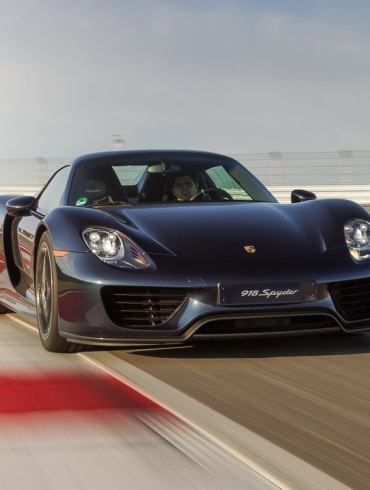
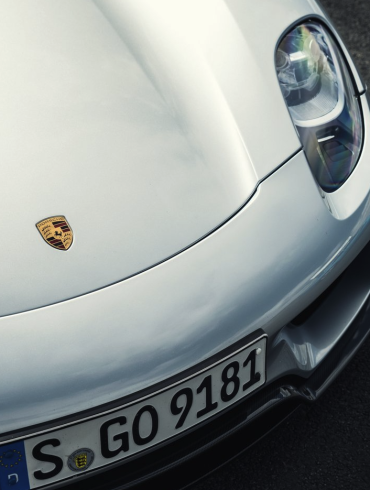
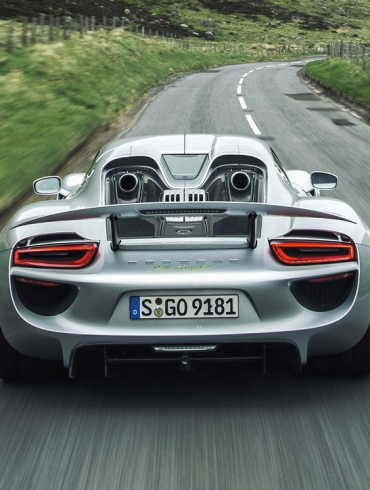
Porsche 918 Spyder
The Hypercar That Rewrote the Rules - and Still Feels Ahead of Its Time
What Makes It Special
The Porsche 918 Spyder earns its place at the very top of the collector hierarchy because it represents Porsche at full intellectual and engineering stretch. This wasn’t a halo car built to chase headlines—it was a clean-sheet rethink of what ultimate performance could look like in a post-analog world. When it launched, the 918 didn’t just compete with the best hypercars of its era; it fundamentally changed expectations for what a road car could achieve.
What separates the 918 from its contemporaries is how completely Porsche integrated hybrid technology into the driving experience. The naturally aspirated V8 is a motorsport-derived masterpiece on its own, but paired with two electric motors, it delivers instant torque, savage acceleration, and astonishing efficiency. Crucially, the car never feels like a science experiment—the systems work in harmony, creating performance that feels organic rather than artificial.
From a collector’s perspective, the 918 is a structural cornerstone. Limited production, extreme performance credentials, Nürburgring lap records, and a clear “first of its kind” status make it historically non-negotiable. The Weissach Package cars, in particular, represent the most focused expression of the concept and are already considered the benchmark configuration among serious collectors.
Perhaps most impressively, the 918 has aged exceptionally well. As the industry moves deeper into electrification, the 918 no longer feels like a compromise—it feels prophetic. It stands as the moment Porsche proved that electrification could enhance, rather than dilute, emotional engagement. That clarity of purpose is exactly what keeps the 918 firmly in “can’t go wrong” collector territory.
Key Data & Specifications
Engine: 4.6-liter naturally aspirated V8 + dual electric motors
Total Power: 887 hp
Torque: ~944 lb-ft (combined)
Redline: 9,150 rpm (V8)
Transmission: 7-speed PDK
Drivetrain: All-wheel drive
0–60 mph: ~2.2 seconds
Top Speed: ~214 mph
Production & Market
Production Numbers: 918 units worldwide
Original MSRP: ~$845,000 USD (before options)
Expected Price Today: ~$1.8M–$2.5M+ (Weissach cars command a premium)
Known For
Redefining hybrid performance with genuine driver engagement
Being one of the most complete and usable hypercars ever built
Learn More
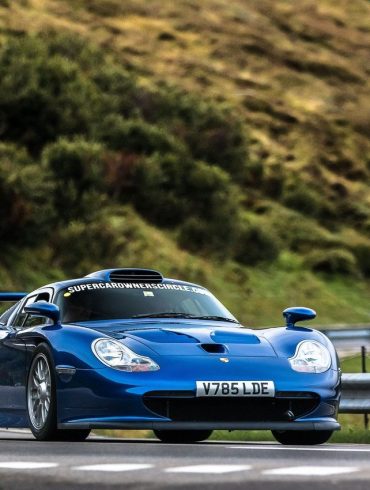
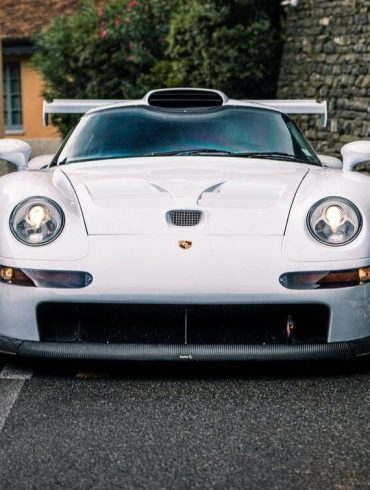
Porsche 911 GT1 Straßenversion
The Most Extreme “911” Ever Sold for the Road

What Makes It Special
The Porsche 911 GT1 Straßenversion sits in a category so rare and uncompromising that it effectively transcends normal collector logic. This is not a tuned road car, a limited-edition special, or a marketing-led halo model—it is a Le Mans race car reluctantly converted for street legality. Porsche built it to win outright at the world’s greatest endurance race, and the road version exists solely to satisfy homologation rules. That origin alone places it among the most serious collector Porsches ever made.
What makes the GT1 Straßenversion truly extraordinary is how little it compromises. Carbon-fiber bodywork, a mid-mounted twin-turbo flat-six, pushrod suspension, and race-derived aerodynamics define the package. Despite wearing a “911” badge, it shares almost nothing with a production 911 of the era. The driving position, visibility, and mechanical presence feel far closer to a prototype racer than a road-going supercar—and that authenticity is exactly why collectors covet it.
From a hierarchy standpoint, the GT1 is Porsche’s purest expression of motorsport dominance bleeding directly into road car form. Porsche won Le Mans overall in 1998 with the GT1-98, cementing the program’s legacy. Very few road cars can claim such a direct and successful lineage. As a result, the GT1 Straßenversion isn’t just rare—it is historically irreplaceable.
In collector terms, this is a “forever car.” Production numbers are microscopic, global awareness is high, and institutional demand—from top private collections to museums—is unwavering. It doesn’t follow trends, and it doesn’t soften during market corrections. The GT1 Straßenversion exists in the same realm as the most important Ferrari, Mercedes, and McLaren homologation cars—and among Porsche enthusiasts, it is widely considered the ultimate prize.
Key Data & Specifications
Engine: 3.2-liter twin-turbocharged flat-six (mid-mounted)
Power: ~536 hp
Transmission: 6-speed manual
Chassis: Carbon-fiber monocoque
Drivetrain: Rear-wheel drive
0–60 mph: ~3.7 seconds
Top Speed: ~190+ mph
Production & Market
Production Numbers: 20–25 road cars (sources vary; fewer than two dozen universally accepted)
Original MSRP: Not officially marketed (homologation build)
Expected Price Today: ~$5M–$7M+ depending on provenance, mileage, and originality
Known For
Being the most direct Le Mans race car Porsche ever sold for the street
Sitting at the absolute apex of 911-based collector hierarchy
Learn More
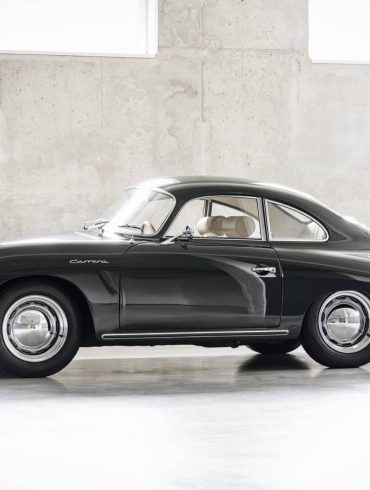
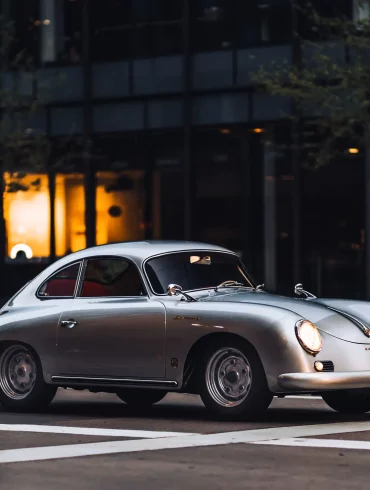
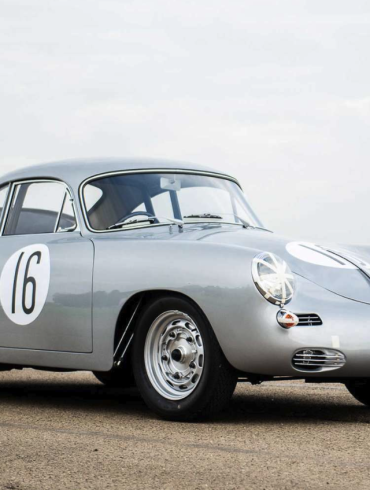
Porsche 356 Carrera (GS / GT)
The First True Investment-Grade Porsche—and the Brand’s Original Technical Masterpiece
What Makes It Special
The Porsche 356 Carrera GS and GT occupy a uniquely important place in Porsche history: they are the first Porsches built without compromise, designed explicitly to dominate motorsport rather than simply participate. Long before the 911, before Le Mans overall victories, and before Porsche became a household name, the Carrera models established the company’s reputation as an engineering-led racing force. For collectors, this makes the 356 Carrera not just desirable—but foundational.
At the heart of the Carrera is the legendary Fuhrmann Type 547 engine, one of the most sophisticated racing engines of its era. Featuring dual overhead camshafts, roller bearings, and race-grade construction, it was wildly expensive to build and completely out of character for a small German manufacturer in the 1950s. The result was an engine that delivered astonishing performance relative to displacement and proved devastatingly effective in endurance racing and hill climbs.
The GS (Gran Sport) and GT variants were built for different levels of competition, but both shared the same philosophy: reduce weight, increase durability, and win races. These cars competed—and won—at Le Mans, the Carrera Panamericana, the Mille Miglia, and countless European hill climbs. Their competition history is not anecdotal; it is core to Porsche’s rise as a motorsport powerhouse.
From a collector standpoint, the 356 Carrera is blue-chip in the purest sense. Production numbers are extremely low, survival rates are limited, and originality is fiercely scrutinized. These cars are rarely offered publicly, and when they are, they command respect from the most serious collectors in the world. Unlike later icons that became valuable over time, the Carrera has always been special—and the market has never forgotten that.
Key Data & Specifications
Engine: 1.5–2.0-liter air-cooled flat-four (Fuhrmann Type 547)
Power: ~100–135 hp (variant dependent)
Redline: ~7,200 rpm
Transmission: 4-speed manual
Chassis: Steel unibody with aluminum panels (GT variants)
Drivetrain: Rear-wheel drive
Weight: As low as ~1,700 lbs (GT)
Production & Market
Production Numbers: ~300 Carrera engines total; fewer complete GS/GT cars
Original MSRP: Extremely high relative to standard 356s (hand-built, race pricing)
Expected Price Today: ~$1.8M–$3.5M+ depending on variant, originality, and race history
Known For
Introducing Porsche’s first purpose-built racing engine
Being the earliest truly elite, investment-grade Porsche road car
Learn More
The 911 Collector Cars
These are the 911s that matter most to collectors: the limited-production, no-compromise versions that sit above standard Carreras and Turbos. These are the homologation specials, final-edition manuals, lightweight purist models, and factory-blessed oddities that represent the sharpest edges of 911 evolution.
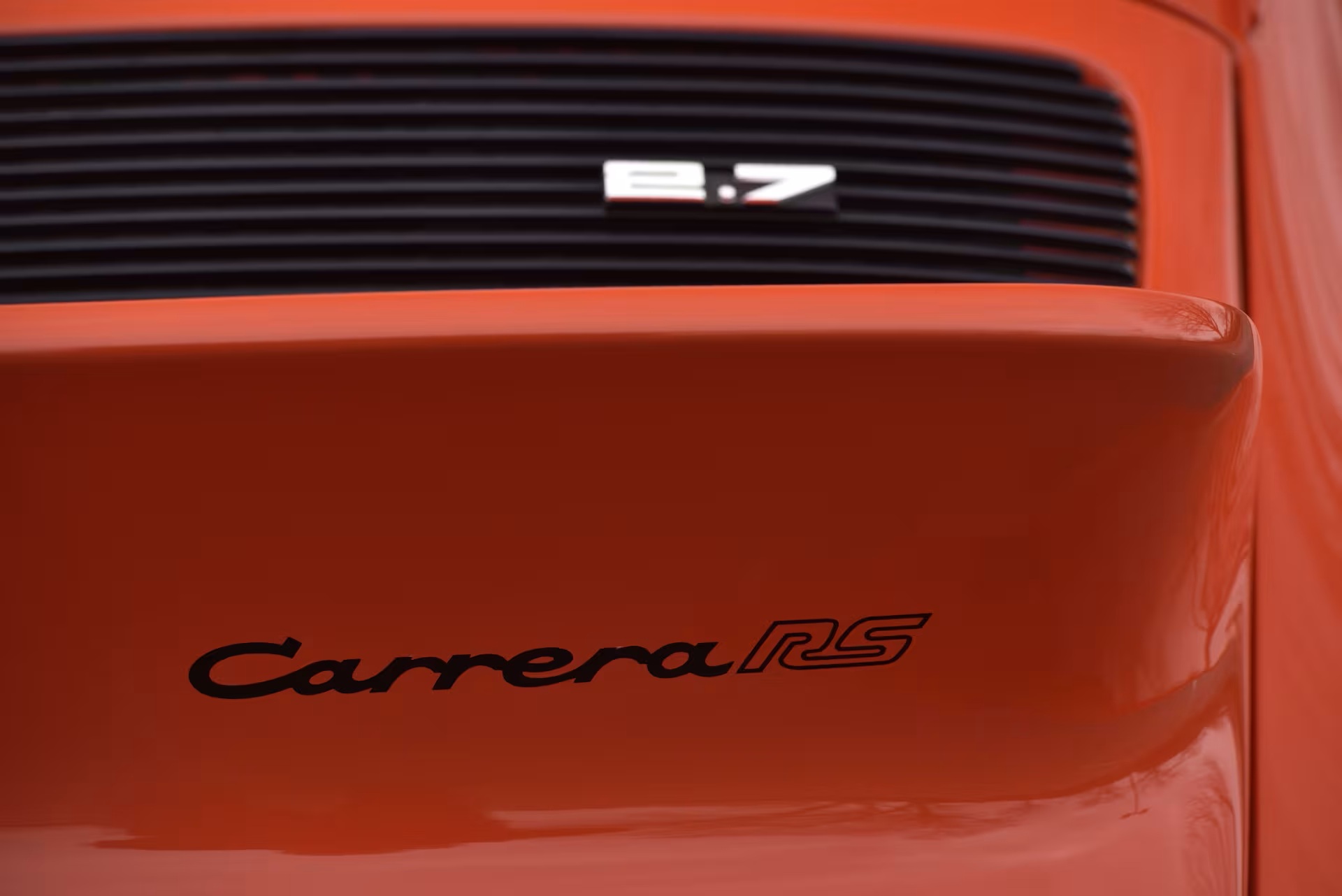
Porsche 911 Carrera RS 2.7 (1973)
The original benchmark. Lightweight, purpose-built, and directly responsible for defining what an RS means.
 Studio shot of the Porsche 911 Carrera RS 2.7 (1973). © Corporate Archives Porsche AG
 One of the most distinctive rear ends in the motoring world, and the fleeting view that most motorists would get to see of the car on the road. © Glen Smale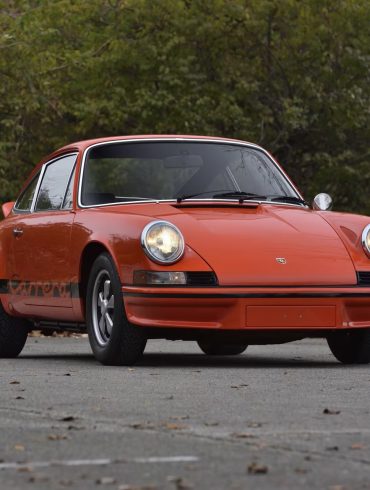
What Makes It Special
The Porsche 911 Carrera RS 2.7 is not just the most important 911 collector car—it is the origin point for everything enthusiasts value about Porsche today. Built to homologate the 911 for Group 4 racing, the RS 2.7 was never intended to be a luxury road car or a marketing exercise. It existed because Porsche needed to go racing—and the result was a machine so perfectly balanced that it permanently redefined what a road-going sports car could be.
What elevates the RS 2.7 above every other early 911 is its purity of intent. Weight reduction was obsessive, engineering decisions were ruthless, and every change served performance. The car introduced the now-iconic ducktail spoiler—not for aesthetics, but to stabilize the rear at speed. The suspension was sharpened, the engine uprated, and unnecessary comfort items removed. Nothing about the RS is accidental, and that clarity still resonates five decades later.
From behind the wheel, the RS 2.7 feels alive in a way few cars—before or since—can match. Steering feedback is telepathic, throttle response is immediate, and the chassis communicates every surface change and grip transition. It’s not fast by modern numbers, but it is fast in feel, rewarding momentum, precision, and driver commitment. This is the car that taught generations of enthusiasts what “driver-focused” truly means.
As a collector car, the RS 2.7 sits in an untouchable position. It combines motorsport pedigree, cultural significance, and genuine usability in a way that no later RS has fully replicated. Values have proven resilient across decades and market cycles because demand isn’t speculative—it’s philosophical. This is the car collectors buy when they want to own the idea of Porsche, not just a piece of it.
Key Data & Specifications
Engine: 2.7-liter air-cooled flat-six
Power: 210 hp @ 6,300 rpm
Torque: ~188 lb-ft
Transmission: 5-speed manual
Drivetrain: Rear-wheel drive
Weight: 2,150 lbs (Lightweight), 2,370 lbs (Touring)
0–60 mph: ~5.6 seconds
Top Speed: ~150 mph
Production & Market
Production Numbers: 1,580 cars total.
~200 Lightweight (M471), ~1,300 Touring (M472)
Original MSRP: ~DM 33,000 (Germany, 1973)
Expected Price Today: Touring: ~$700k–$1.1M+, Lightweight: ~$1.5M–$2.5M+ (condition, originality, and provenance dependent)
Known For
Creating the RS formula that Porsche still follows today
Being the purest expression of early 911 motorsport philosophy
Learn More
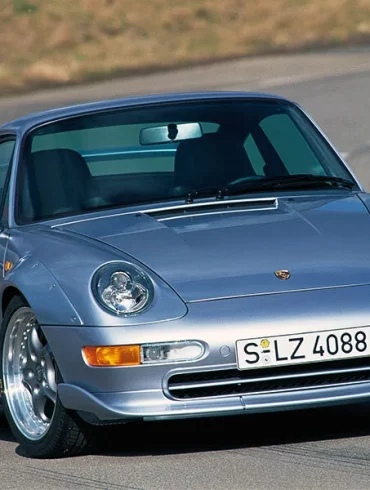
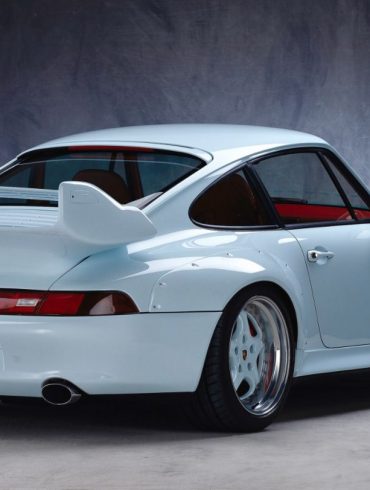
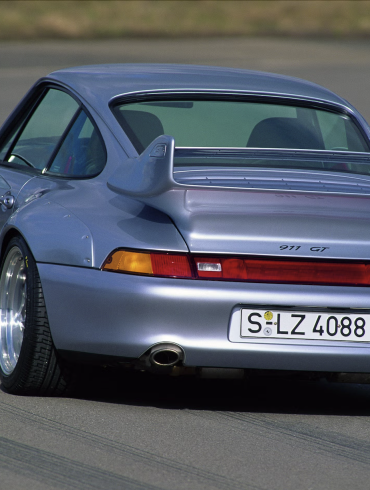
Porsche 911 GT2 (993)
The last air-cooled homologation monster—and the most intimidating 911 of its era.
What Makes It Special
The Porsche 993 GT2 is the point where Porsche stopped trying to civilize the 911 and instead leaned fully into fearsome intent. Built to homologate the 993 for GT racing, the GT2 stripped away all-wheel drive, added extreme aero, widened the body dramatically, and turned boost pressure into a weapon. This was not a prestige model or a collector toy at birth—it was a racing solution first, sold reluctantly to the public.
What separates the GT2 from every other air-cooled 911 is how unapologetically aggressive it is. Rear-wheel drive only, massive turbocharged power, and virtually no electronic intervention made it brutally difficult to drive quickly. Where Turbos of the era aimed for composure, the GT2 delivered intimidation. It earned the nickname “Widowmaker” not through myth, but through lived experience.
From a mechanical standpoint, the 993 GT2 represents the absolute end of an engineering lineage. It is the final air-cooled 911 built primarily to satisfy racing regulations, and the last time Porsche would sell a homologation car with this little concern for approachability. Later GT2s became faster and more refined—but none were as raw, dangerous, or philosophically pure.
For collectors, the 993 GT2 occupies rarefied air. Production numbers are extremely low, survival rates are lower still, and original specification matters enormously. These cars sit just below the GT1 Straßenversion in hierarchy, yet for many purists, the GT2 is the more authentic expression of the 911 race-to-road story. It doesn’t charm. It commands respect.
Key Data & Specifications
Engine: 3.6-liter twin-turbo air-cooled flat-six
Power: 430 hp (early), 450 hp (Evo)
Torque: ~430 lb-ft
Transmission: 6-speed manual
Drivetrain: Rear-wheel drive
Weight: ~2,800 lbs (approx)
0–60 mph: ~4.0 seconds
Top Speed: ~185 mph
Production & Market
Production Numbers: ~57 street cars (plus race-only variants)
Original MSRP: Extremely high vs standard 993 Turbo
Expected Price Today: ~$2.5M–$4.5M+ depending on spec, originality, and provenance
Known For
Being the most extreme and dangerous air-cooled road-going 911
Representing the final chapter of true air-cooled homologation logic
Learn More
Porsche 911 R (991)
Driver-first purity: GT3 hardware with a 6-speed manual, limited to 991 units. Porsche admitted the purists were right.
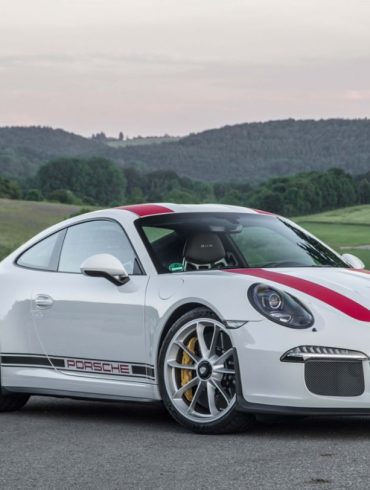
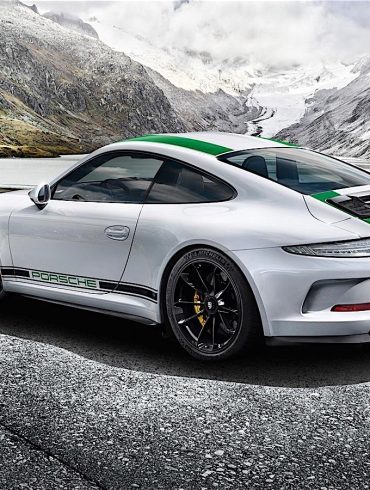
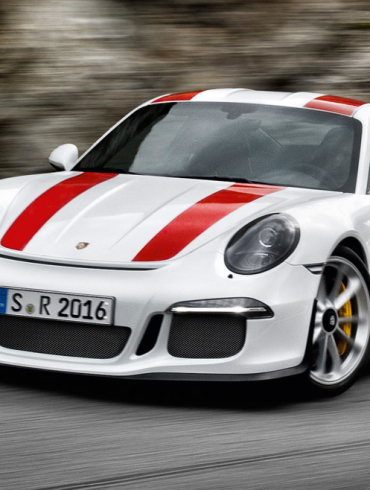
What Makes It Special
The Porsche 911 R (991) occupies a unique and highly consequential place in modern 911 history. It is not a homologation car in the traditional rulebook sense—but philosophically, it is one of the most important homologation-style 911s Porsche has ever built. The 911 R exists because Porsche finally acknowledged that driver engagement—not lap times—was what enthusiasts were actually chasing.
What makes the 911 R extraordinary is the clarity of its intent. Porsche took the 4.0-liter GT3 engine, removed the wing, deleted rear-wheel steering, softened the suspension slightly, and—most importantly—paired it exclusively with a manual transmission. This was a radical move at the time. Porsche had just weathered intense backlash over PDK-only GT cars, and the 911 R became the company’s answer: a car built for feel, balance, and emotional connection rather than Nürburgring headlines.
On the road, the 911 R feels fundamentally different from its GT3 sibling. It is less aggressive, more fluid, and infinitely more approachable. Throttle response is immediate, steering feel is natural and unfiltered, and the car rewards smooth inputs rather than aggression. It delivers the rare sensation of being usable at sane speeds while still offering a motorsport-derived engine that thrives on revs. In many ways, it redefined what a modern “driver’s car” could be.
From a collector standpoint, the 911 R is already institutionalized. Limited production, first-of-its-kind status, and its direct influence on future Porsche products—most notably the return of manual GT3s and the creation of Touring models—secure its long-term significance. This is not a speculative collectible; it is a philosophical inflection point, and collectors recognize it as such.
Key Data & Specifications
Engine: 4.0-liter naturally aspirated flat-six (GT3-derived)
Power: 500 hp @ 8,250 rpm
Torque: 339 lb-ft
Redline: 8,500 rpm
Transmission: 6-speed manual
Drivetrain: Rear-wheel drive
Weight: ~3,020 lbs
0–60 mph: ~3.7 seconds
Top Speed: ~201 mph
Production & Market
Production Numbers: 991 units worldwide
Original MSRP: ~$185,000 USD
Expected Price Today: ~$450k–$650k+ depending on mileage, specification, and provenance
Known For
Forcing the return of manual transmissions to Porsche GT cars
Being the spiritual bridge between classic RS philosophy and modern GT engineering
Learn More
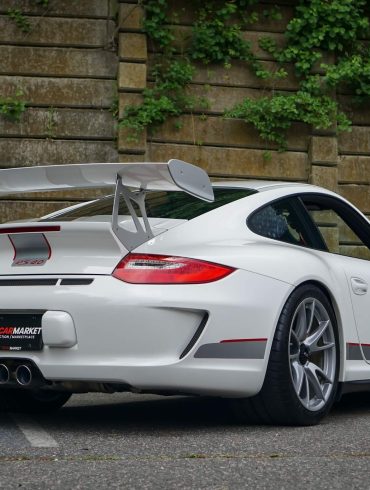
Porsche 911 GT3 RS 4.0 (997)
The last Mezger, the ultimate RS, and a modern collector endgame
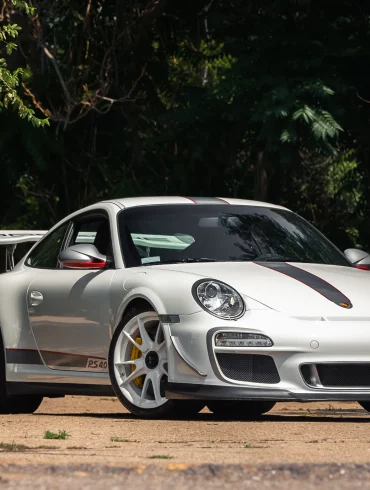

What Makes It Special
The Porsche 911 GT3 RS 4.0 sits in a rare position where modern engineering, motorsport heritage, and collector inevitability converge perfectly. Built at the absolute end of the 997 generation, it represents the final evolution of the Mezger engine lineage—an engine architecture born from Porsche’s racing program and never to be repeated in a naturally aspirated, road-going form. From the moment it was unveiled, it was clear this wasn’t just another RS; it was a full stop.
What makes the RS 4.0 so significant is how deliberately Porsche pulled out every remaining stop. The 4.0-liter Mezger flat-six was taken directly from the RSR program, delivering a combination of torque, throttle response, and mechanical intensity that even later GT cars struggle to match. Carbon body panels, a magnesium roof, titanium components, and obsessive weight reduction made it the lightest 997 RS—despite being the most powerful. Nothing about this car was softened for broader appeal.
On the road and track, the GT3 RS 4.0 is devastatingly focused. Steering feel—hydraulic, unfiltered, and loaded with feedback—is widely considered among the best Porsche has ever delivered. The engine pulls relentlessly to its 8,500-rpm redline, and the chassis feels surgically precise without becoming nervous or punishing. This is a car that rewards experience and commitment, offering a level of clarity and connection that has become increasingly rare in the modern era.
From a collector perspective, the RS 4.0 is already institutionalized. Limited to just 600 units worldwide, it was recognized immediately as “the one” and has never meaningfully dipped in value. Its status as the last Mezger-powered RS, last manual-only RS, and ultimate expression of the 997 platform gives it an unassailable position in the 911 collector hierarchy. For many serious collectors, this is not just a must-have GT car—it’s the endgame RS.
Key Data & Specifications
Engine: 4.0-liter naturally aspirated Mezger flat-six
Power: 500 hp @ 8,250 rpm
Torque: 339 lb-ft
Redline: 8,500 rpm
Transmission: 6-speed manual
Drivetrain: Rear-wheel drive
Weight: ~2,998 lbs
0–60 mph: ~3.8 seconds
Top Speed: ~193 mph
Production & Market
Production Numbers: 600 cars worldwide
Original MSRP: ~$185,000 USD
Expected Price Today: ~$650k–$900k+ depending on mileage, originality, and provenance
Known For
Being the final and most powerful Mezger-powered RS
Representing the peak of analog GT3 RS engineering
Learn More
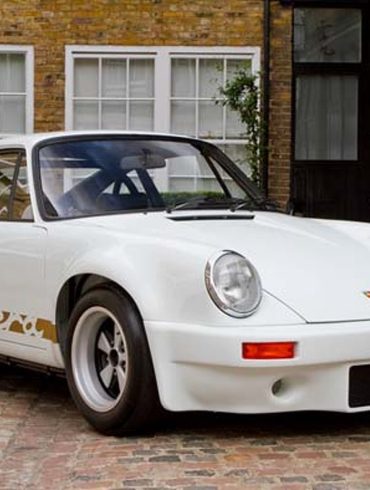
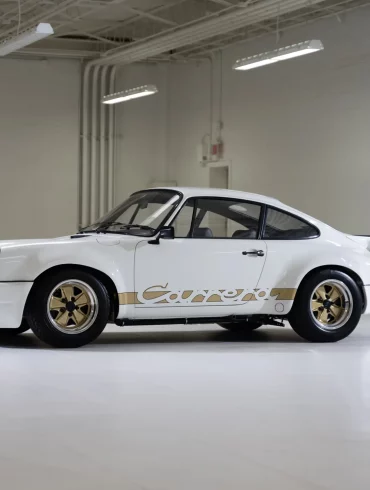
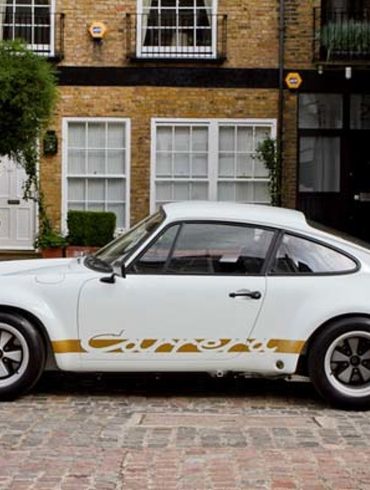
Porsche 911 Carrera RS 3.0
The RS taken off the leash—and turned into a weapon. The road-going RSR that almost shouldn’t exist
What Makes It Special
The Porsche 911 Carrera RS 3.0 occupies one of the most fascinating and misunderstood positions in 911 history. Built during a period of regulatory chaos and shifting motorsport rules, the RS 3.0 was Porsche’s attempt to bring the spirit of the RSR to the street—even though the market and the rulebook were both moving away from pure homologation specials. The result was a car that feels more like a concession to racing engineers than a product designed for customers.
What makes the RS 3.0 so special is how little it compromises relative to the RSR. It shares the wide-body shell, massive brakes, suspension geometry, and much of the motorsport-derived hardware. While the engine was detuned slightly for road use, the character remained unmistakably competition-focused. The car feels heavier and more serious than the RS 2.7, but also more planted, more stable, and far more aggressive at speed.
Driving the RS 3.0 is a reminder that Porsche hadn’t yet separated its racing and road programs. Steering is heavy and alive, the chassis demands commitment, and the engine thrives on revs rather than torque. This is not a friendly car, nor was it meant to be. It’s closer to a customer race car with license plates than a grand touring 911—and that’s exactly what makes it so compelling to serious collectors.
From a production standpoint, the RS 3.0 is extraordinarily rare. Porsche built it not because demand was high, but because the engineers wanted it to exist. It arrived at the wrong time commercially, which ensured low sales and an early end. Ironically, that lack of market success is precisely what makes the RS 3.0 one of the most desirable and respected early RS cars today.
Key Data & Specifications
Engine: 3.0-liter air-cooled flat-six (derived from RSR)
Power: ~230 hp @ 6,200 rpm
Torque: ~209 lb-ft
Transmission: 5-speed manual (Type 915)
Drivetrain: Rear-wheel drive
Weight: ~2,100 lbs (approx.)
0–60 mph: ~5.4 seconds
Top Speed: ~152 mph
Production & Market
Production Numbers: 55 cars total
Original MSRP: Significantly higher than RS 2.7 (low demand at launch)
Expected Price Today: ~$2.5M–$4.0M+ depending on originality and provenance
Known For
Being the closest thing to a road-legal RSR Porsche ever sold
Extreme rarity paired with uncompromising RS philosophy
Learn More
Porsche 911 SC RS
The rally-bred 911 that almost nobody understands.
What Makes It Special
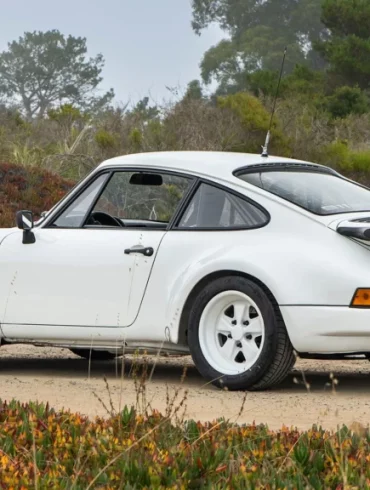
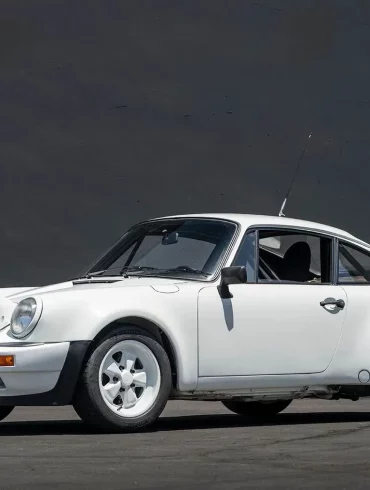
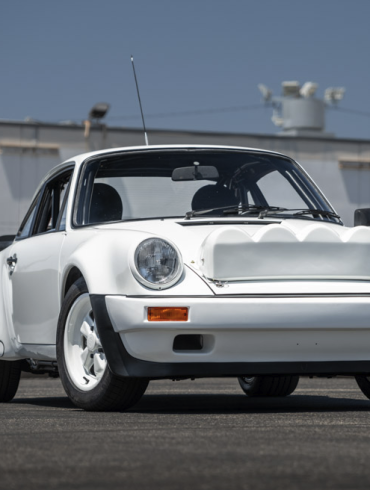
The Porsche 911 SC RS is one of the most legitimate homologation cars Porsche ever built—and one of the least talked about. Created to homologate the 911 for Group B rally competition, the SC RS wasn’t designed to celebrate heritage or excite showroom buyers. It was built because Porsche wanted to go rallying seriously, and regulations demanded a road-going production run. The result is a car that feels far closer to a works competition machine than a conventional RS.
What makes the SC RS unique within the 911 collector hierarchy is its rally-first DNA. Unlike the circuit-focused RS and RSR models before it, the SC RS was engineered to survive brutal surfaces, long stages, and real-world punishment. Reinforced bodyshells, seam welding, adjustable suspension, lightweight panels, and stripped interiors defined the package. This is a 911 designed to be driven hard on imperfect roads—something no other RS truly prioritized.
From behind the wheel, the SC RS feels raw, mechanical, and utterly purpose-built. Power delivery is linear and tractable rather than peaky, ideal for rally conditions. Steering is heavy and communicative, and the chassis feels extraordinarily rigid for an impact-bumper-era 911. It lacks the romanticism of a 2.7 RS or the elegance of a 964 RS—but it replaces that with functional brutality.
Collector interest in the SC RS has grown steadily as enthusiasts have begun to appreciate how rare and uncompromising it really is. Built in tiny numbers, never officially sold in many markets, and largely overshadowed by its RS siblings, the SC RS now stands as one of the purest expressions of homologation logic in Porsche history. It’s not a car that flatters—it’s a car that proves intent.
Key Data & Specifications
Engine: 3.0-liter air-cooled flat-six
Power: ~250 hp
Torque: ~237 lb-ft
Transmission: 5-speed manual (Type 915, strengthened)
Drivetrain: Rear-wheel drive
Weight: ~2,100 lbs
Production & Market
Production Numbers: 21 cars total
Original MSRP: Sold directly to competition customers
Expected Price Today: ~$2.5M–$3.5M+ depending on originality, competition history, and documentation
Known For
Being Porsche’s purest rally-focused 911 homologation special
Extreme rarity and uncompromising motorsport intent
Learn More
Porsche 911 Carrera RS 3.8 (964)
The last air-cooled RS built with RSR intent.
What Makes It Special
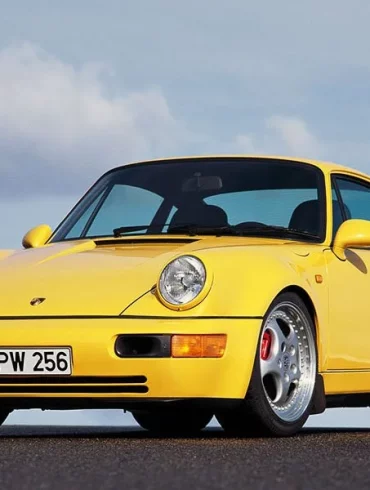
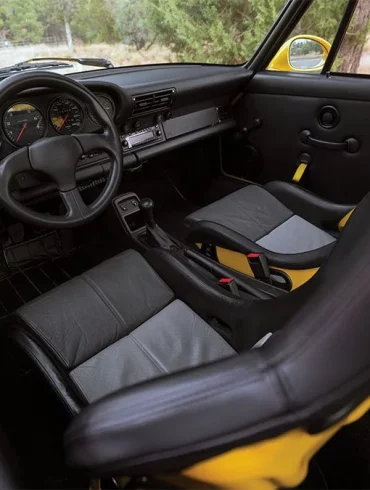
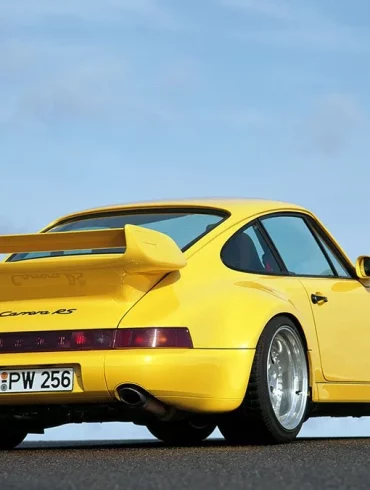
The Porsche 964 Carrera RS 3.8 sits at the absolute summit of air-cooled RS cars—not as a softened road special, but as a machine engineered with unmistakable motorsport intent. Built to homologate the 964 RSR for international GT racing, the RS 3.8 was never meant to be broadly sold or widely understood. It exists because Porsche’s racing department demanded it, making it one of the most purpose-driven road-legal 911s ever produced.
What separates the RS 3.8 from the standard 964 RS is how aggressively it blurs the line between road and race car. The wider Turbo-derived bodywork, massive brakes, center-lock wheels, and motorsport suspension were not cosmetic gestures—they were functional necessities lifted directly from the RSR program. Under the decklid sits a heavily reworked 3.8-liter flat-six that delivers far more torque and urgency than earlier RS engines, transforming the car into something genuinely ferocious.
On the road—or more accurately, on fast, demanding tarmac—the RS 3.8 feels nothing like a normal 964. Steering is heavy and loaded with feedback, the chassis is rigid and uncompromising, and the power delivery is relentless rather than playful. This is not an RS designed to charm; it’s designed to intimidate and reward serious drivers. In character, it is closer to a road-registered race car than any RS before or after it.
From a collector standpoint, the RS 3.8 is blue-chip in the purest sense. Production numbers are microscopic, factory intent is crystal clear, and its position as the final air-cooled, RSR-adjacent RS gives it an unrepeatable status. As later RS cars became more refined and more numerous, the RS 3.8 has only grown in stature—now widely viewed as the end of an era when Porsche still built homologation cars with minimal regard for comfort, cost, or marketability.
Key Data & Specifications
Engine: 3.8-liter air-cooled flat-six (RSR-derived)
Power: ~300 hp @ 6,500 rpm
Torque: ~262 lb-ft
Transmission: 5-speed manual (G50/10)
Drivetrain: Rear-wheel drive
Weight: ~2,500 lbs (approx.)
0–60 mph: ~4.5 seconds
Top Speed: ~170 mph
Production & Market
Production Numbers: ~55 cars total
Original MSRP: Extremely high relative to standard 964 RS
Expected Price Today: ~$3.5M–$5.0M+ depending on originality, mileage, and provenance
Known For
Being the most extreme and powerful air-cooled RS Porsche ever sold for the road
Representing the final moment Porsche built a true RSR-inspired homologation 911
Learn More
Porsche 911 Carrera 4 Leichtbau (964)
The ghost RS - Porsche’s forgotten homologation experiment

What Makes It Special
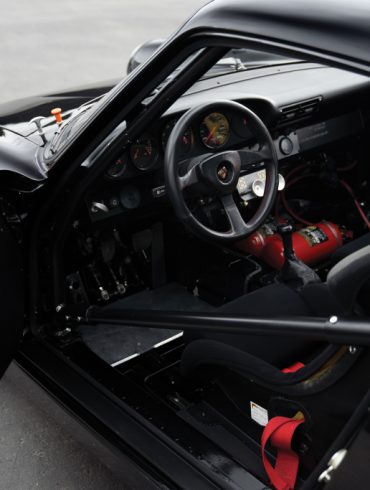
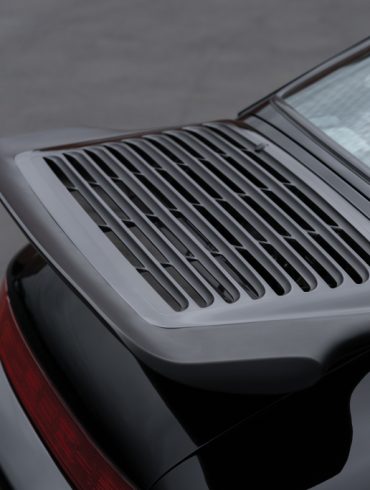
The Porsche 911 Carrera 4 Leichtbau (964) is one of the most obscure and intellectually fascinating collector 911s ever built. Produced in extremely small numbers and never formally marketed, this car exists because Porsche briefly believed the future of competition lay in all-wheel-drive rally homologation, not circuit racing. As a result, the C4 Leichtbau feels less like a production RS and more like a factory skunkworks project that escaped into the world.
At its core, the Carrera 4 Leichtbau was an attempt to blend the advanced AWD system of the 964 Carrera 4 with the ruthless weight-reduction philosophy of earlier RS cars. Sound deadening was stripped, interiors were pared back to near-race spec, thinner glass and lightweight panels were used, and unnecessary equipment was deleted. Unlike later RS models, this car wasn’t about lap times—it was about traction, durability, and control on imperfect surfaces.
Mechanically, the C4 Leichtbau is unlike any other 964. The all-wheel-drive system fundamentally changes how the car behaves, delivering extraordinary stability and traction compared to rear-drive RS models. Steering feel remains hydraulic and communicative, but the driving experience is more planted and deliberate, echoing Porsche’s rally ambitions rather than its circuit dominance. It’s a 911 that feels engineered for real roads, poor conditions, and long stages, not smooth racetracks.
From a collector standpoint, the Carrera 4 Leichtbau is prized not for recognition, but for context and rarity. It represents a road Porsche that was never meant to be celebrated publicly—a homologation tool built quietly and abandoned when Porsche pivoted away from Group A rallying. That makes it a true thinking-collector car: rare, misunderstood, and impossible to replicate today.
Key Data & Specifications
Engine: 3.6-liter air-cooled flat-six
Power: ~260 hp
Torque: ~229 lb-ft
Transmission: 5-speed manual
Drivetrain: All-wheel drive
Weight: ~2,900 lbs (approx., significantly reduced vs standard C4)
Production & Market
Production Numbers: ~20 cars (sources vary; all factory-built)
Original MSRP: Not publicly listed (sold internally / to select customers)
Expected Price Today: ~$1.8M–$2.8M+ depending on originality and documentation
Known For
Being the only true lightweight, AWD homologation 911 Porsche ever built
Representing Porsche’s abandoned rally-focused RS philosophy
Learn More
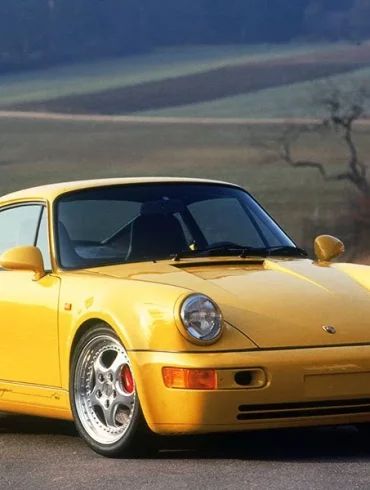
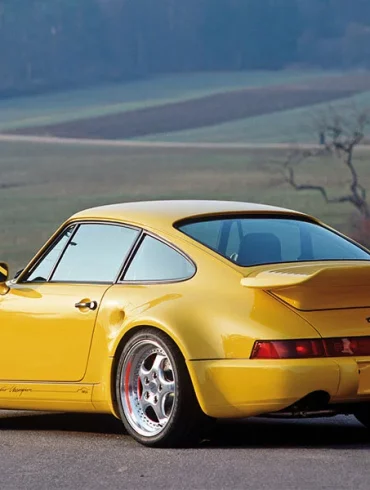
Porsche 911 Turbo S Leichtbau (964)
The most unhinged road-going Turbo Porsche ever built
What Makes It Special
The Porsche 964 Turbo S Leichtbau exists at the intersection of homologation logic and mechanical madness. Built in tiny numbers and stripped of nearly every non-essential component, this was Porsche asking a simple question: what happens if we take the already ferocious 964 Turbo and remove restraint? The answer was one of the most extreme, intimidating, and collectible road-going 911s ever produced.
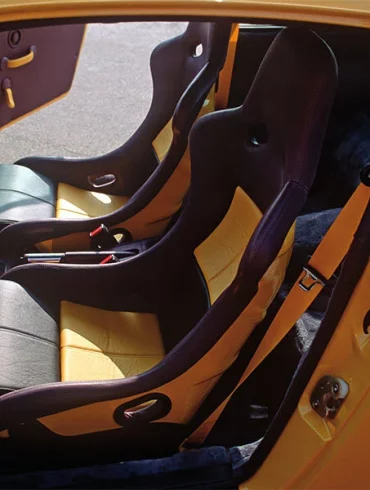
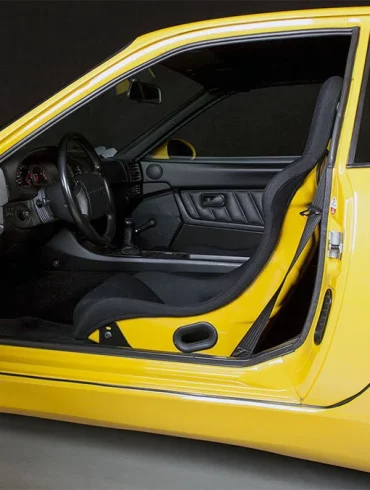
Unlike other Turbo models, the Leichtbau was never meant to broaden appeal. It was conceived to support racing programs and to satisfy Porsche’s internal belief that lighter was always better, even when paired with forced induction. Weight reduction was aggressive and unapologetic—thinner glass, stripped interior, minimal sound deadening, fixed-back seats, and lightweight body panels all contributed to a car that felt far closer to a competition special than a luxury supercar.
On the road, the Turbo S Leichtbau is an exercise in respect. Turbo lag is pronounced, boost arrives violently, and the rear-engine, rear-drive layout leaves little margin for error. There are no electronic safety nets to save a careless driver. This is not a forgiving car—but it is a thrilling one, delivering a rawness and intensity that later GT2 models would refine but never truly replicate.
From a collector standpoint, the Leichtbau has ascended rapidly as enthusiasts have come to appreciate just how anomalous it is. It does not fit neatly into the RS or GT lineage, yet it shares their uncompromising philosophy. Its rarity, unmistakable intent, and sheer audacity place it firmly in blue-chip territory—especially as collectors increasingly value cars that could only have been built in a narrow window of Porsche history.
Key Data & Specifications
Engine: 3.3-liter turbocharged air-cooled flat-six
Power: ~381 hp
Torque: ~369 lb-ft
Transmission: 5-speed manual
Drivetrain: Rear-wheel drive
Weight: ~2,860 lbs
0–60 mph: ~4.0 seconds
Top Speed: ~180 mph
Production & Market
Production Numbers: ~86 cars total (sources vary slightly)
Original MSRP: Significantly higher than standard 964 Turbo
Expected Price Today: ~$1.8M–$3.0M+ depending on originality, mileage, and provenance
Known For
Being the lightest, rawest, and most extreme turbocharged air-cooled 911
Blending homologation thinking with outright intimidation
Learn More
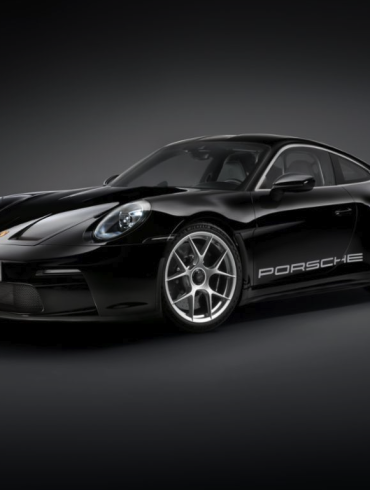
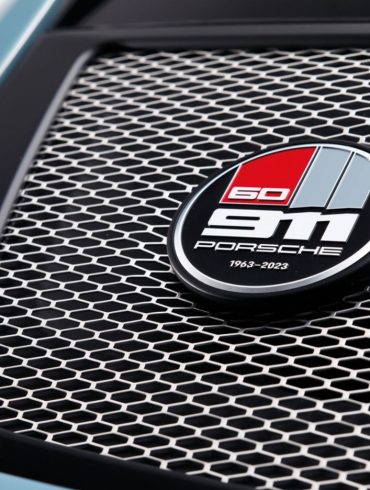
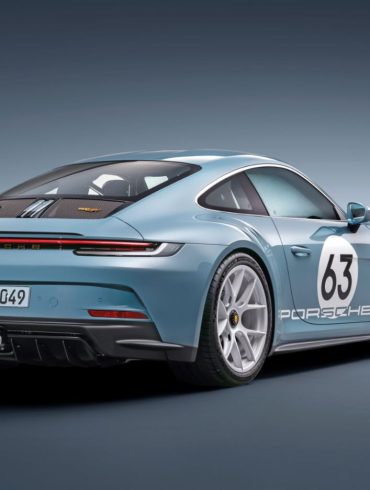
Porsche 911 S/T (992)
The modern RS philosophy, stripped to its purest form and probably the best driving 911 ever made.
What Makes It Special
The Porsche 911 S/T (992) closes the circle that began with the original Carrera RS 2.7. Rather than chasing lap times or Nürburgring records, the S/T was engineered with a singular goal: maximum driver engagement through minimal mass and mechanical clarity. In an era defined by complexity, screens, and ever-increasing weight, Porsche deliberately built a car that feels like a philosophical throwback—one aimed squarely at people who actually drive their 911s.
What elevates the S/T into true collector territory is how intentionally Porsche ignored convention. The GT3 RS existed. The Touring existed. Porsche could have easily marketed another variant—but instead, they combined the best elements of each and then removed everything that dulled the experience. The result is a car that uses the GT3 RS’s 4.0-liter engine, paired exclusively with a manual transmission, lighter gearing, and a relentless focus on weight reduction. No rear-wheel steering. No adaptive theatrics. Just purity.
On the road, the S/T feels immediately different from any other modern 911. Throttle response is razor-sharp, gearing is short and aggressive, and the car comes alive at speeds that don’t require a closed circuit. Steering is light, communicative, and free of unnecessary filtering. It doesn’t overwhelm the driver—it invites them in, echoing the same qualities that made early RS cars legendary.
From a collector standpoint, the 911 S/T is already locked in. Production numbers are fixed, the intent is crystal clear, and its position as a one-year, anniversary-driven, purist-only build makes it impossible to replicate. More importantly, it represents a rare moment where Porsche consciously stepped backward philosophically to move forward emotionally. That kind of clarity doesn’t happen often—and collectors know it when they see it.
Key Data & Specifications
Engine: 4.0-liter naturally aspirated flat-six (GT3 RS-derived)
Power: 518 hp @ 8,500 rpm
Torque: 343 lb-ft
Redline: 9,000 rpm
Transmission: 6-speed manual (shorter ratios)
Drivetrain: Rear-wheel drive
Weight: ~3,056 lbs (DIN, approx.)
0–60 mph: ~3.5 seconds
Top Speed: ~186 mph
Production & Market
Production Numbers: 1,963 cars worldwide (marking the 911’s anniversary)
Original MSRP: ~$290,000 USD
Expected Price Today: ~$550k–$750k+ depending on mileage, specification, and market conditions
Known For
Being the lightest and most driver-focused modern 911 Porsche has built
Representing a conscious return to classic RS philosophy in the 992 era
Learn More
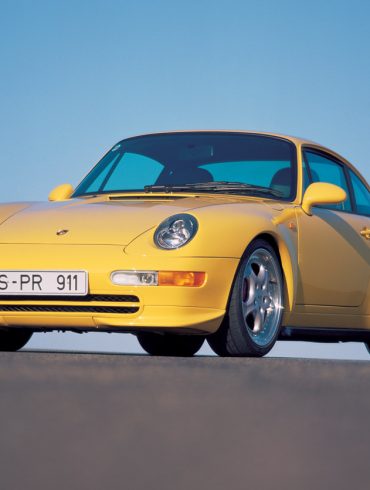
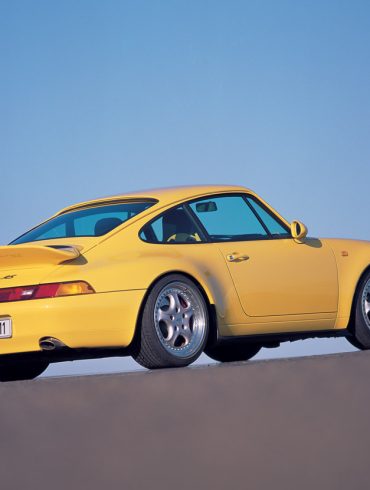
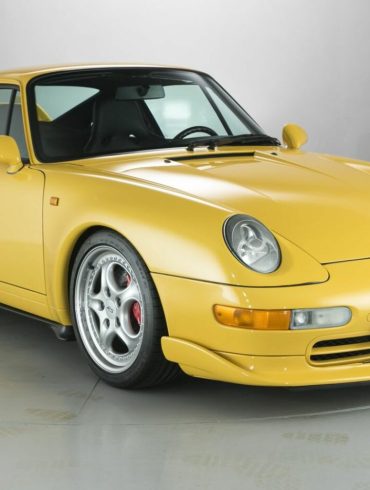
Porsche 911 Carrera RS 3.8 (993)
The final air-cooled RS, combining old-school character with modern precision in a way Porsche would never repeat.
What Makes It Special
The Porsche 911 Carrera RS 3.8 (993) occupies a singular place in Porsche history because it represents both an ending and a culmination. Introduced in 1995, it was the final air-cooled RS, but it was also the most technically advanced air-cooled 911 Porsche ever produced. Unlike earlier RS models that felt raw and sometimes unfinished, the 993 RS 3.8 combined old-school mechanical character with a level of precision and composure that hinted at the modern era to come—without sacrificing purity.
What makes the 993 RS so special is how completely Porsche refined the air-cooled platform before closing the chapter. The wider body, derived from the Carrera 4 shell, dramatically improved rigidity. Multi-link rear suspension brought newfound stability and confidence, taming the traditional 911 lift-off reputation without muting feedback. The result was an RS that felt serious, planted, and devastatingly effective, yet still unmistakably air-cooled in sound, vibration, and feel.
The 3.8-liter engine elevated the experience even further. This wasn’t about headline power figures—it was about response, torque, and durability. The engine pulled harder everywhere than earlier RS models, making the car feel more muscular and authoritative, particularly at high speeds. Where earlier RS cars felt nervous and alive, the 993 RS felt controlled and relentless, more endurance racer than homologation special. It was the moment Porsche proved that air-cooled performance had not yet hit its ceiling.
Rarity and context seal its status among the greatest RS Porsches ever made. Built primarily for Europe and produced in extremely limited numbers, the 993 RS 3.8 was never intended to be widely owned or adored—it was a tool for serious drivers. With the switch to water cooling immediately following, Porsche would never again have the opportunity to evolve the air-cooled RS concept. That finality matters. The 993 RS is not just the last of something—it is the most complete expression of what an air-cooled RS could be.
In hindsight, the 993 Carrera RS 3.8 stands as a perfectly timed farewell. It delivered modern precision without losing mechanical soul, and it closed the air-cooled era at its absolute peak. Porsche never repeated this balance—not because it didn’t want to, but because it couldn’t.
Key Data & Specifications
Engine: 3.8-liter air-cooled flat-six
Power: ~300 hp
Induction: Naturally aspirated
Transmission: 6-speed manual
Drivetrain: Rear-wheel drive
Known For
Being the final and most refined air-cooled RS Porsche ever built
Blending classic 911 character with near-modern chassis precision
Learn More
The Rare, The Weird & The Future Classics
Not every important Porsche fits neatly into the “obvious” or “911” categories. This section covers everything else collectors should be paying attention to: rare non-911 models, under-the-radar factory specials, and emerging future classics that haven’t yet reached their full market potential.
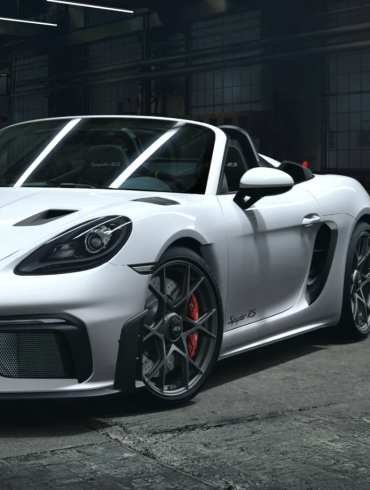
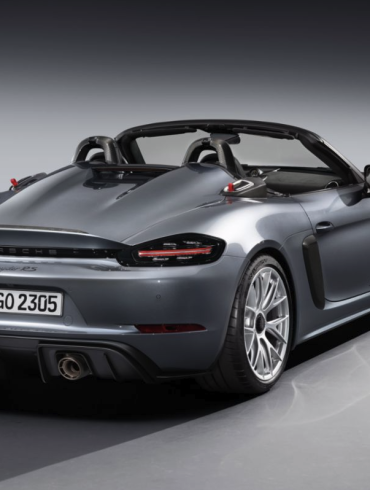
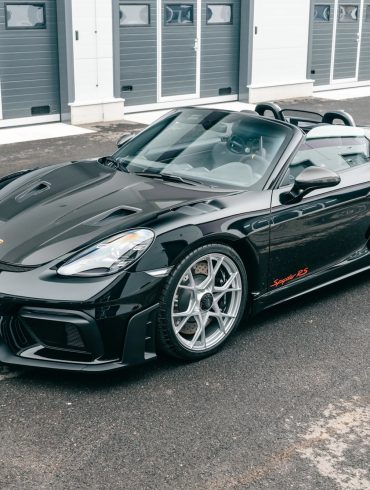
Porsche 718 Spyder RS
A future classic hiding in plain sight. GT3 RS engine, open-top, manual-adjacent ethos. Likely to age extremely well.
What Makes It Special
The Porsche 718 Spyder RS is already one of the most important modern Porsches—and one of the clearest future classics Porsche has produced in the last decade. It represents a moment of absolute clarity before inevitable change: a mid-engine roadster powered by a naturally aspirated, motorsport-derived flat-six, free of hybridization, turbocharging, or digital dilution. Cars like this are not coming back.
What elevates the Spyder RS is how unapologetically Porsche leaned into purity over positioning. This is not a softened GT product or a lifestyle roadster—it is an RS car in spirit, even without the badge hierarchy traditionally reserved for the 911. By dropping the 4.0-liter GT3-derived engine into the lightest open 718 chassis, Porsche created a machine that prioritizes sound, throttle response, and connection above all else.
On the road, the Spyder RS delivers one of the most visceral driving experiences in Porsche’s modern catalog. The intake noise dominates the cabin, the engine begs to be revved, and the car feels alive at speeds that don’t require a racetrack. Compared to a GT3 RS, it is more playful, more immersive, and far more emotionally engaging on real roads. Many experienced drivers quietly regard it as the best driver’s car Porsche currently sells.
From a collector perspective, the Spyder RS checks every future-classic box. Limited production, a unique powertrain configuration, RS-level intent, and a form factor that Porsche is unlikely to repeat in a naturally aspirated format. As electrification and forced induction spread across the lineup, the Spyder RS will increasingly be viewed as the final chapter of Porsche’s analog mid-engine story—and collectors are already positioning accordingly.
Key Data & Specifications
Engine: 4.0-liter naturally aspirated flat-six
Power: 493 hp @ 8,400 rpm
Torque: 331 lb-ft
Redline: 9,000 rpm
Transmission: 7-speed PDK
Drivetrain: Rear-wheel drive
Weight: ~3,020 lbs (DIN, approx.)
0–60 mph: ~3.2 seconds
Top Speed: ~191 mph
Production & Market
Production Numbers: Limited (not officially capped, but constrained)
Original MSRP: ~$160,700 USD
Expected Price Today: ~$180k–$230k+ depending on spec, mileage, and market
Known For
Being the most extreme and emotional 718 ever built
Representing the last naturally aspirated RS-style Porsche roadster
Learn More
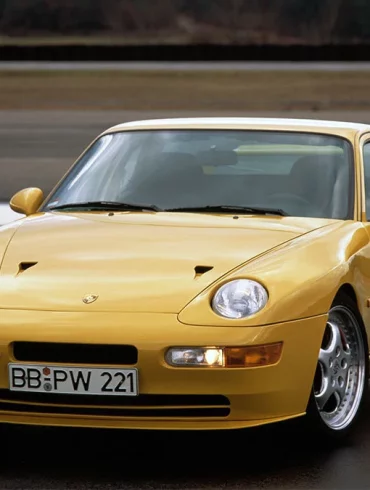
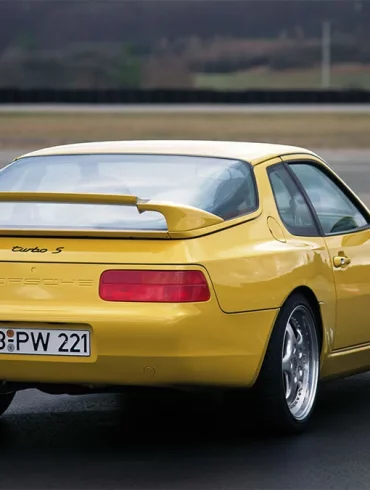
Porsche 968 Turbo S
The Unicorn Porsche Almost No One Noticed - Until It Was Too Late
What Makes It Special
The Porsche 968 Turbo S is one of the rarest, most misunderstood, and intellectually compelling collector Porsches ever built. Conceived as a homologation and development special rather than a commercial product, the Turbo S was Porsche’s final and most extreme evolution of the transaxle platform. It was never meant to sell in volume, never marketed broadly, and for years quietly existed beneath the radar of mainstream collectors.
What makes the 968 Turbo S so significant is its engineering context. By the early 1990s, Porsche knew the transaxle era was nearing its end, yet engineers were still extracting astonishing capability from the platform. The Turbo S took the already balanced 968 chassis and injected serious motorsport intent: forced induction, major weight reduction, uprated suspension, and track-focused braking hardware. The result was a car that could embarrass contemporary 911s on a circuit while offering far better balance.
On the road and track, the Turbo S feels purpose-built and intense. Turbo lag is present but rewarding, the chassis is extraordinarily neutral, and steering feel—thanks to the front-engine, rear-transaxle layout—is among the best Porsche ever delivered. Unlike rear-engine 911s, the Turbo S rewards precision and confidence rather than bravado. It’s a driver’s car in the purest sense, engineered for people who value control over drama.
From a collector standpoint, the 968 Turbo S has moved decisively from curiosity to blue-chip oddity. Production numbers are microscopic, survival rates are extremely low, and originality is paramount. As collectors increasingly appreciate Porsche’s transaxle era—and as truly rare factory specials become harder to find—the Turbo S is now recognized as the ultimate expression of a dead-end philosophy done perfectly.
Key Data & Specifications
Engine: 3.0-liter turbo inline-four
Power: ~305 hp (Turbo S)
Torque: ~369 lb-ft
Transmission: 6-speed manual
Drivetrain: Rear-wheel drive
Weight: ~2,900 lbs
0–60 mph: ~4.5 seconds
Top Speed: ~175 mph
Production & Market
Production Numbers: Turbo S: ~14 cars, Turbo RS (track-only): ~4 cars
Original MSRP: Not publicly marketed (special-order competition pricing)
Expected Price Today: ~$900k–$1.5M+ depending on originality, documentation, and provenance
Known For
Being the rarest road-going Porsche of the modern era
Representing the absolute peak of Porsche’s transaxle engineering
Learn More
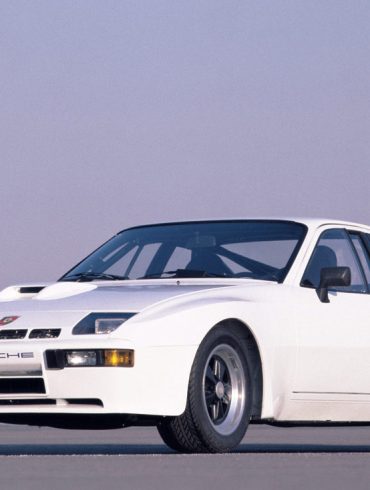
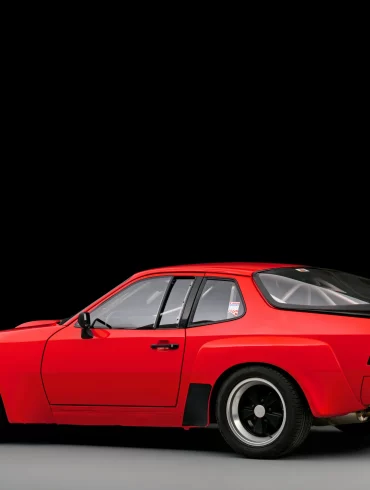
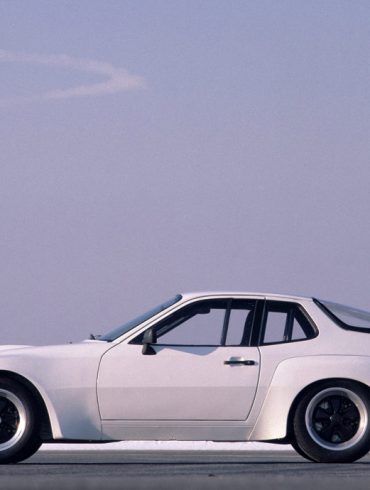
Porsche 924 Carrera GTS
The Homologation Porsche Everyone Ignored - And One of the Smartest Collector Buys Today
What Makes It Special
The Porsche 924 Carrera GTS is one of the most unfairly overlooked homologation cars Porsche has ever produced—and one of the most intellectually satisfying collector Porsches to own today. Built to homologate the 924 for international GT racing, the GTS was never intended to rehabilitate the model’s image or appeal to casual buyers. It existed for one reason only: to go racing, and everything about it reflects that singular purpose.
What makes the Carrera GTS so compelling is how radically it departs from the standard 924. Wider composite bodywork, massively upgraded suspension, larger brakes, and a turbocharged engine transformed what many dismissed as Porsche’s “entry-level” car into a serious competition platform. In Clubsport form, weight reduction was extreme, interiors were stripped to near-race specification, and the driving experience became raw, focused, and unapologetic.
On the road, the GTS feels nothing like a normal transaxle Porsche. Steering is exceptionally communicative, balance is near perfect thanks to the rear transaxle layout, and turbocharged power delivery is urgent and mechanical. Unlike rear-engine 911s, the GTS rewards precision and confidence rather than bravado. It’s a car that makes sense to experienced drivers—and one that reveals just how sophisticated Porsche’s engineering already was in the late 1970s and early 1980s.
From a collector standpoint, the Carrera GTS is rapidly transitioning from “esoteric” to undeniable. Production numbers are extremely low, factory intent is clear, and its role as a true homologation special is no longer debated. As collectors broaden their focus beyond 911s and recognize Porsche’s full motorsport story, the 924 Carrera GTS stands out as one of the most authentic and undervalued entries in the brand’s history.
Key Data & Specifications
Engine: 2.0-liter turbo inline-four
Power: 245 hp (road GTS), up to 270 hp (Clubsport)
Torque: ~217 lb-ft
Transmission: 5-speed manual
Drivetrain: Rear-wheel drive
Weight: ~2,600 lbs (GTS)
0–60 mph: ~5.0 seconds
Top Speed: ~155 mph
Production & Market
Production Numbers: Carrera GTS: ~59 cars, Carrera GTS Clubsport: ~15 cars
Original MSRP: Extremely high relative to standard 924
Expected Price Today: ~$600k–$1.0M+ depending on variant, originality, and provenance
Known For
Being one of Porsche’s purest and least compromised homologation specials
Proving the transaxle platform was a legitimate motorsport weapon
Learn More
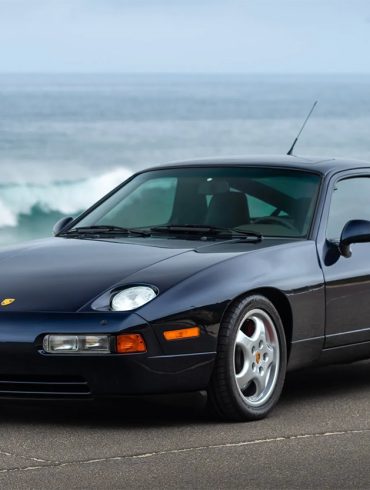
Porsche 928 GTS (Manual)
The Porsche Everyone Misjudged—And the One Serious Collectors Now Quietly Chase
What Makes It Special
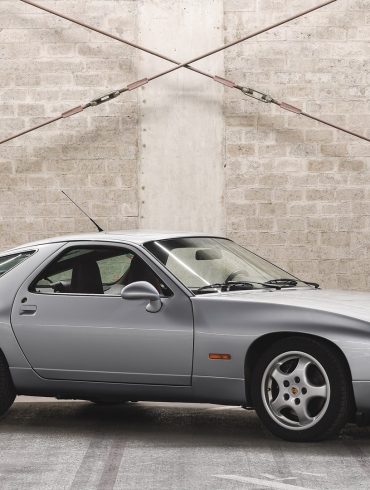
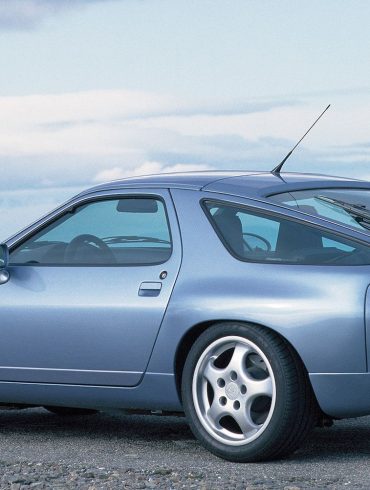
The Porsche 928 GTS (manual) represents one of the most dramatic re-evaluations in the entire Porsche collector world. Originally conceived as a flagship designed to replace the 911, the 928 was misunderstood from the moment it arrived. Today, with decades of hindsight, the GTS—especially with a manual transmission—is finally recognized as one of the most complete, sophisticated, and future-proof Porsches of its era.
What elevates the GTS above earlier 928 variants is how fully resolved it is. By the early 1990s, Porsche had refined the platform to near perfection: widened rear arches, uprated suspension, massive brakes, and the most powerful naturally aspirated V8 Porsche had ever put into a road car at the time. The manual gearbox transforms the experience entirely, turning the GTS from a luxury GT into a deeply engaging driver’s machine.
On the road, the 928 GTS feels nothing like a traditional Porsche—and that’s precisely its strength. The front-engine V8 delivers effortless torque, the transaxle layout provides exceptional balance, and high-speed stability is extraordinary. This is a car built for covering ground at immense speed with composure, not chasing apexes. In today’s context, it feels far more relevant than it did at launch: understated, confident, and devastatingly capable.
From a collector standpoint, the manual GTS sits at the intersection of rarity, usability, and inevitability. Production numbers are low, survival rates are lower, and the enthusiast base now understands what Porsche achieved here. As collectors expand beyond 911-centric thinking and as analog V8 grand tourers disappear entirely, the 928 GTS manual is increasingly viewed not as an alternative Porsche—but as a cornerstone of the brand’s broader legacy.
Key Data & Specifications
Engine: 5.4-liter naturally aspirated V8
Power: ~345 hp
Torque: ~369 lb-ft
Transmission: 5-speed manual (rare)
Drivetrain: Front-engine, RWD
Weight: ~3,500 lbs (approx.)
0–60 mph: ~5.4 seconds
Top Speed: ~171 mph
Production & Market
Production Numbers: Total GTS production: ~2,900 cars. Manual transmission are a small fraction (especially rare in the U.S.)
Original MSRP: ~$100,000+ USD (early 1990s)
Expected Price Today: ~$120k–$200k+
Known For
Being the most advanced and powerful evolution of the 928
Delivering supercar-level speed with genuine long-distance comfort
Learn More
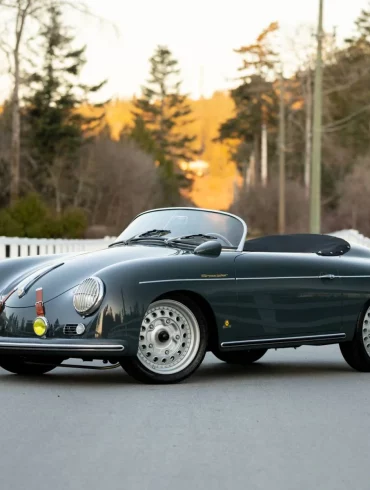
Porsche 356 Speedster
The Porsche That Turned a Sports Car into a Cultural Icon
What Makes It Special
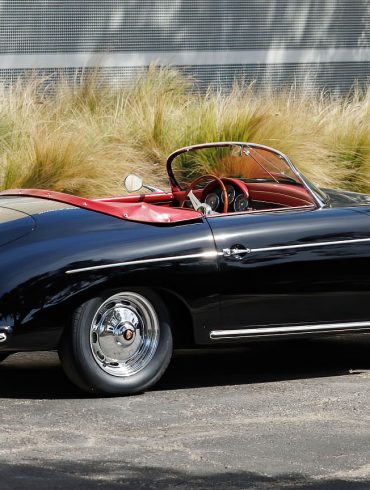
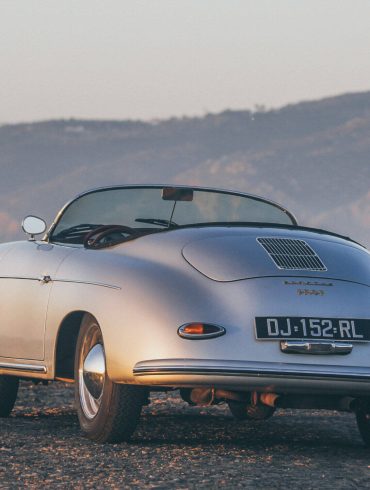
The Porsche 356 Speedster is one of the most important collector Porsches ever built—not because it was the fastest or most advanced, but because it distilled Porsche’s philosophy into its purest, most human form. Conceived as a stripped-down, affordable sports car for the American market, the Speedster unintentionally became the car that defined Porsche’s image worldwide: lightweight, purposeful, and unapologetically focused on driving pleasure.
What makes the 356 Speedster so special is how little stands between the driver and the experience. Low-cut windshield, removable side curtains, sparse interior, and minimal weather protection weren’t compromises—they were features. The Speedster was designed to be driven hard, raced on weekends, and enjoyed without pretense. In doing so, it established a template Porsche would revisit again and again with RS, R, and S/T models decades later.
Behind the wheel, the Speedster feels alive and intimate. Steering is light and communicative, the flat-four encourages momentum driving, and the car rewards smooth inputs rather than brute force. It’s slow by modern standards, but utterly engaging—proof that connection matters more than numbers. This is the car that taught generations of drivers that less really is more.
From a collector standpoint, the 356 Speedster is blue-chip in every sense. Production numbers were limited, survival rates are relatively low, and demand is global and timeless. Unlike many classics that appeal to niche audiences, the Speedster transcends enthusiast circles—it is instantly recognizable, endlessly romanticized, and deeply respected by serious collectors. It is not just a Porsche collectible; it is an automotive cultural artifact.
Key Data & Specifications
Engine: 1.5–1.6-liter air-cooled flat-four
Power: ~55–75 hp (variant dependent)
Transmission: 4-speed manual
Drivetrain: Rear-wheel drive
Weight: ~1,650 lbs (approx.)
Top Speed: ~100 mph
Body Style: Lightweight roadster with minimal weather equipment
Production & Market
Production Numbers: ~4,000 Speedsters (all variants)
Original MSRP: ~$3,000 USD (mid-1950s)
Expected Price Today: ~$350k–$700k+ depending on year, engine, originality, and provenance
Known For
Defining Porsche’s lightweight, driver-first ethos
Being one of the most recognizable and culturally significant sports cars ever made
Learn More
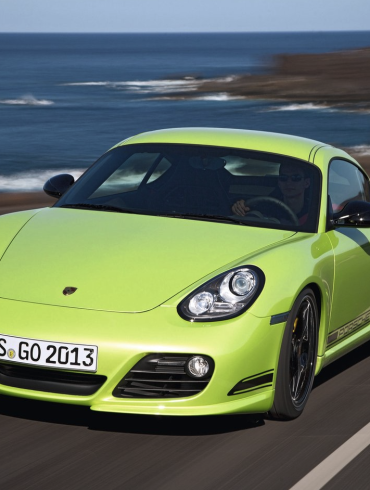
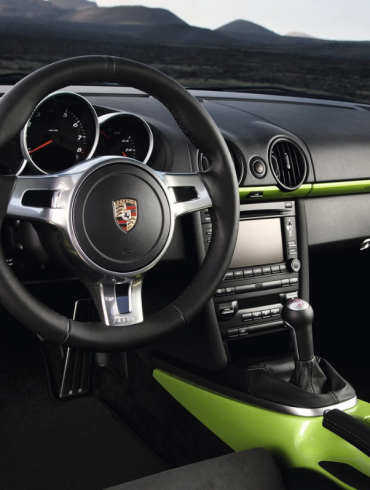
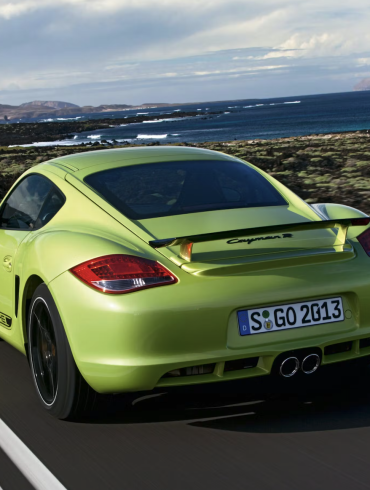
Porsche Cayman R
The Cayman That Quietly Changed Porsche’s Internal Hierarchy
What Makes It Special
The Porsche 987.2 Cayman R is one of the most important “almost mistakes” Porsche ever made—and that’s exactly why it belongs in Rare, Weird & Future Classics territory. Built before Porsche was fully comfortable letting the Cayman challenge the 911, the Cayman R slipped through as a lightweight, driver-first car that exposed just how good Porsche’s mid-engine platform really was. At launch, it was admired. In hindsight, it’s foundational.
What separates the Cayman R from other early Caymans is intent. Porsche didn’t chase numbers or Nürburgring headlines here; they chased feel. Weight was cut aggressively through aluminum doors, lightweight wheels, a stripped interior, reduced sound deadening, and a lower ride height. Power wasn’t dramatically increased—but it didn’t need to be. The balance, steering clarity, and chassis communication were already exceptional.
On the road, the Cayman R delivers one of the purest modern Porsche driving experiences. Steering is hydraulic and beautifully weighted, the chassis is perfectly neutral, and the car thrives on momentum and precision rather than brute force. Compared to contemporary 911s, it feels smaller, more transparent, and more willing to engage at sane speeds. Many seasoned drivers quietly rank it above far more expensive Porsches for real-world enjoyment.
From a collector perspective, the Cayman R is now widely recognized as the spiritual ancestor of the GT4 and GT4 RS. Production numbers were limited, manuals are increasingly prized, and the car represents a closed chapter: naturally aspirated, hydraulic steering, lightweight Porsche sports cars built before internal politics and regulations intervened. As later Caymans became faster but heavier and more complex, the R’s simplicity has only become more valuable.
Key Data & Specifications
Engine: 3.4-liter naturally aspirated flat-six
Power: 330 hp @ 7,400 rpm
Torque: 273 lb-ft
Redline: 7,500 rpm
Transmission: 6-speed manual or PDK
Drivetrain: Mid-engine, RWD
Weight: ~2,855 lbs (approx.)
0–60 mph: ~4.4 seconds
Top Speed: ~175 mph
Production & Market
Production Numbers: ~1,600 cars worldwide (approx.)
Original MSRP: ~$66,300 USD
Expected Price Today: ~$75k–$115k+ depending on mileage, transmission, and condition
Known For
Being the first Cayman to fully embrace lightweight RS-style philosophy
Exposing just how brilliant Porsche’s mid-engine chassis could be