

(1992 – 1993) Porsche 911 Turbo S 3.3 (964) – Ultimate Guide
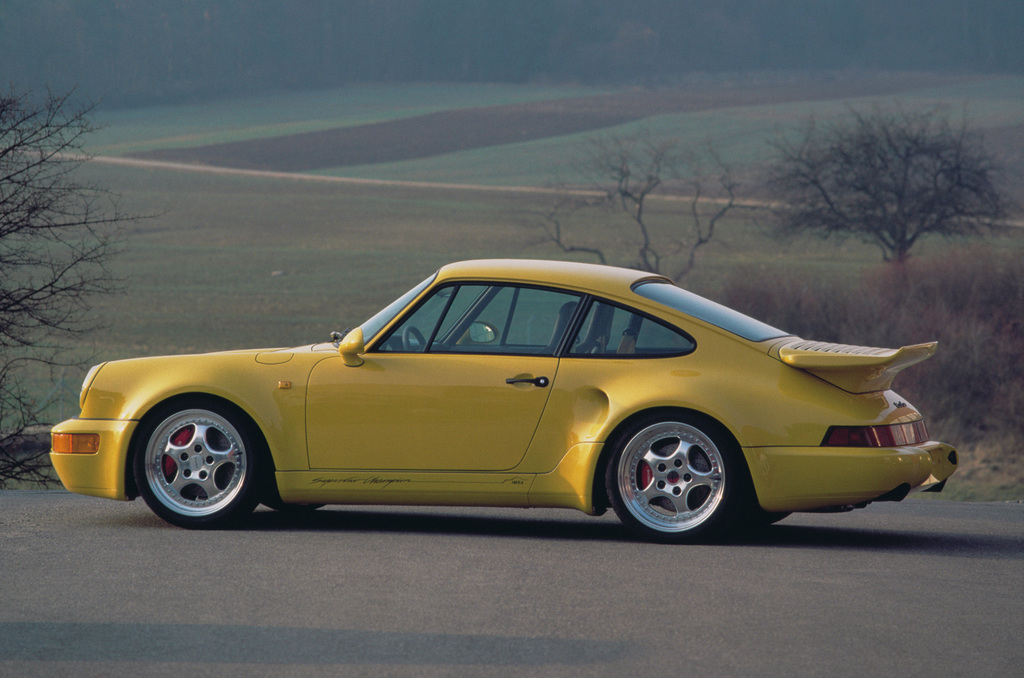
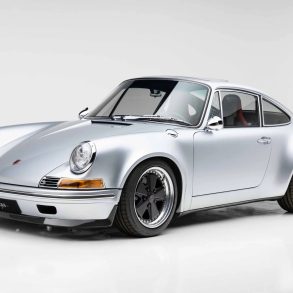
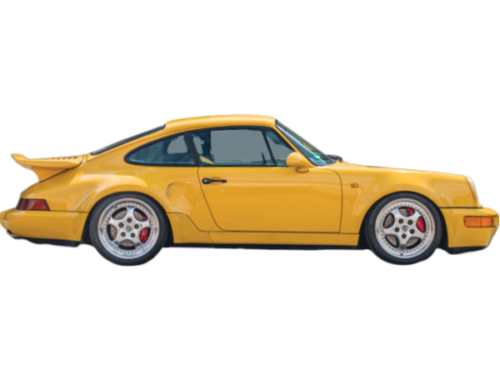
Porsche made a lightweight version of the Turbo simply known as the Turbo S. This used the spartan appointments of the Carrera RS with an upgraded version of the Turbo engine. Some cars received graphics on the side celebrating IMSA Supercar Championship. Roland Kussamaulat Porsche was responsible for the Turbo S and he used many lessons learnt with the IMSA Supercar Championship cars to improve the Turbo. This included uprated suspension and larger wheels which allowed for bigger brakes.
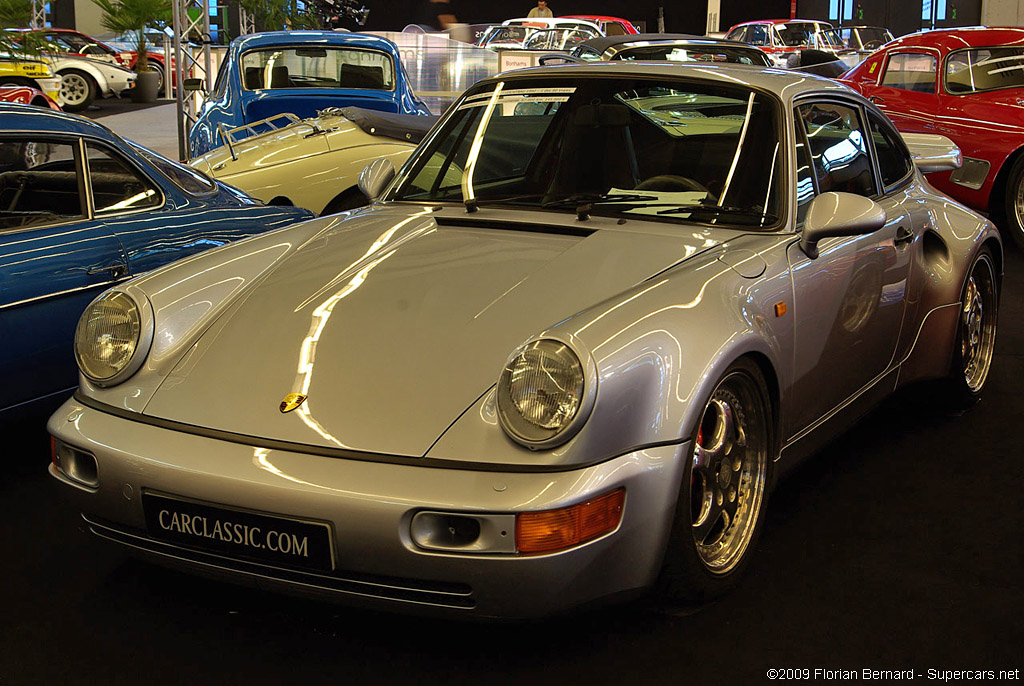
Moreover the driving lights were relocated into the headlights for the Turbo S which allowed that space to be used for brake ducts. Similar to the Carrera RS, the Turbo S had no power steering, air conditioning, airbags, central locking, alarm system, rear window wiper, smaller window washer reservoir, smaller horn, and had thin-gauge glass.
The engine used a second oil cooler and slightly higher boost to improve overall performance. Further modifications included revised camshafts, injection valves, single fan motor and a red air filter housing. This was hooked up to a 5-Speed manual through a lightweight flywheel and special thrust plate.
Just over 80 of the Turbo S models were produced in Grand Prix White, Maritime Blue, Black or Midnight Blue Metallic with custom-optioned interior colors. Just over 80 of the Turbo S models were produced in Grand Prix White, Maritime Blue, Black or Midnight Blue Metallic with custom-optioned interior colors.
Our Take
The Porsche 964 Turbo S Leichtbau exists at the intersection of homologation logic and mechanical madness. Built in tiny numbers and stripped of nearly every non-essential component, this was Porsche asking a simple question: what happens if we take the already ferocious 964 Turbo and remove restraint? The answer was one of the most extreme, intimidating, and collectible road-going 911s ever produced.
Unlike other Turbo models, the Leichtbau was never meant to broaden appeal. It was conceived to support racing programs and to satisfy Porsche’s internal belief that lighter was always better, even when paired with forced induction. Weight reduction was aggressive and unapologetic—thinner glass, stripped interior, minimal sound deadening, fixed-back seats, and lightweight body panels all contributed to a car that felt far closer to a competition special than a luxury supercar.
On the road, the Turbo S Leichtbau is an exercise in respect. Turbo lag is pronounced, boost arrives violently, and the rear-engine, rear-drive layout leaves little margin for error. There are no electronic safety nets to save a careless driver. This is not a forgiving car—but it is a thrilling one, delivering a rawness and intensity that later GT2 models would refine but never truly replicate.