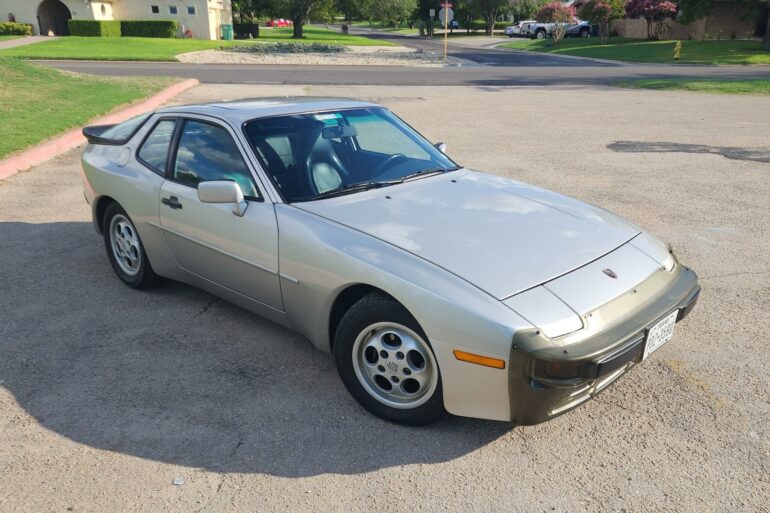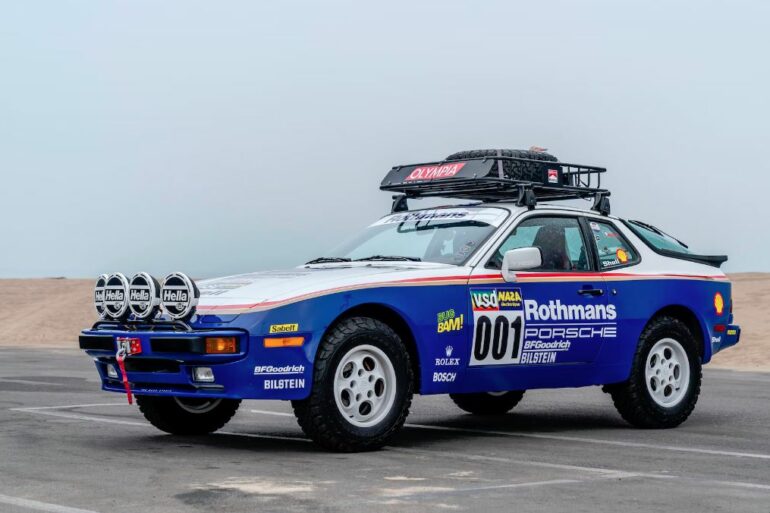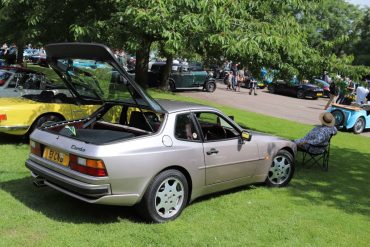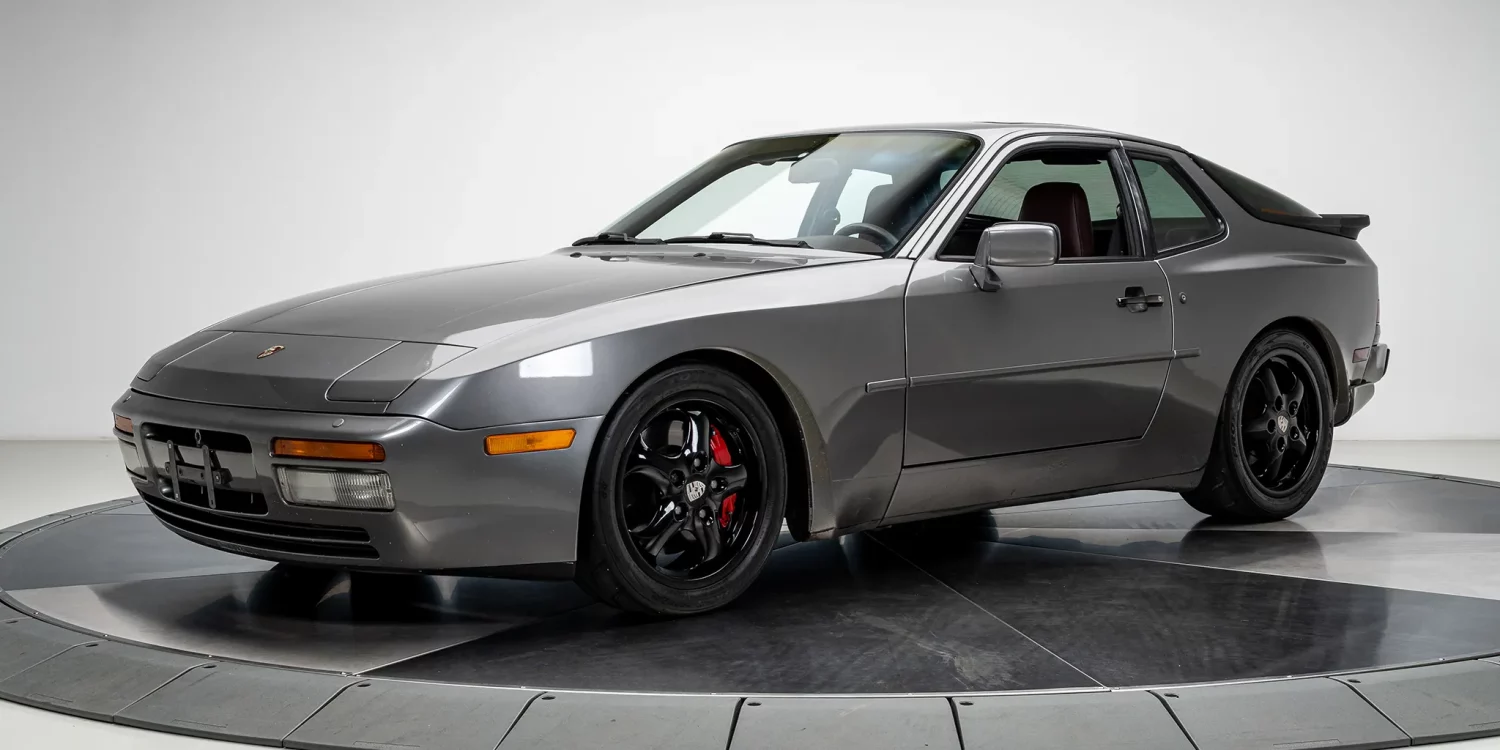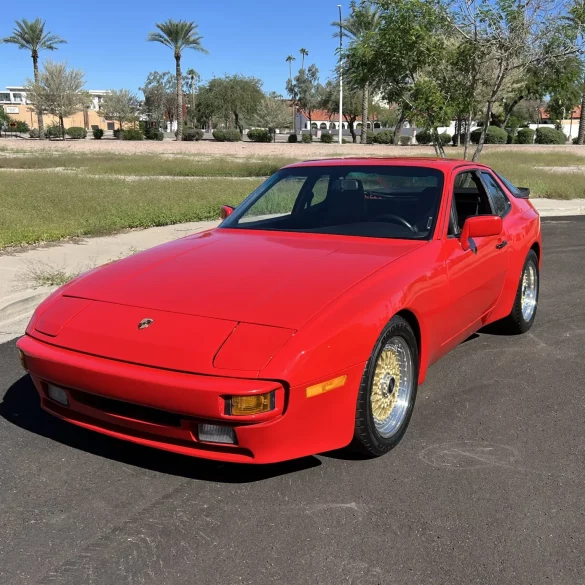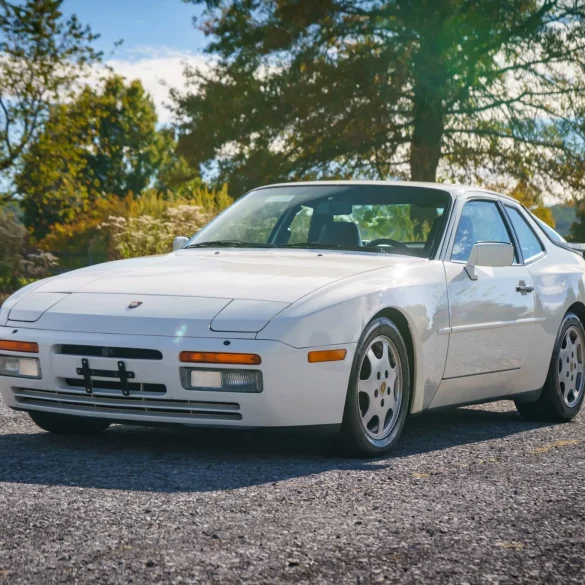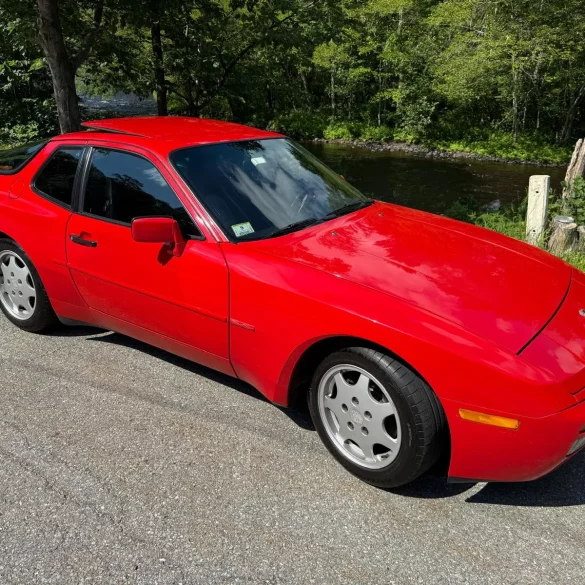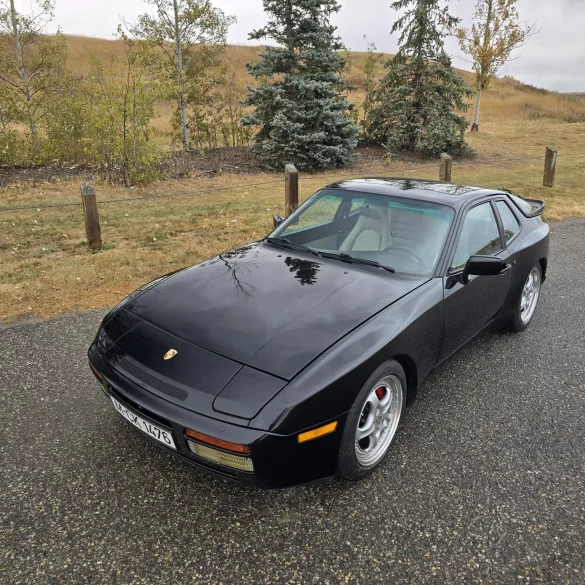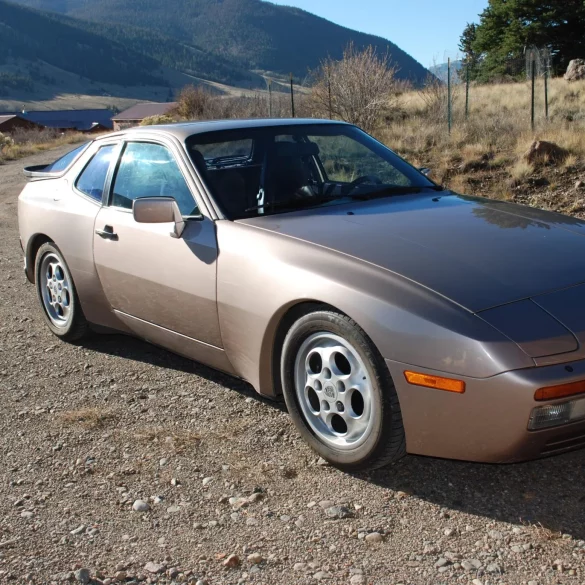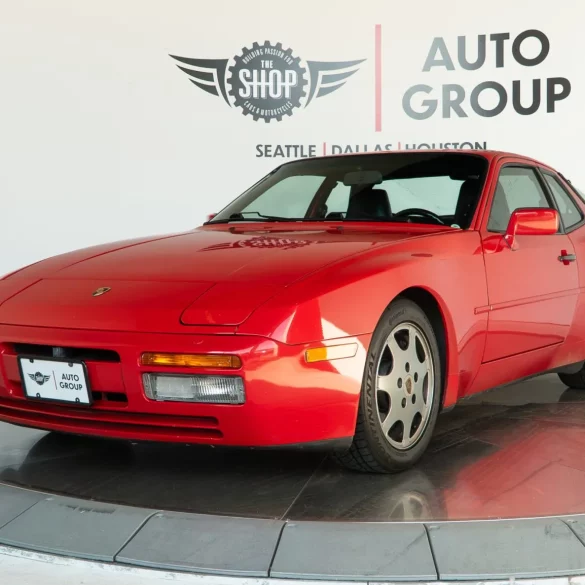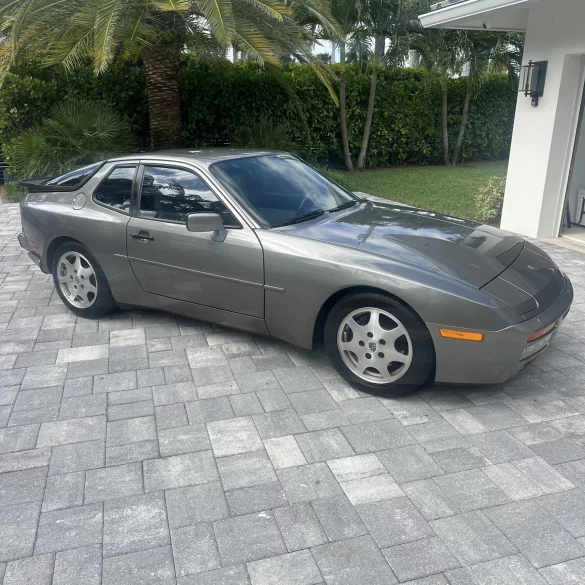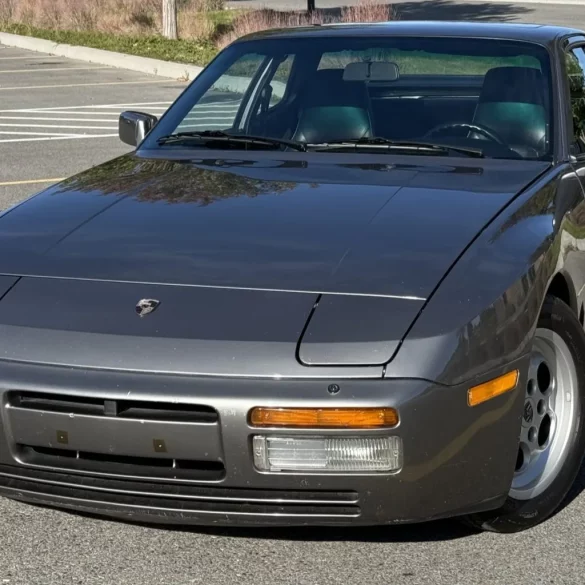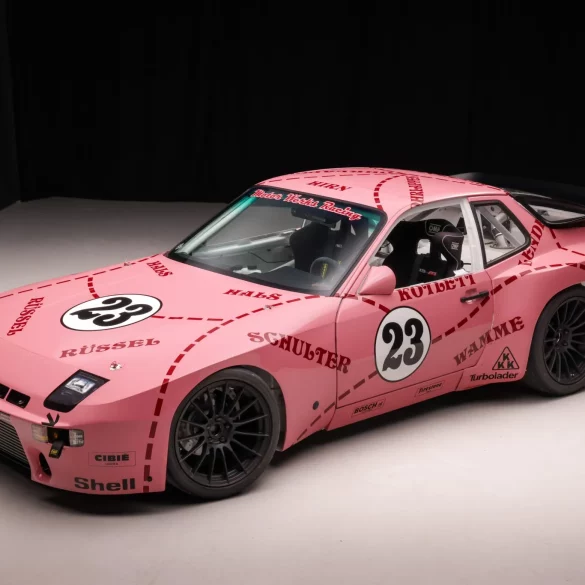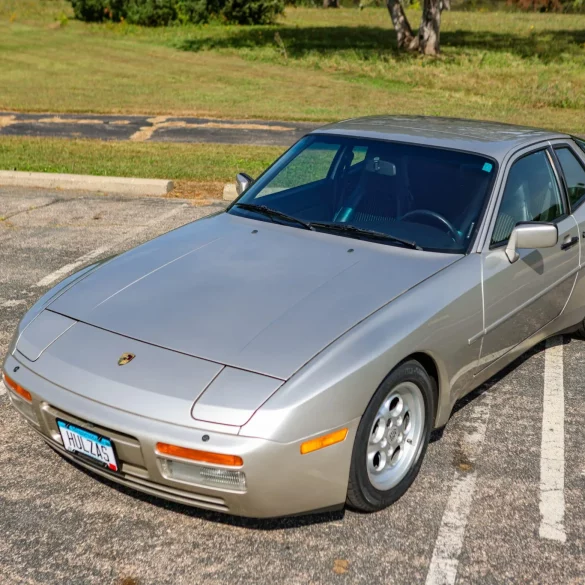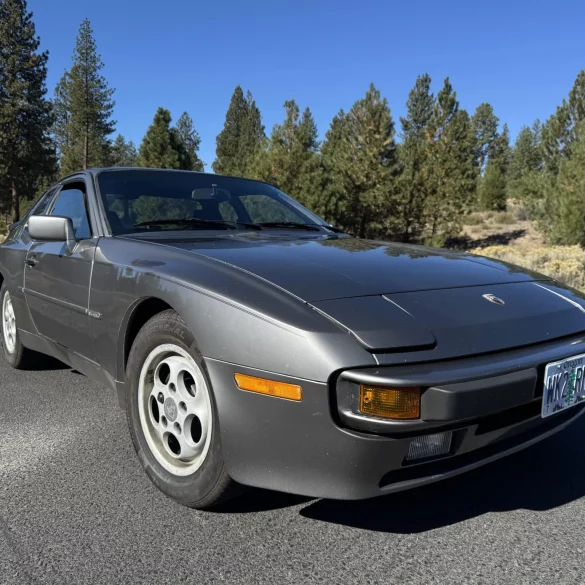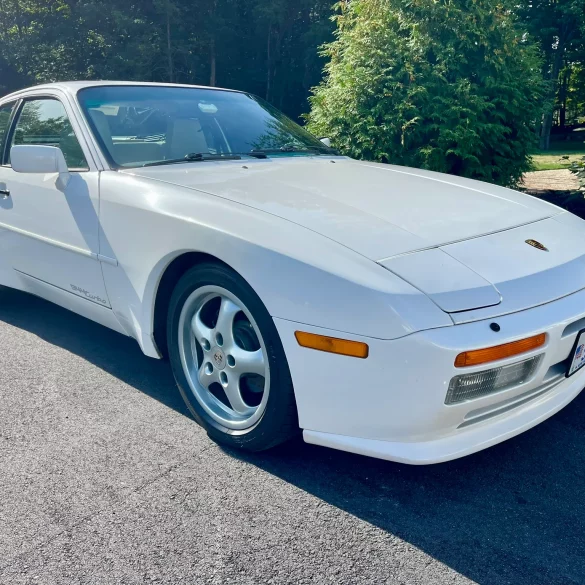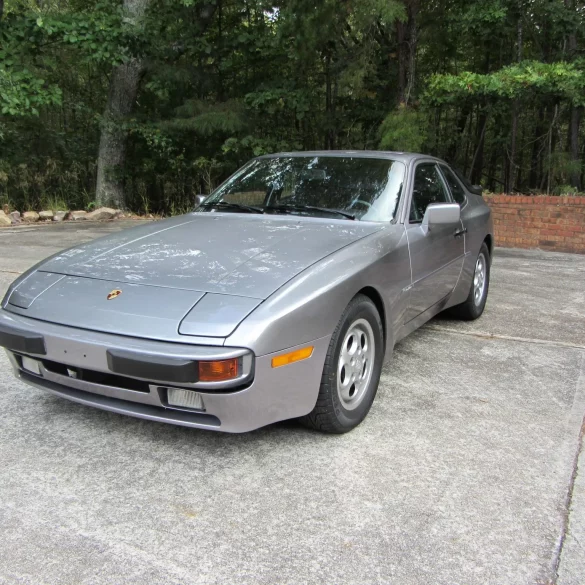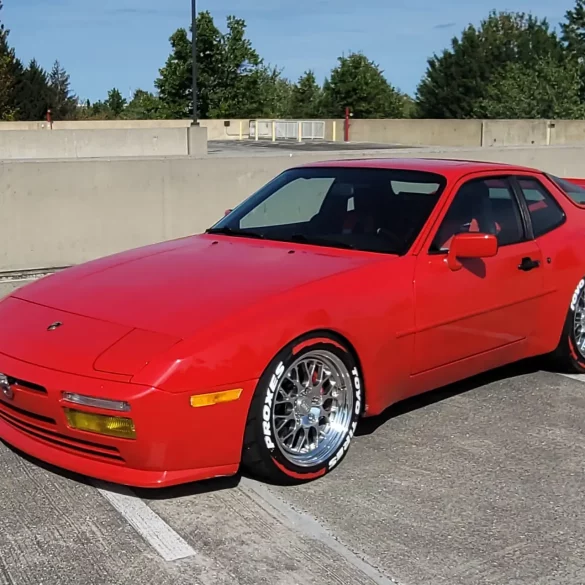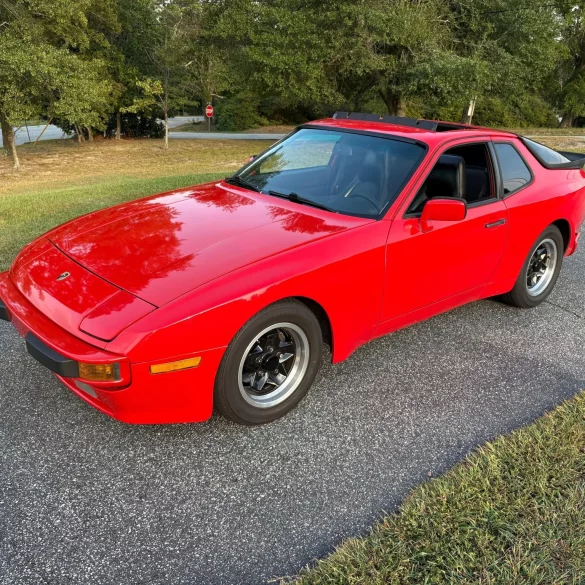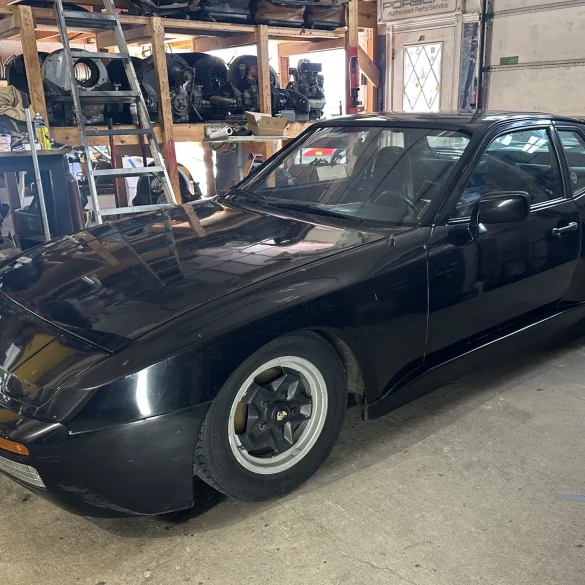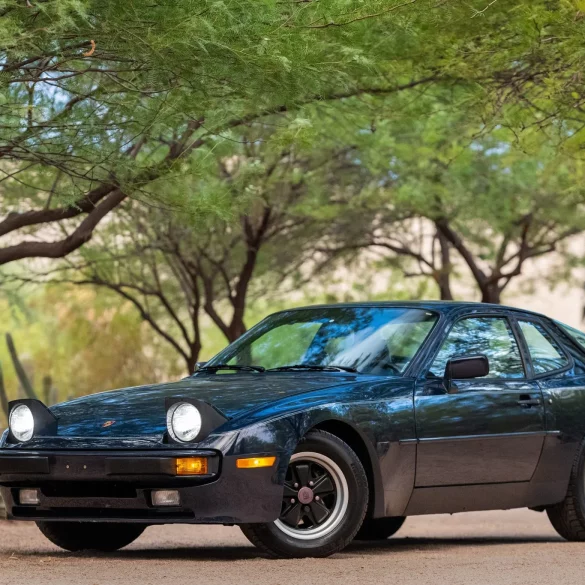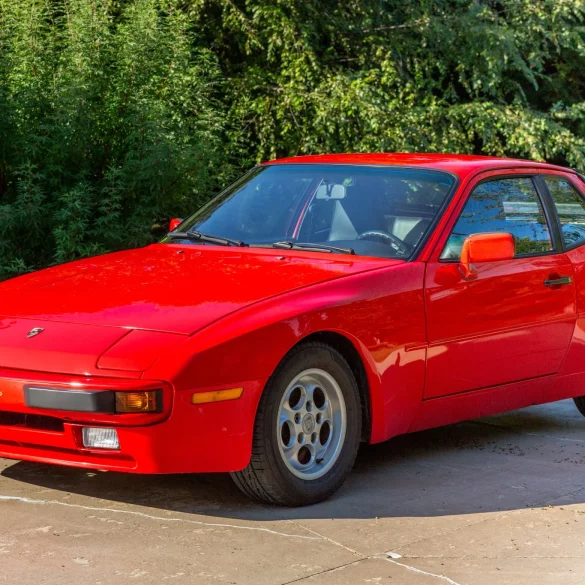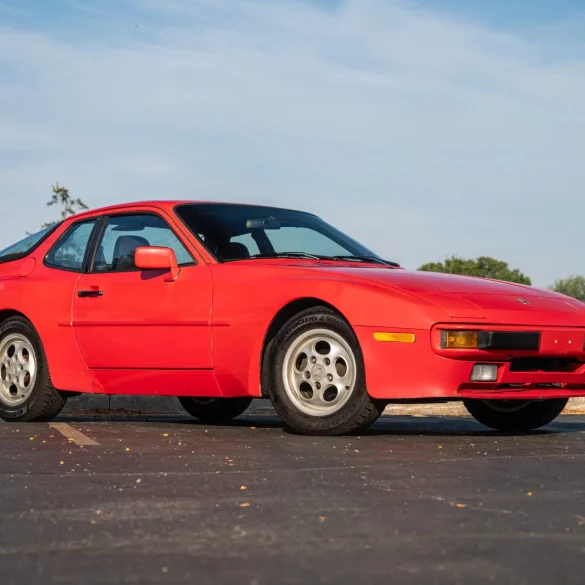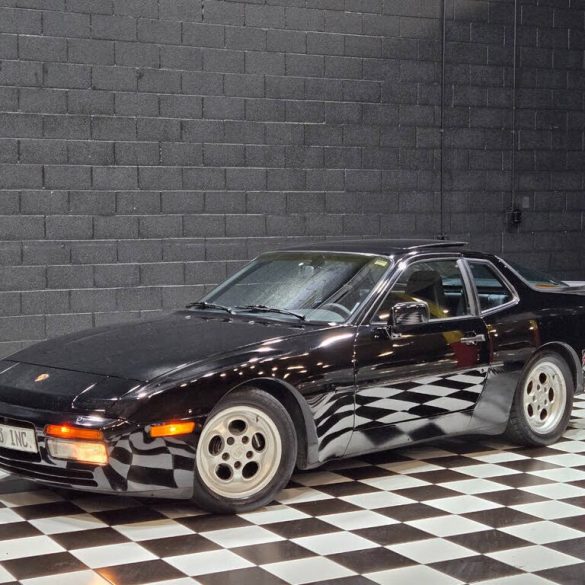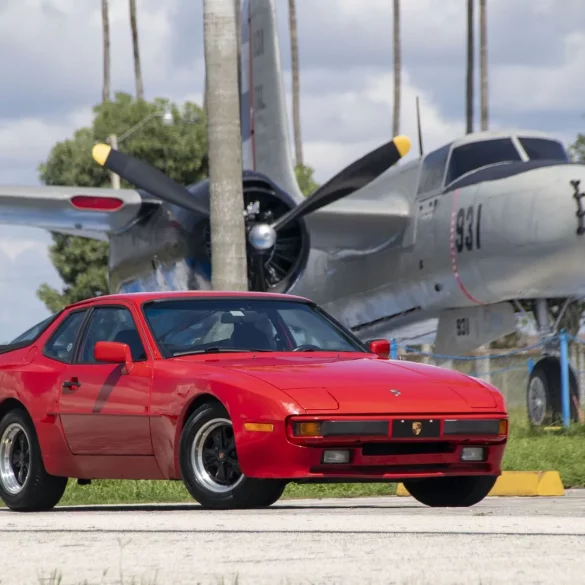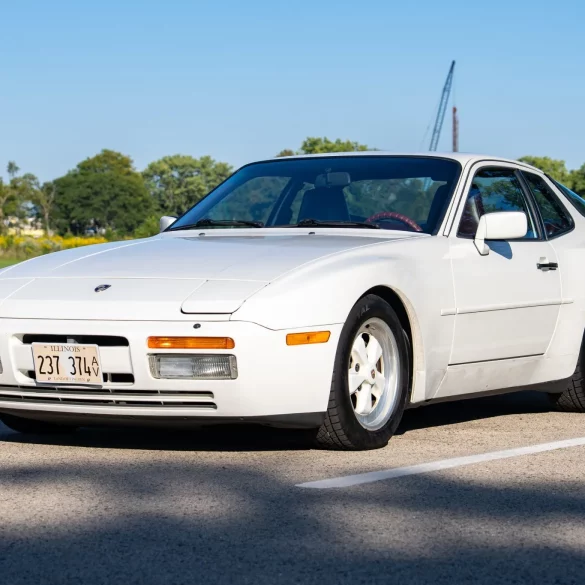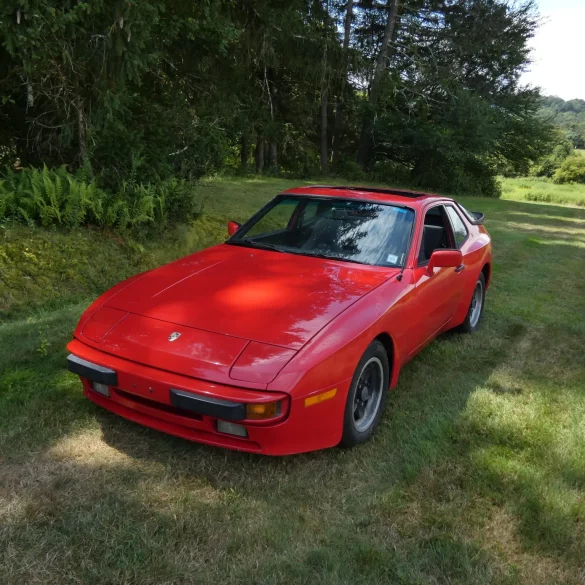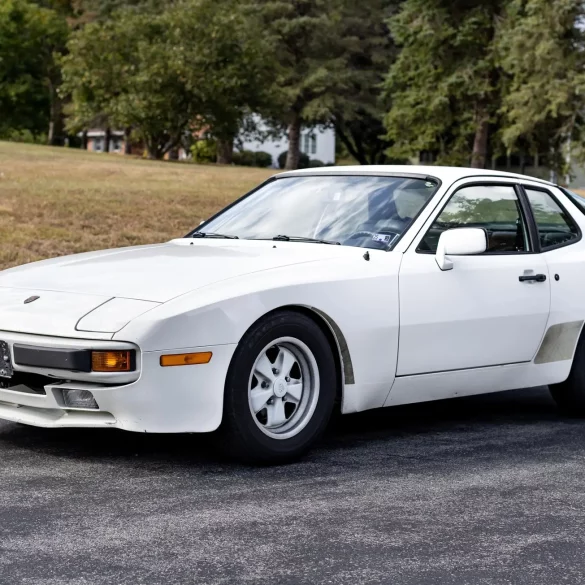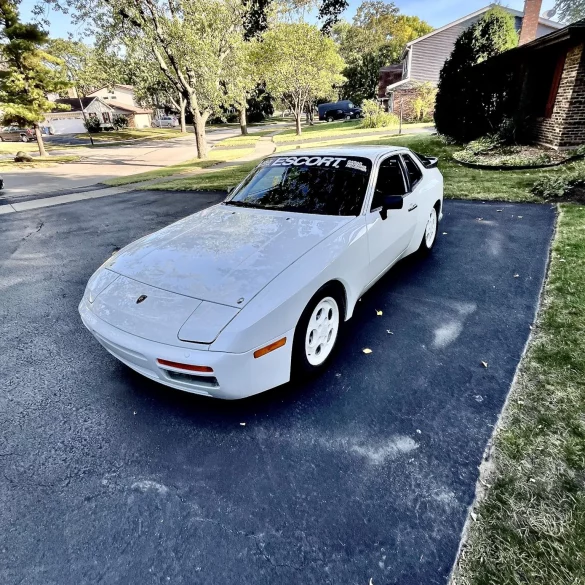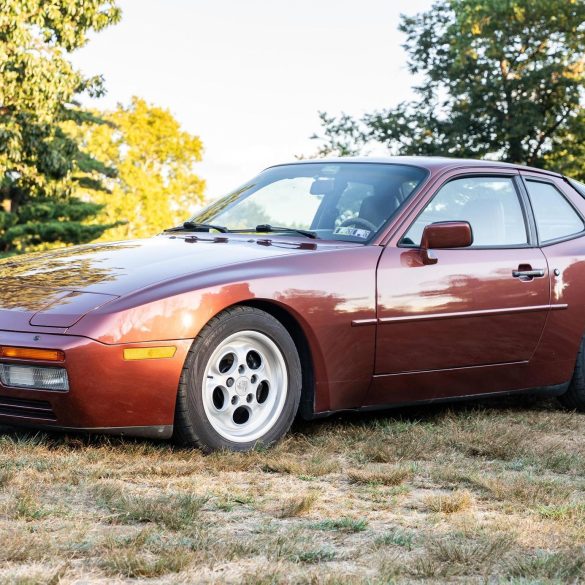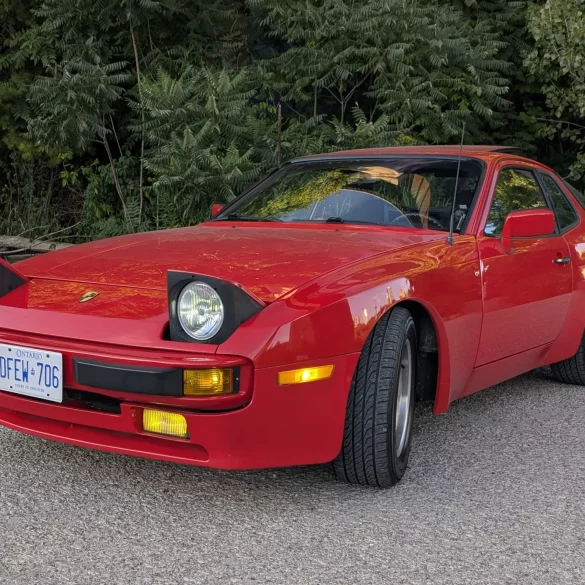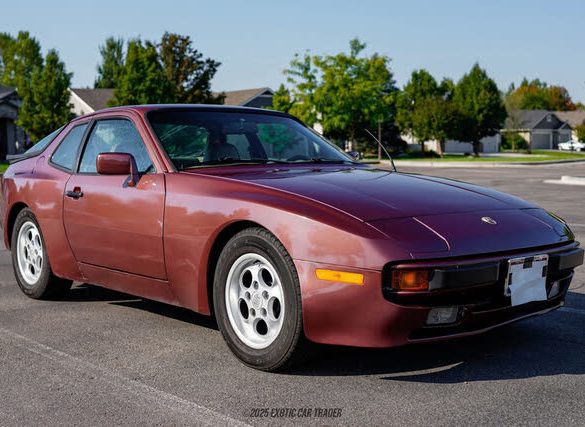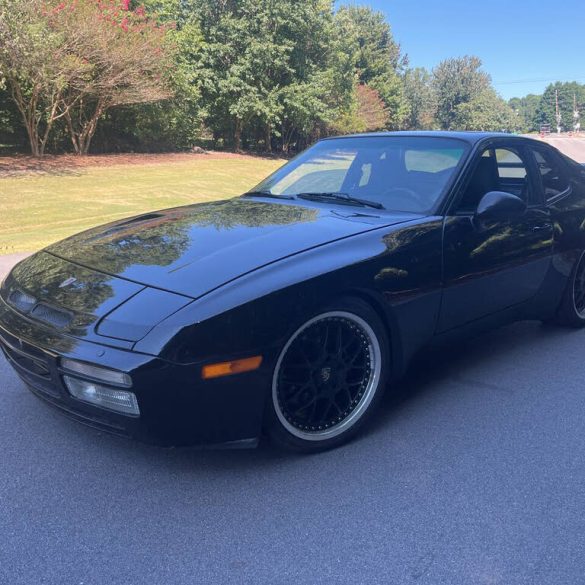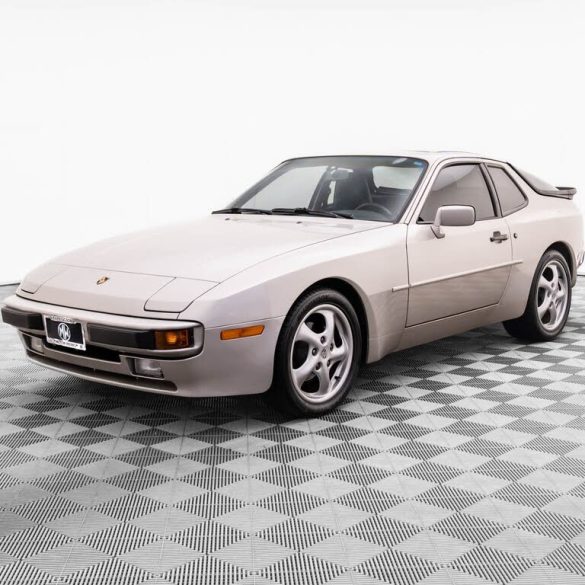
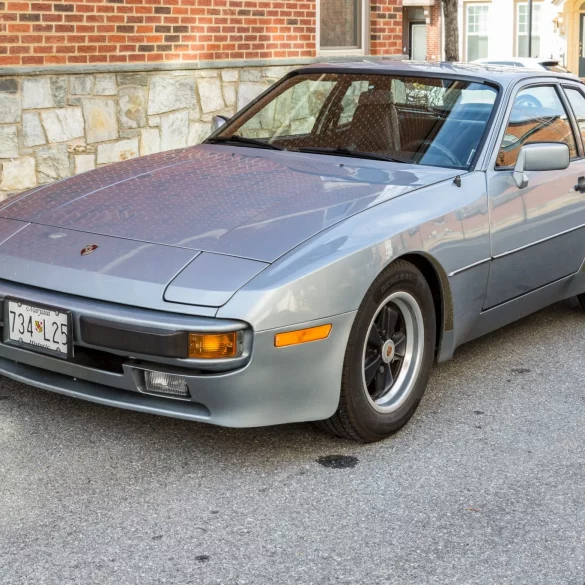
This 1983 Porsche 944 was sold new from Will Dennis Porsche-Audi of Toledo, Ohio, and is said to have been purchased by the second owner...


The Porsche 944 is one of the most successful and well-rounded sports cars Porsche has ever produced. Built from the early 1980s through the early 1990s, the 944 refined Porsche’s front-engine, rear-transaxle formula with improved performance, strong build quality, and everyday usability. With near-perfect weight distribution, precise steering, and a solid, confidence-inspiring chassis, the 944 remains one of the most rewarding classic Porsches to drive.
Once overlooked, the Porsche 944 has experienced a reappraisal in recent years. Enthusiasts now recognize it as a true Porsche in engineering and driving character, offering analog engagement, reliability, and practicality at a far more approachable prices. From base models and Turbos to the S and S2 variants, it occupies a compelling space in today’s market.
Refine Search: All 944s / 944 (Base) / 944 S / 944 S2 / 944 Turbo / 944 Turbo S
Below you’ll find a curated selection of Porsche 944 cars for sale, sourced from across the web, including respected specialty dealers, major auction platforms, and verified private listings from our enthusiast community. We bring together available examples in one place to help buyers easily compare condition, mileage, originality, specifications, and pricing. Because Porsche 944s span multiple generations and variants—ranging from affordable driver-quality cars to highly collectible Turbo and S2 models—availability and values can vary widely.
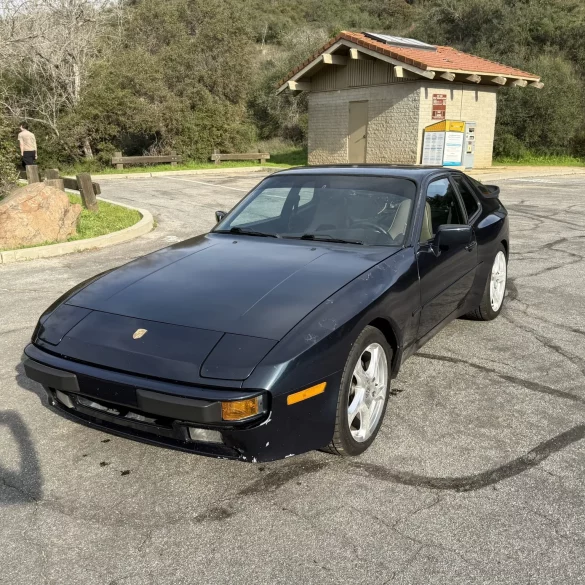
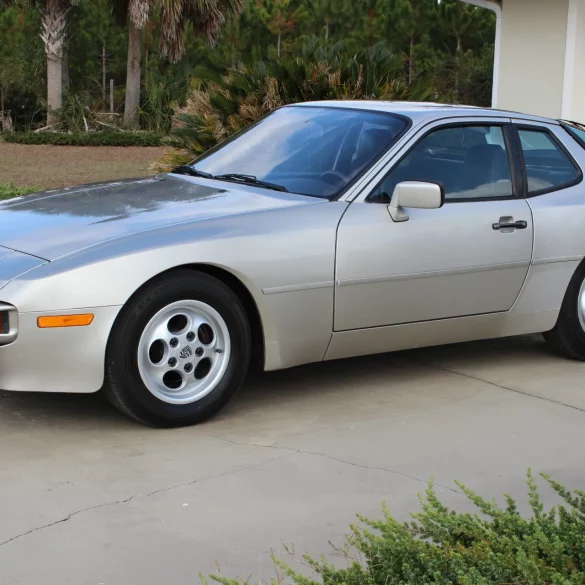
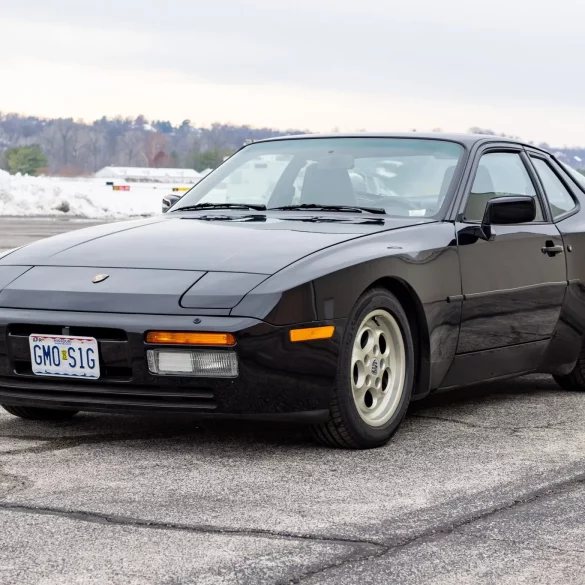
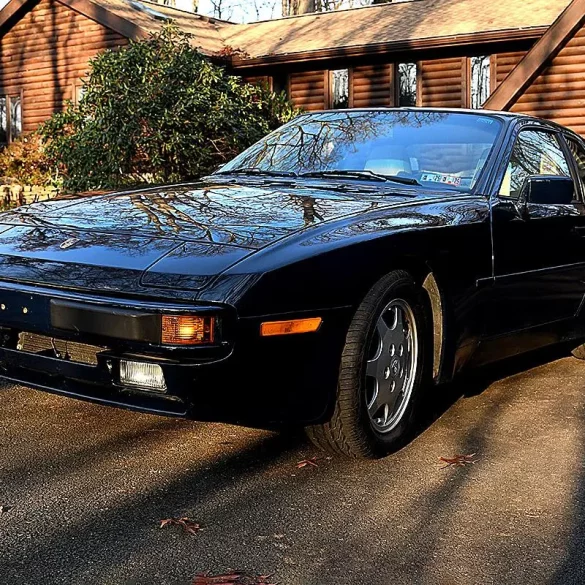
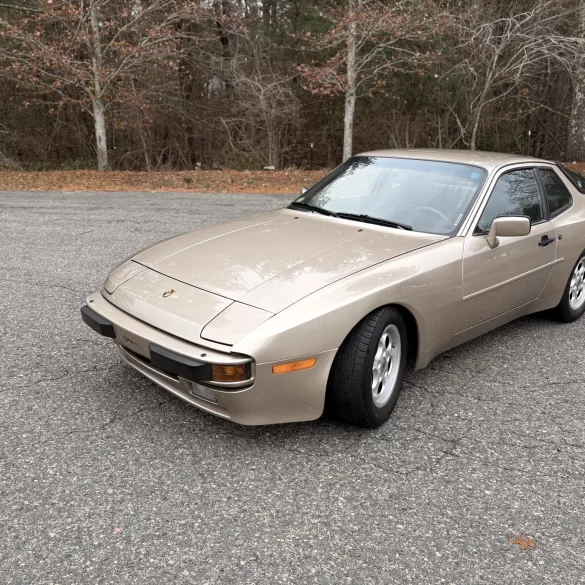
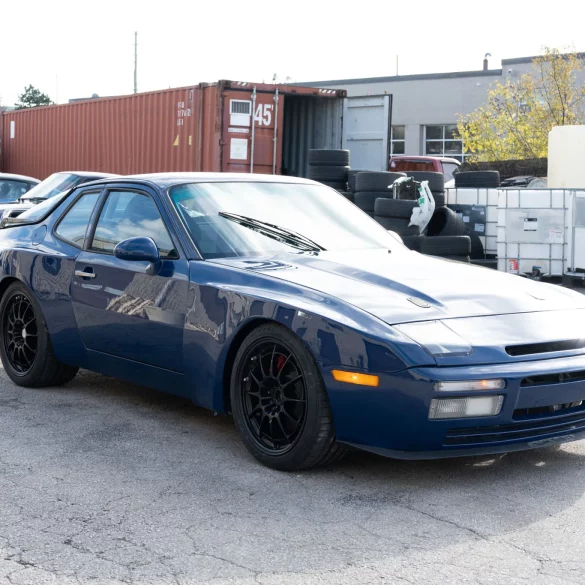
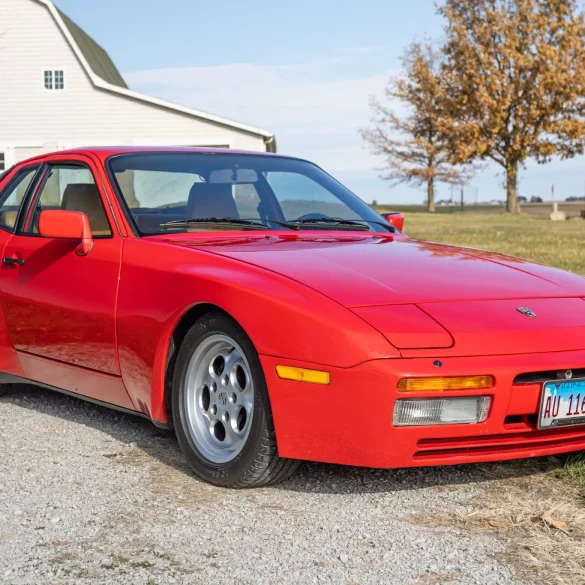
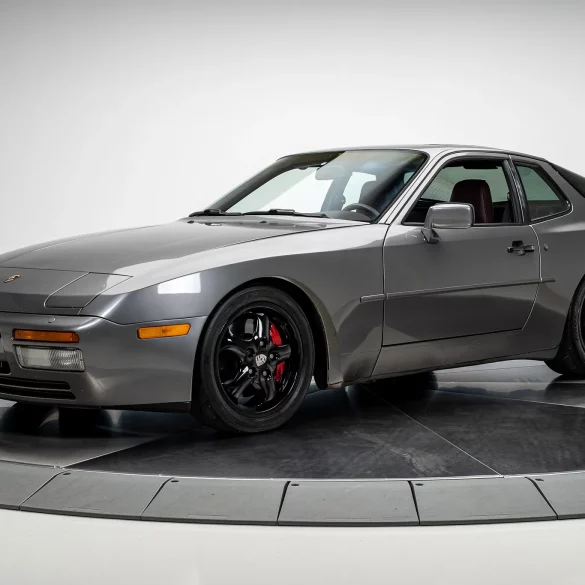
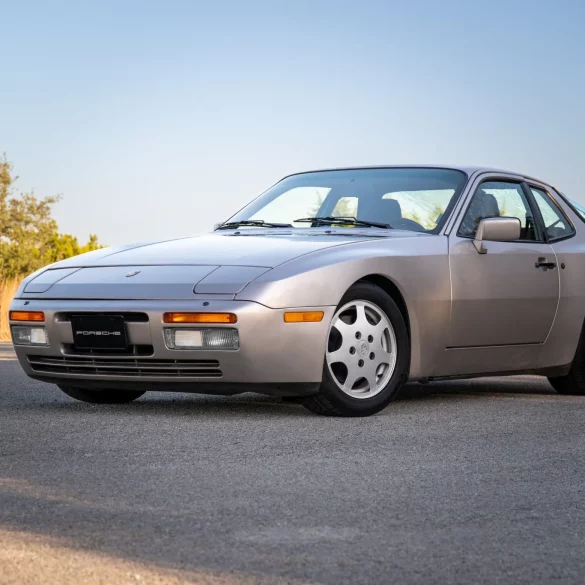
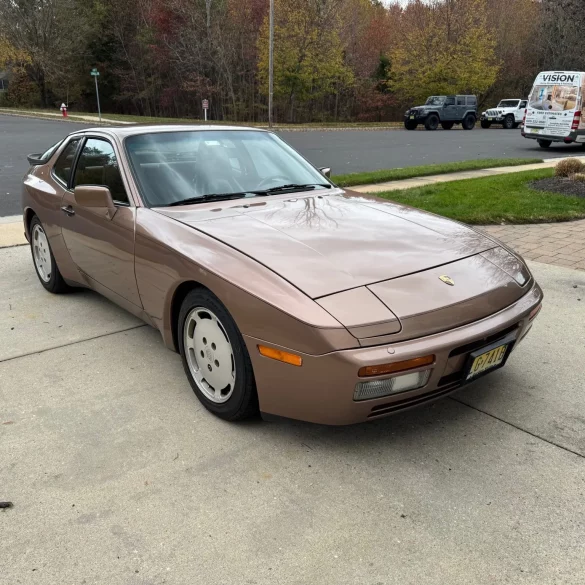
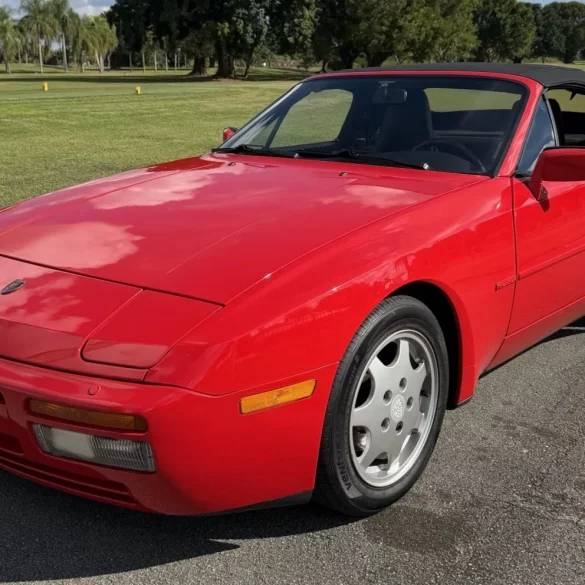
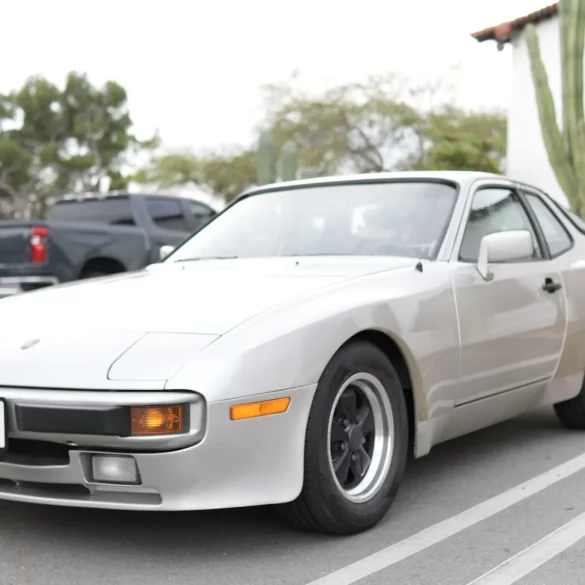
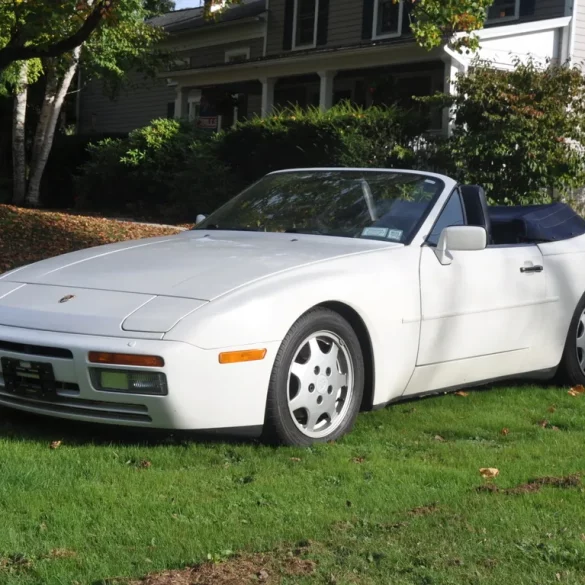
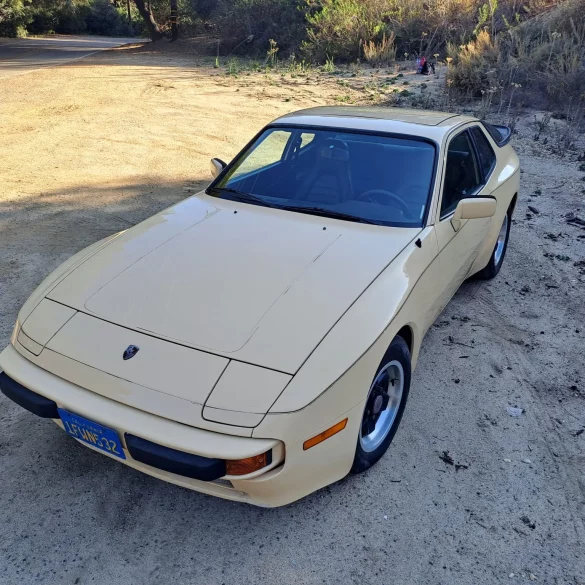
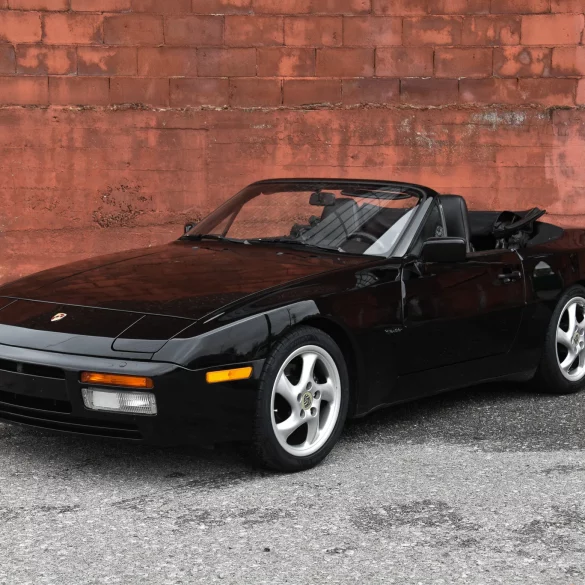
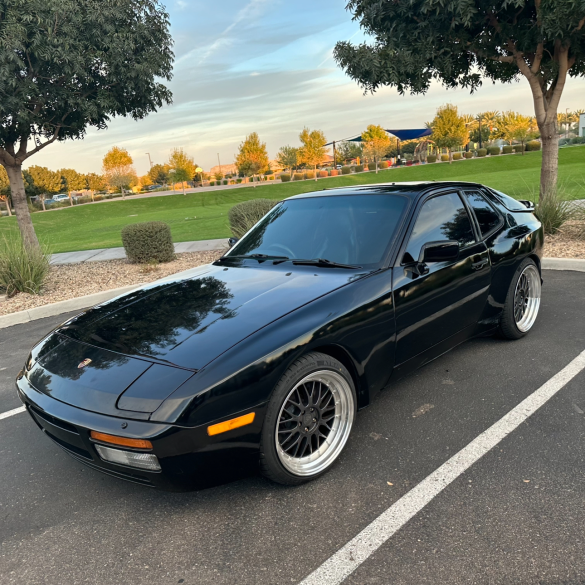
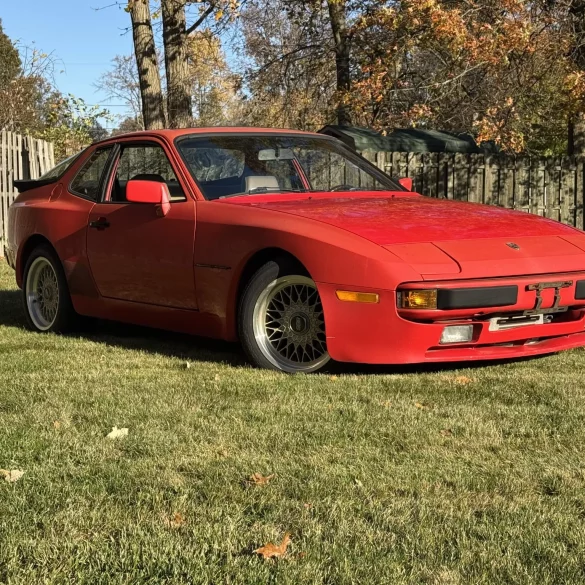
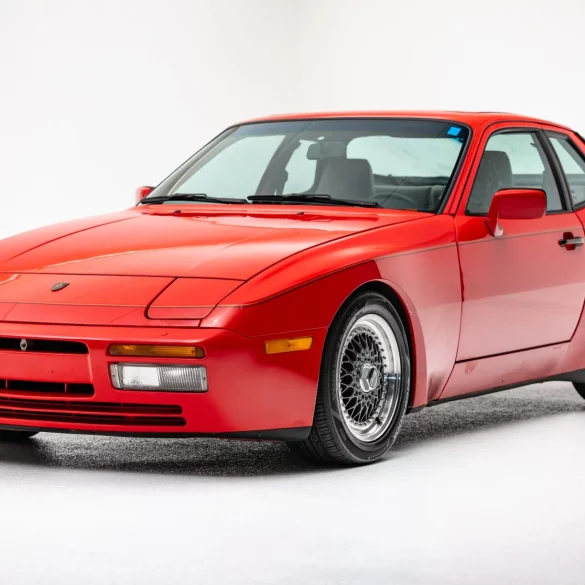
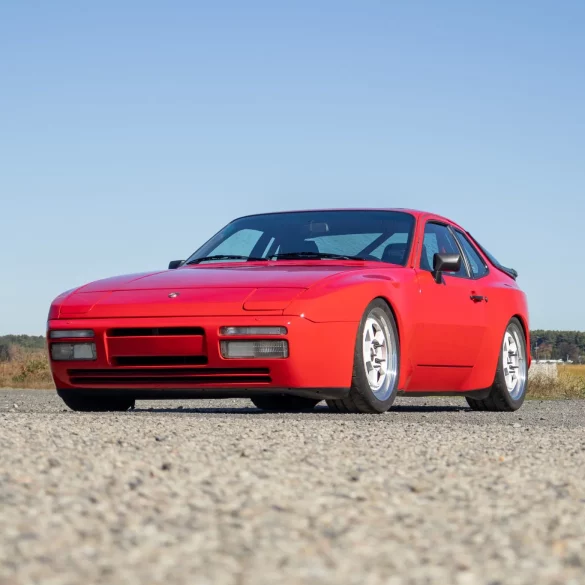
When it comes to the most sought-after Porsche 944 variants, collectors and enthusiasts tend to gravitate toward models that offer a blend of rarity, performance, and historical significance. While all 944s share the transaxle platform and balanced handling DNA, certain versions have emerged as the true stars of the lineup—commanding stronger values and increasing attention in the collector market.
At the top of the list is the 1988 Porsche 944 Turbo S, the ultimate factory iteration of the 951 (Turbo). With 250 horsepower, upgraded suspension (M030), a limited-slip differential, and distinctive "Silver Rose" trim on many examples, the Turbo S was built in limited numbers and delivered serious performance that rivaled contemporary 911s. Today, clean, unmodified Turbo S models are among the most desirable and valuable 944s. Also highly sought after is the 944 S2, produced from 1989 to 1991. It features a 3.0-liter 16-valve DOHC engine—the largest 4-cylinder ever in a production car at the time—and smooth, naturally aspirated power delivery. Available in both coupe and convertible form, the S2 combines usability, rarity, and strong driving dynamics. Low-mileage, well-documented S2s are steadily climbing in value.
Naturally, the standard 944 Turbo (1986–1989) remains very desirable, offering a great balance of performance and affordability. While not as rare as the S, it provides excellent performance with 217–220 hp and a tunable platform that appeals to both drivers and collectors. Finally, very early cars (1983–1985) in showroom condition—particularly those with rare color combinations or options—are gaining interest as the “purest” expression of the original 944 design. While they’re not as fast or valuable, the best examples are starting to see appreciation as the pool of clean early cars shrinks.
In short, if you're looking for the most collectible and sought-after 944s, target the Turbo S, S2, and well-preserved Turbos, ideally with documentation, originality, and factory options intact.
What “best” Porsche 944 model years to buy depends a bit on what you want — value, drivability, performance, or long-term desirability — but among enthusiasts and experts there is pretty strong agreement that certain years/variants stand out. Here’s a breakdown of the 944 model years and variants that tend to offer the most appealing balance of performance, reliability, and value (as of 2025).
Widely considered the pinnacle of the 944 lineup: the 1988 Turbo S had ~250 hp, a performance-tuned suspension package (M030), larger brakes/wheels, and many upgrades that make it the most powerful and best-equipped production 944. For someone who wants the maximum performance and collector-appeal directly from factory, this is often viewed as the “sweet spot” 944 — fast yet (relatively) tame enough for classic-car use.
The S2 gave a more modern, robust 3.0-liter engine with a good blend of power (≈ 208–211 hp) and everyday drivability — no turbo lag, simpler maintenance compared with forced induction, and strong performance for a NA 944. For many buyers, the S2 is the best “balanced 944”: enough performance for fun driving without some of the complexities or potential maintenance headache of older turbos or early 8-valve cars.
Early 2.5-liter 8-valve 944s are often appreciated for simpler mechanicals, easier maintenance, and lower acquisition cost. Good examples survive today, and many owners call these “bulletproof” for basic use — provided they’ve been maintained. If you’re budget-conscious and willing to inspect carefully for common issues (timing belt/water-pump changes, general wear, maintenance history), a well-kept 1984–1986 944 can be an excellent entry into Porsche ownership without breaking the bank.
Over the past few years, the 944 has seen a noticeable resurgence in interest — especially among buyers looking for a vintage Porsche that remains more affordable than the classics while still offering strong performance, distinctive ’80s styling, and daily-usable practicality. As of 2025, the “entry-level” 944 market remains accessible, but the gap between basic driver-quality cars and desirable, well-kept examples has widened substantially.
According to recent aggregated data, the average sale price of a 944 hovers around US $22,600. On the low end, basic or higher-mileage 944s can still be found for under US $10,000–$15,000, though these often require some mechanical attention. On the other hand, well-maintained and desirable variants — especially the turbocharged or S2 models — are commanding significantly more. For example, clean, low-mileage versions of the Porsche 944 Turbo (especially in excellent condition) have recent valuations around US $54,000, reflecting a 50%+ increase since 2019. “Driver-quality but sorted” Turbos and 944 S2-class cars are more commonly going for mid-to-upper-$20,000s — still very reasonable relative to many classic cars, but significantly above the floor for the 944 in rougher condition.
Renewed respect for the 944’s balance of style, performance, and practicality. As mainstream classic-car prices climb, the 944 is increasingly viewed as a “sensible classic” — offering a genuine Porsche badge, sharp styling (pop-up headlights, balanced hatchback proportions), and usable performance without the astronomical maintenance costs of higher-end classics.
Strong interest in turbo and higher-spec models. Demand is especially high for 944 Turbos and late-generation S2s (if clean and well-documented), which combine performance, rarity, and usability. That demand is pushing prices upward faster than base non-turbo models.
Collector/enthusiast buyers entering the 944 market. People who may have originally ignored the 944 — perhaps because it was once considered the “poor man’s Porsche” — are now valuing it more for its unique qualities and ’80s character, adding a new layer of demand and driving up values in the good-condition segment.
Wide spread in condition/value. The 944 remains a car where condition dramatically affects value and ownership costs. Low-ball priced cars often entail maintenance, catch-up service, and possible repairs — so what looks cheap upfront may need significant budget later.
Maintenance (and hidden costs). As noted by recent coverage, even “affordable” 944 ownership isn’t always cheap — issues like rear-main seal leaks, clutch and timing-belt maintenance, and general age-related wear remain common.
Not all 944s are equally future-proof. While turbo and S2 models are seeing collector interest, base 944s — especially those with high miles, late maintenance, or unsorted history — remain vulnerable to value softness, particularly if maintenance or restoration costs are high.
If you’re budget-conscious and okay with a project or everyday driver — you can still find 944s for under $15,000–$20,000. But expect to evaluate condition carefully (engine/transmission, leaks, maintenance history). If you want a 944 worth preserving (collector-ready or long-term driver) — prioritizing turbo or S2 variants in good documented condition will likely give the best long-term value and enjoyment. If you want good performance, style, and a “modern-classic” feel — a clean 944 Turbo or S2 in the mid-$20,000–$50,000 range strikes a balance of value, usability, and collectibility.
For a free to download printable version, check out our full Porsche 944 Inspection Checklist page.
✅ Verify timing belt replacement history—should be changed every 30,000–40,000 miles.
✅ Check for oil leaks at the front crankshaft seal, balance shaft seals, cam housing (944 S/S2), and oil pan gasket.
✅ Inspect for coolant leaks from the water pump, thermostat housing, and hoses—a failed water pump can snap the timing belt.
✅ Look for blue smoke from the exhaust, which may indicate worn valve seals or piston rings.
✅ Ensure even and smooth idle—rough idling may indicate vacuum leaks or fuel injection issues.
✅ For 944 Turbo models, check for boost pressure issues or excessive turbo lag, which may signal turbocharger wear.
✅ Check for smooth gear shifts—grinding in 2nd or 3rd gear suggests synchro wear.
✅ Ensure the clutch engages smoothly—a stiff or high-biting clutch may indicate a worn clutch disc or pressure plate.
✅ Look for clutch master/slave cylinder leaks, which can cause a soft or sinking clutch pedal.
✅ Listen for whining or droning noises at speed, which may indicate torque tube bearing issues.
✅ Inspect control arm bushings and ball joints—worn components cause clunks and uneven tire wear.
✅ Look for sagging rear suspension, which may indicate tired torsion bars or worn rear shocks.
✅ Check for loose steering feel, which may mean worn tie rods or steering rack bushings.
✅ Inspect power steering system for leaks—pay close attention to the pump and high-pressure hoses.
✅ Test for firm brake pedal feel—a spongy pedal may indicate air in the lines or a failing master cylinder.
✅ Check for brake fluid leaks around calipers and brake lines.
✅ Look for warped rotors, which cause vibration during braking.
✅ If equipped with ABS (944 S2, Turbo S models), verify that it functions properly under hard braking.
✅ Test all lights, wipers, horn, and power windows—slow window motors are common.
✅ Inspect the fuse and relay panel for corrosion—weak grounds cause flickering lights and electrical failures.
✅ Check that the pop-up headlights operate properly—sticking or slow motors are common.
✅ Ensure that the instrument cluster gauges function correctly, especially the fuel and oil pressure gauges.
✅ Look for cracked dashboards, a common issue due to sun exposure.
✅ Inspect seat bolsters for tears or excessive wear, particularly on sport seats.
✅ Check for sagging headliners, especially in 944s with sunroofs.
✅ Feel under the carpets for dampness, which may indicate water leaks from failed sunroof or window seals.
✅ Smell for fuel odors in the engine bay or cabin, which may indicate leaking fuel injectors or deteriorated fuel hoses.
✅ Listen for excessive exhaust noise, which may suggest a leaking exhaust manifold or failing catalytic converter.
✅ Inspect the fuel pump and filter for leaks or signs of clogging—hard starts can be a symptom of fuel delivery issues.
✅ Check for rust-prone areas, including the battery tray, lower fenders, wheel arches, rocker panels, and floor pans.
For more information, see our full article on common Porsche 944 problems here or read our Porsche 944 Buyer's Guide.
The Porsche 944 is well-regarded for its balanced handling, durability, and engineering quality—but it’s still a 30- to 40-year-old German sports car. While it's more affordable to maintain than many classic Porsches, a poorly maintained or neglected 944 can quickly become a money pit. If you’re in the market for one, knowing the common issues to watch for can help you avoid costly surprises and make a smart buy.
One of the most important—and expensive—maintenance items is the timing belt. On interference-engine models (944S, S2, and Turbo), failure can cause catastrophic engine damage. Even base models risk engine failure if the belt breaks. The timing belt and water pump should be replaced every 30,000–40,000 miles or every 5 years, along with the balance shaft belts and rollers. Confirm a recent belt service with documentation. If there's no record, budget at least $1,200–$1,800 to have it done immediately.
The 944’s clutch, especially on Turbos, is known to wear over time—particularly on cars driven hard or with higher mileage. Replacement is labor-intensive due to the transaxle layout and can cost $1,500–$2,500. Look for a high clutch pedal, slipping under load, or difficulty shifting can signal a worn clutch.
The 944 can suffer from oil leaks at the cam tower, balance shaft seals, and front crankshaft seals. These often appear as slow leaks or oil drips near the timing belt cover, which can also contaminate the belt. Check for oil residue under the front of the engine or signs of a messy timing belt area. If you’re unsure, have a shop inspect the seals.
Many 944s have worn-out suspension components after decades on the road. Common issues include bad bushings, leaking struts, worn ball joints, and steering rack leaks. Look for clunks over bumps, vague steering, or uneven tire wear can all point to tired suspension. A proper refresh can cost $1,500 or more, depending on the parts replaced.
Aging wiring, grounds, and fuse panels can lead to non-functioning gauges, power windows, sunroof issues, or intermittent lighting problems. These can be tricky to trace and are common in cars with previous owner modifications. Test all lights, windows, sunroof, mirrors, and gauges. Look under the dash for hacked wiring or signs of moisture.
Dash cracks, faded upholstery, sagging headliners, and brittle plastics are common, especially in sun-exposed cars. Early interiors (pre-1985.5) have unique parts that are harder to replace. Inspect the dashboard, door cards, and seats closely. Replacing these parts can be costly and time-consuming.
Old radiators, failing fans, and corroded thermostats can cause overheating, especially on Turbo models. If ignored, this can lead to head gasket failure or engine damage. Watch the temp gauge during a test drive. Fans should kick on at the right temp, and the car shouldn’t run hot at idle or under load.
Cars that have sat for long periods may suffer from gummed-up fuel injectors, degraded lines, or failing pumps. This can cause hard starts, rough running, or hesitation under throttle. Listen for fuel pump noise on startup, watch for smooth cold starts, and ask how long the car’s been in regular use.
A well-maintained Porsche 944 is a joy to own and drive, but a neglected one can eat through your wallet fast. The best 944s have complete service records, recent timing belt service, and present well both mechanically and cosmetically. Always get a pre-purchase inspection (PPI) by someone familiar with transaxle Porsches—especially for Turbo and S2 models. Buy smart, and you’ll have one of the best-balanced and most rewarding classic sports cars of the era.