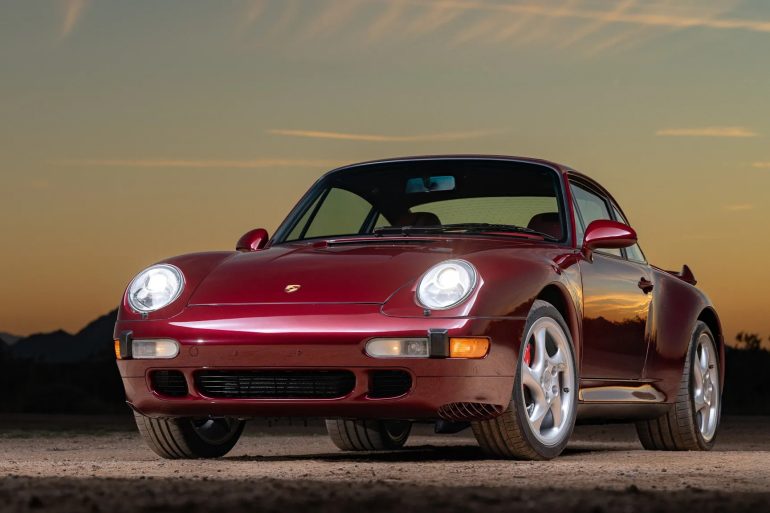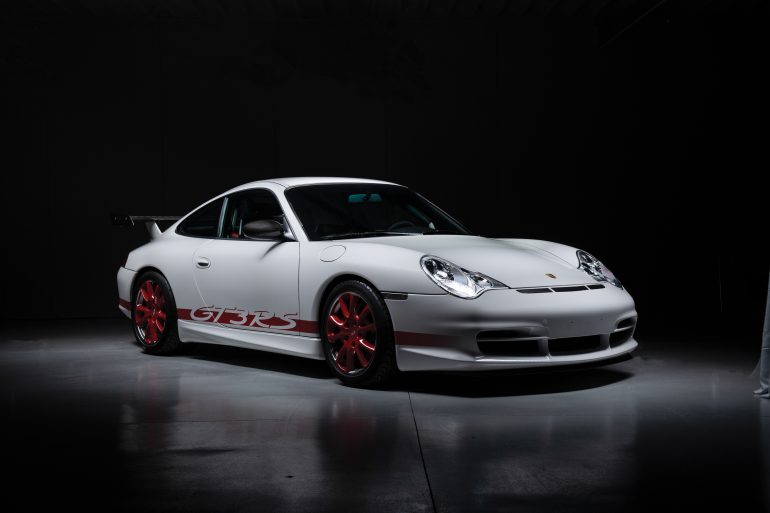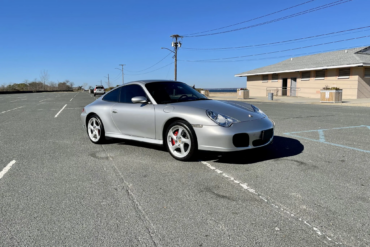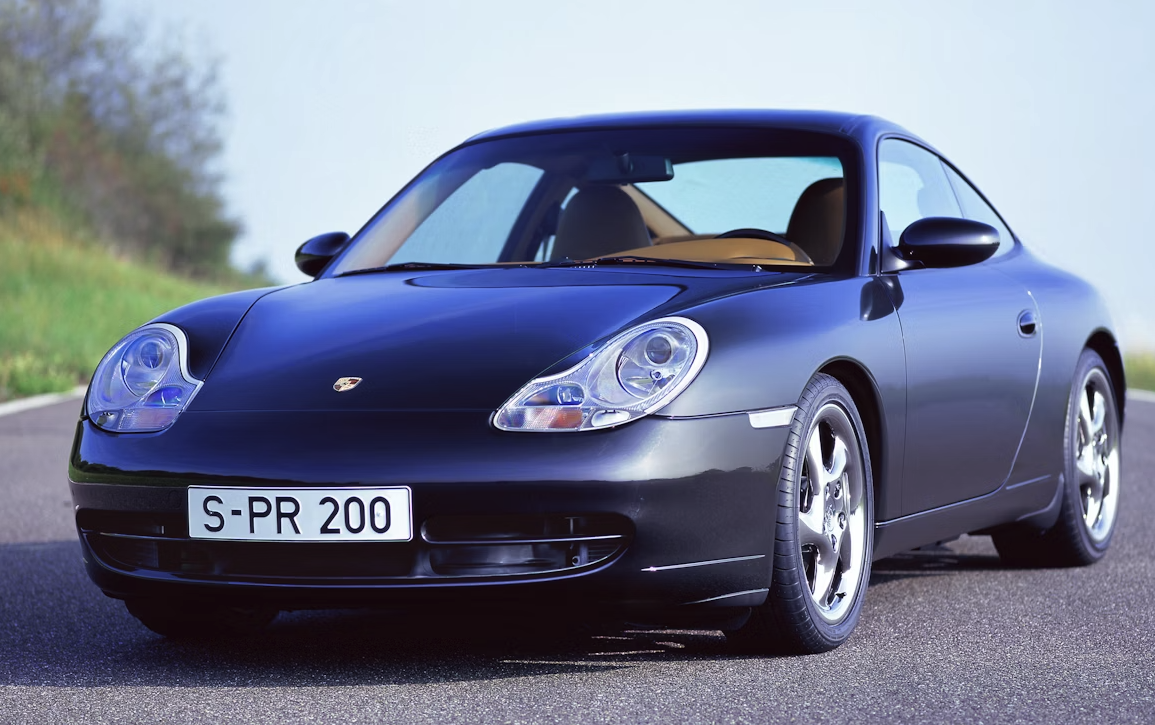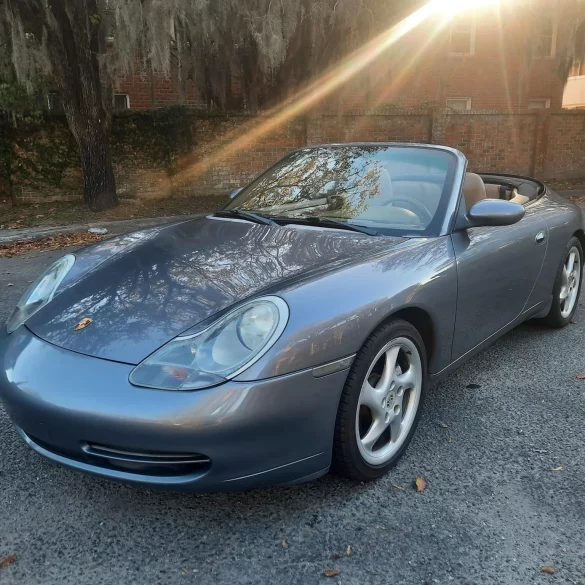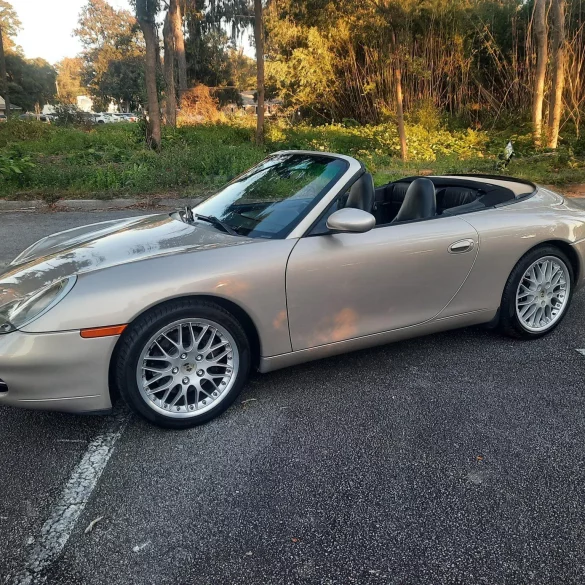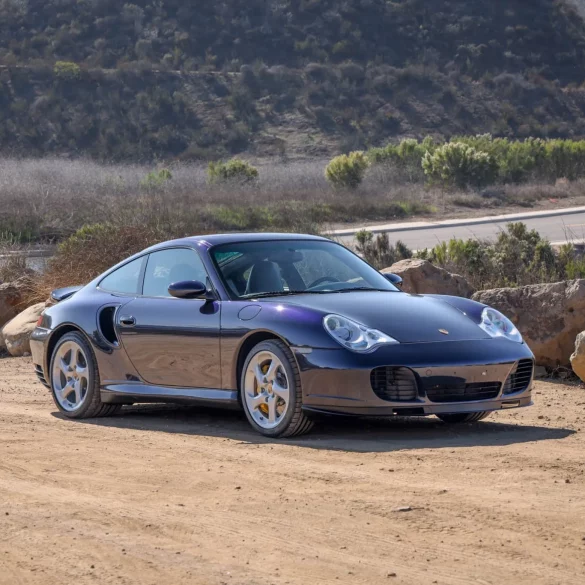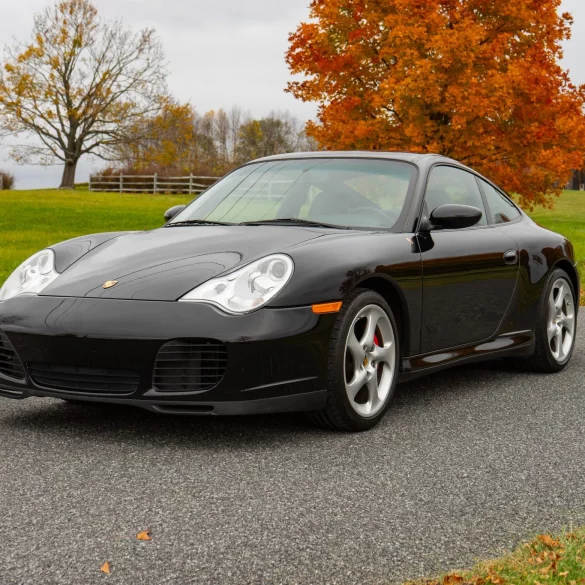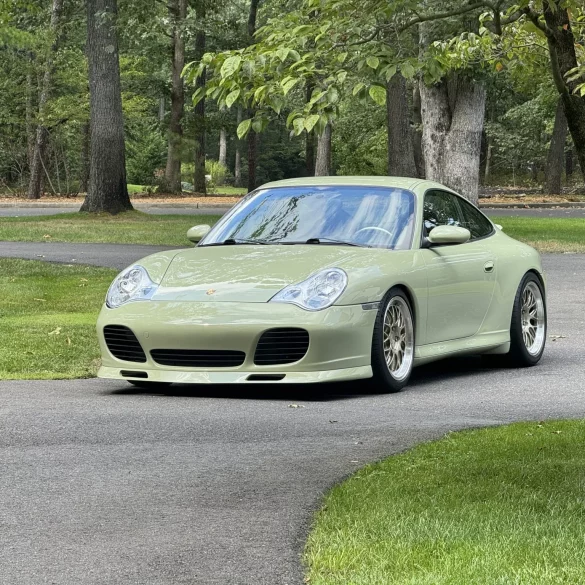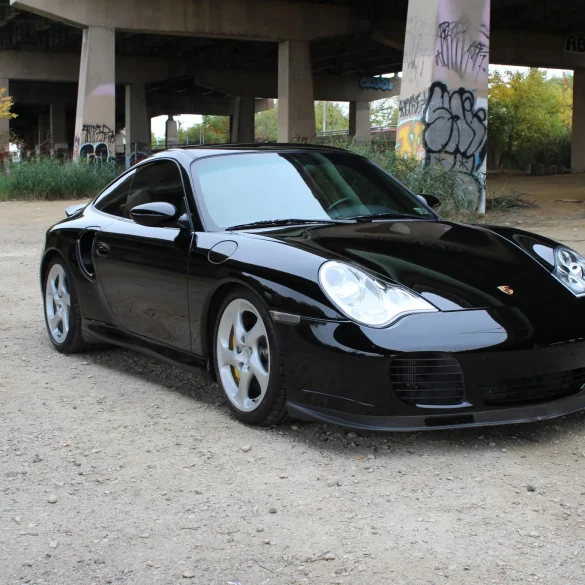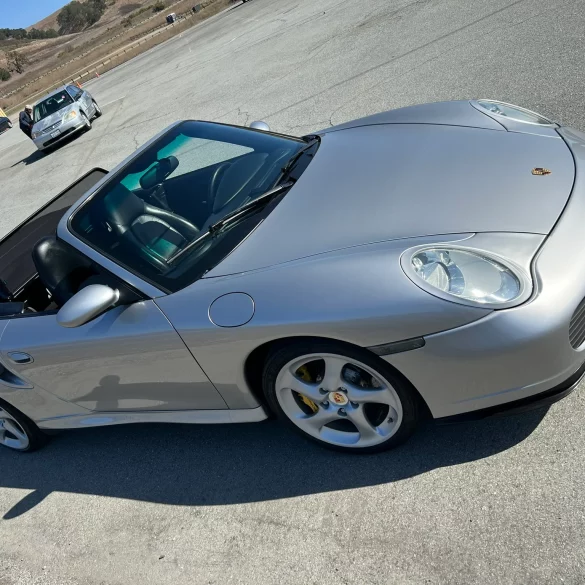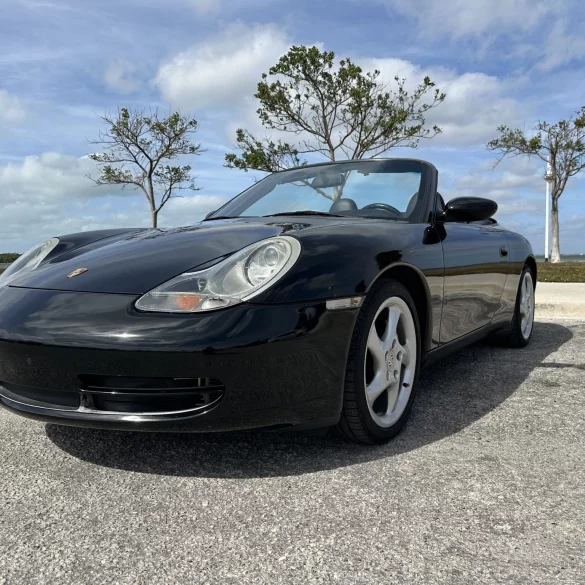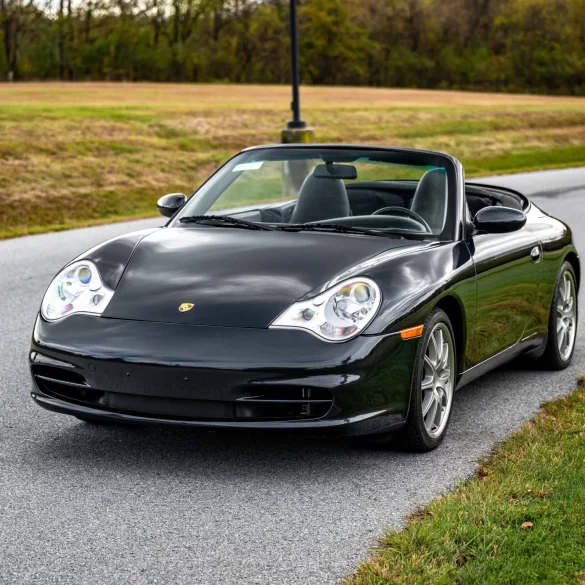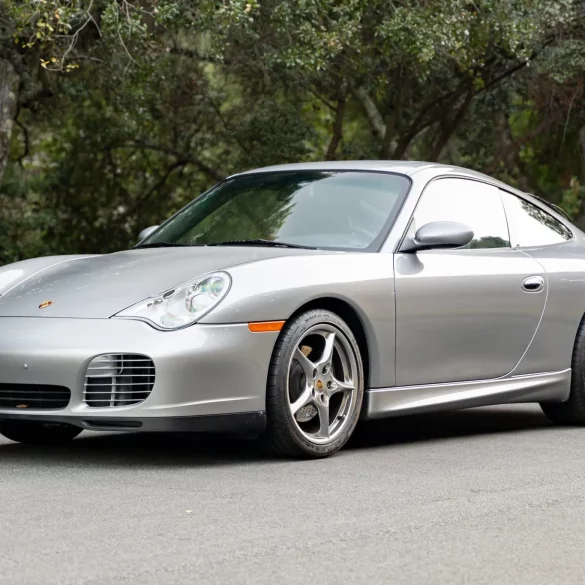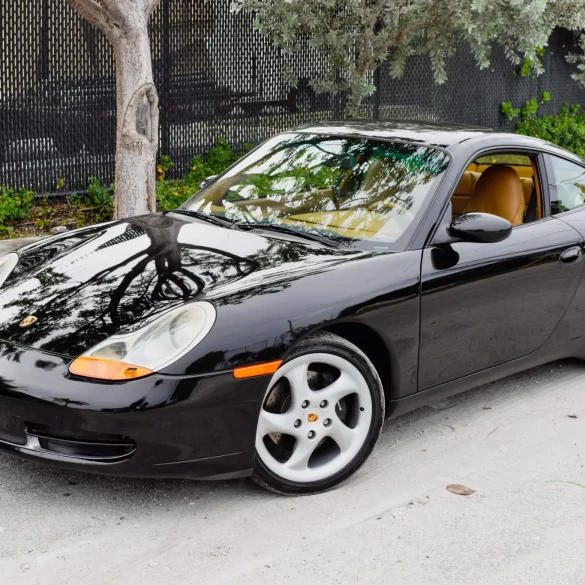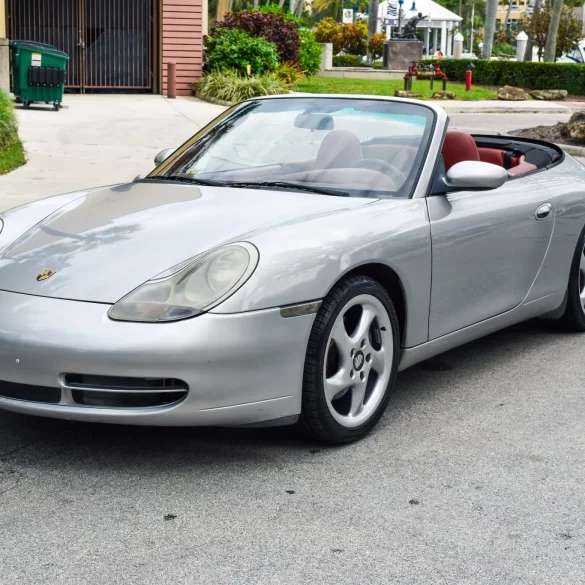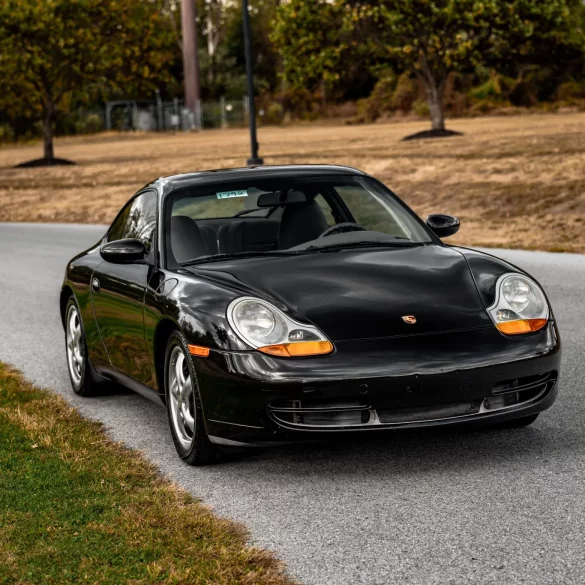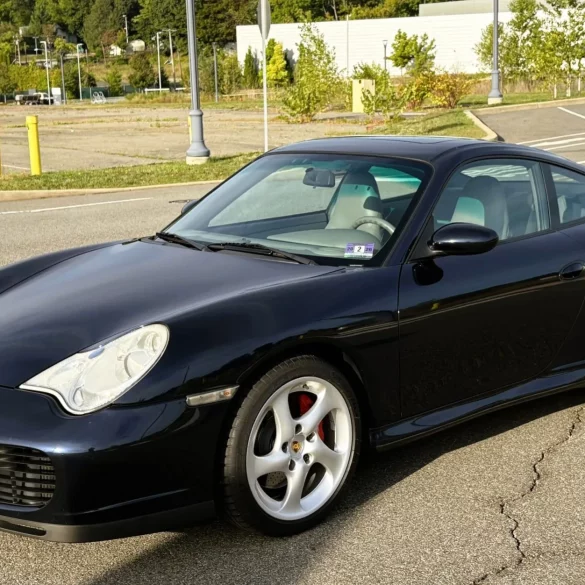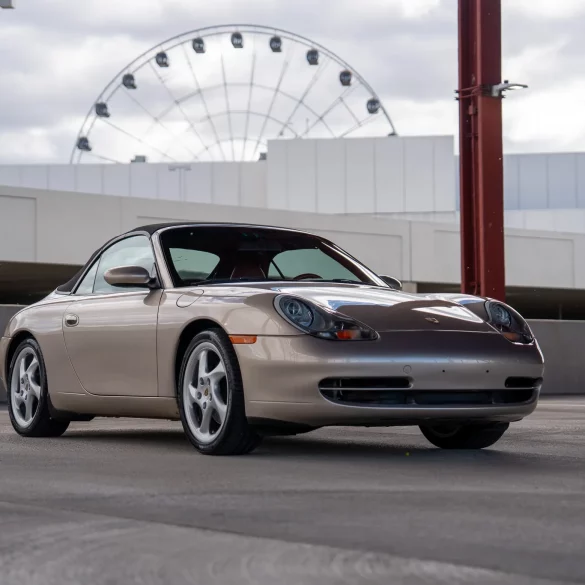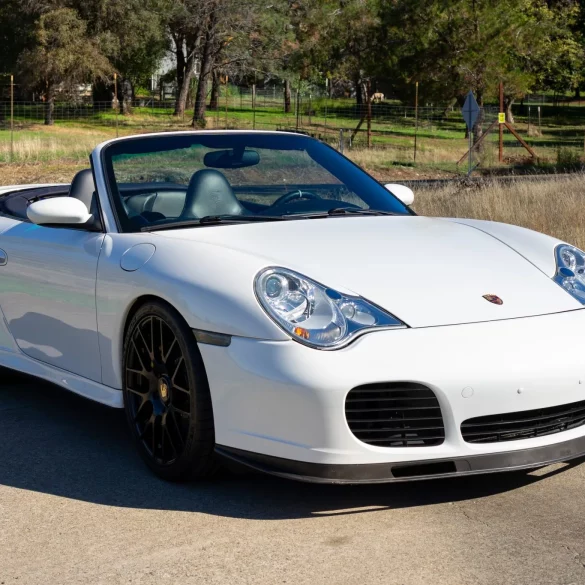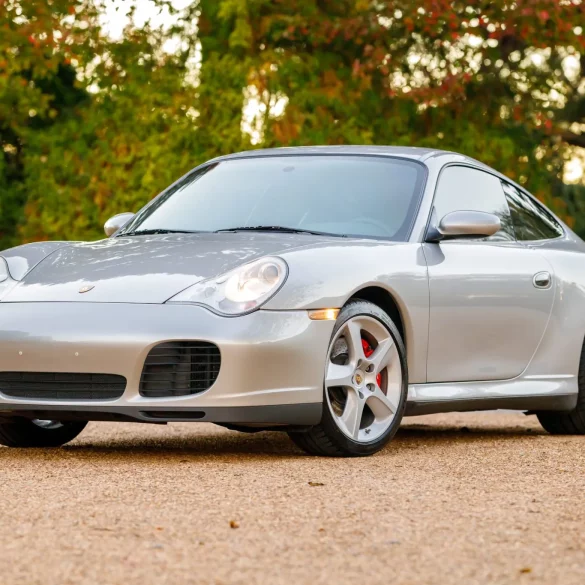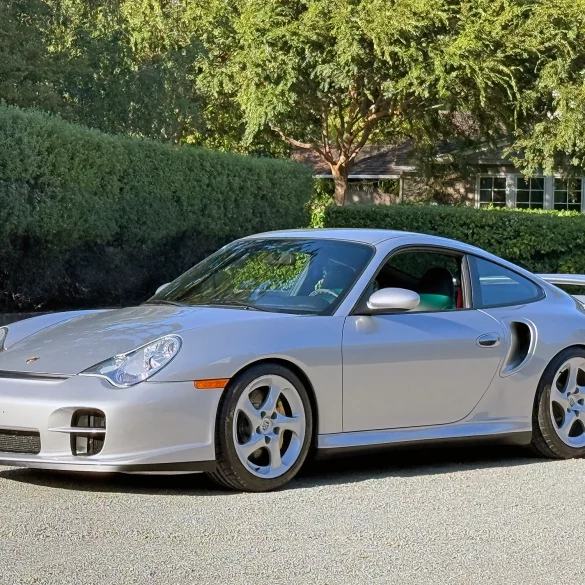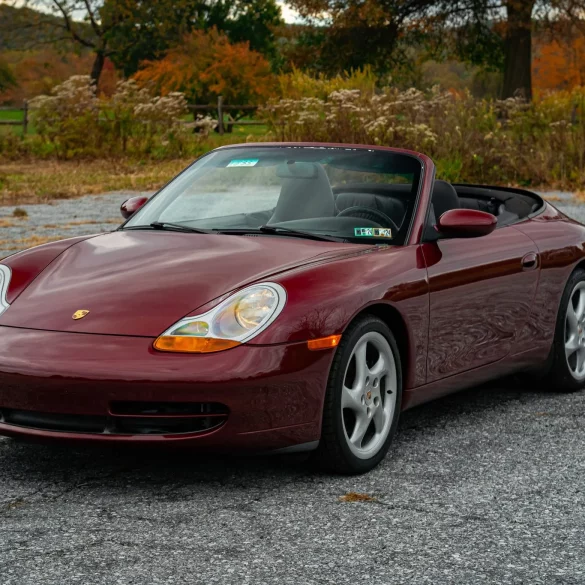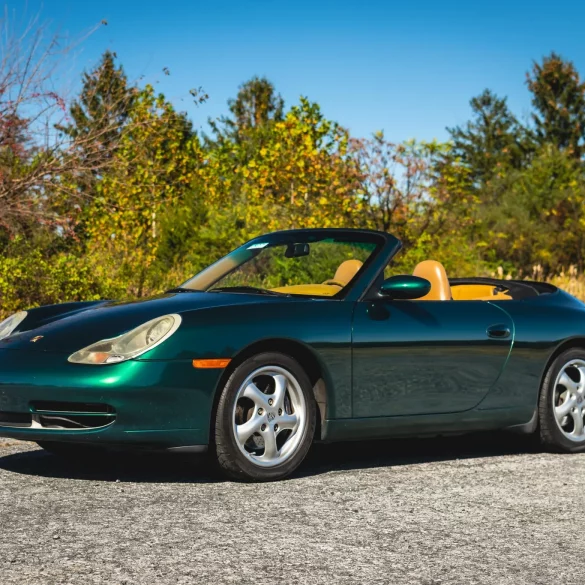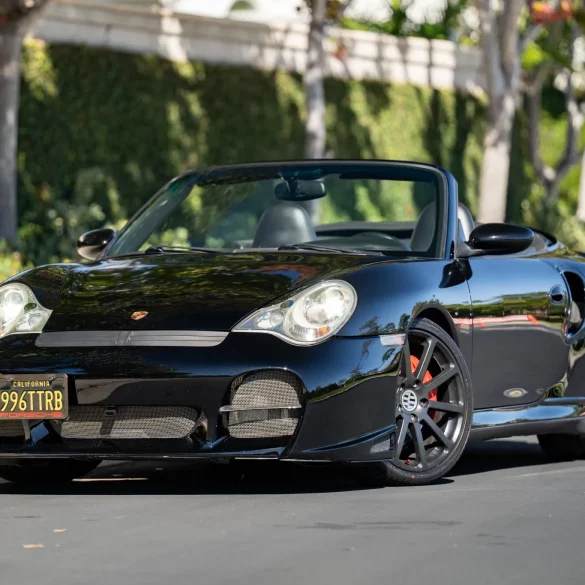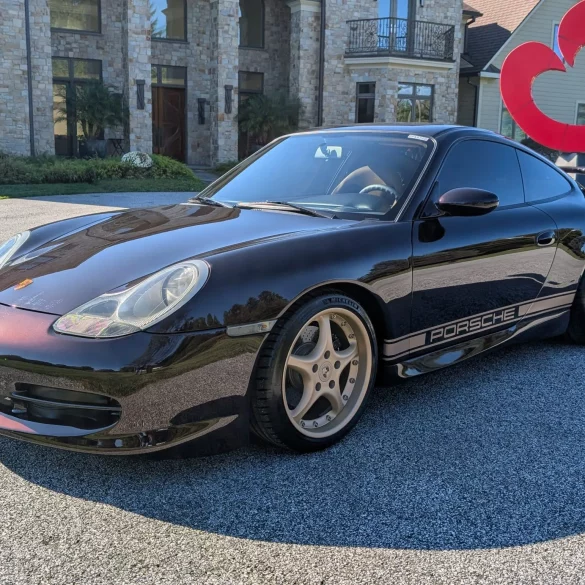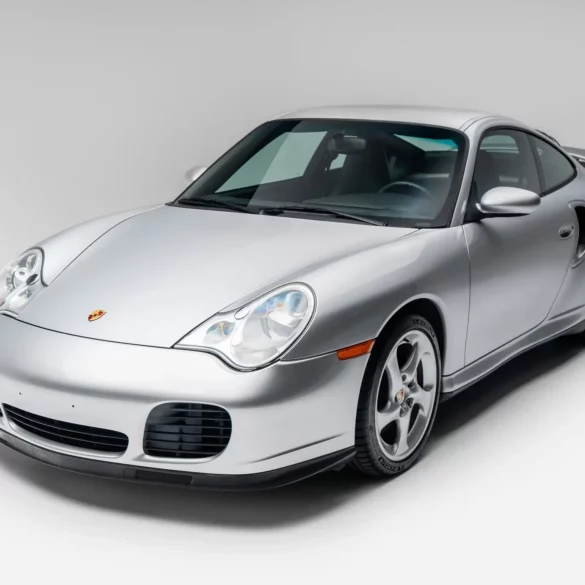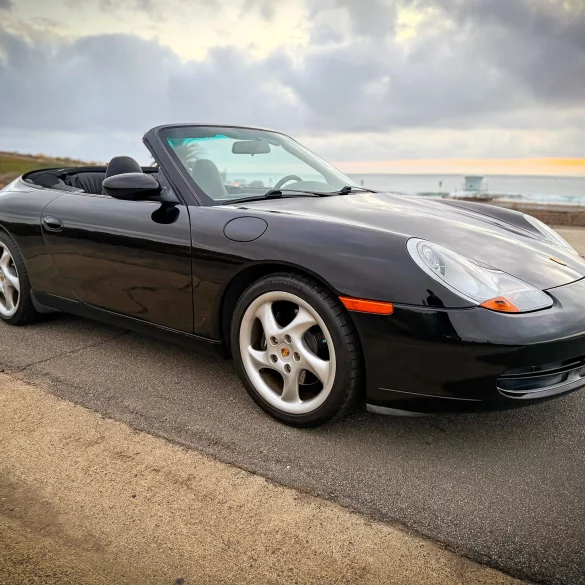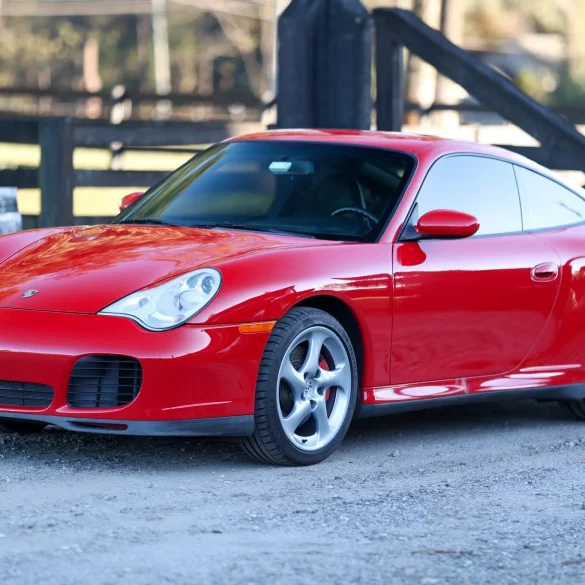
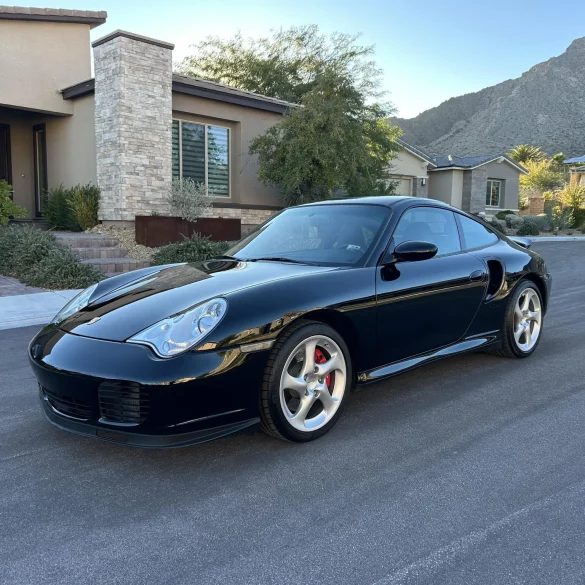
This 2004 Porsche 911 Turbo was purchased by the seller’s father in Minnesota in 2011, and they have since added approximately 20k of the 27k...


The Porsche 911 (996) marks one of the most significant turning points in 911 history. Introduced at the end of the 1990s, the 996 was the first water-cooled 911 and ushered the brand into a new era of performance, refinement, and mass-market viability. With a new chassis, modern interior, improved ergonomics, and better ride quality, the 996 transformed the 911 into a more usable everyday sports car.
Long debated and now appreciated, the 996 has become one of the most compelling value propositions. We curate Porsche 911 (996) listings from across the web, combining respected Porsche specialists, major auction platforms, and exclusive member listings. Whether you’re looking for an affordable entry into 911 ownership or turbo performance icon, this is your place.
Refine: All 911s / 996 Carrera / 996 Carrera 4 / 996 Carrera 4S / 996 Targa / 996 Turbo / 996 Turbo S / 996 GT3 / 996 GT3 RS / 996 GT2
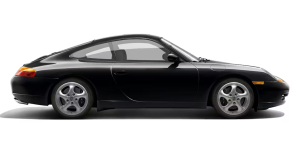
Browse available 996-era Porsche 911s from our member classifieds alongside carefully curated cars from across the web. We showcase only the most interesting, well-presented, and desirable 996 generation 911s—giving collectors a smarter way to find their next ride.
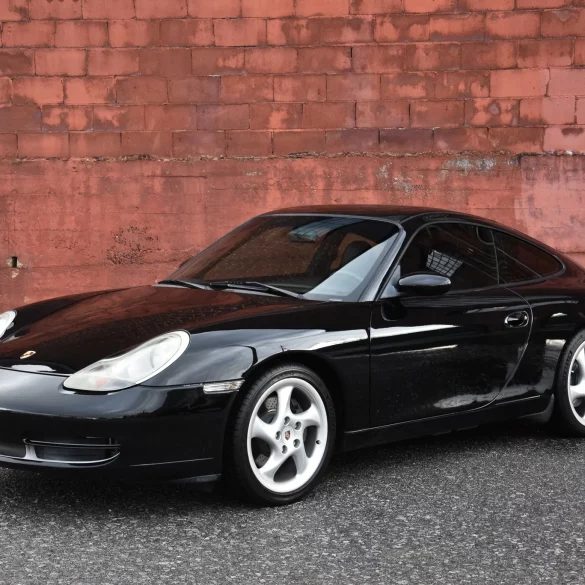
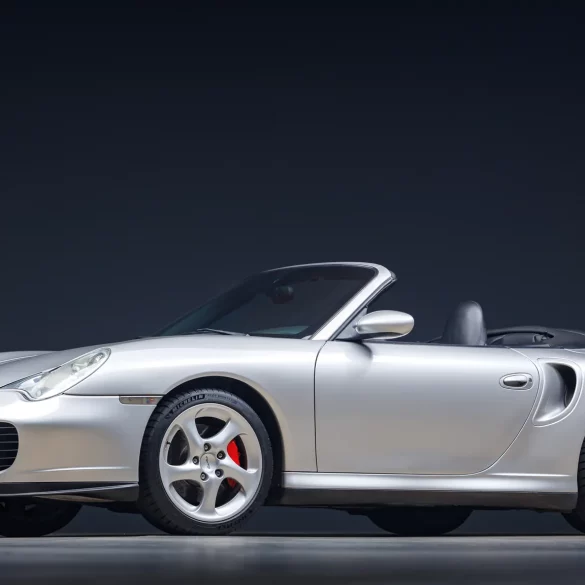
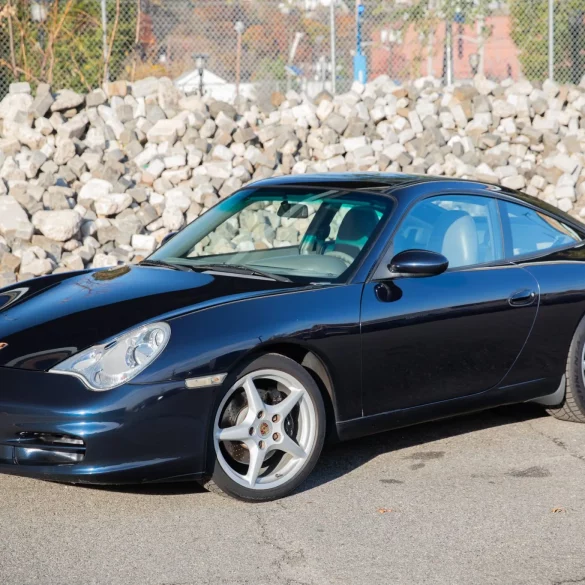

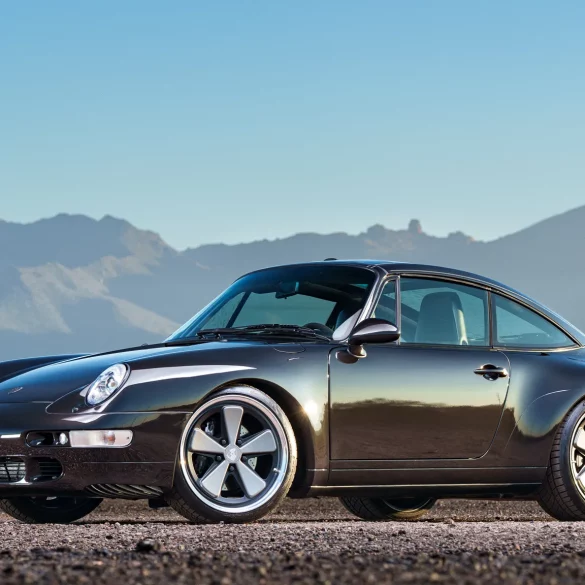


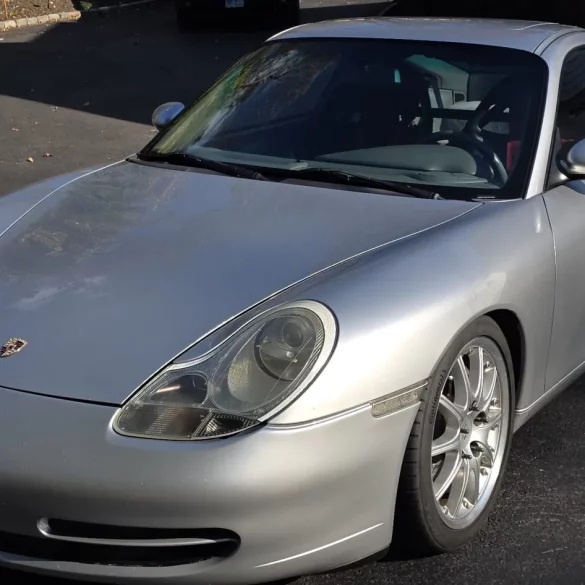
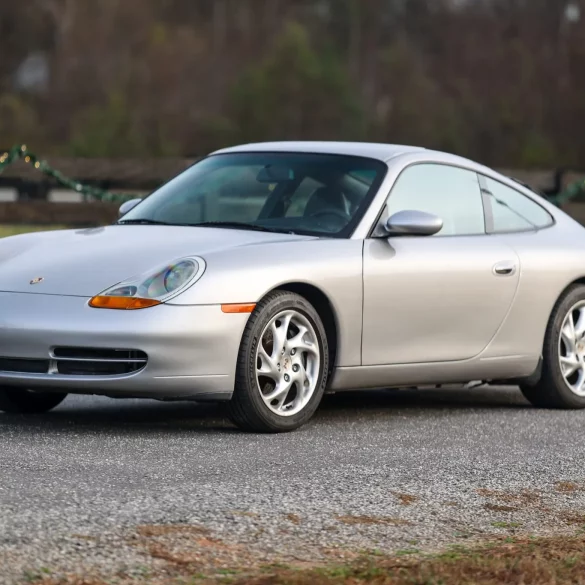
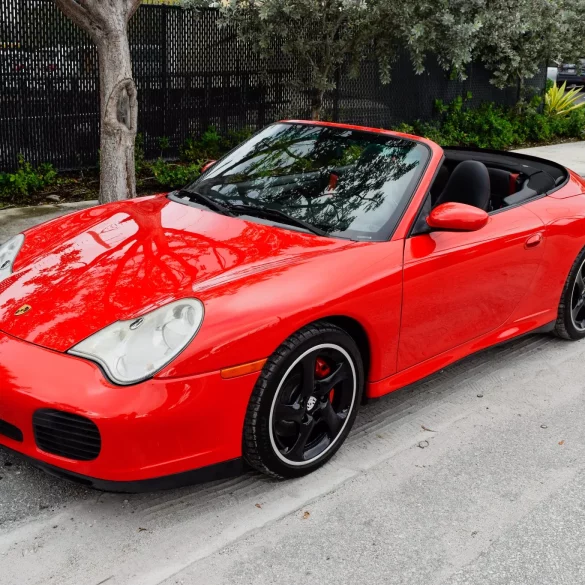
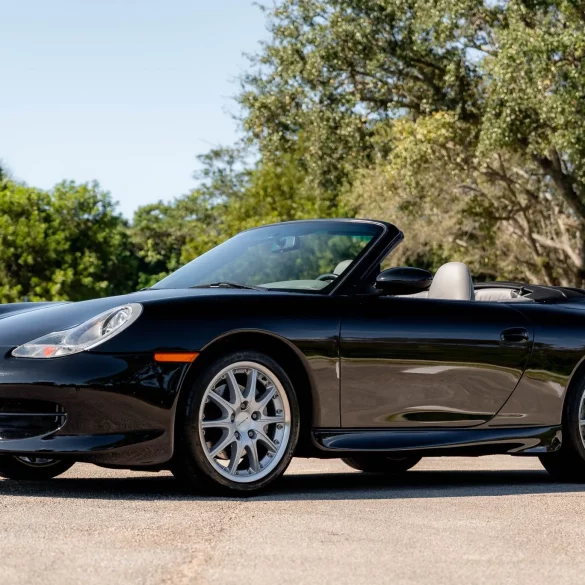
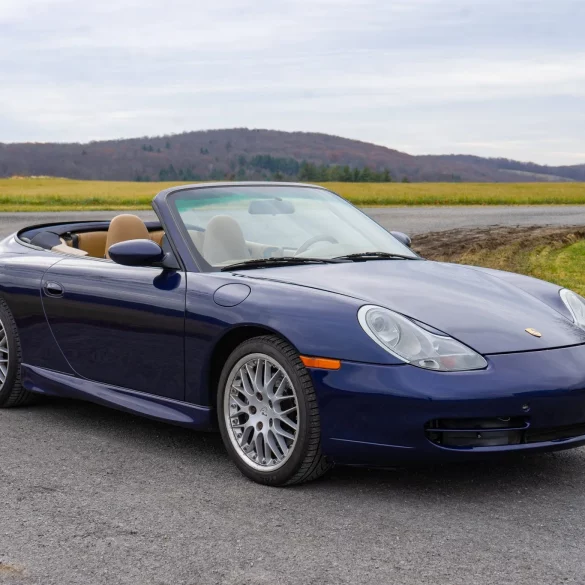
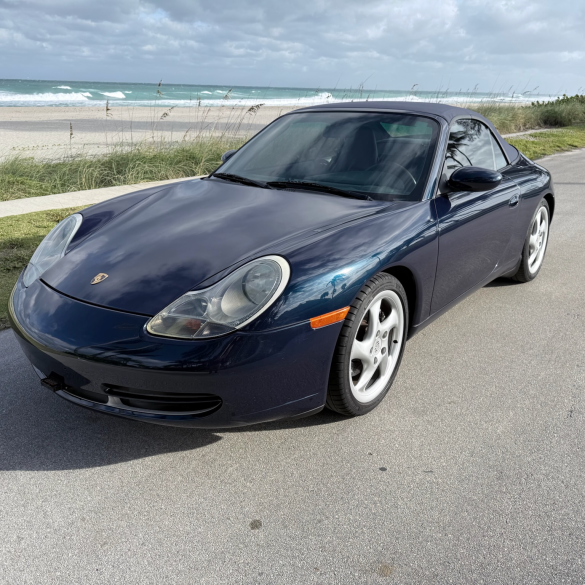

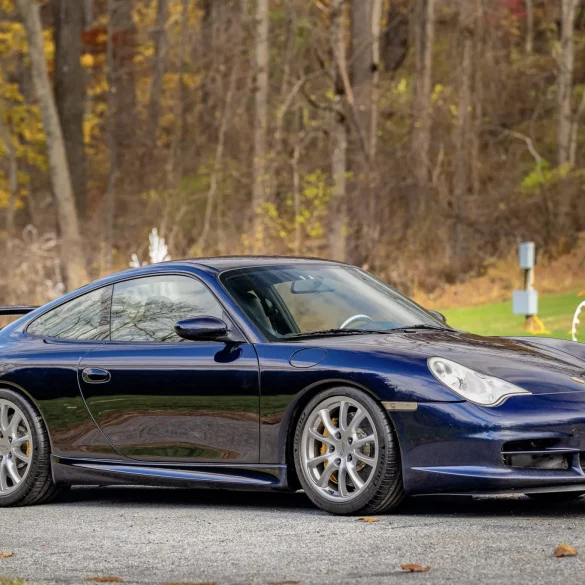
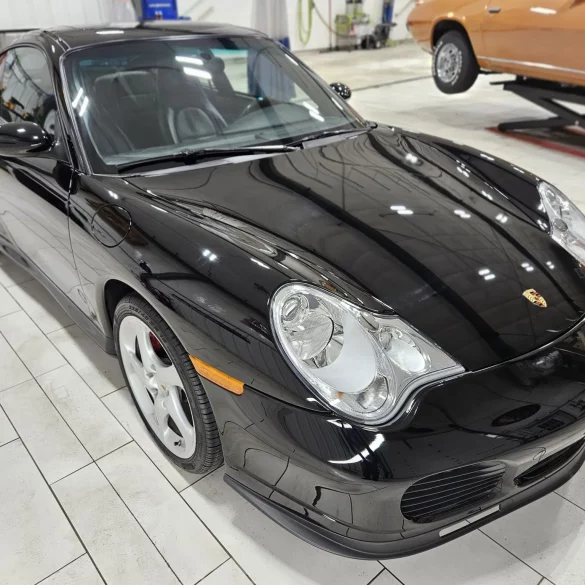

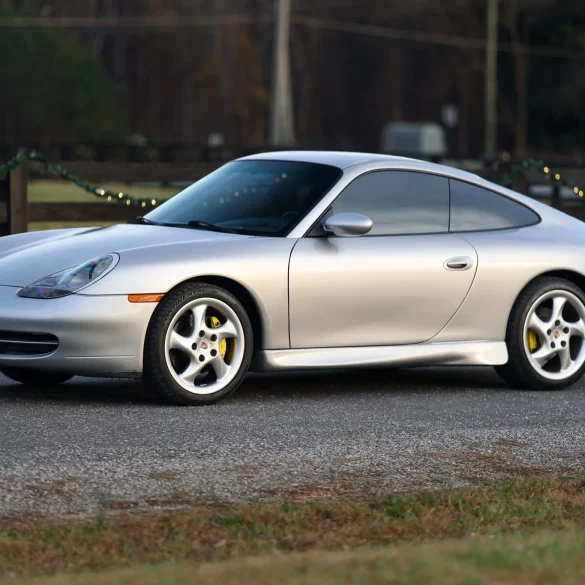
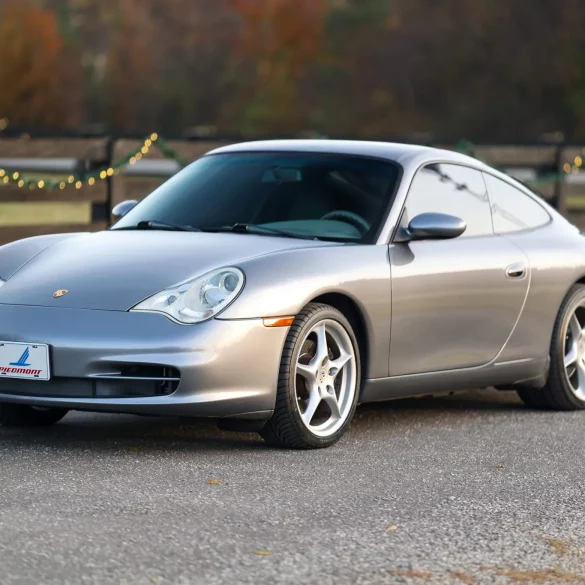
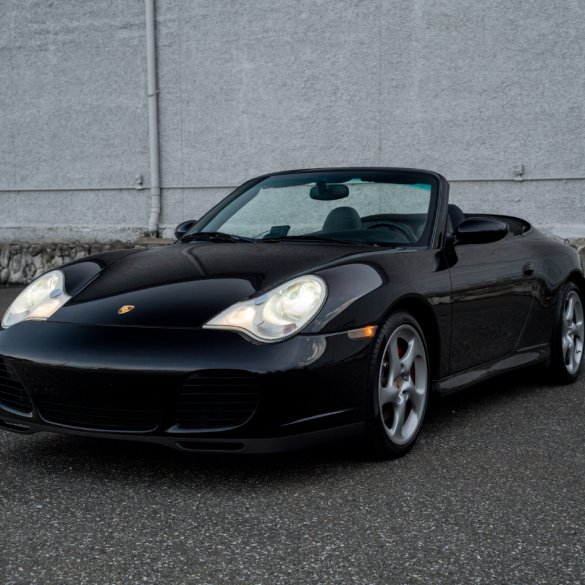

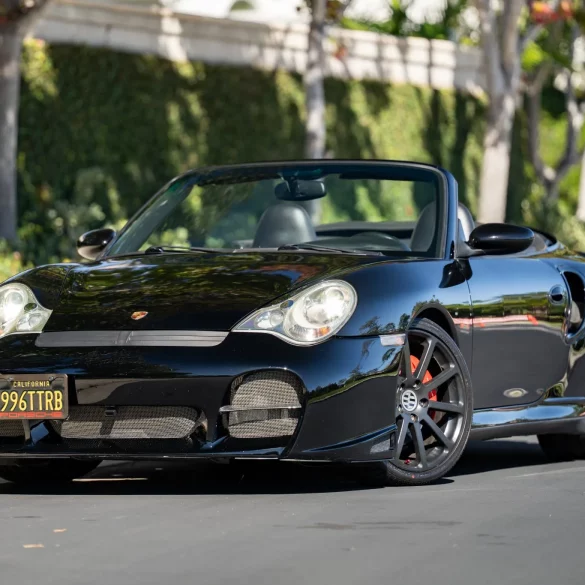
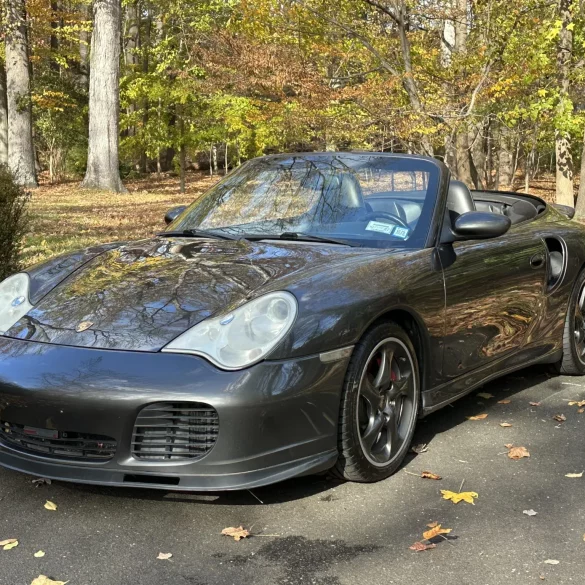
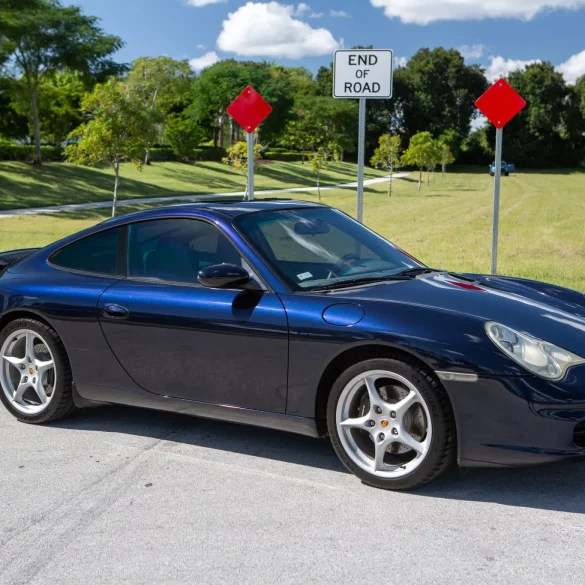

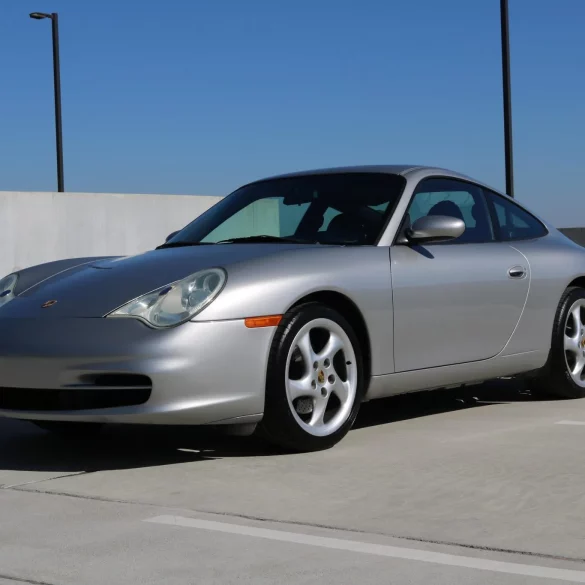
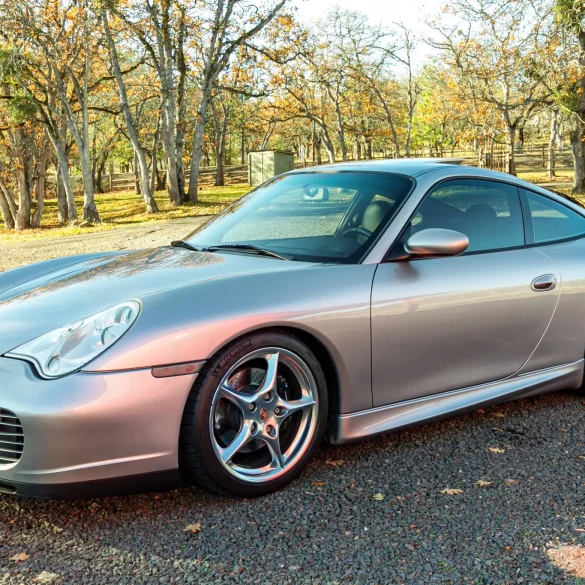
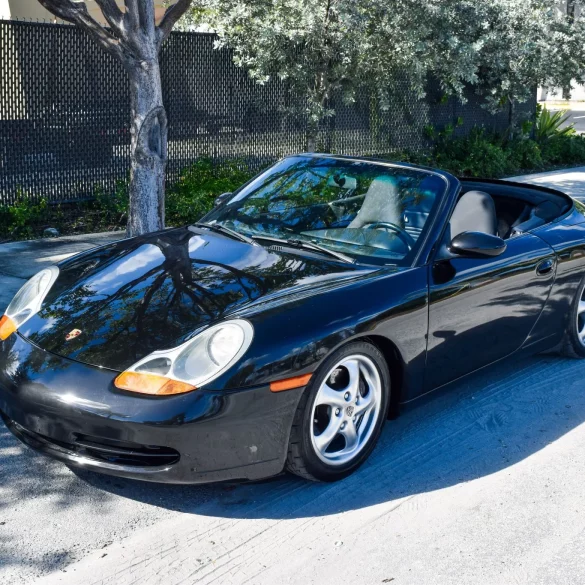

The truly special and unique 996 Porsche 911s at auction or for sale.
The 996 GT3 is consistently the most desirable 996 variant for collectors and drivers alike. Launched in 1999 and refined in the 996.2 update (2003–2004), it combines naturally aspirated performance, a race-derived chassis, and a driver-centric focus that stands apart from the standard Carrera models. Its high-revving flat-six, precise handling, and strong motorsport heritage make the GT3 the 996 variant that holds value best relative to its cohort, often trading at a significant premium over other 996 models.
The 996 Turbo is another highly sought-after variant thanks to its potent twin-turbocharged flat-six, all-wheel drive, and excellent everyday usability paired with strong performance. The Turbo S (optional performance package on later 996 Turbos) takes this further with higher output, larger brakes, and suspension upgrades. Both versions are prized for combining supercar-level straight-line speed with 911 composure, and they tend to hold value well even in a market that can be sensitive to early water-cooled 911s.
At the top of the 996 pecking order sits the 911 GT2. As a street-legal, rear-wheel-drive, twin-turbo variant derived from the Turbo, the GT2 is rarer and more intense to drive. Its combination of lightweight focus, significant power, and limited production makes it a true halo model. Clean, documented GT2 examples are among the most collectible 996s and regularly sell at premium prices, often outpacing less special variants in value retention and auction performance.
The Carrera 4S occupies a unique niche: sharing the widebody design of the Turbo but with naturally aspirated Carrera engines and all-wheel drive. While not as pricey as GT or Turbo variants, it’s sought after for its distinctive appearance, strong handling balance, and road manners. Particularly in manual form or with desirable options (Sport Chrono, X50 package), the 4S is a favorite among buyers looking for a mix of style, performance, and everyday usability.
Clean, manual-transmission Carrera 4 and Carrera Coupe examples with solid service history and low miles remain strong performers in the 996 market. While not as rare or expensive as GT3, Turbo, or GT2 models, well-maintained manual cars draw consistent buyer interest because of their engagement and relatively accessible pricing. Manual 996s often hold their value better than similar automatics in the used market.
Performance & Character: Models like the GT3, Turbo, and GT2 offer performance that still stands up to later generations, giving them enduring appeal. Rarity: Special models and limited-run variants (GT3, GT2, Turbo S) have smaller production numbers, supporting stronger pricing. Driver Engagement: Manual transmissions, track-oriented chassis, and strong engine character attract purist buyers, which helps underpin value retention. Balanced Usability: Cars like the Carrera 4S bridge performance and everyday usability better than many competitors, making them popular in the used market.
The 996.1 GT3 is the single strongest value holder among early 996 variants and arguably the most collectible 996 overall. Introduced in 1999, this naturally aspirated, track-focused 911 brought a purposeful chassis, lightweight philosophy, and motorsport pedigree to the early water-cooled era. Because it was the first GT3 of the modern air-cooled-to-water-cooled transition and was produced in relatively limited numbers, demand strongly outpaces supply. Clean, low-mile, well-documented 996.1 GT3s consistently command premiums and hold value better than almost any other 996.
The 996 Turbo, particularly in the early years, holds value exceptionally well relative to standard Carreras. The twin-turbocharged flat-six paired with all-wheel drive gives the early 996 Turbo a performance edge that continues to attract buyers. Early 996 Turbos built from 2000 onward are increasingly viewed as modern classics — offering real supercar-level performance in a more usable package than many contemporaries — and that esteem supports stronger pricing in the used market.
Among naturally aspirated 996s, the Carrera 4S often holds value better than base Carrera coupes and cabriolets. The widebody “Turbo look” styling combined with all-wheel drive and a well-balanced chassis makes it visually and dynamically distinctive relative to the standard Carrera 2. Early-generation Carrera 4S models with manuals and good histories tend to trade at higher levels than similar base Carreras, reflecting their broader enthusiast appeal.
Across the early 996 lineup, manual-transmission Carrera 2 and Carrera 4 models retain value notably better than their Tiptronic/automatic counterparts. Even though early water-cooled 911s are not universally loved by purists, a good manual gearbox still adds real pricing strength because it appeals to those seeking engagement and traditional driver feel. Low-mileage, clean manual coupes with verified service history routinely trade above automatics in similar condition.
Still within the early 996 context, 911s equipped with desirable factory options — e.g., Sport Chrono Package, PASM (optional adaptive suspension), Sports Exhaust, lightweight wheels, and well-specced interiors/caring ownership history — tend to hold up better in value versus stripped or poorly documented cars. These aren’t rare like GT3 or Turbo S examples, but they consistently beat depreciation curves on average 996s.
Performance Heritage: Cars that have a clear reason to be desired — like GT3 and Turbo — naturally attract stronger demand. Rarity & Specification: Lower production or enthusiast-oriented trims always outperform base models in value retention. Driver Appeal: Manual cars continue to command premiums because they tick a strong emotional and practical box for buyers. Condition & Documentation: As with most classics, documentation (build sheets, service history, ownership records) now often matters more than mileage when comparing similar cars.
Best Value Holders: 996.1 GT3, early 996 Turbo, Carrera 4S with widebody
Solid Mid-Tier Performers: Manual Carrera 2/Carrera 4 early models
Value Depreciators (comparative): Automatics / Tiptronics, heavily modified cars, poorly documented examples
The early Porsche 911 (996) market has continued its gradual repositioning from “used modern Porsche” to emerging modern classic. While the 996 was once the most affordable way into 911 ownership, values for good early examples have firmed noticeably over the past few years. The biggest shift in the market is not explosive appreciation, but price stabilization and increased buyer selectivity, with condition, specification, and documentation now driving value more than model year alone.
Standard early 996 Carrera models remain the entry point, but pricing has stopped sliding. Manual Carrera 2 and Carrera 4 coupes with solid service history typically trade in the mid-$30,000 to mid-$50,000 range, depending heavily on mileage, condition, and maintenance history. Well-kept, enthusiast-owned cars with IMS upgrades, recent clutch work, and minimal modifications sit at the top of that range, while higher-mile or poorly documented cars still struggle to attract strong money.
Performance variants continue to separate themselves from the base market. The 996 Turbo remains one of the strongest value performers, offering supercar-level performance at a price that still feels compelling relative to newer 911s. Early Turbo models commonly trade well into the $80,000–$120,000+ range, with low-mile, original examples commanding clear premiums. Buyers increasingly view the 996 Turbo as a future classic rather than a depreciating used car, which has helped support prices.
At the top of the early-996 market, the 996.1 GT3 has firmly established itself as a collector-grade car. Limited production, motorsport pedigree, and its status as the first modern GT3 have pushed prices significantly higher than standard Carreras. Recent sales show strong, consistent demand, with values far exceeding base 996 pricing and showing little sensitivity to broader used-car market fluctuations.
Another clear trend is the growing penalty for neglect and heavy modification. Early 996s with incomplete service history, unresolved IMS or cooling issues, poor interior condition, or questionable aftermarket work are taking longer to sell and often require price reductions. Conversely, cars with documented IMS solutions, recent suspension and brake refreshes, and full records are increasingly treated as “known quantities” and rewarded accordingly.
Overall, the early Porsche 911 (996) market can best be described as maturing rather than peaking. Values are unlikely to see sudden spikes, but the floor has risen for good cars, and buyer confidence is improving. For enthusiasts, early 996s still represent one of the best performance-per-dollar propositions in the 911 world, while for long-term owners, well-bought examples now offer increasing stability rather than ongoing depreciation.
Yes — Porsche 911 (996) cars can be a good investment today, but they should be viewed as long-term, selective buys rather than short-term speculative plays. The investment case for the 996 is very different from air-cooled generations, and success depends heavily on which variant you buy, condition, and documentation.
The 996 market has clearly matured over the past several years. Once seen as the “forgotten” 911 due to its water-cooled engine and controversial styling, the 996 has begun to find its footing as an emerging modern classic. Prices for good examples have stabilized, and in some cases risen modestly, especially as newer 911s have become larger, more expensive, and more complex. Buyers are increasingly recognizing the 996 for what it is: a relatively lightweight, analog-feeling 911 with real performance and everyday usability.
From an investment standpoint, not all 996s are equal. Top-tier variants such as the 996 GT3, GT2, and Turbo are already proven performers. These cars have clear motorsport pedigree, strong performance credentials, and limited production numbers, all of which support long-term demand. The 996.1 GT3 in particular has established itself as a true collector car, with values largely insulated from broader used-car market swings. These variants are generally considered the safest investment bets within the 996 generation.
Standard Carrera models can also make sense as investments, but only when bought carefully. Manual-transmission coupes with strong service history, documented IMS solutions, and minimal modifications are the most likely to hold value over time. While base Carreras are unlikely to see dramatic appreciation, depreciation has largely flattened for good examples, meaning owners can often enjoy the car with relatively low downside risk. Tiptronic cars, high-mileage examples, and poorly documented cars tend to underperform and should be viewed more as drivers than investments.
A key theme in the 996 market today is selectivity. Buyers are far more discerning than they were a decade ago, and cars with unresolved mechanical issues, questionable modifications, or incomplete history are increasingly penalized. Conversely, well-maintained cars with clear documentation are treated as “known quantities” and rewarded with stronger pricing. In this sense, documentation and condition matter as much as variant when evaluating investment potential.
In summary, Porsche 911 (996) cars can be good investments when bought correctly, particularly Turbo and GT models or well-sorted manual Carreras. They are best suited for enthusiasts who plan to own and enjoy the car while holding it long term, rather than those looking for rapid appreciation. As an entry point into 911 ownership with growing classic credibility, the 996 now offers something it didn’t for many years: value stability with upside potential for the right cars.
Short answer: you should be informed, not afraid. The Porsche 911 (996) does have a reputation for a few well-known mechanical issues, but most of the “horror stories” are dated, exaggerated, or misunderstood. Today, the market has largely sorted out which cars are risky and which are solid buys.
The most talked-about issue is the IMS (Intermediate Shaft) bearing. Early 996 engines used a sealed bearing that could fail, sometimes catastrophically. That said, failure rates were always a small percentage, not the inevitability the internet made them seem. More importantly, many surviving cars have already had IMS upgrades, engine replacements, or enough mileage without failure to be statistically reassuring. A documented IMS solution—or at least evidence of a later-style bearing and proper maintenance—significantly reduces concern.
Another commonly cited problem is rear main seal (RMS) leaks. These are far less dramatic than they sound. RMS leaks typically show up as minor oil seepage rather than engine-threatening failures, and they’re often addressed during clutch replacement. While annoying, RMS issues are not a reason to avoid a good car, especially if repairs have been documented or priced accordingly.
Bore scoring is a more serious topic, particularly on some higher-displacement M96 engines, but it is far from universal. It tends to affect certain engines under specific conditions (poor maintenance, repeated short trips, improper warm-up, or oil neglect). A proper pre-purchase inspection, oil analysis, and bore scope—especially on higher-mile cars—go a long way toward identifying risk. Many well-maintained 996 engines run reliably well past 100,000 miles without issue.
Cooling system components—such as water pumps, expansion tanks, and radiators—are also frequently mentioned, but these are best viewed as normal wear items, not design flaws. Replacements are common, predictable, and far less alarming than the internet lore suggests. A 996 with documented cooling system updates is often a better buy than a neglected newer car.
The reality is that the 996’s reputation lingers because it was the first water-cooled 911, and early internet forums amplified worst-case scenarios. Time has proven that well-maintained 996s are fundamentally strong cars. Most of the problematic examples have already failed, been fixed, or exited the market, leaving a pool of survivors that are generally well understood and better cared for.
Bottom line: don’t buy blindly, but don’t panic. Focus on service history, maintenance records, ownership quality, and a thorough PPI. A properly sorted Porsche 911 (996) is not “cursed”—it’s one of the best performance-per-dollar 911s you can buy today, and the fear surrounding it often works in the buyer’s favor.