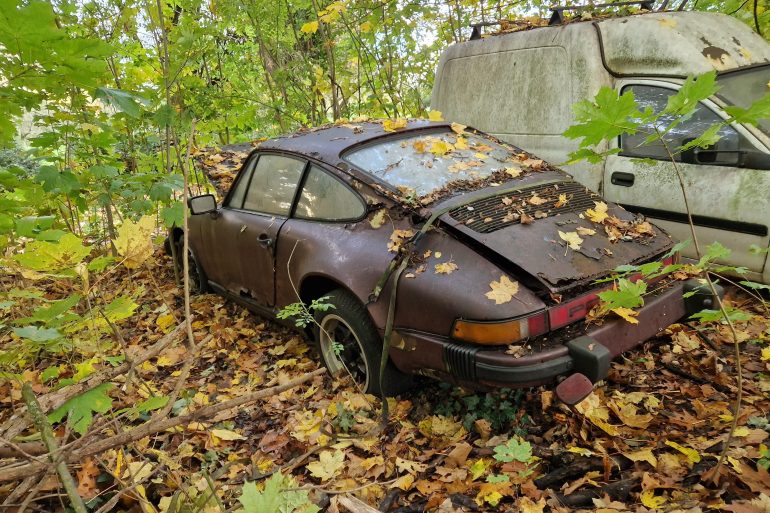


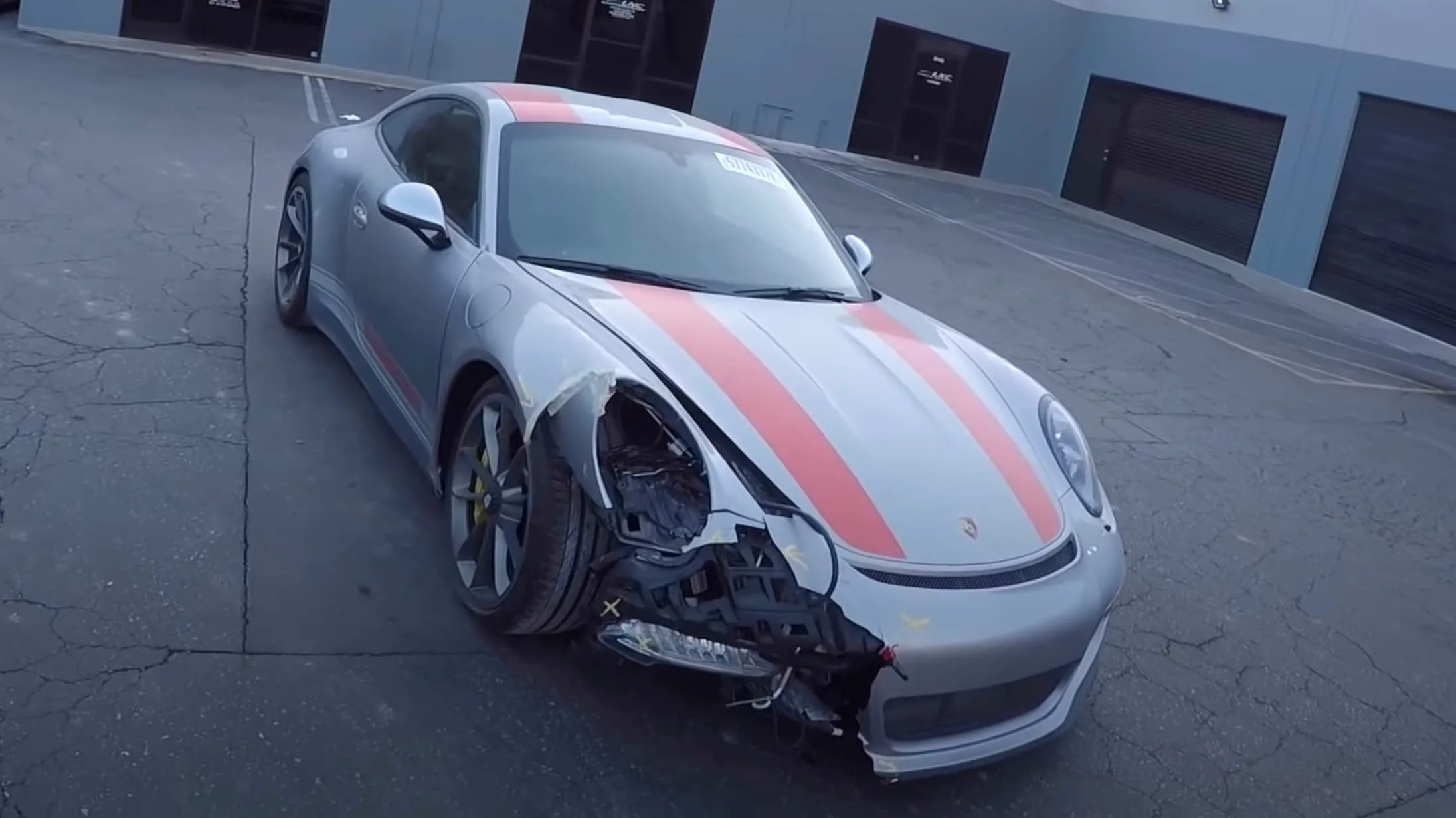
Go shopping for a clean 997 and see how far you get. Cars that were a reasonable used-Porsche proposition ten years ago now ask the kind of money that used to buy the generation above them, and the air-cooled crowd priced the rest of us out of the room long before that. And yet. Every week, a 911 with a stoved-in nose and a perfectly good flat-six gets pushed across the block at an insurance auction between a rolled Tahoe and a flooded Corolla, and it sells for a number that would make the classifieds seller wince. Bargain or expensive education? That depends on how much you know before your hand goes up.
What a Salvage Title Actually Means for a Porsche
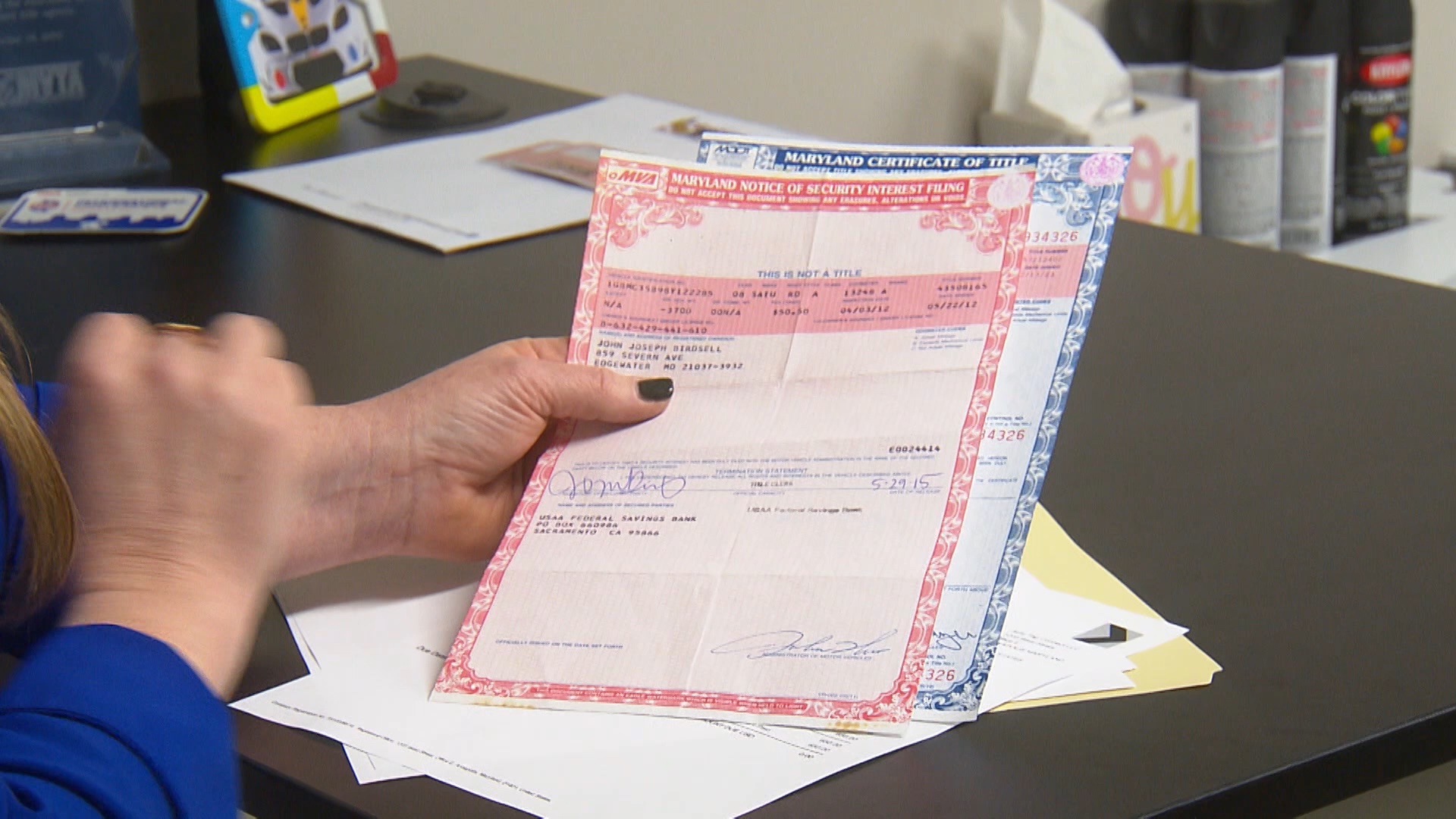
Nobody at the insurance company drives the car before they total it. The decision gets made on a spreadsheet: the adjuster’s estimate crosses whatever threshold the state has set (a flat percentage of pre-loss value in some places, a formula in others) and the title is branded. Nowhere on that spreadsheet is there a row for “engine unharmed.” Porsches trip the wire more easily than most cars because the parts are dear and the labor is dearer, and because an older 911 can be worth less than the sum of its Litronics.
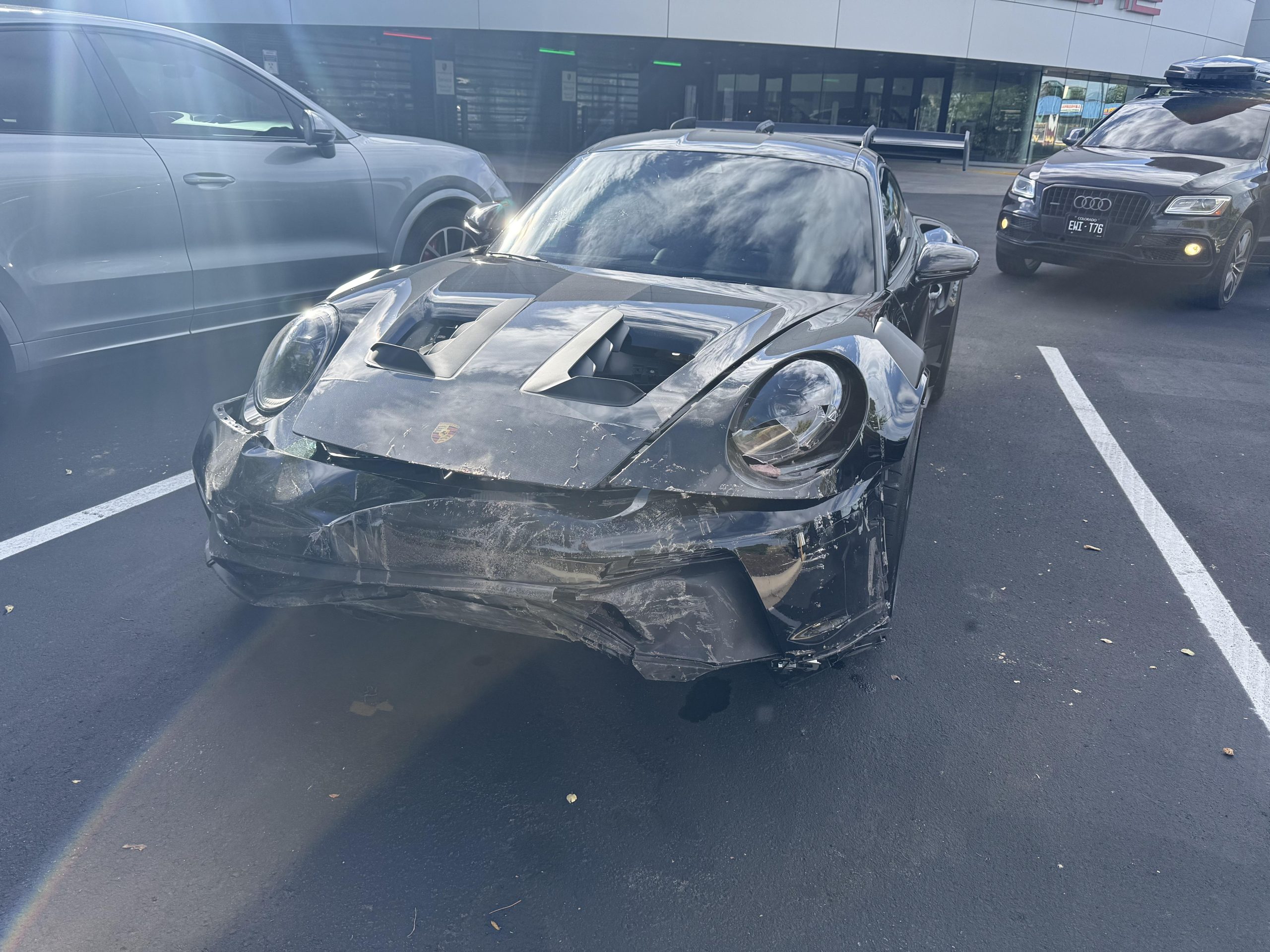
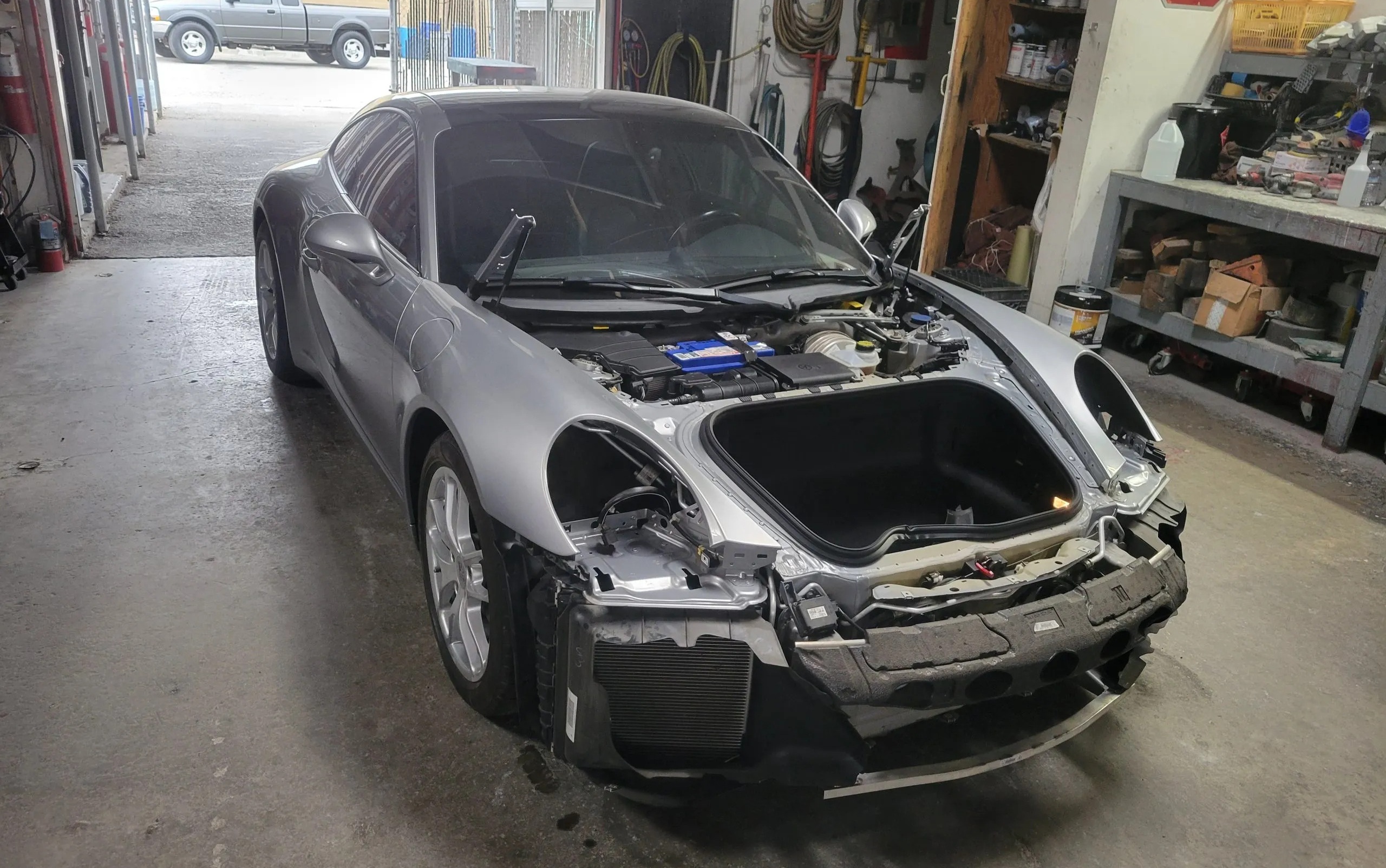
Take a 2003 996 Carrera, still about the cheapest way into a 911 that isn’t a project. Put it into a guardrail hard enough to spoil the bumper cover, hood, both headlamps, a fender and the radiators (which on a 996 live up front in the nose, roughly a car length from anything that matters) and the estimate runs away from the car’s value in a hurry. The flat-six out back never noticed. But the number is the number, the adjuster signs, and a few weeks later a mechanically whole 911 with a bent face and a branded title lands in an auction yard, priced according to the paperwork rather than the engine.
Salvage vs. Rebuilt: Which One Are You Actually Buying?
The two words get used interchangeably, so, for the record: a salvage title means the car was declared a total loss and can’t be registered for the road until it’s been fixed and inspected. A rebuilt title (or reconstructed, or revived salvage; the fifty DMVs could not agree on a word if you paid them) means somebody already did the fixing and passed the inspection. At auction you’re nearly always buying salvage, so the wrenching and the paperwork land on you. Buying rebuilt from a private seller spares you both, and also spares you any chance of seeing what was under the filler before the paint went on. We’d take the wreck, personally.
The Porsches That Make Sense as Salvage Buys
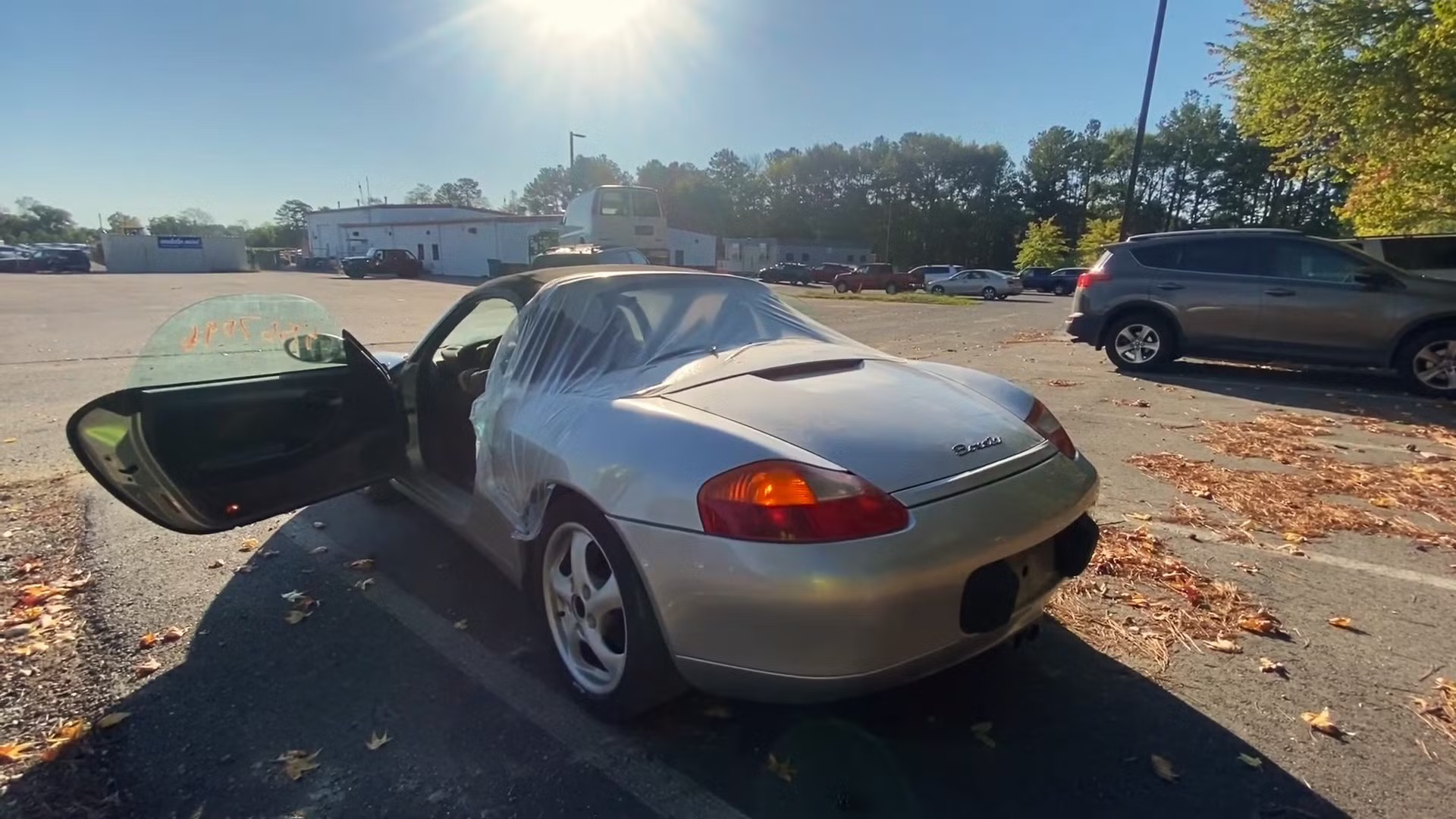
Not every Porsche is a candidate, and the exceptions are, annoyingly, the cars on the poster. The salvage-friendly Porsches were built in serious numbers, are cheap to buy parts for (by Porsche standards) and live in a corner of the market where nobody cares about numbers matching, because nobody ever counted. That describes the water-cooled cars almost exactly.
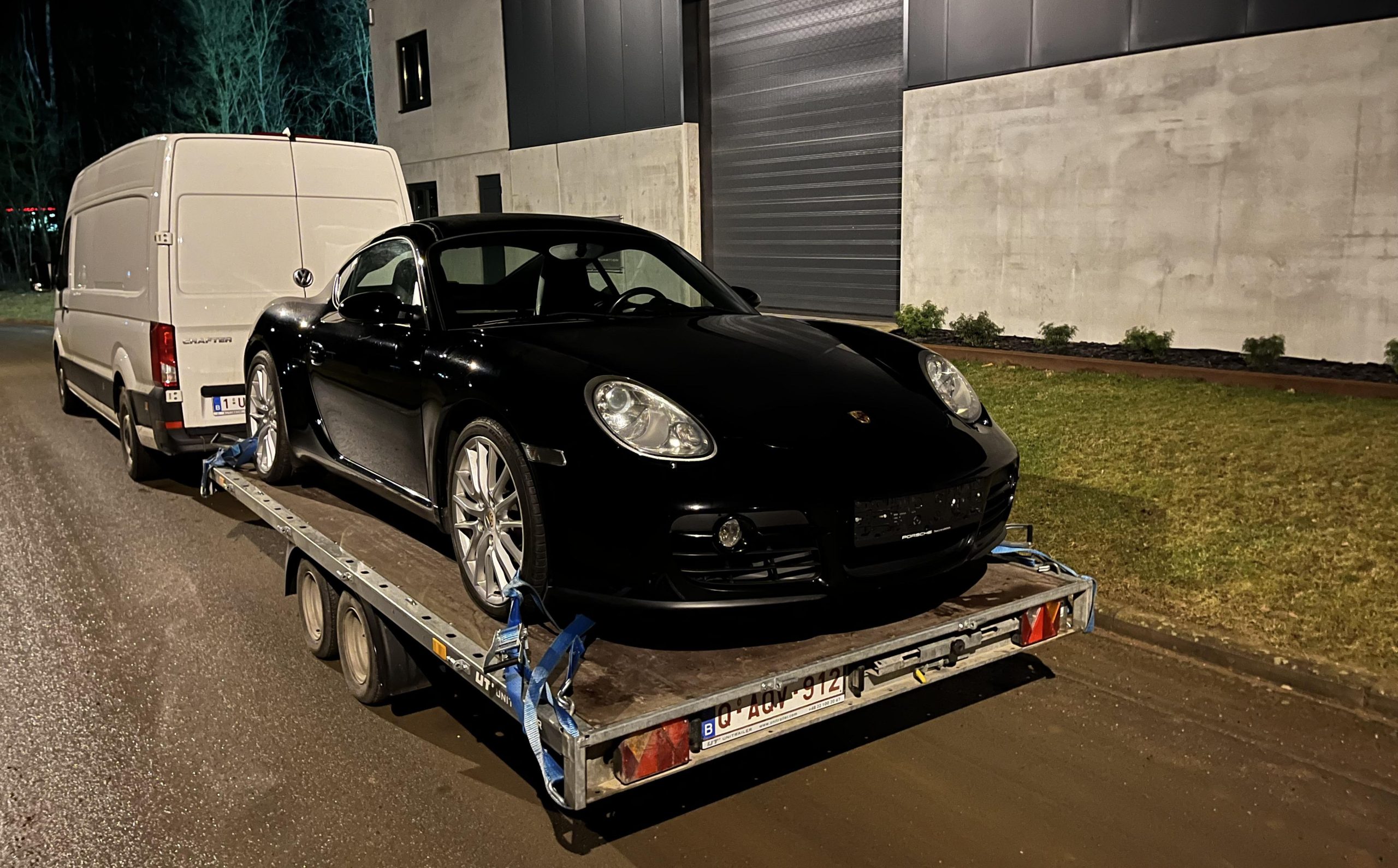
The 996 Carrera, the 997 Carrera and Carrera S and the 986 and 987 Boxster and Cayman came off the line by the tens of thousands, share a great deal of hardware and have been taken apart, photographed and argued over online since the dial-up era. There is nothing a 996 can do to you that hasn’t already been documented in a 40-page forum thread with photos.
Where the title brand attacks the very thing you’re paying for, keep walking. An air-cooled 911, a GT3, a Turbo S, anything that came with a numbered plaque and a Porsche Exclusive back story draws most of its worth from history and originality, and a branded title on a 993 is a permanent asterisk that no quantity of Glasurit will paint over.
Where to Look and What to Check Before You Bid

There’s no Porsche-only lane at the salvage auction. A wrecked 997 goes through exactly the same insurance channel as a wrecked Altima, so the real job is wading through an enormous pile of car salvage for sale and filtering with no mercy whatsoever. Do it somewhere that puts the Copart and IAAI lots in one search, doesn’t ask ordinary civilians for a dealer license and lets you sort by make, model, year, damage, document type and whether the car starts. Tick “Porsche” and a six-figure heap of listings shrinks to a few hundred. Now you can start reading.
Document type first, before you look at a single photo. “Salvage” is workable. “Non-repairable” or “junk” means the state may never allow the car back on the road no matter how straight it looks, and you are buying a parts donor whether you meant to or not. Then the VIN goes through the National Motor Vehicle Title Information System, NMVTIS to its friends, the federal database that logs title brands, insurer total-loss events and salvage sales across state lines. It’ll tell you if this is the car’s first trip through the auction or its third. Odometer notation, keys and airbags come next; a 997 with every bag blown is an entirely different repair from one with a crumpled fender.
The Porsche-specific homework doesn’t get waived just because the car got hit. A 996 or early 997 with the M96/M97 engine still carries the intermediate-shaft bearing question, a 997.1 Carrera S still carries the bore-scoring one, and nobody at the yard is going to pull a plug and put a borescope down the hole for you. “Run and drive” on the lot card means precisely that: it started, and it moved, a few feet, across gravel. That’s the whole test.
Reading a Damage Report Like a Porsche Specialist
Auction damage codes are blunt instruments. “Front end” covers everything from a scuffed bumper to frame rails pushed back into the trunk floor, so you read the photos instead. Look at where the front wheels sit in their arches (a wheel pushed rearward means a bent lower arm at best, a shoved strut tower at worst), at the gaps around the doors and decklid, and along the roofline, which should be as straight as the day it left Zuffenhausen. On a 991 or anything newer, remember the shell is aluminum and steel bonded and riveted together, so the body shop that learned its trade on Silverados is the wrong body shop. Flood cars and rollovers go straight to the parts pile; a modern 911 is mostly wiring, and wiring doesn’t swim.
The Real Cost and Resale Reality

The hammer price is the deposit. After it come the buyer’s fees, transport from whichever yard the car happens to be sitting in, parts, labor or your own weekends, the rebuilt-title inspection and a cushion for whatever the photos didn’t show. Call your insurance agent before the sale rather than the morning after; some carriers won’t write full coverage on a rebuilt title at all, and those that do tend to value the car well under a clean one.
As for what it’s worth when you sell, which is the question everybody asks first, the short answer is less than a clean one, every time, by a margin that tracks how bad the original hit was and how good the repair turned out. Flippers should notice that this margin is thinner than the auction price makes it look. Drivers can mostly ignore it, because a discount you never collect on is somebody else’s problem, ten years from now.
A salvage 911 won’t be the cheapest Porsche you ever own once the receipts are in, and anyone who tells you otherwise probably has one to sell you. It may still be the cheapest way into the Porsche you actually want. Do the homework, budget for the surprise and remember that somewhere in this week’s listings there is a 997 with a broken nose and a perfect flat-six, waiting on a buyer who can tell the difference.