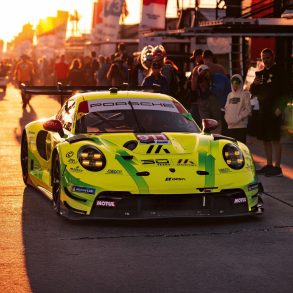


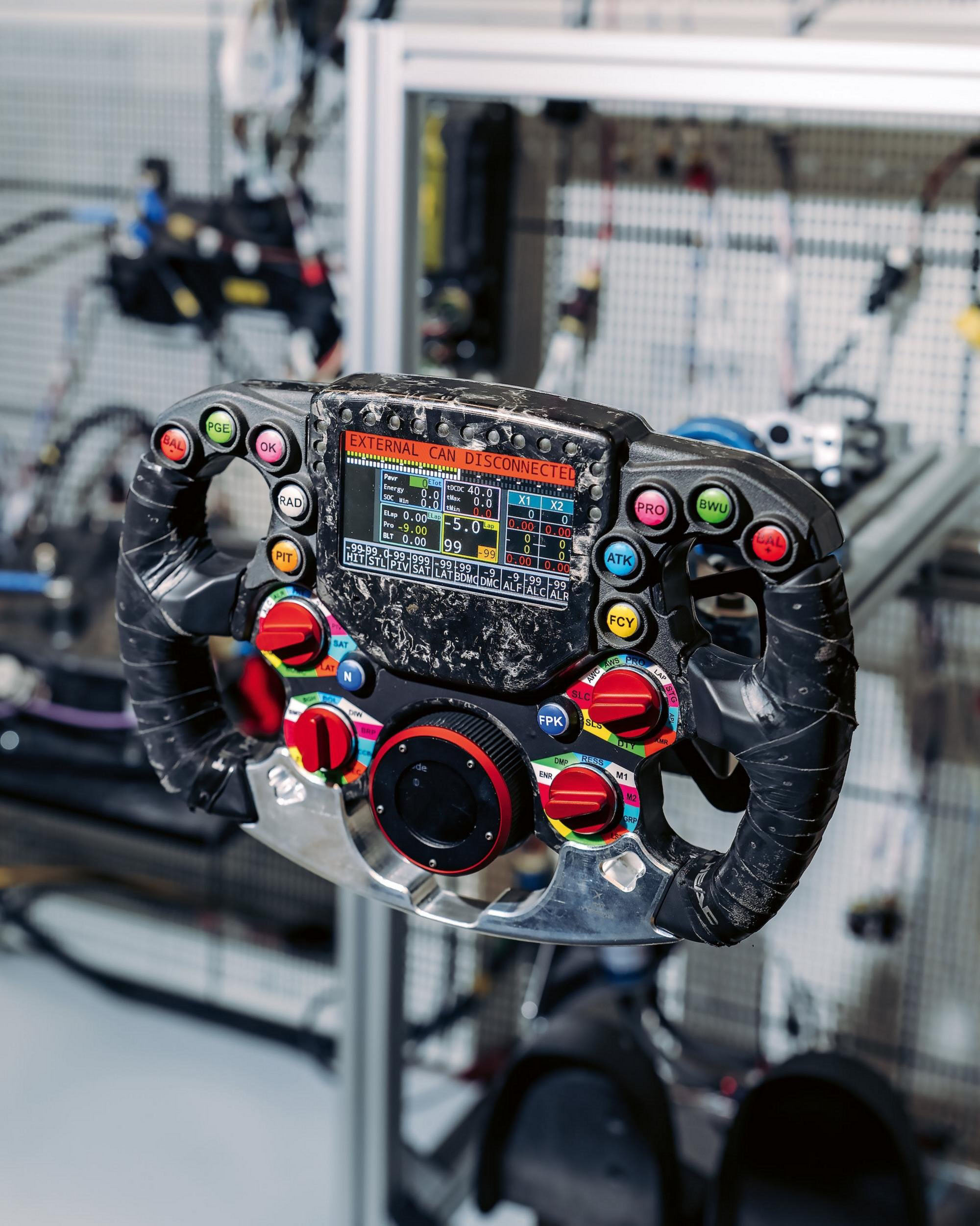
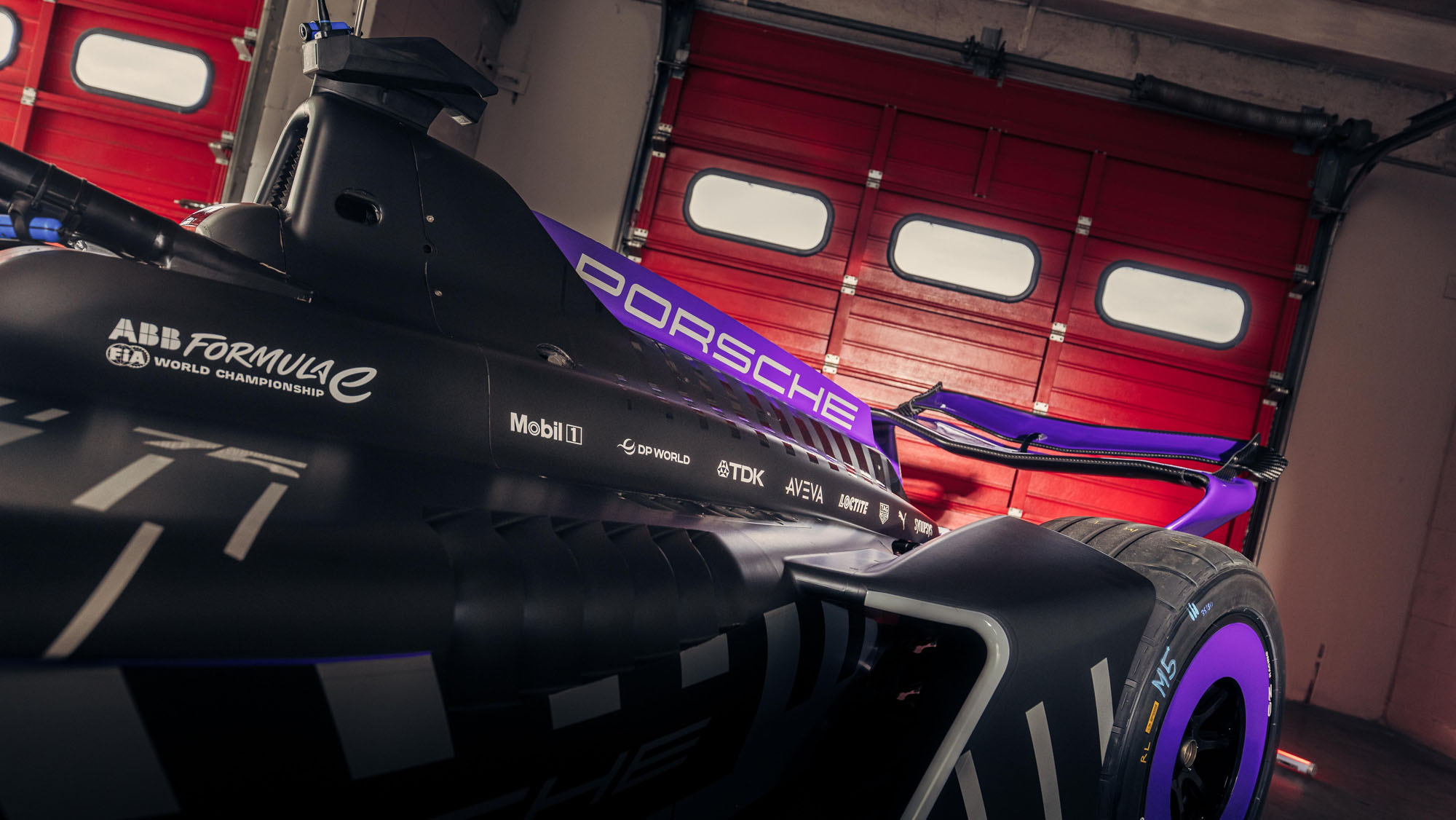
The mission is straightforward: build on the success of the 99X Electric. Even the name, 975 RSE, nods to Porsche Motorsport’s 75th anniversary and to a future increasingly shaped by electric racing. The foundation is already there. Pascal Wehrlein won the Drivers’ World Championship in 2023/2024, a first for Porsche’s factory Formula E team. Porsche added the manufacturers’ and teams’ championships a year later, then claimed both the Drivers’ and Manufacturers’ titles in 2025/2026.
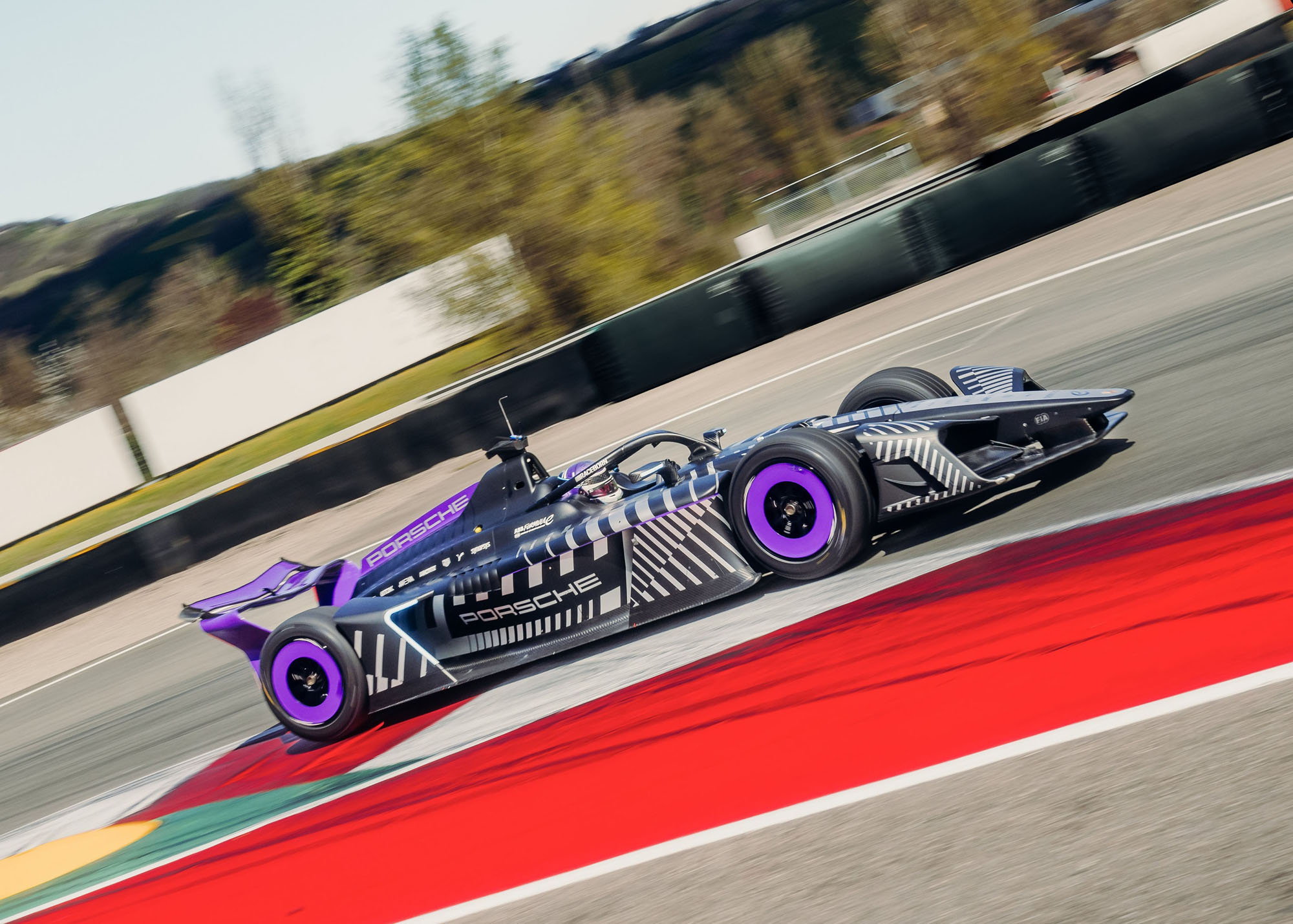
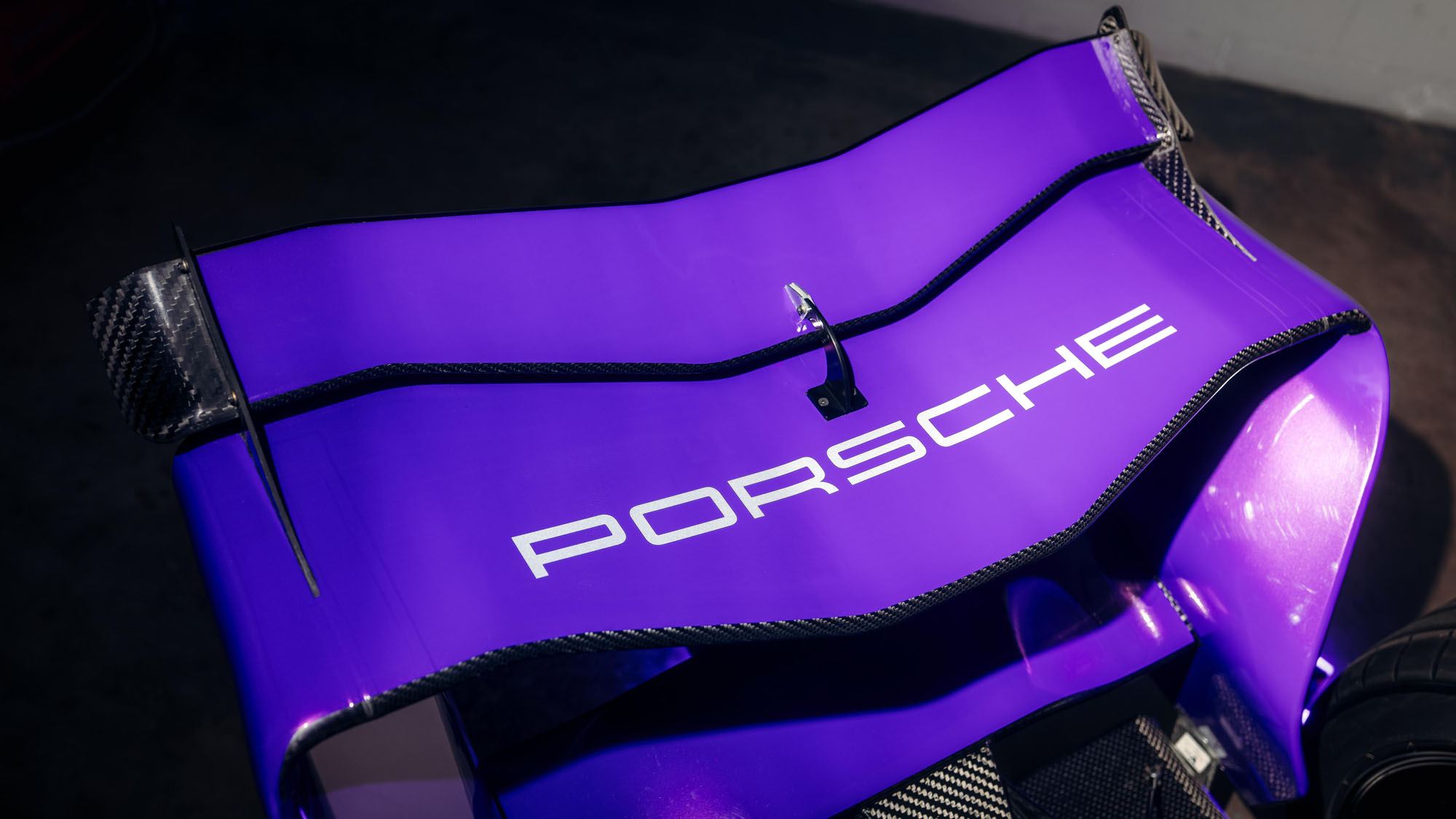
GEN4 is the next step. The new cars arrive for 2026/2027 with larger wings and considerably more downforce, giving them a silhouette closer to Formula 1 and, more importantly, considerably more cornering grip. Formula E may be edging closer to Formula 1 visually, but in efficiency it is already in another league. The current GEN3 Evo 99X Electric achieves powertrain efficiency above 97 percent, compared with less than 55 percent for the previous generation of Formula 1 cars.
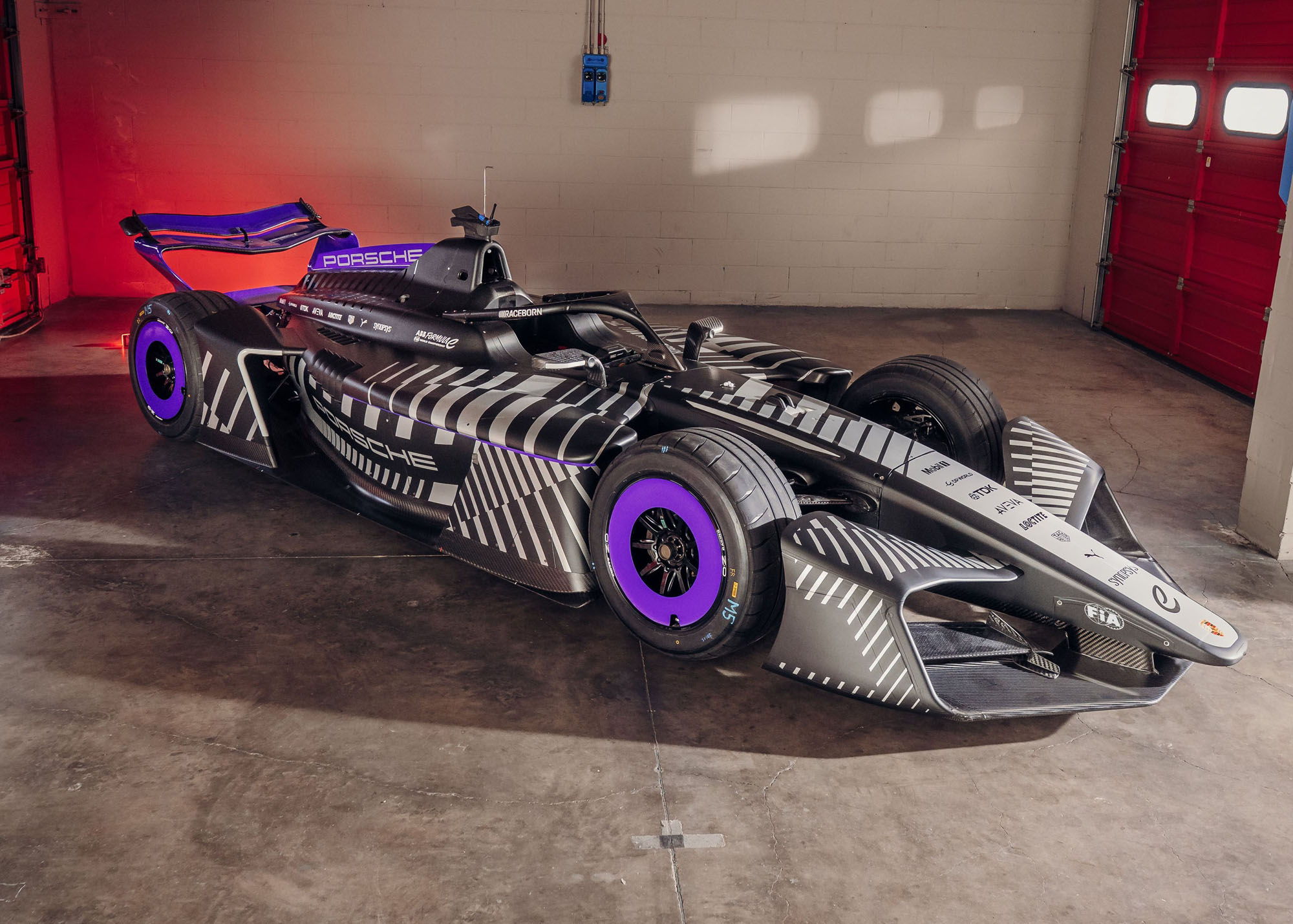
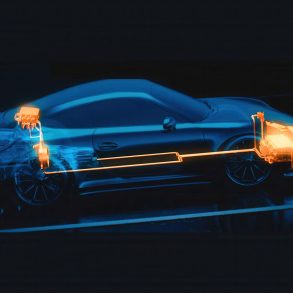
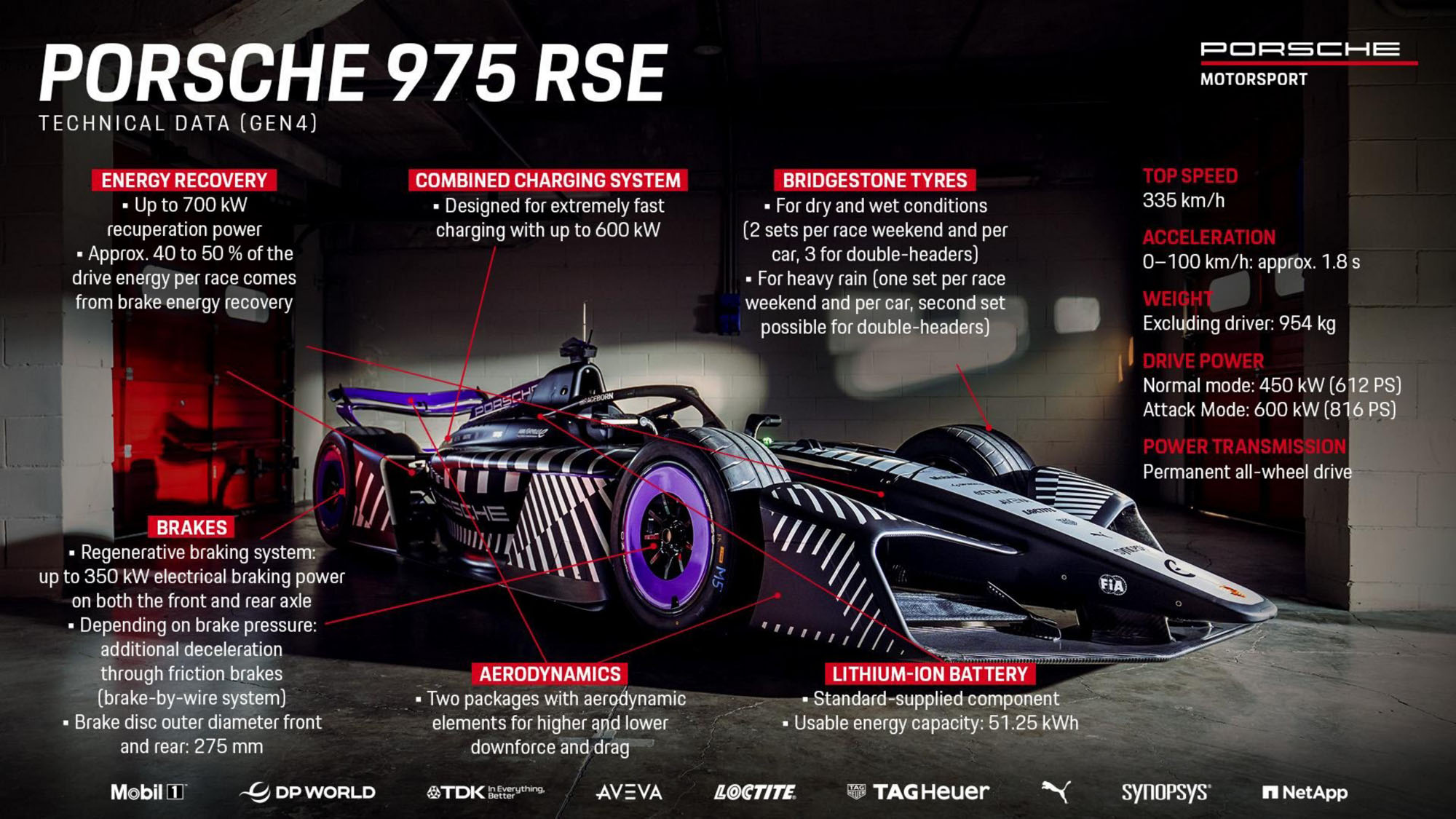
Much of the difference comes from recuperation. Energy normally lost under braking is fed back into the battery at rates of up to 700 kW. That allows the 975 RSE to race for more than 45 minutes with just 51.25 kWh of usable battery capacity. At the start, the battery carries only about half the total energy the car will use during the race. The rest must be recovered along the way.
Durability up, weight and costs down
Formula E’s central challenge remains unchanged: the rules provide a finite amount of energy, and engineers and drivers must extract everything possible from it. FIA-mandated components further narrow the field of development. Chassis, aerodynamics, tires, and battery are essentially common to every team. With efficiency already approaching its practical limits, GEN4 development increasingly focuses on weight, durability, and cost—the same concerns facing road-going EVs.
Work on the 975 RSE began in 2024, with simulator development starting the same year. At the time, Porsche was still racing the GEN3 while developing its GEN3 Evo successor. Wehrlein ultimately secured the 2024 drivers’ championship even as work continued on the next car. The process resembles production-car development: race the existing machine, prepare its update, and simultaneously lay out the next generation. Racing simply compresses the timetable.
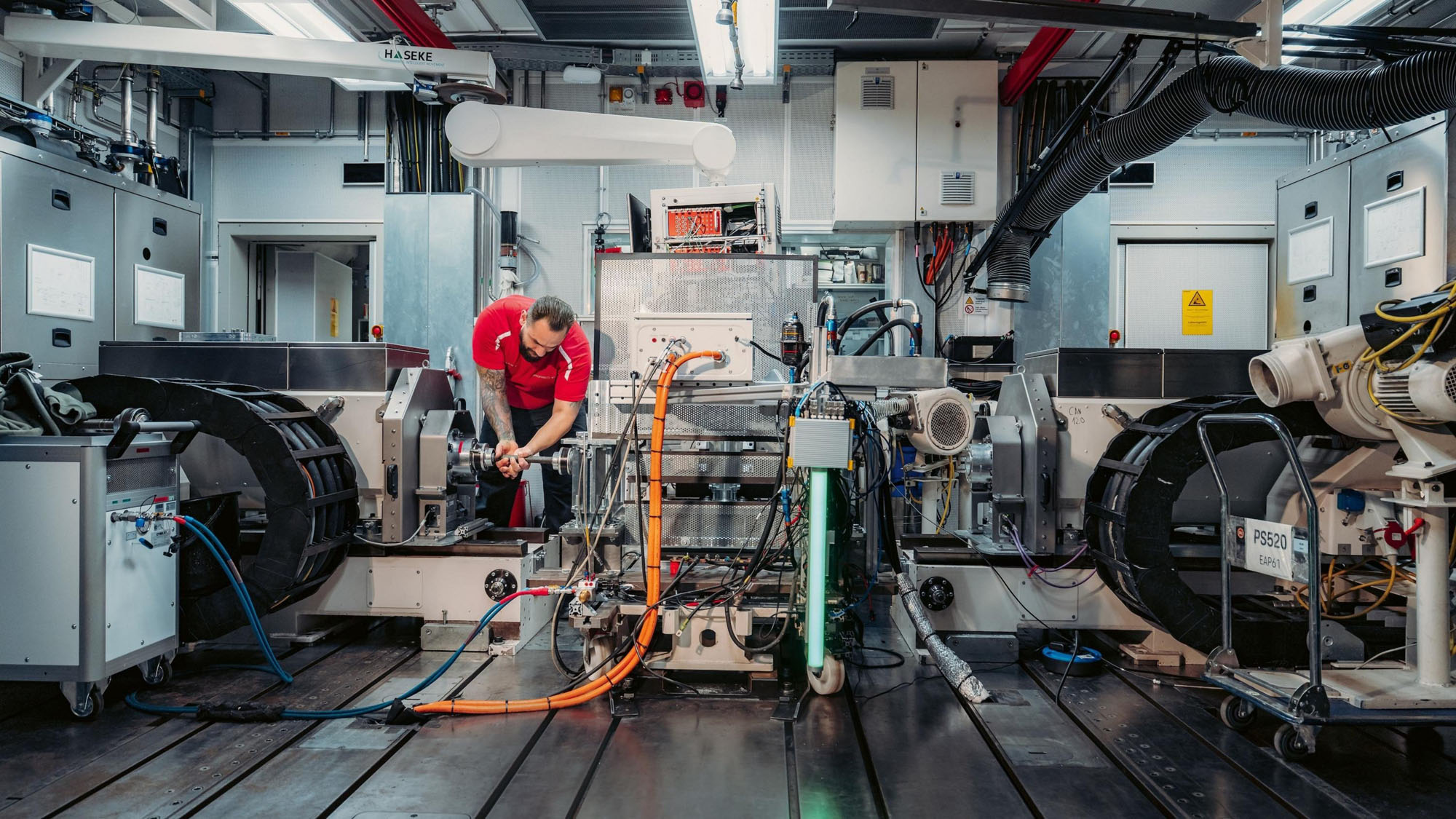
Porsche began with lessons learned from the final GEN3 Evo and concentrated its own development on areas where it could make a difference: the rear motor, transmission, differentials, driveshafts, cooling, rear suspension components, and software. That last item may be the least visible and one of the most important. The 975 RSE’s control units contain more than 1.5 million lines of code spread across more than 100 modules.
A whole new level of recuperation
Software also manages one of the 975 RSE’s most valuable resources: energy recovered under braking. Save enough energy approaching a corner and there is more available for the next straight. Permanent all-wheel drive allows the car to recuperate at up to 700 kW. Roughly half of the energy used during a race is recovered while the car is running.
The rear oil-cooled permanent-magnet synchronous motor alone can recuperate at up to 350 kW. Direct oil cooling sends nonconductive oil along the stator windings, carrying heat away at its source. A conventional water-jacket-cooled motor producing similar performance would need to be roughly 50 percent larger. A closely related version of the same oil-cooling concept is used in the Cayenne Turbo Electric—another example of racing and production engineering meeting somewhere in the middle. The connection extends to Porsche’s Weissach Development Centre, where road and racing components share test facilities.
The test lab
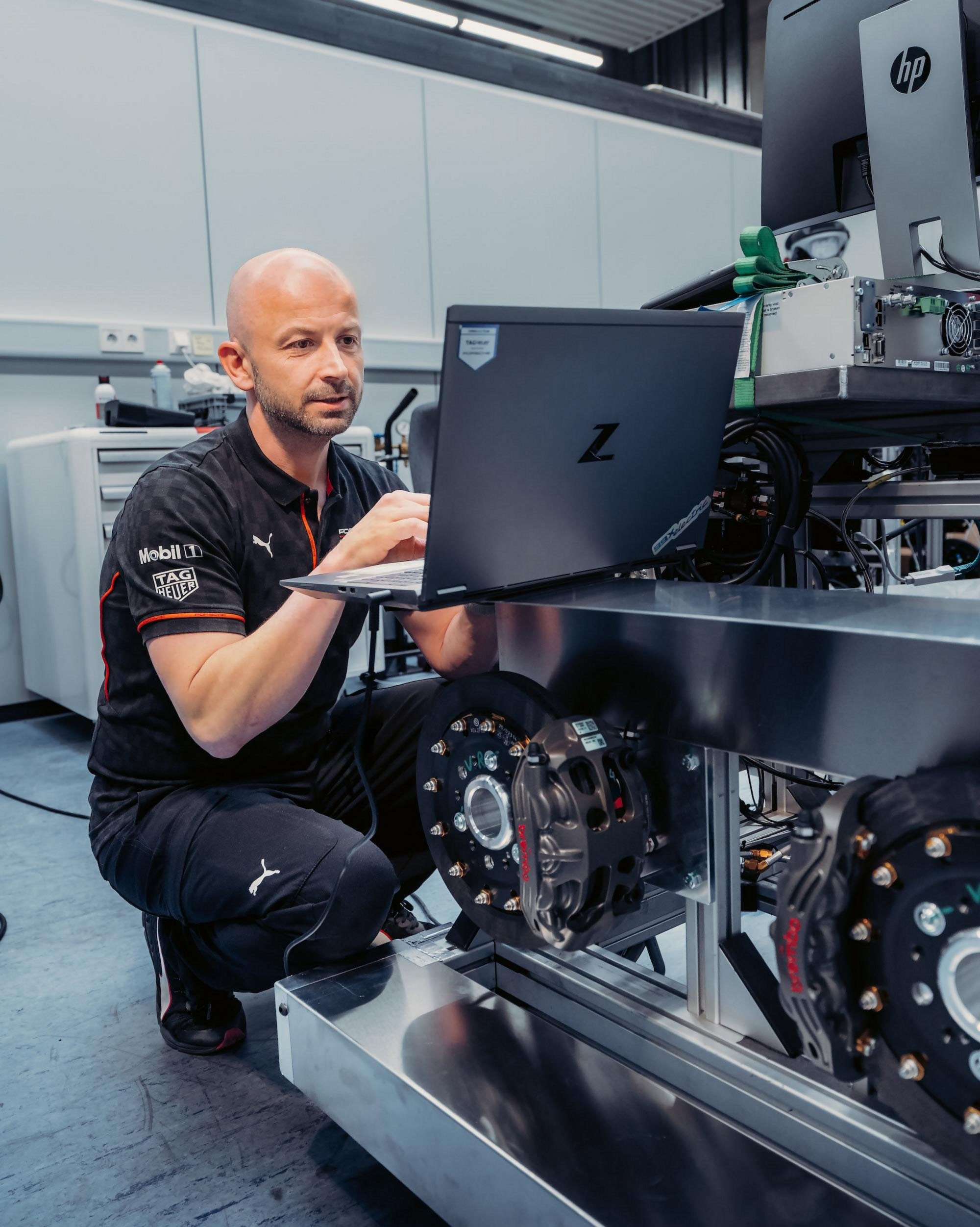
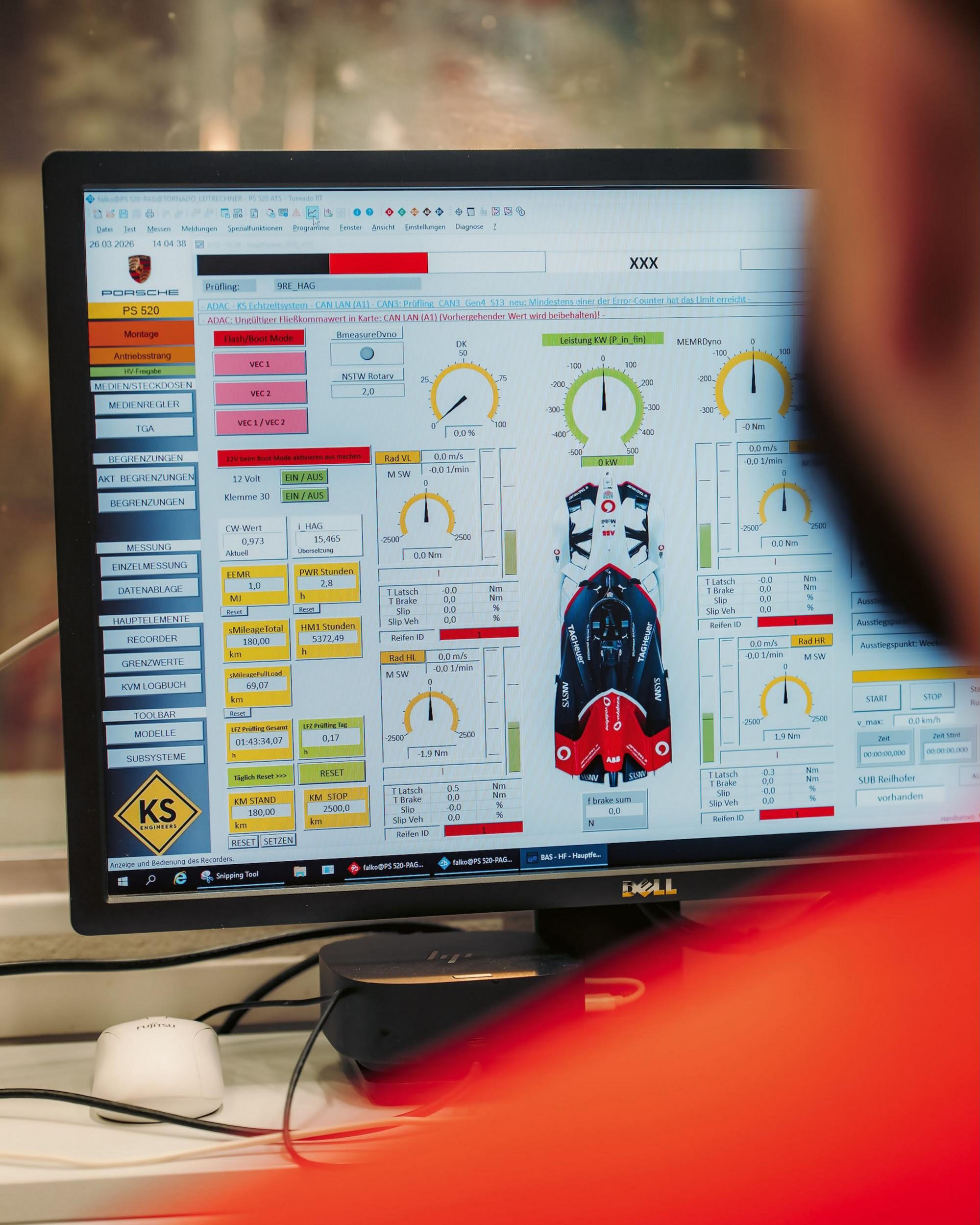
Long before a complete race car is ready, individual components can be tested inside a simulated electronic vehicle. Steering, chassis, sensors, and control units are connected through what engineers call “in-the-loop testing,” allowing hardware to operate as though the rest of the car were already there. GEN4 has made that work more demanding. Part of that complexity comes from greater freedom in controlling and calibrating the axle differentials. But every problem solved on a test bench is one less expensive problem to discover at a racetrack.
From simulation to reality
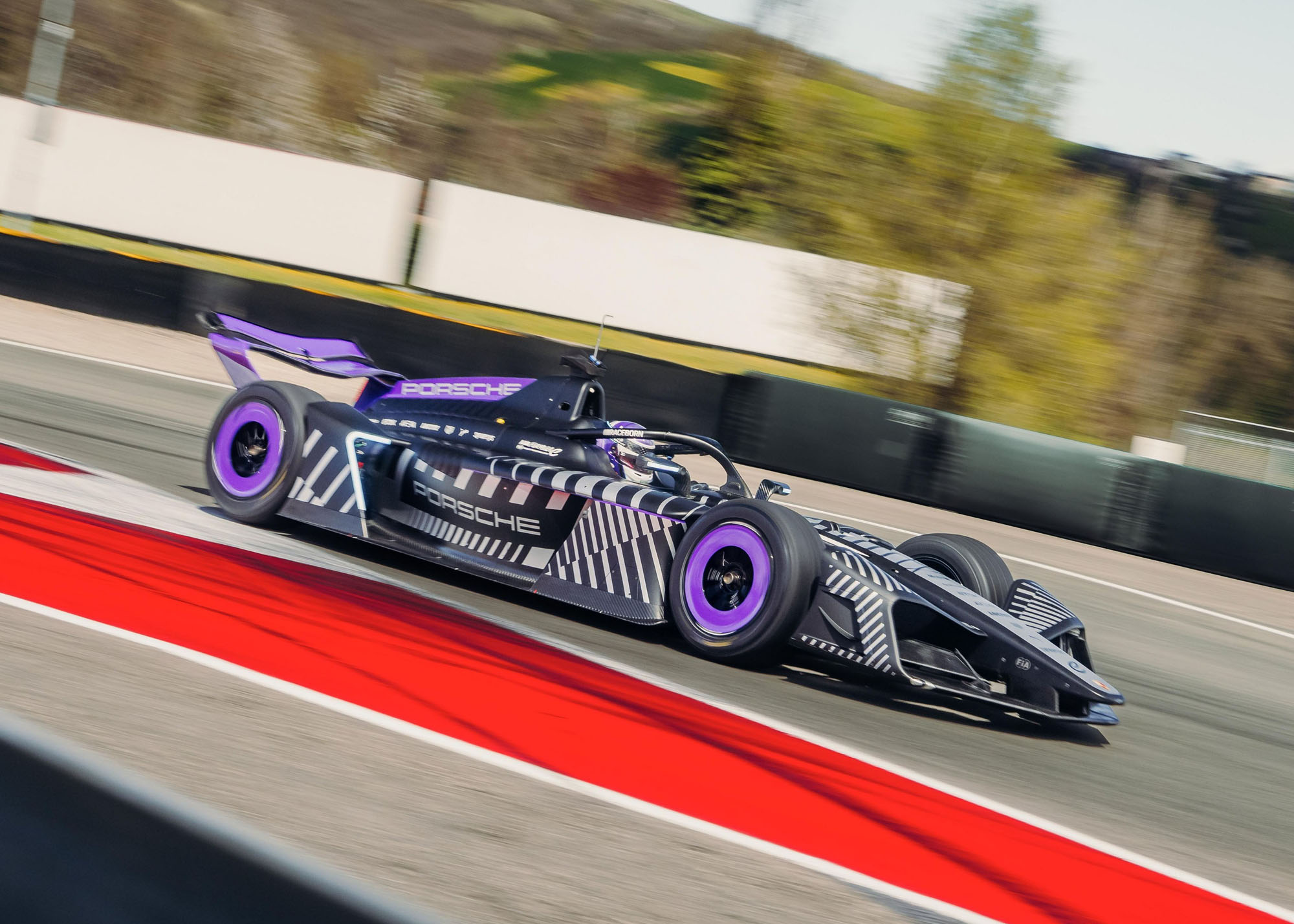
Eventually, however, somebody has to drive the thing. Even Porsche’s sophisticated simulation tools remain two to three percent removed from reality, and in racing those few percentage points can separate winning from merely being quick. Nico Müller and Pascal Wehrlein have therefore been testing the 975 RSE on track since November 2025, working through the final calibration of its systems. The early numbers suggest a substantial step forward. Champenois expects lap times comparable with Formula 2, helped by greater aerodynamic grip and considerably more power.
Fans should get their first proper look in December 2026, when GEN4 reaches the pre-grid. Then the computers, test benches, simulations, and 1.5 million lines of code will finally become secondary. The light will turn green, and Müller and Wehrlein will find out what the 975 RSE can really do.
Above contents © 2026 Dr. Ing. h.c. F. Porsche AG reviewed and edited by Rex McAfee , @rexmcafee 🏁
Related Content
#Porsche #Porsche975RSE #FormulaE #GEN4 #ElectricMotorsport #PorscheMotorsport #EVPerformance #MotorsportTechnology #ElectricRacing #RaceCars