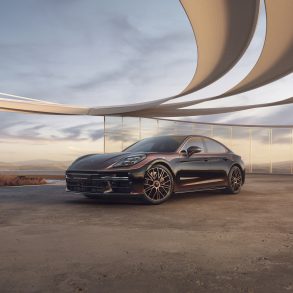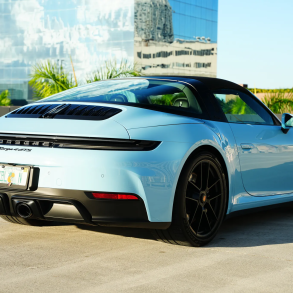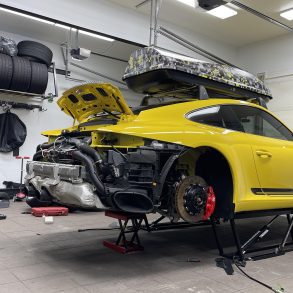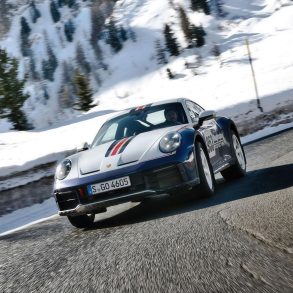


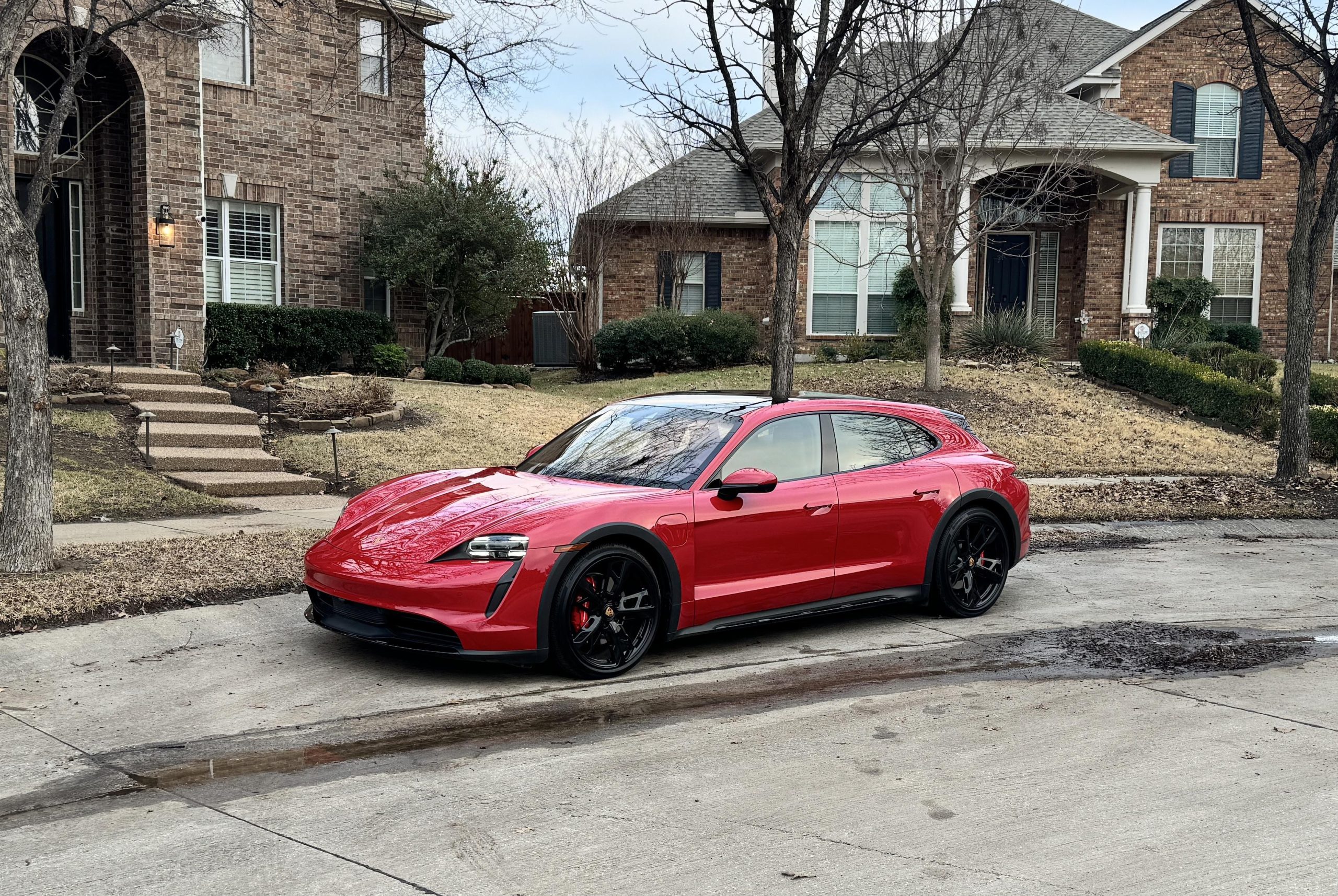
With performance car prices climbing higher than ever, deciding whether to buy or lease is not always straightforward. Financing usually means a larger monthly payment, but every payment moves you closer to owning something with real value. Leasing lowers the monthly cost and can put a premium sports car within reach, though it also means making payments indefinitely if you continue replacing one lease with another.
Buying is easy to understand. You make payments, build equity, and eventually own the vehicle outright. That gives you freedom from mileage restrictions and lets you modify the car without worrying about penalties when the lease ends. Leasing works differently. You are essentially paying for the vehicle’s depreciation during a fixed term, typically around three years. Monthly payments are lower, but the car goes back to the leasing company at the end of the contract, leaving you with no ownership stake.
The Upside of Buying: Performance Car Depreciation Exceptions
When you finance a vehicle, each payment increases your ownership position in the car. Whether that ultimately works in your favor depends largely on depreciation, and that is where certain performance cars separate themselves from the pack.
According to an iSeeCars analysis of more than 950,000 used vehicles that were five years old and sold between March 2025 and February 2026, the average vehicle loses 41.8 percent of its value over five years. High demand sports cars performed much better. The Porsche 718 Cayman and Porsche 911 ranked first and second overall for value retention, while the Chevrolet Corvette also finished near the top. At the other end of the spectrum were many luxury sedans and electric vehicles, some of which lost more than 60 percent of their original value.
For owners, that gap can translate into a significant amount of money. A Porsche 911 that was five years old can return a surprisingly large portion of its original purchase price when sold. A leased vehicle experiences the same market forces, but any retained value belongs to the leasing company because the residual value was established in the contract from the beginning. If the market is stronger than expected, the owner benefits. The lessee generally does not.
The Disadvantages of Buying
Post Warranty Costs: Strong resale value does not help with ownership expenses along the way. Once the factory warranty expires, you are responsible for repairs, and maintenance on specialized performance vehicles can become expensive in a hurry.
Modification Penalties: Upgraded exhaust systems, suspension components, and other aftermarket parts may improve the driving experience, but they can also make resale more difficult by narrowing the pool of interested buyers.
Short Ownership Cycles: Buyers who trade vehicles every couple of years often miss out on the financial advantages that come with keeping a car longer. The numbers typically work best when the vehicle stays in your garage for several years.
The Upside of Leasing: Lower Exposure and Predictable Costs

Leasing changes the equation considerably. Instead of paying for the entire vehicle, you are paying for the amount of value it is expected to lose during the lease term, along with finance charges, commonly referred to as rent charges in the industry. Because of that, monthly payments are usually lower.
The size of the gap varies, but Experian’s second quarter 2025 data showed average lease payments coming in $137 per month below average loan payments. In the performance car segment, where vehicle prices are much higher, the difference can be even more noticeable.
Leasing remains particularly popular among premium buyers. Credit data indicates that more than 30 percent of prime borrowers and borrowers with excellent credit choose leases over traditional financing. Interestingly, many of the customers with the strongest credit profiles, those who could easily purchase the vehicle outright, also lease at some of the highest rates.
The major advantages include:
- You enjoy the vehicle during its newest and most reliable years, typically while it is covered by a factory warranty.
- Lower monthly payments may allow you to step into a more expensive trim level or model than you would otherwise finance.
- There is no need to worry about selling the vehicle or timing the used car market when you are ready for something new.
- Ownership costs are easier to predict because unexpected repair expenses are generally minimized.
The Disadvantages of Leasing
Leasing comes with its own set of drawbacks. Drivers who continually replace one lease with another often spend more money over the long run because they are paying for the period when vehicles depreciate most rapidly. Lease pricing can also vary dramatically depending on how lenders estimate residual values, which is why many shoppers use brokers such as Vantage Leasing to compare offers across different lenders.
Mileage limits remain another major consideration. Most contracts allow 10,000 to 12,000 miles annually, and exceeding those limits can result in substantial charges when the lease ends. Returning the vehicle can also become costly if there is excessive wear and tear. For enthusiasts, another issue is that many agreements prohibit track use and restrict modifications beyond factory specifications.
Comparing Loans and Leases
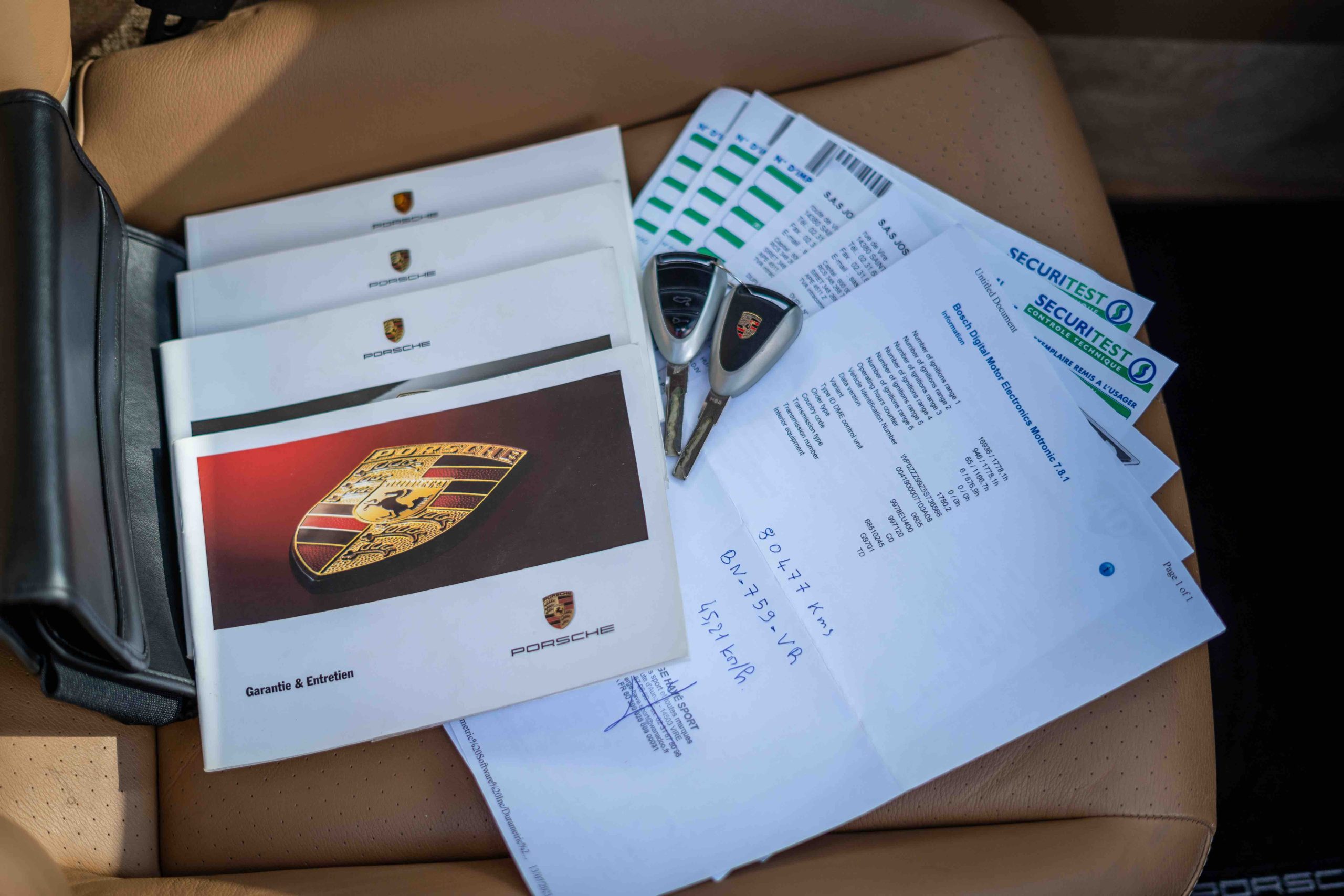
Making a direct comparison between financing and leasing is more complicated than it first appears. A standard lease typically lasts three years, while a vehicle loan may stretch five, six, or even seven years. When a lease expires, the lessee must either return the car, purchase it, or move into another vehicle. Meanwhile, a buyer may still have loan payments remaining but is steadily working toward ownership.
The math becomes even more complicated when manufacturers subsidize lease programs. Automakers frequently support leases through factory incentives, higher residual values, or adjustments to the finance factor in order to move inventory. Those incentives can create attractive short term deals that are difficult to compare directly with traditional financing.
Over a six year period, two consecutive three year leases will often cost substantially more than purchasing the same vehicle and keeping it long term. The financial advantage generally becomes larger the longer an owner keeps the car, even after accounting for routine maintenance and repairs outside the warranty period.
Buying vs. Leasing a Performance Car
| Feature | Buying | Leasing |
| Ownership | You own the vehicle and keep it as long as you want. | You do not own the vehicle. You return it at the end of the lease unless you buy it. |
| Up Front Costs | Down payment, taxes, registration, and local fees. | First month’s payment, acquisition fee, down payment, and fees. |
| Monthly Payments | Higher, because you pay off the entire purchase price plus interest. | Lower, as you only pay for depreciation plus finance charges. |
| Future Value | The vehicle depreciates, but the remaining cash value is yours. | Future value does not affect you, but you build zero equity. |
| Mileage Restrictions | Unlimited miles, though high mileage lowers resale value. | Limited to set annual amounts, with penalties for overages. |
| Customization | You can modify the vehicle however you choose. | Alterations must be removed before returning the car to the dealer. |
The Bottom Line
The right choice ultimately depends on how you use your cars and how often you like to change them. Leasing tends to make the most sense for drivers who value lower monthly payments, predictable expenses, and the opportunity to move into a new vehicle every few years. The downside is that the payments never really lead to ownership, and another contract is usually waiting at the end of the current one.
Buying generally wins from a financial perspective over the long run, especially when the vehicle holds its value exceptionally well. Models such as the Cayman and 911 have historically retained value better than most cars on the road. While financing requires a larger commitment up front, it leaves you with an asset that can still be worth a substantial amount years later. Once the loan is paid off, the absence of monthly payments can make ownership considerably less expensive. For drivers who rack up miles or plan to modify their cars, buying is usually the more practical option.