

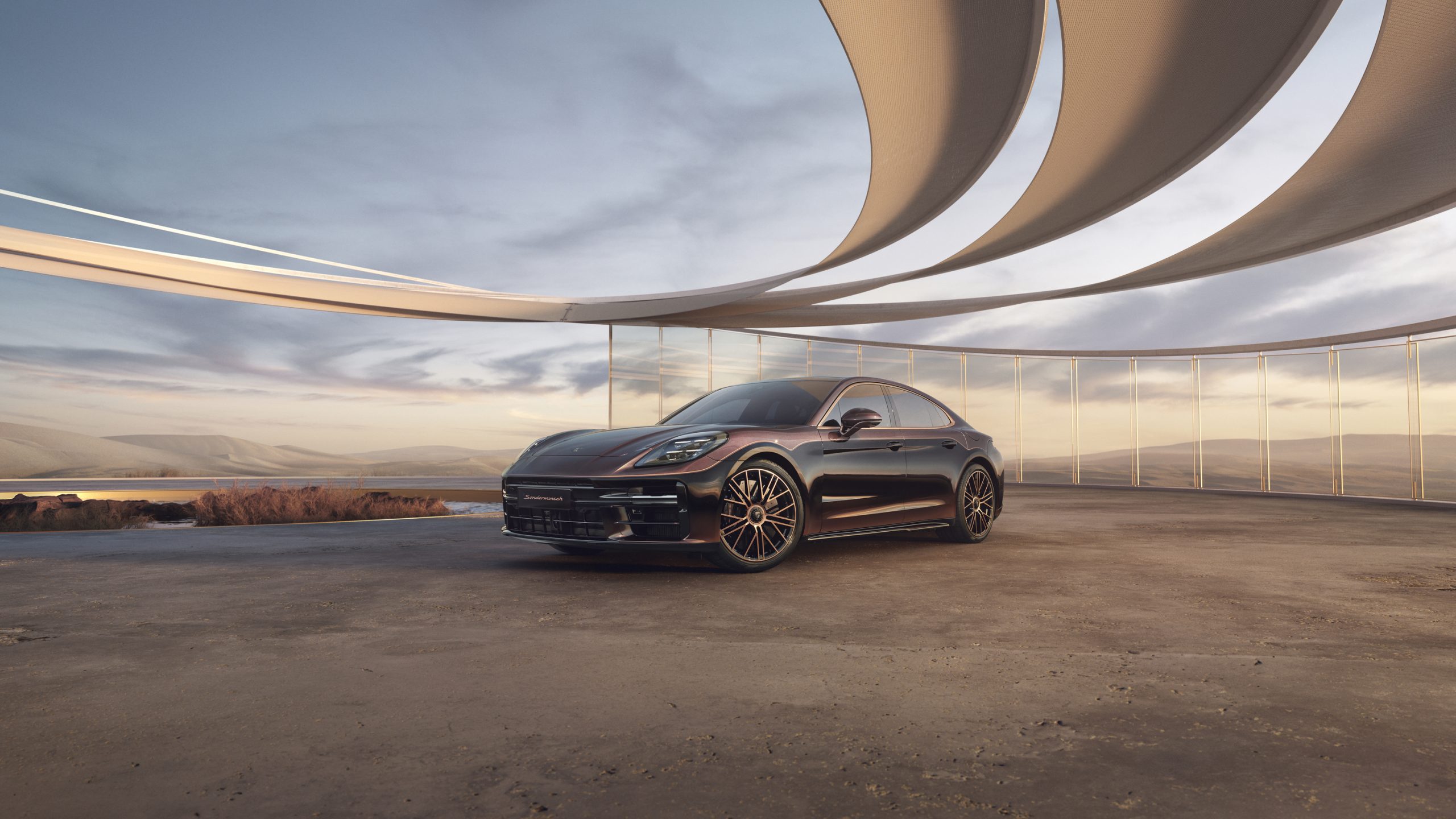
The Porsche Club of America’s own publication once compared the first-generation Panamera to a long-wheelbase Chrysler Crossfire. That tells you roughly where critical opinion sat when the car debuted in Shanghai in 2009. The “hunchback” roofline dominated every review, and even Porsche’s CEO admitted in a 2014 Hollywood Reporter interview that the design could have been better.
For a company not accustomed to that kind of press, it was an uncomfortable few years. The thing is, nobody who actually spent time with the car came away talking about the roofline. They came away talking about how it drove.
The Car That Porsche Wasn’t Supposed to Build
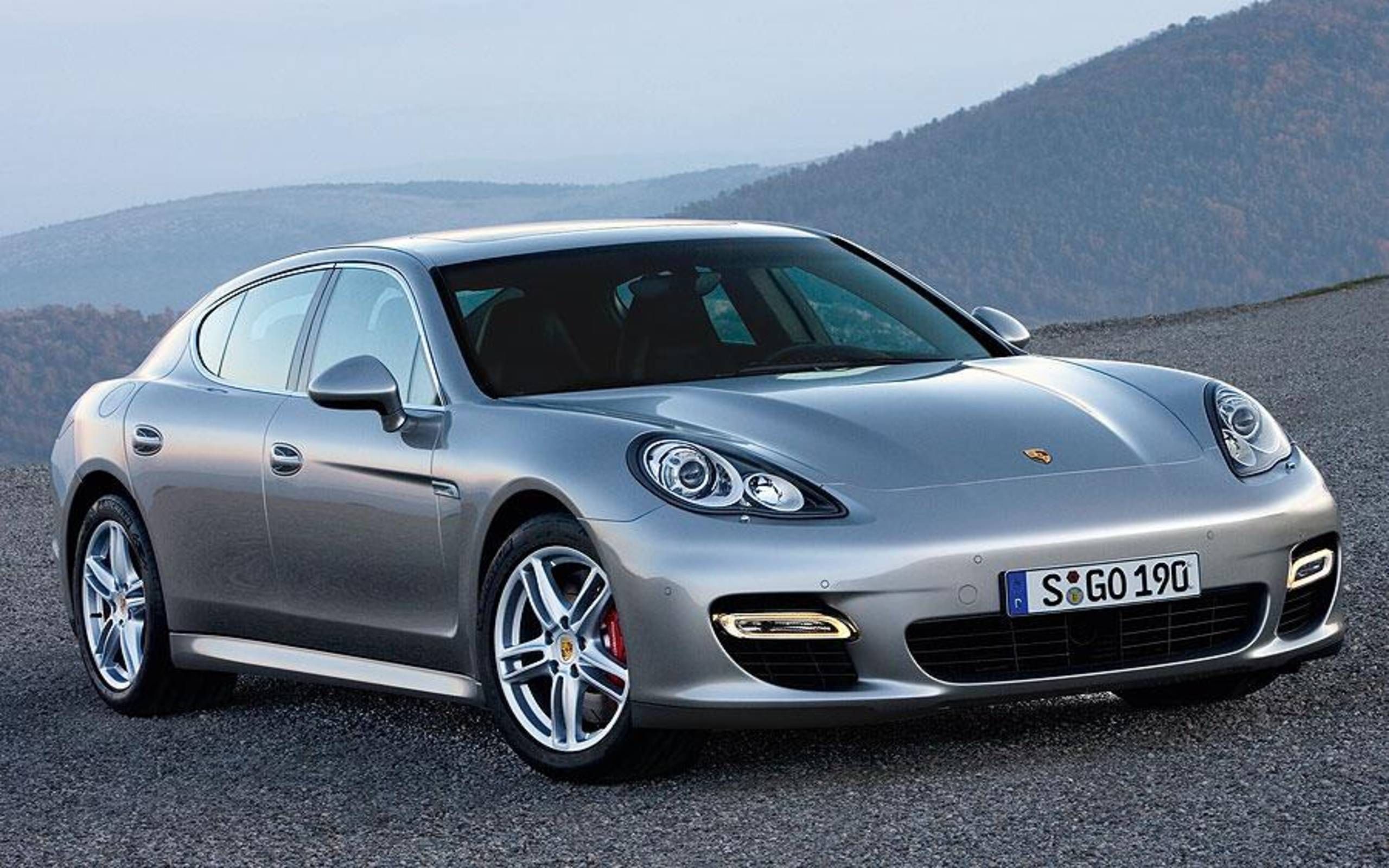
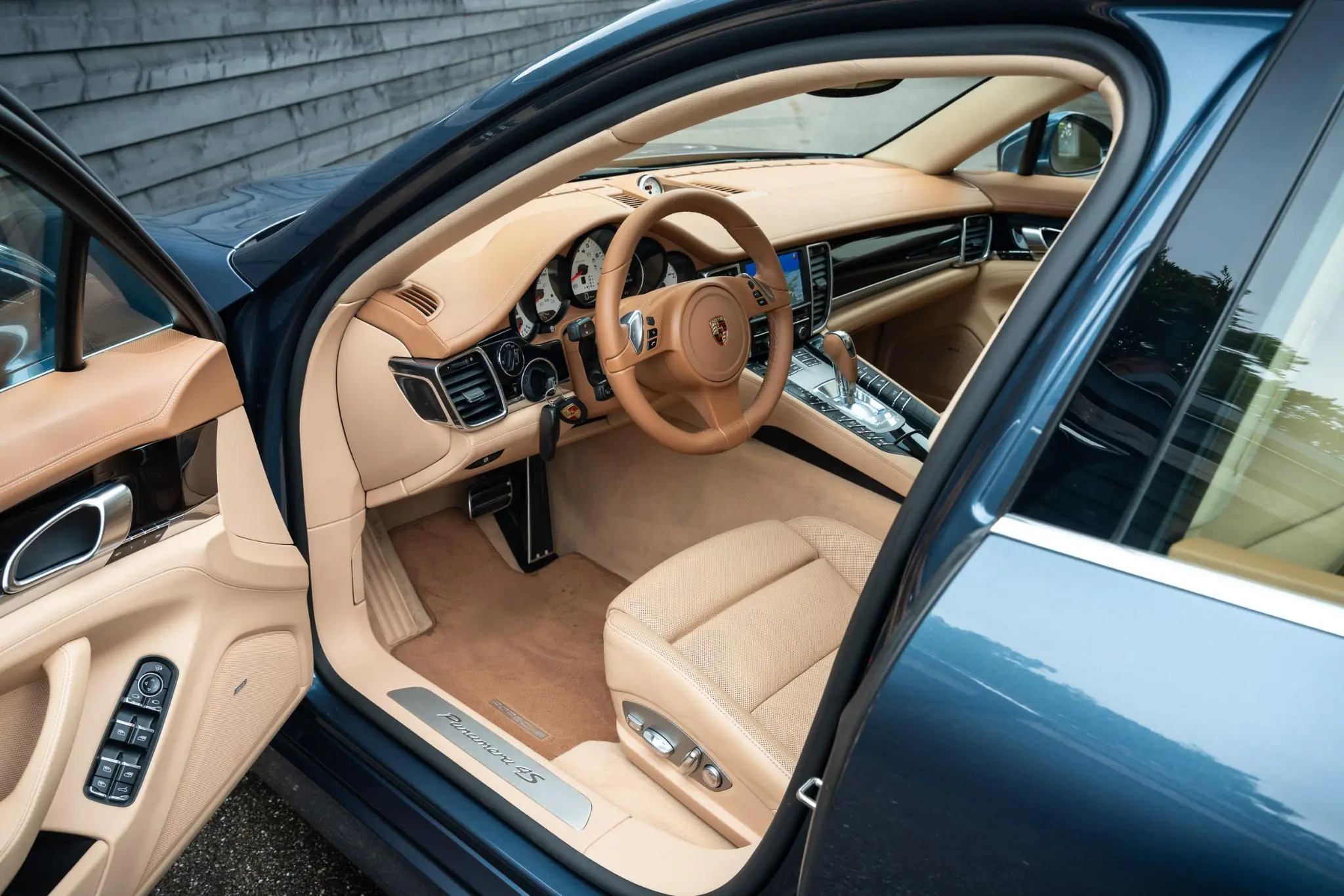
Porsche had been circling the idea of a four-door sports saloon for decades before the first-generation Panamera (970) arrived. The brief was clear internally: it had to drive like a Porsche. Not a luxury saloon with Porsche badges, not a GT car that had been stretched and softened for rear passengers, but something with real steering feel, a proper chassis, and engines that justified the asking price. The 970 launched with a 4.8-liter V8 in naturally aspirated and twin-turbocharged form. The cockpit-style interior put the driver first in a way that rival four-doors didn’t bother with. It introduced active aerodynamics and Porsche Torque Vectoring before either was common in the segment, and it produced one of the first credible performance hybrids in any luxury saloon.
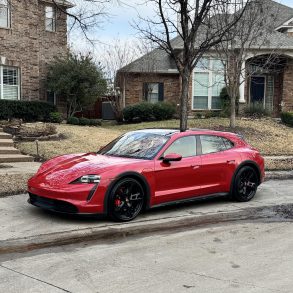
It took until the 971 in 2016 to settle the argument. The second generation Panamera addressed the styling objections with a lower, cleaner profile that borrowed more obviously from the 911, and it brought something the 970 had never offered: the Sport Turismo. A proper shooting brake variant, with genuine trunk space and the same drivetrain options as the saloon. People who had written the Panamera off started reconsidering. The Sport Turismo in particular found buyers who hadn’t been shopping for a Panamera at all.
The current 976 generation makes the performance case in a way that doesn’t leave much room for criticism. The 2025 Turbo S E-Hybrid produces 771hp from a twin-turbo 4.0-liter V8 and electric motor combination, covers 0-60 in 2.8 seconds, and recently set a 7:24.17 at the Nürburgring, nearly six seconds faster than the outgoing model according to Porsche’s own data. These are not numbers that invite aesthetic comparisons to Chrysler products.
What the Panamera Offers
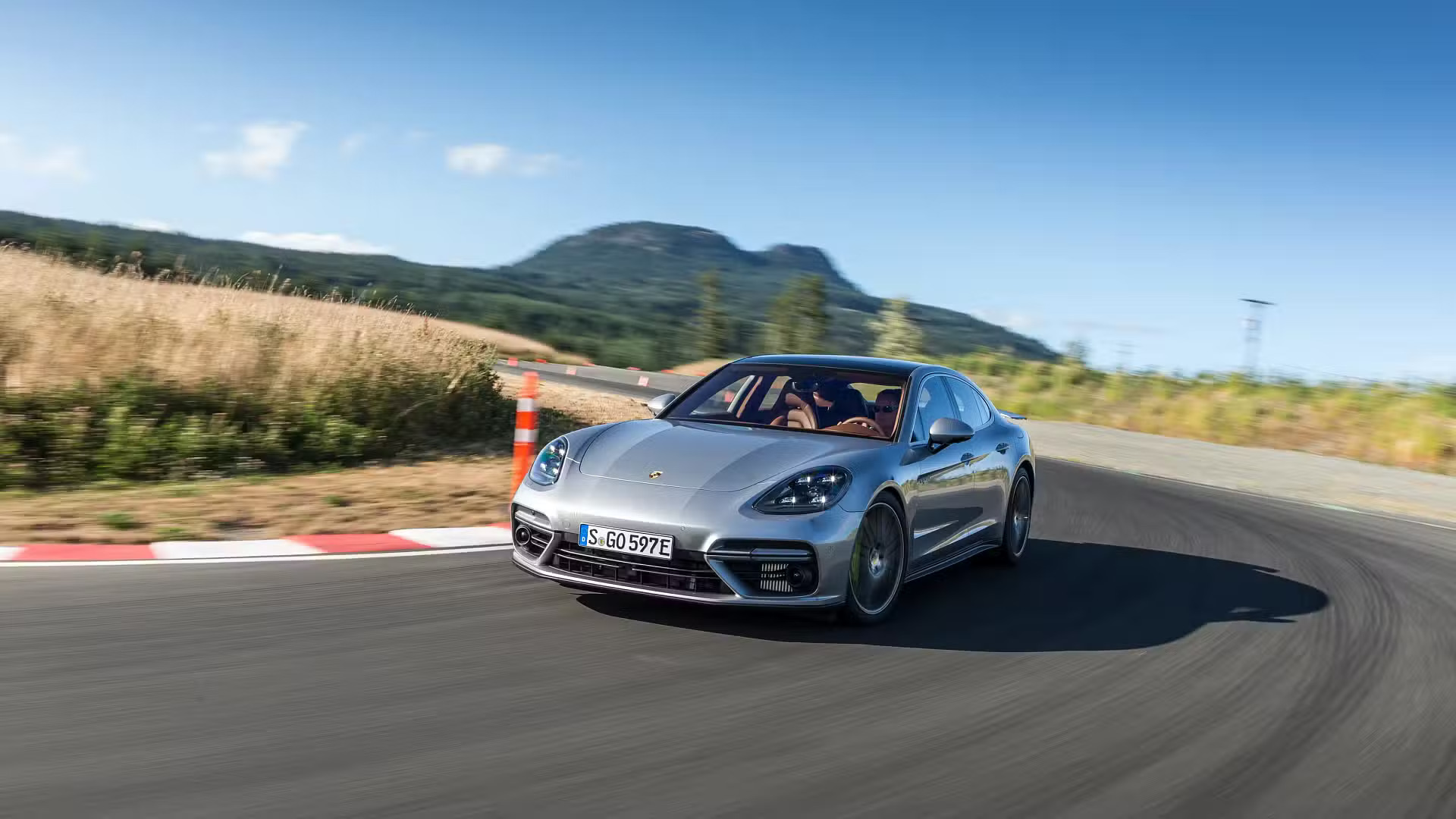
Put a Panamera Turbo on a highway for three hours and you understand what Porsche meant by Gran Turismo. The car covers ground with an ease that most performance saloons can’t match, and it does it without the driver feeling like a passenger. The steering is direct, the chassis loads up properly in corners, the PDK in Sport mode is as urgent as you’d want it to be. It’s a big car that doesn’t feel like one when you’re driving it, which is a harder thing to achieve than it sounds.
The range is broad enough that different generations suit different buyers quite distinctly:
- 970 Panamera 4S and Turbo (2009–2016): the originals, now at accessible prices and worth more attention than the used market currently gives them. The GTS in particular is a driver’s car with genuine Porsche provenance that hasn’t been fully priced in yet
- 971 Panamera Turbo S (2016–2023): 630hp, 3.1 seconds to 60. The generation that ended most of the critical debate, and the one that established the Panamera as a serious performance saloon rather than a compromise
- 971 Sport Turismo (2017–2023): harder to find in clean condition than you’d expect, which says something about how well the people who bought them tend to keep them
- 971.2 Turbo S (2021–2023): 620hp, 2.9 seconds, the last combustion-only flagship before the hybrid era took over fully. Worth finding before values move
- 976 Turbo S E-Hybrid (2024–present): 771hp and a Nürburgring lap time that embarrasses dedicated sports cars. The hybrid system here is not a concession to efficiency regulations; it’s genuinely part of why the car is fast
What Does It Actually Mean to Drive a Panamera Every Day?
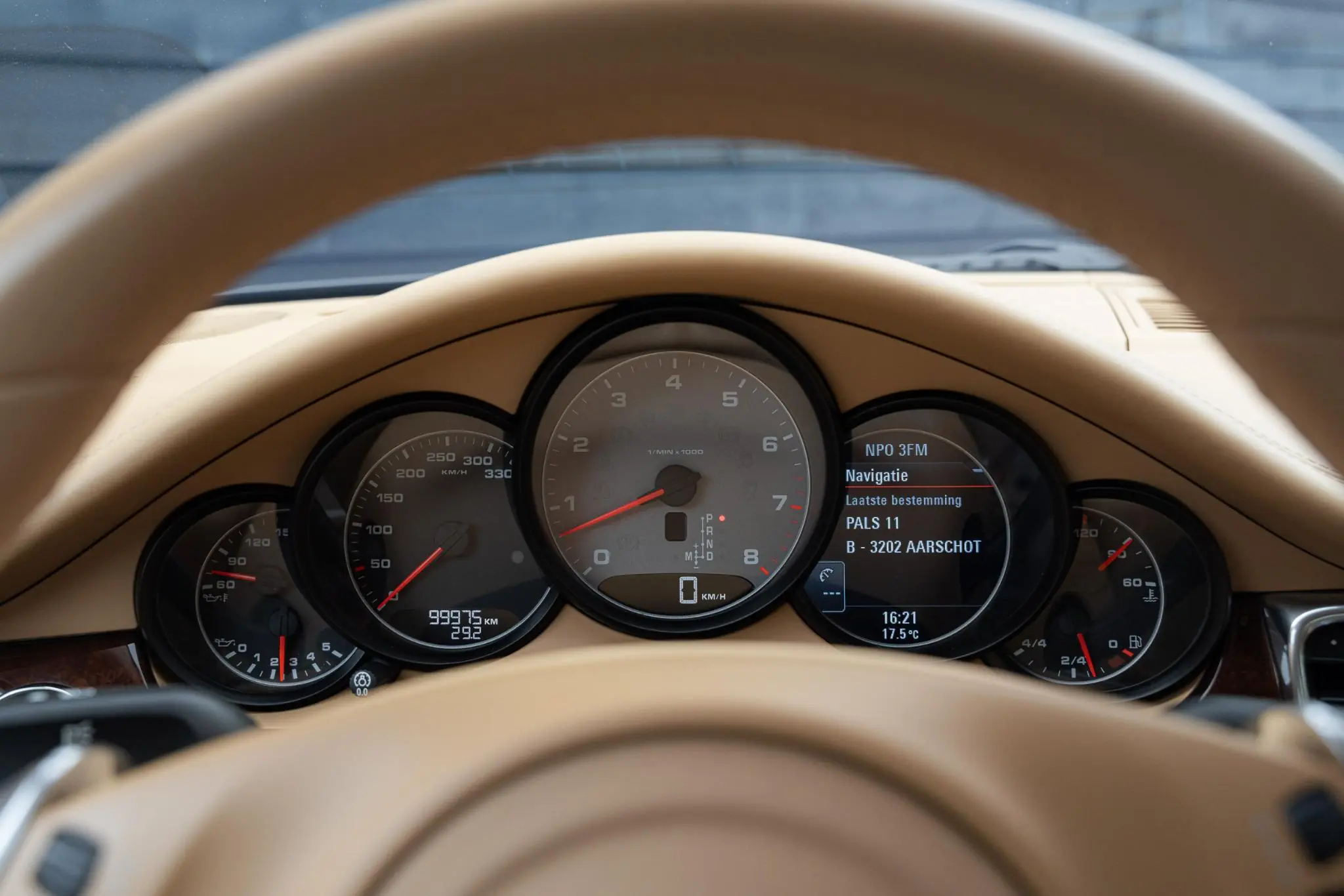
Gulf News reported back in 2011 that many early Panamera owners were covering more than 18,600 miles per year. That number stuck because it captured something true about who buys these cars and how they use them. The Panamera isn’t a weekend car for most of its owners. It’s the one they take to the airport at 5am, drive to meetings, pick up the kids in, and occasionally take to a track day when the calendar allows. Four seasons, all weathers, the full range of what a car gets asked to do when it’s the only one in the household that fits everything the day requires.
Interiors in cars used this way tell their own story. Four doors means four sets of feet coming and going in all conditions: road salt tracked in through winter, mud from parking lots, the kind of repeated daily contact that works into carpet pile over months and years. The floor is where the wear concentrates first and where it’s hardest to reverse convincingly later.
What the Panamera’s Daily Use Leaves Out
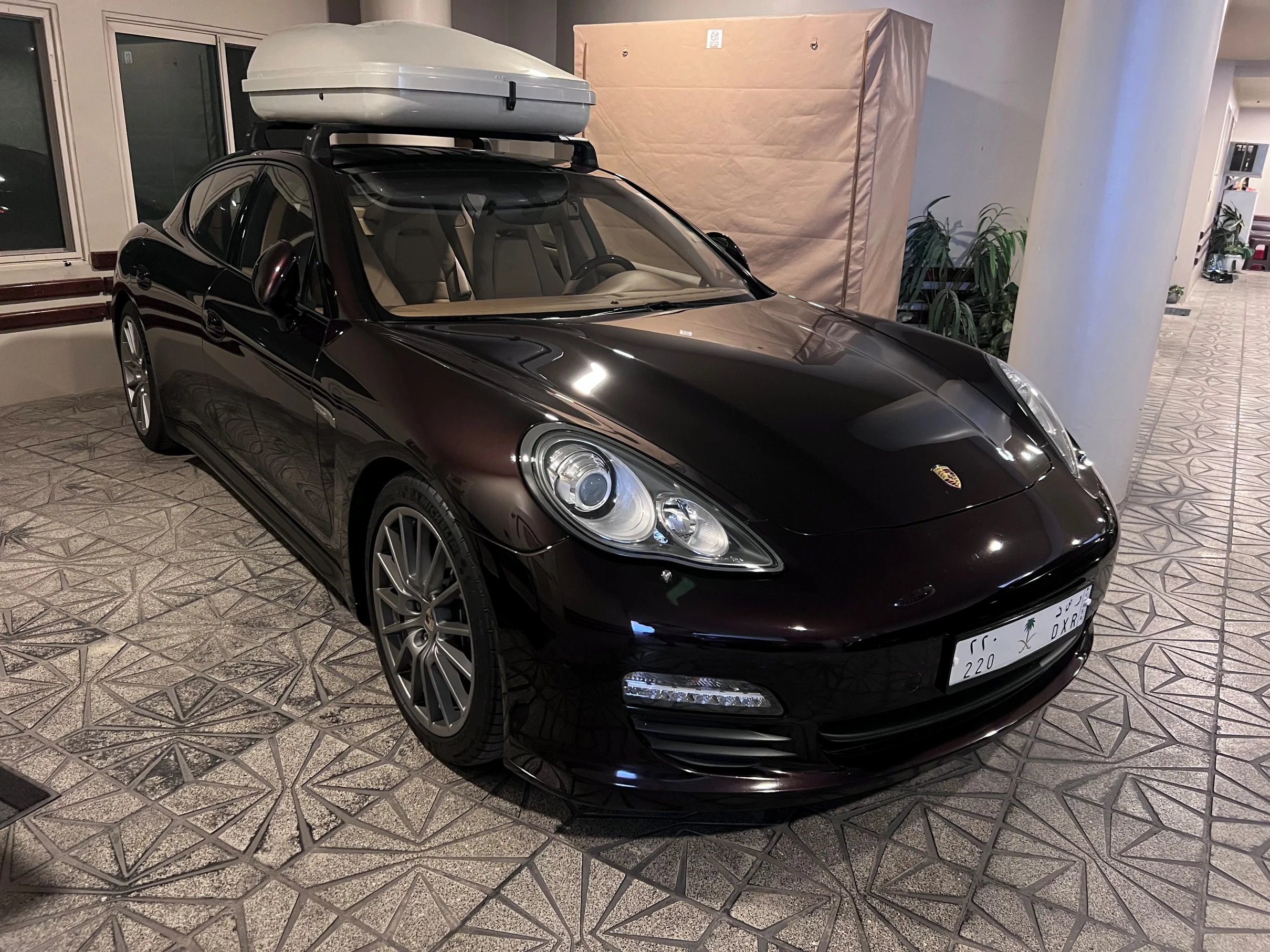
The Panamera’s factory camera systems are designed around parking and driver assistance. They activate in specific situations, serve specific functions, and switch off when those functions are complete. None of that adds up to a continuous record of what happens around the car on a journey, and for a vehicle used the way most Panamera owners use theirs, that gap is worth filling.
A disputed incident on a car worth serious money is a different conversation when there’s footage than when there isn’t. The same applies to a parking lot scrape while the car is parked, a rear-end collision at a junction, or anything else that happens outside the narrow window the factory systems cover.
Does a Daily-Driven Panamera Need a Dash Cam?
For anyone using a Panamera as their primary car, a dedicated dash cam covers what the factory doesn’t. The WOLFBOX mirror dash cam like the G900Pro is a strong fit for Panamera owners specifically because of how much it addresses in a single device. It mounts over the existing rearview mirror and upgrades it into a digital display with a wider field of view than the factory glass. It records front and rear simultaneously in HD, integrates a backup camera feed with parking guidance, includes built-in GPS, and runs independently of the Panamera’s PCM and factory electronics. For a car used in daily traffic and parked in places the owner doesn’t control, having all of that in one unit that sits exactly where you already look is a practical addition rather than a modification.
What’s the Best Mirror Dash Cam for a Porsche Panamera?
The WOLFBOX dash cam range is built around the mirror replacement concept: one device that functions as a digital mirror, a backup camera, a GPS unit, and an HD front and rear recorder simultaneously. For a Panamera owner who wants complete coverage without adding screens or running cables across a clean interior, it handles everything in the footprint of the existing mirror. The factory setup stays exactly as it was, and the car gains a full documentation capability it didn’t have before.
Why the Panamera’s Reputation Is Finally Catching Up to the Car
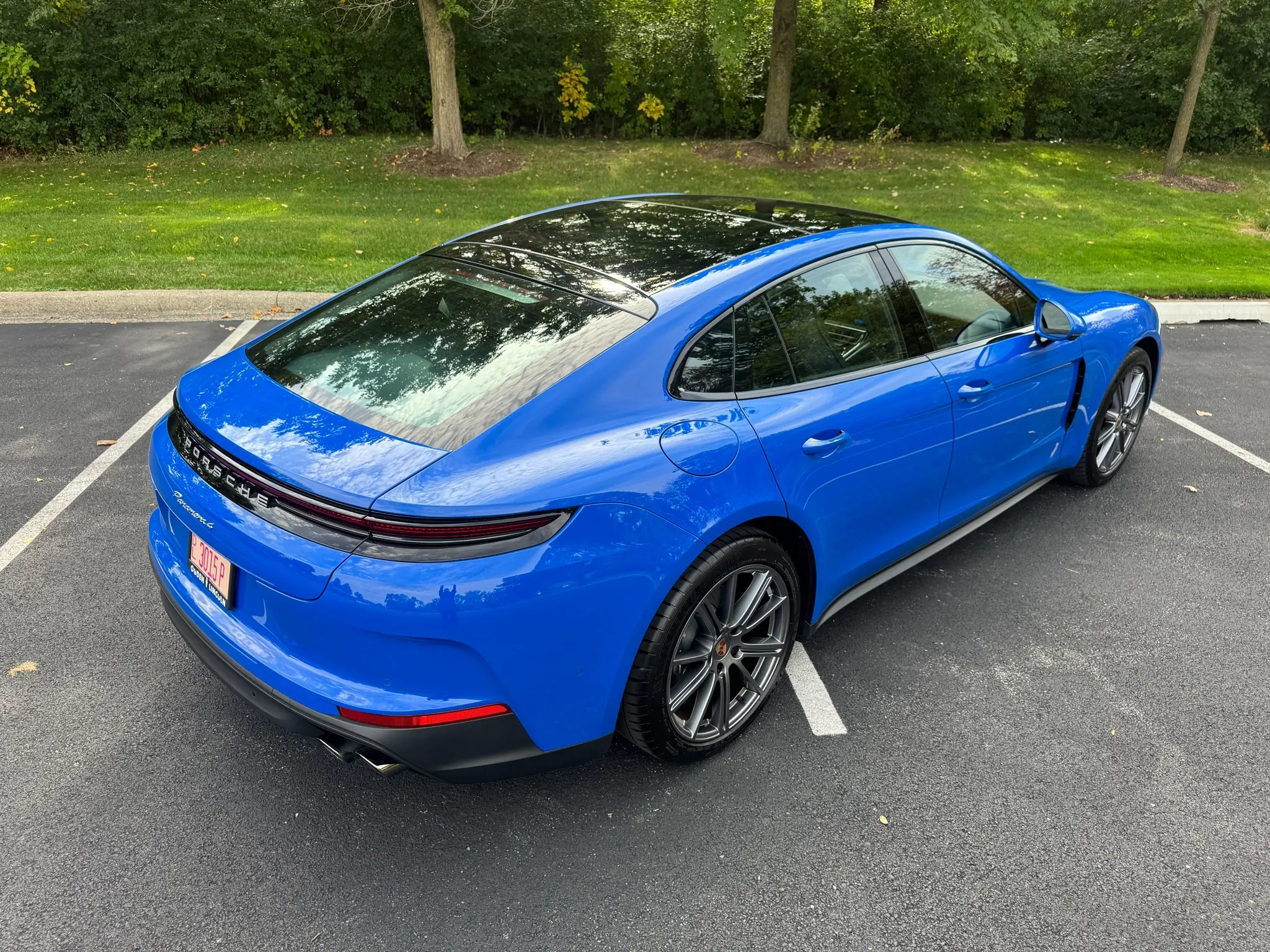
Early 970 Turbos and GTS models are appearing on specialist brokers’ lists at prices that reflect growing collector interest rather than simple availability. The Sport Turismo has its own following now among buyers who want the Panamera’s drivetrain in something more useful than a sedan. The 976 generation has largely ended the aesthetic argument.
The writers who compared the 970 to a Chrysler Crossfire have mostly moved on. The owners who bought one anyway and kept it properly are sitting on some of the more interesting used Porsches available right now. That’s usually how it goes with the cars that take a while to be appreciated.