

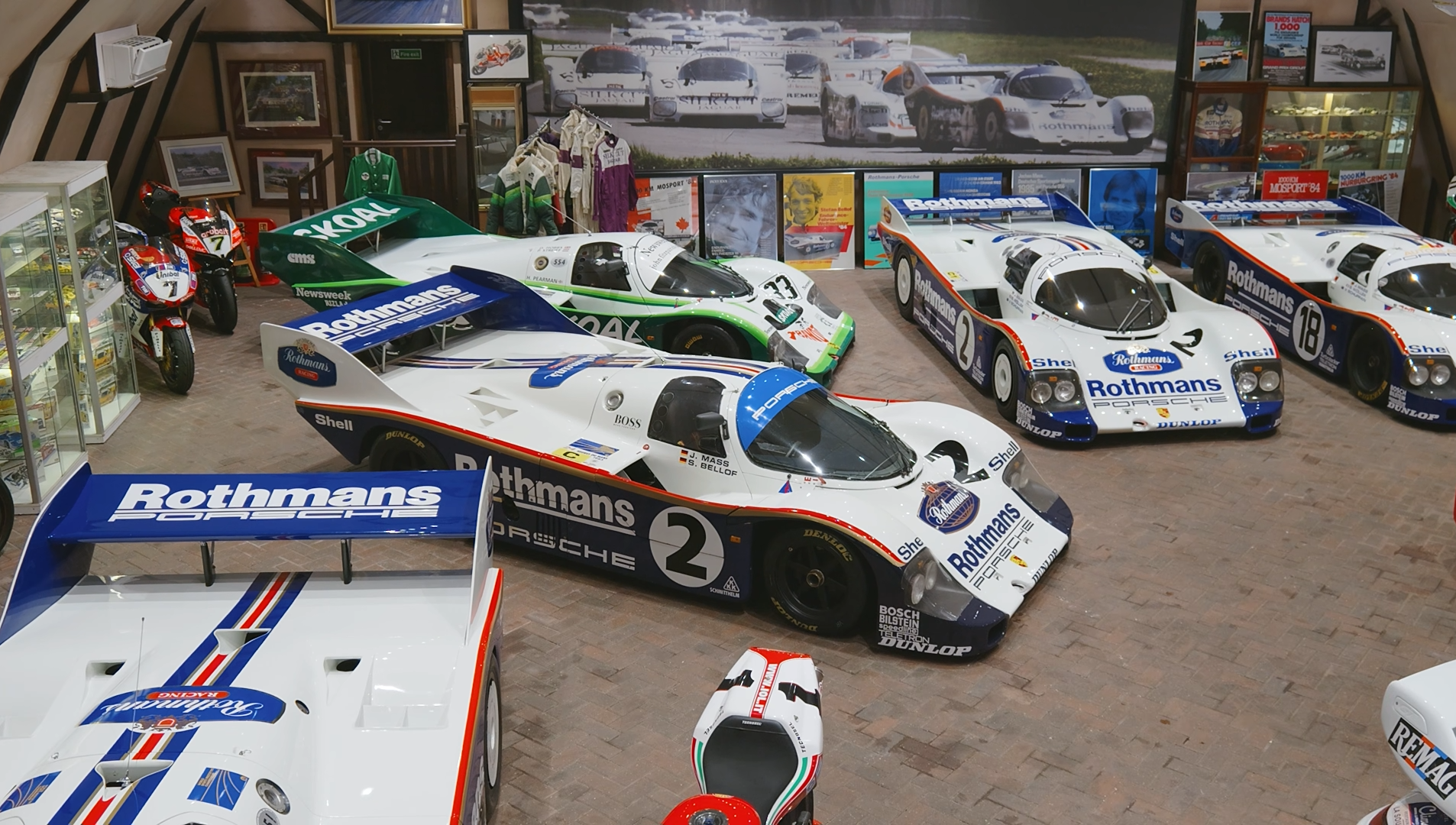
The team at The Intercooler presents a detailed technical examination of the Porsche 956 and its successor, the Porsche 962—two machines that collectively define endurance racing dominance in the Group C era. Produced between 1982 and 1994, these prototypes amassed more than 120 major victories, including an unbroken streak at Le Mans from 1982 to 1987 and multiple championship titles across global series.
What makes this achievement remarkable is the unconventional engineering path Porsche pursued. The 956 marked the company’s first foray into ground-effect aerodynamics and monocoque chassis construction—both critical to maximizing downforce and structural rigidity.
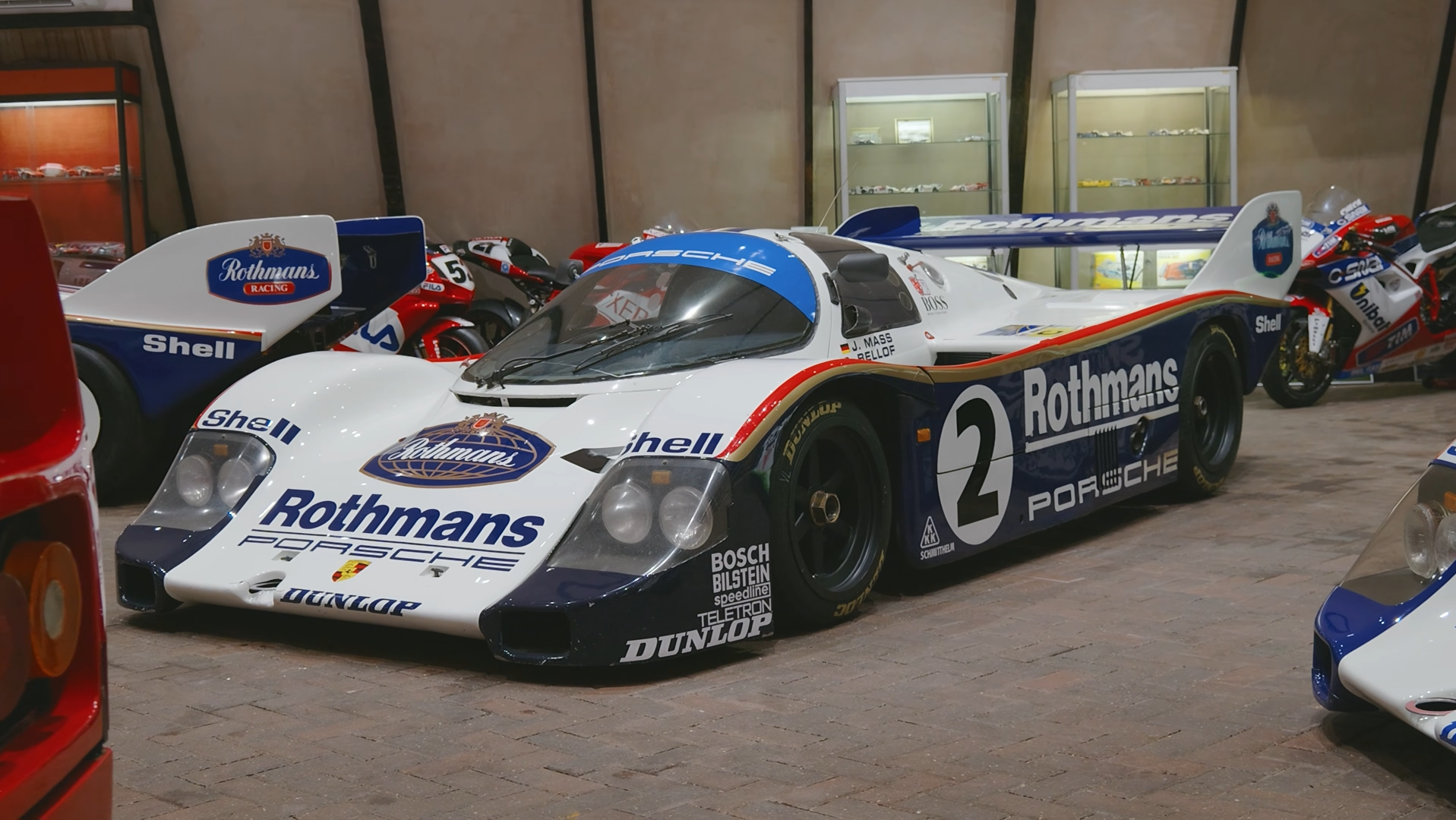
Despite packaging limitations imposed by its flat-six engine architecture, Porsche refined the concept into a highly efficient aerodynamic platform. Over time, the powertrain evolved from a 2.65-liter hybrid air- and water-cooled unit into a fully water-cooled 3.0-liter engine with advanced electronic management, significantly increasing output.
The transition to the 962 was driven primarily by regulatory compliance, specifically safety rules requiring repositioning of the driver’s feet behind the front axle. This resulted in a longer wheelbase rather than a fundamental redesign. Visually, the distinction is subtle but identifiable through altered proportions between the front wheel and cockpit.
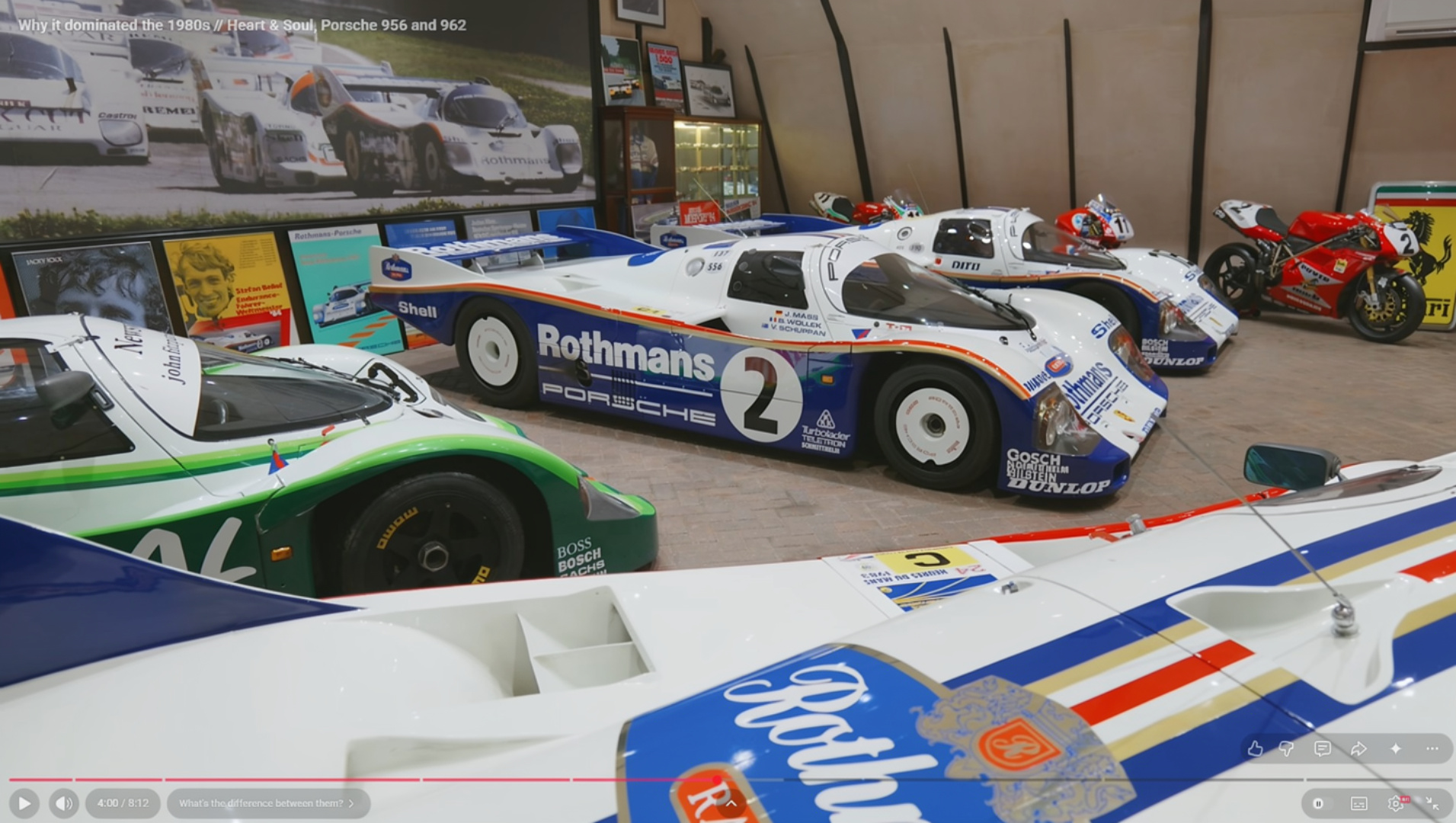
Equally critical to the car’s legacy was its accessibility. Unlike many contemporaries, Porsche engineered these cars for customer teams, integrating familiar controls and predictable handling characteristics. This usability, combined with exceptional reliability and a deep talent pool of drivers, ensured that even when factory entries faltered, privateer teams could sustain the model’s competitive supremacy.
Source: The Intercooler