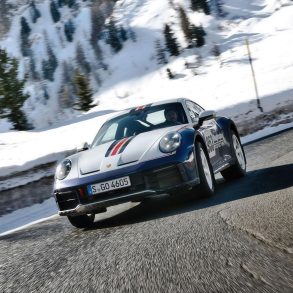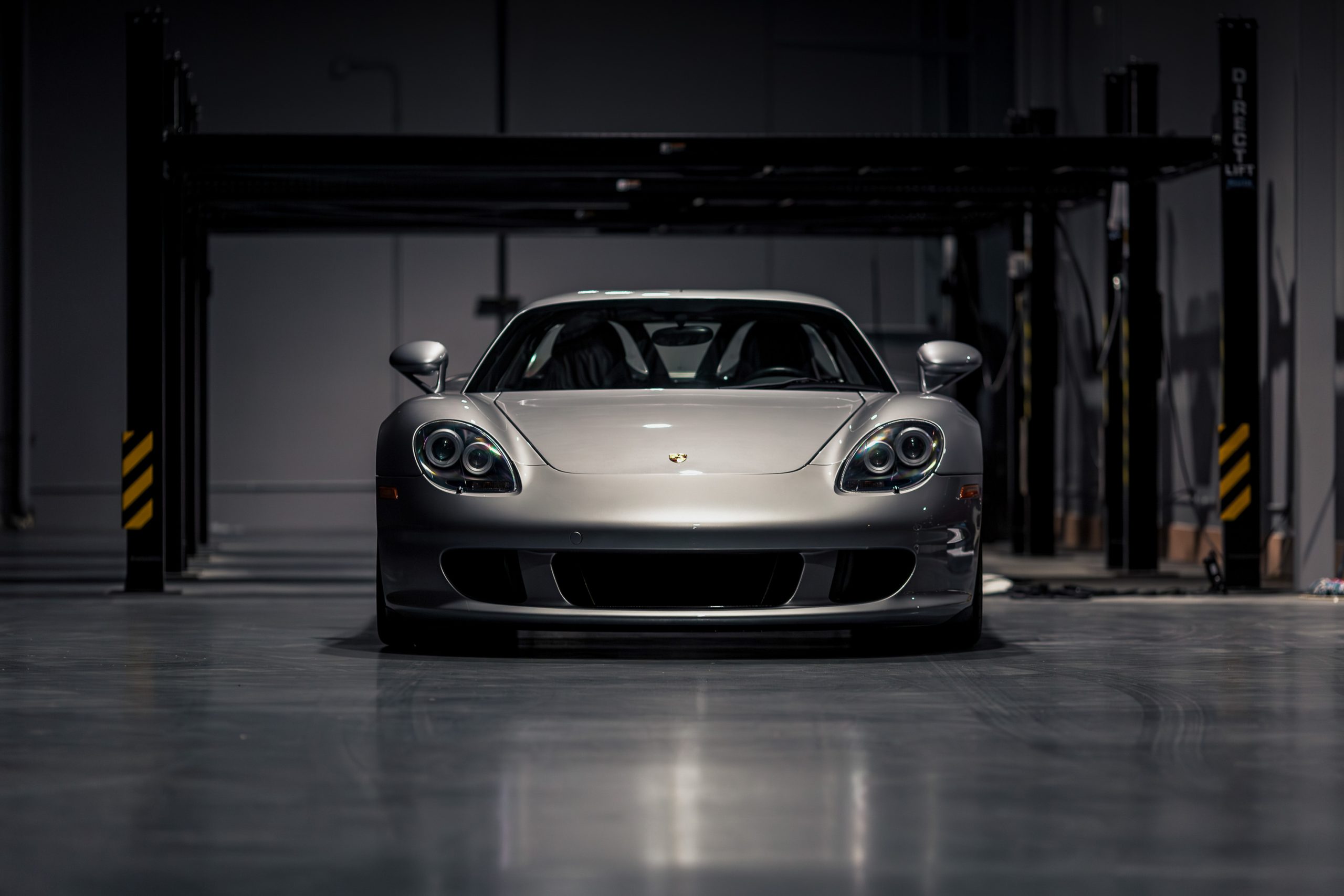



If you are seriously considering buying a Porsche in 2026, you have probably already spent time on the configurator, picked a color, debated whether the Sport Chrono Package is worth it, and convinced yourself the base model is the sensible choice. What you may not have spent as much time on is what the car actually costs once you own it.
The sticker price is the number that gets all the attention, but fuel, tires, maintenance, depreciation and insurance add up in ways that look very different depending on which model you buy and how you drive it. Some of that is predictable and some of it is not, but none of it should come as a surprise if you do the reading before you sign.
We are looking at seven models that cover the realistic range of what Porsche sells this year: the 718 Cayman, the 911 Carrera, the Taycan Sport Turismo, the Panamera and the Cayenne. Entry-level sports car, icon, electric wagon, grand tourer and family SUV. Different buyers, different daily realities, genuinely different costs to own.
The Seven Models and What They Cost to Buy
Porsche 718 Cayman — from $72,800
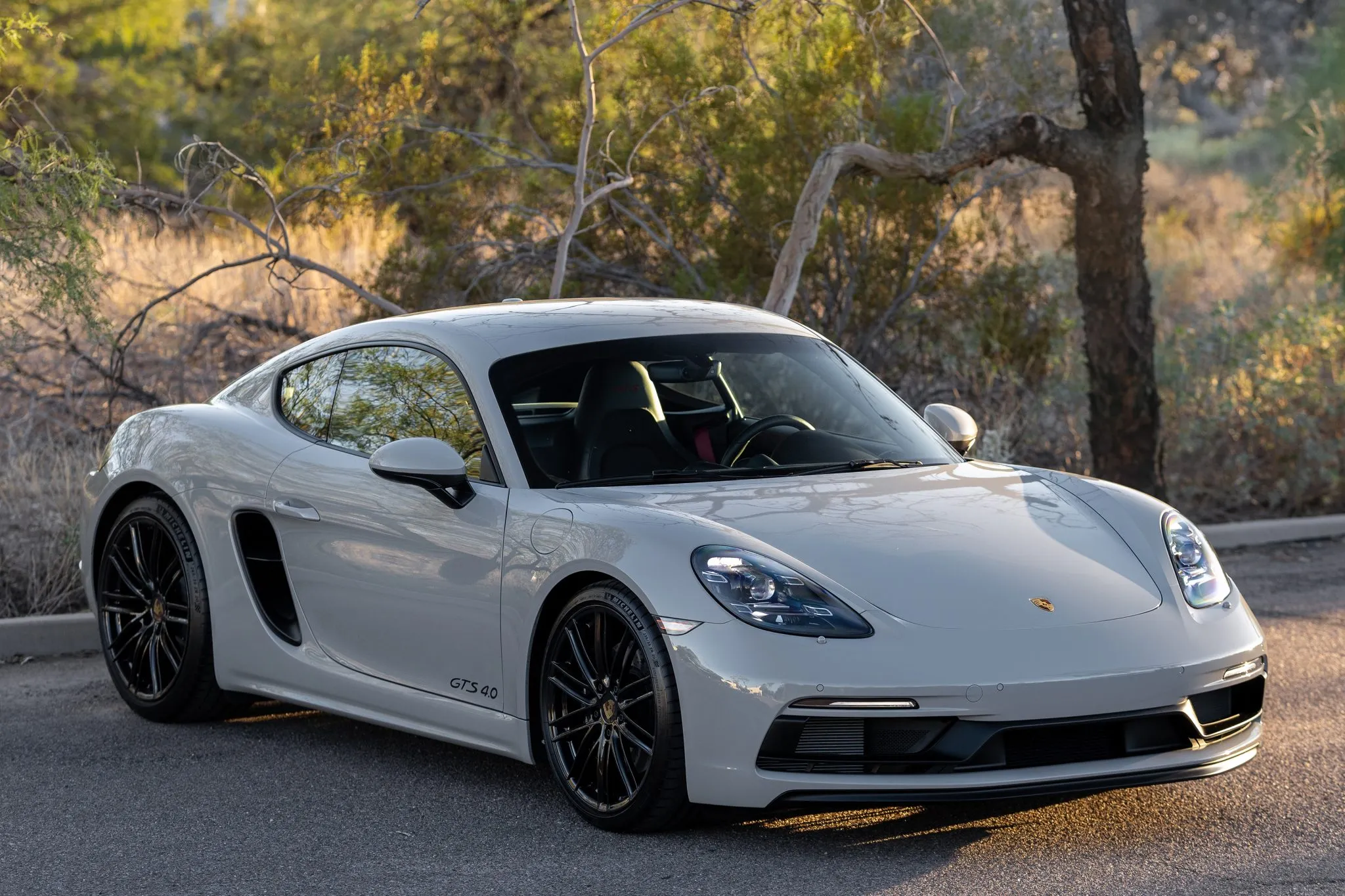
Mid-engine, rear-wheel drive, 300 hp from a turbocharged 2.0-liter flat-four. The 718 Cayman has two seats, a small frunk, and a boot that can fit a weekend bag if you pack it carefully. This is not a practical car, and it has never pretended to be. That is the whole point of it.
Porsche Macan — from $65,400
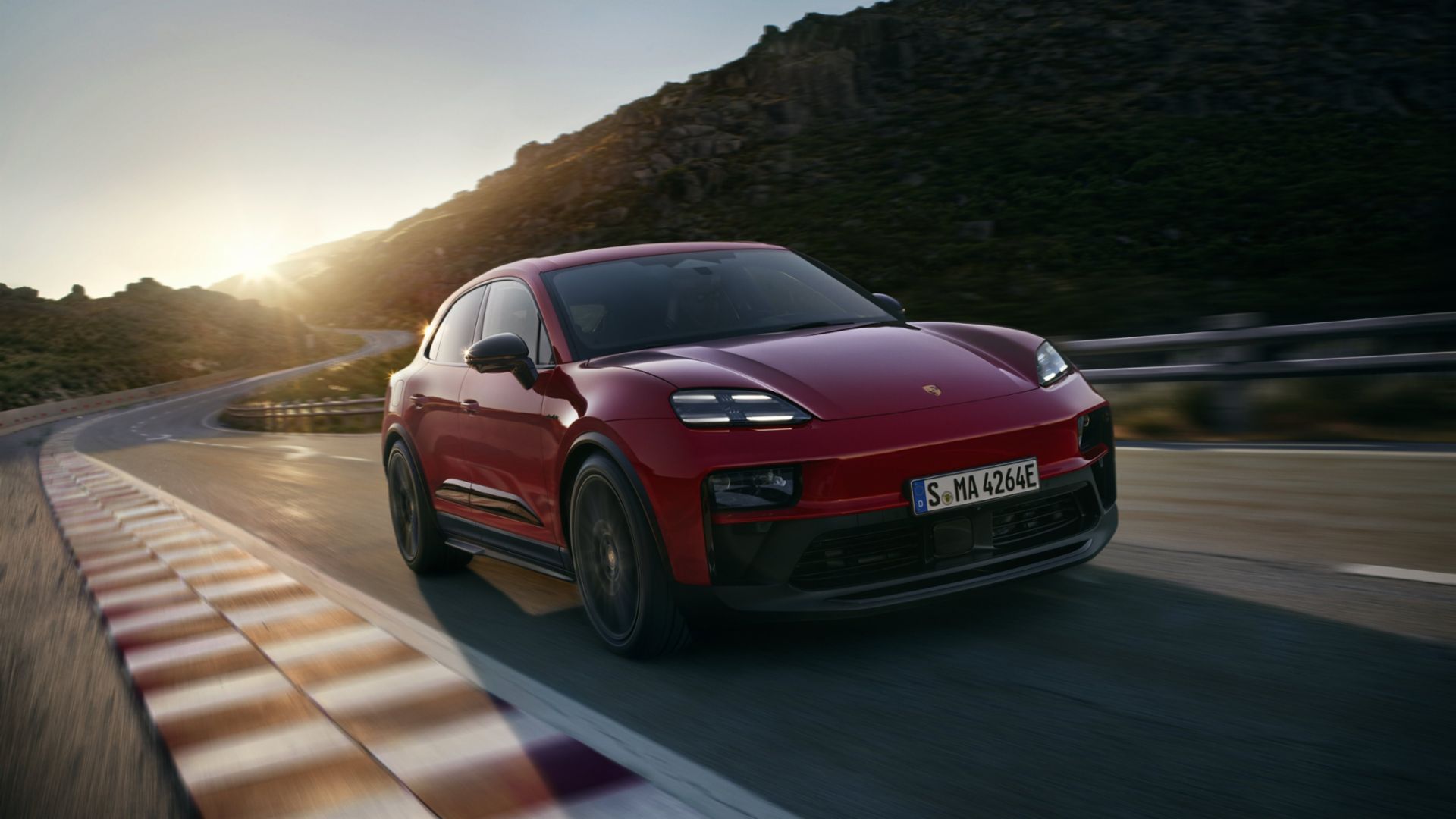
The smallest and most affordable SUV in the lineup, and the one most people actually end up buying. Turbocharged 2.0-liter four-cylinder with 261 hp in base form, all-wheel drive standard, and 0-60 in 6.0 seconds. Step up to the Macan S and you get a twin-turbo V6 with 375 hp and a considerably more engaging drive. Rear seat space is tight and the boot is small for an SUV, but it handles better than anything in its class and Porsche owners tend to know that going in
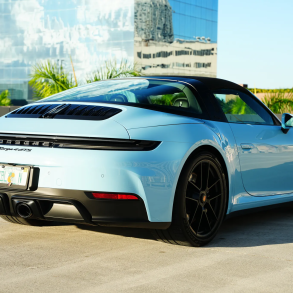
Porsche 911 Carrera — from $135,500
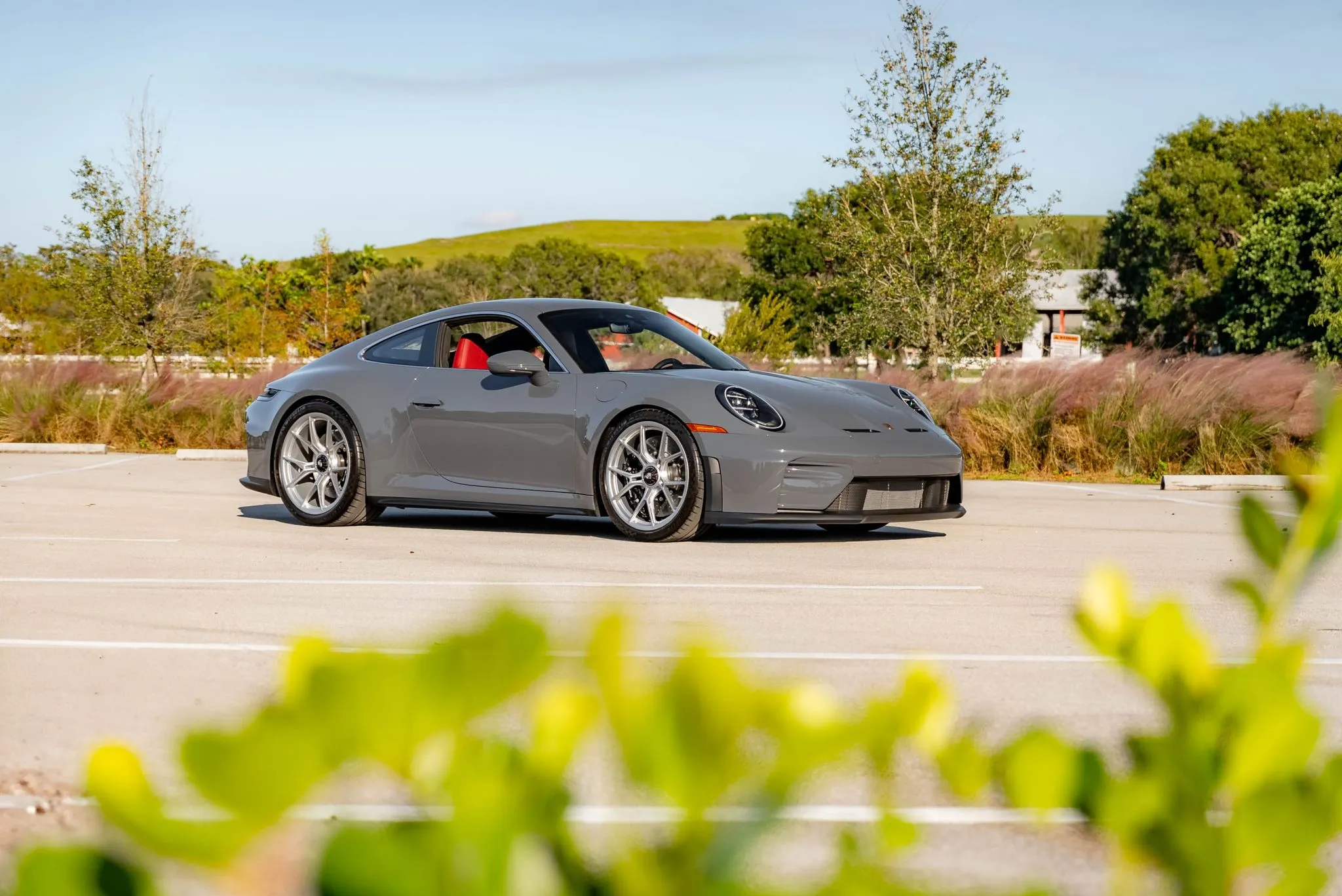
The iconic 911 is the rear-engine, rear-wheel-drive benchmark that every other sports car gets measured against. The car features a twin-turbo 3.0-liter flat-six engine that produces 388 hp and accelerates from 0 to 60 mph in 3.9 seconds. The 2+2 rear seats technically exist. Most owners treat them as a shelf.
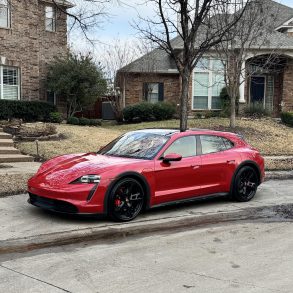
Porsche Taycan Sport Turismo — from $152,950
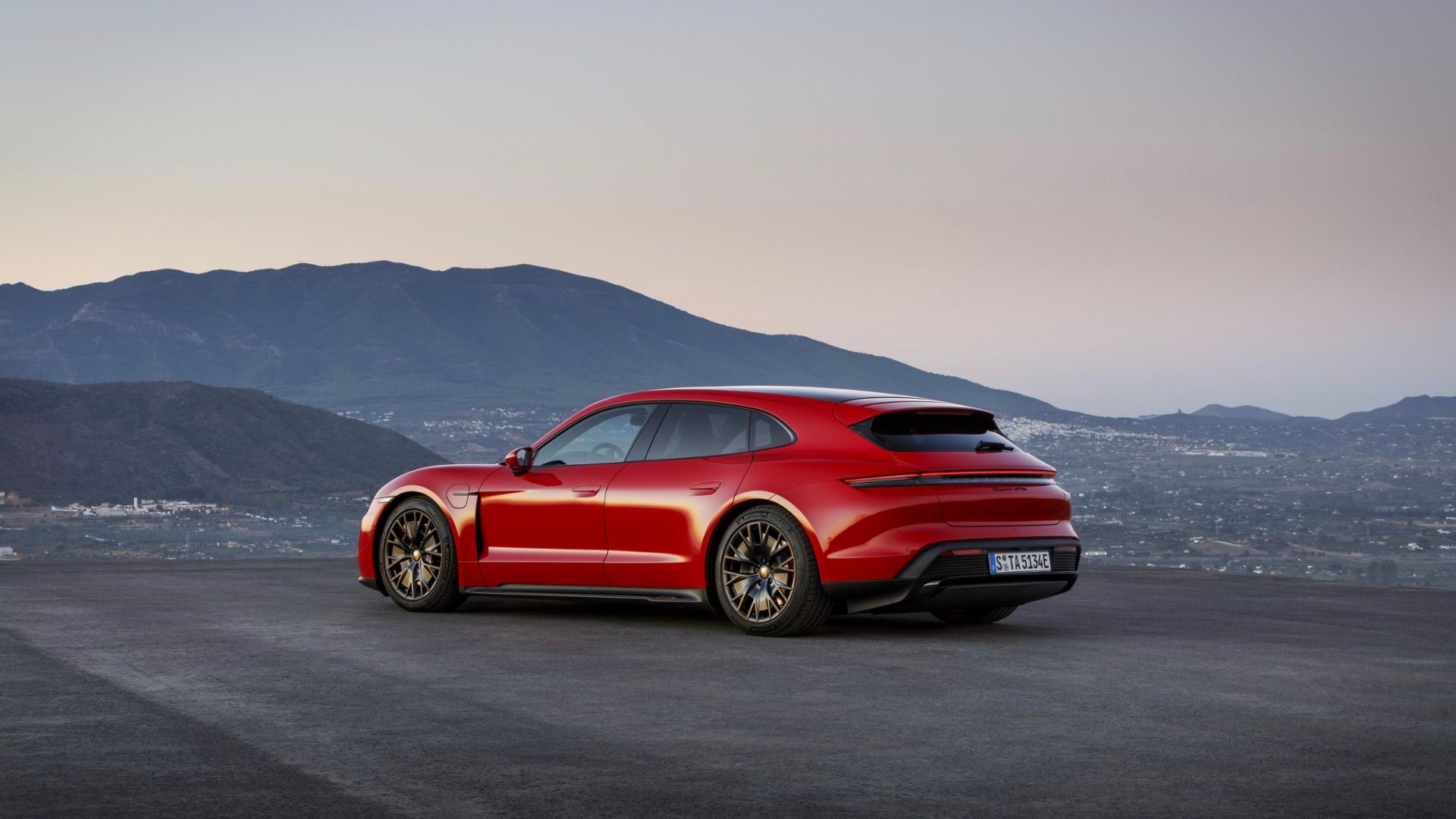
The Taycan Sport Turismo only comes in the GTS trim, which means dual motors, all-wheel drive, 590 hp with launch control, and up to 279 miles of range. The wagon body adds real rear headroom and genuine cargo capacity. It is the most liveable Taycan for everyday use and the priciest entry point on this list.
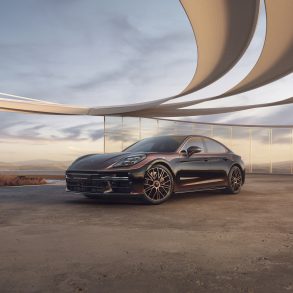
Porsche Panamera — from $110,100
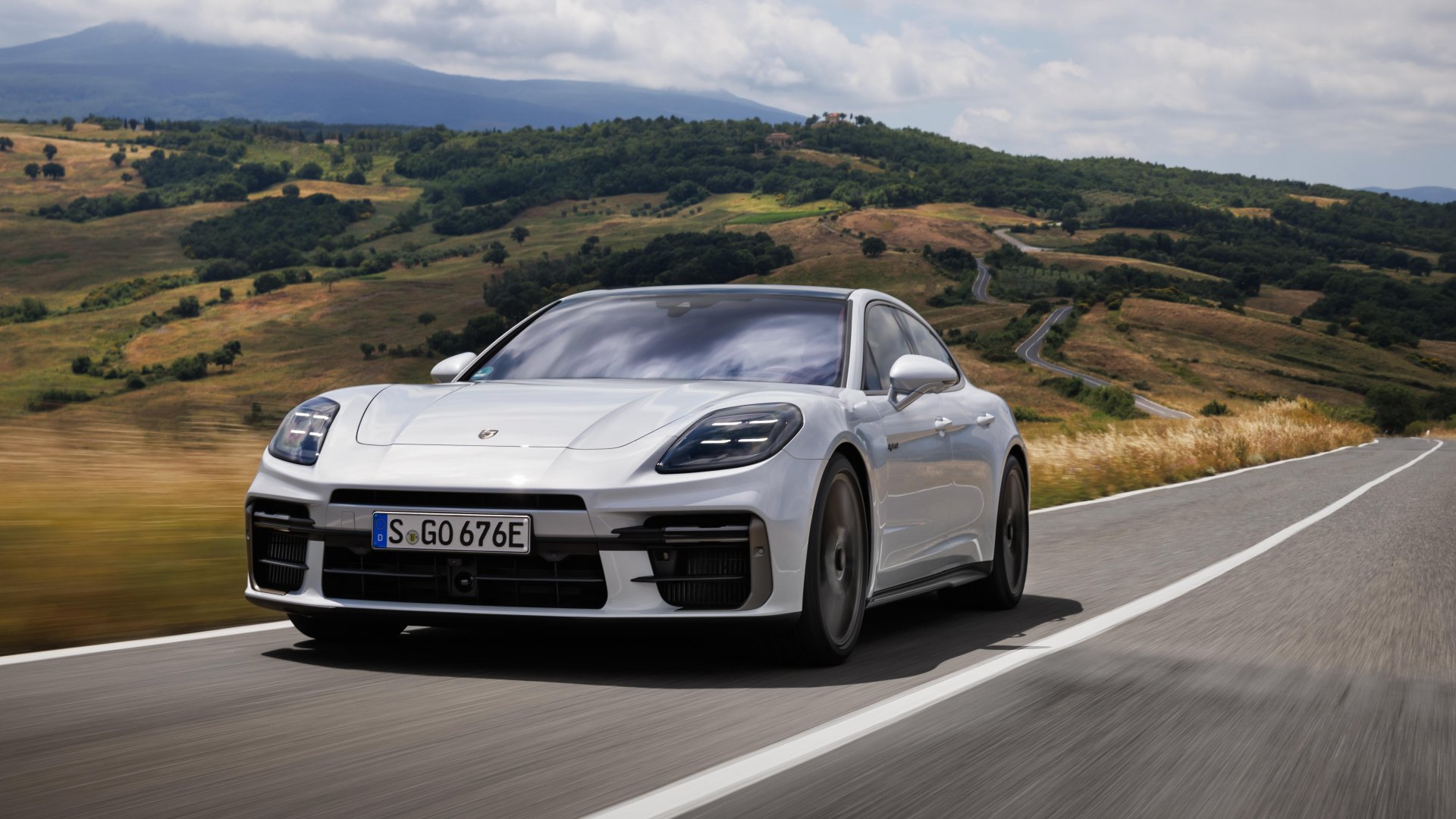
Four proper doors, four seats that adults can actually use, and a boot that functions as a boot. It is available as a plug-in hybrid, which significantly changes the running cost story for anyone who charges at home. It is the Porsche for people who need their car to handle regular life without feeling like a compromise.
Porsche Cayenne — from $88,800
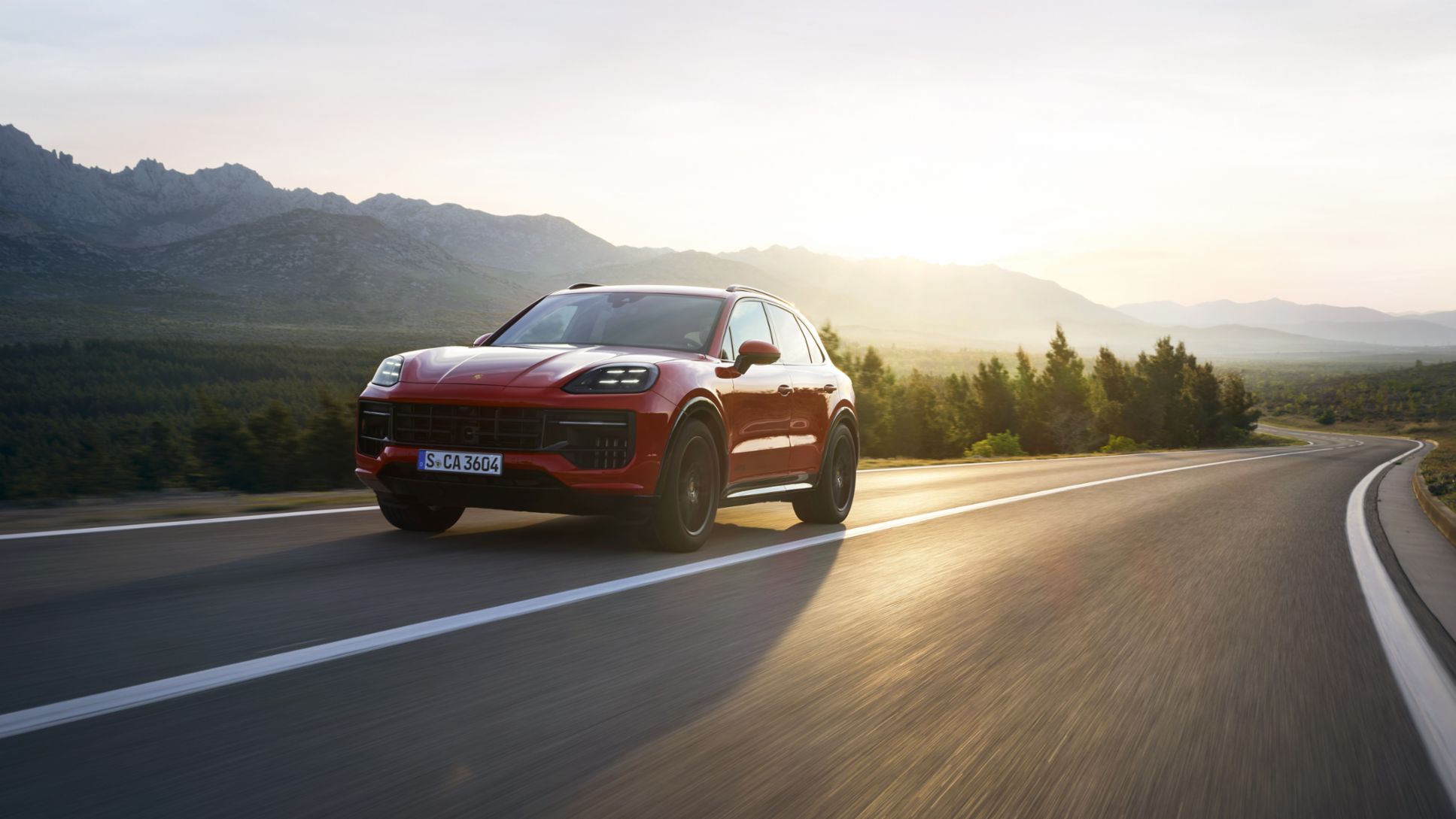
The SUV that kept Porsche financially afloat for two decades and has been earning its place in the lineup ever since. Turbocharged 3.0-liter V6 with 348 hp, all-wheel drive standard, tows up to 7,700 lbs and corners better than anything this size and weight should be able to.
Porsche Cayenne E-Hybrid — from $101,200
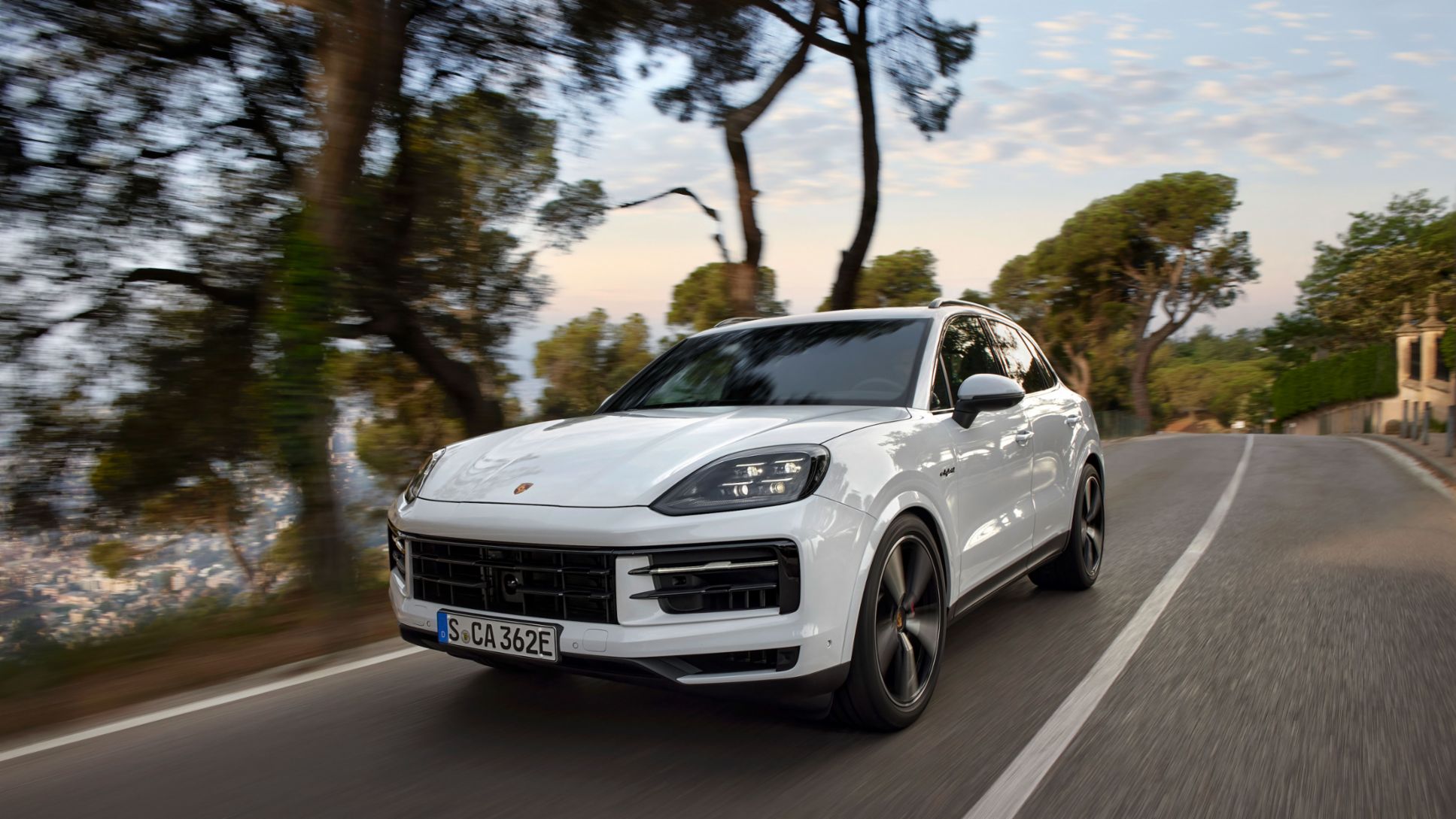
Same basic package as the standard Cayenne but with a 3.0-liter turbo V6 paired to an electric motor and a 25.9 kWh battery, producing a combined 463 hp and 479 lb-ft of torque. The vehicle offers up to 29 miles of all-electric range and a total range of around 460 miles. It covers most daily commutes on electricity alone without ever needing a gas station and then behaves exactly like a normal Cayenne when the battery runs down. The Acid Green brake calipers are either a bonus or a problem depending on your taste.
Depreciation
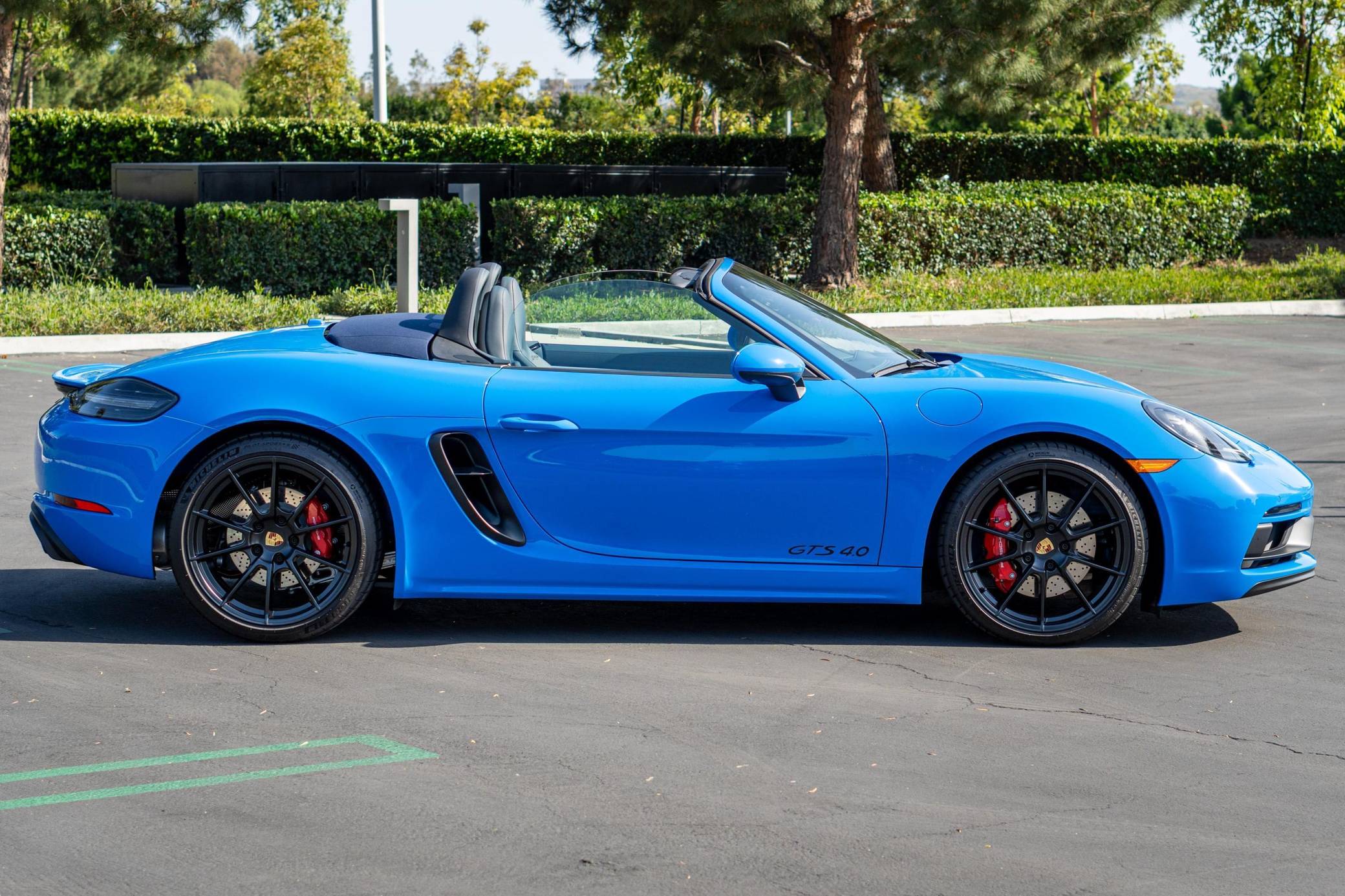
Most luxury cars lose money quickly, and Porsches are generally better at holding value than the competition, but the story varies considerably across the lineup.
The 911 is in its own category. It is one of the very few modern cars where the depreciation curve is not particularly painful, and well-kept examples of certain variants have been known to appreciate. Buy a base Carrera, maintain it properly and sell in five years, and the loss will be considerably smaller than anything comparable at the price. GTS and Turbo variants hold up even better. The fact that 911 prices have remained consistently strong is not a coincidence.
The 718 is more straightforward. A new base Cayman loses value at a rate that is fairly typical for luxury cars. The GT4 RS holds up well because supply is limited and demand has not followed, but that is a conversation for a different type of buyer.
The Macan has one of the better depreciation stories in the compact luxury SUV segment. High owner satisfaction, strong brand loyalty and consistent used demand keep values reasonably healthy. It’s worth noting that 2026 is reportedly the final model year for the combustion Macan before a full electric transition, which could affect used market dynamics in ways that are hard to predict right now.
The Taycan’s long-term depreciation remains uncertain. The broader EV resale market has been rough, but the Taycan has held up better than most. Porsche buyers tend to stay within the brand, and used Taycan demand has been real and consistent.
The Panamera and standard Cayenne both depreciate more like conventional luxury vehicles. Neither is a disaster, but neither approaches 911 territory. Both become noticeably more compelling value propositions at the two- to three-year used mark.
The Cayenne E-Hybrid occupies a unique position. Plug-in hybrid SUVs have generally held value better than pure EVs in the used market, and the Cayenne badge helps considerably. It is probably the most balanced depreciation story of the two Cayenne options right now.
Fuel, Maintenance and Tires
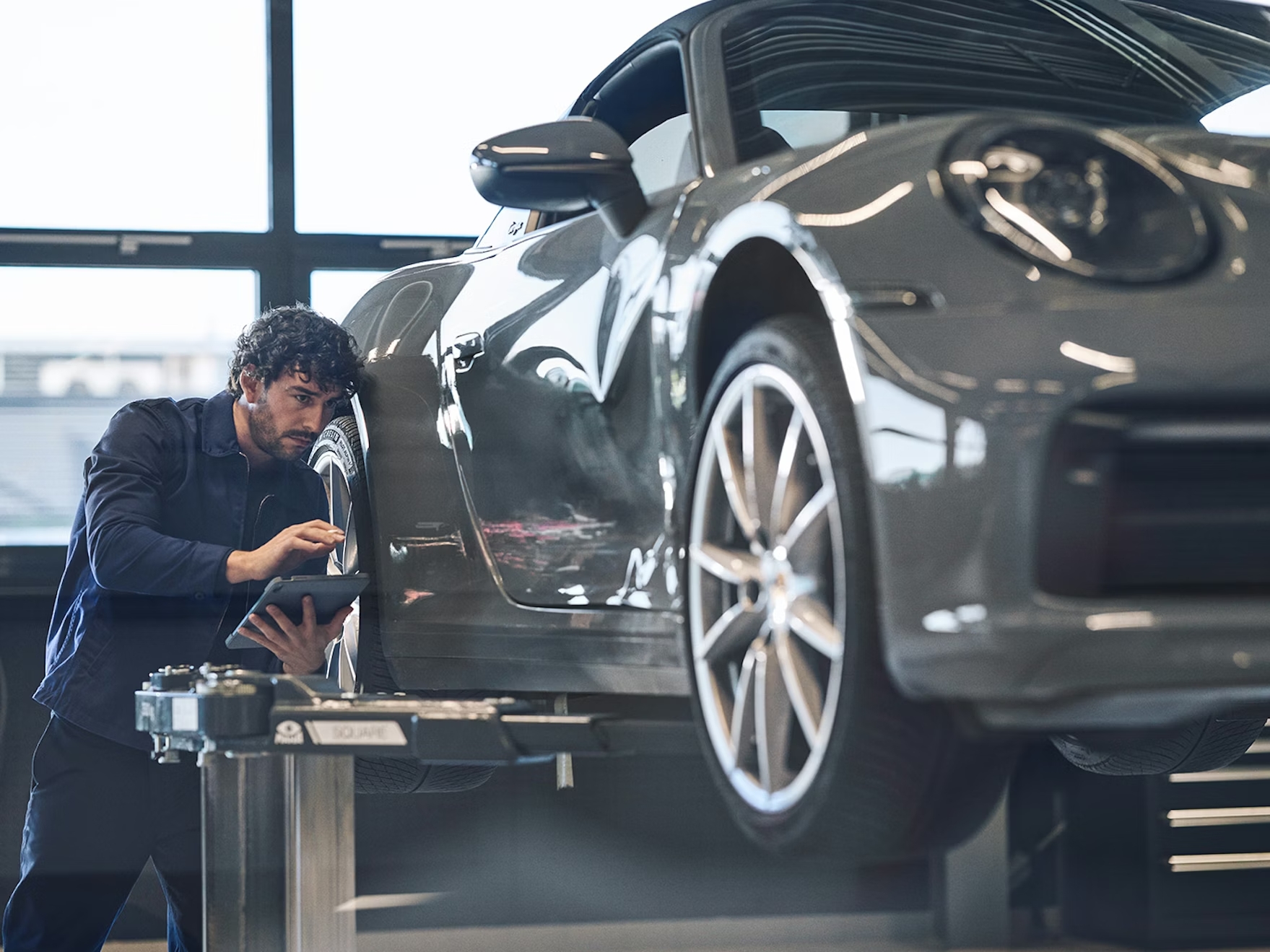
The 911 and 718 both require premium fuel. The 911 Carrera returns around 18 mpg in honest mixed driving, and the 718 does slightly better at around 24 mpg. For a driver covering 12,000 miles a year, this results in annual fuel costs between $2,000 and $2,800 for most people. The Macan lands in a similar range at around 19 to 21 mpg combined depending on the engine, though the V6 models drink more noticeably. The Cayenne gets around 17 city and 23 highway, a similar annual cost despite the larger vehicle.
The Panamera E-Hybrid and Cayenne E-Hybrid are compelling cases. Both can cover most daily driving on electricity alone before the petrol engine kicks in, which cuts fuel costs significantly for anyone who charges at home regularly. A commuter who plugs in every night could go weeks between fill-ups. Someone who ignores the charging cable gets a heavier, more expensive version of a regular Cayenne and pays for the privilege.
The Taycan has no fuel costs at all. Home charging for 12,000 miles a year runs roughly $600 to $800 at average US rates. Public fast charging costs considerably more and should not be your primary plan. If you do not have a Level 2 charger at home already, budget $800 to $1,500 for installation.
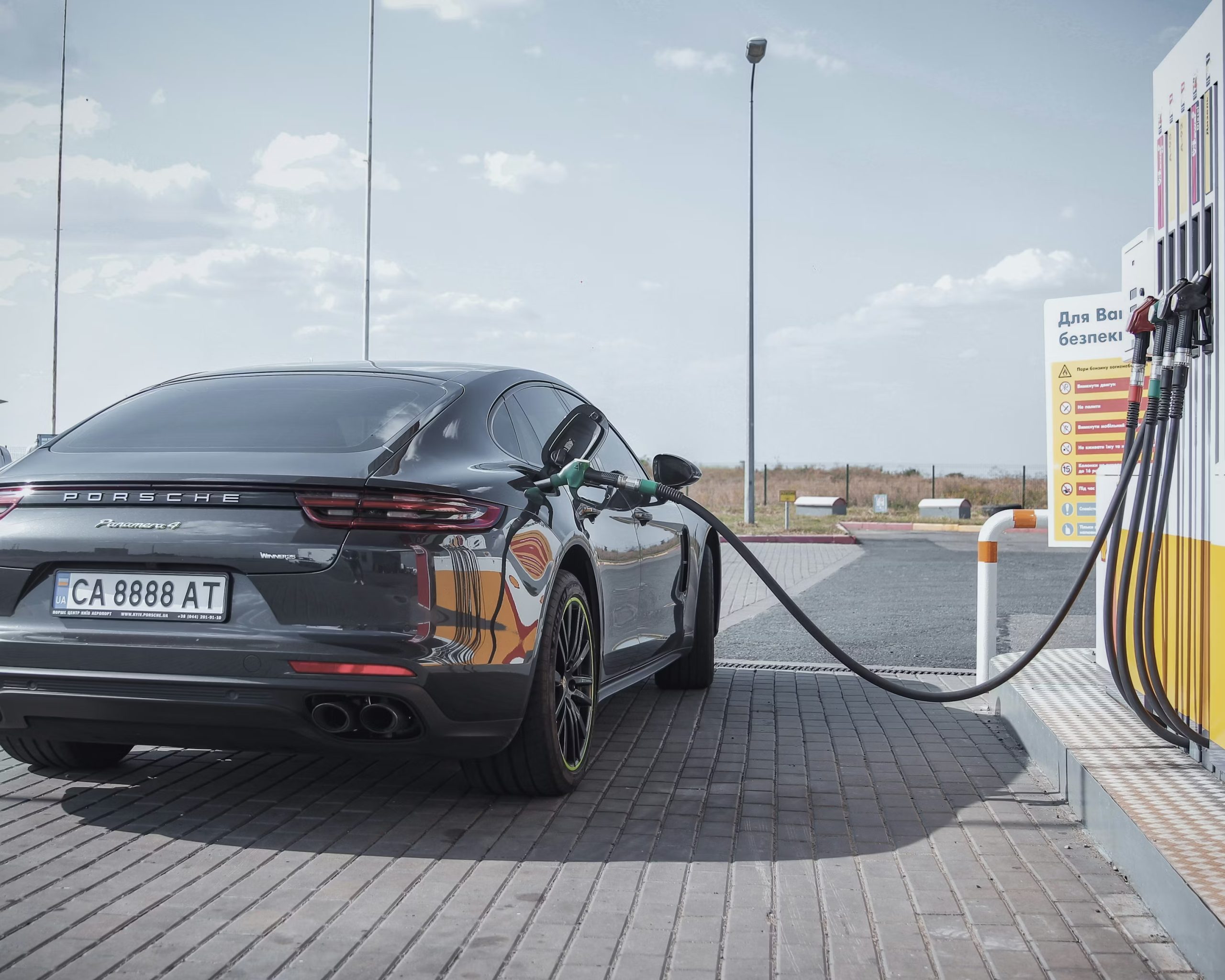
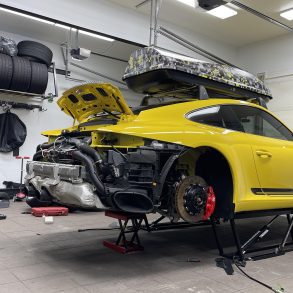
On maintenance, Porsche schedules service every 10,000 miles or once a year. A standard dealer service on the 911 or 718 runs $300 to $500. The larger services, which include spark plugs, brake fluid, and a full inspection, cost between $800 and $1,200. The Macan, Cayenne and Panamera land in a similar range. The Taycan costs less in routine servicing terms, though specialized high-voltage system work is not cheap when it comes up. The E-Hybrid models sit somewhere between the two, with both a combustion engine and a battery system to maintain over time.
Tires are the cost that surprises people most often. Four tires on a 911 run from $1,200 to $2,000 installed. The Cayenne, Panamera and Taycan on larger wheels reach $1,500 to $2,500 a set. The Macan is slightly more forgiving here given its smaller wheel sizes, but still meaningfully more expensive than a mainstream SUV. Take any of these cars to a track day, and the interval shortens considerably.
Insurance: The Number Most People Look Up Too Late
Porsche insurance does not track neatly with sticker price, and the gaps between models are wider than most buyers expect going in. The 911 is consistently expensive to insure, not just because of its price, but also because repair costs are high, parts are expensive, and sports cars that are used hard generate more claims than family SUVs that are driven sensibly. Insurers have decades of claims data on cars like this, and they price accordingly. The Taycan sits in similar territory because high-voltage system repairs add a layer of cost and complexity that conventional cars simply do not carry.
The Cayenne is the most affordable Porsche to insure of the group, and it is not particularly close. It gets used like a family SUV, and its claims profile looks like that of a family SUV. The 718 is cheaper to insure than the 911, but not as much as the price difference suggests.
The mistake most buyers make is looking up insurance after they have already settled on a specific model and color. The annual premium gap between a base Cayenne and a 911 GTS can run several thousand dollars depending on your state and driving history. Checking Porsche insurance rates for the specific model you are considering before you commit rather than after is one of the more practical things you can do early in the process. It is also worth knowing that where you live has a bigger impact on your premium than most people realize. The same car, driver, and coverage can have premiums that differ by thousands of dollars between states.
What It Actually Costs to Run One
For a driver covering around 12,000 miles a year, here is an honest annual running cost picture covering fuel or charging, maintenance, tires and insurance. Depreciation is worth calculating separately since it depends heavily on how long you keep the car and what the used market looks like when you sell.
The 718 Cayman is the cheapest of the seven to run on a day-to-day basis. Most drivers will land somewhere between $6,000 and $9,000 per year. Tires are the variable that moves that number most, particularly if the car sees any track time.
The Macan is the most accessible Porsche to run overall. Lower insurance costs, smaller tires and reasonable service bills put most owners between $5,500 and $8,000 per year. If financial sense matters to you, this is probably the most financially sensible Porsche in the lineup; for some buyers, it does matter, while for others, it is beside the point.
The 911 Carrera costs more across every line item. Insurance alone typically runs $3,000 to $6,000 annually depending on location and history. Total running costs for most owners sit between $10,000 and $15,000 a year before any unplanned repair work comes into it.
The Taycan Sport Turismo trades fuel costs for electricity costs, but the overall annual spend ends up in comparable territory to the 911. A realistic budget is $10,000 to $14,000 per year.
The Panamera, particularly the E-Hybrid with regular home charging, is the most cost-efficient of the upper-tier models. A driver who uses the electric range instead of ignoring it typically spends around $8,000 to $11,000 annually.
The Cayenne is the most predictable and arguably the most forgiving Porsche to own financially over time. Lower insurance, more conventional tire costs, and strong residuals put most base and S model owners between $7,000 and $10,000 per year.
The Cayenne E-Hybrid costs a bit more upfront than the standard Cayenne but can undercut it on annual running costs for drivers who charge regularly. Fuel savings on a daily commuter can be substantial. Budget around $7,500 to $10,500 per year, with the lower end very achievable for someone who treats the charging cable as part of the routine.
Porsches cost real money to own. Anyone who tells you otherwise has not owned one long enough. The happiest buyers calculated the full annual cost before signing, not afterward when the first bill arrived.