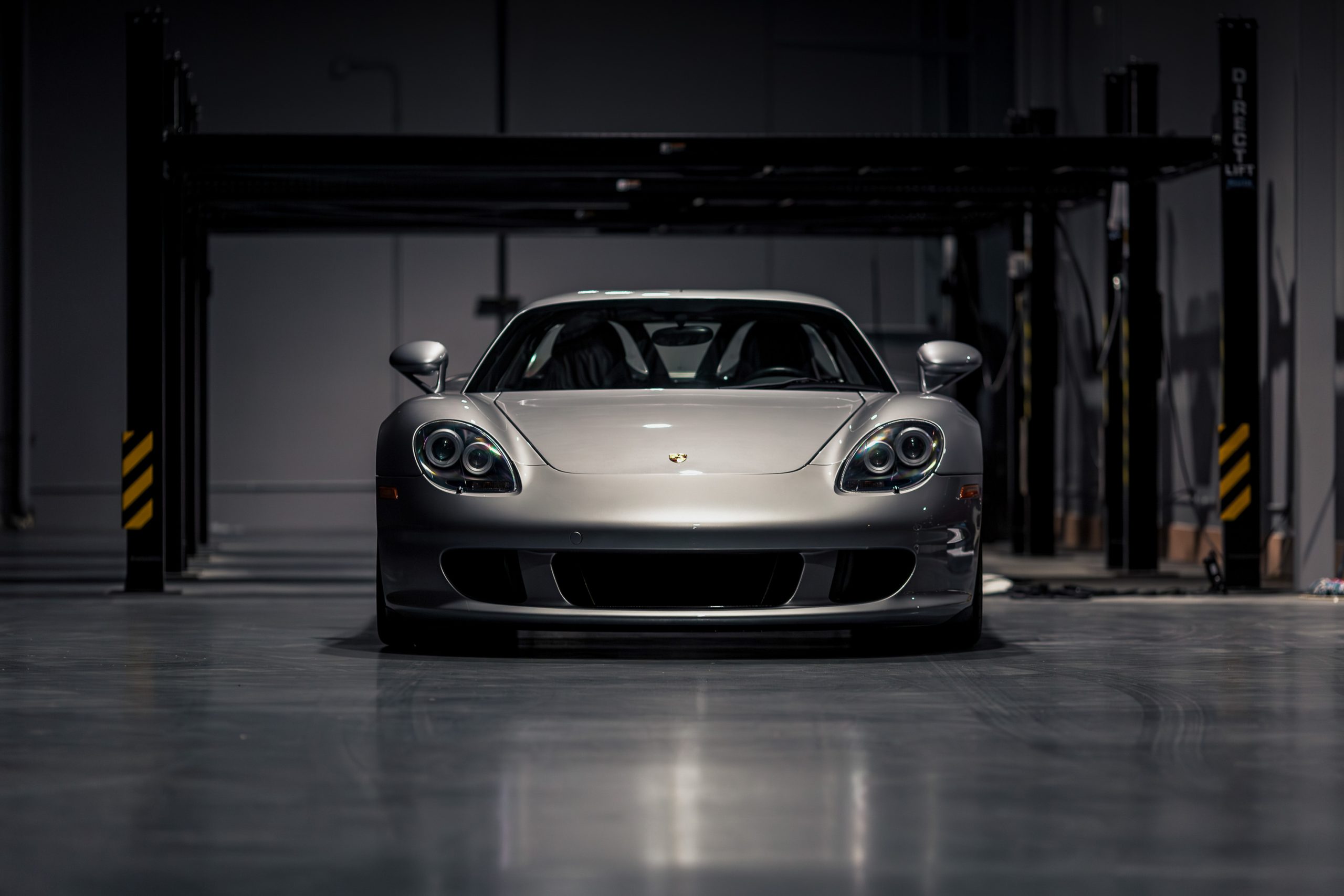


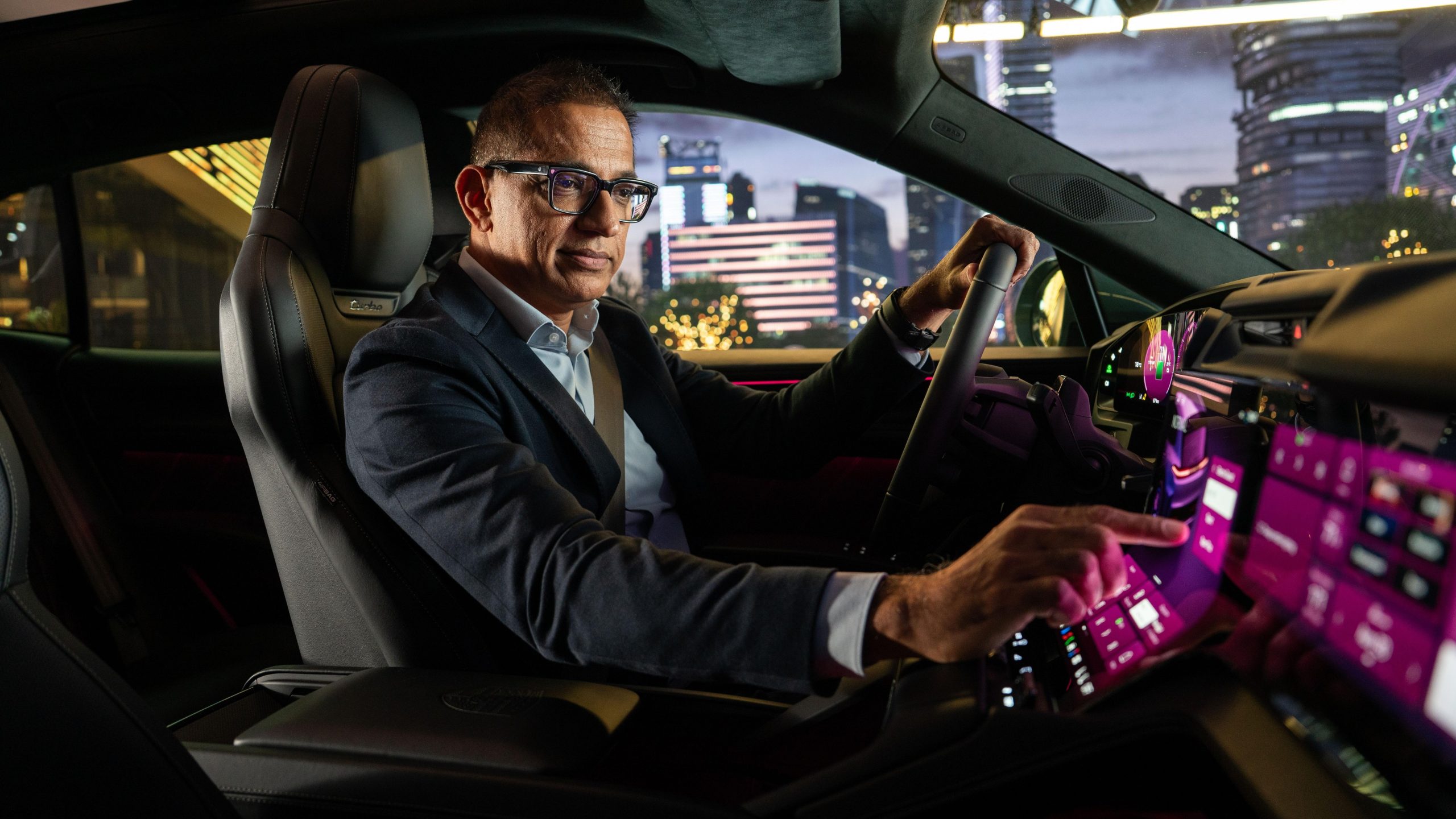
For many decades, Porsche was the gold standard in sports car engineering, precise, mechanical, almost obsessively good at what it did. But as Bob Dylan once warned, the times they are a-changin’, and Stuttgart wasn’t listening closely enough. Years of overpromising and underdelivering on electric vehicles among other factors, finally caught up with the brand in 2025, when operating profit collapsed 98%, from €5.3 billion to a humbling €90 million.
As someone who has loved these cars most of my life, watching Porsche get outpaced by Chinese and Korean brands on software isn’t just surprising, but kind of sad to watch. Because in the age of software-defined vehicles, being the best at hardware doesn’t guarantee anything anymore. So how did we get here?
What “Software-Defined” Actually Means
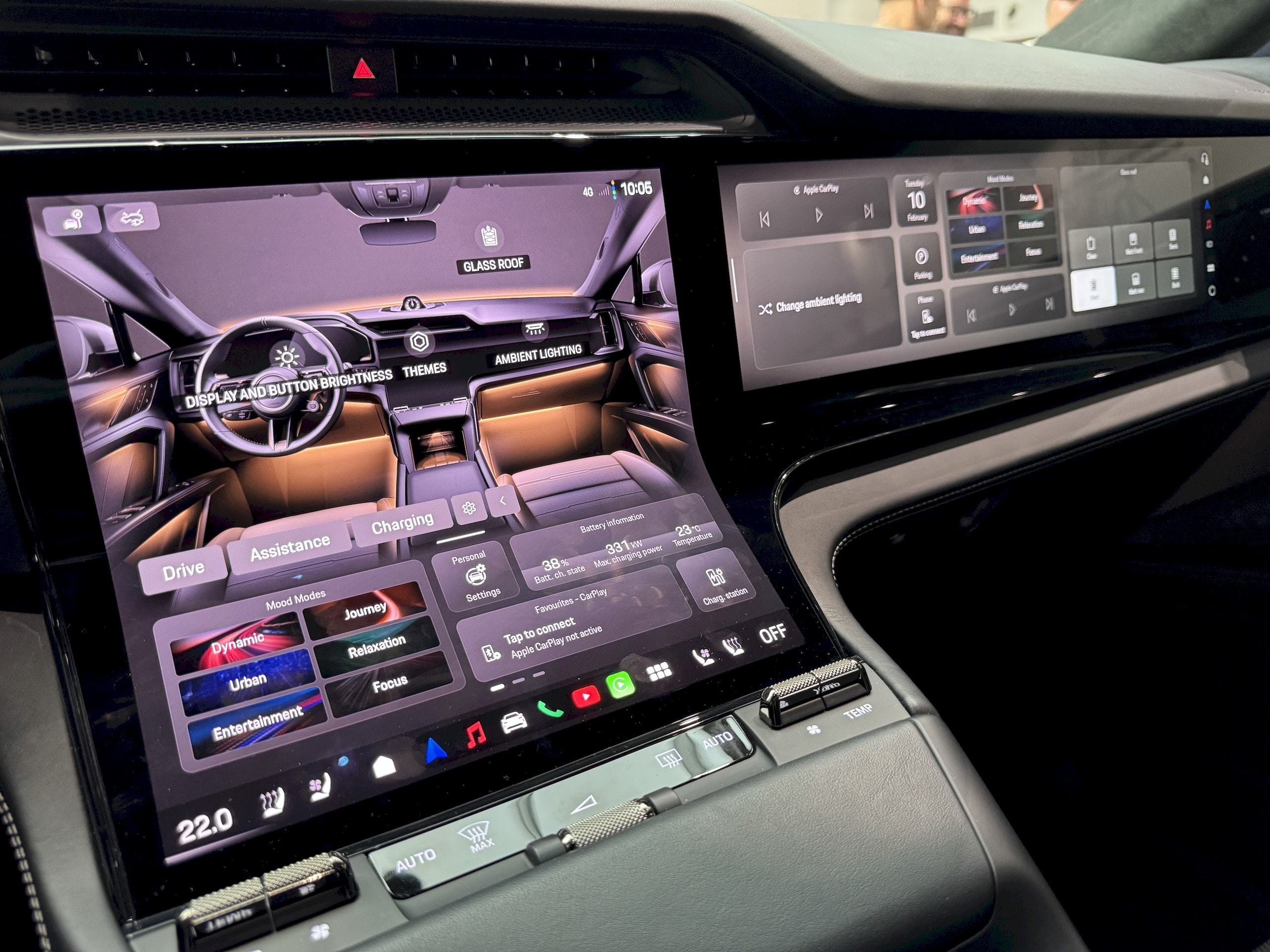
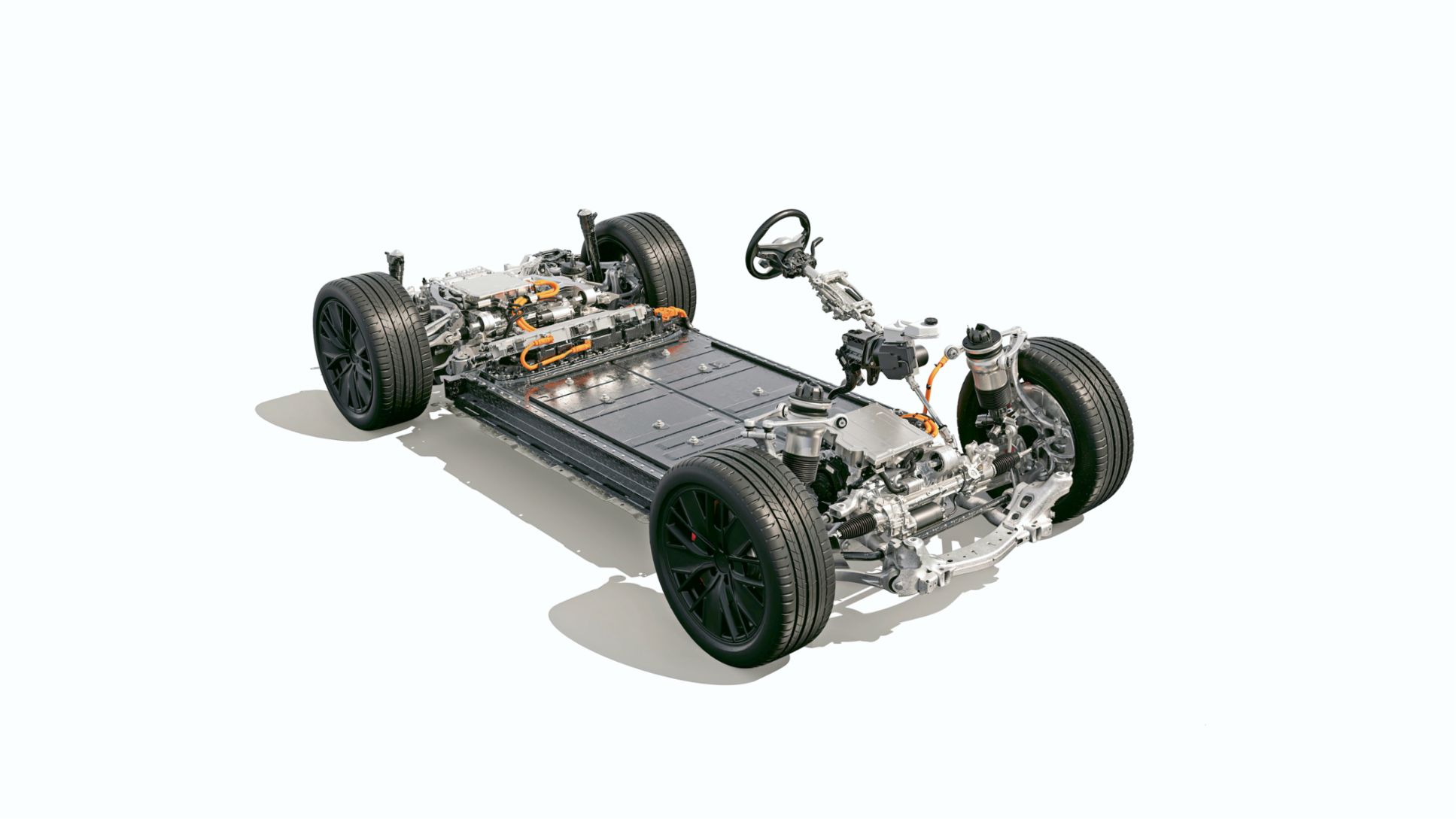
The term gets thrown around a lot these days, so it’s worth taking a second to explain what it actually means in practice. A conventional car is fundamentally a hardware product. The software inside it exists to support mechanical systems, managing fuel injection, monitoring tire pressure, running the ABS. The software is a support act. In a software-defined vehicle, that hierarchy gets turned upside down. The software is the product, and the hardware underneath it is closer to a vessel.
The comparison that makes most sense is the smartphone, not because it’s a perfect analogy but because most people have lived the experience firsthand. You bought a phone two or three years ago, and it still does things today it couldn’t do when you took it out of the box. That’s the promise of software-defined vehicles: a car that genuinely improves over time, with new features, performance updates, and fixes delivered wirelessly. Tesla was the first to make this feel real for mainstream buyers, and the rest of the industry has spent the better part of a decade trying to figure out how to respond. Some have managed it better than others. Porsche, unfortunately, has not been at the front of that line.
Where China Pulled Ahead
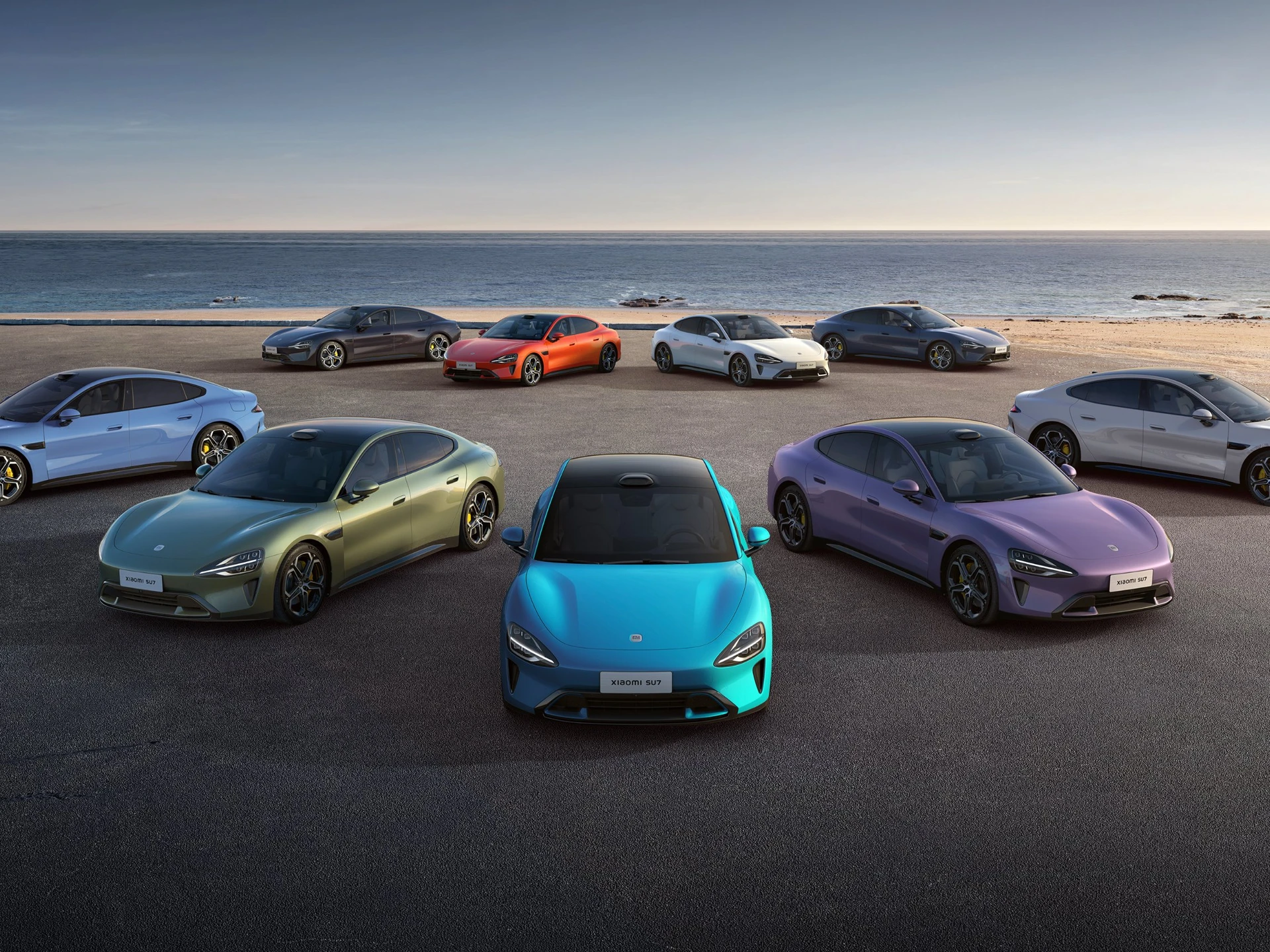
Xiaomi, Nio, Xpeng and others like them didn’t grow up in the automotive industry. They came from consumer electronics and internet services, and that background shapes how they approach a car at a pretty fundamental level. To them, a vehicle is a connected device that happens to have wheels. That’s not just a philosophical difference; it has enormous practical consequences for development speed, update frequency, and what the finished product feels like to actually own.
The Xiaomi SU7 is probably the clearest illustration of where things stand right now. Performance-wise it belongs in the same category as the Taycan, with sub-four-second 0-60 times, but the experience inside the car is a different story entirely. The AI integration, the cabin software, the way it connects with your phone: all of it feels years ahead of what Porsche is offering, and it costs roughly half as much. That combination has been devastating in China specifically, where younger luxury buyers have largely stopped treating a German badge as an automatic indicator of technological sophistication. Porsche’s deliveries in the country fell 26% in 2025, which is a number that should concern anyone who has been following the brand closely.
The pace question is also real and probably underappreciated. Chinese brands release updates and new variants at something approaching a smartphone cadence. European manufacturers work on cycles that were designed for a world where the hardware was the whole product, and changing that is not a quick or easy process.
The Korean Side of the Story
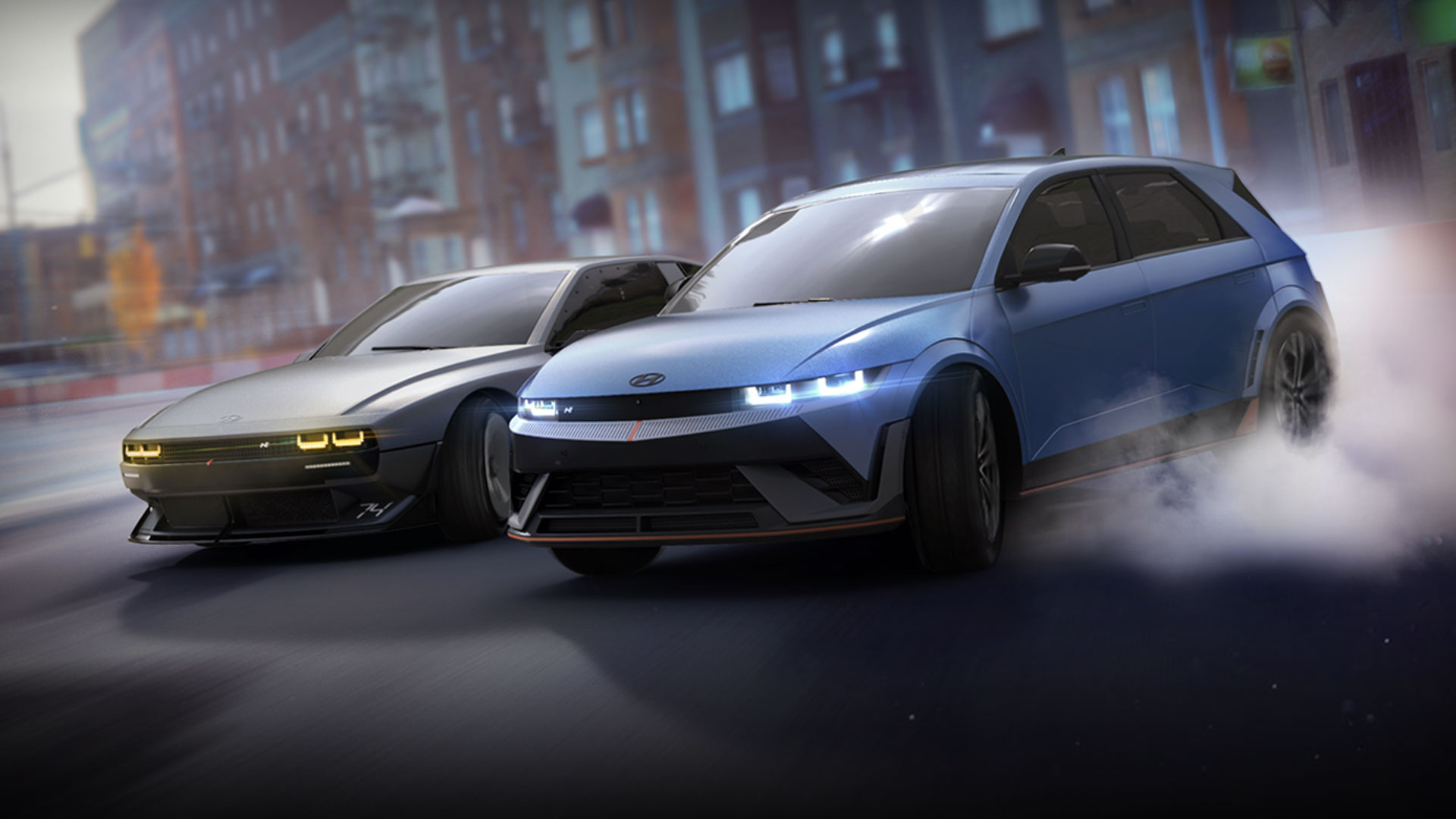
Hyundai tends to get overshadowed in this conversation by the sheer scale of what’s happening in China, but it probably shouldn’t. Models like the N 74 Vision concept set for production this year, along with the Ioniq 5 N and Ioniq 6 N, are rewriting the rulebook for sporty SDVs. The Ioniq 5 N in particular has done something that a lot of people, including some engineers at Porsche, didn’t fully expect: it made an electric performance car feel genuinely exciting to drive, not just fast but involving, with software doing work that used to require a combustion engine to achieve. The simulated gear shifts and engineered sound profile aren’t gimmicks to everyone who has driven it. Some people find them transformative.
What struck me when I first read about Porsche’s development team referencing the Ioniq 5 N as an eye-opener for the electric 718 project was not just the admission itself, but what it implies. Porsche built its reputation in part by being the answer to questions like this. Other manufacturers benchmarked Porsche. The fact that the dynamic has flipped, even partially, is worth sitting with for a moment.
The VW Group Problem
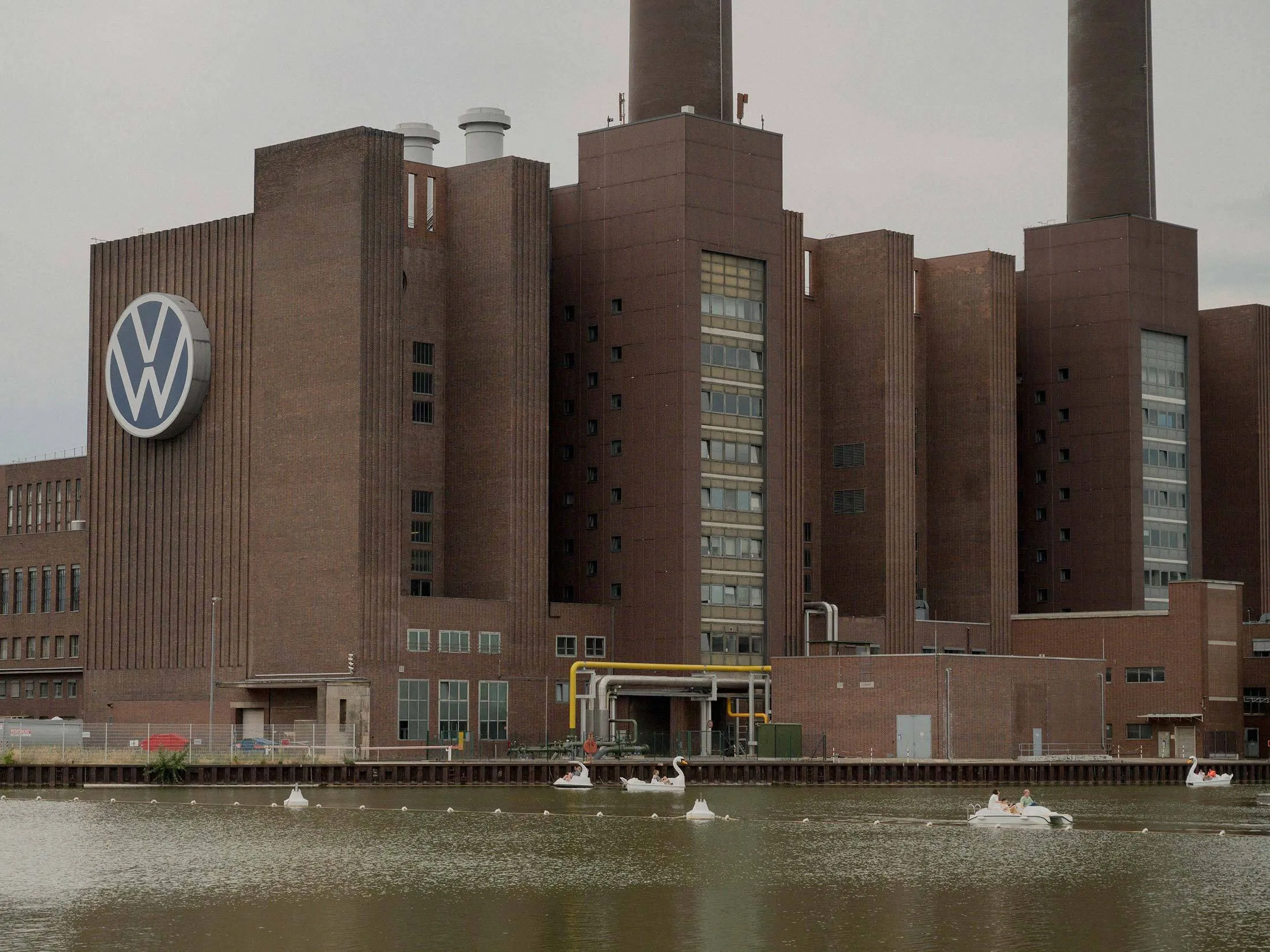
Here’s something that gets lost in the broader conversation about Porsche’s struggles: a significant chunk of its software problems weren’t actually created in Stuttgart. Porsche is part of the Volkswagen Group, and the Group’s attempt to build a unified software platform, VW.OS, has been one of the messier stories in the recent automotive industry. Delays, cost overruns, and technical problems have rippled across multiple brands. The Macan Electric launch was pushed back because of software issues that had their origins at the Group level, not at Porsche itself. By the time it arrived in showrooms, the window it was supposed to fill had already attracted serious competition.
None of that means Porsche is off the hook. It still has to compete in the market it actually faces rather than the one it planned for. But it does help explain some of why the gap is as wide as it is. Building automotive-grade software from scratch is genuinely hard, the kind of work that has to perform flawlessly in extreme conditions, satisfy safety regulators across multiple continents, and scale across millions of vehicles. It’s part of why manufacturers have increasingly turned to specialist partners like https://dxc.com/industries/automotive rather than trying to own every layer of development internally. Porsche has started doing this too, building out a dedicated software operation and working with firms like Applied Intuition on development and validation. Whether that’s enough, and whether it’s happening fast enough, is harder to say.
The Financial Reality
According to a report by The Auto Wire, Porsche posted operating profit of just €90 million in 2025, against €5.3 billion the year before. That is a 98% decline in a single year, a number so large it’s almost difficult to process for a brand that spent most of the last decade being held up as a model of profitability within the broader Volkswagen Group. Behind that figure is a combination of €2.7 billion in write-downs tied to its electrification strategy, the steep drop in China, and roughly €700 million in additional costs from U.S. tariffs. Global deliveries were down 10% and the stock lost more than a third of its value over the course of the year. The company has since announced it will cut around 3,900 jobs by 2029, which tells you something about how long leadership expects this transition to take.
Where Things Go From Here
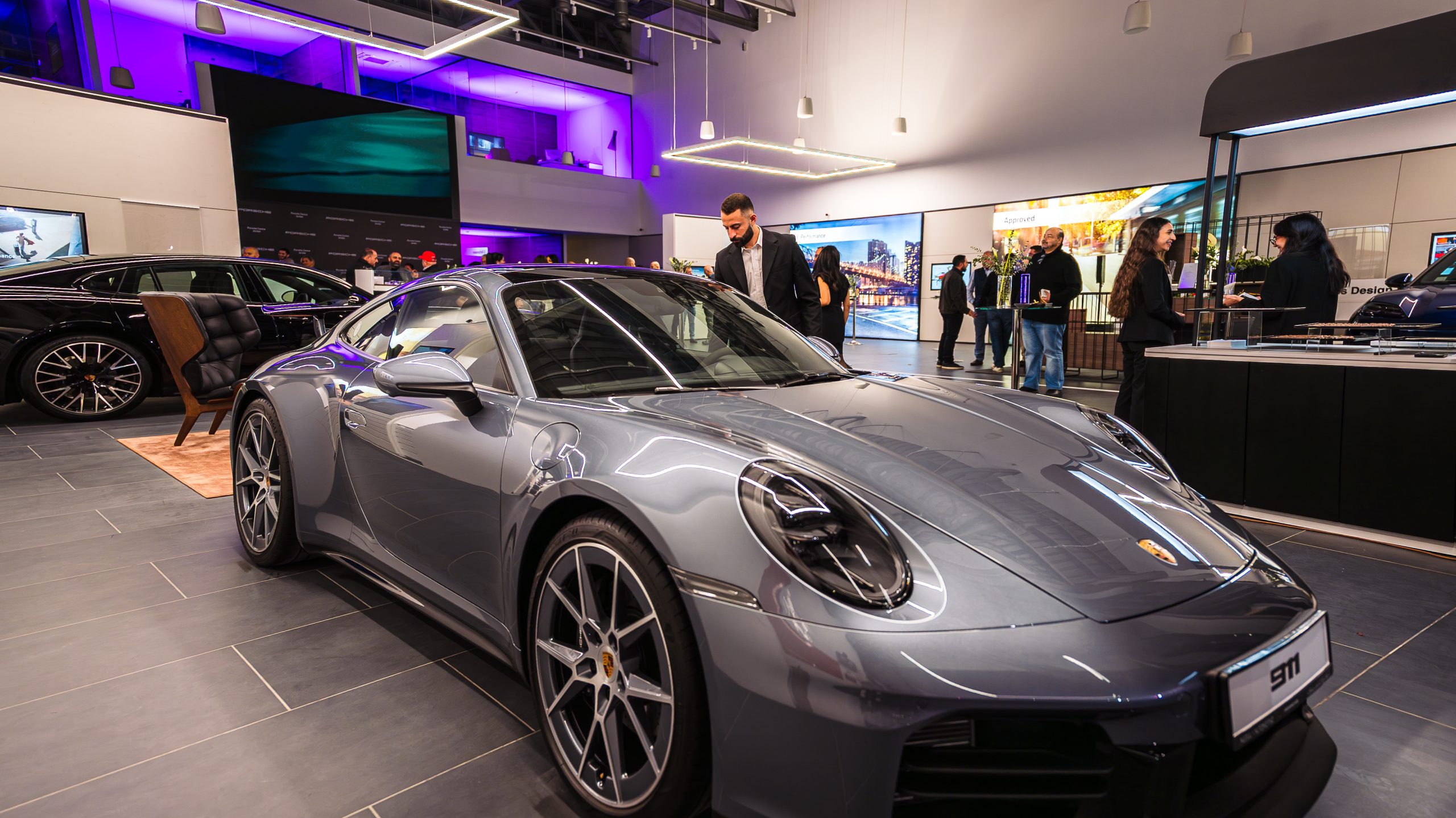
Porsche still has real strengths, and it would be unfair not to acknowledge them. The 911 is one of the most continuously developed performance cars in history, and the engineering knowledge embedded in that car over sixty-plus years is not something a newcomer replicates in a product cycle or two. The brand carries emotional weight that still means something in most markets, and there are plenty of buyers for whom that matters more than whether the infotainment runs on the latest platform.
But the markets are shifting, and the buyers who will define the next decade of luxury car sales have grown up with technology as a baseline expectation rather than a bonus feature. Porsche has publicly admitted it misjudged the pace of change, particularly in China, and the restructuring it has undertaken is at least evidence that the problem has been taken seriously at the leadership level. Getting from acknowledgment to a product range that genuinely competes on software is a longer road, and the brands Porsche is chasing are not waiting for it to arrive.