
The Sepia Effect

A historic color with icon status

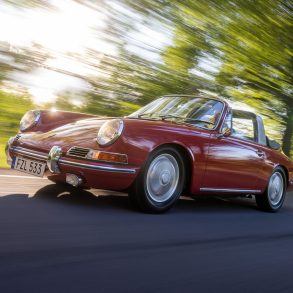
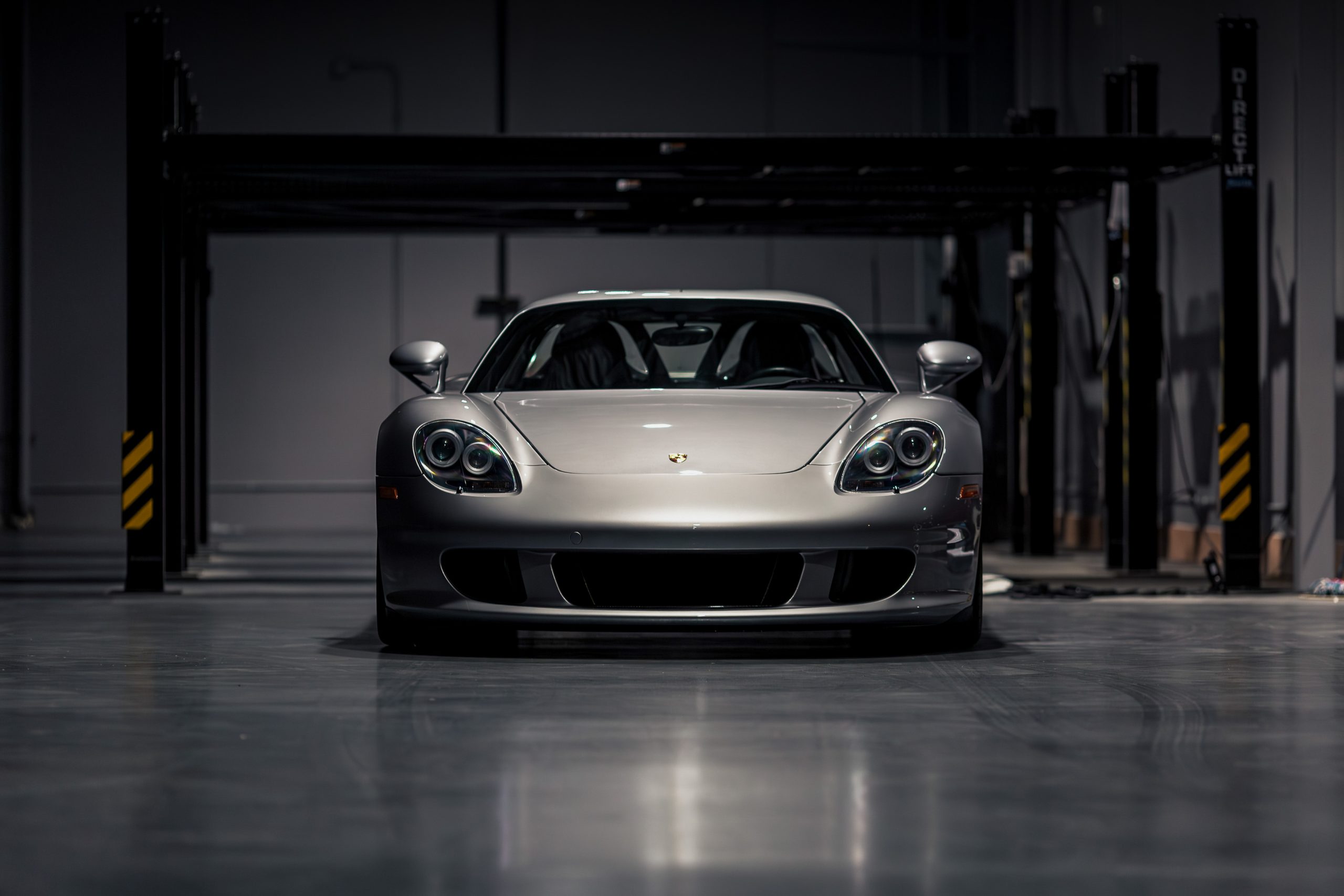
Behind another nondescript garage door in the town of Jupiter, southern Florida, hides half a century of motoring passion. Shelves stacked with racing helmets, trophies, and model cars, walls peppered floor-to-ceiling with vintage signs and sponsorship decals. And at the center of this sprawling shrine to the automobile are no fewer than seven Porsche sports cars. Three in particular stand out because they have one thing in common – despite more than 50 years between their production dates – and that’s the color Sepia Brown.

Members only$35 / year

Keep going. This is where it gets good.

Stuttcars Membership is for people who'd rather spend an hour inside one option code than skim ten headlines. The rest of this story — and every other one like it — is a few seconds away.

  • Every members-only story

    Deep history, driven reviews, market reports and the full archive.

  • No ads. None.

    The whole site reads like a magazine, on every device.

  • Every Porsche, researched

    Model-by-model hubs: production numbers, specs, options, colors.

  • 30% off the shop

    Every Stuttcars shirt and piece of merch, all year.

Join Stuttcars — Keep Reading

$35 a year. Cancel anytime, no hoops.
Already a member? Sign in

BY PORSCHE PEOPLE, NOT A CORPORATION. Your membership keeps a small independent team of historians, ex-racers, engineers and journalists doing this.

Join — Keep Reading $35/yr