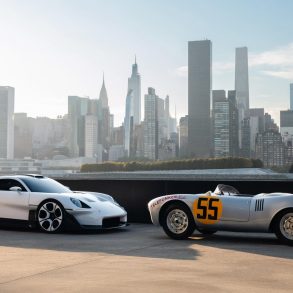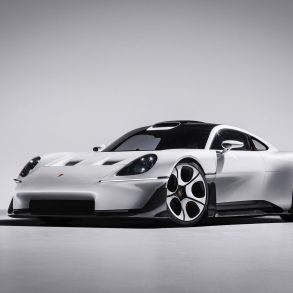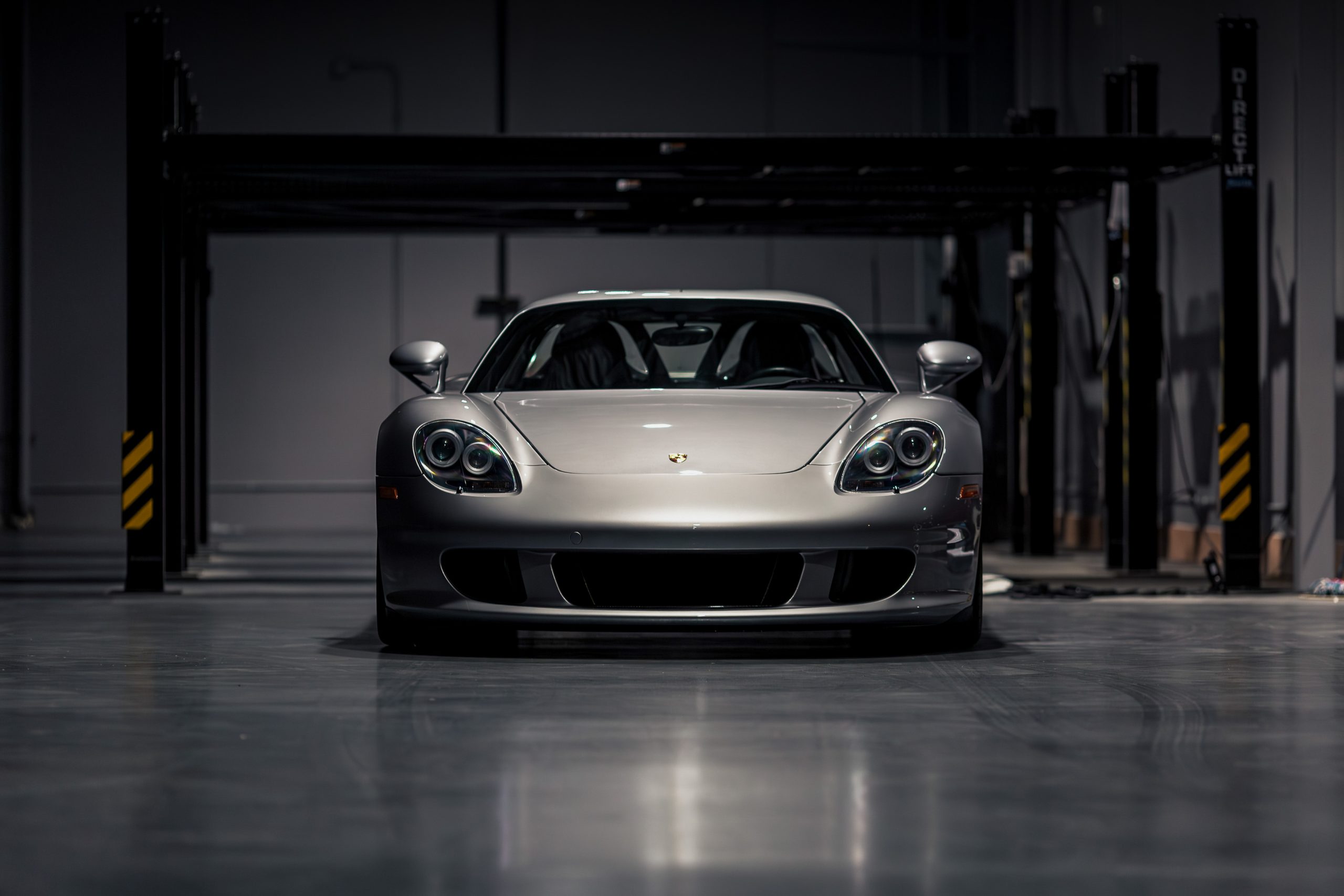


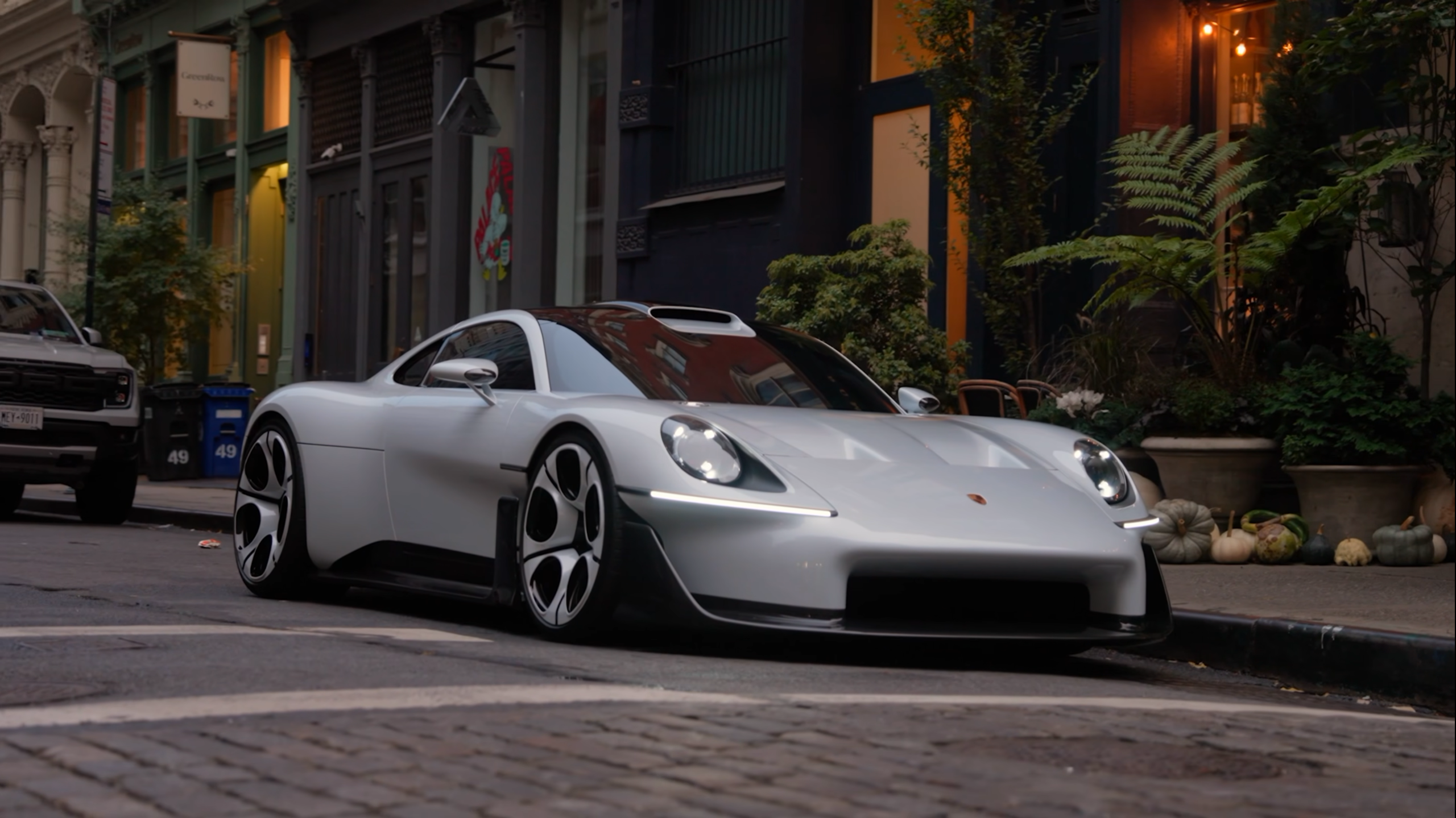
The Porsche Mission S is a design study that previews a potential new chapter in the German manufacturer’s performance-car lineup. Conceived to sit above the iconic 911, the concept explores a more exotic, mid-engine, two-seat supercar that retains the brand’s recognizable design language while introducing a fundamentally different mechanical and aerodynamic package.
Unlike an experimental hypercar conceived solely to showcase extreme technology, the Mission S is presented as a potential production model intended to reach customers beyond a small circle of collectors. Its design suggests a deliberate balance between exclusivity, performance, and manufacturing practicality, with Porsche reportedly considering extensive use of metal bodywork rather than relying on expensive carbon fiber construction.
The result is a car that looks unmistakably like a Porsche without appearing to be merely a more aggressive 911.
Design Inspired by Porsche’s Greatest Hits
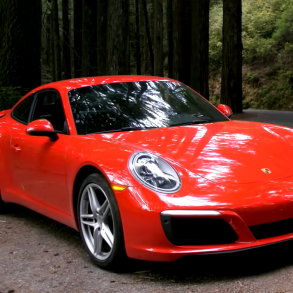
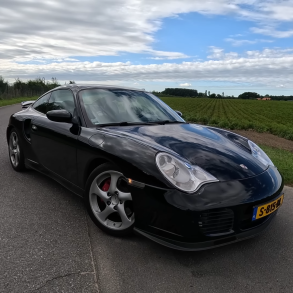
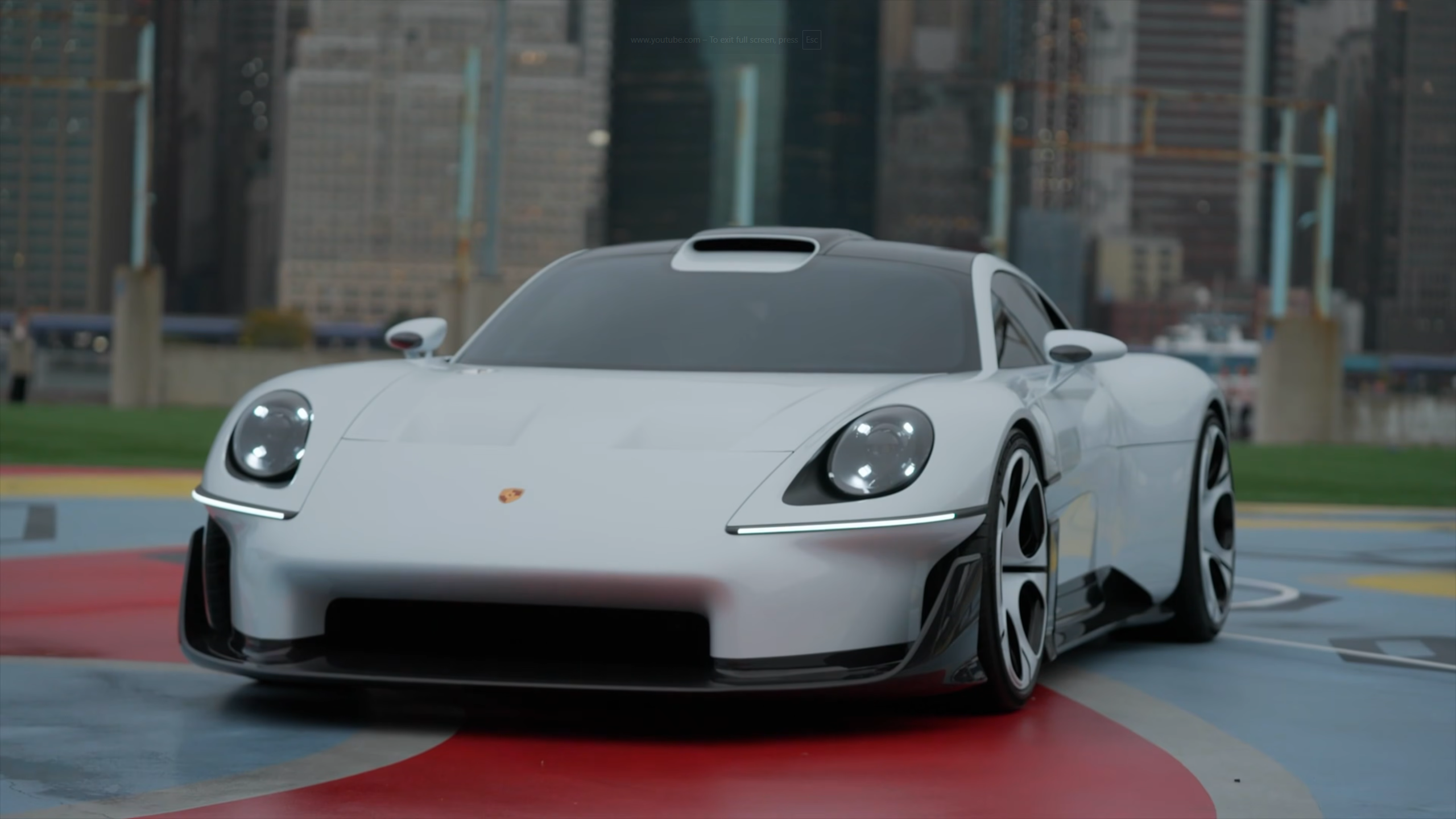
The Mission S combines visual references from several landmark Porsche models. Its headlights, front fenders, and distinctive window line retain the familiar proportions of the 911, while the low front nose recalls the GT1. Softer body surfacing evokes the Carrera GT, and the telephone-dial-style wheels reference the 928.
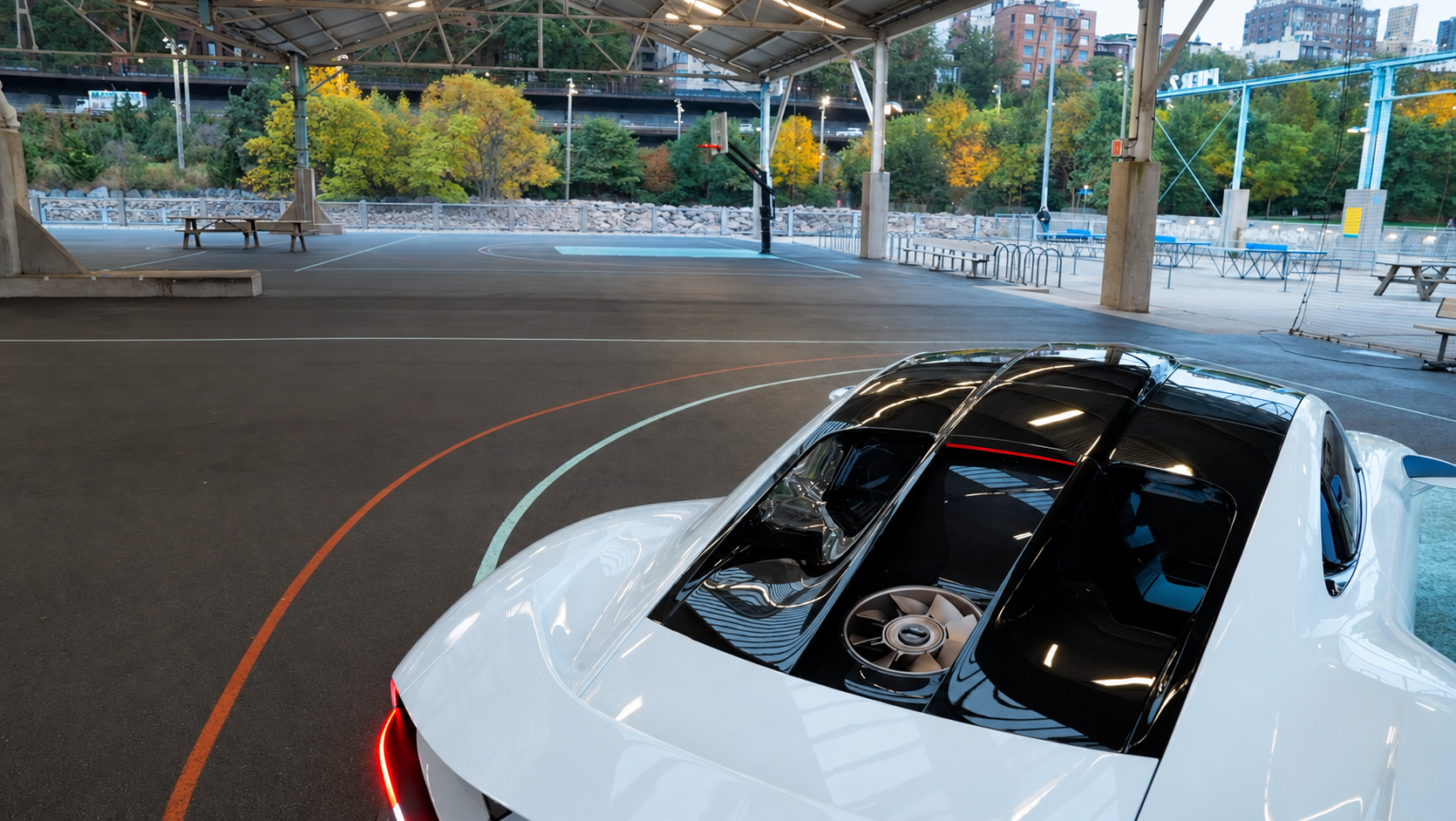
Further details reinforce the connection to Porsche’s racing and road-car heritage. Flying buttresses channel airflow along the rear bodywork, while a prominent roof scoop feeds the engine compartment. At the rear, a horizontally mounted cooling fan recalls the legendary 917 race car, and an active rear wing rises on pylons reminiscent of the Carrera GT before integrating into a rear structure that evokes the 959.
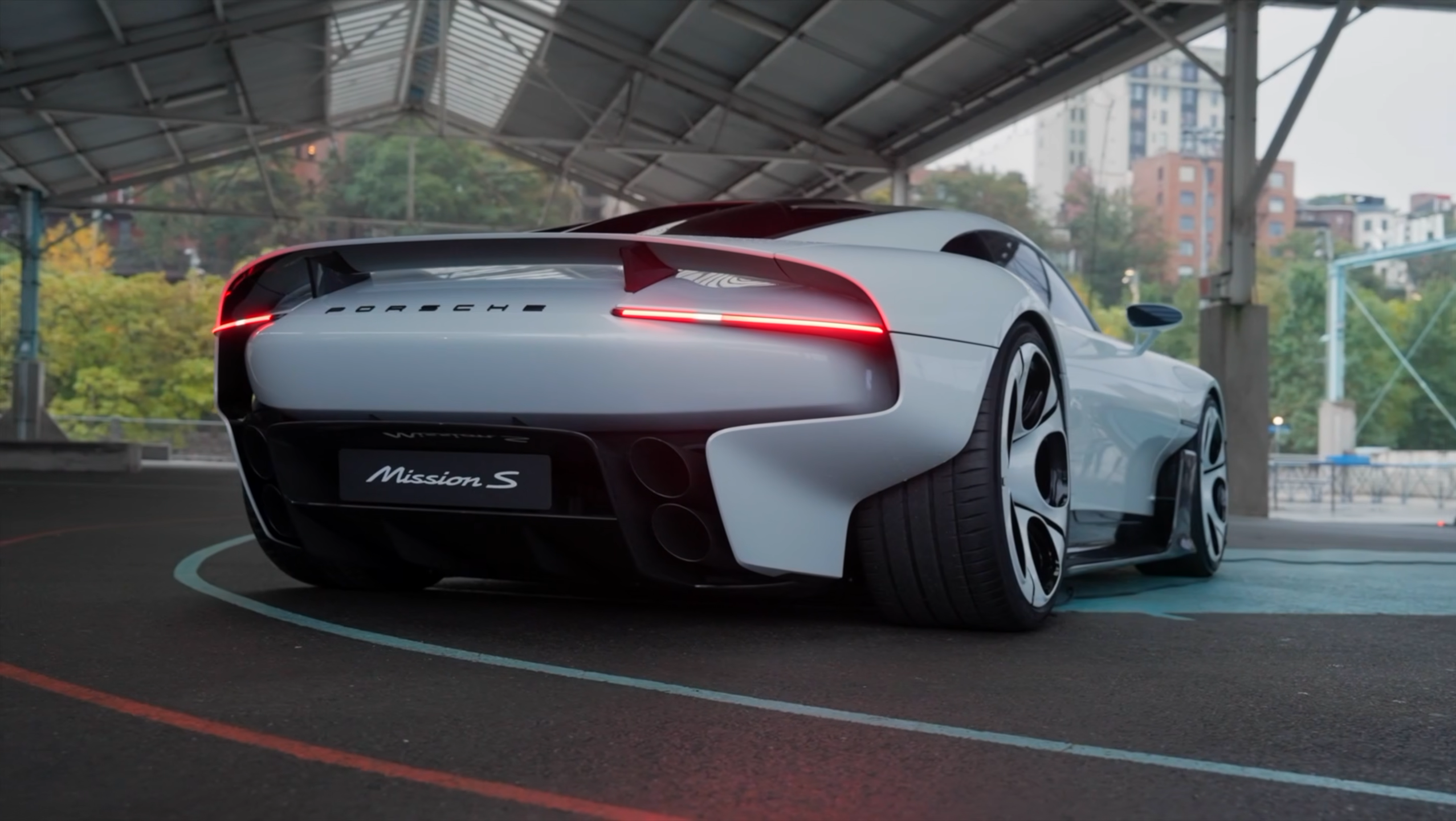
The broad rear haunches and exposed tire surfaces emphasize the car’s mid-engine proportions. Rather than simply increasing body width, the design visually tightens the cabin and narrows the body through the middle, directing attention toward the rear wheels and powertrain.
These elements serve a functional purpose as well as an aesthetic one. Front bargeboards, substantial side aerodynamic structures, cooling openings, and carefully integrated airflow channels suggest a development program focused on aerodynamic efficiency and thermal management.
Aerodynamics and Engineering Priorities
Porsche designer Tobias Sühlmann explained that establishing the correct proportions was central to the project. A mid-engine configuration requires a different distribution of visual mass from a front-engine sports car, with a recessed cabin and more pronounced rear bodywork communicating the car’s performance-oriented architecture.
Active aerodynamics are another defining feature. The deployable rear wing and integrated airflow passages suggest that the Mission S is intended to make aerodynamic functionality visible rather than conceal every technical component beneath smooth body panels.
The concept’s exposed horizontal fan is particularly significant. Although it remains a design-study element rather than confirmation of a specific production-engine configuration, it references Porsche’s historical use of horizontally opposed engines and visible mechanical engineering.
Could Porsche Build a Flat-Eight Supercar?
The powertrain remains the Mission S’s biggest unanswered question. The concept features four exhaust outlets, indicating an internal-combustion direction, but Porsche has not confirmed the production engine.
One possibility explored in the accompanying discussion is a flat-eight engine, drawing inspiration from the 917 and potentially offering a more distinctive identity than another flat-six-powered sports car. The rear cooling fan provides a visual clue, although Sühlmann declined to confirm whether an engine with more than six cylinders would reach production.
The proposed model range could extend beyond a single powertrain. One configuration described in the discussion would prioritize lightweight construction, a conventional internal-combustion engine, a manual transmission, and passive suspension. A more powerful hybrid variant could combine electrification, active suspension, and Porsche’s PDK dual-clutch transmission.
Such a strategy would allow Porsche to address different performance priorities, from driver engagement and mechanical simplicity to greater output and more sophisticated chassis control. However, these configurations remain possibilities discussed alongside the concept, not confirmed production specifications.
A Driver-Focused Interior
Inside, the Mission S departs from the screen-heavy approach increasingly common in luxury vehicles. Its cabin instead emphasizes essential information, physical controls, and a traditional Porsche driving position.
Five instrument dials provide the initial interface, but selecting a driving mode reduces the display to three primary information areas. The rev counter remains central, reinforcing the importance of engine speed and driver engagement.
The dashboard incorporates controls inspired by organ stops, allowing the driver to navigate different vehicle functions without introducing excessive visual clutter. A retractable magnetic phone mount provides a practical alternative to a permanently integrated navigation display, potentially reducing hardware complexity and weight.
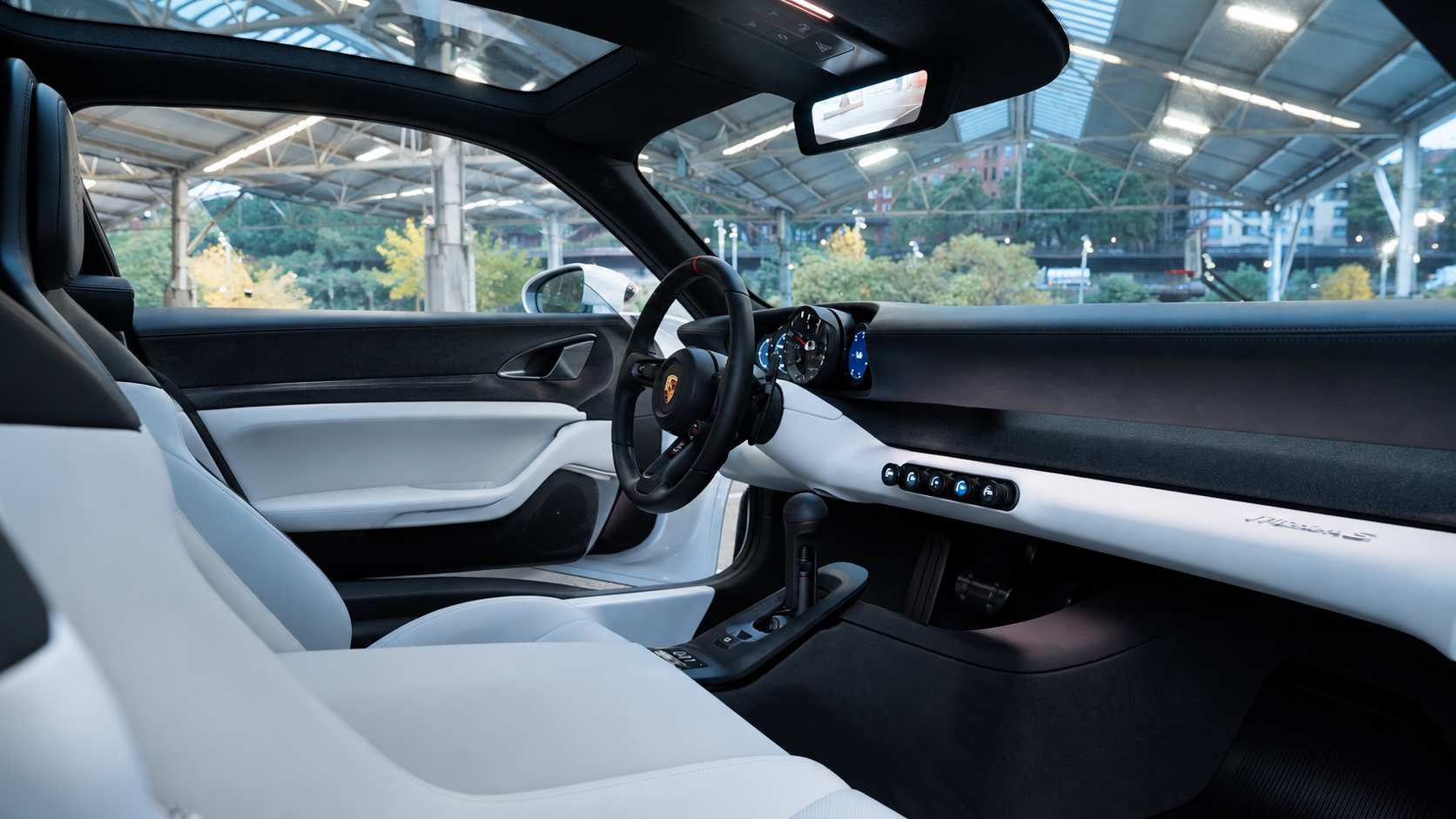
The manual gear lever can also be raised to provide a more sequential, rally-inspired operating position. Together, these details suggest a deliberate attempt to preserve tactile interaction in an increasingly digital automotive environment.
Production Potential and Porsche’s Future
Although the Mission S remains a concept, its coherent proportions, integrated engineering details, and apparent consideration of manufacturing constraints suggest a study intended to communicate more than a distant styling exercise. The stated ambition to produce the car in meaningful numbers would distinguish it from ultra-exclusive, limited-production hypercars.
Its positioning also fits into a broader expansion of Porsche’s model hierarchy. The concept points toward a flagship sports car above the 911, while the accompanying discussion references plans for a larger luxury SUV above the Cayenne and a successor to the 918 Spyder.
The central challenge will be translating the Mission S into a production vehicle without compromising its defining characteristics. Engine configuration, hybridization, transmission choices, weight, pricing, and the final aerodynamic package will determine whether it can establish a genuine new category within Porsche’s lineup.
For now, the Mission S offers a compelling proposition: a mid-engine Porsche that combines the brand’s historical design vocabulary with a more focused interior and potentially more exotic mechanical engineering. If the production car preserves that balance, it could become one of the most consequential additions to Porsche’s performance range.
Source: Top Gear