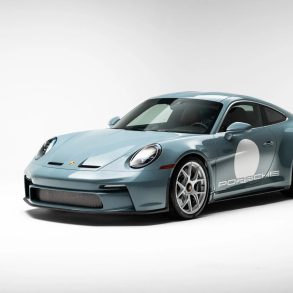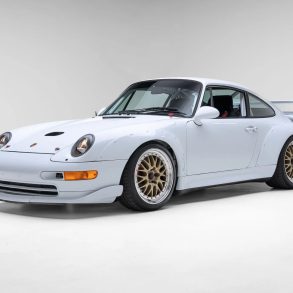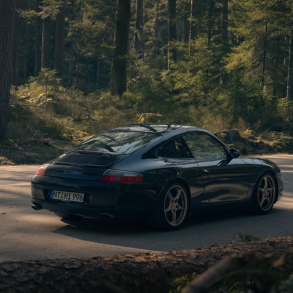


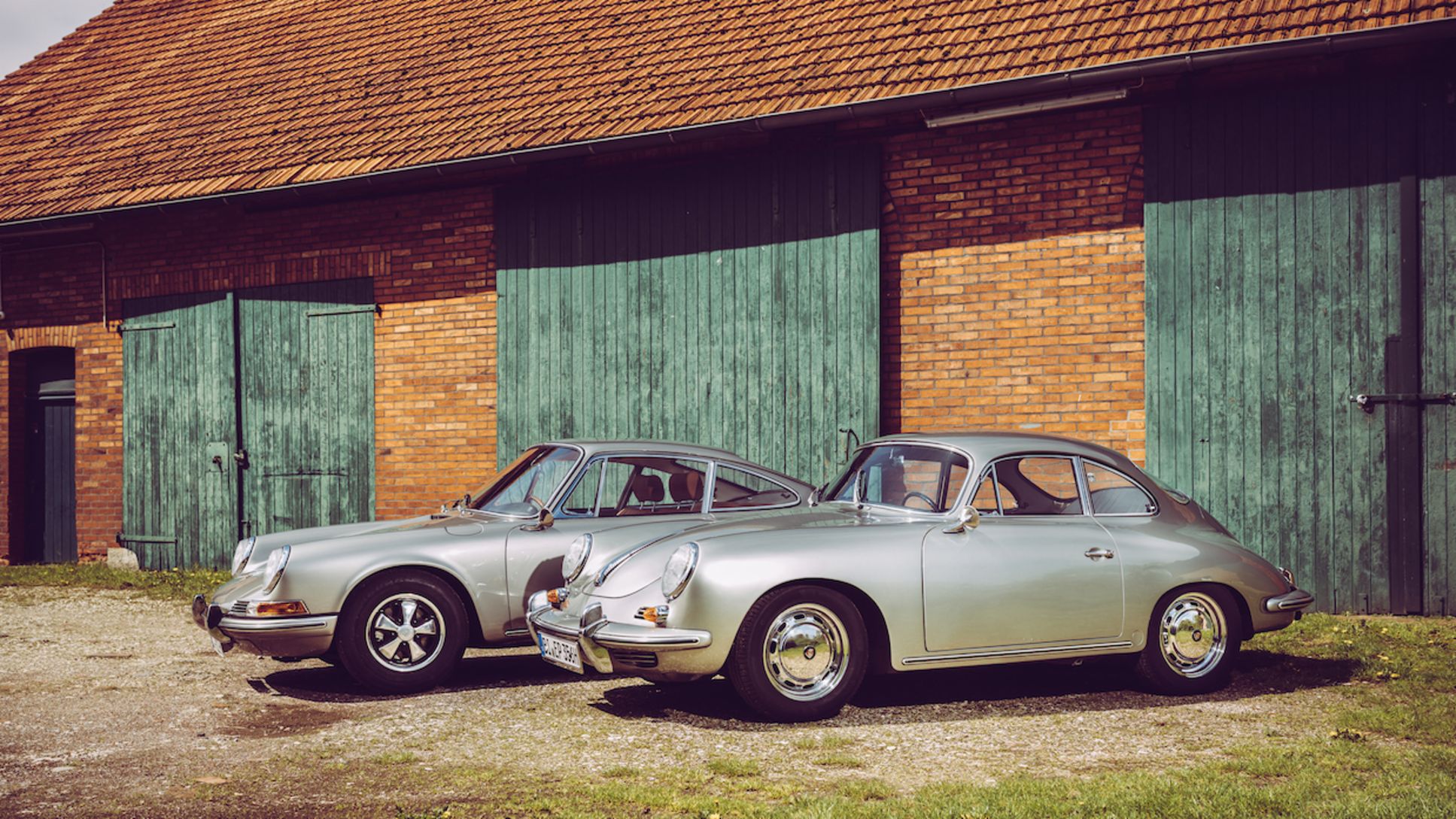
When Dr. Ferdinand Porsche set out to create a high-performance sports car based on the so-called “people’s car” (the Volkswagen Beetle), the result was the Porsche 356, the first production automobile to bear the Porsche name. The Porsche 356 was manufactured between 1948 and 1965, establishing the blueprint for the brand’s identity: a lightweight, rear-engine sports car emphasizing agility and driving joy over raw power.
However, when it was time to replace the already popular 356, that created a problem. Porsche only had one model in the works, but it wasn’t affordable. We’re talking about the now iconic 911. Thus, the 912 was born. This new model was an entry-level, lightweight, and more economical Porsche that would combine the advanced engineering of the 911 with the more modest powertrain of the 356. The 912 had the best of both worlds, and enthusiasts took notice, especially as its reputation has only grown with time.
The Problem Porsche Needed to Solve
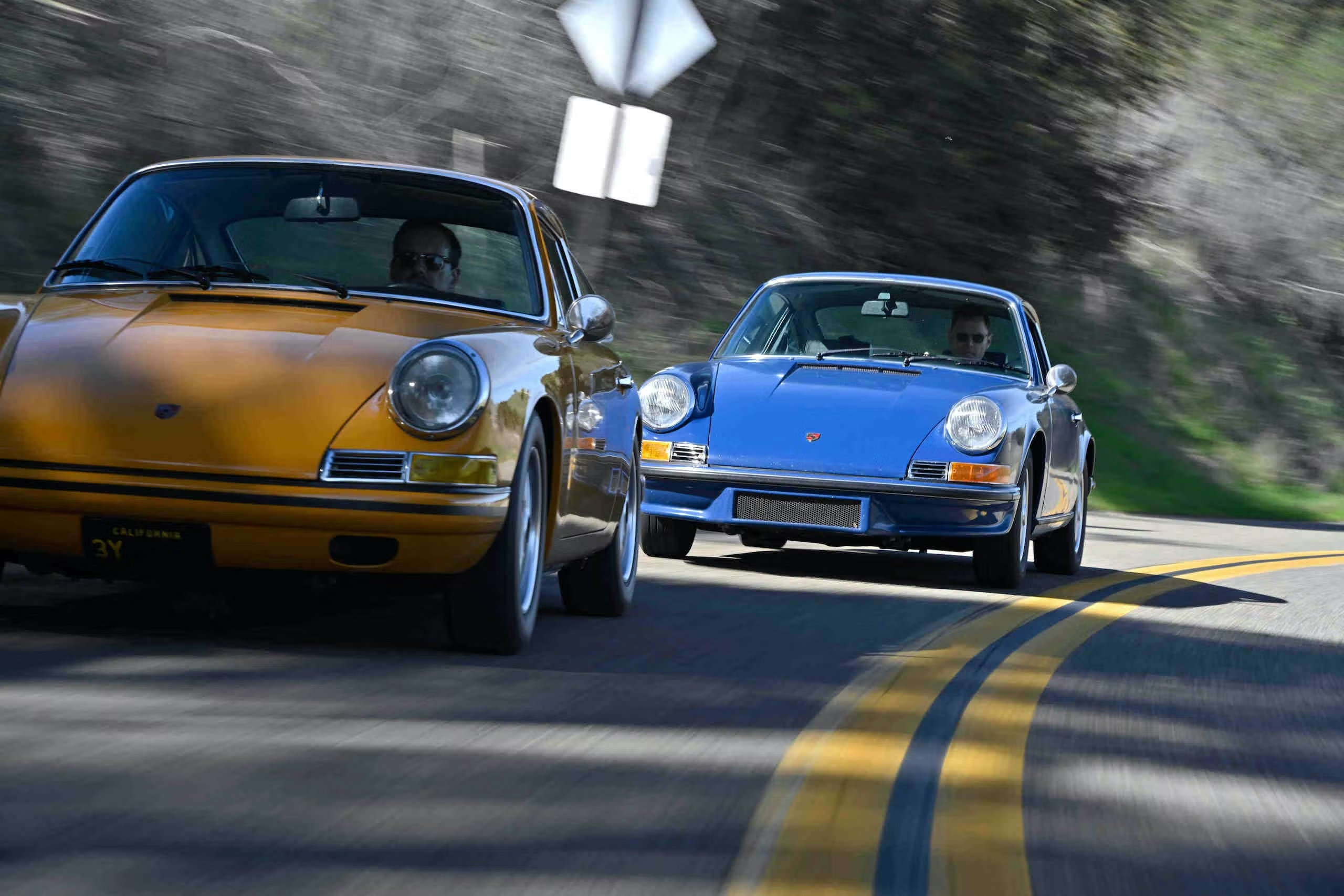
The 356 had a good run, but by the early 1960s, it was getting long in the tooth, and the car meant to replace it was shaping up to be out of reach for a lot of the people who had been loyal Porsche buyers. The 911 was genuinely impressive. Nobody was arguing otherwise. But it cost a lot more than the car it was replacing, and Porsche’s leadership knew exactly what that meant. You don’t build a brand on the backs of enthusiastic, everyday drivers and then just price them out without consequences.
So in 1963, a practical idea took shape in Stuttgart. Keep the 911’s body, which was sharp and modern and turning heads, but pair it with the flat-four from the outgoing 356 SC. Hold the price at a level where loyal customers could still say yes. It wasn’t a flashy move, but it was the right one.
Building the 912
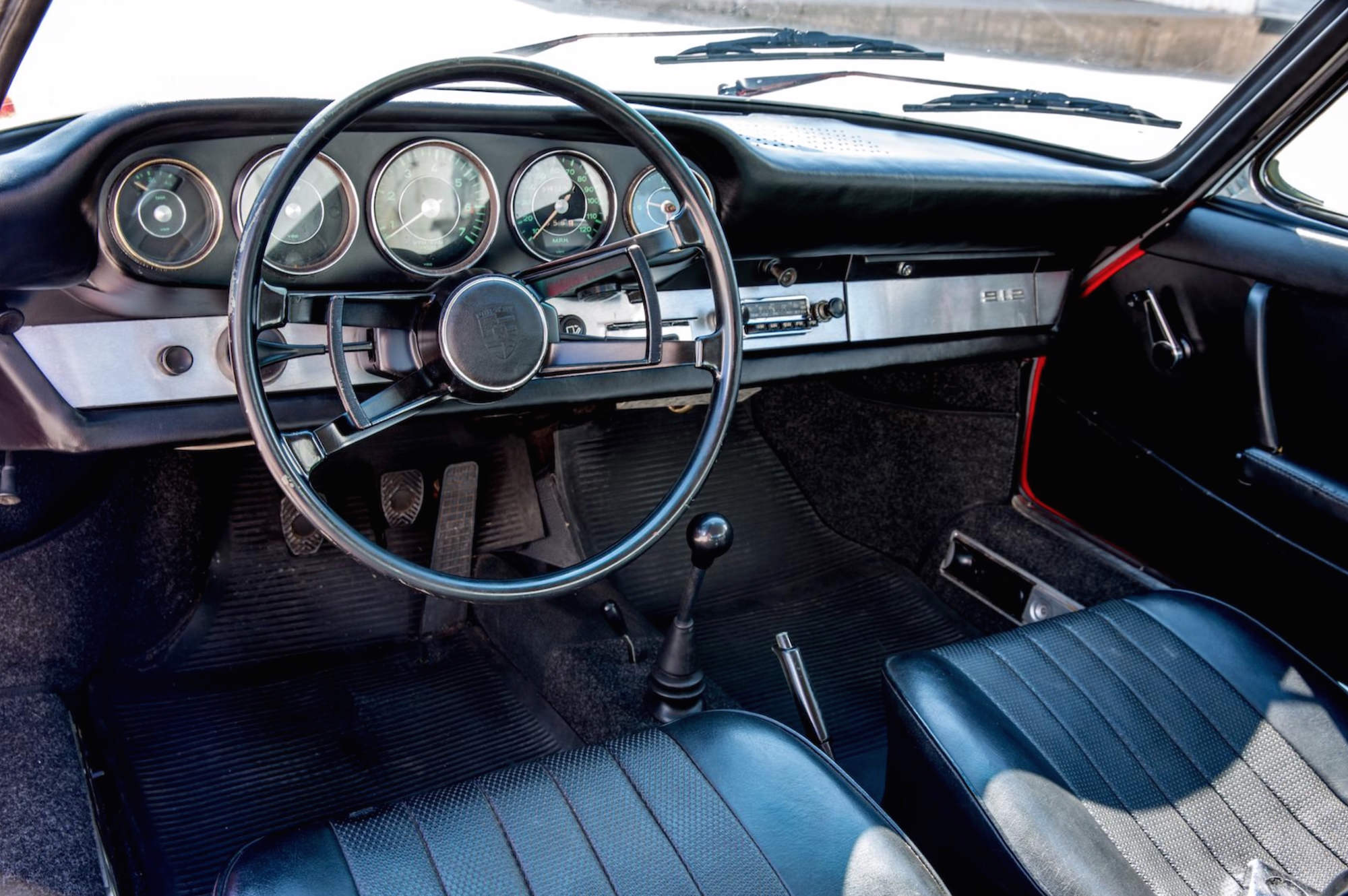
The Porsche 912 hit showrooms in 1965 with a base price of $4,700, and people bought them. A lot of them. The engine was the 616/36, essentially the 356 SC’s flat-four with some adjustments, running a lower compression ratio and a pair of Solex carburetors to produce 90 horsepower. Inside, Porsche trimmed the fat wherever they could. The upscale trim of the 911 didn’t make it over, the wood-rimmed steering wheel got swapped for plastic, and the clock and oil pressure gauge didn’t make the cut. Four-speed gearbox standard, five-speed if you paid a bit more.
You might expect buyers to have noticed all of that. To have felt the absence of those things. Most of them didn’t seem to care. The 912 outsold the 911 in its early years, often by a significant margin. These weren’t people grudgingly settling for the cheaper Porsche. They were people who sat down, looked at what both cars offered, and decided the 912 was the one they wanted.
Why the 912 Was Actually the Better Driver’s Car
This is the bit that tends to catch people off guard. The flat-four engine was lighter than the six-cylinder sitting in the 911, and that weight difference had a real effect on how the car handled. The 912 achieved a 44/56 front-to-rear weight distribution, which sounds like a technical detail until you’re actually driving the thing. It meant the car felt balanced in a way the 911 of that era didn’t always manage. The early 911 was known for getting skittish at the rear when you pushed it, a trait that humbled more than a few confident drivers. The 912 just didn’t do that. It was planted, predictable, and a lot more forgiving if you misjudged a corner.
It sipped fuel more carefully too, which translated to a longer range on a full tank. Car and Driver drove one and called the grip formidable, describing handling that wouldn’t unsettle anyone. For the so-called budget model, that was a pretty strong review.
Little-Known Facts About the 912
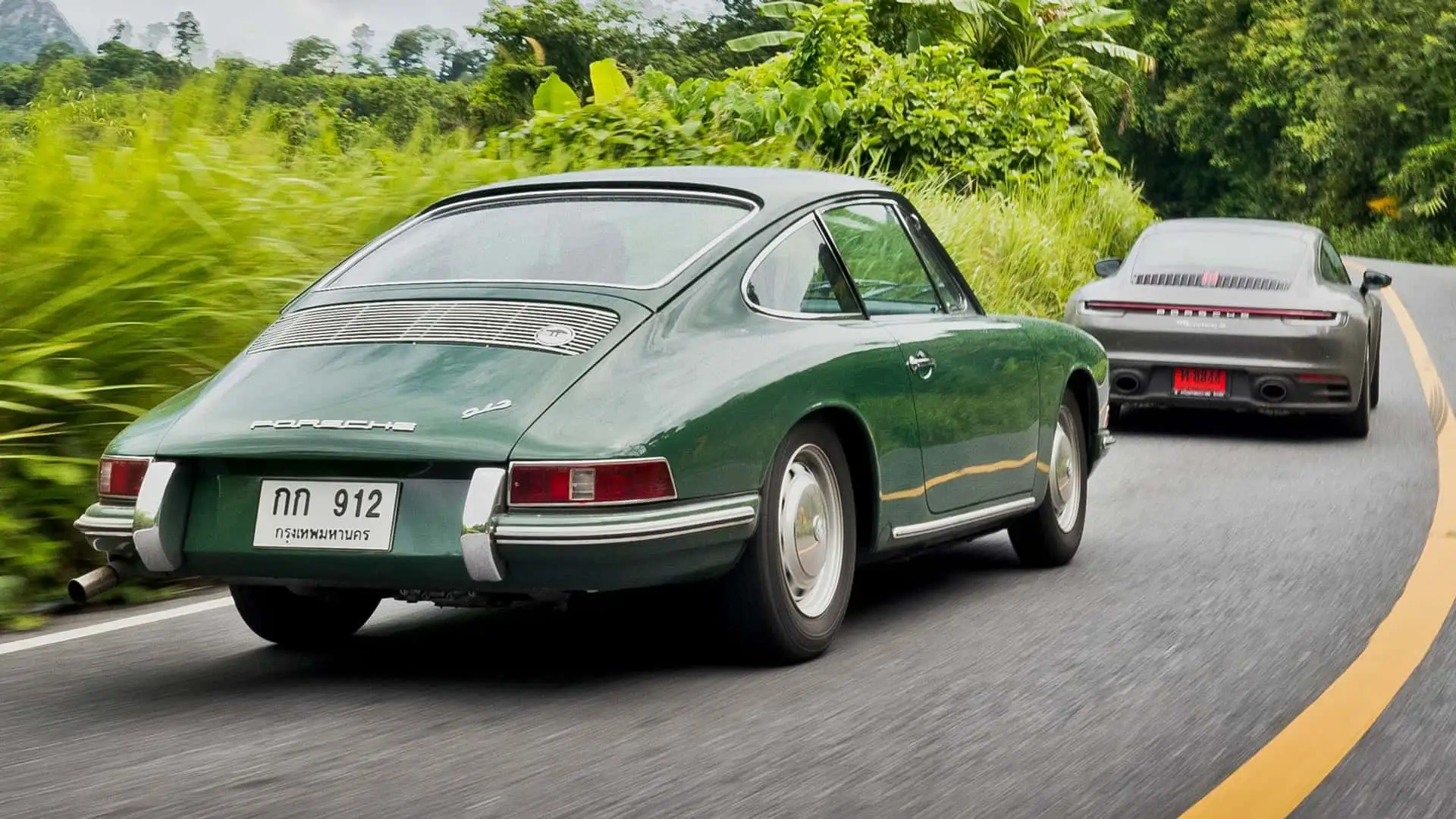
A few things about the 912’s history tend to get overlooked, and they’re worth knowing. The 100,000th Porsche ever built wasn’t a 911. It was a 912 Targa, specially made for the police in Baden-Württemberg and handed over on December 21, 1966. That milestone belonging to a 912 tells you something about the sheer number of these cars that were leaving the factory during those years.
Sobiesław Zasada, a Polish rally driver, borrowed a factory 912 in 1967 and won the European Rally Championship Group 1 title with it. He also took outright victory at the Rally of Poland that year against a field of 50 competitors. Not bad for a car people called the sensible choice.
If you opted for the five-speed gearbox, you were essentially shifting with the same Type 901/904 architecture found in Porsche’s legendary 904 racing car. While the 912 technically used the Type 902 transaxle that was re-geared specifically to keep the four-cylinder engine in its power band, it retained that iconic dog-leg racing pattern. That’s a fun fact to have ready when someone talks down the 912 at a car show.
The Solex 40 PII-4 carburetors have a bit of a polarizing reputation. While they were the same high-performance units used in the 356 Super 90 and 356SC, they could be finicky as they aged. Many owners eventually swapped them for Webers to skip the maintenance, though purists will tell you that a well-tuned Solex setup is still the gold standard. And then there’s the original Soft Window Targa, the one with a zippered plastic rear window where the glass should be. It wasn’t exactly a long-term solution, but those early cars are now among the most coveted 912s on the market.
The Short First Life and Brief Return
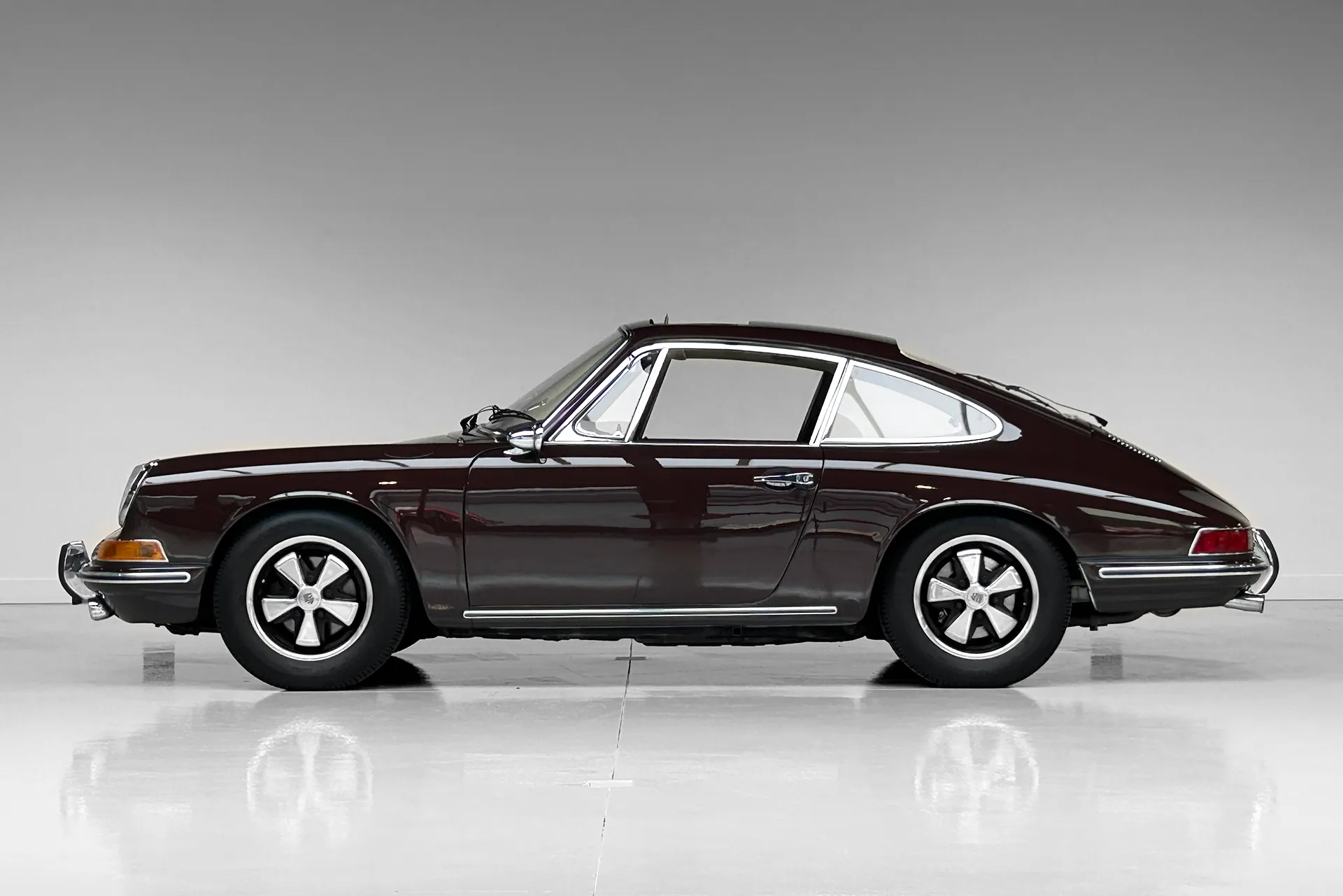
By 1969, the 912’s time was up. Porsche had a replacement ready for the entry-level spot the 912 had been filling, and it was a big swing. The 914, a mid-engine collaboration with Volkswagen, was coming in and the 912 was on its way out. Emissions regulations in the U.S. were tightening too, which didn’t help matters, but the real story is simpler: the 912 had done its job and Porsche was ready to move on. A little over 30,000 cars in the books and that was that.
The 912 came back in 1976, though the circumstances weren’t exactly a victory lap. The 914 was done, the 924 wasn’t ready, and Porsche needed something to sell. Enter the 912E, where E stood for Einspritzung, which is German for fuel injection. The engine was a 2.0-liter flat-four from the Volkswagen Type 4, fed by Bosch L-Jetronic injection. It was actually faster than the original, clearing 60 mph in around 10 seconds. It also came with a galvanized chassis, which at the time probably didn’t seem like a big deal. Decades later, it’s one of the main reasons so many 912E cars are still around and in good shape.
Where the 912 Sits Among Collectors Today
For a long time, the 912 was the Porsche that serious collectors walked past. If you wanted air-cooled and you had the money, you bought a 911. The 912 sat in that shadow for years, picked up occasionally by buyers who couldn’t stretch to the 911 and weren’t entirely happy about it.
Then the air-cooled market went crazy and suddenly nobody was walking past anything. Coupe prices jumped 17 percent in 2012. Targas were up 23 percent the same year. The whole range tacked on another 20 percent by 2016. Today a clean, sorted example will run you around $70,000, and the really special ones have cleared six figures. In 2018, a barn-find 912, all original, sold at auction for €92,000.
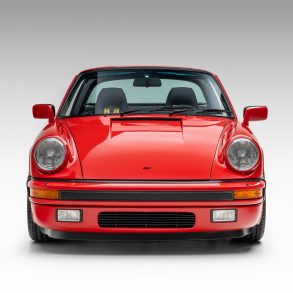
Targas lead the pack, especially those early Soft Window cars. Coupes still trade at roughly 20 percent less, which makes them the more realistic entry point for someone who wants into the 912 world without paying Targa money. Either way, it’s a long way from the $4,700 sticker price of 1965. The 912 was created to make Porsche ownership possible for people who couldn’t afford the flagship. In some ways it’s still doing that, just relative to a 911 that now costs a whole lot more. Same idea, bigger numbers.