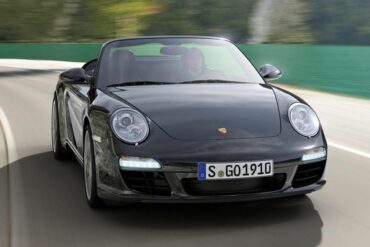
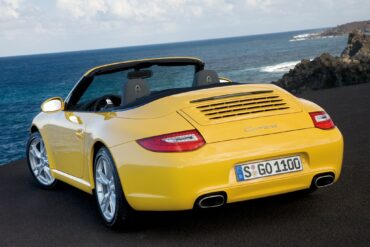
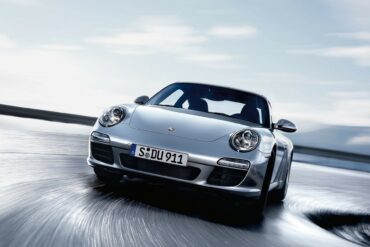
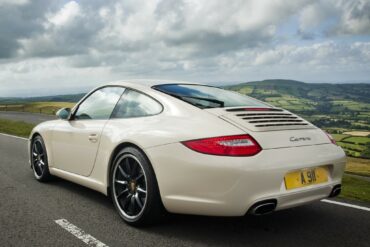
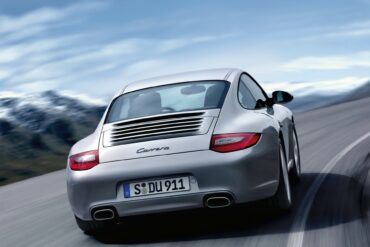
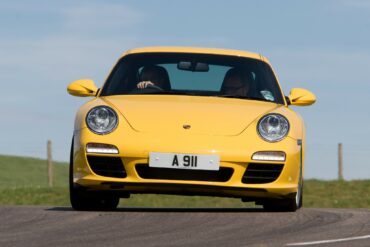
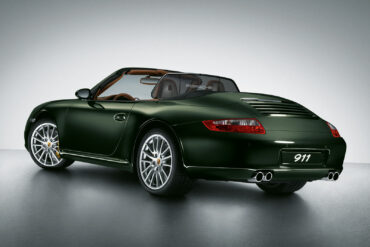
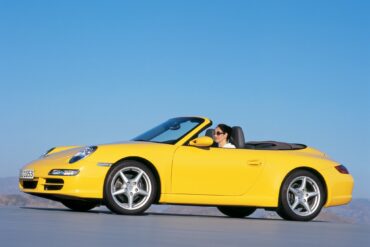
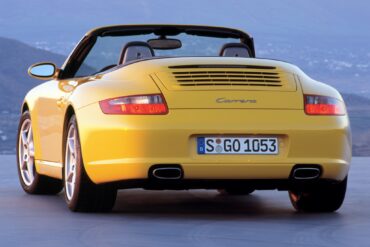
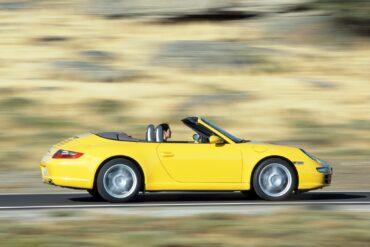
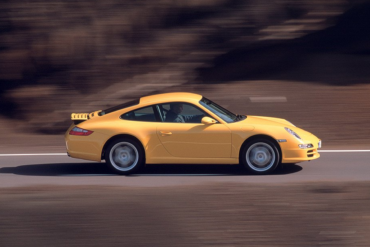
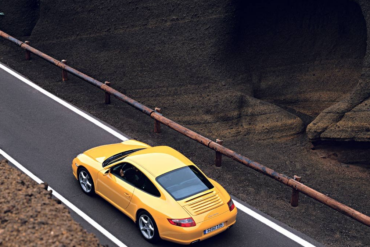
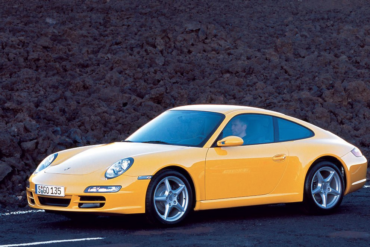
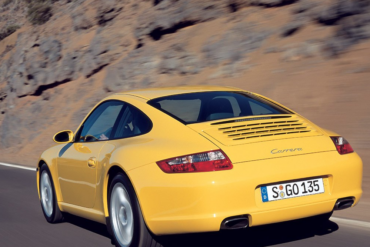
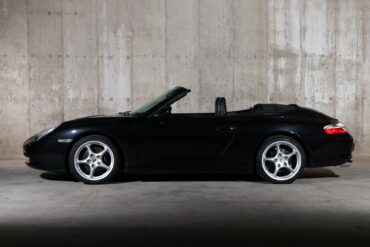
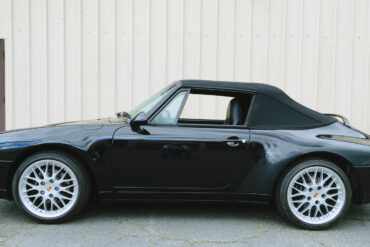
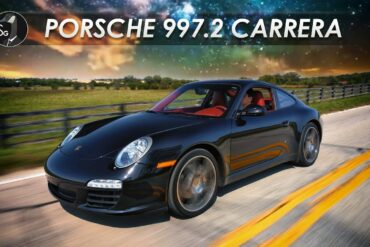
The Porsche 911 Black Edition was a limited production Carrera built at the end of the 997 generation. Based on the 3.6-litre 997.2 Carrera coupe and Cabriolet, the car was finished in plain black as standard, with Basalt Black Metallic as an option. The words ‘Black Edition’ are printed in black on the stainless steel door sill covers, and there’s a numbered plaque on the glovebox lid. 19-inch Turbo wheels were standard. Porsche built exactly 1,911 Black Editions, of which approximately 25 percent were intended for the U.S. market.
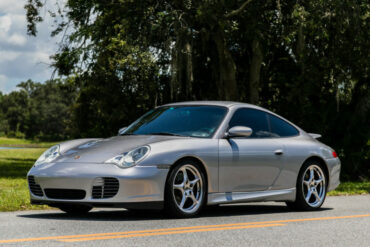
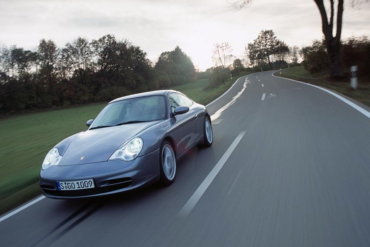
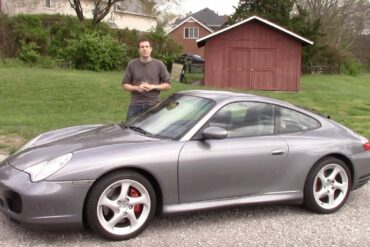
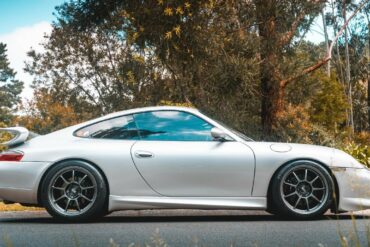
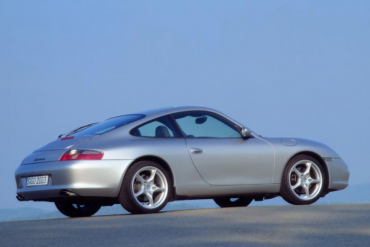
To commemorate the 40th year of 911 production, Porsche built 1963 of the 40th Anniversary Porsche 911 Carrera for model year 2004. Painted only in a GT Silver Metallic finish, with a dark gray leather interior, the 40th Anniversary (or 40 Jahre in German) took the Base Model 996 Carrera and added the front fascia of the 996 Turbo, side skirts and luxury features for the cabin – including a luggage set that matched the special grey leather interior. Mechanically, the X51 Powerkit increases power to 341hp, combined with rear wheels power wheels, a standard 6-speed manual and sport suspension and limited-slip differential included.
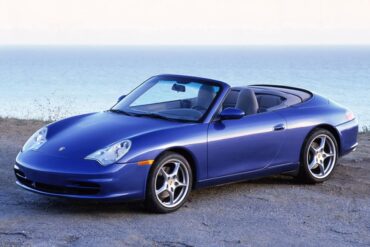
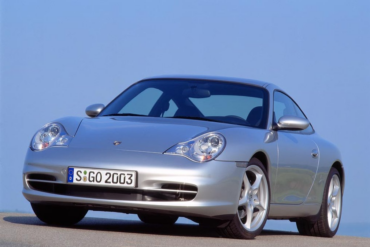
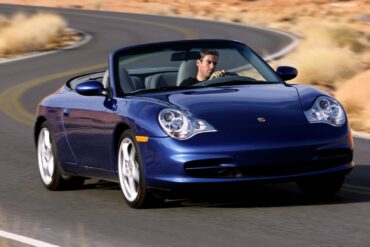
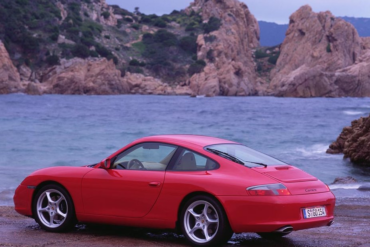
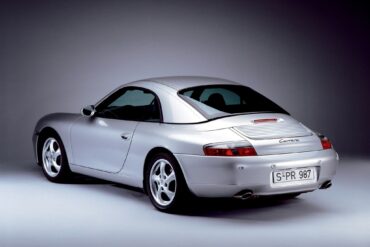
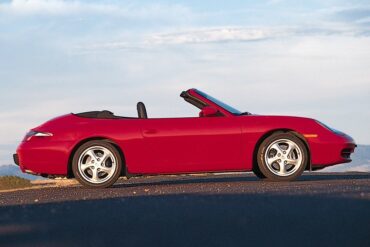
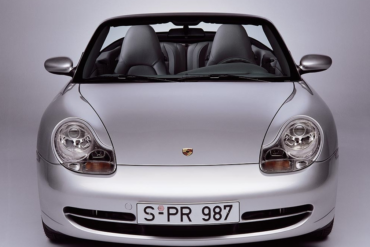
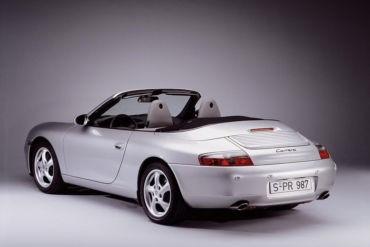
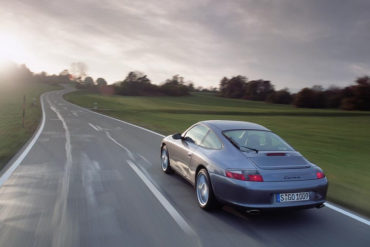
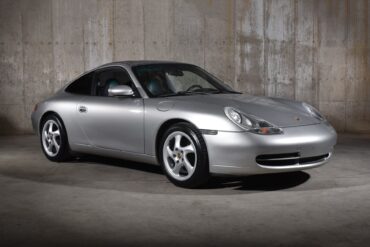
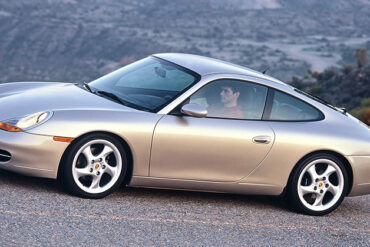
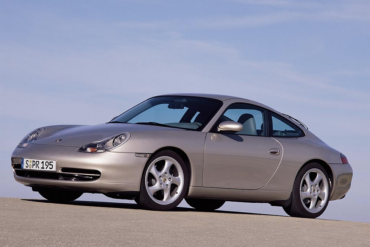
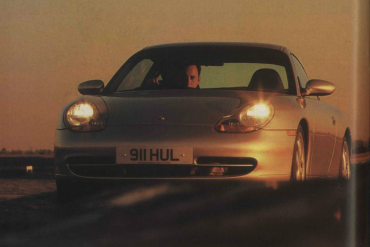
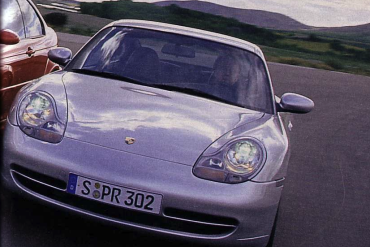
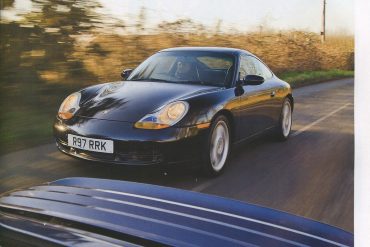
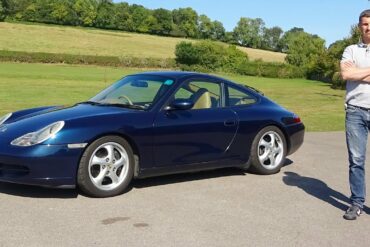
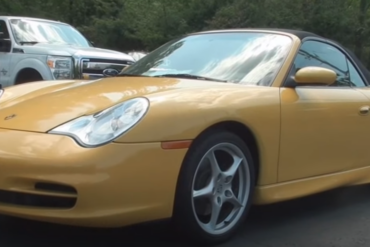
The 996 was initially available in a coupé or a cabriolet (Convertible) bodystyle with rear-wheel drive, and later with four-wheel drive, utilising a 3.4 litre flat-6 engine generating a maximum power output of 221 kW (300 PS; 296 hp).[7] The 996 had the same front end as the entry-level Boxster. After requests from the Carrera owners about their premium cars looking like a "lower priced car that looked just like theirs did", Porsche redesigned the headlamps of the Carrera in 2002. With the cabriolet, buyers have a choice between this version and the hotter Carrera 4S cabriolet.
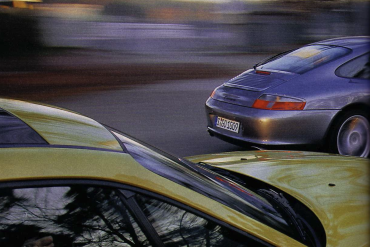
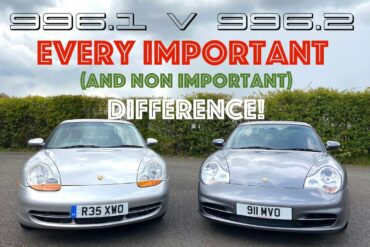
In 2002, all of the standard models received a minor makeover in 2002 which included Turbo-style headlights, a freshly designed front clip and an increase in engine capacity to 3.6L along with a subsequent 20HP boost. The bodies were more rigid which further improved handling and safety and the lower, stiffer X74 suspension became available as a factory modification. From the outside, it was hard to notice the difference between the 1998 version and the facelifted model. The main difference was on the headlights. Including the Mk 1 cars, the 996 Carrera Coupe sold 46,317 units.
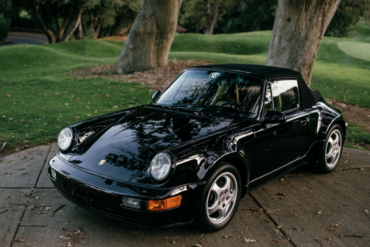
Porsche 911 America Roadster (964) (1992 - 1993)
The American Roadster is essentially a turbo-bodied Carrera Cabriolet with Turbo suspension and brakes. Like the 356 America Roadster it was named after, the Type 964 America Roadster was a limited-edition, driver-focused convertible destined for the American market. Production for the America Roadster was limited at only 250 examples, and the model was only produced in 1992 and 1993. Its engine was a standard unit making 250 horsepower, but the special edition had the wide fender flares, suspension, brakes, and 17-inch Porsche Cup wheels of the 911 Turbo.
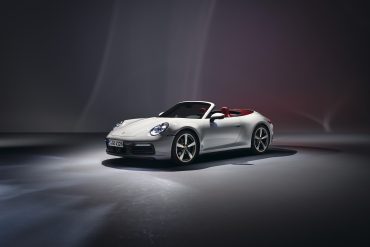
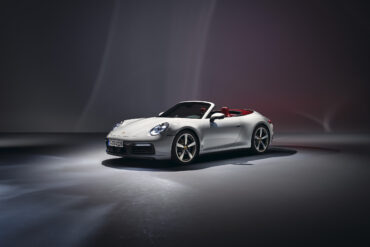
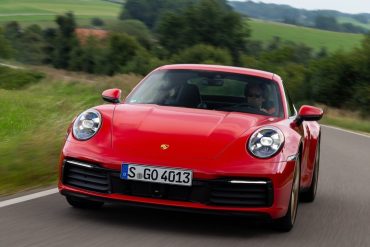
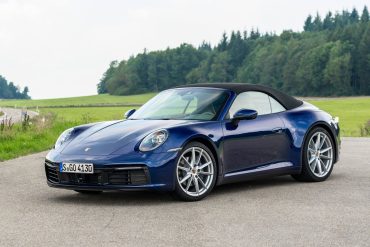
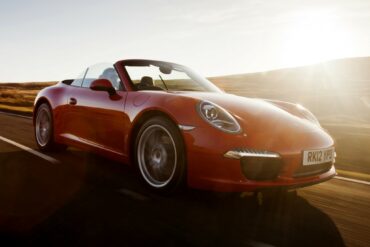
Removing the roof the car is supposed to have little impact on its chassis stiffness and curvy road prowess, but Porsche tells us that the current generation 911 Cabriolet drives just as well as the coupe. Powering the base Cabriolet is the same impressive turbocharged flat-six engine that makes 379 bhp @ 6500 rpm and 331 ft lbs of torque. The base cabriolet can do the 0 to 60 mph run in 4.2 seconds flat. With the optional Sport Chrono Package that drops to 4.0 seconds.
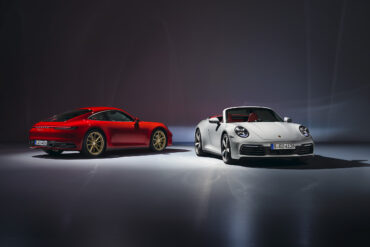
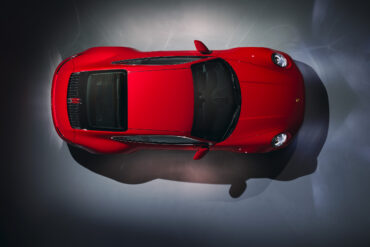
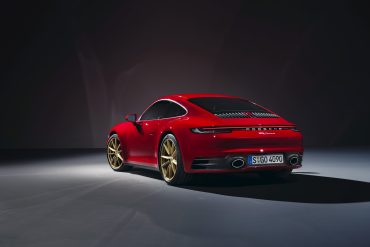
The most basic version of the Porsche 911 Carrera is pretty sweet. Porsche chose to detune the twin-turbocharged flat-six engine and downgrade some of the chassis components. These cars offer very good performance and driving dynamics for a slightly lower price. While marginally larger and heavier than the 991-generation model it replaced, the 992 is also more advanced. Power climbs by 15 bhp from the 991 Carrera, to 379 bhp @ 6500 rpm, which is more than enough horsepower for the street.
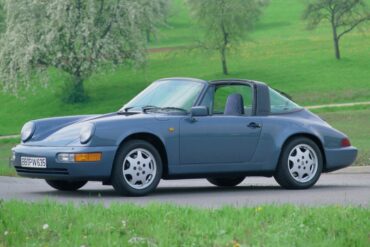
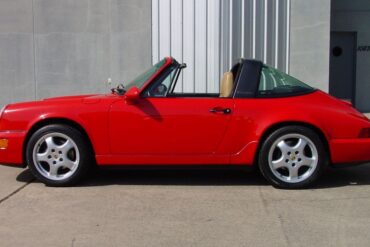
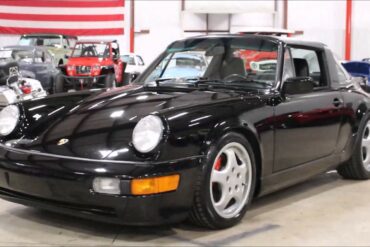
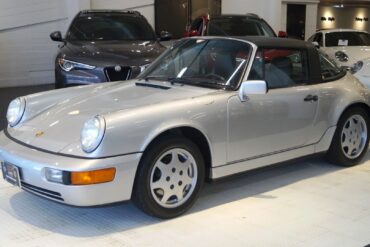
Porsche 911 Carrera 2 Targa (964) (1990 - 1993)
Like the Carrera 4, the Carrera 2 was available as a coupé, Targa or Cabriolet. This was the last generation Targa with traditional removable Targa roof (till 991). It sold ok, with 3,534 units sold over its lifetime. The engine was the 3.6 liter unit which produced 250 horsepower and a maximum speed of 162 mph while the 0 to 60 mph acceleration was made in about 5.6 seconds. Performance was on par with the coupe and it is the looker in the 964 range.
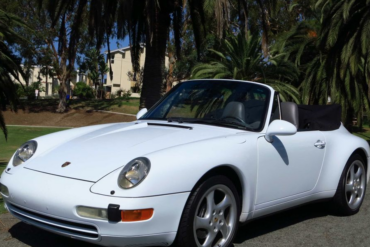
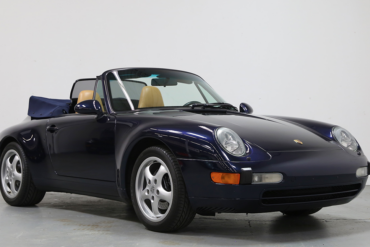
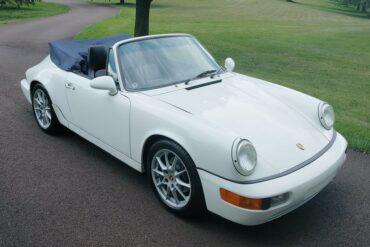
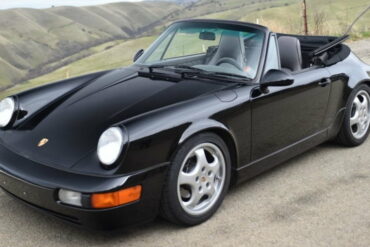
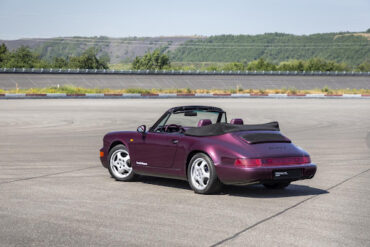
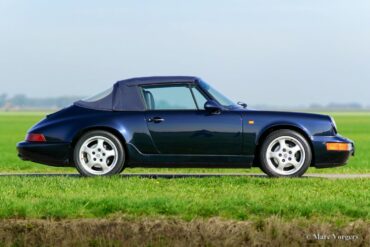
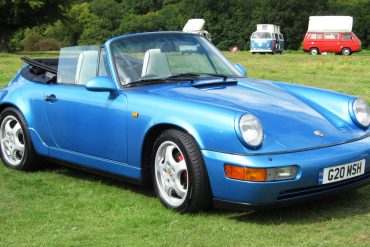
Porsche added the rear wheel drive Carrera 2 variant to the range in 1990. It was developed alongside the 964 Carrera 4, Porsche waited a year to release the Carrera 2 as a 1990 model year car. Like the Carrera 4, the Carrera 2 was available as a coupé, Targa or Cabriolet. Think of the cabriolet as a C2 coupe but with a fabric roof and more fun and you are right on the money. It was popular amongst buyers, particularly in the United States, with a total of 11,013 units sold, making it the third most popular 964 model. 
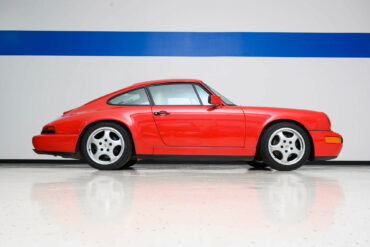
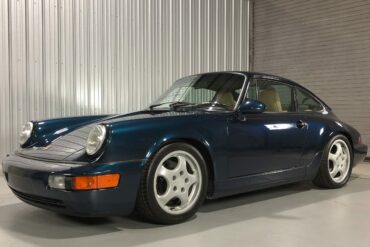
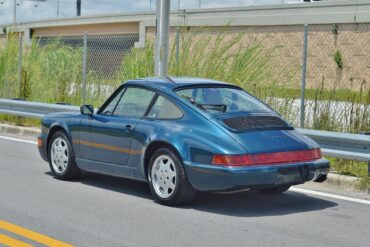
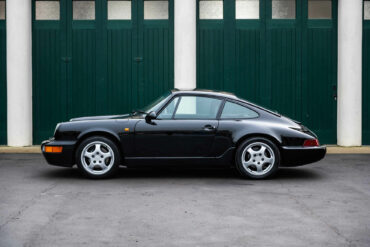
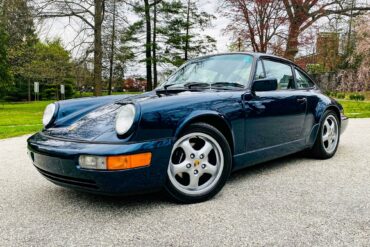
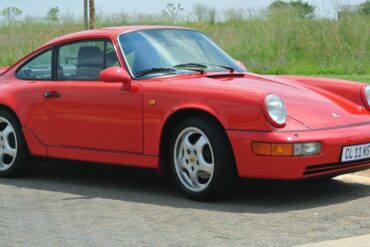
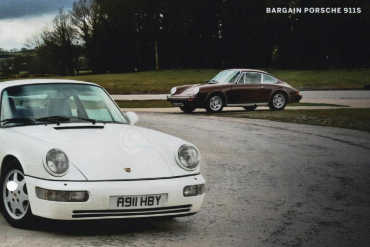
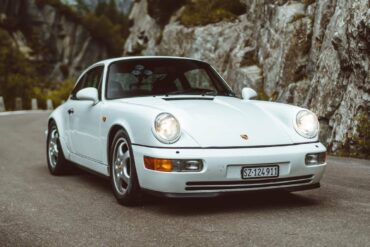
Porsche 911 Carrera 2 Coupe (964) (1990 - 1994)
Porsche added the rear wheel drive Carrera 2 variant to the range in 1990. It was developed alongside the 964 Carrera 4, Porsche waited a year to release the Carrera 2 as a 1990 model year car. Like the Carrera 4, the Carrera 2 was available as a coupé, Targa or Cabriolet. Overall, the Carrera 2 packed almost the same technical specifications as the Carrera 4 model. The engine was the same 3.6 liter unit which produced 250 horsepower and a maximum speed of 162 mph. Looked like C4 but was 200 lb lighter and more fun to drive.