
Porsche Cayenne (4th Generation) - The Ultimate Guide
The Electric Cayenne (2026 - Present)
The Story / Model Guides / Misc Data / Pictures / FAQs / News & Updates
Porsche Cayenne (4th Generation) Basics
Generation: Fourth Generation
Manufacturer: Porsche AG
Production: 2026 (to commence)
Body style: 5-door SUV (SUV),
5-door coupé SUV (SUV Coupe)
Platform: Premium Platform Electric (PPE)
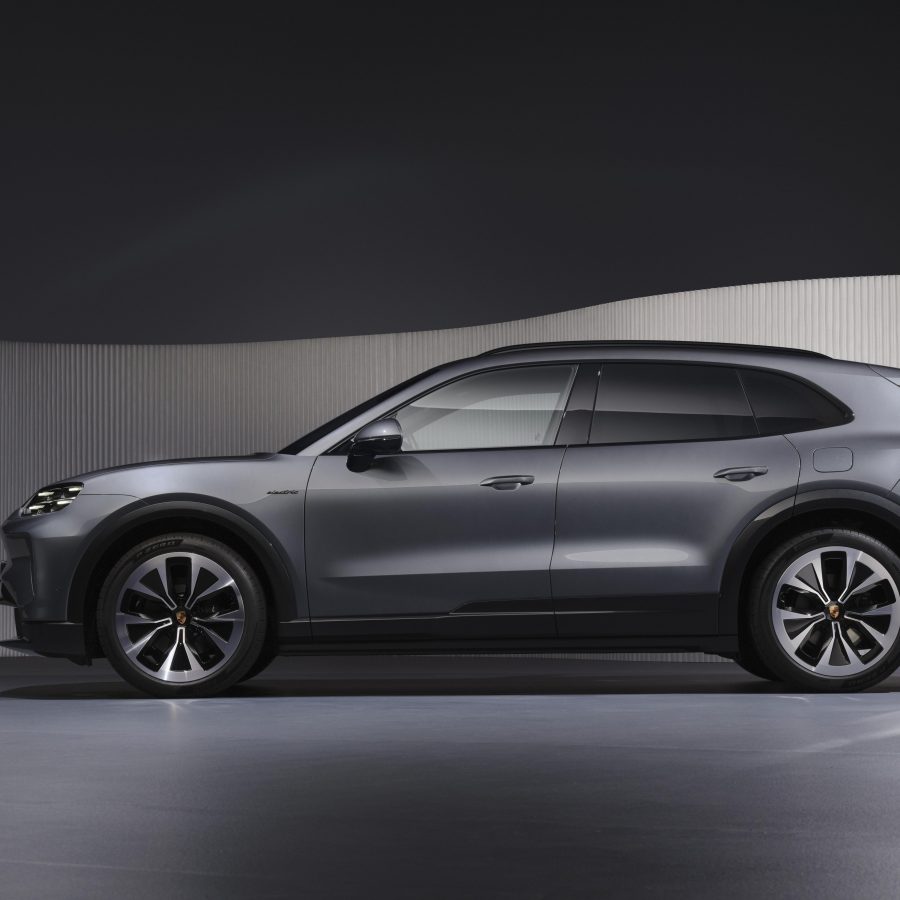
Wheelbase: 3,024 mm (119.1 in)
Length: 4,985 mm (196.3 in)
Width: 1,980 mm (78.0 in)
Height: 1,674 mm (65.9 in)
Curb weight: 2,645 kg (5,831 lb)
The all-electric Porsche Cayenne marks one of the most significant moments in the brand’s modern history. Just as the original Cayenne redefined what a Porsche could be in the early 2000s, this new electric version signals how the company intends to carry its performance identity into an all-electric future. Porsche isn’t presenting electrification as a compromise here — it’s positioning the Cayenne Electric as a flagship.
In Turbo form, the Cayenne Electric delivers astonishing performance, with up to 1,156 hp and a 0–100 km/h time of just 2.5 seconds. Those numbers place it among the quickest production vehicles Porsche has ever built, yet the focus isn’t purely on acceleration. Motorsports-derived cooling, sustained output, and advanced chassis systems are designed to ensure that this performance is repeatable and usable in everyday driving.
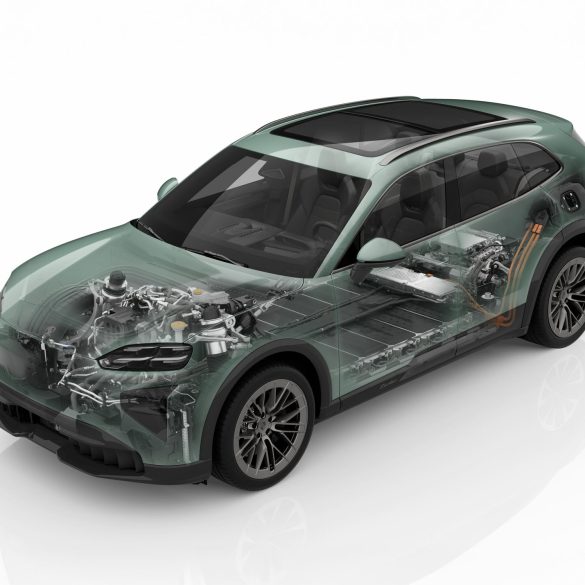
Charging capability is another key part of the story. Thanks to its 800-volt architecture and 113 kWh battery, the Cayenne Electric supports ultra-fast DC charging of up to 390 kW, allowing rapid 10–80% charging in under 16 minutes under ideal conditions. Porsche has clearly prioritized real-world long-distance usability rather than headline peak figures alone.
Visually and practically, the Cayenne Electric remains unmistakably a Cayenne. The design evolves familiar proportions with improved aerodynamics, while increased wheelbase length enhances interior space and comfort. With generous cargo capacity, a front trunk, and towing capability, it retains the versatility that made the Cayenne Porsche’s best-selling model for over two decades.
Perhaps most importantly, the electric Cayenne doesn’t replace existing models — it complements them. Porsche plans to offer electric, hybrid, and combustion Cayennes in parallel well into the next decade. In doing so, the brand is making it clear that the future of Porsche performance won’t be defined by a single powertrain, but by choice — and the electric Cayenne is now a central part of that strategy.
Electric Cayenne Is Porsche’s Biggest Statement Yet
For more than two decades, the Cayenne has been the most important car Porsche ever built — not because purists loved it, but because it changed the company’s future. Now, with the unveiling of the all-electric Cayenne, Porsche is making a similarly bold move, one that could redefine how performance SUVs are judged in the electric era. This isn’t just another battery-powered luxury SUV. Porsche is positioning the Cayenne Electric as a technological flagship: the most powerful production Porsche ever, capable of supercar acceleration, ultra-fast charging, and genuine off-road ability — all while retaining the everyday usability that made the original Cayenne such a global success. In short, Porsche isn’t treating electrification as a compromise. It’s treating it as an opportunity.
Supercar Numbers, SUV Reality
The headline figures are deliberately shocking. In Turbo form, the Cayenne Electric produces up to 850 kW (1,156 hp) with Launch Control engaged, delivering a 0–60 mph time of just 2.4 seconds. That puts it squarely in hypercar territory, not just “quick SUV” territory.
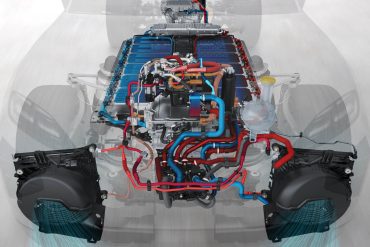
Yet Porsche is keen to emphasize that this performance is usable, not theatrical. The electric motors are cooled using technology derived from motorsport, allowing the Cayenne Turbo Electric to sustain high output rather than delivering short bursts followed by thermal fade. There’s even a Push-to-Pass function that temporarily unlocks extra power — a nod to Porsche’s racing DNA. The standard Cayenne Electric is no slouch either, offering strong real-world pace and a more efficiency-focused setup, proving that this isn’t just a one-model halo exercise.
Recuperation and Chassis Tech Straight from the Track
One of the more fascinating engineering stories lies in how the Cayenne Electric slows down. Porsche claims Formula E–level recuperation, with up to 600 kW of regenerative braking power. In everyday driving, nearly all braking is handled by the electric motors, dramatically reducing wear on traditional brakes.
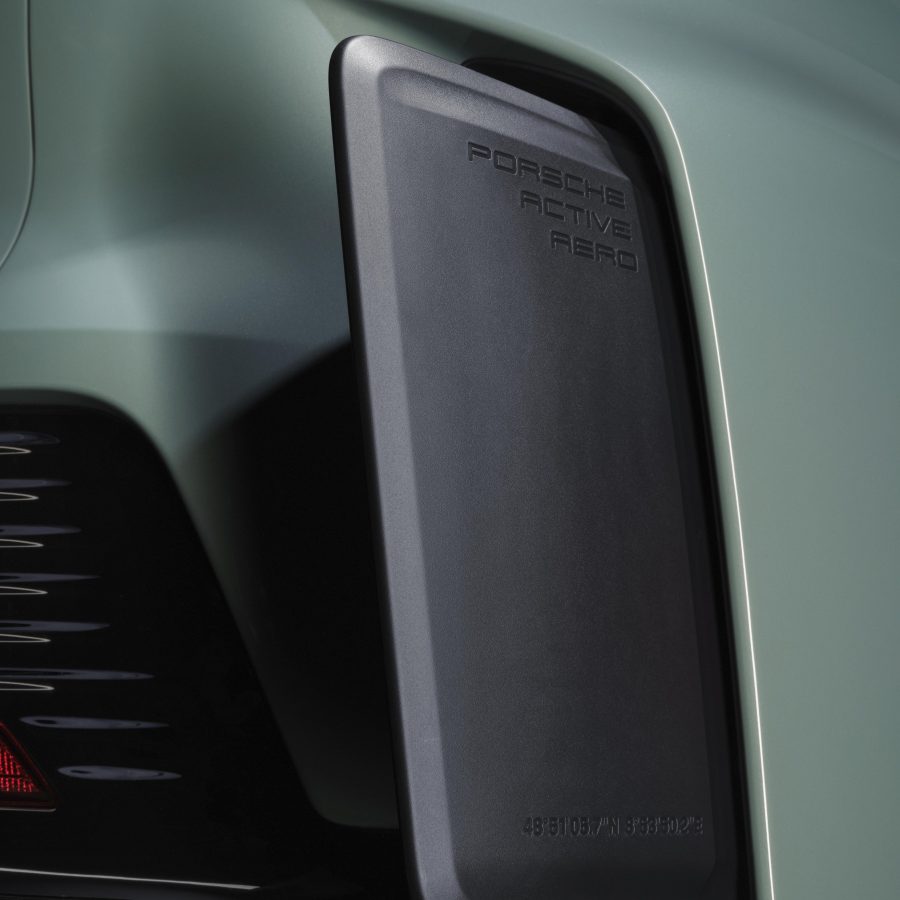
Chassis technology plays an equally large role. Adaptive air suspension and Porsche Active Suspension Management are standard, while options like rear-axle steering, torque vectoring, and the debut of Porsche Active Ride on an SUV push the Cayenne firmly into sports-car handling territory — despite its size and weight. This is where Porsche seems most confident: that it can deliver driving dynamics no other electric SUV can currently match.
Charging That Actually Changes the Conversation
Electric SUVs live or die by charging performance, and Porsche knows it. The Cayenne Electric’s 113 kWh battery supports 800-volt architecture, enabling DC fast charging at up to 390 kW, and under ideal conditions, briefly touching 400 kW. In practical terms, that means:
10–80% charging in under 16 minutes
Up to 325 km of range added in about 10 minutes
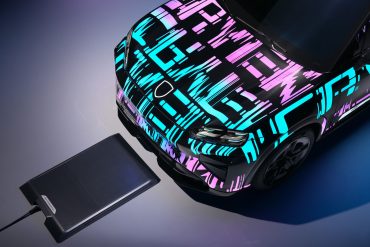
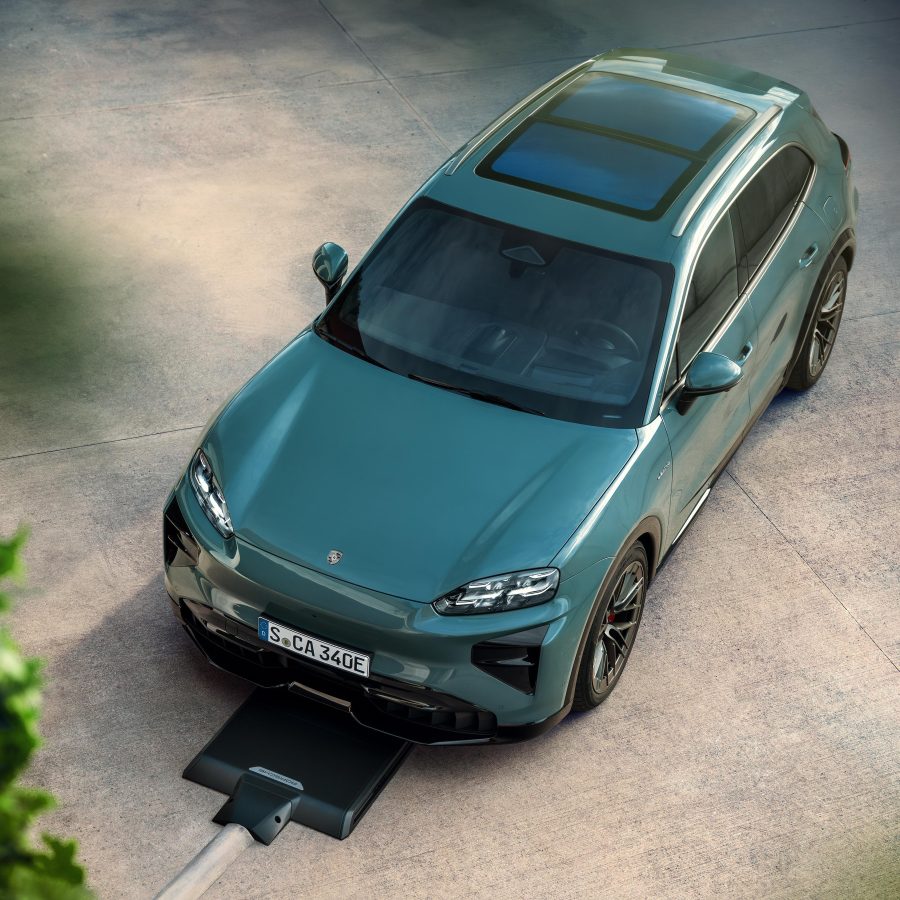
Just as notable is Porsche’s focus on repeatability. This isn’t peak charging once and done — the system is designed to deliver consistent performance on long journeys, something many EVs still struggle with. For the first time in a Porsche, optional inductive (wireless) charging is also available, reinforcing the Cayenne’s role as a daily-use luxury vehicle rather than a tech demo.
Familiar, but Sharpened Design
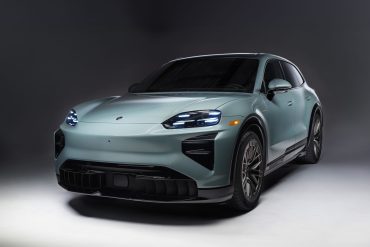
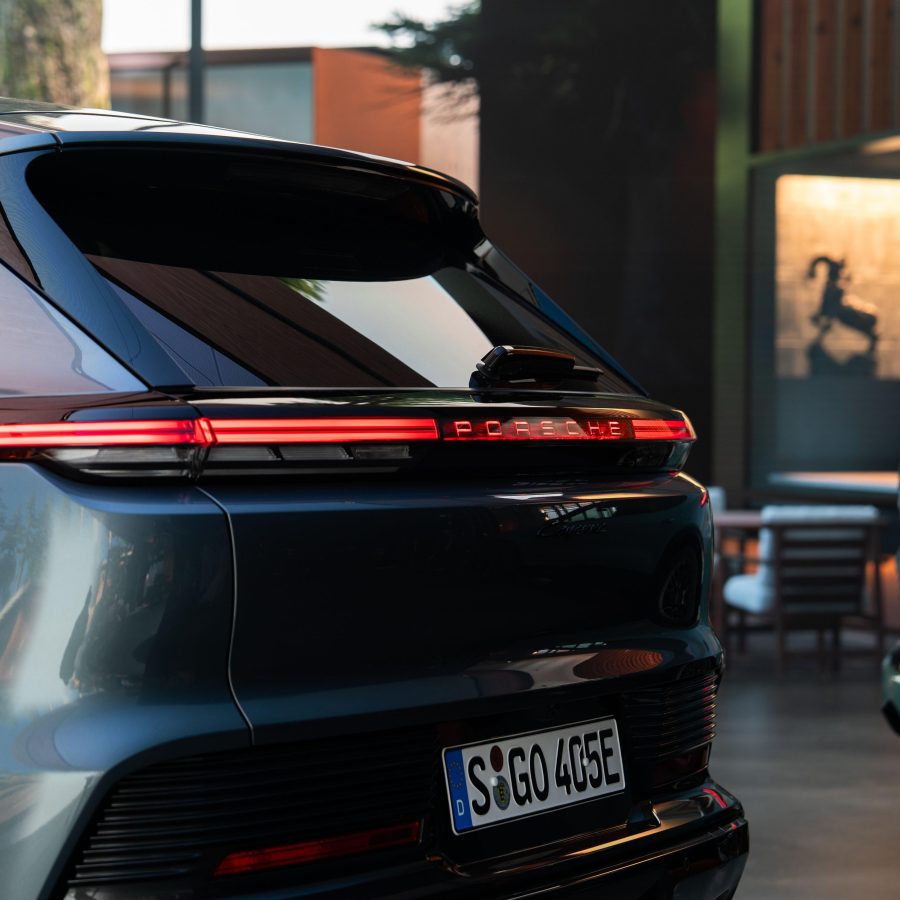
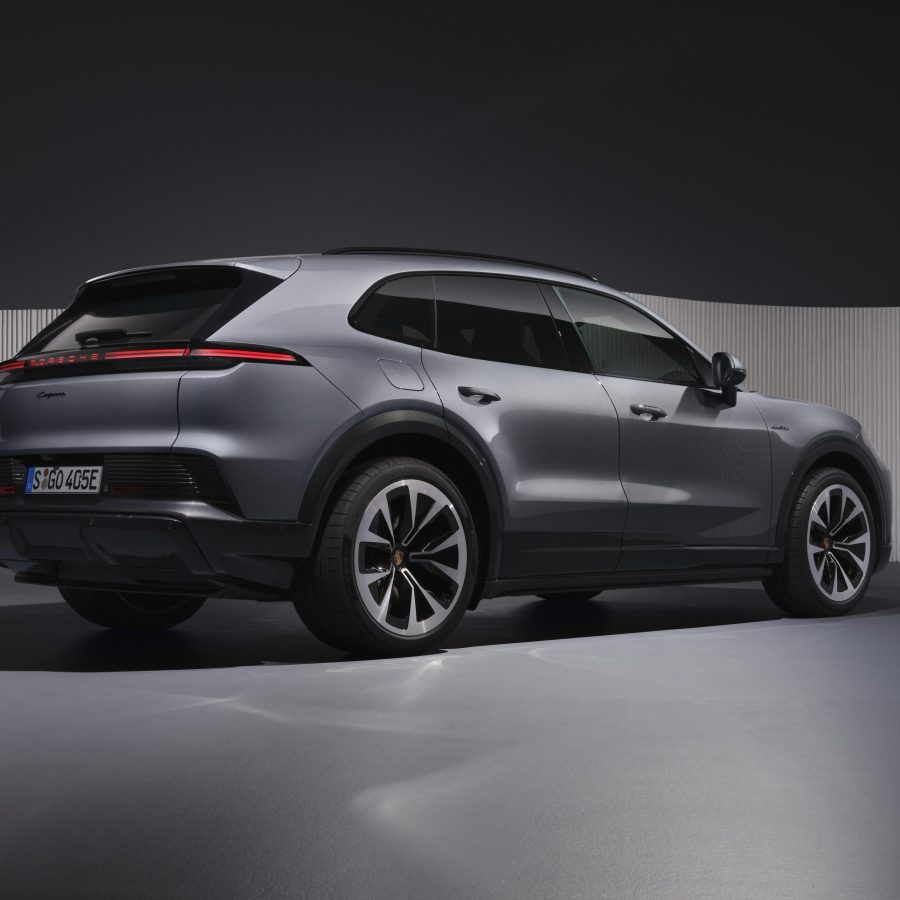
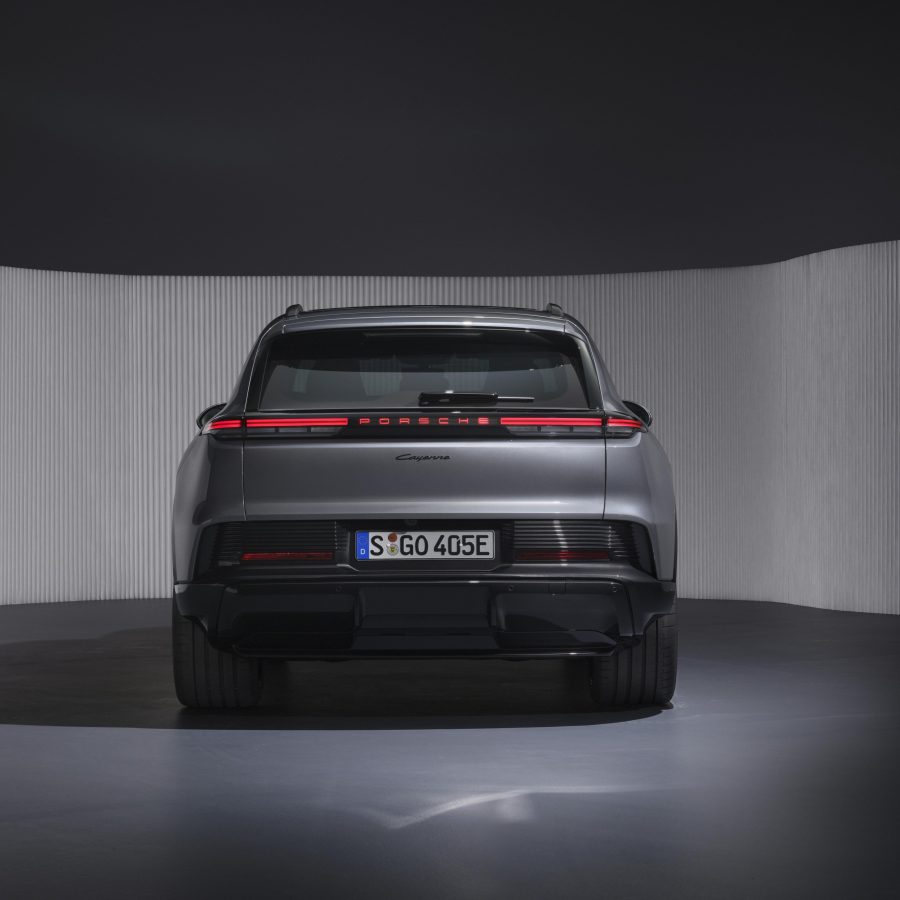
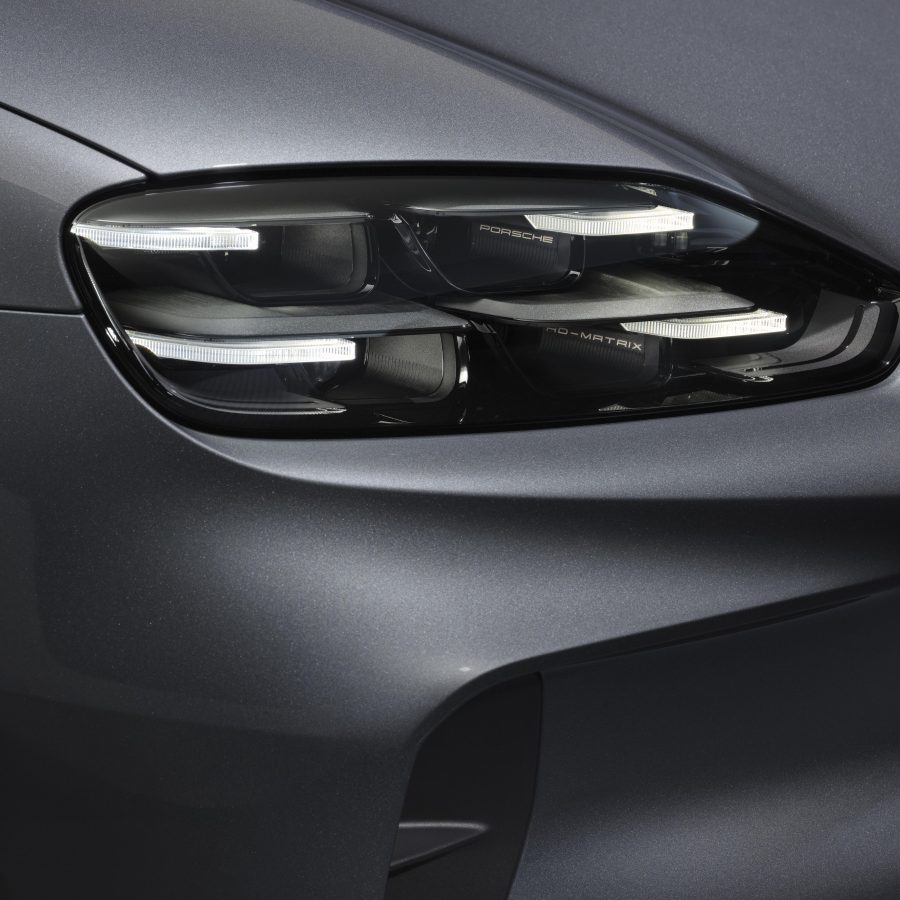
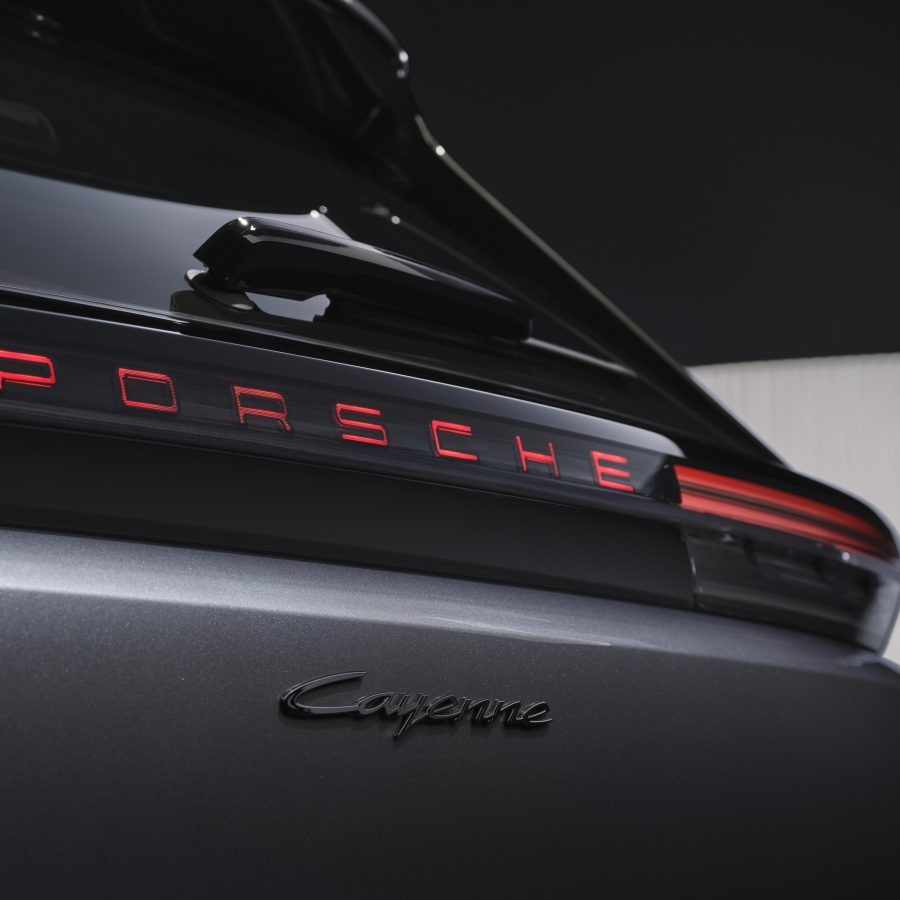
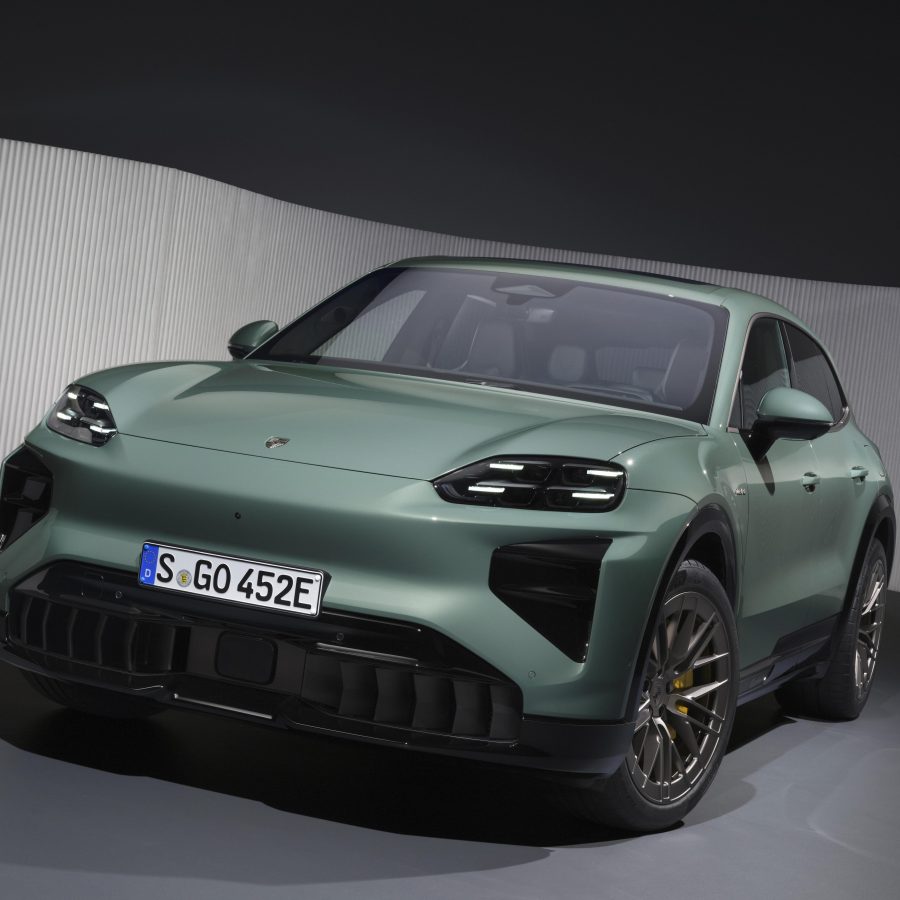
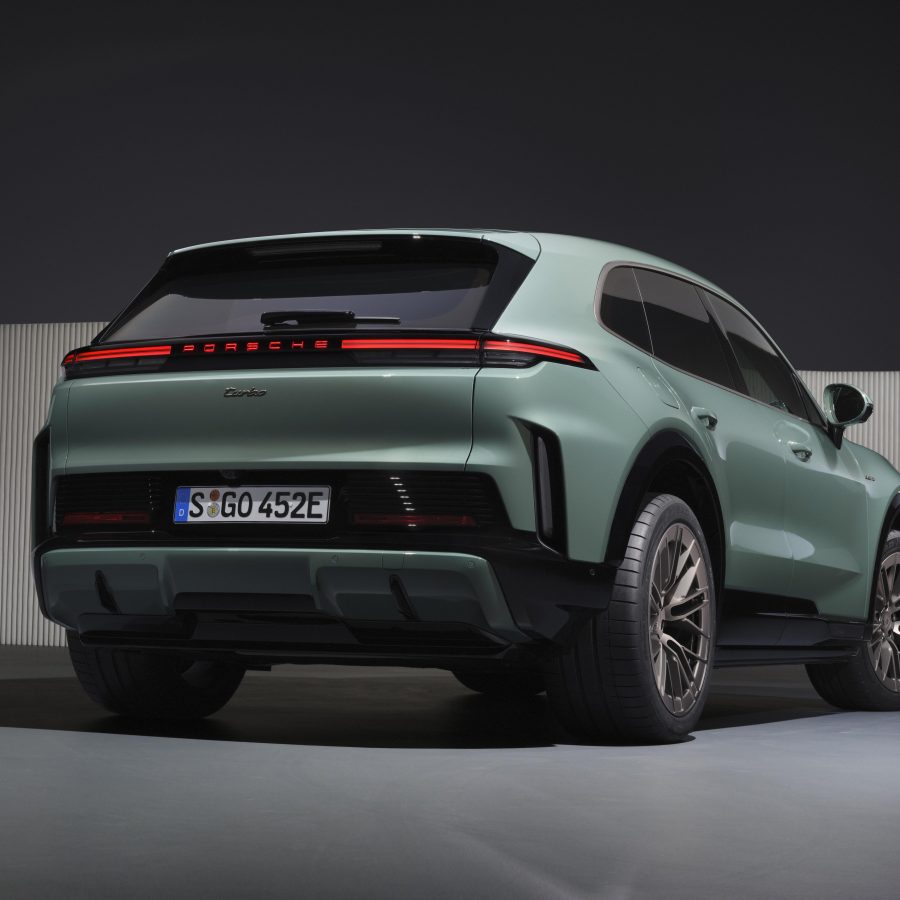
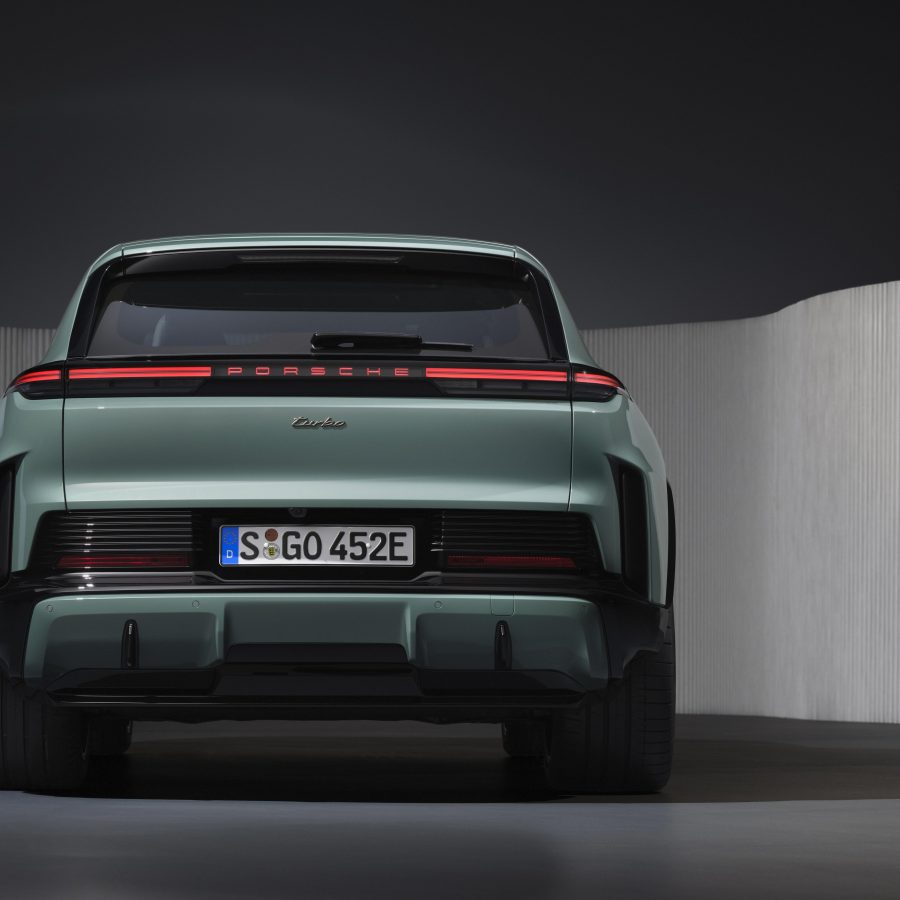
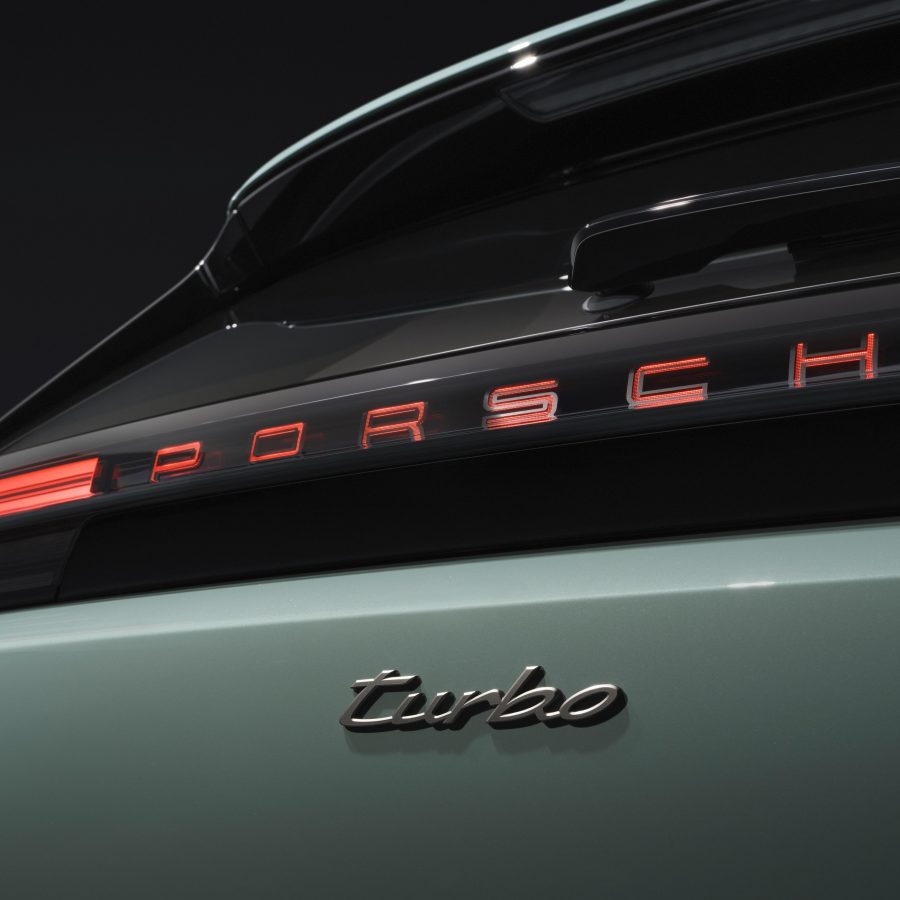
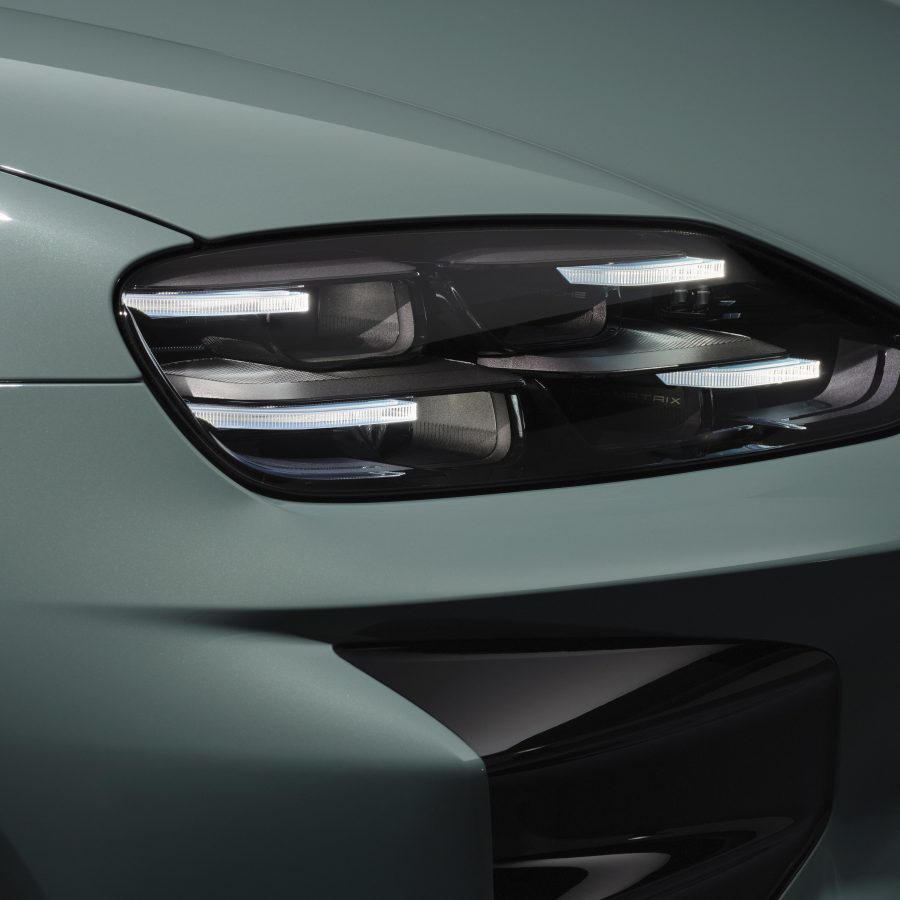
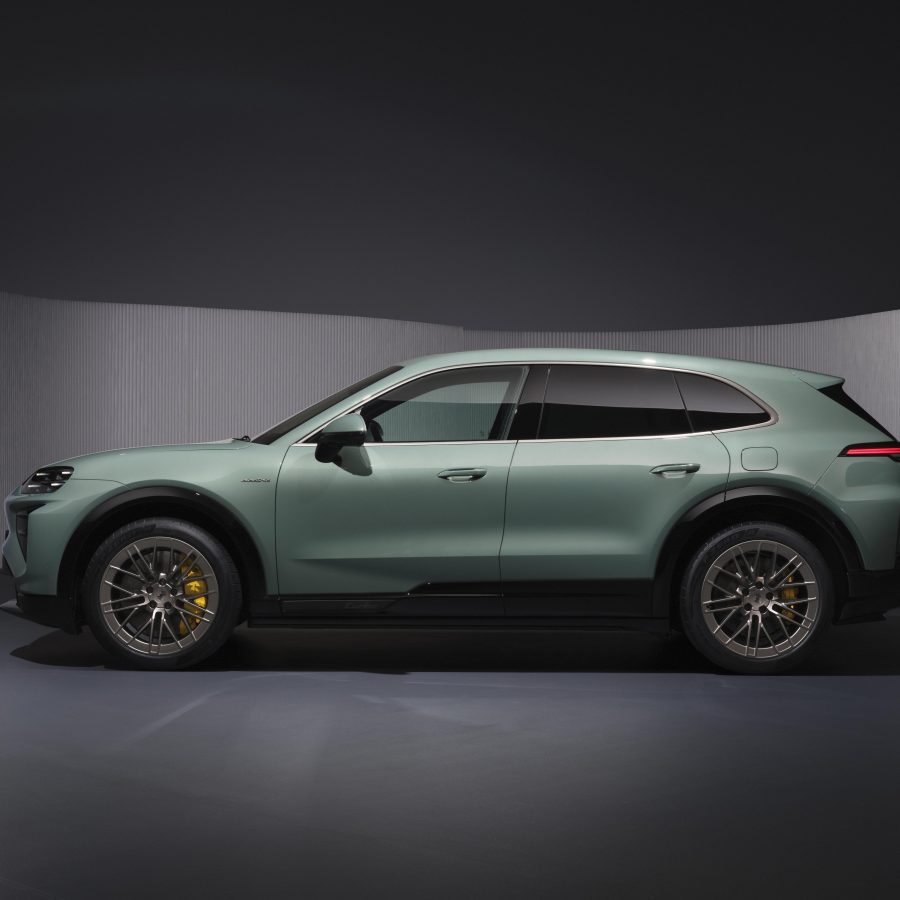
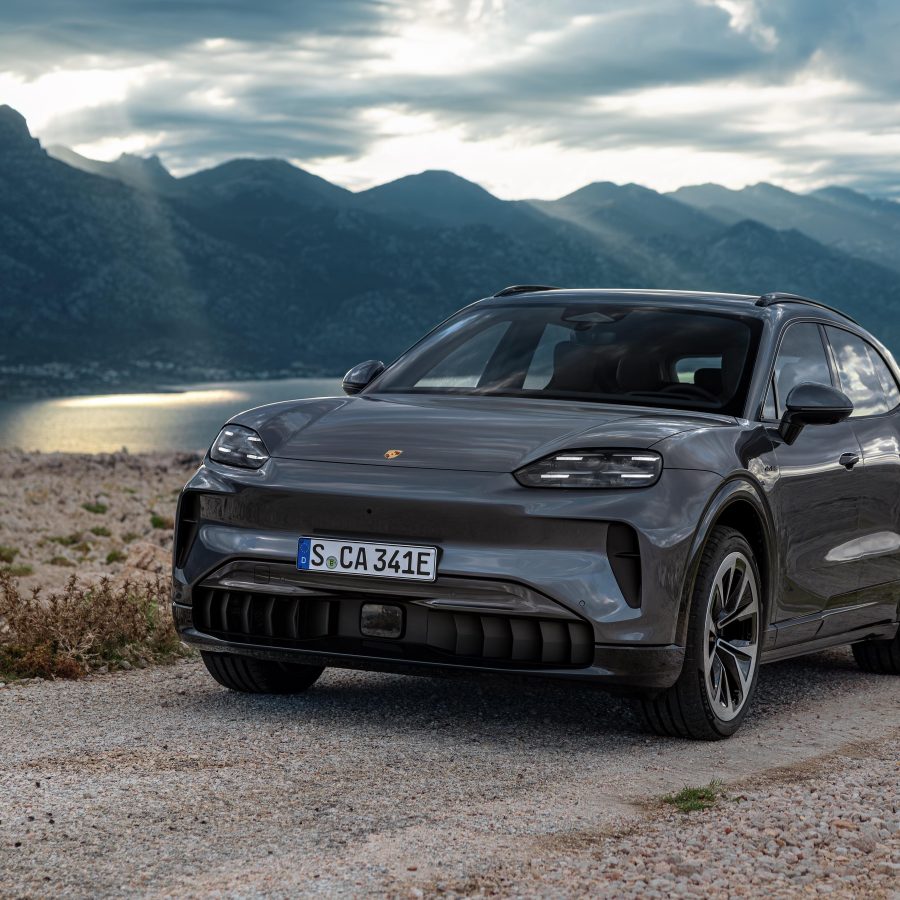
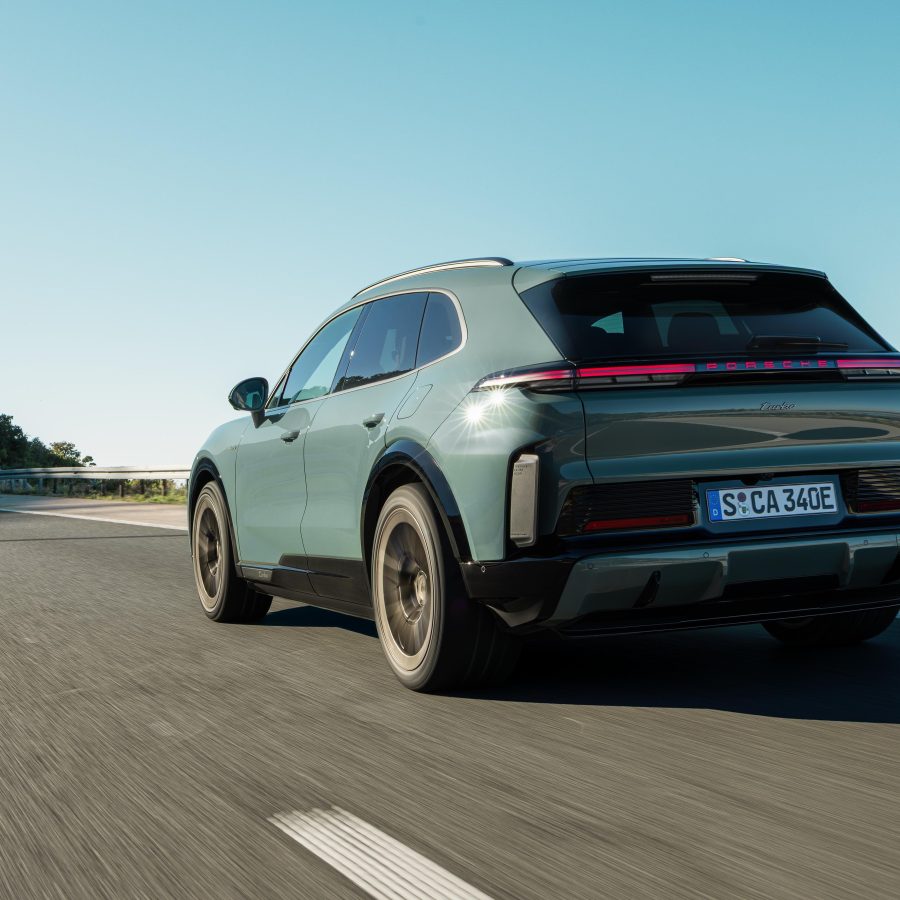
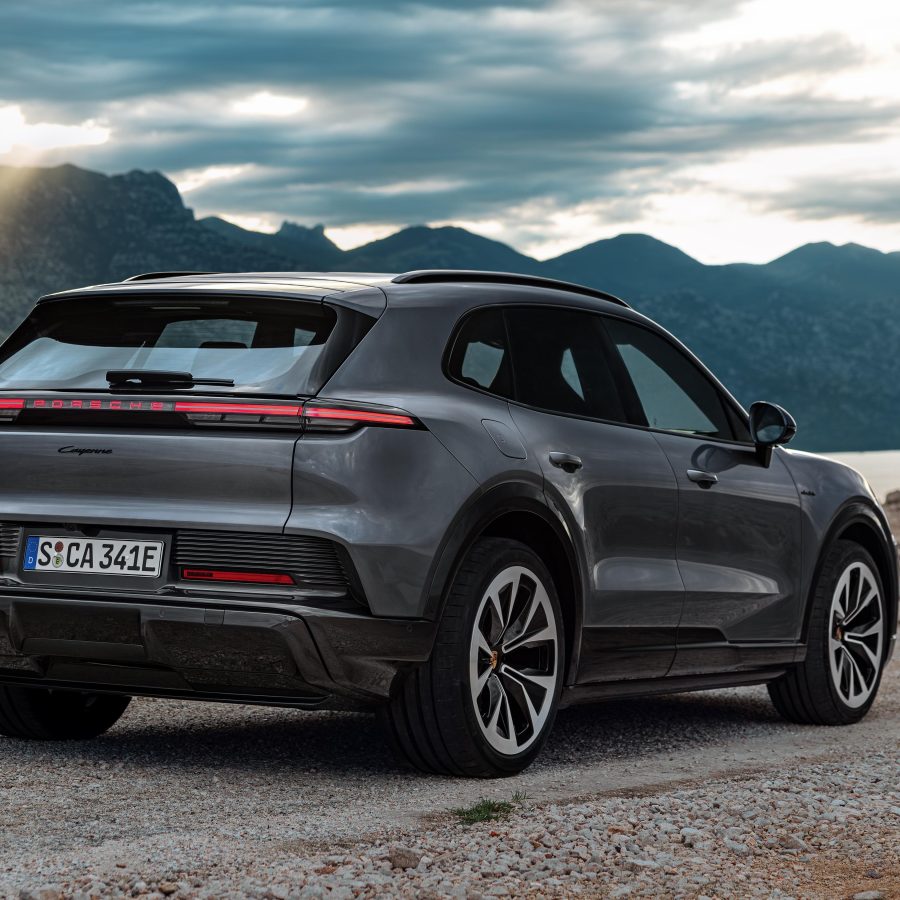
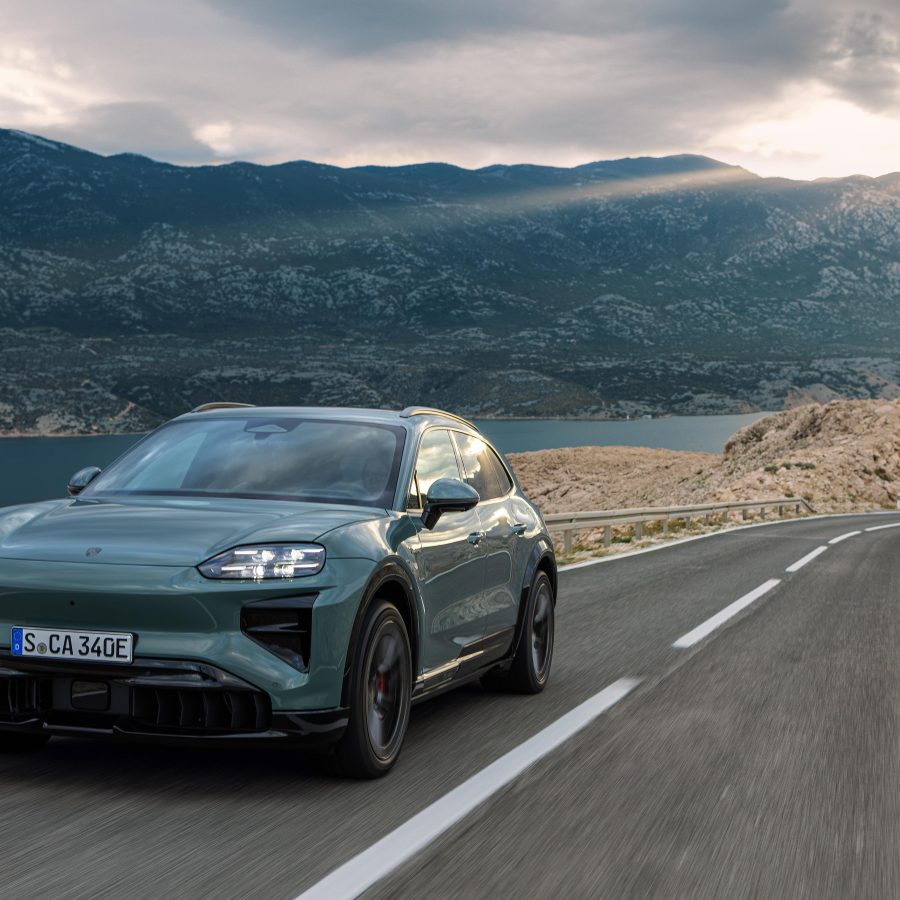
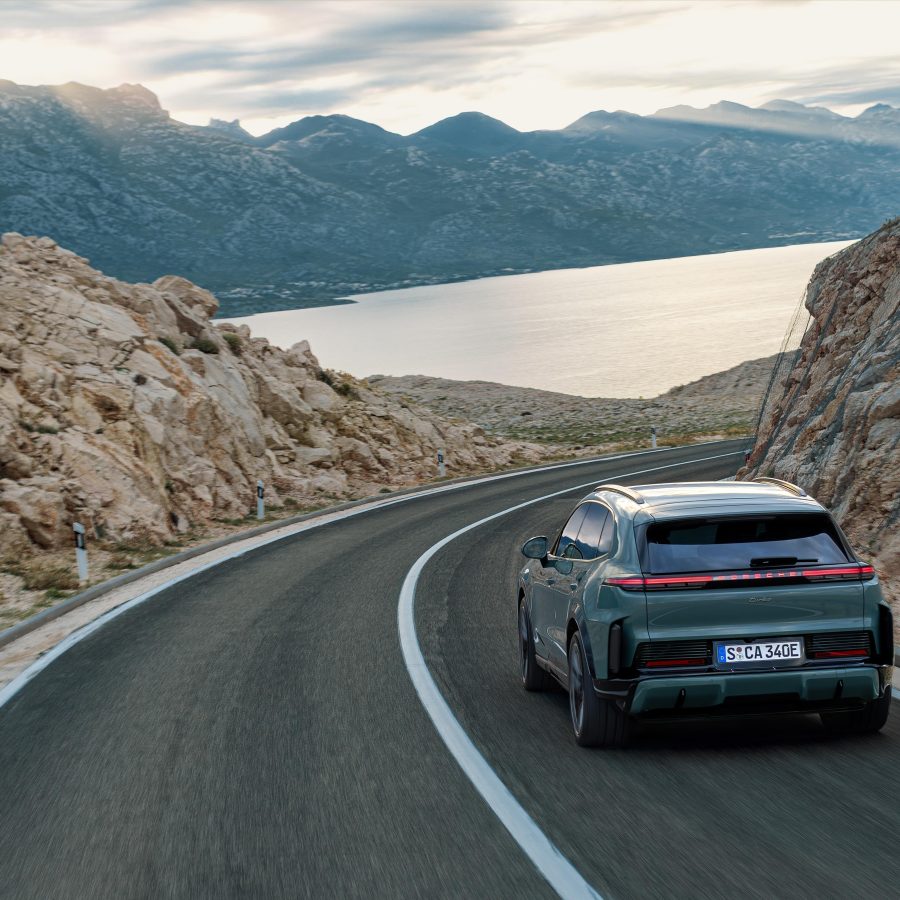
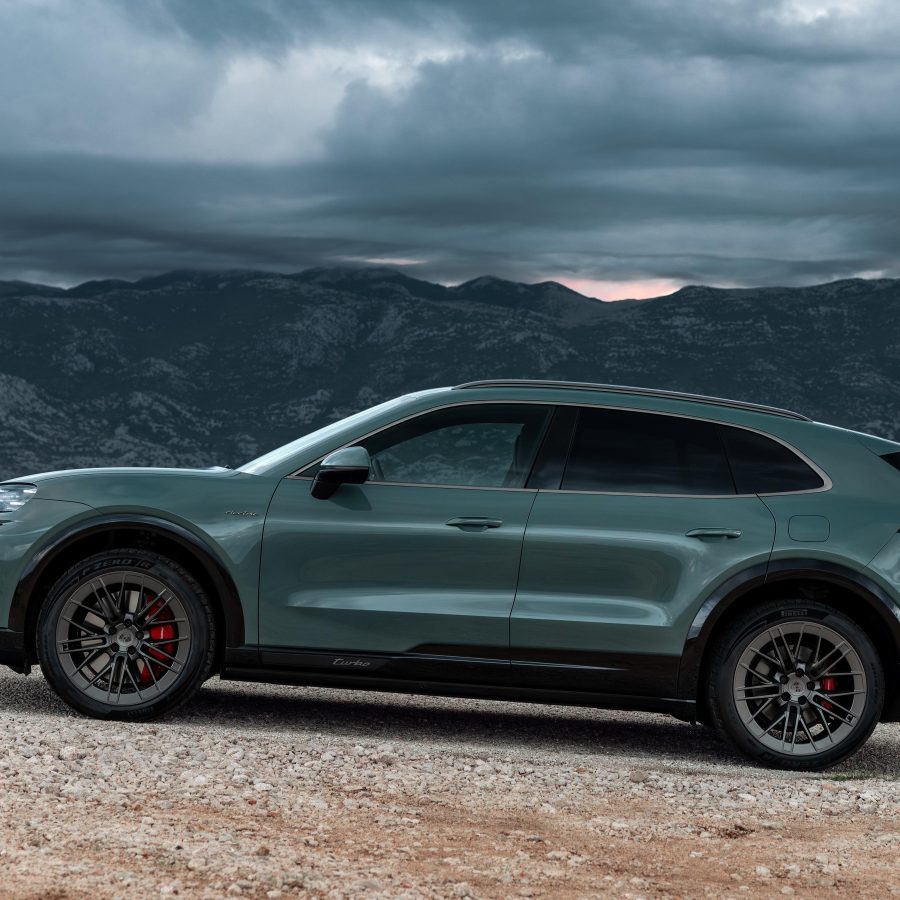
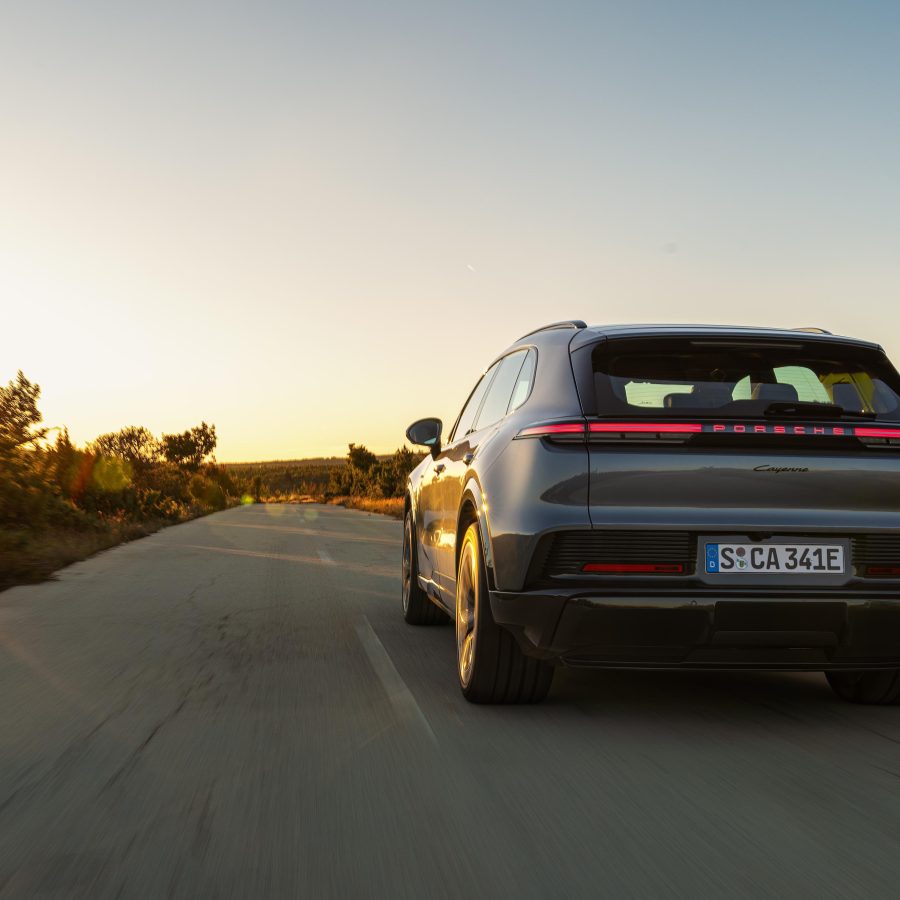
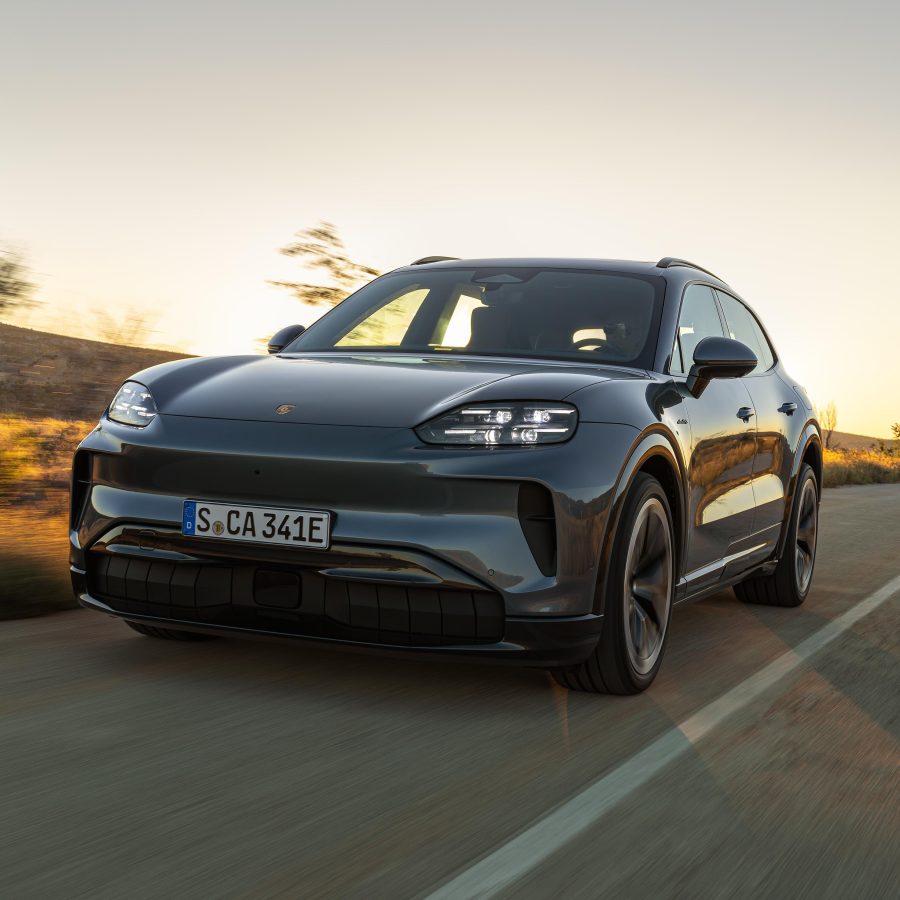
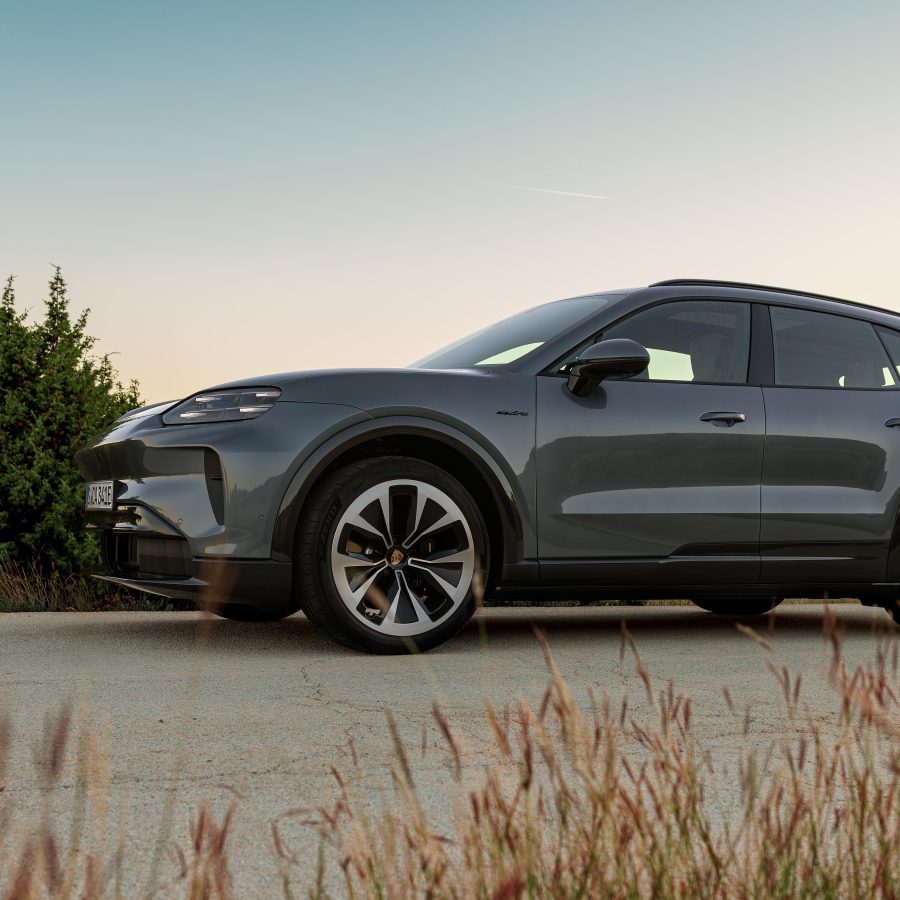
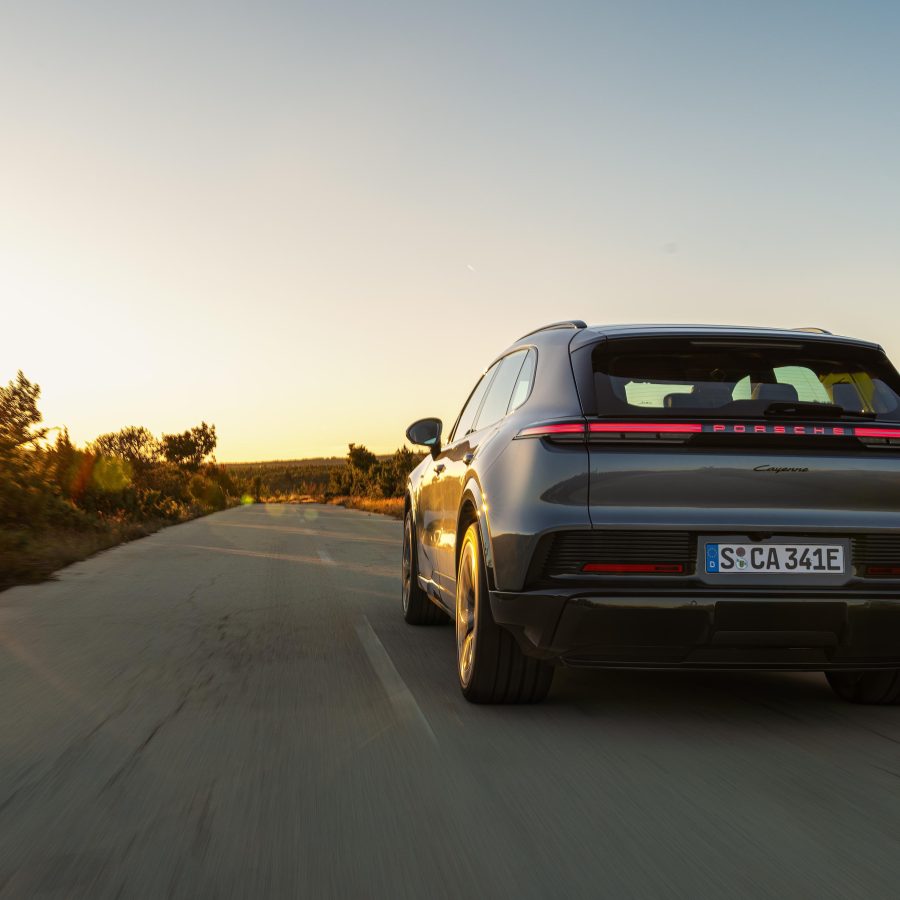
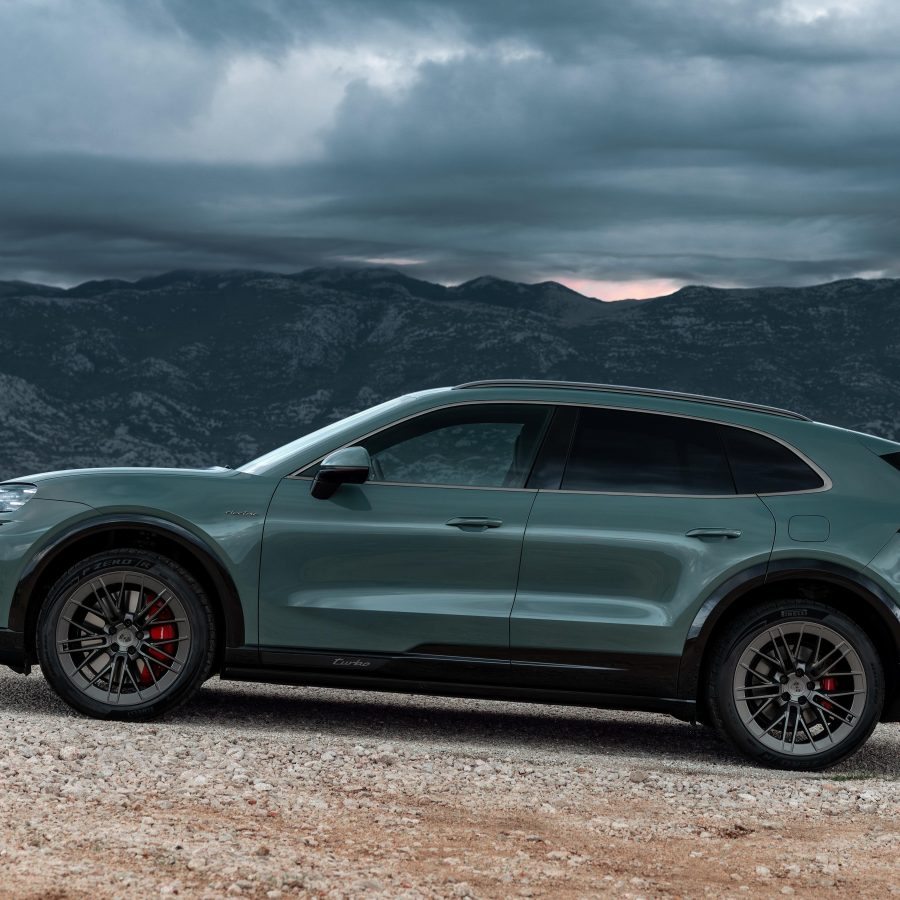
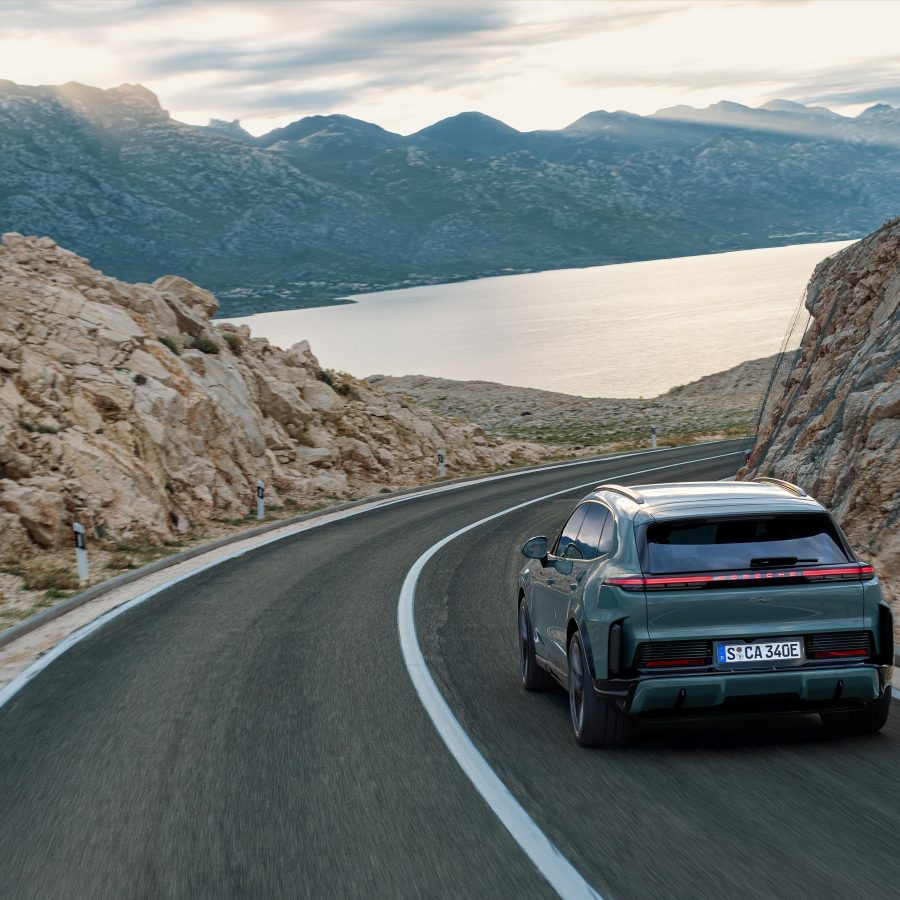
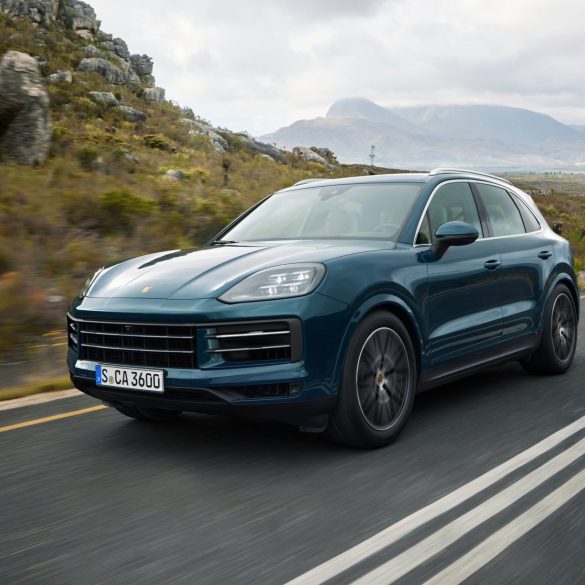
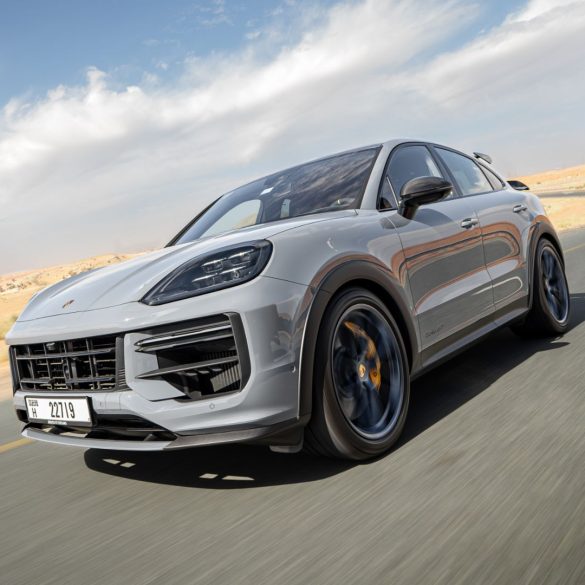
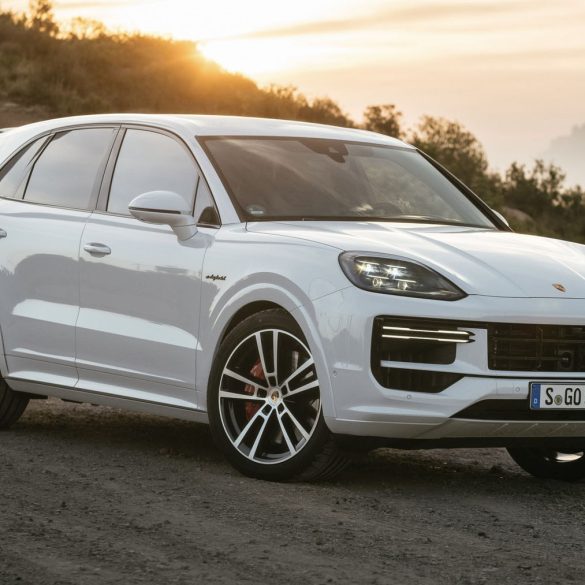
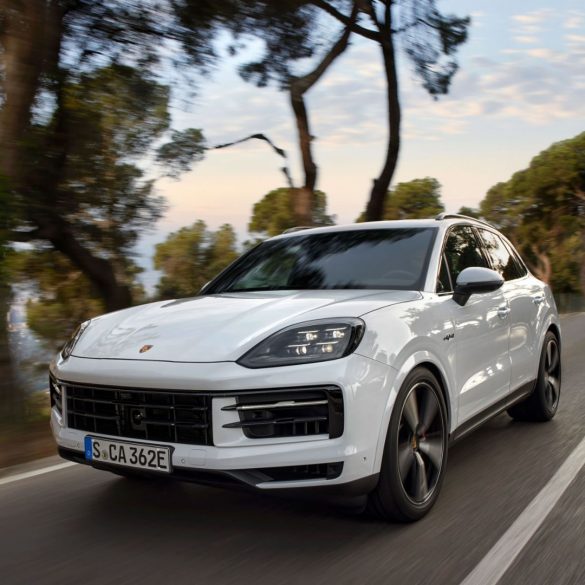
Visually, the Cayenne Electric doesn’t abandon its roots — and that’s intentional. Porsche has evolved the design rather than reinventing it, retaining the Cayenne’s muscular proportions while improving aerodynamics to a drag coefficient of just 0.25, impressive for a vehicle of this size. Details like slim Matrix LED headlights, pronounced rear shoulders, and an illuminated light bar give the Cayenne Electric a modern, unmistakably Porsche look. On Turbo models, exclusive Turbonite accents subtly differentiate the flagship without resorting to excess.
Importantly, Porsche hasn’t forgotten off-road credibility. An optional Off-Road package improves approach angles and underbody protection, reinforcing that this is still a Cayenne — not just a lowered electric crossover.
More Space, More Tech, More Personalization Than Ever
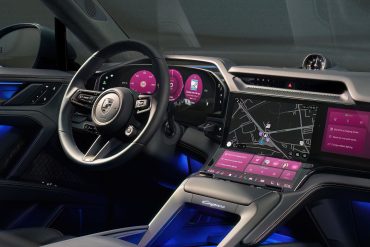
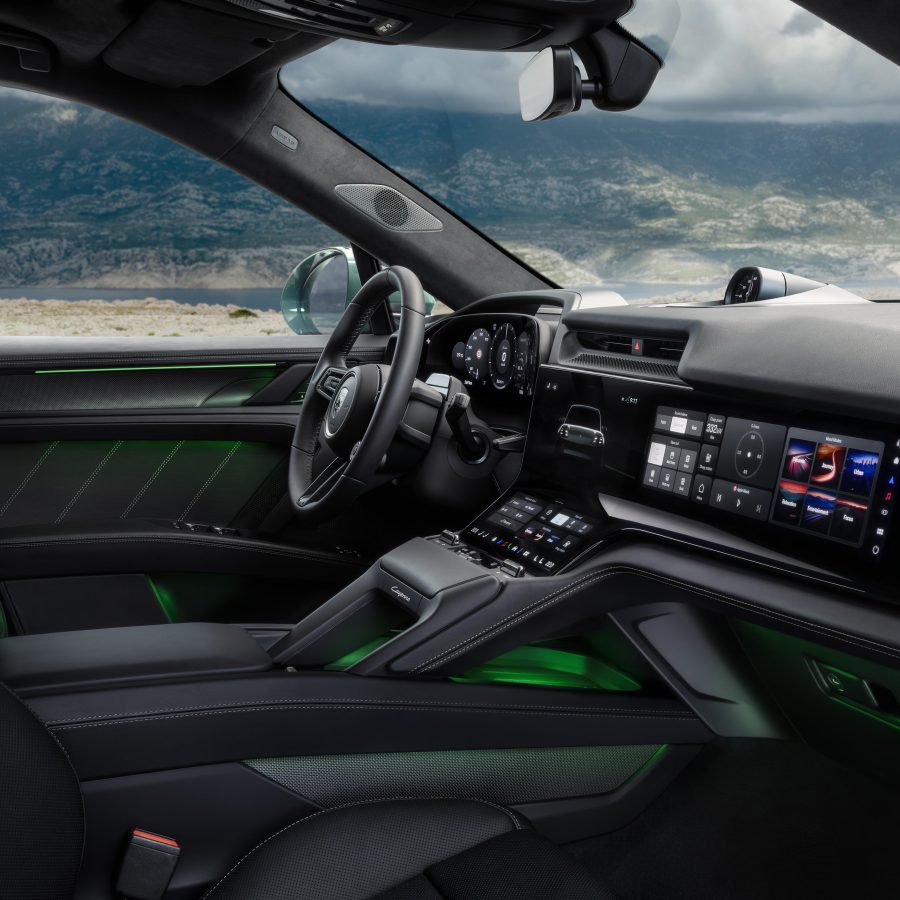
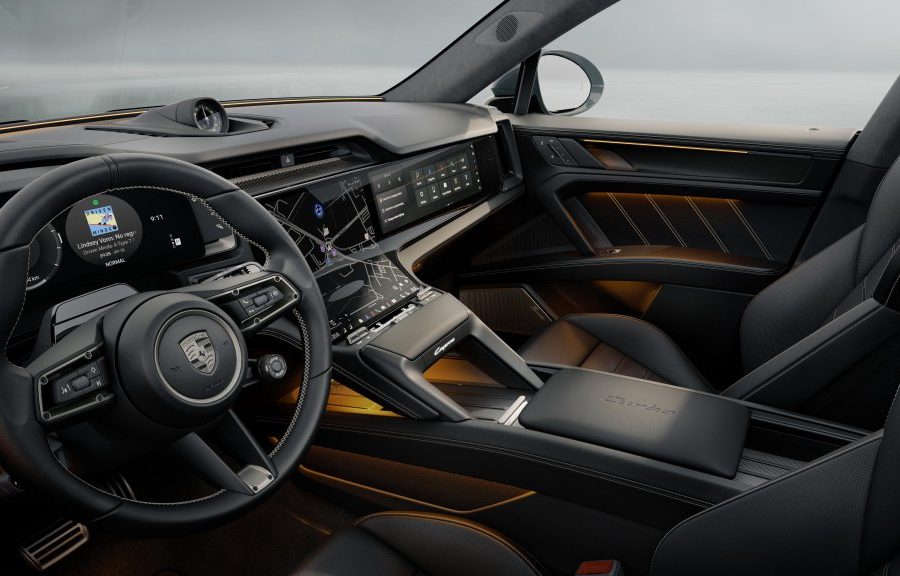
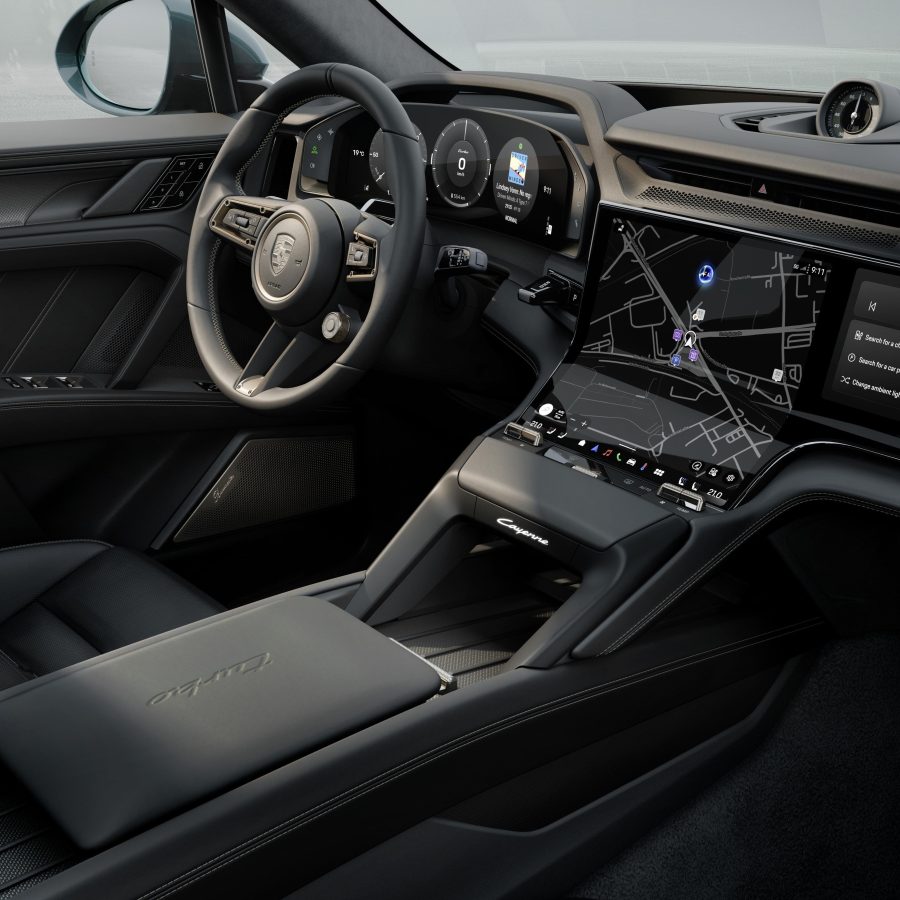
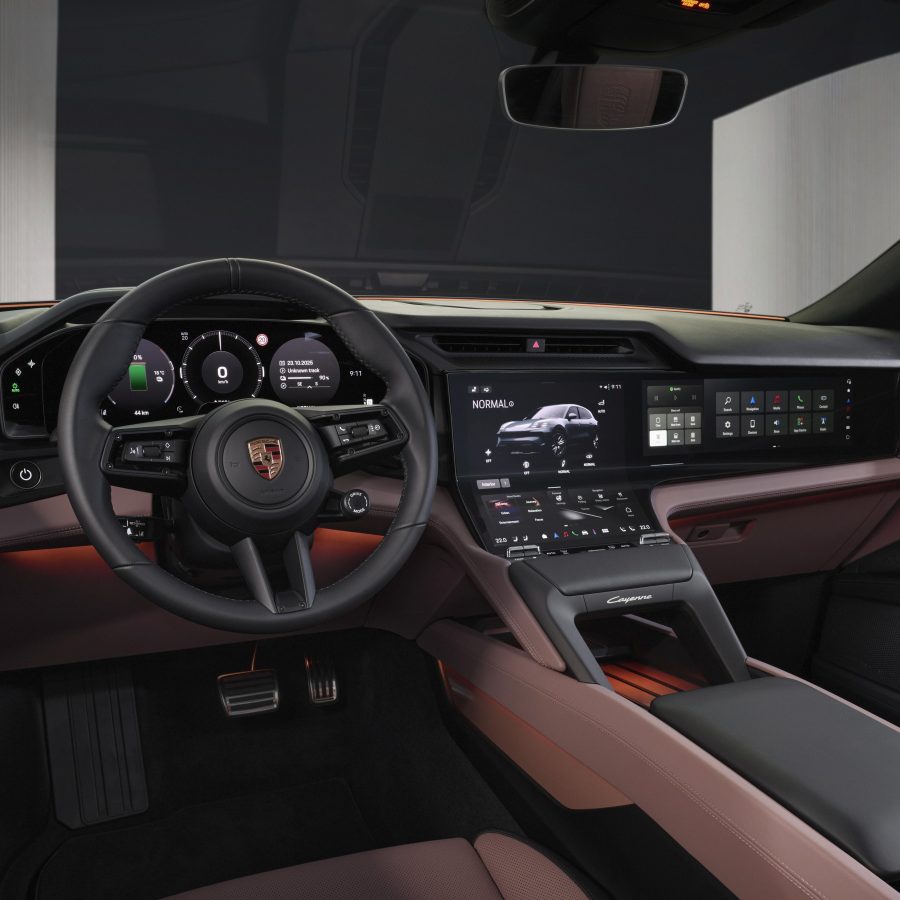
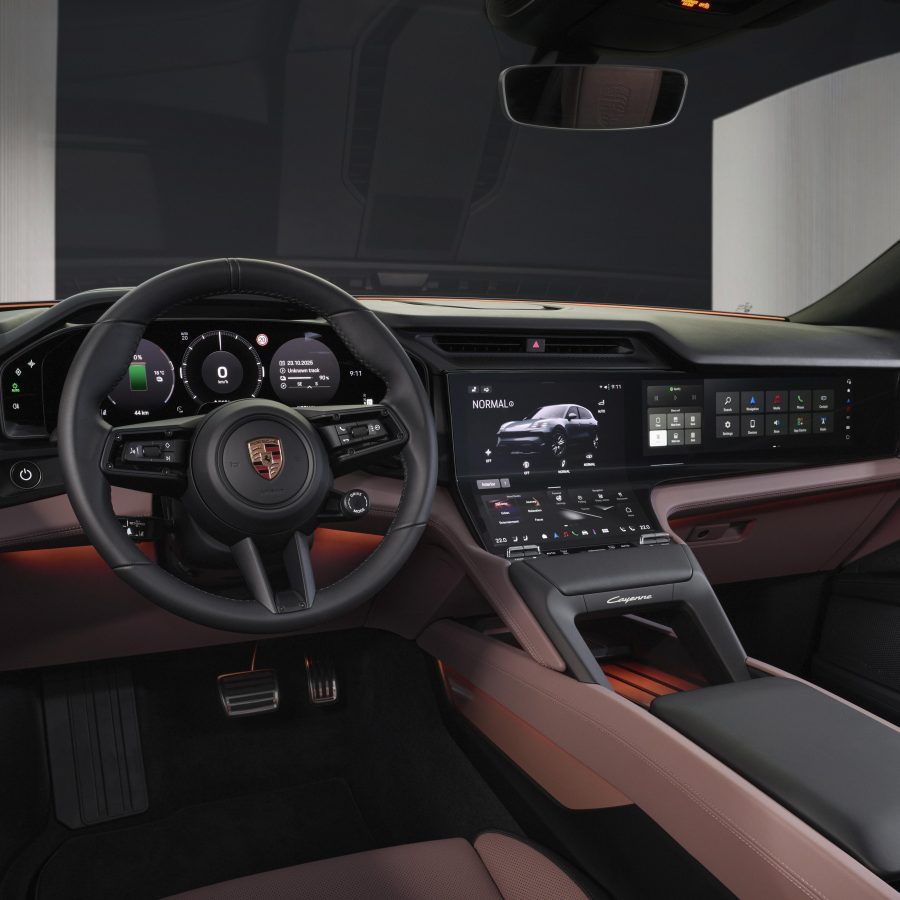
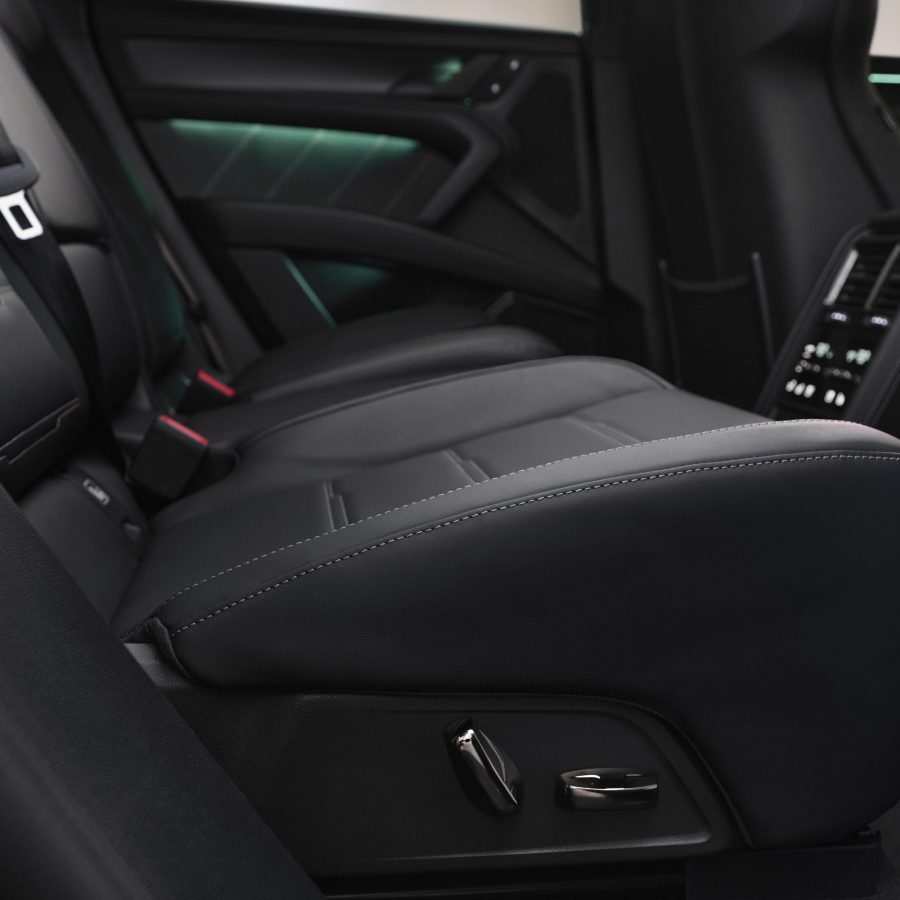
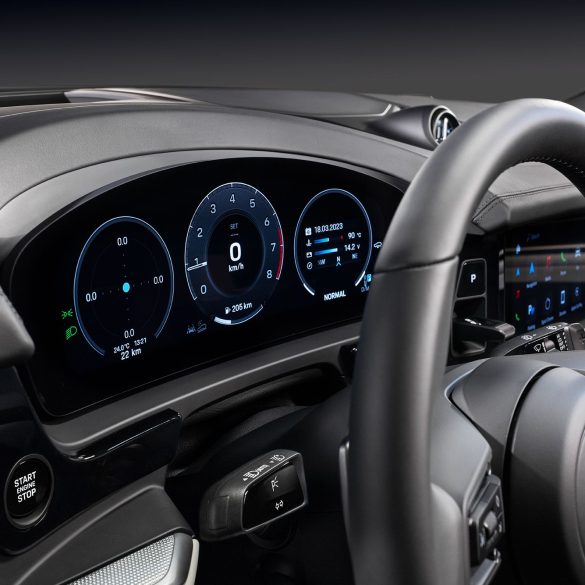
Thanks to its dedicated electric platform, the Cayenne Electric is longer and rides on a stretched wheelbase, translating directly into improved rear-seat comfort and greater cargo flexibility. With up to 1,588 litres of storage, a 90-litre front trunk, and 3.5-tonne towing capability, practicality remains a core strength. Inside, Porsche debuts its most digital cockpit ever. The new Porsche Driver Experience features:
A curved OLED center display
A fully digital instrument cluster
An optional passenger display
Augmented-reality head-up display
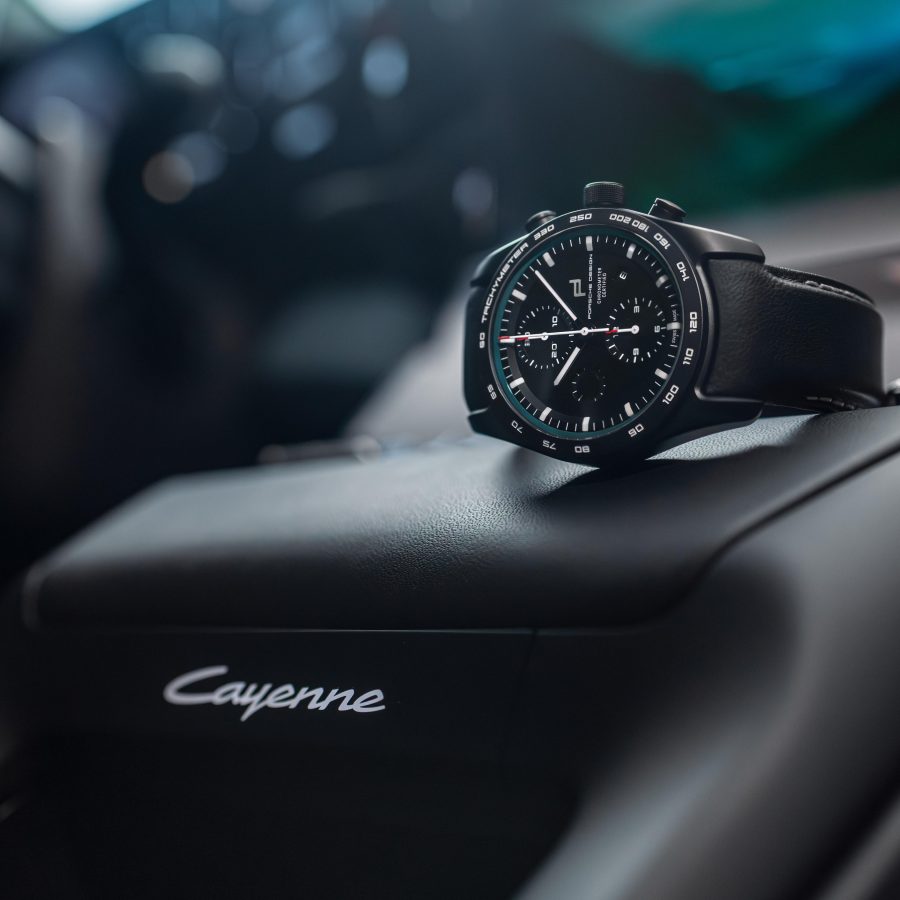
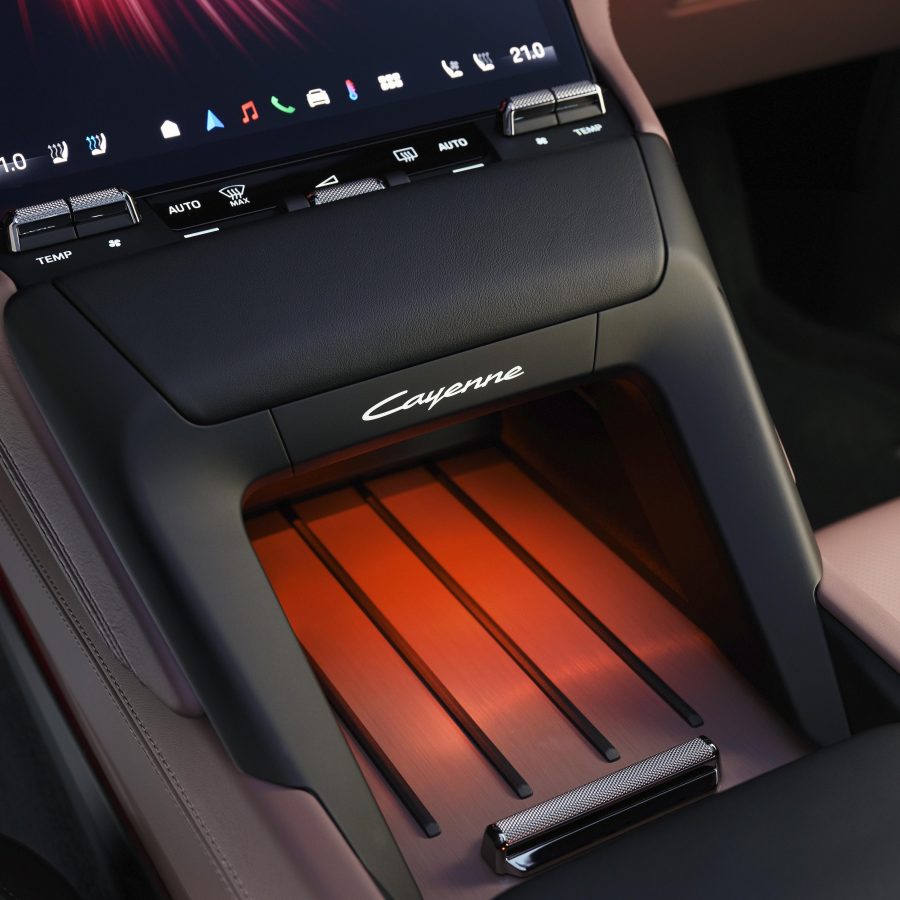
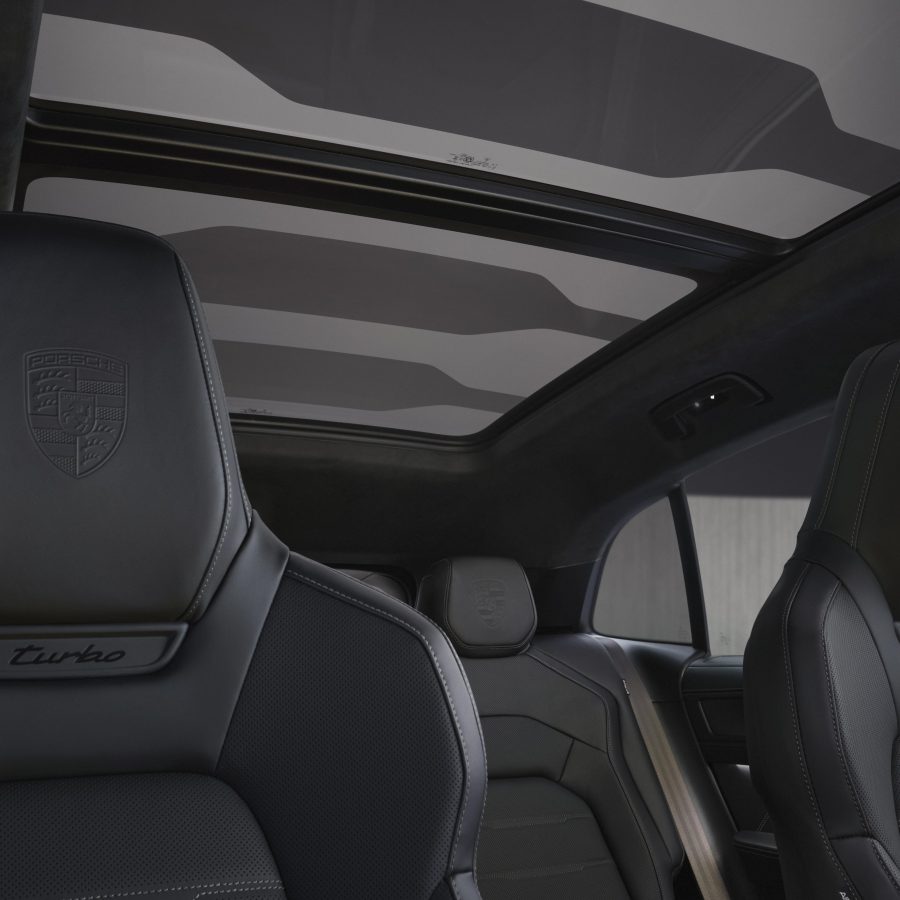
Despite all this technology, Porsche wisely retains physical controls for frequently used functions — a subtle but important decision for real-world usability. Customization is extensive, from colors and wheels to interior themes and even matching Porsche Design watches, underscoring Porsche’s belief that luxury still means individuality.
What the Electric Cayenne Really Represents
The most important takeaway isn’t the acceleration figures or charging speeds — it’s what the Cayenne Electric represents strategically. Porsche is committing to parallel powertrains well into the next decade, offering electric, hybrid, and combustion versions side by side. That makes the Cayenne Electric less a replacement and more an expansion of choice.
Just as the original Cayenne saved Porsche financially in the early 2000s, the electric Cayenne may prove just as critical — not by abandoning Porsche’s identity, but by redefining it for a world where performance no longer depends on cylinders. And if Porsche gets this right, the rest of the industry will have to follow.
Porsche Cayenne (4th Generation) Model Guides
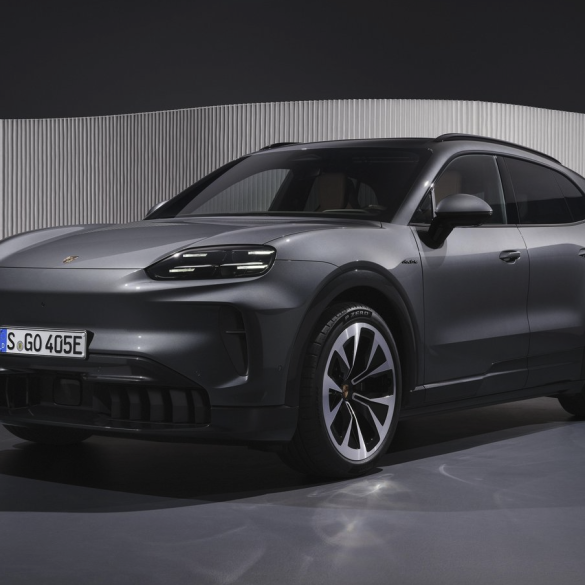
The all-new Cayenne launches with two variants for the 2026 model year. We expect a flurry of new models to be announced in coming months, including the coupe-style body style.
4th Generation Porsche Cayenne Data, Options, Brochures & More Research
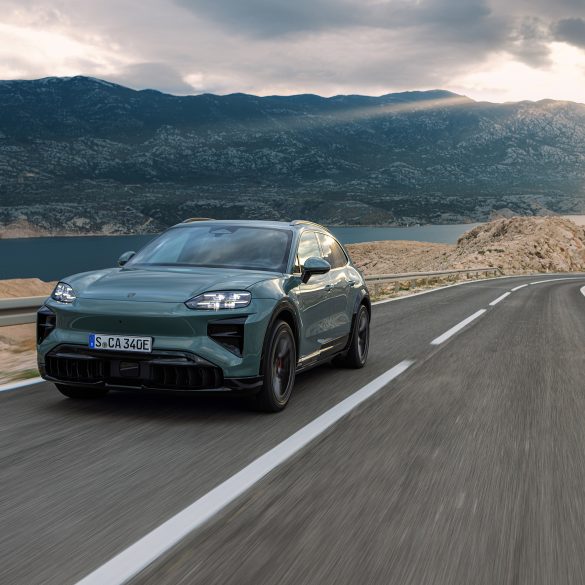
We dig into some of the data surrounding the fourth generation Porsche Cayenne, including production numbers, specifications, chassis numbers and much more. It is early days so this is kind of sparse but we will add more over time.

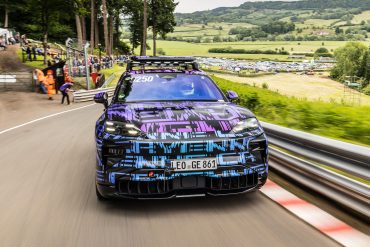
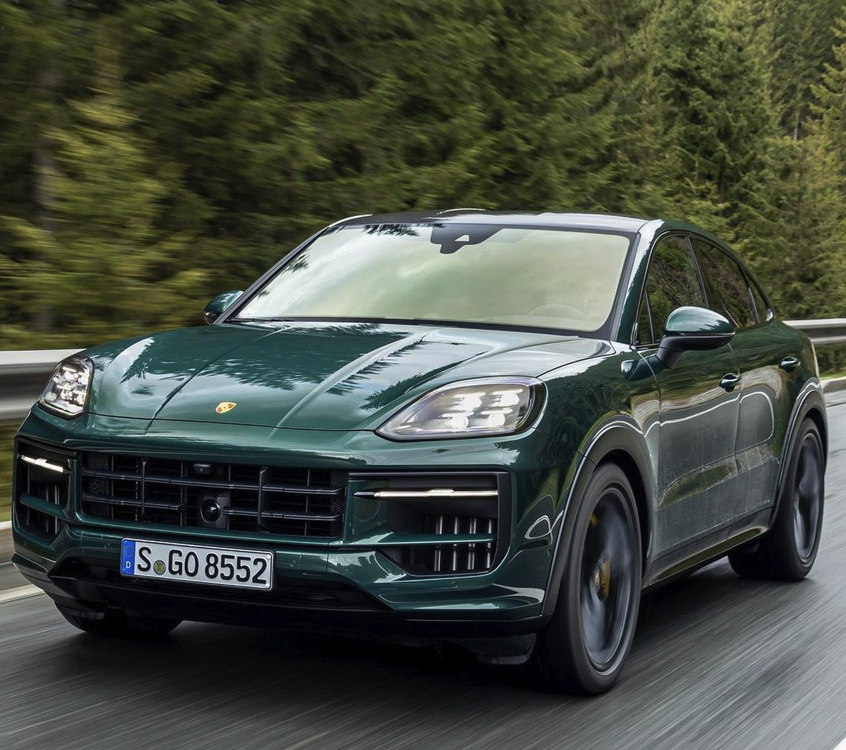

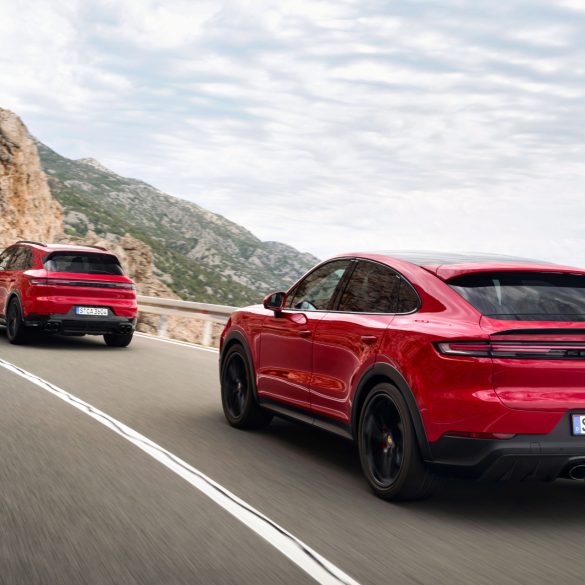
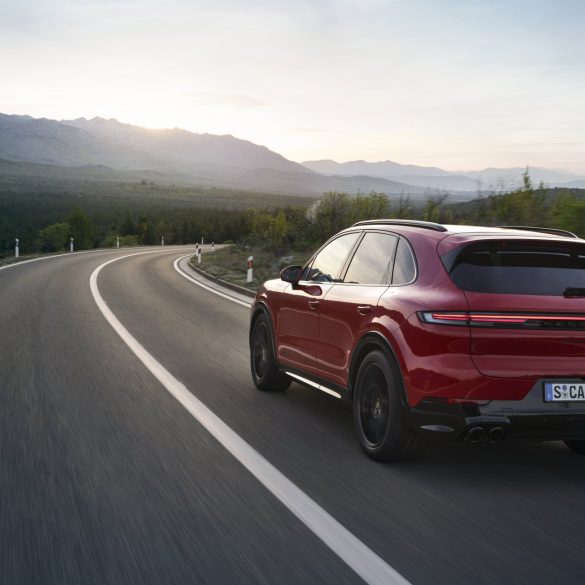
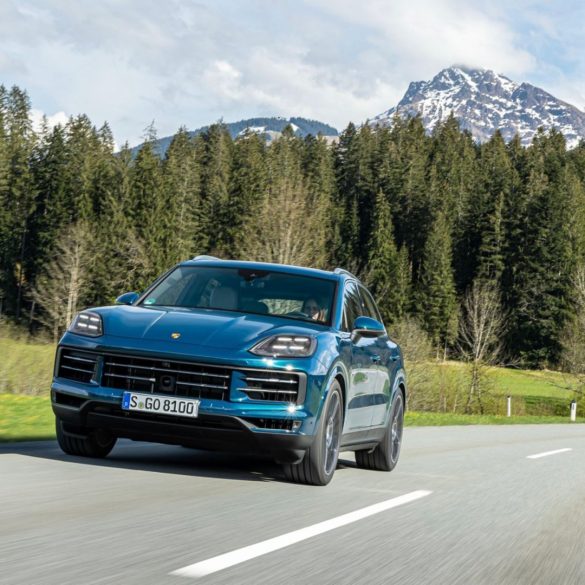
4th Gen Porsche Cayenne Pictures, Galleries & Wallpapers
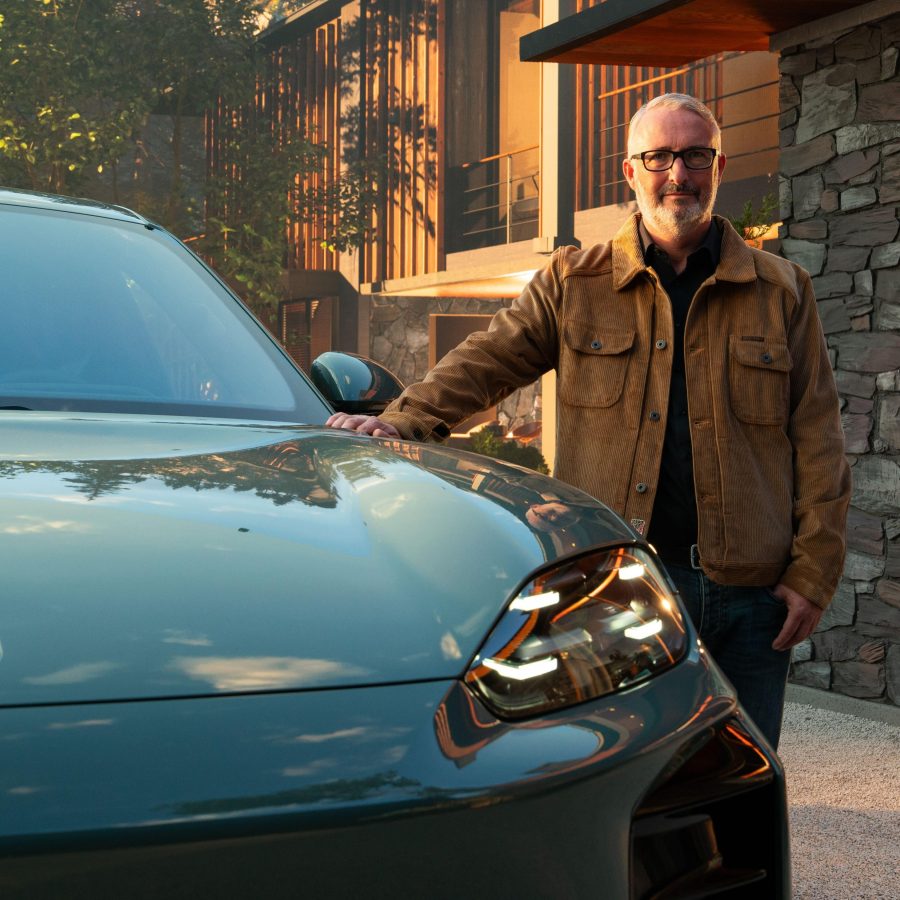
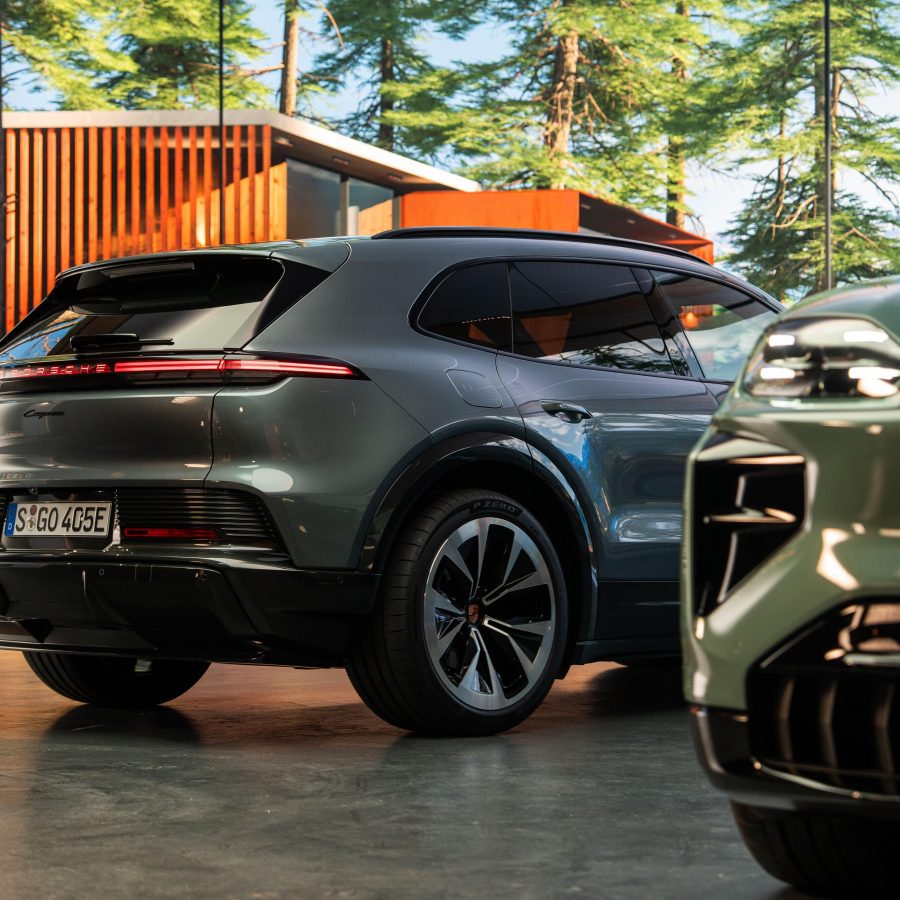
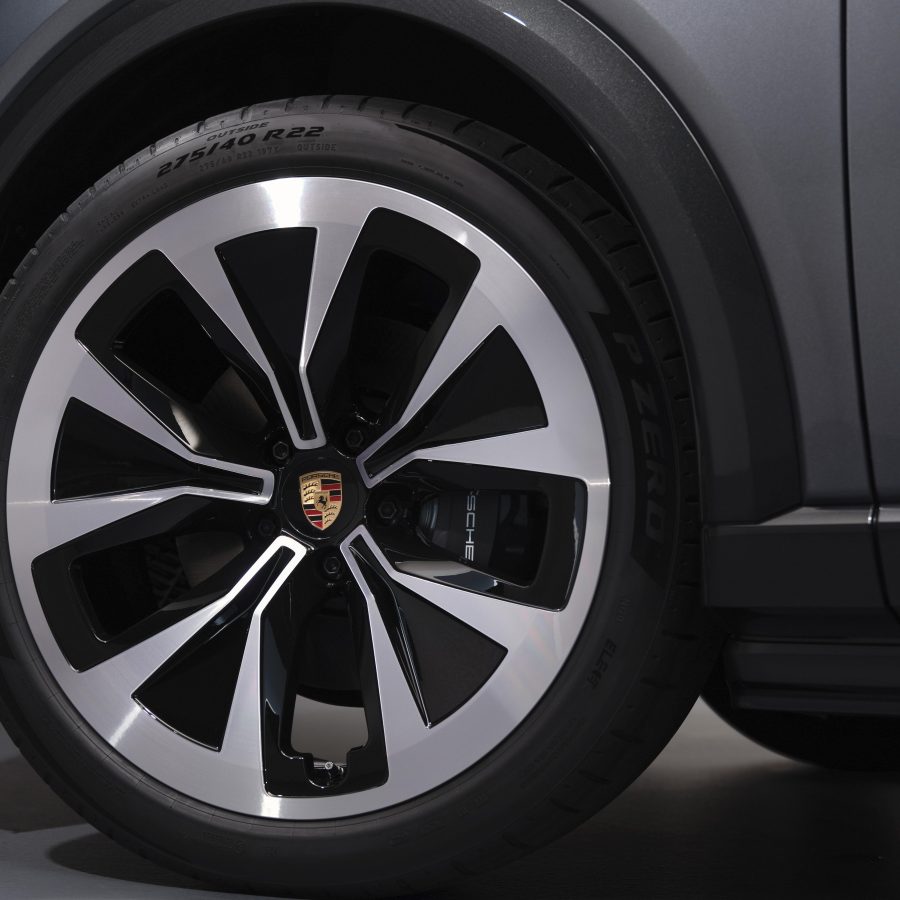
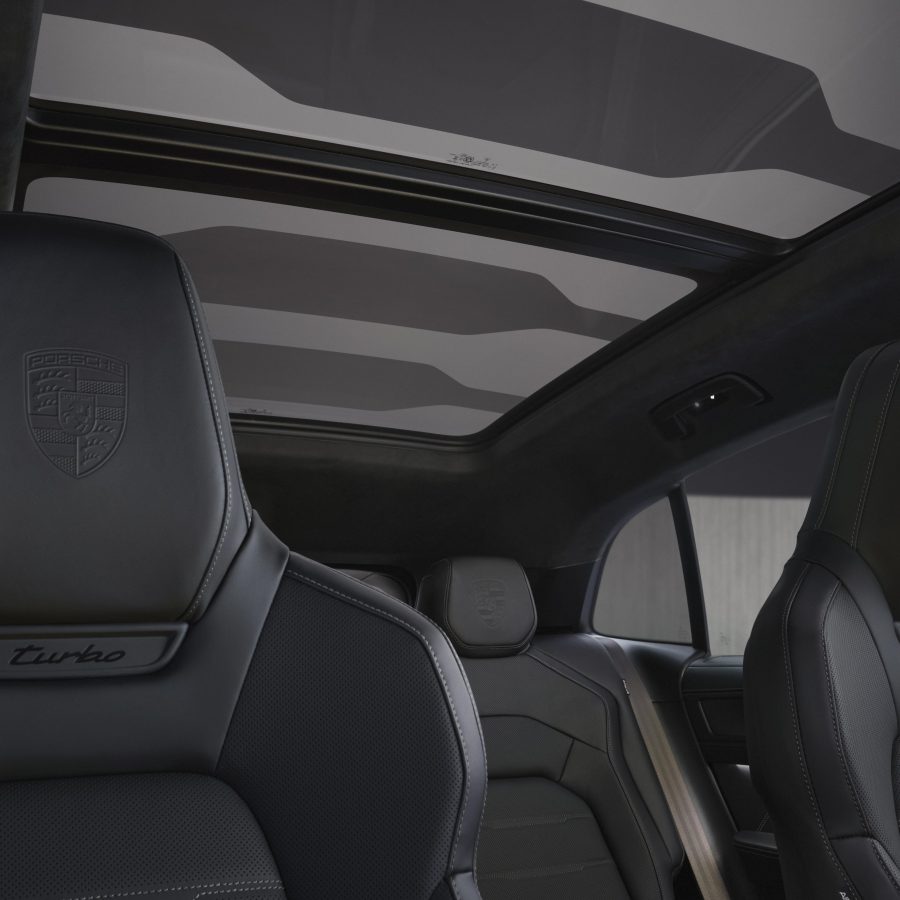
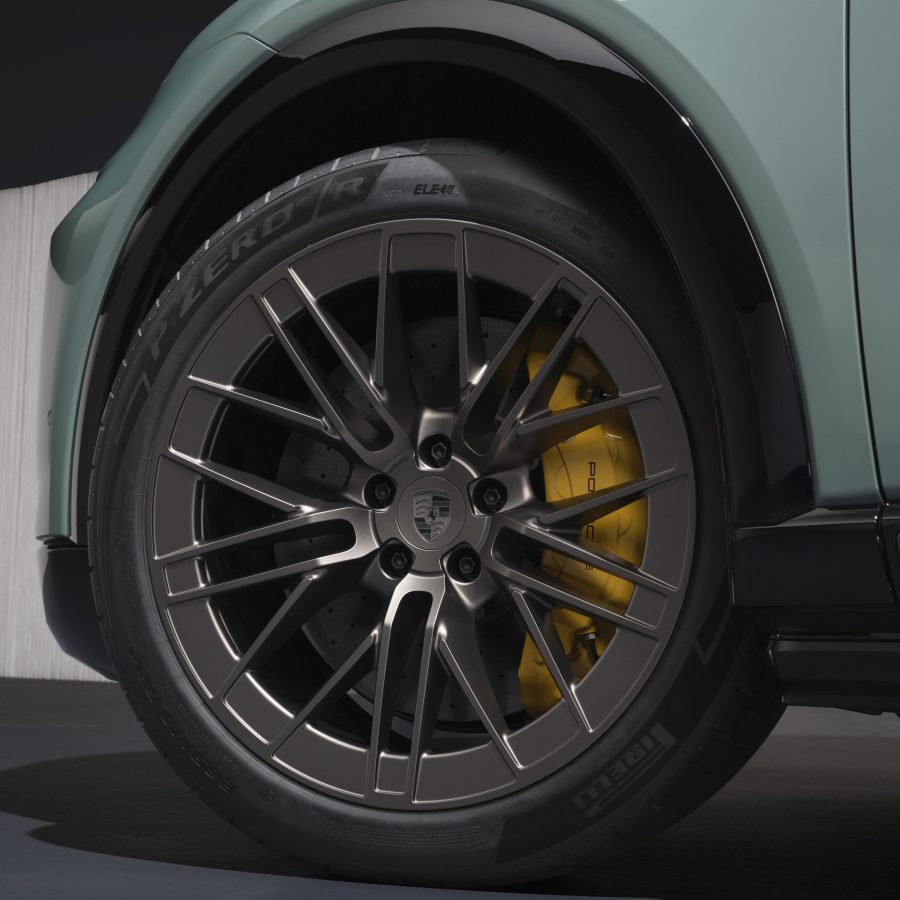
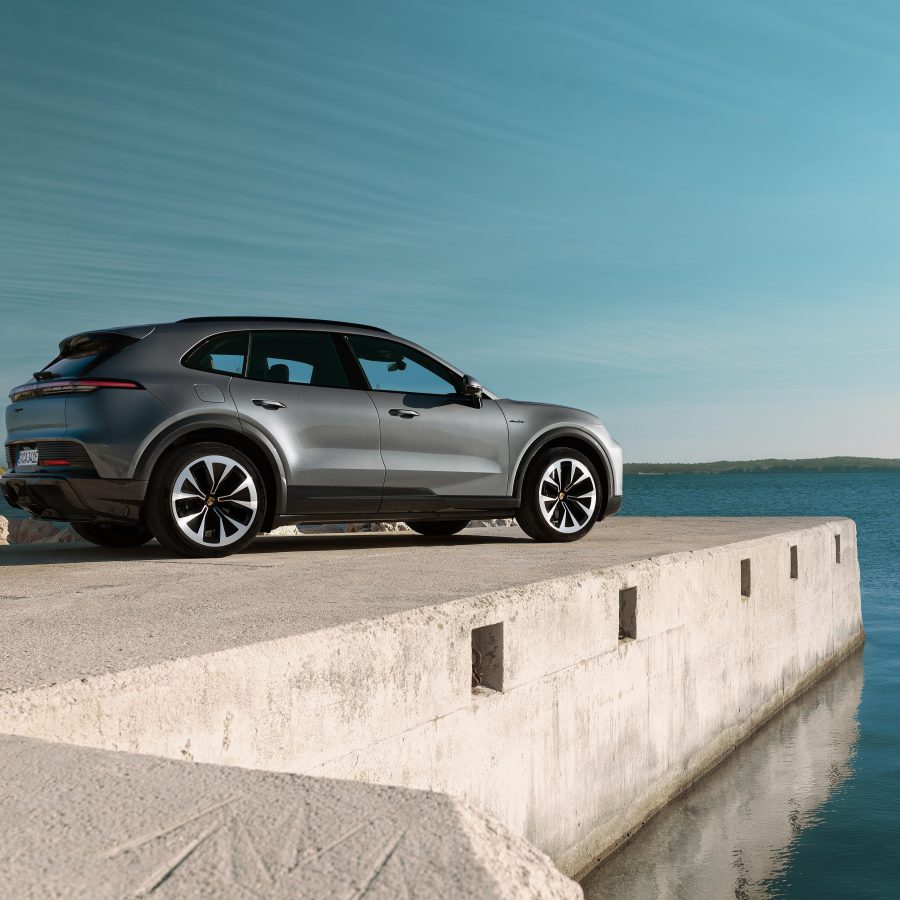
Finally, Porsche created a Cayenne that is equally good looking as it is a performance machine. This generation Cayenne makes no excuses for its looks.
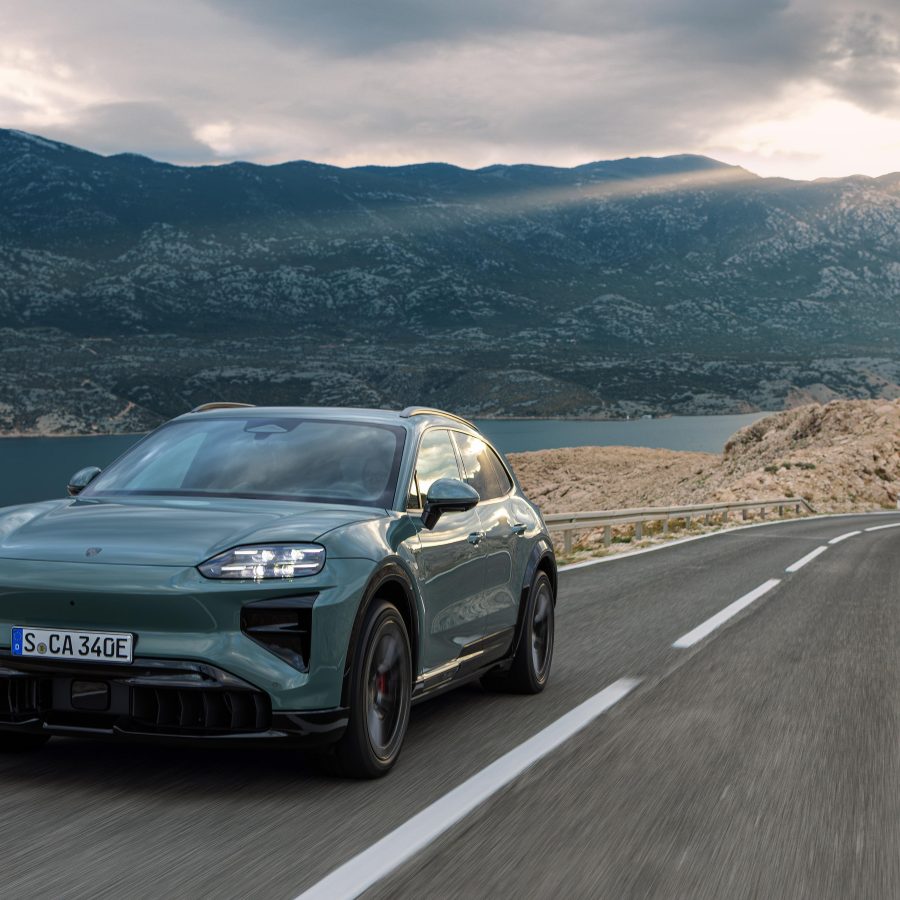








Porsche Cayenne Electric FAQs
What is the range of the new Cayenne Electric?
The base Cayenne Electric offers an estimated range of up to 642 km (approx. 400 miles) on the WLTP cycle, while the high-performance Turbo variant delivers up to 623 km (approx. 387 miles). Real-world range will vary based on driving style, terrain, and weather conditions.
How fast is the Cayenne Turbo Electric?
The Cayenne Turbo Electric is the most powerful production Porsche to date, producing 1,156 PS (1,139 hp) with Launch Control. It can accelerate from 0 to 100 km/h (0-62 mph) in just 2.5 seconds and reaches a top speed of 260 km/h (161 mph).
Does the Cayenne Electric feature All-Wheel Drive (AWD)?
Yes, all Cayenne Electric models come standard with a sophisticated dual-motor all-wheel-drive system, ensuring legendary Porsche traction and handling in all conditions.
How long does it take to charge and what is "Porsche Wireless Charging"?
Thanks to its 800-volt architecture, the Cayenne Electric supports DC fast charging at up to 400 kW. This allows the battery to charge from 10% to 80% in approximately 16 minutes. At a high-speed station, you can add roughly 325 km (200 miles) of range in just 10 minutes.
Debuting with this model, Porsche Wireless Charging is an optional inductive charging system. By parking over a dedicated floor plate in your garage, the car automatically aligns and lowers itself to charge at up to 11 kW, eliminating the need for physical cables at home.
How much storage space does it have?
The electric model features a longer wheelbase (+13 cm) than its gas counterpart, providing a more spacious interior. It offers 781 liters of rear cargo space (expandable to 1,588 liters) and a convenient 90-liter front trunk (frunk) for smaller items.
Is the Porsche Cayenne Electric a real Porsche, or just an electric luxury SUV?
Yes — the Cayenne Electric is very much a Porsche in both intent and execution. Rather than simply electrifying an existing SUV, Porsche developed the Cayenne Electric as a performance-led model, focusing on sustained power delivery, advanced chassis systems, and driving dynamics typically associated with the brand’s sports cars. With motorsport-derived cooling, ultra-fast charging capability, and a suspension setup designed to balance handling, comfort, and off-road ability, the Cayenne Electric is positioned as a genuine evolution of Porsche performance rather than a departure from it.
More Porsche Cayenne News & Updates
Recent news, awesome reviews, new model announcements and all the other latest news and posts regarding the Porsche Cayenne.
Join Our Porsche Community
Sign up for our weekly Porsche newsletter. The latest Porsche news, rumors, reviews and more delivered to your inbox. Cool Porsche stuff perfect for the flat-six obsessed.