

Porsche 356 Parts Catalogs & Advice
Maintain, Restore, Or Upgrade Your Porsche 356 With Our Comprehensive Guide to 356 Parts Catalogs, Sources for Parts, And Buying Tips.
Whether you're looking to maintain, restore, or upgrade your classic Porsche 356, or simply enhance the performance and style of a more modern model, sourcing the right parts and knowing how to choose them is essential. The iconic Porsche 356 has captivated enthusiasts for generations. Ensuring your 356 continues to deliver the thrilling performance and driving pleasure it was built for means relying on quality parts, expert advice, and reputable suppliers.
In this comprehensive guide, we'll explore everything you need to know about Porsche 356 parts, whether your focus is routine maintenance, meticulous restoration, or exciting performance upgrades. We’ll highlight trusted sources like Pelican Parts, Suncoast Porsche, and Heritage Parts Centre in the UK, as well as classic Porsche specialists like Sierra Madre Collection, FCP Euro, and Heritage Parts Centre. Additionally, we’ll dive into performance-focused suppliers such as Fabspeed Motorsport and Rennline, ensuring every type of 356 owner—from purists to performance enthusiasts—finds valuable insights tailored to their needs.
From detailed recommendations on where to source genuine OEM and aftermarket components, to practical tips on restoration projects, maintenance routines, and exciting upgrade possibilities, you'll find expert insights to confidently maintain, restore, or customize your Porsche 356. Whether you own a vintage classic or a modern sports car, this article will serve as your ultimate resource for preserving and enhancing your Porsche driving experience for years to come.
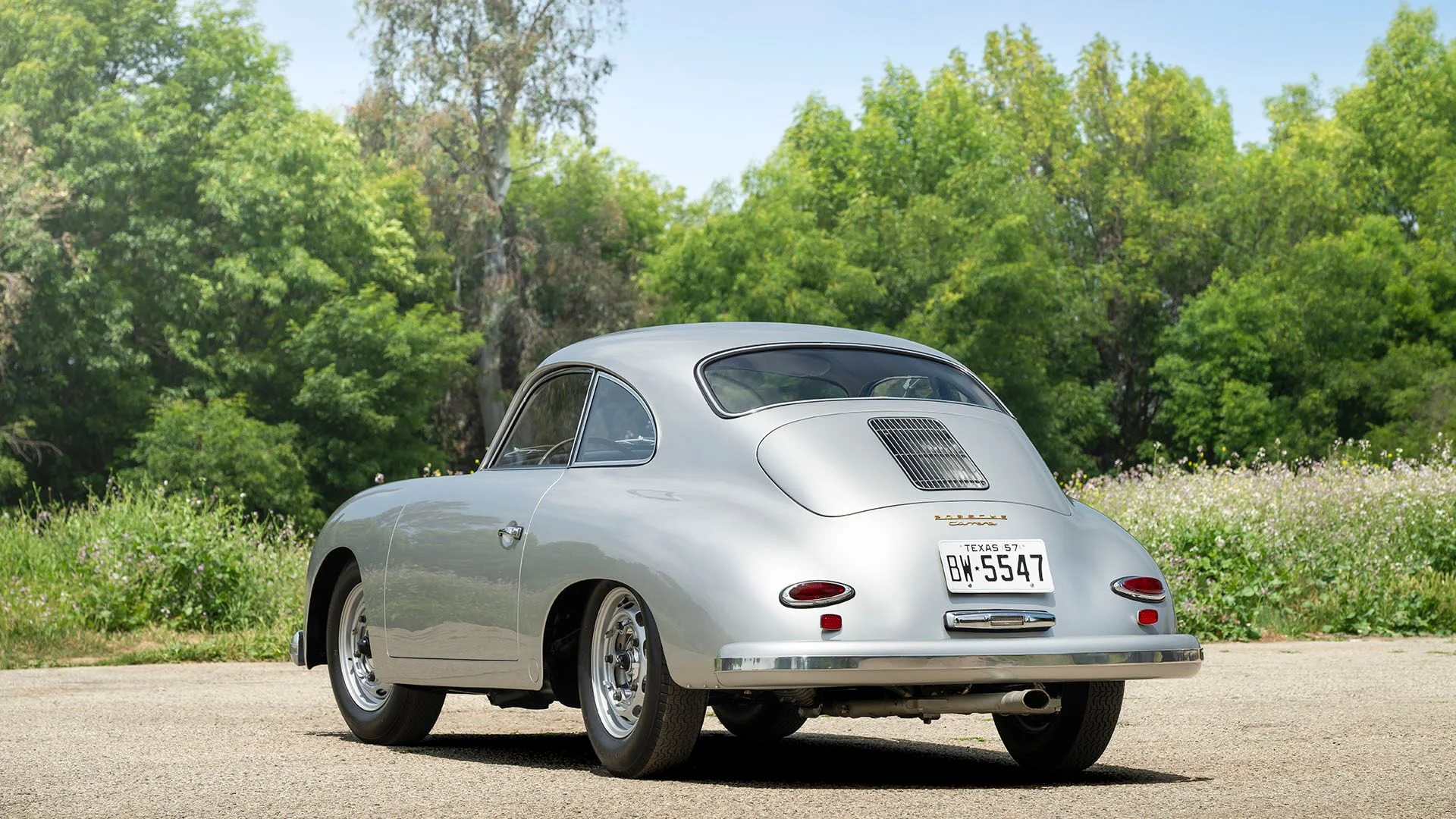
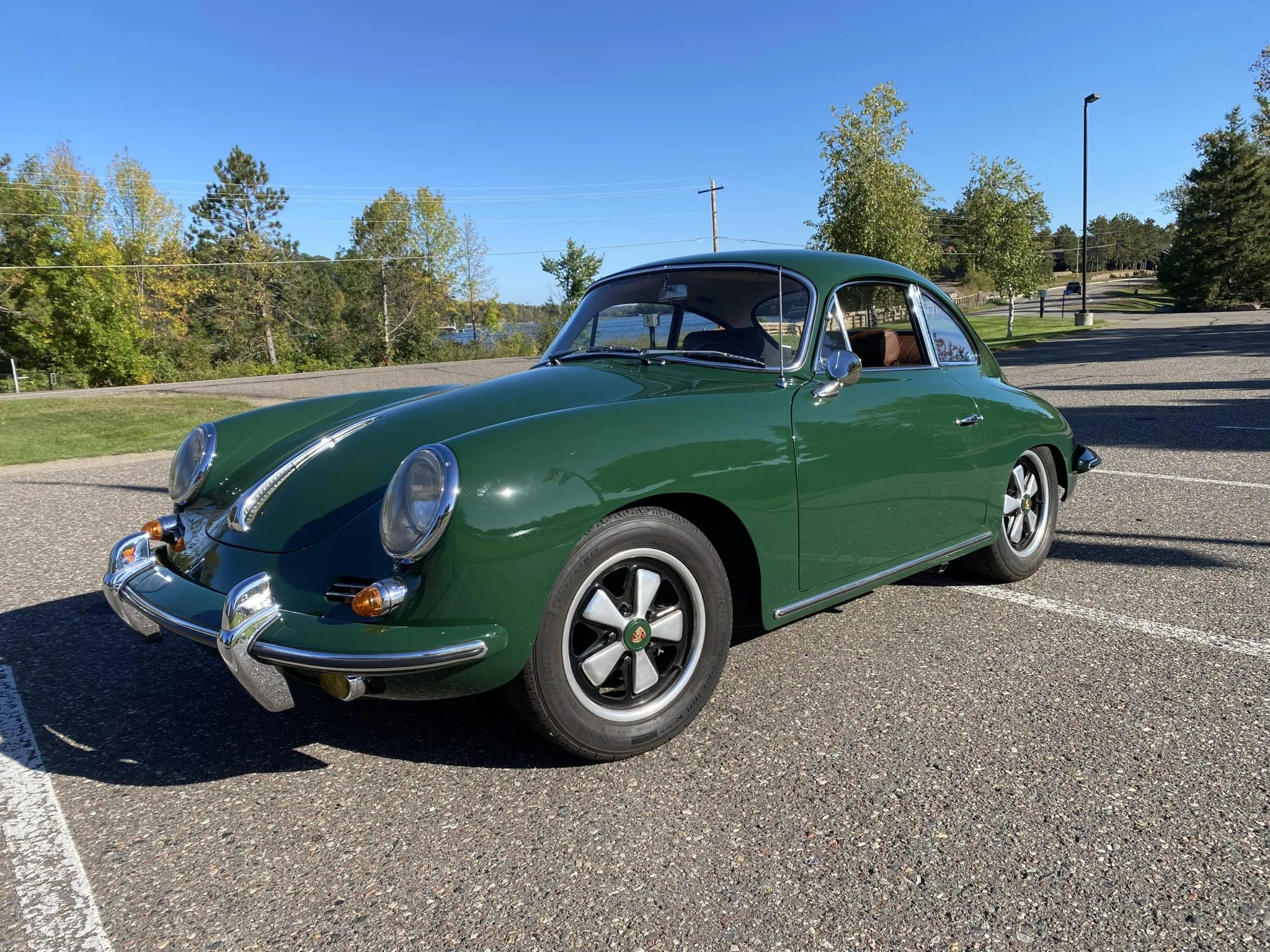
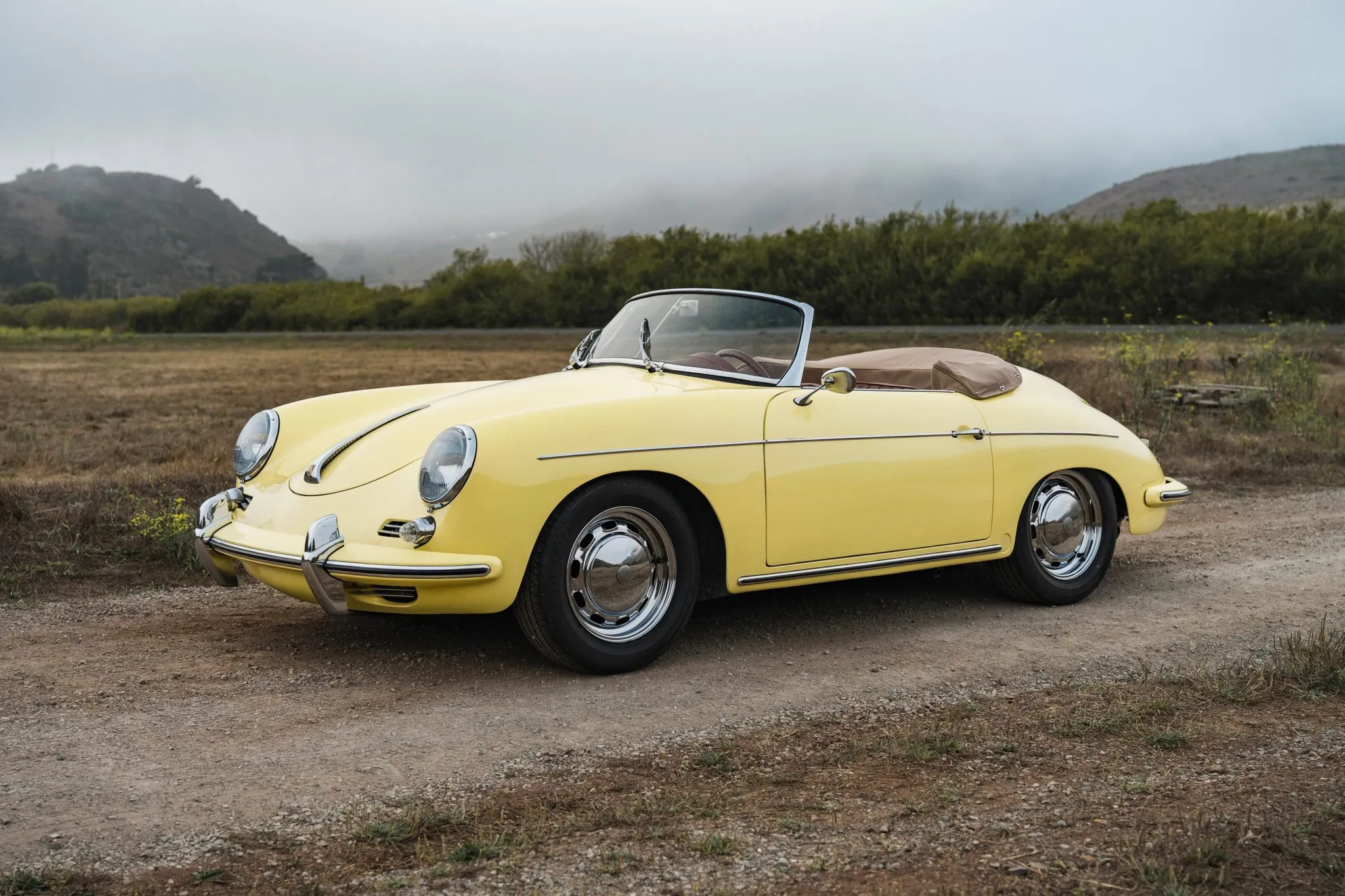
Porsche 356 Parts Catalogs
These official Porsche PET Diagrams and codes for the Porsche 356 models across generations.
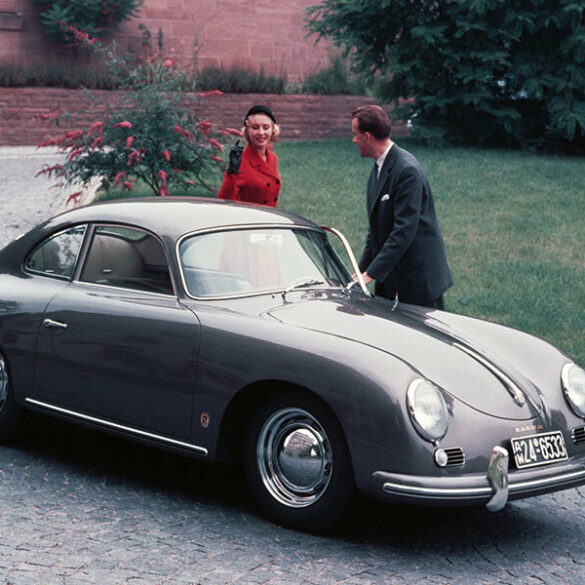
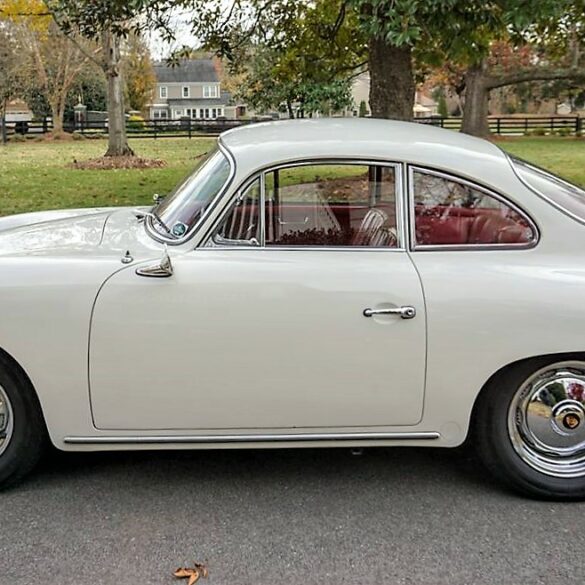
Other Porsche 356 Maintenance & Ownership Research
If you own a Porsche 356, these pieces of data and materials will be invaluable over time.
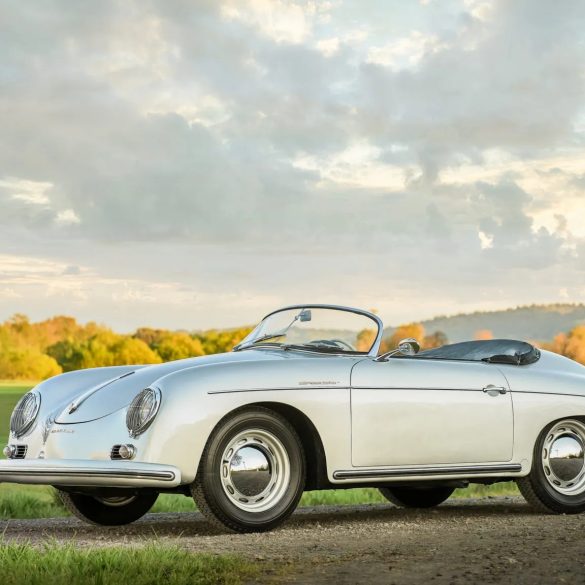
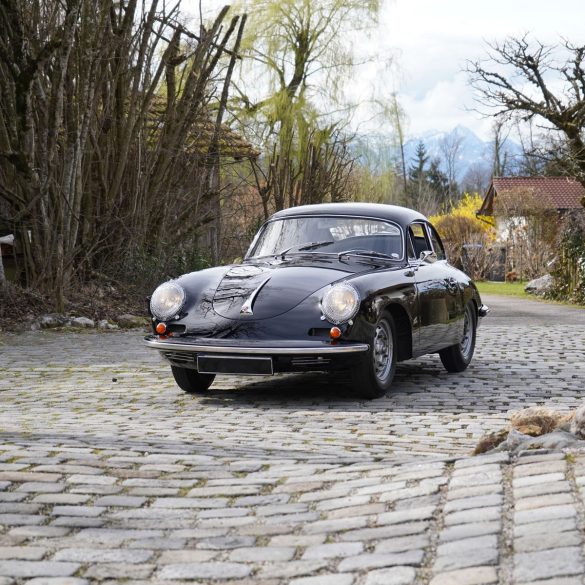
Porsche 356 Parts Advice & Tips
Some of the most interesting questions we've received from owners and tinkerers.
Where is the best place to buy Porsche 356 parts?
If you’re looking for reliable places to buy Porsche 356 parts, a handful of specialist suppliers consistently stand out for quality, depth of inventory, and experience with these early Porsches. One of the most trusted names is Stoddard, a long-established Porsche parts supplier with one of the most complete 356 catalogs available. They stock everything from engine and suspension components to trim pieces and hard-to-find restoration items. Aase Sales is another enthusiast favorite, known for its wide selection of both new and used 356 parts, making it an excellent resource whether you’re maintaining a driver or restoring a car down to the last bolt.
For rarer components or model-specific items, Klasse 356 is a dedicated 356 specialist that supplies new, used, and reproduction parts worldwide. Their inventory often includes pieces you won’t easily find elsewhere, which makes them especially helpful for Pre-A and early A restorations. PMB Performance is also a valuable source, particularly if you're looking for brake components, performance upgrades, or high-quality reproduction parts crafted to factory standards.
When sourcing Porsche 356 parts, it’s important to match components to your car’s exact series—Pre-A, A, B, or C—as many parts differ subtly between generations. It’s also wise to buy from suppliers with detailed photos and accurate descriptions, especially for used or NOS items. For body panels or structural components, confirm reproduction quality, as fit and metal thickness can vary between manufacturers. With the right suppliers and a careful eye, keeping or restoring a 356 to its proper standard becomes much more straightforward.
What does the Porsche Parts Diagrams (PET) for the 356 mean?
The Porsche Parts Diagrams (PET) for the 356 are essentially the official factory parts catalogs created by Porsche to identify every single component used in the car. PET stands for Porsche Ersatzteile, which is German for “Porsche Spare Parts.” These catalogs were originally printed books used by dealers and restoration shops, and today they’re available as PDFs and online downloads.
In practical terms, the PET diagrams for the 356 give you:
1. Exploded Diagrams of Every System
Each section shows detailed exploded-view drawings of assemblies—engine, transmission, suspension, interior, bodywork, electrical, and more. These diagrams illustrate how each part fits together with the surrounding components.
2. Factory Part Numbers
Every item in the diagram corresponds to a unique Porsche part number. These numbers are critical for ordering the correct part, verifying authenticity, and ensuring compatibility across different 356 variants (Pre-A, A, B, and C).
3. Model and Year-Specific Differences
356 models changed frequently through their production run. PET diagrams clearly indicate when a part was updated, superseded, or replaced—helping you understand exactly which version belongs on your car.
4. A Roadmap for Repairs & Restoration
For restorers, mechanics, and DIY owners, the PET is the ultimate reference tool. It shows what parts should be present, how assemblies were originally configured, and which hardware or fasteners belong in each location.
In short: The Porsche 356 PET is the factory blueprint for every nut, bolt, and component on the car. It’s how professionals ensure accuracy in maintenance, repairs, and concours-correct restorations—and one of the most valuable resources you can have when working on a 356.
How do I know I am buying genuine Porsche 356 parts? Is there a way to confirm?
Buying genuine Porsche 356 parts can be tricky because production ended decades ago, and many parts now exist as reproductions, aftermarket alternatives, or used originals in varying condition. Still, there are reliable ways to confirm authenticity and ensure you’re getting the real thing.
1. Check for Porsche Part Numbers (Stamped, Cast, or Etched)
Original Porsche parts typically include:
Stamped 5–7 digit part numbers for metal components
Casting numbers for engine, transmission, and suspension parts
Etched or printed part numbers on electrical items These numbers correspond directly to the factory PET catalog. If the number matches the Porsche parts manual exactly—especially with the correct format—it’s usually genuine.
2. Look for Original Porsche Packaging
New old stock (NOS) parts may come in:
Porsche-branded boxes
Yellow/white or red/white packaging depending on the era
Bags with Porsche stickers and matching part numbers
Reproduction parts rarely come in authentic Porsche packaging unless someone tries to mislead you, which is uncommon but not impossible.
3. Buy From Reputable Porsche Specialists
Trusted 356 suppliers like Stoddard, Klasse 356, Aase Sales, and Porsche Classic-certified centers clearly label:
Genuine Porsche parts
NLA (No Longer Available) factory parts
Reproduction pieces These businesses have decades of experience and won’t misrepresent parts.
4. Check for Quality Markers
Original 356 parts generally show:
High-quality castings with clean edges
Period-correct materials (e.g., zinc-plated fasteners, brass fittings)
Vintage manufacturing methods, such as early screw terminals in electrical components
Reproductions may look slightly different—thicker edges, softer details, or modernized materials.
5. Verify Using the Porsche PET Catalog
Match the:
Part number
Part description
Model-year applicability
If the part number matches Porsche’s official PET exactly, it’s a strong indicator of authenticity.
6. Ask for Documentation or Provenance
For expensive or rare items (gauges, carburetors, trim):
Ask for photos of numbers, logos, and markings
Request background on where the part came from
Seek proof it came off a known 356 car
Many long-time 356 owners and restorers keep detailed records.
7. Be Cautious With Auction Sites
Places like eBay or Facebook Marketplace can be great sources—but:
Always ask for photos of numbers and markings
Be wary of “OEM style” or “Porsche-like” language
Compare photos to known genuine items
Some sellers simply don’t know what they have.
In Summary
You can confirm genuine Porsche 356 parts by:
Matching Porsche part numbers to the PET manual
Checking physical quality and markings
Buying from reputable 356 specialists
Looking for original Porsche packaging or provenance
With the 356’s age, many parts are now high-quality reproductions, but for critical or high-value components, knowing these authenticity checks helps protect your investment.
Should I buy Porsche 356 Parts on Ebay or Facebook Marketplace?
Buying Porsche 356 parts on eBay or Facebook Marketplace can certainly be viable, especially for rare or hard-to-find items. There are even several Porsche 356 parts specific groups on Facebook worth checking out. However, extra caution is necessary because authenticity can vary significantly on these platforms. To minimize risk, always carefully research the seller's reputation by reviewing their feedback ratings and history on eBay or their profile and previous listings on Facebook Marketplace. A seller specializing in Porsche or classic-car components who has positive feedback from previous buyers is a safer choice than someone unfamiliar with Porsche parts. Where you can, focus on existing, big Porsche 356 groups on Facebook, where you know likeminded folks congregate, not just for the advice but as a way to vet anybody selling parts there.
Additionally, request clear, detailed photographs of the parts, focusing especially on any stamped or embossed Porsche logos, part numbers, date stamps, and packaging. Ask for documentation such as original receipts, invoices, or certificates that prove authenticity. If possible, arrange an in-person inspection—particularly important for high-value parts like engines, transmissions, or rare interior trim. Consider consulting knowledgeable Porsche communities online or local Porsche clubs to confirm authenticity if you're unsure.