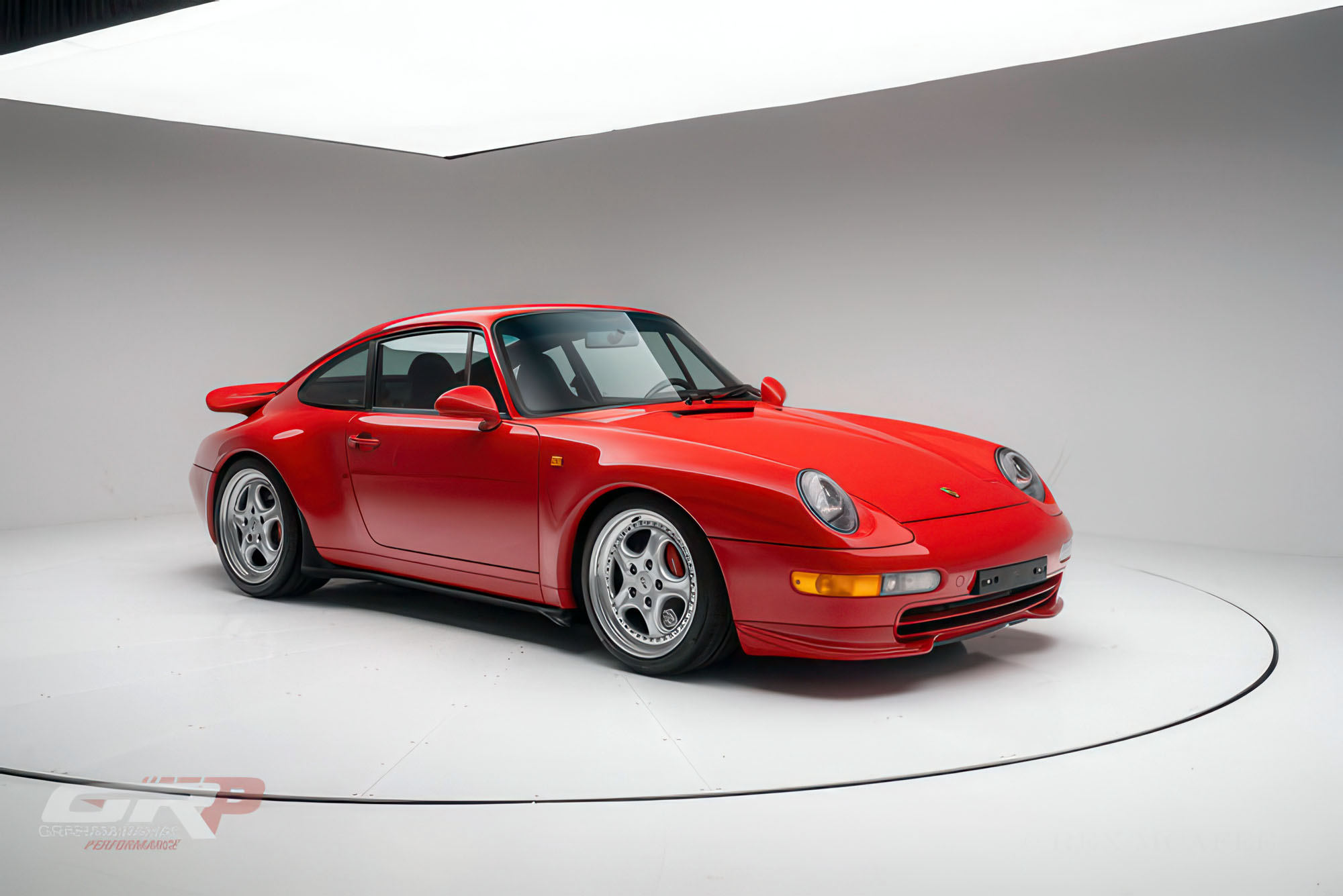
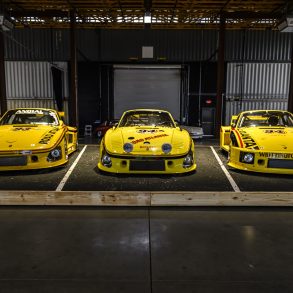
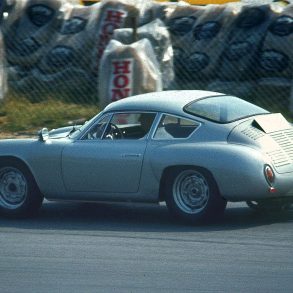
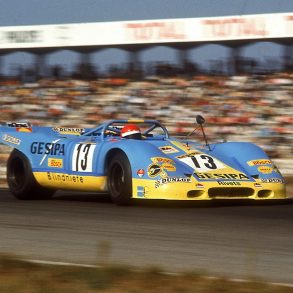
During the 1960s, Ferdinand Piëch, the head of Porsche Research and Development, spearheaded the development of a new generation of lightweight race cars. By utilizing advanced materials and taking advantage of regulation changes, Piëch’s team created race cars with tubular frames and unstressed fiberglass bodies, offering improved aerodynamics. This car, known as the Porsche 906, featured a high-performance 2.0-liter engine and weighed only 1,275 pounds. They excelled in various racing competitions, including road rallies, endurance races, and hill climbs, surpassing competitors with higher horsepower.
One notable racer who successfully campaigned these lightweight racers was Josef “Sepp” Greger. Starting his racing career with a Volkswagen Beetle, Sepp eventually transitioned to Porsche and achieved remarkable success. He won the European Hillclimb Championship three times, finished as the runner-up three times, and became the German Hillclimb champion three times. Sepp’s impressive career included victories in challenging races like the Mille Miglia, Nurburgring 1000KM, Monza, Hockenheimring, 24 Hours of Daytona, and 12 Hours of Sebring.
One email. Four Porsche platforms. No boring cars.
Join the fastest growing Porsche community. The Briefing on Monday. The Air-Cooled Files on Thursday. All Porsche. All the time.
Members only$35 / year
Keep going. This is where it gets good.
Stuttcars Membership is for people who'd rather spend an hour inside one option code than skim ten headlines. The rest of this story — and every other one like it — is a few seconds away.
Every members-only story
Deep history, driven reviews, market reports and the full archive.
No ads. None.
The whole site reads like a magazine, on every device.
Every Porsche, researched
Model-by-model hubs: production numbers, specs, options, colors.
30% off the shop
Every Stuttcars shirt and piece of merch, all year.