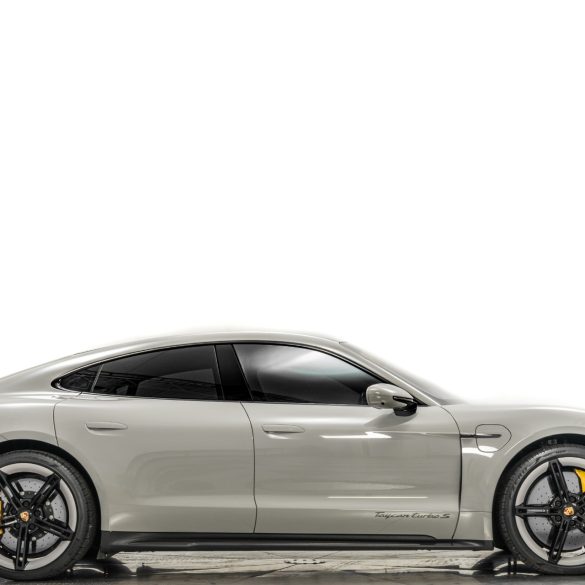
2021 Porsche Taycan Turbo S in Chalk over Chalk and Black leather interior with only 29,845 miles. This Taycan is loaded with: 750 Horsepower electric motors,...


The Taycan Turbo S represents the pinnacle of the Taycan line, delivering supercar-level performance wrapped in Porsche’s signature blend of engineering precision and everyday usability. With quad-motor performance, lightning-fast acceleration, advanced chassis tuning, and premium luxury, the Turbo S is thrilling performance without compromise.
From its launch through the mid-2020s, the Taycan Turbo S has redefined what an electric performance car can be. It combines instant torque, meticulous handling, and cutting-edge battery and software technology with the comfort and quality expected of a Porsche flagship. The Turbo S remains a standout for buyers who want the ultimate performance car that can also double as an everyday driver. The future is bright especially at used prices.
Refine Search: All Taycans / Taycan (Base) / Taycan Black Edition / Taycan 4 / Taycan 4 Black Edition / Taycan 4S / Taycan 4S Black Edition / Taycan GTS / Taycan Turbo / Taycan Turbo S / Taycan Turbo GT / Taycan 4 Cross Turismo / Taycan 4S Cross Turismo / Taycan 4S Sport Turismo / Taycan Turbo Cross Turismo / Taycan Turbo S Cross Turismo / Taycan GTS Sport Turismo / Taycan Turbo S Sport Turismo
Below you’ll find a carefully curated selection of Porsche Taycan Turbo S cars for sale, sourced from across the web, including official Porsche dealers, major auction platforms, and verified private listings from our enthusiast community. We bring together available Turbo S examples in one place so buyers can easily compare model year, specification, condition, battery and performance options, mileage, and pricing. Because the Taycan Turbo S sits at the top of Porsche’s electric performance hierarchy, values can vary significantly based on options, packages, and condition.
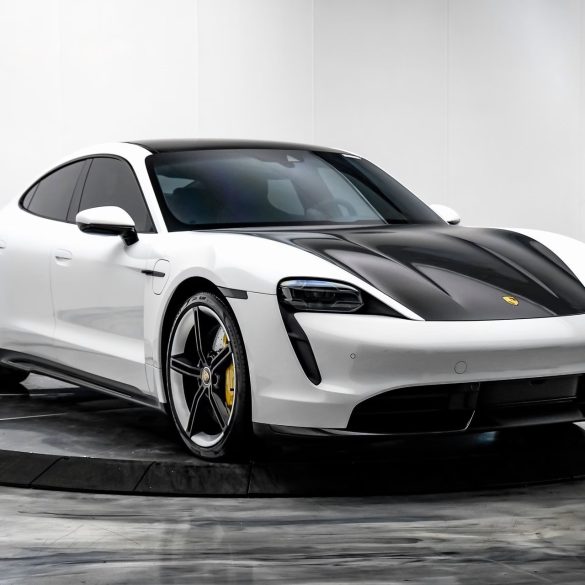
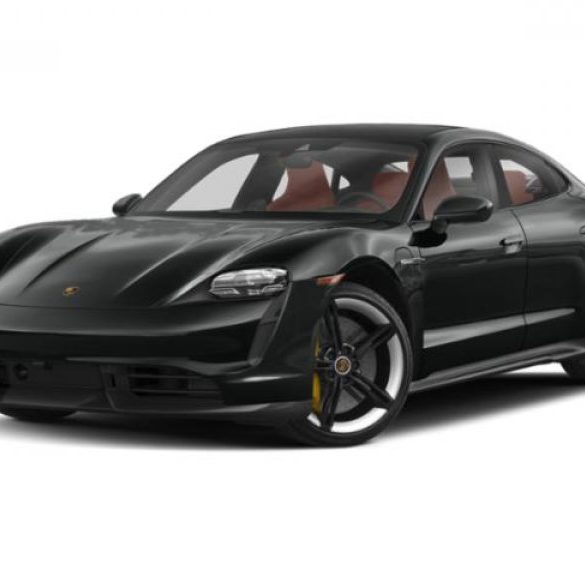
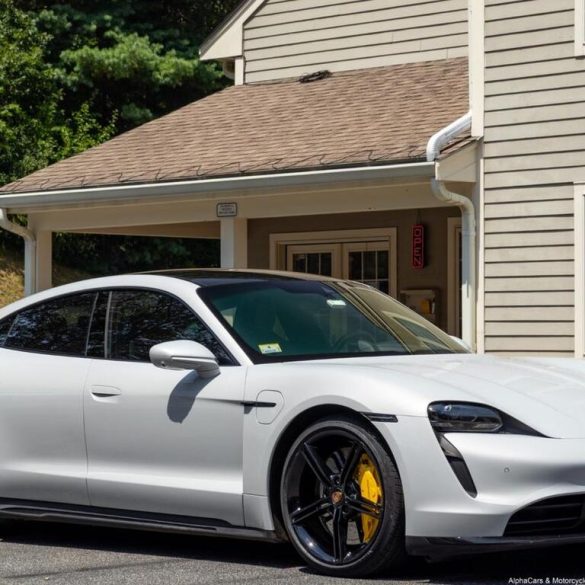
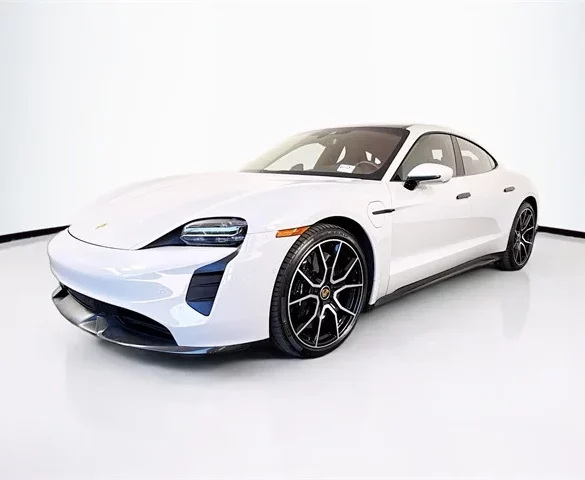
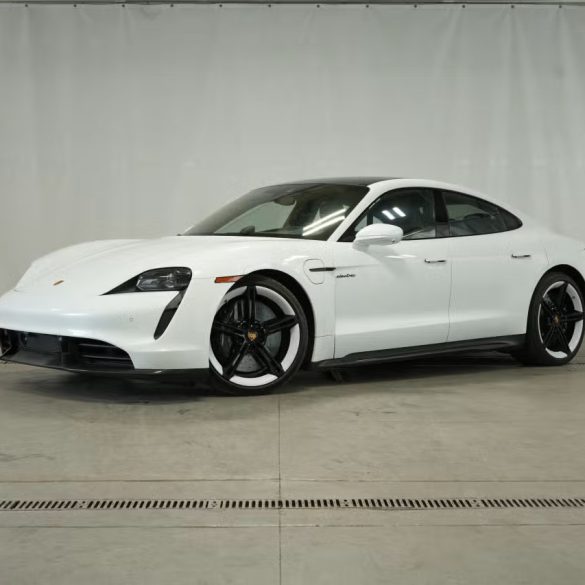
The Porsche Taycan Turbo S is the highest-performance variant in the Taycan lineup (aside from limited-edition special models). It’s a fully electric sports sedan with ultra-quick acceleration, advanced chassis systems, and luxury features, designed to compete with the fastest electric vehicles and performance sedans on the market.
Buyers choose the Turbo S because it delivers supercar-level performance in a full-size luxury EV sedan. Highlights include:
Blistering acceleration and instant torque
All-wheel drive with advanced torque vectoring
Porsche-tuned dynamics for confidence-inspiring handling
A refined interior with cutting-edge EV tech
Real-world usability and premium comfort
It’s ideal for buyers who want a performance flagship that still feels usable every day.
The Taycan Turbo S sits at the top tier of electric performance vehicles, competing with:
Tesla Model S Plaid (performance EV benchmark)
Mercedes-AMG EQS 53
BMW i7 M70 or iX M60 (performance variants)
High-end EVs from Lucid and others
What sets the Turbo S apart is Porsche’s focus on chassis balance, steering feel, brake confidence, and a driver-centric experience — traits often missing in more comfort-oriented or straight-line-focused competitors.
2020–2024 Taycan Turbo S
Introduced with groundbreaking performance and driver's-car focus
Excellent dynamics, strong acceleration, and high build quality
Often available at more accessible prices in the used market
Software and infotainment reflect the era of production
2025 Taycan Turbo S
Refined battery and powertrain calibration for improved efficiency
Updated software and user experience (infotainment, connectivity)
Subtle chassis, suspension, and ride quality enhancements
Exterior and interior updates for a more modern look and feel
In short: the 2025 Turbo S isn’t a complete redesign, but it benefits from incremental improvements in efficiency, tech, and refinement. Buyers who value the latest EV tech and UX improvements may prefer the 2025 model, while earlier years can offer exceptional performance and value.
In recent years, values for well-specified Taycan Turbo S models have stabilized or appreciated in many markets, particularly for low-mile, well-maintained examples. Early depreciation typical of EVs has softened, and buyers increasingly see the Taycan Turbo S as a credible alternative to traditional performance cars, which helps support pricing.
Key considerations include:
Battery health and charging history — consistent temperature control and DC fast charging behavior
Remaining warranty coverage — important for electric powertrain peace of mind
Software update history — Porsche regularly improves range, efficiency, and features via updates
Service and maintenance records — helps verify care and potential future reliability
Options and build spec — performance and range packages, wheels, and comfort features impact value
Expect instant acceleration, torque-rich responses, and flat cornering courtesy of an advanced battery, dual motors, and Porsche’s dynamic systems. It feels lighter and more agile than its size suggests, with predictable handling and excellent braking performance — qualities that differentiate it from many EV competitors.
Both are high-performance EVs, but they appeal to slightly different buyers:
Taycan Turbo S: Porsche-style handling, composure, and premium interior
Model S Plaid: Extreme straight-line speed, large range estimates If you value driving engagement and chassis dynamics, the Turbo S is often the more compelling “sports EV.”
No car, especially a modern EV, should be bought solely as a financial investment. That said:
Turbo S values have shown stability and selective appreciation in the used market
Desirable build specs and well-maintained examples hold value best
EV adoption and brand strength support long-term relevance
For buyers who value performance and usability first, the Turbo S offers strong real-world value even if appreciation isn’t guaranteed.
The ideal buyer is someone who wants:
Electric performance without compromise
A refined premium interior and cutting-edge tech
Porsche handling and dynamics
Daily usability and track-worthy capability
It’s perfect for buyers transitioning from sports cars, luxury performance sedans, or even those looking to make their first EV purchase without sacrificing engagement.
Range varies based on driving style, weather, and wheel choice. The Turbo S prioritizes performance, so range is typically lower than less powerful Taycan variants. However:
Porsche’s 800-volt system enables very fast DC charging
On the highway, expect usable daily range for commuting and longer trips
Smart route planning and fast-charge networks make long journeys practical