Less is More: How Porsche Turned Small Engines Into a Competitive Advantage
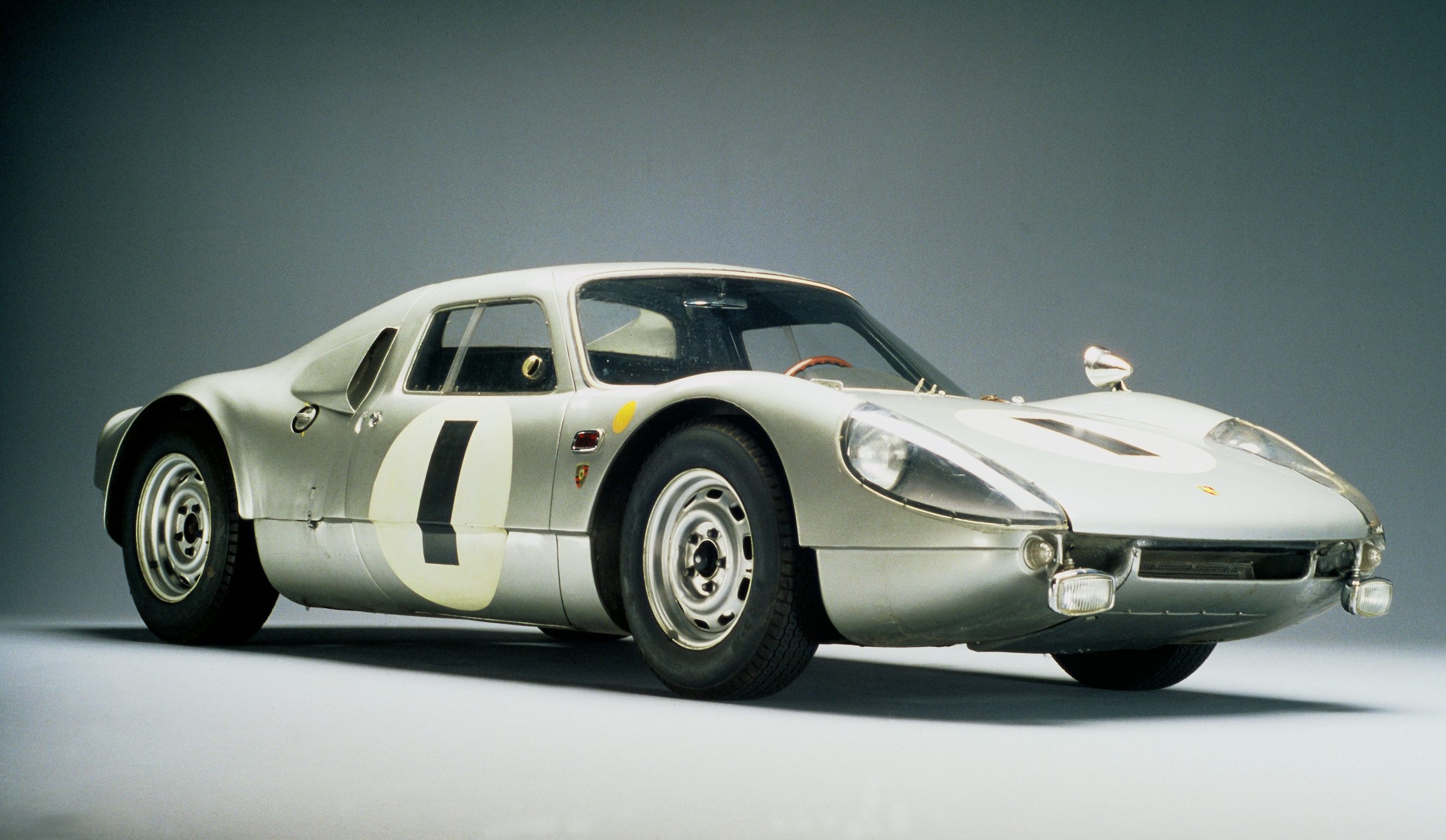
May 28, 1967, at the Nürburgring. Four Porsche 910s swept the top positions at the 1000-kilometer race, finishing ahead of competitors with engines nearly four times larger. The winning car, piloted by Udo Schütz and Joe Buzzetta, carried just a 2.0-liter engine. It wasn’t an anomaly: it was the culmination of a philosophy Porsche had been perfecting for nearly half a century. What began as a necessity in 1922 had evolved into the brand’s defining characteristic: extracting maximum performance from comparatively small engines. Some call this “right-sizing,” and it’s been the thread connecting Porsche’s greatest racing victories across a century. While competitors chased displacement and added cylinders, Porsche engineers pursued efficiency and changed racing forever.
The Birth of a Philosophy (1920s-1950s)
Credit: Porsche
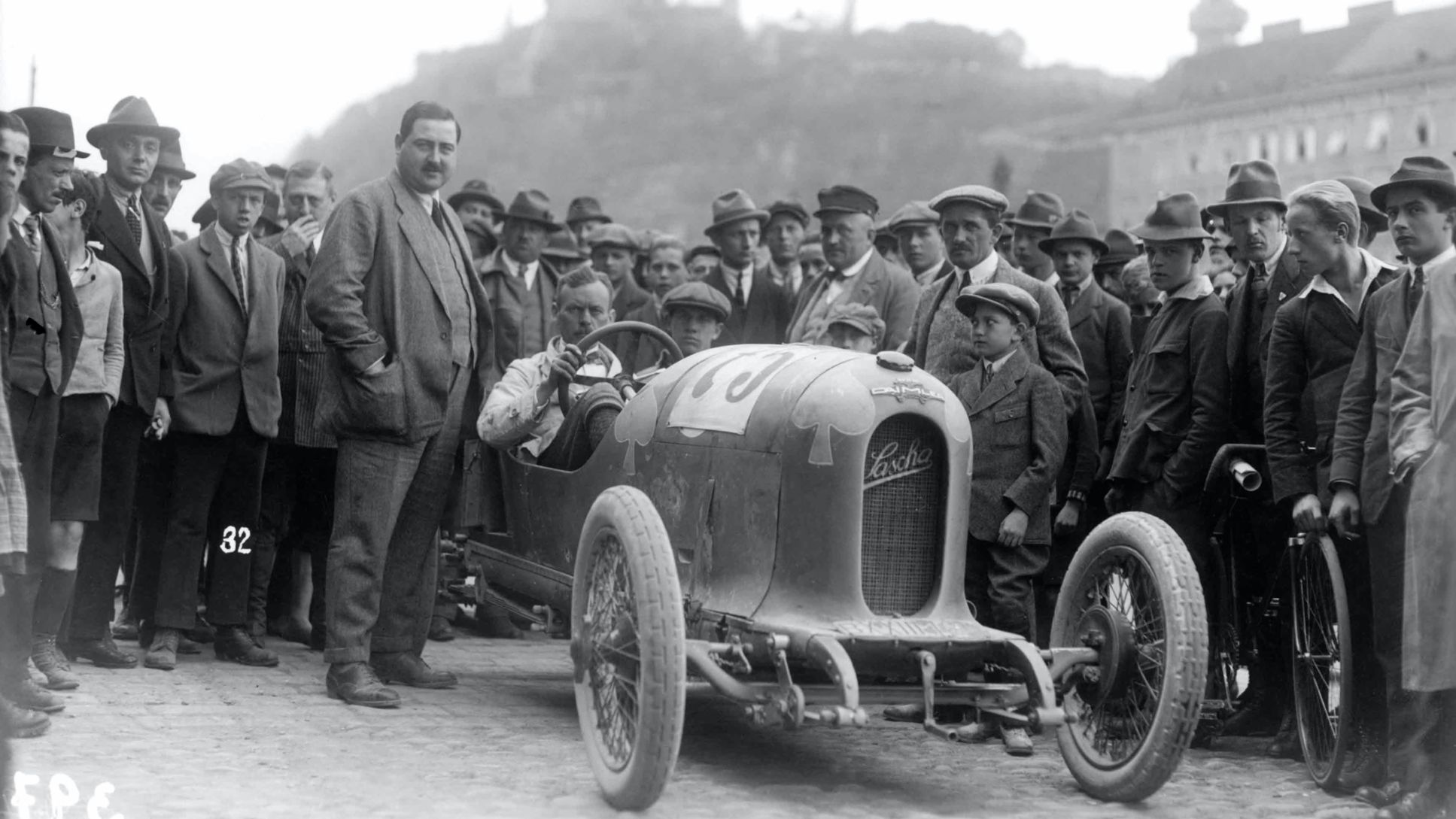
The story begins with a racecar named after a count. In 1922, Ferdinand Porsche led Austro-Daimler in building the Sascha, a compact racer for Count Alexander Kolowrat-Krakowsky. The tiny four-cylinder generated 45 horsepower from just over a liter of displacement, which was remarkable for the era, and weighed less than 600 kilograms (1,323 lbs). At the Targa Florio in Sicily, four Sascha cars entered and finished first and second in the 1.1-liter class, leaving behind competitors with over seven liters of displacement. The formula was established: lightweight construction, technical innovation, and efficiency over brute force.
No Subscription? You’re missing out
Get immediate ad-free access to all our premium content.