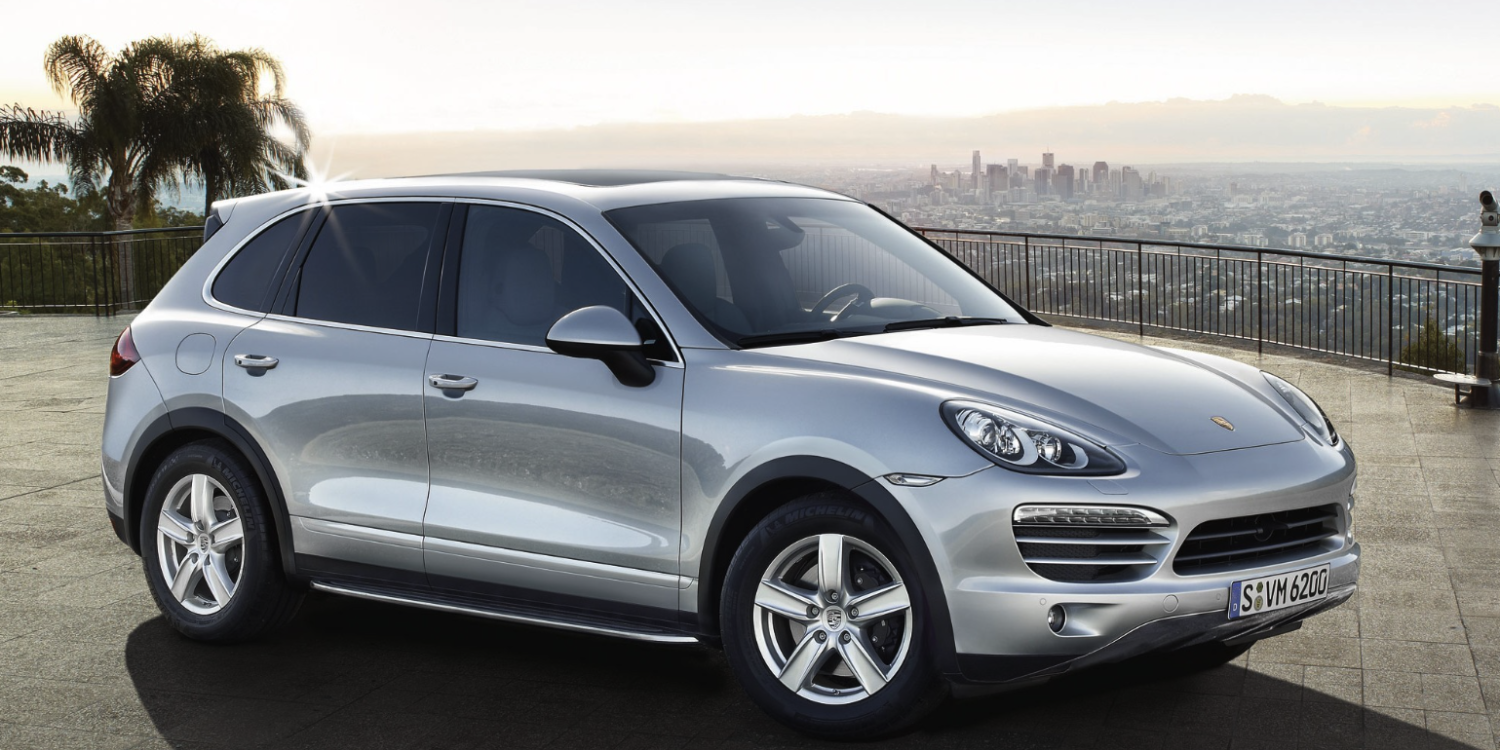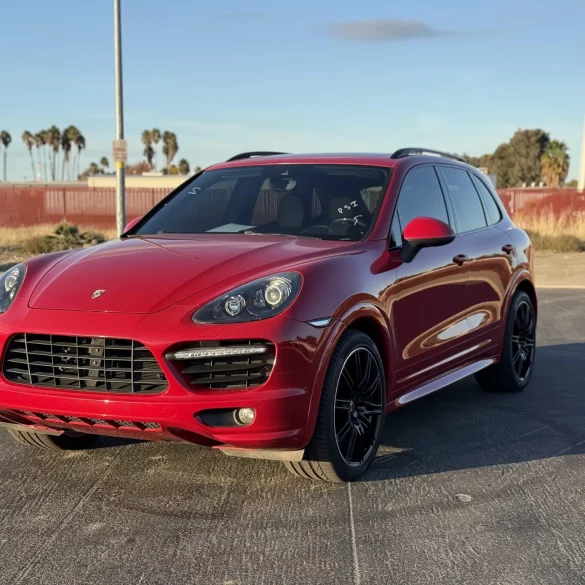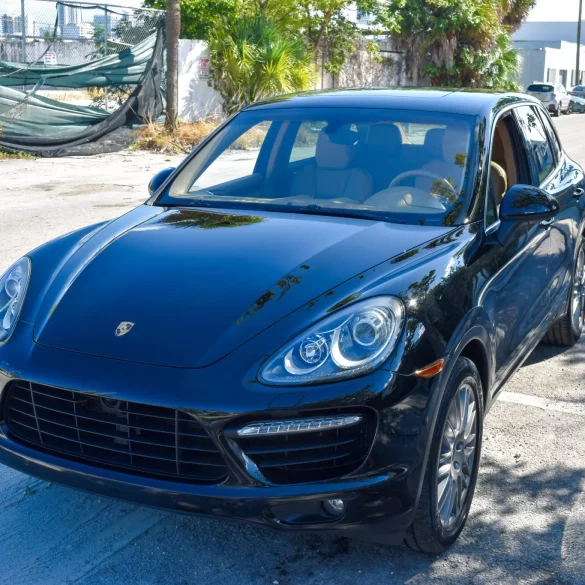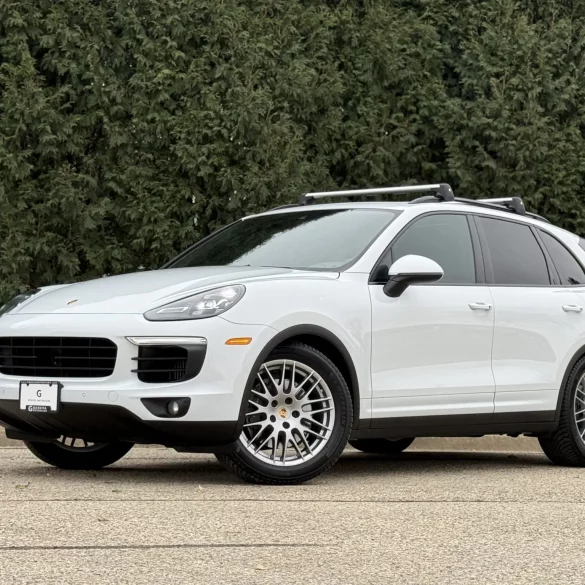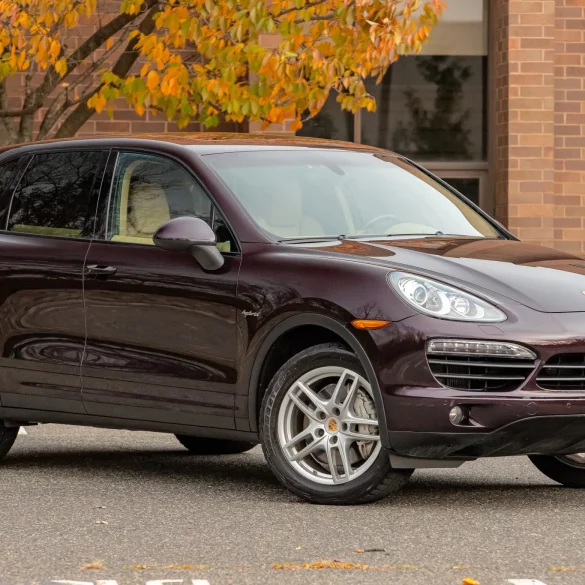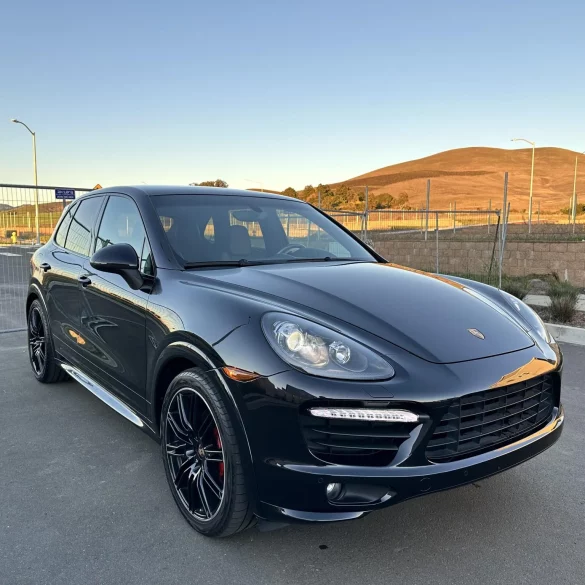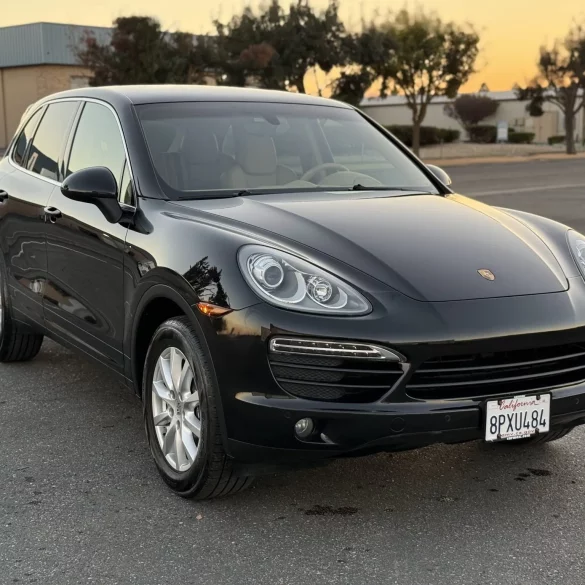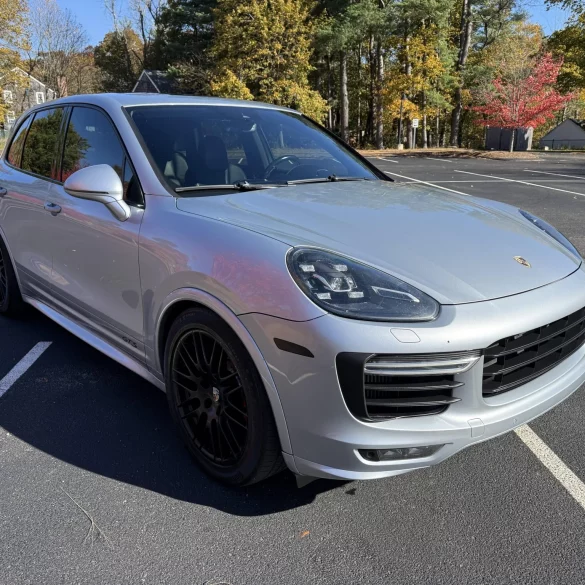
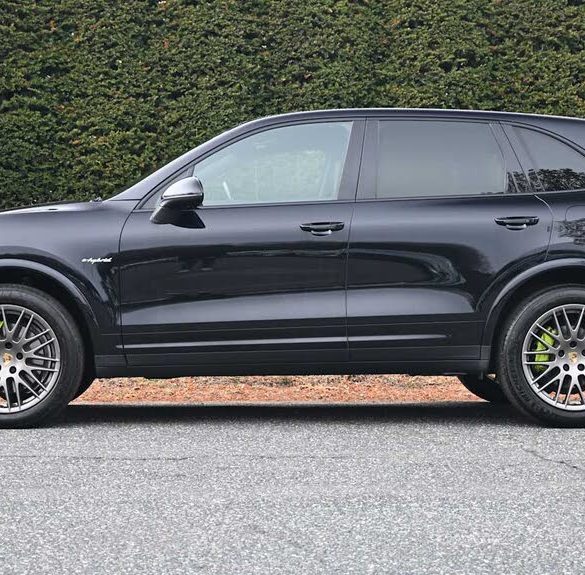
Overview Make:Porsche Model:Cayenne E-Hybrid Year:2018 Trim:S Platinum Edition AWD Body type:SUV / Crossover Exterior color:Jet Black Interior color:Black/Luxor Beige Mileage:95,586 mi Condition:Used VIN:WP1AE2A20JLA72378 Stock number:R2839A...


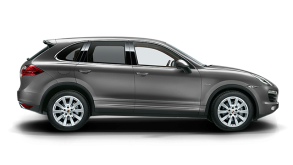
The Porsche Cayenne 2nd Generation (958) marked a major step forward for Porsche’s SUV lineup. Produced from 2010 to 2017, the 958 Cayenne refined the formula introduced by the first generation, delivering a lighter platform, more efficient engines, improved handling, and a noticeably more modern interior.
Where the original Cayenne emphasized rugged capability and brute force, the second-generation model shifted toward on-road performance, comfort, and efficiency, without losing Porsche’s signature driving feel. With a range of trims—including base, S, GTS, Turbo, and hybrid variants—the 958 Cayenne appeals to buyers looking for a more polished, refined SUV.
Refine Search: All Cayennes / Cayenne (Base) / Cayenne S / Cayenne GTS / Cayenne Turbo / Cayenne Turbo S / Cayenne Diesel / Cayenne S Hybrid
Browse 958 generation Porsche Cayennes listed by our community alongside the most interesting and well-maintained examples for sale across the web. We curate top cars from all generations — making it easy to find the right Cayenne for your lifestyle, budget, or driving goals.

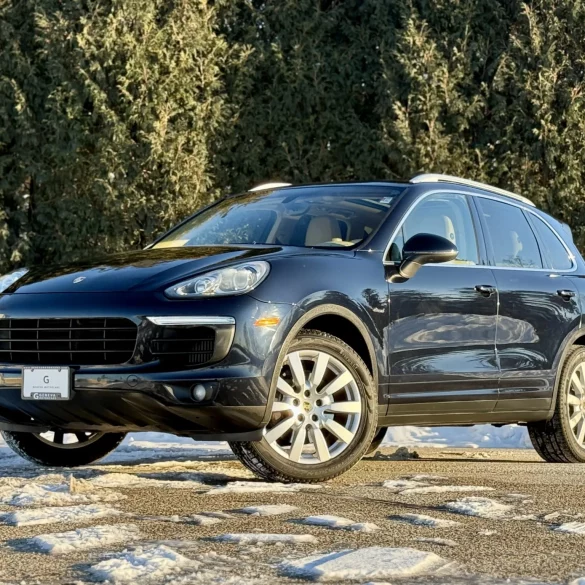
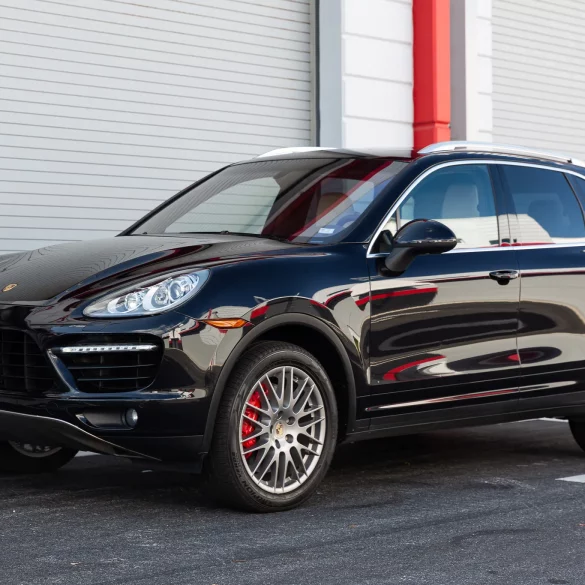
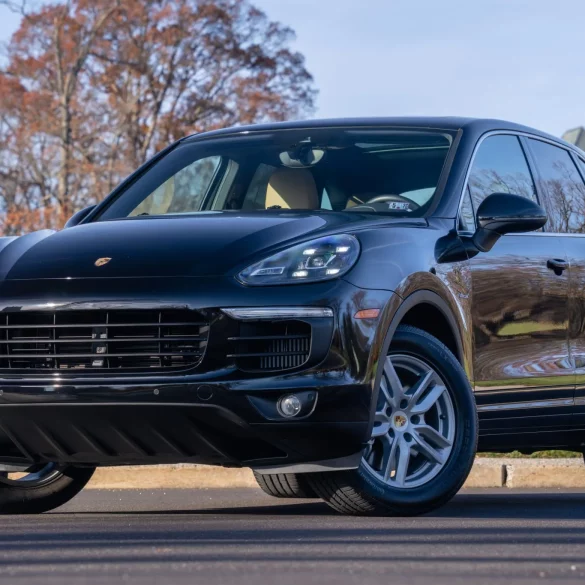
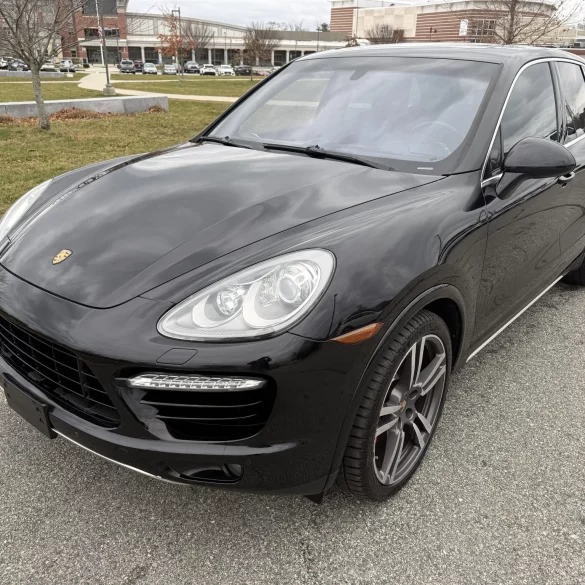
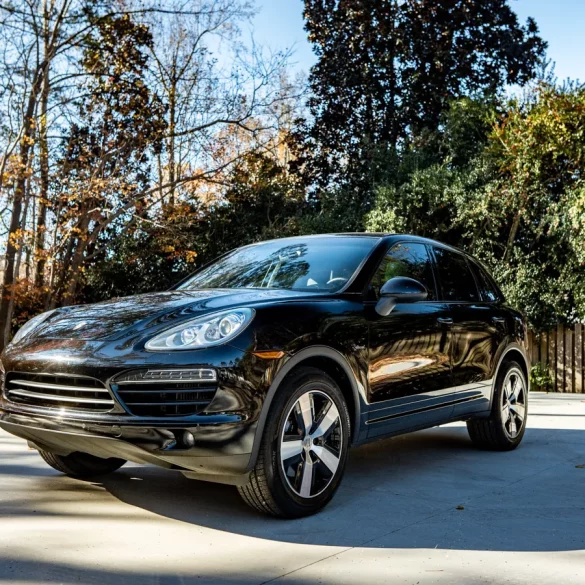


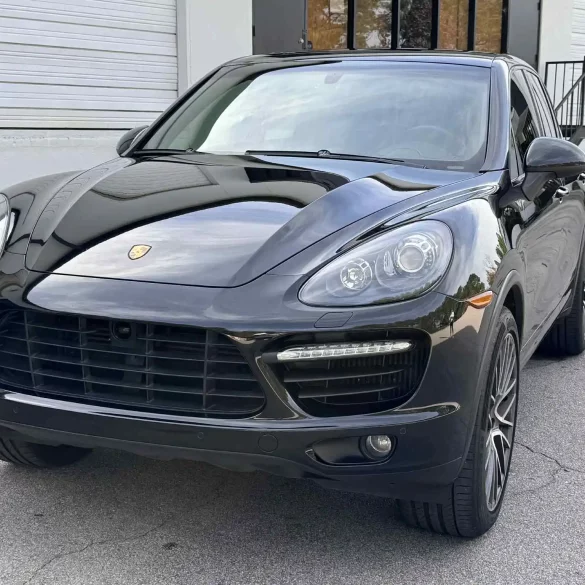
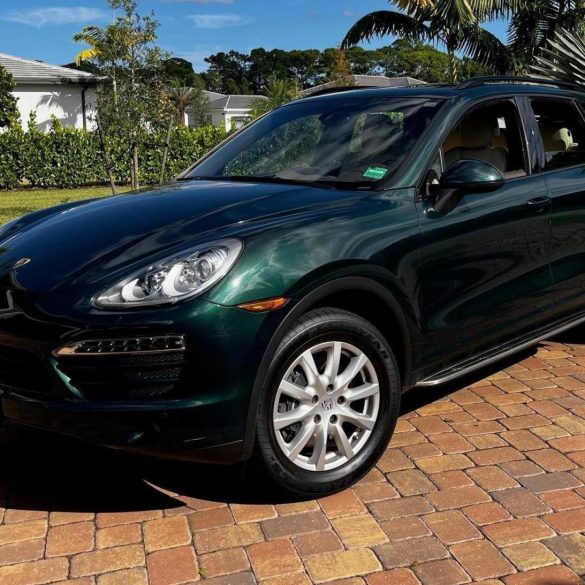

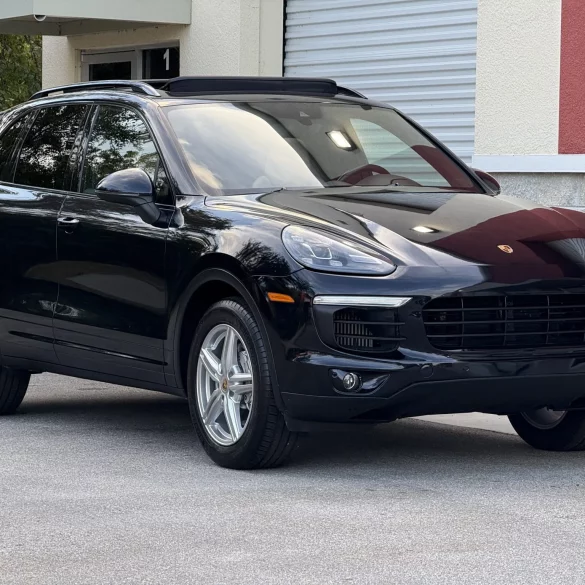
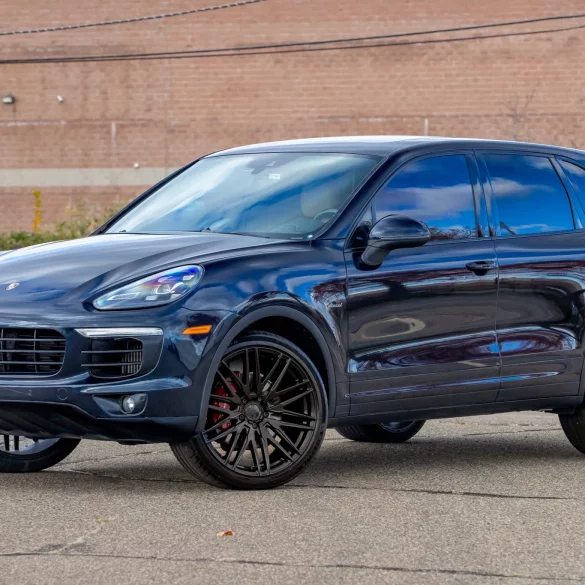
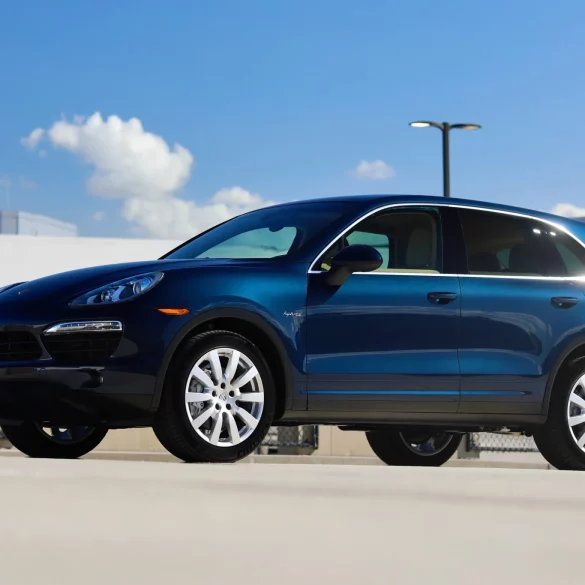
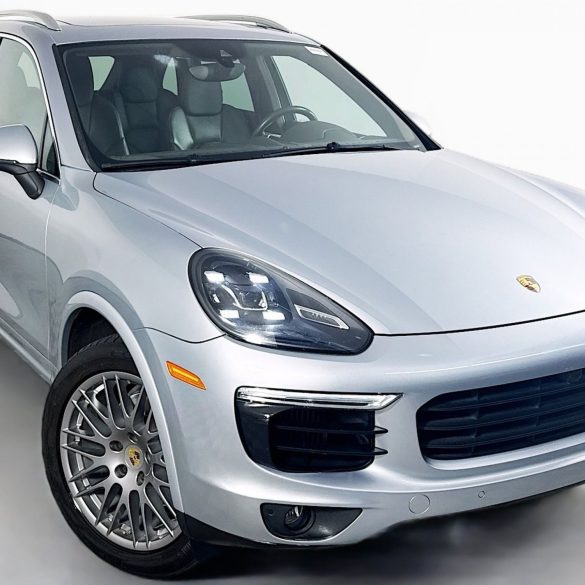
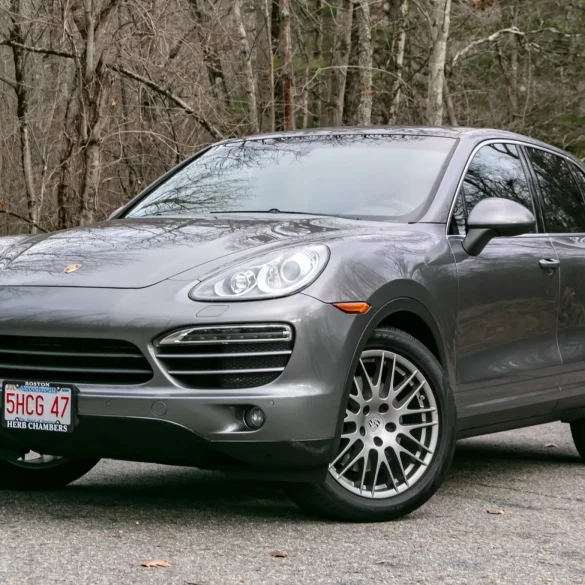
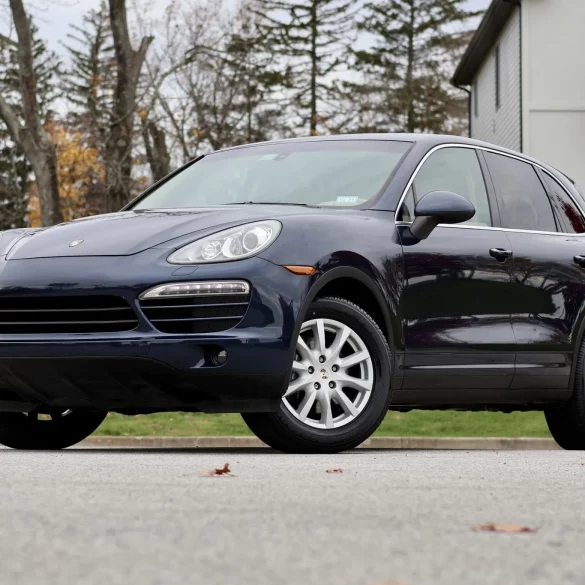
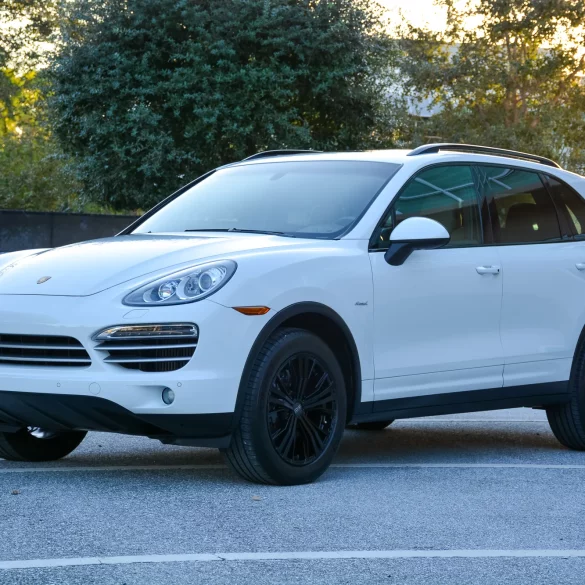

The second-generation Porsche Cayenne (958, 2011–2018) came in a wide variety of trims and powertrains, ranging from practical daily drivers to high-performance SUVs that rival sports cars. While all models offer Porsche’s signature blend of luxury and performance, a few specific variants have become especially sought after by enthusiasts and collectors—thanks to their performance credentials, rarity, or unique features. Here’s a breakdown of the most desirable 958 Cayenne models:
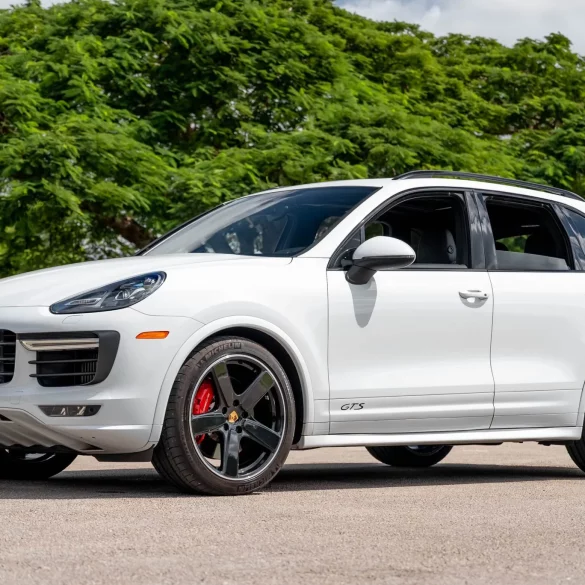
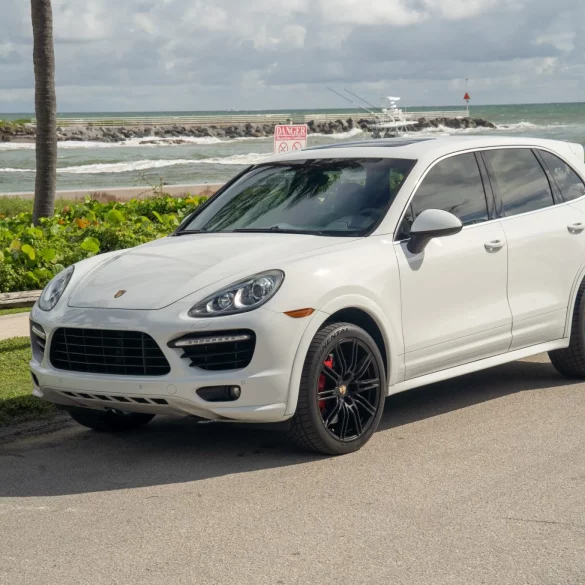
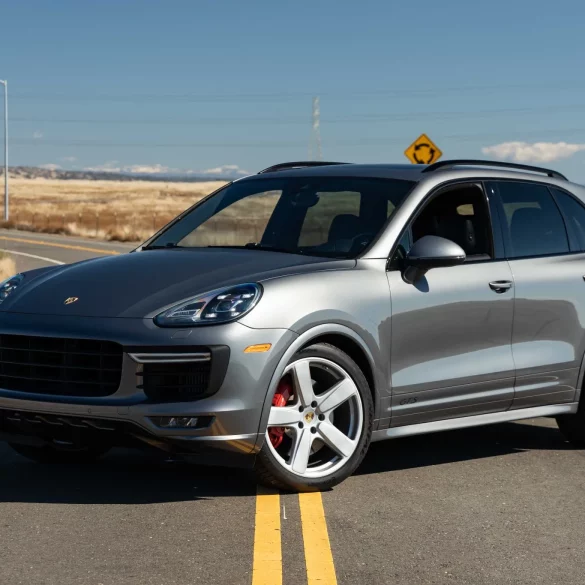
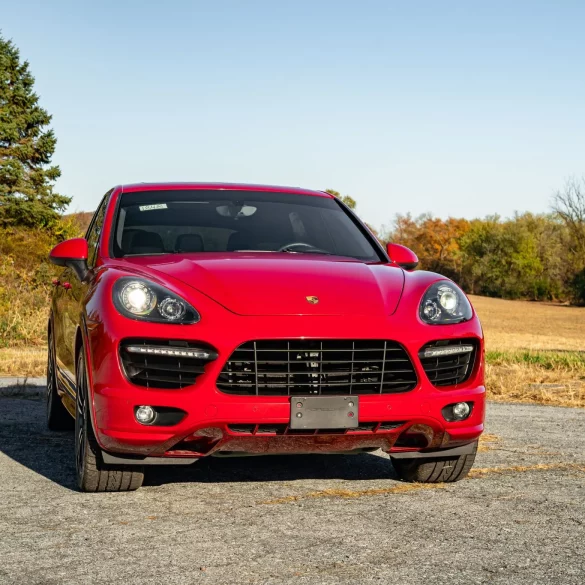
The 958.1 GTS, offered before the facelift, is often considered the “sweet spot” of the entire generation. It was the last Cayenne GTS to feature the naturally aspirated 4.8L V8, tuned to produce 420 hp, and it came standard with Porsche Active Suspension Management (PASM), a lower sport suspension, unique body styling, and a sonorous sport exhaust. The V8’s character, sound, and responsiveness offer an analog, visceral feel that newer turbocharged models can’t replicate. The other benefit of course is that tt offers nearly Turbo-level engagement without the added complexity or cost.
The 958.2 Turbo S is the most powerful and exclusive model of the second-gen Cayenne range. With a 4.8L twin-turbo V8 producing 570 hp, 0–60 mph happens in a staggering 3.8 seconds, making it one of the quickest SUVs of its era. It also came with Porsche Carbon Ceramic Brakes (PCCB), torque vectoring, PDCC (active anti-roll control), and nearly every available luxury and tech feature as standard. It’s the ultimate expression of Porsche performance in SUV form—blisteringly fast, rare, and loaded with top-tier tech. Collectors love it for being the last Turbo S before the Cayenne moved to a V6 hybrid platform in the 3rd generation.
While not offered in the U.S. for long due to Dieselgate, the Cayenne S Diesel (especially in Europe) is a bit of a cult classic. Its 4.2L twin-turbo V8 diesel delivers 850 Nm (627 lb-ft) of torque and a surprising amount of real-world performance. Excellent fuel economy, loads of torque, and the durability of a V8 diesel make it an ideal long-distance grand tourer. Rarity and the demise of diesel engines make this a niche favorite among Porsche fans in Europe.
The S E-Hybrid introduced plug-in capability to the Cayenne lineup, combining a supercharged 3.0L V6 with an electric motor for 416 combined hp. With modest electric-only range and strong torque, it offered a compelling mix of efficiency and performance. For buyers in cities with emissions restrictions or who want a more future-proof option, the E-Hybrid hits a sweet spot. It may also be eligible for some incentives in certain regions, and still carries Porsche driving dynamics.
Toward the end of the 958’s life cycle, Porsche offered Platinum Edition trims, which bundled many popular options—like navigation, Bose audio, panoramic roof, and upgraded wheels—into a more affordable package. Though not performance standouts, these models represent great value and are in demand among luxury-focused buyers. Attractive packages, exclusive trim details, and lower pricing make them practical and stylish daily drivers. Many Platinum Editions are well-maintained lease returns or single-owner examples.
If you’re looking for maximum performance and future collectibility, go for the Turbo S or the V8-powered 958.1 GTS. If you want balance and long-distance usability, the Diesel and S E-Hybrid offer unique, torque-rich alternatives. And for those who want a stylish, well-equipped Porsche SUV without chasing peak performance, highly optioned Platinum Editions and low-mileage Cayenne S models are excellent choices.
The span 2011–2014 (early 958 / “958.1” models) — especially in simpler trim levels like base V6 or well-kept S / GTS — often represents a sweet-spot for value and reliability. Many buyer guides and owner reports call these among the “most balanced” 2nd-gen Cayennes. Later-generation examples, particularly 2015–2017 / 2018 (final 92A model years), tend to benefit from incremental refinements — updated tech, improved build quality, and more polished electronics/comfort gear. Among trims: the models with fewer “extra systems” (e.g. simpler V6, fewer electronics, no overly complicated air suspension, fewer aftermarket mods) are frequently recommended by community members as “less to go wrong.” On forums, many owners say a clean, well-maintained base or naturally-aspirated V8 trim tends to fare best long-term.
So, if I were buying right now: I’d lean toward a 2012–2014 Cayenne (clean, well-documented, modest trim) or a 2016–2017 Cayenne — ideally one with good service history and minimal complicating options.
The 2011 model year gets mentioned repeatedly by some reliability guides as one that’s more problematic. For example, some sources warn that 2011 Cayennes had “engine problems” more often than other years, and consider 2011 a “year to avoid.” In general, any Cayenne with extensive optional equipment — air suspension, heavy electronics, active systems (PTV, active damping, etc.) — tends to have a higher risk of issues. Forums and buyer guides warn that these systems (air suspension, transfer-case electronics, etc.) can be a maintenance pain if the history is unknown or spotty. As with any used luxury SUV: poor maintenance history, lack of records, many aftermarket modifications, or unknown service background are red flags. Even a “good year” can end up expensive if prior care was neglected.
If I were buying a used 2nd-gen Cayenne today and wanted the best balance of reliability, features, and long-term value, I'd look for a 2012–2014 or 2016–2017 Cayenne, preferably with a simple engine/trim (V6 or basic V8) and minimal optional extras and full documented service history, clean suspension/drive-train records, and a clean pre-purchase inspection
When buying a second-generation Porsche Cayenne (958, 2011–2018), it’s crucial to look beyond just mileage and price. These are complex, high-performance vehicles that require proper care and maintenance. The right example will reward you with a superb driving experience and long-term reliability; the wrong one could lead to expensive surprises. Here are the top five things to look for as an expert would advise:
Above all else, a comprehensive maintenance record is the most important factor. A well-documented Cayenne tells you the vehicle has been cared for, had scheduled services on time, and had common wear items replaced. Key things to check include: Regular oil changes and scheduled services, transfer case maintenance or replacement, coolant system repairs or updates, brake service and air suspension work (if equipped). Avoid vehicles with gaps in records or vague "just serviced" claims—these SUVs don’t tolerate neglect well.
One of the most common and costly issues with 958 Cayennes, particularly 2015–2018 models, is transfer case failure. These failures can lead to jerky driving, drivetrain slippage, or shuddering at low speeds. Take a slow test drive and feel for any odd hesitations or vibrations. Ask if the transfer case has been serviced or replaced—especially on facelifted 958.2 models. Don't forget to confirm whether the vehicle qualifies for Porsche’s extended transfer case warranty (some were covered up to 7 years/unlimited miles).
Many mid-to-high trim Cayennes (S, GTS, Turbo) came with air suspension and PASM, which dramatically improve ride quality and handling—but are expensive to repair when they fail. Look for any warning lights related to suspension or ride height. Make sure the vehicle raises and lowers properly through all settings. After sitting overnight, the vehicle should not sag or lean to one side.
While the 958’s electrical systems are more robust than the 955/957, things like power window regulators, liftgate motors, and PCM glitches still crop up. Early PCM units (especially pre-2015) can feel dated and may suffer from lag or limited functionality. Test all electronics—windows, seats, climate, audio, navigation, Bluetooth. Ensure the infotainment system boots quickly and functions without freezing. Make sure the rear liftgate opens smoothly and closes securely.
Both the V6 and V8 engines in the 958 are strong performers, but like all high-performance motors, they rely on regular upkeep. Watch for leaks from valve cover gaskets, listen for misfires (especially if ignition coils are overdue), and check for rough idle or CELs. Give the car a cold start and listen for odd noises or excessive ticking. Review the records for recent spark plug and coil replacement (typically needed every 60k–80k miles). Look underneath for oil or coolant residue—especially near the front and sides of the engine.
Pair your inspection with a pre-purchase inspection (PPI) from a Porsche specialist. This will reveal any hidden issues with the drivetrain, suspension, or electronics and give you peace of mind. A clean PPI and solid service history should be non-negotiables—because while the 958 Cayenne is a phenomenal SUV, cutting corners up front can cost thousands later.
When shopping for a second-generation Porsche Cayenne (958, 2011–2018), understanding which options and extras truly elevate the ownership experience—and long-term value—is essential. Porsche’s famously à la carte ordering system means no two Cayennes are exactly alike, and while some options are purely cosmetic, others enhance performance, comfort, and resale desirability in meaningful ways. As an expert, here are the most valuable and sought-after factory options and packages to look for:
This is one of the most impactful upgrades on the 958 Cayenne. It allows for adjustable ride height and variable damping, giving you the flexibility to choose between comfort and sportiness depending on your driving needs. It matters, because it enhances both ride quality and handling, especially in performance models like the GTS and Turbo. Essential for off-roading or towing, and improves the Cayenne’s overall poise.
This performance package adds a dash-mounted stopwatch, sport and sport-plus drive modes, and sometimes launch control (on Turbo/Turbo S). It also adjusts throttle response and shift patterns for sharper performance. It transforms how the car behaves when you’re driving enthusiastically and is a must-have on GTS, Turbo, and S variants. It also adds a bit of future collectibility, especially for enthusiasts.
These high-end dynamic systems enhance cornering stability and performance by actively managing power distribution and body roll. PDCC is a hydraulic anti-roll system that keeps the Cayenne flat through corners. It noticeably sharpens handling; highly desirable on GTS and Turbo S. Note, that it is often bundled with air suspension and Sport Chrono which a nice bonus.
This popular package bundles several luxury features into one, including: Panoramic sunroof, keyless entry/drive, heated and ventilated front seats and power rear sunshades (on some trims). It greatly improves day-to-day comfort and cabin ambiance and boosts resale value—many buyers specifically seek out this package.
Most Cayennes came with decent standard audio, but the BOSE Surround Sound system is a major step up, and the Burmester High-End system (rare and expensive) delivers exceptional quality. Premium sound is a highly noticeable and desirable everyday luxury and the higher end stereo systems are meaningfully better than stock units.
Advanced driver assistance systems were available, especially in later 958.2 models, including adaptive cruise control, lane departure warning, blind spot monitoring, and 360-degree cameras. Modern buyers often expect these features in luxury vehicles and they make long-distance driving more relaxing and safer.
The 958 Cayenne is rated to tow up to 7,700 lbs, but only if it came with the factory tow package, which includes a hidden trailer hitch, wiring harness and module and stability software calibration. It is critical for towing; adds utility and resale value and the factory setup is far more integrated than aftermarket hitches.
This includes sportier bumpers, side skirts, blacked-out trim, and model-specific touches like GTS badging, wheels, or exhaust tips. It gives the Cayenne a much more aggressive presence. It has strong visual appeal and often signals a more enthusiast-oriented spec.
Cayennes with special paint colors (e.g., Carmine Red, Jet Green, Purpurite, or Paint-to-Sample) or two-tone leather interiors tend to stand out from the typical black, silver, and white examples. Alcantara headliners, carbon fiber or wood trim, and deviated stitching also enhance cabin appeal. Makes the vehicle more unique and collectible.
The most desirable 958 Cayennes tend to be well-optioned GTS, Turbo, or S models equipped with air suspension, Sport Chrono, Premium Plus, and driver assistance features. Rare exterior colors and factory tow packages can add utility and uniqueness, while premium audio and sport styling packages round out the experience.
In short, the right options can elevate a good Cayenne into a great one—both in terms of ownership satisfaction and long-term value. When buying used, seek out examples that were clearly spec’d with intent, not just the base model with minimal features.