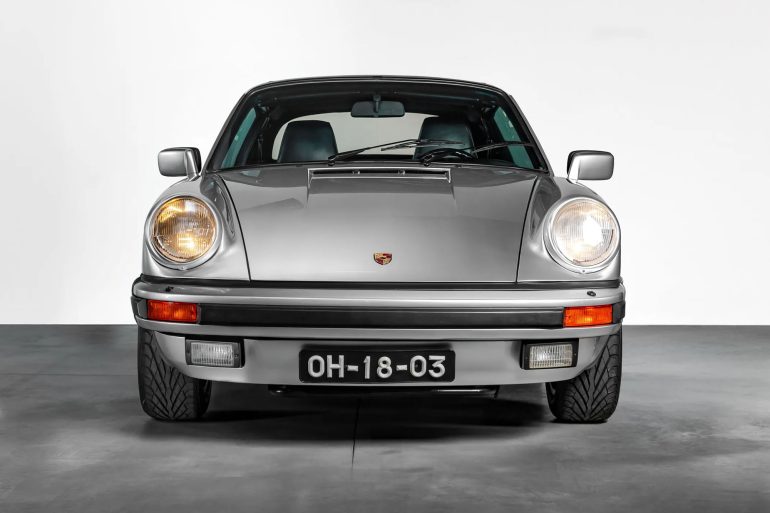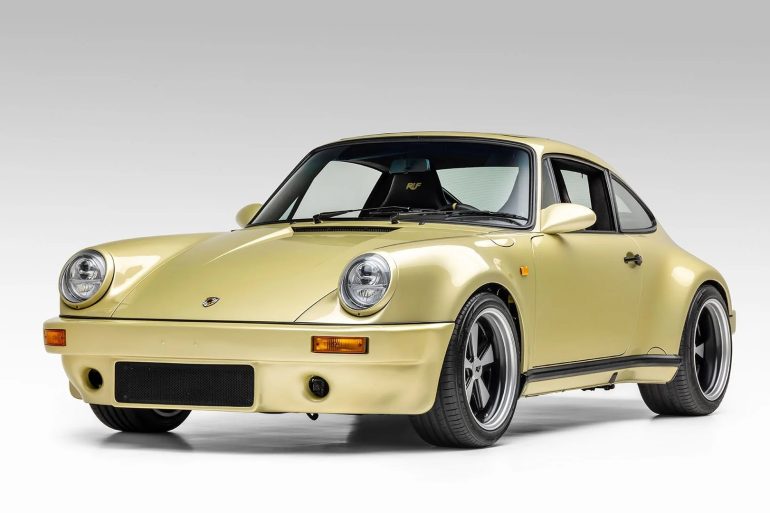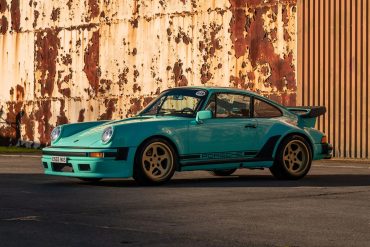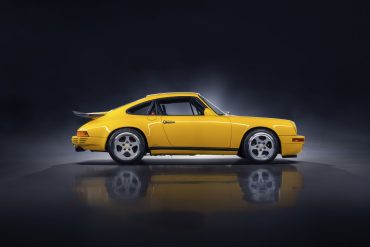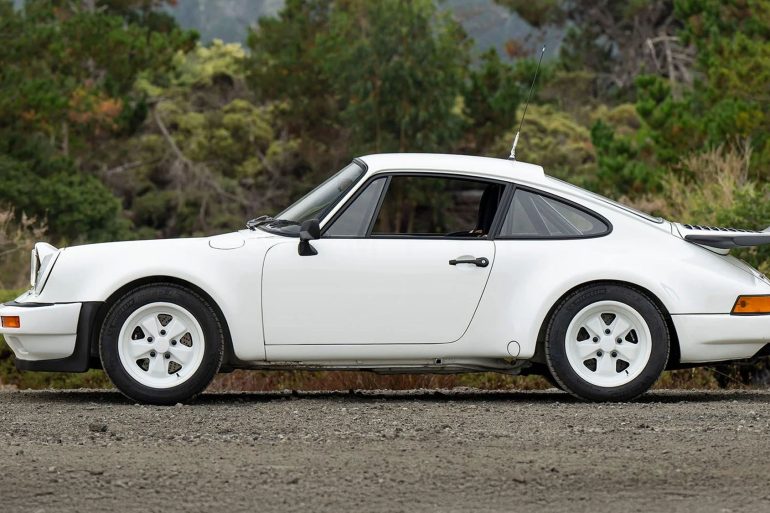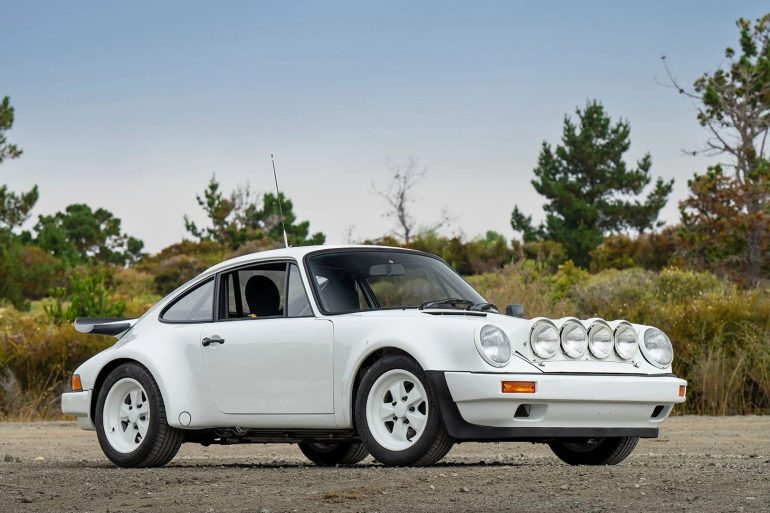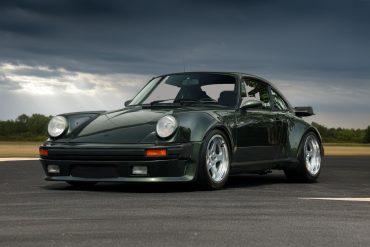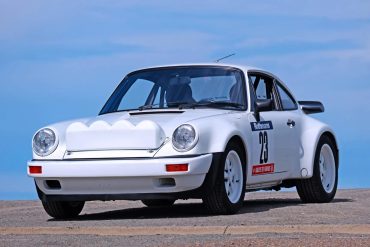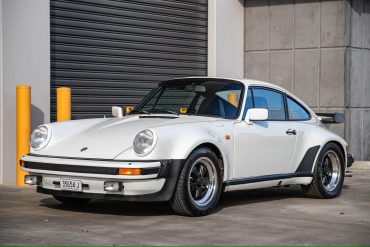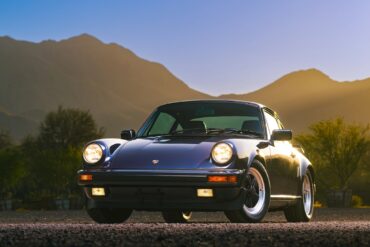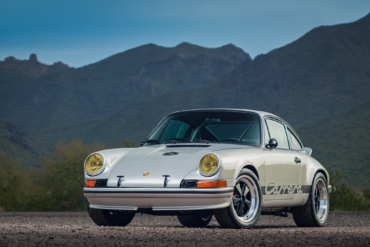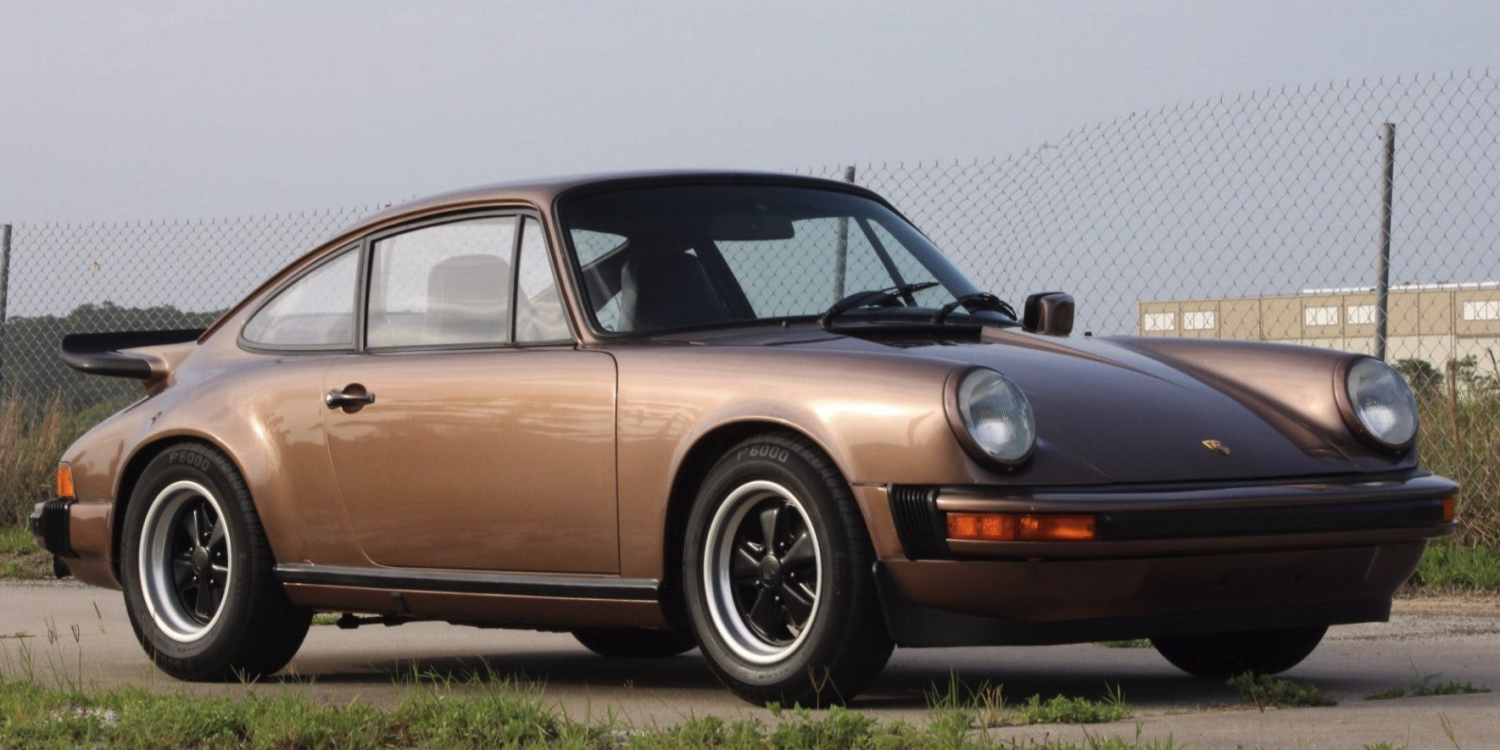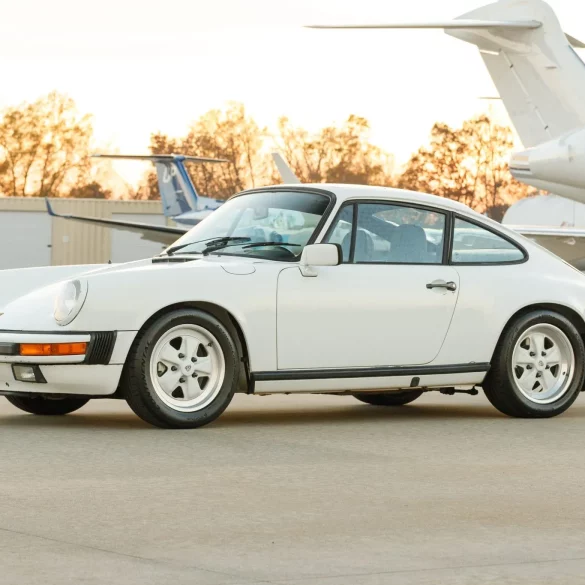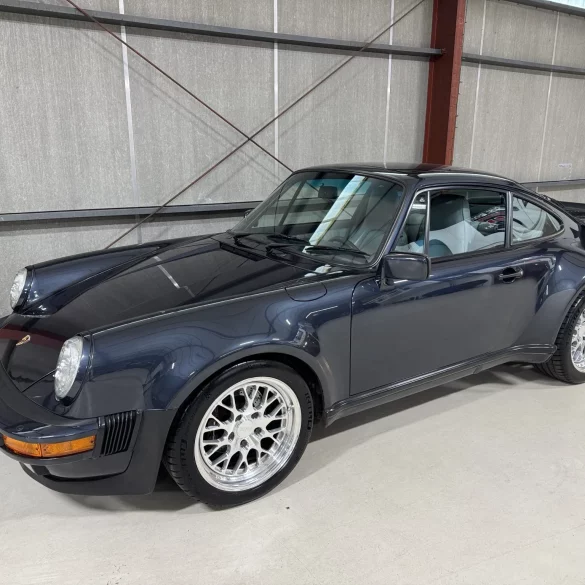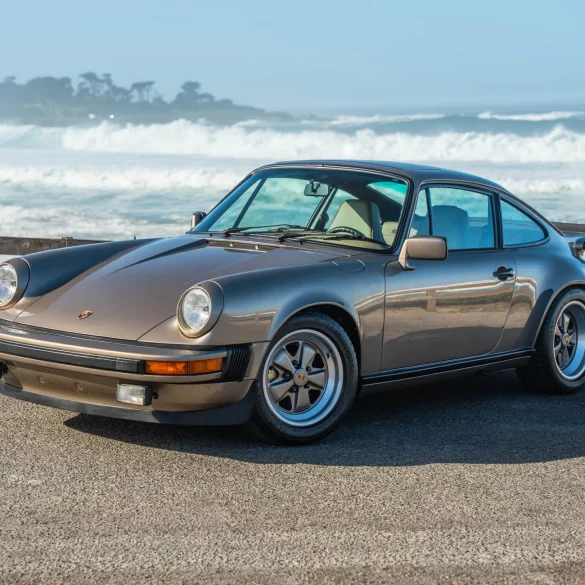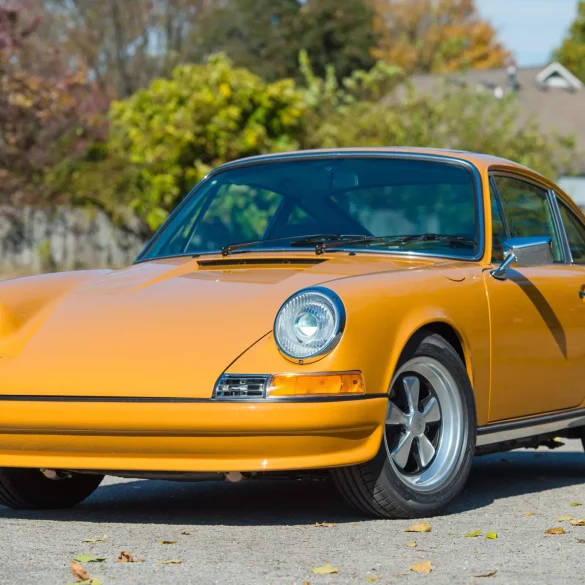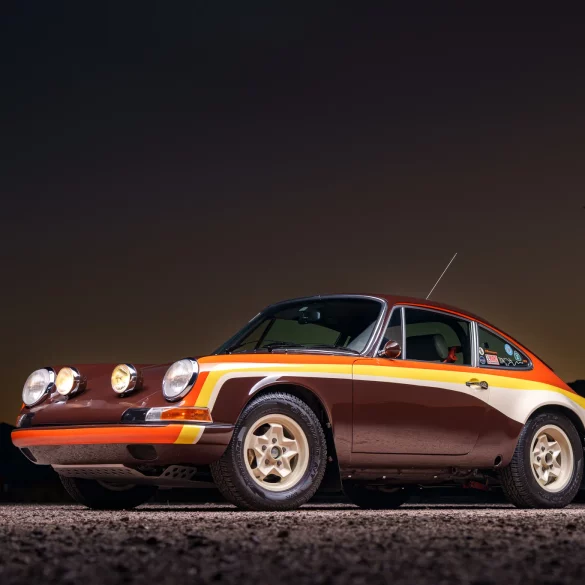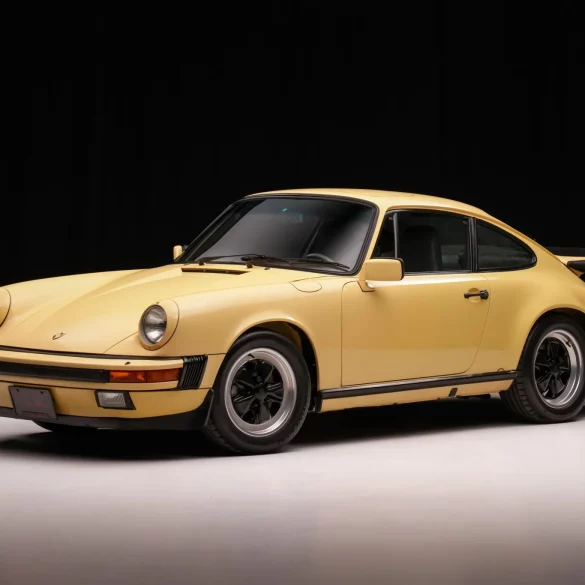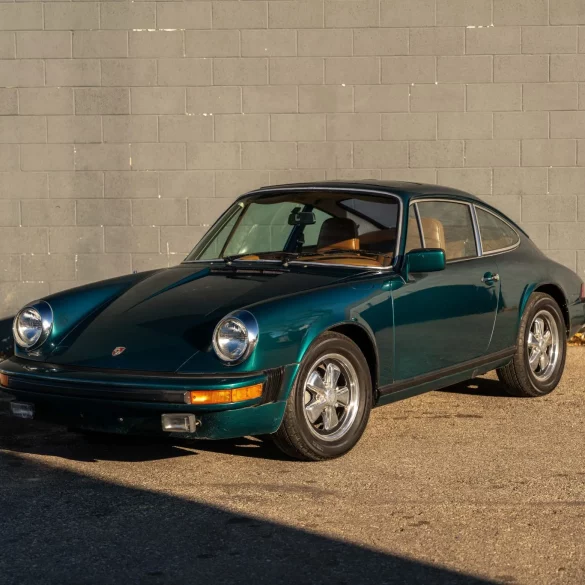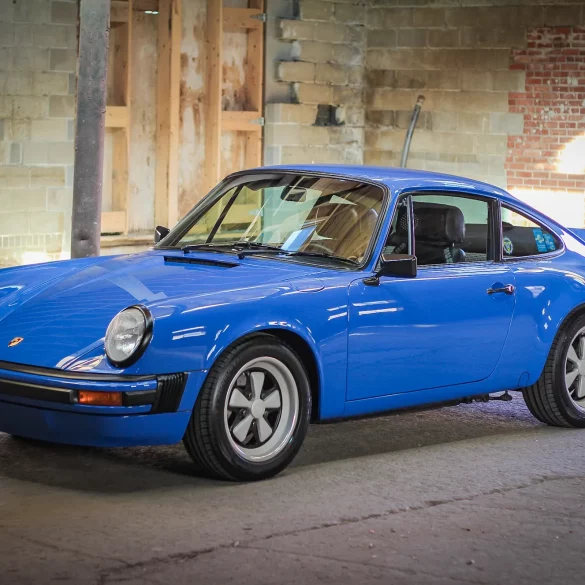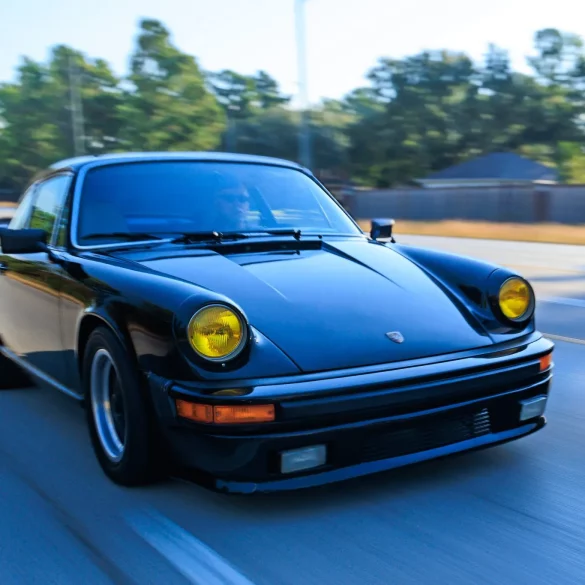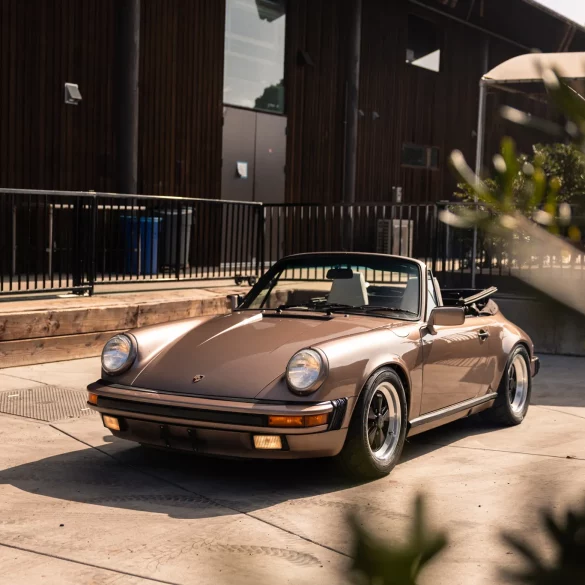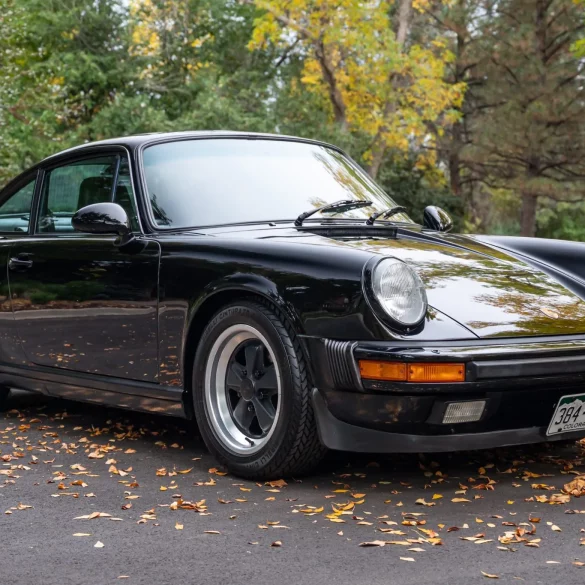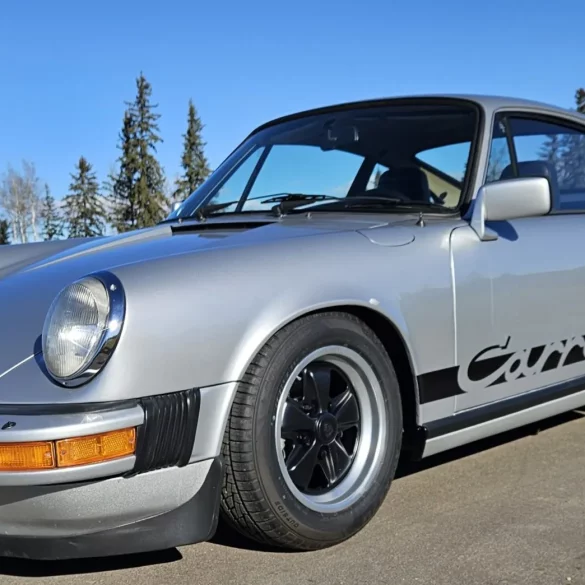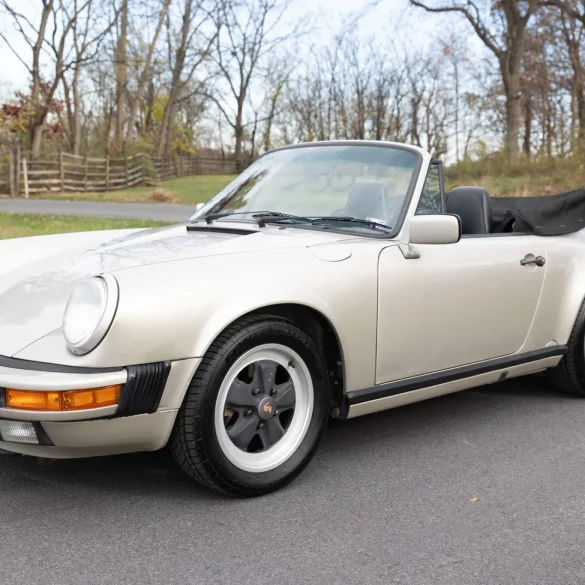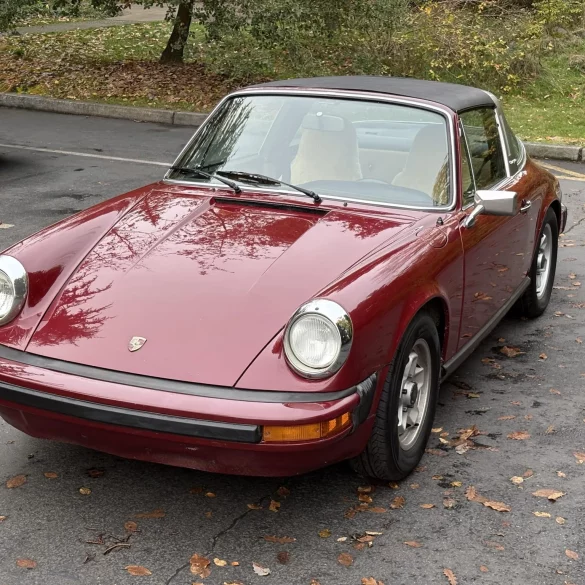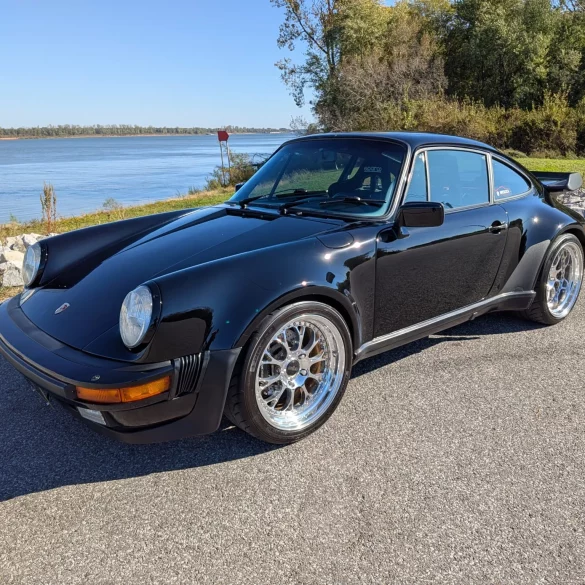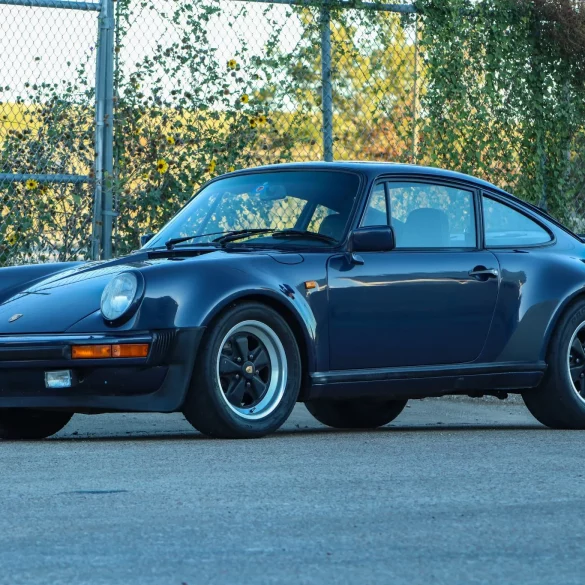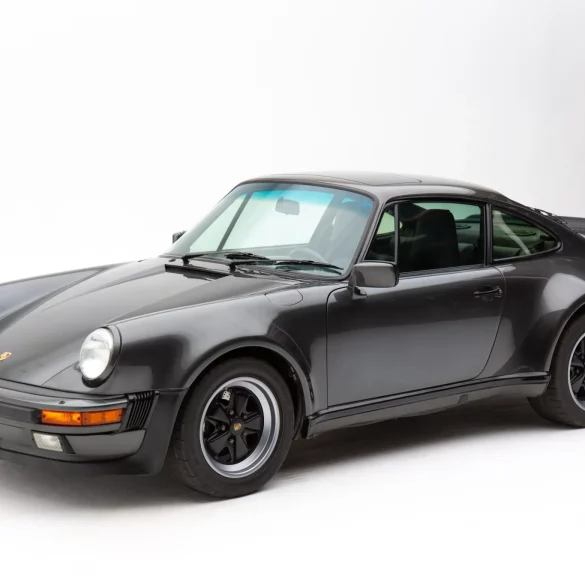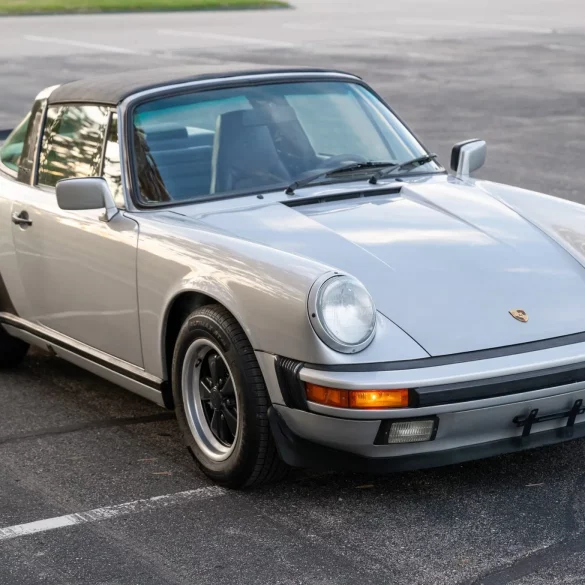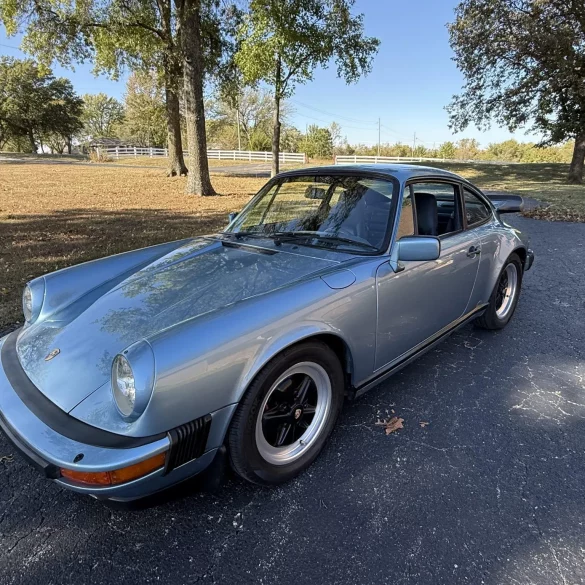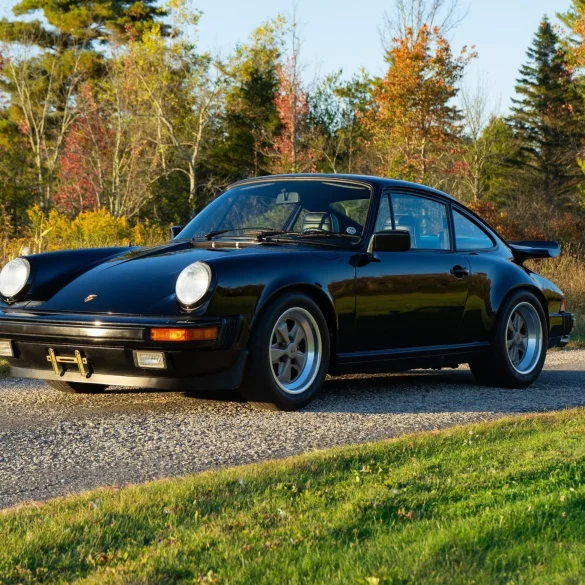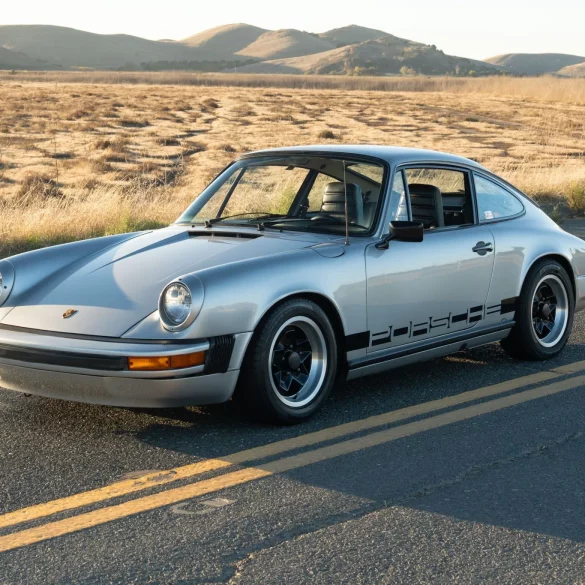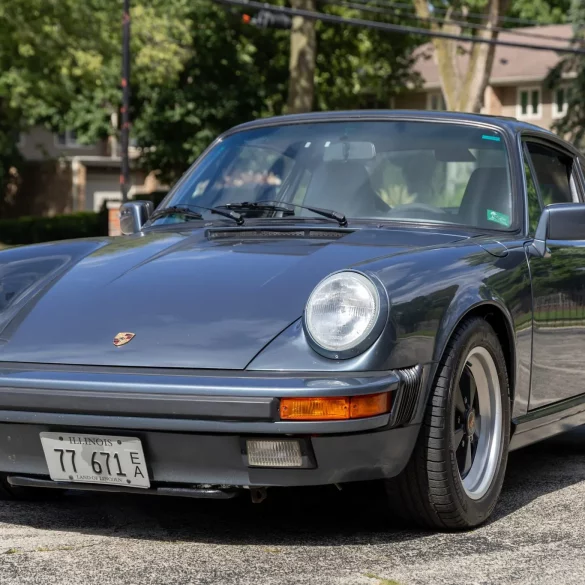
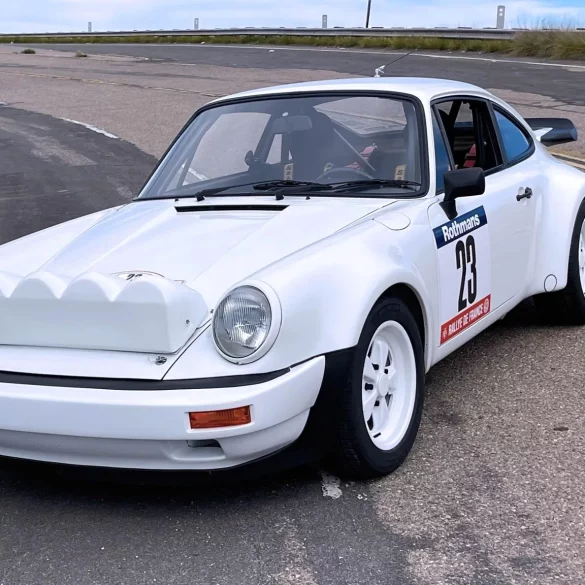
This 1984 Porsche 911 SC/RS is the last of 20 lightweight rally specials produced to meet Group B homologation requirements for the 1984 World Rally...


The Porsche 911 (G-Series) marks the second chapter of the 911 story and one of the most beloved eras in Porsche history. Built from the mid-1970s through the late 1980s, G-Series cars introduced the iconic “impact bumper” design while preserving the lightweight feel, air-cooled flat-six soundtrack, and mechanical engagement that define classic 911 ownership. From early 2.7-liter models to the legendary Carrera 3.2, blends vintage character with improved usability.
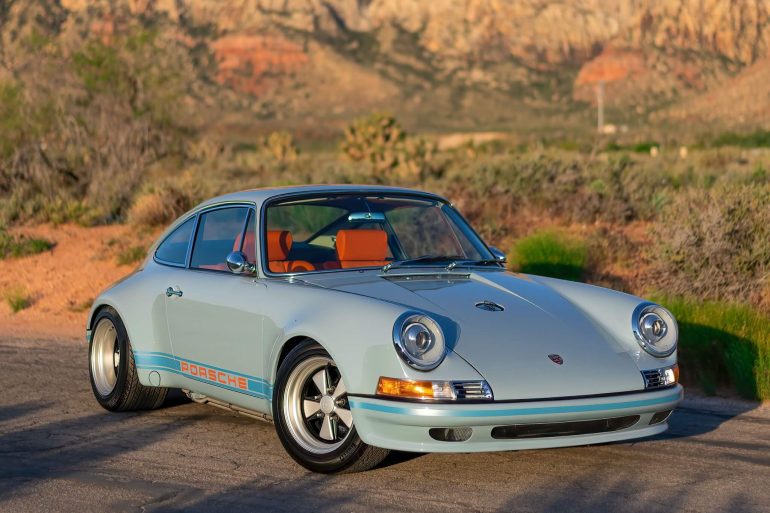
This page curates Porsche 911 G-Series for sale from across the web, bringing together respected classic Porsche dealers, major auction platforms, and exclusive member listings. Whether you’re looking for a numbers-matching collector car, a well-sorted driver, or an enthusiast-built restomod, this hub is perfect for you.
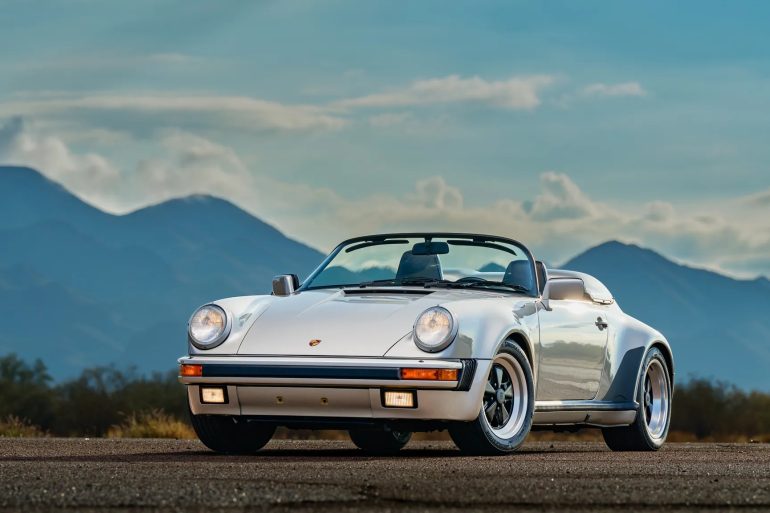
Refine Search: All 911s / 911 S / 911 Carrera 2.7 / 911 Carrera 3.0 / 911 Carrera 3.2 / 930 Turbo / Speedster / 911 SC / 911 SC RS
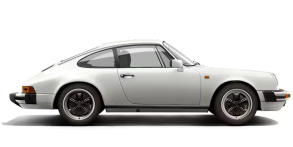
Browse available G-Body Porsche 911s from our member classifieds alongside carefully curated cars from across the web. We showcase only the most interesting, well-presented, and desirable F-Series 911s—giving collectors a smarter way to find their next classic.
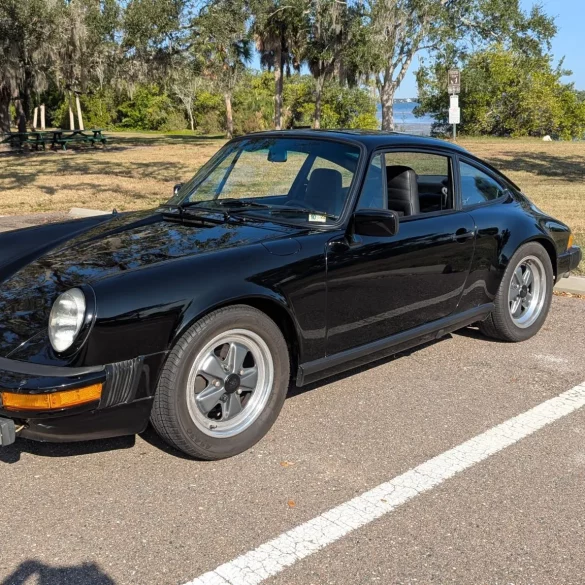
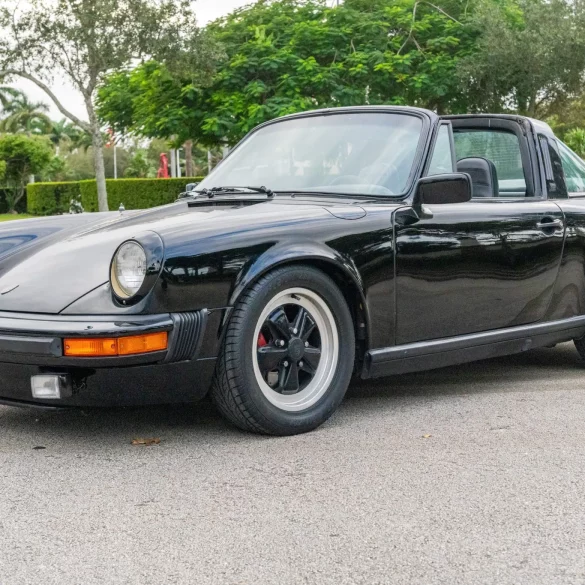
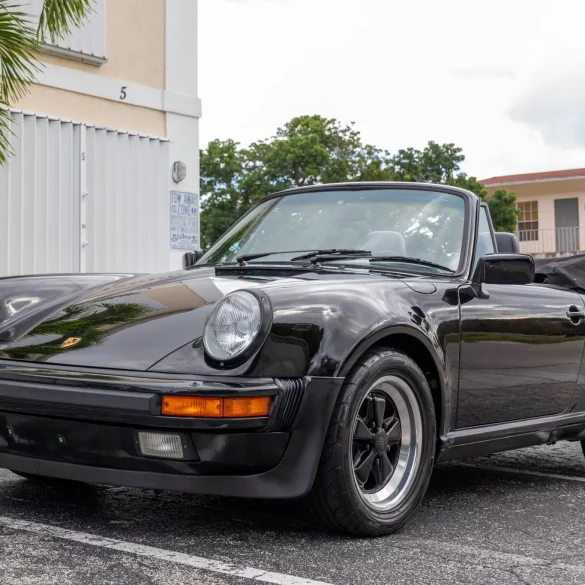
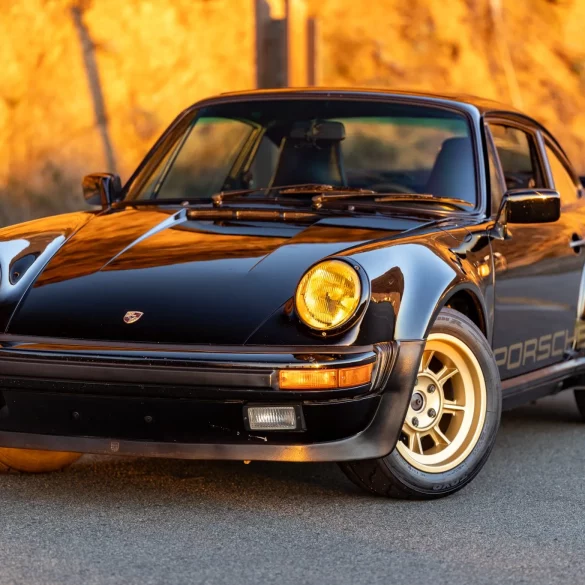

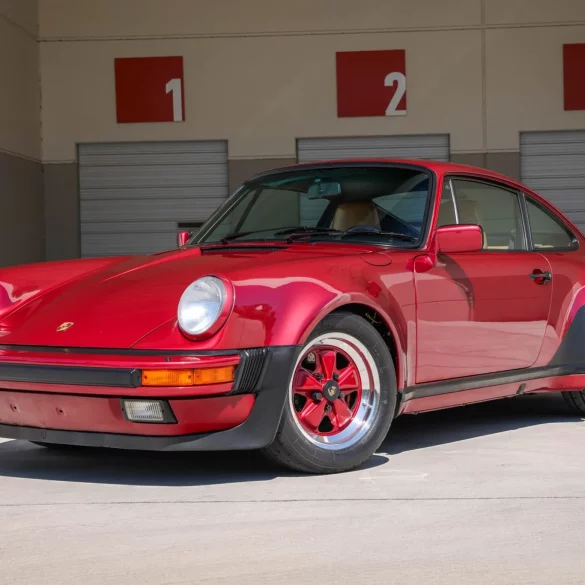
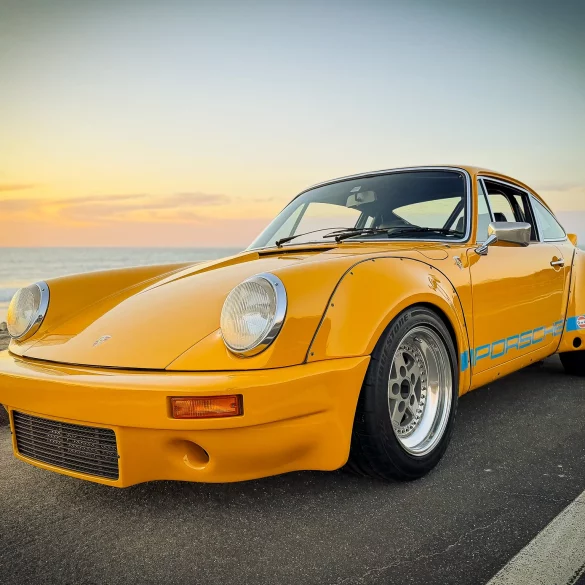

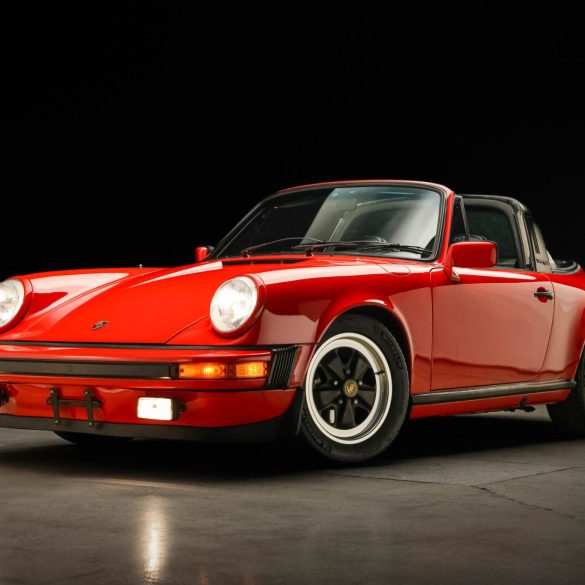
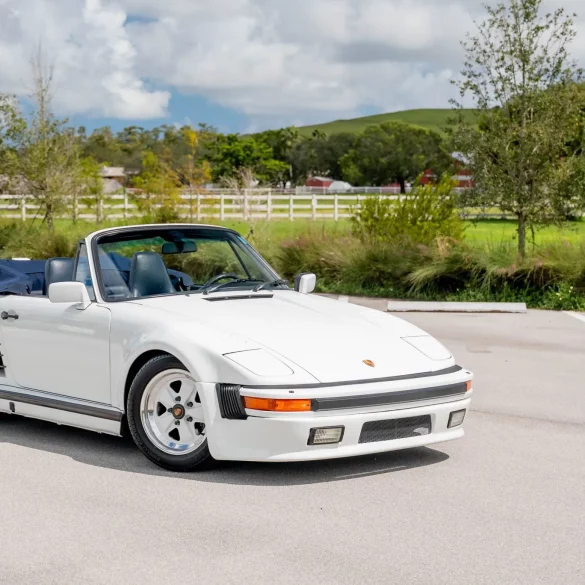
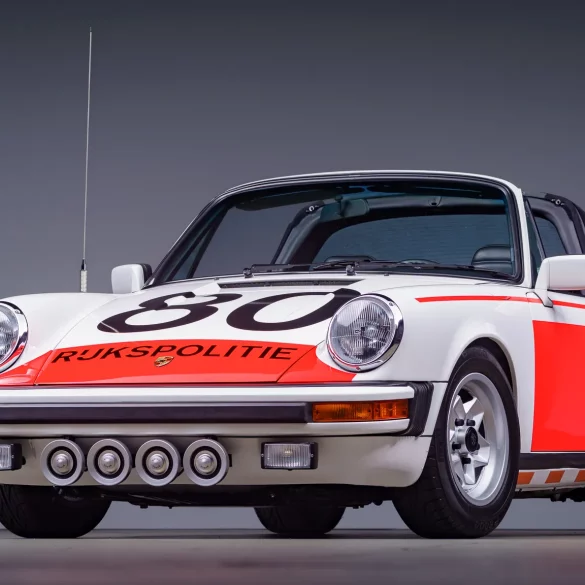
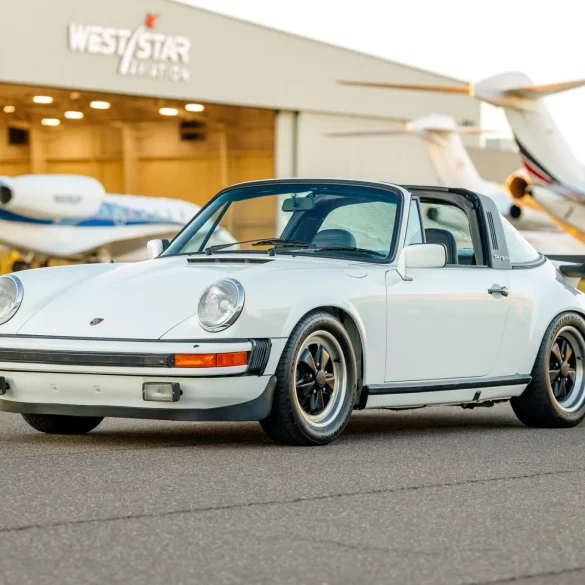
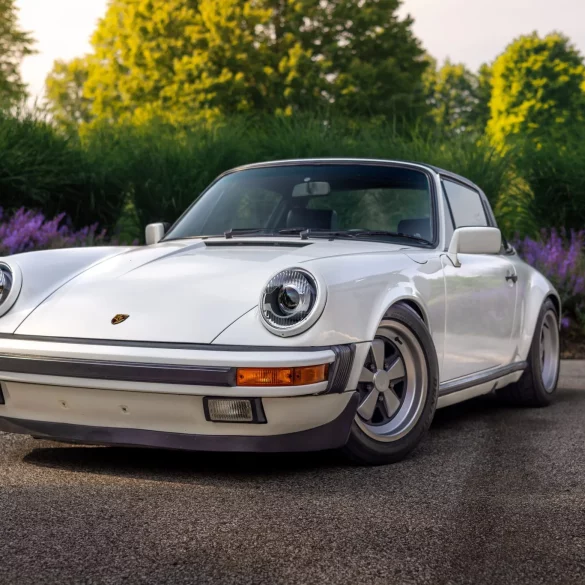
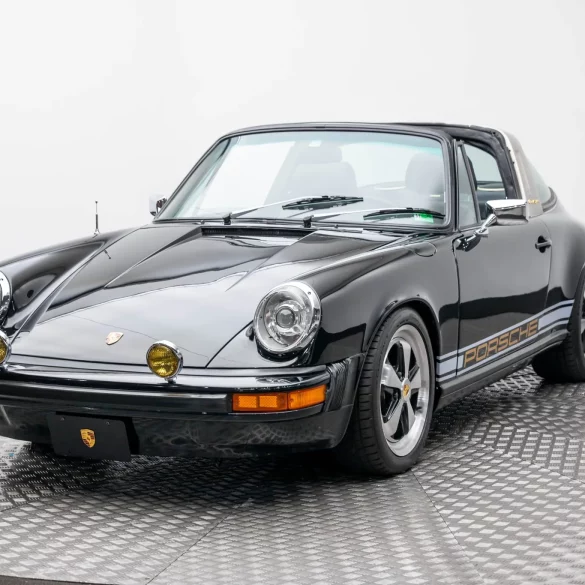
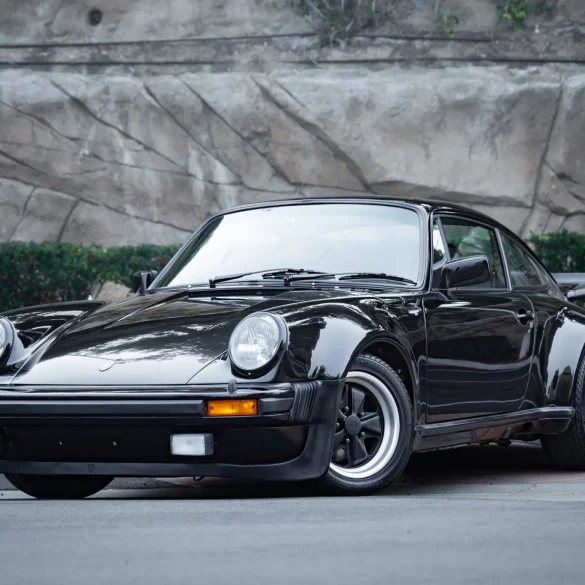
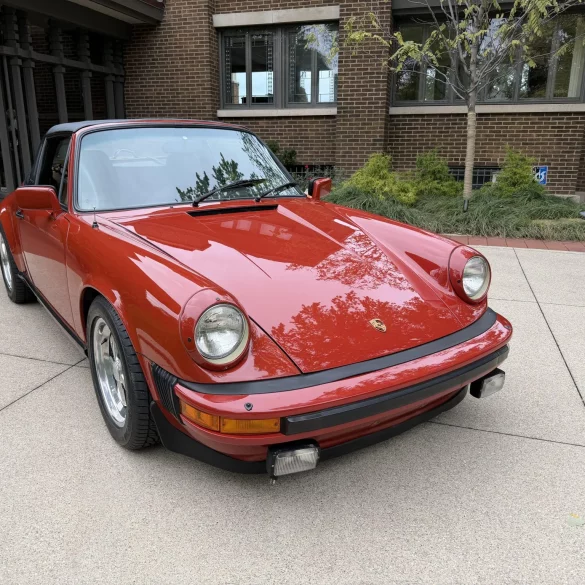
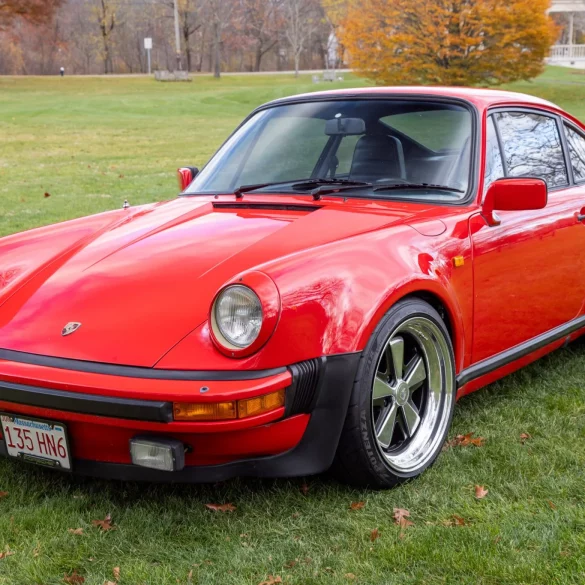
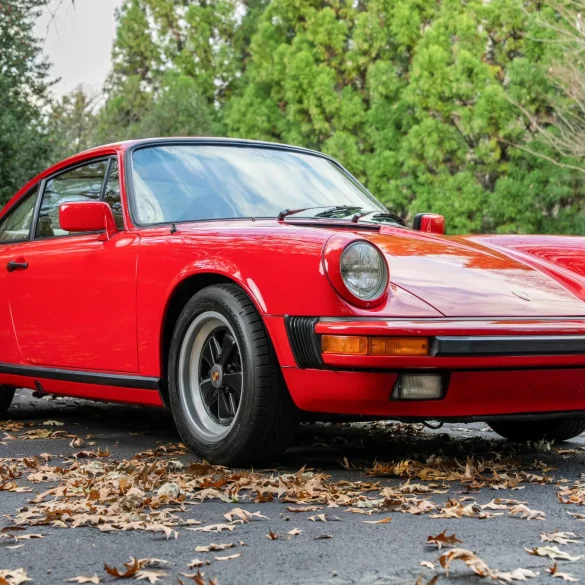
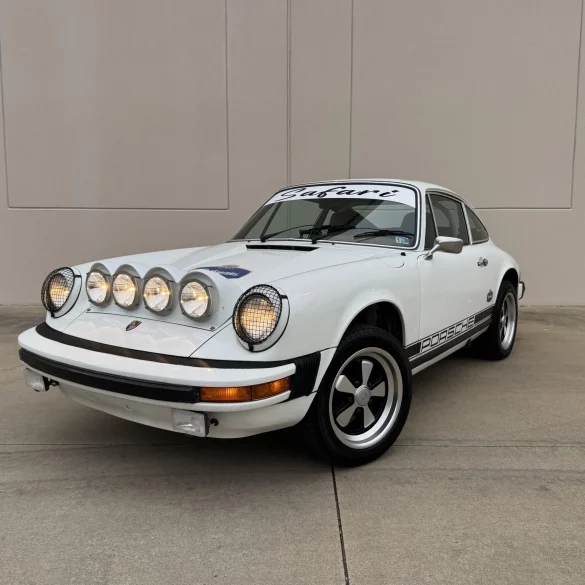
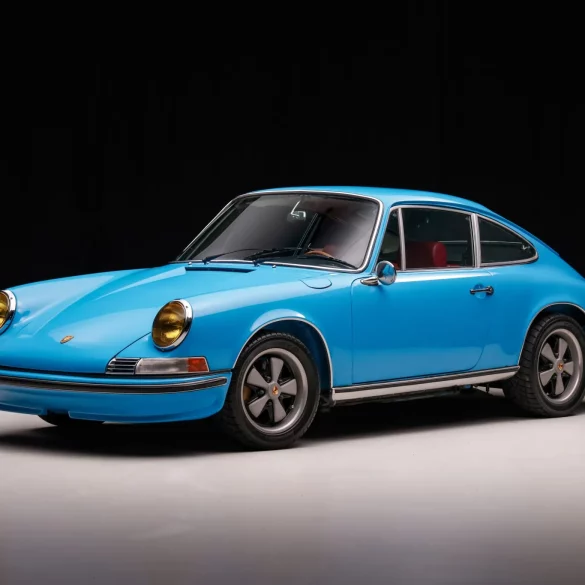
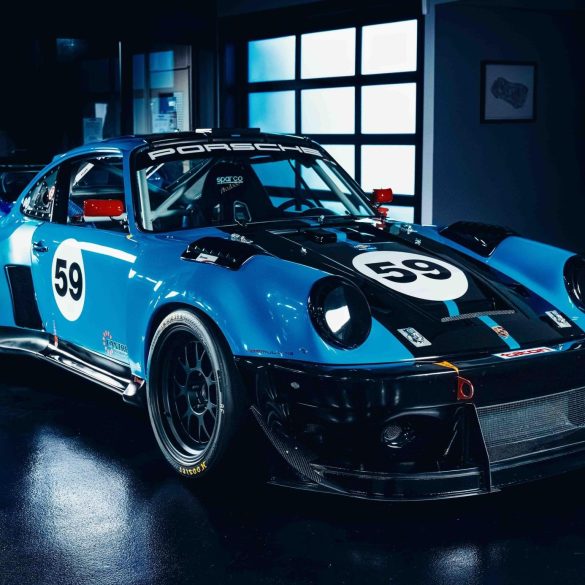
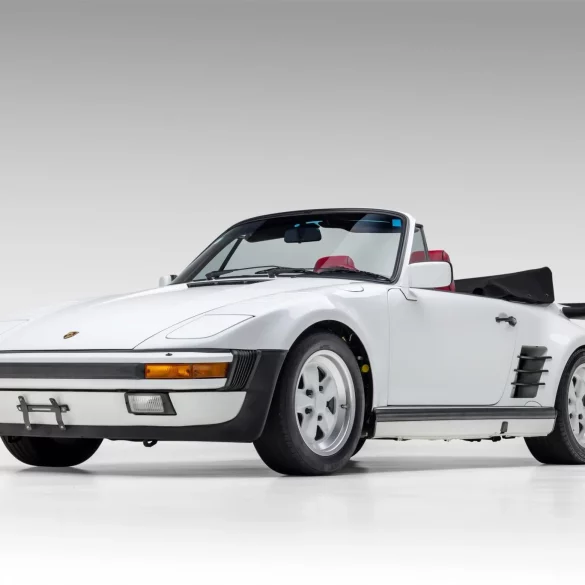
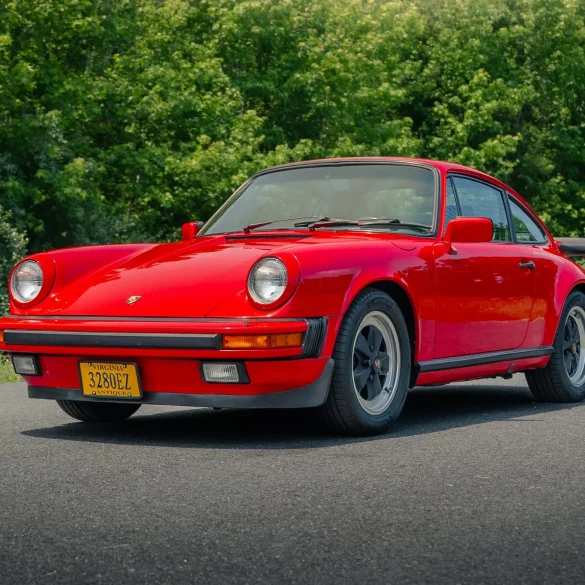
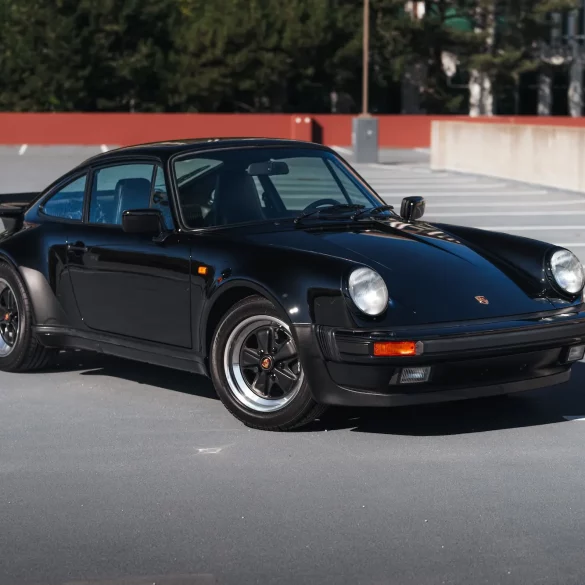
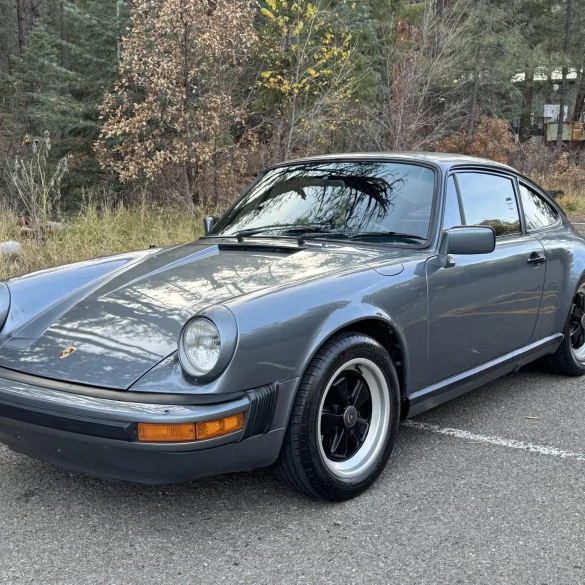
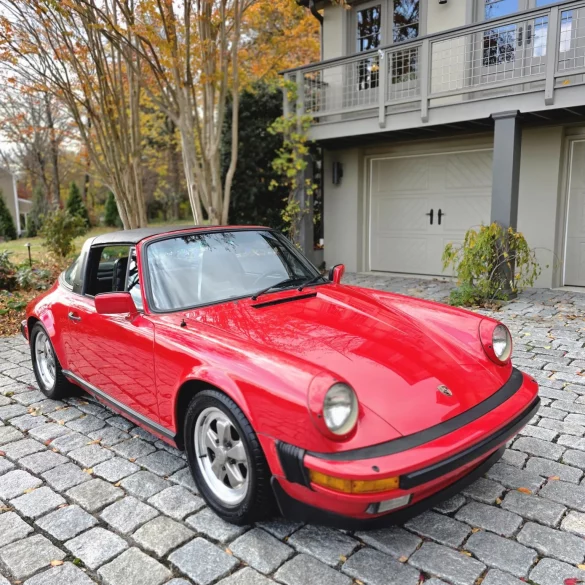
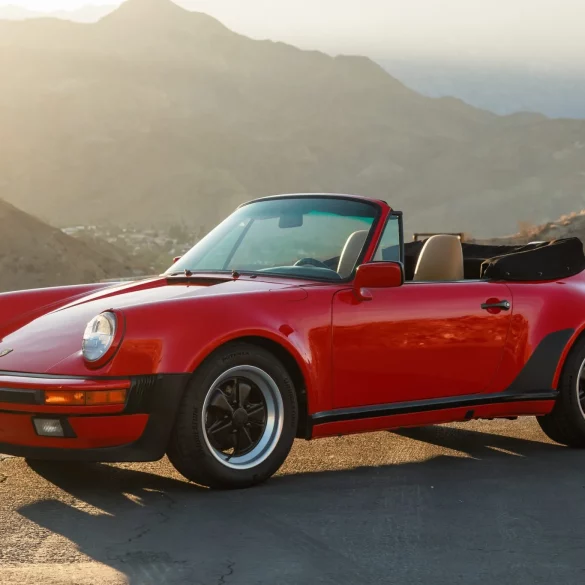
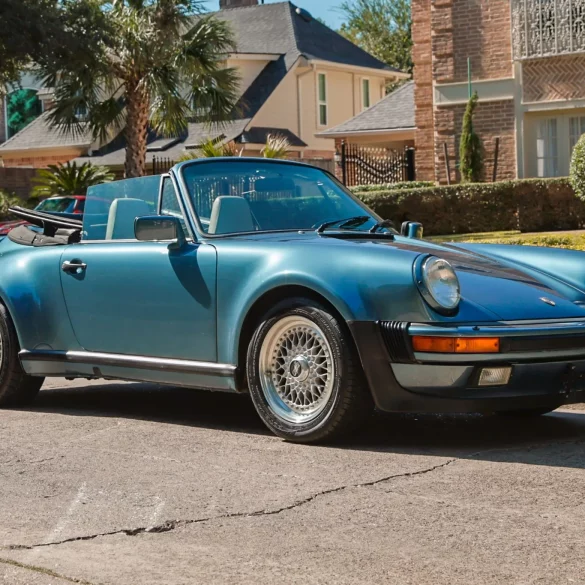
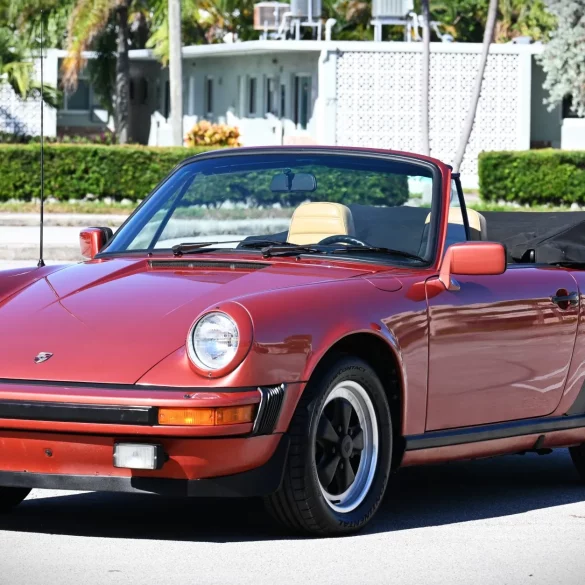
The truly special and unique G-Series Porsche 911s at auction or for sale.
In the market for a second‑generation Porsche 911 (G‑Series) (1974‑1989), several variants consistently stand out as the most sought‑after by collectors and enthusiasts alike. Here are the top ones, along with reasons why they’re highly desirable:
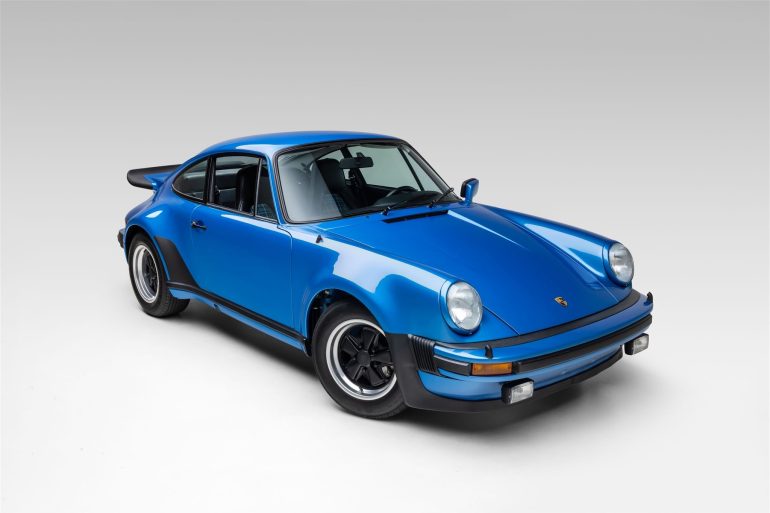
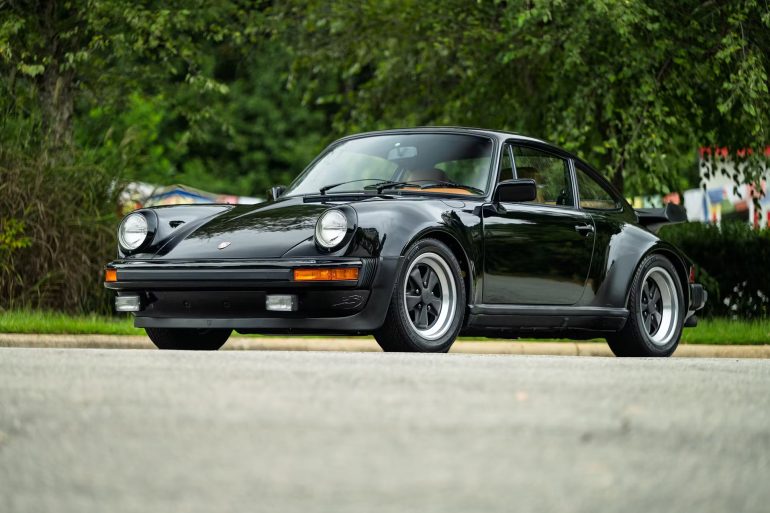
This variant remains at the top of the G‑Series value ladder. Introduced in 1975, the Turbo (930) brought blistering performance, distinctive wide‑body styling, and the large “whale tail” rear deck. According to Porsche Classic, the Turbo was the “top model of the 911 series” in its era. Its combination of performance, rarity (especially in early 3.0‑litre form) and iconic status make it highly collectible.
Among non‑Turbo models, the Carrera 3.2 is widely recognized as the sweet spot in the G‑Series lineup. The 3.2‑litre engine brought improved usability and refinement, and the later models with the G50 transmission are especially prized for their drivability. Many buyers view these as “usable classics” that still hold strong value while offering a more comfortable driving experience.
The early years of the G‑Series (1974‑1977) hold special allure because they bridge the gap between the F‑Series heritage and the later 911 evolution. Early 2.7‑litre Carreras, narrow‑body variants, and rare special editions (limited production colors or equipment) fall into this category. These cars are increasingly sought because of their relative scarcity and unique place in 911 history. For example, a buyer guide notes the narrow G‑body architecture as a standout.
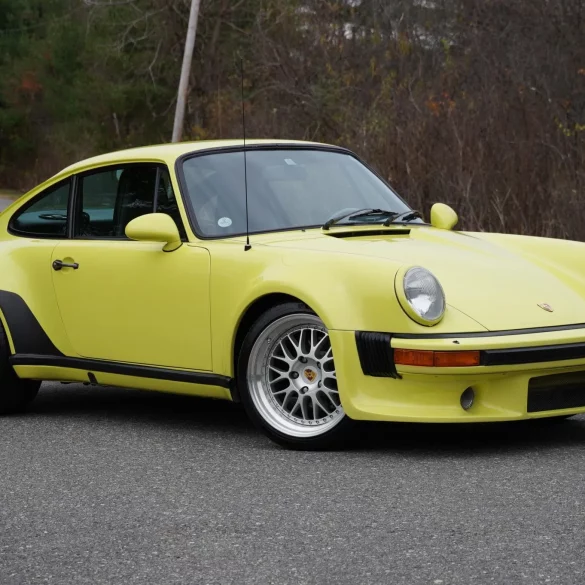
Beyond the headline models, certain versions with rare factory options or limited production runs command higher interest. These include models outfitted with the M491 “Turbo‑Look” wide‑body option, Cabriolets in rare colors, low‑mileage “matching‑numbers” cars, or variants with unique factory accessories. The collector market rewards specification and provenance heavily in this tier. The aforementioned Hagerty guide frames Turbo models as commanding premiums due to their performance and status.
If you’re seeking one of the most desirable G‑Series 911s, aim for the Turbo 930 or a late‑model Carrera 3.2 in excellent shape. If you value rarity and historical significance, early narrow‑body G‑Series or rare factory‑optioned cars are the “sleepers” that are increasingly attracting attention. Would you like a ranked list (top 5) with recent sales data for each?
The Carrera 3.2 is arguably the strongest overall value holder in the G-Series market. Introduced in 1984 to replace the SC, the 3.2 blended classic air-cooled 911 character with improved reliability, better cooling, and stronger power delivery. Because of its balance of performance, daily usability, and air-cooled heritage, clean, well-documented Carrera 3.2s consistently command healthy prices relative to other G-Series cars. Cars with matching numbers, original paint, and full service history are especially prized and tend to hold value better than average examples.
The 911 Turbo (930) is one of the most iconic Porsches ever built, and its G-Series production years (especially early narrow-body cars and the later wide-body turbo models) remain strong performers in the classic market. The combination of forced induction, dramatic widebody stance, and technical significance historically drives demand. Market data shows that well-sorted 930 Turbos—particularly those in original, unmodified condition with strong provenance—often trade at or above long-term Borgward-era equivalents, making them resilient in value.
Among 3.2 derivatives, Clubsport (CS) and other lightweight / driver-focused versions are often more sought after than standard Carrera 3.2 cars. These variants typically shed unneeded weight, were ordered with performance-oriented spec sheets (e.g., sport seats, lighter wheels), and appeal to purists who value analog driving experience. Because they’re rarer and better configured right from the factory, Clubsport and similar trims often hold value more strongly than standard 3.2s—even when mileage and condition are similar.
The 911 SC (Super Carrera) is often overlooked compared with later 3.2 and Turbo models, but high-quality SCs with excellent documentation are holding value very well. Buyers looking for an accessible air-cooled 911 appreciate SCs with low mileage, original interior trim, and service evidence—a combination that can outperform lesser SPEC SC cars. While SC values are more variable than 3.2 or Turbo prices, top-tier SCs are increasingly stable and collectible in the G-Series market.
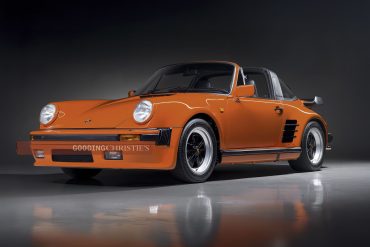
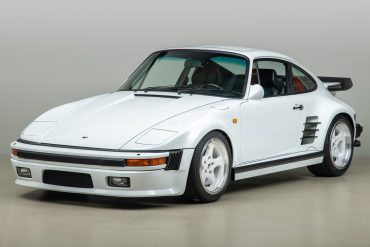
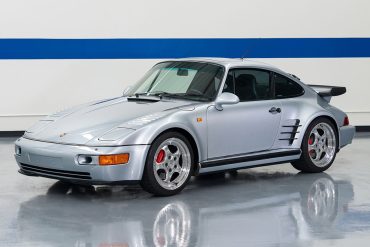
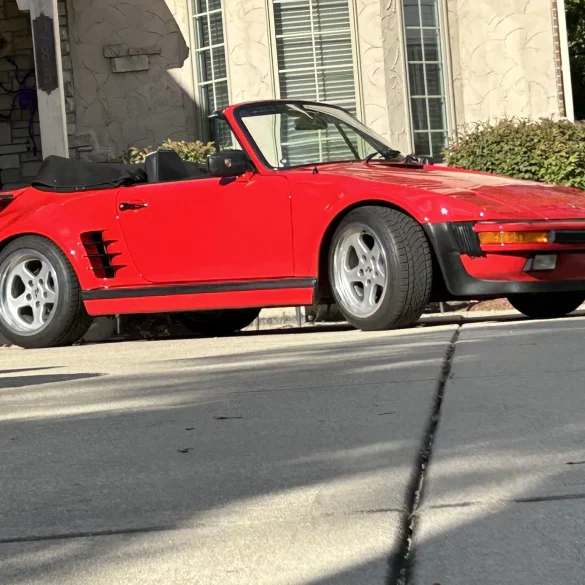
The Slantnose (Flachbau) variant of the 930 Turbo is a rarer, highly optioned version that draws consistent collector demand. Featuring a front-end inspired by 935 race cars, pop-up headlights, and unique bodywork, these cars are significantly less common than standard 930 Turbos. That rarity, combined with their distinctive design, tends to support stronger relative pricing—especially for well-preserved examples.
The Porsche 911 G-Series market has entered a phase of stability and selectivity after the strong appreciation seen in the mid-to-late 2010s. Prices today are generally lower than peak-pandemic highs but remain structurally strong, especially for well-documented, original cars. Buyers are no longer paying blanket premiums simply because a car is air-cooled; instead, the market increasingly rewards condition, provenance, and correctness. This has widened the pricing gap between exceptional examples and average or compromised cars.
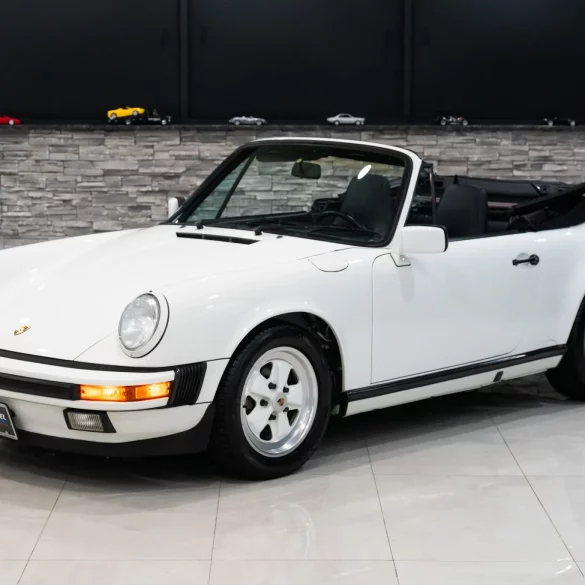
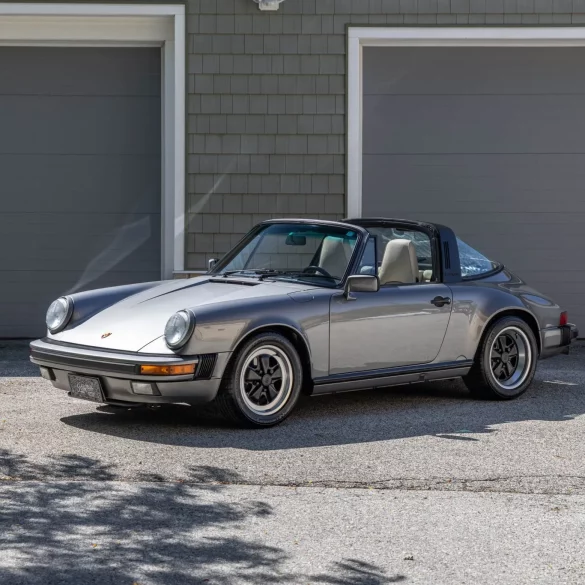
Among G-Series models, the Carrera 3.2 (1984–1989) continues to anchor the market. Clean, numbers-matching Carrera 3.2 coupes with original paint, proper service history, and desirable options routinely command strong prices and sell quickly. The later cars—particularly 1987–1989 examples with the G50 gearbox—tend to sit at the top of the Carrera 3.2 pricing range, while earlier 915-equipped cars trade at a modest discount. Targas and Cabriolets remain more affordable than coupes but follow the same quality-driven trend.
The 911 SC (1978–1983) market has softened slightly at the lower end, but high-quality SCs are holding up very well. Driver-grade cars with cosmetic flaws or incomplete histories now require realistic pricing to sell, while low-mile survivors and properly restored examples continue to attract strong interest. The SC’s reputation for durability and usability keeps it popular with buyers looking for an entry point into classic 911 ownership without stretching to Carrera 3.2 money.
At the top of the G-Series hierarchy, 911 Turbo (930) values remain resilient. Original, unmodified Turbos—especially early narrow-body cars and rare factory Slantnose examples—continue to command significant premiums. While the frenzy around Turbos has cooled from peak levels, demand remains global and deep, and pricing volatility is minimal for top-tier cars. Poorly documented or heavily modified 930s, however, are seeing more price sensitivity than in prior years.
One of the most notable trends in the G-Series market is the growing premium for originality and documentation. Cars with matching numbers, factory build records, long-term ownership history, and period-correct finishes consistently outperform comparable cars without provenance. Conversely, older restorations done to looser standards, color changes, or non-period modifications are now penalized more heavily by buyers than they were a decade ago.
Overall, the outlook for Porsche 911 G-Series values remains positive but disciplined. These cars have largely transitioned from speculative assets to established classics, with prices supported by genuine enthusiast demand rather than hype. While buyers should no longer expect rapid appreciation, well-bought G-Series 911s—particularly Carrera 3.2s, top-condition SCs, and original 930 Turbos—continue to offer strong long-term value stability and enduring appeal.
Porsche 911 G-Series cars are widely regarded as solid long-term investments, but today’s market is very different from the speculative surge seen in the mid-2010s. Values have largely stabilized, and pricing is now driven by fundamentals rather than hype. Buyers who approach these cars as long-term holds—rather than short-term flips—are generally better positioned to benefit from their enduring appeal and market resilience.
One of the key reasons G-Series 911s remain attractive is their place in Porsche’s air-cooled lineage. Models built between 1974 and 1989 represent a sweet spot where classic design, mechanical simplicity, and real-world usability intersect. As newer performance cars become increasingly digital and complex, the analog driving experience offered by a G-Series 911 continues to attract collectors and enthusiasts alike, helping support long-term demand.
Rarity and specification play a major role in investment performance. Desirable variants such as the Carrera 3.2, original 930 Turbo, and rare lightweight or factory-optioned cars consistently outperform more common examples. Just as important is documentation—cars with matching numbers, factory records, and clear ownership history tend to command meaningful premiums and are far easier to sell at strong prices when the time comes.
That said, not every G-Series 911 should be viewed as an appreciating asset. Driver-grade cars, heavily modified examples, and cars with incomplete histories often lag the broader market and can stagnate in value. Condition matters more than ever, and buyers are increasingly selective, which has widened the gap between top-tier cars and average ones.
Overall, Porsche 911 G-Series models remain a good investment when bought correctly. While rapid appreciation is no longer the norm, well-chosen examples offer a compelling combination of enjoyment, historical significance, and value stability. For buyers willing to prioritize quality, originality, and long-term ownership, the G-Series 911 continues to be one of the most dependable classic Porsche investments available today.
When buying a Porsche 911 G-Series (1974–1989), documentation is one of the most important value and confidence drivers. Well-documented cars not only sell faster, but also command meaningful premiums over similar examples without paperwork. Here’s what buyers should expect to see—and why it matters.
A proper Porsche Certificate of Authenticity (COA) or Kardex is the foundation of any serious G-Series purchase. This documentation confirms how the car left the factory, including original engine and gearbox numbers, exterior and interior colors, production date, and factory options. Matching numbers are especially important in the classic 911 market, and a COA or Kardex helps verify originality while protecting against costly mistakes.
Service records and maintenance history are equally critical. Ideally, a G-Series 911 should come with a well-organized file showing routine servicing, major repairs, and any engine or transmission work over the years. While it’s rare for a decades-old car to have complete records from new, consistent documentation—especially from long-term owners or reputable Porsche specialists—adds significant buyer confidence and supports higher pricing.
For cars that have been restored, restoration documentation is extremely valuable. This includes invoices, parts lists, and photo records showing the scope and quality of the work performed. Buyers strongly prefer restorations that were done to factory-correct standards, and photos of bodywork, paint, rust repair, and mechanical rebuilds help validate both quality and authenticity. Older restorations done without documentation are increasingly discounted in today’s market.
Ownership history and provenance can also play an important role. A clear chain of ownership, evidence of long-term custodianship, period registration records, or notable past owners all strengthen a car’s story. Even small details—such as original dealer paperwork, warranty booklets, or early title records—can positively influence buyer perception and value.
Finally, original accessories and factory items help separate top-tier cars from average ones. Items like the original owner’s manual, maintenance booklet, tool roll, jack, spare wheel, air compressor, and even factory keys add completeness and authenticity. While none of these alone determine value, together they signal careful ownership and help justify stronger asking prices.
In short, the most desirable Porsche 911 G-Series cars come with factory verification, service history, restoration transparency (if applicable), and a clear ownership story. In today’s market, documentation isn’t just paperwork—it’s proof of authenticity, quality, and long-term value.