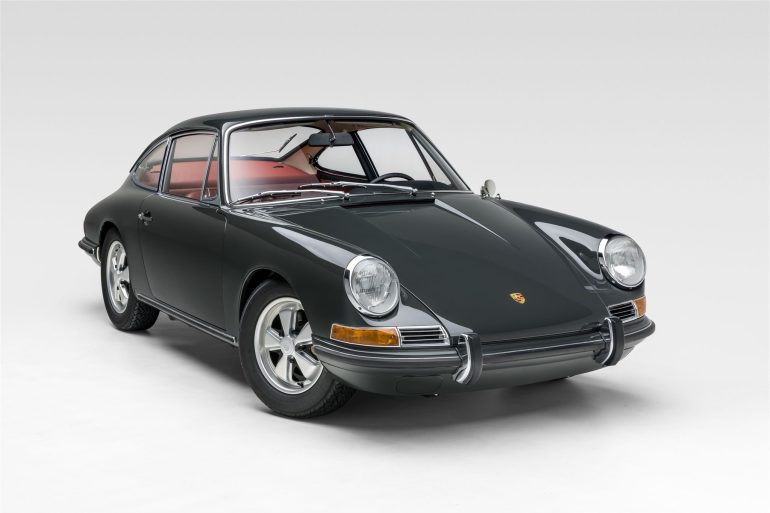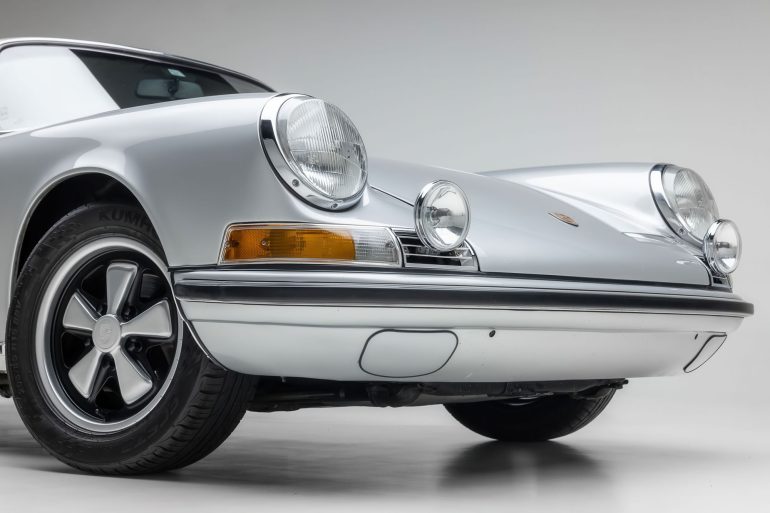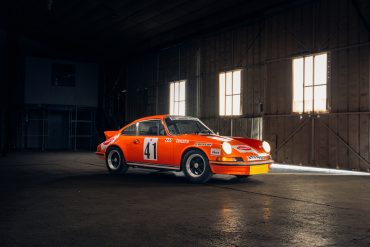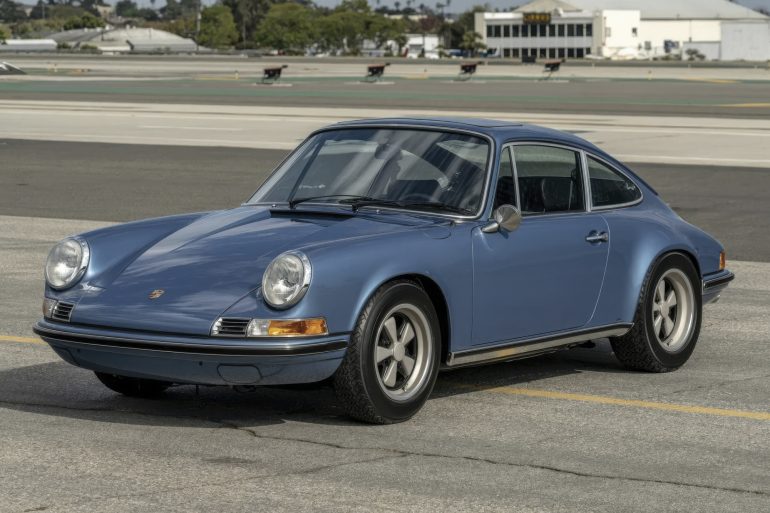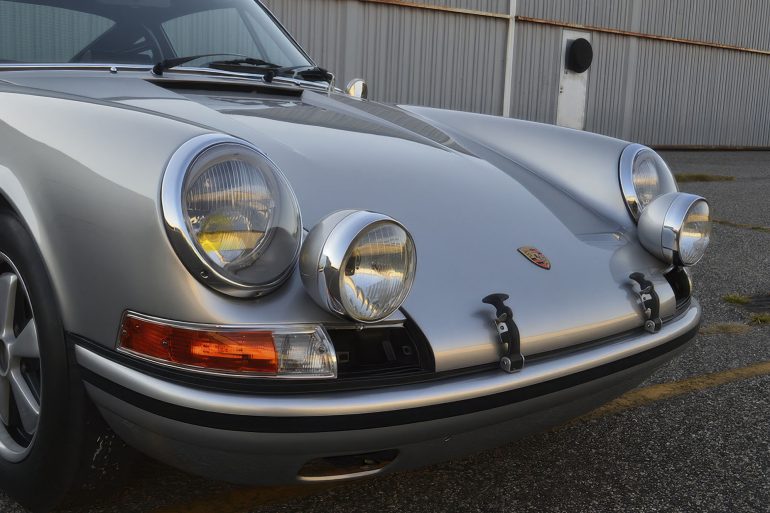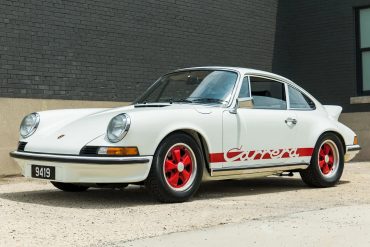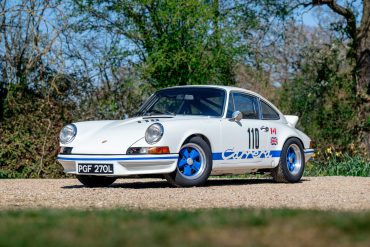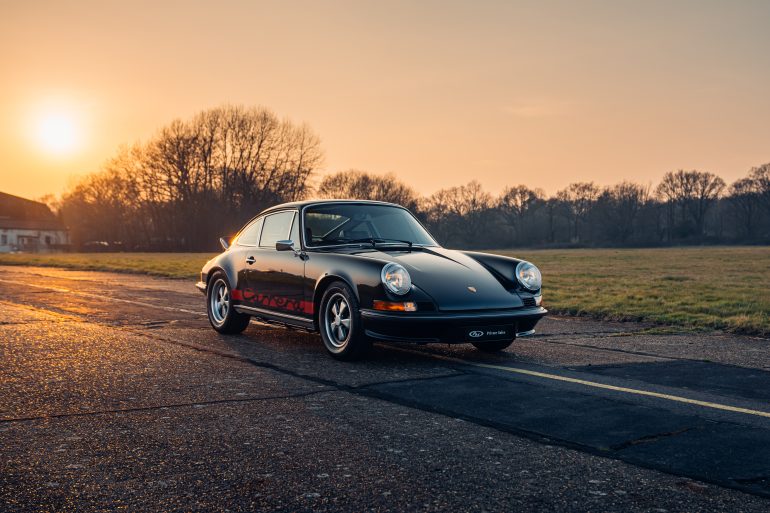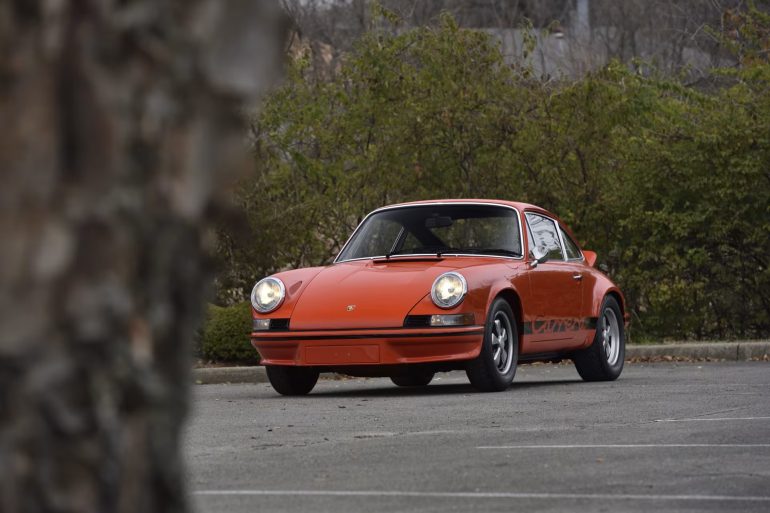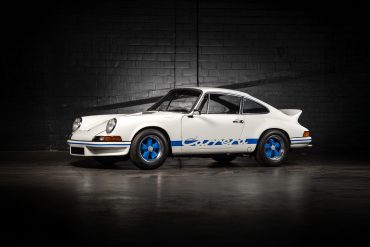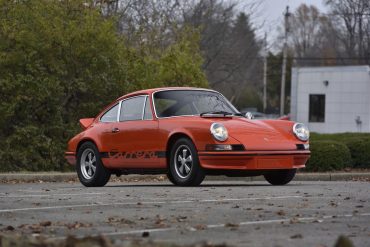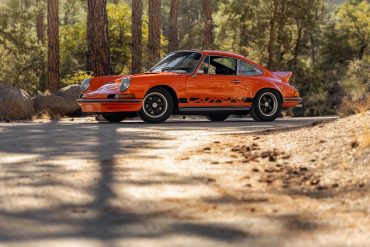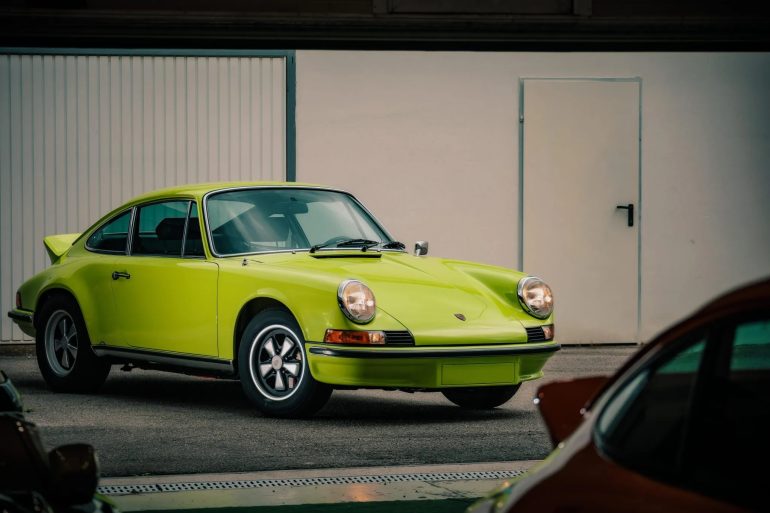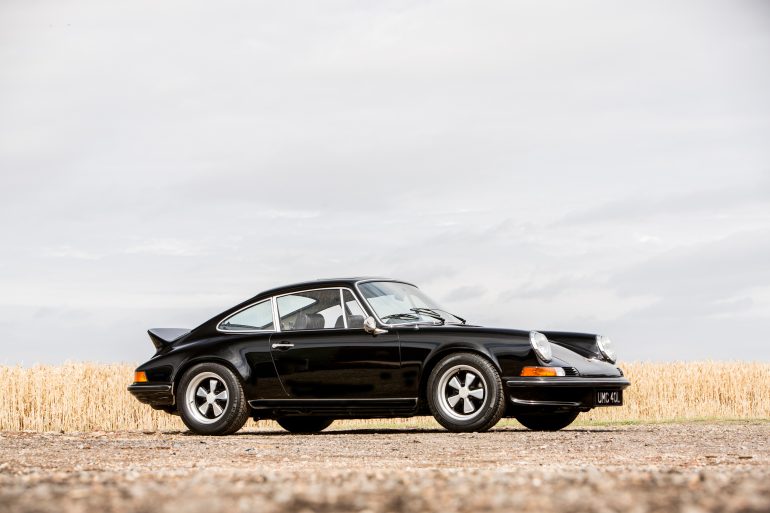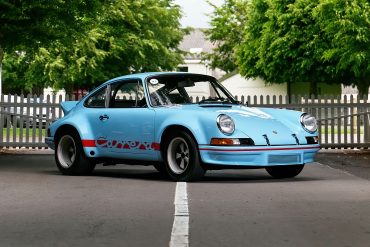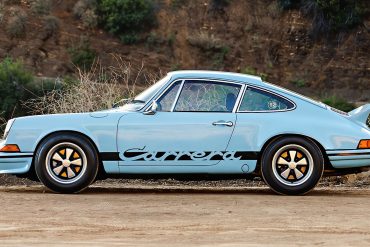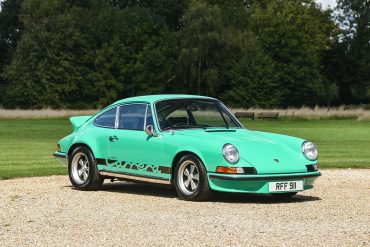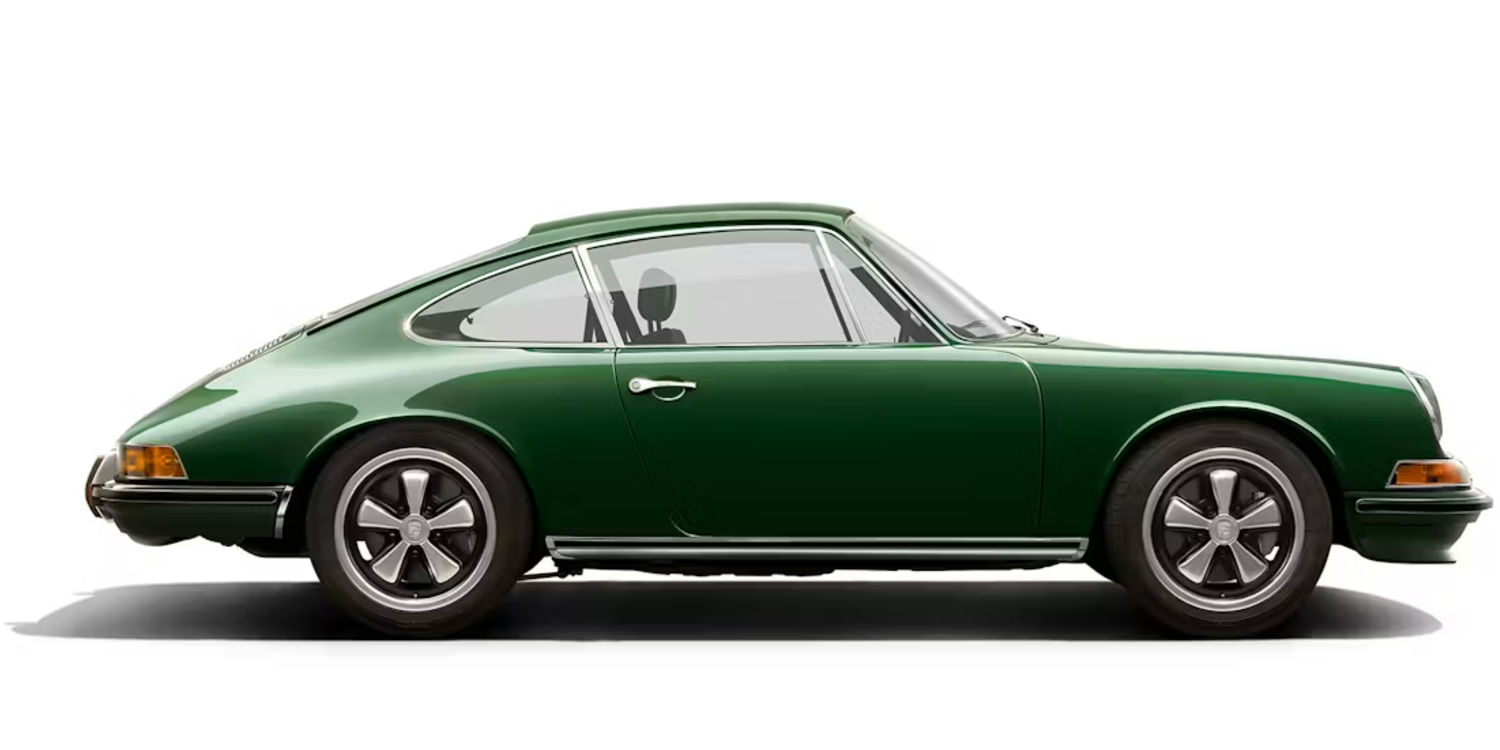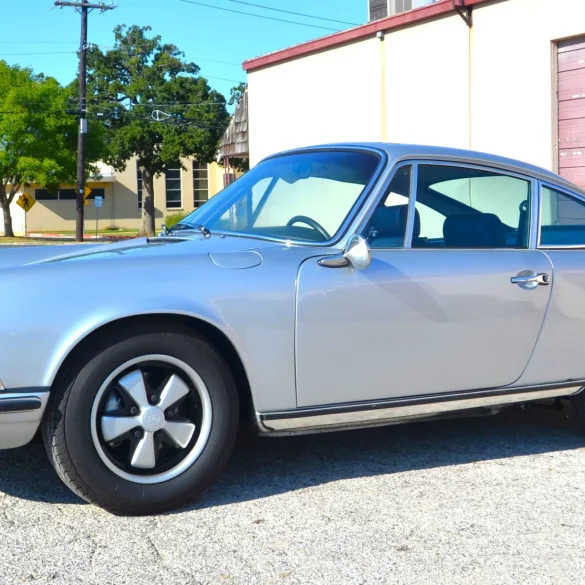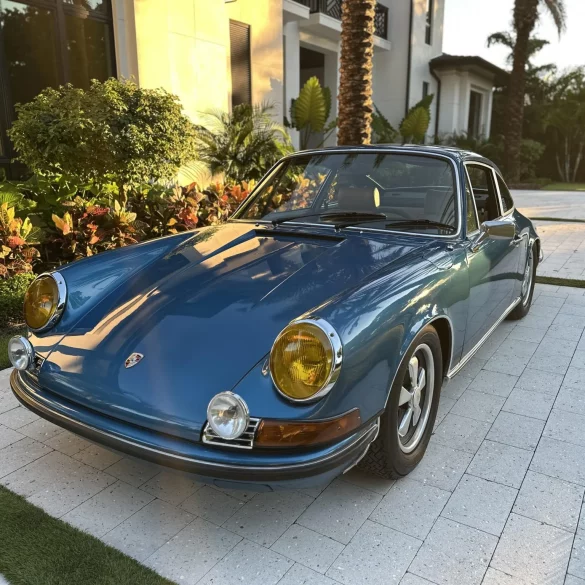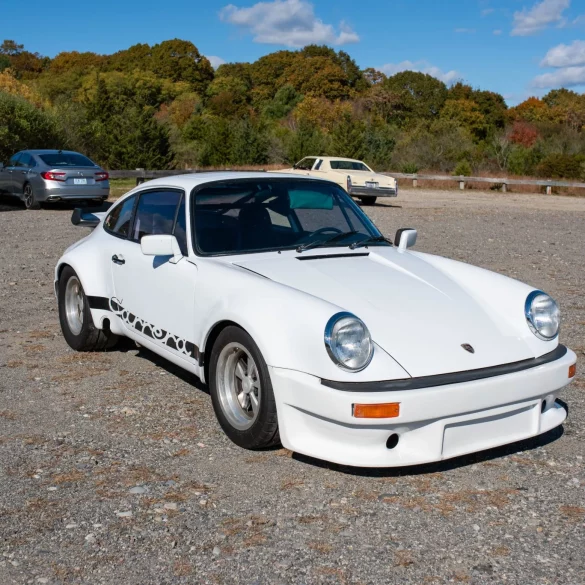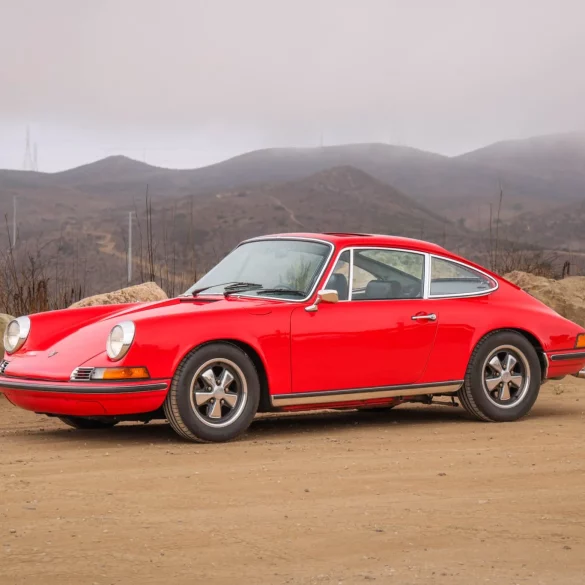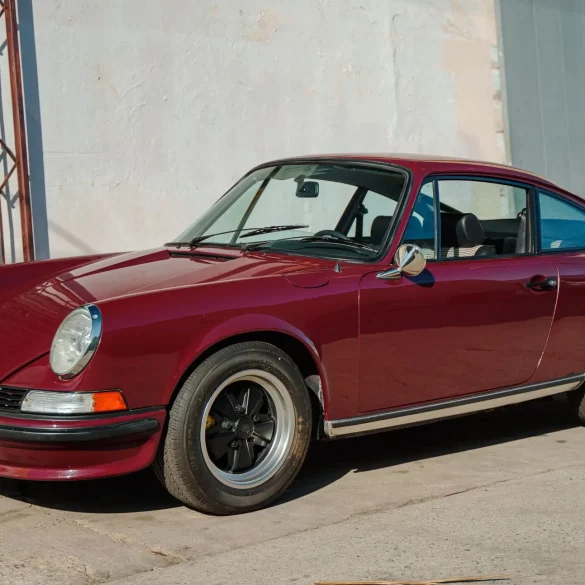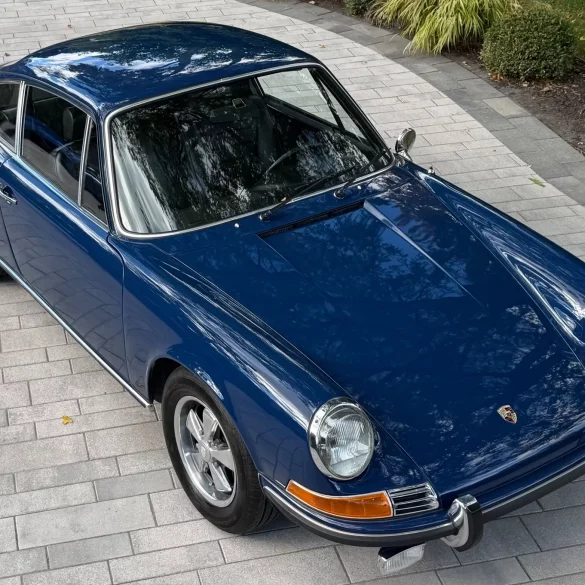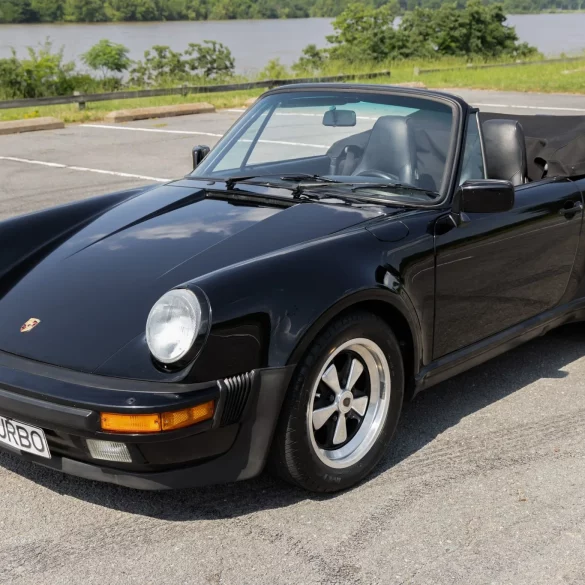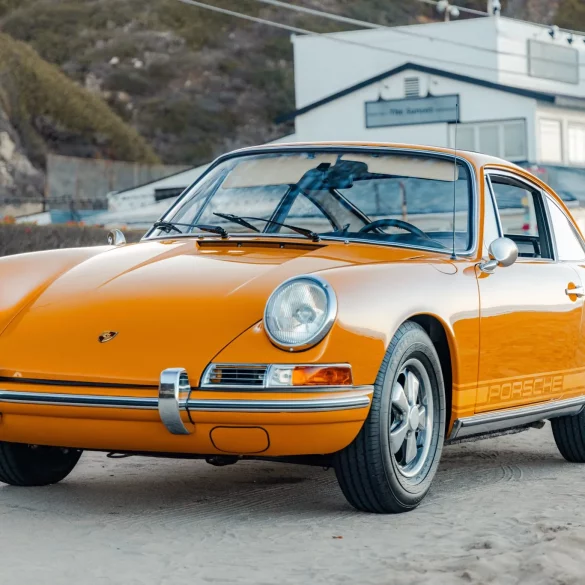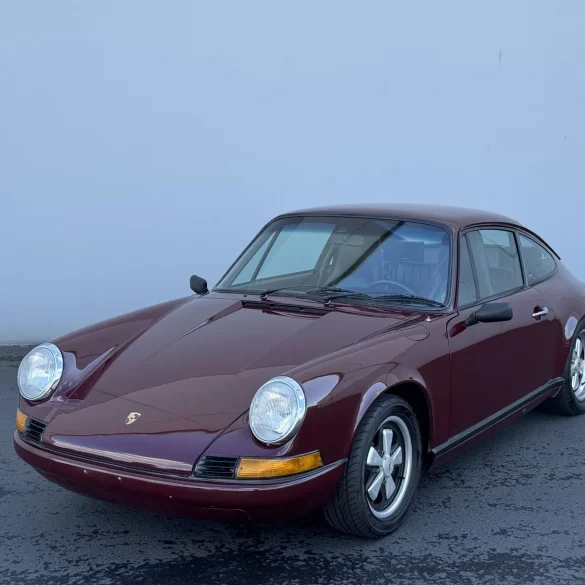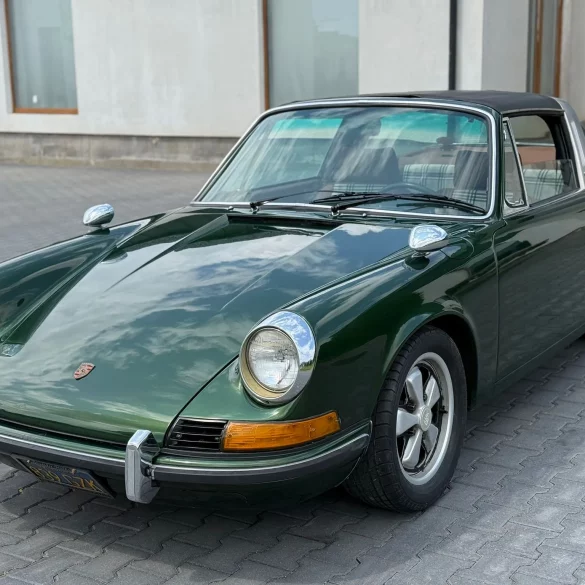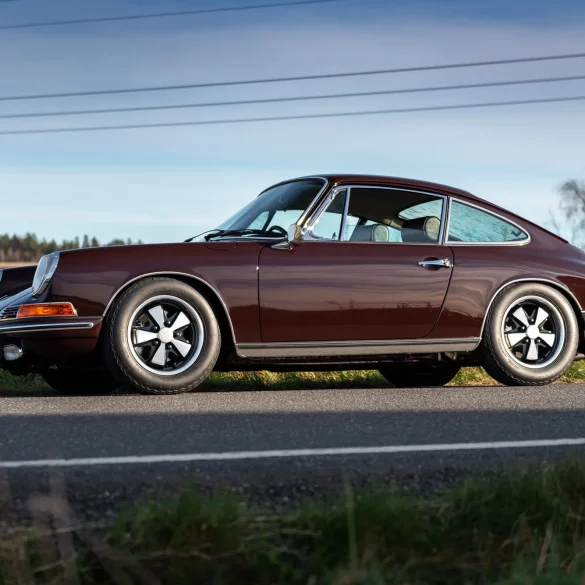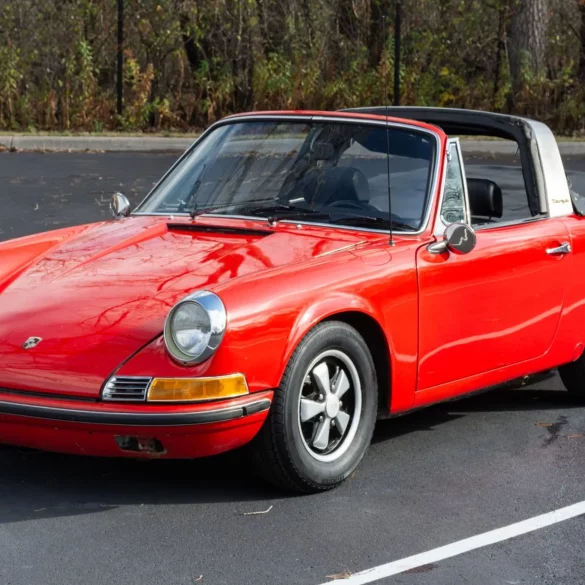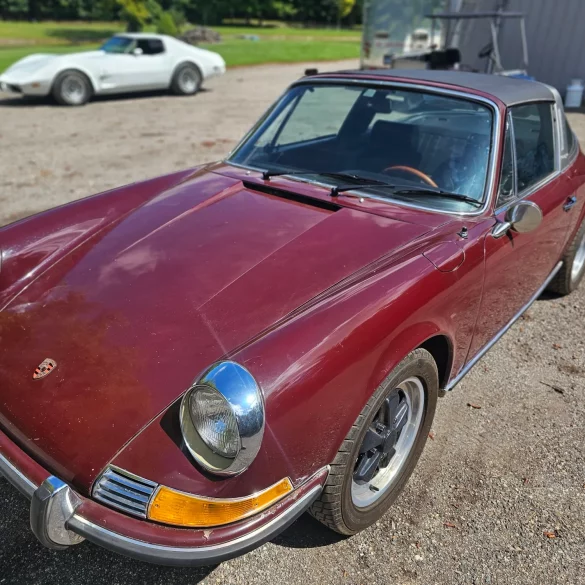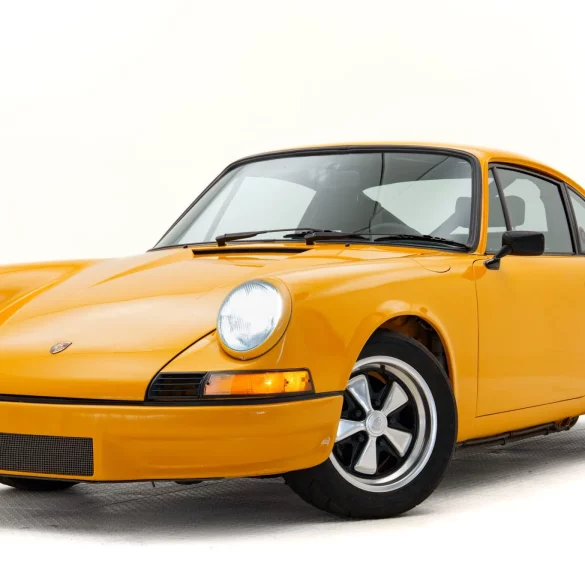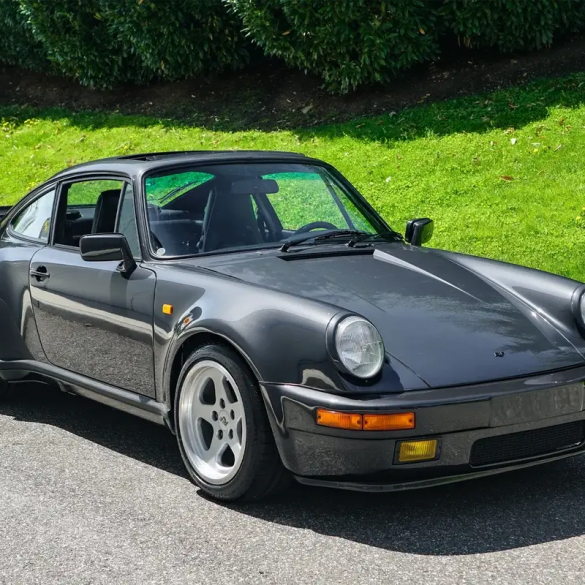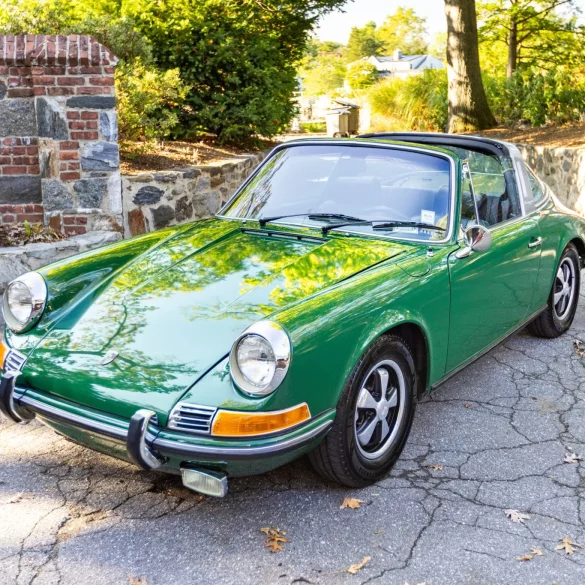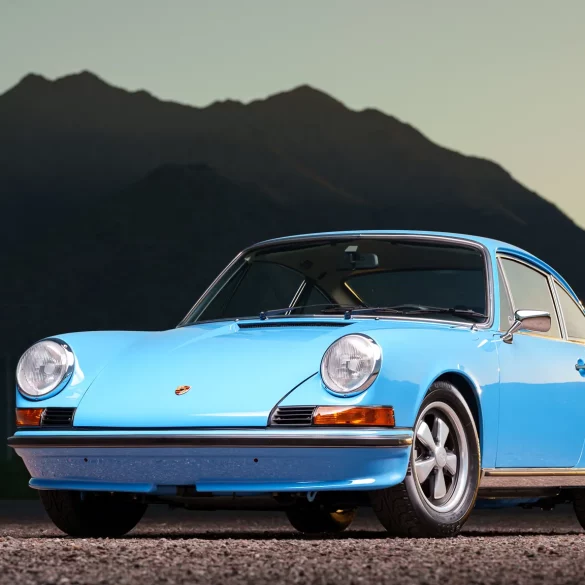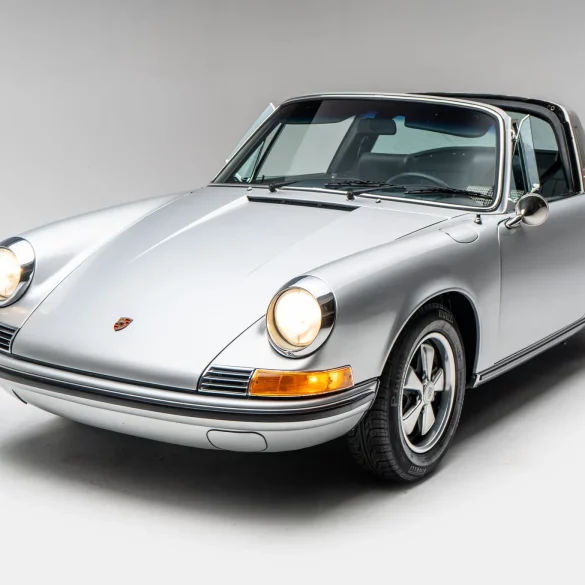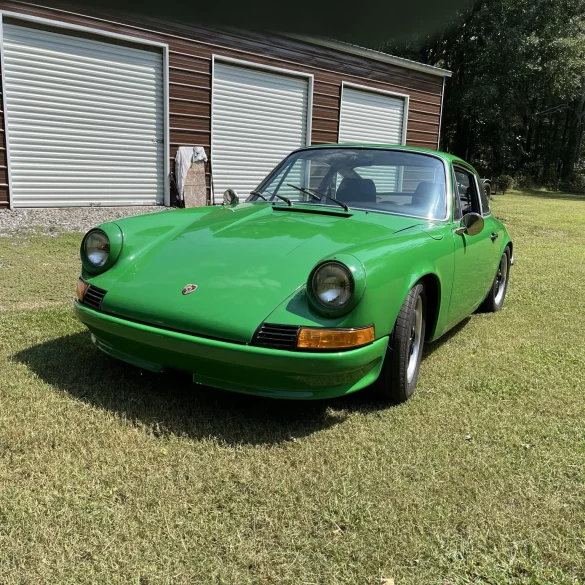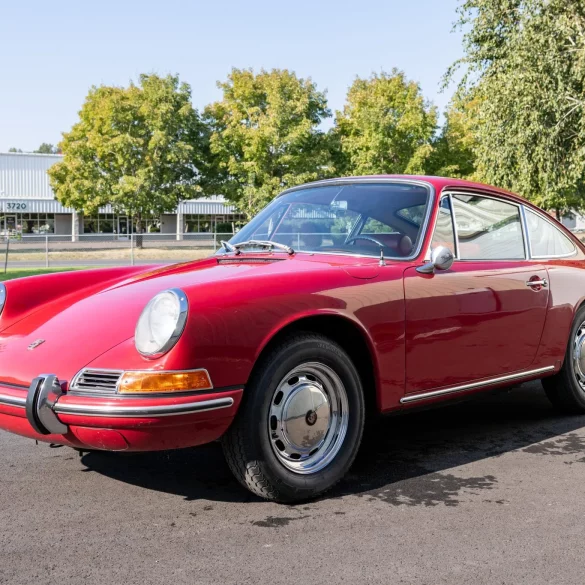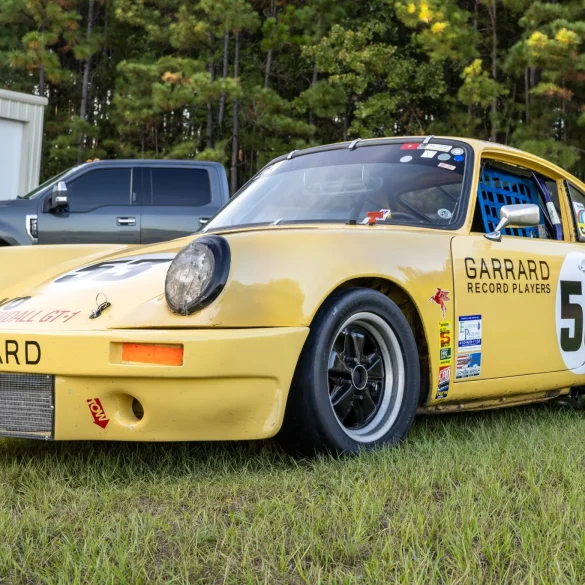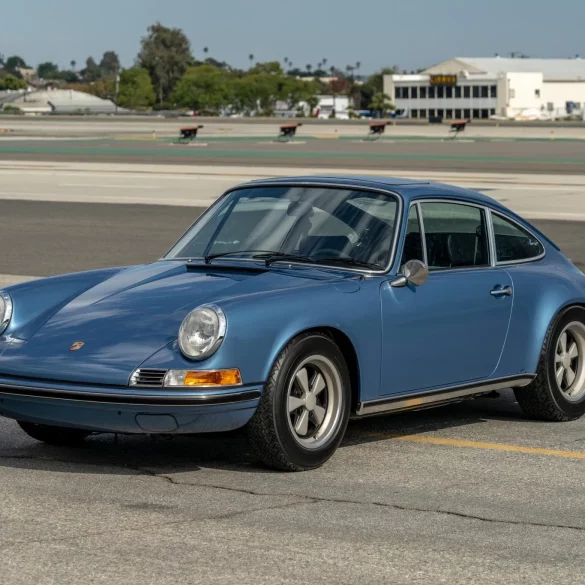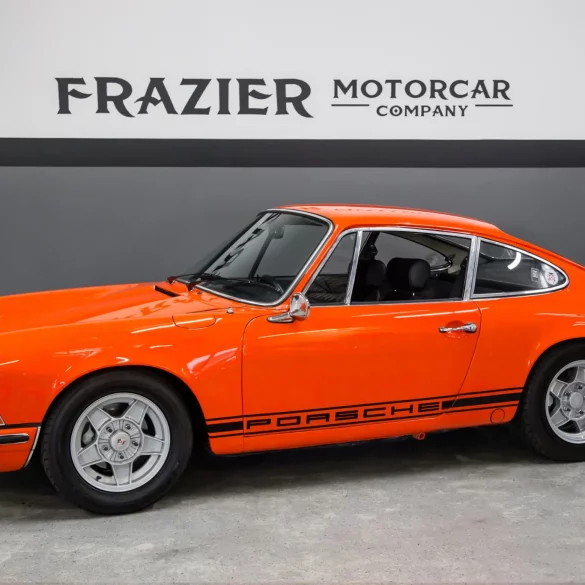
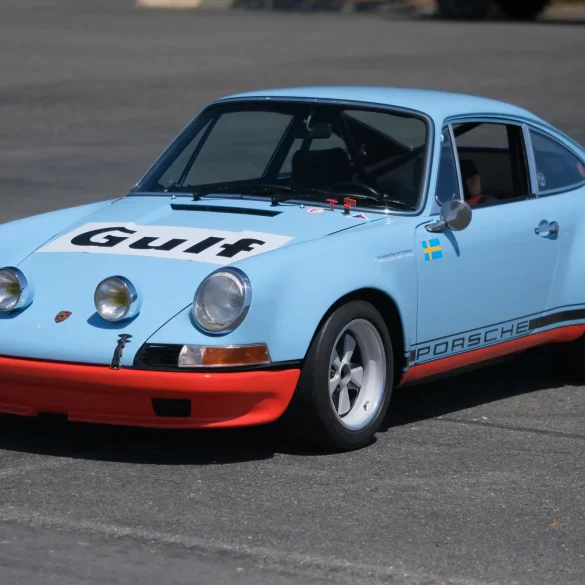
This 1968 Porsche 911T/R coupe was delivered in December 1967 to Sweden’s Porsche distributor Scania-Vabis, who commissioned it for rally use in Scandinavia and Northern...


The Porsche 911 (F-Series) represents the very beginning of the 911 legend — the purest expression of Porsche’s original rear-engine sports car concept. Built from the mid-1960s through the early 1970s, these early “long-hood” 911s established the design language, driving character, and motorsport pedigree that would define Porsche for decades. Lightweight, mechanically engaging, and unmistakably analog, F-Series cars are revered by collectors and drivers alike.
This page curates Porsche 911 F-Series for sale from across the web, combining respected dealers, leading classic-car auction platforms, and exclusive member listings in one place. Whether you’re searching for a matching-numbers collector car, a sympathetically restored driver, or a period-correct hot-rod build, this marketplace is for you.
Refine Search: All 911s / 911 S / 911 T / 911 E / 911 L / 911 S/T / 911 R / 911 T/R / RS 2.7
Browse available early-era Porsche 911s from our member classifieds alongside carefully curated cars from across the web. We showcase only the most interesting, well-presented, and desirable F-Series 911s—giving collectors a smarter way to find their next classic.
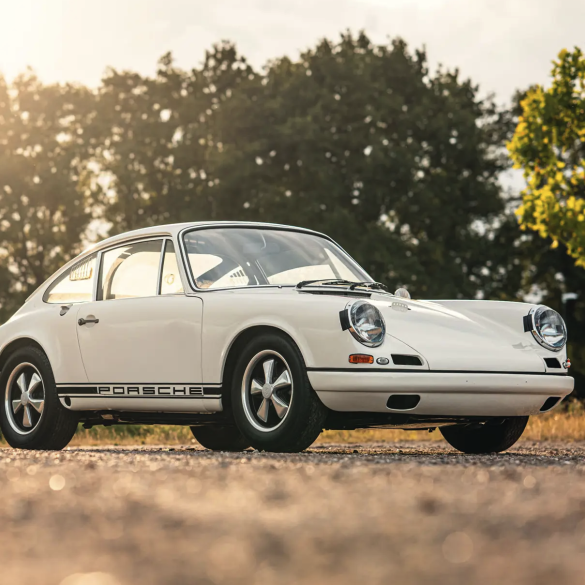
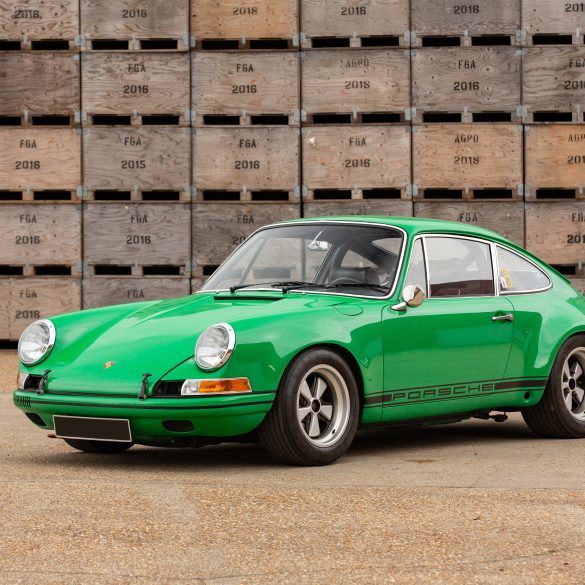
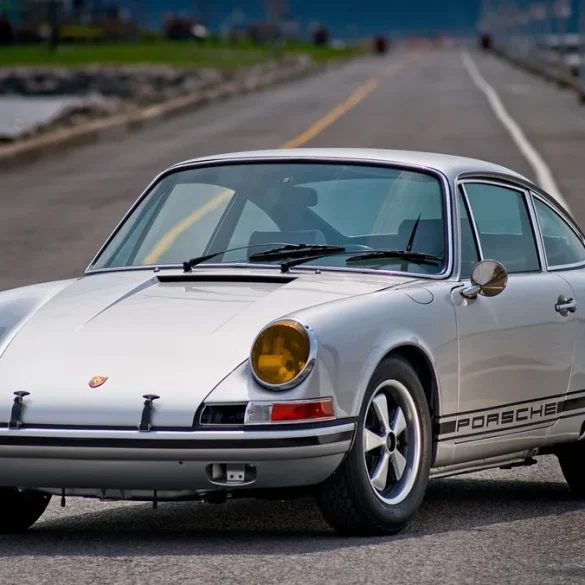
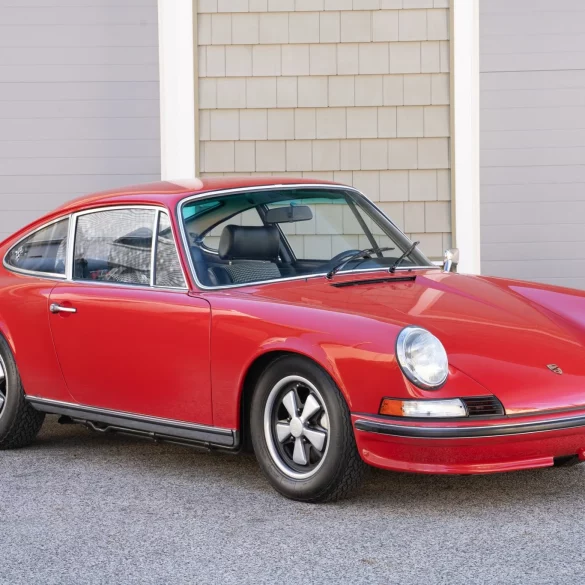
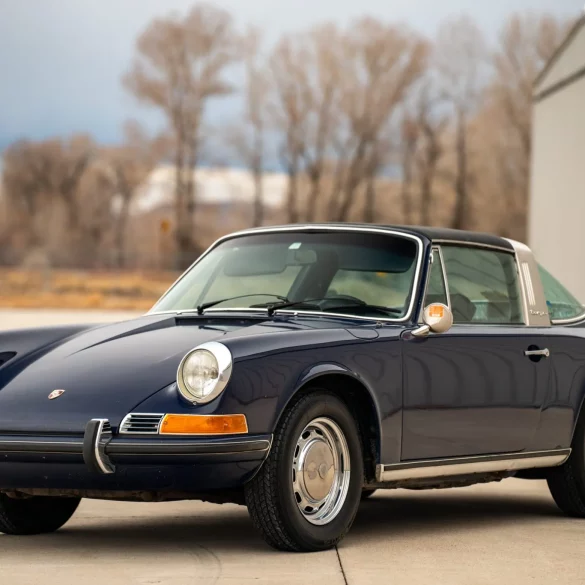
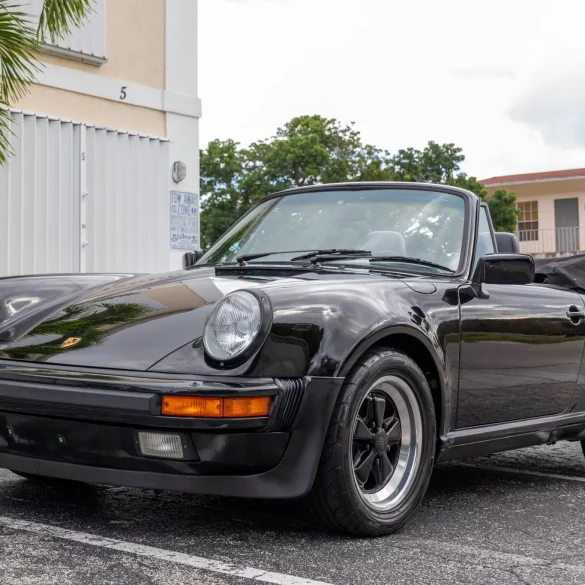
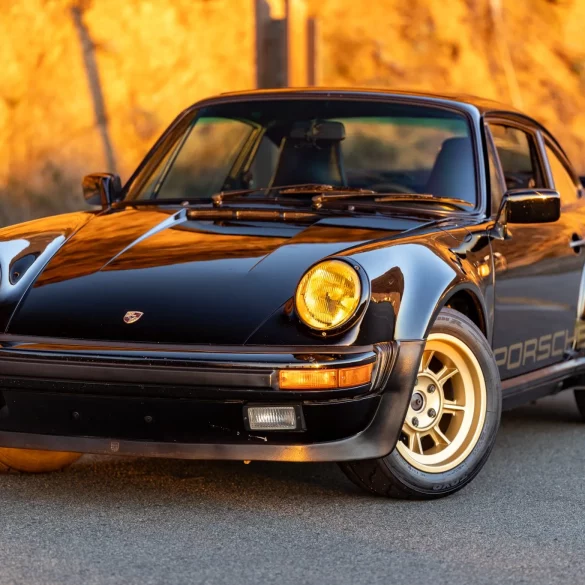
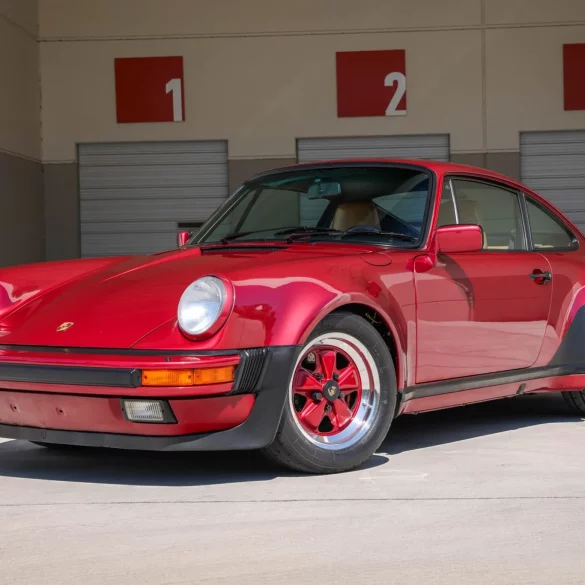
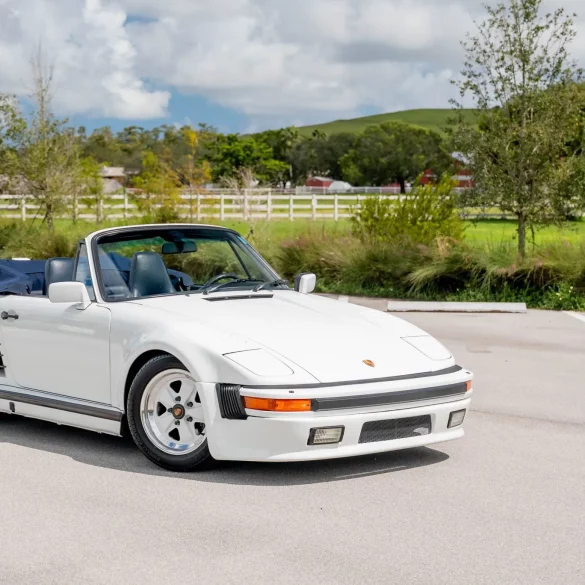
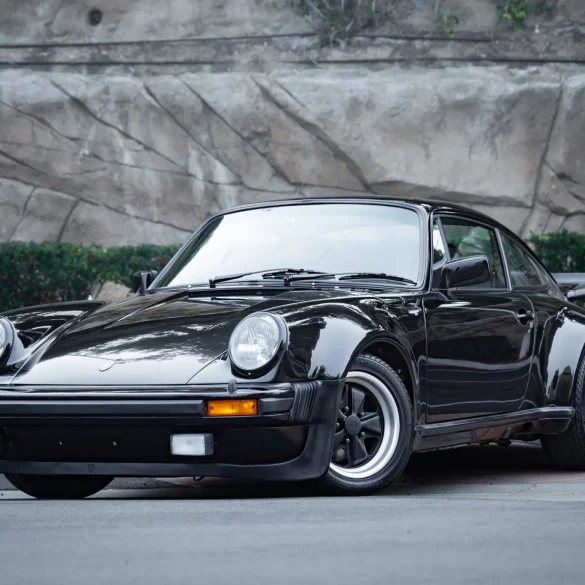
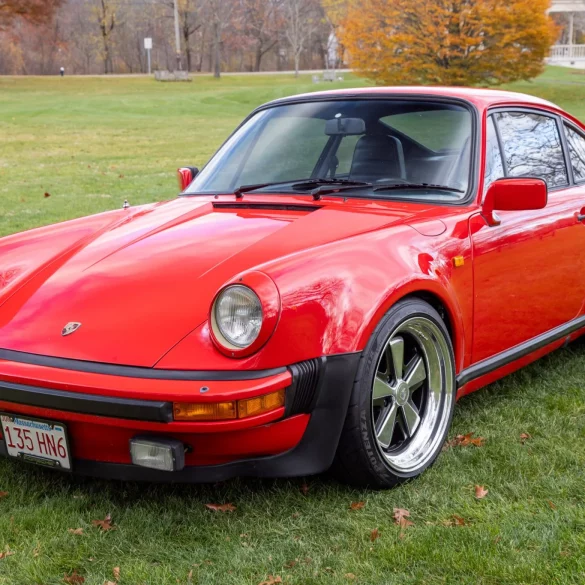
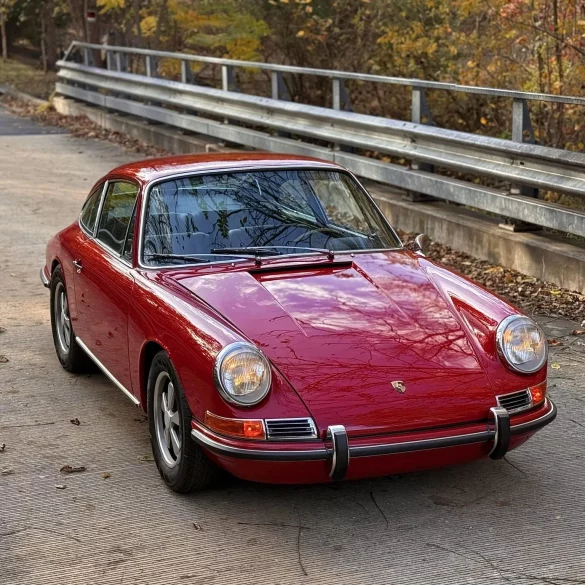
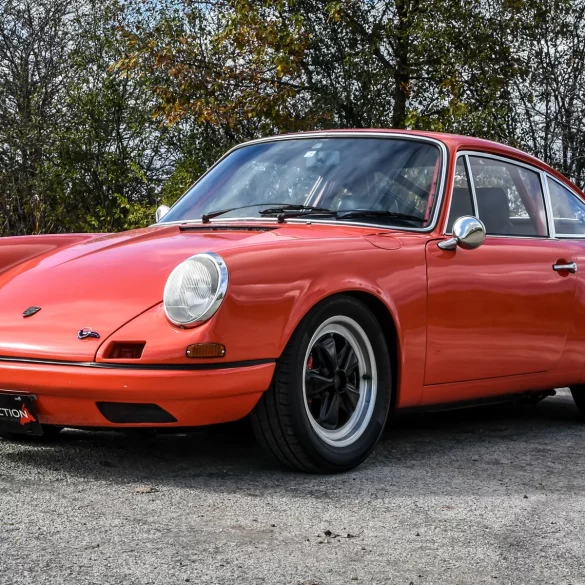
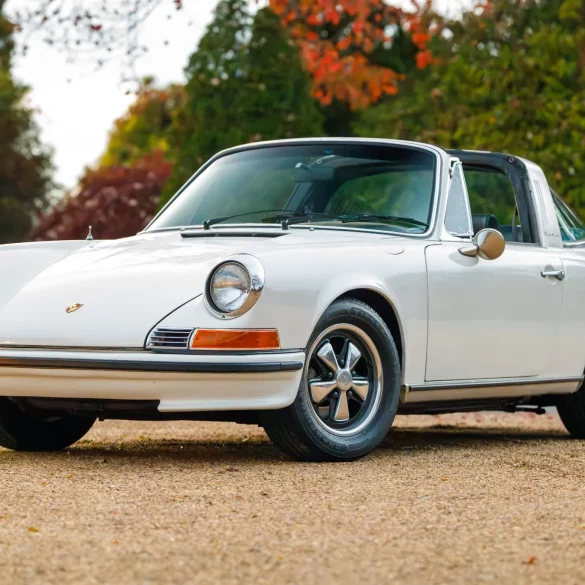
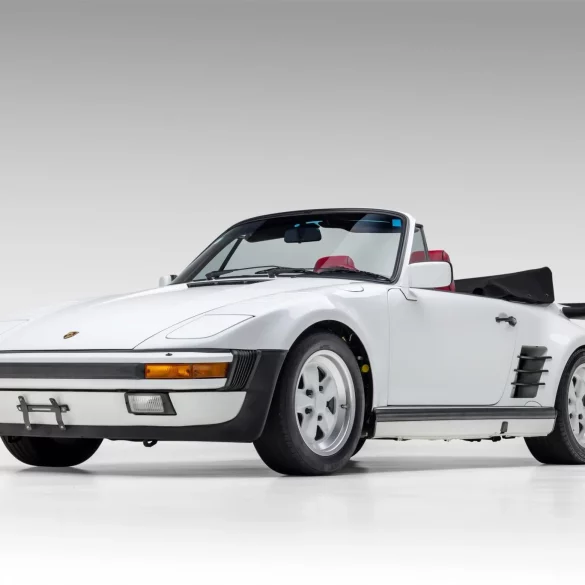
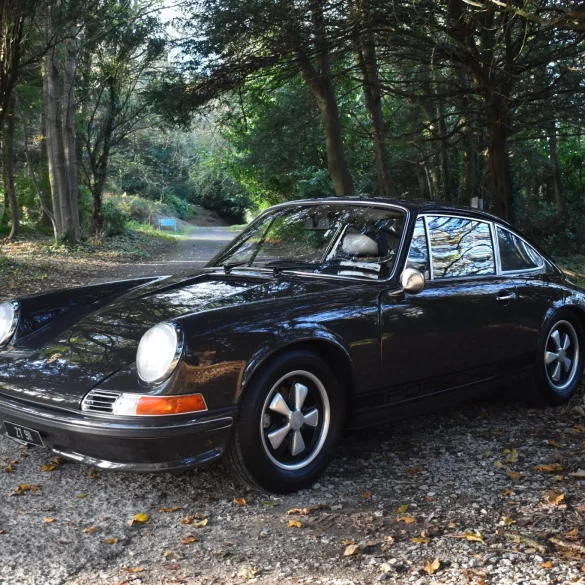
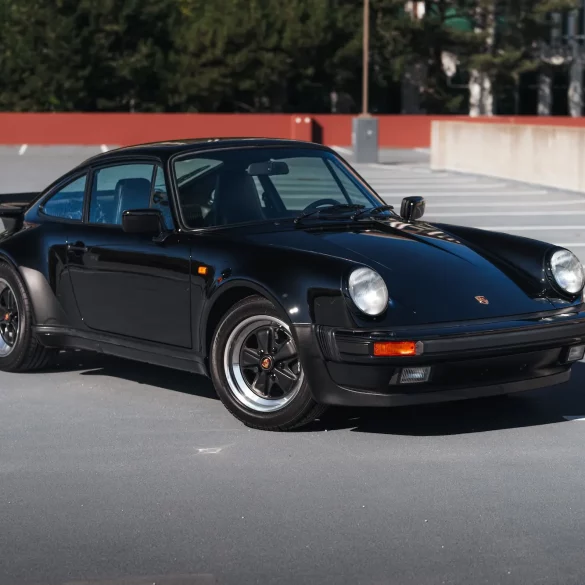
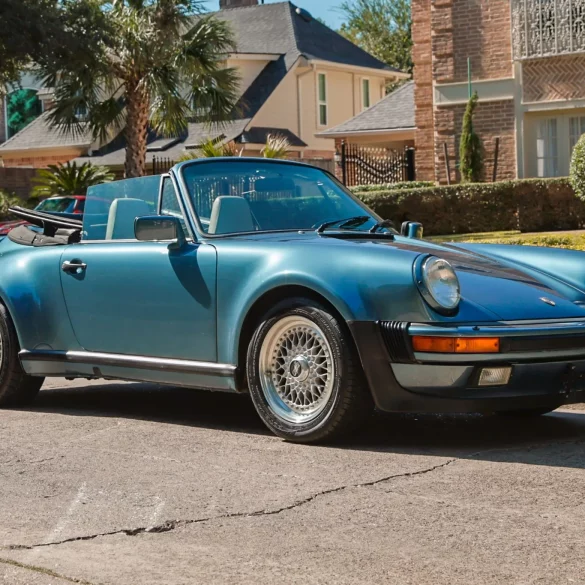
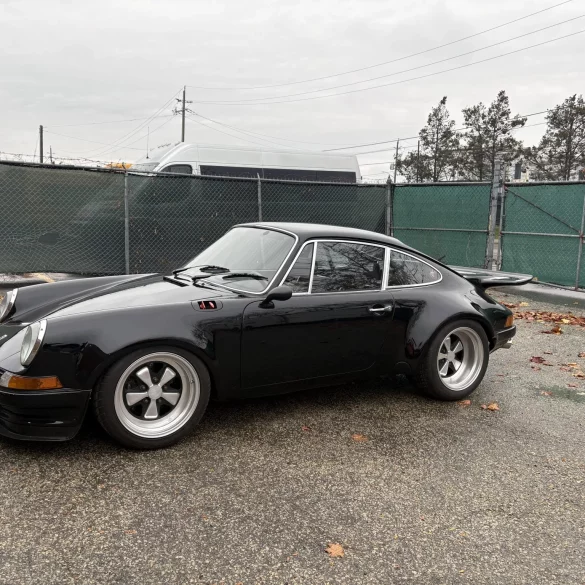
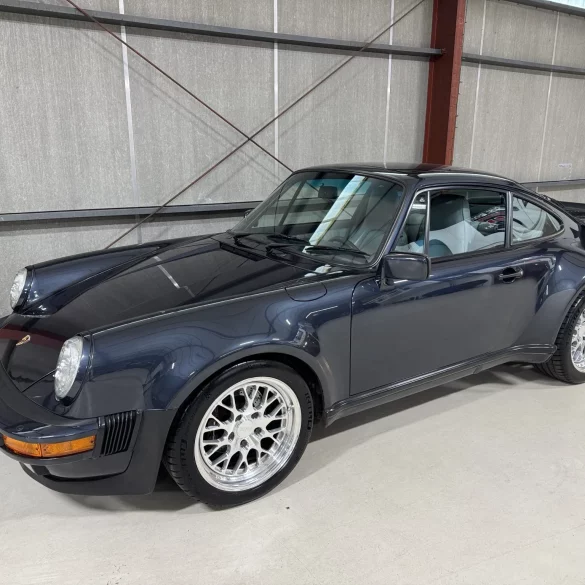
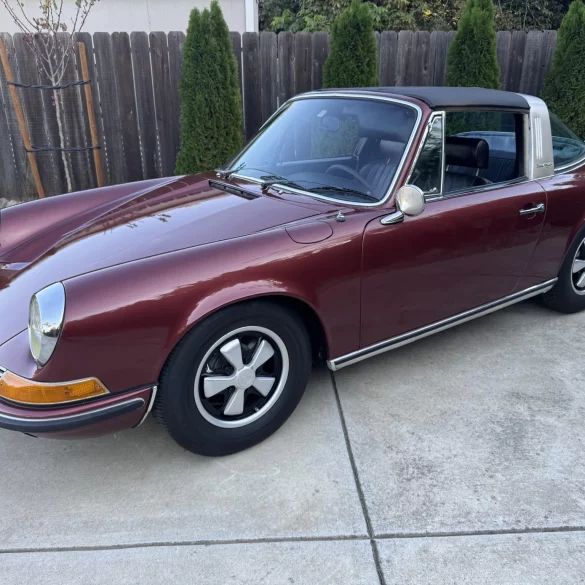
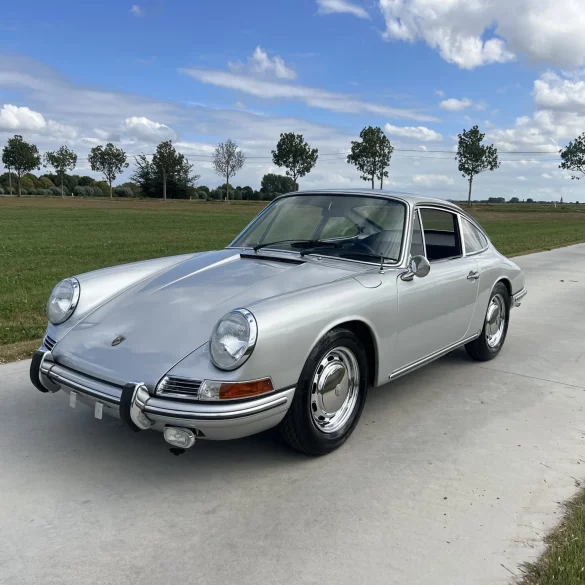
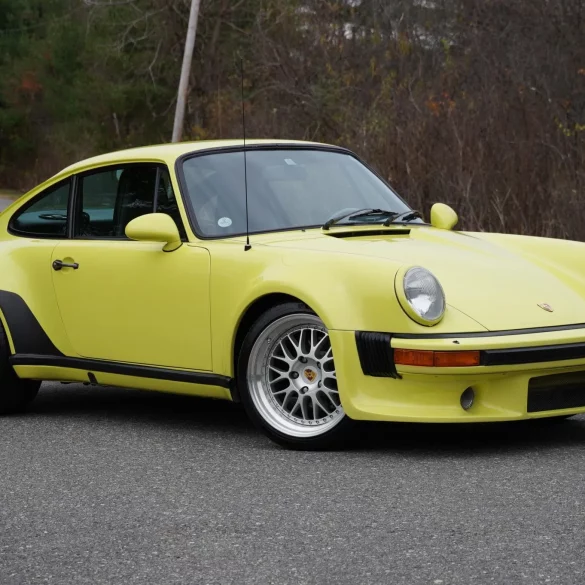
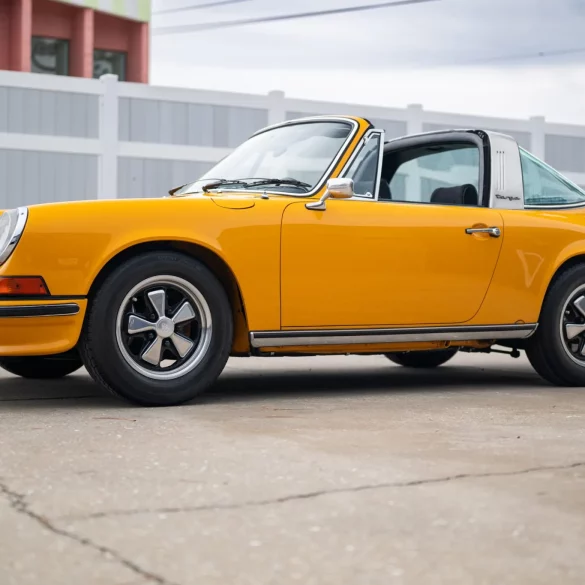
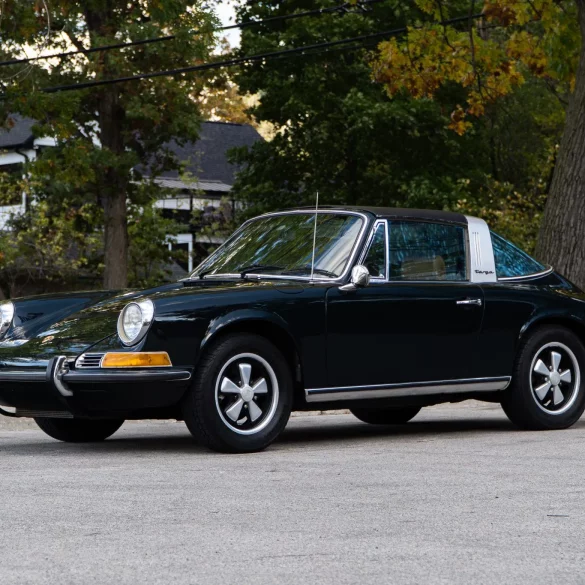
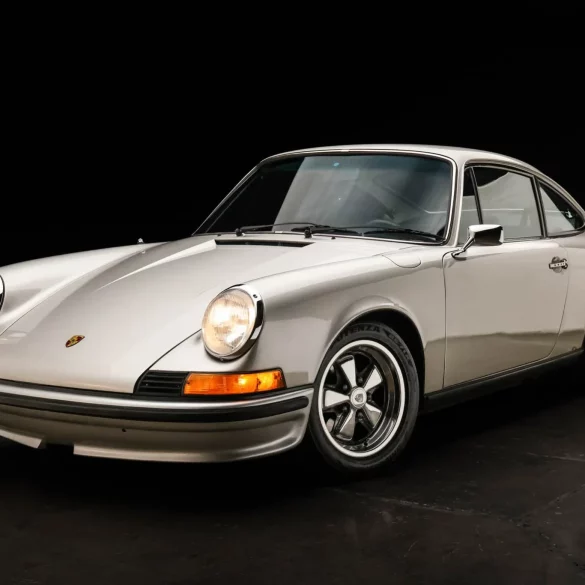
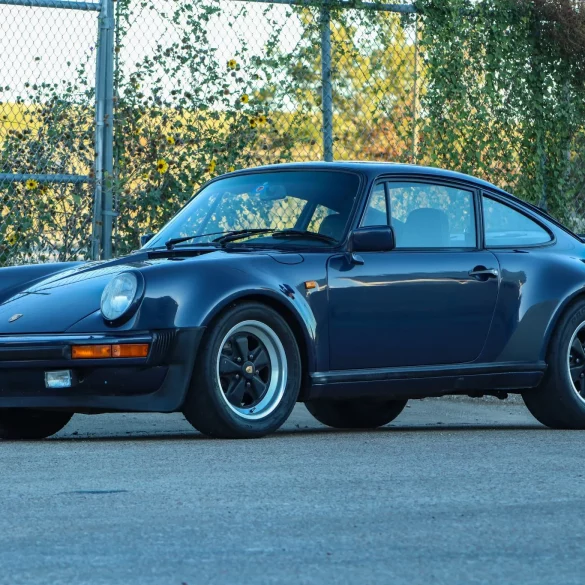
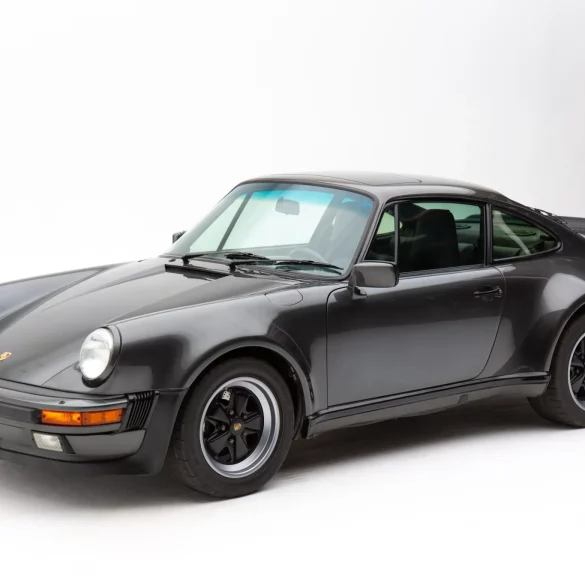
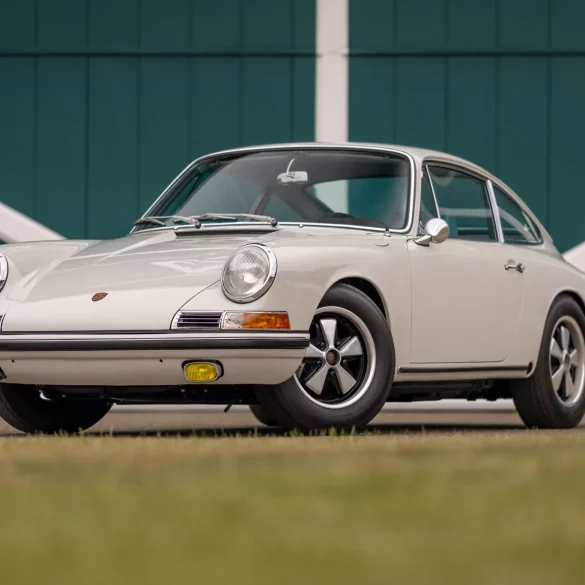
The truly special and unique early classic Porsche 911s at auction or for sale.
Here are some of the most sought‑after variants of the first‑generation Porsche 911 (1965–1973), and what makes each special for collectors and enthusiasts.
The 911 S is widely considered the performance benchmark of the early 911s. With upgraded suspension, higher power, and the distinctive Fuchs alloy wheels first appearing in 1967, it holds a special place in Porsche lore. Its relative rarity compared to base models and the stronger performance credentials make the 911 S highly desirable. For many buyers it delivers the best blend of early 911 purity and performance.
The 911 E, with mechanical fuel injection (MFI) rather than carburettors, occupies a sweet spot in the early 911 range for those seeking a refined yet still raw driver’s car. It’s typically less expensive than the S but offers strong driveability and long‐term appeal. Because its performance is competitive and its usability better than some of the more extreme early models, the 911 E is growing in favour.
Even among the same model designations, the earliest short‑wheelbase (SWB) 911s are more desirable simply because of their age, chassis characteristics, rarity, and purity. These cars retain that lighter, more analog feel, which many purists prize. As the market recognizes that experiential difference, SWB examples command strong premiums.
The Carrera RS 2.7 stands at the top in terms of desirability among this era of 911s. Built for homologation and featuring the iconic “ducktail” spoiler, lightweight construction, upgraded mechanics and just 2.7‑litre displacement, it has become the holy grail of early 911 ownership. It’s rare, historically significant, and demands the highest values accordingly.
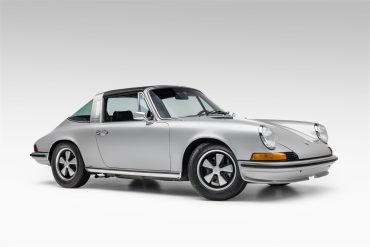
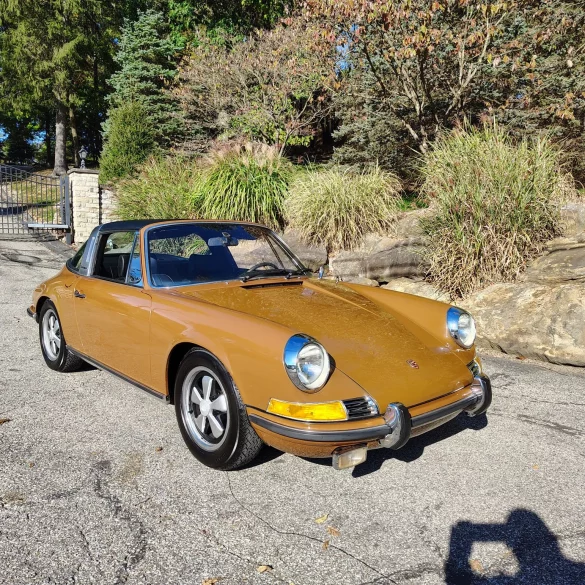
Beyond the headline variants, there are special subset cars that draw strong interest: early Targa models with soft rear windows, cars in rare period factory colours, or those fitted with desirable factory options (e.g., sunroof delete, sport seats, Fuchs wheels). These examples often sit at the next tier of collectability because they offer originality and rarity.
In sum: if you’re looking for the most sought‑after early 911s, your priority list likely starts with the Carrera RS, followed by the 911 S, then the 911 E, especially in SWB form. From there, focus on rare specs, original condition, and provenance. Each step up in rarity, originality and performance brings a meaningful uplift in desirability—and value.
The 1973 Carrera RS 2.7 is widely regarded as the most collectible early 911 of all time. Built for homologation with a focus on light weight, nimble handling, and racing capability, it introduced the legendary “ducktail” rear spoiler and a high-revving flat-six that defined Porsche’s performance ethos. Because of its limited production numbers, motorsport pedigree, and historic significance, RS 2.7 examples consistently command the highest premiums in the classic 911 market and retain — or increase — value over decades.
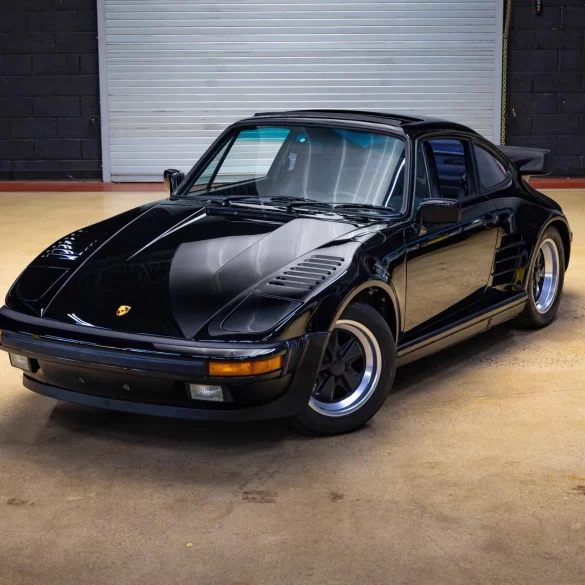
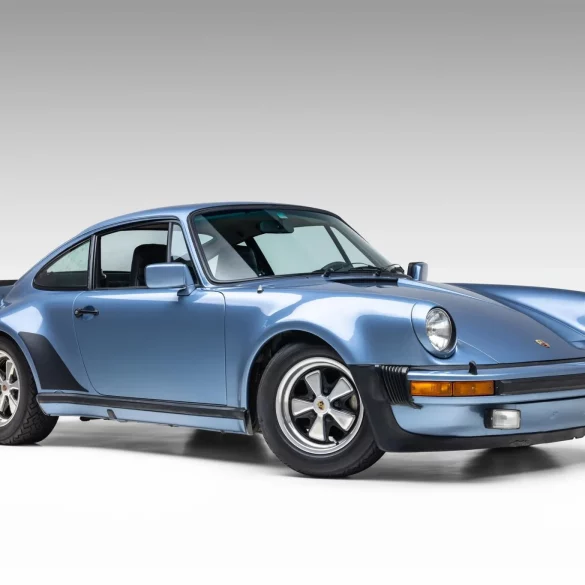
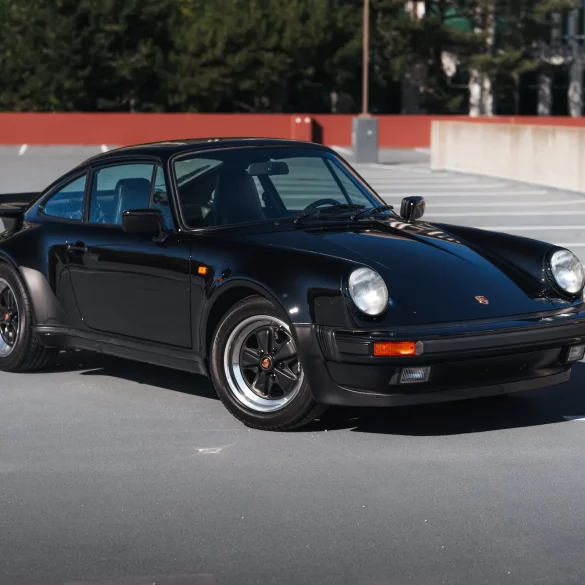
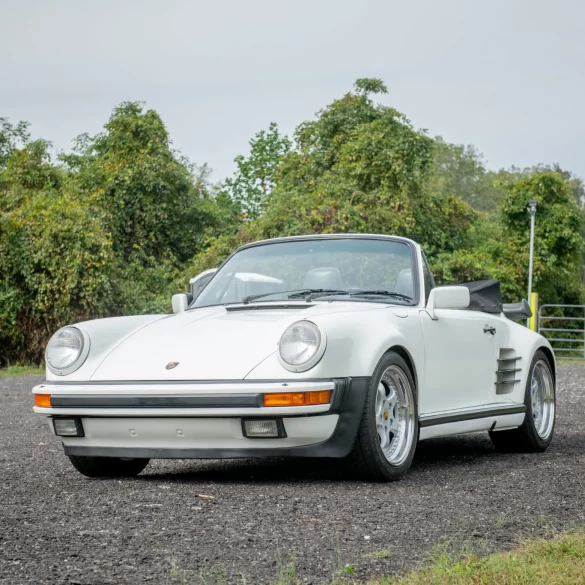
The 930 Turbo is one of the most iconic early classic 911s and a cornerstone of Porsche’s performance lineage. Its introduction of forced induction brought dramatic power gains for the era, along with the distinctive widebody and whale-tail spoiler that became design hallmarks. Early narrow-body “Turbo Look” and late-era Turbo models with higher boost, improved brakes, and better cooling are highly sought after. Because of their performance, rarity relative to non-Turbo cars, and cultural significance, 930 Turbos consistently hold value at the upper tier of the classic market.
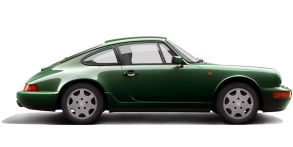
The 964 generation (1989–1994) represents a major evolutionary step for the 911, introducing modernized suspension, improved aerodynamics, and better daily usability while retaining classic character. Within this generation, the 964 RS — a lightweight, purist-oriented homologation car — is especially prized by collectors and has strong value retention. The Carrera 4S, with its aggressive widebody and all-wheel-drive dynamics, has also developed a devoted following and holds value well relative to standard 964 Carreras.
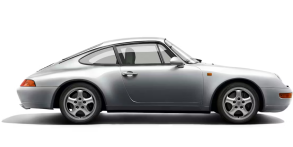
Though slightly newer than the earliest classics, the 993 generation (1995–1998) is often treated as the ultimate classic 911 because it was the last air-cooled 911. Within this range, the 993 Turbo — and especially rare Turbo S examples — are among the most robust value performers in the entire classic Porsche market. With twin-turbo power, all-wheel drive, and refined suspension, these cars combine classic air-cooled character with modern performance. The Turbo S’s limited numbers and high specification push its values even higher.
Across early classic generations, other Carrera RS variants hold value exceptionally well due to their lightweight focus and motorsport connections. Examples include the 911 Carrera RS 3.0 from the mid-1970s and later homologation variants such as the 964 RS (including Club Sport and lightweight derivatives). Even beyond the original 2.7 RS, these lightweight, driver-focused cars have established themselves as favorite collector picks and often outperform more pedestrian models in the marketplace.
Historic Significance plus Rarity: Cars like the RS 2.7 and 930 Turbo were built as limited (or quasi-limited) homologation models, giving them historical importance that collectors reward with premium pricing.
Performance Heritage: Turbocharged cars and RS variants pushed the boundaries of what a 911 could do in their eras, building reputations that persist among drivers and collectors alike.
Analog Driving Experience: Purist-leaning trims with minimal driver aids and lightweight construction (like RS models) are often considered “purest” 911 expressions — increasing long-term desirability.
Classic Air-Cooled Appeal: Particularly with the 993 Turbo and RS derivatives, the fact that they represent the last generation of air-cooled engines gives them enduring appeal and collector cachet.
While modern 911s (997, 991, 992) have seen strong used-market pricing, air-cooled classics occupy a distinct collector stratosphere. Original early 911s that are well maintained, unmodified, and thoroughly documented tend to hold — or even increase — value over time, whereas more common or less special variants depreciate in the classic market.
The early Porsche 911 (F-series) market has largely moved out of the speculative boom phase and into a period of price normalization and selectivity, rather than broad decline. After the sharp run-up in values between roughly 2014 and 2021, prices today are more stable, with buyers becoming increasingly discerning about originality, documentation, and correctness. Well-sorted, authentic cars continue to command strong money, while average or poorly documented examples are seeing softer demand.
Across the board, condition and originality now matter more than ever. Numbers-matching engines and gearboxes, correct period finishes, original interiors, and factory documentation play a major role in pricing. Cars that were restored years ago to looser standards—or modified in ways that were once overlooked—are now often discounted compared to properly restored or well-preserved survivors. As a result, price gaps between “excellent” and “average” F-series cars have widened significantly.
In terms of hierarchy, top-tier variants remain extremely strong. The 1973 Carrera RS 2.7 continues to sit in a category of its own, with values remaining firmly in blue-chip collector territory. Even in a cooler collector market, genuine RS cars show little volatility, driven by their motorsport significance, limited production, and global demand. These cars are largely insulated from short-term market swings and are increasingly treated as long-term automotive assets.
More accessible F-series models—such as early 911S, 911E, and well-optioned long-hood 911T cars—have shown mixed movement depending on quality. Top-spec, correctly restored 911S models remain highly desirable and continue to trade strongly, while driver-grade or cosmetically restored examples are seeing more negotiation than in prior years. The 911E, long viewed as the sweet spot for drivability, has benefited from renewed interest among enthusiasts who want period performance without RS pricing.
The entry-level long-hood market—particularly for standard 911T models—has softened modestly compared to peak pricing, but remains well above pre-boom levels. Buyers are still willing to pay strong money for honest, mechanically sound cars, especially those with original bodies and drivetrains. However, projects, incomplete restorations, and cars with rust or questionable histories are taking longer to sell and often require meaningful price adjustments.
Another notable trend is the growing premium for known provenance and transparency. Cars with early ownership records, period photos, factory build sheets, and long-term custodianship tend to sell faster and for more money than comparable cars without history. As the F-series market matures, buyers are increasingly behaving like collectors rather than speculators, prioritizing confidence over speed.
Looking forward, the outlook for early Porsche 911s remains structurally strong, even if explosive appreciation has slowed. These cars benefit from timeless design, historical importance, and a shrinking pool of correct, original examples. While short-term pricing may fluctuate with broader economic conditions, the long-term trend for high-quality F-series cars remains positive—particularly for original, well-documented, and correctly restored examples.
Porsche 911 F-Series models are widely regarded as strong long-term collector cars rather than short-term flips. While the rapid appreciation seen in the mid-2010s has cooled, values for well-documented, numbers-matching, and correctly restored examples remain stable and resilient. Top-tier variants such as the 911S and Carrera RS continue to command significant premiums, while honest driver-quality cars still offer entry points into classic 911 ownership with solid downside protection. As supply of original, unmodified cars continues to shrink, long-term investment fundamentals remain favorable.
Documentation is critical when buying an early Porsche 911. The most desirable F-Series cars typically include a Porsche Certificate of Authenticity (COA) or Kardex, service records, ownership history, restoration photos (if applicable), and matching engine and gearbox numbers. Cars with clear provenance, original build details, and transparent history not only sell faster but also command higher prices. Missing or inconsistent documentation is one of the biggest red flags for buyers in the classic 911 market.