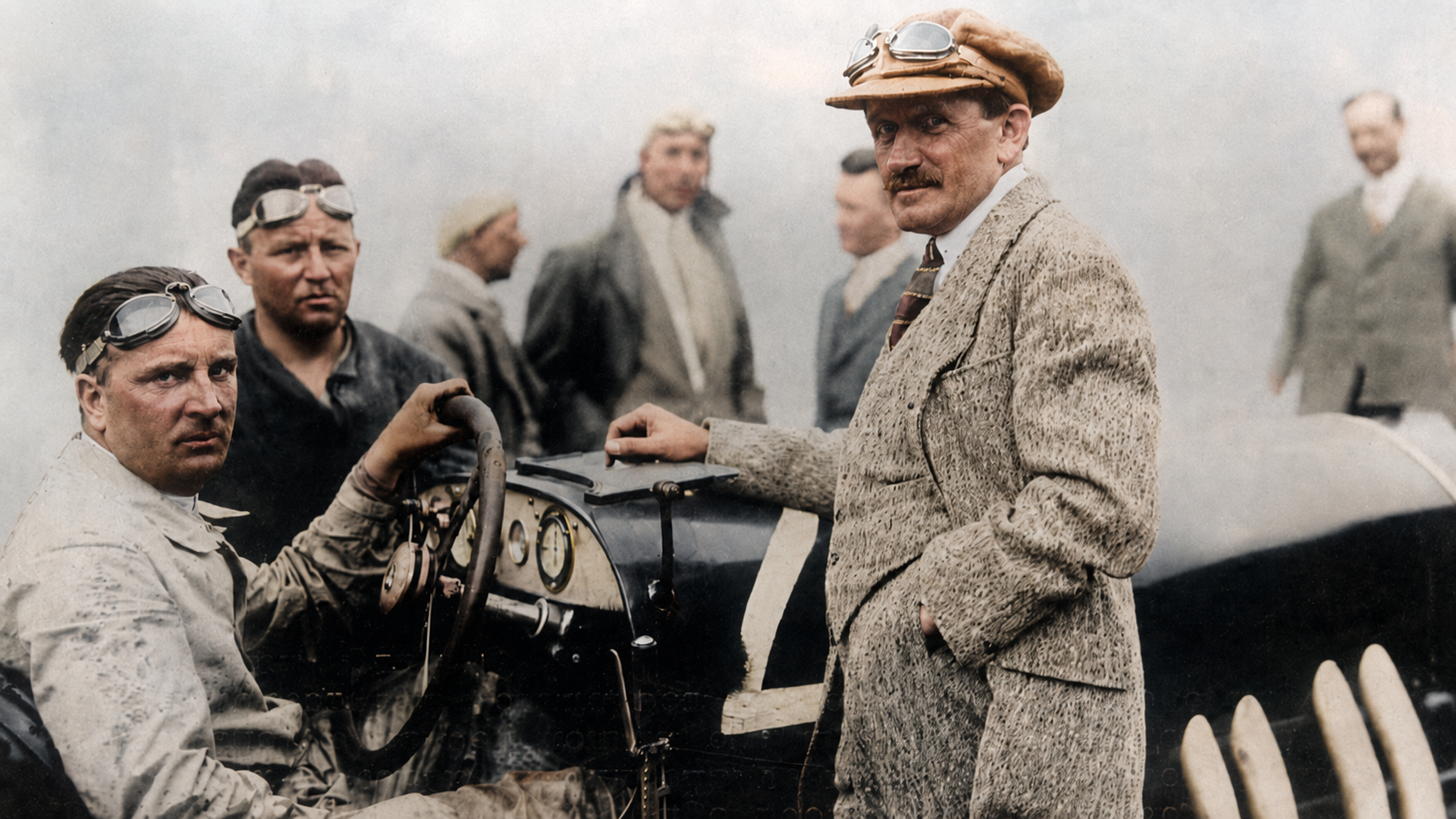
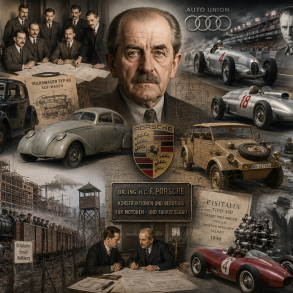
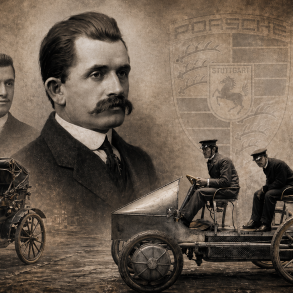
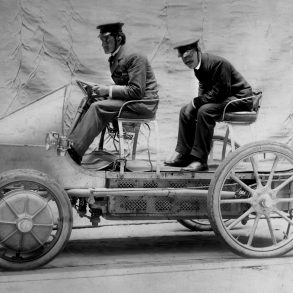
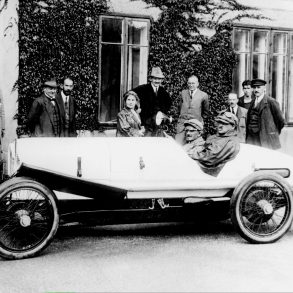
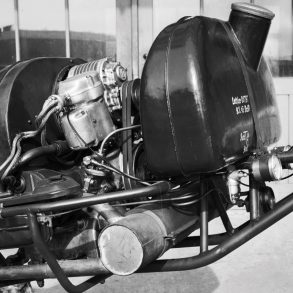
When Ferdinand Porsche left Ludwig Lohner’s world in 1906, he did not leave behind the engineering instinct that had defined his earliest work. The electric wheel-hub motors, the Lohner-Porsche, the Semper Vivus, and the Mixte had already revealed something fundamental about him. Porsche did not think of the automobile as a fixed object. He saw it as a problem to be solved — power, weight, traction, packaging, reliability, efficiency, and speed, all competing against one another in the same machine.
At Lohner, that problem had been electric. At Austro-Daimler, it became something larger, louder, faster, and more industrial.
No Subscription? You’re missing out
Get immediate ad-free access to all our premium content.
Get Started