

Long before a GT3 Bergsport finds itself climbing toward some distant Alpine pass, engine echoing off the rock walls and the next hairpin appearing rather sooner than expected, it has to be built. That story begins in Zuffenhausen. Photographer Stefan Bogner went there to follow the production of the GT3 Bergsport market edition, tracing the car from the orderly business of 911 production through the decidedly more personal finishing work of Porsche Exclusive Manufaktur. What he found was a factory where sophisticated machinery and old-fashioned human craftsmanship coexist remarkably well.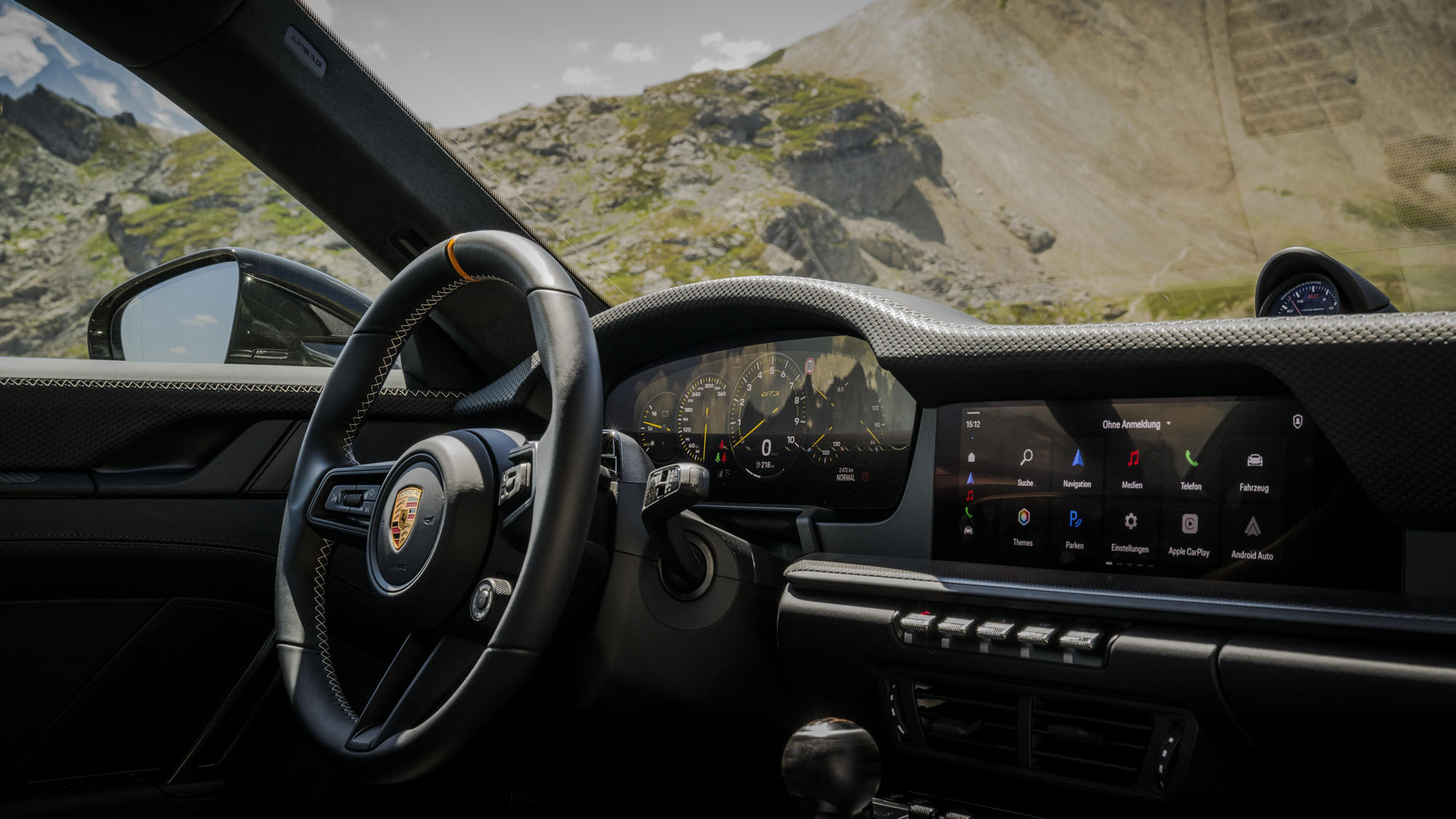
Where 911s Come From
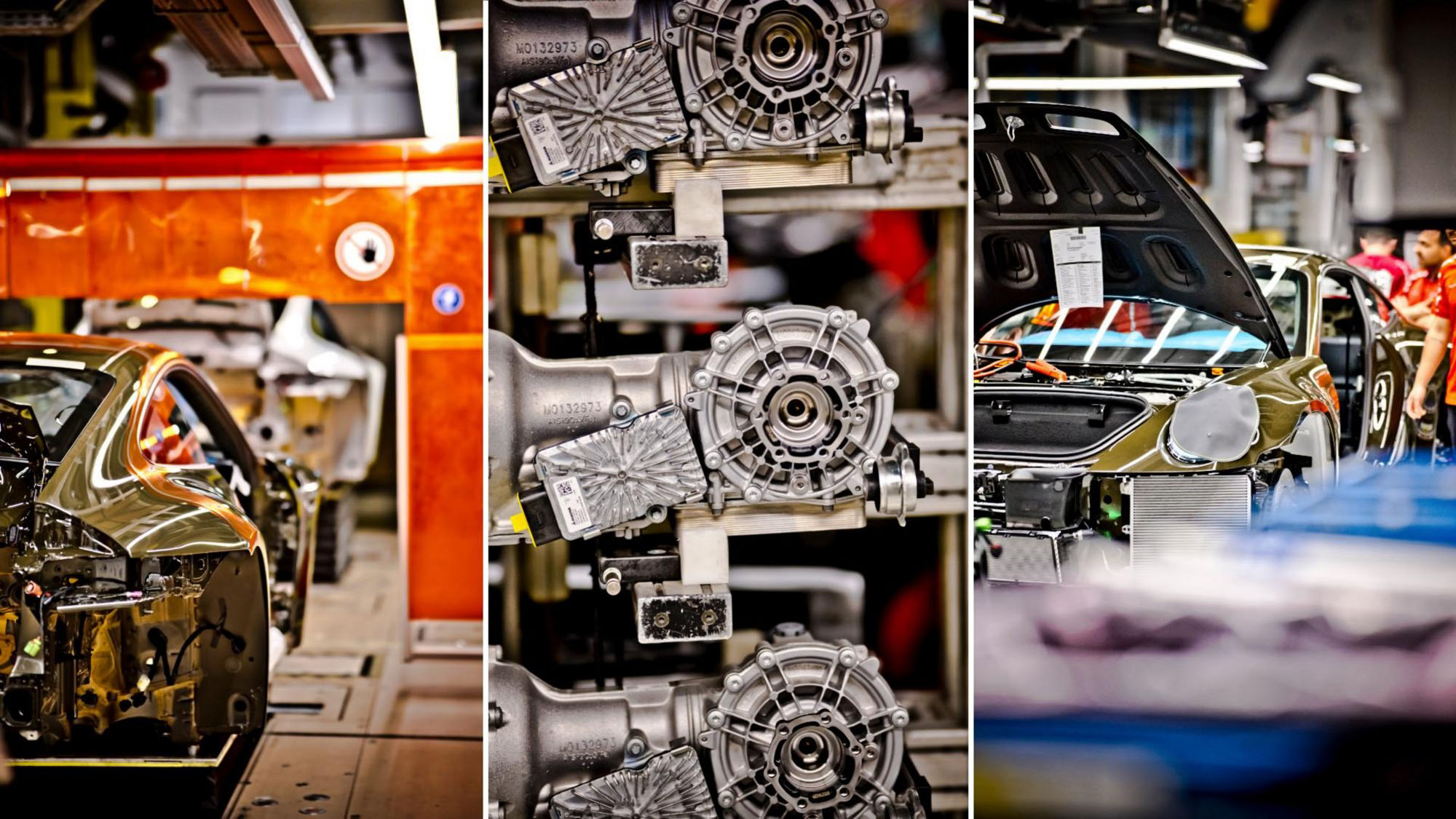
The Porsche 911 has been built in Zuffenhausen for more than six decades, which seems appropriate. Certain cars become so closely associated with a place that it’s difficult to imagine them coming from anywhere else. A modern 911 contains roughly 1,900 components, and Porsche currently builds 25 variants of the car—from the Carrera and special market editions such as the GT3 Bergsport to GT3 Cup racing cars.
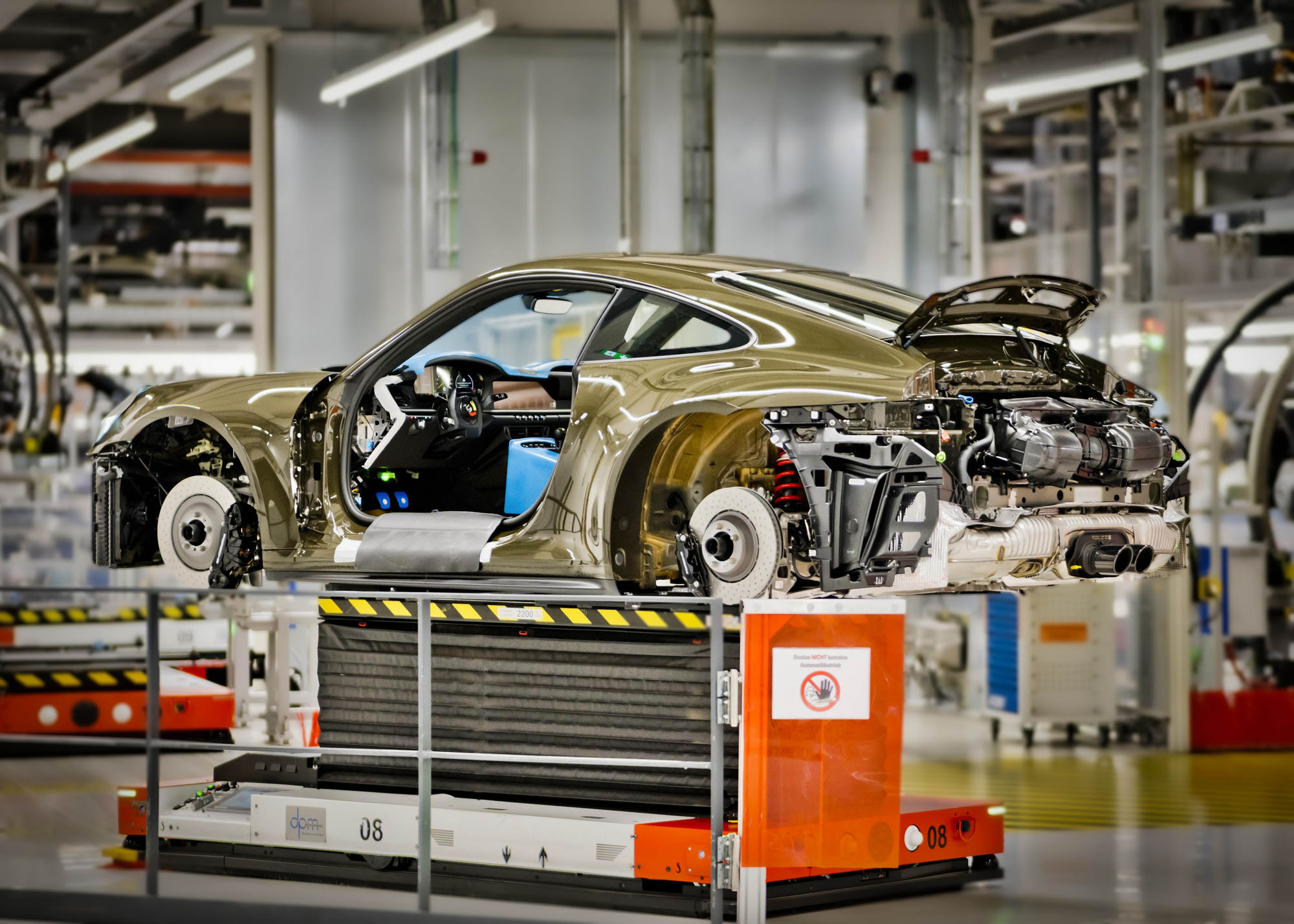
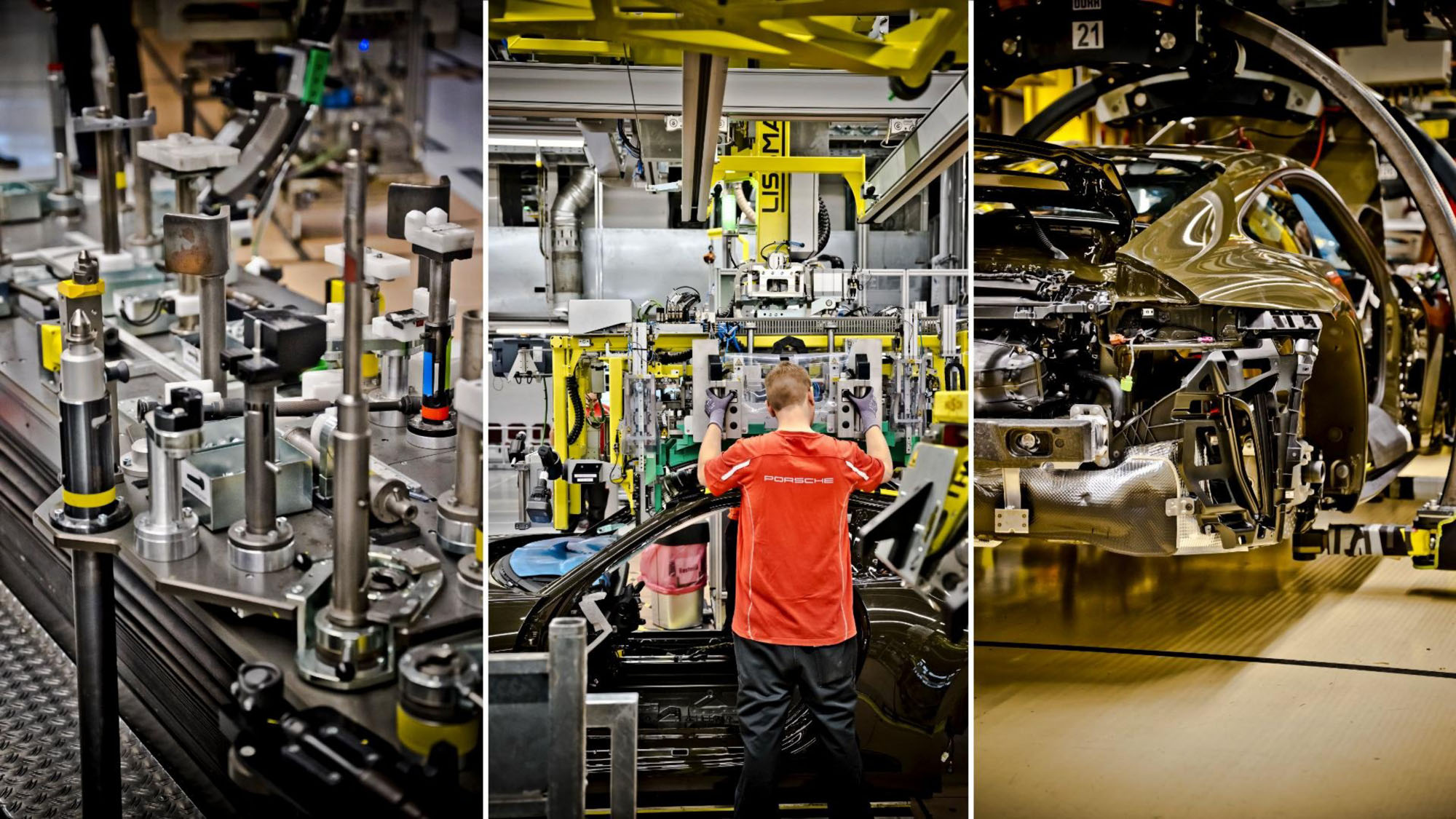
More remarkable than the number of versions is the fact that they all emerge from the same production line. Think about that for a moment. A Carrera intended for the morning commute can be followed through the factory by something destined for a racetrack, with any number of permutations of engines, interiors, suspensions and options mixed in between. Making that work requires an unusually flexible production system and a considerable amount of choreography.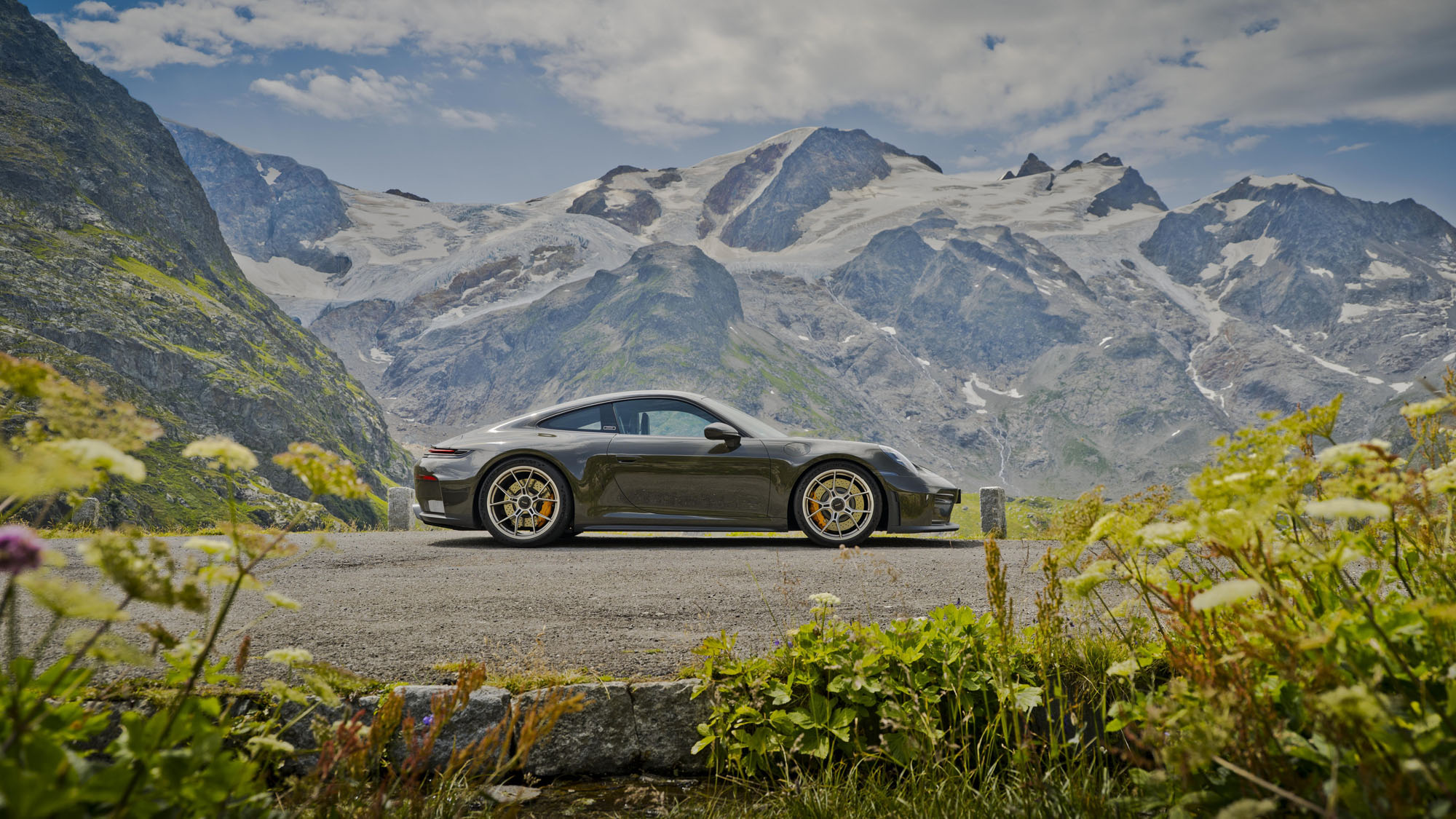
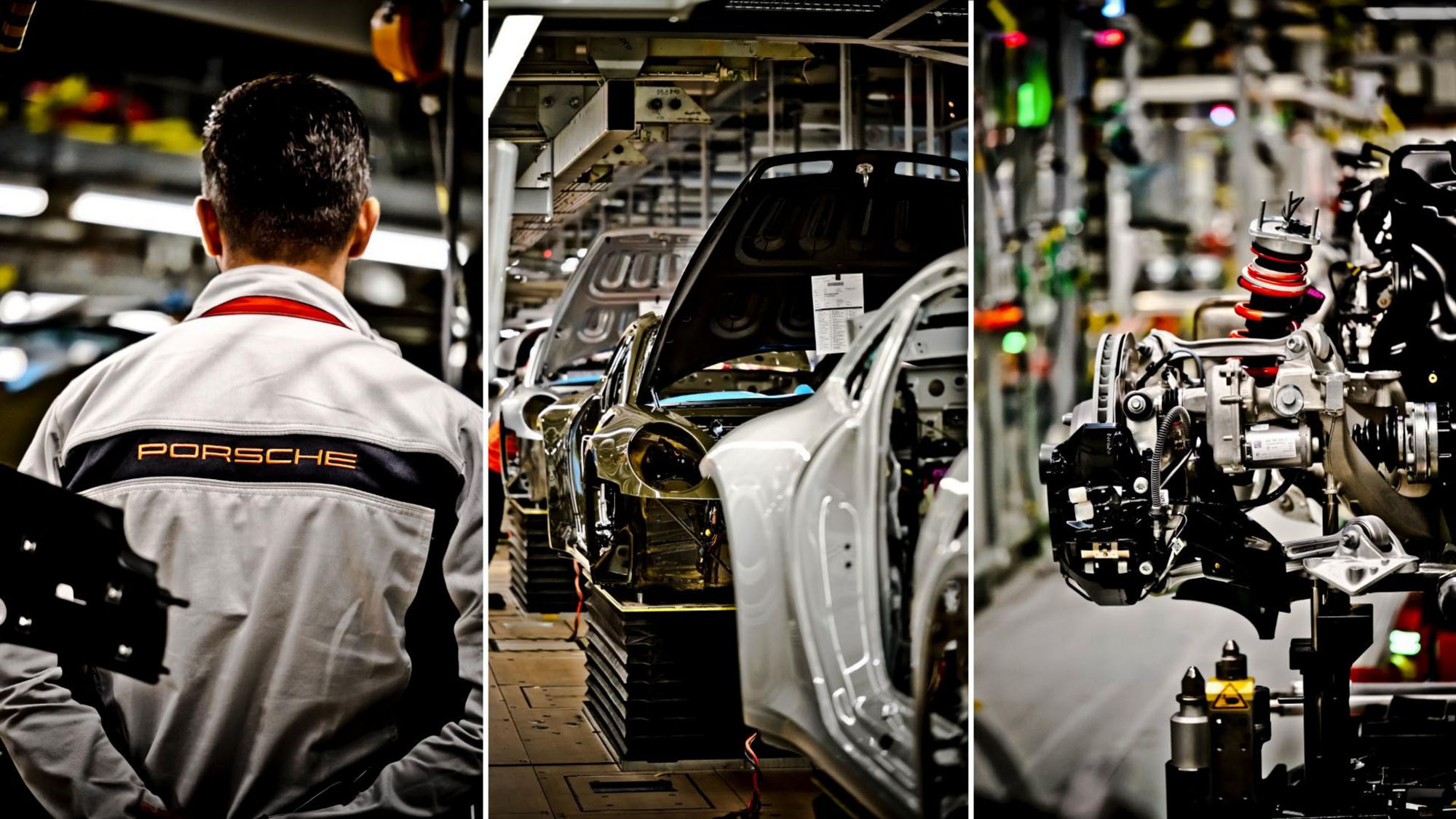
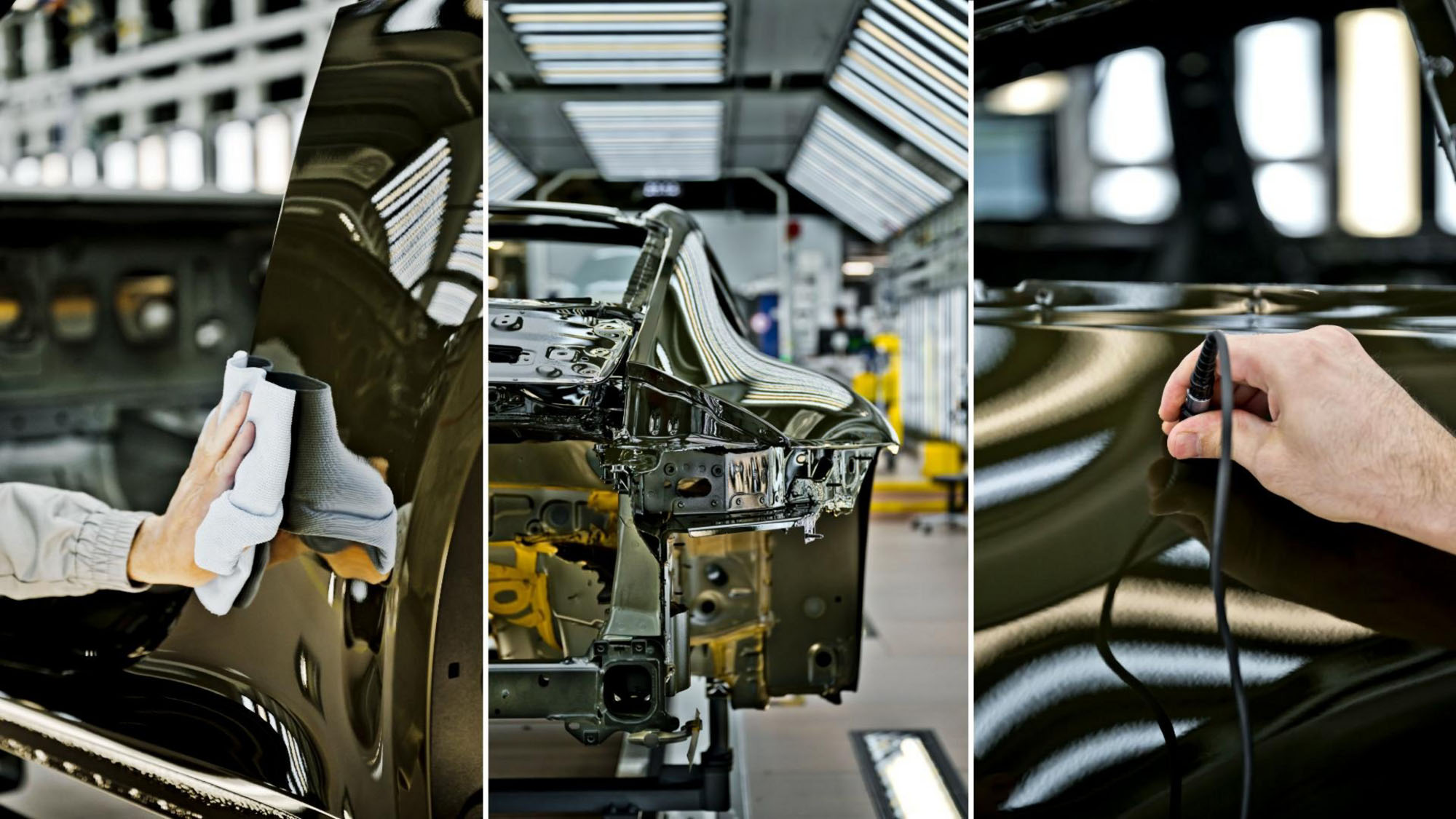
A 911 takes about four days to travel from body construction and paint through final assembly. Robots handle jobs where unwavering precision and repetition are virtues. People take over where judgment, touch and experience matter more. And despite everything we tend to imagine about a modern automobile factory—all those robots moving with eerie synchronization and sparks flying in carefully programmed arcs—Bogner came away thinking primarily about the people.
A Little More by Hand
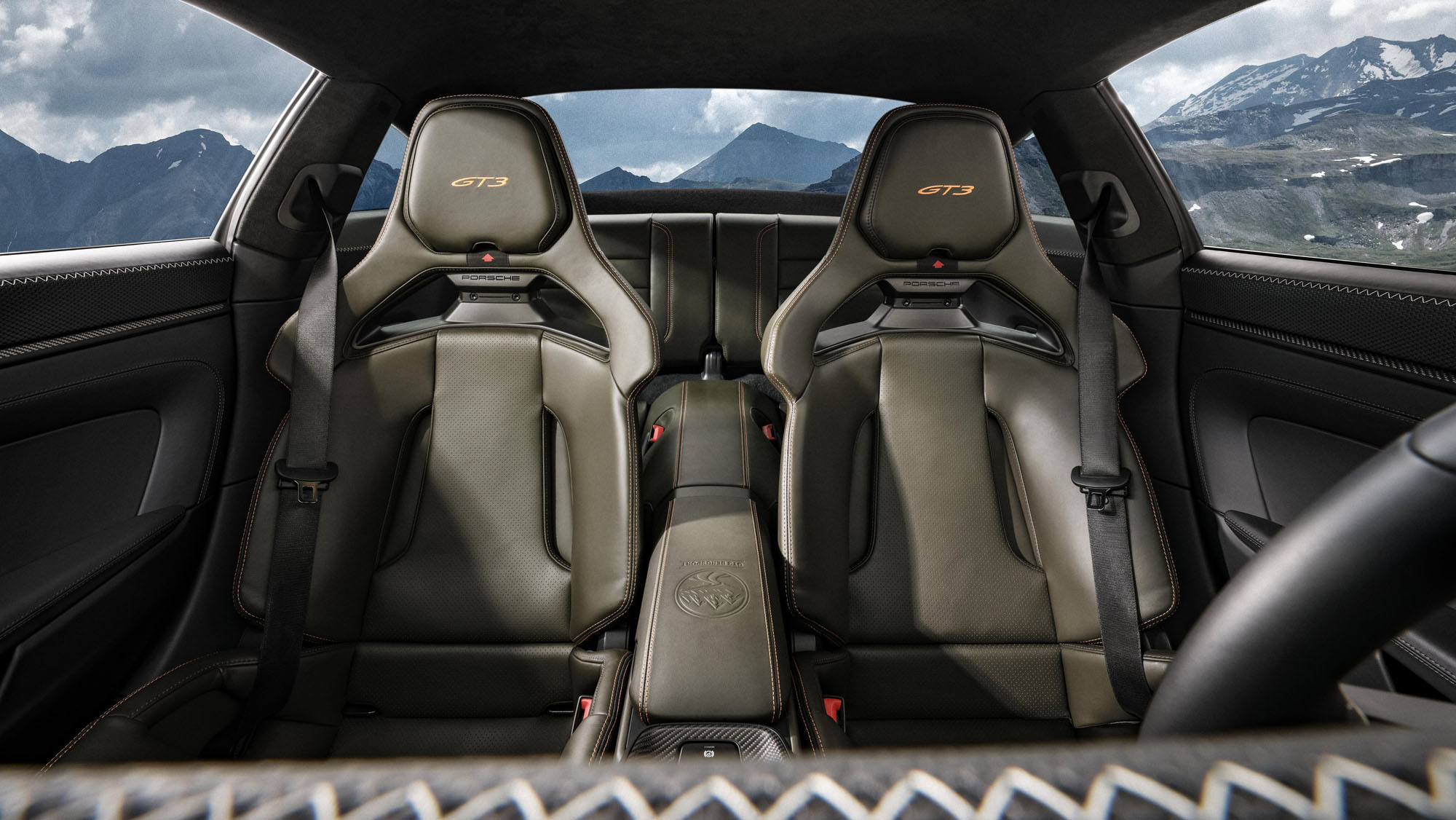
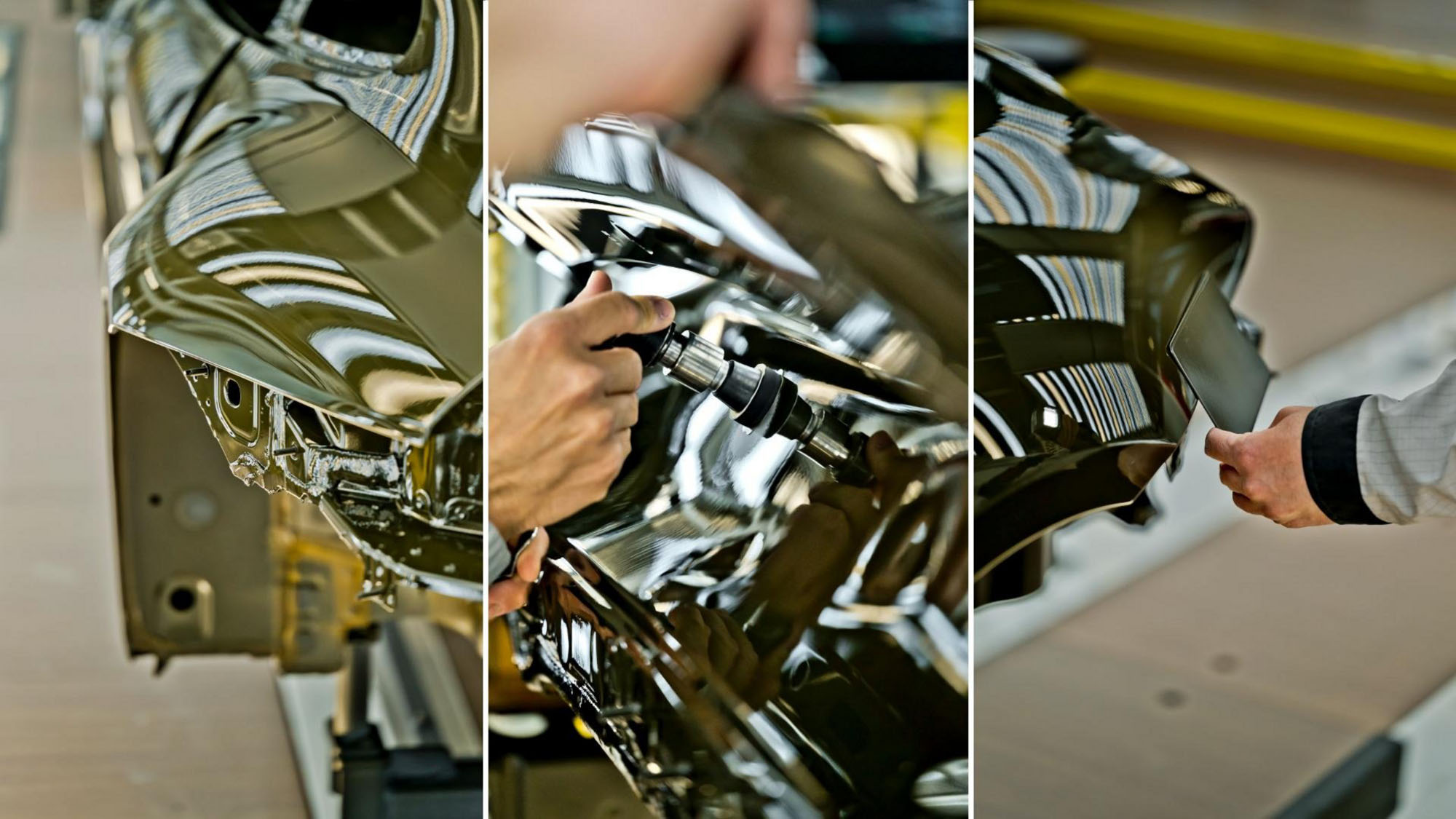
The GT3 Bergsport begins life much as other 911s do. Its body is constructed using the same processes, painted—in this instance, a rather striking Valleygreenmetallic—and sent through the regular assembly operation. Then things become more specialized. After series production, the car passes into the hands of Porsche Exclusive Manufaktur, where details specific to the Bergsport are fitted and finished by hand.
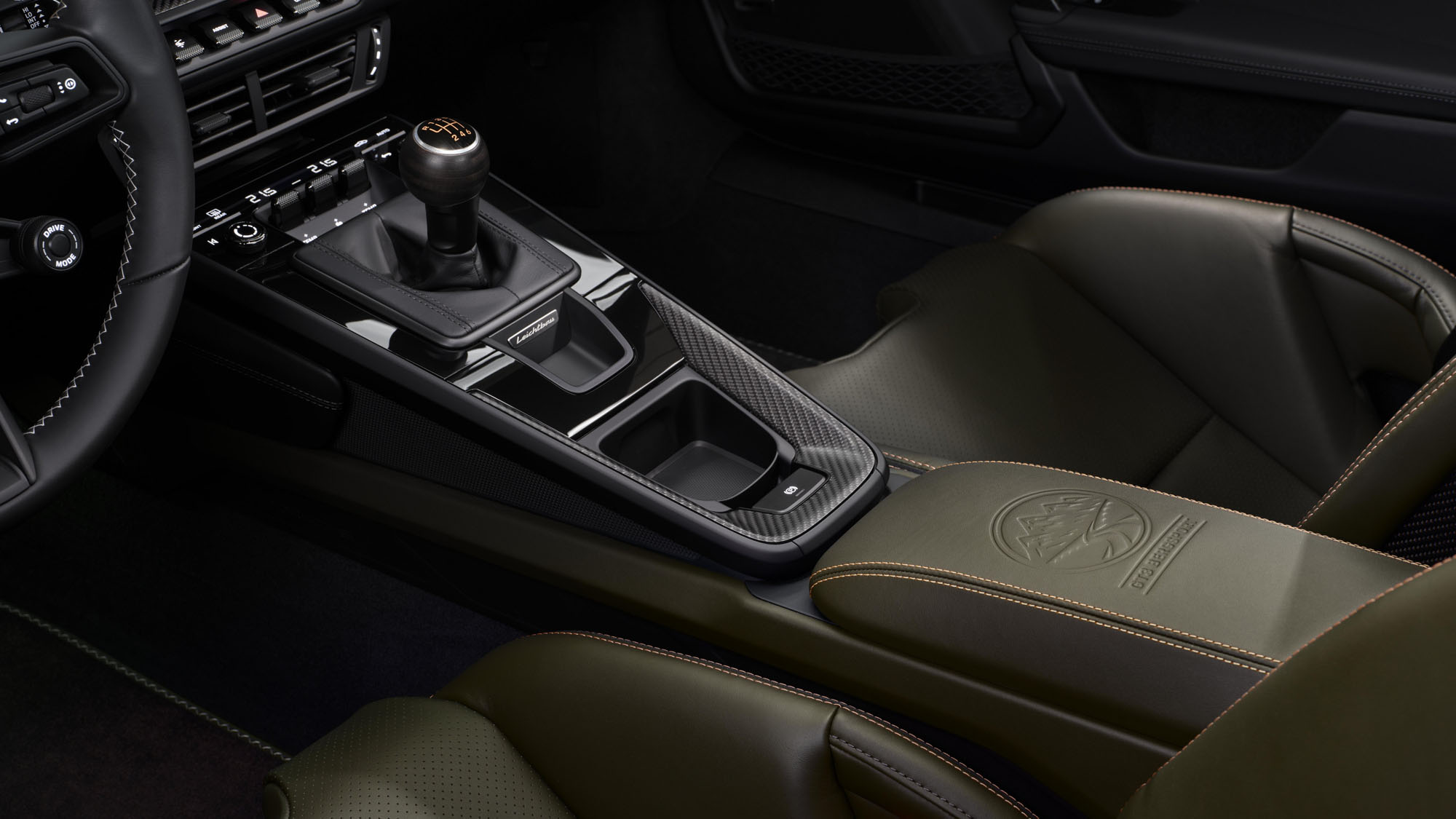
Some are obvious; others are the sort of details you might not notice until you’ve owned the car for a while. There’s a circular badge on the B-pillar carrying the “GT3 Bergsport” inscription and another badge on the rear-lid grille. The leather center-console lid is embossed, while orange, black and white decorative stitching carries the theme through the cabin.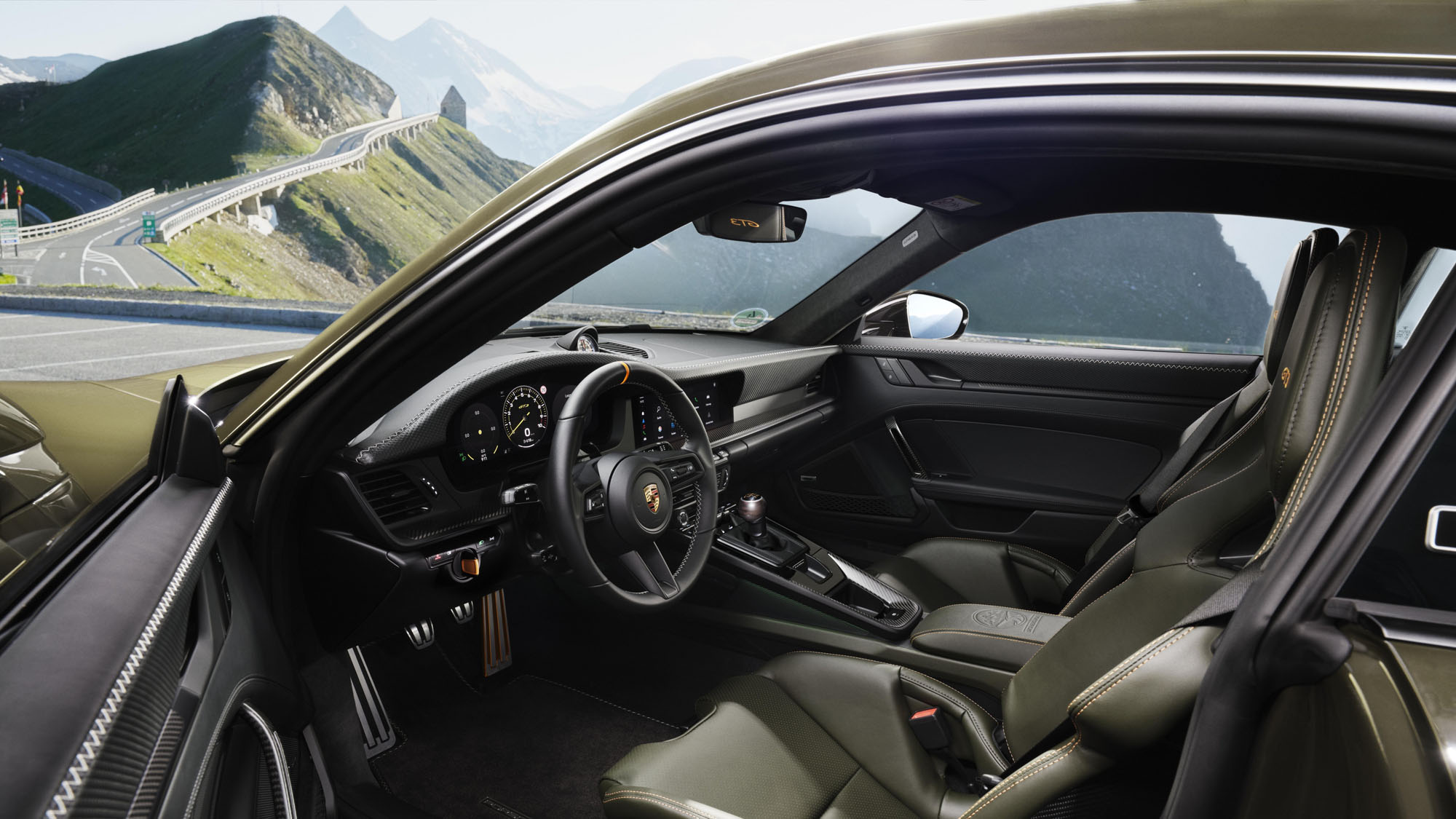
Even the objects that spend most of their lives in your pocket or glovebox receive the same treatment. The key, leather key pouch and documentation wallet are finished to match the Bergsport’s colors and graphics. None of these things will make the car accelerate harder or turn into an Alpine hairpin any faster. That’s not really the point. They exist because details have always mattered in sports cars.

 The Human Part of the Machine
Modern automobile production is an extraordinary exercise in efficiency. It has to be. Building something as mechanically complicated as a 911 in dozens of configurations would otherwise become hopelessly expensive and chaotic. But watching a car such as the GT3 Bergsport come together is also a reminder that efficiency isn’t the whole story.
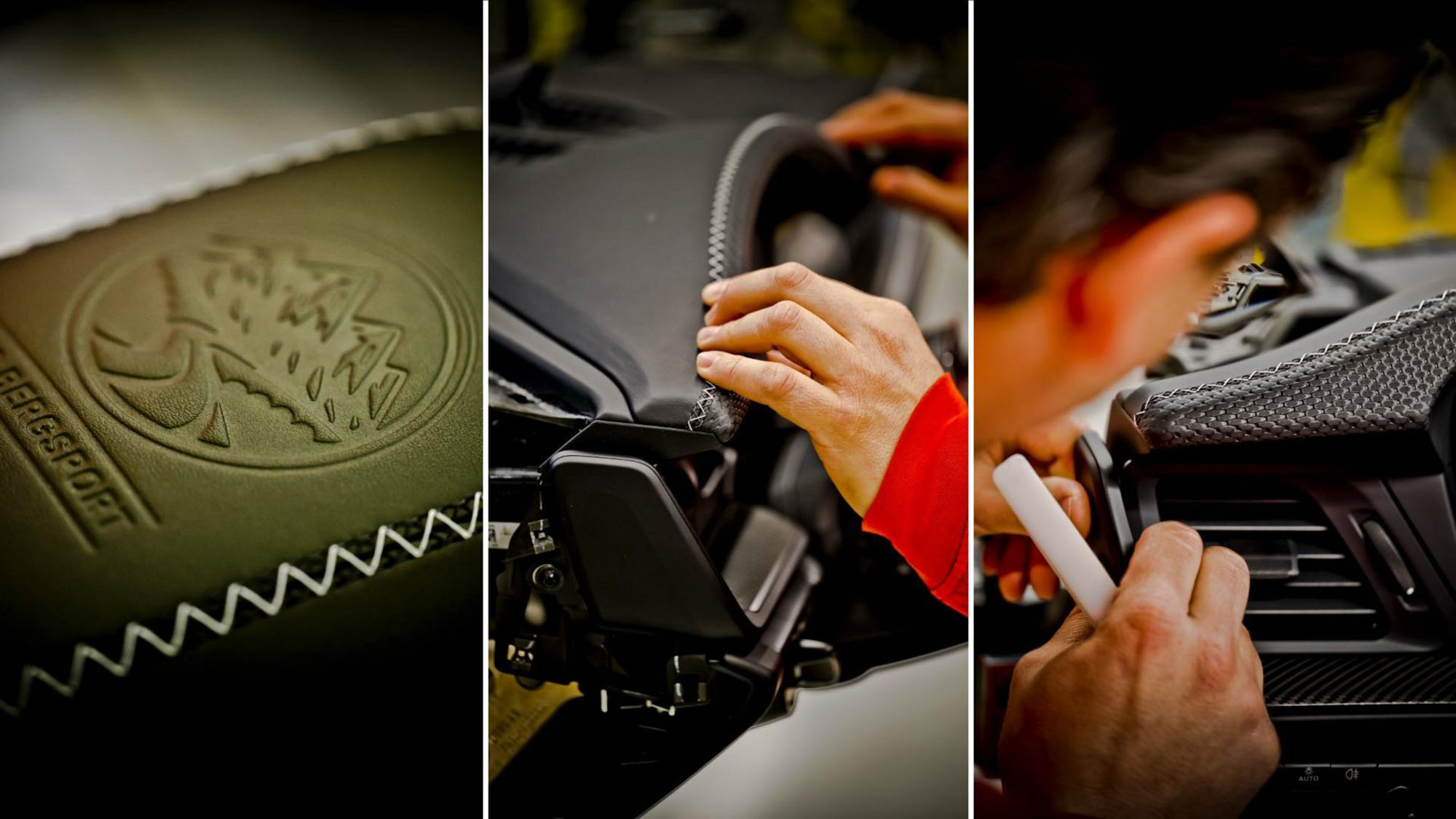


Machines can position, weld, measure and repeat with astonishing accuracy. What they don’t possess is the accumulated instinct of someone who has fitted the same piece hundreds of times and knows immediately when something isn’t quite right. That distinction becomes especially visible at Exclusive Manufaktur, where the standardized precision of series production gives way to smaller details, hand-finished materials and individual attention.
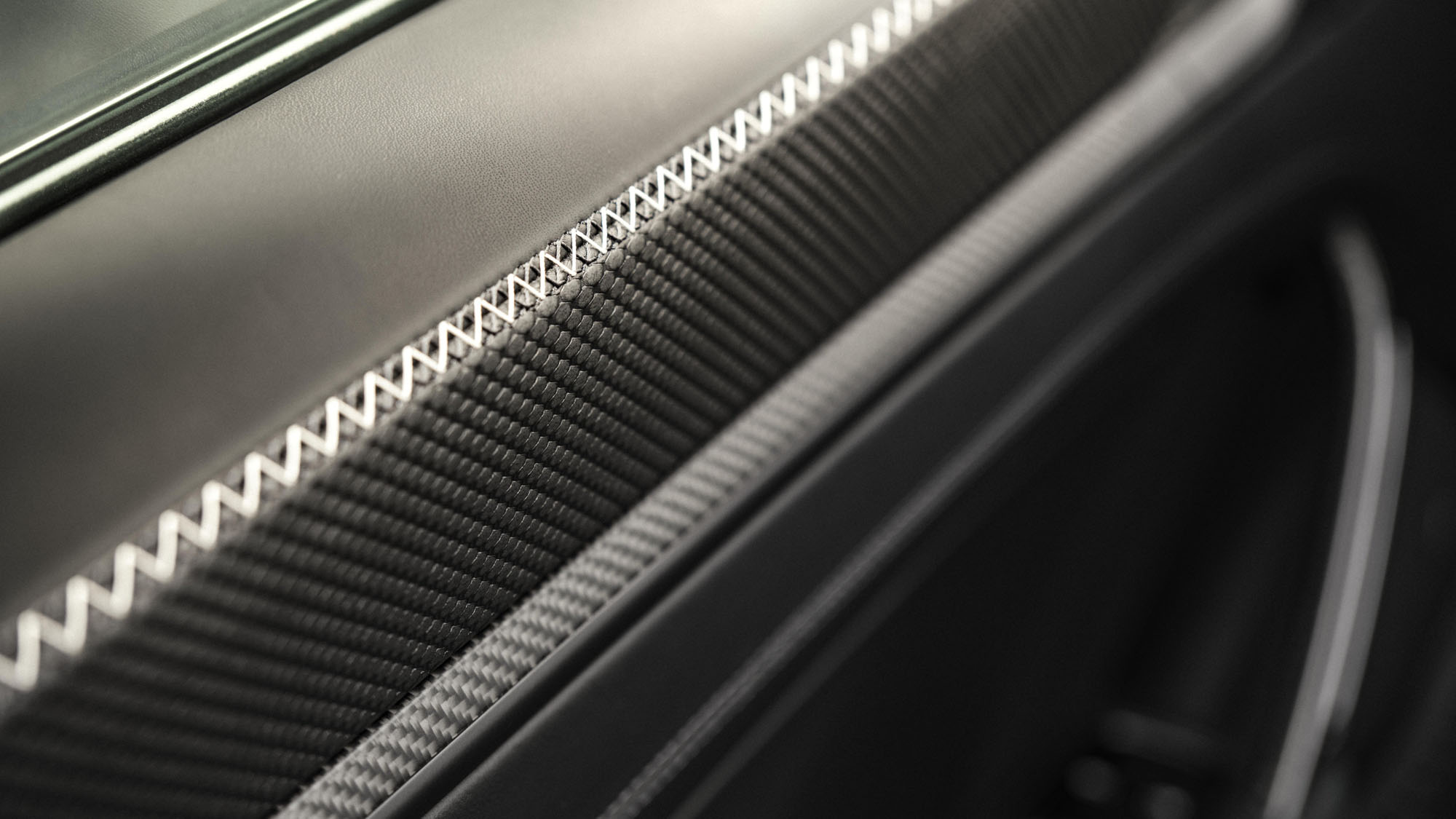
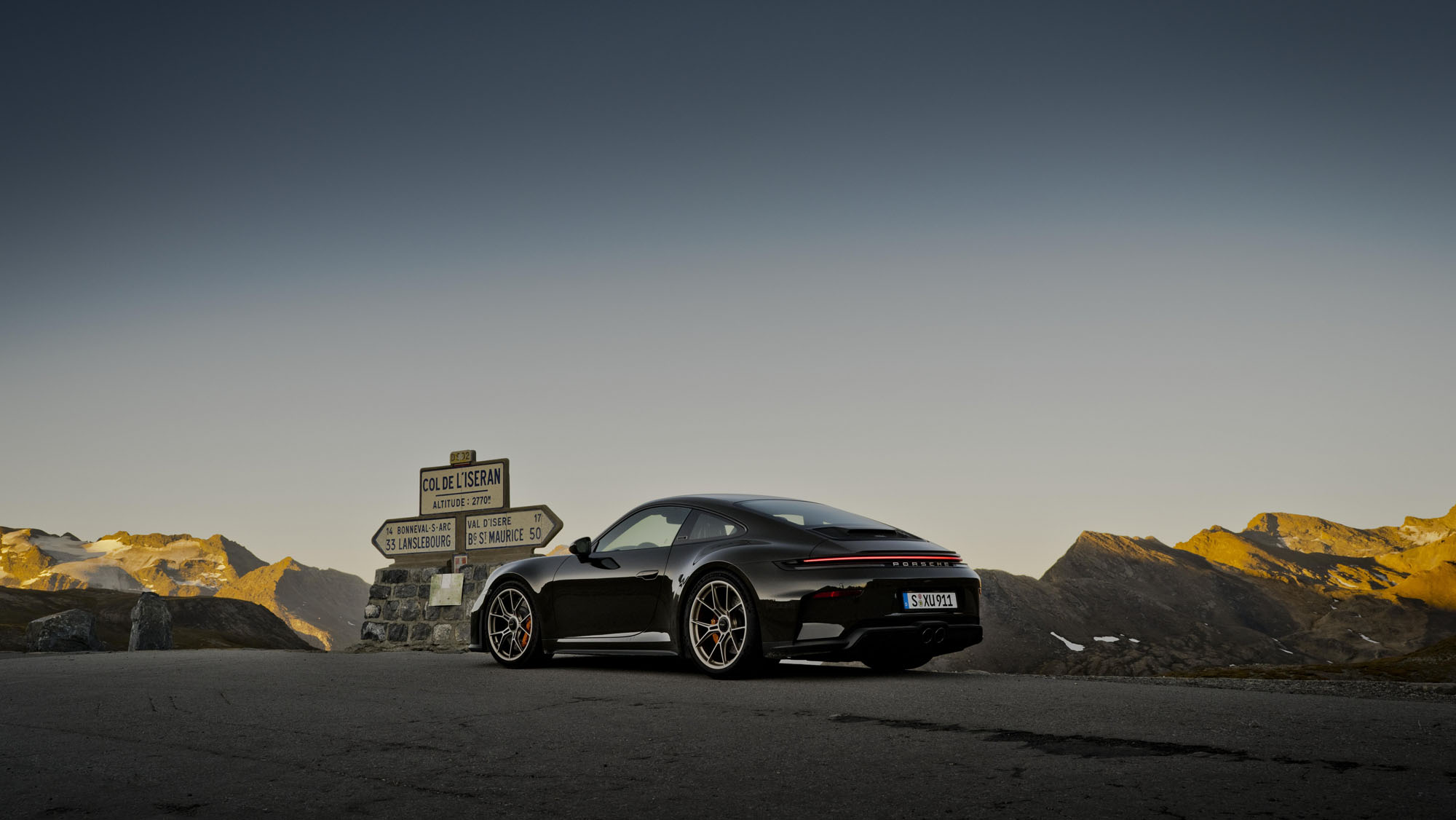
So the finished GT3 Bergsport is, in a sense, a product of two factories occupying the same place: one highly automated and astonishingly efficient, the other dependent on eyes, hands and experience. Eventually, one of these cars will leave Zuffenhausen and find the sort of road suggested by its name—a ribbon of pavement climbing into the mountains, preferably with very little traffic and a promising succession of bends disappearing uphill.
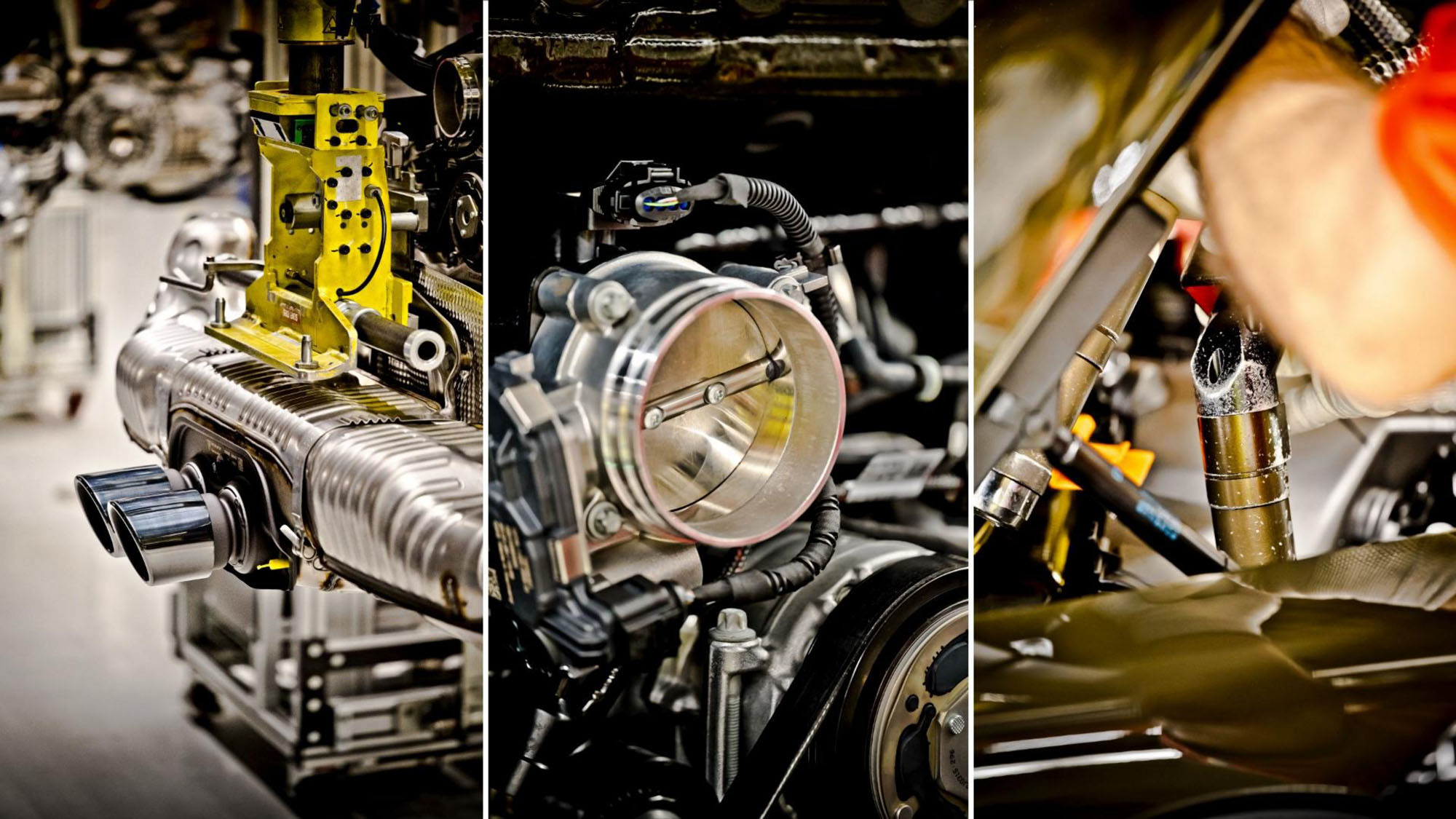
But before any of that happens, there are four days in Stuttgart, 1,900 or so parts, a surprisingly large number of human hands and one final inspection. The mountain can wait.
Above contents © 2026 Dr. Ing. h.c. F. Porsche AG reviewed and edited by Rex McAfee , @rexmcafee 🏁
#Porsche #Porsche911 #911GT3 #GT3Bergsport #Zuffenhausen #PorscheExclusiveManufaktur #SportsCars #PorscheMotorsport #GermanEngineering #AutomotiveCraftsmanship