Built for Two Tracks: The Porsche 908/03 and the Art of Radical Specialization
Credit: RM Sotheby's
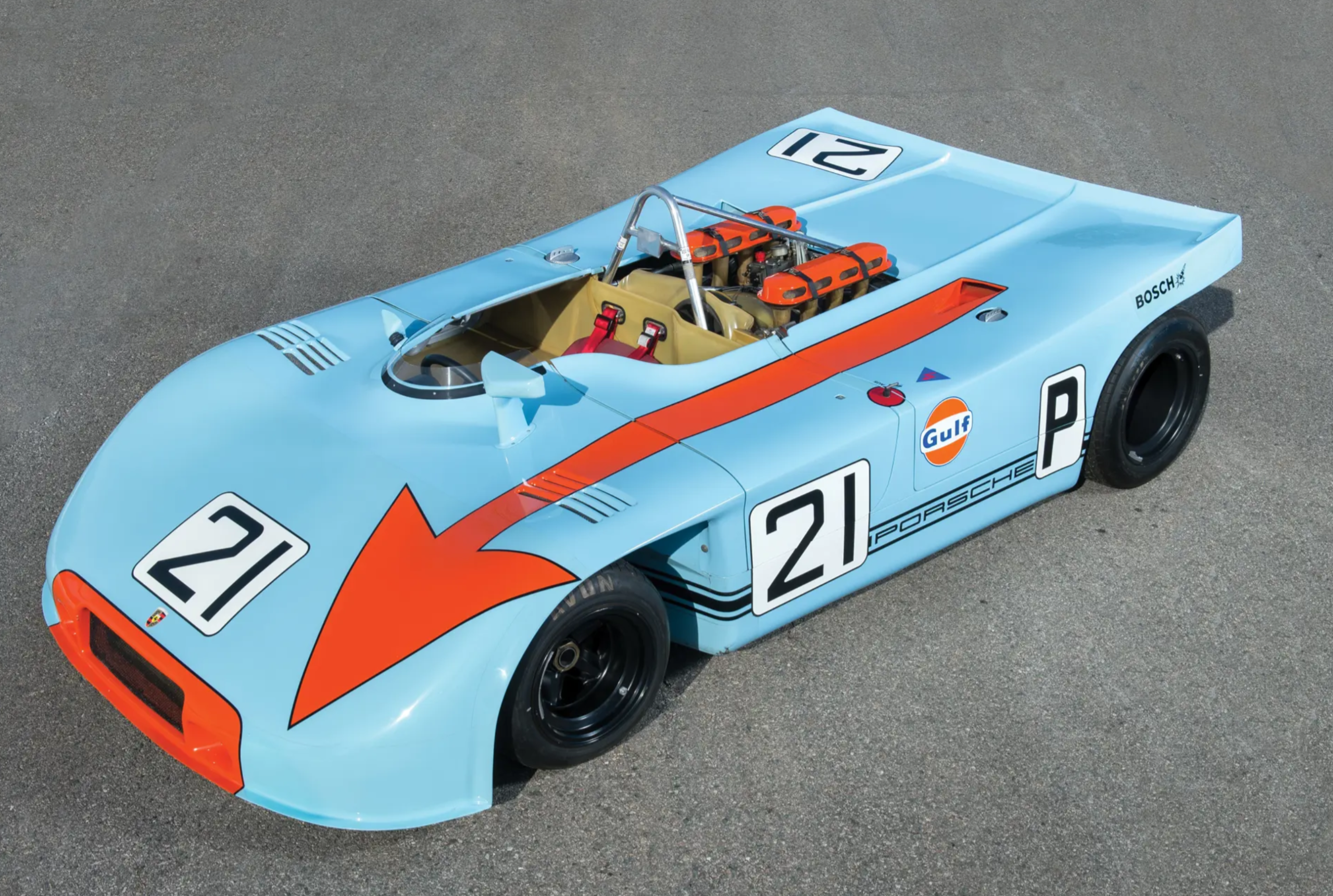
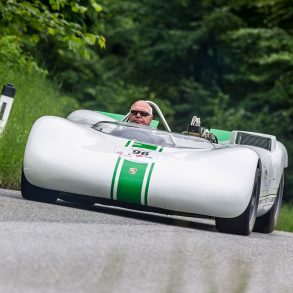
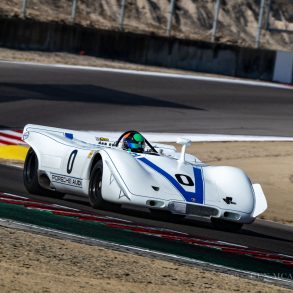
Porsche’s 917 was, by most measures, the best endurance racing car in the world by 1970. It had taken the factory years of difficult development to get there, and on the right circuit, it was close to unbeatable. The problem was that two of the most important races on the World Sportscar Championship calendar weren’t the right circuit, and the gap between what the 917 could do and what those two races demanded wasn’t something that more development was going to close. The Targa Florio in Sicily and the Nürburgring Nordschleife rewarded a completely different set of qualities, and everyone at Zuffenhausen knew it. In charge of Porsche’s development, Ferdinand Piëch decided it was best not to fix the 917, but to build something that operated on entirely different logic.
A Problem Called the Nürburgring (and Sicily)
Credit: Porsche
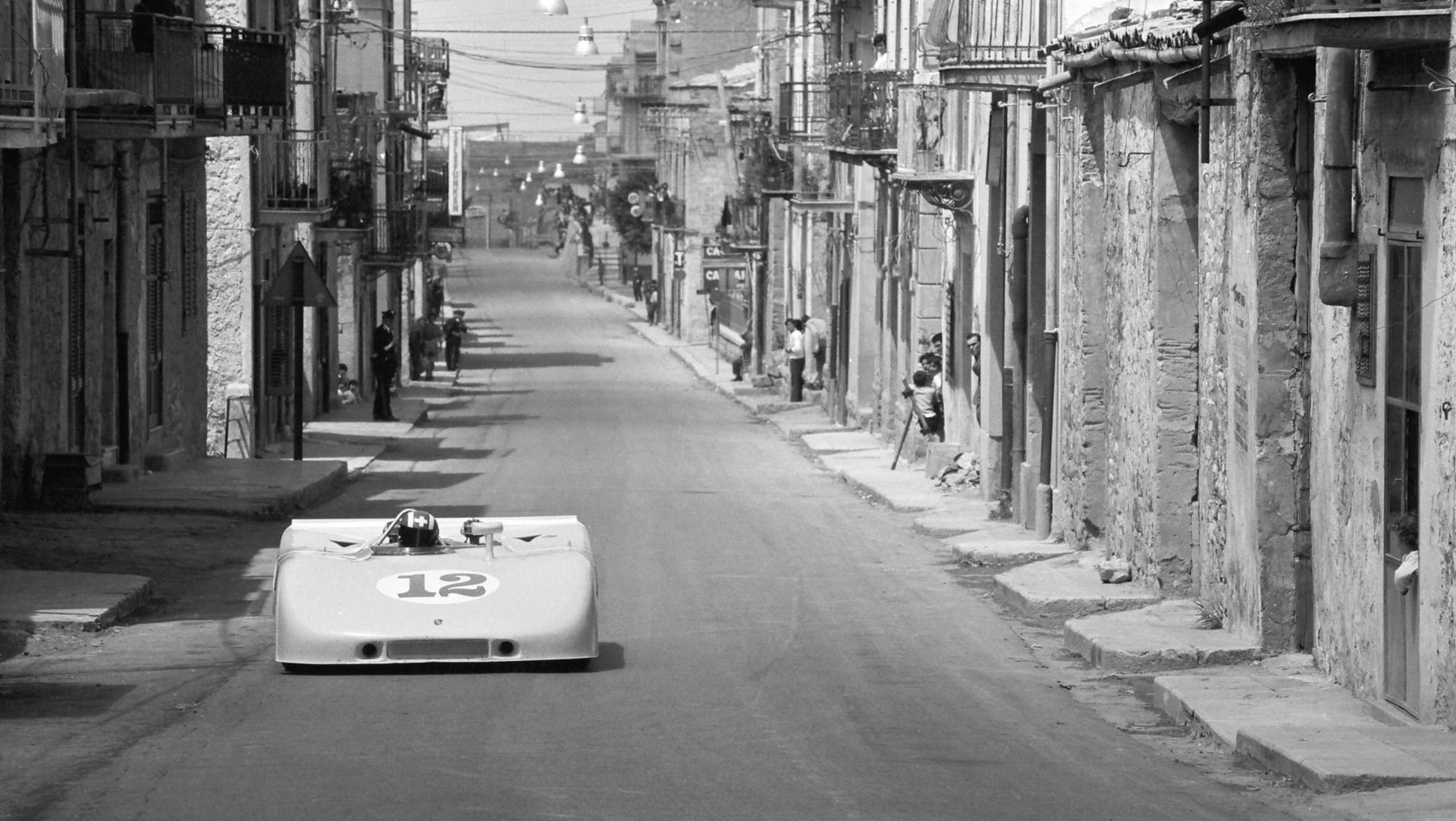
Calling the Targa Florio a race circuit is a stretch. It was 72 kilometers (44.7 miles) of Sicilian mountain road, public road used by ordinary traffic the other 364 days of the year, with stone walls close enough to touch and corners that arrived faster than the maps suggested. The Nürburgring Nordschleife was 22.8 kilometers (14.2 miles) of something more organized, but not by much: a relentless, lumpy ribbon of asphalt through the Eifel hills with elevation changes, blind crests and sequences of corners that punished any car that needed space to work.
No Subscription? You’re missing out
Get immediate ad-free access to all our premium content.