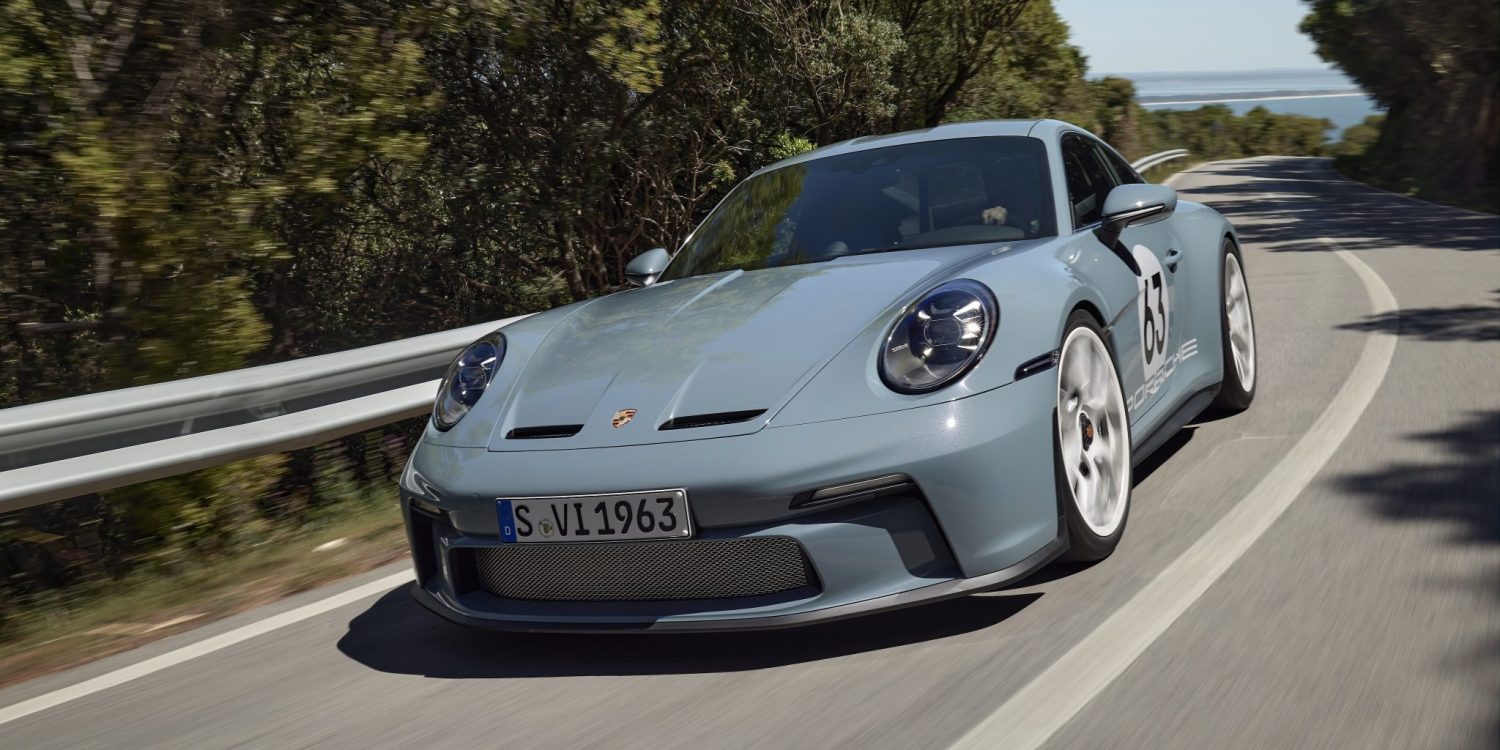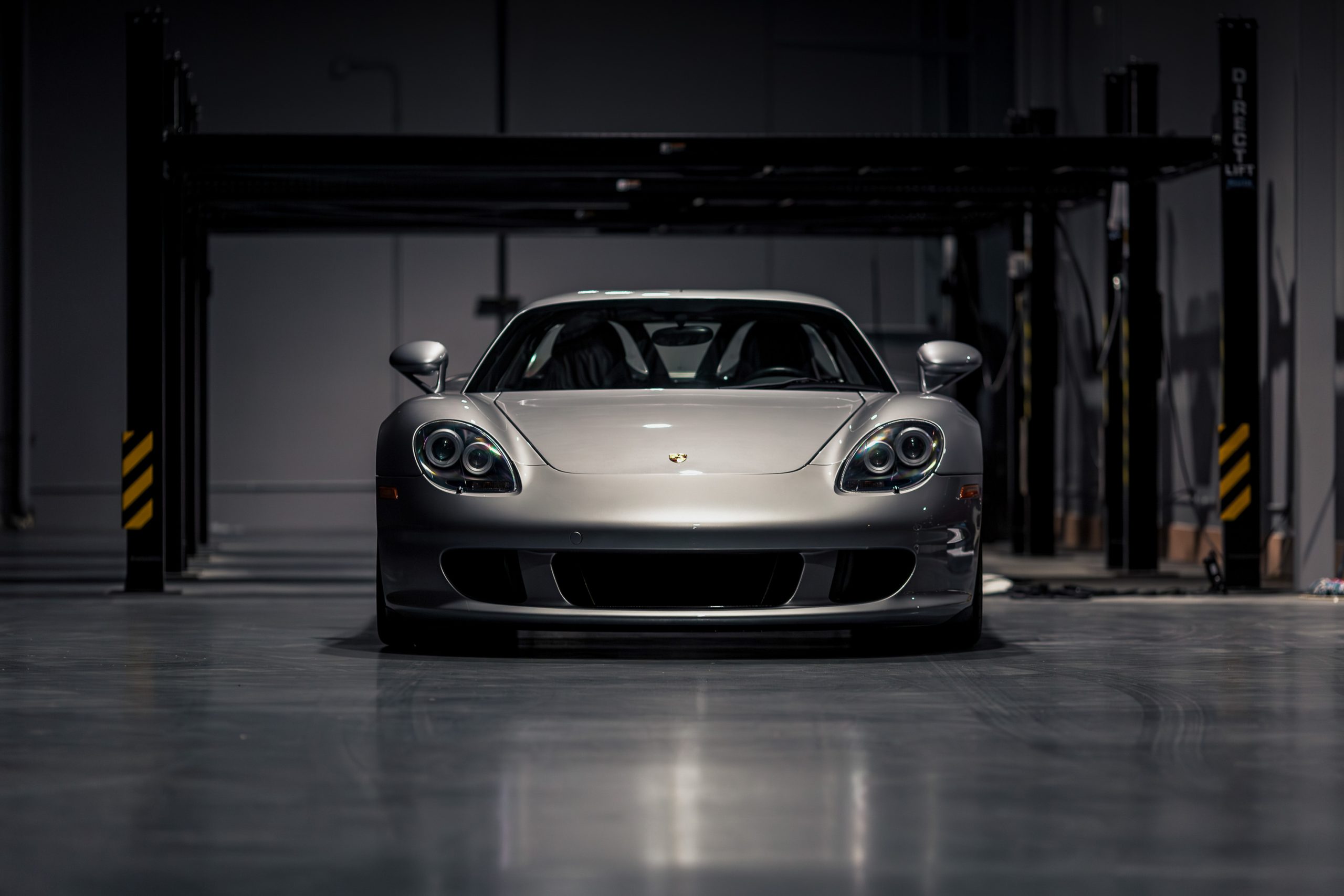

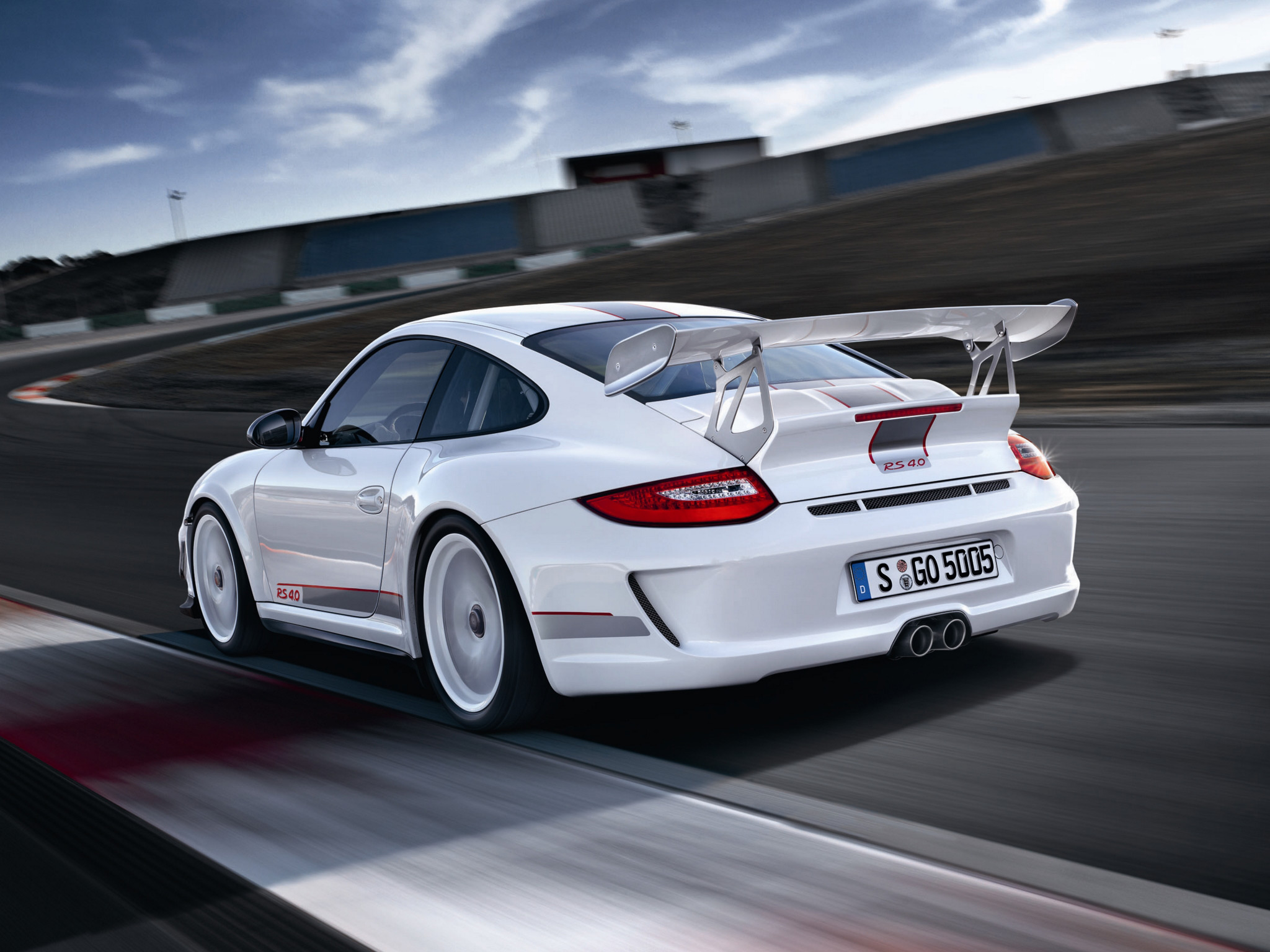
The Water-Cooled Revolution: Saving an Icon. The transition to modern performance, digital precision, and record-breaking speed.
By the late 1990s, the 911 faced an existential crisis. Air-cooling had reached its physical limits for power and emissions, and Porsche was facing financial ruin. The transition to the water-cooled 996-generation was a "Great Watershed" moment—a radical survival tactic that replaced the traditional cooling fins with radiators and a more efficient four-valve head design. While purists initially mourned the loss of the air-cooled "soul," the water-cooled revolution allowed the 911 to become a world-class supercar. This shift enabled Porsche to significantly increase horsepower, improve cabin comfort, and lower production costs by sharing parts with the new Boxster, effectively saving the company.
Despite the early controversy surrounding the 996’s "fried-egg" headlights, this era birthed some of the most important models in Porsche history, most notably the GT3. The introduction of the 997-generation in 2005 refined this new water-cooled formula to near perfection, returning to the classic circular headlights and a cabin that felt like a modern tribute to the original 911. This period proved that water cooling didn't "kill" the 911; it uncorked its potential. It transformed the car from a temperamental boutique machine into a reliable, 200-mph daily driver that could hold its own against Ferraris and Lamborghinis on any track in the world.
Want to see us make tougher choices? Here are our picks for the best Porsche 911s ever.
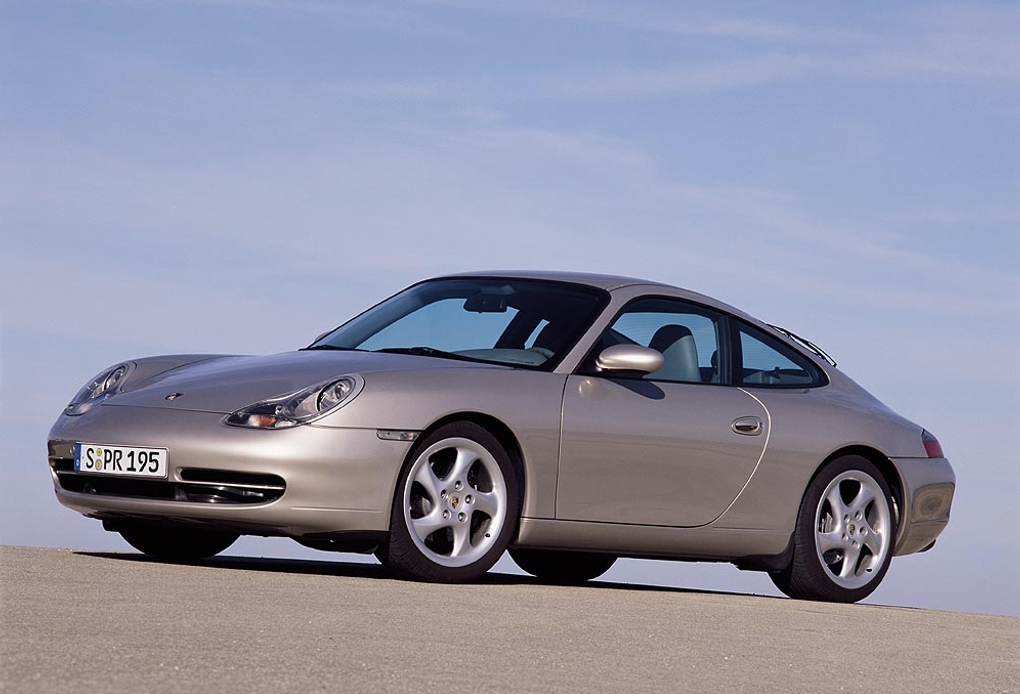
Porsche 911 Carrera (996) (1999 - 2001)
Marked the boldest evolution in 911 history, introducing water cooling while delivering a lighter, faster, and more dynamically capable car than any Carrera before it. Despite its controversy, it reset the performance baseline for the modern 911 and proved the platform could evolve without losing its core identity.
Why It's On The List
The Porsche 911 Carrera (996) is one of the most controversial—and consequential—911s ever built. As the first water-cooled 911, the 996 marked a clean break from more than three decades of air-cooled tradition, instantly polarizing enthusiasts. Its so-called “fried-egg” headlights and shared components with the Boxster were seen as sacrilegious at the time, but beneath the shock was a car that fundamentally saved Porsche and ensured the survival of the 911 itself.
Mechanically, the 996 represented a massive leap forward. The new 3.4-liter water-cooled flat-six delivered more power, improved emissions compliance, and significantly better thermal stability than any previous 911 engine. The chassis was stiffer, wider, and more refined, offering far higher limits and greater day-to-day usability. For the first time, the 911 felt genuinely modern—faster, safer, and more approachable—without abandoning the rear-engine layout that defined its character.
The driving experience reflected Porsche’s shift toward broader appeal. Steering feel remained excellent, but the car was more forgiving at the limit, more comfortable on long drives, and easier to live with as a daily driver. The cabin introduced modern ergonomics and amenities, signaling Porsche’s move toward the premium sports car market it would later dominate. While purists mourned the loss of air-cooling, the 996 quietly expanded the 911’s audience in a way no previous generation had.
Today, the Porsche 911 Carrera (996) is undergoing a long-overdue reevaluation. Once dismissed as the “odd one out,” it is now recognized as the car that rescued Porsche financially and laid the foundation for every modern 911 that followed. Historically vital, dynamically capable, and increasingly appreciated for its honesty and performance, the early 996 Carrera earns its place among the most important—and ultimately great—Porsche 911s ever made.
Details
Model: 911 Carrera Coupe (996)
Model Years: 1998 - 2001
Production: 46,317 (includes 996.2)
Engine: 3.4 L Watercooled Flat 6 (M96/01)
Power: 296 bhp @ 6800 rpm
Torque: 258 ft lbs @ 4600 rpm
0 - 60 mph: 5.2 seconds
Top Speed: 174 mph
Known For
The great turning point: The first water-cooled 911, enabling major gains in power, emissions compliance, and chassis sophistication that shaped every 911 since.
Pure, lightweight driving feel: Early narrow-body 996 Carreras are among the lightest modern 911s, prized today for their steering feel, balance, and analog character.
Learn More
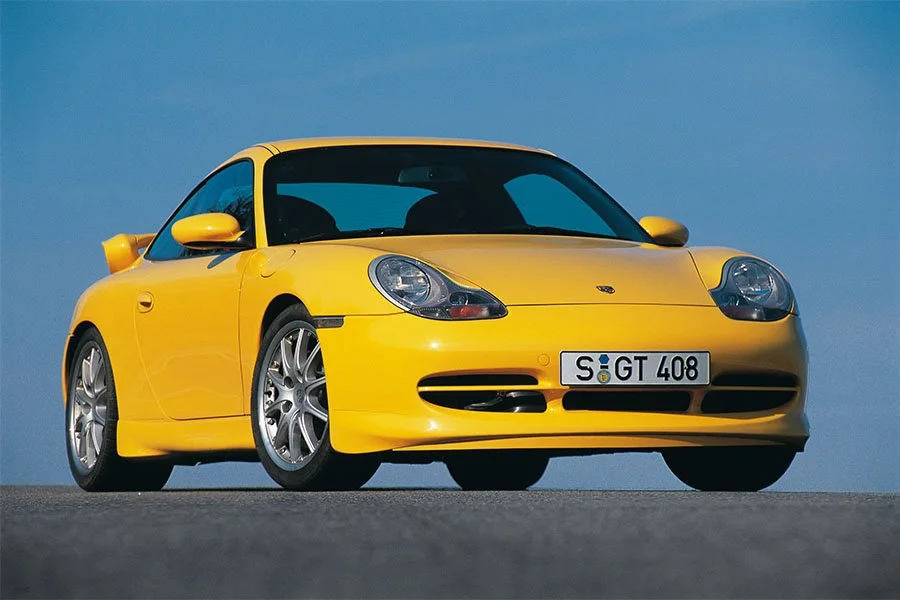
Porsche 911 GT3 (996.1) (2000 - 2001)
Created the GT3 formula—pairing a race-derived Mezger engine with extreme weight reduction and uncompromising chassis tuning. As the original GT3, it set the standard for road-legal track-focused 911s and remains one of the purest expressions of Porsche’s motorsport DNA.
Why It's On The List
The Porsche 911 GT3 (996.1) marked one of the most important moments in modern Porsche history: the birth of the GT3 nameplate. Introduced at the dawn of the water-cooled era, the GT3 was Porsche’s answer to purists who feared the 996 generation had gone too soft. Rather than chasing luxury or mass appeal, Porsche Motorsport built a no-compromise driver’s car—one that reconnected the road-going 911 directly to the company’s racing DNA.
At the heart of the 996.1 GT3 was the legendary Mezger flat-six, an engine derived from Porsche’s Le Mans–winning endurance racers rather than the standard Carrera powerplant. Free of the compromises required for mass production, it delivered razor-sharp throttle response, exceptional durability, and a spine-tingling top-end rush. Paired exclusively with a six-speed manual gearbox, rear-wheel drive, and a lightweight chassis, the GT3 offered a level of mechanical purity that immediately set it apart from every other contemporary 911.
The chassis and suspension tuning were equally focused. Ride height was lowered, springs and dampers stiffened, and unnecessary weight stripped away in pursuit of feedback and balance. The result was a car that felt alive at speed—demanding commitment, rewarding precision, and offering clarity through the steering that few modern sports cars could match. This was a road car engineered first and foremost for the track, yet still usable enough to drive to and from a circuit under its own power.
Today, the 1999 Porsche 911 GT3 (996.1) is recognized as a modern classic and the blueprint for every GT3 that followed. It proved that Porsche could embrace new technology without abandoning its motorsport soul, establishing a lineage that would become the gold standard for naturally aspirated, driver-focused performance cars. As the origin story of the GT3 legend, the 996.1 GT3 fully deserves its place among the greatest Porsche 911s ever made.
Details
Model: Porsche 911 GT3 (996)
Model Years: 2000 - 2001
Production: 1,868 units
Engine: 3.6 L Watercooled Flat 6 (M96/76)
Power: 360 bhp @ 7200 rpm
Torque: 273 ft lbs @ 5000 rpm
0 - 60 mph: 4.7 seconds
Top Speed: 188 mph
Known For
Birth of the GT3 legend: The first 911 to wear the GT3 badge, establishing a lineage that defines Porsche performance to this day.
Mezger motorsport engine: Powered by a dry-sump flat-six derived directly from Porsche’s racing program, delivering durability, response, and race-car character.
Learn More
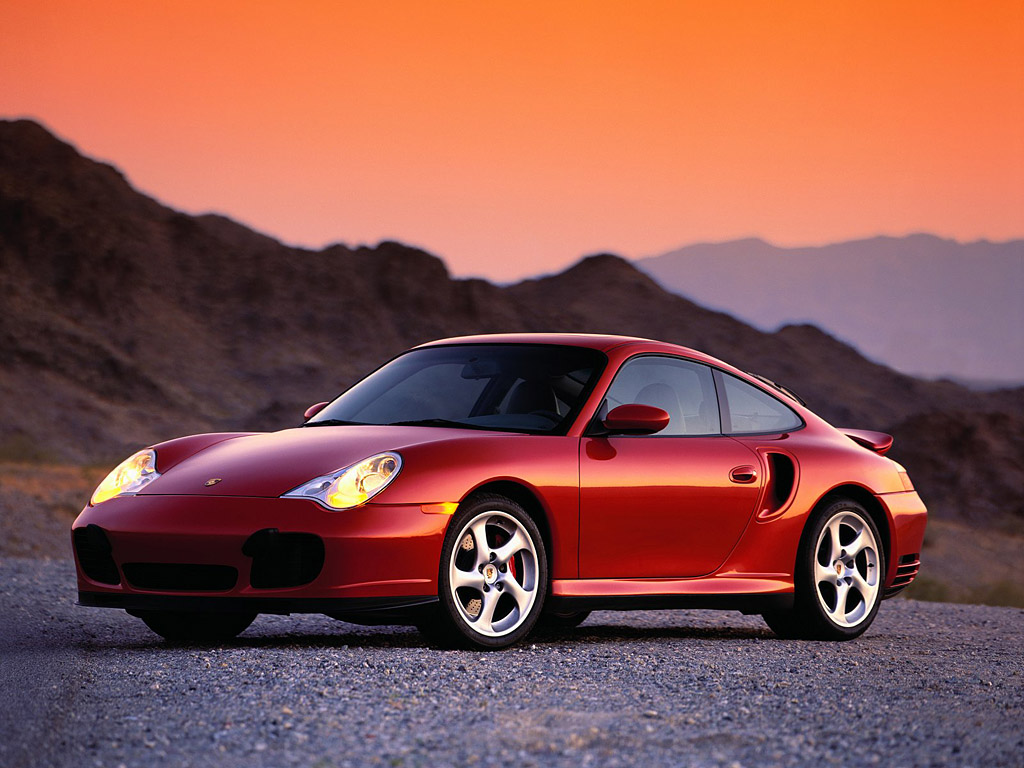
Porsche 911 Turbo (996) (2001 – 2005)
Delivered supercar performance with everyday usability, reliability, and refinement never before seen in a Turbo 911. By combining the legendary Mezger engine with all-wheel drive and modern electronics, it became the first Turbo that was as easy to live with as it was devastatingly fast.
Why It's On The List
The Porsche 911 Turbo (996) is one of the great performance bargains in modern supercar history—and one of the most brutally effective 911s Porsche has ever built. Introduced at a time when Ferrari and Lamborghini were chasing drama and exclusivity, the 996 Turbo focused instead on relentless speed, engineering durability, and real-world usability. It quietly delivered performance that embarrassed far more exotic machinery, all while flying under the radar of period hype.
At the heart of the 996 Turbo was a Mezger-based 3.6-liter twin-turbo flat-six, derived from Porsche’s Le Mans–winning racing engines rather than the standard Carrera unit. This distinction is crucial: the Mezger engine was overbuilt, immensely robust, and capable of handling enormous power with ease. Paired with all-wheel drive, it delivered staggering acceleration, massive mid-range torque, and effortless high-speed stability—making the 996 Turbo devastatingly quick in almost any conditions.
Despite its supercar pace, the 996 Turbo remained remarkably approachable. The chassis was stable and confidence-inspiring, the steering precise, and the ride compliant enough for daily use. Inside, it offered genuine comfort and refinement, reinforcing the Turbo’s role as a true all-weather, all-purpose performance weapon. Unlike earlier Turbo generations that demanded constant vigilance, the 996 Turbo allowed drivers to exploit its capabilities without fear—or fatigue.
Today, the Porsche 911 Turbo (996) is increasingly recognized as one of the smartest buys in the 911 lineage. Its combination of Mezger-engine reliability, immense tuning potential, understated styling, and supercar-rivaling performance has earned it cult status among enthusiasts. Fast, durable, and devastatingly effective, the 996 Turbo stands as proof that greatness doesn’t always shout—and firmly deserves its place among the greatest Porsche 911s ever made.
Details
Model: Porsche 911 Turbo (996)
Model Years: 2001 - 2005
Production: 16,965 units
Engine: 3.6 L Turbocharged Flat 6 (M96/70)
Power: 415 bhp @ 6000 rpm
Torque: 415 ft lbs @ 2700 rpm
0 - 60 mph: 4.0 seconds
Top Speed: 189 mph
Known For
Mezger-powered reliability: Uses the race-derived dry-sump engine from the GT1 program, making it one of the most durable and tune-friendly Turbos Porsche ever built.
Everyday supercar benchmark: Explosive acceleration, all-weather capability, and long-distance comfort redefined what a usable supercar could be in the early 2000s.
Learn More
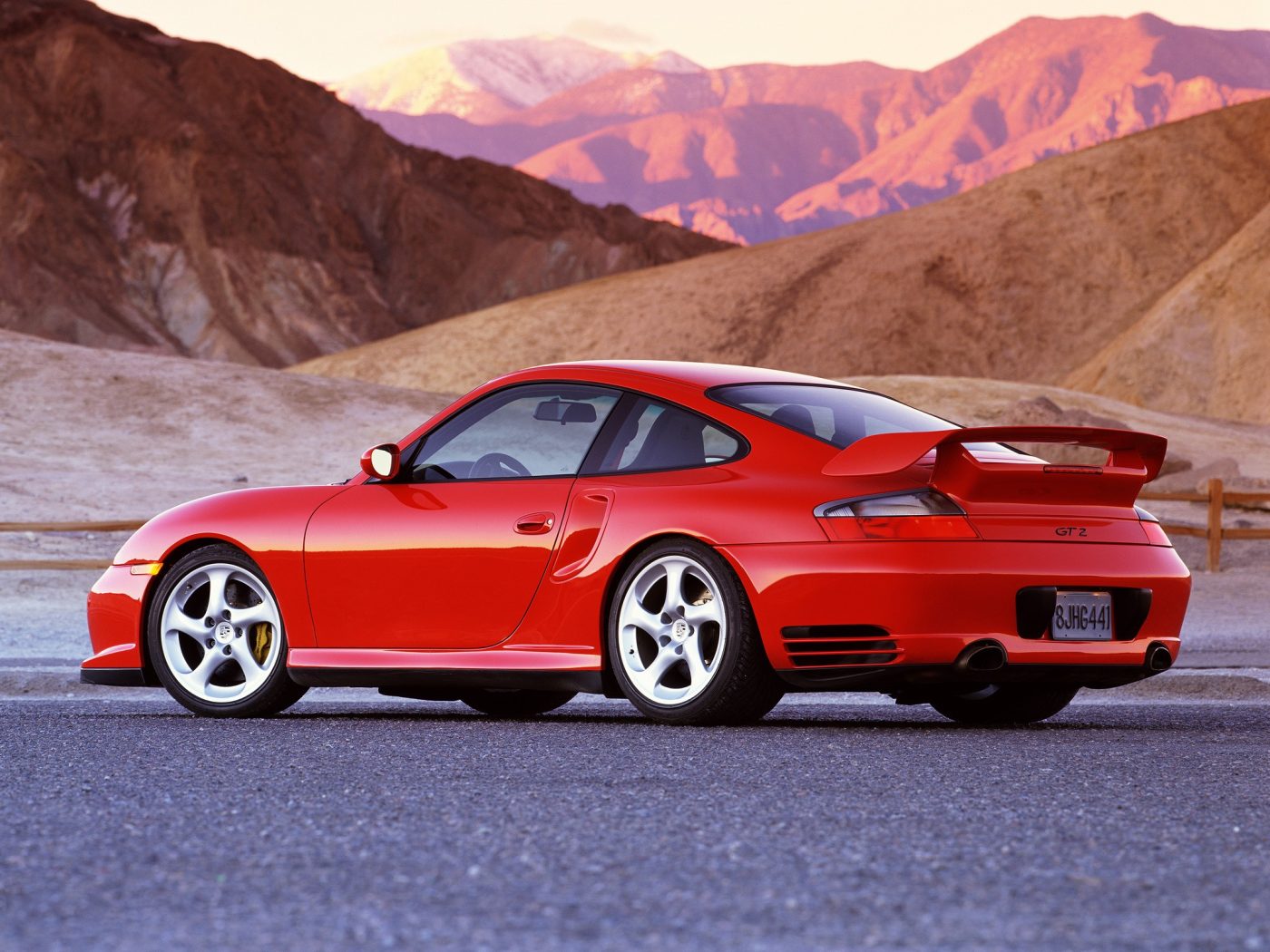
Porsche 911 GT2 (996) (2001 - 2005)
Took the already ferocious 996 Turbo and removed all safety nets, creating a rear-wheel-drive, turbocharged monster built with pure motorsport intent. Brutally fast and unapologetically demanding, it represents the last truly analog, no-excuses GT2 before electronics softened the breed.
Why It's On The List
The Porsche 911 GT2 (996) is one of the most intimidating road cars Porsche has ever produced—and one of the most uncompromising 911s ever sold to the public. Developed directly from Porsche’s GT racing program, the 996 GT2 took the already ferocious Turbo and removed its safety net entirely. All-wheel drive was deleted, electronic driver aids were absent, and massive turbocharged power was sent exclusively to the rear wheels, creating a car that demanded total respect and skill. Its reputation as a true “Widowmaker” was not hype—it was earned.
Power came from a heavily uprated Mezger-based 3.6-liter twin-turbo flat-six, producing brutal acceleration once the turbos came alive. Turbo lag was pronounced and dramatic, followed by an explosive surge that could overwhelm the rear tires in an instant. With no traction control or stability systems to intervene, drivers were left to manage boost, throttle, and balance entirely on their own. In the wrong hands, the GT2 was merciless; in the right hands, it was devastatingly fast.
The chassis and aero package reflected its near-race-car intent. Extensive weight reduction, stiffer suspension, massive brakes, and an enormous rear wing gave the GT2 exceptional high-speed stability and stopping power. Steering was razor-sharp and brutally honest, offering immense feedback but zero forgiveness. The interior was stripped and purposeful, reinforcing that this was not a luxury flagship but a homologation-style weapon built for drivers who wanted the most extreme 911 available.
Today, the Porsche 911 GT2 (996) is revered as one of the last truly wild supercars of the analog era. It represents Porsche Motorsport at its most uncompromising—building a car that challenged, punished, and ultimately rewarded the bravest drivers. Rare, fearsome, and unforgettable, the 996 GT2 stands as a benchmark for raw, unfiltered performance and fully earns its place among the greatest—and most notorious—Porsche 911s ever made.
Details
Model: Porsche 911 GT2 (996)
Years: 2001 - 2003 (v1), 2004 - 2005 (v2)
Production: 1,287 units
Engine: 3.6 L Turbocharged Flat 6 (M96.70S)
Power: 462 bhp @ 5700 rpm (v1), 483 bhp @ 5700 rpm (v2)
Torque: 457 ft lbs @ 3500 rpm (v1), 472 ft lbs @ 3500 rpm (v2)
0 - 60 mph: 4.0 seconds (v1), 3.8 seconds (v2)
Top Speed: 196 mph (v1), 198 mph (v2)
Known For
No-ABS, no-compromise brutality: Rear-wheel drive, massive turbo power, and minimal driver aids earned it a fearsome reputation as one of the most challenging road-going 911s ever built.
True homologation GT car: Designed to underpin GT2-class racing, with aggressive aero, extreme weight reduction, and race-derived hardware throughout.
Learn More
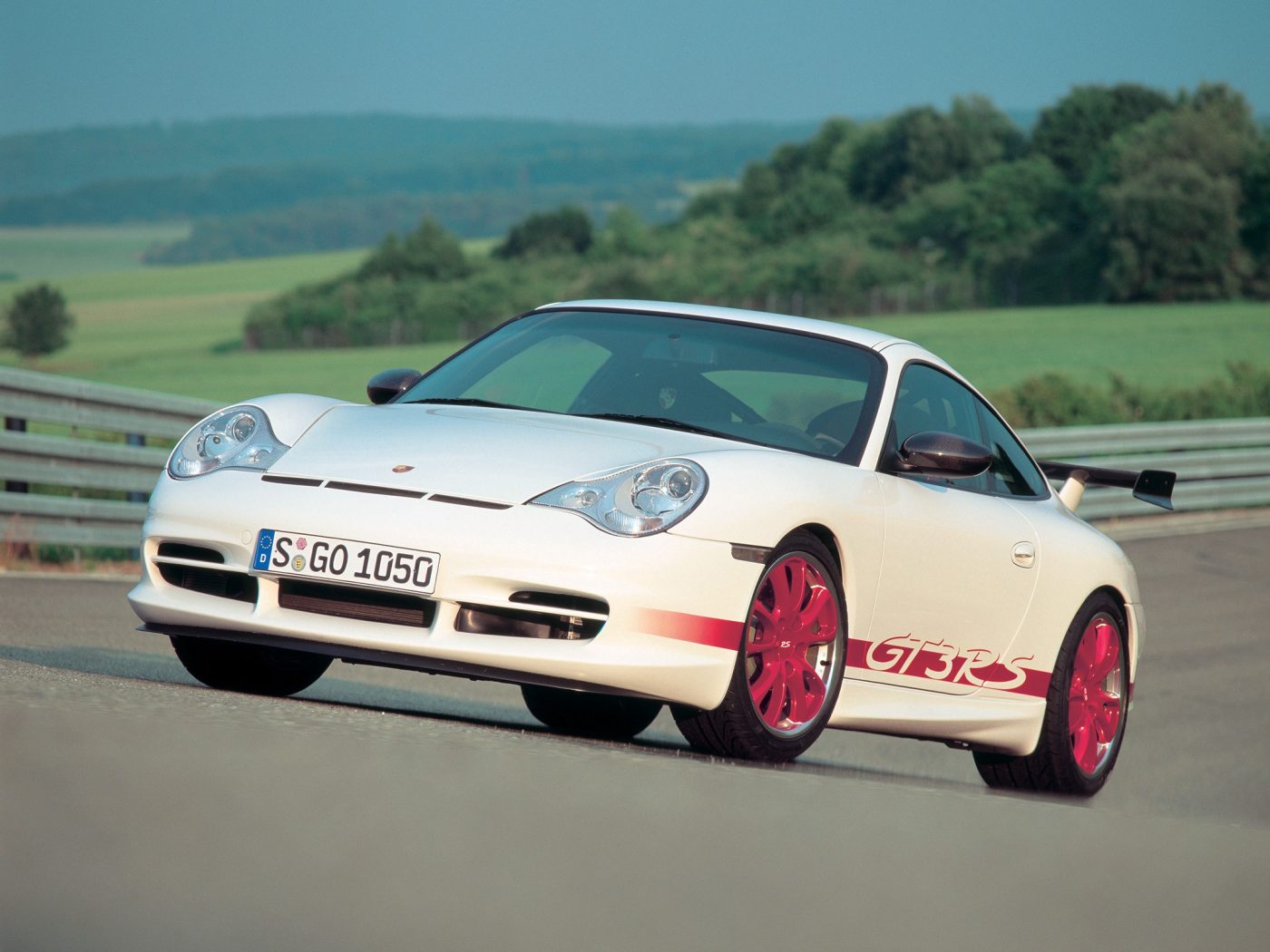
Porsche 911 GT3 RS (996) (2004)
Took the original GT3 formula and sharpened it into a true homologation-grade track weapon, prioritizing weight reduction, chassis precision, and race-bred durability above all else. Raw, focused, and unapologetically loud in both intent and execution, it cemented the RS badge as the ultimate driver-focused 911.
Why It's On The List
The Porsche 911 GT3 RS (996) marked a defining moment in Porsche history as the very first car to wear the GT3 RS badge. Built as a homologation-style special with unmistakable motorsport intent, it represented Porsche Motorsport doubling down on the idea of a road-legal race car for the most dedicated drivers. With its iconic white bodywork accented by blue or red graphics, the 996 GT3 RS was as visually purposeful as it was mechanically focused.
At its core was the legendary Mezger-based 3.6-liter naturally aspirated flat-six, delivering razor-sharp throttle response, a soaring redline, and bulletproof durability. Power was sent exclusively to the rear wheels through a six-speed manual gearbox, reinforcing the car’s analog, driver-first philosophy. Extensive weight reduction—including a carbon-fiber hood, lightweight glass, and a stripped interior—gave the GT3 RS an immediacy and urgency that set it apart even from the standard GT3.
The chassis tuning was uncompromising. Suspension was lowered and stiffened, aerodynamics were more aggressive, and braking performance was race-derived. Steering feel was exceptional, offering clarity and feedback that bordered on telepathic, while the car’s balance rewarded precision and commitment. This was not a car designed to flatter—it demanded full engagement and skill, delivering its rewards only to those willing to push it properly.
Today, the Porsche 911 GT3 RS (996) is revered as the foundation of one of Porsche’s most celebrated performance lineages. It established the RS formula that continues to define the ultimate track-focused 911: lighter, louder, sharper, and more focused than anything else in the range. Historically significant, visually iconic, and thrilling to drive, the 996 GT3 RS fully earns its place among the greatest Porsche 911s ever made.
Details
Model: Porsche 911 GT3 RS (996)
Model Years: 2004
Production: 682 units
Engine: 3.6 L Watercooled Flat 6 (M96/79)
Power: 381 bhp @ 7400 rpm
Torque: 284 ft lbs @ 5000 rpm
0 - 60 mph: 4.3 seconds
Top Speed: 190 mph
Known For
First modern GT3 RS: Established the GT3 RS template—lighter, stiffer, more aggressive than the standard GT3—defining every RS model that followed.
Mezger-powered track purity: Race-derived dry-sump flat-six, close-ratio gearing, and hardcore suspension tuning made it one of the most engaging road-legal track cars of its era
Learn More
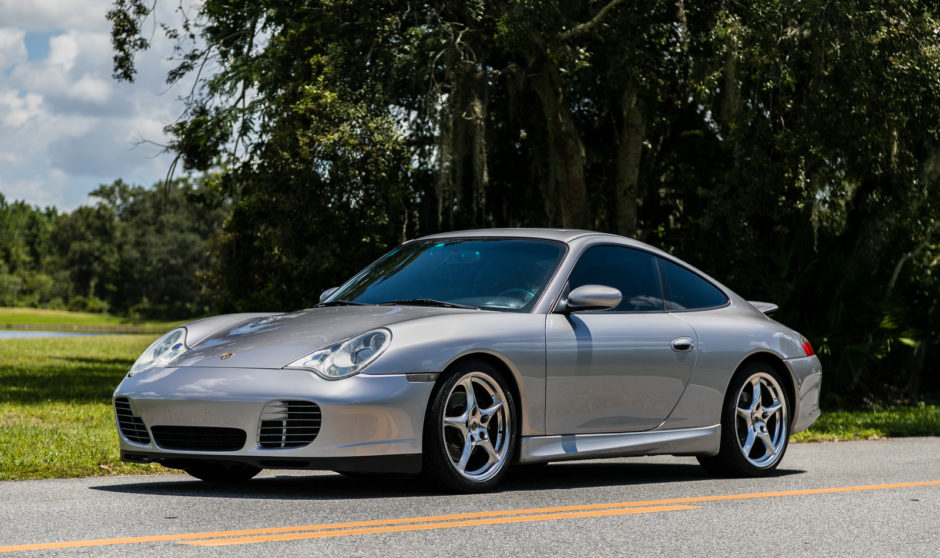
Porsche 911 Carrera 40th Anniversary Edition (996) (2004)
Distilled the very best components of the 996 generation into a perfectly balanced, enthusiast-focused package. By blending GT3-inspired performance upgrades with everyday Carrera usability, it became the ultimate “sweet spot” modern 911.
Why It's On The List
The Porsche 911 Carrera 40th Anniversary Edition (996) was created to celebrate a major milestone: four decades of continuous 911 production. Rather than being a purely cosmetic special, this limited-edition model represented Porsche’s idea of the perfect everyday 911—blending performance upgrades, exclusive design details, and modern usability into a single, thoughtfully curated package. Limited to just 1,963 examples worldwide, it was both a tribute to the past and a confident statement about the 911’s future.
Mechanically, the 40th Anniversary Edition featured a revised 3.6-liter flat-six producing more power than the standard Carrera, paired with a limited-slip differential and a sport-tuned chassis. These upgrades gave the car a sharper, more engaging character without pushing it into hardcore GT territory. It retained the usability and comfort expected of a Carrera while offering noticeably improved balance, traction, and driver involvement—an ideal blend for real-world driving.
Visually, the car stood apart through its exclusive GT Silver Metallic paint, unique 18-inch wheels, and subtle commemorative badging. Inside, special trim, upgraded materials, and numbered plaques reinforced the car’s significance without resorting to excess. The result was a 911 that felt special every time you climbed inside, yet never compromised its role as a usable, well-rounded sports car.
Today, the Porsche 911 Carrera 40th Anniversary Edition (996) is increasingly appreciated as one of the most tasteful and well-conceived special editions in the model’s history. It captures a moment when Porsche was stabilizing after turbulent years and confidently refining the modern 911 formula. Balanced, exclusive, and historically meaningful, the 40th Anniversary Edition earns its place among the greatest Porsche 911s ever made.
Details
Model: Porsche 911 Carrera 40th Anniversary (996)
Years: 2004
Production: 1,963 units
Engine: 3.6 L Watercooled Flat 6 (M96/03S)
Power: 320 bhp @ 6800 rpm
Torque: 273 ft lbs @ 4250 rpm
0 - 60 mph: 5.0 seconds
Top Speed: 177 mph
Known For
GT3-inspired mechanicals: Increased power, lowered and stiffer suspension, limited-slip differential, and factory X51-style upgrades delivered sharper, more engaging performance.
Understated anniversary perfection: Finished exclusively in GT Silver with unique trim and limited production, making it one of the most tasteful and desirable special-edition 911s of the modern era.
Learn More
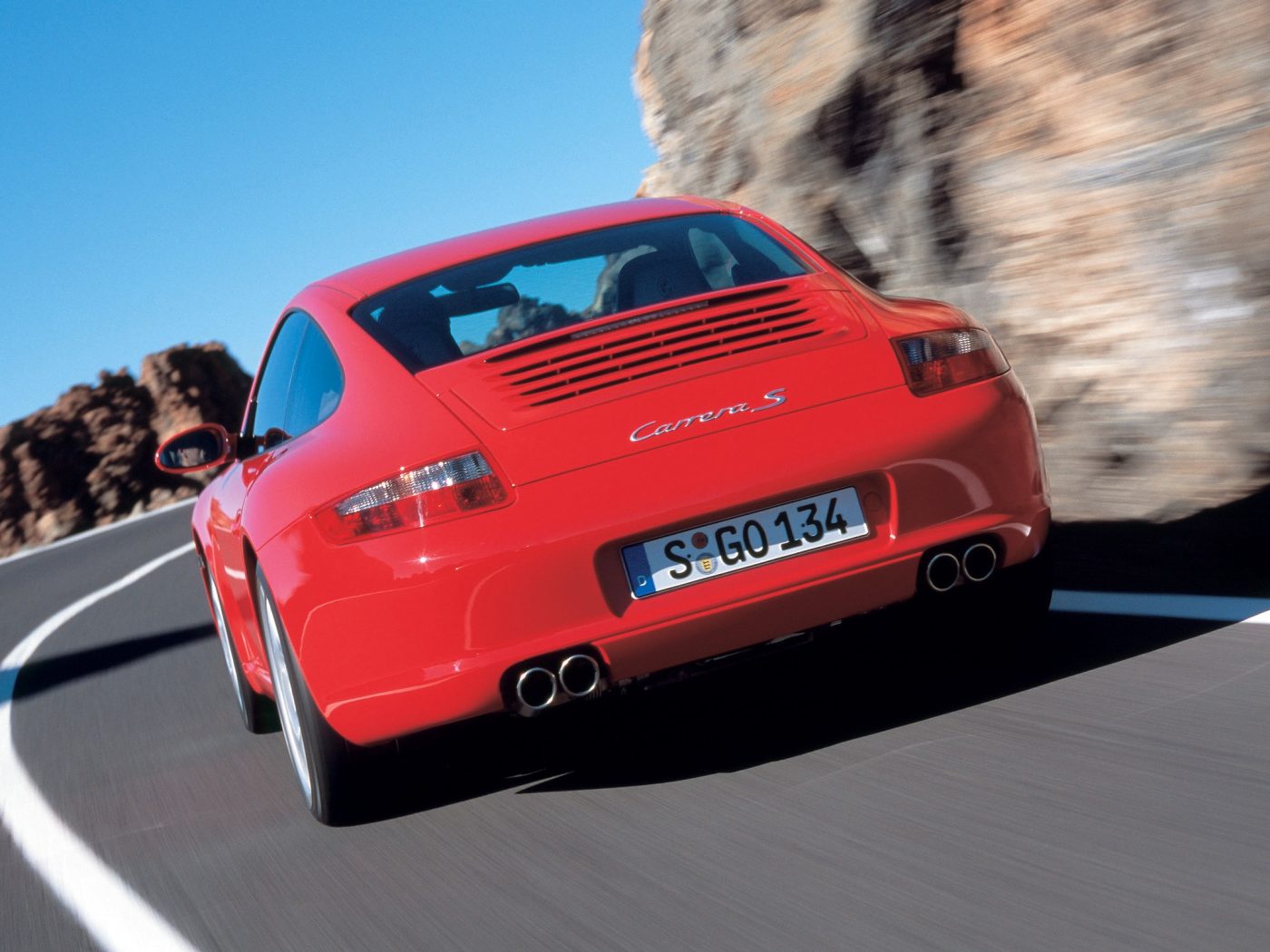
Porsche 911 Carrera S Coupe (997.1) (2005 – 2008)
Restored classic 911 design while delivering major leap in performance, refinement, and driving feel over 996. With its naturally aspirated flat-six, wide-body stance, and perfectly judged balance, it became the definitive sports car of its era.
Why It's On The List
The Porsche 911 Carrera S Coupe (997.1) is widely regarded as the moment Porsche visually and emotionally “fixed” the modern 911. After the controversial styling of the 996, the 997 marked a triumphant return to round headlights and classic 911 proportions, instantly restoring the car’s timeless appeal. For many enthusiasts, the 997.1 Carrera S is not only one of the best-driving modern 911s, but also the most beautiful interpretation of the breed since the air-cooled era.
Beneath the elegant bodywork sat a 3.8-liter naturally aspirated flat-six that delivered strong, linear power and a characterful soundtrack that felt authentically Porsche. Paired with either a six-speed manual or PDK (later in the generation), rear-wheel drive, and a finely balanced chassis, the Carrera S offered a near-perfect blend of performance and accessibility. It was fast enough to thrill, refined enough to daily drive, and engaging enough to satisfy serious enthusiasts without requiring GT-level commitment.
The driving experience was defined by balance and confidence. Steering feel remained a standout, body control was superb, and the car felt planted yet playful on real roads. Importantly, the 997.1 Carrera S struck a sweet spot before electronic intervention became dominant—modern enough to be forgiving, but still mechanical and communicative in a way later generations would soften. It rewarded skill without punishing imperfection, making it one of the most enjoyable 911s to drive at any speed.
Today, the Porsche 911 Carrera S (997.1) is celebrated as a high-water mark of modern 911 design and execution. It successfully bridged the gap between classic and contemporary, restoring visual purity while delivering meaningful performance gains. Beautiful, balanced, and endlessly usable, the 997.1 Carrera S fully deserves its place among the greatest Porsche 911s ever made—and remains a benchmark for what a “perfect” 911 should be.
Details
Model: Porsche 911 Carrera S Coupe (997)
Model Years: 2005 - 2008
Production: 27,237 units
Engine: 3.8 L Watercooled Flat 6 (M97/01)
Power: 350 bhp @ 6600 rpm
Torque: 295 ft lbs @ 4600 rpm
0 - 60 mph: 4.6 seconds
Top Speed: 182 mph
Known For
Return to classic styling: Rounded headlights and cleaner proportions reconnected the 911 with its heritage, making the 997 an instant enthusiast favorite.
Naturally aspirated sweet spot: A high-revving 3.8-liter flat-six, communicative steering, and compact size delivered a pure, engaging driving experience before turbocharging took over.
Learn More
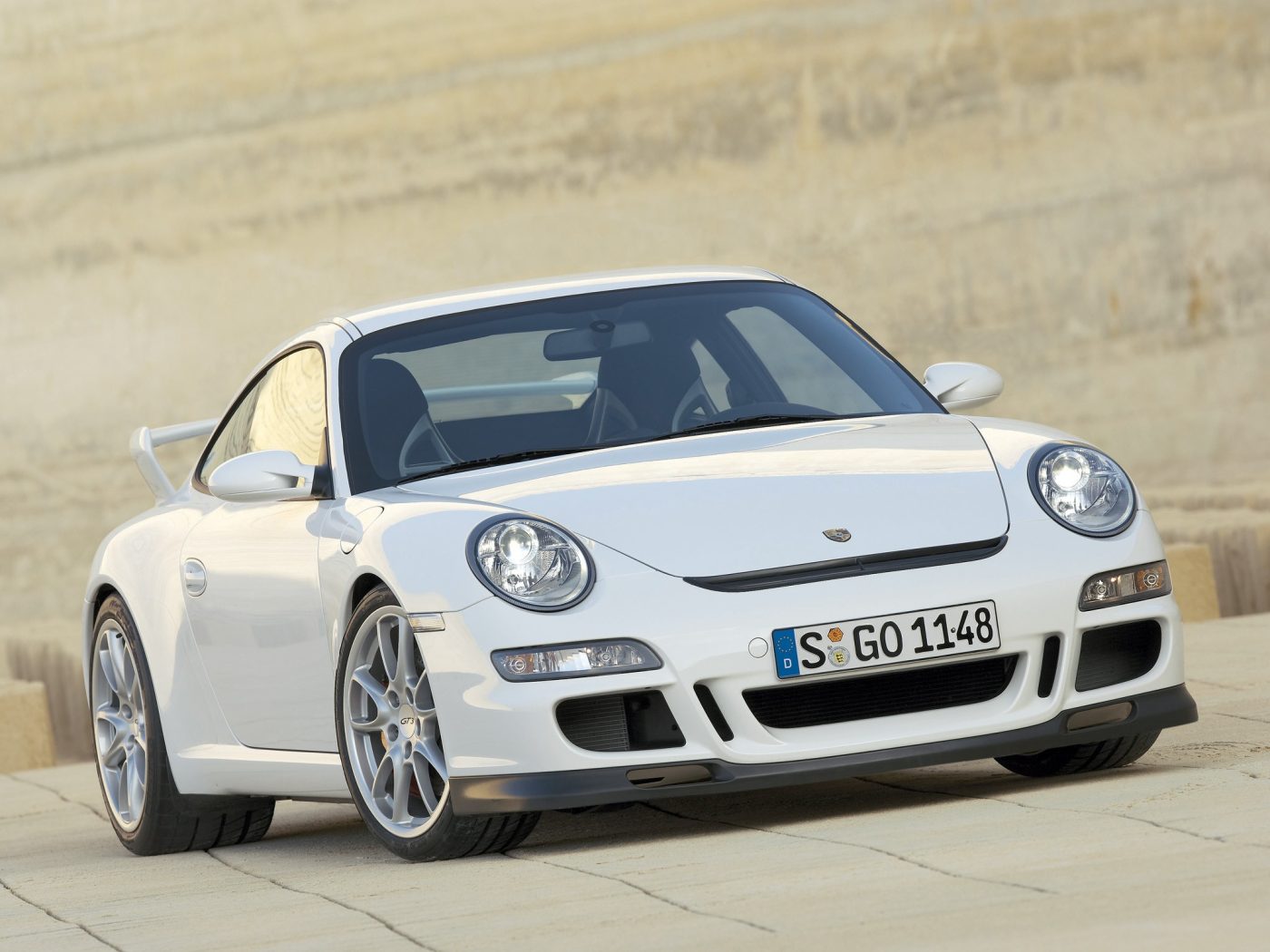
Porsche 911 GT3 (997.1) (2007 - 2009)
Delivered race-car precision and a high-revving Mezger engine in a package that remained genuinely usable on the road. Perfectly balanced between raw track focus and everyday drivability, it stands as one of the most complete naturally aspirated GT cars Porsche has ever built.
Why It's On The List
The Porsche 911 GT3 (997.1) is widely regarded as one of the purest driver’s cars Porsche has ever produced and a defining moment for the modern GT3 lineage. Building on the foundation laid by the 996 GT3, the 997.1 version refined the formula without diluting its intent. It arrived at a time when electronic aids and increasing weight were becoming the norm, yet Porsche Motorsport doubled down on mechanical purity, precision, and driver involvement.
At its heart was the legendary Mezger-based 3.6-liter naturally aspirated flat-six, an engine with direct roots in Porsche’s Le Mans racing program. Free-revving, razor-sharp, and immensely durable, it delivered its power at high rpm with an urgency that encouraged drivers to chase the redline. Paired exclusively with a six-speed manual gearbox and rear-wheel drive, the 997.1 GT3 offered a tactile, analog experience that stood in stark contrast to many of its contemporaries.
The chassis was where the 997.1 GT3 truly shined. Suspension tuning was firm but beautifully controlled, steering feel was among the best of any modern 911, and the car communicated its limits with exceptional clarity. It was equally at home carving mountain roads or circulating a race track, rewarding smooth inputs, precision, and commitment. This was a car that made skilled drivers feel brilliant—and taught less experienced ones how to improve.
Today, the Porsche 911 GT3 (997.1) is celebrated as a high-water mark for naturally aspirated, motorsport-derived road cars. It represents a moment when Porsche achieved near-perfect balance between usability and uncompromising performance. Focused, emotional, and endlessly engaging, the 997.1 GT3 fully earns its place among the greatest Porsche 911s ever made—and remains a benchmark against which all modern driver’s cars are judged.
Details
Model: Porsche 911 GT3 (997)
Model Years: 2007 - 2009
Production: 3,329 units
Engine: 3.6 L Watercooled Flat 6 (M97/76)
Power: 409 bhp @ 7600 rpm
Torque: 300 ft lbs @ 5500 rpm
0 - 60 mph: 4.0 seconds
Top Speed: 193 mph
Known For
Mezger-powered purity: A motorsport-derived, dry-sump flat-six renowned for durability, throttle response, and an unforgettable 8,400-rpm redline.
Goldilocks GT car: Less extreme than an RS but more focused than any Carrera, making it one of the most rewarding and versatile driver’s 911s of the modern era.
Learn More
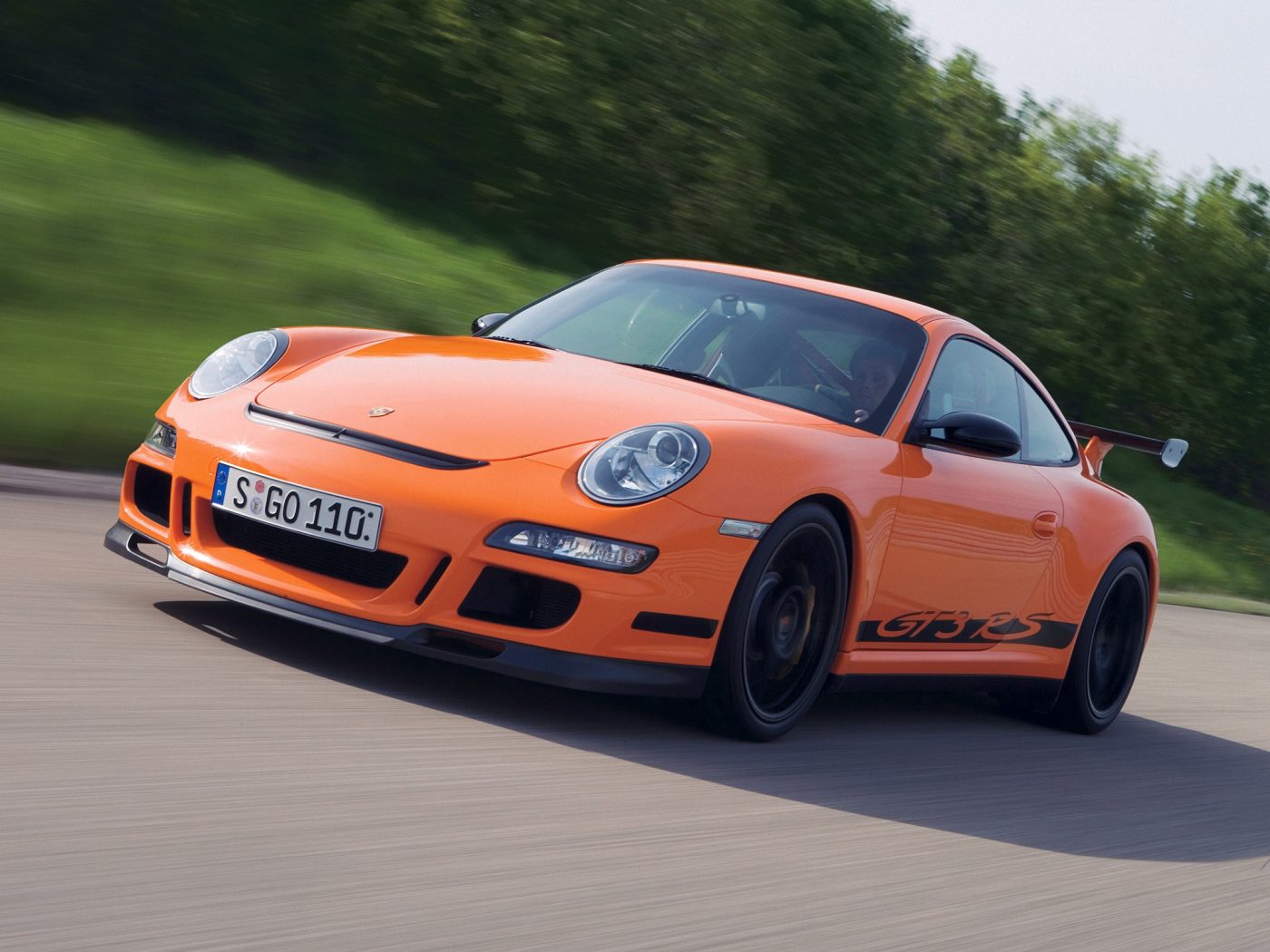
Porsche 911 GT3 RS (997.1) (2007 - 2008)
Elevated the GT3 formula into a sharper, lighter, and more track-focused weapon while remaining road-legal. With increased power, reduced weight, and motorsport-grade chassis tuning, it delivered one of the most immersive driving experiences Porsche ever put on the street.
Why It's On The List
The Porsche 911 GT3 RS (997.1) marked the moment the GT3 RS evolved from a hardcore enthusiast secret into a cultural icon. Building on the already exceptional 997 GT3, Porsche widened the body, sharpened the chassis, and leaned unapologetically into motorsport aesthetics—most memorably with its vivid orange or green graphics. The result was a road car that didn’t just perform like a race machine, but looked like one, bringing track-day culture firmly into the mainstream.
Power came from a high-revving 3.6-liter naturally aspirated Mezger flat-six, delivering razor-sharp throttle response and a spine-tingling top-end rush. Paired exclusively with a six-speed manual gearbox and rear-wheel drive, the GT3 RS demanded driver involvement at every moment. Weight was reduced through lightweight panels and stripped interior elements, while wider track widths and aggressive aero gave the car immense grip and stability at speed.
The driving experience was raw, intense, and deeply rewarding. Steering feel bordered on telepathic, body control was exceptional, and the car thrived on commitment. Unlike the turbocharged GT2 or Turbo models, the GT3 RS rewarded precision and momentum rather than brute force, making it a favorite among serious track-day drivers. It was approachable enough to drive hard yet focused enough to expose mistakes—an ideal tool for honing skill.
Today, the Porsche 911 GT3 RS (997.1) is widely regarded as one of the great modern RS models and a defining car of the 2000s enthusiast era. It helped popularize the idea of factory-built, track-focused road cars that could be driven hard, modified lightly, and enjoyed regularly at circuits around the world. Loud, wide, uncompromising, and unforgettable, the 997.1 GT3 RS earns its place among the greatest Porsche 911s ever made.
Details
Model: Porsche 911 GT3 RS (997)
Model Years: 2007 - 2008
Production: 1,909 units
Engine: 3.6 L Watercooled Flat 6 (M97/76)
Power: 415 bhp @ 7600 rpm
Torque: 300 ft lbs @ 5500 rpm
0 - 60 mph: 3.9 seconds
Top Speed: 193 mph
Known For
Track-first RS evolution: Wider track, lighter components, stiffer suspension, and aggressive aero pushed the RS closer to a cup car than any GT3 before it.
High-revving Mezger magic: The race-derived flat-six delivered instant throttle response and a spine-tingling redline, cementing its status as a modern Porsche icon.
Learn More
Porsche 911 GT2 (997) (2008 - 2009)
Delivered unfiltered supercar performance by combining massive turbocharged power with rear-wheel drive and minimal electronic intervention. Ferociously fast yet brutally demanding, it stands as one of the last truly intimidating, analog-feeling Turbo-era 911s. Truly a unique and amazing car only few could handle.
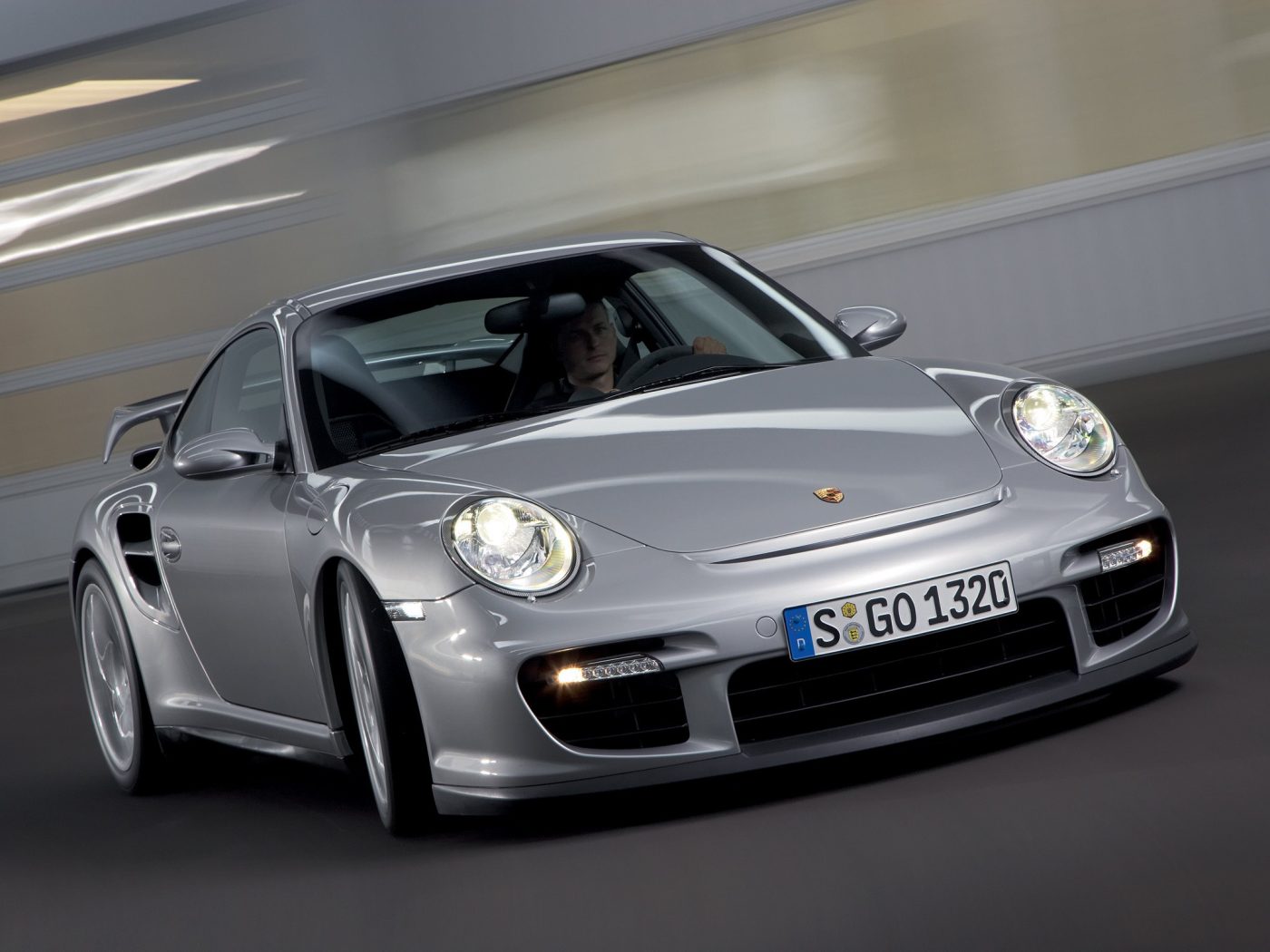
Why It's On The List
The Porsche 911 GT2 (997) represents one of the most extreme and technically fascinating road cars Porsche has ever built. Positioned at the very top of the 911 hierarchy, the 997 GT2 took the already formidable Turbo and stripped it down to a far more aggressive, driver-focused machine. Rear-wheel drive replaced all-wheel drive, electronic intervention was minimized, and outright performance took precedence over approachability—creating a car that demanded respect and rewarded mastery.
What truly set the 997 GT2 apart was its groundbreaking use of variable turbine geometry (VTG) turbochargers in a manual-gearbox, rear-wheel-drive configuration—a world first at the time. This technology dramatically reduced turbo lag while preserving immense top-end power, giving the GT2 an unusually broad and ferocious powerband. The Mezger-based 3.6-liter twin-turbo flat-six delivered explosive acceleration that rivaled contemporary hypercars, yet with sharper throttle response than any turbocharged 911 before it.
The chassis and aero package were unapologetically aggressive. Extensive use of lightweight materials, massive carbon-ceramic brakes, stiff suspension tuning, and a towering rear wing transformed the GT2 into a road-legal track weapon. Steering was brutally direct, grip levels were immense, and mistakes were not easily forgiven. Unlike the more balanced GT3, the GT2 was a car that thrived on restraint and precision—its performance ceiling was enormous, but so was the consequence of overconfidence.
Today, the 2008 Porsche 911 GT2 (997) is regarded as one of the most intimidating and technologically significant 911s ever produced. It marked a turning point in turbocharging sophistication while preserving the raw, rear-drive challenge that defines the GT2 lineage. Rare, ferocious, and deeply demanding, the 997 GT2 earns its place among the greatest Porsche 911s ever made as a true apex predator of the modern era.
Details
Model: Porsche 911 GT2 (997)
Model Years: 2008 - 2009
Production: 1,242 units
Engine: 3.6 L Turbocharged Flat 6 (M97/70S)
Power: 523 bhp @ 6250 rpm
Torque: 516 ft lbs @ 2100 rpm
0 - 60 mph: 3.4 seconds
Top Speed: 204 mph
Known For
Rear-wheel-drive turbo brutality: Massive power sent only to the rear wheels made it one of the fastest—and most challenging—road-going 911s of its time.
Peak analog GT2: Less electronic safety net than later generations, cementing its reputation as a driver-focused, no-excuses performance icon.
Learn More
Porsche 911 Carrera S Coupe (997.2) (2009 – 2012)
Represents the most complete evolution of the naturally aspirated, hydraulic-steering 911 before the modern era fully took over. With a new direct-injection engine, improved reliability, and perfectly judged refinement, it delivered peak everyday usability without sacrificing driver connection.
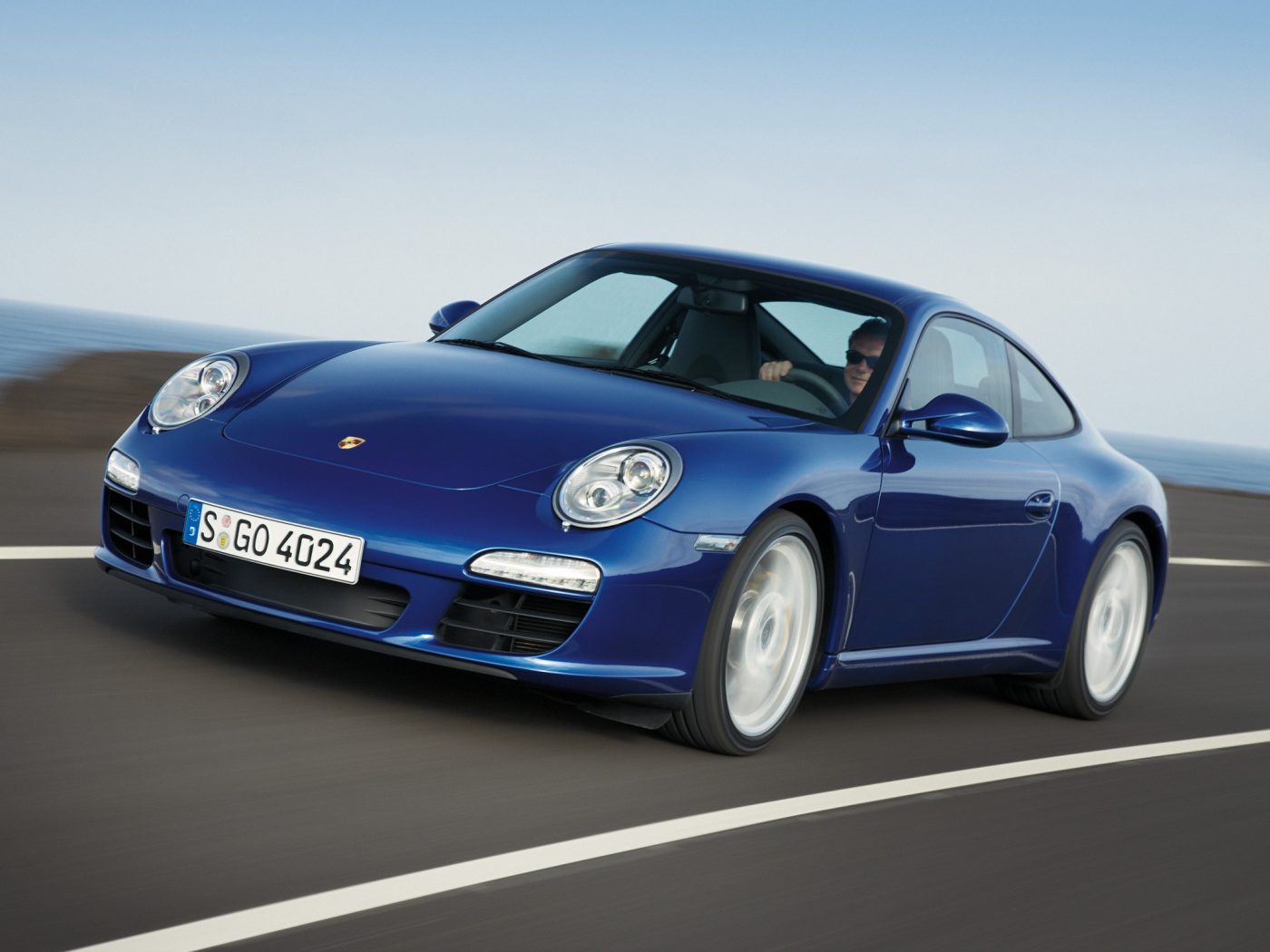
Why It's On The List
The Porsche 911 Carrera S Coupe (997.2) is often viewed as the most complete and usable evolution of the 997 generation. Arriving with Porsche’s mid-cycle refresh, the 997.2 quietly addressed the few weaknesses of its predecessor while preserving the classic proportions and analog feel that made the 997 so beloved. It combined timeless design with meaningful technical improvements, resulting in a 911 that felt both thoroughly modern and deeply authentic.
Under the rear decklid sat a new 3.8-liter direct-injected flat-six, delivering stronger performance, improved efficiency, and sharper throttle response compared to the earlier engine. Equally important was the introduction of Porsche’s PDK dual-clutch transmission, which offered lightning-fast shifts while retaining the option of a traditional six-speed manual for purists. Paired with rear-wheel drive and a finely tuned chassis, the Carrera S delivered performance that felt effortless and confidence-inspiring on both road and track.
The driving experience of the 997.2 Carrera S struck a near-perfect balance. Steering remained hydraulic and richly communicative, body control was superb, and the car felt planted yet playful at the limit. It was fast enough to thrill experienced drivers while remaining approachable for everyday use—a true “do-it-all” sports car that excelled whether carving back roads, commuting, or lapping a circuit.
Today, the Porsche 911 Carrera S (997.2) is widely regarded as a sweet spot in the modern 911 lineup. It represents the final refinement of a beloved generation before increased size, complexity, and electronic intervention reshaped the model. Beautiful, reliable, and immensely satisfying to drive, the 997.2 Carrera S fully earns its place among the greatest Porsche 911s ever made.
Details
Model: Porsche 911 Carrera S Coupe (997.2)
Model Years: 2009 - 2012
Production: 9,726 units
Engine: 3.8 L Watercooled Flat 6 (MA1/01)
Power: 380 bhp @ 6500 rpm
Torque: 310 ft lbs @ 4400 rpm
0 - 60 mph: 4.3 seconds
Top Speed: 187 mph
Known For
DFI reliability breakthrough: The 3.8-liter direct fuel injection flat-six solved earlier engine concerns while improving throttle response, efficiency, and performance.
Sweet-spot modern classic: Hydraulic steering, compact dimensions, and available manual transmission make it one of the most balanced and desirable modern Carreras to own and drive.
Learn More
Porsche 911 Sport Classic (997) (2010)
Fused modern performance with deep heritage cues, reviving classic design elements while delivering a purist, rear-wheel-drive driving experience. Limited in production and rich in historical references, it proved Porsche could honor its past without resorting to nostalgia alone.
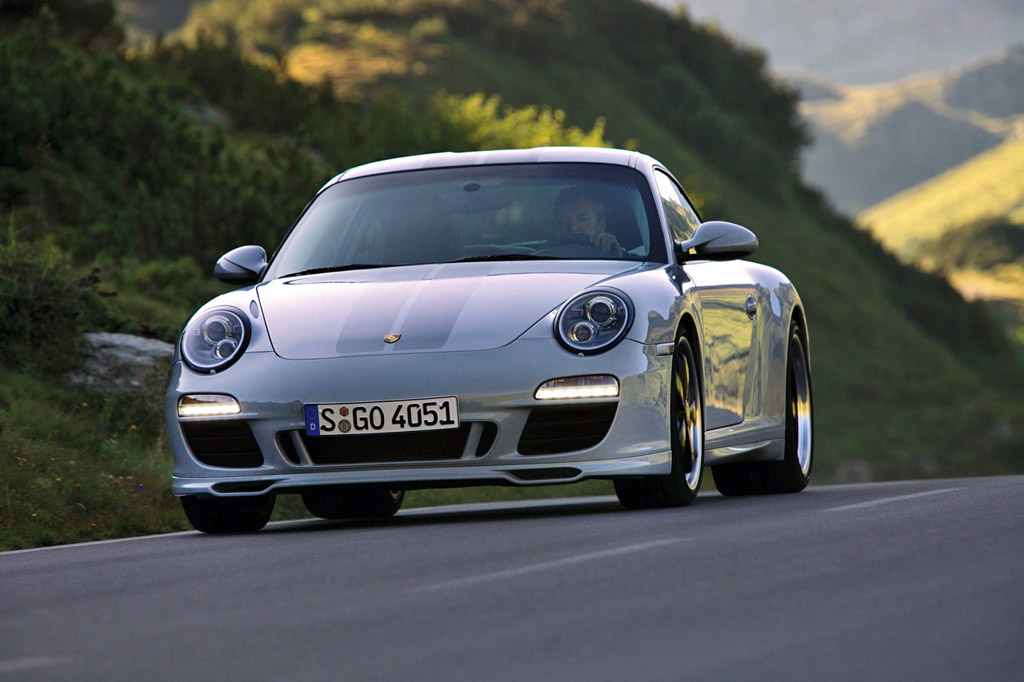
Why It's On The List
The Porsche 911 Sport Classic (997) was a bold and nostalgic tribute to Porsche’s heritage, blending modern engineering with unmistakable visual cues from the brand’s golden era. Produced in a strictly limited run, the Sport Classic was designed as a celebration of early 911 design and craftsmanship, drawing direct inspiration from icons like the Carrera RS 2.7. It stood apart from the rest of the 997 lineup not through outright performance numbers, but through character, detail, and emotional appeal.
Visually, the Sport Classic is instantly recognizable. The iconic ducktail rear spoiler, center-lock Fuchs-style wheels, and exclusive Sport Classic Grey paint gave it a timeless silhouette that felt both retro and modern. Inside, the bespoke grey-and-tan leather interior paired with classic Pepita houndstooth inserts created one of the most distinctive cabins Porsche had offered in decades. Every surface and material choice reinforced the sense that this was a hand-finished, special car rather than a standard production model.
Mechanically, the Sport Classic featured a naturally aspirated flat-six paired exclusively with a six-speed manual gearbox and rear-wheel drive, reinforcing its purist credentials. Porsche also fitted a limited-slip differential and sport-tuned suspension, giving the car a more engaging, driver-focused feel than a standard Carrera S. While it wasn’t a hardcore GT model, it delivered a deeply satisfying and analog driving experience rooted in balance, sound, and tactility.
Today, the 2010 Porsche 911 Sport Classic (997) is regarded as one of the most tasteful and desirable modern heritage-inspired 911s ever made. It marked the beginning of Porsche’s modern fascination with retro reinterpretations, paving the way for later Sport Classic and Heritage Design models. Rare, beautifully executed, and rich in character, the Sport Classic earns its place among the greatest Porsche 911s ever made—not for chasing lap times, but for celebrating the soul of the 911 itself.
Details
Model: Porsche 911 Sport Classic (997)
Model Years: 2010
Production: 256 units
Engine: 3.8 L Watercooled Flat 6 (MA1/01 X51)
Power: 402 bhp @ 7300 rpm
Torque: 310 ft lbs @ 4200 rpm
0 - 60 mph: 4.6 seconds
Top Speed: 188 mph
Known For
Modern ducktail revival: The fixed ducktail spoiler paid direct homage to the legendary 1973 Carrera RS, blending retro design with contemporary aerodynamics.
Exclusivity and craftsmanship: Limited production, bespoke interior materials, and center-lock Fuchs-style wheels made it one of the most collectible modern-era 911s.
Learn More
Porsche 911 GT3 (997.2) (2010 – 2012)
Perfected the naturally aspirated Mezger GT3 formula at its absolute peak. With a larger 3.8-liter engine, sharper chassis tuning, and legendary hydraulic steering, it delivered one of the most precise and emotionally rewarding driving experiences Porsche has ever created.
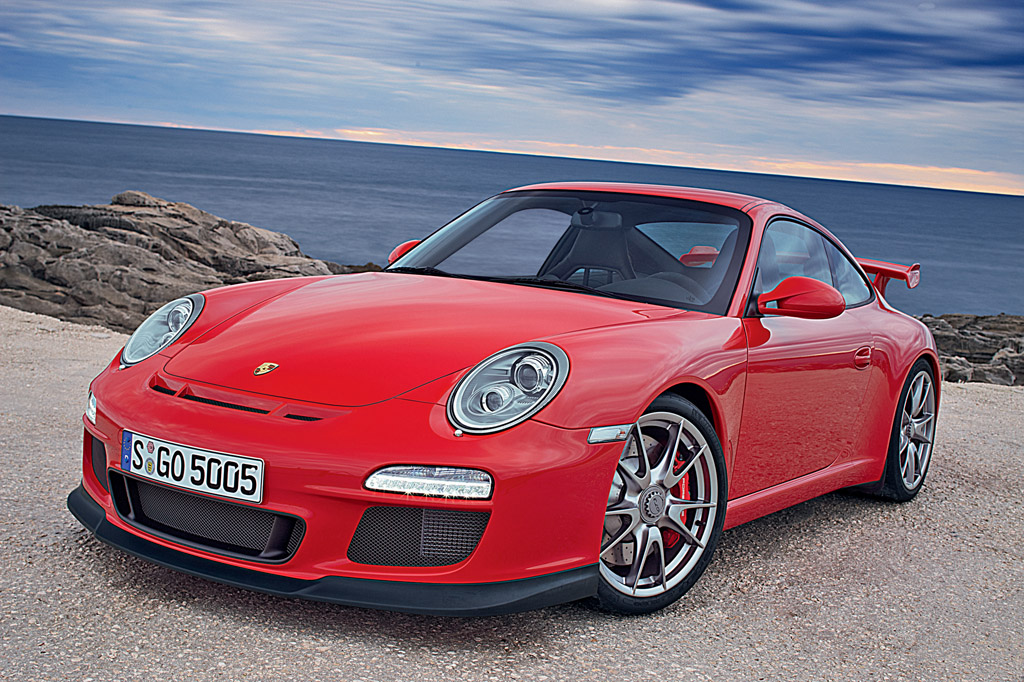
Why It's On The List
The Porsche 911 GT3 (997.2) is widely regarded as the ultimate evolution of the Mezger-powered, naturally aspirated GT3—and one of the finest driver’s cars Porsche has ever produced. Arriving late in the 997 generation, the GT3 997.2 refined an already legendary formula rather than reinventing it. With sharper responses, increased power, and subtle but meaningful chassis updates, it represented Porsche Motorsport operating at the absolute peak of the analog-modern crossover era.
Power came from a revised 3.8-liter Mezger flat-six, delivering stronger mid-range torque and an even more ferocious top-end than earlier GT3s. Throttle response was instant, the soundtrack intoxicating, and the engine’s racing lineage unmistakable. Paired exclusively with a six-speed manual gearbox and rear-wheel drive, the 997.2 GT3 demanded driver engagement at every moment, rewarding precision, commitment, and mechanical sympathy in a way few modern cars can replicate.
The chassis was where the 997.2 GT3 truly separated itself. Suspension geometry was further optimized, aerodynamics refined, and steering feel—still hydraulic—remained among the best ever fitted to a road car. The result was a machine that felt utterly composed at speed, transparent at the limit, and endlessly adjustable through throttle and steering inputs. It was equally devastating on track and thrilling on fast roads, offering race-car clarity without sacrificing road usability.
Today, the Porsche 911 GT3 (997.2) is viewed as a high-water mark for the GT3 lineage and a farewell to a purer era. It was the final GT3 to combine a Mezger engine, hydraulic steering, and a manual-only transmission—an irreplaceable combination that has since become the stuff of legend. Focused, visceral, and deeply rewarding, the 997.2 GT3 earns its place among the greatest Porsche 911s ever made and remains a benchmark for driver-focused performance cars.
Details
Model: Porsche 911 GT3 (997.2)
Model Years: 2010 - 2012
Production: 2,256 units
Engine: 3.8 L Watercooled Flat 6 (M97/77)
Power: 429 bhp @ 7600 rpm
Torque: 317 ft lbs @ 6250 rpm
0 - 60 mph: 4.0 seconds
Top Speed: 194 mph
Known For
Peak Mezger GT3 engine: The 3.8-liter race-derived flat-six combined reliability, response, and a soaring redline into a definitive GT3 powerplant.
Driver-focus perfection: Widely regarded as the sweet spot between raw track capability and road usability, making it one of the most sought-after GT3s ever built.
Learn More
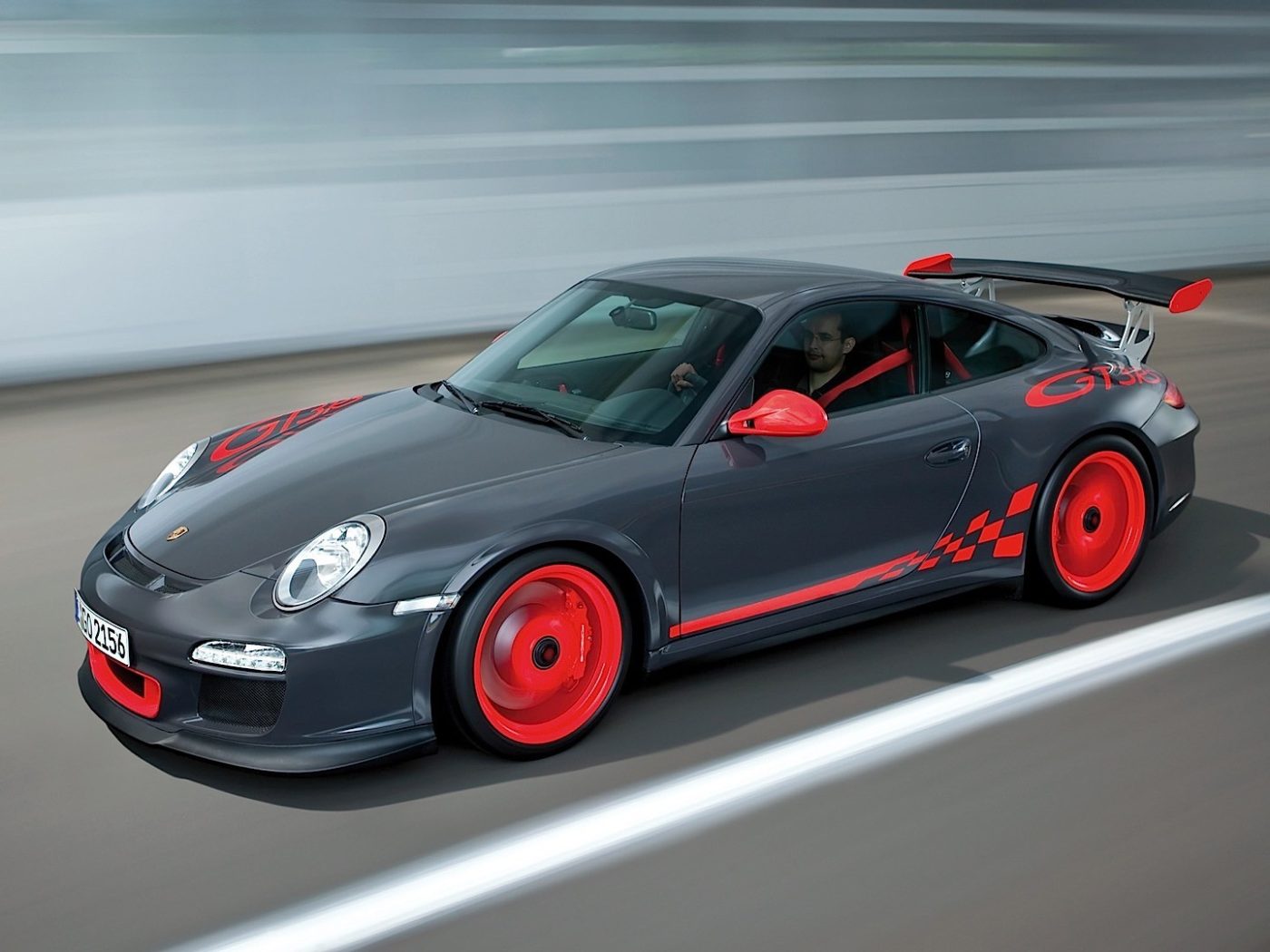
Porsche 911 GT3 RS (997.2) (2010 – 2012)
Represents the most extreme and focused evolution of the Mezger-powered RS before Porsche entered the modern electronic era. With relentless weight reduction, razor-sharp chassis tuning, and an uncompromising track-first mindset, it delivered one of the purest road-legal race car experiences Porsche has ever offered.
Why It's On The List
The Porsche 911 GT3 RS (997.2) represents the ultimate, most extreme evolution of the Mezger-powered GT3 RS lineage—and one of the most focused road cars Porsche has ever built. Arriving near the end of the 997 generation, the RS 997.2 took everything Porsche Motorsport had learned from decades of racing and distilled it into a road-legal machine with almost no compromises. This was not a softened special edition or a styling exercise; it was a homologation-style weapon aimed squarely at serious drivers and track-day purists.
At its heart was a high-revving 3.8-liter naturally aspirated Mezger flat-six, delivering relentless power, instant throttle response, and an intoxicating race-bred soundtrack. Paired exclusively with a six-speed manual gearbox and rear-wheel drive, the GT3 RS demanded complete driver engagement. Weight reduction was extensive, with lightweight panels, stripped interior elements, and aggressive aerodynamics contributing to a car that felt urgent and alive the moment it moved.
The chassis setup was uncompromising. Wider track widths, stiffer suspension, adjustable components, and a massive rear wing gave the 997.2 GT3 RS extraordinary grip and stability at speed. Steering feel—hydraulic and unfiltered—was among the best ever fitted to a production car, offering precise feedback and absolute confidence at the limit. On track, the car felt surgically precise; on the road, it was intense, loud, and thrilling in a way few modern cars dare to be.
Today, the Porsche 911 GT3 RS (997.2) is regarded as a pinnacle car of the analog-modern crossover era and a cornerstone of Porsche’s RS legacy. It represents the last of a breed: Mezger engine, hydraulic steering, manual gearbox, and uncompromising motorsport intent. Rare, visceral, and deeply rewarding, the 997.2 GT3 RS fully earns its place among the greatest Porsche 911s ever made—and stands as one of the purest driver-focused machines Porsche will ever produce.
Details
Model: Porsche 911 GT3 RS (997.2)
Model Years: 2010 - 2012
Production: 1,619 units
Engine: 3.8 L Watercooled Flat 6 (M97/77R)
Power: 444 bhp @ 7900 rpm
Torque: 317 ft lbs @ 6750 rpm
0 - 60 mph: 3.8 seconds
Top Speed: 193 mph
Known For
Ultimate Mezger RS expression: The final and most aggressive naturally aspirated RS before the 4.0-liter swan song, revered for its response, durability, and motorsport character.
Unfiltered track weapon: Ultra-stiff suspension, massive aero, and minimal concessions to comfort made it one of the most demanding—and rewarding—911s to drive fast.
Learn More
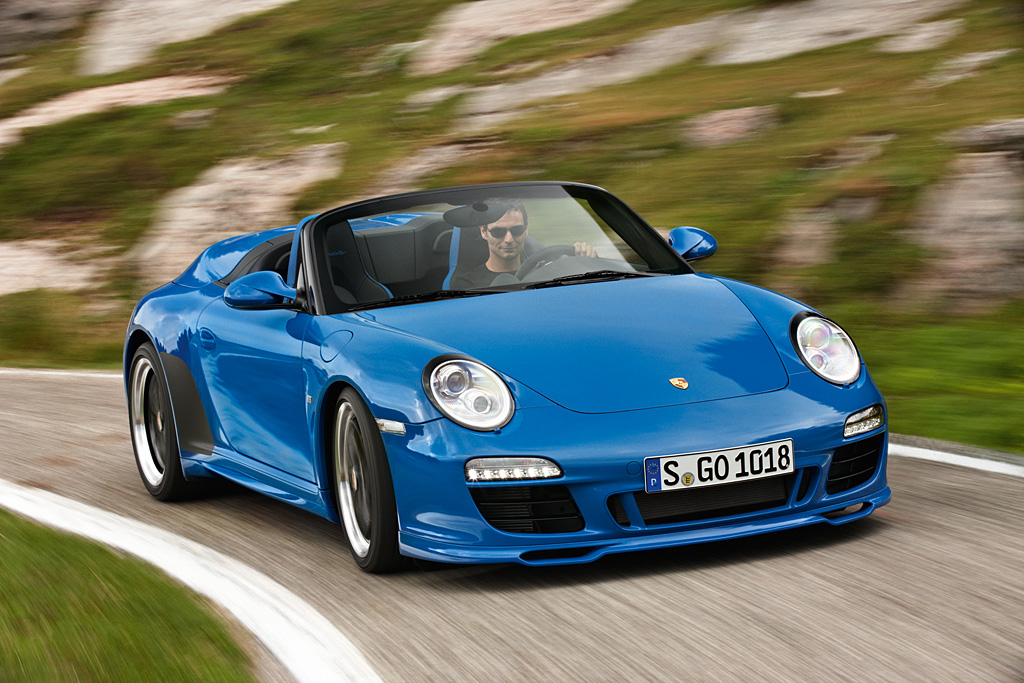
Porsche 911 Speedster (997) (2011)
Blended the romance of Porsche’s historic Speedsters with modern GT-level performance and craftsmanship. Built in strictly limited numbers, it served as a rolling celebration of heritage, exclusivity, power and driver-focused purity at the very end of the most amazing Mezger era.
Why It's On The List
The Porsche 911 Speedster (997) is one of the rarest and most emotionally driven modern 911s Porsche has ever produced. Built to celebrate the Speedster tradition that dates back to the 1950s, the 997 Speedster was never intended to chase lap times or headline performance figures. Instead, it was conceived as a design-led, enthusiast-focused tribute—one that blended classic open-top purity with the mechanical excellence of the late Mezger-era 911.
Visually, the 997 Speedster is unmistakable. Its low, raked windshield, double-hump rear tonneau cover, and exclusive Pure Blue paint immediately set it apart from every other 997. Fuchs-style wheels and subtle heritage details reinforced its connection to earlier Speedsters, while the overall execution felt far more bespoke than most modern Porsche special editions. With production limited to just 356 examples worldwide, exclusivity was central to its appeal from day one.
Mechanically, the Speedster was closely related to the Carrera GTS, using a naturally aspirated 3.8-liter flat-six paired exclusively with a six-speed manual gearbox and rear-wheel drive. Porsche fitted a sport-tuned suspension and limited-slip differential, ensuring the car delivered genuine driving engagement rather than serving as a static collectible. While the lightweight fabric roof and minimal weather protection stayed true to Speedster tradition, the car remained surprisingly usable for such a focused, open-air machine.
Today, the Porsche 911 Speedster (997) is regarded as one of the most special and collectible 911s of the modern era. It represents the end of an age—combining hydraulic steering, a naturally aspirated engine, and classic proportions in a form that prioritized emotion over outright performance. Rare, beautiful, and deeply characterful, the 997 Speedster earns its place among the greatest Porsche 911s ever made as a celebration of driving pleasure in its purest form.
Details
Model: Porsche 911 Speedster (997)
Model Years: 2011
Production: 361 units
Engine: 3.8 L Watercooled Flat 6 (MA1/01 X51)
Power: 402 bhp @ 7300 rpm
Torque: 310 ft lbs @ 4200 rpm
0 - 60 mph: 4.4 seconds
Top Speed: 190 mph
Known For
Heritage-driven design: Short windshield, iconic double-hump rear cover, and classic Speedster proportions reinterpreted for the modern 911.
Limited-production collector icon: Produced in very small numbers and powered by a GT-derived flat-six, making it one of the most desirable and instantly collectible 997-era 911s.
Learn More
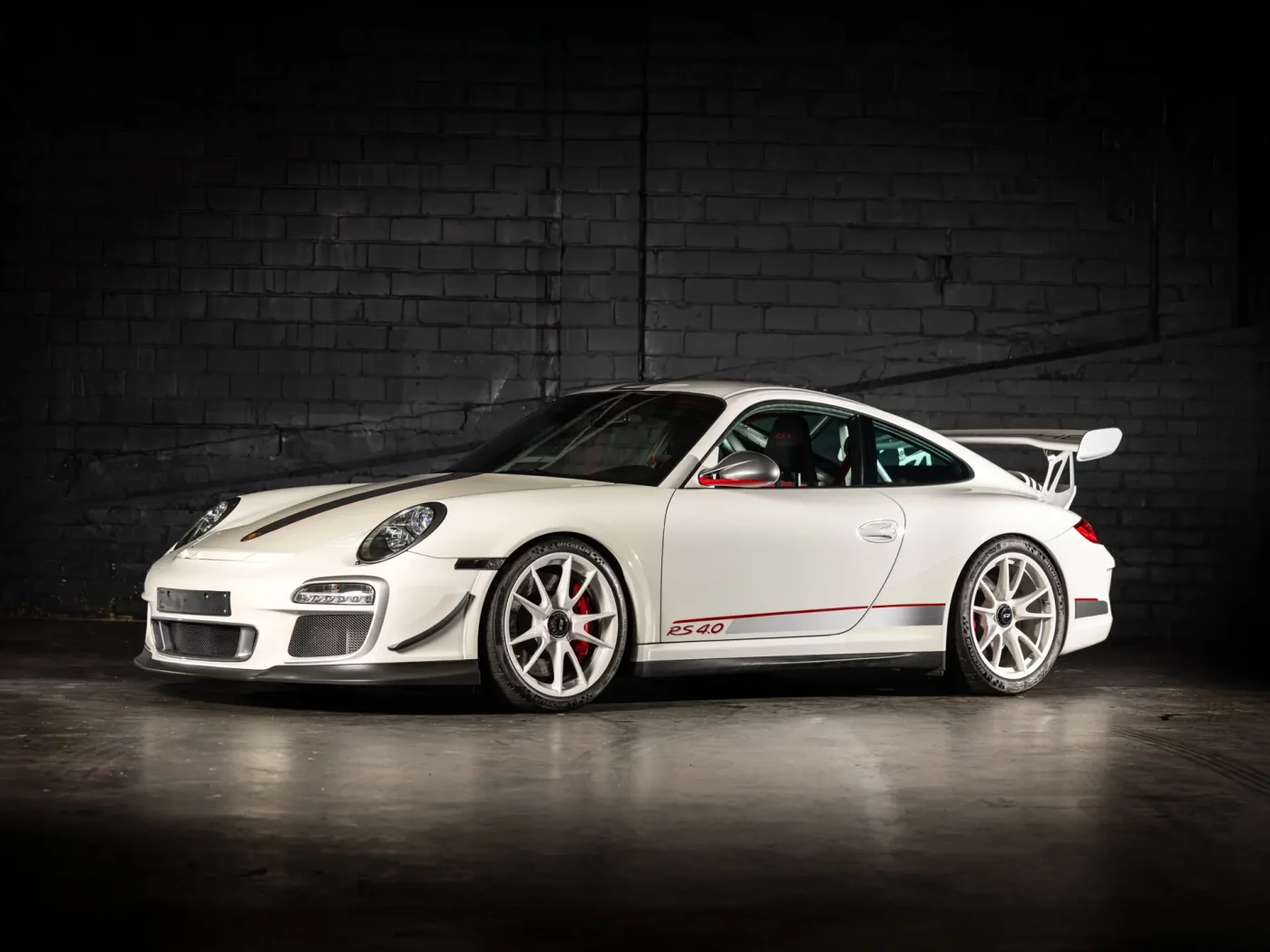
Porsche 911 GT3 RS 4.0 (997) (2011)
The ultimate and final evolution of the Mezger-powered, naturally aspirated RS philosophy. Built as a no-compromise farewell, it combined the largest-displacement NA flat-six Porsche ever fitted to a 911 with race-grade chassis tuning to deliver a near-perfect road-legal race car. Might be the best 911 ever. The unicorn.
Why It's On The List
The Porsche 911 GT3 RS 4.0 (997) is often spoken of in reverent terms—and with good reason. Widely regarded as the greatest 911 ever made, it represented a definitive full stop at the end of Porsche’s most celebrated engine lineage. Conceived as a final farewell to the legendary Mezger flat-six, the GT3 RS 4.0 was not a marketing exercise or a softened commemorative model; it was an uncompromising, motorsport-bred masterpiece built for drivers above all else.
At its heart was the ultimate evolution of the Mezger engine: a 4.0-liter naturally aspirated flat-six producing 500 horsepower and revving with race-car ferocity. Power delivery was instant, linear, and relentless, paired exclusively with a six-speed manual gearbox and rear-wheel drive. Every input felt alive, every throttle movement rewarded, and every lap or road blast carried the unmistakable character of an engine developed through decades of endurance racing success.
The chassis matched the engine’s intensity. Extensive use of lightweight materials, carbon-fiber body panels, aggressive aerodynamics, and track-focused suspension tuning transformed the GT3 RS 4.0 into a road-legal race car. Steering feel—hydraulic, unfiltered, and precise—was among the best ever fitted to a production vehicle. The car demanded total commitment, but in return offered a level of feedback, balance, and connection that remains unmatched even by modern hypercars.
Today, the Porsche 911 GT3 RS 4.0 stands as a benchmark not just for Porsche, but for all driver-focused performance cars. As the final Mezger-powered 911, it symbolizes the end of an era defined by mechanical purity, motorsport DNA, and emotional intensity. Rare, breathtakingly focused, and universally revered, the GT3 RS 4.0 earns its place at the very top of the greatest Porsche 911s ever made—and for many, it remains the ultimate expression of what a 911 should be.
Details
Model: Porsche 911 GT3 RS 4.0 (997)
Model Years: 2011
Production: 613 units
Engine: 4.0 L Watercooled Flat 6 (M97/74)
Power: 493 bhp @ 8250 rpm
Torque: 339 ft lbs @ 5750 rpm
0 - 60 mph: 3.9 seconds
Top Speed: 195 mph
Known For
Mezger engine swan song: The 4.0-liter flat-six is widely regarded as one of the greatest engines Porsche has ever built—razor-sharp, durable, and emotionally unmatched.
Ultimate RS purity: Extreme weight reduction, aggressive aero, and uncompromising suspension made it the pinnacle of analog, driver-first 911 engineering.
Learn More
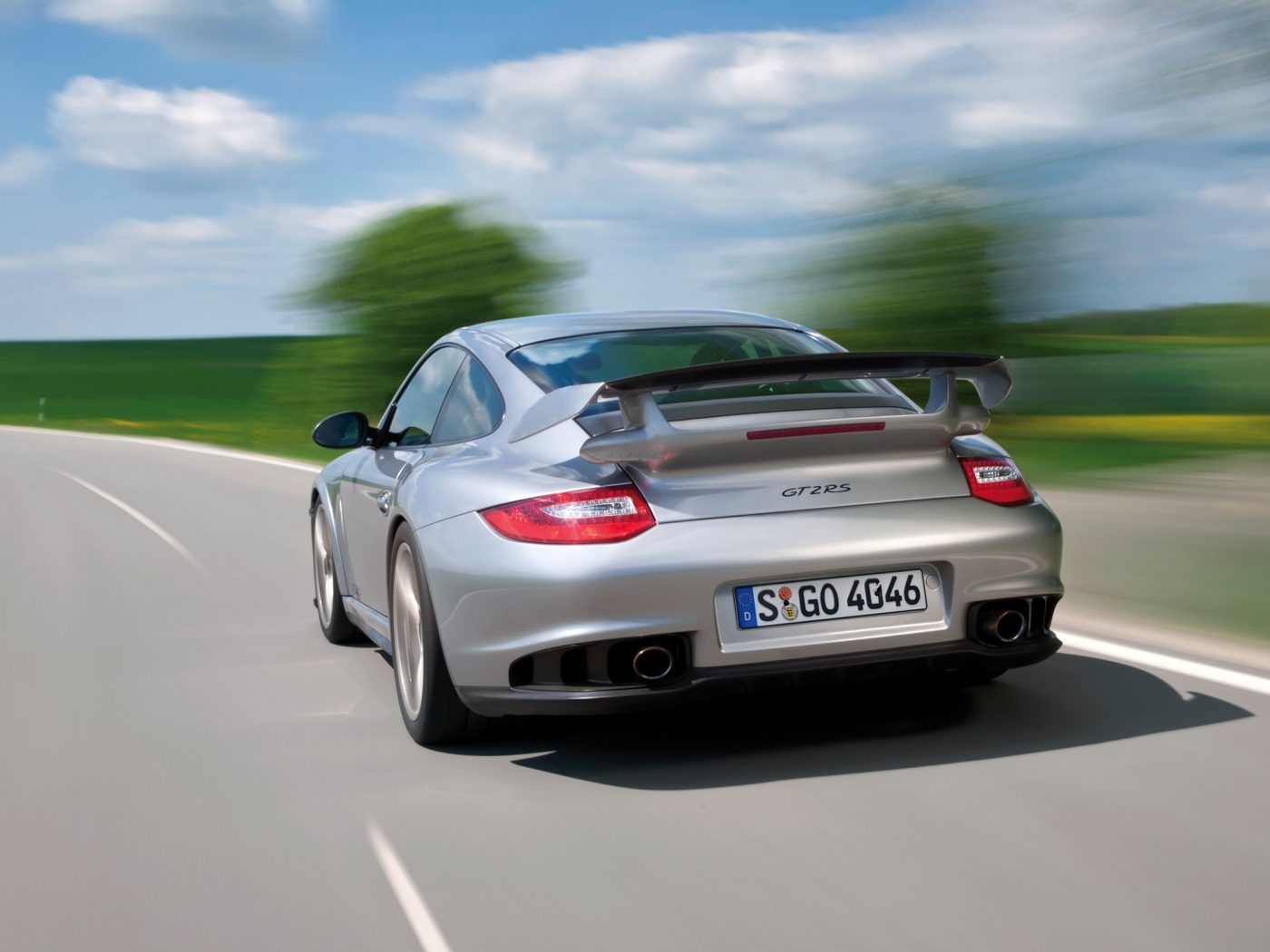
Porsche 911 GT2 RS (997) (2011)
The most extreme, powerful, and uncompromising road-going 911 Porsche had ever built at the time. By pairing massive turbocharged output with rear-wheel drive and brutal weight reduction, it became a supercar slayer that demanded total respect from its driver.
Why It's On The List
The Porsche 911 GT2 RS (997) is one of the most extreme and intimidating road cars Porsche has ever produced—a machine that pushed the 911 platform to its absolute limits. Built as the ultimate evolution of the already ferocious GT2, the GT2 RS stripped weight, added power, and sharpened every dynamic edge. With just 500 examples produced, it wasn’t merely a flagship—it was a warning shot, demonstrating how far Porsche Motorsport could go without abandoning road legality.
Power came from a heavily uprated 3.6-liter Mezger-based twin-turbo flat-six producing a staggering 620 horsepower, sent exclusively to the rear wheels through a six-speed manual gearbox. Extensive use of carbon fiber for the hood, rear wing, mirrors, and interior trim helped shed significant weight, amplifying the car’s already explosive performance. Acceleration was brutal, turbocharged thrust relentless, and the margin for error vanishingly small—this was a car that demanded full respect at all times.
The GT2 RS was not just about straight-line speed. Suspension tuning, massive brakes, and aggressive aerodynamics transformed it into a devastating track weapon, culminating in a Nürburgring Nordschleife lap record that cemented its legend. Steering feel was brutally honest, grip levels immense, and stability at high speed astonishing—provided the driver had the skill and restraint to manage its immense power. Unlike the more balanced GT3 RS, the GT2 RS was about domination rather than delicacy.
Today, the Porsche 911 GT2 RS (997) stands as one of the most fearsome production cars ever built and a defining moment in Porsche’s performance history. It represents the absolute peak of the Mezger turbo era—a carbon-clad, rear-wheel-drive monster that combined race-bred engineering with terrifying real-world speed. Rare, uncompromising, and unforgettable, the 997 GT2 RS earns its place among the greatest Porsche 911s ever made as one of the most extreme road cars Porsche will likely ever build.
Details
Model: Porsche 911 GT2 RS (997)
Model Years: 2011
Production: 510 units
Engine: 3.8 L Turbocharged Flat 6 (M97/70)
Power: 612 bhp @ 6500 rpm
Torque: 516 ft lbs @ 2250 rpm
0 - 60 mph: 3.5 seconds
Top Speed: 205 mph
Known For
Most powerful 911 of its era: With colossal turbocharged power and minimal electronic intervention, it delivered performance that rivaled — and often eclipsed — contemporary hypercars.
No-compromise RS brutality: Rear-wheel drive, aggressive aero, stripped interior, and race-grade hardware made it one of the most intimidating and rewarding 911s ever created.
Learn More
Porsche 911 Carrera GTS Coupe (997) (2011 – 2012)
Perfectly blended everyday usability with genuine enthusiast performance, sitting precisely between the Carrera S and GT3. As the final naturally aspirated, hydraulic-steering Carrera before turbocharging took over, it represents a last, perfectly judged expression of the classic 911 formula.
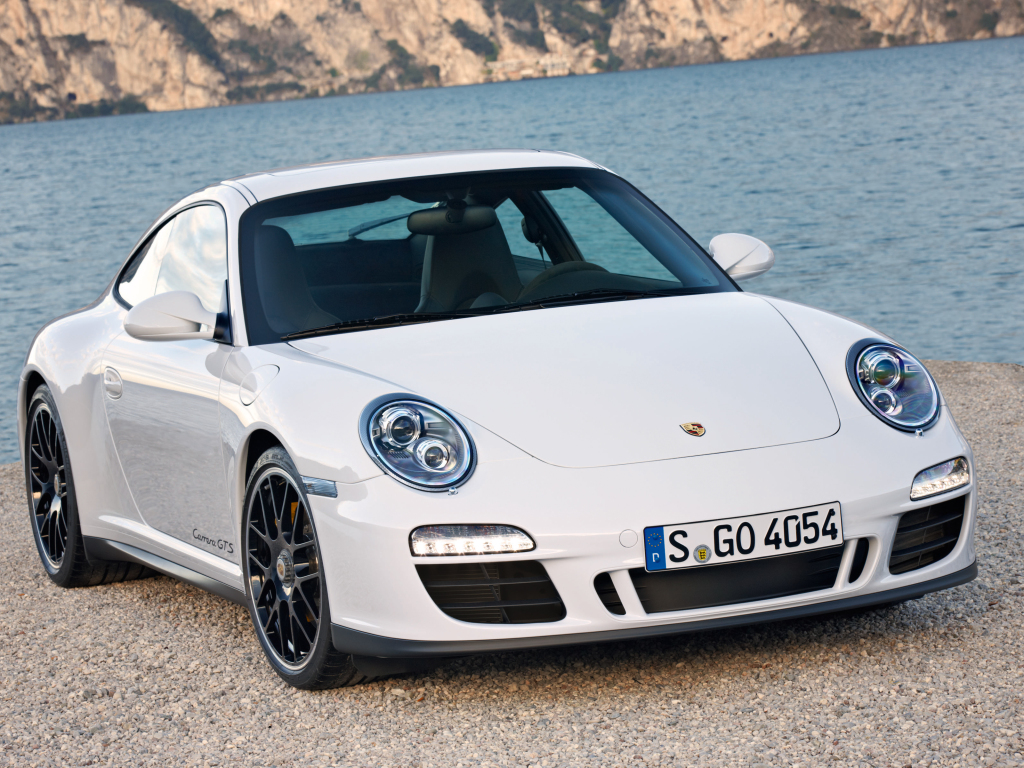
Why It's On The List
The Porsche 911 Carrera GTS Coupe (997) is often described as the sweet spot of the entire 997 generation—a perfectly judged blend of performance, usability, and visual drama. Introduced late in the 997 lifecycle, the Carrera GTS was Porsche’s answer to enthusiasts who wanted something more special than a Carrera S, but without the uncompromising nature of a GT3. The result was a car that felt curated rather than extreme, offering maximum enjoyment on real roads.
Powered by a naturally aspirated 3.8-liter flat-six producing more power than the Carrera S, the GTS delivered strong, linear performance paired with an intoxicating soundtrack. Buyers could choose between a six-speed manual or PDK, rear-wheel drive or all-wheel drive, making the GTS one of the most versatile enthusiast-focused 911s Porsche had ever offered. A sport suspension, limited-slip differential, and carefully tuned chassis gave the car sharper responses without sacrificing everyday comfort.
Visually, the GTS stood out immediately. The widebody shell borrowed from the Carrera 4 gave it Turbo-like presence, while center-lock wheels, blacked-out trim, and a lowered stance added subtle aggression. Inside, Alcantara-trimmed surfaces, sport seats, and exclusive details reinforced the sense that this was a driver’s 911—purposeful, focused, and special without being flashy.
Today, the Porsche 911 Carrera GTS (997) is widely regarded as one of the most complete modern 911s ever built. It represents the final refinement of the hydraulic-steering, naturally aspirated 997 era before the transition to larger, more complex generations. Balanced, beautiful, and endlessly enjoyable to drive, the 997 Carrera GTS Coupe fully earns its place among the greatest Porsche 911s ever made—and remains a benchmark for what a road-focused enthusiast 911 should be.
Details
Model: Porsche 911 Carrera GTS Coupe (997)
Model Years: 2011 - 2012
Production: 2,656 units
Engine: 3.8 L Watercooled Flat 6 (MA1/01 X51)
Power: 402 bhp @ 7300 rpm
Torque: 310 ft lbs @ 4200 rpm
0 - 60 mph: 4.4 seconds
Top Speed: 190 mph
Known For
The ultimate non-GT 997: More power, wider body, center-lock wheels, and sport-focused tuning made it the most complete Carrera of its generation.
End-of-era purity: Naturally aspirated flat-six, manual transmission availability, and hydraulic steering combine to make it one of the most beloved modern-era 911s to drive and own.