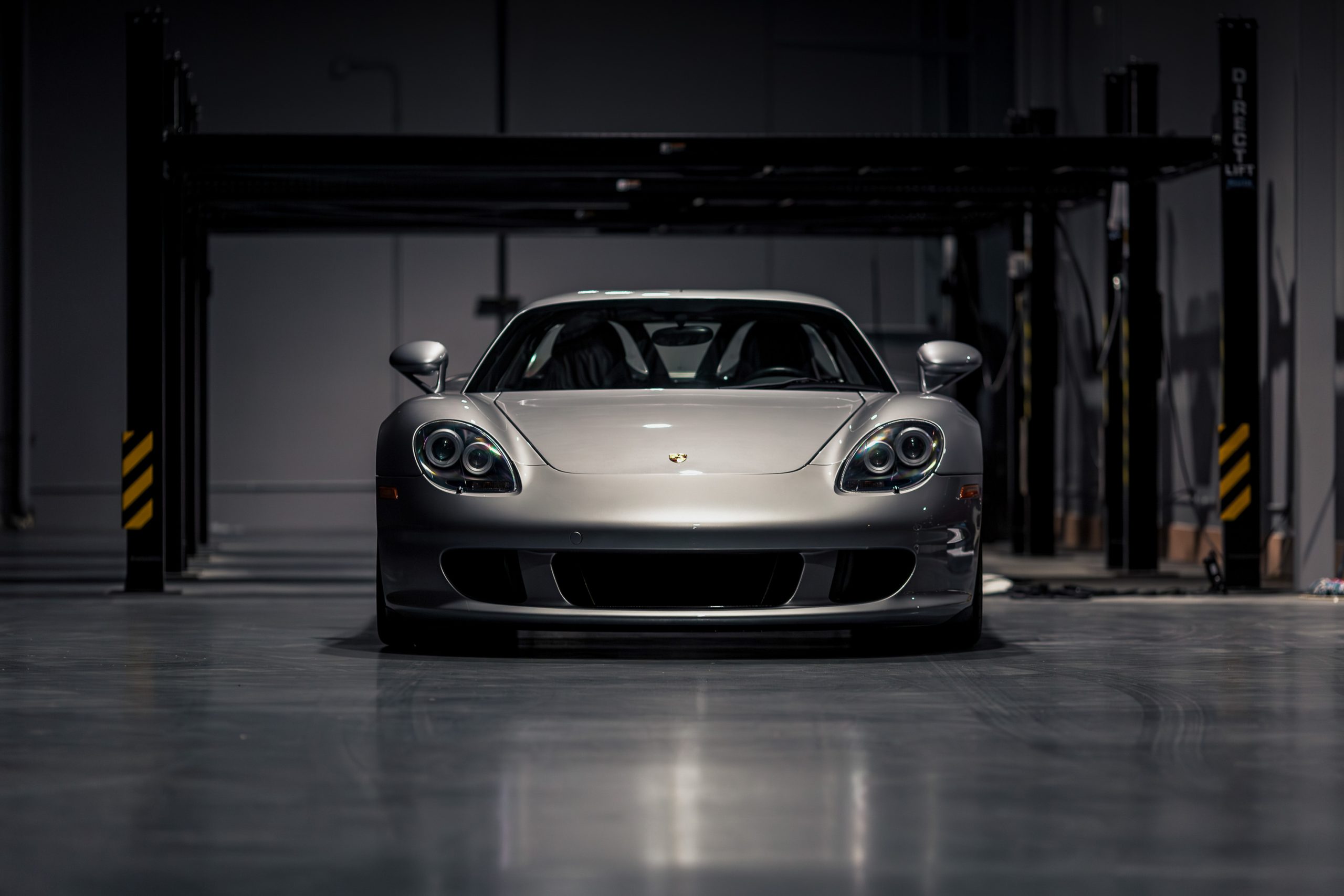

The Best Porsche 911 'RS' Models Ever
Porsche's 'RS' models have always represented the pinnacle of automotive engineering prowess. With each new generation, Porsche has refined the 'RS' formula, delivering razor-sharp handling, extreme straight-line speed and an altogether visceral driving experience.
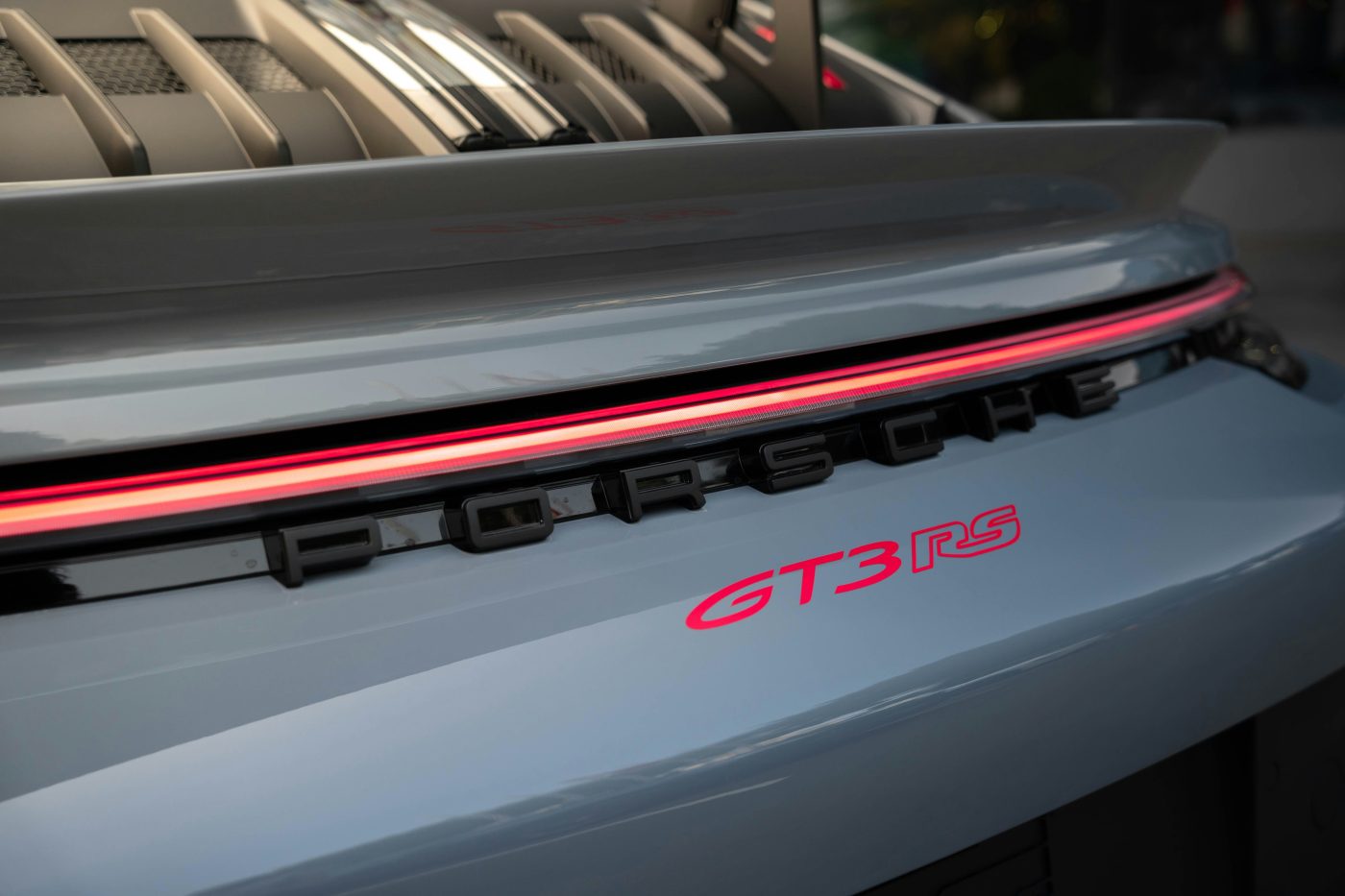
The Greatest Porsche RS Models - A Primer
Porsche’s “RS” badge has never been a trim level or a marketing exercise—it has always been a declaration of intent. From its earliest days, “RS” (Rennsport) signified that a car existed because of racing, not in spite of it. These models weren’t designed to impress on paper or soften their edges for broader appeal; they were built to push Porsche’s engineering to its limit, often at moments when the brand was willing to prioritize purity over comfort, usability, or even commercial logic.
In creating a list of the best Porsche 911 RS models ever made, we didn’t simply chase power figures or lap times. Instead, we looked for inflection points—cars that defined or redefined what an RS could be. Some were homologation specials born directly from motorsport necessity. Others marked the end of an era: the final air-cooled RS, the last Mezger-powered RS, or the moment when modern technology was fused with old-school character in a way Porsche would never repeat. These are the RS cars that changed direction, not just pace.
What makes RS models so special is their lack of compromise. Each great RS strips the 911 down to its essential purpose: feedback, balance, and relentless performance. The best examples don’t merely feel faster—they feel more honest. Steering talks louder. Engines respond instantly. Chassis behavior is transparent and demanding. These cars reward skill and commitment, and they don’t attempt to flatter the driver. That clarity of intent is why RS models tend to age so well, both dynamically and historically.
Ultimately, this list reflects how we think about Porsche at its best—not as a brand chasing trends, but as one willing to build difficult, demanding cars for people who truly understand them. The greatest 911 RS models aren’t just the fastest of their time; they are the ones that capture a moment Porsche could never recreate, where regulation, technology, and philosophy aligned just long enough to produce something extraordinary. That rarity—of circumstance as much as production—is what makes these RS cars enduring icons rather than mere performance benchmarks.
About Our Selections
Porsche's 'RS' cars are perhaps the carmaker's best demonstration of its commitment to uncompromising performance and automotive engineering brilliance. The 'RS' moniker is derived from the German term 'Rennsport,' which loosely translates to 'racing sport.' It is a clear reference to the intention behind this special class of Porsche performance vehicles.
First used for the 718 RSK race car back in 1957, the RS badging has since adorned some of Porsche's most iconic and desirable models. It symbolizes lightweight construction, track-inspired refinement and hard-core performance on the race circuit or public roads. RS models are characterized by their razor-sharp handling, high-revving engines and aggressive aerodynamics. Often produced in low numbers, they are typically built for those who demand the ultimate driving experience, offering a thrilling blend of exclusivity and performance.
The Porsche 911, a legendary sports car in its own right, has been the canvas for numerous RS masterpieces. From the lightweight and nimble 911 Carrera RS 2.7 to the technologically advanced 991.2 GT3 RS, each RS model represents a unique chapter in Porsche's rich motorsport heritage. Selecting the best 911 RS models is a challenging task, as each 911 that has worn the badge is unique in its own way. However, we have attempted to highlight some notable mentions in a class of high performers.
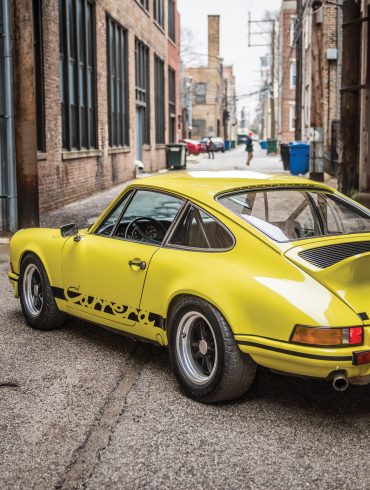
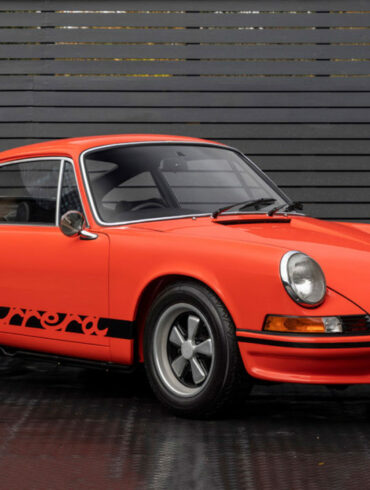
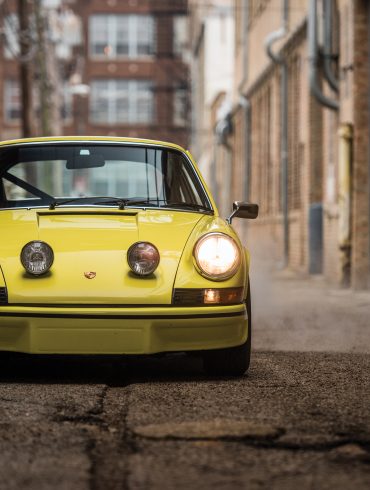
Porsche 911 Carrera RS 2.7 (1973)
The original RS—lightweight, homologation-driven, and the blueprint for every RS that followed.
Why It's On The List
The 911 Carrera RS 2.7 was first conceived as a homologation special to satisfy the demands of motor racing organizations to have road-legal versions of the race cars they approved for competition.
To achieve its racing pedigree, Porsche stripped the 911 down to its bare essentials. Lightweight materials such as fibreglass and aluminum were extensively used to keep the weight down. The result was a car that weighed significantly less than its standard counterparts, enhancing its performance and handling.
Under the hood, the Carrera RS 2.7 boasted a 2.7-litre flat-six engine that produced 210 horsepower. This potent engine, combined with the car's low weight, allowed for exhilarating acceleration and a top speed of over 150 mph. It was one of the fastest production cars at the time. The car's precise steering, responsive brakes, and sticky tires also contributed to an overall top-notch driving experience.
Engine & Drivetrain Specifications
Engine: 2.7L flat-six fuel-injected
Power: 210 hp @ 6,300 rpm
Torque: 188 ft-lbs @ 5,100 rpm
Transmission: 5-speed manual
Powertrain: Rear-wheel-drive
Known For
The first Porsche series production car to have different tire sizes on the front and rear axles.
It was also the first Porsche to have the rear spoiler now known as the 'ducktail.'
Learn More
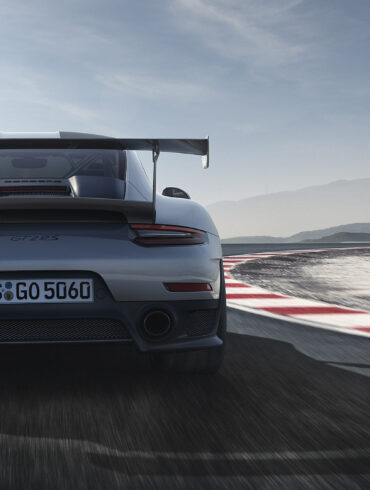
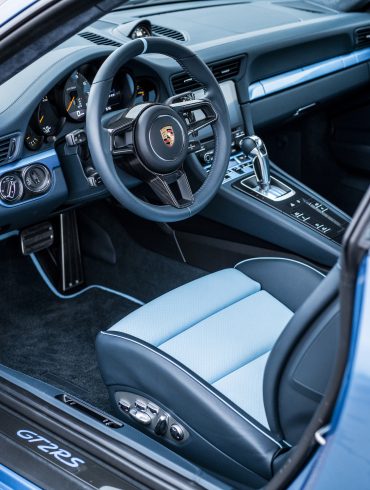
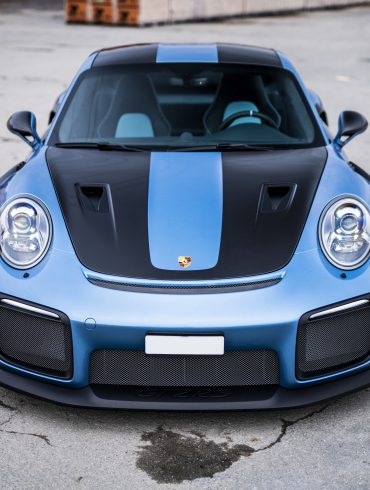
Porsche 911 GT2 RS (991.2)
This was the most powerful production 911 at the time of its launch.
Why It's On The List
Porsche pulled no punches with the 911 GT2 RS, first unveiled to the public at the 2017 Goodwood Festival of Speed.
With 700 hp on tap, it was the most powerful production 911 ever, courtesy of its potent twin-turbocharged flat-six powerplant.
That power output, harnessed by Porsche's famous PDK transmission and fed to the rear wheels, could propel the 911 GT2 RS to 60 mph in a blistering 2.8 seconds. Its 211 mph top speed also meant few rivals could match its pace in an all-out straight-line run.
The 911 GT2 RS boasts performance underscored by an advanced chassis setup, exceptional handling and braking performance. It's a total package that makes it a formidable force on both the track and public roads.
The 2018 GT2 RS has set a very high bar for the next-gen GT2 RS model, which is expected to launch sometime in 2026.
Engine & Drivetrain Specifications
Engine: 3.8L twin-turbo flat-six
Power: 700 hp @ 7,000 rpm
Torque: 553 ft-lbs @ 2,500 rpm
Transmission: 7-speed PDK
Powertrain: Rear-wheel-drive
Known For
The 911 GT2 RS set a lap time of 6:47.3 around the infamous Nürburgring-Nordschleife, a new record for production cars.
The GT2 RS boasts a special 5-litre tank that sprays water onto the intercooler to reduce help charge temperatures.
Learn More
Porsche 911 GT3 RS (991.2)
Widely regarded as one of the best modern performance cars.
Why It's On The List
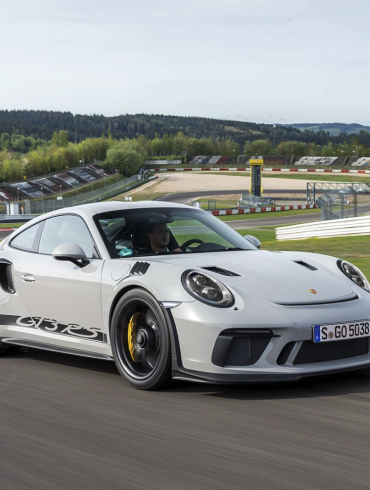
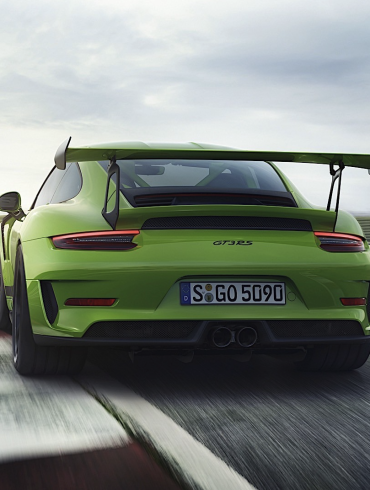
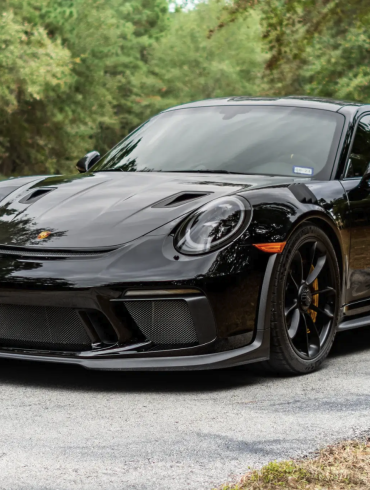
Somehow, the 911 (Type 991.2) GT3 RS was a significant improvement over the Type 991.1 GT3 RS, which was already considered an excellent performance machine.
The major plus points that make the Type 991.2 GT3 RS an incredible sports car include its ultra-precise handling, superb balance and, of course, its high-revving engine.
The car was built with extreme track use in mind. What it lacks in top speed, it more than makes up for with an aerodynamics package that generates downforce that's twice as much as the regular GT3 at 125 mph (200 km/h).
At the heart of the 911 GT3 RS is a howling naturally aspirated flat-six unit that revs all the way to 9,000 rpm. Porsche's 7-speed PDK transmission helps the driver feel connected to the engine output at all times, delivering the kind of visceral driving experience that continuously demands a repeat performance.
Engine & Drivetrain Specifications
Engine: 4.0L naturally aspirated flat-six
Power: 513 bhp @ 8,250 rpm
Torque: 347 ft-lbs @ 6,000 rpm
Transmission: 7-speed dual-clutch automatic transmission
Powertrain: Rear-wheel-drive
Known For
The 911 (991.2) GT3 RS was an astounding 24 seconds faster around the Nurburgring than the previous-gen GT3 RS.
It was the third production Porsche to break the 7-minute mark at the Nurburgring, following the 918 Spyder and the 2018 911 GT2 RS.
Learn More
Porsche 911 (997) GT3 RS 4.0
A true performance icon and one of the rarest 911 RS models.
Why It's On The List
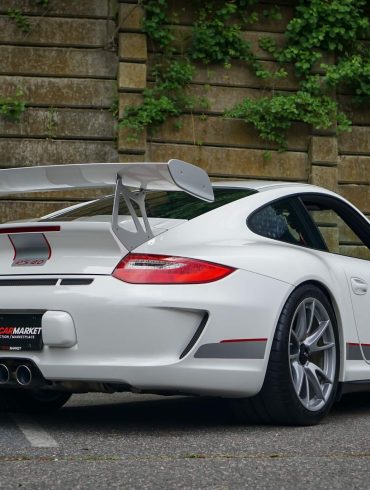
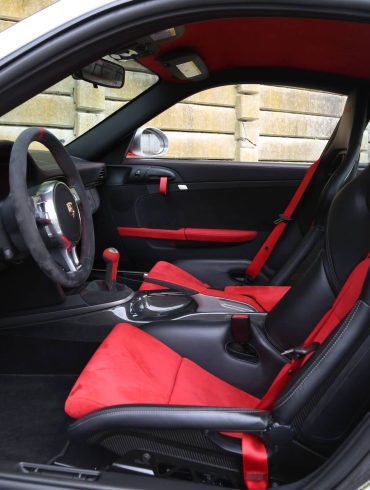
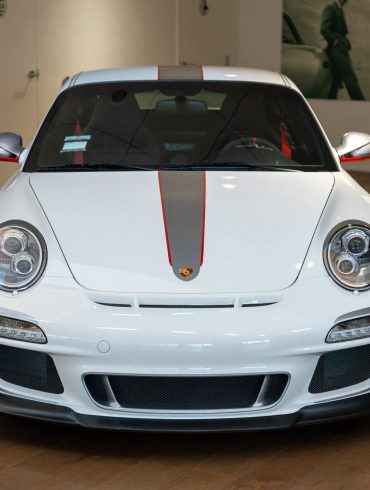
There was nothing subtle about this hardcore performance sports car. It shared its block, long-stroke crank, and titanium rods with the 911 GT3 R and RSR race cars of that period.
Its 4.0-litre flat-six engine, the last of Porsche Motorsport's famous Mezger units, was the largest and most powerful naturally aspirated engine produced for a street-legal 911.
As with other RS cars, weight saving was a priority for the 911 (Type 997) GT3 RS. The massive rear wing, front fenders and hood were made from carbon fibre. Aluminum was used for the doors, while lightweight Perspex replaced the traditional glass for the rear side windows. The car was also stripped of its stereo and air-conditioning, though, they could be added back as no-cost options if the customer wanted.
The 911 (Type 997) GT3 RS was street-legal, but there was no doubt it was built for extreme performance. Porsche even offered a roll-cage and ceramic brakes as options.
Engine & Drivetrain Specifications
Engine: 4.0L naturally aspirated flat-six
Power: 493 hp @ 8,250 rpm
Torque: 339 ft-lbs @ 5,750 rpm
Transmission: 6-speed manual
Powertrain: Rear-wheel-drive
Known For
Production was capped at about 613 units, making it one of the most exclusive 911 RS cars.
It was the first series-produced Porsche fitted a 4.0-litre engine.
Learn More
Porsche 718 Spyder RS (2024 - Present)
One of the Greatest Porsches Ever! The Ultimate Peak: A GT3 Engine with the Roof Cut Off
What Makes It Special
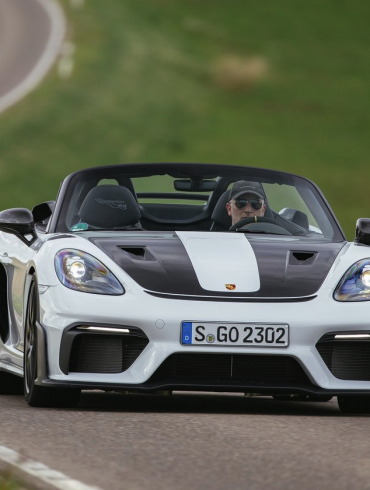
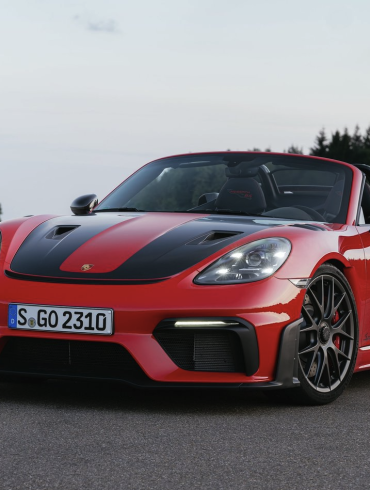
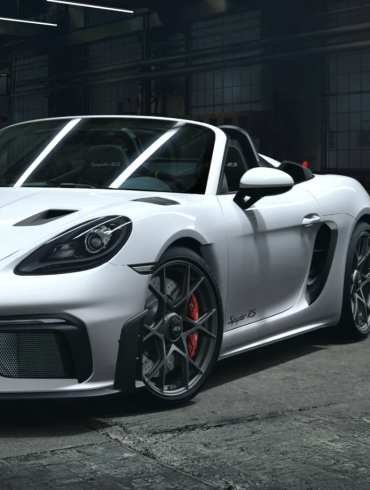
The 718 Spyder RS is the definitive "no compromises" Boxster. For the first time in history, Porsche allowed its mid-engine roadster to borrow the legendary 4.0-liter naturally aspirated engine from the 911 GT3. This isn't just a fast roadster; it is a mechanical symphony that revs to an eye-watering 9,000 RPM, featuring air intakes positioned right next to the driver's ears to intensify the induction roar.
Unlike previous Spyder models that focused on a balance of road and track, the RS is a pure track weapon. It features a significantly lightened chassis, the most aggressive aerodynamics ever seen on a Boxster, and the lightning-fast PDK transmission as the only gearbox option to ensure maximum performance. The roof is a rudimentary "sun sail" designed for emergency use, reinforcing the car's mission as an open-air sensory assault.
Driving the Spyder RS is a visceral experience that few modern cars can match. It represents the "final shout" of the internal combustion Boxster platform before the transition to electric, and it does so with enough power to outpace supercars twice its price.
Engine & Drivetrain Specifications
Engine: 4.0L Naturally Aspirated Flat-6 (GT3 Engine)
Power: 493 hp @ 8,400 RPM
Torque: 331 lb-ft @ 6,750 RPM
Transmission: 7-Speed PDK (Dual-Clutch)
Drive: Rear-Wheel Drive
Known For
The first and only Boxster to house the high-revving 911 GT3 engine.
Features a lightweight manual roof and a 9,000 RPM redline for an unparalleled aural experience.
Learn More
Porsche 911 GT3 RS (992.1)
The sports car has taken the performance levels of the GT3 RS platform to new highs.
Why It's On The List
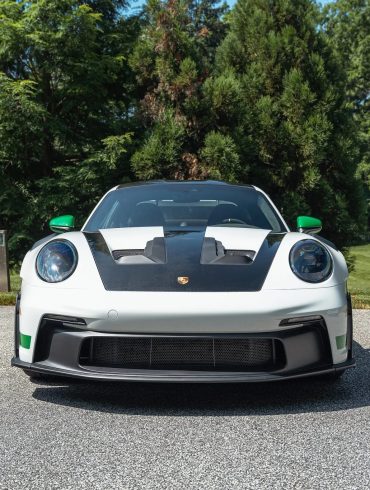
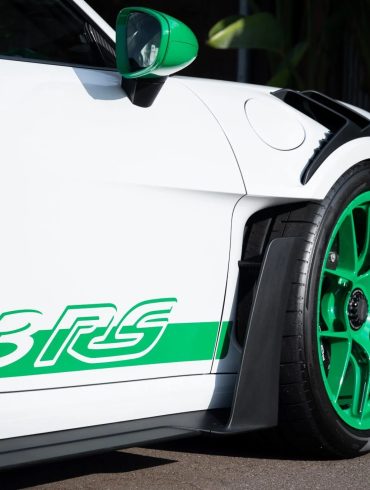
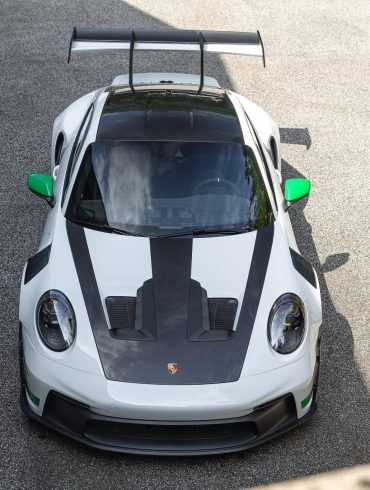
The 992-gen GT3 RS, launched in 2022 for the 2023 model year, sets a new benchmark for technology and performance within Porsche's GT3 RS lineage. Building upon the legacy of the 991.2 GT3 RS, this latest iteration incorporates numerous motorsport-derived innovations, underscoring its position as the most sophisticated GT3 RS ever created.
One of the main design highlights is the massive swan-neck rear wing fitted with a hydraulic DRS-style element, similar in concept to the one used in Formula One cars. It is part of an aggressive aerodynamic package that also includes moveable flaps in the front spoiler.
At the heart of the car is a naturally aspirated flat-six that revs to 9,000 rpm and a 7-speed PDK transmission with a shorter final drive ratio than the standard GT3. What Porsche has done with the latest GT3 RS is a masterclass in aero and chassis dynamics - focusing less on power output but more on the way it's delivered, ultimately allowing a uniquely engaging driving experience.
Engine & Drivetrain Specifications
Engine: 4.0L naturally aspirated flat-six
Power: 518 hp @ 8,500 rpm
Torque: 342 ft-lbs @ 6,300 rpm
Transmission: 7-speed dual-clutch automatic
Powertrain: Rear-wheel-drive
Known For
Instead of 3 radiators like other 911s in its range, the 992-gen GT3 RS has a single large center radiator like the RSR and GT3 R race cars.
The rear wing on the 911 (992.1) GT3 RS is the first production wing on a Porsche that is actually higher than the roof of the car.
Learn More
Porsche 911 Carrera RS 3.0
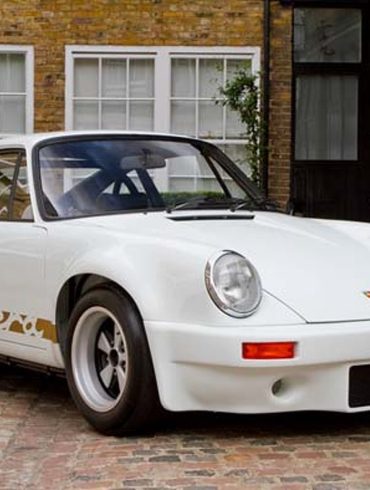
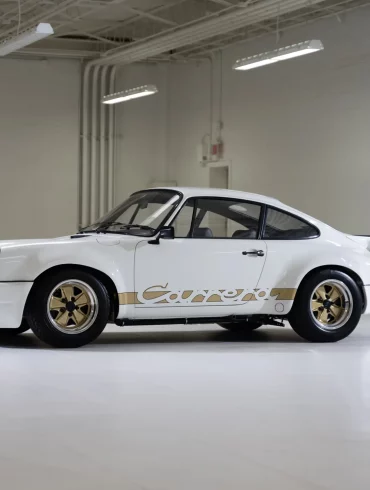
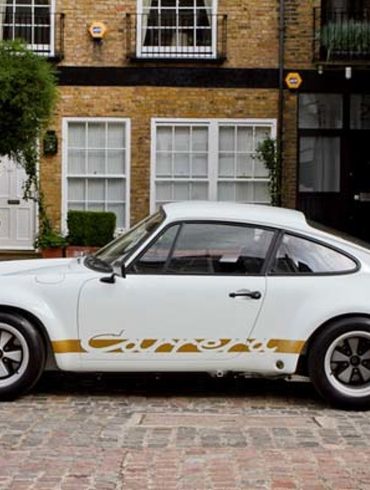
Essentially a road-legal RSR, produced in tiny numbers and arguably more hardcore than the legendary 2.7.
Why It's On The List
The Porsche 911 Carrera RS 3.0 is one of the purest expressions of the RS philosophy precisely because it was never designed to be romantic or celebratory. Introduced in 1974, at the height of emissions pressure, oil crises, and regulatory uncertainty, the RS 3.0 existed for one reason only: to homologate Porsche’s racing program. Unlike the beloved RS 2.7, which became a cultural icon almost immediately, the RS 3.0 arrived quietly, awkwardly, and with no interest in mass appeal—and that indifference to the market is exactly why it stands among the greatest RS models ever built.
What elevates the RS 3.0 above even the legendary 2.7 is how close it sits to the RSR in both intent and hardware. The wide bodywork wasn’t aesthetic—it was functional, designed to house wider wheels and brakes derived directly from Porsche’s competition cars. The 3.0-liter flat-six was built for endurance racing durability rather than road comfort, delivering torque and resilience that better mirrored the RSR than any RS before or after. This wasn’t a lightweight toy; it was a race car reluctantly civilised.
From a driving perspective, the RS 3.0 feels more serious, more planted, and more demanding than the RS 2.7. Where the 2.7 dances, the 3.0 leans into grip, stability, and authority. The wider track and reinforced chassis give it a sense of inevitability at speed—less playful, but more purposeful. It rewards commitment and precision, and it communicates in a language closer to motorsport than road driving. In many ways, it foreshadows what later RS cars would become: tools rather than icons.
Production numbers underline just how uncompromising the RS 3.0 really was. Only 55 examples were built—an almost absurdly low figure even by RS standards.
Engine & Drivetrain Summary
Engine: 3.0-liter air-cooled flat-six
Power: ~230 hp @ 6,200 rpm
Torque: ~209 lb-ft
Induction: Naturally aspirated
Transmission: 5-speed manual (915)
Drivetrain: Rear-wheel drive
Known For
Being the closest road-going relative to the factory 911 RSR
Ultra-low production and uncompromising homologation intent
Learn More
Porsche 911 Carrera RS 3.8 (964)
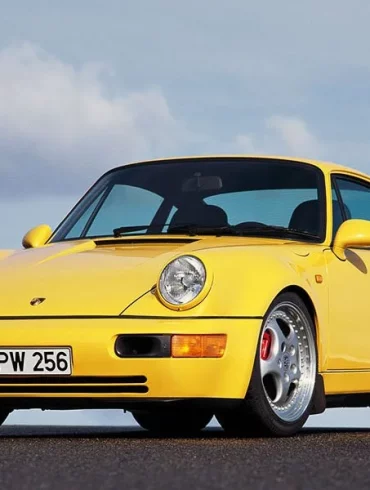
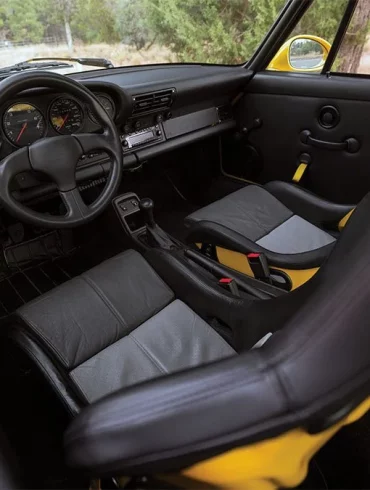
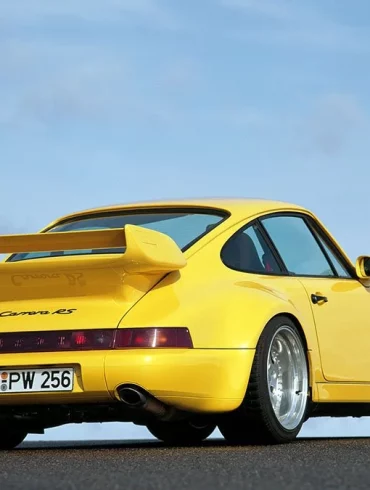
Lightweight Turbo body, large rear wing and 18-inch Speedline wheels. Power came from a new 3.8-litre unit.
Why It's On The List
The Porsche 911 Carrera RS 3.8 (964) represents one of the most extreme interpretations of the RS philosophy ever committed to a license plate. Introduced in 1993, it wasn’t conceived as a road car that happened to be track capable—it was a motorsport weapon grudgingly adapted for public roads. Where most RS models strike a balance between usability and performance, the RS 3.8 unapologetically tipped the scales toward racing, making it one of the most hardcore 911s Porsche has ever sold.
What separates the RS 3.8 from the already serious 964 Carrera RS is intent. This car existed to homologate Porsche’s racing efforts, particularly the RSR 3.8, and nearly every component reflects that purpose. The widened bodywork wasn’t stylistic—it housed larger wheels, massive brakes, and a significantly reinforced chassis. The 3.8-liter engine delivered not just more power, but the kind of throttle response and durability demanded by endurance racing. Comfort, civility, and daily usability were afterthoughts at best.
On the road, the RS 3.8 feels closer to a Cup car than any contemporary 911. Steering is heavy, tactile, and relentless in its communication. The suspension is firm to the point of confrontation, the cabin stripped of anything unnecessary, and the car demands constant attention. There is no attempt to soften the experience or flatter the driver. Instead, it rewards commitment and punishes hesitation—exactly what Porsche’s race engineers intended.
Rarity cements its place among the greatest RS models. With fewer than 100 examples produced, the RS 3.8 occupies an almost mythical position even within Porsche’s RS hierarchy. It was expensive, uncompromising, and largely ignored outside of racing circles when new. Today, it’s understood as one of the clearest examples of Porsche selling a near-race car to the public—a moment that would become increasingly rare as regulations, costs, and brand considerations evolved.
In hindsight, the Carrera RS 3.8 isn’t just one of the best RS Porsches—it’s one of the most honest. It distills Porsche motorsport into a barely civilized form, preserving a level of purity that later RS cars, however brilliant, could only reinterpret rather than replicate.
Engine & Drivetrain Summary
Engine: 3.8-liter air-cooled flat-six
Power: ~300 hp @ 6,500 rpm
Torque: ~262 lb-ft
Induction: Naturally aspirated
Transmission: 5-speed manual
Drivetrain: Rear-wheel drive
Known For
Being one of the most uncompromising road-legal 911s ever built
Ultra-low production and direct lineage to the 964 RSR
Learn More
Porsche 911 Carrera RS 3.8 (993)
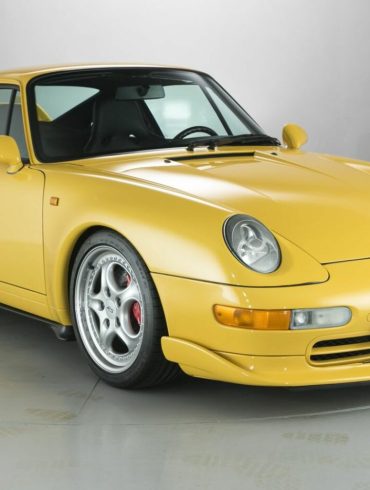
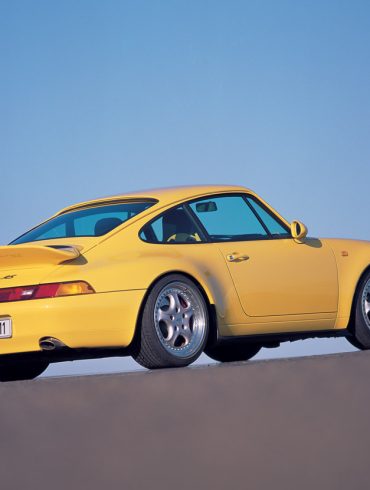
The final air-cooled RS, combining old-school character with modern precision in a way Porsche would never repeat.
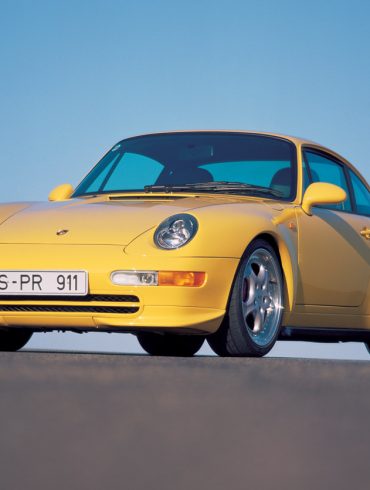
Why It's On The List
The Porsche 911 Carrera RS 3.8 (993) occupies a singular place in Porsche history because it represents both an ending and a culmination. Introduced in 1995, it was the final air-cooled RS, but it was also the most technically advanced air-cooled 911 Porsche ever produced. Unlike earlier RS models that felt raw and sometimes unfinished, the 993 RS 3.8 combined old-school mechanical character with a level of precision and composure that hinted at the modern era to come—without sacrificing purity.
What makes the 993 RS so special is how completely Porsche refined the air-cooled platform before closing the chapter. The wider body, derived from the Carrera 4 shell, dramatically improved rigidity. Multi-link rear suspension brought newfound stability and confidence, taming the traditional 911 lift-off reputation without muting feedback. The result was an RS that felt serious, planted, and devastatingly effective, yet still unmistakably air-cooled in sound, vibration, and feel.
The 3.8-liter engine elevated the experience even further. This wasn’t about headline power figures—it was about response, torque, and durability. The engine pulled harder everywhere than earlier RS models, making the car feel more muscular and authoritative, particularly at high speeds. Where earlier RS cars felt nervous and alive, the 993 RS felt controlled and relentless, more endurance racer than homologation special. It was the moment Porsche proved that air-cooled performance had not yet hit its ceiling.
Rarity and context seal its status among the greatest RS Porsches ever made. Built primarily for Europe and produced in extremely limited numbers, the 993 RS 3.8 was never intended to be widely owned or adored—it was a tool for serious drivers. With the switch to water cooling immediately following, Porsche would never again have the opportunity to evolve the air-cooled RS concept. That finality matters. The 993 RS is not just the last of something—it is the most complete expression of what an air-cooled RS could be.
In hindsight, the 993 Carrera RS 3.8 stands as a perfectly timed farewell. It delivered modern precision without losing mechanical soul, and it closed the air-cooled era at its absolute peak. Porsche never repeated this balance—not because it didn’t want to, but because it couldn’t.
Engine & Drivetrain Summary
Engine: 3.8-liter air-cooled flat-six
Power: ~300 hp
Induction: Naturally aspirated
Transmission: 6-speed manual
Drivetrain: Rear-wheel drive
Known For
Being the final and most refined air-cooled RS Porsche ever built
Blending classic 911 character with near-modern chassis precision
Learn More
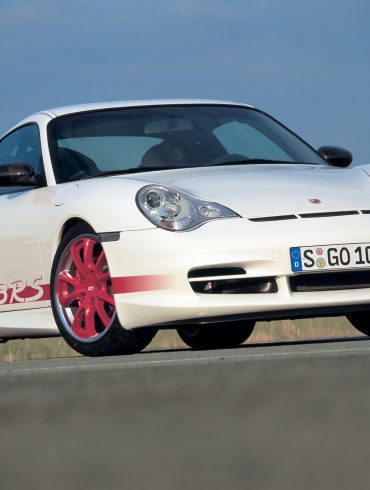
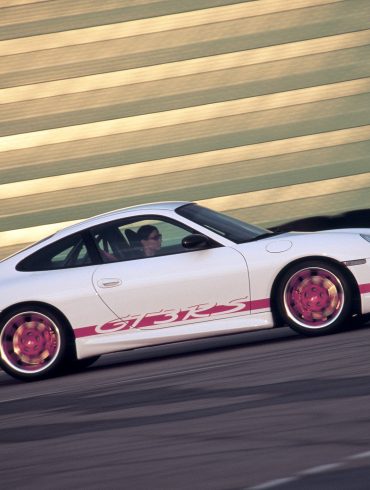
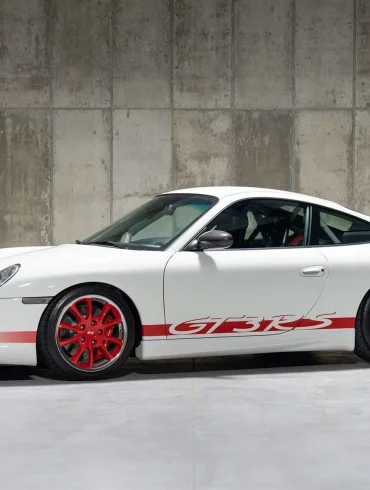
Porsche 911 GT3 RS (996.2) (2004)
The car that reinvented the RS for the modern era—race-derived, Mezger-powered, and unapologetically raw.
Why Is It Controversial?
The Porsche 911 GT3 RS (996.2), launched in 2004, is arguably the most important RS Porsche since the original homologation era. This is the car that redefined what “RS” meant in the modern world, shifting it from a loosely interpreted lightweight package into a focused, motorsport-derived weapon with a clear hierarchy above the standard GT3. Before this car, RS meant history; after it, RS meant intent.
What made the 996.2 GT3 RS so transformative was how unapologetically race-first it was. Porsche didn’t soften the concept to broaden appeal—it doubled down. Weight was stripped aggressively, suspension sharpened, braking upgraded, and aero made functional rather than decorative. The visual cues—white paint, red graphics, red wheels—weren’t marketing nostalgia; they were a declaration that this car existed for people who understood what it was. It didn’t ask permission to be extreme.
At the heart of the car was the Mezger engine, and here the RS truly separated itself. The naturally aspirated flat-six was not just powerful—it was endurance-racing proven, derived directly from Porsche’s Le Mans-winning programs. The power delivery was linear, the throttle response immediate, and the engine’s durability legendary. Combined with a manual gearbox and hydraulic steering, the RS delivered a level of mechanical honesty that modern cars simply cannot replicate.
On the road and track, the 996.2 GT3 RS feels raw in a way later RS cars would refine but never duplicate. There is no rear-wheel steering, no adaptive suspension, no electronic mediation beyond the basics. The car demands precision and rewards skill. It communicates constantly, sometimes aggressively, and never pretends to be comfortable or accommodating. In hindsight, this was the purest modern RS, built before speed and safety began to smooth the edges.
Its legacy is impossible to overstate. Every GT3 RS that followed—997, 991, 992—traces its philosophical DNA directly back to this car. It established the RS as the sharpest expression of Porsche’s road-going motorsport engineering, not a collector trim or styling exercise. That’s why, today, the 996.2 GT3 RS isn’t just respected—it’s revered as the starting point of the modern RS legend.
Engine & Drivetrain Summary
Production: 682 units
Engine: 3.6 L Watercooled Flat 6 (M96/79)
Power: 381 bhp @ 7400 rpm
Torque: 284 ft lbs @ 5000 rpm
0 - 60 mph: 4.3 seconds
Top Speed: 190 mph
Known For
Reinventing the RS as a modern, race-derived GT car
Being the first truly uncompromising GT3 RSLearn More
Porsche 911 SC RS
The rally-bred 911 that almost nobody understands.
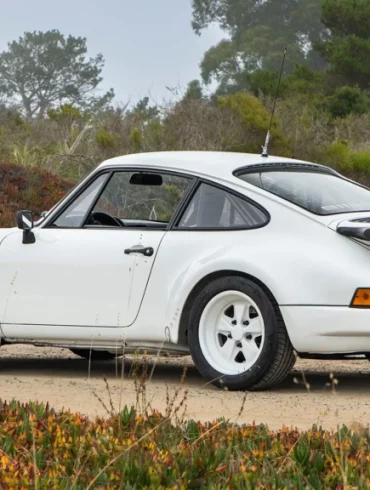
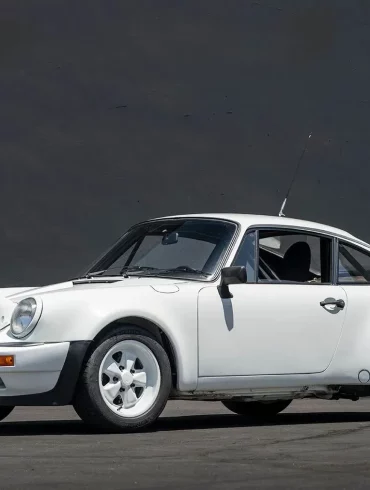
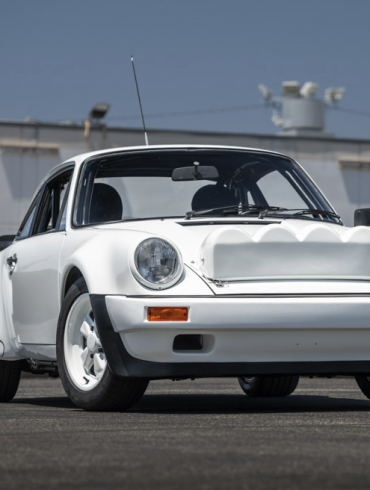
What Makes It Special
The Porsche 911 SC RS is one of the most legitimate homologation cars Porsche ever built—and one of the least talked about. Created to homologate the 911 for Group B rally competition, the SC RS wasn’t designed to celebrate heritage or excite showroom buyers. It was built because Porsche wanted to go rallying seriously, and regulations demanded a road-going production run. The result is a car that feels far closer to a works competition machine than a conventional RS.
What makes the SC RS unique within the 911 collector hierarchy is its rally-first DNA. Unlike the circuit-focused RS and RSR models before it, the SC RS was engineered to survive brutal surfaces, long stages, and real-world punishment. Reinforced bodyshells, seam welding, adjustable suspension, lightweight panels, and stripped interiors defined the package. This is a 911 designed to be driven hard on imperfect roads—something no other RS truly prioritized.
From behind the wheel, the SC RS feels raw, mechanical, and utterly purpose-built. Power delivery is linear and tractable rather than peaky, ideal for rally conditions. Steering is heavy and communicative, and the chassis feels extraordinarily rigid for an impact-bumper-era 911. It lacks the romanticism of a 2.7 RS or the elegance of a 964 RS—but it replaces that with functional brutality.
Collector interest in the SC RS has grown steadily as enthusiasts have begun to appreciate how rare and uncompromising it really is. Built in tiny numbers, never officially sold in many markets, and largely overshadowed by its RS siblings, the SC RS now stands as one of the purest expressions of homologation logic in Porsche history. It’s not a car that flatters—it’s a car that proves intent.
Engine & Drivetrain Summary
Engine: 3.0-liter air-cooled flat-six
Power: ~250 hp
Torque: ~237 lb-ft
Transmission: 5-speed manual (Type 915, strengthened)
Drivetrain: Rear-wheel drive
Weight: ~2,100 lbs
Known For
Being Porsche’s purest rally-focused 911 homologation special
Extreme rarity and uncompromising motorsport intent