


The emotional appeal of buying a Porsche is something many of us brand enthusiasts aspire to experience in our lifetimes. But that experience often comes with risks. The rise of scams and fraud in the used car market is not exclusive to high-end sports cars. But since the Porsche market has been booming in the past few years, with buyers paying big dollars for many of the collectible cars from Stuttgart, the stakes have become higher. Some folks save money for years to be able to afford this milestone purchase, whether it’s a $40K 996 or a $120K 991 GT3.
From odometer rollbacks hiding true mileage to misrepresented service histories, the used Porsche market has serious fraud issues that can turn dreams into nightmares. But we’re here to help with our comprehensive guide to help you understand how to protect your investment before buying a used Porsche.
The Most Common Scams Targeting Porsche Buyers Today
We’ve been following the used Porsche market for years now, and the fraud has gotten increasingly sophisticated. These aren’t random amateurs anymore. We’re talking about organized operations that specifically target enthusiasts who’ve spent a decade dreaming about finally owning their first 911.
Take odometer rollbacks. This remains one of the biggest scams out there, particularly with track cars. Someone buys a 911 that’s seen heavy track duty, rolls the odometer back from 85,000 miles to 45,000 miles, and suddenly they’re pocketing an extra $20,000 or more. The most concerning part is that modern digital odometers actually make this easier than the old mechanical ones. You can buy the tools online for a few hundred bucks and change the mileage in about thirty seconds.
Then there’s title washing, which represents one of the more predatory scams in the market. Here’s how it works: a 911 gets totaled in a Florida hurricane. The insurance company writes it off, brands it salvage. Some scammer buys it dirt cheap at auction, ships it to a state with looser title laws, registers it there, and suddenly the salvage brand mysteriously disappears. They bring it back to California or Texas with what looks like a perfectly clean title and flip it for three times what they paid.
We’ve also seen a significant increase in fake special editions lately. People take base Carreras, bolt on some GT3 aero pieces, throw in some bucket seats, and suddenly they’re asking GT3 money. The listing might say “tribute” in tiny letters somewhere, but the photos sure make it look like you’re getting the real deal. You end up paying $95,000 for what’s really a $65,000 car with some aftermarket parts.
The stories from actual buyers getting scammed show just how serious this problem has become. On Rennlist, there’s a thread about someone who lost $170,000 on a fake GT3 Touring listing where the scammers built an entire fake dealership website. The Drive covered another case where an experienced Porsche buyer lost $20,000 in seconds to European scammers running fake auction listings. This stuff happens way more often than most people realize.
How Background Checks Protect Your Investment

Background checks work because the entire fraud business model depends on buyers skipping this step. Scammers are counting on you to trust the photos, believe their story, and hand over the money without actually verifying anything.
Here’s what you actually get from a proper background check. Title history shows every brand that car has ever carried: salvage, rebuilt, flood damage, lemon law buyback, all of it. Even when sellers move cars between states trying to wash the title clean, background check databases catch those brands. Odometer verification is huge because it pulls mileage readings from service records, state inspections, emissions tests, and registration renewals. When that 911 shows 52,000 miles on the dash but got inspected six months ago at 71,000 miles, you’ll know immediately something’s wrong.
Accident history comes from insurance claims, police reports, and body shop records. A car can look absolutely perfect in person, but the background check shows it was in a serious front-end collision three years back. Theft records confirm the VIN hasn’t been reported stolen, which matters more than you’d think given how many 911s get their VINs swapped. The ownership timeline shows you how many people have owned it and how long they kept it. Five owners in three years? That’s a massive red flag. A thorough car background at vininspect.com pulls all this together from NMVTIS, insurance databases, auction records, and state DMV files. It’s the information sellers hope you never bother to check.
Here are some examples. A 997 GT3 lists at 45,000 miles, clean title, seller swears it was never tracked. Background check shows the last Porsche dealer service was logged at 78,000 miles. That’s a 33,000-mile rollback worth at least $15,000 in fake value. Or the 996 Turbo with a clean Florida title where the background check reveals it carried a salvage brand in Louisiana two years earlier, before getting shuffled to a different state. You’re spending anywhere from $20 to maybe $50 on a background check before you drop $80,000 on a car. It’s probably the best money you’ll spend in this whole process.
Case Study: How a $170K Wire Transfer Became a Nightmare
What Background Reports Catch That Sellers Won’t Tell You
The Rennlist fraud case from a few years back is a perfect example of why you can’t skip this step. A buyer spotted a GT3 Touring listed for $175,000 on Craigslist. The listing came from what looked like a real Kentucky dealership called Art’s Auto Mart. The seller wasn’t messing around either. He sent a bill of sale, both sides of the title, even the original window sticker. Everything appeared legitimate.
Now, the buyer couldn’t make the trip to Kentucky to see the car in person. Life gets busy, I get it. But the seller seemed accommodating. He sent videos of the car, close-up photos of the VIN plate, all the documentation you’d want to see from a serious seller. The buyer did his homework too. He looked up Art’s Auto Mart online. The dealership had been around for over 20 years, had a Google presence, customer reviews, the whole nine yards. At that point, most people would feel pretty comfortable. So he wired $170,000.
Here’s where it all fell apart. The wire instructions went to a shell company “doing business as” Art’s Auto Mart, not the actual dealership. The title was faked. The car was never actually for sale in Kentucky. The scammers had created a fake website impersonating the real dealership, and once they had the money, they vanished.
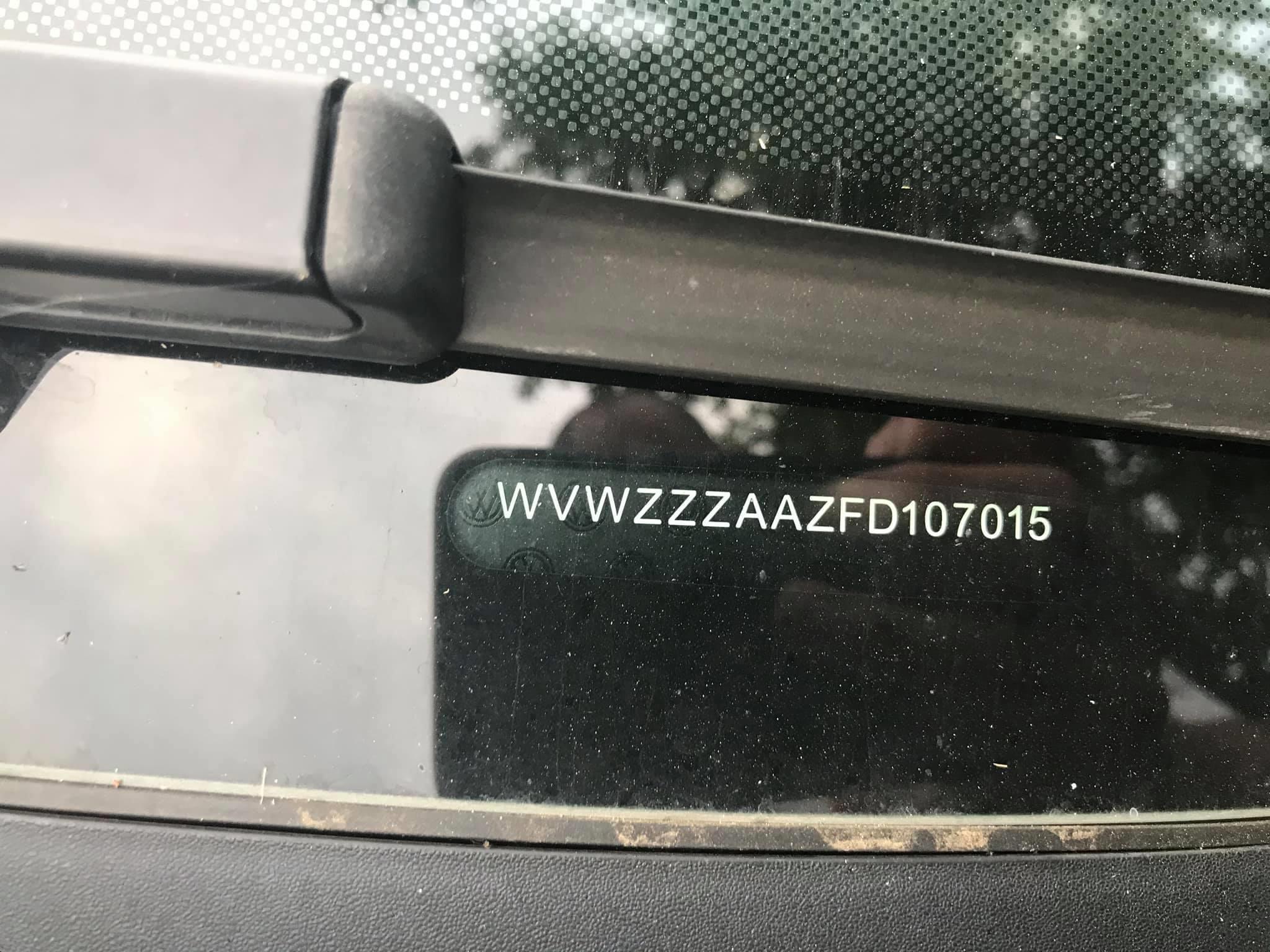
A comprehensive background check would have caught several red flags here. Running the VIN would have shown the car’s actual location and ownership status. Verifying the dealership’s business registration would have revealed the shell company discrepancy. Cross-referencing the title against state DMV records would have exposed it as fraudulent.
But the bigger lesson here is about verification. The buyer admitted later that being too eager and too excited about finding a GT3 Touring made him overlook warning signs. He trusted what he saw instead of verifying the facts. That’s exactly what these scammers count on. Here’s what every background check needs to show you before you commit to buying any 911:
- Complete Title History: Any salvage, rebuilt, flood, or lemon designations across all states where the car’s been registered
- Verified Mileage Records: Odometer readings from service visits, inspections, and registrations to catch rollbacks
- Accident and Damage Reports: Insurance claims and collision records even when repairs look perfect
- Theft Database Check: Confirmation the vehicle hasn’t been reported stolen or involved in VIN fraud
- Lien and Ownership Records: Clear title with no outstanding loans or legal issues that could complicate transfer
End Note
Buying a Porsche shouldn’t be an exciting life experience, not a nightmare. The fraud risks are real and often turn someone’s dream purchase into a financial disaster. For this reason, investing in a background check can protect you from costly mistakes that could ruin your experience of buying your dream Porsche. Legal and mechanical problems can be hiding in plain sight and surface later when it’s too late to do something about them.









Good advice. Please include reliable resources for verifying the issues you presented. Would restricting listings to Porsche dealerships only, be a recommended source for buying your next Porsche? When I see a Porsche listed for sale at Billy Bob’s Auto Mart, my first question is how did they acquire a late model car on a lot with various other brands of run of the mill cars…Chev, Ford, Jeep…
0