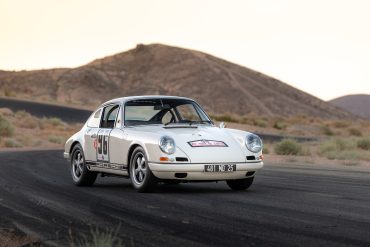
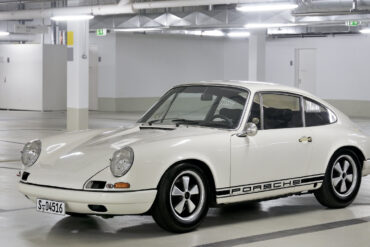
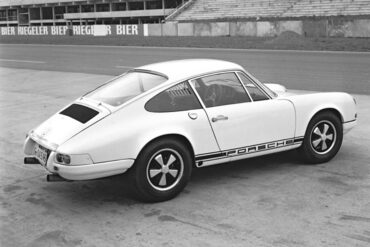
It was the fall of 1966. Somewhere in Germany, Porsche’s racing expert Rolf Wütherich was doing the math for the 911 R (R is for racing) project. He was running the numbers on weight and power as the Stuttgart-based carmaker wanted a vehicle superior to the current competition in its...
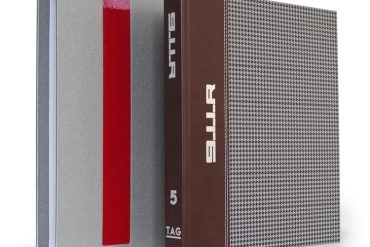
Porsche 911R book plus slip case (English) by Christoph Mäder, Thomas Gruber and Georg Konradsheim A large package landed on my desk just before Christmas, and being weightier than normal my interest was aroused, so I immediately tackled the packaging to reveal the contents. It was the latest offering from...
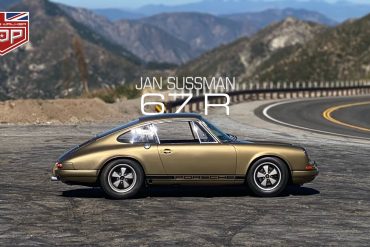
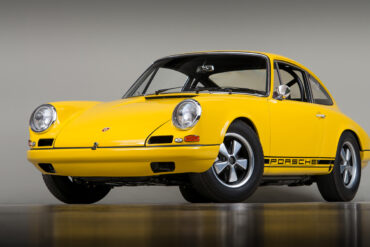
Based on the 911S, the 911 R was produced by Porsche to compete in the FIA’s GT 2.0 category. To make it competitive, the 911R was powered by a flat-six engine, Type 901/22 from the Porsche 906, capable of 210 hp. It went on a diet too, with weight savings coming from everywhere, getting the 911 R down to just 1,800 pounds dry. Four prototypes were constructed after which Porsche had coachbuilder Karl Baur build another 20 customer cars. In the end, because of the modifications to the 911R, the FIA refused to homologate the car.