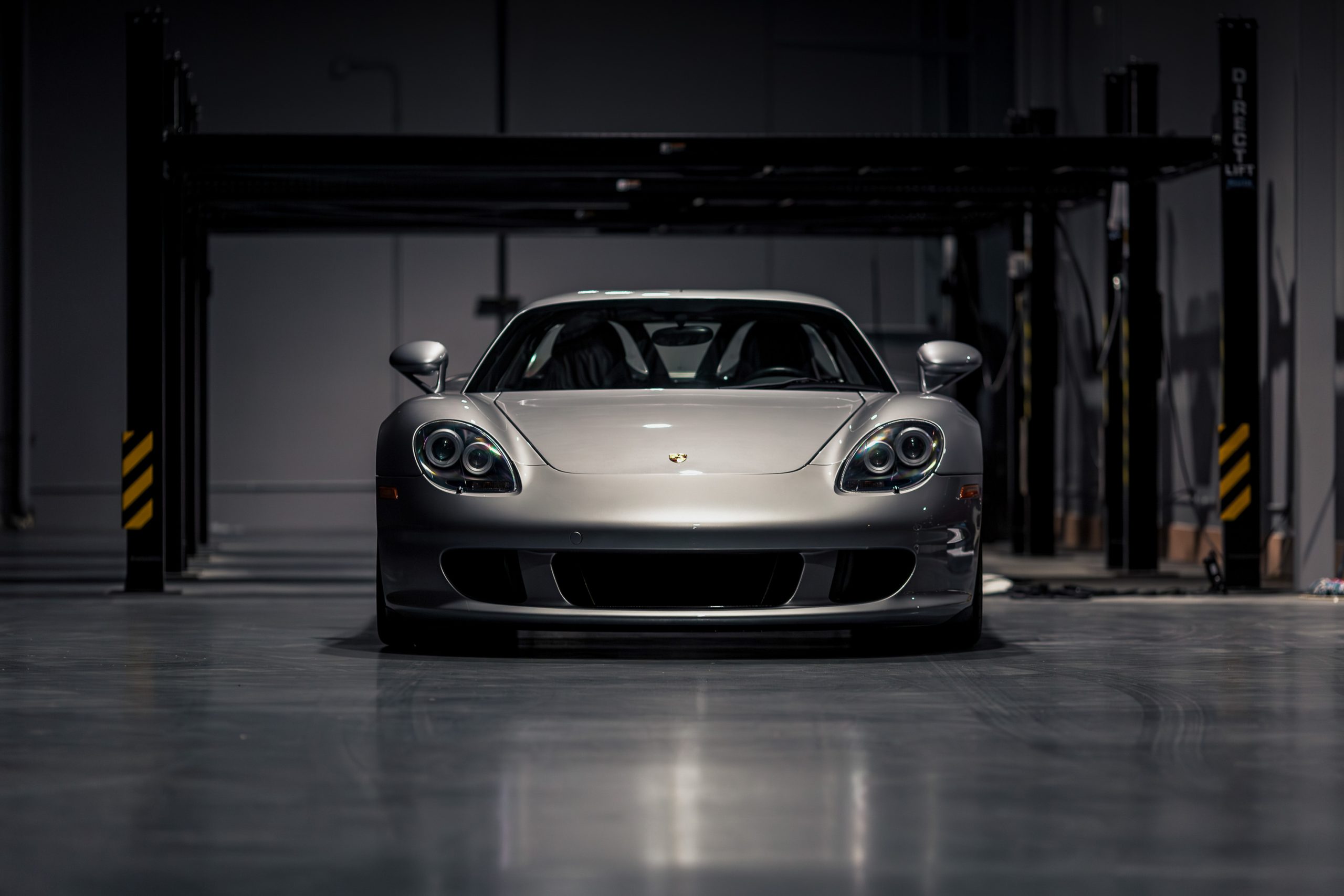

Porsche Panamera (3rd Generation) - The Ultimate Guide
2nd Generation Porsche Panamera (G3/976) (2024 - Present)
972 Timeline / 972 Model Guides / Misc Data / FAQs / News
Porsche Panamera (3rd Generation) Basics
Type: 976
Generation: Second Generation (971), Chassis G2
Production: 2024–present
Designer: James Burgess
Petrol Engine: 3.0 L EA839T turbo V6
Petrol plug-in hybrid: 2.9 L EA839TT twin-turbo V6 + Electric motor, 4.0 L EA825TT twin-turbo V8 + Electric motor
Electric motor: 140 kW (190 PS; 188 hp) integrated Electric motor (e-Hybrid Only)
Battery: 21.8 kWh (PHEV)
Wheelbase: 2,950 mm (116.1 in)
Wheelbase (LWB): 3,100 mm (122.0 in)
Length: 5,052 mm (198.9 in)
Length (LWB): 5,202 mm (204.8 in)
Width: 1,937 mm (76.3 in)
Height: 1,423 mm (56.0 in)
Height: (LWB): 1,425 mm (56.1 in)
Kerb Weight: 1,885–2,360 kg (4,156–5,203 lb) (DIN)
Kerb Weight (LWB): 2,400 kg (5,291 lb)
Predecessor: Porsche Panamera (971)
The third-generation Porsche Panamera, internally designated as the 976, has officially arrived, and it isn't just a minor facelift. While its silhouette remains classic Porsche, the 976 represents a massive technological leap forward, bridging the gap between the internal combustion heritage of the 911 and the futuristic, digital-first approach of the Taycan. It’s a car designed for those who refuse to choose between executive luxury and supercar-level agility.
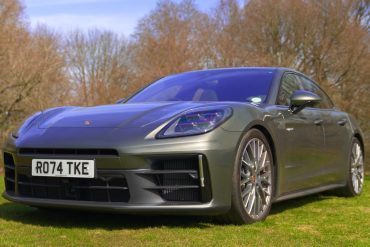
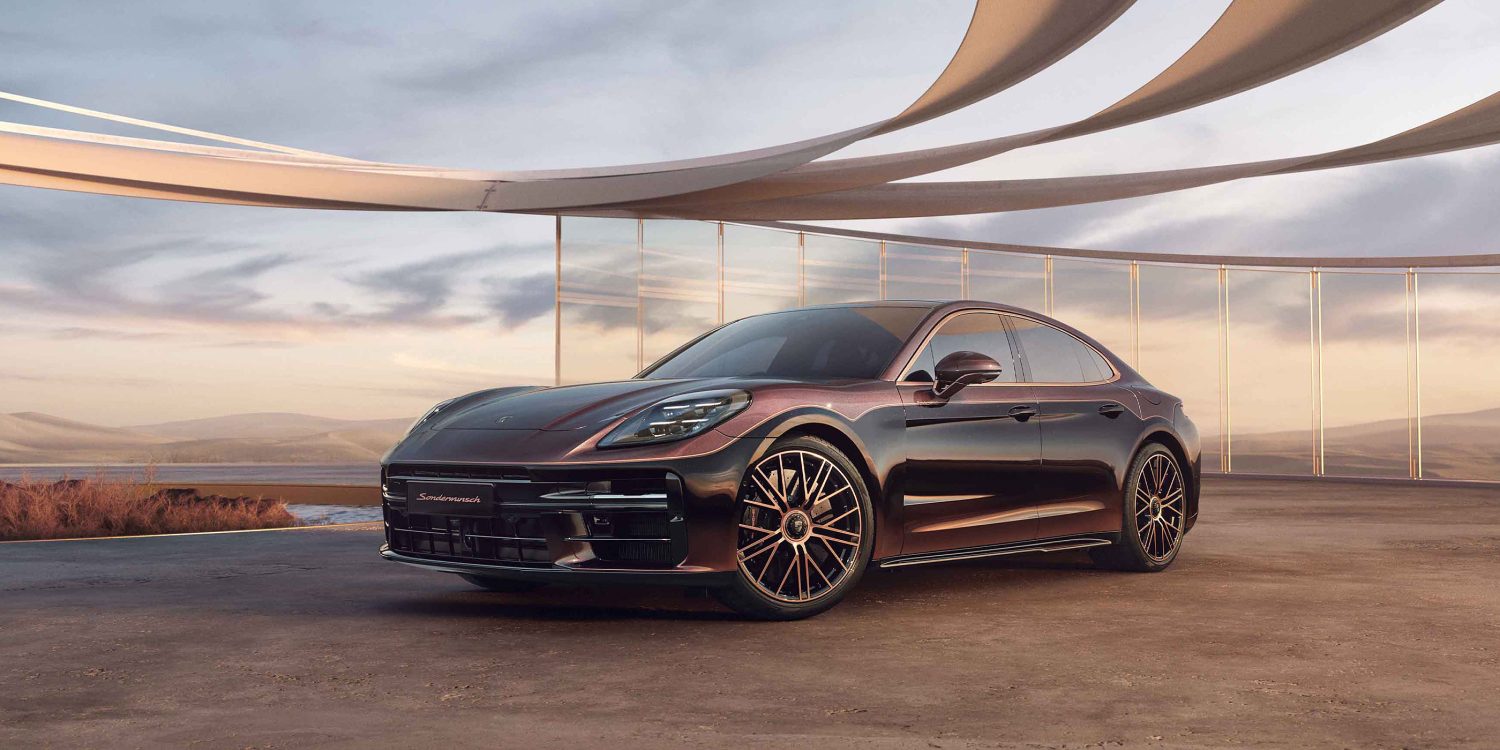
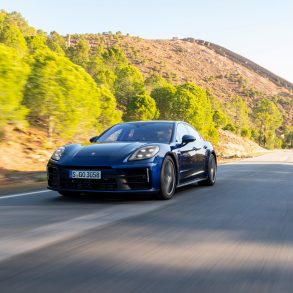
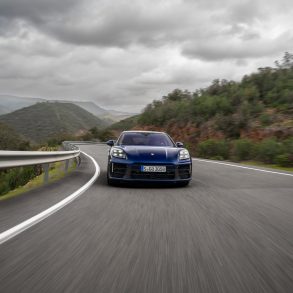
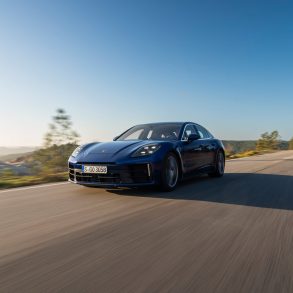
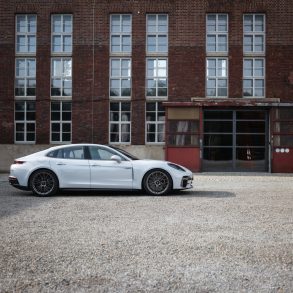
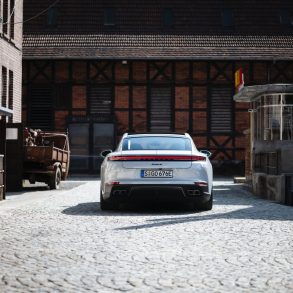
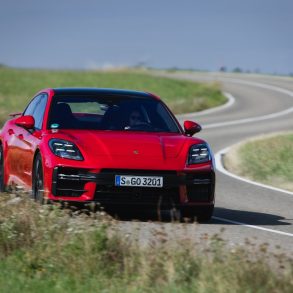
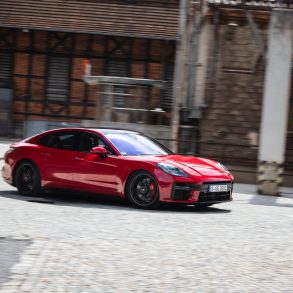
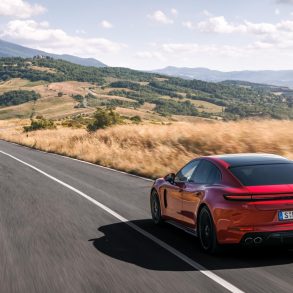
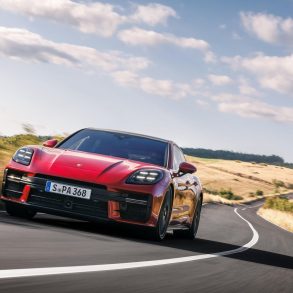
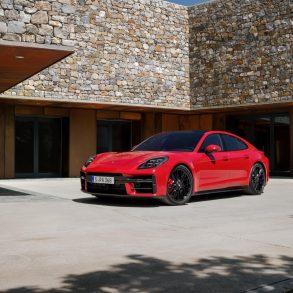
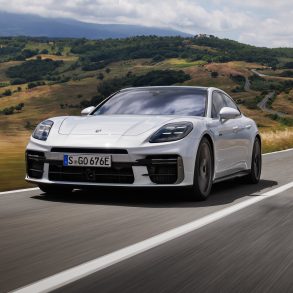
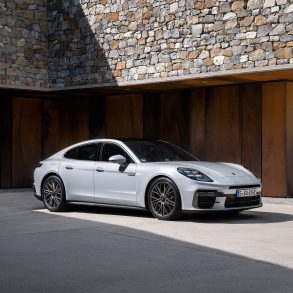
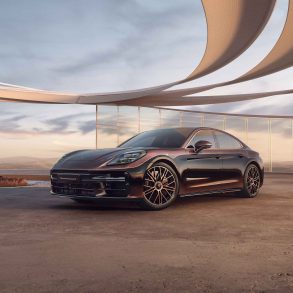
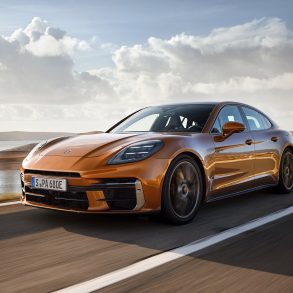
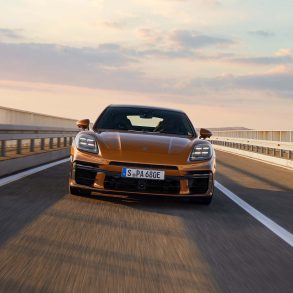
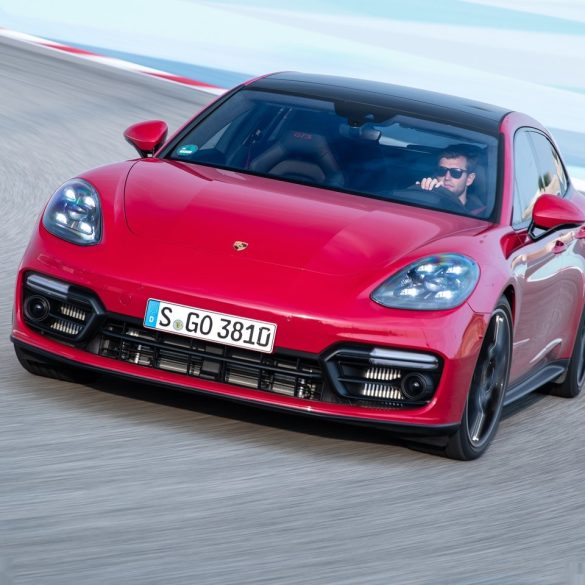
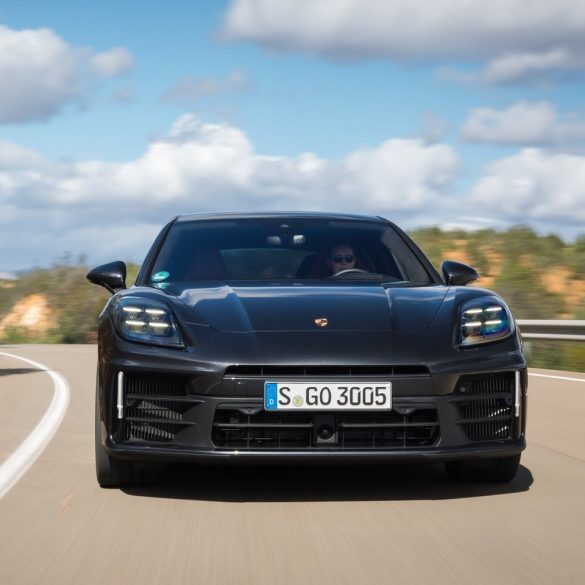
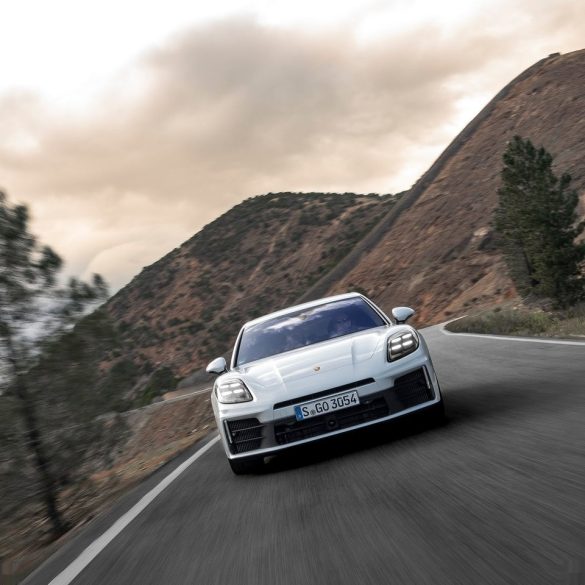
Visually, the 976 sharpens the Panamera’s "duckface" with a more technical, athletic aesthetic. The most striking change is the addition of a new air intake above the front license plate, a functional necessity to cool the revamped powertrains. You’ll also notice steeper headlights (featuring standard Matrix LED tech) and more pronounced front wings that give the car a wider, more grounded stance. For the first time, the "Turbo" models receive their own distinct identity with a dedicated "Turbonite" grey finish on the crest and trim, signaling their status at the top of the food chain.
The real headline of the 976 generation is the optional Porsche Active Ride suspension. This isn't just another air suspension system; it uses active shock absorbers connected to motor-driven hydraulic pumps that can adjust their settings up to 13 times per second. The result is almost surreal: the car can stay perfectly level during hard braking or cornering, and it even leans into bends like a motorcycle to reduce lateral forces on passengers. It can even "jump" up by 55mm the moment you open the door to make getting in and out effortless.
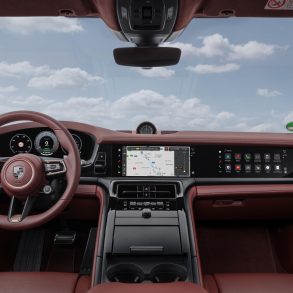
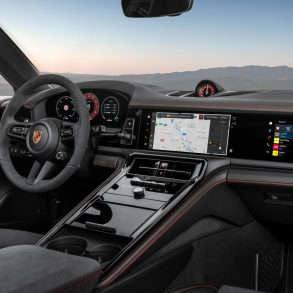
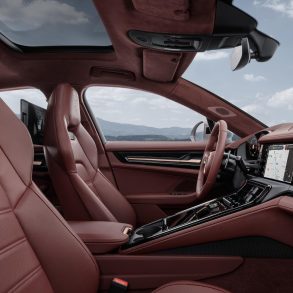
Inside, the "Porsche Driver Experience" takes center stage. The cabin has been fully digitized, borrowing the curved 12.6-inch digital instrument cluster from the Taycan. One of the coolest updates is the optional 10.9-inch passenger display, which allows the co-pilot to stream video or manage navigation without distracting the driver (a special film makes the screen invisible from the driver’s seat). The gear selector has also moved from the center console to the dashboard, freeing up space for a sleek, minimalist storage area and a cooled wireless charging pad.
Under the hood, Porsche has doubled down on electrification. While the base 2.9L V6 now pumps out a healthy 348 hp, the E-Hybrid models are the true stars. The flagship Turbo S E-Hybrid is a monster, delivering a combined 771 hp and a 0–60 mph time of just 2.8 seconds. With a larger 25.9 kWh battery, the new generation offers significantly more electric-only range than its predecessor, proving that you can have world-class efficiency without sacrificing the visceral "burble" of a Porsche V8.
Porsche Panamera (G3/976) Model & Timeline
The 3rd-generation Porsche Panamera (976) is currently in its "dawn" phase, having officially launched in late 2023 with the first models hitting the road throughout 2024. As is tradition with Porsche, the rollout is a staggered affair. We initially saw the "entry-level" V6 Panamera and Panamera 4, followed quickly by the high-performance Turbo E-Hybrid. Because it is still early days for the 976, Porsche is just now rounding out the family, with mid-tier models like the 4 E-Hybrid, the performance-balanced 4S E-Hybrid, and the track-focused GTS only becoming widely available at dealerships in late 2024 and early 2025.
In this early stage of the lifecycle, the lineup is heavily emphasizing its upgraded E-Hybrid technology, which features a significantly larger battery and more range than the previous generation. While the sedan (Sport Saloon) and the long-wheelbase Executive models are the current focus, the timeline suggests that over the next 12 to 24 months, we will see the market settle as more inventory arrives and the full spectrum of Turbo S and limited editions eventually fill the remaining gaps. It is a transition period where the 976 is establishing its dominance, proving that even as a "fresh" face, it’s already setting the pace for the luxury sedan market.
3rd Gen Porsche Panamera Model Milestones
As of 2026, the 3rd-generation Panamera (G3/976) lineup has fully matured, offering a distinct hierarchy that ranges from refined daily cruisers to a world-record-breaking hybrid flagship. Notably, Porsche has officially retired the "Sport Turismo" (wagon) body style for this generation, focusing entirely on the sleek Sport Saloon and the long-wheelbase Executive variants.
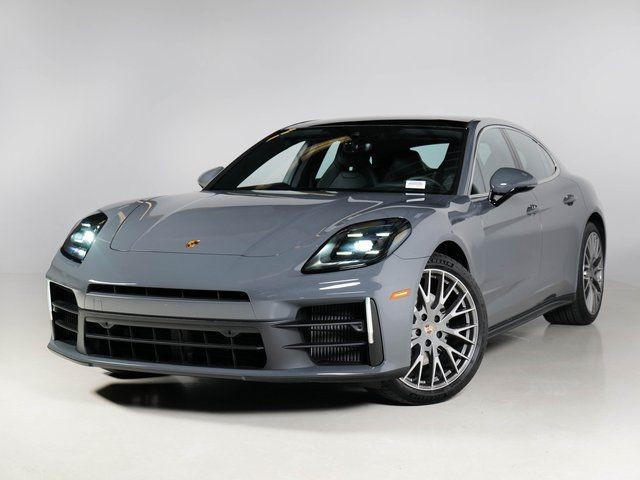
Panamera & Panamera 4 (The Core V6 Models)
These serve as the entry point to the lineup, powered by a revamped 2.9L twin-turbo V6 producing 348 hp. The base Panamera is the only rear-wheel-drive option in the entire family, offering a "purist" executive experience, while the Panamera 4 adds all-wheel drive for better all-weather traction. Both are now significantly quicker than their predecessors, with the base model capable of 0–60 mph in 5.0 seconds. They strike a balance between luxury and agility, featuring the new 976-generation air suspension as standard.
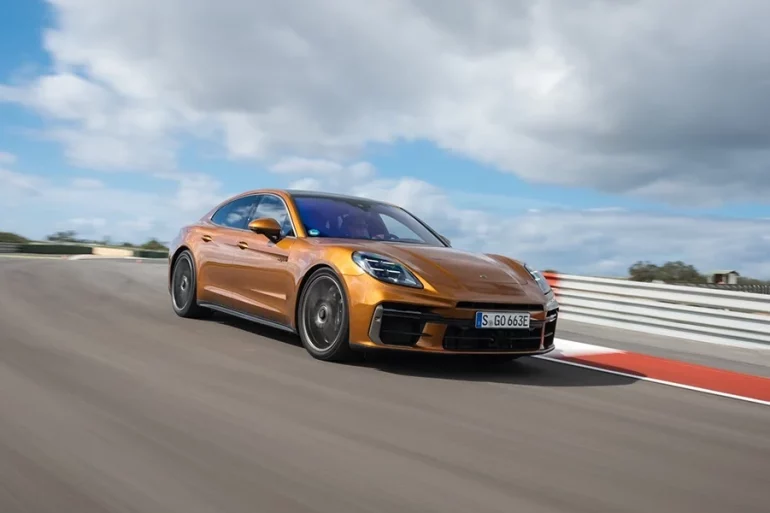
Panamera 4 E-Hybrid & 4S E-Hybrid (The Balanced Hybrids)
The "sweet spot" of the range, these models combine the V6 engine with a much larger 25.9 kWh battery pack. The standard 4 E-Hybrid delivers 463 hp, while the 4S E-Hybrid steps up to 536 hp, bridging the gap to the V8 models. These are designed for the modern commuter who wants significant electric-only range (over 50 miles in most conditions) without sacrificing the ability to sprint from 0–60 mph in as little as 3.5 seconds. They offer a silent, sophisticated EV feel in the city and traditional Porsche grit on the highway

Panamera GTS (The Driver's Choice)
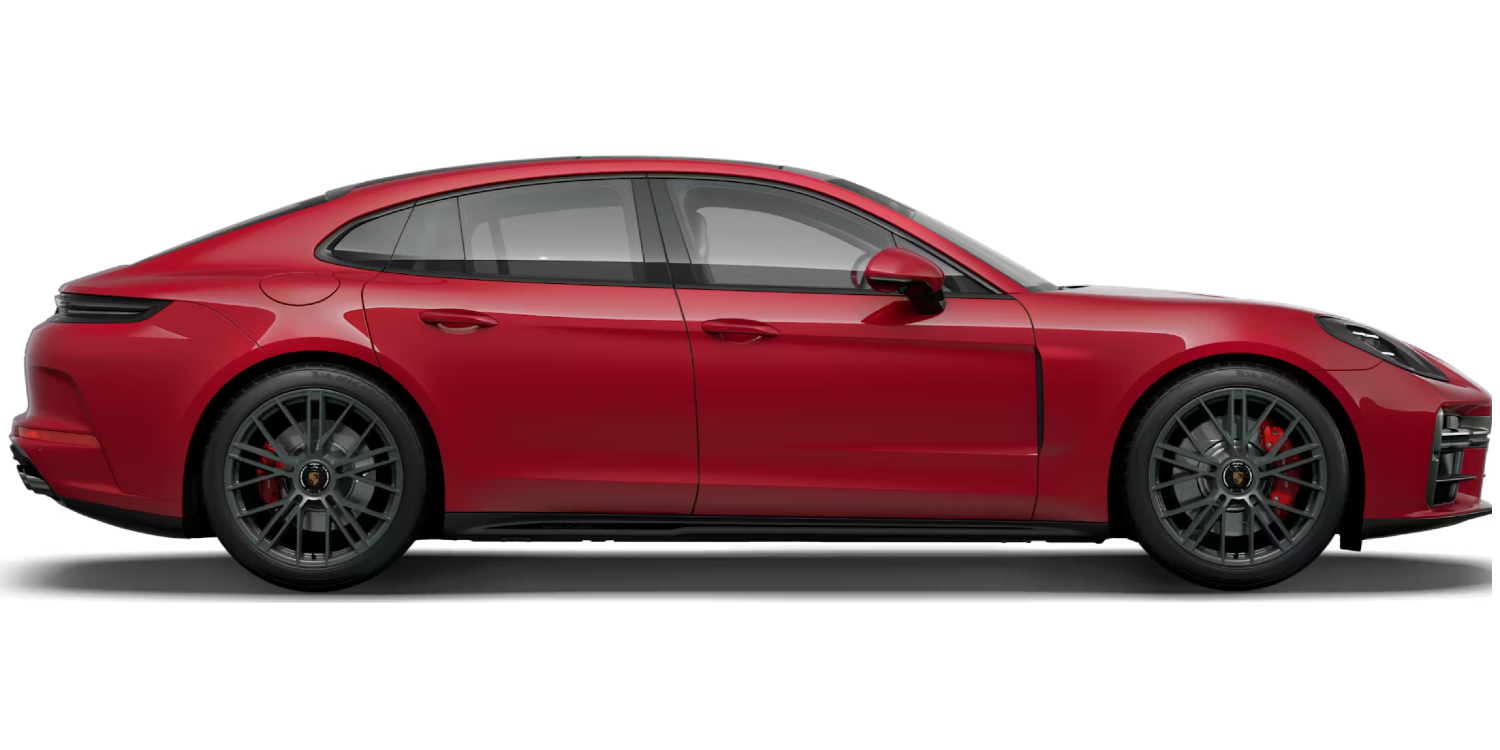
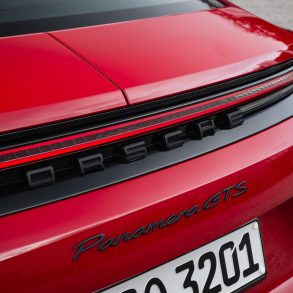
The GTS remains the heart of the lineup for enthusiasts. It eschews the heavy hybrid batteries in favor of a pure, rowdy 4.0L twin-turbo V8 that pumps out 493 hp. It is lower, stiffer, and louder than the other models, featuring GTS-specific suspension tuning and dark-tinted aesthetic details. Because it is lighter than the E-Hybrid models, many consider it the best-handling car in the 976 range, focusing on mechanical "feel" and exhaust note over raw tech.
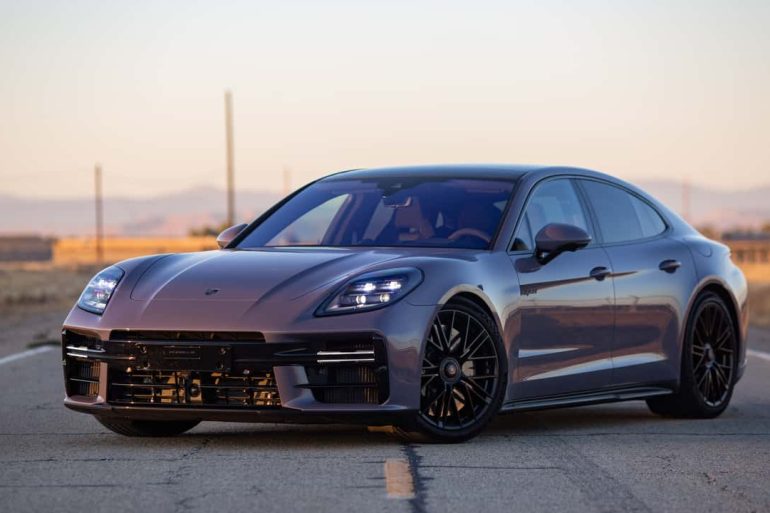
Panamera Turbo E-Hybrid (The Luxury Powerhouse)
With the 976 generation, the "Turbo" has become its own sub-brand, marked by the exclusive Turbonite (dark grey) badges and trim. This model pairs the V8 with the hybrid system to produce a massive 670 hp. It is the first to offer the revolutionary Porsche Active Ride suspension as a primary highlight, allowing the car to stay perfectly flat through corners. It targets the buyer who wants the absolute pinnacle of luxury and "effortless" speed, hitting 60 mph in exactly 3.0 seconds.

Panamera Turbo S E-Hybrid (The Record-Breaker)
At the absolute summit is the Turbo S E-Hybrid, the most powerful Panamera ever built. It extracts an eye-watering 771 hp and 737 lb-ft of torque from its electrified V8. This car recently set a Nürburgring record for the executive class, proving that its 2.8-second 0–60 mph time isn't just for straight lines. It comes standard with almost every performance technology Porsche offers, including ceramic brakes and rear-axle steering, making it a 202-mph "super-sedan" that can still be driven to the office in total silence.
Porsche Panamera G3/976 (3rd Generation) Model Guides
The 3rd-generation Porsche Panamera (976) is currently in its "dawn" phase, having officially launched in late 2023 with the first models hitting the road throughout 2024. Below are the models so far and our in-depth guides.
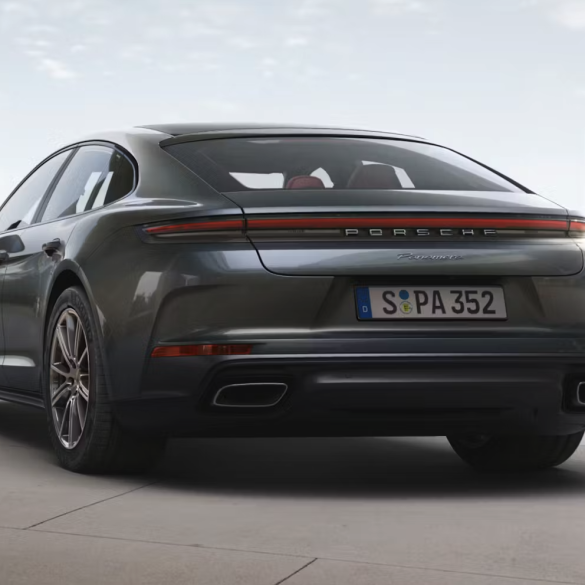

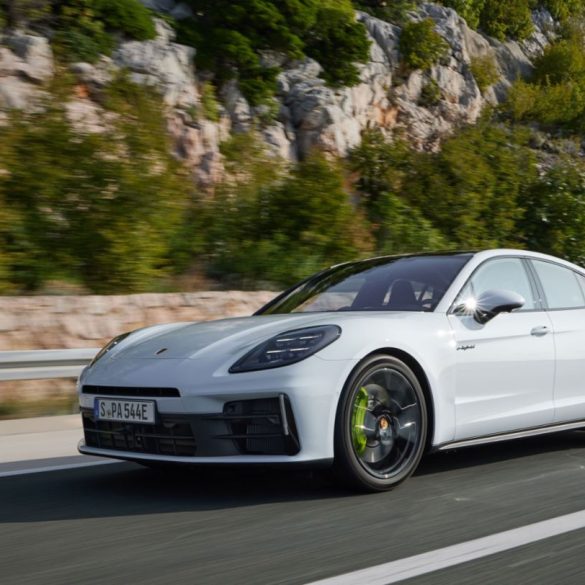
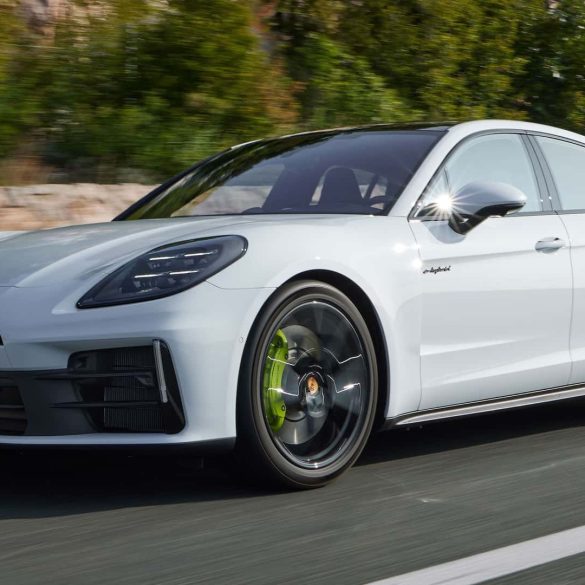

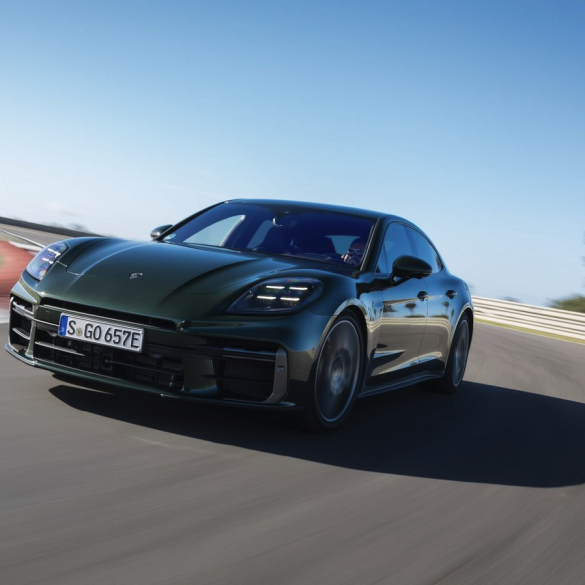

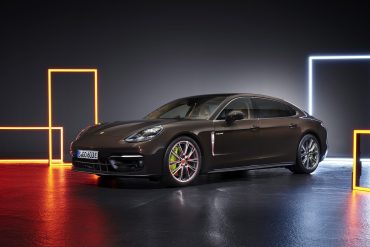
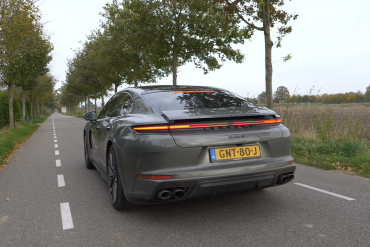
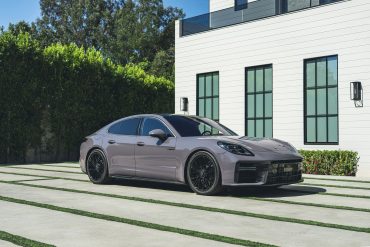

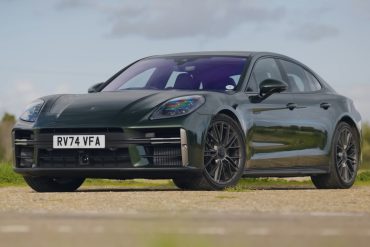

3rd Gen Porsche Panamera (G3/976) Pictures, Galleries & Wallpapers
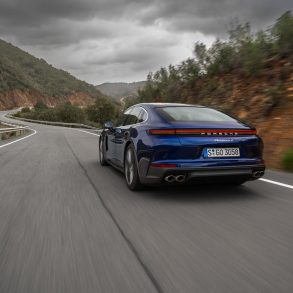
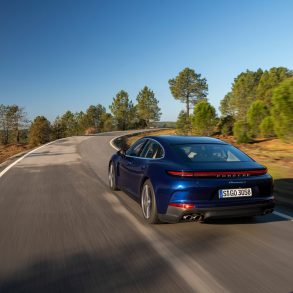
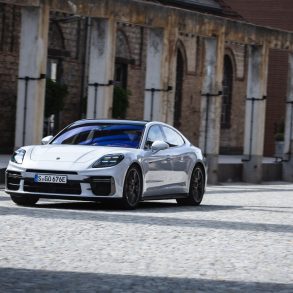
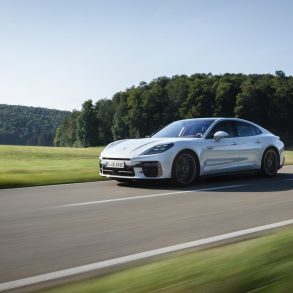
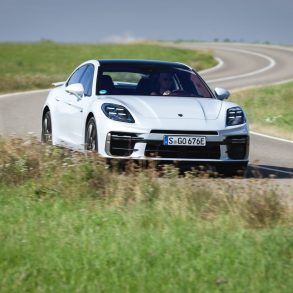
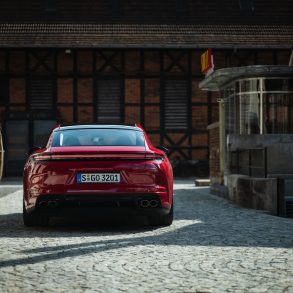
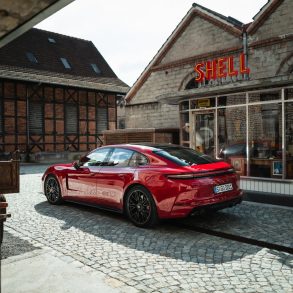
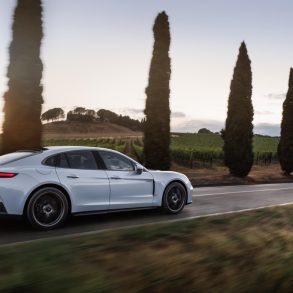
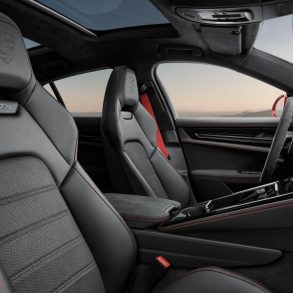
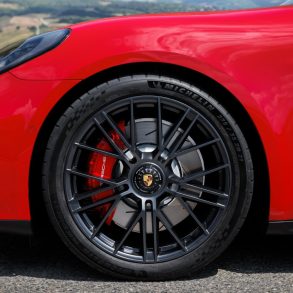
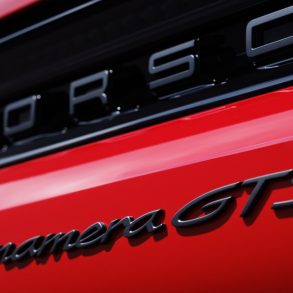
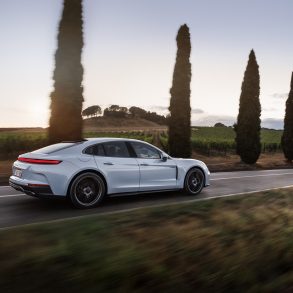
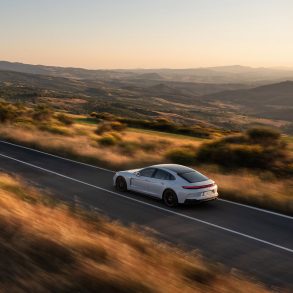
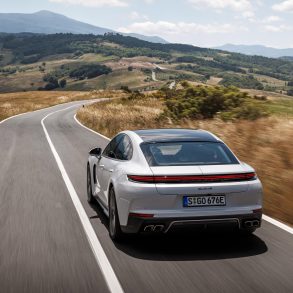
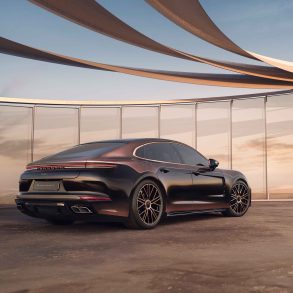
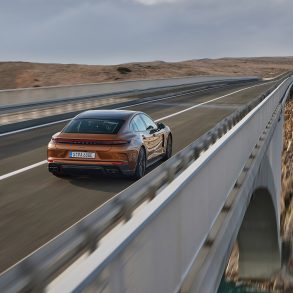
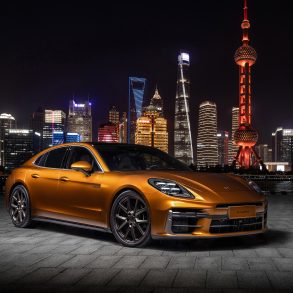
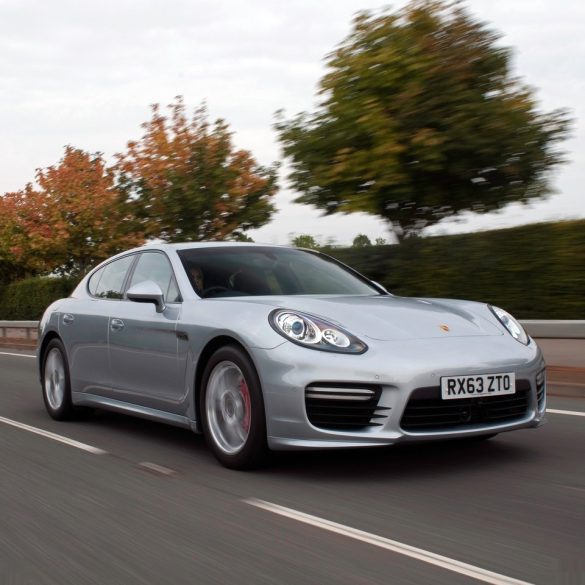
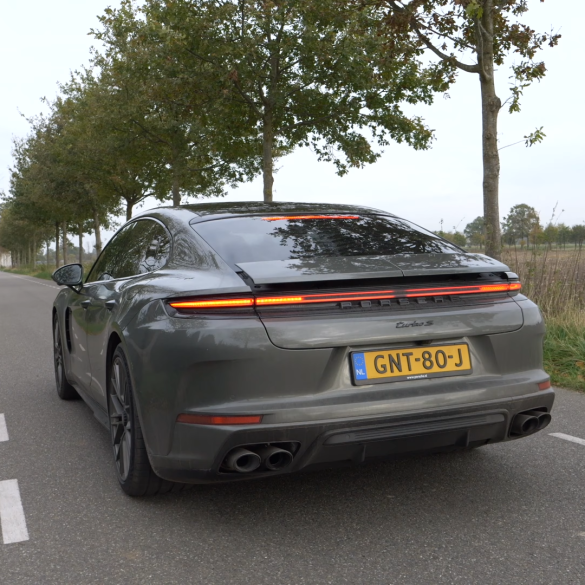
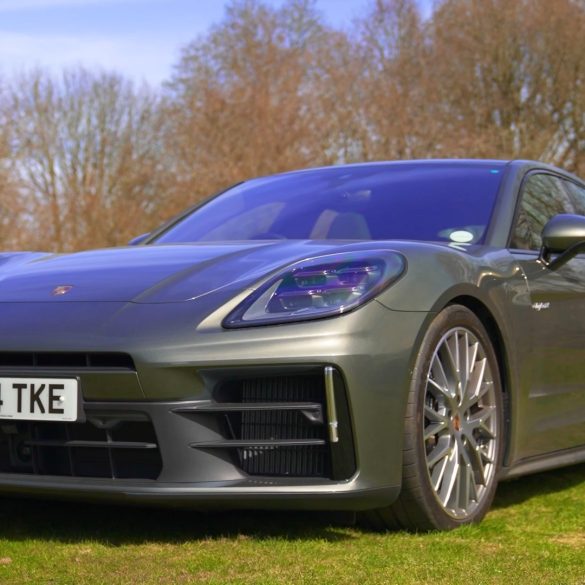
The third-generation Porsche Panamera features an evolutionary exterior update with "911-style" muscular front fenders and a new air intake above the license plate, while the interior undergoes a major digital overhaul. The cabin adopts the "Porsche Driver Experience" layout and the larger displays with lots of screens.










Porsche Panamera (G3/976) FAQs
Who designed the third generation Porsche Panamera (G3/976)?
The Porsche Panamera (976) was designed under the direction of Michael Mauer, Porsche’s long-standing Head of Design.
As with other modern Porsche models, the Panamera 976 was created by Porsche’s in-house design team in Weissach, with Mauer setting the overall design vision rather than acting as the sole hands-on designer. His influence is clear in the car’s evolution toward cleaner surfaces, sharper detailing, and stronger visual ties to the 911 and Taycan.
For the third generation, Mauer’s brief was not reinvention but refinement and modernization. The 976 retains the Panamera’s fastback proportions while emphasizing elegance, aerodynamic efficiency, and a more mature luxury presence. Inside, the design direction aligns closely with Porsche’s newest digital cockpit philosophy, borrowing heavily from the Taycan’s layout and interface.
In short, the Panamera 976 is very much a Michael Mauer–era Porsche: evolutionary rather than radical, brand-consistent, and carefully balanced between sports-car DNA and flagship luxury expectations.
What years is the Porsche Panamera 3rd generation?
The Porsche Panamera (976) - the third-generation Porsche Panamera—began production in 2023 and is sold as a 2024 model year onward vehicle. Production started in 2023, as a 2024 model year car. It is built on the updated MSB architecture platform with a strong emphasis on electrification. As the current generation, the 976 Panamera represents Porsche’s most modern interpretation of its luxury sports sedan, with plug-in hybrid powertrains and advanced digital technology at the core of the lineup.
How much is a third generation Porsche Panamera?
The Porsche Panamera (976) sits firmly at the top end of the luxury performance sedan market, and its pricing reflects both its flagship status and Porsche’s strong shift toward advanced electrification and technology. As the newest generation, most examples are either new or lightly used, keeping values relatively high compared to outgoing models.
When purchased new, the third-generation Panamera typically starts at around $100,000 to $105,000 for the base rear-wheel-drive model. All-wheel-drive versions and early hybrid trims push the entry point into the $110,000–$130,000 range, depending on configuration. As with all modern Porsches, options can add tens of thousands of dollars, meaning many “base” cars on dealer lots are priced well above their headline MSRP.
Higher-performance variants quickly move the Panamera into six-figure territory. GTS models generally land north of $150,000, while Turbo E-Hybrid and Turbo S E-Hybrid versions can start around $190,000 and climb past $220,000 once optioned. These models deliver super-sedan performance, advanced hybrid systems, and flagship-level luxury, positioning them closer to exotic performance cars than traditional executive sedans.
On the used market, pricing remains strong due to the generation’s newness. Most lightly used 2024–2025 Panamera 976 examples trade between roughly $100,000 and $140,000, with higher-spec or low-mileage cars commanding a premium. Overall, the third-generation Panamera represents a significant financial step up from earlier versions, but one that aligns with its role as Porsche’s most technologically advanced and luxurious four-door to date.
What is the difference between Gen 2 and Gen 3 Porsche Panamera?
The difference between the second-generation Panamera (Gen 2) and the third-generation Panamera (Gen 3) reflects Porsche’s broader shift toward electrification, digitalization, and comfort—without abandoning performance. While the two generations look closely related at first glance, they differ meaningfully in platform philosophy, powertrains, interior technology, and market positioning.
Platform & Engineering Philosophy
The Porsche Panamera (971) was built on Porsche’s MSB platform and focused on proving that a large luxury sedan could still drive like a true Porsche. Gen 2 emphasized mechanical engagement, wide powertrain choice (V6, V8, and hybrids), and driver-focused chassis tuning. It was the generation where the Panamera fully earned respect as a performance car, not just a fast luxury sedan.
The Porsche Panamera (976) evolves that same MSB architecture but re-engineers it around electrification. Gen 3 is designed from the outset to support high-performance plug-in hybrids as the core of the lineup, rather than as optional variants. The result is a car that feels more future-facing, with smoother power delivery and greater emphasis on refinement.
Powertrains & Electrification
Gen 2 offered one of the broadest engine lineups in Porsche history, ranging from turbocharged V6 models to full V8 Turbo and Turbo S E-Hybrid variants. Buyers could choose between relatively traditional combustion models and hybrids, with the GTS and Turbo appealing strongly to purists.
Gen 3 shifts the balance decisively toward electrified performance. Plug-in hybrids now sit at the heart of the range, delivering significantly more electric range, instant torque, and improved efficiency. While performance remains exceptional—often exceeding Gen 2 figures—the driving experience is smoother and more composed, with less emphasis on raw engine character and more on seamless speed.
Exterior Design Evolution
Visually, the two generations are closely related, but their intent differs. Gen 2 refined the Panamera’s proportions dramatically over the first generation, introducing a sleeker roofline, wider stance, and more 911-inspired rear design. It still carried a relatively aggressive, muscular look—especially in GTS and Turbo trims.
Gen 3 takes a more elegant and modern approach. Styling changes are subtle but deliberate, with cleaner surfaces, sharper lighting, and a more mature, premium appearance. The third generation looks less overtly aggressive and more like a flagship luxury car that happens to be extremely fast.
Interior & Technology
Inside, the Gen 2 Panamera introduced Porsche’s modern digital cockpit, blending touchscreens with physical controls and a strong driver focus. It was a major leap forward from the first generation and still feels contemporary today.
Gen 3 significantly advances this concept. The interior is more digital, more minimalist, and more customizable, with a larger curved display, expanded driver assistance features, and improved infotainment integration. Passenger comfort, ride quality, and usability take a bigger role, signaling Porsche’s intent to make the Panamera even more competitive with top-tier luxury sedans.
Driving Character & Market Position
The second-generation Panamera is often regarded as the more “driver-centric” car, particularly in non-hybrid V8 and GTS forms. It balances luxury and performance but still prioritizes steering feel, chassis engagement, and engine character—qualities that appeal strongly to enthusiasts shopping the used market today.
The third-generation Panamera is more refined, more technologically advanced, and more aligned with Porsche’s electrified future. It offers astonishing real-world performance with greater comfort and efficiency, but its character is more polished and less mechanical. Gen 3 is aimed squarely at buyers seeking a high-performance luxury flagship rather than a sports sedan with luxury added.
In Short
Gen 2 is about performance credibility and variety, while Gen 3 is about electrified performance and refinement. Enthusiasts often gravitate toward the second generation for its character and value, while the third generation represents Porsche’s vision of what a modern luxury performance sedan must be in the electrified era.
How innovative is the 3rd gen Porsche Panamera? What makes it so special?
The Porsche Panamera (976) is highly innovative—but in a very Porsche way. Rather than chasing radical reinvention, the third-generation Panamera is special because it re-engineers nearly every core system beneath familiar styling, repositioning the Panamera as a future-facing luxury flagship built around electrified performance, software, and comfort without abandoning its sporting DNA.
While the 976 continues to use Porsche’s MSB architecture, it is fundamentally reworked to prioritize plug-in hybrid powertrains. Unlike earlier generations—where hybrids were optional—the third-gen Panamera is engineered with electrification as a central pillar. Larger batteries, more powerful electric motors, and revised power electronics allow significantly increased electric-only range and far stronger hybrid performance.
What makes this innovative is Porsche’s philosophy: electrification is not used merely for emissions compliance, but as a performance multiplier. Electric torque fills gaps in combustion power delivery, smooths transitions, and enhances real-world acceleration—especially at everyday speeds—making the Panamera faster, quieter, and more refined in daily use.
One of the most significant technical leaps in the 976 is its new Active Ride suspension system (on higher trims). This system represents a major step beyond traditional air suspension or adaptive dampers. It can actively control each wheel independently, counteracting pitch, roll, and squat in real time.
The result is a luxury sedan that feels almost uncannily flat and composed, regardless of road conditions. It allows the Panamera to deliver limousine-level ride comfort while maintaining body control that rivals high-performance sports sedans—something that was previously a compromise even in the 971. This suspension technology alone places the 976 at the cutting edge of chassis innovation.
Inside, the third-generation Panamera marks a decisive shift toward software-led luxury. The cockpit adopts a highly digital, Taycan-inspired layout, with a curved digital instrument cluster, reduced physical controls, and deeper integration of driver assistance, navigation, and vehicle systems.
What makes this special is not just the screens, but the way the car is designed to evolve. The 976 is far more update-capable, allowing Porsche to refine interfaces, features, and driving systems over time. The cabin is quieter, more spacious, and more customizable, signaling a clear move toward flagship-level comfort and technology rather than purely driver-centric minimalism.
Innovation in the 976 Panamera is also about how speed is delivered. While outright performance figures are staggering—especially in Turbo E-Hybrid form—the defining trait is effortlessness. The car accelerates with minimal noise, minimal vibration, and total stability, even at extreme speeds.
This represents a philosophical shift. Where earlier Panameras emphasized mechanical character and engagement, the third generation focuses on confidence, composure, and repeatable performance. It is engineered to be devastatingly fast without feeling aggressive or demanding, aligning it more closely with modern luxury expectations.
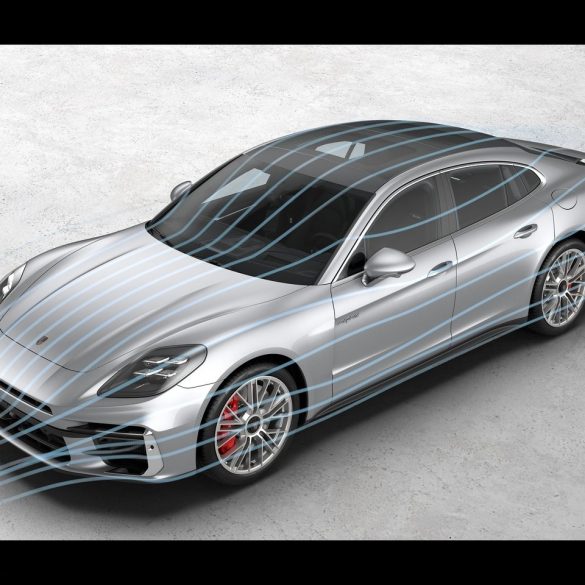
Visually, the 976 may seem conservative, but that is part of its innovation. Porsche deliberately refined the Panamera’s proportions rather than reinventing them, confident that the underlying changes were substantial enough to stand on their own. Cleaner surfaces, sharper lighting signatures, and improved aerodynamics reinforce the Panamera’s role as a mature, elegant flagship rather than a design statement chasing attention.
The third-generation Panamera is special because it represents Porsche’s blueprint for the future of high-performance luxury. It shows how the brand intends to blend electrification, advanced suspension, software-driven interiors, and traditional Porsche performance into a cohesive whole.
Where the second generation proved the Panamera could drive like a Porsche, the third generation proves that a Porsche flagship can be electrified, deeply digital, and still emotionally compelling. It is less about raw drama and more about mastery—of comfort, technology, and speed—and in that sense, it may be the most sophisticated road car Porsche has ever built.
How fast was the 3rd Gen Porsche Panamera?
The Porsche Panamera (976) is not just fast for a luxury sedan—it is one of the fastest four-door production cars Porsche has ever built. What makes the third generation especially notable is not only the raw numbers, but how effortlessly and consistently it delivers its performance.
Even the entry-level third-generation Panamera models are quick by modern standards. Base and Panamera 4 versions accelerate from 0–60 mph in the low-4-second range, which already places them firmly in performance-sedan territory. These cars prioritize refinement and composure, but still deliver strong, confident acceleration with minimal effort.
Step up to the electrified models and the performance leap becomes dramatic. Porsche’s plug-in hybrid powertrains deliver instant electric torque, allowing the Panamera to launch harder and respond faster than previous generations. Mid-range E-Hybrid variants comfortably dip into the mid-3-second 0–60 mph range, making them quicker than many traditional sports cars.
At the top of the lineup, the Turbo E-Hybrid defines the 976’s performance ceiling. Thanks to a high-output twin-turbo V8 combined with a powerful electric motor, this flagship model is capable of 0–60 mph in roughly 3.0 seconds, depending on conditions and specification. That is supercar-level acceleration from a large, four-door luxury sedan.
Top speed exceeds 190 mph, reinforcing the Panamera’s role as a true high-speed grand tourer rather than just a drag-strip performer. Unlike many rivals, the 976 Panamera maintains remarkable stability and comfort at sustained high speeds, a hallmark of Porsche’s Autobahn-focused engineering.
What truly sets the third-generation Panamera apart is how it goes fast. The acceleration is smooth, quiet, and almost deceptively calm. Advanced all-wheel drive systems, sophisticated traction control, rear-axle steering, and cutting-edge suspension technology allow the car to deploy massive power without drama.
There’s little wheelspin, little noise, and very little sense of strain. The Panamera simply gathers speed relentlessly, making extreme performance feel natural and repeatable—whether launching from a standstill or accelerating hard at highway speeds.
It’s not just fast—it’s effortlessly fast, representing Porsche’s most refined and technologically advanced interpretation of high-performance speed to date.
What is the best year for a third generation Porsche Panamera?
The “best” year for a Porsche Panamera (976) depends largely on whether you prioritize latest technology, refinement, or long-term value, but there is a clear front-runner emerging as the generation settles.
Best Overall Choice (So Far): 2025 Model Year
For most buyers, 2025 is shaping up to be the best year of the third-generation Panamera. By this point, Porsche has had time to refine software, infotainment behavior, hybrid system calibration, and suspension tuning following the initial launch. Early production quirks typical of a brand-new generation tend to be minimized, while the car still benefits from the full suite of Gen-3 innovations—Active Ride suspension availability, improved plug-in hybrid range, and the most advanced digital cockpit Porsche has ever offered in a sedan.
If you’re buying new or lightly used and want the most polished version of the 976 without waiting several more years, 2025 is currently the sweet spot.
Best “Early Adopter” Year: 2024
The 2024 model year marks the debut of the third-generation Panamera and is best suited to buyers who want the newest design and technology as early as possible. These cars deliver the full Gen-3 experience—electrification-first engineering, next-generation suspension systems, and Porsche’s most modern interior layout.
However, as with any first-year redesign, 2024 models are more likely to receive software updates and incremental revisions over time. They are still excellent cars, but not yet the most refined examples of the generation.
Best Long-Term Bet (Looking Ahead): 2026–2027 (Projected)
Historically, Porsche’s mid-generation years tend to be the most desirable from an ownership standpoint. As the 976 matures, 2026–2027 models are likely to benefit from subtle hardware updates, battery improvements, expanded hybrid tuning, and further software optimization. These years are expected to represent the peak balance of performance, reliability, and usability—similar to how late 971.2 cars became the standout picks in the previous generation.
More Porsche Panamera News & Updates
Recent news, awesome reviews, new model announcements and all the other latest news and posts regarding the Porsche Panamera.
Join Our Porsche Community
Sign up for our weekly Porsche newsletter. The latest Porsche news, rumors, reviews and more delivered to your inbox. Cool Porsche stuff perfect for the flat-six obsessed.