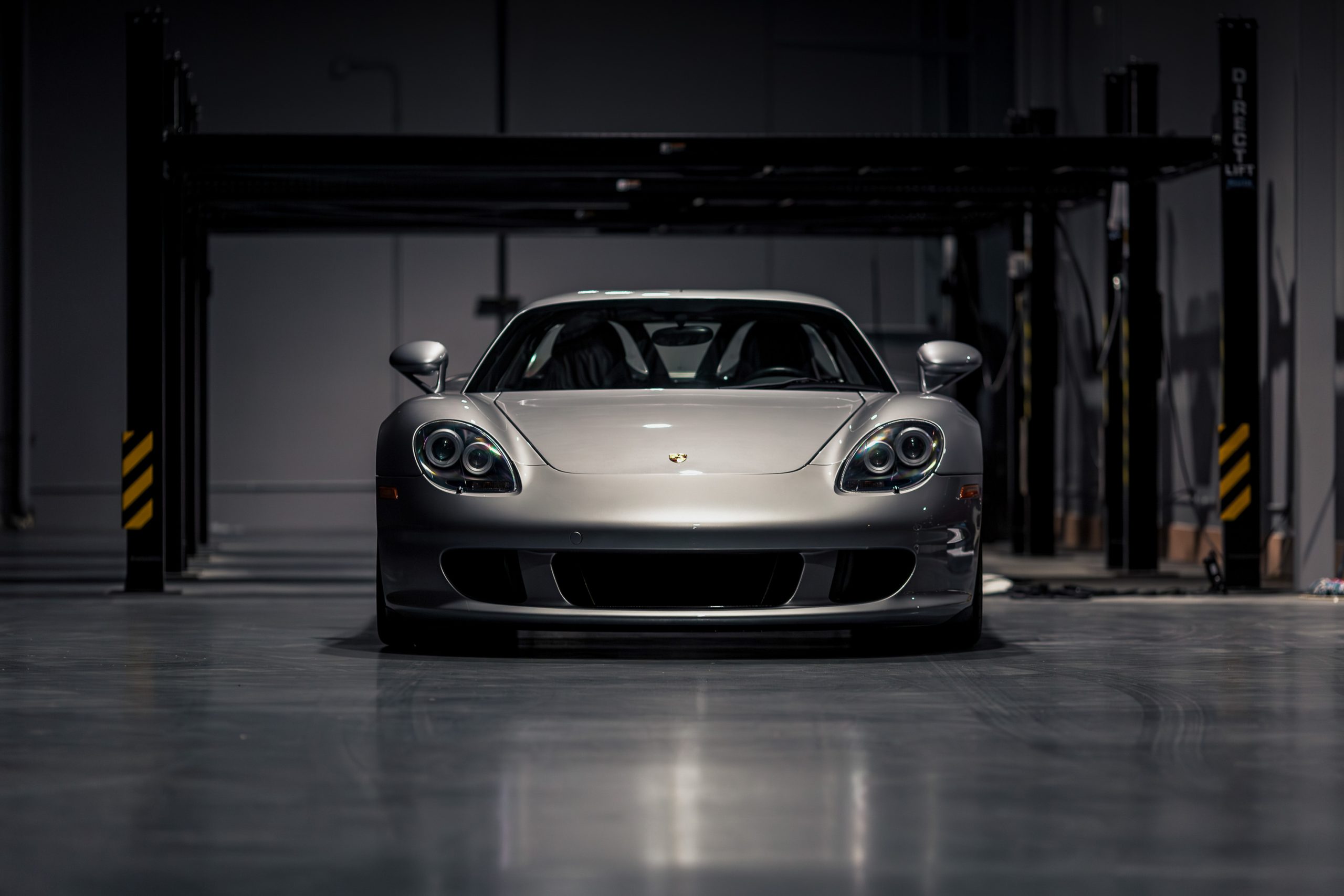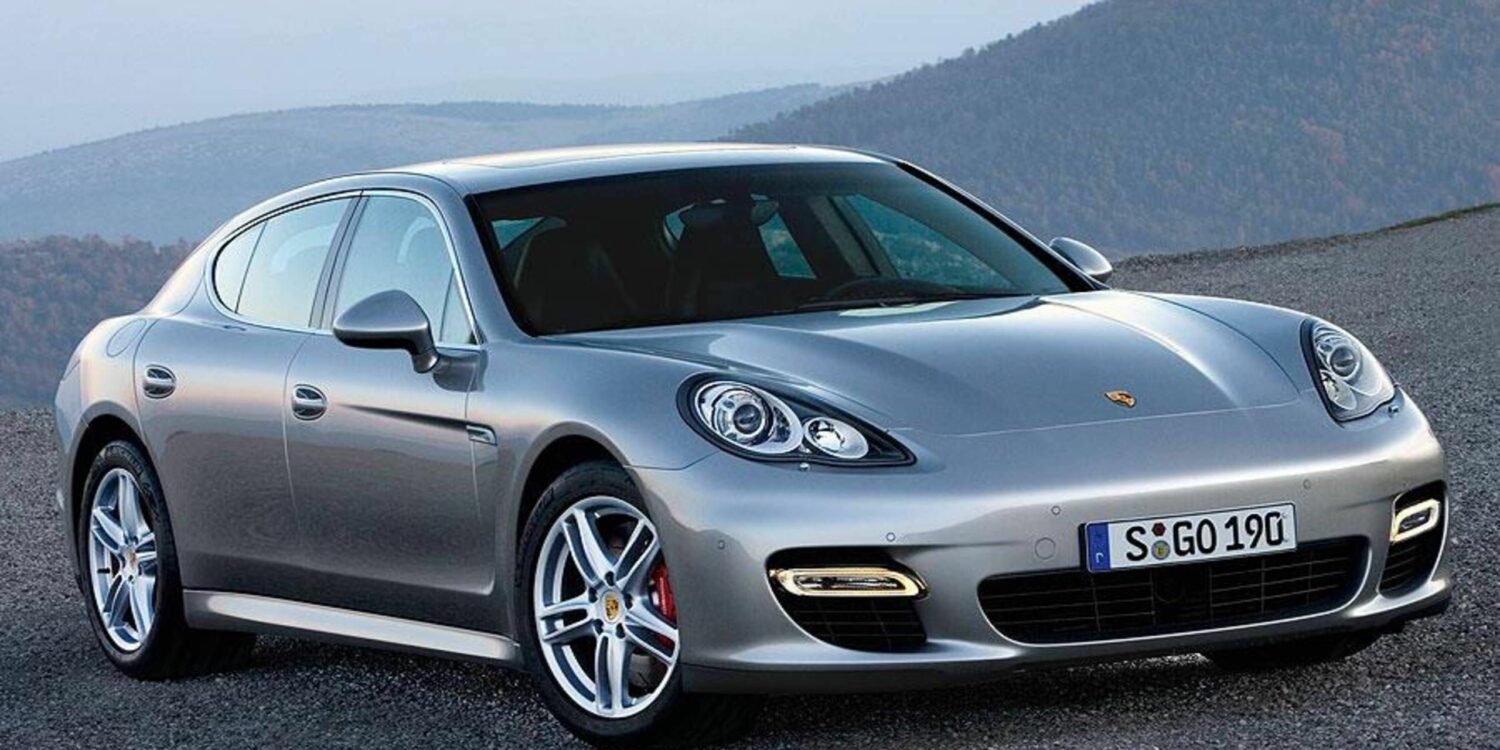
Porsche Panamera 970.1 – The Story
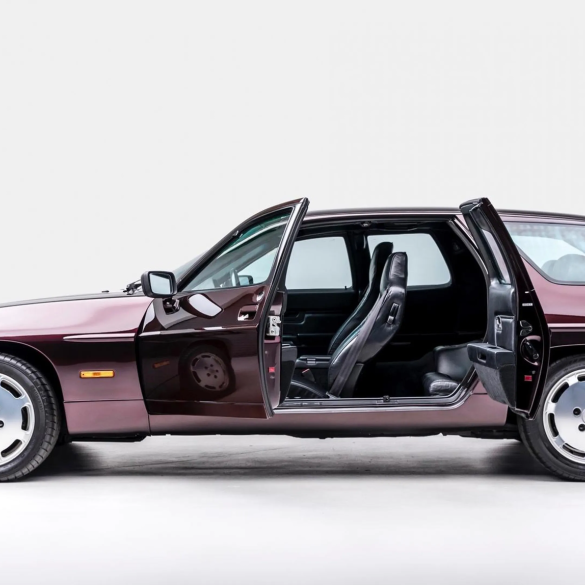
Porsche planned to launch a 4-door in 1995 as the successor to the 928. It took longer than expected. The Porsche Panamera, the first series production sedan.


970.1 Story / 970.1 Timeline / 970.1 Model Guides / 970.2 Story / 970.2 Timeline / 970.2 Model Guides / Misc Data / FAQs / News
Type: 970 (970.1 & 970.2)
Generation: First Generation (970), Chassis G1
Manufacturer: Porsche AG
Designer: Michael Mauer
Production Years: April 2009 - 2016
Model Years: 2010 - 2016
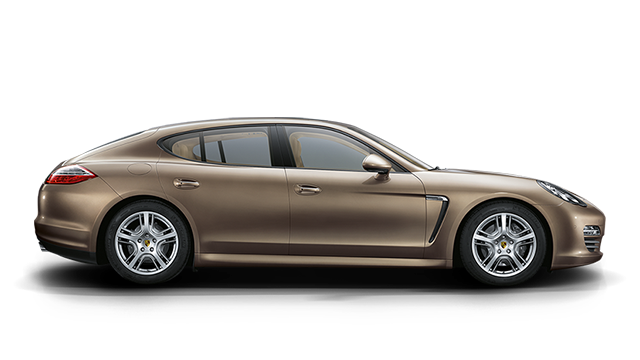
Body Style: 5-Door Liftback
Layout: Front-engine, RWD & AWD
Engines: 3.0 L V6 turbodiesel, 3.6 L V6, 3.0 L supercharged V6 (Hybrid), 4.8 L V8, 4.8 L twin-turbocharged V8
Transmission: 6-speed manual, 7-speed ZF 7DT PDK, 8-speed Aisin Tiptronic S Automatic
Official photos: November 24, 2008
Premiere: April 19 2009 at Auto Shanghai
Market launch: September 2009
Successor: Porsche Panamera (971)
Porsche had been talking about a four-door sedan for decades before we finally saw the initial Porsche Panamera photos on November 24 2008. The first-generation Panamera was a genuine game-changer from a performance perspective. Design and looks were not met with praise, but no other executive four-door had ever been as capable on the twisty turns as the Panamera when it arrived as a 2010 model year lineup.
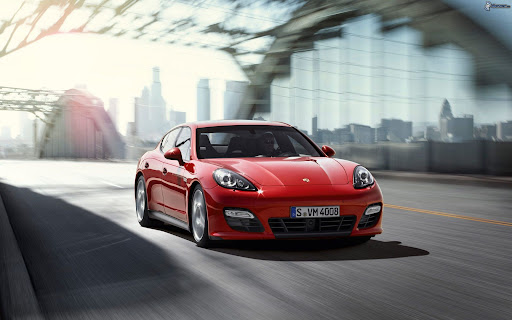
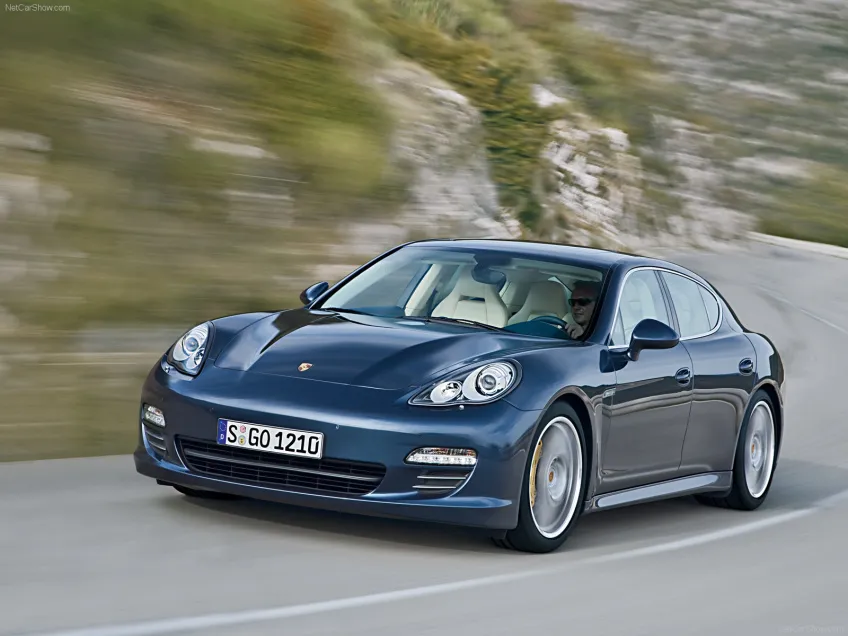
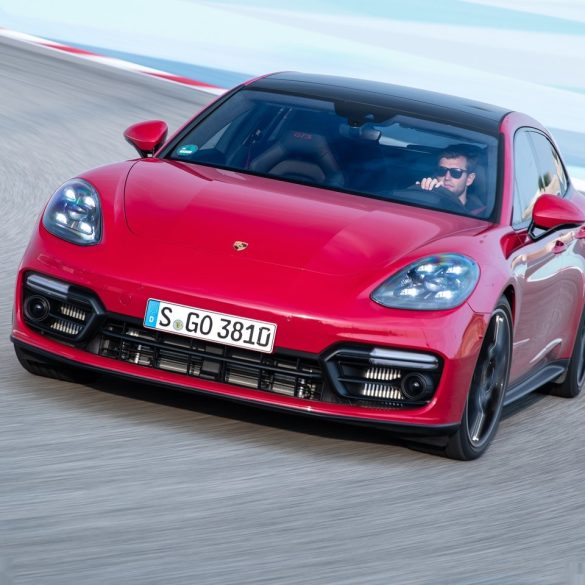
First out of the gate were the Panamera S, 4S, and Turbo variants. All three had a 4.8-liter V8, a 400-horsepower naturally aspirated unit for the S and 4S, and a turbocharged version of the same engine with 500 hp for the Turbo. Performance was impressive, with the Sport Chrono Packaged rear-wheel-drive Panamera S able to go from 0 to 62 miles per hour in as little as 5.2 seconds. The similarly optioned 4S did it in 4.8 second while the Turbo did it in a blistering 4.0 seconds flat. For the 2011 model year Porsche introduced the base level models, the Panamera and Panamera 4, both getting the same 300-hp 3.6-liter V6. The next model was the Panamera S Hybrid with a 3.0-liter supercharged Audi V6 mated to a hybrid drive system. As if the Panamera needed more than 500 hp in Turbo guise, Porsche released the Turbo S with 550 hp for 2012. The power was increased with a modified ECU and upgraded turbochargers. In 2013 the GTS was introduced with most of the equipment standard on the Panamera Turbo, but without the turbochargers. Instead, it made do with the S V8, modified to make 430 hp. To allow the driver and passengers to hear the burly exhaust note better, Porsche implemented its new Sound Symposium system, which used special chambers connected to the engine air intake to pipe sound into the cabin. Of course, with more power and an emphasis on handling, some of the notable equipment borrowed from the Turbo included better brakes, air suspension with active shocks, all-wheel-drive, and more. In addition to the GTS, Porsche launched the Panamera Edition for 2013, giving base cars design cues and standard equipment from the Turbo.
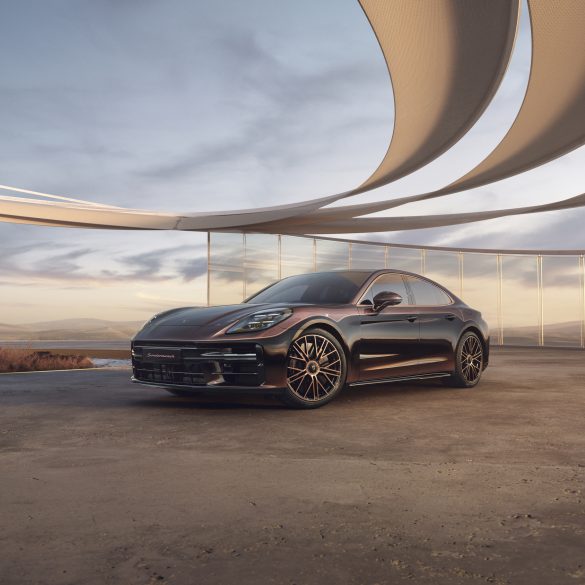
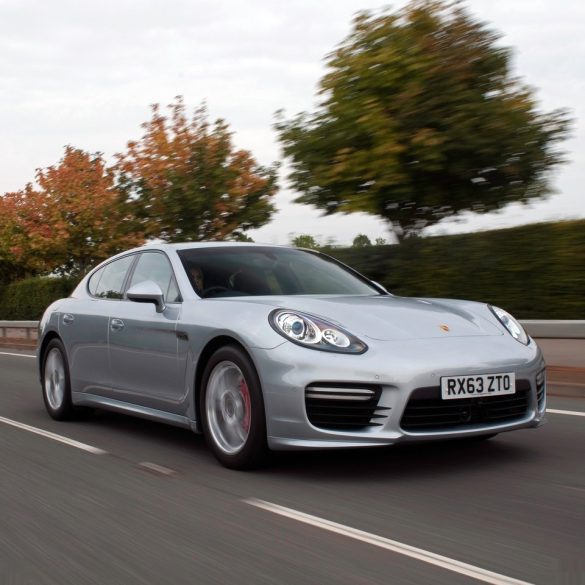
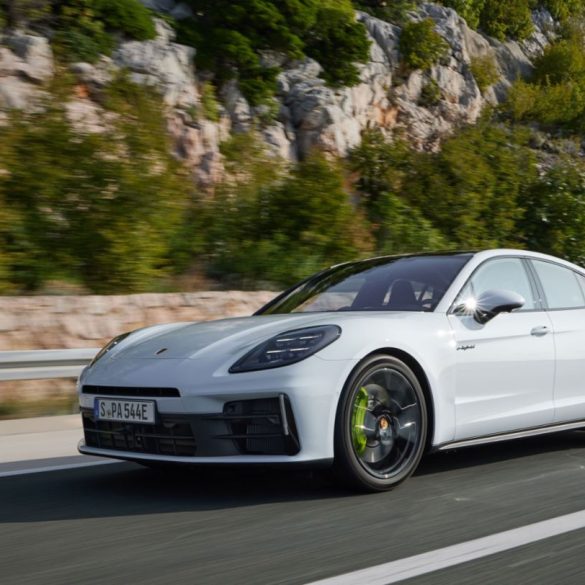
The Panamera received a fairly substantial mid-cycle update for 2014. The S lost its V8, which was replaced by a new, more efficient twin-turbo V6 that produced 420 hp. Porsche added long-wheelbase Executive trims to the Turbo and Turbo S, a move that was spurred in large part by the growing Chinese market. The base car’s engine got a boost from 300 to 310 hp, while the Turbo and Turbo S now made 520 hp and 570 hp, respectively. The hybrid Panamera became the S E-Hybrid and gained plug-in capability, a new lithium-ion battery, and better performance from a 95-hp electric motor. The more powerful motor allowed drivers to stay in electric-only mode up to 84 miles per hour — much faster than the S Hybrid. The Audi-sourced supercharged V6 remained unchanged with 333 hp. Combined output was 416 hp. And finally, a much appreciated — though arguably insignificant — styling update quelled some of the criticism aimed at the sedan’s design. Aside from the extremely rare (and expensive) Panamera Exclusive series and the Edition series, the sedan continued on mostly unchanged through model year 2016. The second generation Panamera was launched for 2017.
The first-generation Porsche Panamera (internal code 970) debuted in 2009 as Porsche’s bold expansion into the luxury four-door sports sedan segment, blending long-distance comfort with unmistakable Porsche performance DNA. Built on a bespoke platform with a front-mounted V6 or V8 and a rear-biased layout, the Panamera launched with naturally aspirated and turbocharged V8 models, followed by V6 variants and, notably, Porsche’s first production hybrid with the Panamera S Hybrid in 2011. Over its lifecycle, the 970 range expanded to include all-wheel-drive versions, long-wheelbase Executive models, and extreme performance flagships like the Turbo S. A significant facelift arrived for the 2014 model year, bringing updated styling, a redesigned interior, more efficient engines, and the introduction of the plug-in Panamera S E-Hybrid. Production ran through the 2016 model year, with the first-gen Panamera establishing the template for Porsche’s modern luxury sedans: fast, versatile, and unapologetically performance-focused despite its size.
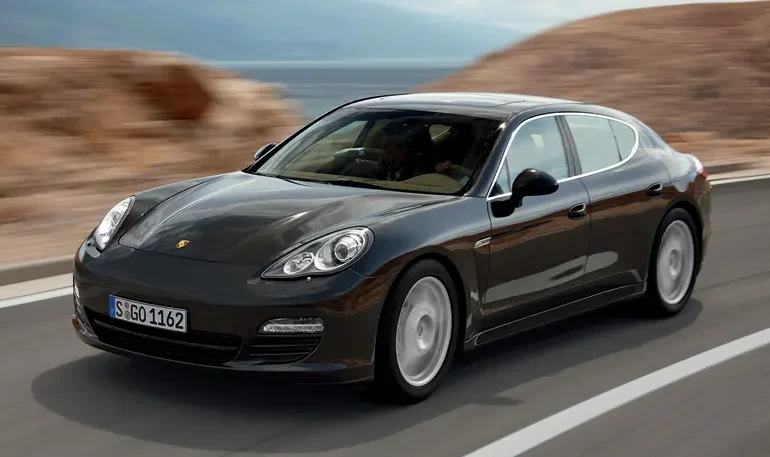
The Panamera S was the cornerstone of the original launch and the model that set expectations for what a four-door Porsche could be. Powered by a naturally aspirated 4.8-liter V8, it emphasized refinement and grand-touring comfort rather than outright aggression. Rear-wheel drive was standard, and the car combined strong performance with a surprisingly engaging driving experience for its size, immediately positioning the Panamera as a legitimate alternative to traditional luxury sedans.
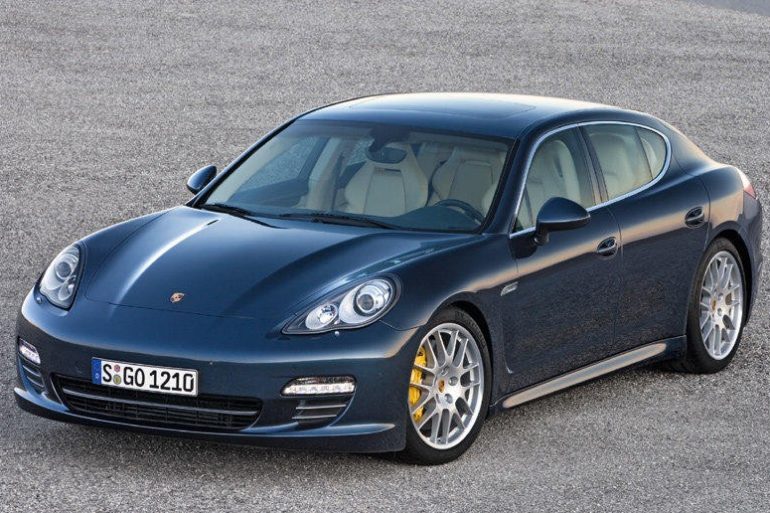
Introduced alongside the S, the Panamera 4S added Porsche’s all-wheel-drive system, making it more appealing to buyers in all climates and reinforcing its year-round usability. Using the same V8 engine, the 4S traded a slight weight penalty for increased traction and confidence, especially at higher speeds. For many buyers, it became the sweet spot in the early lineup, balancing luxury, performance, and security.
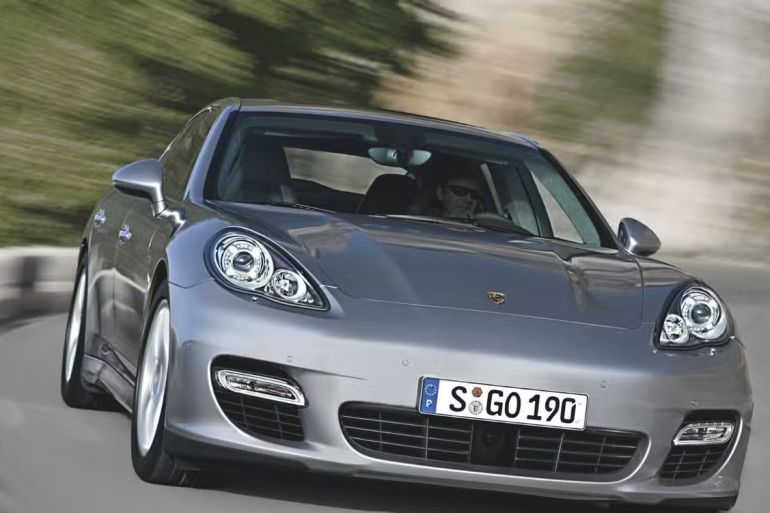
The Panamera Turbo marked the first true performance milestone for the 970 generation. With a twin-turbocharged version of the 4.8-liter V8, it delivered supercar-level straight-line speed in a luxury sedan body. Adaptive air suspension, upgraded brakes, and aggressive styling cues made it clear this was the flagship. The Turbo established the Panamera as more than just a sporty executive car—it was a genuine high-performance machine.
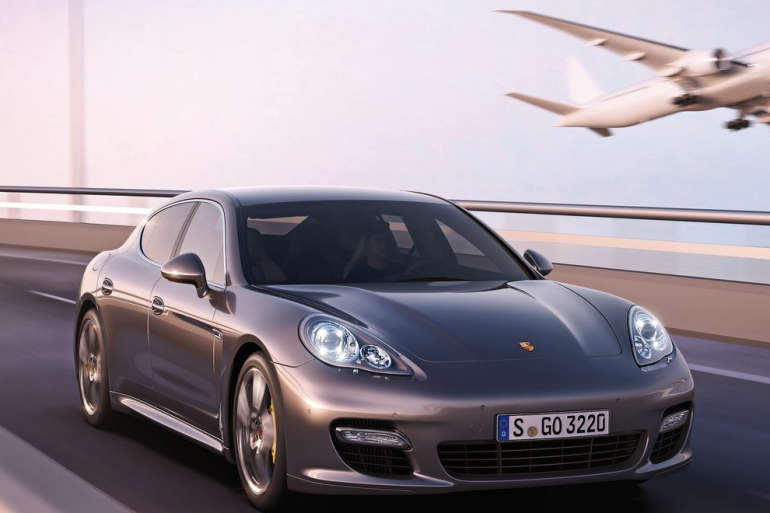
The Turbo S pushed the concept even further, adding more power, standard ceramic brakes, and nearly every available performance and luxury feature as standard equipment. It represented the peak of the pre-facelift Panamera range and became one of the fastest four-door production cars of its era. The Turbo S solidified the Panamera’s reputation as a no-compromise performance sedan.
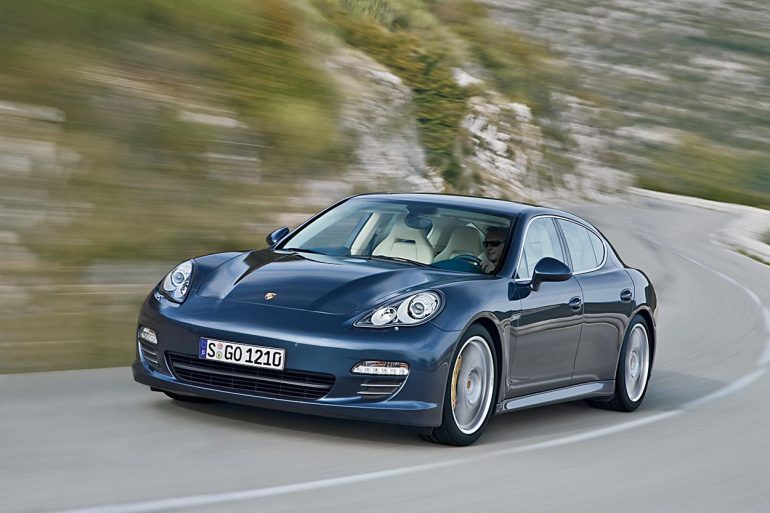
To broaden the lineup, Porsche introduced V6-powered Panamera and Panamera 4 models aimed at buyers prioritizing efficiency and value without sacrificing the Porsche driving feel. These cars were lighter on the nose and more approachable in everyday driving, helping the Panamera reach a wider audience while maintaining its premium positioning.
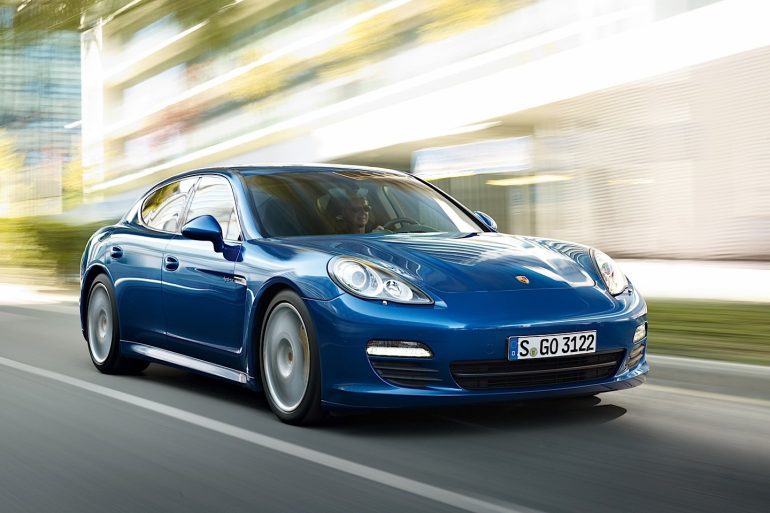
The Panamera S Hybrid was Porsche’s first production hybrid road car and a major technological milestone for the brand. Initially a conventional hybrid, it evolved into the plug-in Panamera S E-Hybrid with the 2014 facelift, offering meaningful electric-only range alongside strong combined performance. This model previewed Porsche’s future electrification strategy while still fitting naturally into the Panamera lineup.
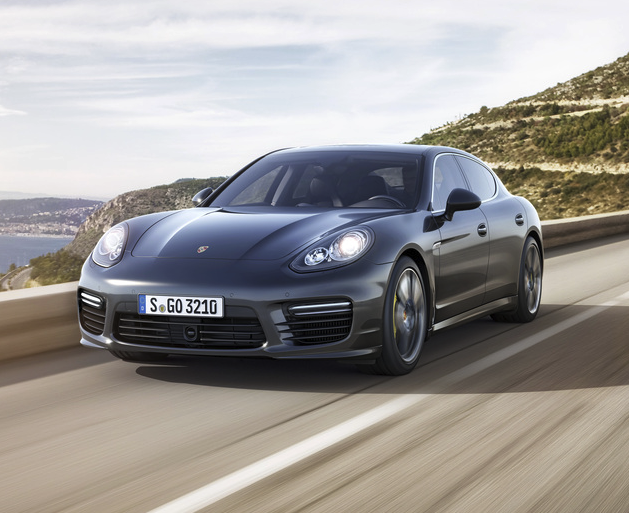
The mid-cycle refresh brought sharper styling, a significantly updated interior, and improved powertrains across the range. Turbo and Turbo S models gained more power and efficiency, while the lineup as a whole felt more cohesive and modern. This final phase of the 970 generation refined the original concept and set the stage for the more advanced second-generation Panamera that followed.
The first Panamera variants out of the gate were the 2010 model year Panamera S, 4S, and Turbo models. The S and 4S got a 4.8 L naturally aspirated V8 while the Turbo got a twin-turbo version of the same engine. Shortly afterwards we saw Porsche add the base-level Panamera and Panamera 4 variants to the lineup, both powered by a 3.6-liter naturally aspirated V-6. In 2011, Porsche introduced the Panamera S Hybrid, GTS, Turbo S, and diesel models. The first generation Porsche Panamera GTS was a sharper-driving 4S that hit the sweet spot with its fettled 4.8-liter, naturally aspirated V-8 good for 424 hp. The diesel got a turbodiesel V-6 spun with 247 hp and 406 lb-ft, while the S Hybrid got a supercharged V-6 plus electric motors, which combined 375 hp and 428 lb-ft.


Model-wise it was more of the same for the 2014 Panamera update. Technical changes included the addition of a new 3.0L twin-turbocharged Panamera S and a new E-Hybrid model. A long wheelbase "Executive" edition which gave buyers an additional 150 mm was available for selected left-hand drive markets. The design was also refreshed across the board.


We dig into some of the data surrounding the first generation Porsche Panamera, including production numbers, specifications, chassis numbers and much more. We go super in-depth across lots of details.

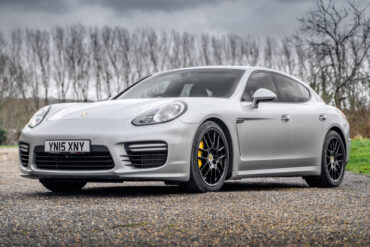
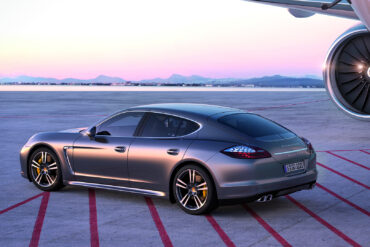
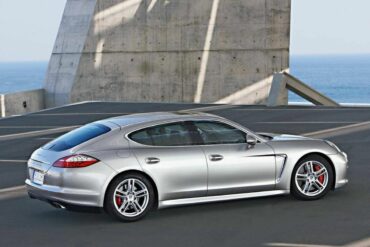
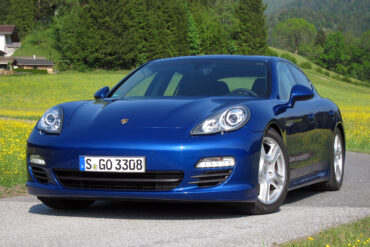
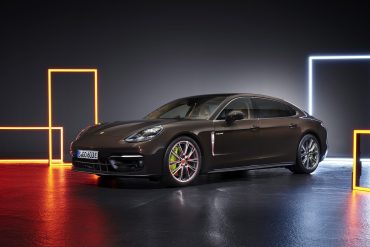
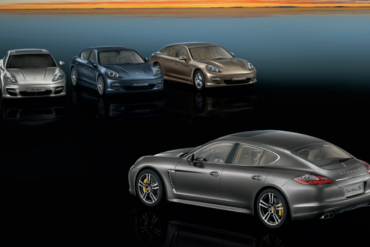
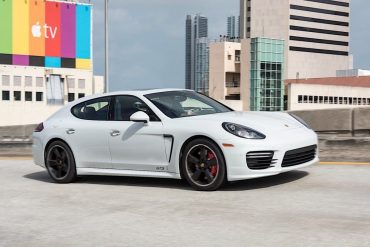
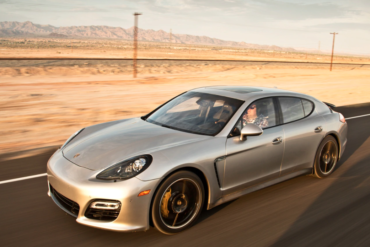
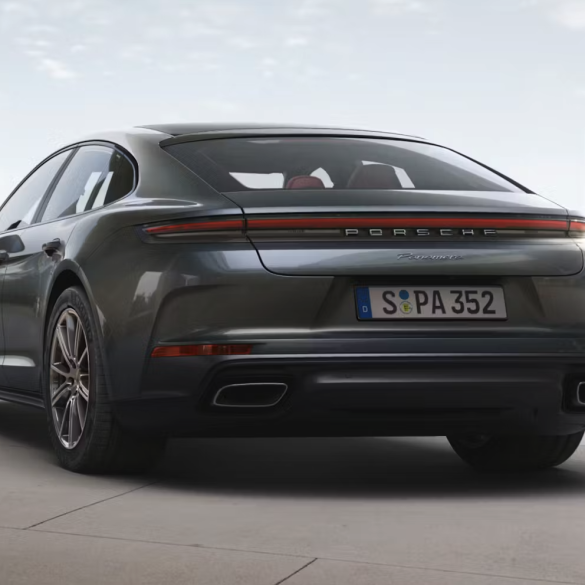
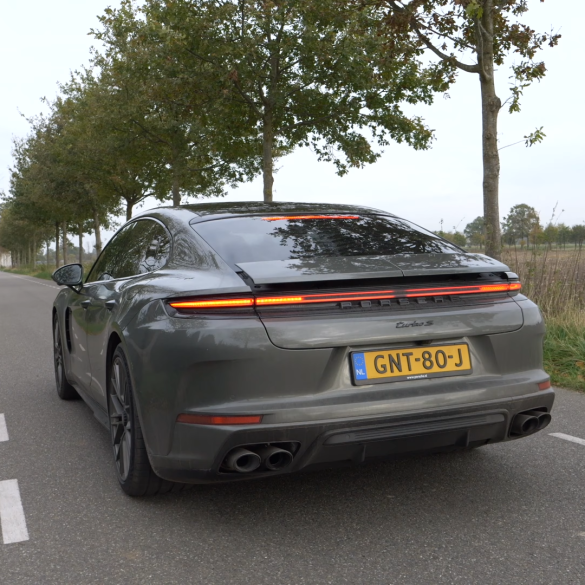
Ok, the first generation Panamera wasn't exactly a looker (heck, it was butt-ugly), but it was Porsche's first attempt so maybe we give them some grace?
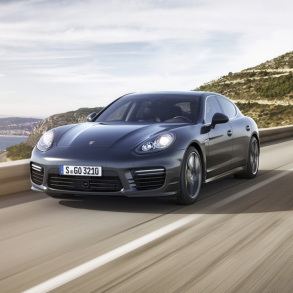
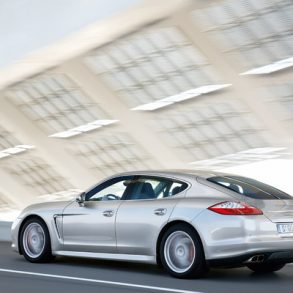
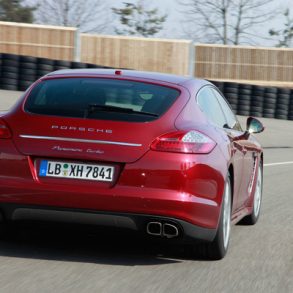
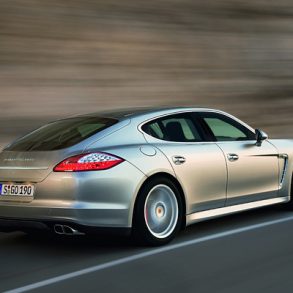
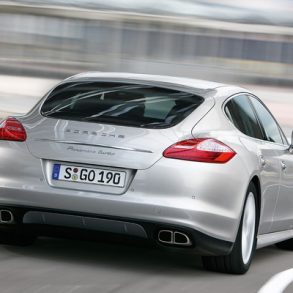
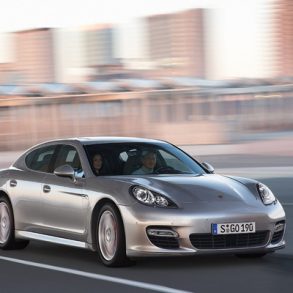
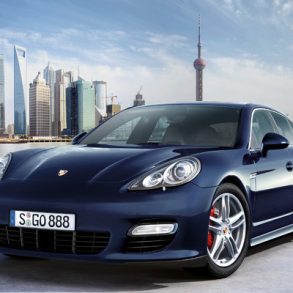
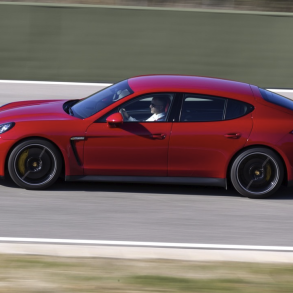
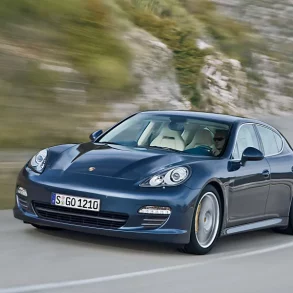
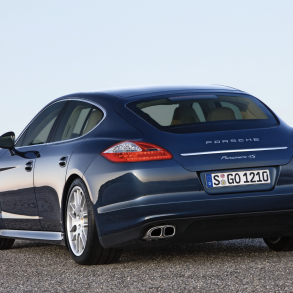
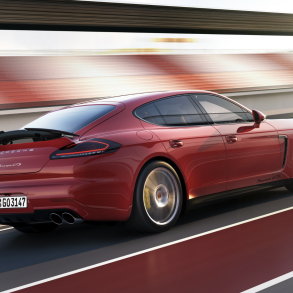
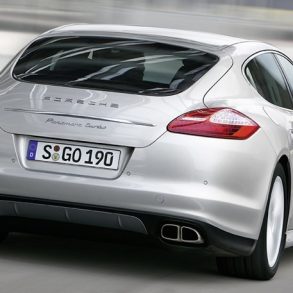
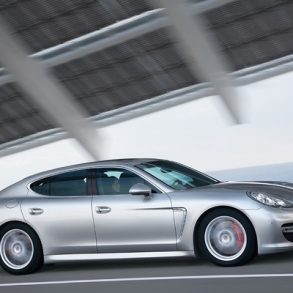
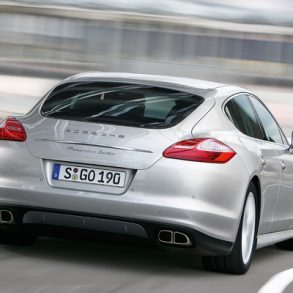
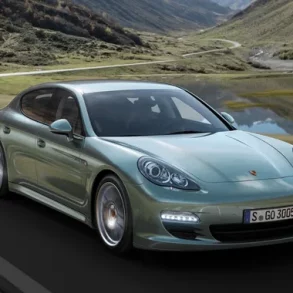
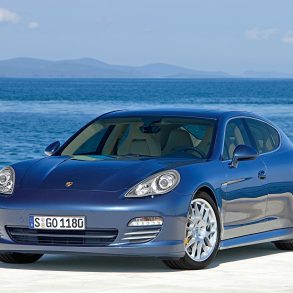
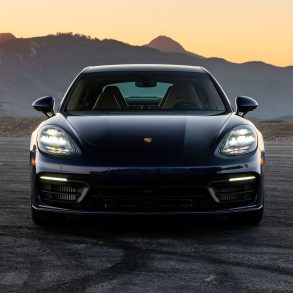
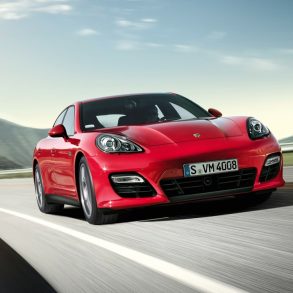
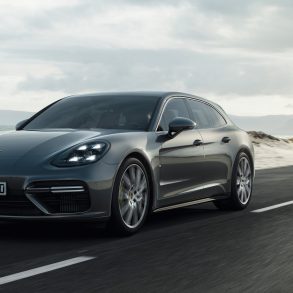
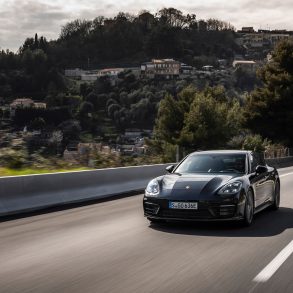
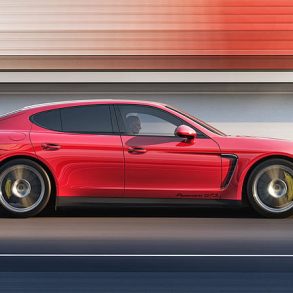
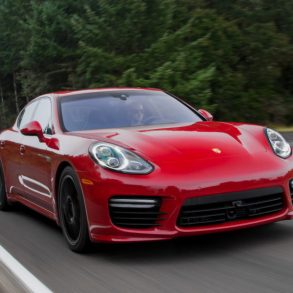

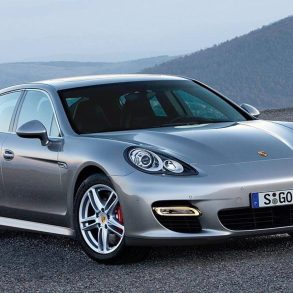
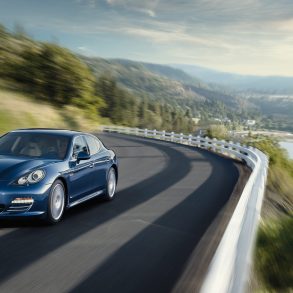
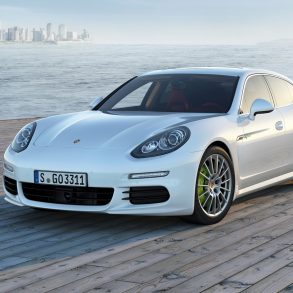
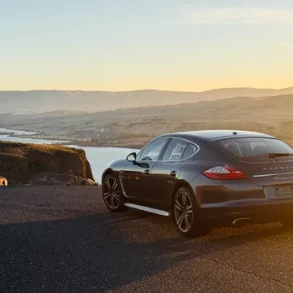
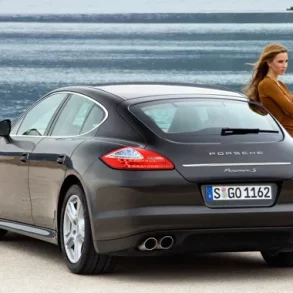
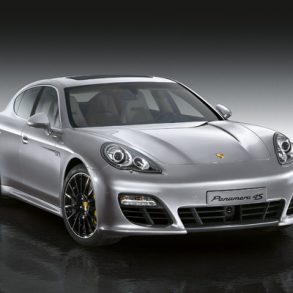
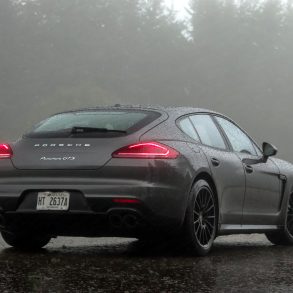
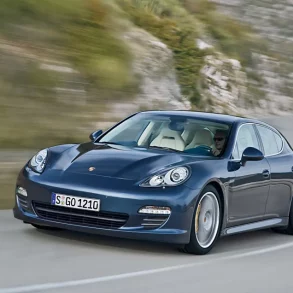
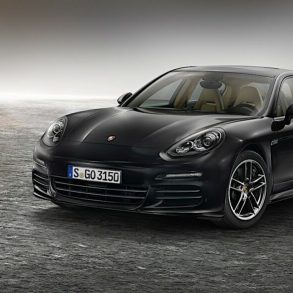
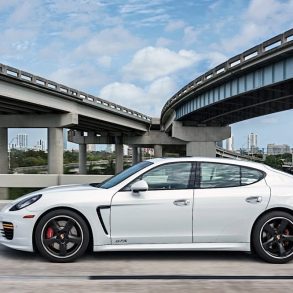
 Porsche Panamera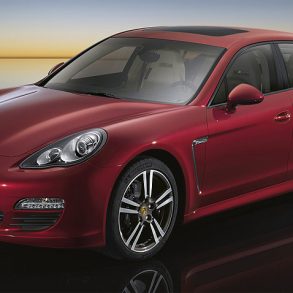
The initial Porsche Panamera (internal designation 970, first generation introduced for the 2010 model year) was designed under the leadership of Michael Mauer, who at the time was Vice President of Style at Porsche. Mauer and his design team were responsible for the Panamera’s exterior styling and overall design language as part of Porsche’s effort to create a four-door grand tourer that still carried Porsche design cues.
The first-generation Porsche Panamera—internally known as the Porsche Panamera (970)—was produced from model year 2010 through 2016. Covers all variants of the original Panamera lineup, including the Panamera S, 4S, Turbo, GTS, Diesel, and the first E-Hybrid models. The generation officially ended after the 2016 model year, before being replaced by the second-generation Panamera (971) for 2017.
A first-generation Porsche Panamera (970) — produced from 2010 through 2016 — has depreciated significantly from its original new-car prices (which were typically $90,000–$135,000+ when new). Today, used examples vary widely based on model year, mileage, condition, and trim. For early years like 2010–2012, typical listings show prices often ranging from roughly $10,000 to around $30,000 in the U.S. market, with many falling in the $12,000–$20,000 range for base Panamera or Panamera S trims and higher-end variants (like Turbo) occasionally reaching $25,000–$30,000+.
Later-generation first-gen cars toward 2015–2016 generally command slightly higher values, with KBB data showing 2016 Panameras often priced somewhere in the $20,000+ range for standard models and more for stronger condition examples or higher trims. In summary, most first-gen Panamera prices today are well below their original MSRPs, commonly between about $10,000 and $30,000+ depending on specifics, making them among the more affordable entry points into Porsche’s luxury performance sedan segment on the used market.
The difference between the first-generation Porsche Panamera and the second-generation Panamera is significant, both mechanically and philosophically. The Porsche Panamera (970) (2010–2016) was Porsche’s bold first attempt at a four-door grand tourer, built on a bespoke platform with steel-heavy construction and a design that prioritized performance and interior space over visual elegance. While it delivered strong engines (especially the V8 models), superb high-speed stability, and a very “Porsche-like” driving feel for its size, it was heavier, less refined, and its interior tech now feels dated. Ride quality could be firm, fuel efficiency was modest, and early cars are known for higher running costs as they age.
By contrast, the Porsche Panamera (971) (2017–2023) represents a major leap forward. It rides on Porsche’s MSB platform, shedding weight while improving rigidity, and features far more advanced suspension technology, including widely available adaptive air suspension and rear-axle steering. The exterior design is sleeker and more cohesive—closer to a stretched 911—and the interior was completely modernized with digital displays, improved infotainment, and better materials throughout. Engines became more efficient and responsive, hybrid models gained real-world usability, and overall refinement improved dramatically, making the Gen 2 feel more like a luxury flagship that still happens to drive like a Porsche.
The original Porsche Panamera (970) was highly innovative—not because it was perfect, but because it fundamentally challenged what a Porsche could be. When it debuted for the 2010 model year, Porsche was known almost entirely for sports cars and SUVs. The Panamera became the brand’s first true four-door luxury performance sedan, and it wasn’t a rebadged executive car—it was engineered from the ground up to feel unmistakably Porsche. Its low seating position, rear-biased weight distribution, available V8 engines, and optional PDK dual-clutch transmission (rare in luxury sedans at the time) made it drive more like a stretched 911 than a traditional German executive car. In an era dominated by BMW 7 Series and Mercedes-Benz S-Class comfort, the Panamera prioritized driver engagement.
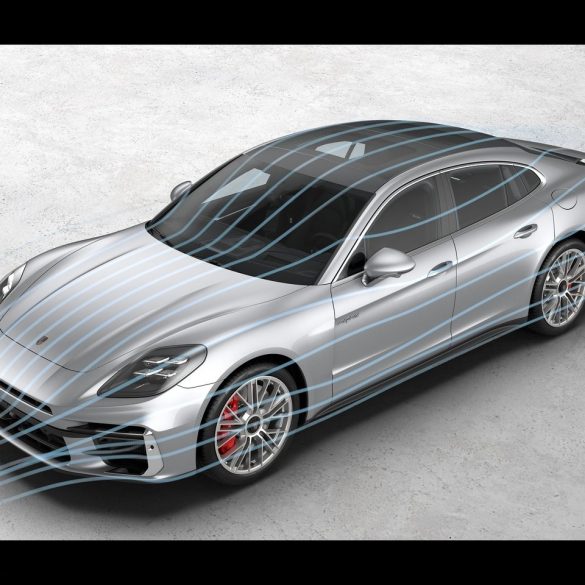
What truly made the first-gen Panamera special was how far Porsche pushed technology and packaging for a debut product. It introduced features like active aerodynamics (deployable rear spoiler), Porsche Torque Vectoring, adaptive air suspension, and one of the earliest high-performance luxury hybrids with the Panamera S E-Hybrid—years before electrification became mainstream. Inside, the cockpit-style interior with its towering center console and dozens of physical buttons was radical at the time, emphasizing a “pilot-first” philosophy rather than rear-seat luxury. While its controversial styling drew criticism, the Panamera proved Porsche could successfully expand beyond two-door sports cars without losing its DNA. In hindsight, the 970 wasn’t just innovative—it laid the foundation for Porsche’s modern luxury lineup and reshaped the brand’s future.
The Porsche Panamera (970) was exceptionally fast for a four-door luxury car when it launched, especially considering its size and weight. Even the base Panamera was capable of 0–60 mph in the mid-5-second range with a top speed around 160 mph, putting it firmly in sports-sedan territory. Step up to the Panamera S and 4S, and acceleration dropped to roughly 4.5 seconds to 60 mph, thanks to naturally aspirated V8 power and Porsche’s rapid PDK transmission.
At the top of the lineup, the Panamera became genuinely supercar-quick for its era. The Panamera Turbo could sprint from 0–60 mph in about 4.0 seconds with a top speed just under 190 mph, while the later Panamera Turbo S pushed that even further, dipping into the high-3-second range to 60 mph. Even the Panamera GTS, tuned more for driving feel than outright speed, was good for roughly 4.3 seconds to 60 mph, combining pace with one of the best exhaust notes in the lineup. In real-world terms, the 970 Panamera delivered performance that embarrassed many dedicated sports cars of the time—while carrying four adults and luggage at Autobahn speeds.
For the first-generation Porsche Panamera (970, 2010–2016), most enthusiasts and used-car buyers tend to point toward the mid-cycle facelift years—roughly 2014 through 2016—as the “best” years to consider. Those later years benefit from Porsche’s updates including revised engines (like the modern 3.0 V6 turbo replacing the older naturally aspirated V8 in the S/4S), improved fuel efficiency, and smoother performance and refinement compared with the earliest models. The facelift also addressed some early-model quibbles and generally represents a more mature version of the 970 platform, making 2014–2016 Panameras strong candidates for reliability and overall ownership satisfaction.
Early years like 2010–2012 are often regarded as less desirable due to being first-run models with older engine tech and some teething issues, while some buyers also avoid 2016 specifically due to certain reported quirks that cropped up at the very end of the generation. Beyond this, opinions vary among owners—with some preferring 2012–2013 for early low-mileage examples and the opportunity to find compelling deals—but as a general rule, the facelifted 2014–2015 range tends to hit the sweet spot for performance, refinement, and value in the first-gen Panamera lineup.
Recent news, awesome reviews, new model announcements and all the other latest news and posts regarding the Porsche Panamera.
Join Our Porsche Community
Sign up for our weekly Porsche newsletter. The latest Porsche news, rumors, reviews and more delivered to your inbox. Cool Porsche stuff perfect for the flat-six obsessed.