
The Most Controversial Porsches Ever
From design missteps to performance blunders, Porsche's journey to peak of the performance car segment hasn't always been smooth. Some of its creations have struggled to win approval in the car community for different reasons.
The Great Porsche Schism: The Most Controversial Models Ever Made
While Porsche is celebrated for its engineering perfection, its history is littered with "heresy." Every few decades, the brand makes a move so radical that it sends shockwaves through the enthusiast community, triggering protests, falling resale values, and endless forum debates. Yet, looking back from 2026, many of these "blunders" are now recognized as the very decisions that kept the company alive.
For a brand built on the "evolution, not revolution" philosophy of the 911, Porsche is surprisingly daring. Throughout its history, it has repeatedly broken its own golden rules—moving engines from the back to the front, ditching air-cooling for radiators, and even trading sports car silhouettes for family-hauling SUVs. While these moves were often met with cries of "the brand is dead," they almost always resulted in a stronger, more profitable Porsche. Here are the models that defined those moments of pure, unadulterated controversy.
What ties these cars together isn’t failure—it’s disruption. Every one of these models challenged what a Porsche should be, either technically, emotionally, or financially. And almost without exception, history has been kinder to them than the comment sections were at launch.
About Our Selections
Porsche did not get to its position of dominance in the performance car segment by being conservative or playing it safe. The German carmaker has been known to make bold moves time and time again to guarantee survival and gain an edge in a highly competitive space.
What that means is that not all of their decisions and strategic moves have gone down well with the public, at least not initially. The Porsche Cayenne is one such example. The car community was taken aback by Porsche's decision to venture into the SUV segment. Porsche making SUVs? The same company that gave us the 911? It seemed inconceivable at the time. To its credit, Porsche did not back down, a move which, in hindsight, proved to be the right choice.
It isn't just the Cayenne. There are other models littered throughout the carmaker's history that have proven extremely polarizing, igniting passionate debates among enthusiasts and critics alike.
2002 Porsche Cayenne - The SUV That “Killed Porsche” (Except It Didn’t)
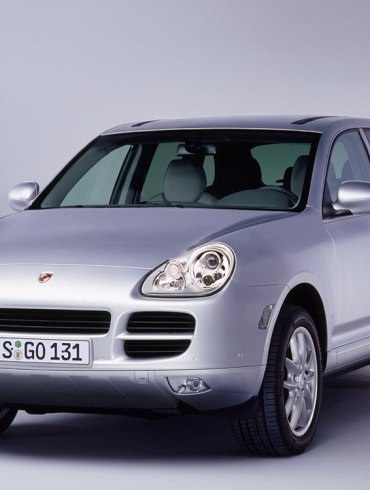
Porsche broke from tradition with the Porsche Cayenne, aiming to enter a new segment with a radical body style that was miles removed from its usual sports car formula.
Why Is It Controversial?
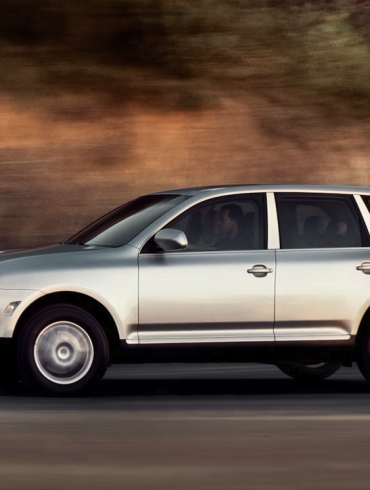
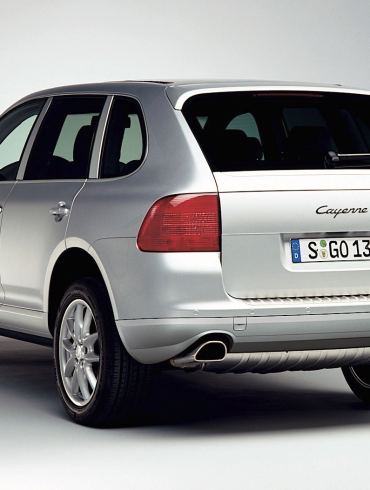
When the Porsche Cayenne launched in 2002, the backlash was instant and merciless. To many enthusiasts, the idea of a Porsche SUV was not just misguided—it was sacrilegious. Porsche was a sports-car company, a maker of lightweight, rear-engined machines with racing bloodlines. An SUV felt like a cynical cash grab, proof that Stuttgart had finally surrendered to market trends. Headlines and forums alike declared the same verdict: this will kill Porsche.
The criticism wasn’t entirely irrational. At the time, performance SUVs barely existed as a category, and Porsche’s brand identity felt fragile after the 996 controversy. The Cayenne was big, heavy, water-cooled, and shared development with Volkswagen. To purists already uneasy about change, it looked like a step too far—a complete abandonment of everything Porsche stood for. If the 996 had bent tradition, the Cayenne seemed to break it outright.
What critics failed to grasp was how Porsche engineered the Cayenne. This wasn’t a rebadged luxury SUV—it was designed from the outset to drive like a Porsche. Proper low-range gearing, locking differentials, serious off-road capability, and chassis tuning that prioritized steering feel and balance made it far more than a mall crawler. Early V8 versions, particularly the Turbo, were shockingly capable on-road and genuinely formidable off it. Porsche didn’t just enter a new segment—it redefined it.
Time has been overwhelmingly kind to the Cayenne’s legacy. Far from killing Porsche, the Cayenne saved it financially, generating the profits that funded cars like the Carrera GT, GT3 RS models, and Porsche’s modern motorsport expansion. It also created an entirely new market: the performance luxury SUV. Today, that segment exists because of the Cayenne, and nearly every competitor followed Porsche’s lead.
In hindsight, the Cayenne wasn’t a betrayal—it was a strategic masterstroke. It allowed Porsche to remain independent, invest in engineering excellence, and continue building uncompromising sports cars. Like many controversial Porsches before it, the Cayenne was hated not because it was bad, but because it challenged deeply held assumptions about what Porsche was allowed to be.
Engine & Drivetrain Specifications
Engine: 3.2L naturally aspirated V6
Power: 250 hp @ 6,000 rpm
Torque: 229 lb-ft from 2,500 rpm
Transmission: 6-speed Tiptronic Auto
Drivetrain: All wheel drive
Known For
The Cayenne is currently Porsche's top-selling model. It was the first production Porsche with four doors.
Creating—and dominating—the modern performance SUV segment and in doing so, funding Porsche’s greatest modern sports cars
Learn More
Porsche 911 (996) Carrera - The 911 That Broke Tradition
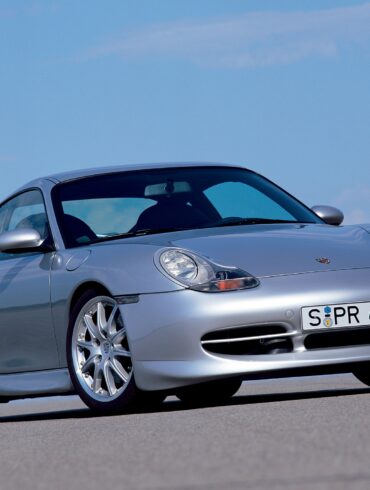
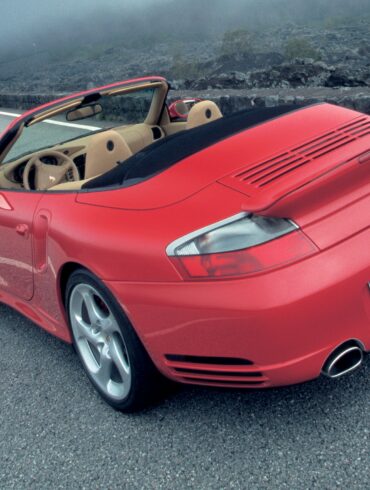
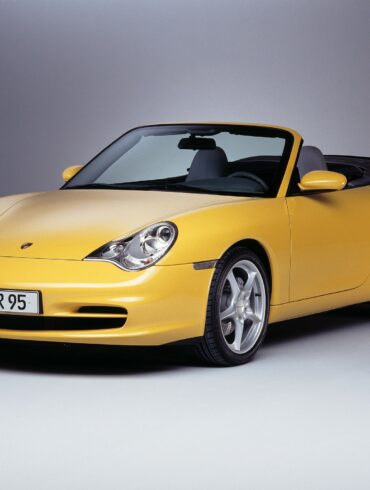
The 996 Carrera, especially the early iterations, is often regarded as the most hated Porsche model of all time. While some of the views were quite extreme, it's safe to say the Porsche did not have a lot going for it, at least in the beginning.
Why Is It Controversial?
When the Porsche 911 (996) Carrera launched in 1999, it triggered one of the most visceral backlash moments in Porsche history. This wasn’t just a new generation—it was a philosophical rupture. Water cooling replaced air cooling for the first time. The headlights were shared with the Boxster. The interior felt more modern, more cost-conscious, and less bespoke. To lifelong enthusiasts, the 996 didn’t merely evolve the 911—it betrayed it.
The outrage was understandable. Air cooling wasn’t just a technical choice; it was an identity marker. The sound, smell, and mechanical intimacy of air-cooled engines defined decades of Porsche lore. Add in the infamous “fried-egg” headlights and parts sharing with a cheaper model, and many fans concluded Porsche had diluted the 911 to chase volume. For purists, the 996 felt like Porsche choosing survival over soul—and at the time, that tradeoff felt unforgivable.
But survival was exactly the point. By the late 1990s, Porsche was under immense financial pressure. Emissions regulations, noise standards, and global expansion demands made air cooling untenable. The 996 wasn’t built to offend—it was built to ensure the 911 could continue to exist at all. Water cooling unlocked better emissions compliance, more power potential, improved reliability, and the performance headroom that would later give us cars like the GT3, GT2, and Turbo as we know them today.
With distance, the 996 has undergone one of the most dramatic reappraisals in Porsche history. Enthusiasts now recognize it as the bridge between old Porsche and modern Porsche. Its steering remains hydraulic and communicative, its proportions are compact by modern standards, and its driving experience feels refreshingly analog compared to later generations. While early engine concerns dominated online narratives, reality proved more nuanced—and the market has followed understanding, not hysteria.
Today, the 996 Carrera is increasingly viewed not as the 911 that broke tradition, but as the one that preserved it by evolving it. It was never meant to replace the air-cooled experience; it was meant to allow the 911 to move forward. History has been far kinder to the 996 than its launch critics ever were—and that arc feels very familiar in Porsche’s story.
Engine & Drivetrain Specifications
Engine: 3.4L naturally aspirated flat-6
Power: 296 hp @ 6,800 rpm
Torque: 258 lb-ft @ 4,600 rpm
Transmission: 6-Speed Manual (optional 5-speed Tiptronic)
Drivetrain: Rear Wheel Drive
Known For
The 911 (996-gen) is nicknamed 'fried egg' due to the shape of its headlights, which were sourced from the Boxster.
The rarest model is the 911 GT3 RS (996), with only 682 units produced.
Being the first water-cooled Porsche 911 and saving the 911 line and enabling every modern GT 911 that followed.
Learn More
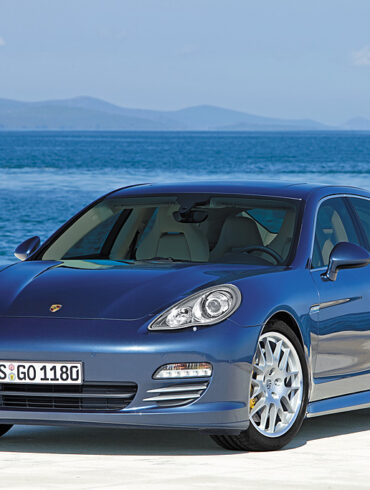
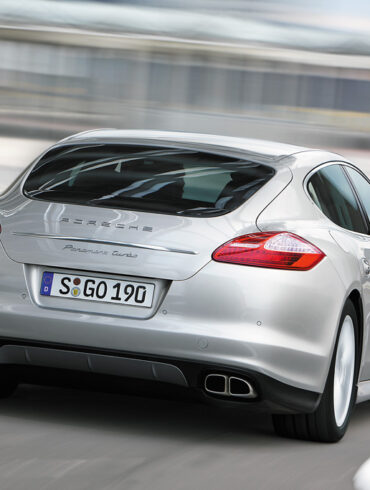
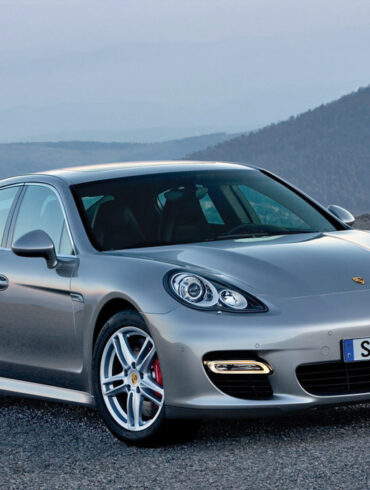
2010 Porsche Panamera - “That doesn’t look like a Porsche”
Much like the Cayenne, The Panamera was also Porsche's first foray into a new segment in a bid to grow its market share. It launched in 2009 and remains an important part of the carmaker's lineup.
Why Is It Controversial?
When the Porsche Panamera launched for the 2010 model year, the reaction was immediate and brutal. Even before anyone drove it, the internet had made up its mind. The proportions were wrong. The rear was awkward. A four-door Porsche felt like heresy. To many longtime fans, the Panamera wasn’t just unattractive—it was proof that Porsche had finally lost its way after the Cayenne. This wasn’t how a Porsche was supposed to look, and therefore, to many, it wasn’t a real Porsche at all.
The controversy went deeper than styling. The Panamera challenged Porsche’s identity at a philosophical level. A large, luxury-oriented, four-seat sedan ran directly counter to the brand’s lightweight, sports-car-first mythology. Critics accused Porsche of chasing BMW and Mercedes rather than building cars true to its heritage. The fact that the Panamera was expensive, heavy, and packed with technology only reinforced the sense that this was a corporate decision, not an enthusiast one.
What those early critics often failed to do was drive the car. Once behind the wheel, the Panamera revealed Porsche’s real intention: not to build a luxury sedan that happened to be sporty, but to build a Porsche that happened to have four doors. The steering feel, chassis balance, braking performance, and powertrain tuning were all unmistakably Porsche. Even in early V8 form, the Panamera could cover ground at a pace that embarrassed many “proper” sports sedans, while still delivering long-distance comfort. It didn’t dilute Porsche engineering—it applied it somewhere new.
With time, the Panamera’s role in Porsche history has become much clearer. Like the Cayenne before it, the Panamera didn’t replace sports cars—it protected them. Its commercial success gave Porsche the financial stability to continue building niche, enthusiast-focused models. And as subsequent Panamera generations dramatically improved the design and sharpened the concept, the original 970 has been re-evaluated as a bold first step rather than a misfire.
Today, the first-generation Panamera is increasingly viewed as a necessary and even courageous experiment. Its styling may still divide opinion, but its importance is no longer in question.
Engine & Drivetrain Specifications
Engine: 3.6L V6
Power: 300 hp @ 6,200 rpm
Torque: 295 lb-ft @ 3,750 rpm
Transmission: 6-Speed Manual (7-speed Dual-clutch was also available).
Drivetrain: Rear-wheel drive on base model (All wheel drive was available on other variants)
Known For
The 2025 Panamera Turbo S E-Hybrid is the most powerful variant ever, with 771 hp, about the same as an Aventador SVJ.
The Panamera (2017 model) was the first Porsche with an engine that featured cylinder deactivation
Learn More
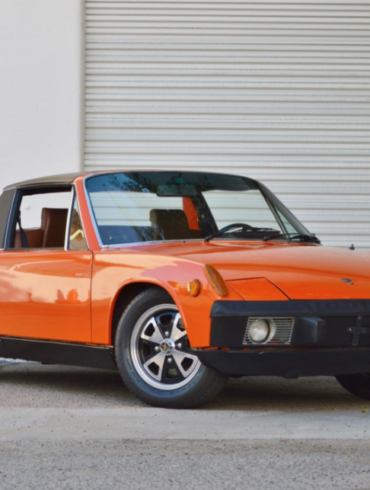
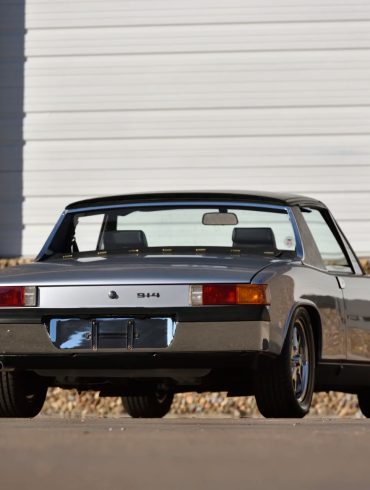
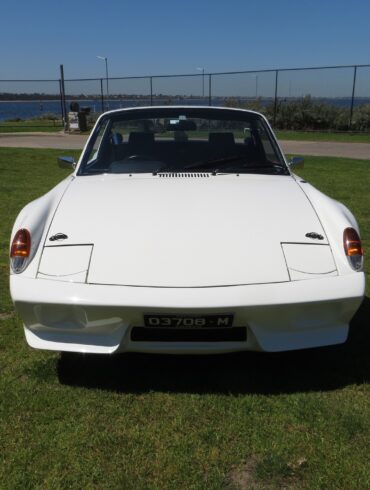
Porsche 914 - It wasn’t a Porsche (until it was)
Branded as a 'poor man's Porsche,' the 914 was roundly criticized for almost everything about it, ranging from its power output to handling and overall appearance.
Why Is It Controversial?
When the Porsche 914 debuted in 1970, it arrived carrying an identity crisis baked into its name: Volkswagen-Porsche. Jointly developed to replace the 912 and serve as an affordable sports car for both brands, the 914 confused everyone. It didn’t look like a 911, didn’t sound like one, and—most damning to purists—most versions weren’t even powered by a flat-six. To traditionalists, this wasn’t Porsche expanding its range; it was Porsche diluting its DNA.
The backlash was immediate and long-lasting. Critics dismissed the 914 as cheap, underpowered, and unworthy of the crest on its hood. The four-cylinder cars, which made up the vast majority of production, were especially derided for their Volkswagen roots. Even though the 914-6 existed—and was genuinely quick and capable—it did little to change perception. For decades, the 914 lived in an awkward limbo: too Porsche to be embraced as a VW, too VW to be accepted as a Porsche.
What that criticism largely ignored was that the 914 was radical in the ways that actually mattered. It was Porsche’s first true mid-engine road car, delivering near-perfect balance and handling neutrality that the rear-engine 911 could never fully achieve. On the road and track, the 914 proved agile, communicative, and forgiving—traits Porsche engineers deeply valued, even if buyers didn’t. In hindsight, the 914 wasn’t a compromise; it was a preview of where Porsche engineering would eventually lead.
With the passage of time, the narrative has flipped. As enthusiasts have grown more educated. The 914 has been re-evaluated as the origin story, not the misstep. Its simplicity, light weight, and honesty now feel refreshing in a world of bloated performance cars. The very qualities that once made it controversial—shared development, four-cylinder power, unconventional design—are now understood as pragmatic choices that allowed Porsche to survive and evolve.
Engine & Drivetrain Specifications
Engine: 1.7L flat-4 (base model)
Power: 79 hp @ 4,900 rpm
Torque: 100 lb-ft @ 2,700 rpm
Transmission: 5-Speed Manual
Drivetrain: Rear wheel drive
Known For
Porsche ended up selling 118,969 units of the 914 of which 115,596 were of the 4-cylinder variant.
In 2020, a Porsche 914 variant, the 914/6 GT (one of only 16 ever made) sold at auction for $995,000.
Learn More
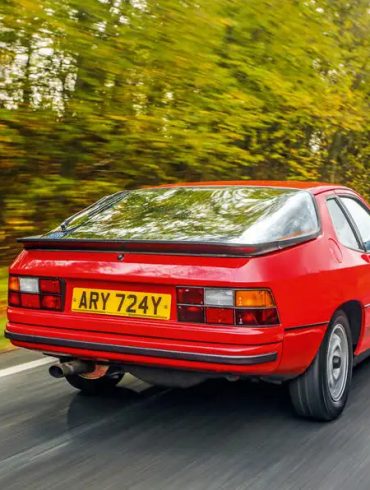
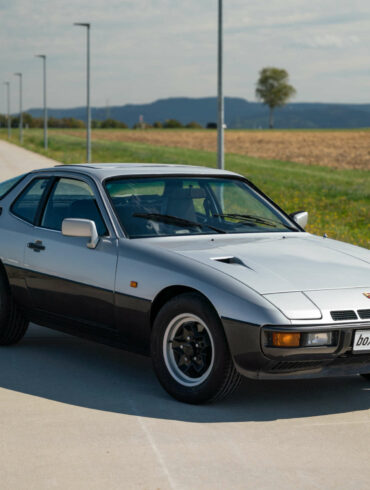
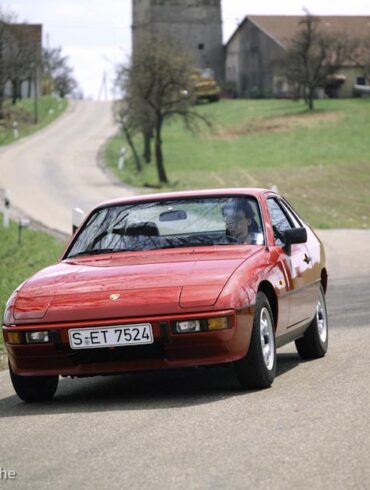
Porsche 924 - Everyone Mocked It But It Quietly Saved the Company
The Porsche 924 replaced the 914 as Porsche's new entry-level model. It didn't fare much better than its predecessor when it came to gaining the approval of the public.
Why Is It Controversial?
When the Porsche 924 debuted in 1976, it was immediately controversial for reasons that had very little to do with how it actually drove. Coming off the heels of the equally misunderstood 914, the 924 was Porsche’s new entry-level model—and to purists, it felt like another betrayal. Front-engine. Water-cooled. Inline four-cylinder. Shared development roots with Volkswagen. To many longtime fans, this didn’t just look un-Porsche—it felt like Porsche doubling down on the very things enthusiasts already distrusted.
The backlash was swift and, in hindsight, somewhat misplaced. Critics dismissed the 924 as “not a real Porsche,” pointing to its Audi-derived engine and its affordability as proof that Porsche had diluted the brand. Compared to air-cooled 911s, the 924 seemed tame, underpowered, and ideologically compromised. What many missed at the time was context: Porsche was under intense financial pressure in the mid-1970s, and the 924 wasn’t a passion project—it was a survival strategy.
From an engineering standpoint, the criticism ignored what the 924 actually got right. The transaxle layout—front-mounted engine with a rear-mounted gearbox—delivered near-perfect weight distribution. The chassis was light, communicative, and forgiving, making the car approachable yet rewarding to drive. While the early engine wasn’t exotic, the platform itself was fundamentally sound, strong enough to underpin later cars like the 944, 968, and even the 928. In other words, the 924 wasn’t a dead end—it was the foundation of an entire Porsche era.
With the passage of time, the narrative around the 924 has shifted dramatically. Enthusiasts now recognize it as the car that kept Porsche alive when the 911’s future was uncertain and emissions regulations were tightening. Its clean, Bauhaus-influenced design has aged gracefully, and its driving dynamics are increasingly appreciated in a world of heavier, more complex sports cars.
Today, the 924 is no longer seen as a joke or an impostor—it’s seen as a gateway Porsche done right.
Engine & Drivetrain Specifications
Engine: 2.0L naturally aspirated inline-4
Power: 110 hp @ 5,750 rpm
Torque: 122 lb-ft @ 3,500 rpm
Transmission: 4-Speed Manual (5-speed manual and 3-speed automatic were also available).
Drivetrain: Rear wheel drive
Known For
The Porsche 924 was the first Porsche to be offered with a fully automatic transmission.
Controversial or not, the 924 was considered a sales success, one that helped Porsche recover from financial ruin.
Learn More
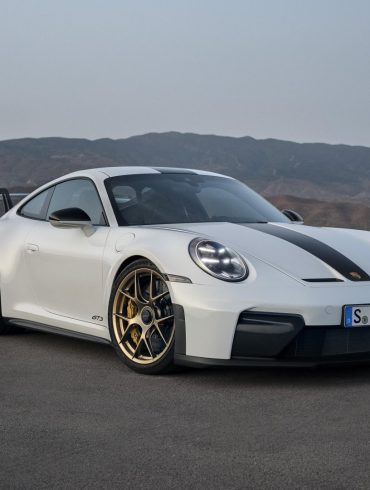
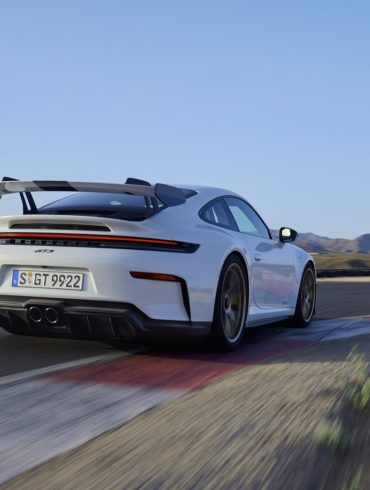
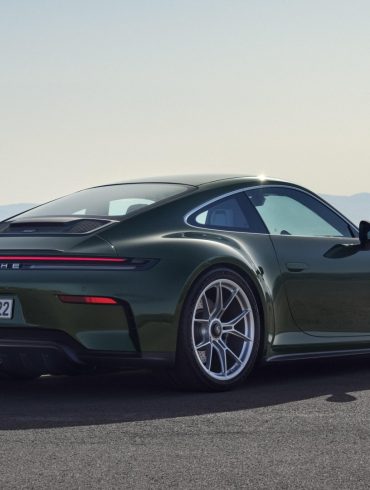
2025 Porsche 911 (992.2) GT3 - The GT3 That Triggered Sticker Shock
The latest GT3 is here and it more capable than ever. It's also proven to be quite controversial even before hitting dealer showrooms with its over $50k price increase. Forcing enthusiasts to confront a new Porsche reality.
Why Is It Controversial?
When Porsche unveiled the 911 GT3 (992.2) alongside its updated pricing structure, the reaction was immediate and visceral. The headline wasn’t about lap times, aero tweaks, or subtle refinements—it was about money. Base prices jumped sharply, option pricing ballooned, and realistically specced cars pushed deep into territory once reserved for GT3 RS models or lightly used exotics. For many long-time enthusiasts, it felt like Porsche had finally lost touch with its own GT car audience.
The controversy wasn’t just about absolute cost—it was about trajectory. The GT3 had long been positioned as the “serious driver’s 911,” expensive but still vaguely attainable with planning and loyalty. The 992.2 shattered that illusion. Buyers who had followed the GT3 lineage from the 996 and 997 eras suddenly found themselves priced out, not by market speculation or dealer markups, but by Porsche itself. The outrage wasn’t irrational—it was a response to the sense that Porsche had moved the goalposts permanently.
From Porsche’s perspective, however, the move was entirely rational. By the time the 992.2 arrived, the GT3 had become a globally recognized asset class. Demand wildly exceeded supply, nearly every car was being flipped, and the secondary market was capturing enormous value that Porsche wasn’t. Raising prices was Porsche reasserting control over its own product, aligning MSRP closer to real-world demand, and filtering buyers toward those who truly valued ownership rather than arbitrage.
With time and context, the anger has begun to soften—if not disappear entirely. The 992.2 GT3 remains mechanically extraordinary: a naturally aspirated, 9,000-rpm flat-six, manual or PDK, and a level of chassis sophistication unmatched by anything else in its class. More importantly, history suggests that the most controversial price jumps often precede canonization.
The 992.2 GT3 may not be loved for its pricing—but it will almost certainly be respected for what it represents.
Engine & Drivetrain Specifications
Engine: 4.0L naturally aspirated flat-6
Power: 502 hp @ 6,000 rpm
Torque: 331 lb-ft @ 1600 rpm
Transmission: 7-Speed Dual-clutch Auto (available 6-speed manual).
Drivetrain: Rear wheel drive
Known For
For the first time, the Porsche 911 GT3 is available with the Weissach Package as an option and there is now an option of adding rear seats.
Redefining the GT3’s price ceiling at the factory level. Cementing the GT3 as a flagship, not an enthusiast “value” play.
Learn More
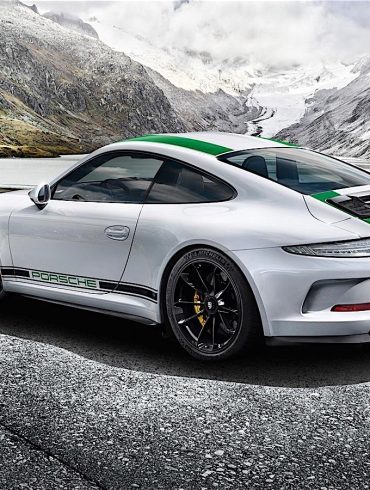
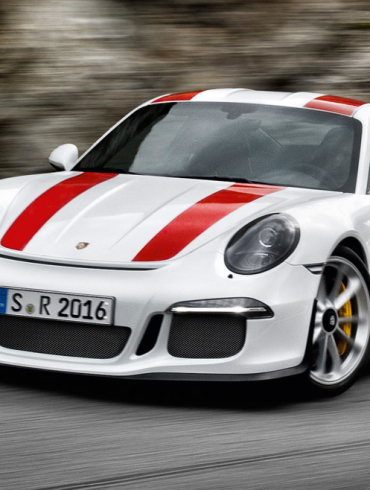
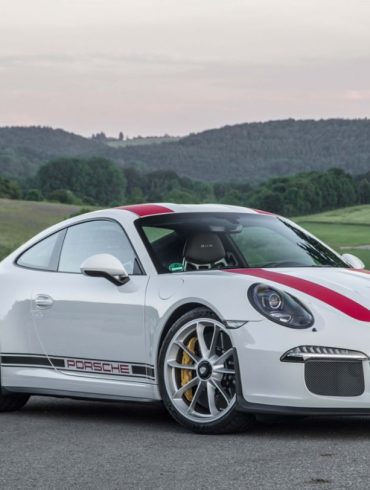
Porsche 911 R (991.1) - Shattered Porsche Pricing Psychology
The car that broke Porsche pricing psychology $184,000 MSRP in 2016. Dealers demanded huge markups, flipping became rampant, and Porsche was accused of manufacturing scarcity. Today it’s revered—but at launch, it was a mess.
Why Is It Controversial?
When the Porsche 911 R launched in 2016, it immediately became one of the most controversial modern Porsches—not because of how it drove, but because of what it cost and what it represented. With an MSRP hovering around $184,000, the 911 R appeared, on paper, to be a wingless GT3 with fewer features, less aero, and less visual drama—yet it cost more than almost any Carrera and rivaled hardcore GT cars. To many enthusiasts, it felt like Porsche had finally crossed a line: charging supercar money for restraint.
The controversy intensified almost instantly due to dealer behavior and allocation scarcity. Limited to 991 units worldwide, the 911 R was effectively unobtainable at sticker. Markups ballooned overnight, flipping became rampant, and long-time Porsche loyalists found themselves locked out. For a brand that had long cultivated the idea of “drivers first,” the 911 R felt like a test of just how far Porsche could push pricing and exclusivity without alienating its core audience.
Underneath the outrage, however, Porsche was doing something far more interesting—and far more consequential. The 911 R was a philosophical experiment. It paired the GT3’s 4.0-liter naturally aspirated engine with a manual transmission, removed rear-wheel steering, deleted the wing, and emphasized lightness and purity over lap times. In other words, it was Porsche quietly admitting that enthusiasts had been right all along: not every great 911 needed to chase Nürburgring numbers.
With the benefit of time, it’s now clear that the critics were wrong about the car—but right about the implications. The 911 R wasn’t just a limited edition; it was a course correction. It directly led to the return of manual gearboxes across the GT lineup, the creation of the Touring sub-brand, and a renewed emphasis on analog engagement within Porsche’s most hardcore cars. What once looked like cynical pricing now reads as Porsche recognizing—and monetizing—a deeper truth about its audience.
Engine & Drivetrain Summary
Engine: 4.0L naturally aspirated flat-six
Power: ~500 hp
Redline: ~8,500 rpm
Transmission: 6-speed manual only
Drivetrain: Rear-wheel drive
Known For
Forcing Porsche to bring back manual transmissions in GT cars
Breaking—and redefining—modern Porsche pricing psychology
Learn More
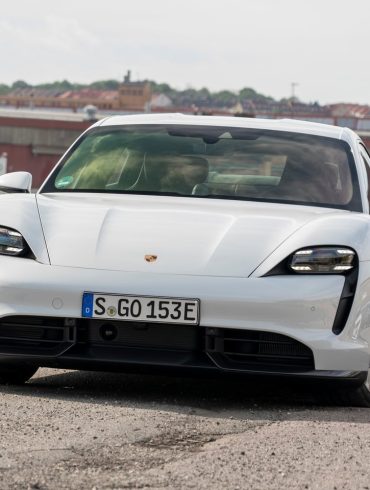
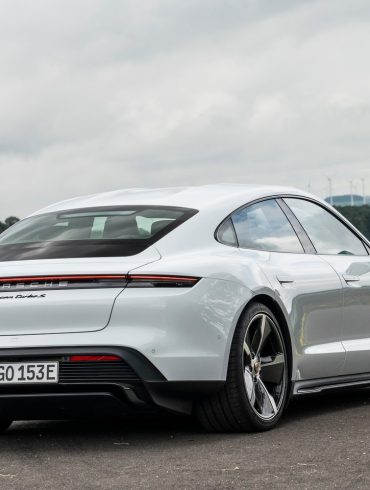
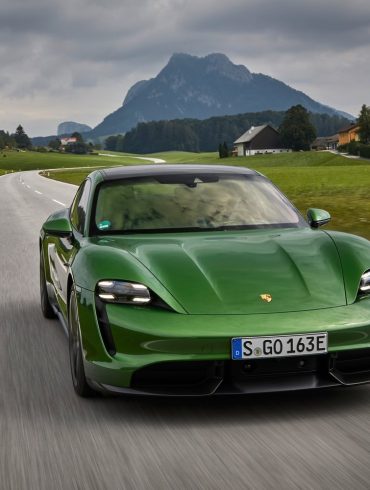
Porsche Taycan - The Electric Porsche That Split The Fanbase
Fast, beautifully engineered, and unmistakably Porsche—but also silent, heavy, and fundamentally different. Some hailed it as the future; others saw it as the end of the brand they loved.
Why Is It Controversial?
When the Porsche Taycan launched in 2019, it immediately became one of the most polarizing cars in the brand’s history. This wasn’t just another new model—it was Porsche’s first fully electric production car, and for many long-time enthusiasts, that felt like an existential threat. No flat-six soundtrack, no manual gearbox, no combustion at all. To purists, the Taycan wasn’t simply different; it challenged the very definition of what a Porsche was supposed to be.
The criticism came fast and loud. Detractors argued that Porsche had abandoned its mechanical soul, replacing emotion with software and weight with batteries. At well over two tons, the Taycan seemed to fly in the face of everything Porsche had historically prized: lightness, simplicity, and driver involvement. Even its styling—low, wide, unmistakably Porsche—wasn’t enough to quiet fears that this was the beginning of the end for enthusiast-focused cars from Stuttgart.
What those early reactions often overlooked was how Porsche chose to go electric. The Taycan wasn’t designed to chase range numbers or efficiency records; it was engineered to drive like a Porsche. A low center of gravity, near-perfect weight distribution, repeatable performance, and chassis tuning that prioritized feel over gimmicks set it apart from every other EV on the market at launch. It didn’t just accelerate quickly—it could do so repeatedly, lap after lap, without thermal collapse. That alone marked a philosophical departure from most early EVs.
With time, the narrative around the Taycan has matured. While it hasn’t replaced the emotional experience of an internal-combustion 911—and was never meant to—it has earned respect as a credible Porsche performance car, not a compliance exercise. The fanbase may still be divided—and likely always will be—but history suggests that cars which force uncomfortable conversations often become the most important ones. The Taycan didn’t end Porsche’s identity; it expanded it.
Engine & Drivetrain Summary
Powertrain: Dual electric motors (single motor on base models)
Output: 402 hp (base) to 750+ hp (Turbo S with overboost)
Transmission: Two-speed rear transmission (performance-focused)
Drivetrain: Rear-wheel drive or all-wheel drive
Known For
Being Porsche’s first fully electric production car
Proving that an EV could still drive like a Porsche
Learn More
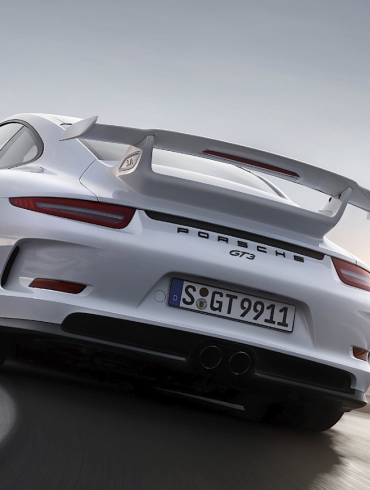
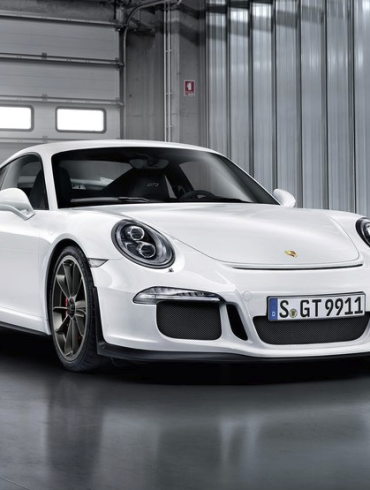
Porsche 911 GT3 (991.1) - Death of The Manual & Forced Porsche to Listen
When the 991.1 GT3 debuted in 2013, the controversy wasn't about the engine or the looks—it was about the pedals. For the first time, Porsche’s most hardcore track tool was PDK-only.
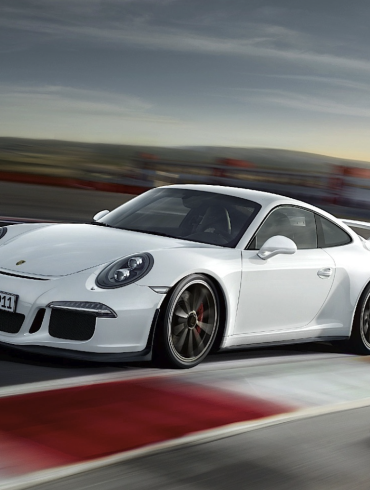
Why Is It Controversial?
When the Porsche 911 GT3 (991.1) debuted in 2013, it detonated one of the biggest controversies in modern Porsche history—not because of what it added, but because of what it removed. For the first time, a GT3 was offered without a manual gearbox, available only with PDK. For a car that had long been the spiritual bridge between road-going 911s and motorsport, this felt like a betrayal. To many enthusiasts, Porsche hadn’t just updated the GT3—it had crossed a philosophical line.
The anger was visceral because the GT3 occupied sacred ground. This was supposed to be the driver’s 911: high-revving, uncompromising, mechanically pure. By making PDK mandatory, Porsche appeared to declare that driver involvement was secondary to lap times and efficiency. The messaging didn’t help—Porsche emphasized faster shifts and Nürburgring performance, reinforcing the fear that numbers had replaced feel. For purists, this was the moment Porsche stopped trusting its drivers.
From Porsche’s internal perspective, the decision was rational—even inevitable. PDK was faster, more durable on track, and better suited to modern emissions and reliability demands. Manual take rates were shrinking, and Porsche believed the future of performance driving was algorithmic precision rather than human imperfection. In isolation, that logic made sense. What Porsche underestimated was how emotionally attached GT buyers were to the manual—not as nostalgia, but as a statement of intent.
The controversy deepened when early 991.1 GT3s suffered high-profile engine failures and fires, leading to recalls and a complete engine replacement program. What should have been a technical triumph instead became a lightning rod for criticism. To many, it felt like confirmation that Porsche had moved too fast, both philosophically and mechanically. Trust—normally Porsche’s strongest currency—was briefly shaken.
And yet, time has complicated the verdict. The 991.1 GT3 is now recognized as an extraordinary driver’s car: razor-sharp steering, a screaming 9,000-rpm flat-six, rear-wheel steering, and chassis precision that redefined what a road-going 911 could do on track. More importantly, the backlash worked. Porsche listened. The 911 R arrived. Manual GT3s returned. Touring models were born. In hindsight, the 991.1 GT3 wasn’t the death of the manual—it was the shock that ensured its survival.
Today, the 991.1 GT3 is no longer seen solely as the villain of the story. It’s remembered as the inflection point—the car that forced Porsche to confront the limits of progress without passion. History hasn’t absolved the controversy, but it has contextualized it. And in Porsche’s world, cars that mark turning points tend to matter more than those that play it safe.
Engine & Drivetrain Specifications
Engine: 3.8 L Watercooled Flat 6 (MA1/75)
Power: 469 bhp @ 8250 rpm
Torque: 325 ft lbs @ 6250 rpm
Transmission: 7-Speed Dual-clutch Auto
Drivetrain: Rear wheel drive
Known For
Eliminating the manual gearbox from the GT3—temporarily
Forcing Porsche to reverse course and re-embrace enthusiast demand
Learn More
Porsche 911 GT2 RS (997) - The “Too Much” 911. The Last One They'd Dare to Build
Rear-wheel drive. Massive turbo power. Minimal driver aids. Many thought Porsche had gone insane building something this violent. Critics called it underivable. Collectors now see it as the last truly dangerous Turbo 911.
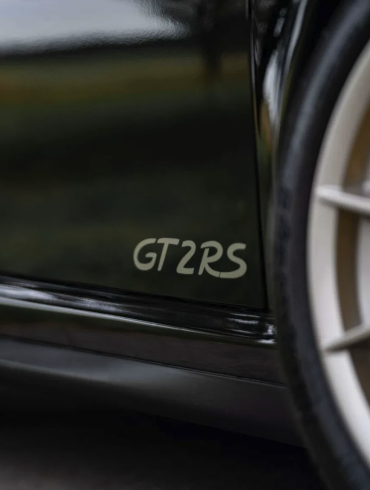
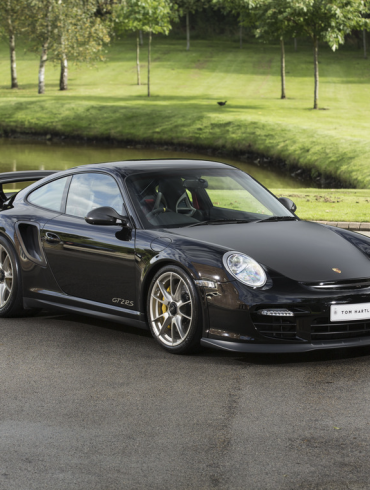
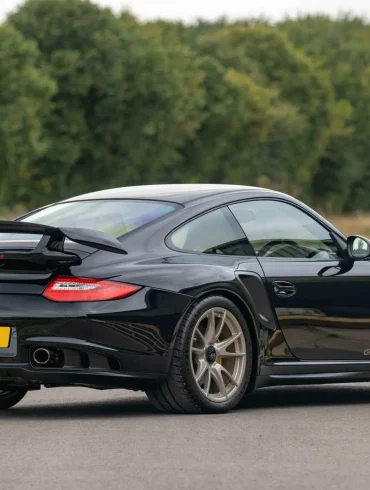
Why Is It Controversial?
When the Porsche 911 GT2 RS (997) launched in 2010, the reaction bordered on disbelief. Rear-wheel drive only. Enormous turbocharged power. Minimal electronic safety nets. Aggressive weight reduction. In an era when Porsche was steadily making its cars faster and easier to drive, the GT2 RS went in the opposite direction. Many enthusiasts and journalists alike called it irresponsible—an overpowered, unforgiving car that existed purely to shock.
The controversy was amplified by timing. The 997 GT2 RS arrived as stability control systems, all-wheel drive, and dual-clutch transmissions were becoming the norm. Porsche itself had just proven with the GT3 that it could build devastatingly fast cars that were approachable and precise. Against that backdrop, the GT2 RS felt like a deliberate rejection of progress. Critics argued that it was a car no one needed, few could exploit, and many would fear.
And yet, that fear was exactly the point. The 997 GT2 RS was not designed to flatter drivers—it was designed to test them. With its twin-turbo Mezger engine producing massive power and torque through the rear wheels alone, it demanded respect, mechanical sympathy, and genuine skill. Turbo lag, boost surge, and traction limits weren’t engineered out; they were integral to the experience. In hindsight, the GT2 RS wasn’t excessive—it was honest about what extreme performance actually feels like.
With the passage of time, the GT2 RS has been radically recontextualized. As later 911s became astonishingly fast but almost foolproof, the 997 GT2 RS emerged as a clear endpoint—the last truly intimidating Turbo 911. Its rarity, mechanical purity, and refusal to compromise have transformed it from a perceived lunatic fringe car into one of the most respected modern Porsches. What once seemed “too much” is now understood as the final expression of an old-school Porsche mindset.
Today, the 997 GT2 RS is no longer debated—it’s revered. It represents a moment Porsche would never repeat, not because it couldn’t, but because the market, regulations, and brand philosophy have moved on. That irreversibility has turned controversy into value and shock into legend.
Engine & Drivetrain Summary
Engine: 3.6-liter twin-turbocharged flat-six (Mezger-based)
Power: ~620 hp
Torque: ~516 lb-ft
Transmission: 6-speed manual only
Drivetrain: Rear-wheel drive
Known For
Being the most extreme, least forgiving road-going 911 ever built
Marking the end of Porsche’s truly “dangerous” Turbo era
Learn More
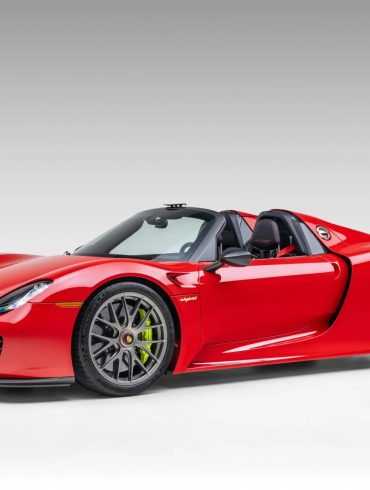
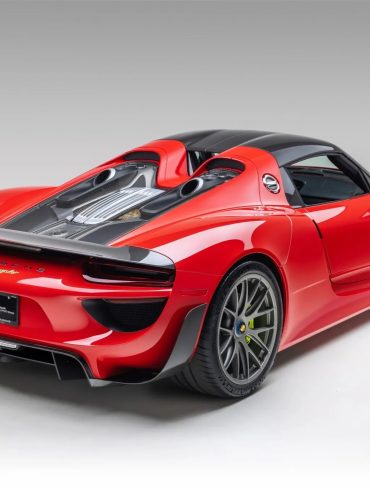
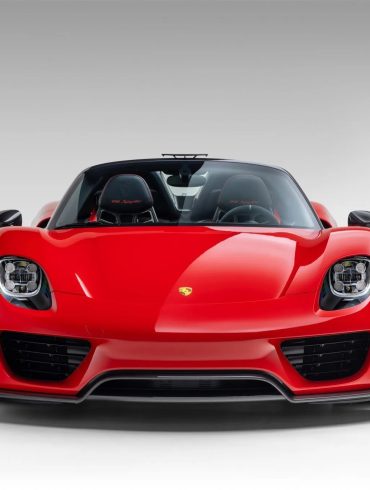
Porsche 918 - Too Advanced to Be Loved Immediately—and Inevitable in Hindsight
Enthusiasts dismissed it as a “science project” compared to the Carrera GT. Hybrid tech, AWD, and silent EV mode felt anti-Porsche. Today it’s recognized as one of the most important hypercars ever built.
Why Is It Controversial?
When the Porsche 918 Spyder launched in 2013, it entered the market carrying an unusual burden: it had to explain itself. Unlike the Carrera GT before it, the 918 wasn’t defined by a single, visceral idea like a screaming V10 and a manual gearbox. Instead, it arrived as a technological thesis—hybrid power, all-wheel drive, torque vectoring, electric-only driving modes, and unprecedented performance numbers. For many enthusiasts, it felt less like a car and more like a science project wearing a Porsche badge.
The controversy centered on emotion. Compared to its hypercar contemporaries—the McLaren P1 and Ferrari LaFerrari—the 918 was often described as clinical. Too quiet. Too efficient. Too polite. Purists lamented the absence of a manual transmission and questioned whether a hybrid drivetrain could ever deliver the kind of raw, mechanical drama Porsche was known for. To some, the 918 felt like Porsche choosing the future at the expense of romance—and that choice made it harder to love at first encounter.
What those early reactions underestimated was what Porsche was actually trying to achieve. The 918 was never meant to replace the Carrera GT emotionally; it was meant to redefine the performance ceiling entirely. Its combination of a high-revving naturally aspirated V8 with electric motors delivered instant torque, relentless acceleration, and repeatable performance in a way no combustion-only car could match. Unlike many early hybrids, the 918 wasn’t compromised—it was cohesive, engineered from the ground up to make electrification an advantage rather than an apology.
With time, the market’s perspective has shifted dramatically. As electrification has become unavoidable and software-driven performance the norm, the 918 now looks less like an outlier and more like a Rosetta Stone for modern performance cars. It was the first hypercar to prove that hybridization could enhance—not dilute—driver engagement. And critically, it did so without abandoning Porsche’s core values: steering precision, braking confidence, and chassis balance.
Today, the 918 Spyder is no longer judged against what it wasn’t. It’s judged for what it achieved—and what it predicted. It didn’t ask to be loved immediately; it asked to be understood. And history has been kind to cars that were right before they were popular.
Engine & Drivetrain Summary
Engine: 4.6-liter naturally aspirated V8
Electric Motors: Dual motors (front and rear)
Total Output: ~887 hp
Transmission: 7-speed PDK
Drivetrain: All-wheel drive
Known For
Proving hybrid technology could elevate, not replace, performance
Being one of the first hypercars to redefine the performance playbook