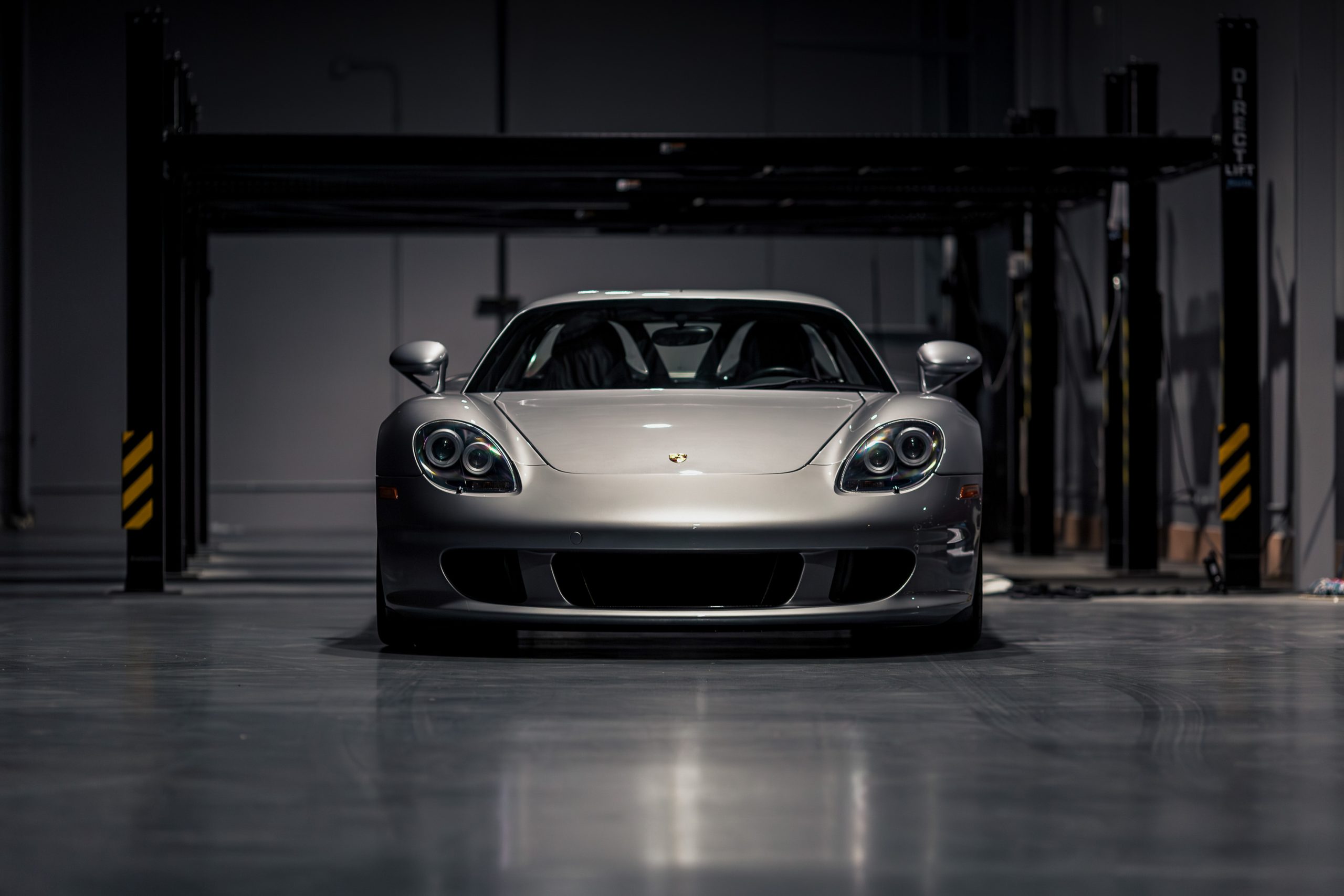

Best Porsches for Track Days & Racing - A Useful Guide
Porsche models, regardless of whether they are road-legal or track-only, have a proven reputation for exceptional performance on the racetrack. They benefit from the automaker's vast experience in the performance car world and, in the right hands, are formidable machines that few rivals can match in a competitive outing.
What's the best track Porsche? We ask the experts.
The wide array of available Porsche models may overwhelm a new enthusiast. We hope to narrow the options and make the selection task a little easier. We asked our team of Porsche experts and enthusiastic members and they didn't let us down. This page is a culmination of their opinions and experience. If you're shopping for a Porsche to use for track days, this is the page for you.
The most desirable Porsches for track days and racing.
There’s a simple truth that every Porsche enthusiast understands: every Porsche deserves to be driven hard. From a base Carrera to a full-blown GT car, the brand’s DNA is rooted in motorsport, balance, and repeatable performance. But when it comes to track days and amateur racing, not every Porsche makes sense at every budget. This guide isn’t about fantasy garage picks or unobtainium specials—it’s about what actually works, for real drivers spending real money.
We approach track suitability the same way experienced owners and instructors do: chassis balance, braking consistency, cooling, reliability under sustained load, and operating costs matter more than headline horsepower. Lap times are meaningless if the car overheats, eats consumables, or scares its driver into backing off. The best track Porsches are the ones that inspire confidence lap after lap, communicate clearly at the limit, and can be driven home at the end of the day without drama.
At the $200k+ level, you’re paying for factory-built weapons—cars engineered with track abuse in mind from day one. These are GT cars and high-spec specials with race-derived suspension, motorsport-grade cooling, and brakes that can survive repeated hot laps. They’re devastatingly fast and deeply rewarding, but they also demand respect, commitment, and meaningful running budgets. For experienced drivers, this is where Porsche delivers some of the finest track-capable road cars ever built.
In the $100k–$200k range, the sweet spot emerges. This is where you find modern GT cars with a few miles, perfectly spec’d Carreras, and mid-engine cars that punch far above their price point. These Porsches offer a near-ideal balance of speed, durability, and usability. They’re fast enough to challenge serious drivers, forgiving enough to improve skills, and realistic to maintain if you track the car multiple times a year. For many enthusiasts, this is where the most fun per dollar lives.
Below $100k, realism becomes even more important—and arguably more rewarding. These cars may not dominate lap charts, but they teach fundamentals better than anything else. Lightweight platforms, excellent steering feel, and manageable power make them ideal for learning, improving, and racing without fear of catastrophic bills. The best sub-$100k track Porsches are honest, durable, and endlessly instructive—proof that driver development always matters more than raw speed.
Ultimately, this guide isn’t about declaring a single “best” Porsche for the track. It’s about understanding which Porsches make the most sense at different budgets, and why. We’ve driven, tracked, owned, and learned from these cars ourselves. The goal is simple: help you spend wisely, drive harder, and enjoy the track the way Porsche intended—flat out, with confidence, and with a grin you can’t wipe off.
About Our Selections
The Porsche brand is synonymous with cutting-edge automotive engineering and innovative technologies. Over the years, the German carmaker has successfully leveraged these attributes to secure its place at the pinnacle of the performance car segment. There is no question that Porsche is behind some of the most iconic and performance-oriented cars ever made. From the timeless 911 to the legendary 918 Spyder, Porsche models have consistently been able to hold their own against rivals on race circuits all over the world. Porsche's unwavering commitment to innovation and precision engineering has resulted in vehicles that consistently deliver exhilarating driving experiences. It is why they are an extremely popular choice for track day enthusiasts.
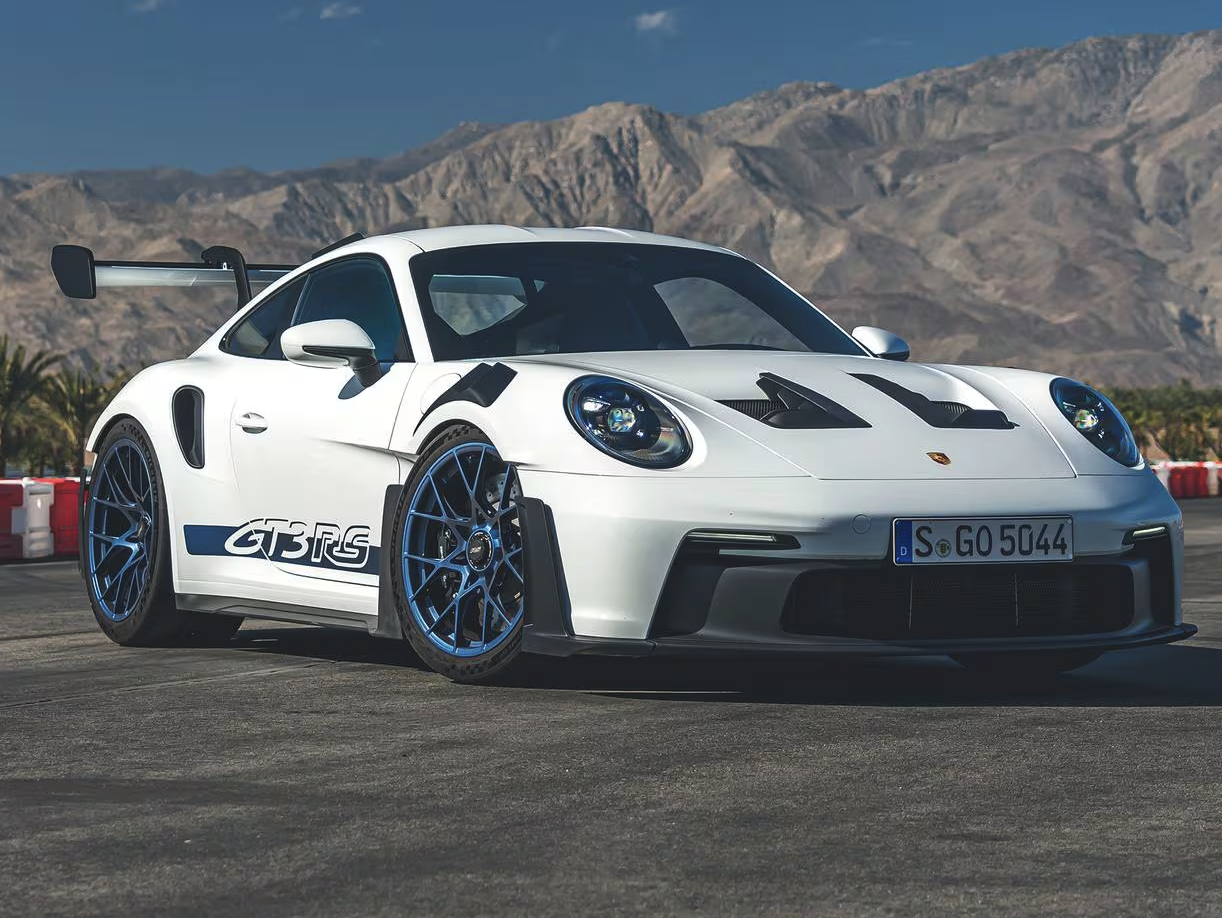
Best Best Big-Budget Porsches for Track Days ($200k+)
These are the pinnacle of Porsche performance—track-focused machines that offer blistering speed, razor-sharp handling, and race-ready technology. If money is no object and lap times are the priority, these are the cars that deliver.
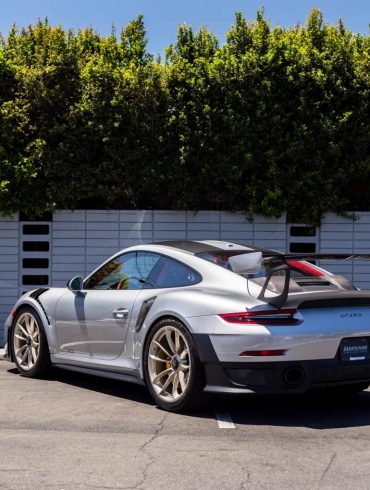
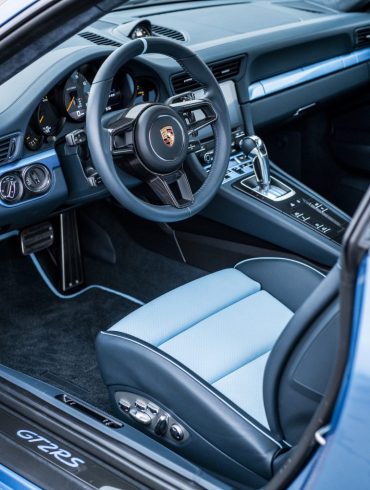
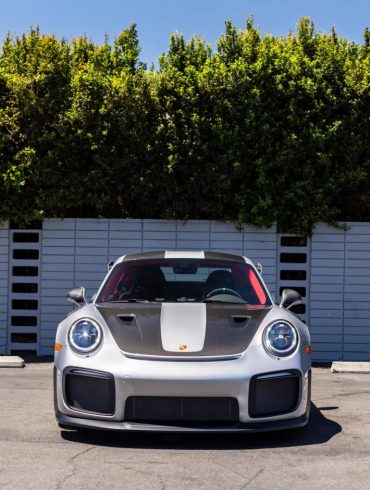
Porsche 911 GT2 RS (991.2)
The 991.2 GT2 R remains one of the most capable modern track-focused cars ever produced by Porsche
What Makes It Special
When it broke cover, this 911 GT2 RS was the most powerful production 911 ever made, with its turbocharged engine cranking out 700 hp. The RS in its name stands for 'Renn Sport.' It is an indication of the car's track-oriented setup, a fact further reinforced by the car's heavily vented bodywork and massive rear wing for added downforce.
The 911 GT2 RS sheds weight through extensive use of carbon fibre and other lightweight materials. This translates to rocket-like acceleration and sharp handling, aided by its powerful engine, lightning-quick PDK transmission and a near-perfect chassis setup.
A timed lap of 6m 47.3s at the infamous Nurburgring, an incredible 10 seconds faster than the 918 Spyder - is a testament to the capabilities of the 911 GT2 RS around a race track. The best part? It is still a fully road-legal supercar with a generous load out of modern-day 'nice-to-haves' like Apple CarPlay, an infotainment screen and an optional front axle-lift system to protect the lip from scraping on obstacles.
Engine & Drivetrain Specifications
Engine: 3.8L twin-turbocharged flat-six
Power: 700 hp @ 7,000 rpm
Torque: 553 ft-lbs @ 2,500 rpm
Transmission: 7-speed dual-clutch auto
Powertrain: Rear-wheel-drive
Known For
It is one of the fastest production 911s with a 211 mph (340 km/h) top speed.
The 911 GT2 RS set a production-car record at the Nürburgring Nordschleife with a lap time of 6:47.3.
Learn More
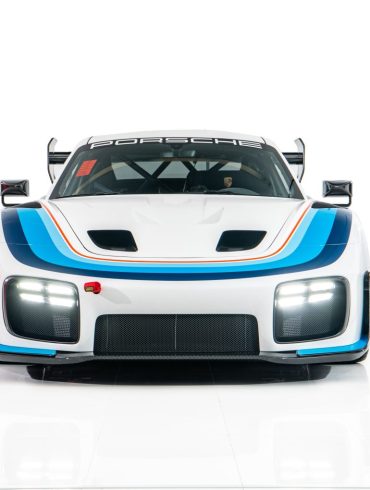
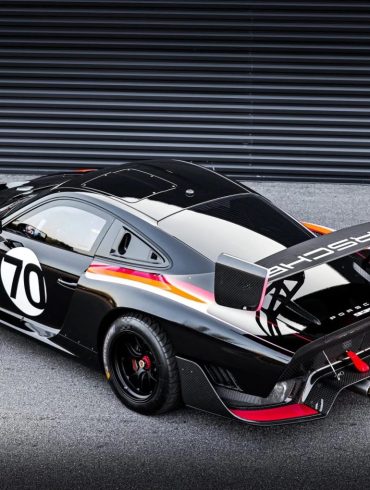
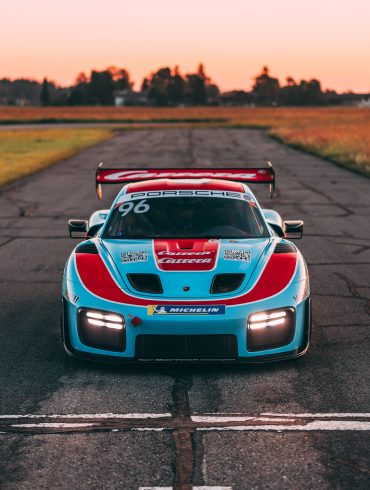
2019 Porsche 935
A modern-day reimagination of the 1978 Porsche 935/78 'Moby Dick' that raced in the 24 Hours of Le Mans.
What Makes It Special
The 2019 Porsche 935 is a track-only beast. While that may seem like a disadvantage, what it means is that Porsche engineers were able to really stretch the capabilities of the 911 GT2 RS (991.2) Clubsport racecar platform, the car on which the 935 is based.
You can also think of the 935 as an extremely dialled-up version of the already formidable 911 GT2 RS.
The car is immediately recognizable with its elongated profile. The stretched bodywork is a nod to the original 935. The design also helps with the car's aerodynamics while it's being pushed to the limits at the race tracks.
Other highlights of the 935 include spoiler end plates from the 919 Hybrid LMP1 race car, wing mirrors from the Le Mans-winning 911 RSR and a massive wing that stretches almost 2 metres across the width of the car.
The interior has also been adapted for life on the circuit, with add-ons like a full FIA roll cage, bucket racing seats, six-point racing harness and an escape hatch.
Engine & Drivetrain Specifications
Engine: 3.8L twin-turbo flat-six
Power: 700 hp @ 7,000 rpm
Torque: 553 ft-lbs @ 2,500 rpm
Transmission: 7-speed dual-clutch automatic transmission
Powertrain: Rear-wheel-drive
Known For
The 2019 Porsche 935 was launched as a limited-series model, capped at 77 units.
The car was offered with a range of seven optional tribute liveries as a nod to the carmaker's past racing success.
Learn More
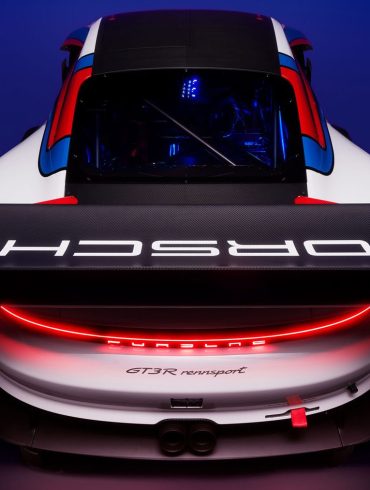
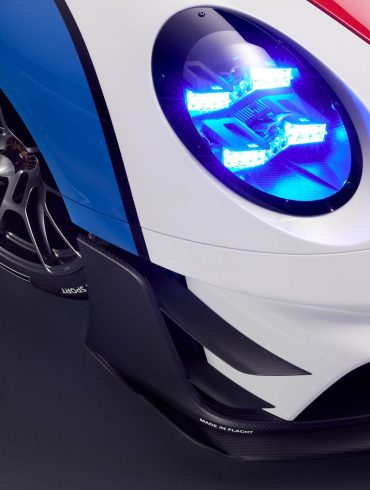
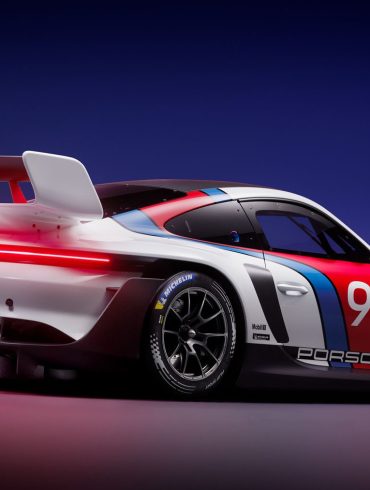
Porsche 911 GT3 R Rennsport
Unveiled at the 2023 Rennsport Reunion as an exclusive racer not bound by motorsport competition regulations.
What Makes It Special
Freed from regulations, the sports car is a blend of an aggressive design and technical benefits gleaned from not having to follow standard competition rules.
Its hood and roof are shared with the regular GT3 R racecar. However, every other body panel, together with air intakes and ground effects, are specific to the GT3 R Rennsport. The distinctive wing, based on the Brumos Porsche 935/77, generates so much downforce it needs additional supports to help hold it up.
At its heart is a raucous naturally aspirated powerplant that revs to an ear-splitting 9,000 rpm, generating over 600 hp in the process. The interior is all business. There's only one seat, with most of the remaining space taken up by a roll cage.
The GT3 R Rennsport was designed for the most hardcore Porsche enthusiasts - the kind that would not hesitate to shell out a seven-figure sum for their ultimate track toy.
Engine & Drivetrain Specifications
Engine: 4.2L naturally aspirated flat-six
Power: 612 hp
Transmission: 6-speed sequential dog-type transmission
Powertrain: Rear-wheel-drive
Known For
The Porsche 911 GT3 R Rennsport was limited to 77 units, each priced at around a million dollars.
The car is not homologated and does not comply with any current race series regulations.
Learn More
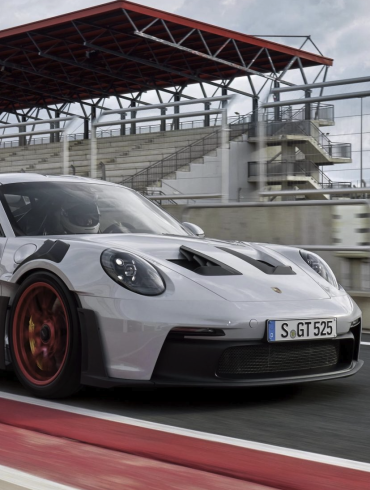
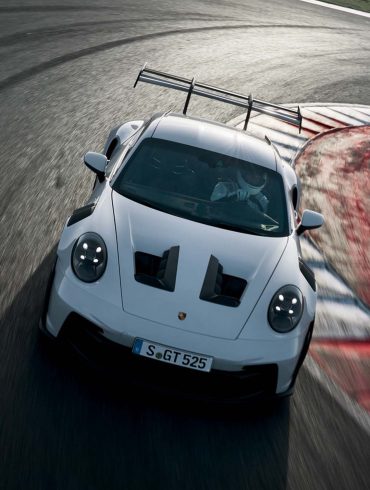
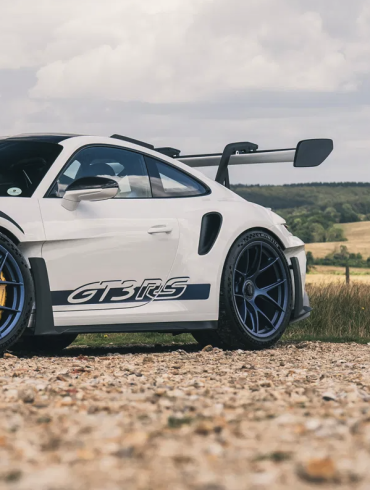
Porsche 911 GT3 RS (992.1)
The most extreme GT3 RS yet is one that also manages to be quite civilized on public roads.
What Makes It Special
The 992.1-gen 911 GT3 RS is a platform that showcases the best of Porsche's engineering brilliance and cutting-edge innovation. It is arguably the biggest single step in the RS lineage since the 996-gen GT3 RS debuted back in 2004.
It was first presented in August 2022 for the 2023 model year, and it did not take long before the positive reviews started flowing in.
Porsche describes the car as 'the most extreme street-legal Porsche GT car ever.' There are a lot of facts that lend credence to that statement. The 911 GT3 RS boasts insane amounts of grip and balance, aided by the chassis setup and an aerodynamics package that heavily incorporates technology from Formula One, the pinnacle of motorsports.
Prioritizing downforce has slightly compromised top speed, but the 911 GT3 RS still delivers explosive acceleration from a standstill. It can rocket to 60 mph in 3 seconds and continue to a top speed in excess of 184 mph (296 km/h) top speed.
Engine & Drivetrain Specifications
Engine: 4.0L naturally aspirated flat-six
Power: 518 hp @ 8,500 rpm
Torque: 343 lb-ft of torque
Transmission: 7-speed dual-clutch auto
Powertrain: Rear-wheel-drive
Known For
The 911 GT3 RS has a DRS system similar to the one in F1 Cars; this helps it maximize downforce and minimize drag, enhancing overall track performance.
The massive rear wing on the GT3 RS is the first production wing on a Porsche to be higher than the roof of the car.
Learn More
Best Mid-Level Budget Porsches for Track Days ($100k to $200k)
This group blends performance with value, offering serious track capability without six-figure stratosphere pricing. Expect thrilling dynamics, strong aftermarket support, and cars that reward driver skill.
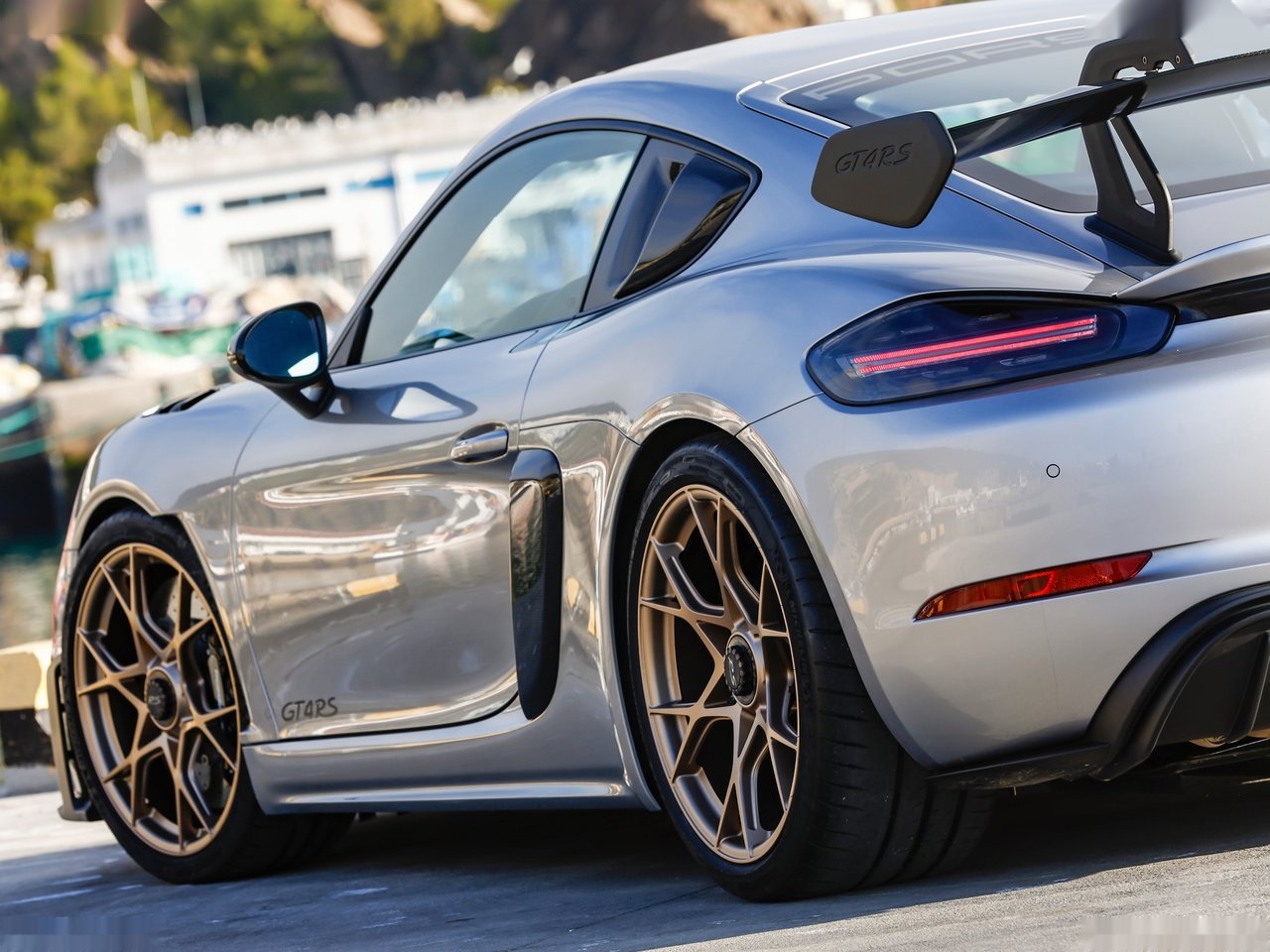
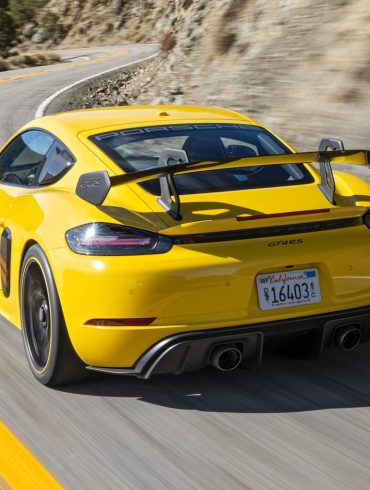
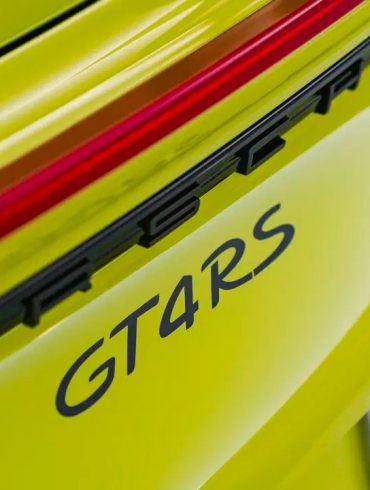
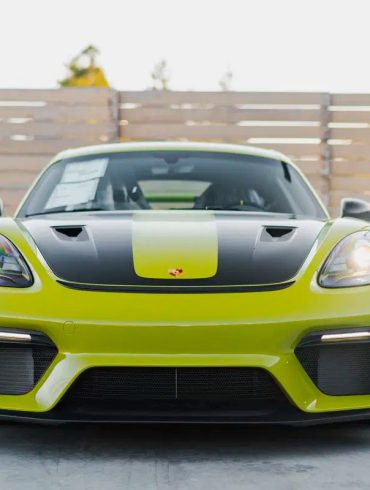
2023 - Present Porsche 718 Cayman GT4 RS
The 718 Cayman GT4 RS the ultimate expression of Porsche's mid-engine platform in a road-going vehicle.
What Makes It Special
The RS version of the 718 Cayman sports car was unveiled at the 2021 Los Angeles Auto Show. The highlight was its power plant, a naturally aspirated unit taken from the 911 GT3. It's enough to make the 718 Cayman GT4 RS the most powerful mid-engined Porsche production vehicle.
Weight reduction was a priority for the 718 GT4 RS, with carbon-fibre-reinforced plastic for components such as the hood and front fenders.
The rear window is made of lightweight glass, while textile door opening loops and nets for the storage compartments are further examples of the extreme weight-saving measures on the car. The overall result is an impressive power-to-weight ratio of 6.6 lb/hp.
It is the most hardcore Porsche Cayman ever made. Its potent engine, weight, supremely balanced chassis and an otherworldly soundtrack combine for an exhilarating experience out on the track.
Engine & Drivetrain Specifications
Engine: 4.0L naturally aspirated flat-six
Power: 493 hp @ 8,400 rpm
Torque: 331 @ 6,250 rpm
Transmission: 7-speed dual-clutch auto
Powertrain: Rear-wheel-drive
Known For
It is the most powerful mid-engine production Porsche sports car ever made.
It is the first model in the range to have a front-axle lift system.
Learn More
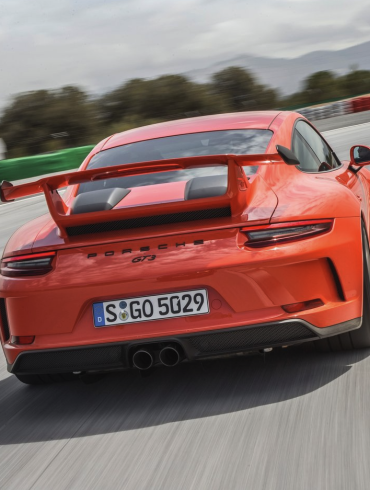
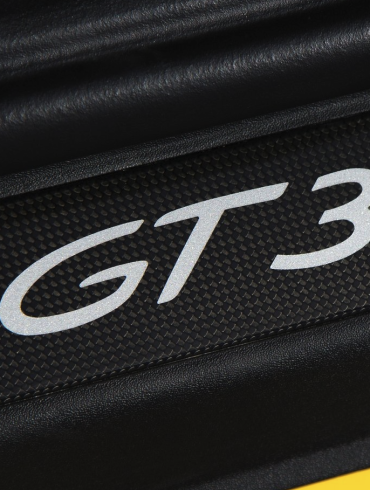
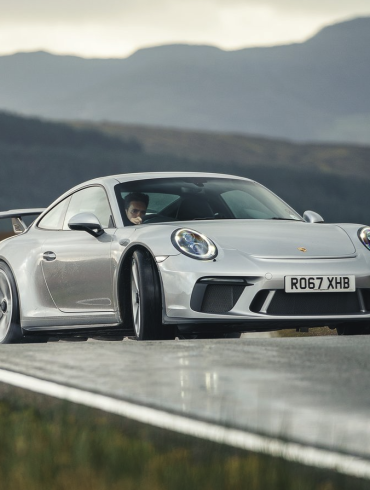
2018 - 2019 Porsche 911 GT3 (991.2 with PDK)
It’s a purist’s track tool
What Makes It Special
The Porsche 911 GT3 (991) is widely regarded as one of the most track-ready road cars you can own, blending race-car-derived performance with just enough usability to make track days frequent and accessible. The GT3 was designed from the outset around getting the most out of a circuit while remaining street legal — it’s not a cooled-down exotic or a luxury grand tourer, it’s a driver-focused weapon that thrives when pushed hard on the blacktop.
At the heart of the 991 GT3 is a naturally aspirated six-cylinder boxer engine that revs to 9,000 rpm, delivering between roughly 500 hp and 520 hp depending on the specific iteration (991.1 vs 991.2), with a snappy powerband that rewards full-throttle commitment. Coupled with Porsche’s PDK dual-clutch transmission or an optional six-speed manual on many models, the GT3 provides lightning-quick shifts and unmatched feedback. Its chassis — featuring rear-axle steering and a finely-tuned suspension — gives phenomenal agility and balance, making cornering confidence high and predictable even when tread temperatures soar.
On track, the 991 GT3’s performance speaks for itself. It accelerates briskly (around 3.0-3.5 s 0–60 mph on many test figures), holds strong lateral grip, and has a top speed near the 190+ mph range thanks to its aerodynamic and mechanical efficiency. Perhaps most importantly for enthusiasts, it manages this while remaining one of the few cars you can drive to a track day, run multiple sessions without overheating, and drive home afterwards, thanks to its excellent cooling systems and real-world dynamics.
Engine & Drivetrain Specifications
Engine: 4.0L naturally aspirated flat-6
Power: 493 bhp @ 8250 rpm
Torque: 339 ft lbs @ 6000 rpm
Transmission: 7-speed PDK or 6-speed manual
Drivetrain: Rear-wheel drive
Known For
Race-car‐derived performance in a road-legal package — high-revving NA engine, razor-sharp chassis, and transmissions built for precision and speed.
Exceptional track balance & driver feedback — handling and responsiveness that make it one of the most rewarding cars to push on circuits.
Learn More
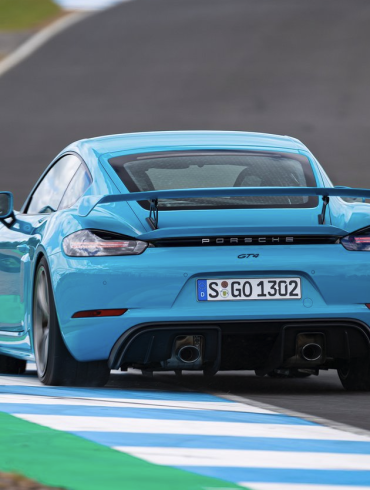
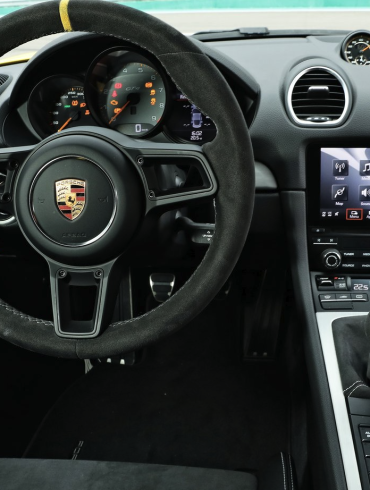
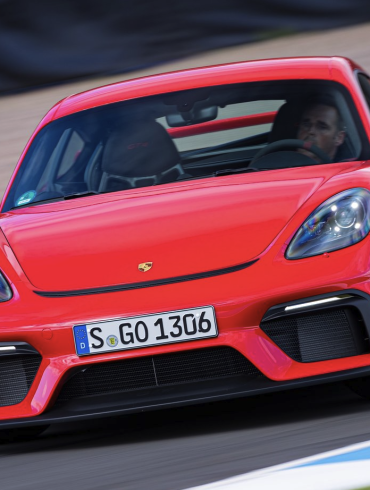
2020 - 2023 Porsche 718 Cayman GT4
If the RS is too "extreme," the standard GT4 is the perfect entry point
What Makes It Special
The Porsche 718 Cayman GT4 (2020–2023) represents the pinnacle of the mid-engine Cayman platform. While the previous generation (981) was a cult favorite, the 718 GT4 refined the formula by introducing a bespoke 4.0-liter naturally aspirated flat-six engine. This powerplant, derived from the 992-generation 911’s engine architecture, was built specifically to restore the high-revving, atmospheric soul that enthusiasts craved after the standard 718 line moved to turbocharged four-cylinders. It is a car designed for the purist who values balance and communication over raw, straight-line horsepower.
On the race track, the GT4 is a surgical instrument. Its mid-engine layout provides an inherent polar moment of inertia that makes it more rotate-on-a-dime agile than its bigger brother, the 911. The front suspension is lifted directly from the 991.2 GT3, giving it incredible turn-in precision and front-end grip. Furthermore, the 718 GT4 features a highly functional aerodynamic package, including a large fixed rear wing and a functional rear diffuser that together produce up to 50% more downforce than its predecessor without adding significant drag.
For the driver, the experience is defined by "transparency." The steering—while electric—is widely considered the benchmark for feedback, telling you exactly how much grip the front tires have left. The chassis is also uniquely adjustable for a street car; owners can manually tune the camber, toe, and anti-roll bar settings to suit specific tracks or tire setups. Whether you choose the engagement of the 6-speed manual or the relentless efficiency of the PDK, the GT4 is one of the few modern cars that rewards high-level driving technique rather than just masking mistakes with electronic aids.
Despite its track-first mission, the GT4 remains surprisingly usable. It retains the Cayman’s dual-trunk layout (frunk and rear hatch), and while the suspension is firm, the Porsche Active Suspension Management (PASM) allows it to be driven to and from the track in relative comfort. It is essentially a "mini GT3" that offers a more approachable limit, making it the perfect tool for someone looking to master the art of performance driving.
Engine & Drivetrain Specifications
Engine: 4.0L Naturally Aspirated Flat-6
Horsepower: 414 hp @ 7,600 rpm
Torque: 309 lb-ft (Manual) / 317 lb-ft (PDK)
Transmission: 6-speed Manual / 7-speed PDK (Available 2021+)
Drivetrain: Rear-Wheel Drive (RWD)
Known For
GT3 DNA: It shares its front axle, brakes, and many suspension components with the 911 GT3, giving it "big car" stopping power and stability.
The 4.0L Sound: While it has a Gasoline Particulate Filter (GPF) that muffles it slightly compared to older models, the 8,000-rpm crescendo is still one of the best acoustic experiences in the automotive world.
Learn More
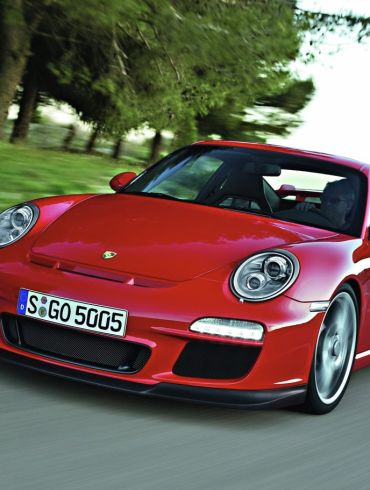
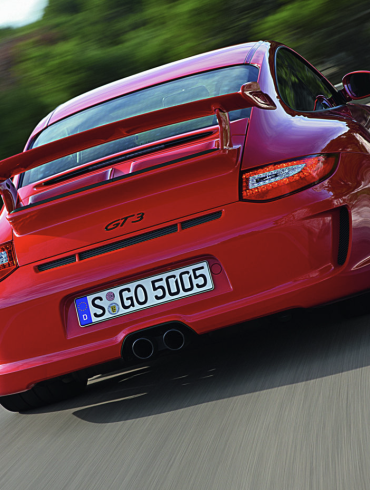
Porsche 911 GT3 (997.2 Generation, 2010–2011)
A classic track-focused Weapon. More mechanical, "analog" than newer 911s.
What Makes It Special
The Porsche 911 GT3 (997.2) is an iconic track car that still resonates with enthusiasts today because it combines pure, racing-derived performance with a level of mechanical simplicity and raw engagement that’s increasingly rare. Slightly older than modern GT3s but no less capable, the 997.2 GT3 was purpose-built for high-speed circuit use, with engineering that echoes Porsche’s motorsport pedigree: a high-revving naturally aspirated engine, precise chassis balance, and a driver-centric manual gearbox. These attributes make it one of the best classic track cars you can choose — one that rewards skill and commitment on a race circuit like few others in its era.
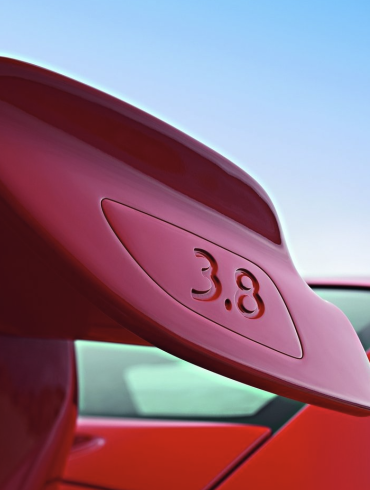
Unlike some later GT3 models that pursue outright lap times with increasingly complex electronics, the 997.2’s mission was engagement first. Its 3.8 L naturally aspirated flat-six produces about 435 hp and 317 lb-ft, and is paired exclusively with a 6-speed manual transmission — a rarity that gives direct driver control and a visceral feel on track. The GT3’s chassis was honed to deliver instantaneous feedback and balance, with Porsche’s adjustable suspension allowing drivers to dial in precise responses through corners and under braking. In tests from the era, the 997.2 demonstrated exceptional handling and composure, showing minimal nervousness even when pushed hard for extended laps.
On a race circuit, the 997.2 GT3’s strengths become very clear: the lightweight and well-sorted suspension allows high cornering speeds and confident rotation, and its naturally aspirated engine builds revs smoothly and predictably — so drivers can exploit performance without relying on turbo boost or complex assistance systems. This setup makes it especially rewarding for drivers who want to feel the connection between steering, throttle, and chassis response. Many track enthusiasts consider the 997.2 GT3 a benchmark for analog driving pleasure: it’s engaging, demanding, and genuinely capable of fast lap times when driven well, while still retaining street-legal usability off the circuit.
Engine & Drivetrain Specifications
Engine: 3.8 L naturally aspirated flat-six
Power: 429 bhp @ 7600 rpm
Torque: 317 ft lbs @ 6250 rpm
Transmission: 6-speed manual
Drivetrain: Rear-wheel drive
Known For
Pure, unfiltered track performance with driver-focused feel — the naturally aspirated engine and manual gearbox reward precision and engagement at speed.
Analog handling that magnifies driver input — a chassis and suspension setup that excels in throttle-steer balance and instantaneous feedback, embodying what many enthusiasts call “real Porsche” driving.
Learn More
Best Sub-$100k Porsches for Track Days
Proof that you don’t need a supercar budget to enjoy thrilling track experiences, these Porsches punch well above their price class. With lightweight agility and driver-focused handling, they’re ideal for enthusiasts looking to have fun on a budget.
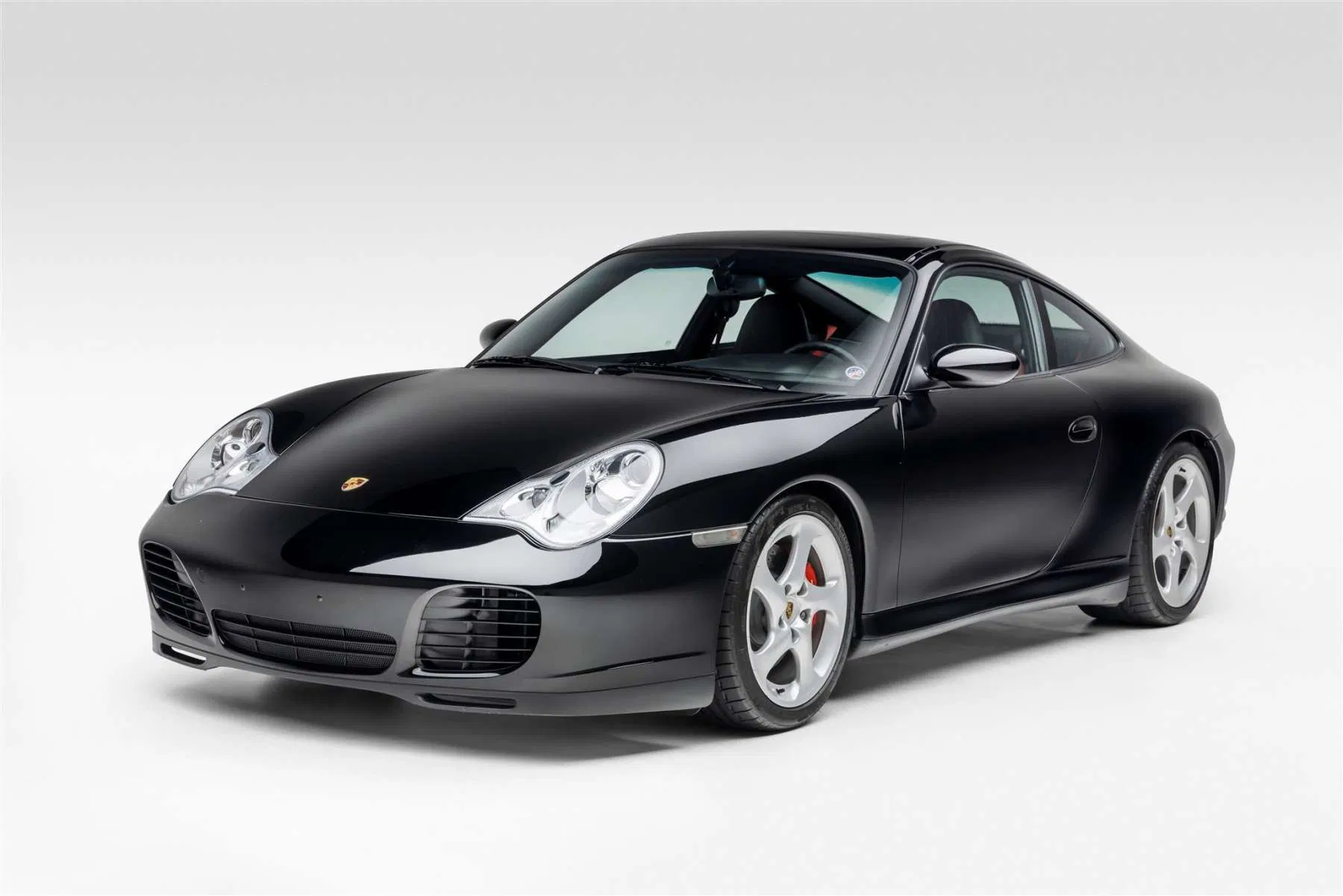
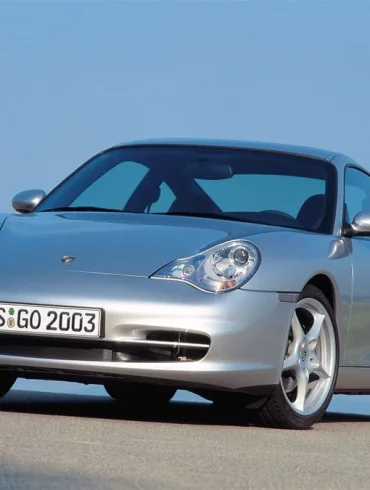
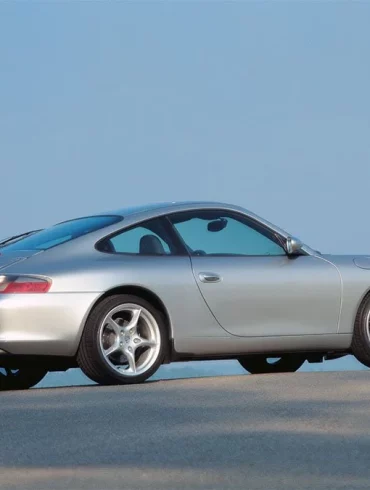
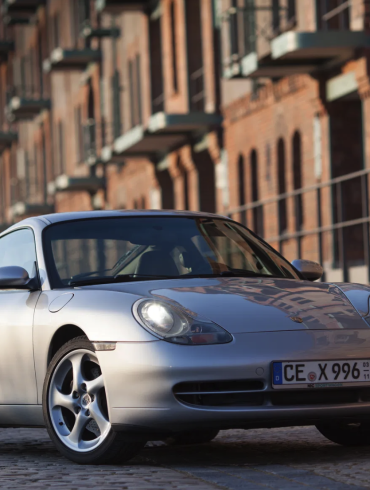
1999 - 2004 Porsche 911 Carrera (996)
Great budget track base. Rewarding and affordable.
What Makes It Special
The Porsche 996 Carrera isn’t a purpose-built race car by any means, but that’s exactly what makes it an ideal budget track platform. It was the first generation of 911 to use a water-cooled flat-six, marking Porsche’s transition into more modern performance engineering while retaining the classic 911 silhouette and engaging driving feel. Because this generation has been overlooked and values stayed low for many years, you can pick up a well-sorted Carrera for a fraction of what most 911s cost — often well under $100 K and in many cases under $25 K with some miles.
On track, the 996 Carrera punches well above its price tag. With either the early 3.4-liter or later 3.6-liter naturally aspirated flat-six, you get ample, linear power that rewards smooth throttle work and helps build confidence through corners. The car’s relatively light weight and rear-engine balance give it a compact, agile feel — and although the standard suspension isn’t GT-car stiff, it responds very well to affordable upgrades such as performance coilovers, sway bars, and better brake pads for track duty. A solid set of sticky tires alone transforms its grip and cornering confidence, allowing you to learn braking zones, trail braking, and mid-corner balance without overwhelming pace.
One of the best parts about the 996 Carrera as a track car is that the platform is plentiful and well understood: parts are widely available, many local Porsche clubs run dedicated HPDE days with 996s in attendance, and the community has developed try-and-true upgrades for chassis, cooling, and engine durability. While the base M96 engine does have some known issues (like IMS bearings and coolant liner concerns that should be inspected or upgraded before serious track work), proactive maintenance can make the platform surprisingly robust for enthusiastic driving.
Key Engine & Drivetrain Specs
Engine: 3.4 L naturally aspirated flat-six (early), later 3.6 L flat-six
Power: 296 hp (3.4 L) → 320 hp (3.6 L)
Torque: ~250–260 lb-ft (approximate)
Transmission: 5- or 6-speed manual; optional Tiptronic
Drivetrain: Rear-wheel drive
Known For:
Affordable 911 with track potential — one of the most budget-friendly ways into Porsche track days, with plenty of aftermarket support and upgrade paths.
Balanced, engaging chassis with classic 911 feel — rear-engine dynamics that reward driver skill and make for an educational and rewarding track experience.
Learn More
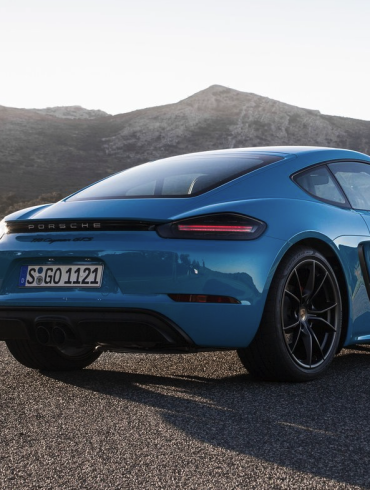
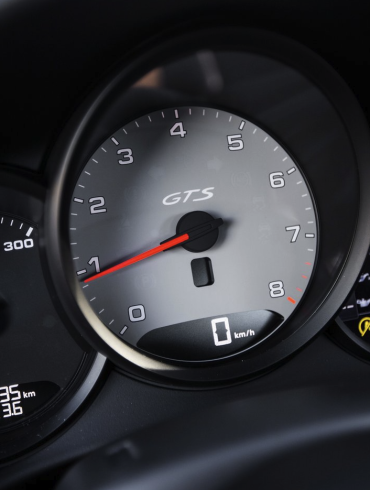
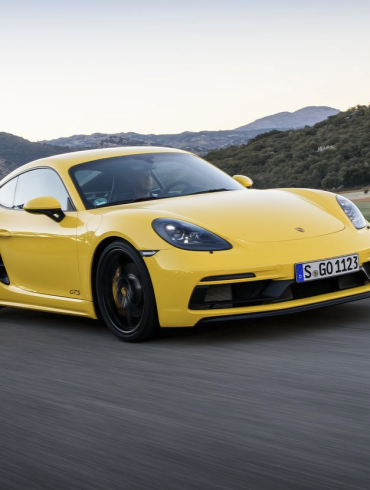
2018 - 2019 Porsche 718 GTS (2.5-Liter Turbo)
Mid-engine balance & great on track. 4-Cylinder has plenty punchy torque and broad power delivery for the price.
What Makes It Special
The 2018–2019 Porsche 718 Cayman/Boxster GTS with the 2.5-liter turbocharged flat-four may not have the high-revving naturally aspirated soundtrack of the later 4.0 models, but it’s nonetheless a terrific all-around performance car that’s capable on track at a sensible price — often well under $100 K on the used market. This version of the GTS delivers a mix of punchy horsepower, strong torque, sharp mid-engine balance, and a well-sorted chassis that lets drivers enjoy spirited laps without needing extensive upgrades right away.
Under the hood, the 718 GTS’s 2.5-liter turbocharged flat-four produces about 365 hp at 6,500 rpm and around 309–317 lb-ft of torque starting as low as ~1,900 rpm, giving it very usable power throughout the rev range — especially compared with smaller 718 engines. This broad torque band helps the car accelerate briskly (0–60 mph in the low-4-second range with a PDK) and maintain strong drive out of corners without constant downshifts, which is a big plus on a road-course where maintaining momentum counts.
The 718 GTS’s mid-engine layout gives it excellent balance and predictable handling on track, with a well-tuned suspension and available performance options such as torque vectoring, Sport Chrono, and a mechanical limited-slip differential that sharpen turn-in and improve rotation through apexes. With either the 6-speed manual or the quick-shifting 7-speed PDK, the chassis responds well to driver inputs, and the car’s relatively light weight compared with heavier sports cars contributes to agile responses and confidence-inspiring grip.
While the 2.5-liter turbo engine isn’t as sonically engaging as a naturally aspirated six-cylinder, many owners and drivers find that its performance on track is impressive for the price, delivering plenty of fun and allowing for fast, enjoyable laps. With the right tires and brake upgrades, the 718 GTS platform can hold its own at HPDE events or club track days and still serve as a very capable everyday car — a strong value proposition compared with higher-end models.
Engine & Drivetrain Specifications
Engine: 2.5 L Turbocharged Flat-4
Power: 360 bhp @ 6500 rpm
Torque: 310 ft lbs @ 1900 rpm
Transmission: 6-Speed Manual / 7-Speed PDK
Drive: Rear-Wheel Drive
Known For
The turbo flat-four’s strong mid-range make it surprisingly capable in track settings without needing forced induction drama.
Balanced mid-engine handling with usable grip and agility — a chassis and suspension setup that responds well to spirited driving and HPDE sessions.
Learn More
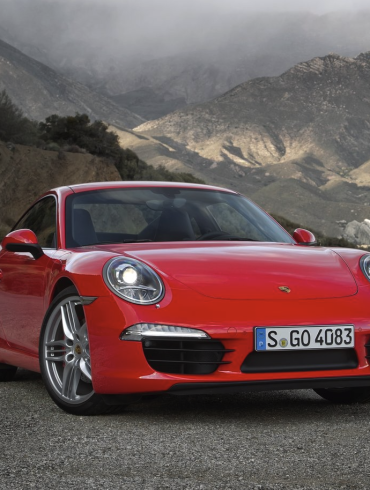
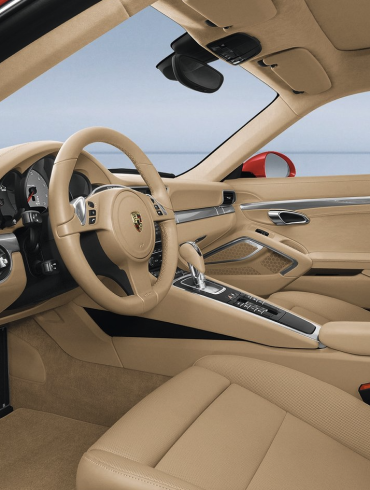
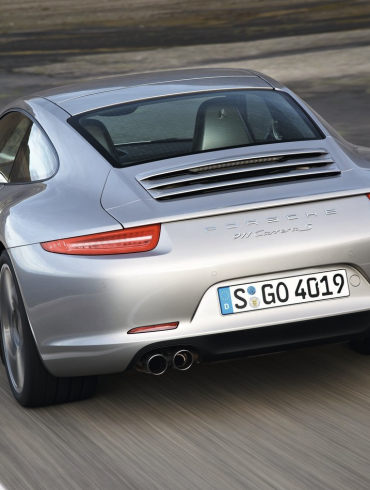
2012 - 2015 Porsche 911 Carrera S (991.1)
A modern chassis with more refinement and tech than older 911s
What Makes It Special
The Porsche 911 Carrera S (991.1) isn’t a dedicated race car, but that’s exactly why it deserves a place on any list of budget-friendly track performers under $100 K. The 991.1 generation marked a significant evolution for the 911, with a more refined chassis, improved weight distribution, and a powerful naturally aspirated flat-six that delivers usable performance on both road and track. While not as hardcore as a GT3, the Carrera S strikes a sweet spot between everyday usability and track capability — especially when equipped with performance options like Sport Chrono, Sport Plus tires, and a manual or PDK gearbox that lets drivers explore its full potential.
Under the hood, the 991.1 Carrera S features a 3.8 L water-cooled flat-six producing around 395 hp and 325 lb-ft of torque, giving it brisk acceleration (0-60 mph in the low-4 s range with PDK and Sport Chrono) and a top speed near 188 mph — impressive figures for its era and plenty of performance to work with on a track day. The engine’s smooth, high-revving nature and linear torque delivery make it forgiving yet engaging, letting you focus on driving technique rather than chasing peak boost or downshift timing. Combined with Porsche’s rear-engine layout and well-balanced chassis, this creates a confidence-inspiring platform for track use, especially for those new to high-performance driving.
On the handling side, the 991.1 chassis benefits from Porsche Active Suspension Management (PASM) and available Sport Chrono options, which sharpen throttle response, raise shift aggressiveness (in PDK cars), and tighten damping for more spirited cornering. Its braking performance and mechanical grip with summer performance tires are more than sufficient for track events, and with relatively modest curb weight compared to later turbocharged models, it feels lively and responsive — traits that drivers appreciate when learning braking points, throttle modulation, or entry speeds on a circuit.
Because the 991.1 Carrera S sits well under the price of more specialized Porsche track cars like the GT3 or Turbo, it represents an excellent value for HPDE drivers, autocrossers, or anyone who wants a real 911 experience on track without the premium cost of hardcore variants. With proper cooling fluid, brake upgrades, and sticky tires, it can hold its own at club events, and it’s capable of providing fast, fun laps with a smooth, balanced feel that rewards thoughtful driving.
Engine & Drivetrain Specifications
Engine: 3.8 L naturally aspirated flat-6
Power: 395 hp @ 7,400 rpm
Torque: 325 lb-ft @ 5,600 rpm
Transmission: 7-speed PDK or 7-speed manual
Drivetrain: Rear-wheel drive
Known For
Balanced, confidence-inspiring performance – strong naturally aspirated power and a well-engineered chassis make it capable on track without being intimidating.
Great value track platform – delivers much of the 911 essence and true performance potential at costs significantly lower than GT3 or Turbo variants.
Learn More
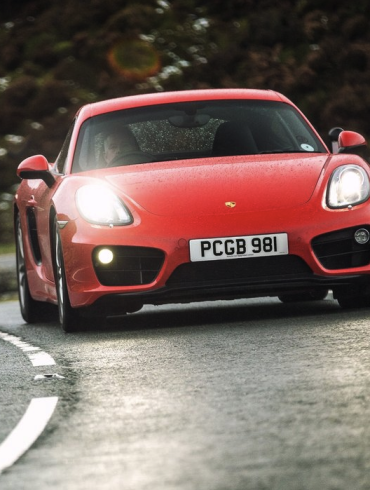
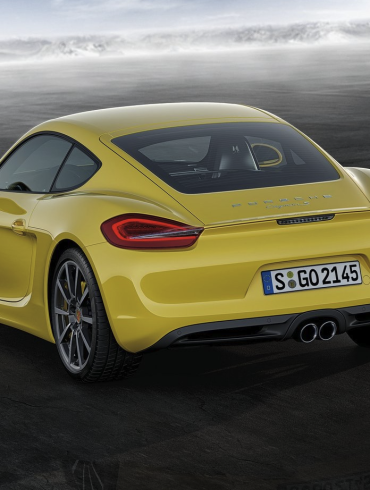
2013 - 2016 Porsche Cayman S (981)
Delivers the balanced feel of a mid-engine car with enough power and chassis capability to deliver fun and confidence
What Makes It Special
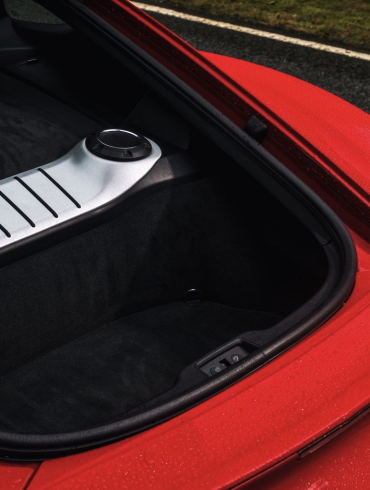
The Porsche Cayman S (981) is one of the best under-$100,000 track-capable sports cars you can own — and one of the most rewarding platforms for enthusiasts who want a balanced chassis, strong engine character, and true drivers’-car feel without paying GT4 or GT3 money. While not as outright focused as the later GT4, the Cayman S’s combination of mid-engine balance, capable flat-six power, and excellent dynamics makes it a standout choice for both spirited road driving and entry-to-intermediate club track days.
The heart of the Cayman S is a naturally aspirated 3.4 L flat-six producing around 325 hp and about 273 lb-ft of torque, paired with either a 6-speed manual or 7-speed PDK. This engine delivers linear, engaging power and enough acceleration to deliver exciting lap times — around mid-4-second 0-60 mph performance in well-equipped examples — while the mid-engine orientation keeps the car balanced and eager through corners. The result is a car that feels alive and responsive on track, with steering and chassis feedback that help drivers build confidence and improve their skills.
While the Cayman S isn’t as hardcore as a GT4, it excels as an accessible track car. Its naturally aspirated engine means predictable throttle response, and the mid-engine layout keeps weight distribution near ideal for handling. Its relatively light curb weight also means tires and brakes can often last longer between refreshes compared with heavier or more powerful cars — a plus for first-time track enthusiasts looking to control costs. Even stock, many Cayman S owners take their cars to HPDE events and enjoy fast, balanced laps without the need for major mods; with simple upgrades (sticky tires, better pads, maybe a cooling strategy), the Cayman S becomes even more capable on a circuit.
What also makes the 981 Cayman S special is that the platform itself is well-understood and richly supported. Compared with complex or highly specialized race cars, the Cayman S’s maintenance and upgrade paths are straightforward — you can dial in suspension tweaks and brake upgrades at a reasonable cost and see real results, which is crucial for long-term track use. Whether you choose a manual for maximum driver engagement or a PDK for crisp lap-time-oriented shifts, the Cayman S gives you a true mid-engine sports car experience that feels like a driver’s car, not a weekend project.
Engine & Drivetrain Specifications
Engine: 3.4 L naturally aspirated flat-six
Power: 325 hp @ 7400 rpm
Torque: 273 lb-ft @ 5800 rpm
Transmission: 6-speed manual or 7-speed PDK
Drivetrain: Rear-wheel drive
Known For
Balanced mid-engine dynamics with engaging handling — naturally poised chassis and sharp steering make the Cayman S predictable and fun on both track and road.
Affordable, driver-centric performance — strong flat-six power and light weight deliver real performance without the expense of more specialized models