
The Best Porsche Engines Ever Made
Porsche's engines are at the heart of the carmaker's reputation as a manufacturer of class-leading performance vehicles. From the legendary air-cooled flat-sixes to modern turbocharged powerhouses, these powerplants have always pushed the boundaries of innovation and technology.
The Greatest Porsche Engines - A Primer
Porsche’s greatest engines were never built to chase numbers—they were built to serve a purpose, and that purpose was almost always rooted in racing, endurance, or survival. From the earliest air-cooled flat-sixes to the modern GT3 powerplants, Porsche has treated engine design as a core identity, not a commodity. While many manufacturers outsource emotion to styling or branding, Porsche has historically embedded it in crankshafts, valvetrains, and oil systems. That philosophy is why Porsche engines don’t just perform well—they matter.
The story begins with air cooling, where necessity forced ingenuity. Early flat-six engines had to survive sustained high rpm with minimal cooling resources, leading Porsche to obsess over oil flow, thermal stability, and mechanical balance. As displacement grew—from short-stroke 2.0-liter units to fearsome 3.8-liter RS motors—the guiding principle remained unchanged: durability under abuse. Even when these engines were installed in road cars, they were engineered with racing tolerances, not commuter expectations.
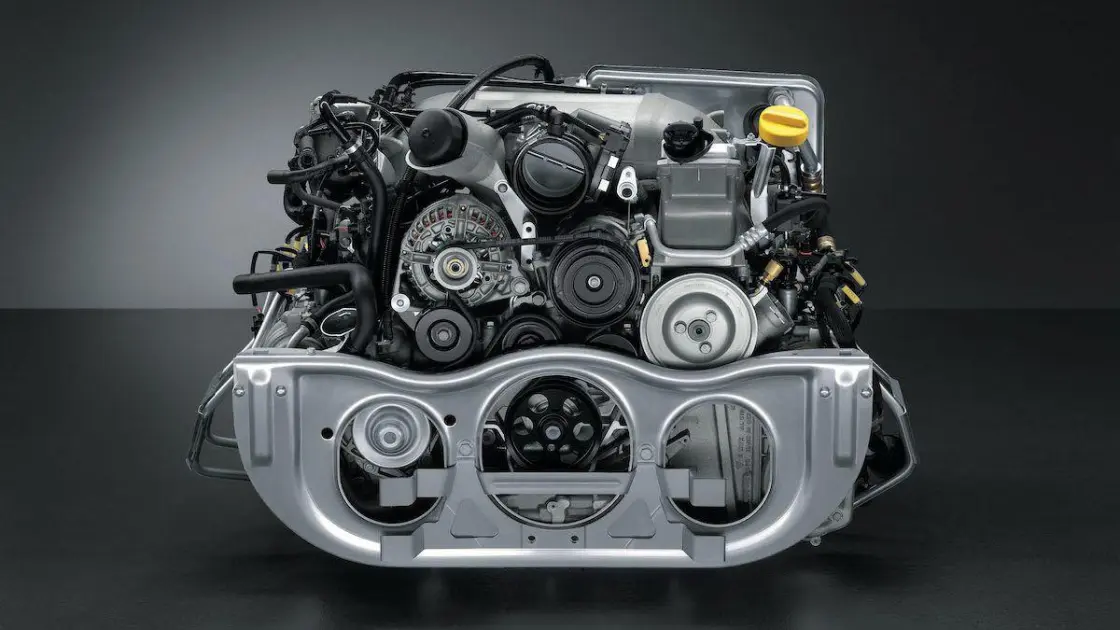
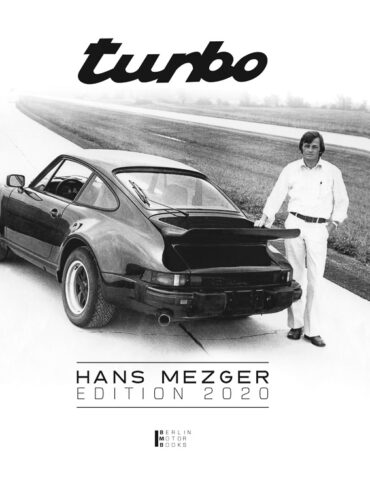
That racing DNA became unmistakable with the arrival of the Mezger engine family. Derived directly from Porsche’s Le Mans programs, Mezger flat-sixes were designed to run flat-out for hours, not impress on a spec sheet. Dry-sump lubrication, separate crankcase halves, and conservative tuning allowed these engines to thrive in GT3s, Turbos, and GT2s alike. Importantly, Porsche resisted the temptation to civilize them too much—rawness and longevity were features, not flaws.
Porsche’s greatness isn’t confined to flat-sixes, either. Engines like the Carrera GT’s V10 or the 928 GTS’s V8 prove that when Porsche commits to an idea, it engineers it to completion. These engines weren’t exercises in novelty; they were expressions of a philosophy applied to different architectures. Whether it was a race-derived V10 screaming to 8,400 rpm or a torque-rich V8 built to cruise at Autobahn speeds all day, Porsche engineered each powerplant to be the best possible version of itself.
Even in the modern era—defined by emissions, electrification, and software—Porsche has managed to preserve this ethos. The naturally aspirated 4.0-liter GT3 engine exists not because it is easy or profitable, but because Porsche believes the driving experience still matters. Likewise, hybrid engines like the 918 Spyder’s V8-based system weren’t designed to hide combustion engines—they were designed to enhance them. The technology changed, but the intent did not.
What unites the greatest Porsche engines is not configuration, displacement, or era—it’s clarity of purpose. Each one was built with a specific mission in mind, executed without compromise, and allowed to be exactly what it needed to be. That consistency—more than horsepower or redline—is why Porsche engines age so well, both mechanically and culturally. They are not just components; they are the backbone of Porsche’s legacy, and the reason the brand continues to command respect from drivers who care about what’s happening beneath the bodywork.
About Our Selections
The journey of Porsche engines is arguably one of relentless innovation and pursuit of engineering excellence. It all began with an air-cooled, 1.1-litre flat-four. It was based on the engine case of a Volkswagen Beetle but featured new components like the cylinder heads, camshafts and intake manifolds. This modest powerplant, with 40 hp, powered the first-ever production Porsche, the 356. There were later variations of this engine for subsequent 356 models, but they mostly made under 100 hp.
Such humble roots demonstrate just how far Porsche engines have evolved, culminating in powerhouses that drive some of the best performance cars today. It is an evolution that has included standouts like the famous Mezger engines, the Carrera GT's motorsport-derived V10, turbocharged V8s and even the dual permanent magnetic synchronous AC motors at the heart of Porsche's EV expansion.
Today, whether powered by fossil fuels or electricity, Porsche engines are associated with raw power, breathtaking performance and durability. This article presents a snapshot of some of these legendary powerplants that have contributed significantly to Porsche's reputation as a performance titan in the automotive world.
Mezger 4.0 Flat-Six (Porsche M97.74) Engine - 911 GT3 RS 4.0 (997)
The Mezger Engine at Its Absolute Apex
Why It's On The List
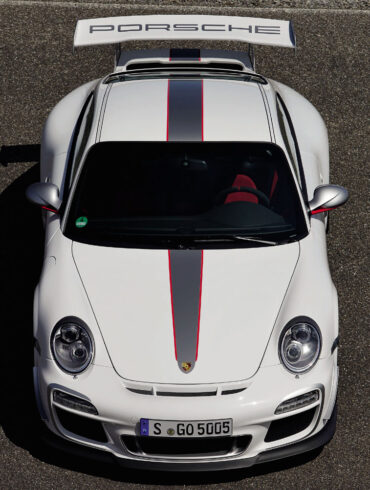
The Mezger 4.0 flat-six (engine code M97.74) is widely regarded as the greatest naturally aspirated Porsche engine ever installed in a road car, not because it introduced new technology, but because it represented the final, perfected evolution of a motorsport bloodline that began in the 911 GT1. By the time this engine appeared in the 2011 Porsche 911 GT3 RS 4.0, Porsche knew the Mezger era was ending—and they poured everything they had learned over decades of racing into one final, uncompromising statement.
What makes the M97.74 special is its origin story. Unlike standard 911 engines, the Mezger architecture was never adapted from a road car—it was born in endurance racing. Dry-sump lubrication with an external oil tank, separate crankcase halves, forged internals, and immense thermal tolerance made it nearly indestructible under sustained high-rpm abuse. The 4.0-liter displacement wasn’t achieved through shortcuts; it used a longer stroke derived from the RSR race cars, creating an engine that delivered both towering midrange torque and a ferocious top-end rush.
Equally important is how mechanical the engine feels. Throttle response is immediate, power builds relentlessly, and the engine pulls cleanly to its 8,500+ rpm redline with a sense of inevitability rather than drama. There is no artificial enhancement, no turbocharging, and no electronic masking of behavior. The sound—metallic, layered, and increasingly frantic as revs rise—is the byproduct of precision, not tuning theater. It is an engine that communicates effort, friction, and momentum in a way modern powerplants simply do not.
The timing of the M97.74 sealed its legacy. Porsche followed this engine with the new-generation GT3 motor that, while brilliant, moved toward a more road-focused architecture and different engineering priorities. The Mezger 4.0 thus became a true endpoint engine—the last of a line that could not be repeated due to cost, emissions, and manufacturing realities. That finality matters. Porsche didn’t replace the Mezger because it found something better; it replaced it because the world changed.
Engine & Drivetrain Summary: Porsche 911 GT3 RS 4.0 (997)
Engine: 4.0-liter naturally aspirated flat-six (Mezger M97.74)
Power: ~500 hp
Redline: ~8,500 rpm
Induction: Naturally aspirated
Lubrication: True dry-sump with external oil tank
Transmission: 6-speed manual
Drivetrain: Rear-wheel drive
Known For
The Mezger 4.0-litre flat-six was renowned for its distinctive, high-pitched scream, creating an unforgettable auditory experience for drivers and enthusiasts alike.
Being the final and most powerful naturally aspirated Mezger engine ever built. It combine race-derived durability with unmatched throttle response and character
Learn More
M80/01 V10 Engine - Carrera GT
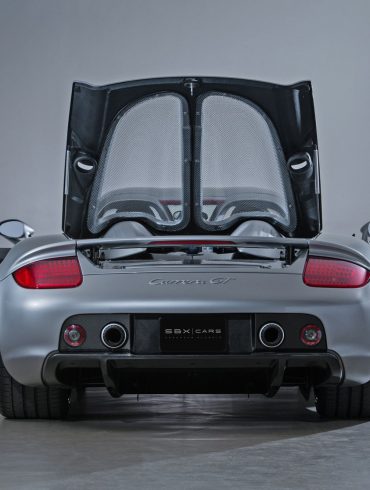
Essentially a shelved Le Mans prototype engine—ferocious, unfiltered, and one of the last truly analog powerplants.
Why It's On The List
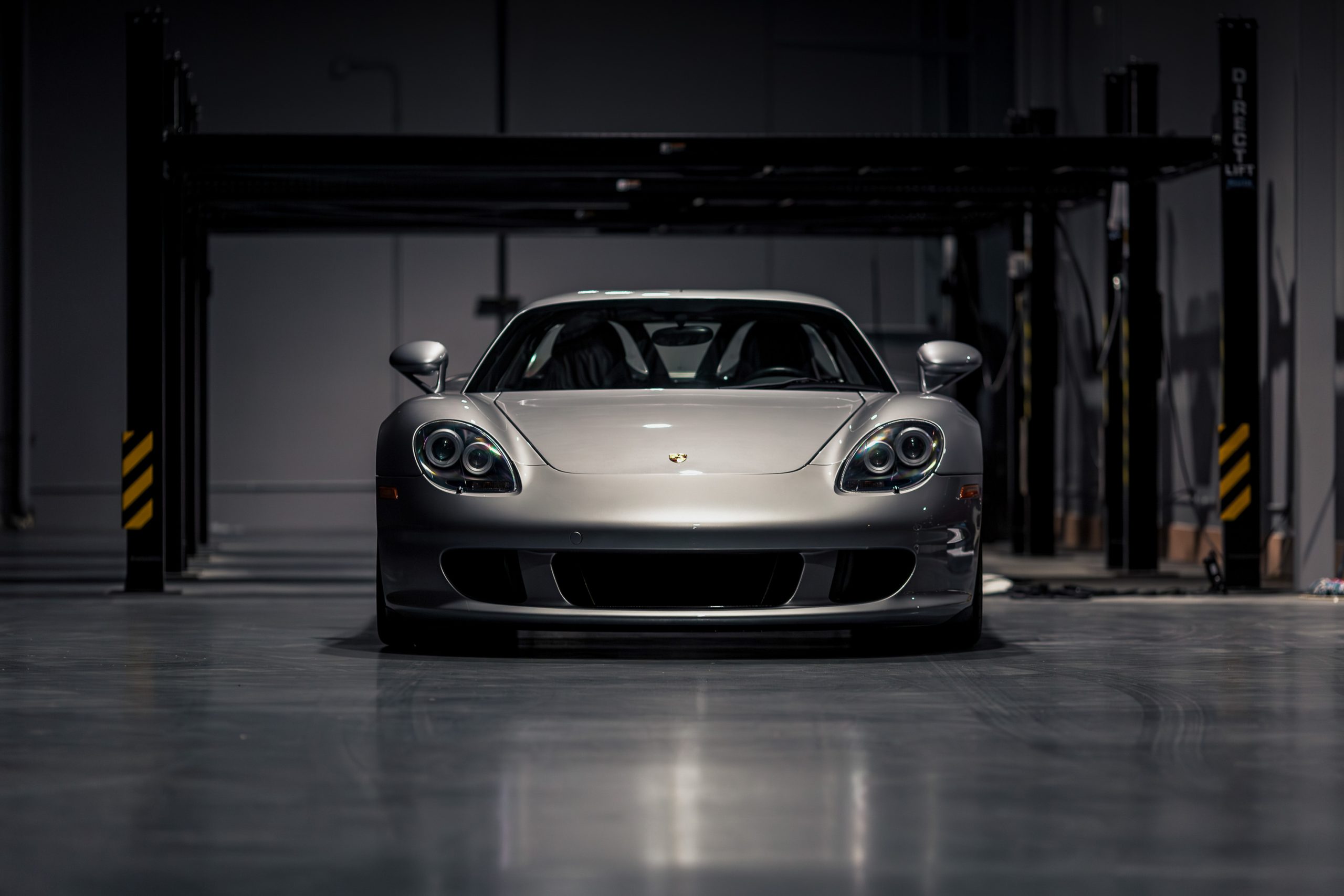
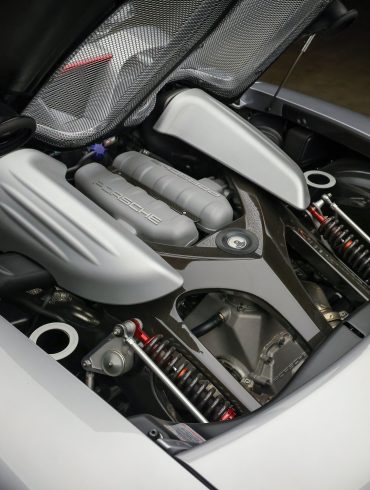
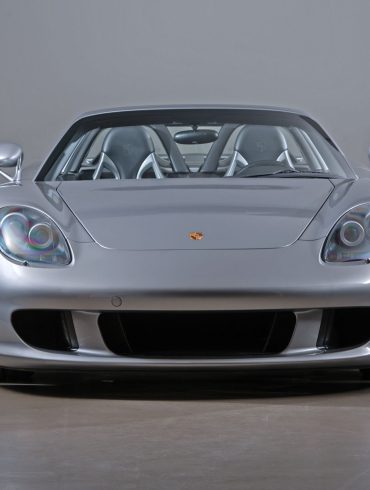
The M80/01 V10 is not just one of the best Porsche engines ever built—it is one of the most improbable. Its origins trace directly to Porsche’s late-1990s Le Mans prototype program, where it was conceived as a racing engine first and a road engine only by circumstance. When Porsche shelved its LMP ambitions, the V10 didn’t die. Instead, it became the beating heart of the Carrera GT, making the M80/01 one of the purest examples of motorsport engineering ever adapted—barely—to road use.
What makes the M80/01 extraordinary is its lack of compromise. This is a naturally aspirated, dry-sump V10 with no turbocharging, no hybrid assistance, and no electronic cushioning of its behavior. It revs freely to nearly 8,500 rpm, delivers power progressively rather than explosively, and demands mechanical sympathy from the driver. Unlike later hypercar engines designed to overwhelm with torque, the Carrera GT’s V10 rewards precision, timing, and commitment. It feels alive in a way few engines—before or since—ever have.
The engine’s character is inseparable from its sound and response. The induction howl, metallic valvetrain chatter, and escalating mechanical fury as revs rise are not engineered theatrics—they are the byproduct of racing tolerances and lightweight internals. Paired with a manual gearbox and a carbon-fiber clutch, the M80/01 forces the driver into a fully analog relationship with the car. There is no buffer between intent and outcome. This is an engine that makes no apologies and offers no forgiveness.
Crucially, the M80/01 exists as a true endpoint engine. Porsche would never again build a naturally aspirated, race-derived V10 for the road—not because it lacked the capability, but because regulations, costs, and philosophy moved on. Even the technologically brilliant 918 Spyder followed an entirely different path. The Carrera GT’s V10 represents the final moment when Porsche allowed motorsport logic to dominate a road car without dilution.
Engine & Drivetrain Summary: Porsche Carrera GT
Engine: 5.7-liter naturally aspirated V10 (M80/01)
Power: ~603 hp
Redline: ~8,400 rpm
Induction: Naturally aspirated
Lubrication: Dry-sump
Transmission: 6-speed manual
Clutch: Carbon-fiber multi-plate
Drivetrain: Rear-wheel drive
Known For (Engine)
Being derived directly from a shelved Le Mans prototype program
The 5.7-litre V10 engine weighs only 472 lbs (214 kg), despite its large displacement, thanks to the use of lightweight forged alloy materials.
The engine was paired exclusively with a 6-speed manual transmission.
Learn More
MDH.NA Engine - 911 GT2 RS (991.2)
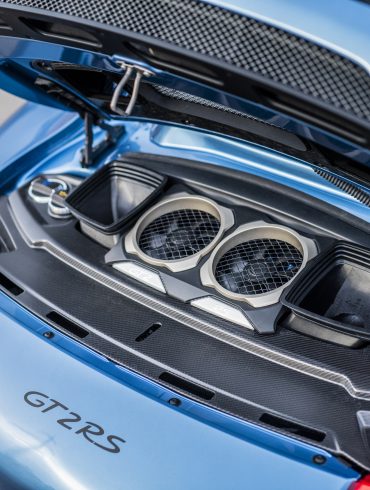
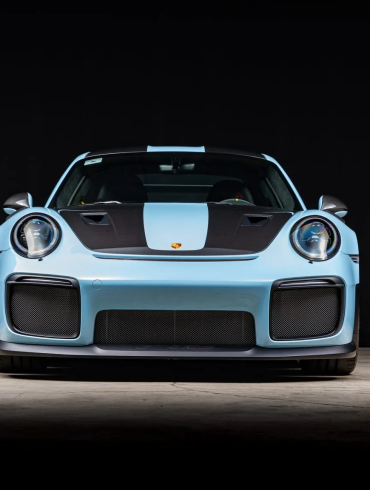
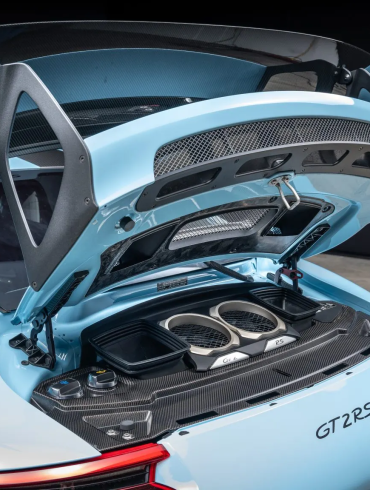
We may just be looking at the peak of Porsche's turbocharged greatness here.
Why It's On The List
The MDH.NA engine that powers the 991.2 GT2 RS represents the absolute peak of Porsche’s turbocharged flat-six philosophy. When it arrived in 2018, it wasn’t meant to be charming or versatile—it was engineered to end debates. This was Porsche taking everything it knew about forced induction, thermal management, and GT durability and compressing it into one final, overwhelming statement: the fastest, most brutally effective road-going 911 it had ever built.
What makes the MDH.NA special isn’t just its headline output—it’s how that output is delivered. Porsche reworked the Turbo S architecture with larger turbochargers, extensive cooling upgrades, reinforced internals, and race-derived airflow management. The result was an engine that delivered colossal torque with shocking immediacy, yet could sustain repeated high-load track abuse without degradation. In a turbo era often defined by fragility and heat soak, the MDH.NA was relentlessly repeatable.
Crucially, Porsche paired this engine with restraint elsewhere. Rear-wheel drive only. Aggressive weight reduction. GT-calibrated chassis tuning. No attempt to civilize the experience beyond what was necessary to survive emissions and safety regulations. The engine dominates the car’s personality—boost builds hard, torque arrives like a physical force, and the car demands respect in a way no modern AWD Turbo ever does. This wasn’t about approachability; it was about mastery.
With time, the MDH.NA has come to be seen as a true endpoint engine. Porsche has since moved toward electrification, hybrid assistance, and broader usability. Even later Turbo models, as astonishing as they are, chase balance rather than brutality. The 991.2 GT2 RS stands alone as the moment Porsche allowed a turbocharged flat-six to exist with almost no philosophical leash—a moment that is extremely unlikely to be repeated.
Engine & Drivetrain Summary (Porsche 911 GT2 RS (991.2)
Engine: 3.8-liter twin-turbo flat-six (MDH.NA)
Power: ~700 hp
Torque: ~553 lb-ft
Induction: Twin turbochargers
Lubrication: Dry-sump
Transmission: 7-speed PDK
Drivetrain: Rear-wheel drive
Cooling: Enlarged radiators, water-spray intercoolers (Weissach)
Known For (Engine)
The MDH.NA engine is the most powerful flat-six engine ever fitted on a production Porsche.
Described as the peak of Porsche's flat-six performance, the MDH.NA was the heart of the 911 (991.2) GT2 RS's record run at the Nurburgring Nordschleife.
Learn More
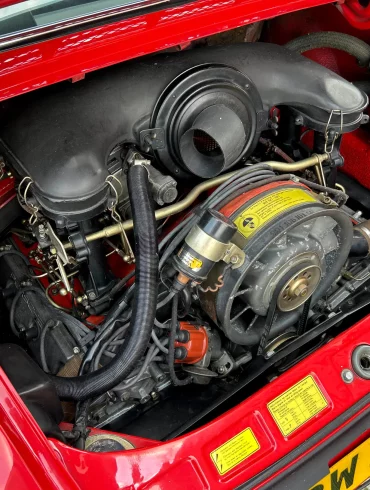
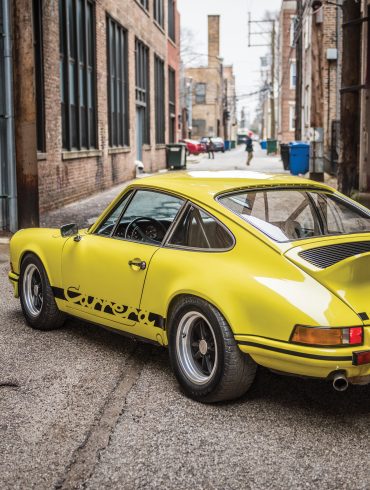
911/83 Flat-Six Engine - 2.7-Liter Carrera RS
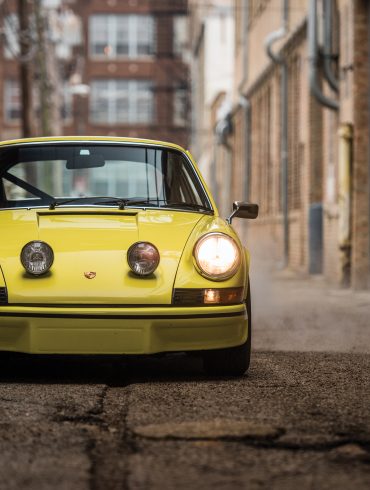
This engine propelled the legendary 1973 Porsche 911 Carrera RS 2.7. to Hall of Fame status.
Why It's On The List
(as fitted to the Porsche 911 Carrera RS 2.7)
The 911/83 is one of the most important engines Porsche has ever produced because it didn’t just make a car faster—it redefined what the 911 was for. Introduced in 1973 to homologate Porsche’s racing program, this 2.7-liter air-cooled flat-six transformed the 911 from a brilliant sports car into a motorsport benchmark. Light, responsive, and purpose-built, it established the template that every great RS engine would follow: minimal mass, maximum response, and engineering driven by competition rather than comfort.
What elevates the 911/83 above other early air-cooled engines is how aggressively Porsche pursued weight reduction and throttle response. The engine used thinner-gauge materials, high-butterfly mechanical fuel injection (Bosch MFI), and freer breathing throughout. The result was an engine that felt instantly alive—revving cleanly, snapping to attention with the slightest throttle input, and communicating load changes with clarity modern engines simply can’t replicate. It didn’t overwhelm with torque; it invited commitment.
Crucially, the 911/83 also marked a philosophical shift. Porsche wasn’t chasing luxury or refinement—it was chasing lap times, reliability at speed, and homologation numbers. This engine had to survive racing abuse, not just Sunday drives. That racing-first mindset is why the RS 2.7 feels so cohesive: the engine, chassis, and aerodynamics (hello ducktail) all exist to serve the same goal. Few Porsche engines before or since have been so perfectly matched to their platform.
Today, the 911/83 is understood as the engine that launched the RS mythology. Every Mezger, every GT3, every modern RS traces its philosophical DNA back to this motor. It is not merely one of Porsche’s best engines—it is one of the most consequential engines in sports-car history.
Engine & Drivetrain Summary (Porsche 911 Carrera RS 2.7)
Engine: 2.7-liter air-cooled flat-six (Type 911/83)
Power: ~210 hp
Induction: Bosch mechanical fuel injection (MFI)
Redline: ~7,300 rpm
Transmission: 5-speed manual (915)
Drivetrain: Rear-engine, RWD
Weight Focus: Lightweight internals and reduced ancillary mass
Known For (Engine)
Launching the RS lineage and homologation philosophy and delivering unmatched throttle response and mechanical purity.
Elements of its development were inspired by the formidable Porsche 917 race car. The engine had a distinctive engine note which was amplified by the 911 Carrera RS 2.7's lack of sound insulation.
Learn More
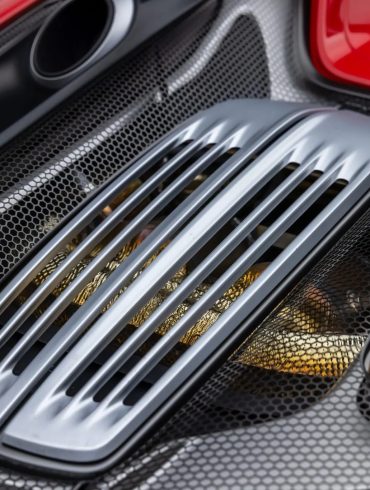
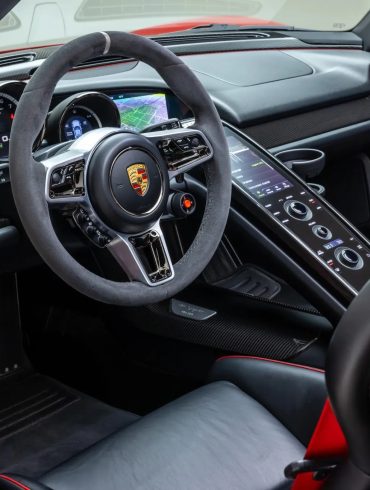
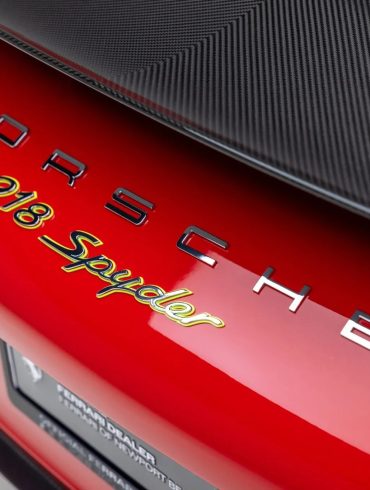
4.6-Liter Naturally Aspirated V8 - 918 Spyder
A high-revving, motorsport-inspired V8 that seamlessly fused with electrification to redefine hypercar performance.
Why It's On The List
(as fitted to the Porsche 918 Spyder)
The 4.6-liter naturally aspirated V8 at the heart of the 918 Spyder is one of Porsche’s greatest engines precisely because it was never meant to be polite. Its roots trace directly to Porsche’s RS Spyder LMP2 race program, and that lineage shows in everything from its sky-high redline to its razor-sharp throttle response. In a hypercar era defined by turbocharging and torque theatrics, Porsche chose a racing V8 that revved, screamed, and communicated effort—then added electrification rather than replacing emotion with it.
What makes this V8 special is how uncompromisingly it behaves like a race engine despite living in a road car. It revs to roughly 9,000 rpm, produces its power high in the band, and feels mechanically alive at all times. There’s no artificial sound augmentation, no torque masking, and no attempt to soften its character. Instead, the engine delivers a rising, metallic howl that builds with revs—an auditory signature that feels earned, not engineered. The electric motors don’t mute this experience; they frame it, filling gaps without stealing the spotlight.
Crucially, Porsche didn’t use electrification to excuse laziness elsewhere. The V8 is lightweight, compact, and mounted low for optimal center of gravity. It works with the hybrid system rather than relying on it, allowing the car to feel urgent at low speeds and ferocious at high ones. This is the rare hybrid where the combustion engine remains the emotional core of the car, not a background player. The result is performance that is not only staggering, but repeatable and controlled, even under extreme track use.
With time, the significance of this engine has only grown. As modern performance cars lean increasingly on boost, software, and silence, the 918’s V8 now feels like a last-of-its-kind artifact—a naturally aspirated race engine that just happened to coexist with batteries. Porsche would never build another hypercar engine like this again.
Engine & Drivetrain Summary (Example Model: Porsche 918 Spyder)
Engine: 4.6-liter naturally aspirated V8
Power (V8 alone): ~608 hp
Redline: ~9,000 rpm
Induction: Naturally aspirated
Lubrication: Dry-sump
Transmission: 7-speed PDK
Drivetrain: All-wheel drive (via front & rear electric motors)
Hybrid System: V8 complemented by dual electric motors for torque fill and traction
Known For (Engine)
Being derived directly from Porsche’s RS Spyder endurance-racing program
Delivering one of the last truly high-revving, naturally aspirated V8 experiences in a road car
Learn More
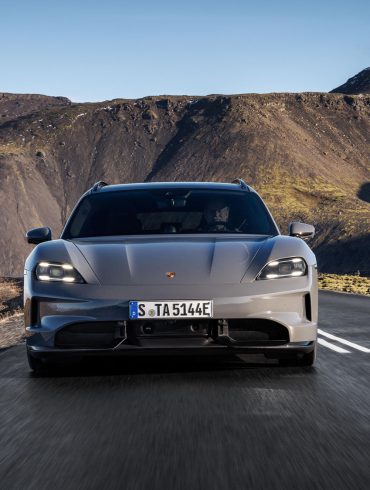
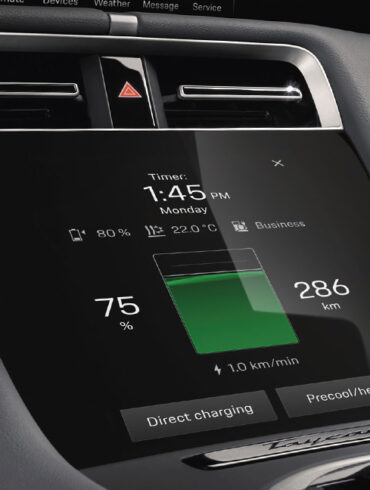
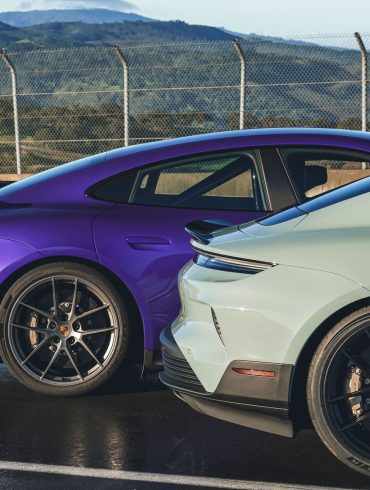
Dual Permanent Magnetic Synchronous AC Motors - Taycan
The electric motors driving Porsche's EV expansion.
Why It's On The List
(as fitted to the Taycan Turbo GT)
Yes, this is not the conventional ICE motor, but Porsche's electric powerplant is fully deserving of a spot on this list.
The carmaker's dual permanent magnetic synchronous AC motors underscore Porsche's purposeful entrance and subsequent expansion in the EV sector.
The electric motors are developed in-house at the Porsche Research and Development Centre in Weissach. They are also manufactured in-house by Porsche, demonstrating the carmaker's engineering depth.
Key advantages of Porsche's EV platform include high torque output, rapid acceleration and a compact framework that allows it to be integrated into various vehicle architectures.
The Taycan, Porsche's pioneering all-electric sports sedan, first showcased the capabilities of the carmaker's advanced motors.
The success of the Taycan has paved the way for further electrification, with the Macan EV joining the lineup and the all-new Porsche Cayenne Electric range.
Dual Permanent Magnetic Synchronous AC Motor Specs (Taycan Turbo GT)
Engine: Permanent Magnetic Synchronous AC Motors (Front and Rear)
Type: Electric
Power: 777 hp (up to 1,093 hp with Overboost function for short bursts)
Combined Torque: 988 ft-lbs
Transmission: 2-speed transmission on the rear axle and single-speed gearbox on the front axle.
Known For
Insane acceleration. The Porsche Taycan Turbo GT, powered by dual AC motors can hit 60 mph in just 2.1 seconds.
In the latest iteration of the Porsche Taycan, a boost function temporarily increases the output of the electric motors to over 1,000 hp.
Learn More
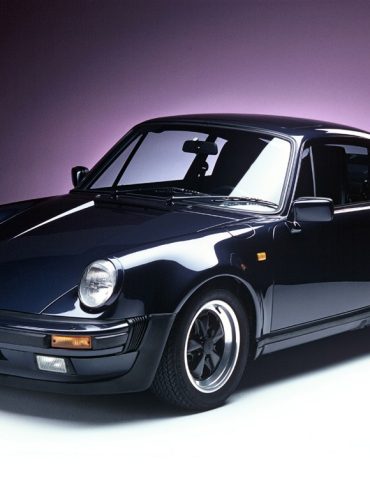
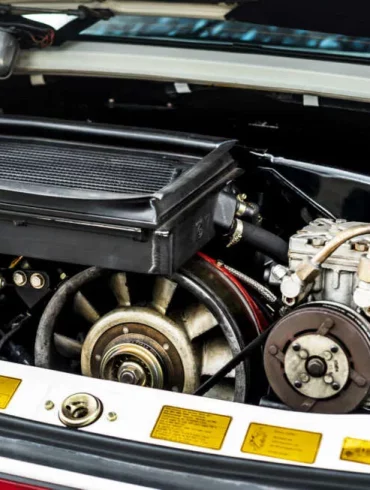
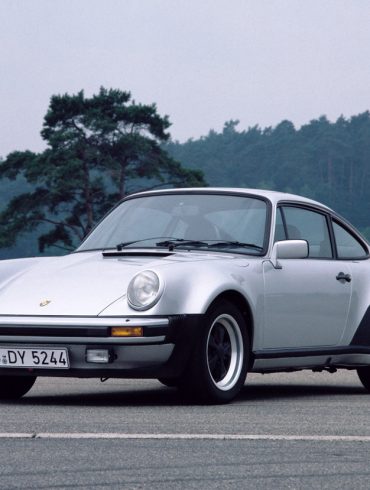
3.6-Liter Twin-Turbo Flat-Six (Type 930)
The engine that introduced fear, boost lag, and raw turbo drama into the 911—and made “Turbo” a permanent Porsche myth.
Why It's On The List
(as fitted to the Porsche 911 Turbo (930))
The turbocharged flat-six developed for the Porsche 930 didn’t just add forced induction to the 911—it fundamentally changed the car’s personality and reputation. Introduced in turbocharged form in the mid-1970s and evolving into its definitive 3.3-liter intercooled version in 1978, this engine made the 911 genuinely intimidating for the first time. It wasn’t designed to be friendly, progressive, or forgiving. It was designed to dominate long straights, punish hesitation, and reward drivers who understood boost.
What makes the 930 engine one of Porsche’s greatest is its raw, analog relationship with turbocharging. This was pre-electronics, pre-torque management, pre-driver aids. Boost arrived late, violently, and without apology. Below boost, the engine felt manageable—almost calm. Above it, power surged in a way that permanently rewired how drivers thought about turbo cars. The infamous lag wasn’t a flaw; it was a defining characteristic that demanded anticipation, mechanical sympathy, and respect.
From an engineering perspective, the 930 motor was also a proving ground. Porsche learned—sometimes the hard way—how to manage heat, boost pressure, and durability in high-output forced-induction engines. The addition of the intercooler in 1978 was transformative, increasing both reliability and performance while setting the template for every Turbo 911 that followed. In many ways, this engine represents Porsche learning turbocharging in public, and emerging better for it.
Engine & Drivetrain Summary (Porsche 911 Turbo 3.3 – 930)
Engine: 3.3-liter air-cooled flat-six (Type 930)
Power: ~300 hp (varies by year/market)
Induction: Single turbocharger with intercooler
Lubrication: Dry-sump
Transmission: 4-speed manual
Drivetrain: Rear-engine, RWD
Cooling: Air-cooled with oil cooling and intercooling
Known For
Introducing brutal, lag-heavy turbocharging to the 911—and making it iconic
Establishing the foundation for every high-performance Turbo Porsche that followed
Learn More
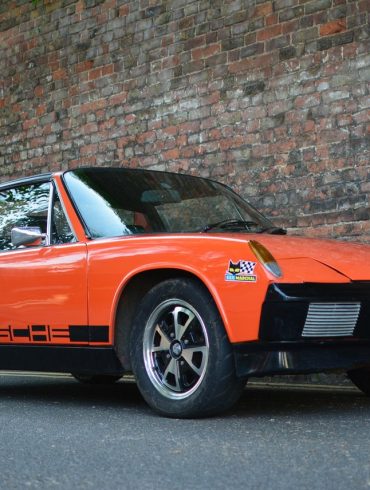
2.0-Liter Flat-Four (914 / 912E)
Underappreciated but pivotal, this engine powered Porsche’s first mid-engine road cars and proved balance could matter more than cylinders.
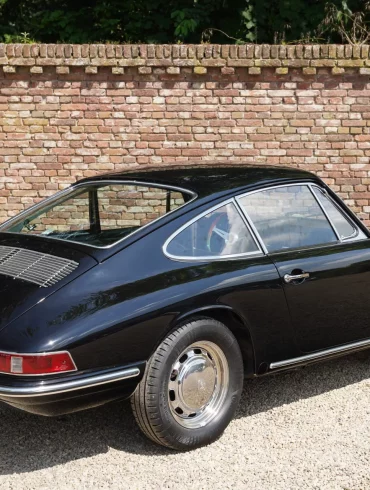
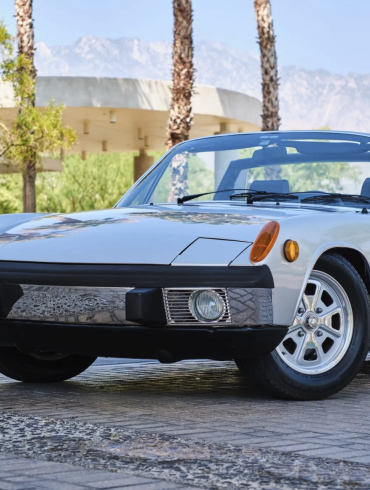
Why It's On The List
(as fitted to the Porsche 914‑4 2.0 and Porsche 912E)
The 2.0-liter flat-four used in the Porsche 914-4 2.0 and later the 912E is one of Porsche’s most misunderstood great engines—not because it lacked sophistication, but because it lacked mythology. Overshadowed by six-cylinder 911s and burdened by its Volkswagen associations, this engine was dismissed for decades as “not enough Porsche.” In reality, it embodied something Porsche has always valued deeply: balance, efficiency, and real-world drivability.
What separates the 2.0 from earlier four-cylinder Porsche engines is that it was purpose-engineered by Porsche, not merely adapted. The 914-4 2.0 received Porsche-specific cylinder heads, Bosch L-Jetronic fuel injection, and a torque-focused tune that made it far more usable than its displacement suggested. In a lightweight chassis, the engine delivered smooth, immediate response and remarkable longevity—traits Porsche engineers prized even if badge-snobs did not.
Crucially, this engine enabled Porsche’s first true mid-engine road car to function exactly as intended. The flat-four’s compact size and modest heat output allowed optimal weight distribution, low center of gravity, and predictable handling. Rather than overpowering the chassis, the engine worked with it, creating a driving experience defined by momentum, precision, and feedback. Decades later, Porsche would rediscover this exact formula with the Boxster and Cayman—proving the concept was never flawed, just ahead of its time.
The 912E adds further significance. Built for a single model year in 1976, it used the same 2.0-liter flat-four to keep an entry-level 911 alive during a transitional period.
Engine & Drivetrain Summary (Porsche 914-4 2.0)
Engine: 2.0-liter air-cooled flat-four
Power: ~95 hp
Induction: Bosch L-Jetronic fuel injection
Redline: ~5,800 rpm
Transmission: 5-speed manual
Drivetrain: Mid-engine, RWD
Known For
Powering Porsche’s first true mid-engine production road car
Delivering exceptional balance, durability, and real-world usability
Learn More
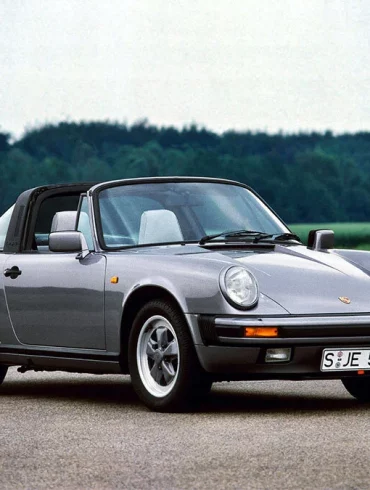
3.2-Liter Carrera Flat-Six (1984–1989)
The most robust and usable classic 911 engine, blending air-cooled charm with real-world durability and torque.
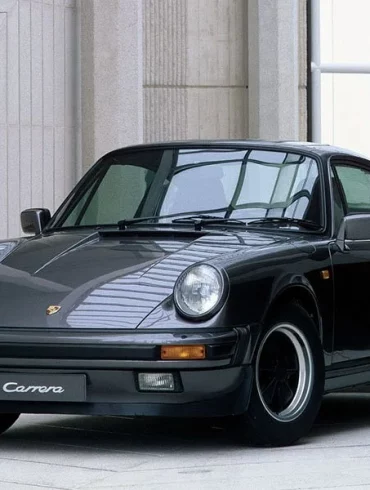
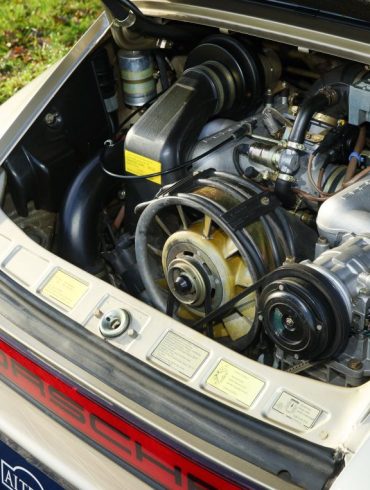
Why It's On The List
(as fitted to the Porsche 911 Carrera 3.2)
The 3.2-liter Carrera flat-six occupies a special place in Porsche history because it represents the moment when decades of air-cooled evolution finally converged into something both emotionally rich and genuinely durable. Introduced in 1984 to replace the 911 SC’s 3.0-liter engine, the 3.2 wasn’t revolutionary in concept—but it was transformational in execution. Porsche set out to build an engine that preserved air-cooled character while addressing reliability, drivability, and emissions head-on—and succeeded.
What elevates the 3.2 above earlier air-cooled engines is balance. Power delivery is linear and usable, torque is accessible without sacrificing revs, and the engine feels mechanically alive without being temperamental. The introduction of Bosch Motronic engine management was pivotal: it brought modern fuel and ignition control to an air-cooled platform, improving cold starts, efficiency, and longevity without muting personality. This was the first air-cooled 911 engine that truly felt comfortable being driven every day.
From a durability standpoint, the 3.2 earned its reputation the hard way—by surviving. Strong bottom ends, robust cases, and conservative tuning made these engines famously long-lived when properly maintained. Unlike some earlier high-strung air-cooled units, the 3.2 thrived on mileage. It didn’t demand constant attention or specialist indulgence; it rewarded regular use. That real-world resilience is a major reason why so many 3.2 Carreras are still on the road—and still driven hard—today.
Engine & Drivetrain Summary (Porsche 911 Carrera 3.2)
Engine: 3.2-liter air-cooled flat-six
Power: ~207–231 hp (market/year dependent)
Induction: Bosch Motronic fuel injection
Redline: ~6,300 rpm
Transmission: 5-speed manual (915 or G50, depending on year)
Drivetrain: Rear-engine, RWD
Cooling: Air-cooled with extensive oil cooling
Known For
Being the most reliable and usable classic air-cooled 911 engine
Perfectly balancing air-cooled character with modern drivability
Learn More
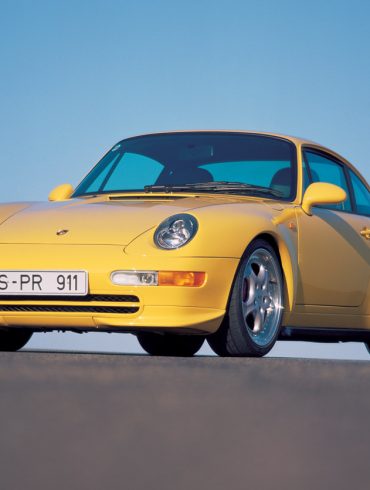
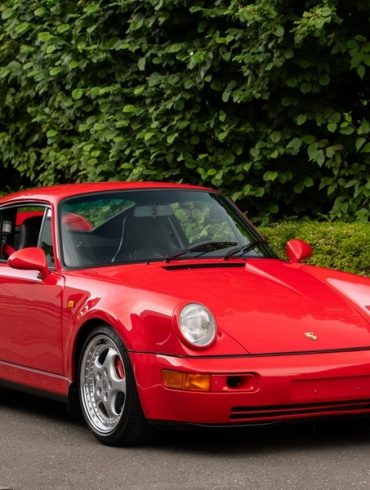
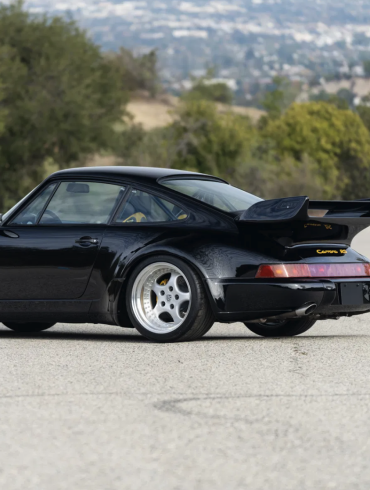
3.8-Liter Air-Cooled Flat-Six (RSR / RS 3.8)
The ultimate evolution of air cooling: brutally strong, endurance-focused, and the closest thing Porsche sold to a race engine for the road.
Why It's On The List
(as fitted to the Porsche 911 Carrera RS 3.8 (964), Porsche 911 Carrera RS 3.8 (993), and factory RSRs)
The 3.8-liter air-cooled flat-six represents the absolute ceiling of what air cooling could achieve, and Porsche knew it. This engine was not created to be elegant or user-friendly—it was built because Porsche’s racing program demanded more torque, more durability, and more authority at speed. By the early 1990s, Porsche engineers were stretching air-cooled architecture to its physical limits, and the 3.8 was the result of that final, uncompromising push.
What makes this engine one of the greatest Porsche engines ever built is its direct lineage to factory race cars. In both the 964 and 993 RS 3.8, the engine shares core philosophy and hardware with the contemporary RSRs: strengthened internals, aggressive cam profiles, massive oil cooling capacity, and a tuning focus on sustained high-load running rather than refinement. This was not a “bored-out road engine”—it was a motorsport powerplant reluctantly adapted for homologation purposes.
From behind the wheel, the 3.8 feels fundamentally different from smaller air-cooled engines. Torque arrives with authority, revs build relentlessly, and the engine feels unshakeable under abuse. Where the 2.7 RS engine dances and the 3.2 Carrera engine harmonizes, the 3.8 asserts itself. It is less playful but vastly more serious—an engine that feels built for hours of flat-out running rather than moments of brilliance. That character made it perfectly suited to endurance racing and brutally focused RS road cars.
The timing of the 3.8’s existence is critical to its legacy. Shortly after its final evolution in the 993 RS, Porsche abandoned air cooling entirely. Regulations, noise limits, and thermal realities closed the door permanently. That makes the 3.8 not just the most powerful air-cooled flat-six Porsche ever sold—it makes it an endpoint engine, one that could never be repeated or meaningfully improved.
Engine & Drivetrain Summary (Porsche 911 Carrera RS 3.8 – 964)
Engine: 3.8-liter air-cooled flat-six
Power: ~300 hp
Induction: Naturally aspirated
Fueling: Mechanical fuel injection (RS-spec tuning)
Redline: ~7,200 rpm
Transmission: 5-speed manual
Drivetrain: Rear-engine, RWD
Cooling: Extensive oil cooling with motorsport-grade components
Known For
Being the most powerful and race-derived air-cooled flat-six Porsche ever produced
Marking the absolute end of air-cooled motorsport development
Learn More
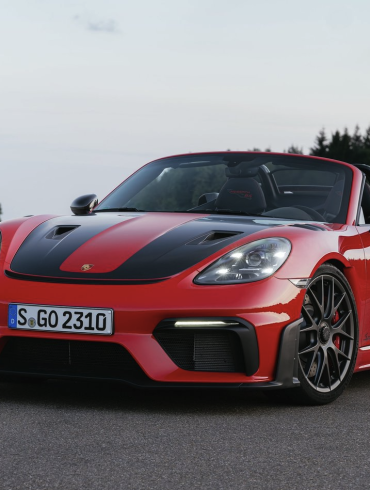
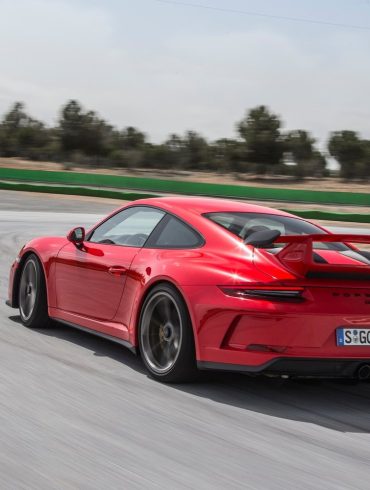
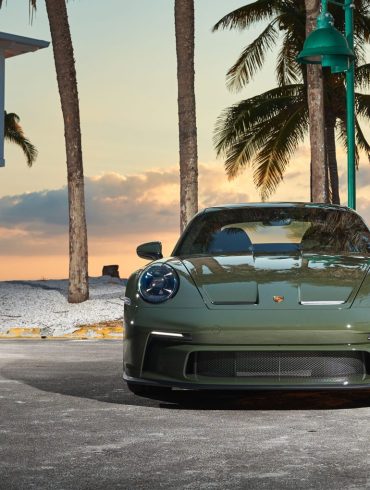
4.0-Liter Naturally Aspirated GT3 Flat-Six (991 / 992 / GT4 RS / Spyder RS)
A modern masterpiece that proves emissions, reliability, and a 9,000-rpm redline can coexist without losing emotion.
Why It's On The List
(as fitted to the Porsche 911 GT3)
The 4.0-liter naturally aspirated GT3 flat-six found in the 991 and 992 generations is one of Porsche’s greatest engines not because it is romantic or nostalgic, but because it is astonishingly good despite modern limitations. Emissions rules, noise regulations, durability requirements, and global compliance pressures should have killed engines like this entirely. Instead, Porsche delivered a powerplant that revs to 9,000 rpm, produces meaningful torque without turbocharging, and survives relentless track abuse—something almost no contemporary naturally aspirated engine can claim.
What elevates this engine into Porsche’s all-time greats is how completely it preserves driver connection in a digital era. Throttle response is immediate and precise, power builds linearly rather than theatrically, and the engine communicates load, revs, and effort with clarity. There is no boost masking mistakes, no torque wave hiding poor gear selection. You drive the engine properly—or it exposes you. That honesty is increasingly rare, and Porsche protected it deliberately.
Equally important is how this engine performs under real use, not just in ideal conditions. Unlike many high-revving performance engines that feel fragile or precious, the GT3’s 4.0 thrives on abuse. Oil control, cooling capacity, valvetrain durability, and bottom-end strength are engineered to withstand repeated track sessions at full throttle. This is a racing philosophy applied to a road engine—not in spirit, but in execution.
It represents a new kind of endpoint—not the last naturally aspirated Porsche engine, but likely the last one of this character and freedom. Hybridization, electrification, and sound limits will eventually close this window.
Engine & Drivetrain Summary (Porsche 911 GT3 – 992)
Engine: 4.0L naturally aspirated flat-six
Power: ~502–518 hp (generation/market dependent)
Redline: ~9,000 rpm
Induction: Naturally aspirated
Fueling: Direct fuel injection
Transmission: 6-speed manual or 7-speed PDK
Drivetrain: Rear-wheel drive
Lubrication: Dry-sump-style integrated oil system
Known For
Preserving a 9,000-rpm naturally aspirated experience in the modern era
Delivering race-level durability with road-car compliance
Learn More
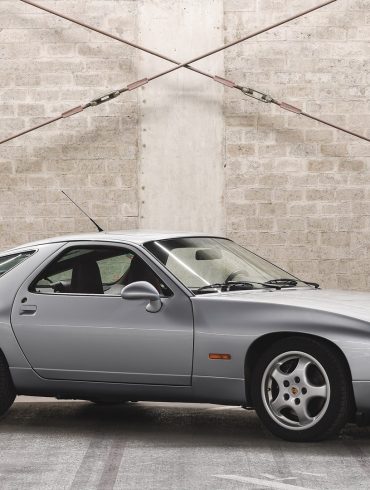
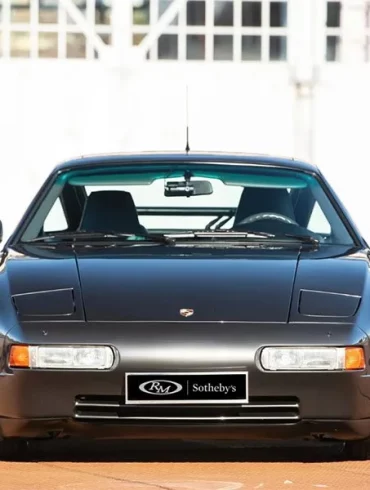
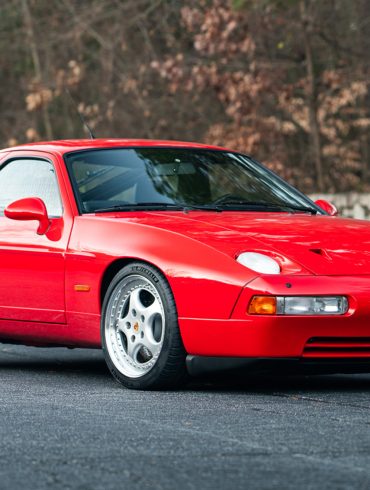
M28/49 – M28/50 (1992–1995 928 GTS)
The Most Overengineered Porsche Engine Nobody Talks About Enough. Porsche’s Ultimate Grand-Touring Engine
Why It's On The List
The M28/49–M28/50 5.4-liter V8 represents the final and most complete expression of Porsche’s transaxle-era engineering ambition. By the early 1990s, Porsche had spent more than a decade refining the 928 concept, and the GTS engine is where everything finally converged: displacement, torque, durability, and refinement. This wasn’t a sports-car engine chasing peak numbers—it was engineered to sustain very high speeds for very long periods, exactly as a true Porsche flagship should.
What makes this V8 one of Porsche’s greatest engines is its overengineering. All-aluminum construction, DOHC 32-valve heads, and conservative tuning produced immense torque without stress. Power delivery is effortless and linear, with a calm authority that feels fundamentally different from Porsche’s flat-six motors. The engine doesn’t need to be worked hard to be devastatingly effective—and that restraint is precisely the point. Porsche designed this V8 to feel unbreakable, not excitable.
Equally important is how seamlessly the engine integrates into the 928’s transaxle layout. With the gearbox at the rear and the Weissach axle managing rear-end stability, the V8’s torque never overwhelms the chassis. Instead, the car feels planted, composed, and supremely confident at speed. Where rear-engined 911s demand constant attention, the 928 GTS settles into speed—and the V8 is the reason it can do so without drama.
The timing of the M28/49–50 gives it added significance. Porsche never replaced the 928 with another front-engine V8 flagship. Emissions costs, market shifts, and internal priorities closed the door on this entire philosophy. That makes the GTS engine an endpoint powerplant, much like the air-cooled RS 3.8 or Mezger 4.0—an example of Porsche fully committing to an idea and finishing it properly before walking away.
Engine & Drivetrain Summary (Porsche 928 GTS)
Engine: 5.4-liter naturally aspirated V8 (M28/49–M28/50)
Power: ~345 hp
Torque: ~369 lb-ft
Induction: Naturally aspirated
Valvetrain: DOHC, 32 valves
Transmission: 5-speed manual or 4-speed automatic
Drivetrain: Front-engine, RWD
Known For
Being one of the most durable and overbuilt engines Porsche ever produced
Delivering effortless, sustained high-speed performance unmatched by any other Porsche V8
Learn More
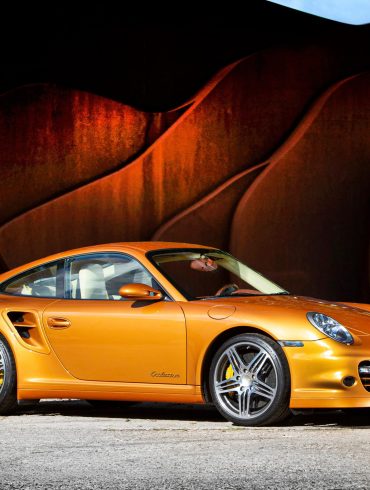
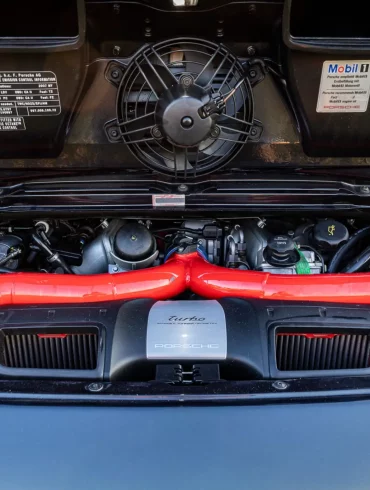
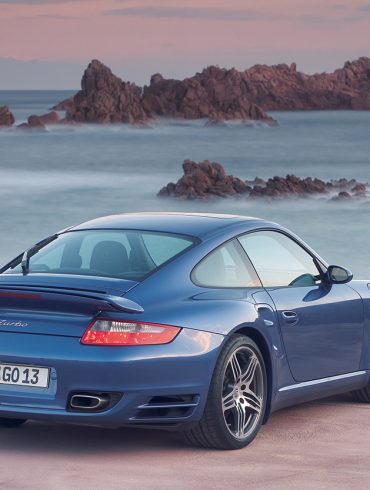
997 Turbo Mezger — Forced Induction Perfected
Perfecting turbo response while retaining Mezger durability. Wdely regarded as the best all-around Turbo engine Porsche has ever built—fast enough to rival modern supercars, robust enough to be driven without fear, and tons of charisma.
Why It's On The List
(as fitted to the Porsche 911 Turbo (997))
The 997 Turbo Mezger represents the moment Porsche finally solved turbocharging for the road without sacrificing character, durability, or drivability. By the time the 997 Turbo arrived in 2007, Porsche had spent three decades learning hard lessons from the 930 through the 996. The result was a turbocharged flat-six that delivered immense performance without fear, blending brutal capability with everyday usability in a way no previous Turbo 911 could manage.
What elevates the 997 Turbo engine into Porsche’s all-time greats is how completely it balances extremes. It retains the race-derived Mezger architecture—dry sump with external oil tank, separate crankcase halves, forged internals—yet introduces variable turbine geometry (VTG) turbochargers, a world first for a gasoline engine. VTG effectively erased traditional turbo lag while preserving top-end punch, giving the engine immediacy at low rpm and relentless thrust at high speed. This wasn’t just fast—it was intelligently fast.
Equally important is how indestructible the engine feels under sustained load. Unlike many modern turbo engines that chase peak output at the expense of thermal margin, the Mezger was engineered for endurance. Repeated hard launches, track abuse, high-speed Autobahn runs—this engine thrives under conditions that would punish lesser designs. It’s one of the rare turbocharged road engines that feels understressed, even while producing supercar-level numbers.
With time, the 997 Turbo Mezger has become a clear endpoint engine. Porsche moved away from the Mezger architecture after this generation, not because it was flawed, but because it was too expensive and too racing-focused for a changing world. Later Turbo engines became more efficient and more integrated—but none have matched the 997’s combination of mechanical honesty, durability, and emotional weight. In hindsight, this engine is the turbocharged equivalent of the Mezger 4.0: a final, perfected statement.
Engine & Drivetrain Summary (Porsche 911 Turbo – 997)
Engine: 3.6-liter twin-turbo flat-six (Mezger-based)
Power: 480 hp (Turbo) / 530 hp (Turbo S)
Torque: ~457 lb-ft
Induction: Twin turbo with VTG
Lubrication: True dry-sump with external oil tank
Transmission: 6-speed manual or 5-speed Tiptronic
Drivetrain: All-wheel drive
Cooling: Large intercoolers and motorsport-grade thermal management
Known For
Being the last truly race-derived Turbo engine Porsche ever built