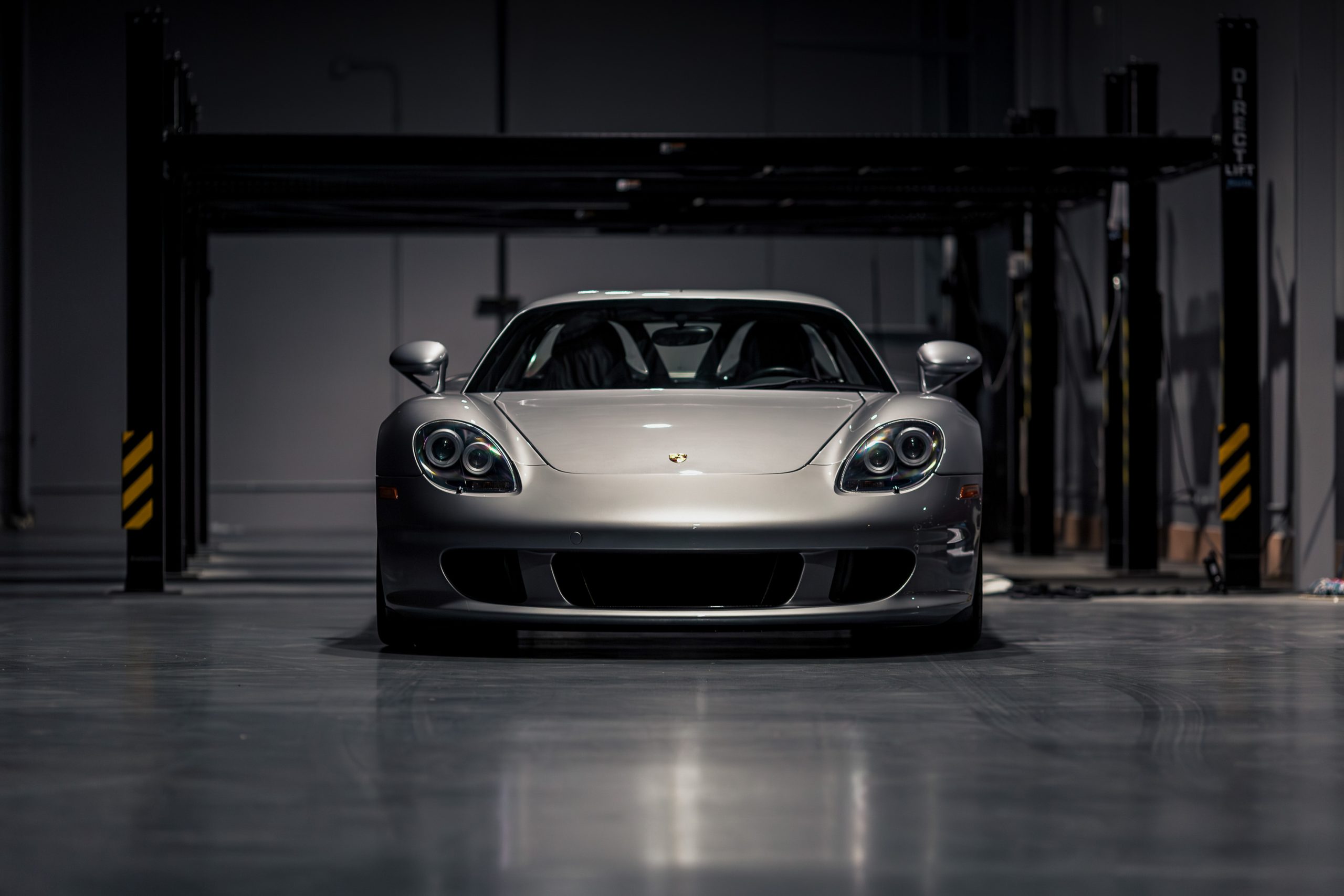

Porsche 911 (992) Buyer's Guide
Buying a 992 Generation Porsche 911 (2020 - Present)? Our Buyer’s Guide Covers Variants, Issues, Values, Tips, What To Expect & More.
The Porsche 911 (992) represents the most advanced and capable evolution of the 911 yet, combining breathtaking performance, everyday usability, and unmistakable design into a sports car that feels equally at home on a winding mountain road or a long-distance drive.
Wider, more refined, and more technologically sophisticated than any generation before it, the 992 delivers extraordinary speed and precision while still preserving the character and soul that have defined the 911 for over six decades. For buyers, this generation offers an exceptional blend of modern luxury and thrilling performance, making it one of the most complete sports cars available today.
In this Porsche 911 (992) Buyer’s Guide, we take you through everything you need to know before making the leap into ownership. We break down the key models and variants, from Carrera and GTS to Turbo and GT-focused machines, analyze real-world market values, highlight potential issues and maintenance considerations, and provide expert insight into what makes a great 992 example.
Whether you’re searching for a daily driver, weekend performance car, or future collectible, this guide helps you understand how to choose the right configuration and avoid costly mistakes.
We also go beyond the spec sheet to explore what it’s truly like to live with a 992 — how it drives, how it holds value, how it compares to previous generations, and which versions offer the best long-term appeal.
From first-time Porsche buyers to seasoned collectors, this guide is designed to give you the clarity, confidence, and expert perspective needed to identify the perfect 992 for your lifestyle and ensure your purchase is both exciting and smart.
Note: This write-up is mainly focused on used 992 Porsche prices. If you're shopping for a new Porsche 911 (992), check out our current lineup guide.
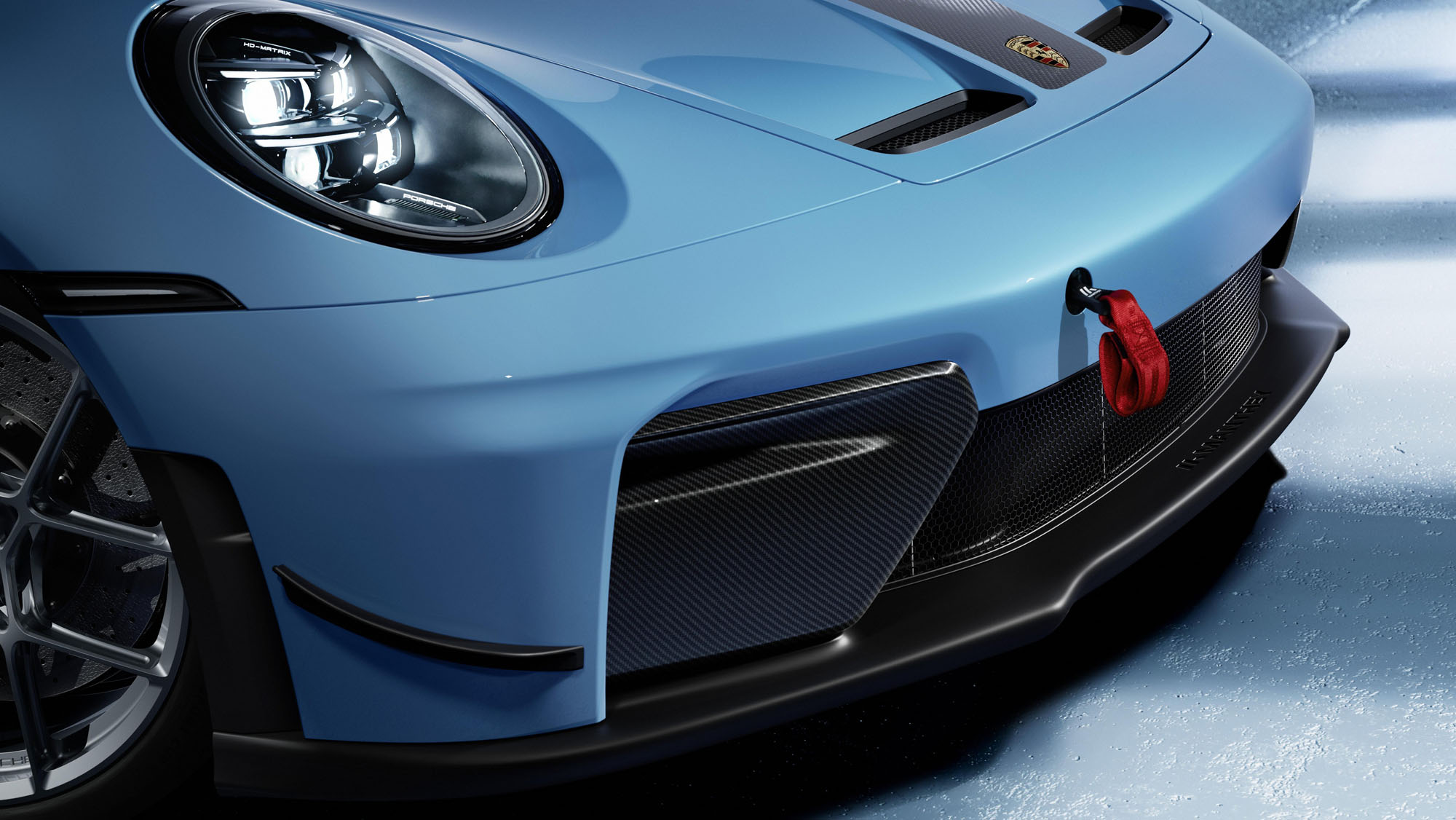

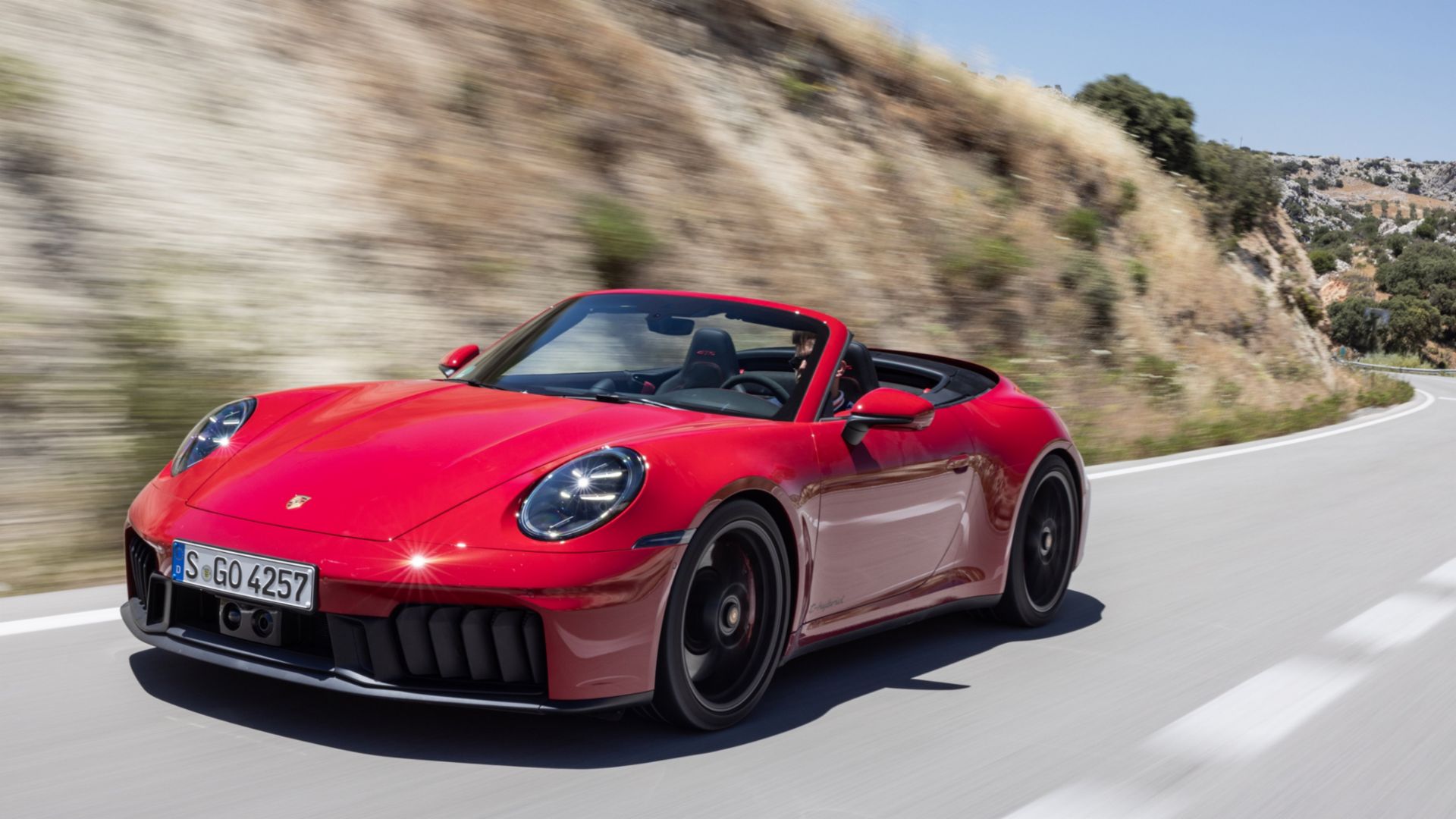
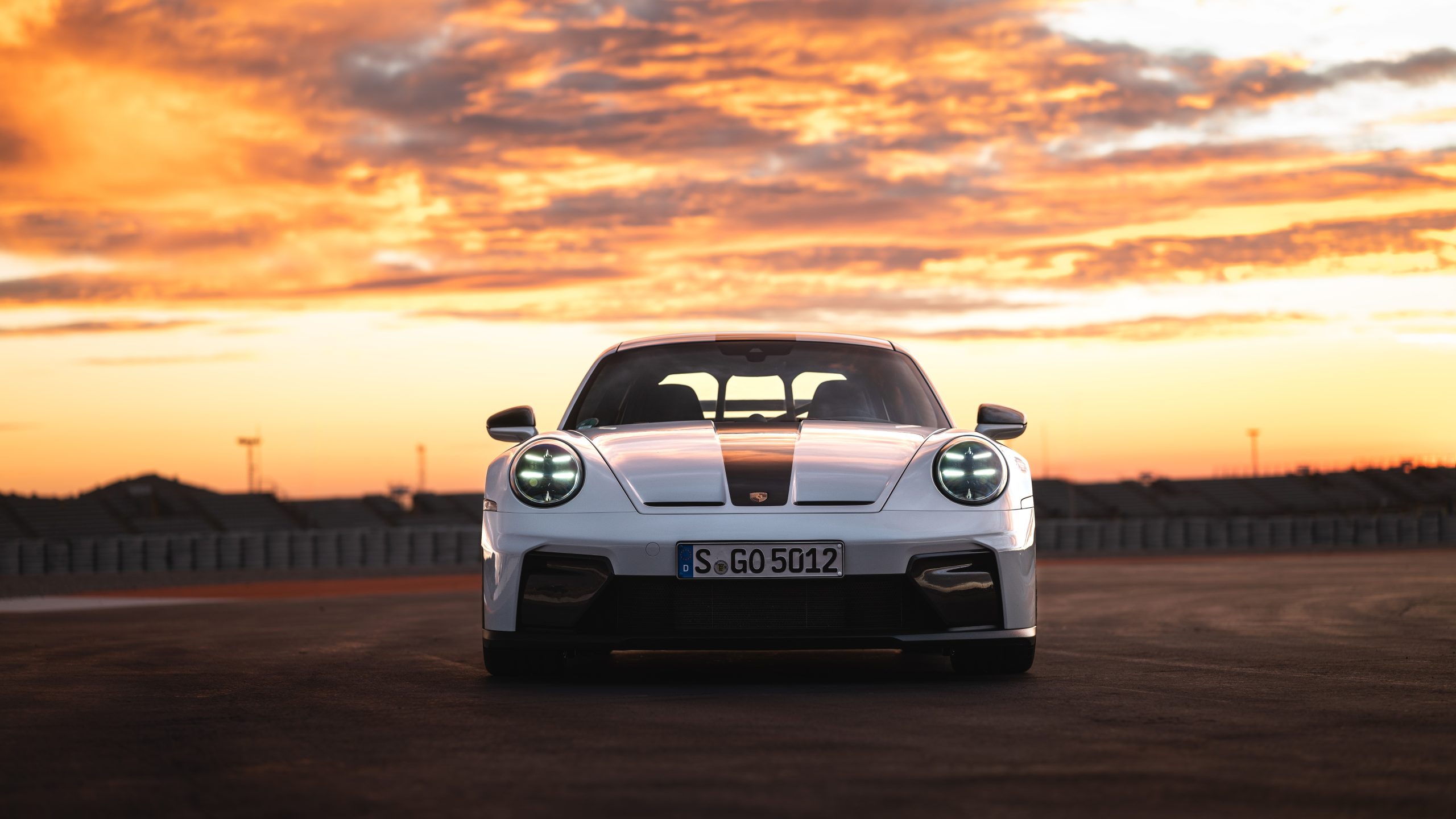
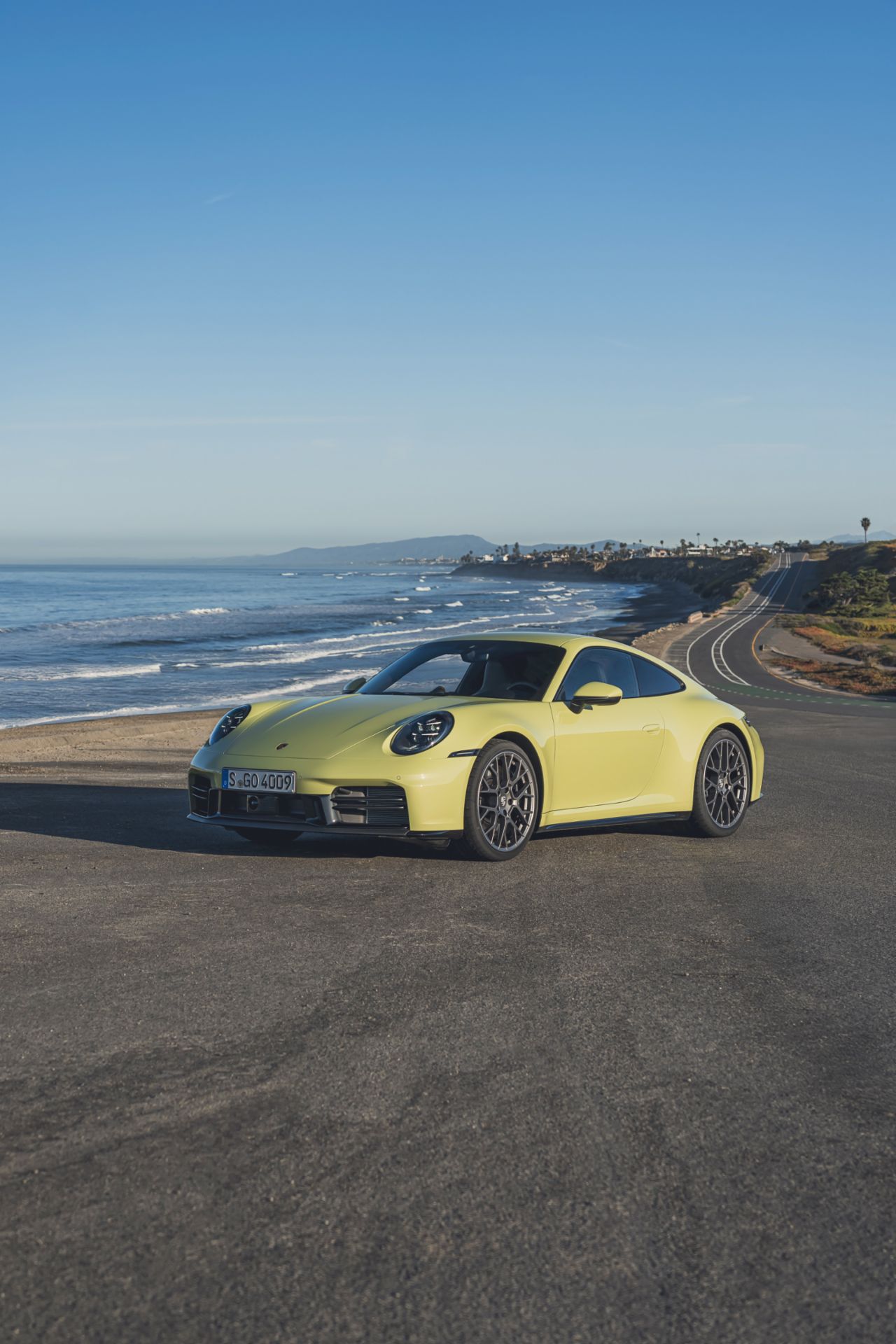

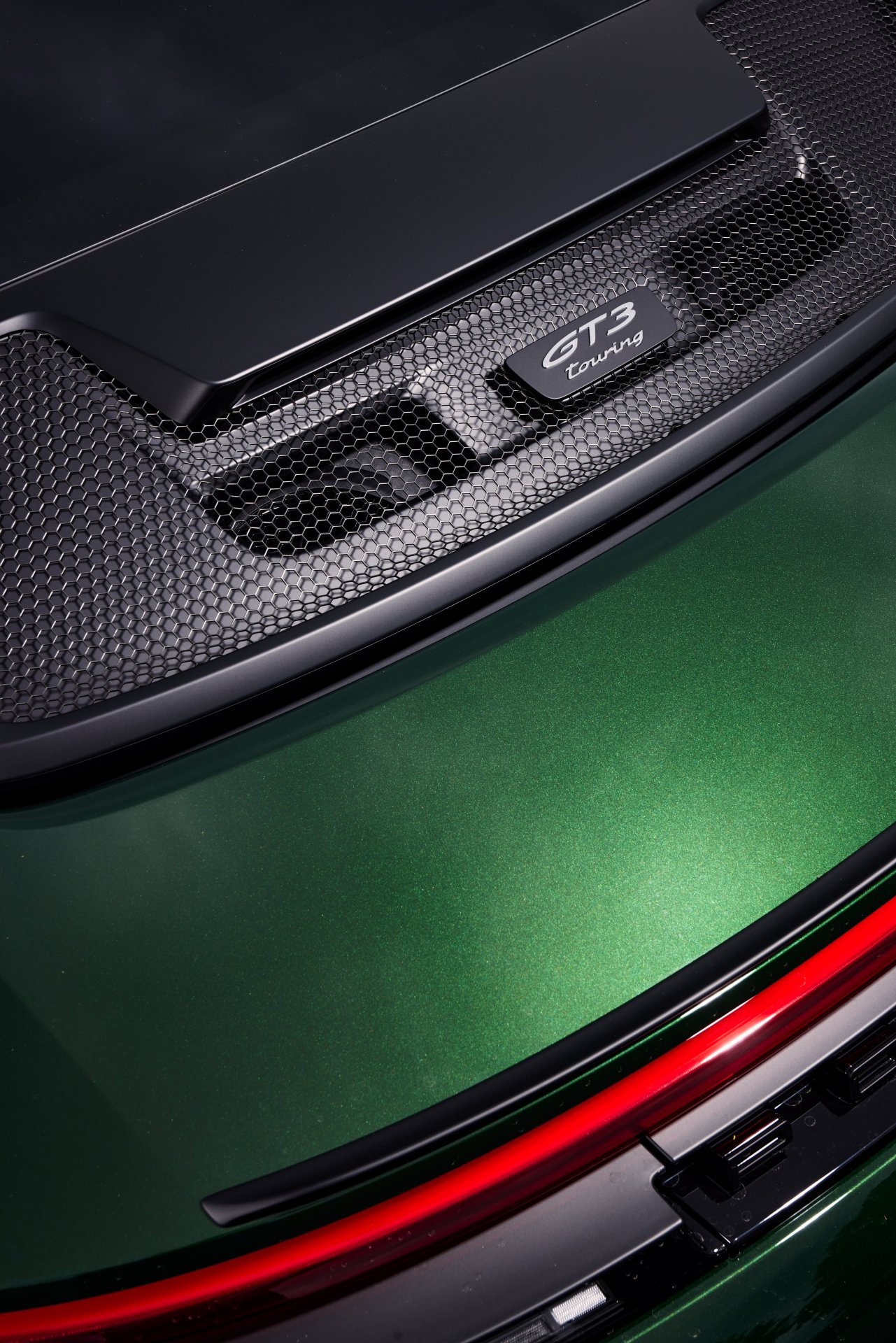
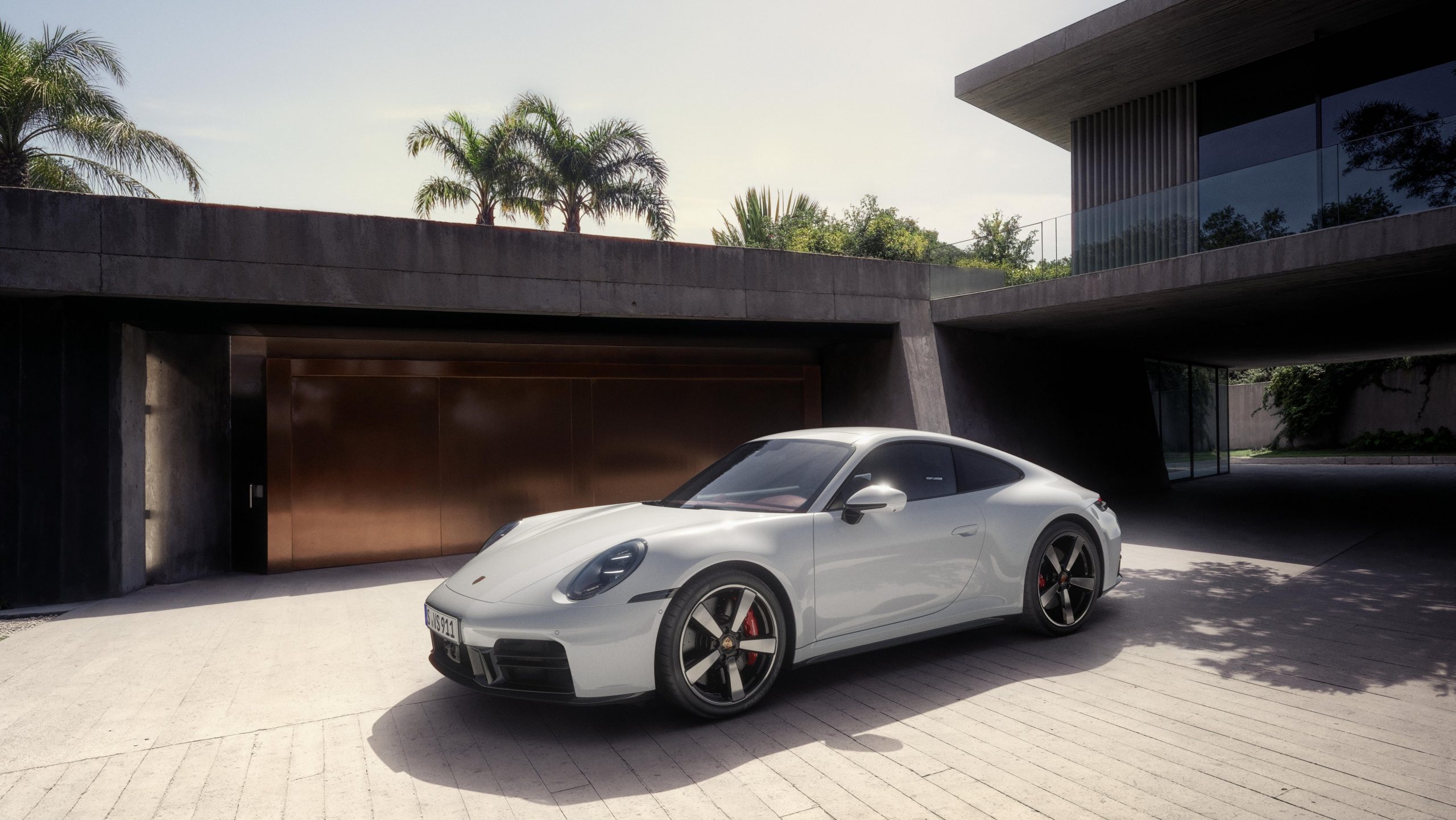
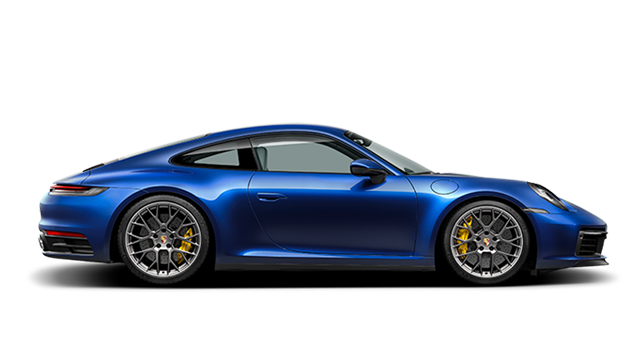

An Overview of the 992
The Porsche 911 (992) represents the most technologically advanced and dynamically capable interpretation of the 911 formula to date, elevating the model into a new realm of precision, performance, and refinement while preserving its unmistakable identity. Built on a heavily reengineered evolution of the 991 platform, the 992 introduced wider bodywork across the range, improved aerodynamics, and a more assertive stance, signaling its intent as both a performance benchmark and a modern luxury sports car. It is the generation where the 911 fully embraces its role as a high-performance machine suited equally for daily use and extreme driving.
From an engineering perspective, the 992 is a showcase of Porsche’s cutting-edge capabilities. The chassis features increased rigidity, new suspension geometry, and enhanced use of aluminum to reduce weight while improving structural strength. The 3.0-liter twin-turbo flat-six engines were refined for greater power, faster response, and improved efficiency, paired with the latest eight-speed PDK or a traditional manual transmission in select variants. Advanced systems such as Porsche Wet Mode, updated PASM, rear-axle steering, and sophisticated driver assistance technologies further push the car’s performance envelope while increasing safety and usability in real-world conditions.
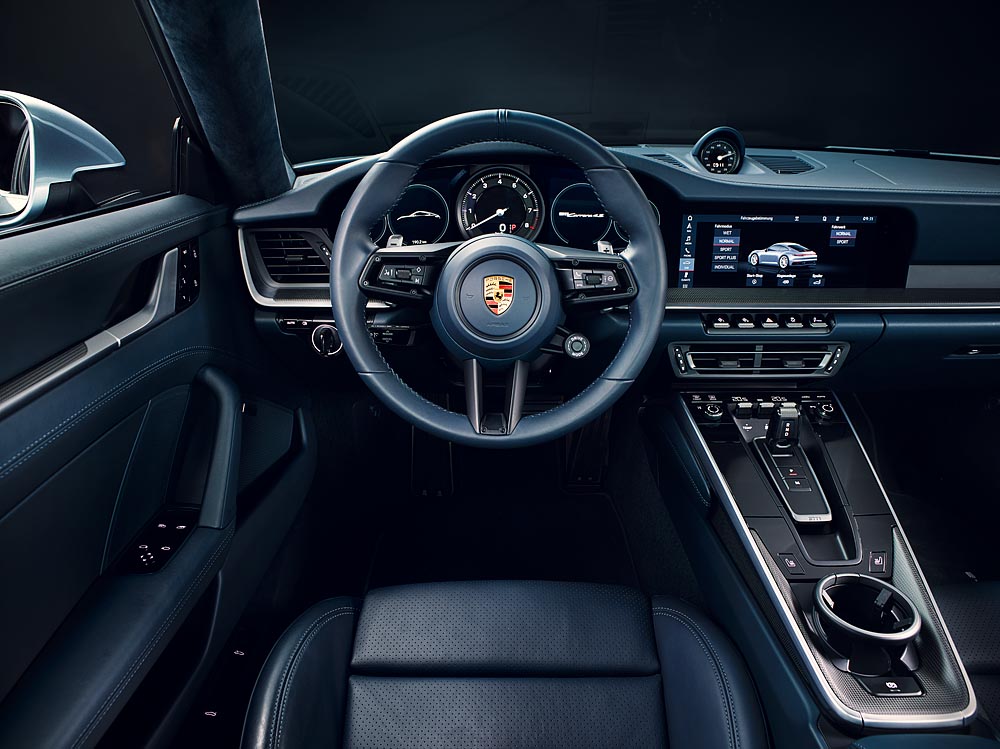
On the road, the 992 feels surgically precise yet remarkably approachable. It delivers explosive acceleration, exceptional stability at speed, and cornering confidence that borders on supercar territory. Despite its increased size and digital sophistication, it retains the core 911 traits of balance, rear-engine traction, and driver engagement. The cabin reflects this shift toward a more luxurious and tech-forward experience, blending classic design cues with modern infotainment and connectivity systems that reinforce the 911’s evolution into a contemporary performance icon.
The impact of the 992 lies in how it future-proofs the 911 without diluting its legacy. It sets new standards for performance, versatility, and daily drivability while maintaining the emotional appeal that has defined the model for six decades. As both a technological statement and a continuation of Porsche’s relentless pursuit of perfection, the 992 confirms that the 911 is not simply keeping pace with modern sports cars — it is still defining the category.
Why the 992 Generation Porsche 911 (2020 - Present) is an Awesome Sports Car to Buy
The Porsche 911 (992) stands as one of the most complete and capable sports cars ever produced, blending cutting-edge performance with everyday usability in a way few rivals can approach. It delivers supercar-level speed and precision while remaining comfortable, refined, and surprisingly practical for regular driving. Wider tracks, improved aerodynamics, and a more rigid chassis give the 992 extraordinary stability and confidence at speed, allowing drivers to experience its performance more fully and more safely than ever before. For buyers, this means access to breathtaking performance without the intimidation factor often associated with high-end sports cars.
What makes the 992 especially compelling is how effortlessly it adapts to different roles. It can be a thrilling weekend weapon on twisty roads, a long-distance grand tourer, or even a rewarding daily driver. The interior has reached new levels of quality and sophistication, offering modern infotainment, driver assistance systems, and premium materials that make ownership feel both special and seamlessly integrated into everyday life. This balance of performance and comfort is what separates the 992 from many track-only sports cars.
From a value perspective, the 992 also carries strong appeal. Porsche’s reputation for engineering longevity and high resale values means the 992 tends to depreciate far more gracefully than most luxury sports cars. The wide range of variants allows buyers to tailor their experience, from purist-focused models with manual transmissions to technology-rich performance flagships, ensuring there’s a version of the 992 that fits a broad range of driving styles and budgets.
Beyond numbers and specifications, the 992 continues the 911’s emotional legacy. It feels special every time you approach it, hear the flat-six fire up, or carve through a corner. It connects modern driving technology with timeless Porsche DNA in a way that feels authentic and intentional. For anyone seeking a sports car that delivers excitement, precision, comfort, and long-term satisfaction in one cohesive package, the 992 generation Porsche 911 stands as one of the smartest and most rewarding choices on the market today.
Porsche 911 (992) Models & Variants - A Quick Primer for Potential Buyers On The Variants & Specials To Think About.
We already have ultimate guide to the seventh generation Porsche 911 so we don't want to repeat everything here. Instead, we will give you a quick primer and summary about the main 992 911 variants, some of the core model year changes and we will talk about some special editions worth noting as you think about your potential purchase. If the 997 represented the perfect balance and the 991 the bridge to modernity, the 992 is the definitive expression of the fully modern 911 — a masterclass in how to modernize a legend without losing its soul.
Key Variants & Differences
The 992 represents the most sophisticated and technically advanced evolution of the iconic rear-engined sports car to date. While it unquestionably feels more modern and refined than any previous generation, the brilliance of the 992 lies in how Porsche has expanded the lineup into an extraordinarily wide ecosystem of distinct personalities.
The 992 in Context: Two Sub-Generations
Although visually cohesive, the 992 is divided into two major phases:
992.1 (2020–2024) – Introduced with turbocharged 3.0L engines across Carrera variants, debuting the new platform.
992.2 (2025–present) – Facelift introduces the revolutionary T-Hybrid system, revised interior technology, and further performance tuning.
This split is critical, as the 992.2 fundamentally alters the character and technology of the lineup.
Core Carrera Family: The Foundation
Carrera & Carrera S
The entry-level Carrera models retain a twin-turbo 3.0-liter flat-six producing:
Carrera: 379 hp (992.1) → ~388+ hp (992.2)
Carrera S: 443 hp → approx. 472 hp (992.2)
Carrera models prioritize everyday usability, comfort, and speed, while still delivering genuine Porsche performance. The S models sharpen responses with upgraded suspension and brakes, making them the traditional “sweet spot” for balanced ownership.
Carrera T
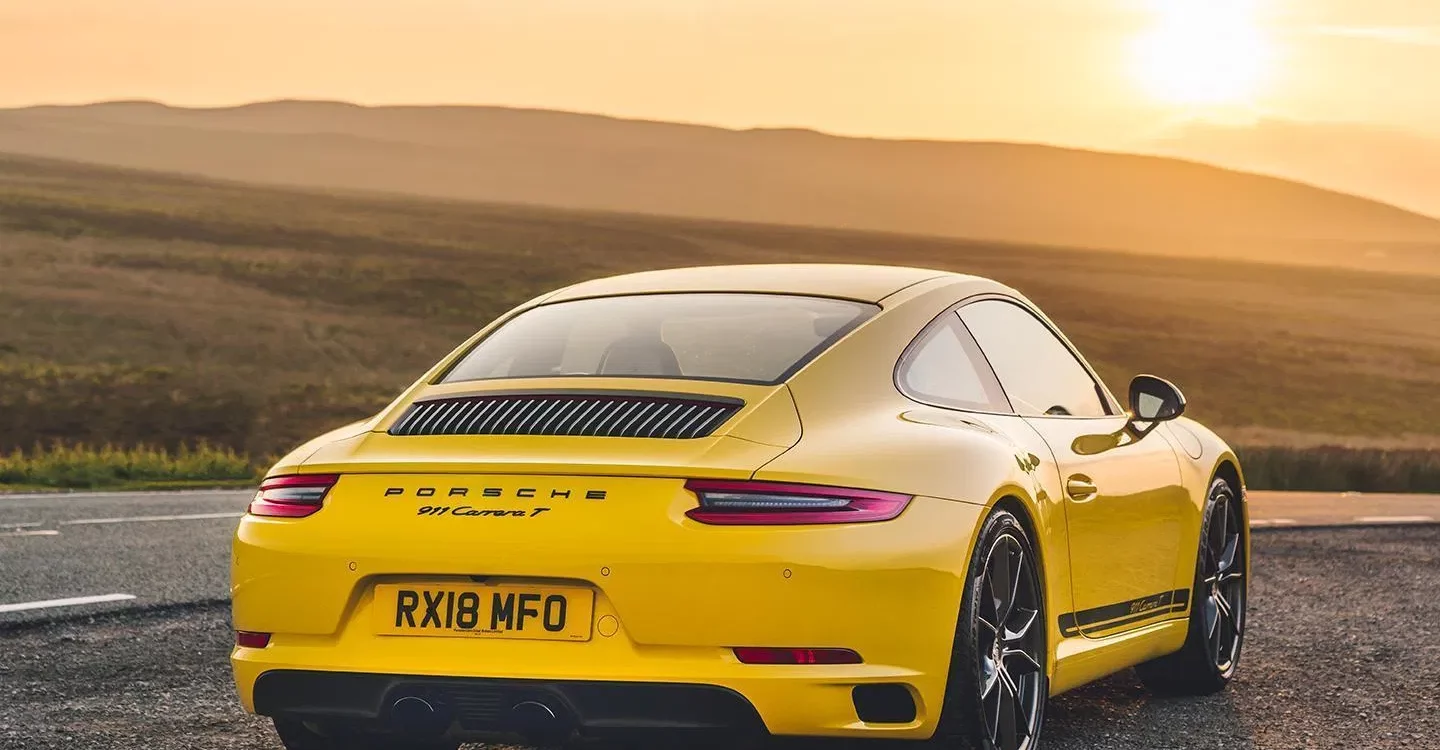
The Carrera T strips weight, lowers ride height, and focuses on driver engagement. It emphasizes purist features such as lightweight glass, minimal sound insulation, and a manual-friendly ethos. It is the thinking enthusiast’s Carrera — less about luxury, more about connection.
GTS & The T-Hybrid Revolution
The Carrera GTS has long sat between Carrera S and GT3, but in the 992.2 it undergoes the most radical transformation in 911 history.
Carrera GTS (T-Hybrid)
The new hybridized drivetrain combines:
Turbocharged flat-six
Electric motor integrated into transmission
Electrically assisted turbocharger
Power surpasses 530 hp, providing sharper response, blistering mid-range acceleration, and reduced lag. This marks Porsche’s first step into electrification for the 911, redefining what a “performance hybrid” means in the sports car world.
All-Wheel Drive Variants
Carrera 4, 4S, and GTS AWD models offer enhanced traction and stability, particularly in varied conditions. These models feature wider rear tracks and visually broader stance, making them popular among buyers prioritizing year-round usability and visual presence.
The Turbo Models: Supercar Territory
992 Turbo & Turbo S
These models represent the ultimate expression of everyday supercar performance:
Turbo: ~572 hp (992.1)
Turbo S: ~640 hp (992.1) → Turbo S: 701 hp (992.2)
With all-wheel drive, lightning-fast PDK, and tech such as Porsche Active Suspension Management and rear-wheel steering, they deliver extreme speed with remarkable approachability. The updated 992.2 Turbo S gets over 700hp from its hybrid powertrain. Things are getting nuts.
The GT Family: Precision & Purity
992 GT3
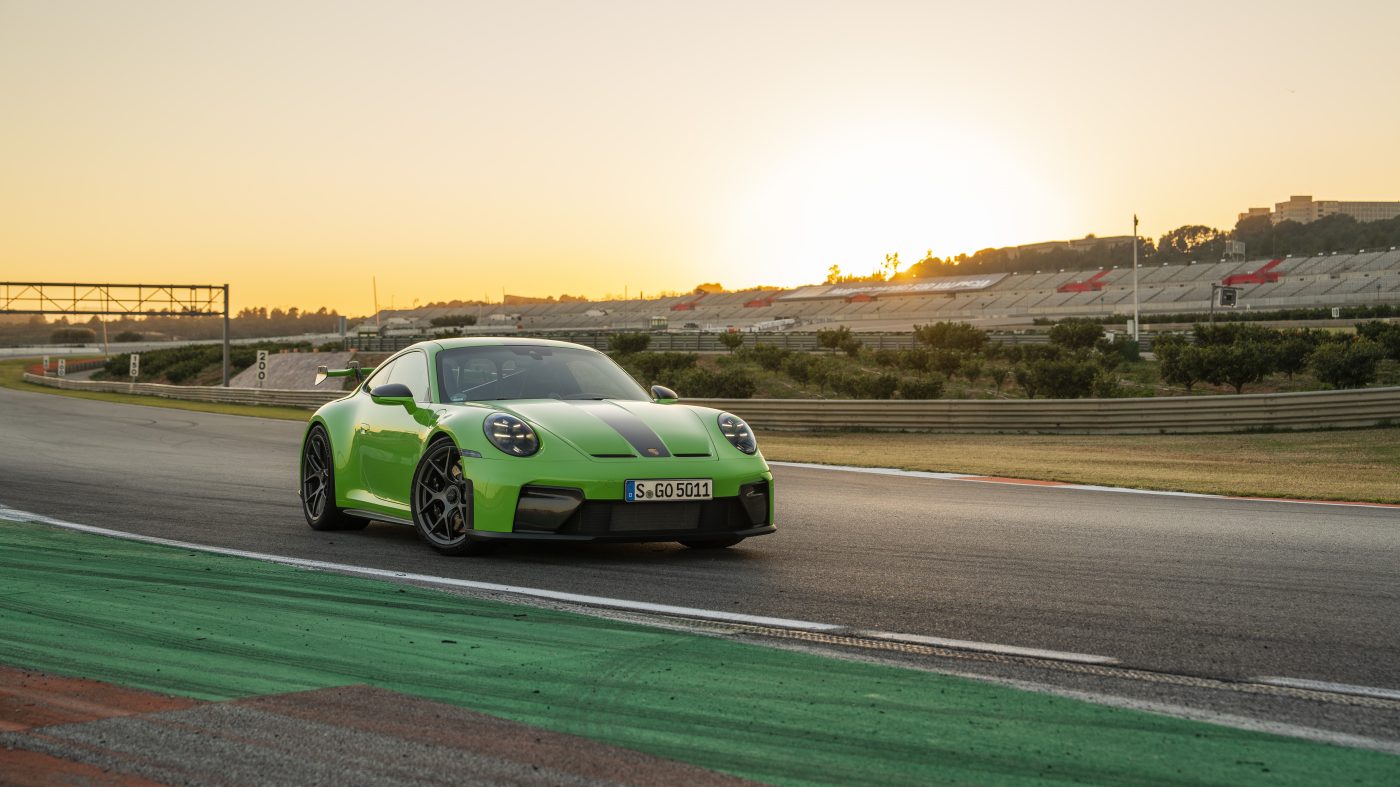
Featuring a naturally aspirated 4.0-liter engine, double-wishbone front suspension, and track-derived aerodynamics, the GT3 has become the benchmark for naturally aspirated performance in the modern era. It sacrifices comfort for mechanical purity and circuit dominance.
GT3 Touring
A subtler interpretation, the Touring omits the fixed wing in favor of understated elegance, offering GT3 mechanical brilliance with classic visual restraint — a modern cult favorite.
911 S/T
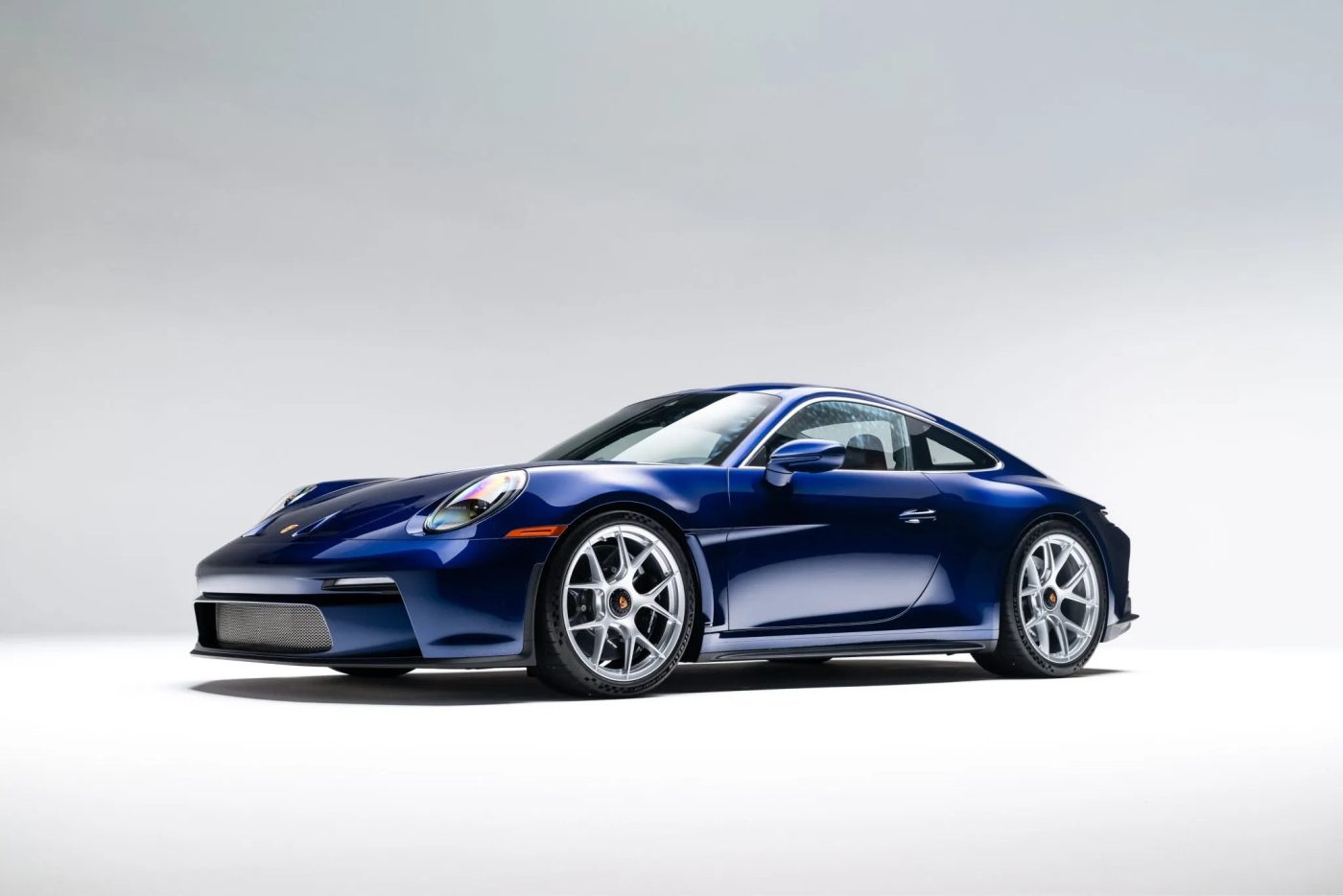
Introduced as a limited-production homage, the S/T blends GT3 RS technology with a manual transmission and extreme weight reduction — perhaps the purest modern 911 for enthusiasts.
Targa & Cabriolet Models
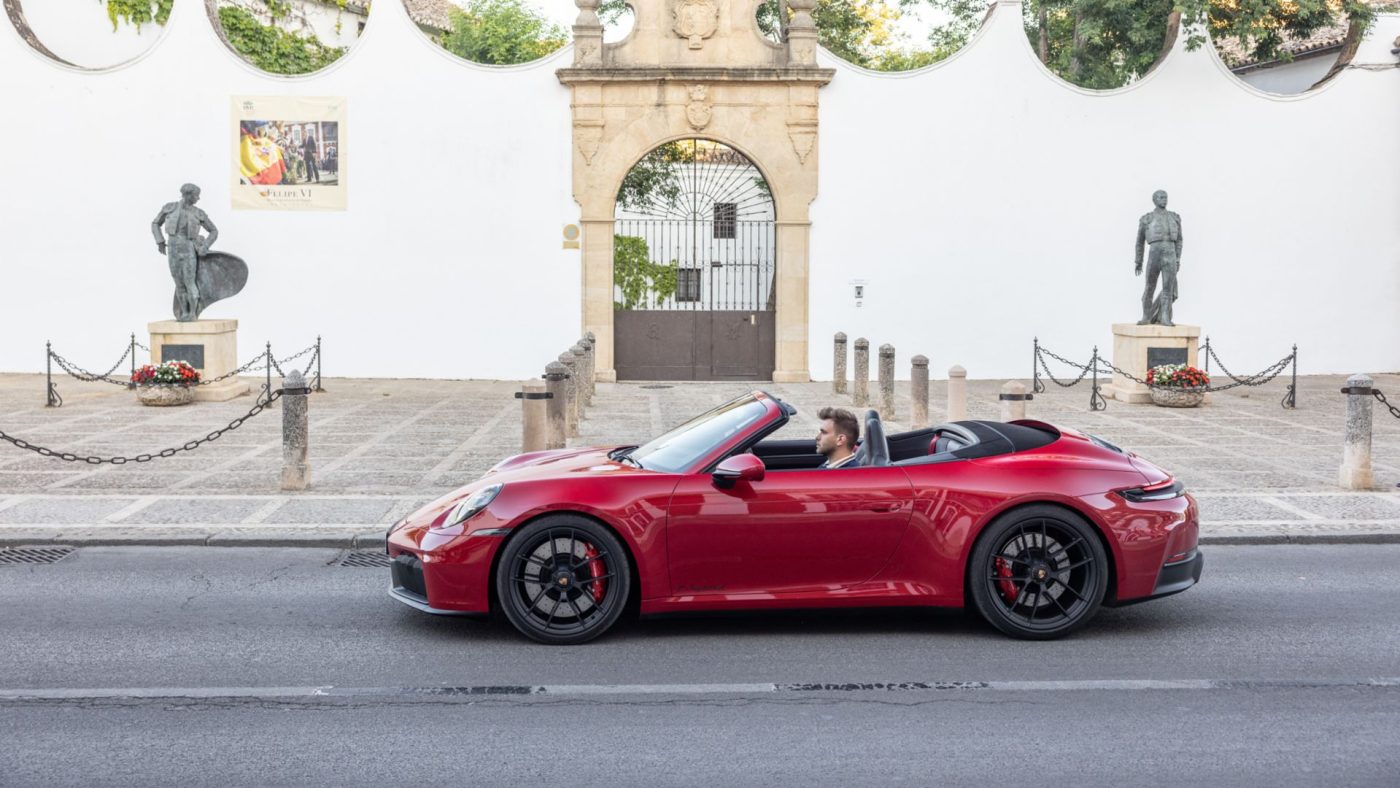
The 992 revives the beautifully engineered automated Targa roof, delivering open-air enjoyment without losing structural rigidity. It remains AWD-only and appeals to buyers who prioritize style and exclusivity. Cabriolets provide full open-top motoring with negligible compromise in daily usability.
Chassis & Driving Character Differences
Compared to previous generations, the 992 is wider, more planted, and more composed at speed. Adaptive dampers, rear-axle steering, and active aerodynamics allow it to function as both refined grand tourer and razor-sharp performance car. Purists may bemoan its digital refinement, but few can deny its astonishing capability.
Manual vs PDK
While PDK remains the fastest and most technologically advanced option, manual gearboxes continue to thrive in enthusiast models such as the Carrera T, GT3 Touring, and S/T. These versions command disproportionate desirability due to their tactile purity.
The 992 generation is Porsche at its most ambitious: a car that evolves the 911 beyond tradition while still honoring its essence. It delivers incomparable breadth — offering something for every type of enthusiast, whether they prioritize emotional driver engagement, cutting-edge technology, daily usability, or collector-grade exclusivity.
Model Year Changes (2020-Present)
Here is a chronologically structured overview of the Porsche 911 (992) model year changes from 2020 to the present, highlighting the moments that truly matter for buyers, future collectors, and anyone building a definitive 992 knowledge base.
2020 – Introduction of the 992 Generation (992.1 Begins)
The all-new 992 debuts with a wider body for all models, a fully reimagined interior, and a major leap in chassis technology. Porsche moves the Carrera models entirely to turbocharged power.
Key Changes & Introductions:
New 992 platform with wider track and aluminum-intensive body
Twin-turbo 3.0L flat-six introduced across Carrera range
Power:
Carrera S: 443 hp
Carrera 4S: 443 hp
New digital-analog hybrid cockpit design
Larger central touchscreen and updated PCM
Enhanced PASM and new Wet Mode traction system
Debut of 8-speed PDK (replacing 7-speed)
Why It Matters: This year marks the structural and technological foundation of the modern 911.
2021 – Performance & Variety Expand
The lineup rapidly broadens beyond the S models.
Key Changes & Introductions:
Introduction of base Carrera (379 hp)
Launch of 992 Turbo & Turbo S
Debut of Carrera GTS with sport-focused upgrades
New adaptive aerodynamics for Turbo models
Enhanced driver-assist features
Why It Matters: The 992 range matures, offering buyers more distinct choice levels.
2022 – GT Era Begins
The 992 truly earns its enthusiast stripes.
Key Changes & Introductions:
Launch of 992 GT3 (502 hp NA 4.0L)
Double wishbone front suspension debuts
GT3 Touring introduced
Expanded availability of manual transmission
Subtle chassis and software updates
Why It Matters: Establishes the 992 as a track-dominant platform.
2023 – Purist & Heritage Focus
Porsche leans into driver engagement and exclusivity.
Key Changes & Introductions:
Launch of 911 Sport Classic
Arrival of 911 S/T announced
Expanded performance configurability
Continued refinement of driver aids and PCM
Why It Matters: Collectors take note as Porsche celebrates heritage and exclusivity.
2024 – Final Peak of 992.1
The final year before the major facelift.
Key Changes & Introductions:
Broader GT3 RS availability
Mature refinement of suspension and electronics
Last year of non-hybrid Carreras
Farewell to original 992.1 tuning philosophy
Why It Matters: Often seen as the most polished version of the first phase.
2025 – Arrival of 992.2 & Hybrid Revolution
The most dramatic shift in 911 history arrives.
Key Changes & Introductions:
Introduction of 992.2 facelift
T-Hybrid system debuts on Carrera GTS
Redesigned front and rear lighting
New fully digital instrument display
Upgraded PCM with next-gen connectivity
Power increase across lineup
Revised aerodynamics and cooling design
Why It Matters: Marks a philosophical shift as electrification enters the 911 lineage.
2026 – Expansion of Hybrid & Refinement (Early Indications)
While still emerging, Porsche continues evolving the 992.2 lineup.
Expected Developments:
Expansion of T-Hybrid tech into more variants
Updated Turbo models expected
Further efficiency and software refinement
Continued GT model evolution
Why It Matters: The 992 shifts into its second lifecycle phase.
What This Means for Buyers & Collectors
2020–2021: First-wave buyers enjoy cutting-edge design but slightly less refinement.
2022–2024: Sweet-spot years for 992.1 purity and maturity.
2025+: Ideal for buyers wanting the most advanced technology and performance evolution.
Final Perspective
The 992 generation is evolving faster than any 911 before it. It represents Porsche carefully walking the line between heritage and inevitability — a platform that is both honoring tradition and preparing for a future that includes electrification and software-driven performance.
For enthusiasts and collectors alike, the real question is no longer just "Which 992?" but which era of the 992 story best aligns with your philosophy of what a 911 should be?

992 Generation Porsche 911 Market Value & Pricing
The Porsche 911 (992 generation) market today reflects a fascinating mix of stability, stratification, and demand — offering buyers a range of opportunities depending on what they seek out of the car. As the latest generation of 911, the 992 blends modern performance engineering, luxury refinement, and heritage prestige, which helps maintain strong interest across the buyer spectrum. Whether you’re shopping for a road-centric daily driver or a high-performance flagship, there are plenty of well-priced and desirable examples — but value varies widely depending on trim, spec and condition.
At the lower end of the market, clean, higher-mile 992 Carreras — often with minimal options — can still provide access to the newest 911 platform at a (relatively) more approachable price point. These examples carry a subtle risk: because they’re used more frequently and may have deferred maintenance or wear items, diligence is required. For buyers who prioritize entry-point value over resale upside, these cars offer one of the cheapest ways to experience a modern 911’s performance and engineering — but they demand realistic expectations about maintenance and condition.
Conversely, well-specified Carreras and Carrera S/4S models with moderate miles, good service history, and desirable options remain surprisingly balanced propositions. They deliver the 992’s key strengths — composed chassis, potent engines, modern comfort, strong resale value — without the steep premiums found on top-tier trims. For many buyers, this mid-range segment represents the sweet spot: a car that can serve reliably as a weekend driver or even occasional daily, while still offering a sense of classic 911 engagement and modern capability.
At the top end of the 992 spectrum are the high-spec and performance-oriented variants — cars with Turbo/Turbo S power, rare option packages, very low miles, or collector-level finishes. These command a sizable premium, reflecting their desirability among enthusiasts and collectors alike. For someone prioritizing ultimate performance, rarity, and long-term value stability, these 992s represent the peak possibility of what a 911 can offer today. The costs are high, but so is the reward — in capability, prestige, and long-term satisfaction. The S/T is the true unicorn and you're looking at over $500k, while GT3s are still fetching well over retail price even with decent miles on the clock.
Overall, the 992 market illustrates how a modern 911 can live many lives: as a driver’s car, a daily commuter, a performance flagship, or an aspirational collector’s piece. The trick for buyers is to know what they value most — affordability, driving purity, performance, or investment potential — and choose accordingly. With careful inspection, sensible expectations, and a clear understanding of what you want out of the car, a 992 can deliver one of the most compelling all-around sports car ownership experiences available today.
Factors That Affect Value
Here are the key factors that drive value in the Porsche 911 (992) market, with each element broken out and explained from an expert buyer’s perspective.
Variant & Model Hierarchy (GT3, S/T, Turbo, GTS, etc.)
The single biggest driver of value in the 992 market is variant positioning within Porsche’s performance hierarchy. GT3, GT3 RS, and especially the ultra-limited 911 S/T sit at the very top, commanding extraordinary premiums due to their motorsport DNA, limited production, and enthusiast demand. These models are viewed not just as cars but as assets and enthusiast trophies, often trading well above original MSRP. Below them, GTS and Turbo / Turbo S models hold strong value thanks to their blend of extreme performance and real-world usability. Base Carreras and even Carrera S models remain desirable but depreciate more predictably, as supply is higher and exclusivity lower.
Condition, Mileage & Usage Profile
As with all high-end performance cars, condition and mileage have a direct influence on value, but the market places a particularly strong premium on low-mile 992s. Cars with under 10,000 miles, minimal wear, and pristine cosmetic presentation are consistently valued higher, especially in top-tier variants. Conversely, high-mile examples — even if mechanically sound — tend to be priced noticeably lower, as buyers associate the 992 with newness and modern prestige. Track use can also impact value, particularly if evidence of heavy wear or component fatigue is present.
Specification, Options & Build Configuration
The right options can materially shift value in the 992 market. Desirable features such as Sport Chrono, Porsche Ceramic Composite Brakes (PCCB), lightweight packages, carbon fiber interior trims, rear-axle steering, and premium audio systems often increase appeal and resale resilience. Exterior color choice also plays a role; classic Porsche tones (Guards Red, Chalk, GT Silver, Miami Blue, Shark Blue) tend to outperform generic or conservative hues. Unique factory specifications or rare combinations significantly enhance collectability.
Warranty, CPO Status & Ownership Peace of Mind
Porsche’s factory warranty and approved Certified Pre-Owned (CPO) programs are highly influential in the 992 market. Buyers are willing to pay meaningful premiums for cars covered by active Porsche-backed warranties because they reduce risk, ensure repair protection, and support long-term reliability. Cars nearing or beyond warranty expiration often trade for less, especially if buyers anticipate future repair costs. For many purchasers, warranty status is as important as mileage or spec when determining value.
Service History & Provenance
A complete, transparent service history strongly supports value retention. Dealer-maintained vehicles with documented care, software update records, clean ownership timelines, and traceable history outperform cars with gaps or questionable maintenance practices. One-owner cars, especially those driven gently and stored properly, are often seen as “safe buys” and priced accordingly. Provenance matters more as the price point rises, particularly for GT and limited-production variants.
Market Timing & Demand Cycles
The 992 market is influenced by broader economic conditions, Porsche production cycles, and collector sentiment. When allocations tighten or new models are delayed, used values rise. When supply increases or macroeconomic uncertainty grows, pricing softens — particularly for standard variants. Limited models remain more insulated from downturns, but even GT cars are affected by timing and broader luxury asset sentiment.
In Summary
The value of a 992 Porsche 911 is shaped by a complex interplay of exclusivity, performance pedigree, specification quality, condition, warranty protection, and market timing. A well-optioned, low-mile, warranty-backed example — especially in a GT3 or special-edition form like the 911 S/T — will always command a premium, while base or high-mile examples are more sensitive to depreciation.
Investment Potential
While it is a bit early to predict the investment potential of the 992, here's our take anyway.
Limited-Production & GT Models as Blue-Chip Assets
At the very top of the 992 investment spectrum sit the GT3, GT3 RS, and especially the 911 S/T. These models already behave more like collectible assets than conventional sports cars. Their extremely limited production, motorsport DNA, manual transmission purity (in the case of the S/T), and global desirability position them as future classics almost by default. Historically, Porsche’s GT products have proven exceptionally resilient, and the 992-era cars are following that same trajectory, often trading above MSRP and showing strong potential for long-term appreciation as production ends and demand remains high.
GTS & Turbo Variants as Strong Long-Term Holders
While not as explosive in upside as true GT models, the 992 GTS, Turbo, and Turbo S variants occupy a highly desirable middle ground for investors. These models combine performance excellence with usability, making them appealing to both drivers and collectors. Historically, Turbo models across generations have held value exceptionally well due to their performance positioning and technological prestige. As the automotive world increasingly moves toward electrification, the appeal of high-performance internal combustion 911s may further strengthen these cars as long-term performance icons.
Standard Carreras: Stable but Not High-Growth Assets
Base and Carrera S models will generally behave as strong lifestyle assets rather than aggressive investment vehicles. While they offer remarkably slow depreciation compared to most luxury sports cars, they are produced in greater numbers and therefore lack the scarcity-driven appreciation of GT models. Over time, well-spec’d examples with excellent history may retain value respectably, but significant appreciation is unlikely unless tied to rare options or particularly desirable configurations.
Manual Transmissions & Purist Specs Increasing Future Desirability
As driver involvement becomes academically “scarcer” in the future automotive landscape, manual-transmission 992s — particularly in GT and special editions — are likely to become even more sought after. Purist builds with lightweight packages, carbon buckets, and classic mechanical appeal are already showing stronger long-term demand. These specs align directly with what enthusiasts and collectors historically reward as modern cars age into collectible status. We also expect that over the very long term, the Carrera T will do well given its manual gearbox and purity of execution.
The Electrification Effect & Generational Significance
The 992 sits at a critical inflection point in Porsche history — representing one of the final generations dominated by internal combustion power before hybridization and electrification reshape the lineup. This positioning gives it strong emotional and historical weight, especially for purists who view the 992 as one of the last “true” analog-meets-modern 911s. As future generations become increasingly digital and electrified, the 992’s status as a high-performance gasoline-era icon is likely to strengthen its long-term desirability.
Overall Investment Outlook
The Porsche 911 (992) generation offers tiered investment potential. GT3, S/T, and other ultra-limited variants present genuine collector upside and long-term appreciation prospects. Turbo and GTS models serve as reliable stable assets with strong value retention. Standard Carreras are best viewed as exceptional ownership experiences with moderate financial resilience rather than primary investment vehicles.
For buyers balancing passion and portfolio logic, the smartest strategy is to prioritize rarity, specification quality, manual transmission availability, and limited-production status. Done correctly, a 992 can be not only one of the finest sports cars ever built — but also one of the most strategic modern Porsche acquisitions on the market today.
Recent 992 Generation Porsche 911 (2020-Present) Values & Market Sales Trends
Below, our friends at Classic.com chart recent sales and trends in the 991 gen Porsche 911 market. We've included the broad 992 generation and broken it out by 992.1 and 992.1 update. If you look at specific variants, check out the Classic.com website.
2020 - Present Porsche 911 (992) Driving Experience & What to Expect
The Porsche 911 has always evolved carefully, refusing to abandon its DNA while steadily refining the driving experience. The 992 generation takes that philosophy to its most mature expression yet. It is faster, more capable, more technologically advanced, and more refined than any 911 before it — yet still unmistakably a 911 when you settle into the low seat, glance over the rising front fenders, and feel the flat-six come to life behind you. For prospective buyers, the key realization is this: the 992 is not just a sports car. It is a platform that spans everything from everyday high-performance grand tourer to near-race car. Understanding what it feels like to drive — and how each variant delivers its own personality — is essential to choosing the right one.
The Core 992 Driving Character
No matter which version you choose, all 992 models share a foundational character that defines the generation. This is a 911 that feels supremely confident, incredibly stable, and almost effortlessly fast. The wider front track compared to the 991 gives it sharper turn-in and greater front-end authority, eliminating much of the traditional light-nose sensation older 911s could exhibit at speed. The car feels planted and composed, even when driven hard, yet still agile and precise on a winding road.
Steering, though electric, is among the best in the industry. It is accurate and reassuring, providing clarity about what the front tires are doing without the artificial heaviness that plagues many modern performance cars. The brake pedal is firm and progressive, while the chassis feels unshakeable, delivering both security and engagement.
Crucially, the 992 remains astonishingly usable. In Normal mode, it rides with genuine compliance, absorbs bumps with sophistication, and never feels punishing unless you venture into GT territory. It can cruise quietly on the highway, tackle daily traffic with ease, and then transform into something far more intense with the twist of a drive-mode dial.
Carrera & Carrera S: The Everyday Sports Car Done Right
The base Carrera remains one of the most impressive achievements of the entire range. It is not a compromise car; it is a deeply capable sports machine that delivers performance that would have been supercar territory not long ago. The twin-turbo flat-six provides strong, immediate thrust and a smooth wave of torque that makes passing effortless and acceleration deeply satisfying.
On the road, the Carrera feels light on its feet, perfectly balanced, and extremely approachable. It allows drivers to enjoy a significant portion of its performance envelope without constantly feeling on edge. For many enthusiasts, this is the sweet spot: pure 911 feel, genuine excitement, and lifelong usability. The Carrera S and 4S simply amplify this formula. They feel more urgent, more muscular, and more forceful in the mid-range. With the added traction of the all-wheel-drive 4S models, the car becomes almost unshakeable in poor conditions, instilling huge confidence on wet or uneven surfaces. Yet it never loses its underlying sense of precision and playfulness.
These models excel as daily-driven performance cars — thrilling on back roads, civilized in traffic, and supremely polished in every situation.
Carrera T & GTS: Turning Up the Intensity
The Carrera T introduces a more purist edge. With reduced sound deadening, lighter components, and enthusiast-focused tuning, it feels more connected to the road. You hear more of the engine, feel more texture through the steering wheel, and sense greater immediacy in every response. It still retains daily comfort, but there is an unmistakable shift toward driving pleasure over refinement.
The GTS models push this further into serious performance territory. More power, sharper chassis tuning, and a more aggressive attitude make the GTS feel like the ultimate “one-car solution.” It is brutally fast yet still versatile, capable of comfortable long journeys and thrilling track sessions alike. The 992.1 GTS established this balance beautifully.
With the arrival of the 992.2 Carrera GTS T-Hybrid, the dynamics reached another level. The electric assistance sharpens response and adds urgency to the mid-range, making the car feel even more explosive exiting corners while maintaining superb control. It feels deeply modern but never sterile — a fascinating blend of old-school engagement and future-forward engineering.
Turbo & Turbo S: Controlled Extremity
The Turbo and Turbo S occupy a realm that borders on hypercar performance. These are machines that annihilate straights, devour asphalt, and deliver acceleration so fierce it borders on surreal. Yet the remarkable part is how calmly they do it.
Behind the wheel, the Turbo models feel supremely stable, composed, and almost serene during normal driving. Then you apply throttle and reality bends. The car surges forward with stunning violence, yet always maintains absolute composure due to its sophisticated all-wheel-drive system, advanced stability electronics, and beautifully dialed suspension. What makes them truly special is their duality. They are as happy cruising in comfort as they are demolishing supercars at full throttle. Few vehicles blend raw speed and real-world usability so seamlessly.
GT3 & GT3 Touring: The Driver’s Car
If the standard 992 is polished brilliance, the GT3 is focused obsession. This is a machine built for sensation, not compromise. The naturally aspirated 4.0-liter engine sings as it climbs toward redline, delivering a linear, emotional crescendo that turbocharged variants simply cannot replicate. Combined with the bespoke suspension setup and innovative front suspension geometry, the GT3 feels razor sharp and intensely communicative.
On a twisty road or track, it feels alive. The front end bites with authority, the chassis rotates with control, and the entire car feels like an extension of your nervous system. The GT3 Touring version offers the same dynamic experience without the large fixed wing, appealing to those who want maximum engagement with a more subtle visual presence. Ride quality is firm, noise levels are higher, and daily practicality diminishes slightly, but for the enthusiast seeking pure connection, few modern cars can match it.
Dakar: A Different Kind of 911
The 911 Dakar introduces playfulness into unexpected terrain. Raised, rugged, and styled with rally-inspired cues, it feels surprisingly cohesive and fun. On-road, it still feels distinctly like a 911, but with a softer edge and more relaxed demeanor. Off-road, it becomes genuinely capable, confidently gliding over dirt, gravel, and rough surfaces with a sense of adventure rarely associated with the brand. It is perhaps the most characterful and conversation-starting 992 variant, blending novelty with real driving substance.
Manual vs PDK: Engagement vs Supremacy
PDK is devastatingly efficient, brutally quick, and exceptionally well-tuned. It makes the 992 feel surgically precise, perfect for maximizing performance or enjoying relaxed commuting. The manual gearbox, however, transforms the experience. It injects involvement, rhythm, and mechanical satisfaction. You become more engaged, more deliberate, and often more connected to the machine. It may be slower on paper, but for many purists it enhances the emotional side of ownership dramatically.
Ownership Reality
Day-to-day life with a 992 is surprisingly easy. The cabin is beautifully constructed, ergonomics are excellent, visibility remains good by sports car standards, and modern assistance systems make the car approachable even for less experienced drivers. It is equally suited for long highway runs and spirited morning drives. The front trunk provides usable storage, while the rear seats, though small, remain practical for luggage or short trips. The 992 might be a performance icon, but it is still very much a functional automobile.
What the 992 Feels Like, In Summary
The defining trait of the 992 is its breadth of capability. It can be a refined commuter, a grand tourer, a weekend weapon, or a track predator — depending entirely on how you configure it. It is more sophisticated than any 911 before it, yet still deeply rewarding to drive. Some will miss the rawness of earlier generations, but few can deny that the 992 delivers one of the most complete driving experiences in the modern sports car world.
Whether you choose the balanced brilliance of a Carrera, the aggression of a GTS, the surgical intensity of a GT3, or the overwhelming force of a Turbo S, the 992 doesn’t just perform — it communicates, inspires, and reinforces why the 911 remains the benchmark. If you share how you plan to use your 911 — weekend toy, daily driver, track machine, or all of the above — I can help narrow this down to the exact variants and specs that will best suit your driving expectations.
Getting Real - Costs to Own & Maintenance
Costs to Own & Maintain a Porsche 911 (992)
Here’s a deeper-dive post on what it really costs to own a Porsche 911 (992) — what you should budget for maintenance, consumables, repairs, insurance, and how ownership costs evolve once any factory warranty ends. This is aimed at prospective buyers trying to run the numbers realistically (not just sticker price).
The 992 has many of the attributes that make a 911 appealing — performance, build quality, prestige — but it also carries ownership costs higher than typical sedans or crossovers. On average, owners of 911s (across generations, including 992) report annual repair/maintenance costs higher than the industry norm. According to a well-known car-service data aggregator, the estimated average annual maintenance and repair cost for a 911 is about US $1,072 per year.
That number can be considered a baseline — but it doesn’t include things like tires, brake pads/rotors, track-day wear, or any accidental damage. Many 992 owners treat $1,000–$2,000/year as a realistic minimum for non-abusive use. If you push the car harder — spirited driving, lots of miles, aggressive tires, track sessions — you should expect maintenance and consumables (tires, brakes, fluids) to push costs higher. A common anecdotal example from a 992 owner: the 4-year/40,000-mile service (including spark-plug change) ran about $3,500, and replacing rear tires plus a four-wheel alignment cost another $1,500.
Bottom line: while it’s by no means a “garbage-cost” exotic, a 992 isn’t a cheap weekday sedan. Budget realistically — often well above what mainstream cars demand.
Scheduled Maintenance, Consumables & Wear Items
Oil Changes, Fluids & Basic Service
Routine oil changes, fluid checks, and basic inspection are relatively modest. Some Porsche-specialty shops will quote annual service at a level comparable to what you might expect for a premium car — though more than a base sedan. That said, when you hit major intervals — for example the 4-year/40,000-mile “plugs and full check” service — dealer bills can climb. As the earlier owner’s note illustrates, $3,500 for that major service isn’t uncommon.
Tires, Brakes & Wear-and-Tear Parts
Tires — especially on wide rear wheels, high-performance tires for a 911 — are a recurring and nontrivial cost. Many owners report firsthand that a full set of tires (assuming high-performance rubber) can run $1,200–$1,800 when it’s time to replace. Brake pads and rotors, when needed, add further to maintenance budget. High-performance brakes — especially if you track the car — can push through pads and rotors more quickly, and replacement can be costly.
What Real Owners Say
One 992 owner described a pattern many have followed: “Just a couple of $300 oil changes” for regular use, until major service or tires/brakes come up. Another member of a 992 owners’ forum offered this summary: for typical ownership over five years (with average driving), expect $2,000 per year on service, tires, and routine maintenance — but if you keep it for a decade, costs trend up (to maybe ~$3,000/year) as parts wear and more major services come due.
Insurance & Other Annual Ownership Costs
Insurance for a 911 is meaningfully higher than for a regular car. According to one source, a 6-month full-coverage policy for a 911 carries an average cost of US $1,646 — which translates roughly to $3,300–$3,500 per year depending on provider, driving history, and coverage levels. Beyond insurance and maintenance, consider other “hidden” costs: premium tires, high-octane fuel (especially if you drive spiritedly), occasional brake/fluid/tire replacements — all add up faster than on typical cars.
Warranty, Depreciation & “Peace-of-Mind” Years
An important mitigating factor for newer 992s: many will still be under factory or extended warranty, which can shield early owners from big repair bills. For a new or lightly used 992, warranty coverage (or even prepaid maintenance plans) often covers routine service and some repairs. This gives a buffer — but that shield fades over time. For cars coming off warranty, it’s prudent to assume a budget closer to the higher end of maintenance estimates (tires, brakes, fluids, wear items) rather than relying just on the average.
Ownership Cost Over 5 Years: What Data Shows
Recent “true cost to own” studies for 911s (of modern generations including 992) incorporate depreciation, insurance, maintenance, fuel, and repairs over a five-year span. For example, in one 2024 estimate for a 911 Carrera S coupe, total maintenance over five years was shown as roughly US $10,256, and repair costs added on top of that, with total “true cost” (not including depreciation) accumulating significantly year over year. In simpler terms: if you drive and maintain it reasonably, expect maintenance + repairs + insurance + tires/fluid/consumables to cost multiple thousands per year. If you push performance, track, or drive aggressively, the annual cost will likely trend well above that baseline.
What You Should Budget if You Buy a 992
If you’re considering buying a 992:
Assume at least $1,500–$2,500 per year for maintenance, fluids, routine service, and wear items (tires, brakes, etc).
Tires every 20,000–30,000 miles (or more often if you drive hard) — expect a full replacement to set you back $1,200–$1,800.
Don’t forget insurance: factor in $3,000–$4,000+ per year for full-coverage on a performance car.
Once warranty ends, be prepared for occasional larger service events (e.g., plug changes, fluid flushes) — these can run thousands of dollars.
If you track or frequently drive hard, costs will climb meaningfully; factor in more frequent service, more aggressive tires/brakes, and higher wear.
Final Word: The 992 Is Manageable — If You Plan for It
Owning a 992 isn’t for the faint of wallet, but it’s far from the “broken lottery ticket” stereotype that some exotic cars get. If you budget appropriately — accounting for maintenance, tires, brakes, insurance, and occasional larger services — you can usually manage costs responsibly. For many owners, the early years (often under warranty) are relatively gentle on the wallet, which makes the purchase feel more accessible. Once that warranty fades, however, realistic ownership requires respect for the fact that you’re dealing with a high-performance, finely engineered sports car — and those always carry a premium for upkeep.
Other Key Buying Considerations & What to Look For
Ensuring Performance, Authenticity, and Long-Term Enjoyment
When purchasing a Porsche 911 (992), the real difference between a dream ownership experience and a frustrating one lies in the details beneath the surface. While model choice and headline specs draw attention, it is the underlying condition, mechanical integrity, and authenticity that ultimately define long-term satisfaction. A well-vetted 992 should feel cohesive, mechanically healthy, and true to its original intent, offering both dynamic excellence and confidence in future ownership. This section focuses on the critical areas that determine how well a car will perform, how reliably it will age, and how secure your investment will be.
Engine & Powertrain Health
While the 992’s twin-turbo flat-six is generally robust, buyers should look for smooth cold starts, consistent idle behavior, and clean power delivery under load. Hesitation, warning lights, or rough running can indicate software inconsistencies or component wear. It’s also wise to inspect for signs of oil seepage around turbo lines and intercooler connections, particularly on higher-mile examples. A clean service history showing regular oil changes and factory-recommended maintenance intervals is essential.
Transmission & Drivetrain
The PDK transmission is widely regarded as one of the best in the industry, but it should shift smoothly without hesitation or harsh engagement. Jerky low-speed behavior or delayed gear changes can signal calibration issues or early wear. For manual-equipped examples, clutch feel and engagement point should be consistent and progressive with no grinding or excessive vibration. On AWD models, drivetrain operation should feel seamless, with no binding or unusual drivetrain noises during low-speed turns.
Suspension, Steering & Braking Systems
The 992’s suspension systems — including PASM and optional rear-axle steering — should feel composed, quiet, and responsive. Listen for knocking sounds from the front suspension, especially on uneven surfaces, which may indicate worn bushings or alignment issues. Brake performance should be strong and linear; vibration under braking could point to warped rotors or heavy track usage. Cars equipped with PCCB brakes should be inspected carefully, as replacement costs are significant.
Body, Exterior & Structural Integrity
Inspect the body carefully for mismatched paint tones, uneven panel gaps, or inconsistent surface textures, which may indicate previous accident repairs. Pay attention to the underbody and front splitter for signs of curb strikes or track use damage. The 992’s complex aerodynamic elements should operate smoothly and show no cracks or deformation. Any sign of rust or corrosion — though rare — may suggest poor storage or climate exposure.
Interior Condition & Technology Systems
The interior should reflect the car’s mileage and usage. Excessive wear on the steering wheel, seat bolsters, or switchgear may reveal harder use than odometer readings suggest. Ensure infotainment systems, digital displays, driver assistance features, and climate controls function flawlessly, as software repairs or module replacements can be expensive. Test all configurable drive modes and touchscreen responsiveness.
Documentation & Ownership History
A complete file of service records and clear ownership history is critical. Look for documented maintenance from Porsche dealers or reputable specialists, factory recall compliance, and consistent mileage progression. Cars with Porsche CPO coverage or remaining factory warranty offer extra peace of mind and typically command higher resale value. Gaps in service or unclear ownership timelines should trigger deeper investigation.
Spec & Option Sensibility
Certain option choices impact long-term desirability. Features like Sport Chrono, sport exhaust, adaptive suspension, carbon bucket seats, and manual transmission appeal strongly to enthusiasts. Conversely, very niche or polarizing builds may narrow resale appeal. Buyers should carefully balance personalization with future market desirability.
Common 992 Gen Porsche 911 Problems
What Buyers Should Know
While the Porsche 911 (992) is widely regarded as one of the most reliable high-performance sports cars on the market today, it is still a complex, highly engineered machine loaded with advanced electronics, performance hardware, and tightly-tuned systems. Most issues tend to be minor or software-related rather than fundamental mechanical failures, but buyers should be aware of recurring themes that appear across ownership reports, forums, and service records.
Infotainment & Software Glitches
One of the most frequently cited ownership frustrations revolves around the PCM (Porsche Communication Management) system and its associated software architecture. Owners have reported occasional freezing screens, lagging touchscreen response, Bluetooth pairing inconsistencies, Apple CarPlay interruptions, and navigation system dropouts. These issues are most common in early-production models and are typically linked to firmware compatibility or system boot load conflicts. While rarely dangerous or performance-related, these glitches affect the everyday user experience, particularly for owners who rely on integrated navigation and audio systems. Porsche has issued multiple update cycles to address these problems, but buyers should ensure the vehicle has received the latest software revisions as part of routine dealer service.
PDK Transmission Hesitation at Low Speeds
The 8-speed PDK transmission is astonishingly capable during aggressive driving and high-performance scenarios, but some owners report slightly unnatural behavior at very low speeds. This can include hesitation when creeping forward, abrupt downshifts when slowing to a stop, or a slight lurch when transitioning from braking to throttle. These traits are often more noticeable in urban traffic conditions or parking situations and stem from the dual-clutch system balancing smoothness and responsiveness. While technically normal, consistent harshness or irregular shifting should prompt inspection or recalibration, as software adjustments can often smooth the behavior significantly.
Accelerated Brake Wear & Rotor Distortion
Because the 992 is capable of tremendous speed and braking force, wear rates can be higher than some owners initially expect. Aggressive driving, repeated high-speed deceleration, or occasional track use can lead to premature brake pad and rotor wear. Brake judder or steering wheel vibration under braking often stems from heat-induced rotor distortion or uneven pad deposits rather than full mechanical failure. PCCB systems offer excellent longevity under normal conditions but are extremely costly to repair if damaged. Buyers should examine brake condition carefully and request wear measurements during inspections.
Suspension Noises & Front Axle Artifacts
Low-frequency clunks, clicking sounds, or light creaks during slow-speed turning or uneven road surfaces have been reported by a subset of owners. These sounds typically originate from control arm bushings, sway bar mounts, or alignment-related stress, especially as mileage increases. While not usually indicative of structural failure, persistent suspension noise can impact driving satisfaction and may require component replacement or rebushing in higher-mileage examples. Cars driven aggressively or frequently on rough surfaces tend to exhibit these issues earlier.
Battery Drain & Electrical Sensitivity
The electrical architecture of the 992 places constant low-level load on the battery due to always-active modules handling security, connectivity, and software readiness. As a result, owners who drive infrequently or take only short journeys may encounter low battery warnings, slow starting, or system reset alerts. This can interfere with stop-start functionality, infotainment responsiveness, and comfort features. Battery tenders are strongly recommended for cars stored for extended periods or used irregularly.
Interior Rattles, Trim Creaks & Fit Sensitivity
Though the 992 interior is of very high quality, its performance-focused chassis can contribute to minor cabin noises as the vehicle ages or encounters temperature changes. Drivers may notice occasional creaks from door panels, dashboard joints, or central console areas — particularly on rough pavement. While not structural deficiencies, these noises can annoy owners expecting total silence in a premium sports car environment. Many can be resolved through insulation adjustments or component tightening.
Exterior Paint & Body Vulnerability
The wide stance and low ride height of the 992 make it particularly susceptible to stone chipping, especially on the front bumper, lower rocker panels, wheel arches, and rear quarters. This is not a defect as much as an exposure issue inherent to the design. Over time, heavy highway use without protection can visibly impact aesthetic quality and resale value. Paint Protection Film (PPF) has become a near-standard recommendation for 992 owners seeking to preserve exterior condition.
Overall Reliability Perspective
It’s important to emphasize that serious mechanical failures in the 992 generation are rare. The engine, drivetrain, and structural platforms are fundamentally robust, especially when properly maintained. Most problems fall into the category of modern car inconvenience rather than major fault. Cars under warranty or Porsche CPO coverage provide an added layer of security, significantly reducing financial exposure.
The 992 is one of the most dependable modern 911 generations ever built. Buyers should remain aware of commonly reported quirks — particularly electronics and wear-related concerns — but catastrophic issues are not characteristic of the platform. With proper maintenance, reasonable use, and careful inspection, a 992 Porsche 911 is a highly reliable, rewarding ownership proposition that delivers performance with confidence.
992 Model Specific Buyer's Guides
Looking to buy a specific 992 variant? These buyers guides go deeper and into way more detail.
Buying A 2020 - Present Porsche 911 (992) FAQs
Here are all the questions we've received from readers considering a Porsche 992 for their garage
Is the Porsche 992 reliable for daily driving?
Yes — the Porsche 911 992 can be a highly reliable choice for daily driving, provided it's properly maintained and driven with some realism. Compared with earlier 911s, the 992 benefits from modern engineering, robust build quality, and contemporary manufacturing standards. The chassis and suspension are better engineered, the drivetrain is more resilient, and safety/comfort features make it versatile enough to handle daily use — whether commuting in urban traffic, cruising on the highway, or taking weekend drives. For many owners, the 992 balances sports-car performance with everyday usability in a way that few high-end cars can match.
That said, reliability depends heavily on how the car is used and cared for. As a modern, high-performance vehicle, the 992 includes advanced electronics, tightly-tuned turbo engines (on many variants), and performance brakes/suspension — all of which require regular maintenance and occasional parts replacement. Issues such as brake wear, software glitches, or higher maintenance costs are possible, especially if the car is used aggressively or for frequent short, stop-and-go trips. If you’re willing to stick to recommended service intervals, keep up with maintenance, and treat the 992 as both a performance car and a daily driver, however, many owners find it remarkably dependable and satisfying for everyday use.
Just how important are service records and ownership history?
Service records and ownership history are absolutely critical when buying a Porsche 911 (and especially a modern, complex car like the 992) — they are often the single most reliable indicator of how the car has truly been treated. A complete, consistent service history shows that the car has received proper maintenance at the correct intervals, that software updates and recalls have been handled, and that fluids, wear items, and inspections have been performed by Porsche technicians or reputable specialists. This dramatically reduces the risk of hidden mechanical issues, unexpected repair costs, or neglected preventative maintenance. In a car engineered to tight tolerances and high performance standards, skipping or delaying service can have long-term consequences that don’t always show up during a quick test drive.
Ownership history is just as revealing. A low-owner, well-documented car with careful use patterns tends to reflect more thoughtful stewardship, while cars with frequent ownership changes or unclear mileage progression can indicate underlying issues, rushed resale, or inconsistent care. Buyers and future sellers alike place a premium on traceable provenance because it protects long-term value and improves resale confidence. In practical terms, strong documentation not only safeguards your investment but gives peace of mind that the car has lived a healthy mechanical life — which, in a Porsche 911, often matters more than mileage alone.
Is the 992 better than the 991 for reliability?
Yes — the Porsche 992 is generally considered more reliable than the 991, especially when viewed through the lens of long-term ownership consistency and modern engineering refinement. While the 991 is a dependable generation in its own right, the 992 benefits from further-evolved powertrain architecture, improved cooling systems, more robust electronics integration, and tighter quality control processes. Porsche used the 991 as a learning platform for modern turbocharged Carrera engines and digital systems, and many of those lessons were directly applied and improved upon in the 992.
The biggest distinction lies in consistency and system maturity. The 992 shows fewer recurring mechanical concerns and more stable long-term behavior across engine, transmission, and drivetrain systems. Where the 991 occasionally presented issues such as early PDK software quirks, electrical gremlins, or wear-related complications, the 992 has largely refined these systems. Most reported 992 issues tend to be minor software or calibration-related rather than mechanical vulnerabilities. As with any modern performance car, reliability ultimately depends on maintenance and use, but broadly speaking, the 992 represents a more robust, predictable, and future-proof platform for owners prioritizing day-to-day reliability.
How does the 992 compare to the 991?
Here’s how I’d compare the Porsche 911 992 to its predecessor the Porsche 911 991 — from the standpoint of a buyer trying to decide which generation suits them best.
991 vs. 992 — What’s Changed & What You Gain
Performance, Dynamics & Technical Evolution
The 992 is a structurally and mechanically upgraded evolution of the 991 — Porsche widened the body by ~45 mm (front track especially) and switched to more aluminum body panels, giving all 992s a wider stance and improved stiffness for better handling.
Engine and drivetrain improvements are substantial: 992 models have a larger central rear intercooler (versus dual-intercoolers on 991.2), redesigned rear exhaust manifolds, more efficient intake/exhaust paths, and piezo fuel injection — these changes yield sharper throttle response, improved cooling, and greater reliability under load. The PDK transmission was upgraded from 7 to 8 speeds, giving smoother, more efficient gear changes, better acceleration, and enhanced fuel/efficiency balance — a worthwhile functional improvement over the 991. Suspension geometry, chassis tuning, and driving dynamics are more refined in the 992, leading to a car that's generally described by many owners as “faster, sharper, and more composed” than a 991.
Interior, Comfort & Usability
Inside, the 992 benefits from modern design and improved material quality. Compared to the 991’s more analog layout, the 992 features updated ergonomics, a more modern cabin layout, and body improvements that make it feel more solid and road-worthy. For daily driving, the extra stability, revised suspension tuning, and overall refinement of the 992 make it more forgiving and easier to live with than some 991 variants — especially if you value comfort and composure over raw mechanical feel. Many owners who transitioned from 991 to 992 note improved comfort and usability.
Identity & “Feel” — Differences Matter (Depending on What You Value)
The 991 (especially pre-turbo 991.1) retains more of the “analog, mechanical” character many traditionalists value: rawer engine sound (in NA variants), simpler electronics, and a more visceral driver-to-car connection. For some, this gives the 991 a defining personality that the 992’s polish smoothes out. By contrast, the 992 can feel more refined — perhaps even “detached” to purists — because of its modern systems and increased sophistication. What you gain in consistency and performance you may lose, slightly, in visceral feedback. Some drivers report that engine sound and rawness feel less “analog 911” and more “modern GT.”
Who Each Generation Works For
Choose 991 if you value the classic 911 feel, want a more “analog” driving experience, and appreciate simpler mechanical systems — maybe even manual-transmission NA variants. It’s a great choice for those who prefer character and engagement over outright refinement.
Choose 992 if you want a 911 that’s faster, more stable, more comfortable, and more usable daily — with modern drivetrain, improved build quality, and performance that meets or beats many newer supercars. It’s ideal if you intend to daily-drive the car, cruise long distances, or prefer a “set-it-and-forget-it” modern ownership experience.
My View: 992 is the Better “All-Round” 911 — with Trade-offs for Purists
If I were buying today and wanted a long-term, versatile 911 that can do everything — aggressive driving, daily commuting, weekend fun, and long road trips — I’d go for the 992. Its technical improvements, drivetrain evolution, and overall refinement make it the most complete 911 yet. However, if I were chasing purity, mechanical soul, and the traditional 911 spirit — especially with a manual or naturally aspirated variant — the 991 (or earlier generations) might still win my heart.
Should I Be Concerned About Buying a Modified 992?
ou don’t need to automatically avoid a modified Porsche 992 — but you should approach one with far more scrutiny and context than a factory-spec car. The 992 is an exceptionally advanced, tightly engineered platform, and many owners modify them for performance, sound, or aesthetics (exhaust systems, ECU tunes, suspension changes, wheel upgrades, cosmetic aero, etc.). Some of these modifications can be well-executed and even improve the driving experience when done by reputable specialists using quality components. However, because the 992 relies so heavily on integrated electronics, drivetrain calibration, and warranty-backed systems, poorly executed or undocumented modifications can introduce reliability risks, reduce resale desirability, or void factory warranty coverage.
Your level of concern should hinge on three main factors: the type of modification, the quality of installation, and documentation. Cosmetic changes (wheels, PPF, subtle aero, OEM-style upgrades) are usually low-risk if reversible and properly installed. Performance modifications such as ECU tunes, turbo upgrades, intake/exhaust changes, or lowered suspension setups deserve more caution, particularly if the work was not performed by a recognized Porsche specialist. These changes can increase stress on drivetrain components, impact drivability calibration, and affect long-term durability — especially if the car has been driven hard or tracked regularly. A heavily modified 992 also tends to narrow your resale market and depress future value compared to a clean, original example.
For most buyers, the safest path is lightly modified or OEM-plus cars with full documentation and clear installation provenance. If you're seeking a long-term collectible or investment-grade 992, originality remains king. If you're buying purely for driving enjoyment and the modifications align with your preferences — and have been done correctly — a modified 992 can still be an excellent purchase. The key is due diligence: insist on full receipts, specialist inspection, and transparency around tuning history before proceeding.
Is the Porsche 992 a good investment?
The Porsche 911 (992) has a lot going for it when it comes to long-term investment potential — especially if you're looking at the right variants with the right care. On one hand, the 992 benefits from being the current flagship 911 platform, with modern engineering, strong performance, and wide enthusiast demand. Models like the GT3, GT3 RS, 911 S/T, well-equipped GTS, and low-mileage Turbo/Turbo S variants are arguably the strongest candidates for appreciation or stable value retention. Their combination of rarity, performance heritage, and collectibility makes them particularly appealing to both driving enthusiasts and collectors, which helps insulate them from steep depreciation seen in typical luxury cars.
At the same time, the 992’s value as an investment is somewhat tempered by production volumes and the fact that it remains a “modern car.” Base Carreras and widely-produced trims — even when well maintained — are less likely to see dramatic appreciation, because supply is higher and desirability depends heavily on spec and condition. Over time, value for these cars will likely stabilize rather than run up sharply, making them more of a “lifestyle asset” than a speculative bargain. For an investment play, the reward is greatest in limited-production, performance-oriented, or exceptionally well-documented 992s.
Another key risk: because the 992 is still under production and receives incremental updates (new trims, special editions, option packages), demand for today’s “lowest spec” cars may soften — especially if future variants offer performance or features that outshine them. As with any modern high-performance car, long-term investment returns depend not just on rarity or performance but on condition, maintenance history, and how well the car has aged. Cars driven hard, poorly maintained, or heavily modified tend to underperform in resale value compared to factory-original, low-mileage examples.
Should I buy a 992.1 or 992.2?
Why You Might Prefer a 992.1
Classic 911 Feel & Purist Appeal — For buyers who value the traditional 911 experience, the 992.1 retains more of the “analog” spirit: the familiar layout, physical controls, and the sense of mechanical integrity many enthusiasts appreciate.
Slightly Simpler Architecture — With fewer radical changes and less reliance on new hybrid-era components (in many trims), the 992.1 may feel more straightforward from a maintenance and familiarity standpoint.
Potential Value Retention for Enthusiasts — Because 992.2 marks a shift toward newer technology and design, some enthusiasts may regard 992.1 as the last “pure” 992 — possibly increasing its desirability among purists down the line.
Proven Platform — Being first to market, 992.1 cars have already undergone early-generation tweaks and refinements, so many issues discovered in early build lots have likely been addressed over time across the fleet.
If you want a 992 that feels closest to a “traditional 911 with turbo flat-six and modern chassis,” the 992.1 is arguably the purest expression and often represents the most “set-and-forget” entry to the generation.
Why Buying a 992.2 Makes a Strong Case
Latest Tech & Engineering Improvements — Updated aerodynamics, revised cooling/air intake paths, revised electronics, and (in some markets/variants) hybrid-assisted tech make 992.2 the most advanced 911 iteration to date.
Refined Interior & Modern Feel — The fully digital cockpit, updated lighting, and modern amenities deliver a more contemporary, premium-driving environment — ideal for buyers who want 911 performance with luxury-car comfort.
Future-Proofing & Long-Term Relevance — As Porsche’s lineup evolves, 992.2 represents the forward-looking vision of the 911. For those intending to keep the car for many years, tomorrow’s resale or relevance may favor the “latest evolution” generation.
Better Performance Options & Latest Variants — 992.2 opens the door to new trims and powertrain tech (hybrid or hybrid-assisted in certain variants), giving buyers access to what may become the next wave of desirability and collectibility.
If you prioritize modern comforts, long-term usability, and want a 911 that feels contemporary from day one — with the best performance and features Porsche currently offers — the 992.2 is the natural choice.
Which Should You Buy? It Depends On What You Value Most
Choose 992.1 if you value mechanical purity, traditional 911 character, simplicity, and perhaps future “collector appeal” among enthusiasts. It’s often the best “core 911” expression of the generation. Choose 992.2 if you want the latest and greatest — cutting-edge performance, modern comfort, future-proof technology, and the most refined 911 experience available today.
What are the most sought after 992 Generation Porsche 911 variants?
If you’re shopping the Porsche 911 (992) some variants are already far more sought-after than others. Below are the ones that tend to draw the most demand, command the highest premiums, and are most likely to hold value.
Most Sought-After 992 Variants
Porsche 911 GT3 — Widely considered one of the best “street-legal track cars” ever built. Its naturally aspirated flat-six, high-revving engine, precise chassis, and track-ready dynamics make it a favorite for purists who want real performance. As one recent ranking noted, the GT3 remains a standout even within the broad 992 lineup.
Porsche 911 S/T — This limited-production, manual-only variant is built with input from the GT3 RS and uses carbon components to shave weight. With only about 1,963 units planned, it combines rarity, performance pedigree, and purist appeal — all qualities that drive collector demand.
Porsche 911 Carrera GTS — For buyers seeking a blend of performance, versatility, and relative practicality, the GTS trims hit the sweet spot. Reviewers often highlight the 992 GTS as delivering exceptional value for its price, performance, and everyday usability. We'd choose the non-hybrid 992.1 over the 992.2 hybrid, but that's a personal choice.
High-spec 992 Turbos (Turbo / Turbo S) — The fast, AWD-equipped Turbos remain a go-to for those wanting supercar-level acceleration and all-weather usability wrapped in 911 refinement. Their blend of power, comfort, and brand prestige continues to draw strong interest, especially among buyers who might daily-drive a 911 but still want extreme performance.
What are the most sought after Porsche 992 options, colors and other features?
Paint & Color — What Makes a 992 Pop (and Hold Value)
Classic & Timeless Shades: Colors like GT Silver Metallic, Jet Black Metallic, Carrara White or subtle greys tend to age well and appeal broadly to buyers because they highlight the 911’s shape without being overly flashy.
Sporty & Bold Colors: For drivers who want a more expressive 911 — standout tones like Guards Red, Carmine Red, bright blues or even yellow/green hues under the brand’s custom palette tend to attract attention and sometimes command higher interest, especially on GT or performance-spec cars.
Custom / Paint-to-Sample (PTS) Colors: Since Porsche offers a wide PTS palette (with over 100 historic and custom hues) for the 911, a bespoke or rare factory paint choice can make a 992 feel more exclusive — which frequently appeals to collectors or enthusiasts who want something unique.
Popular & Valuable Option Packages & Features
Performance-focused brake and suspension upgrades: Options such as ceramic brakes, sport-tuned suspension (PASM, sport chassis) or enhanced brake packages — especially combined with higher-spec trims — tend to keep the car desirable among performance buyers, since they underscore the 911’s driver-car DNA.
Sport / Lightweight / Track-ready Spec: Cars configured closer to “driver’s 911” — with sport exhausts, lighter interior or trim choices, performance tires/wheels, manual gearbox (if variant offers), and minimal luxury add-ons — often command premium among enthusiasts who value raw driving feel.
High-end Interior and Comfort Features: For those using the 992 as a daily driver or grand tourer, features like premium leather, upgraded infotainment, adaptive suspension, and driver aids strike balance between luxury and performance — and broaden appeal to a wider buyer pool.
What are the underrated 992 gen Porsche 911 variants buyers should consider?
Porsche 911 Carrera T (992)
The Carrera T gets relatively little attention compared to the high-performance GTs or Turbos — but it’s a standout for buyers seeking a purer, lighter 911 driving experience without the extremes (or price tag) of a GT-model. It keeps the twin-turbo flat-six, delivers rear-wheel drive, and often (depending on spec) offers a more “driver-oriented” feel. For buyers wanting a 992 that’s balanced, engaging, and more affordable than top trims, the Carrera T represents a “sweet spot” blend of 911 DNA and daily usability.
Porsche 911 Targa 4 / Targa 4S (992)
Targa versions don’t always get the same spotlight as coupes or convertibles, but the Targa 4/4S delivers a unique mix: all-wheel-drive confidence, an open-top or semi-open driving experience, and 992 performance in a more lifestyle-friendly package. For buyers who want a 911 that blends practicality, comfort, and character — especially if they drive in varied conditions — the Targa is often undervalued relative to its real-world versatility and appeal.
Lower- or Mid-Spec Carreras (Clean, Well-Maintained) — Base 992 Carreras or Carrera 4/Carrera 4S
Because high-end trims (GT3, Turbo, GTS) draw most attention, well-kept base or mid-spec Carreras often slip under the radar — even though they offer the core 911 formula (rear-engine balance, twin-turbo flat-six, AWD or RWD, 992 chassis benefits) at a more approachable price. For budget-conscious buyers or someone seeking a more understated, usable 911, these variants can deliver tremendous value. If you prioritize condition, documentation, and sensible spec over trim badge, a base or mid-spec 992 can be a very smart buy with lower depreciation exposure.
Early 992.1 Carrera GTS (Pre-Hybrid Update)
With newer 992 variants and updates grabbing headlines, some early GTS 992s have become overlooked. Yet these cars deliver a compelling mix of 473 hp flat-six punch, 911 practicality, and trim-level versatility — without stretching into Turbo or GT pricing territory. For buyers looking for a high-performance 911 that’s still relatively “civilian,” an early GTS often hits the sweet spot before hybridization complexities and sticker-shock of Turbos/GTs.
Look Past the Hype — Consider Value, Not Just Nameplates
If I were shopping a 992 today and wanted a 911 that’s fun, usable, and smartly priced, I’d start by closely evaluating Carrera T, Targa 4/4S, good-condition base/mid-spec Carreras, and early GTS models. These may not deliver the headline-grabbing performance of a Turbo S or GT3, but they often deliver the most balanced value-to-enjoyment ratio. They suit real-world use, offer capable performance, and — when well-maintained — avoid much of the maintenance headaches and depreciation swings of top-trim 911s.