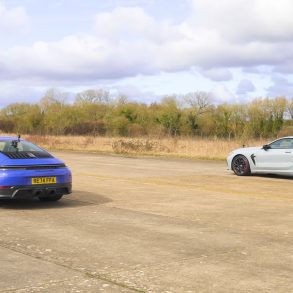


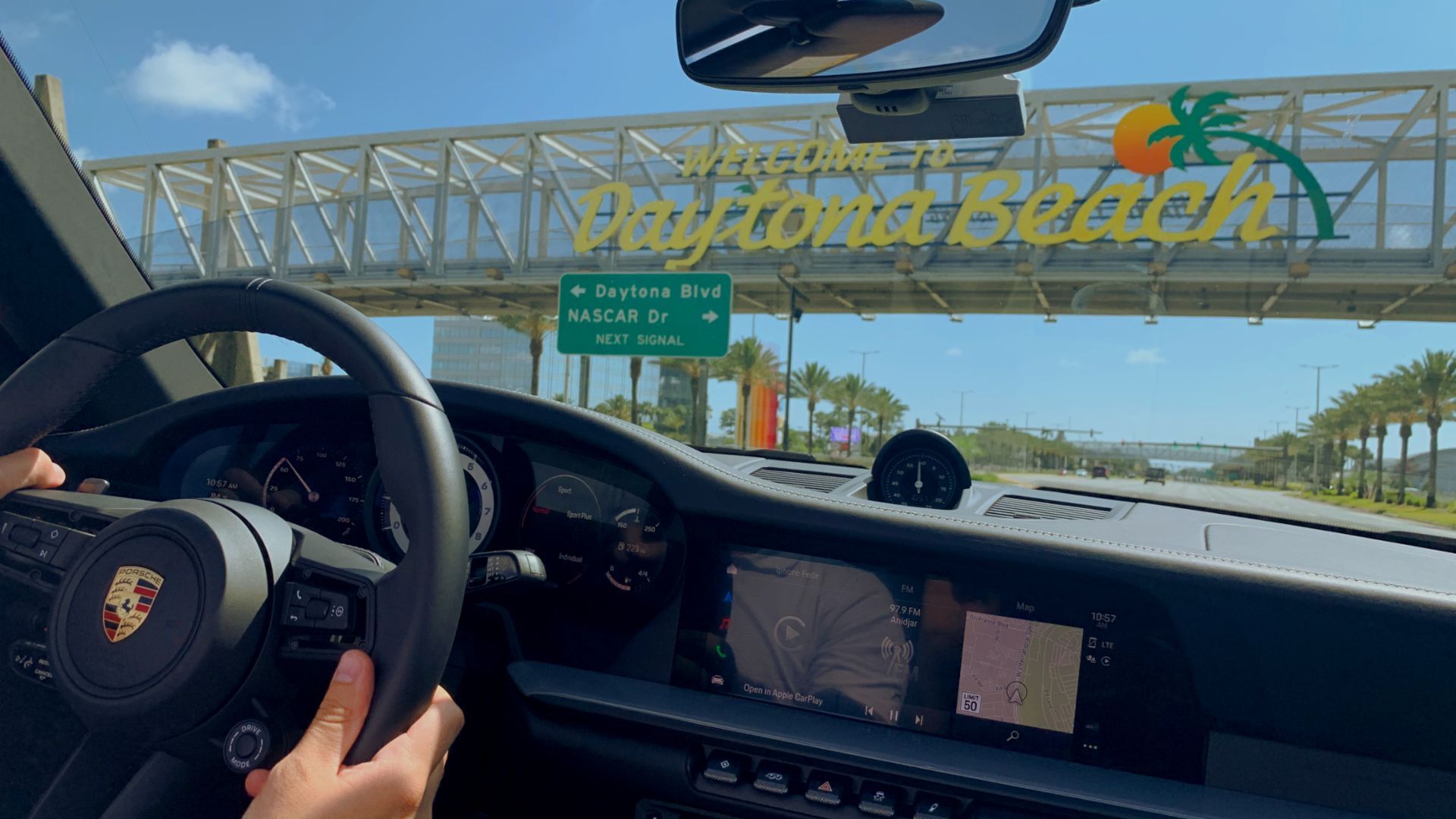
Florida has a way of making you want to drive. Long coastal highways, reliable sunshine for most of the year, and that particular mix of city energy and beach calm make Florida a state that practically invites road trips. If you happen to own a Porsche, the temptation only grows. There’s something about pairing a well-balanced sports car with a smooth open road that turns even a mundane drive into something worth doing.
But Florida roads have a way of humbling drivers who aren’t paying attention. Heavy tourist traffic, sudden storms, the occasional hurricane season anxiety — these aren’t just inconveniences, they’re the kinds of things that can catch you off guard if you’re driving through unfamiliar territory for the first time. Before you map out a route and pack the trunk, it’s worth knowing what you’re actually getting into.
Tourist Traffic and Unpredictable Drivers
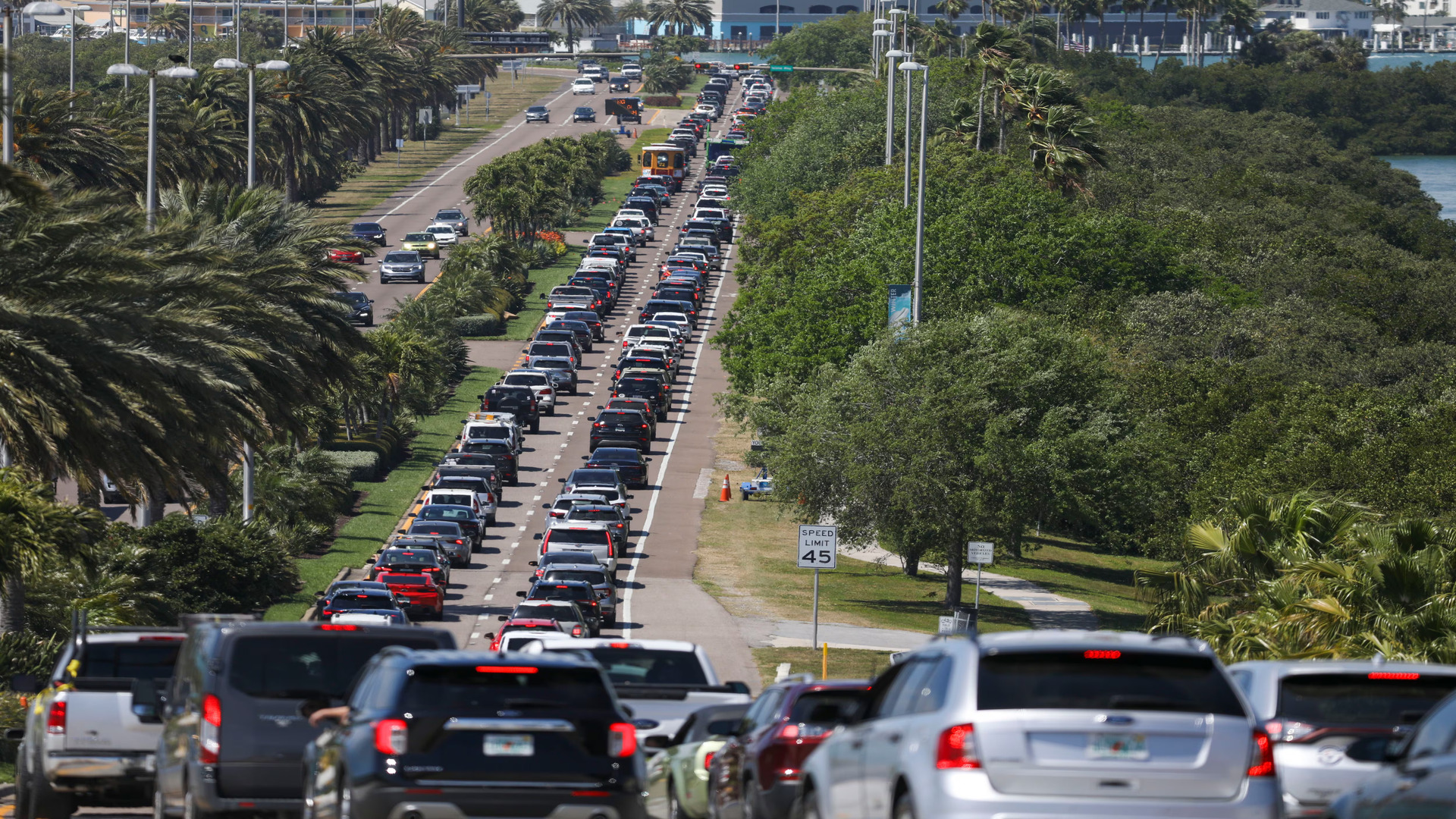
Central Florida’s road network has a problem that doesn’t get talked about enough: it was never built for the traffic it carries today. Roads like International Drive and US-192 near Kissimmee grew up around a tourism economy that kept expanding long after the infrastructure stopped keeping pace. What you’re left with is a tangle of surface streets interrupted constantly by driveways, signals, and vehicles trying to reach the same handful of attractions from roads that were already at capacity a decade ago.
The interstate picture is different but not better. I-4 through the Orlando metro has a reputation among locals that the traffic data supports. Lane changes happen constantly, speeds vary wildly between sections, and the stretch between the theme park exits and downtown Orlando sees enough daily volume to make a routine merge feel like a calculated risk on a bad day.
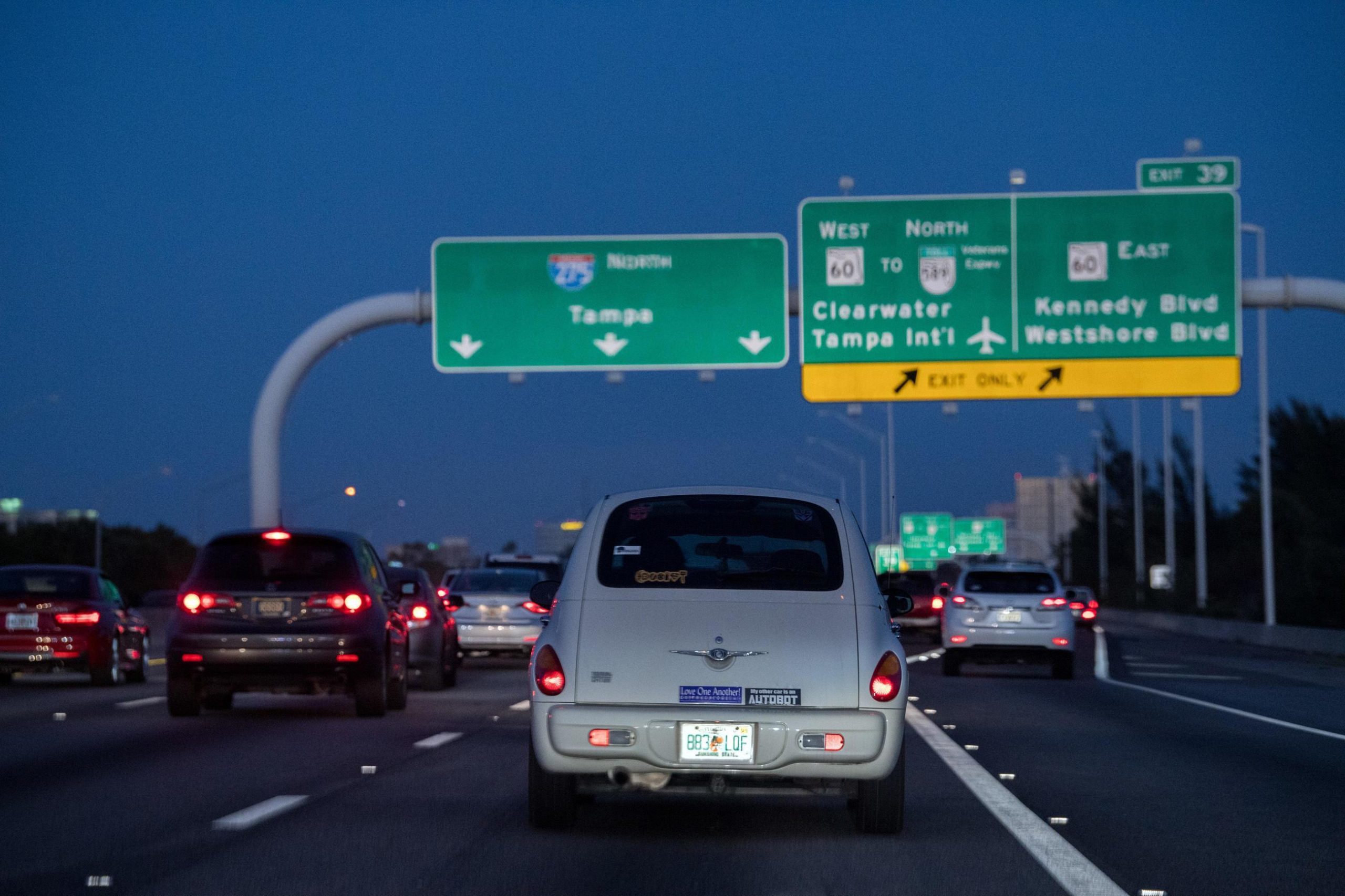
A Porsche handles this kind of environment without complaint. The problem is that the car’s responsiveness can build a false sense of control in traffic that doesn’t reward confidence and you could end up crashing your Porsche. A gap that looks workable closes faster than expected. A vehicle that appeared to be committed to its lane turns out not to be. According to the Florida Department of Highway Safety and Motor Vehicles, Florida logged over 391,000 crashes in 2023, and the counties where tourism clusters account for more than their share of that number.
The useful adjustment here is about positioning rather than reflexes. Stay further back than the car’s capability suggests you need to. Choose lanes based on how predictable the traffic around you looks, not how fast it’s moving. Florida’s tourist corridors tend to go better for drivers who read what’s developing ahead rather than reacting to what’s already happening in front of them.
What Happens When Florida Weather Moves In
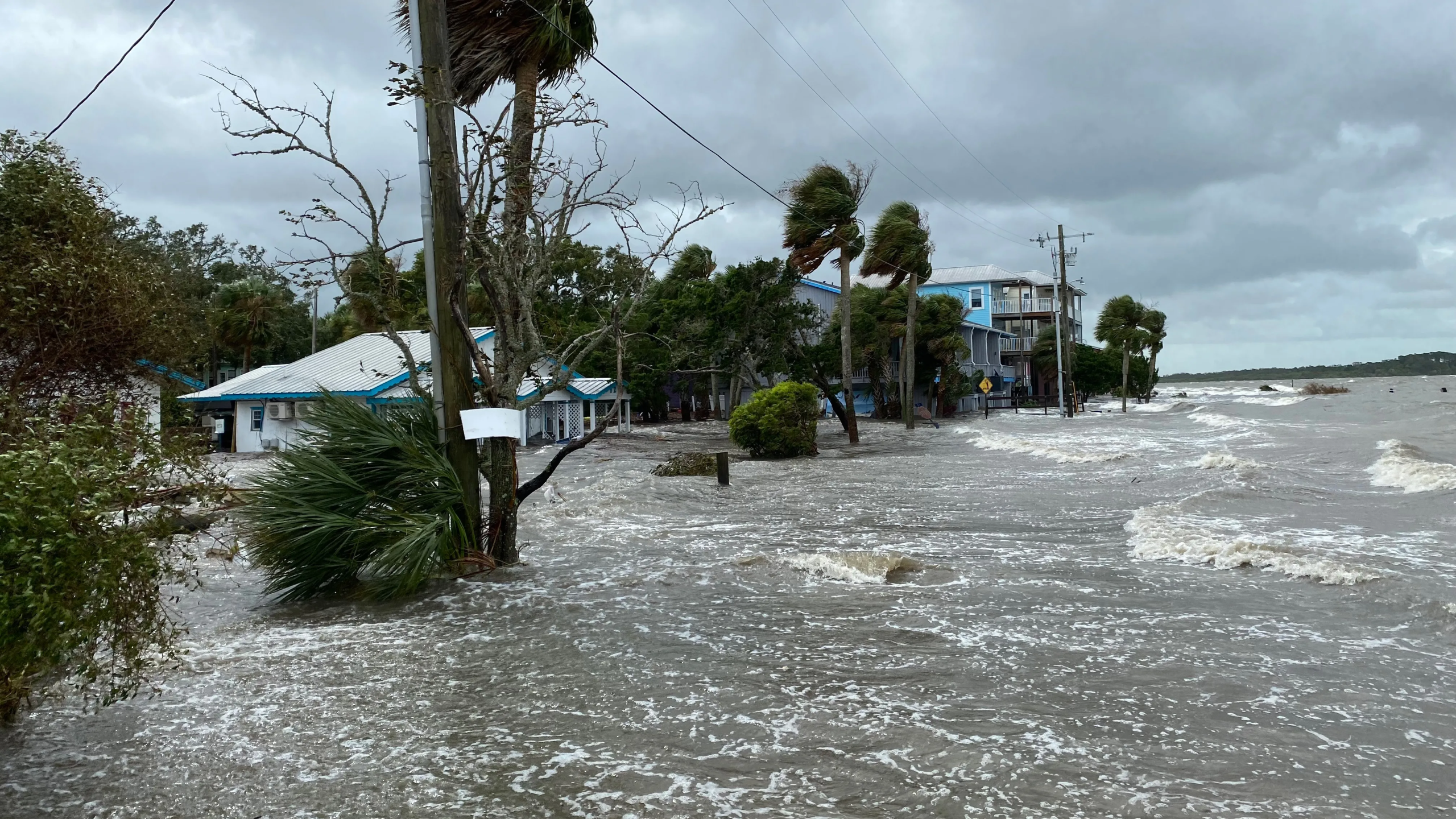
The reputation Florida has for sunshine is earned, but it skips over the part where summer afternoons regularly produce some of the most intense short-duration rainfall in the country. These storms build fast, sometimes in under half an hour, and when they arrive they arrive seriously. Visibility drops, roads flood in low spots, and the whole driving environment changes in a way that can catch people off guard if they haven’t seen it before.
Performance tires in heavy rain require a different kind of respect than the same tires on a dry road. The wide contact patch that generates so much confidence in good conditions becomes a liability when there’s standing water involved. Speed that feels entirely reasonable on dry pavement becomes a hydroplaning risk when water has nowhere to drain, which happens regularly on Florida roads during heavy rain.
Worth knowing about separately: painted road surfaces get slippery when wet in a way that isn’t obvious until you’re already on them. Lane markings, pedestrian crossings, and painted turn arrows all of them reduce grip noticeably, and the effect is most pronounced under braking or when the car is already loaded in a corner. The electronic systems in a modern Porsche will try to manage this, but managing a problem and preventing it aren’t the same thing. When a storm comes through, the adjustment is straightforward: slower speeds, longer gaps, smoother inputs. Nothing complicated, just consistent.
After an Accident: What to Do When You’re Far From Home

Accidents on road trips carry a particular kind of stress because you’re dealing with the practical aftermath somewhere unfamiliar, often without the support network you’d have at home. Florida adds some specific complexity. High traffic volumes, weather as a contributing factor, and liability rules that don’t always work the way out-of-state drivers expect them to.
The immediate priorities are consistent wherever you are. Move the car out of traffic if that’s possible, assess injuries, and get emergency services involved if there’s any doubt about anyone’s condition. Before the scene changes, photograph everything. Both vehicles from multiple angles, the road surface, any debris, the surrounding area. Exchange insurance information and keep a record of exactly what was said and when.
Where Florida-specific guidance matters most is in what comes next. Filing a claim across state lines, understanding how local liability rules apply to the specifics of the accident, and dealing with insurers who are working with their own interests in mind. All of that is easier to navigate with local knowledge. Drivers in the Florida area in particular can get clearer answers by consulting car accident lawyers in Orlando, FL, before making commitments to a particular approach with their insurance company.
Making the Most of a Florida Road Trip

The case for driving Florida in a Porsche, especially a convertible one like a 911 Carrera 4 GTS, doesn’t need much selling. The roads are good, the distances between interesting places are manageable, and the car is well-suited to what the state offers. The preparation side of it is less about avoiding Florida and more about understanding it well enough to handle what it actually throws at you. Timing matters more here than in a lot of states. The tourist corridors around Orlando and South Florida get genuinely congested in ways that aren’t obvious from a map, and the difference between an 8 am departure and a 10 am departure can be significant.
When rain comes, and in summer it will, treat it as a reason to adjust immediately rather than something to push through. And in the busy areas, parking a car you care about deserves a few extra minutes of thought. Distracted tourists in busy lots are responsible for more low-speed damage than most people account for. Florida road trips tend to deliver. The ones that go smoothly usually involve a driver who went in knowing what to expect and made adjustments early rather than late.