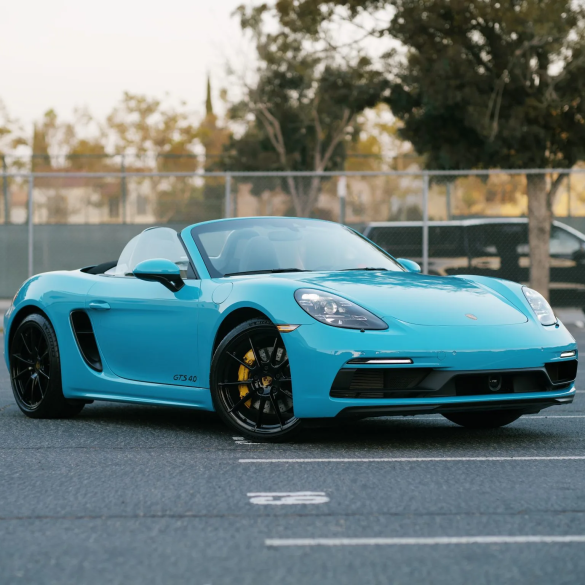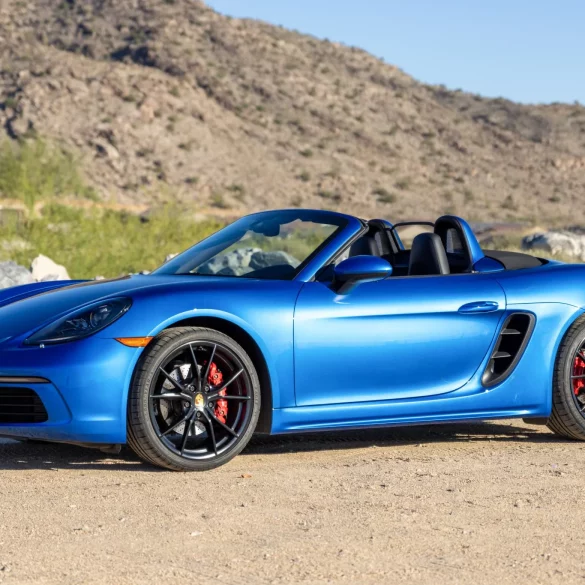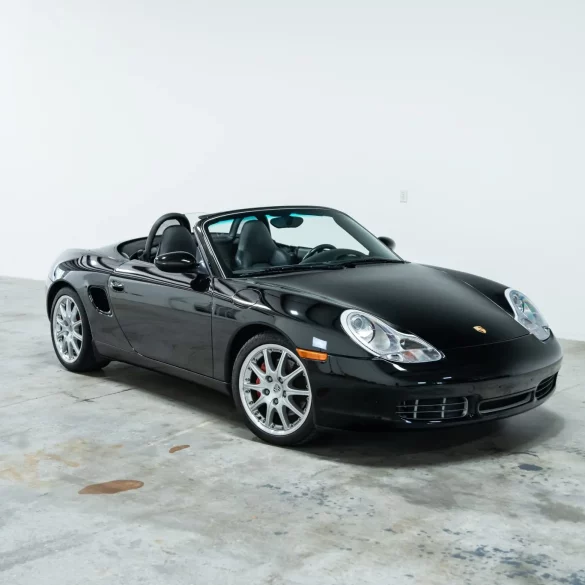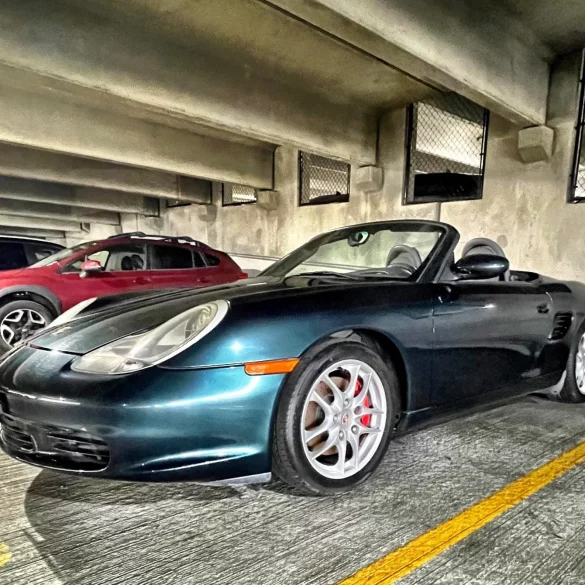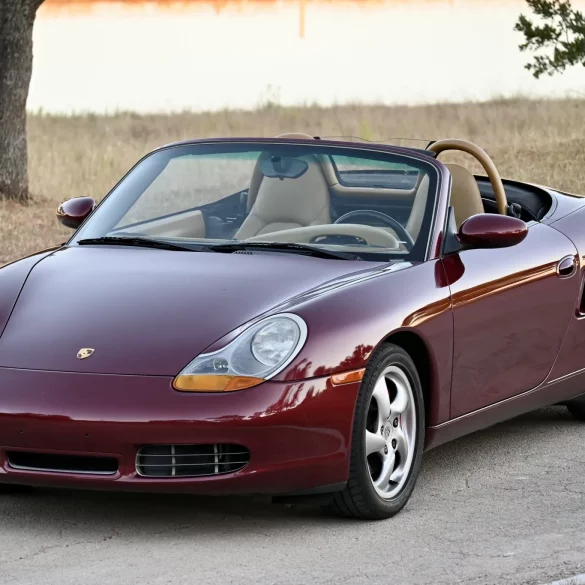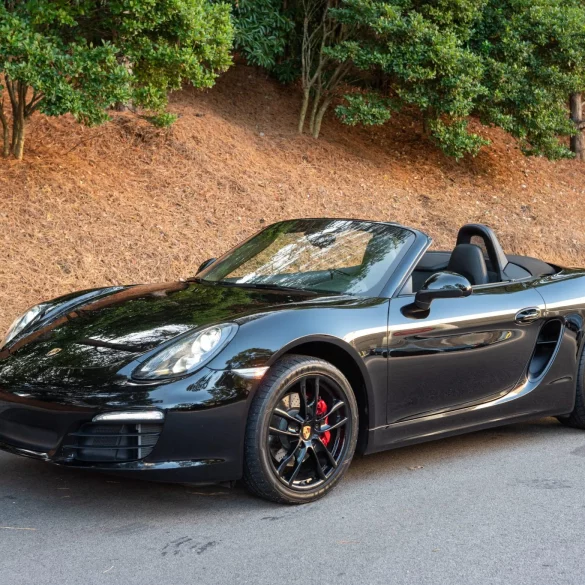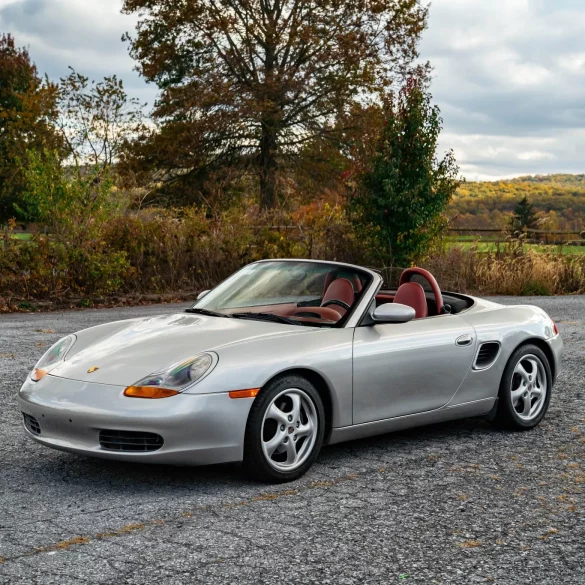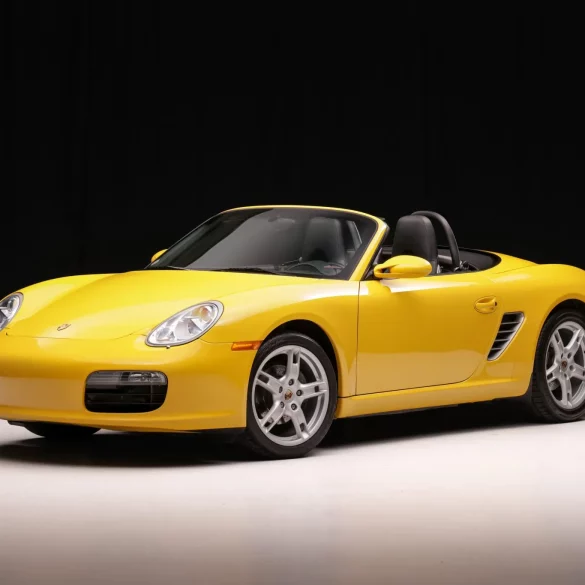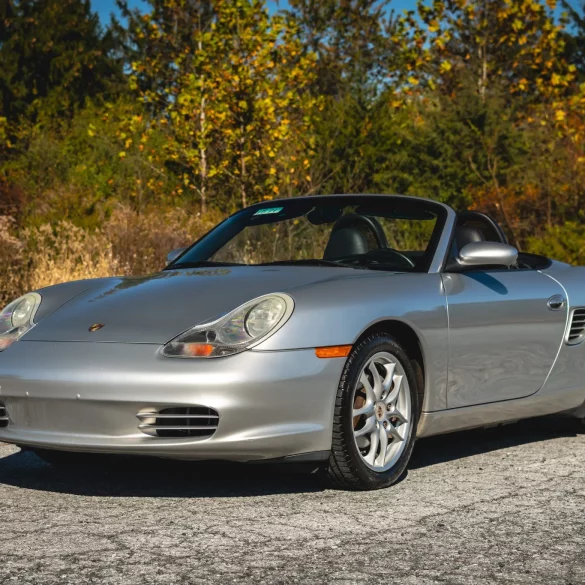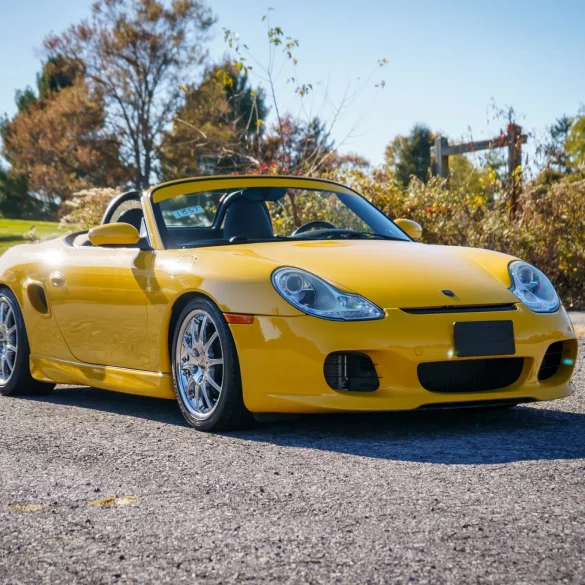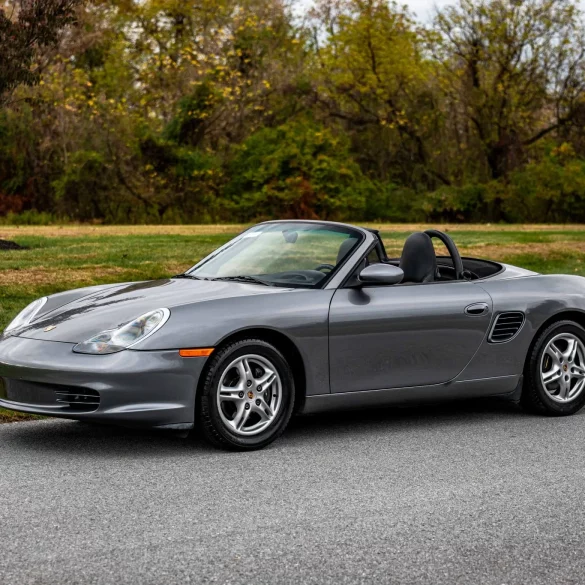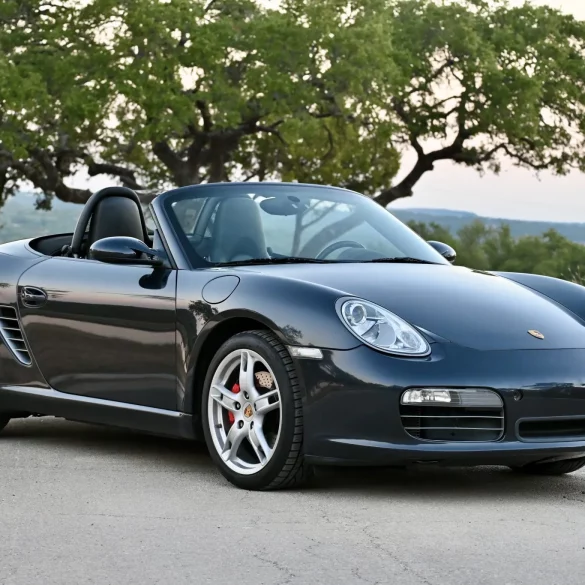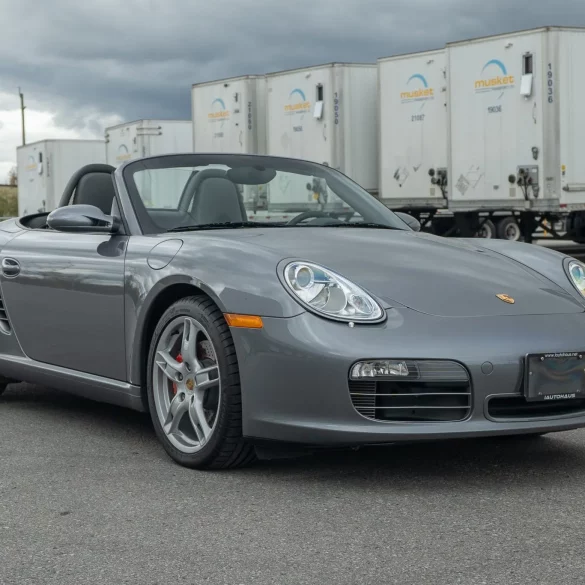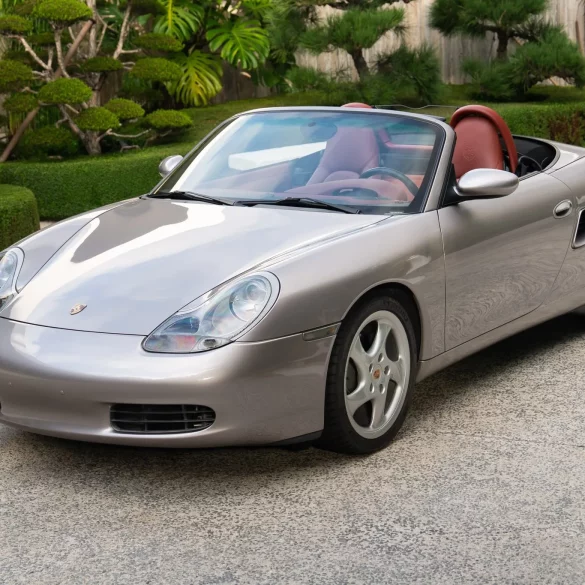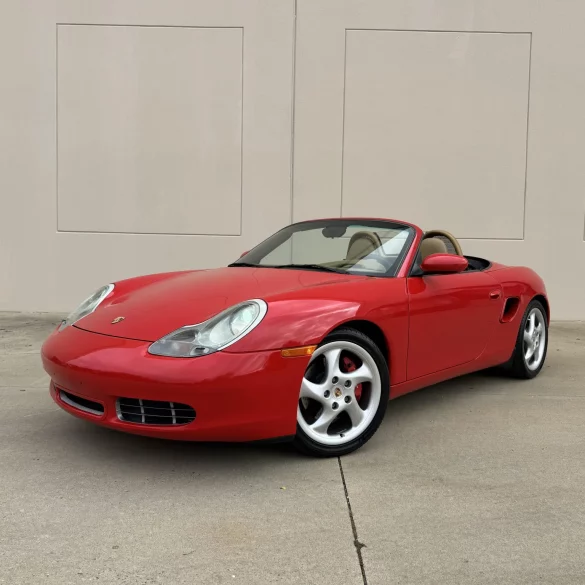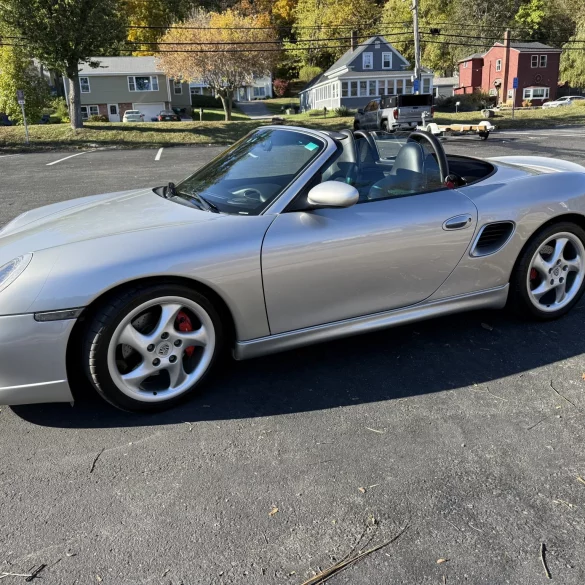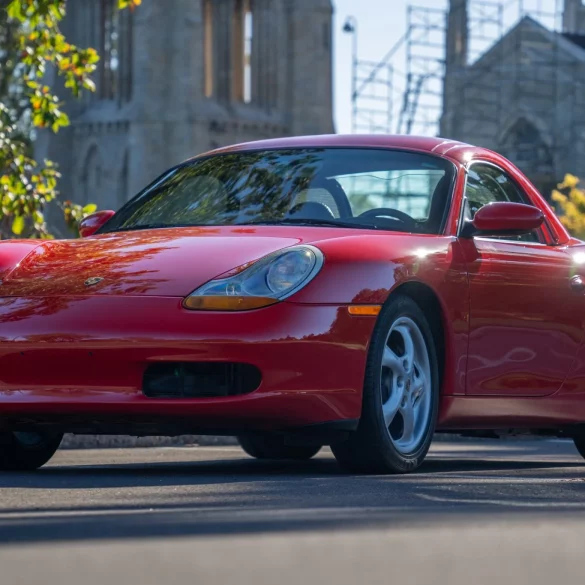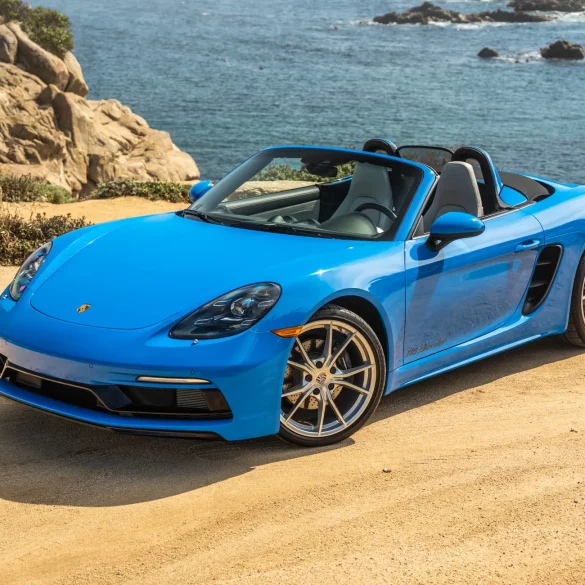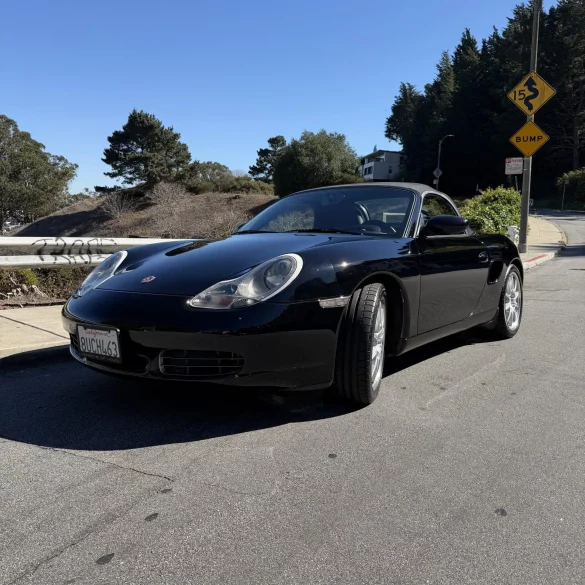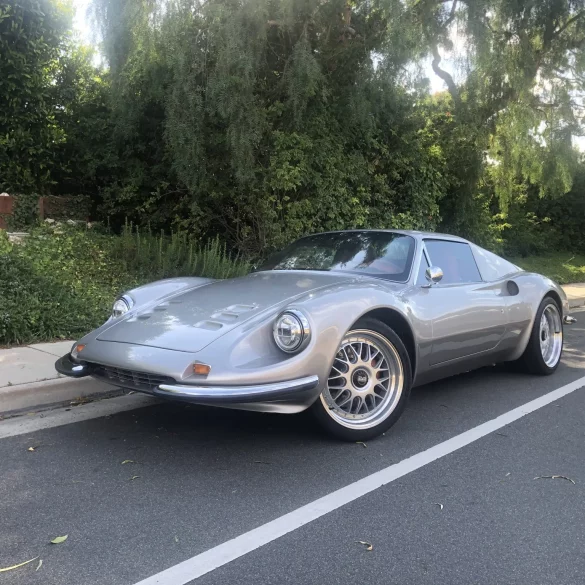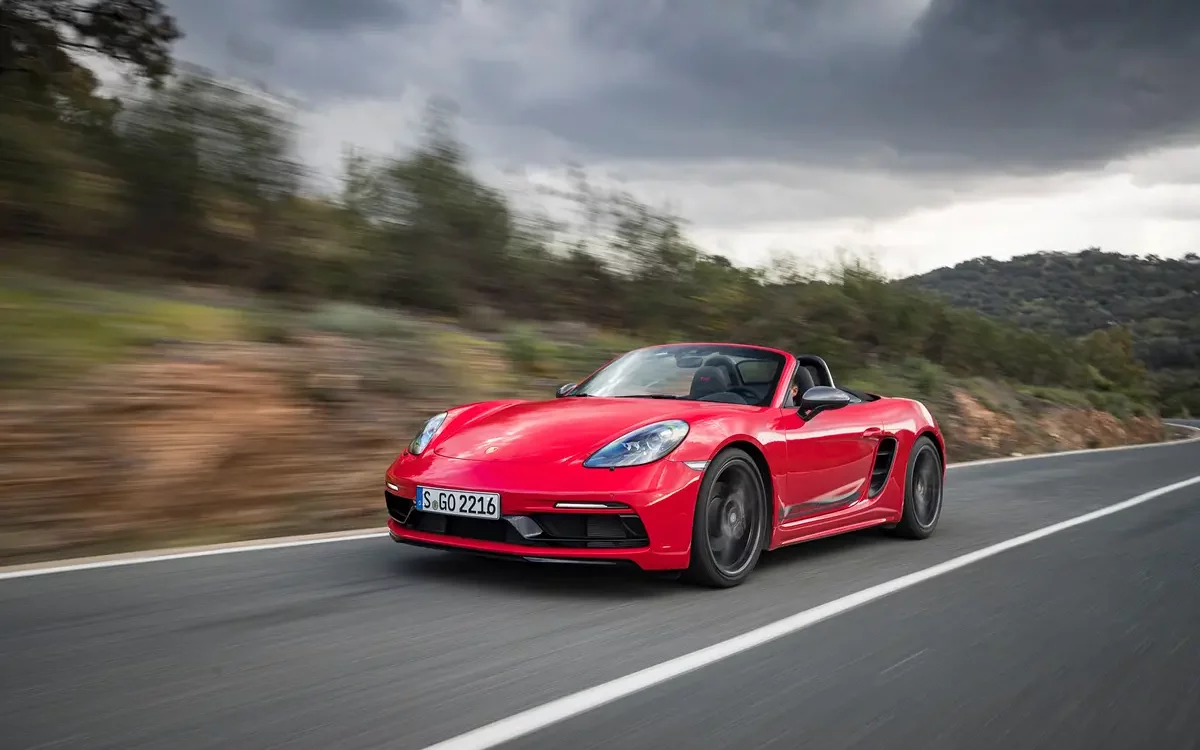
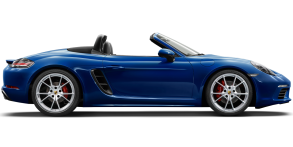
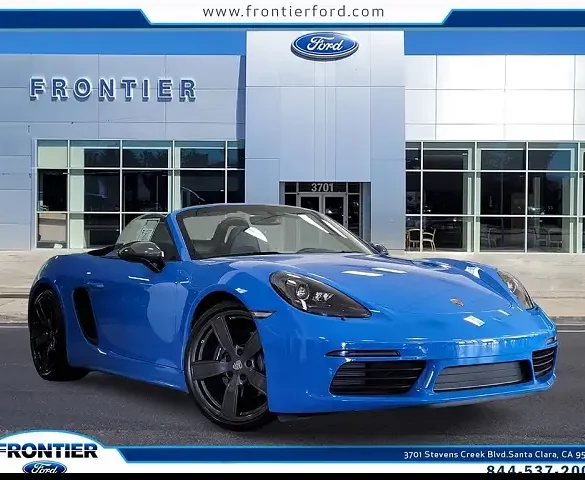
Vehicle Highlights Body StyleConvertible MPG City/Hwy21/27 Drive TypeRWD TransmissionAutomatic Engine4 Cyl FuelGasoline Interior ColorBlack Exterior ColorBlue Top Features DVD Keyless Entry Spoiler Heated Seats Wind...


The Porsche Boxster is one of the most important sports cars Porsche has ever built. Since its debut in the mid-1990s, the Boxster has delivered a unique combination of mid-engine balance, open-top driving, everyday usability, and true Porsche performance—often at a price point far more accessible than the 911. Across multiple generations, it has evolved from a brand savior into one of the finest driver-focused roadsters in the world.
Whether you’re shopping for an affordable first Porsche, a pure weekend toy, or a modern performance roadster with serious credentials, the Boxster lineup offers something for nearly every type of enthusiast. From early flat-six classics to modern turbocharged and GT-derived variants, this page brings together Porsche Boxsters for sale across all generations in one place.
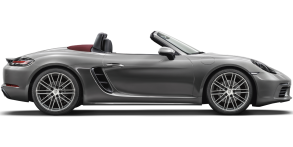
Browse Porsche Boxsters listed by our community alongside a curated selection of the most interesting and well-kept examples for sale across the web. We highlight only standout Boxsters—making it easier to find the right car without the endless searching.
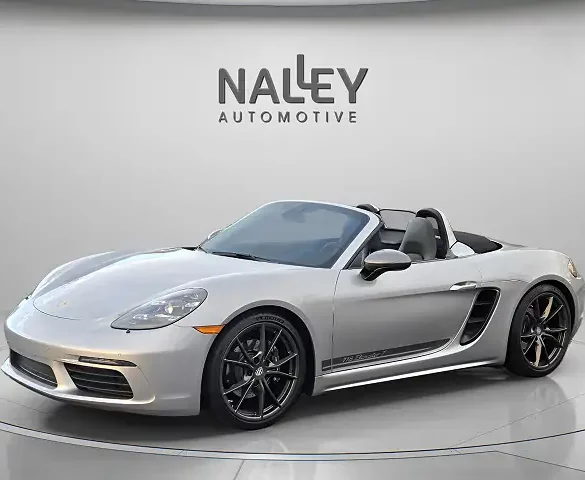


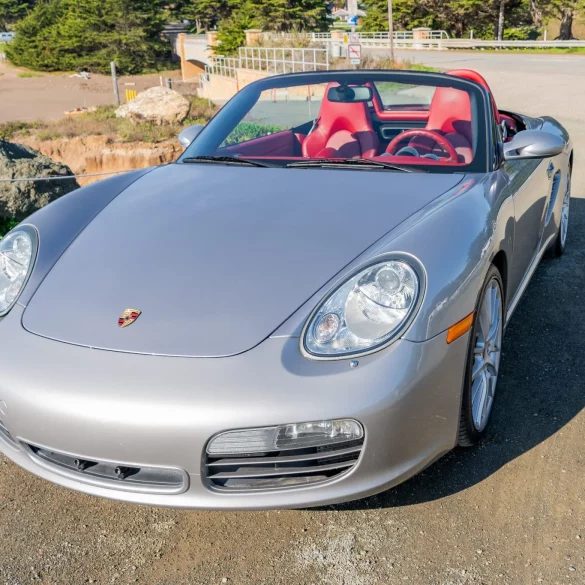
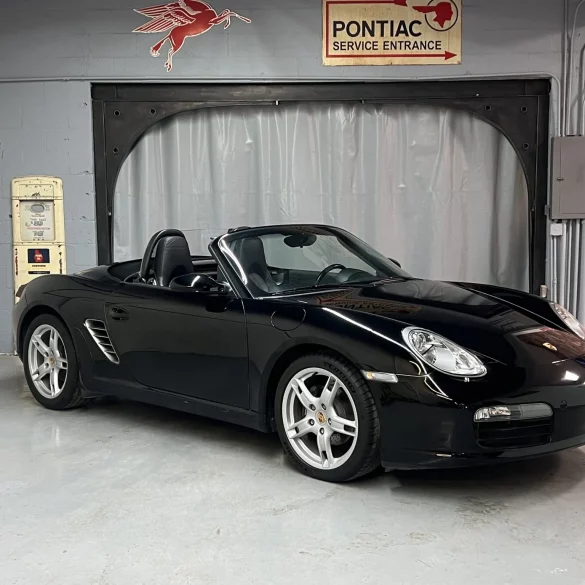
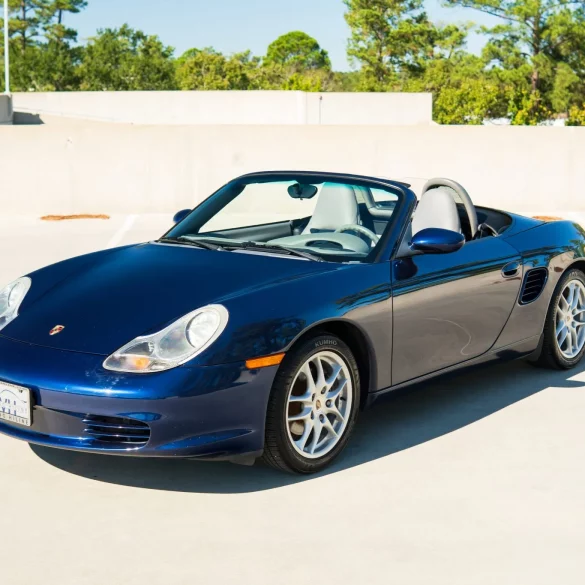
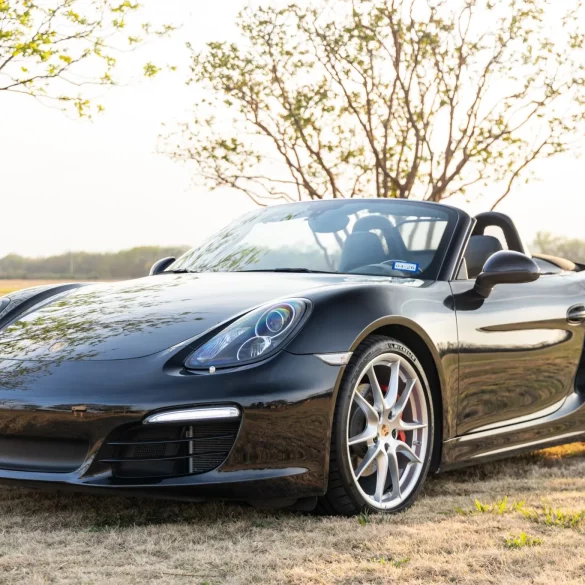
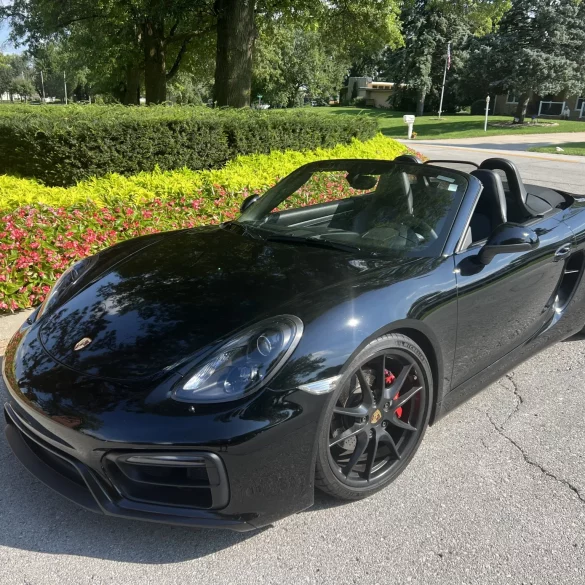
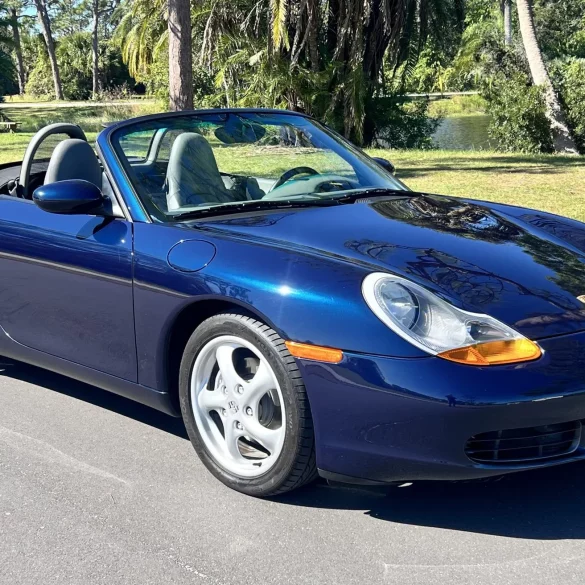
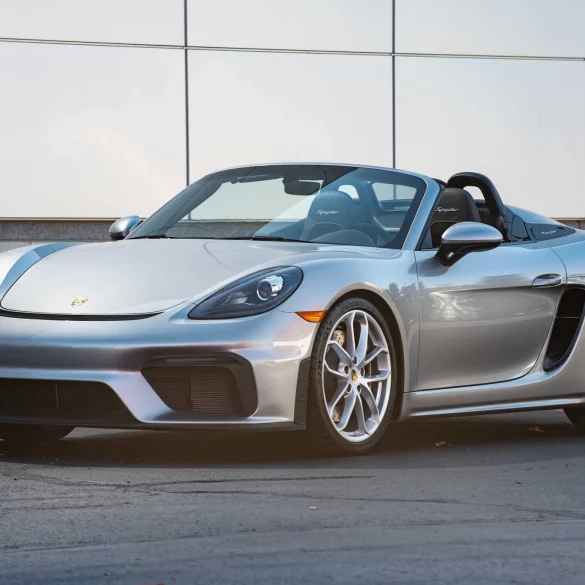
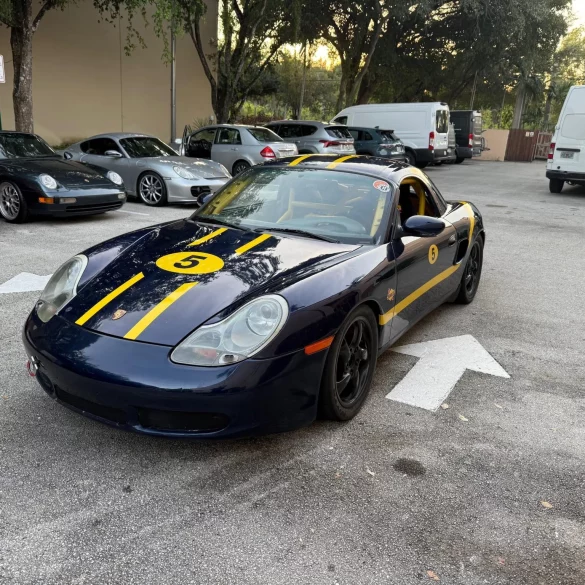
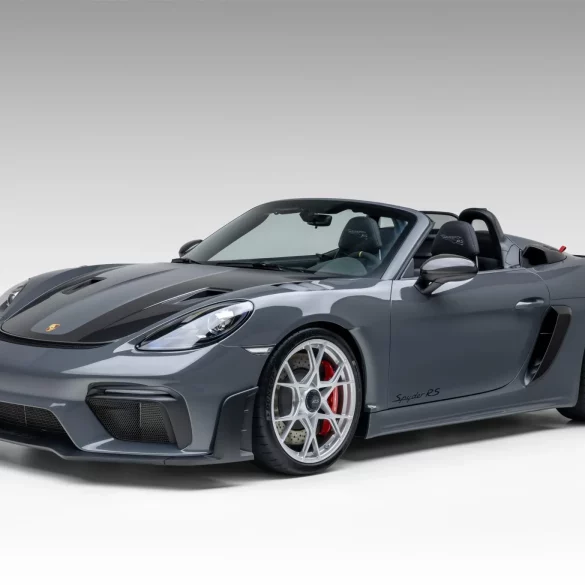
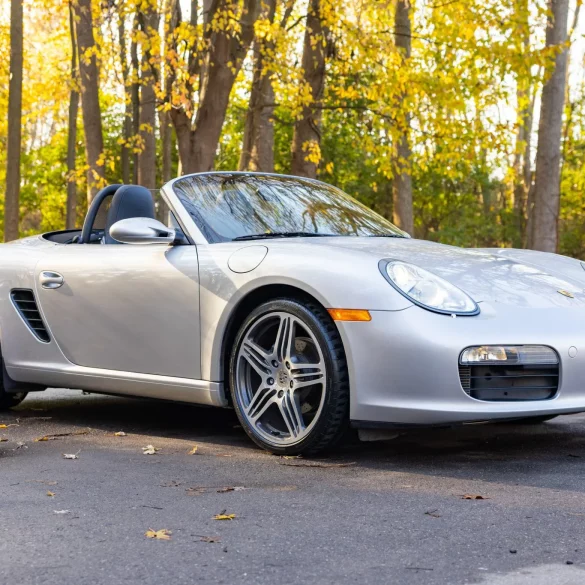
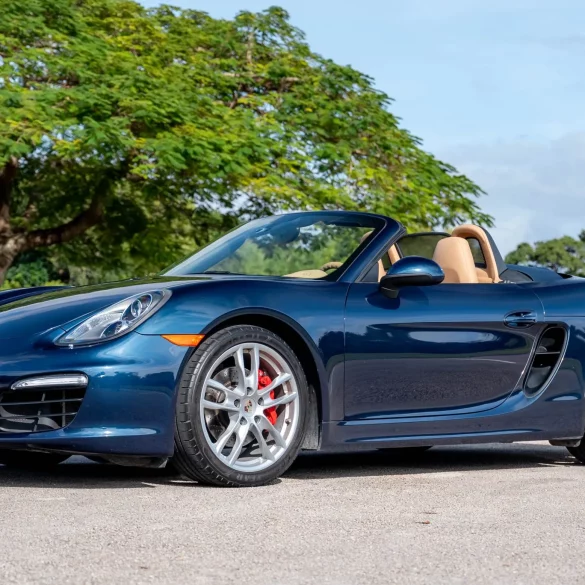
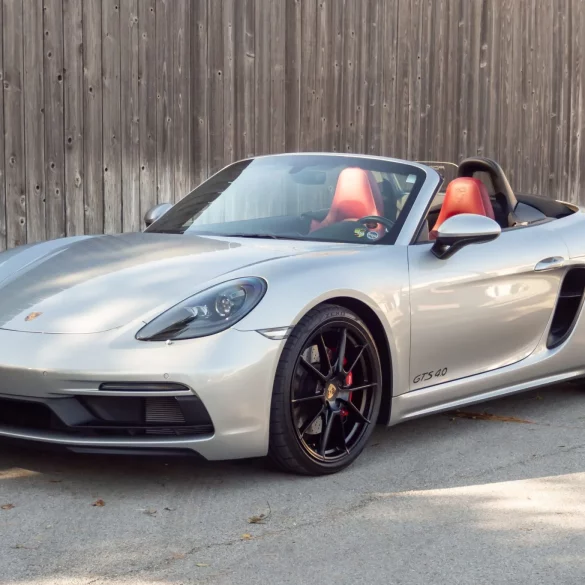
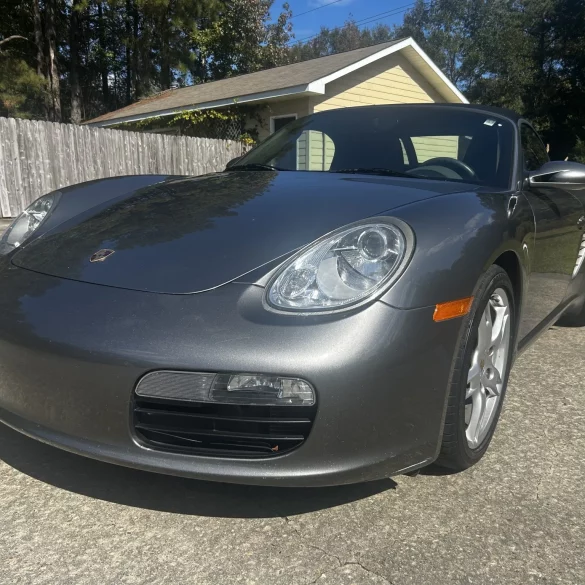
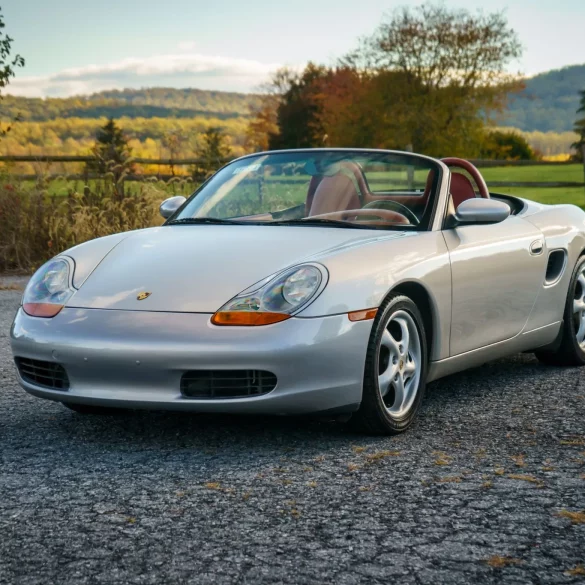
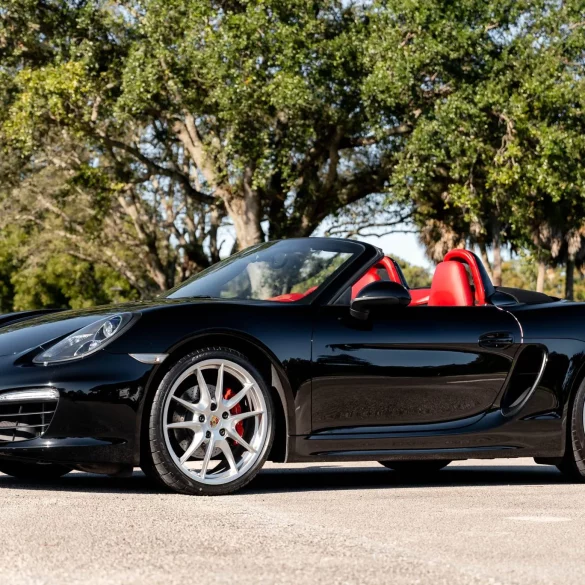
The truly special and unique Porsche Boxsters at auction or for sale.
If you’re wondering which Porsche Boxster variants tend to hold their value best, the short answer is: the ones with the right mix of engine, trim, rarity, and enthusiast demand. Based on recent resale-data and market-trend analysis, here’s a breakdown of the Boxster versions that tend to depreciate the least — and which to be cautious about if long-term value is a priority.
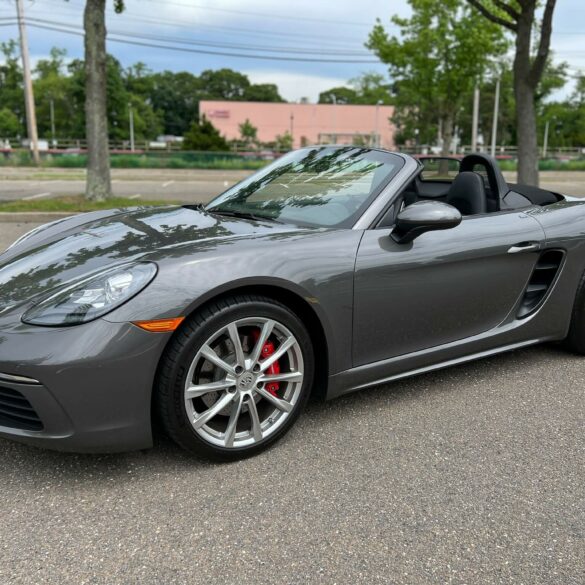
The 981 generation — especially the “S” and higher-trim variants — is often viewed by experts as the best overall value in the Boxster line. It combines the iconic naturally-aspirated flat-six, excellent chassis balance, and modern interior comfort — but without the “turbo-flat-four” controversy that newer models sometimes draw. Because of that balance (performance, feel, usability, and relative maturity on the depreciation curve), 981 Boxster S examples tend to sell for $35,000–$55,000 (depending on mileage and spec) — a range that many consider “sweet-spot value” for a used Boxster.
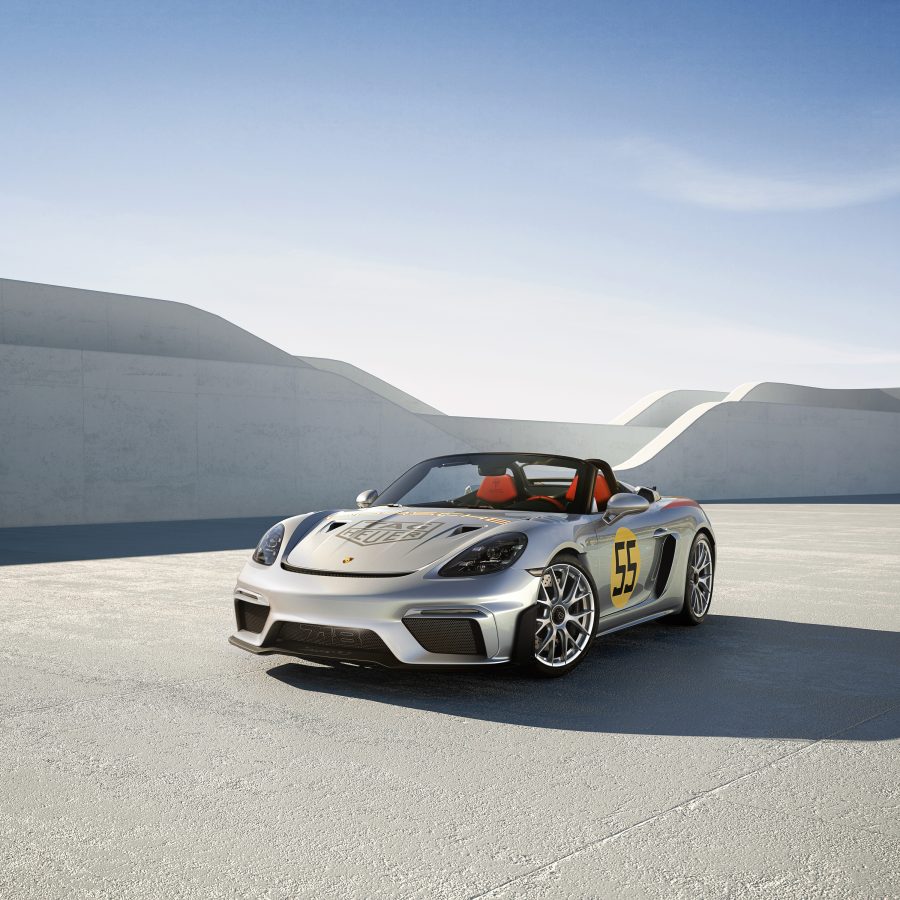
Although the newer 718 generation (post-2016) has mixed resale results overall (especially the base turbo-flat-four versions), the more desirable 718 variants — those with flat-six engines or higher-spec trim — appear to weather depreciation better. When buyers place value on “sound, feel, and performance” over mere “new-car status,” these versions tend to retain interest — and with it, better resale value.
Across generations, Boxsters that have been well maintained, with clean history, low mileage, and original specifications — especially manual-transmission or “sports-oriented” builds — tend to hold value better than high-mileage or heavily modified cars. In many cases, a well-sorted older Boxster (e.g. 981 or 987) with good documentation outperforms a newer, base-spec 718 in resale value — because buyers in the used market often prioritize mechanical soundness and driving feel over “new‐gen” badge.
Base 718 Boxster (turbo flat-four, lower-spec trim) — these tend to depreciate faster than the “desirable” Boxsters. For example, the 5-year depreciation of a 718 Boxster is estimated around ~29.6%.
Heavily optioned or over-customized cars — while fancy interiors or rare color/options may seem appealing, many buyers report that some optional equipment doesn’t pay off in resale (e.g. audio upgrades, comfort features).
Neglected or high-mileage cars — as with any performance machine, wear and maintenance history matter more than badge or year. A poorly maintained 981 or 987 will often underperform a well-kept 718 or Cayman when it comes time to sell.
If you care about value retention and future resale, prioritize a 981-generation Boxster S or a well-specced later 718 flat-six variant. Focus on low mileage, full maintenance history, and ideally manual transmission or “sports-spec” setup. Avoid base-trim 718 turbo-flat-fours (unless buying purely for budget or short-term use). Always be skeptical of optional extras – don’t over-pay for bells and whistles that don’t necessarily retain value
The 981 Boxster S is widely considered the best all-around Boxster you can buy. It strikes a rare balance of modern refinement and classic Porsche character, thanks to its naturally aspirated flat-six engine, lightweight chassis, improved rigidity, and beautifully updated interior. This generation avoids many of the known issues found in earlier models while still delivering a pure, mechanical driving feel that newer turbocharged cars don’t quite replicate. For performance, reliability, and long-term enjoyment, the 981 S sits squarely at the top of most enthusiasts’ lists.
The 981 GTS takes everything great about the 981 S and adds more aggression, more character, and better performance. Featuring a higher-output flat-six, sharper suspension tuning, upgraded brakes, and a more driver-focused aesthetic, the GTS is often viewed as the ultimate “driver’s Boxster” short of Porsche’s rare specials. Its combination of sound, feel, and handling precision has made it one of the most sought-after modern Boxsters—and its strong enthusiast demand helps it hold value exceptionally well.
The second-generation facelift, known as the 987.2, offers significant improvements over early Boxsters while often costing far less than a 981. Most notably, Porsche redesigned the engines for this update, eliminating many of the major reliability concerns present in the 986 and early 987. With cleaner styling, better performance, and improved reliability, the 987.2 represents one of the best value propositions in the entire Boxster family—ideal for buyers who want a flat-six roadster without stretching into 981 pricing.
For buyers seeking a more classic feel with a bit more punch, the 987 S and the lightweight 987 Spyder deliver exactly that. These models bring stronger engines, improved handling, and more mature designs over the original 986 generation. The 987 S offers excellent performance per dollar, while the Spyder—being lighter and more focused—has developed a passionate following among purists. Both can offer tremendous driving enjoyment when well maintained, though buyers should pay close attention to service history.
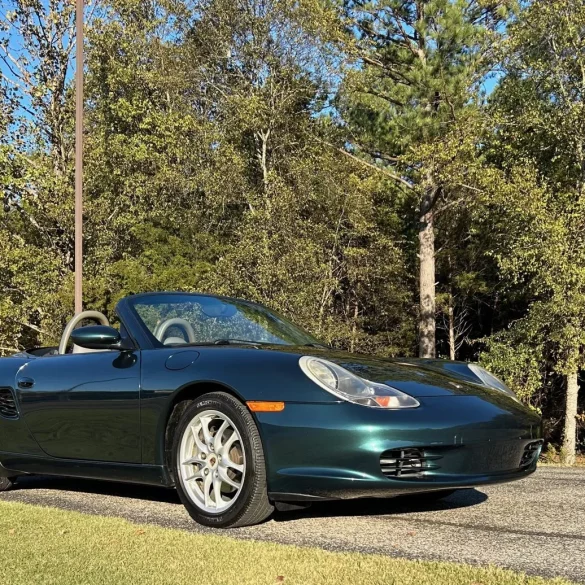
Among early Boxsters, the late-generation 986 S stands out as the best of the breed. Featuring the bigger 3.2-liter flat-six, updated styling cues, and fewer early production issues, it offers genuine Porsche mid-engine fun at some of the lowest prices in the market. While it may require more vigilance with inspections—especially around the IMS bearing and cooling system—a clean, well-maintained late 986 S can be an incredibly enjoyable and affordable entry into Porsche ownership.
If you want modern performance, cutting-edge tech, and the glorious return of the naturally aspirated flat-six, the 718 Boxster GTS 4.0 is the standout choice of the newest generation. With a 4.0-liter six that revs and sounds like a mini GT3, paired with the highly polished 718 chassis, it delivers one of the best driving experiences Porsche sells today. Enthusiast demand is consistently strong, and its special engine ensures it will likely be one of the most collectible 718 variants long-term.
Regardless of generation, a manual-transmission Boxster almost always holds value better and delivers a more engaging ownership experience. Manuals simplify the drivetrain, reduce certain maintenance costs, and appeal to the enthusiast market that Boxsters thrive in. A clean manual 987, 981, or 718 model remains a favorite among purists—and because production numbers for manuals have declined over time, they often carry added desirability in the used market.
Perhaps the most important factor isn’t the generation—it’s condition. A well-documented, well-maintained Boxster with lower mileage will almost always outperform a newer or “higher-trim” car that has been neglected. Service history, clean engine operation, healthy cooling systems, and top-condition soft tops matter more than many shoppers realize. In many cases, a pristine older Boxster can be a better long-term buy than a rougher, newer model.
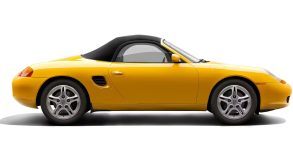
The 986 is the first-generation Boxster and introduced Porsche’s modern mid-engine platform. It’s the most analog, lightweight, and minimalist of all Boxsters, with simple interiors, classic steering feel, and the purest interpretation of the roadster formula. Early cars are inexpensive but come with well-known mechanical concerns—most notably IMS bearing failures, RMS leaks, and potential cylinder scoring in higher-mileage models. Still, a clean late-model 986 (especially the 2003–2004 Boxster S) offers an authentic Porsche driving experience at the lowest entry price.
From a driving perspective, the 986 feels small, nimble, and engaging, with excellent visibility and a wonderfully responsive chassis. However, its interior quality and technology are noticeably dated today, and power levels are modest by modern standards. It’s the best choice for buyers who want a raw, back-to-basics sports car and don’t mind its age.
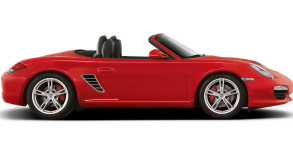
The second-generation 987 brought major upgrades in power, design, materials, and overall refinement. It solved many of the complaints of the 986 with a much higher-quality interior, stronger engines, and improved reliability—especially in the later 987.2 models (2009–2012), which received new engine designs that eliminated the IMS bearing issue entirely. The 987 feels more modern, more solid, and more luxurious, while still retaining the playful agility that defines the Boxster.
From behind the wheel, the 987 offers sharper steering, stronger brakes, and a more composed chassis, making it easier to daily-drive yet still exciting on back roads. The 987.2 models, in particular, deliver some of the best performance-to-value ratios in the Porsche used market, combining reliability, naturally aspirated flat-six sound, and approachable prices.
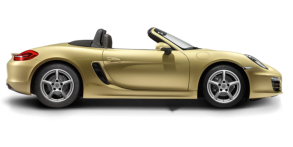
The 981 generation is widely regarded as the best all-around Boxster. It features a stiffer aluminum chassis, dramatically improved suspension geometry, modernized ergonomics, and one of the best flat-six engine lineups Porsche ever produced. The styling, performance, and cabin quality represent a significant leap forward, and the 981 manages to feel both modern and emotionally engaging—something many enthusiasts feel the newer turbo cars lack.
On the road, the 981 is precise, fast, and incredibly balanced, with communicative steering and braking feel. It’s also one of the most reliable Boxster generations, free of most of the major engine concerns of earlier models. For buyers who want a modern Porsche roadster with the traditional naturally aspirated sound and character, the 981 is the sweet spot.
The 718 Boxster introduced turbocharged four-cylinder engines for most models, creating noticeable differences in character compared to the earlier flat-six generations. It brings more torque, better efficiency, significantly updated tech, and a truly modern luxury-sports-car interior. Lower trim levels offer strong performance, while the 718 GTS 4.0 and 718 Spyder reintroduce the naturally aspirated flat-six, restoring the sound and emotion many buyers missed in the turbo models.
Driving a 718 feels sharper, faster, and more composed thanks to a very advanced chassis and the latest Porsche electronics. The turbo models deliver huge mid-range punch but trade some of the acoustic drama and linear feel of earlier generations. For buyers prioritizing modern technology, performance numbers, and daily usability, the 718 stands at the top of the evolution ladder.
The 986 offers the lowest entry price, but also comes with the highest potential for major mechanical issues. IMS bearing failures, RMS leaks, aging electronics, and worn soft tops are common concerns. You must buy on condition and documentation—skipping a PPI on a 986 is risky. Many parts are now 20+ years old, so rubber components, suspension bushings, coolant tanks, and interior plastics may need attention.
The 986 gives you unmatched affordability and the purest, most analog driving experience in the lineup. But you trade modern comfort, interior quality, and power for that charm. Buyers willing to take on higher maintenance risk—or who want a project car—will find it rewarding. Those wanting low upkeep or daily-driver reliability should look to newer generations.
Early 987.1 models (2005–2008) still carry some engine risks, though reduced compared with the 986. The 987.2 (2009–2012) solves many of those issues, making it the better long-term buy. Interior quality is significantly improved, but many sub-10-year-old examples will now need wear-and-tear maintenance: suspension components, cooling systems, and convertible tops.
The 987 offers a big leap in livability and refinement while maintaining the flat-six character—and the 987.2 is one of the best deals in the Porsche world. However, early 987.1s require more caution, and the cost of maintaining an older Porsche still applies. Buyers get more car for the money here than anywhere else in the lineup, as long as condition is strong.
The 981 is the generation with the fewest widespread mechanical concerns. Expect normal Porsche maintenance costs but fewer “big ticket” risks compared to older models. Many used 981s will have low to moderate mileage and remain in excellent condition if well cared for. However, prices have risen because this generation is considered a modern classic.
With the 981, you pay more upfront, but you get arguably the perfect balance of reliability, sound, performance, and modern comfort. There’s almost no downside other than cost and the fact that the market knows how good they are—so bargains are increasingly rare. For many buyers, this generation is the best value long-term.
The biggest factor to consider is engine choice. The turbocharged four-cylinder (in base and S models) is fast and efficient, but many traditional Porsche buyers dislike the sound and character. The 4.0-liter flat-six in the GTS and Spyder models fixes that—but at a price. Newer 718s hold value well, but depreciation on early 718 four-cylinder cars can create excellent buys if you don’t mind the soundtrack.
The 718 delivers the most modern technology, strongest performance numbers, best safety systems, and newest interiors. But buyers trade some of the emotion and sound of earlier flat-six models unless they purchase a GTS 4.0 or Spyder. You get the most daily-friendly Boxster here, but possibly the least “traditional” Porsche experience depending on trim.
Whether you should buy a new or used Porsche Boxster depends mostly on what you’re looking for — and how you balance cost, enjoyment, and risk. Both paths have real advantages (and trade-offs). Here’s a breakdown of when new makes sense — and when used might be the smarter choice.
You dodge the steepest depreciation. New cars nearly always lose their highest portion of value within the first few years. With a used Boxster, someone else has already absorbed much of that drop — so you avoid that initial “value hit.”
Better value for money — often you get more performance or features for less. Because Boxsters are somewhat common on the used market, you can often find well-equipped or flat-six models (or higher trims) at prices well under what new ones go for.
You get a sense of real-world reliability and history. Used cars come with maintenance history, wear patterns, and known “real-world” reliability that new cars simply can’t offer yet; that helps you avoid surprises down the line.
Lower total cost upfront. Insurance, taxes, and financing costs tend to be lower on used cars — and you’re less likely to go “upside down” (owing more than the car’s worth) if the vehicle gets damaged or needs big repairs.
Best for: buyers on a budget, first-time Boxster owners, those comfortable inspecting and maintaining a car, or people who want strong value rather than new-car sheen.
You want the latest features, most reliable condition, and warranty coverage. When new (or certified pre-owned with low miles), you avoid many maintenance pitfalls — less wear, fresher internals, and usually fewer “what-if” issues.
If you value peace of mind, minimal risk, and low hassle. New cars (or factory-certified ones) often have dealer warranties or extended-coverage options — great if you don’t want to deal with unknown history or costly unforeseen repairs.
You like having a “clean slate,” customizing trim, options, and features to your taste — and you prioritize reliability, resale desirability, or long-term investment (if well cared for).
Best for: buyers who want long-term convenience, minimal maintenance worry, and the assurance that everything under the hood is fresh and well-documented.
If You Buy Used
Potential for hidden wear, need for thorough inspection, possibly more maintenance on older parts. You may inherit someone else’s neglect or modifications — so due diligence is essential.
If You Buy New
Higher purchase price, steep initial depreciation, higher insurance/finance/tax burden. You lose value rapidly in first years — even a well-kept new Boxster rarely holds new-car pricing.
If I were shopping for a Boxster today and I care about value, enjoyment, and long-term cost, I’d likely buy used — preferably a well-maintained example with documented history, a good trim (flat-six or well-specified), and relatively moderate miles. That gives the best balance: lower cost, matured depreciation curve, and still plenty of Porsche character. If instead I prioritized low maintenance, reliability, and all the perks of a “brand-new” car — or planned to keep it many years — then a new or almost-new Boxster would be justifiable, especially if I built in the costs accordingly.
Here are the most common issues to look for when buying a used Porsche Boxster, organized clearly and written from a buyer’s perspective. These apply across generations, but I’ve noted where certain problems are especially common.
Early Boxsters — especially 986 and 987.1 models — are well known for potential IMS bearing failures, which can lead to catastrophic engine damage if ignored. You should always confirm whether the IMS has been updated or inspect for warning signs (metal in oil, rough idle, noise). On later generations (987.2, 981, 718), this issue is no longer relevant.
Some cars, particularly higher-mileage 986/987.1 examples, can also suffer from bore scoring or rear main seal (RMS) leaks. Listen for knocking or ticking when warm, and check for oil leaks around the bell housing. A professional PPI is essential for catching early problems that aren’t visible on a test drive.
Coolant expansion tanks are a known weak point on the 986 and early 987 generations. Cracks can develop from age or heat, leading to leaks or overheating. Hoses, radiators, and water pumps may also need replacement around 80k–100k miles. Later models improved these components, but on any used Boxster, check for coolant smell, dried residue, or fluctuating temperatures during a test drive.
Older Boxsters often show suspension age in the form of worn control arms, bushings, sway bar links, and sometimes struts. Clunks over bumps, vague steering, or uneven tire wear are common symptoms. The good news: suspension parts are wear items and not uncommon to replace, but budgeting for bushings or control arm refreshes is smart—especially on 15–20-year-old cars.
Soft-top issues are relatively common, especially on 986 and 987 cars. You’ll want to check smooth operation of the top, condition of fabric (tears, shrinking, rubbing marks), plastic rear windows (986 models) for yellowing or cracking, drain plugs for clogs (which can cause water intrusion into the cabin or ECU area) and replacing or repairing tops can be costly, so thorough inspection is critical.
As Boxsters age, electrical issues can develop—window regulators, seat motors, central locking modules, ignition switch failures, gauge cluster errors, and alarm-system problems are among the more common. Later generations (981/718) have more reliable electronics, but earlier cars should be checked carefully. Make sure every switch, button, window, and lock works exactly as it should.
On manual cars, clutch wear is common, especially if previous owners were inexperienced or drove aggressively. A high clutch bite point, chatter, or slipping under load indicates impending replacement. On PDK-equipped Boxsters, the transmission is extremely reliable overall, but harsh shifts or delayed engagement deserve attention. Regular PDK servicing (fluid and filter) is often overlooked but essential.
Valve cover gaskets, AOS (air-oil separator) units, and camshaft seals are known leak points, especially on older flat-six engines. These leaks aren’t always expensive individually but can add up if multiple gaskets are failing. An AOS failure can also affect drivability (smoke at startup, loud whistling, poor idle).
Even well-maintained Boxsters eventually show normal age-related issues faded interior plastics or sticky switches, worn seat bolsters, wheel bearing hum, corrosion on underbody hardware and sloppy shifters (986/987) None of these are deal-breakers, but they influence price and long-term ownership satisfaction.
Boxsters respond well to proper maintenance — but poorly to aggressive modifications or low-budget parts. Watch for cut springs or cheap coilovers, aftermarket intake/exhaust that triggers CELs, poorly executed audio installs and non-Porsche aftermarket wheels/tires Stock or tastefully upgraded cars tend to age far better and hold their value.
A Boxster with complete records is almost always worth more — and far safer — than one with missing history. Regular oil changes, brake fluid flushes, coolant service, spark plugs, belts, and PDK/manual service should all be documented. Lack of records is one of the biggest red flags you can encounter.
A well-maintained Boxster of any generation is a fantastic sports car. But a poorly maintained car — even a newer or higher-trim one — can turn into a financial headache. Always get a PPI (pre-purchase inspection) from a Porsche specialist.