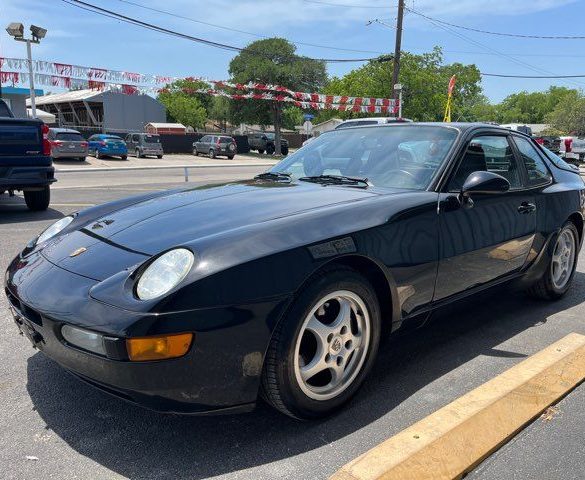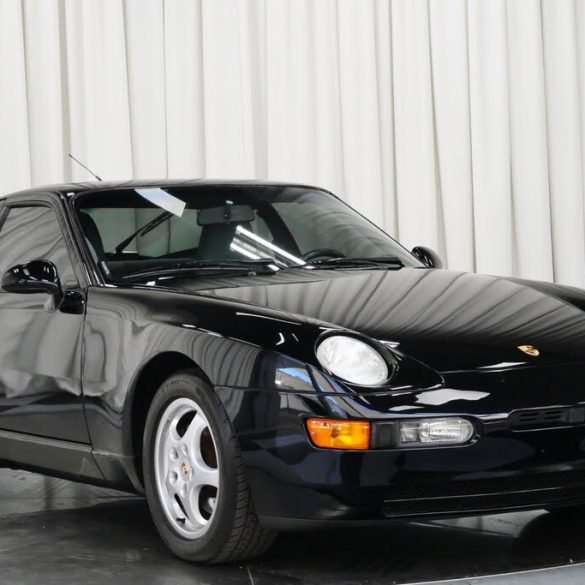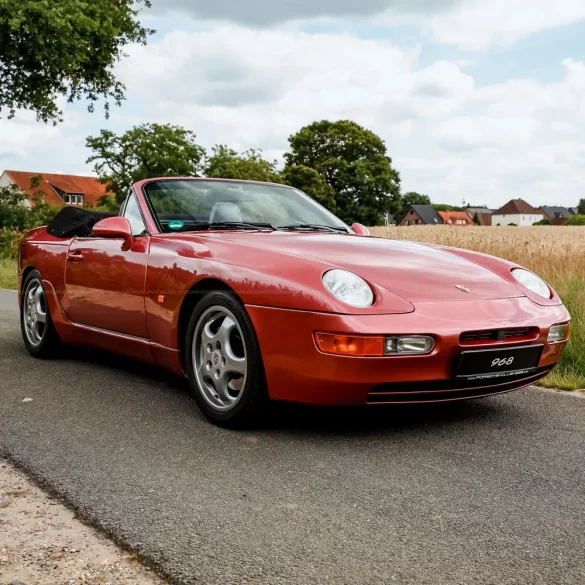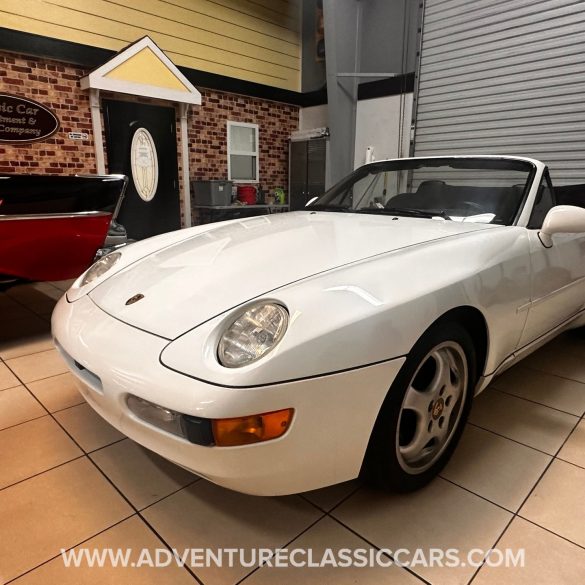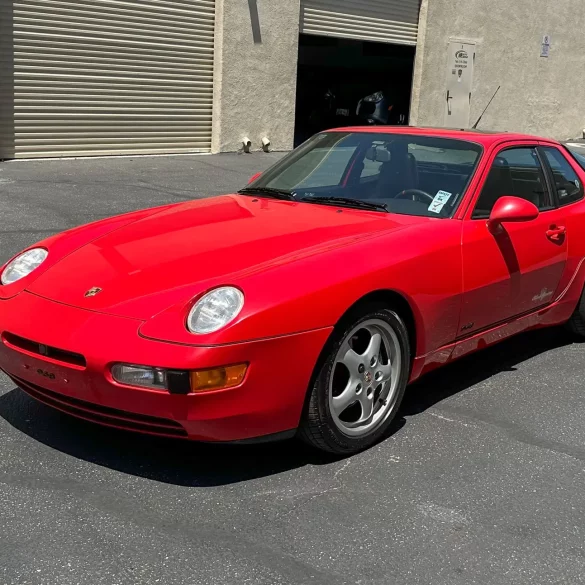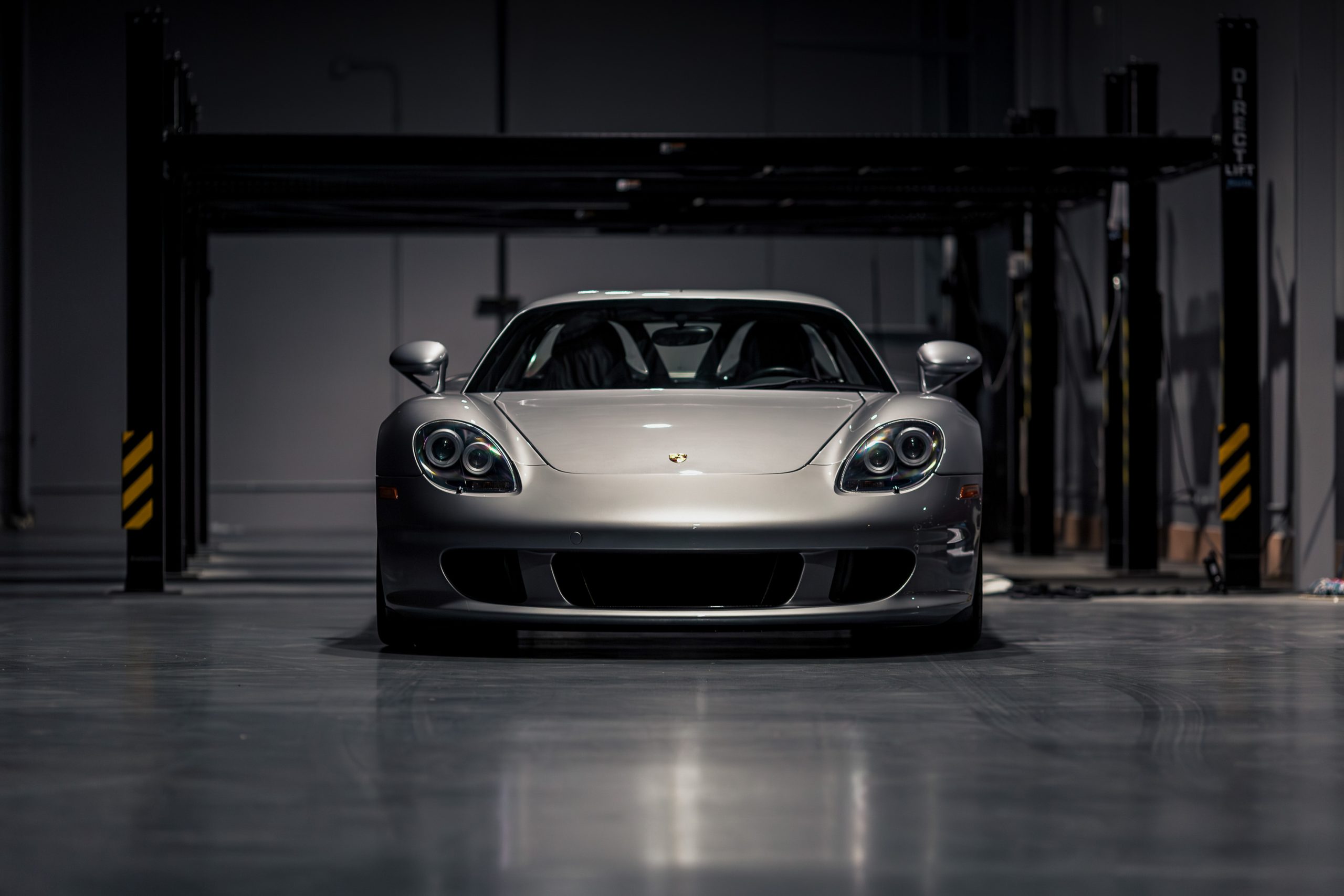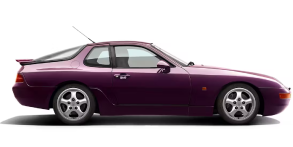
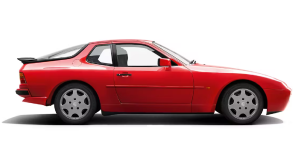
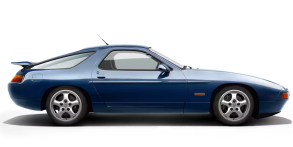
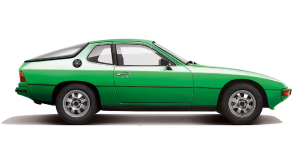

HCC is honored to present what is undoubtedly one of the most compelling and underappreciated chapters in Porsche history: the 1992 Porsche 968 Turbo S...


The Porsche 968 represents the final and most refined evolution of Porsche’s front-engine, rear-transaxle sports cars. Produced from 1992 to 1995, the 968 combined timeless styling inspired by the 928 and 911 with excellent balance, strong build quality, and one of the best four-cylinder engines Porsche ever produced. With near-perfect weight distribution and a refined chassis, the 968 delivers a driving experience that feels modern even by today’s standards.
Long overlooked, the Porsche 968 has gained growing appreciation among enthusiasts and collectors. Its limited production numbers, everyday usability, and analog character have helped push it into modern-classic territory. Offers performance, reliability, and long-term value without the steep premiums of more famous Porsche models.
Refine Search: All 968s / 968 (Base) / 968 Club Sport / 968 Turbo S
Below you’ll find a curated selection of Porsche 968 cars for sale, sourced from across the web, including specialty dealers, leading auction platforms, and verified private listings from our enthusiast community. We bring together Coupe and Cabriolet models in one place, making it easy to compare condition, mileage, originality, options, and pricing across the current market. Because Porsche 968s are relatively scarce and often well-kept by long-term owners, availability can be limited and values can vary significantly by condition and specification.
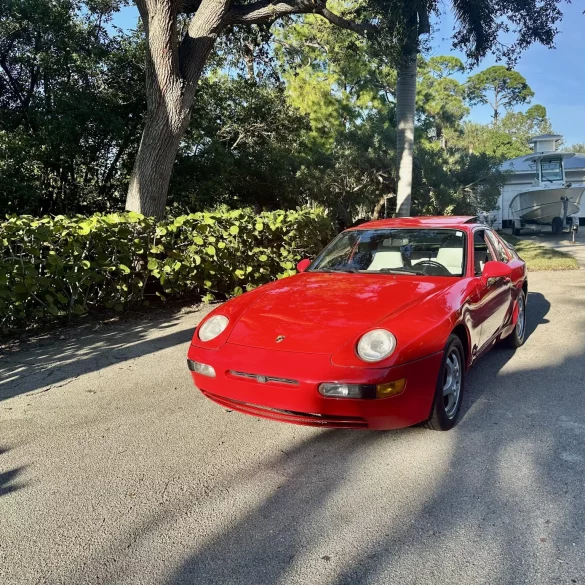

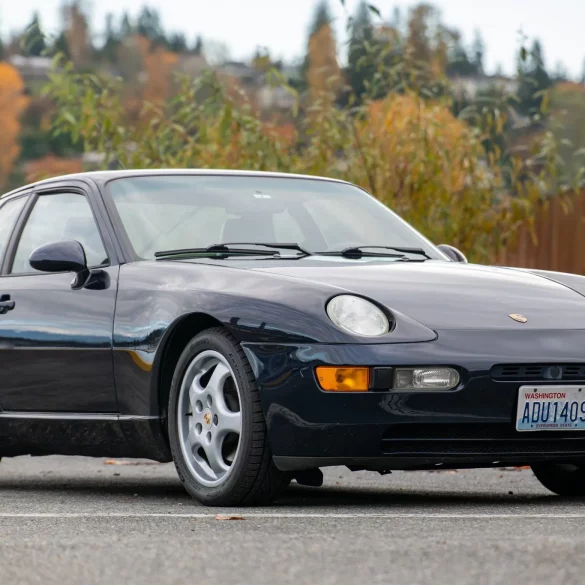
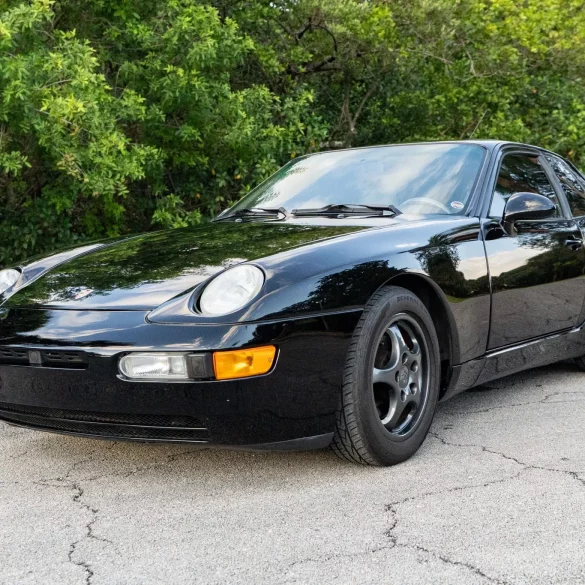
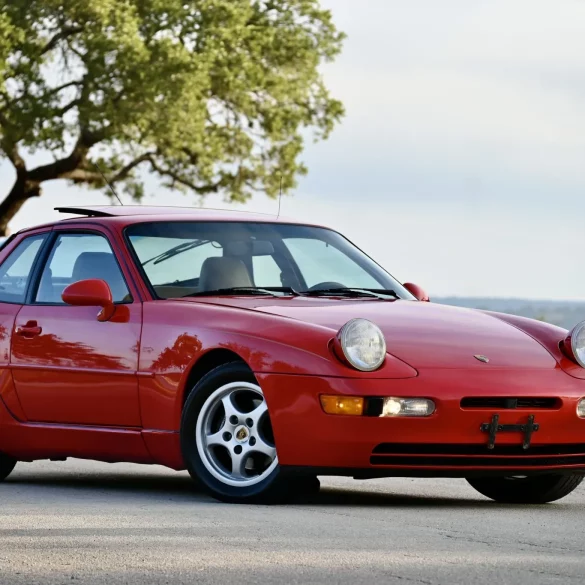
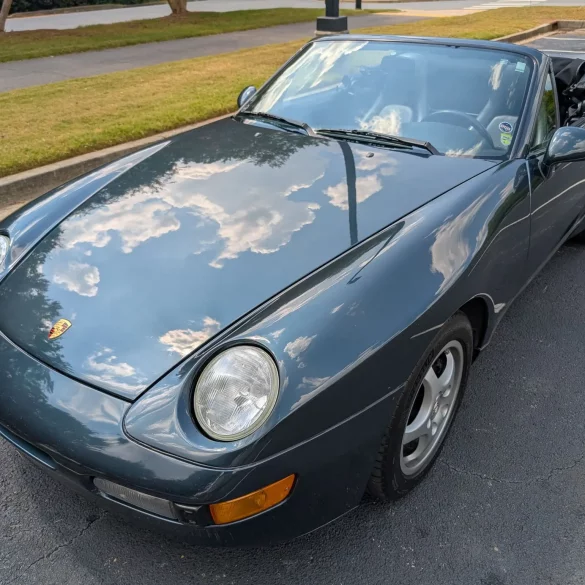
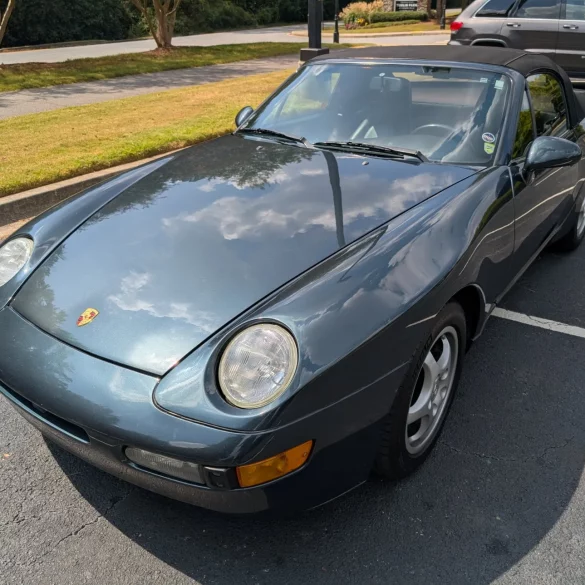

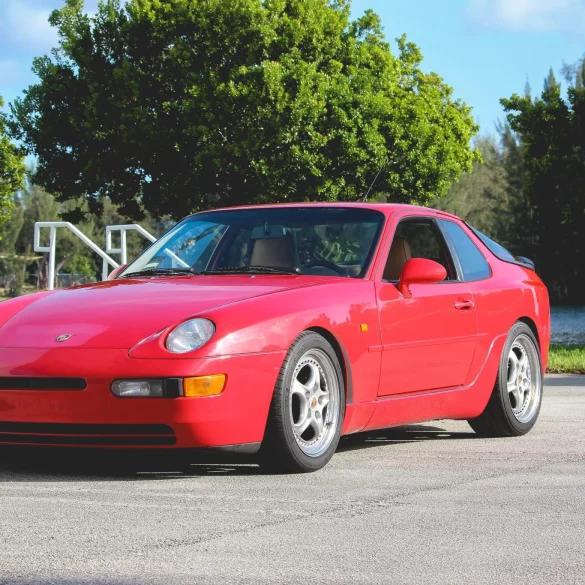

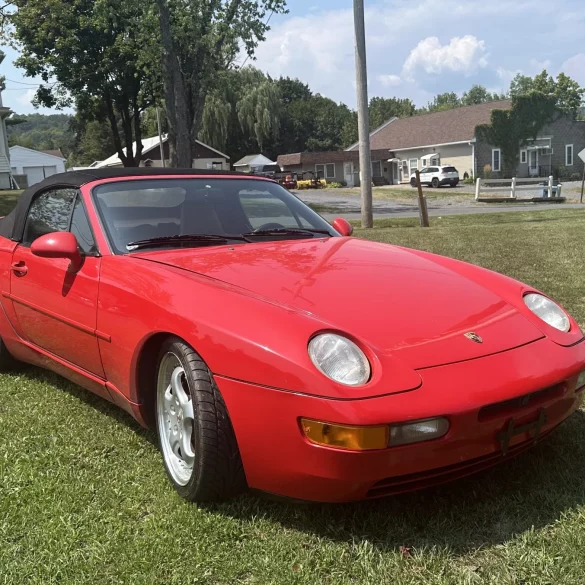
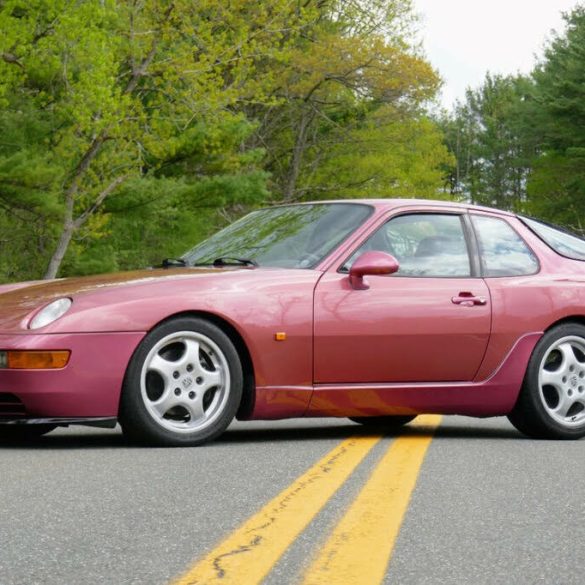
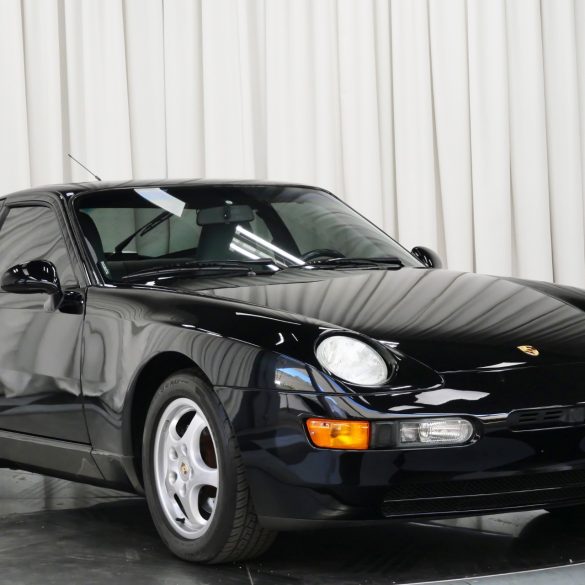
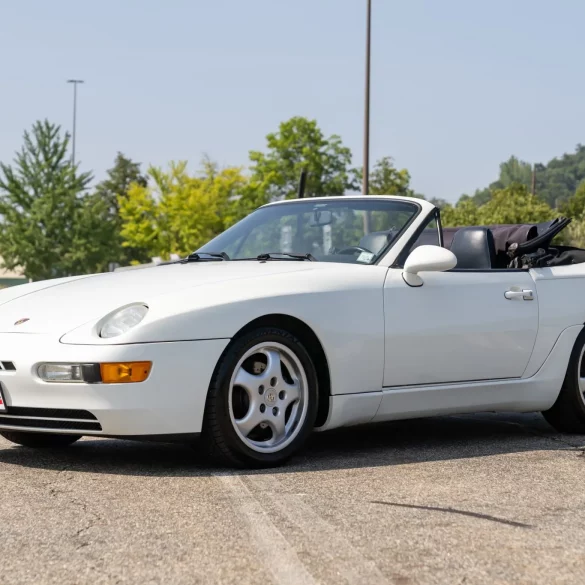
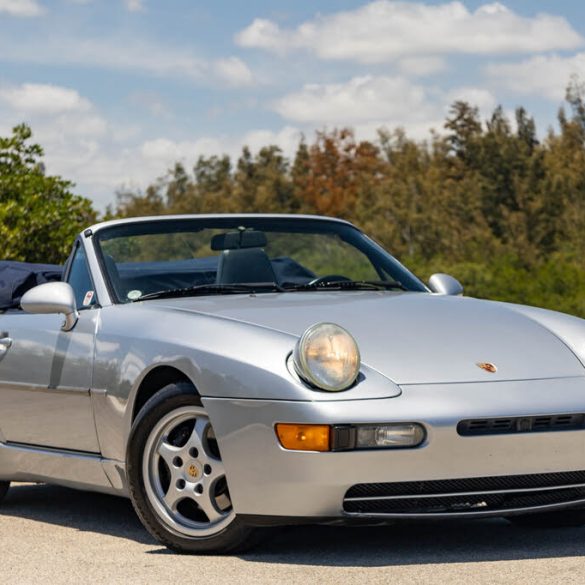
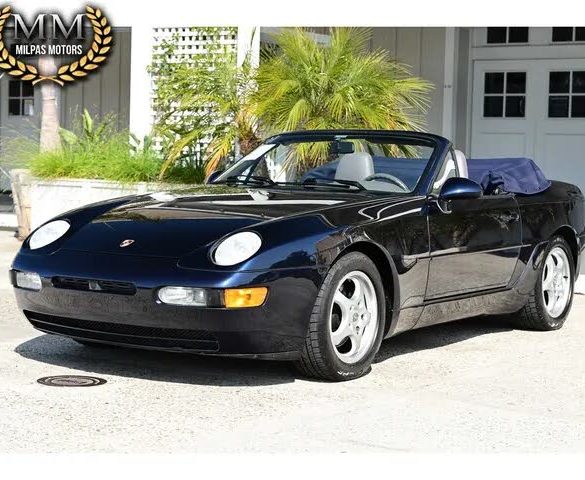
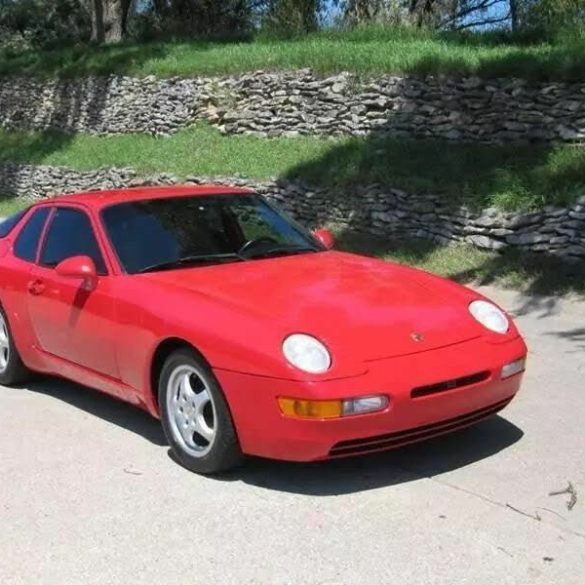
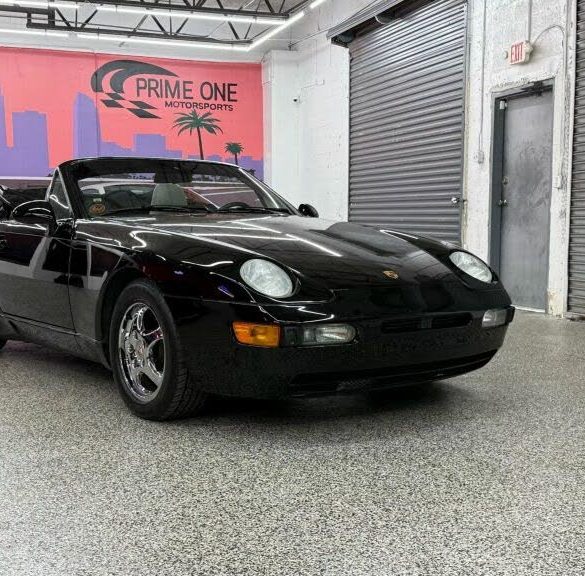

The most sought-after Porsche 968 variants are those that combine rarity, performance, and collector appeal. While all 968s offer a unique blend of refinement and transaxle engineering excellence, a few stand out in the eyes of collectors and enthusiasts due to limited production numbers, performance pedigree, or market desirability. Here's a breakdown of the most desirable 968 variants:
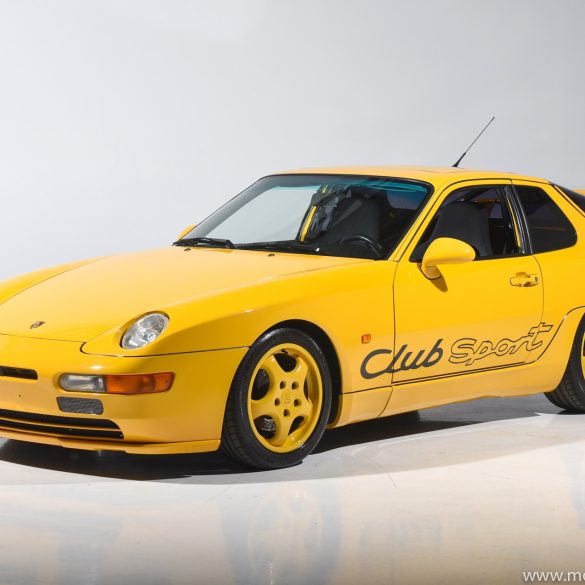
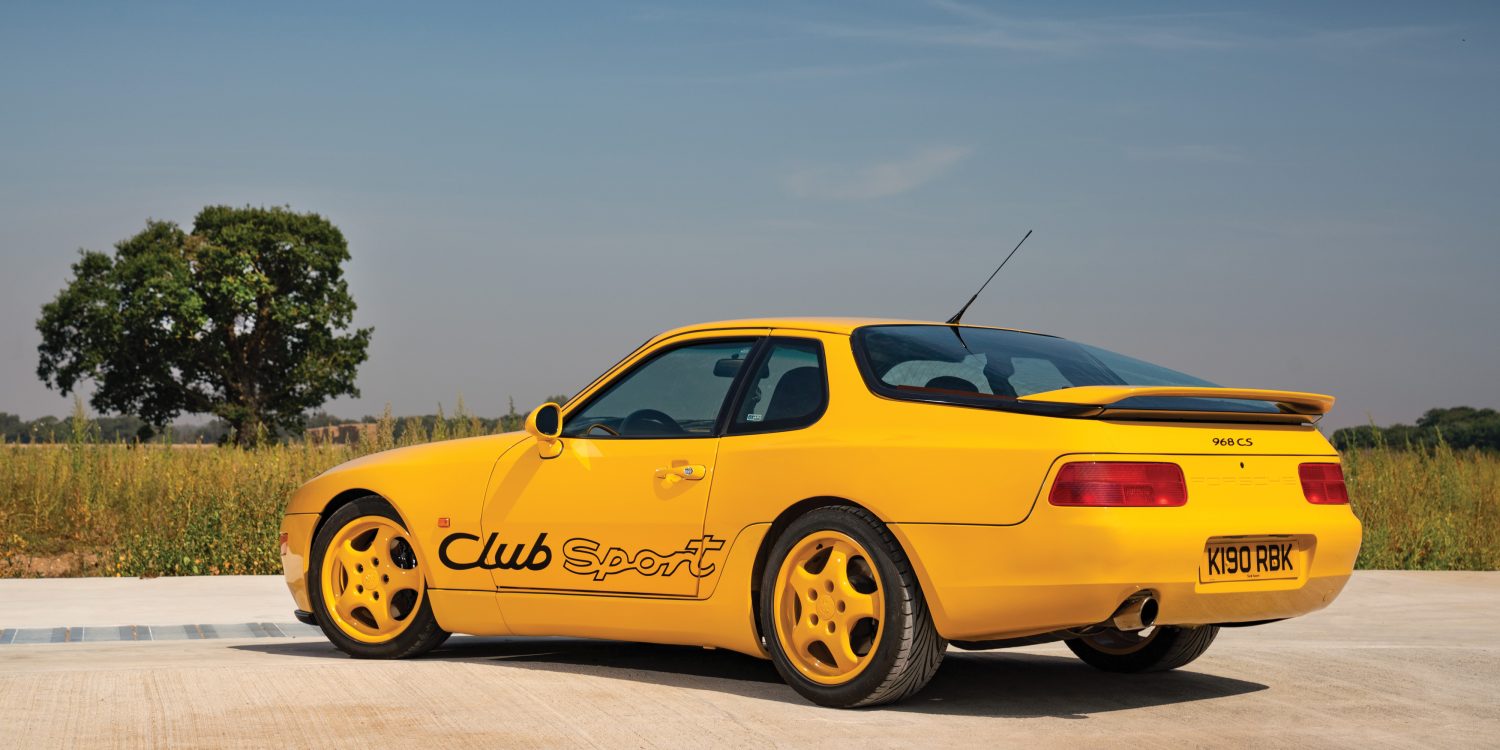
The 968 Club Sport (CS) is widely considered the holy grail of the lineup. Built for performance enthusiasts, it featured weight reduction, stripped interiors, manual windows, fixed-back Recaro seats, and M030 sport suspension. It was track-focused from the factory and never officially sold in the U.S., making it highly collectible today, especially in bold colors like Speed Yellow or Riviera Blue. Fewer than 2,000 were produced.
These are the rarest and most powerful 968s ever built, intended for racing homologation and motorsport. The Turbo S made around 305 hp and featured a 3.0L turbocharged engine derived from the 944 Turbo S setup. Only 14 Turbo S models and a handful of RS race cars were produced, all factory-built. These cars rarely come to market and are well into six-figure territory—true unicorns for Porsche collectors.
Among standard models, the manual-transmission coupe is the enthusiast’s choice. It’s the purest form of the 968 with a rigid chassis, smooth 6-speed manual, and balanced handling. Well-maintained, low-mileage, original coupes—especially in rare factory colors and with desirable options like limited-slip differential (M220)—are climbing quickly in value.
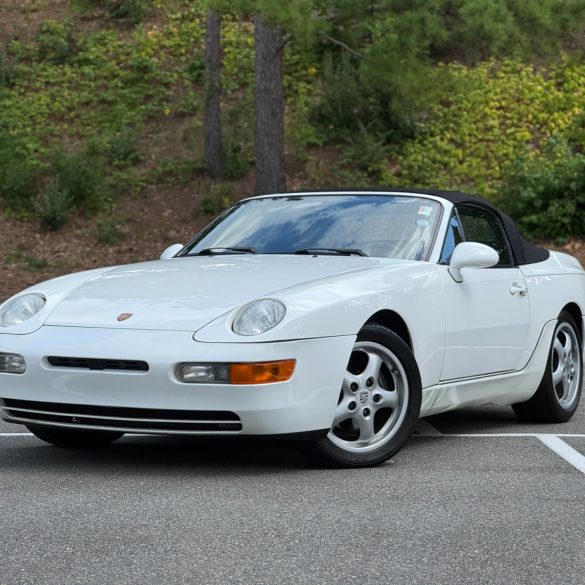
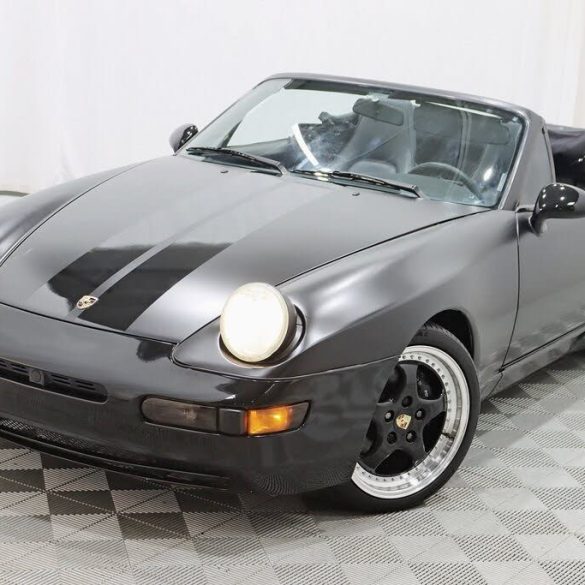
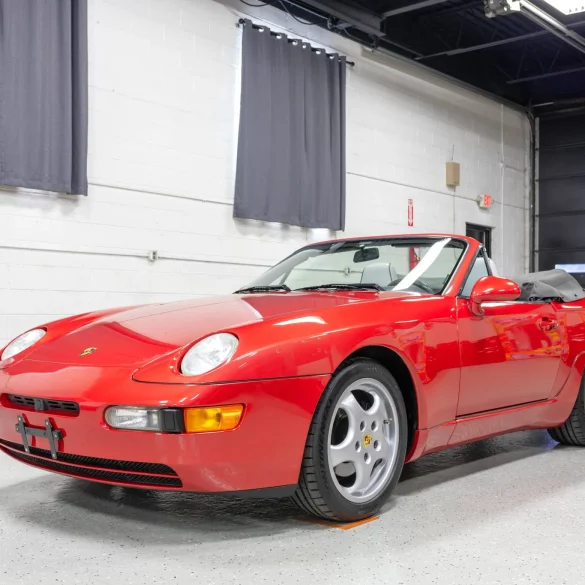
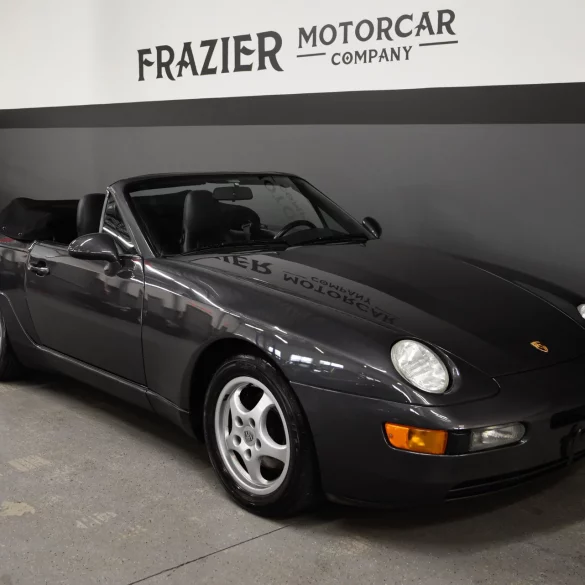
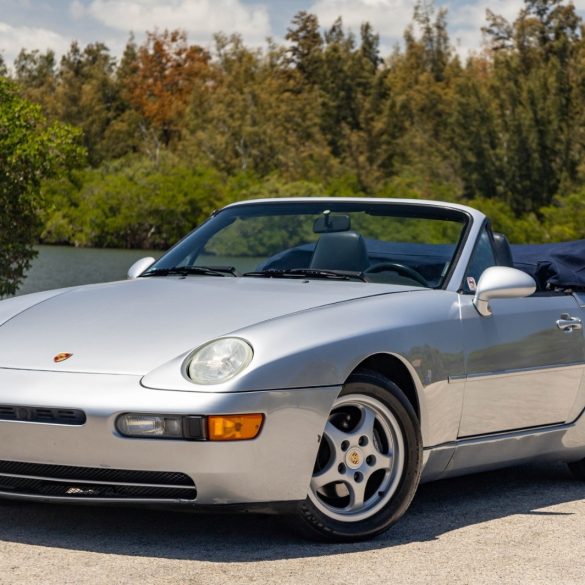
While cabriolets aren’t usually top-tier in collector circles, manual-transmission 968 cabriolets are increasingly sought after due to their rarity and usability. Automatics are far more common, so a clean, documented manual cabriolet in a rare color combo is considered a great buy for open-top Porsche fans and long-term collectors alike.
The later production years of the 968 tend to be better sorted and often came with desirable options. Because production dropped toward the end of the model run, 1994–1995 cars are naturally rarer. Coupled with lower mileage and full documentation, these late-year examples are increasingly in demand.
If you're chasing collectibility, look for factory-original, low-mileage examples—especially coupes with manuals and rare color/option combinations. The Club Sport and Turbo variants are at the top of the collector pyramid, but even standard 968s are rising fast in the classic Porsche world. With limited production and a growing enthusiast following, the best examples are becoming harder to find—and more valuable by the year.
The “best” Porsche 968 model years to buy depend a bit on what you're looking for (daily-driver reliability, collectability, or value), but there are some model years and variants that tend to stand out as the smartest buys. Below is a breakdown of what tend to be considered the strongest 968 years/variants — and what tradeoffs to watch out for.
The regular 968 produced between 1992 and 1995 represents the total run of the model; all are powered by the same 3.0 L DOHC-4 engine that is known for smooth power delivery and — when maintained properly — good reliability. Many owners praise the 1994 (and adjacent years) for being very balanced: good performance, comfortable enough for occasional road trips, and a usable daily-driver feel (or weekend-driver feel) even decades later. Thanks to reasonable production volumes (compared with more common daily-driver cars), parts supply is still decent, and 968s tend to hold up well — especially if timing-belt + water-pump service is up to date.
The 968 CS (Club Sport) — built 1993–1995 — is often considered the “lean, driver-focused” version: less weight, sharper suspension, simpler trim, and a purer driving experience for those who value driving feel over comfort. For enthusiasts who want rarity, performance and “collectible” appeal — rare 968 Turbo S or other limited/homologation derivatives (though extremely rare) can be interesting (if you find one) — but expect higher maintenance cost, scrutiny on history, and careful inspection before purchase.
The 968’s engine is interference-type, and the timing belt + water pump (and related belts/rollers/balanceshaft belt) must be replaced on a reliable schedule (roughly every 4–5 years / 40,000 miles) — if neglected, the risk of catastrophic engine damage is significant. As with any 30-year-old car — transmission issues, oil leaks, seal degradation, and suspension wear are possible, especially if maintenance history is spotty. Because 968 production was limited (roughly 1992–1995) and total numbers are relatively small worldwide, the pool of well-preserved, low-mileage examples is limited — so condition and documentation matter more than “exact year.”
The market for Porsche 968 remains relatively niche but stable — values vary considerably, depending on condition, documentation, trim, and how original the car is. According to recent data aggregated across market-listing platforms, the average sale price for a 968 sits around US $37,500.
At the more affordable end — for higher-mileage cars, older builds, or those in “project / repair needed” condition — 968s sometimes trade for as low as US $8,000–$15,000. Meanwhile, a typical “good-condition” 1995 968 in reasonable spec appears to list around US $27,500–$33,000, reflecting its status as a solid yet accessible classic.
For well-preserved, low-mileage examples — especially manual-transmission Coupes, clean Cabrios, or rare versions — prices trend higher. Several 2025 listings show good-condition examples trading in the US $20,000–$40,000 range, depending on mileage, history, and trim.
A few intertwined trends seem to shape the current 968 market:
Growing interest in "affordable classic Porsches": As prices for iconic air-cooled Porsches (like 911s) keep climbing, many buyers are looking for a more accessible alternative with similar Porsche character — and the 968, with its water-cooled 3.0 L engine and refined chassis, hits that sweet spot. This has kept demand for clean, usable 968s steady.
Trim & condition matter more than ever: Because the 968 was only produced from 1992–1995, the total pool is limited. Buyers are increasingly sorting by maintenance history, originality, transmission type, trim level, and documentation — cars that check those boxes command the higher end of market pricing.
Selective collector interest — especially for rare variants: Variants like the Porsche 968 Club Sport (CS) or other rare 968 derivatives are receiving outsized interest from enthusiasts seeking something distinctive — and that demand is reflected in premiums, particularly for clean, low-mileage, or original-spec examples.
If you’re shopping on a budget or open to restoring/maintaining — there remain opportunities to buy a 968 for under US $15,000–$20,000, though these will likely need careful inspection and potentially repairs. If you want a reliable, enjoyable driver that’s also likely to hold value — aim for a well-maintained Coupe or Cabriolet from the mid-’90s with documented history, current maintenance, and reasonable mileage. Those represent the “sweet spot” between value and usability. If you care about long-term value, collectibility, or want something special — watch for low-mileage, well-documented, rare-trim 968s (CS or desirable spec), as those tend to command the strongest prices and have better odds of appreciation or stable value.
For sellers — presenting a 968 with clear service records, no rust or mechanical surprises, good documentation, and (if possible) manual transmission or rare trim increases your chances of getting top-market value.
For a free to download printable version, check out our full Porsche 968 Inspection Checklist page.
✅ Verify timing belt and balance shaft belt replacement history (every 30,000-40,000 miles).
✅ Listen for rattling noises at idle—this may indicate worn Variocam chain tensioner pads.
✅ Check for oil leaks around the front crankshaft seal, camshaft seals, and balance shaft seals.
✅ Inspect the water pump for leaks or wear—ensure it was replaced during the last belt service.
✅ Look for blue smoke from the exhaust, which may indicate worn valve seals or piston rings.
✅ Test for smooth gear changes—grinding in 2nd or 3rd gear suggests synchro wear.
✅ Ensure the clutch engages smoothly without slipping or shuddering.
✅ Check for clutch master/slave cylinder leaks, which can cause a soft or sinking pedal.
✅ Listen for drivetrain vibrations or shuddering, a sign of flywheel issues.
✅ If considering a Tiptronic model, test for smooth shifting in all gears and manual mode.
✅ Inspect control arm bushings and ball joints for wear or cracking.
✅ Look for cracks in the aluminum control arms, particularly in Club Sport models.
✅ Check for sagging rear suspension, which may indicate worn torsion bars or shocks.
✅ Test the steering feel—excessive play or looseness suggests worn tie rods or steering rack bushings.
✅ Inspect power steering hoses and pump for leaks—listen for whining noises while turning.
✅ Press the brake pedal—it should feel firm, not spongy (may indicate air in the lines or a failing master cylinder).
✅ Inspect for brake fluid leaks around the calipers, master cylinder, and hoses.
✅ Look for warped rotors, which can cause vibrations under braking.
✅ If the car has ABS, ensure the system functions correctly—an ABS warning light may indicate sensor or module failure.
✅ Test power windows, mirrors, sunroof, and central locking for proper operation.
✅ Inspect the fuse box for corrosion or melted fuses—bad connections can cause electrical issues.
✅ Ensure instrument cluster gauges function properly—erratic readings may indicate sender or wiring issues.
✅ Check that pop-up headlights work smoothly without hesitation.
✅ If considering a Tiptronic model, verify that all electronic shifting functions work correctly.
✅ Inspect the dashboard and door panels for leather shrinkage or cracking.
✅ Check seat bolsters for wear, cracks, or sagging padding.
✅ Test power seat adjustments to confirm the motors work correctly.
✅ If considering a Cabriolet model, inspect the convertible top for leaks or sagging fabric.
✅ Ensure the climate control system works properly, including fan speeds and temperature adjustments.
✅ Smell for fuel odors in the engine bay or cabin, which could indicate leaking fuel injectors or deteriorated fuel hoses.
✅ Listen for excessive exhaust noise, which may suggest a leaking exhaust manifold or failing catalytic converter.
✅ Inspect the fuel pump and fuel filter for leaks or signs of clogging—hard starts can indicate fuel delivery issues.
✅ Check rust-prone areas: battery tray, lower fenders, wheel arches, rocker panels, and floor pans.
✅ Inspect Cabriolet top seals and rear window for water damage or leaks.
✅ Look for signs of previous accident repairs, such as mismatched paint or uneven panel gaps.
For more information, see our full article on common Porsche 968 problems here or read our Porsche 968 Buyer's Guide.
The most critical maintenance item on a 968 is the timing belt, which should be replaced every 4–5 years or 40,000 miles, along with the water pump, tensioners, and rollers. The 3.0L DOHC engine is an interference design—meaning if the belt breaks, it can cause catastrophic internal engine damage. The balance shaft belt is also vital to keep engine vibration in check. Look for documentation of recent belt service. If there’s no proof it’s been done, factor in $1,500–$2,000 to have it done immediately.
Clutches on the 968 can last a long time, but when they wear out, replacement is expensive due to the transaxle layout and labor involved. Symptoms of wear include slipping under load, a high engagement point, or juddering during takeoff. Look for smooth clutch operation and clean gear changes. Ask when it was last replaced, especially on cars with over 100,000 miles.
The 968’s VarioCam system, which adjusts cam timing for better low-end torque, can wear out or fail. When this happens, performance suffers, and the car may run rough or throw engine codes. The system uses an oil-driven solenoid and cam chain tensioner that should be checked during major services. Check for a noisy timing cover area (possible chain slap), poor throttle response, or lack of midrange torque could indicate issues with the VarioCam system.
As with most older European cars, the 968 can develop minor electrical problems over time. Aging wiring, dirty grounds, or failing relays can lead to intermittent issues with lights, gauges, windows, sunroofs, and HVAC controls. Test all electronics, including the sunroof, power mirrors, windows, seat adjustments, and lights. Look under the dash for evidence of previous wiring repairs or poor modifications.
While many 968s develop minor oil leaks as they age, some leaks can point to more serious issues like cam cover gasket failure or rear main seal problems. A leaking rear main seal is especially expensive due to the labor involved in accessing it (the transmission must be removed). Check under the car and near the bell housing for fresh oil spots. A small seep is common; puddles or active drips warrant further inspection.
Over time, suspension bushings, shocks, ball joints, and control arms wear out, especially on cars that have been driven hard or haven’t had a recent suspension refresh. Worn bushings can lead to vague handling, clunking, and uneven tire wear. Listen for suspension noise over bumps and feel for looseness in the steering or vibration at speed. A crisp 968 should feel tight and responsive.
A known issue on all transaxle Porsches, including the 968, is delamination of the rear hatch glass from the frame, which can lead to leaks and rattles. The rubber seal also often deteriorates with age. Inspect the rear hatch glass for separation or fogging around the edges. Press gently on the glass to see if it moves independently of the frame.