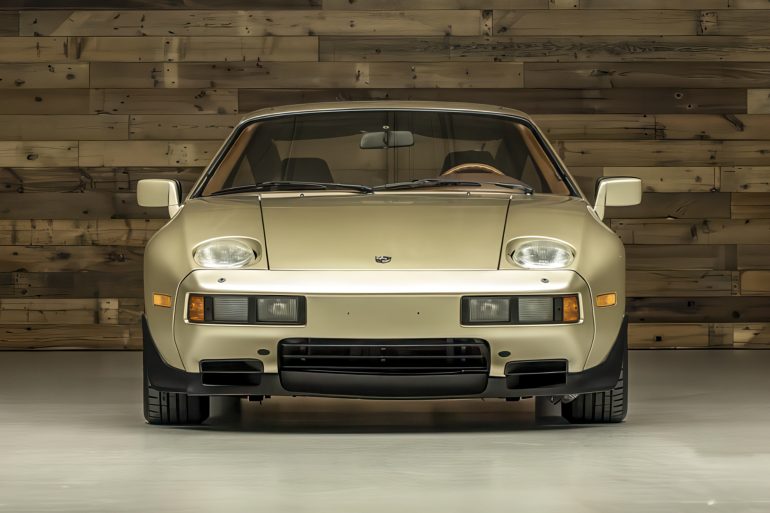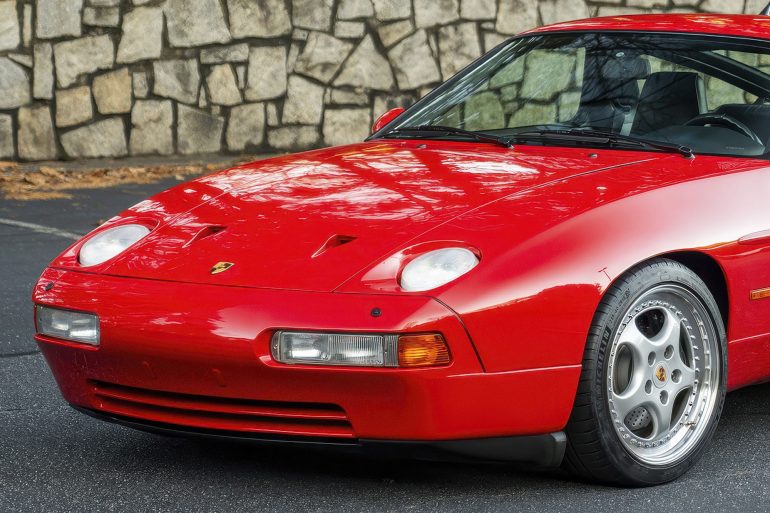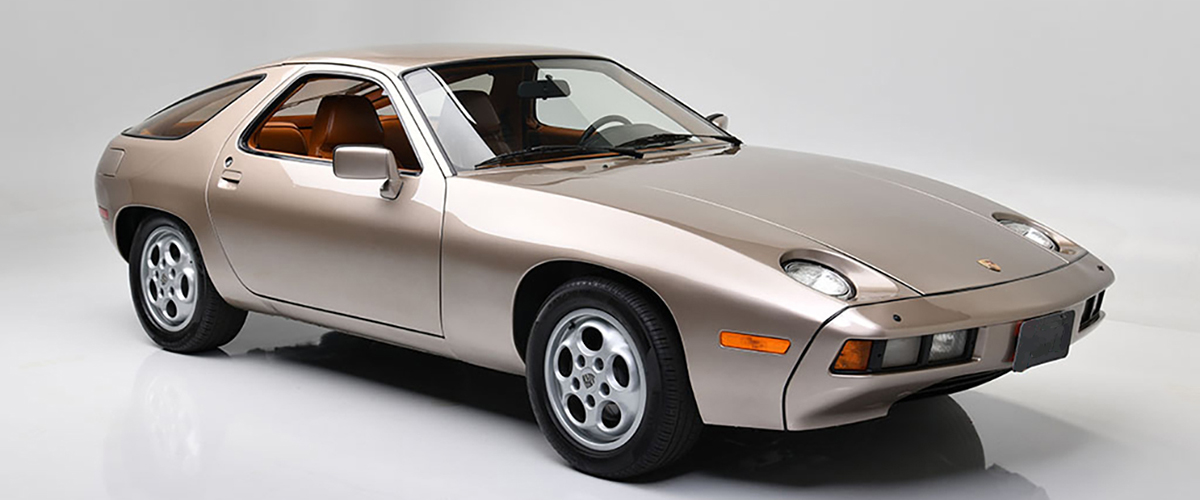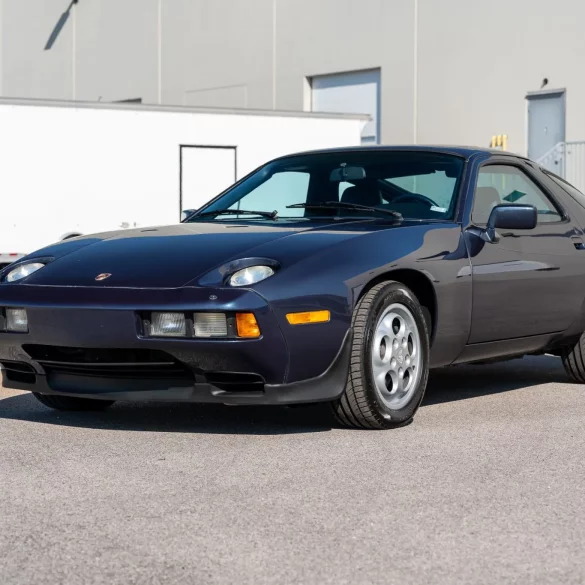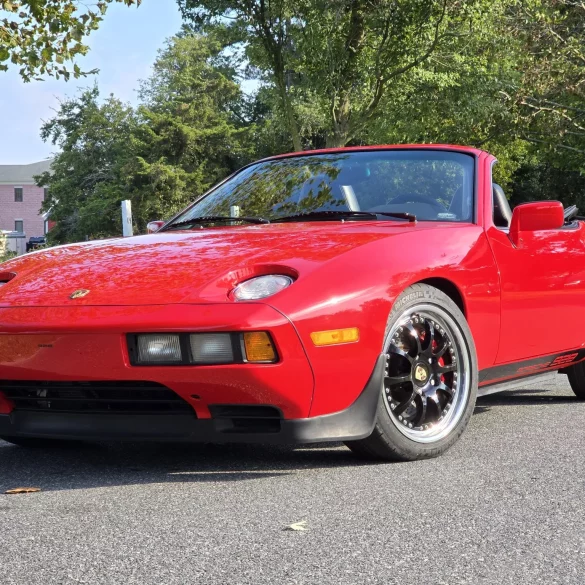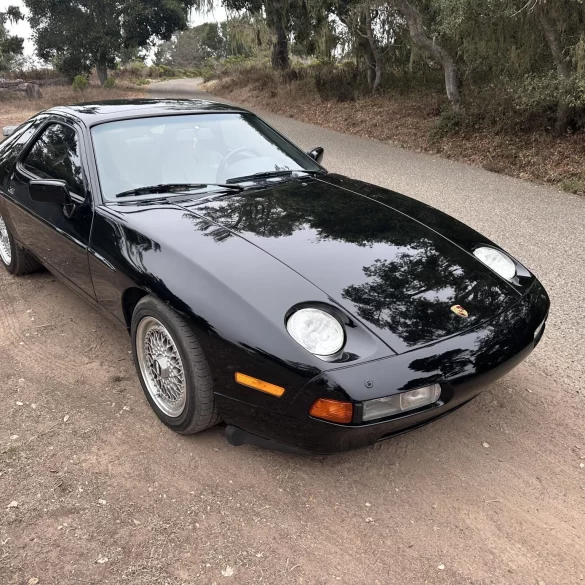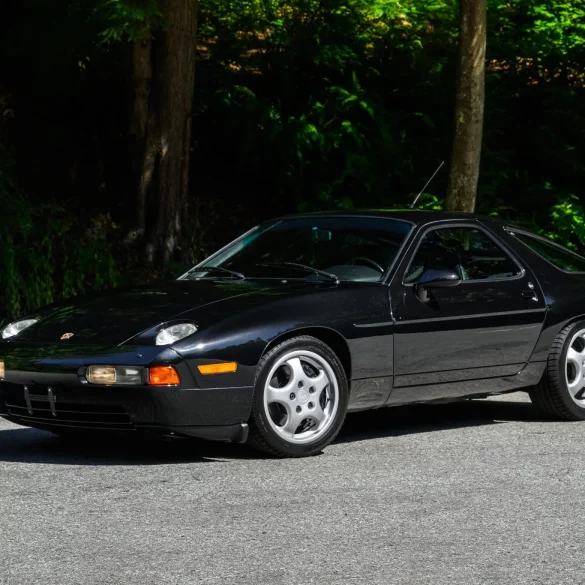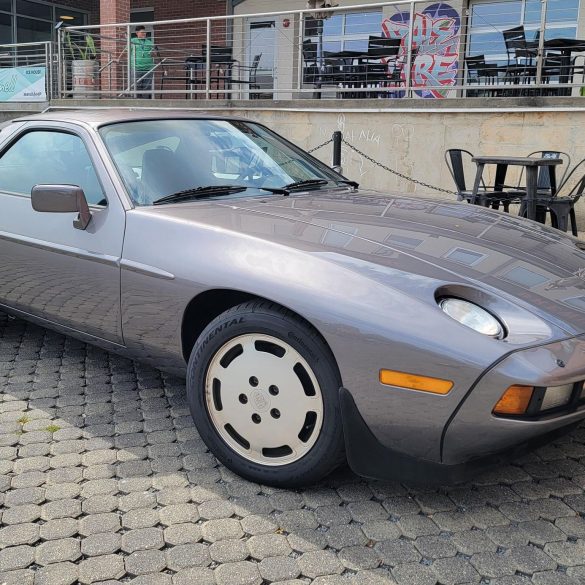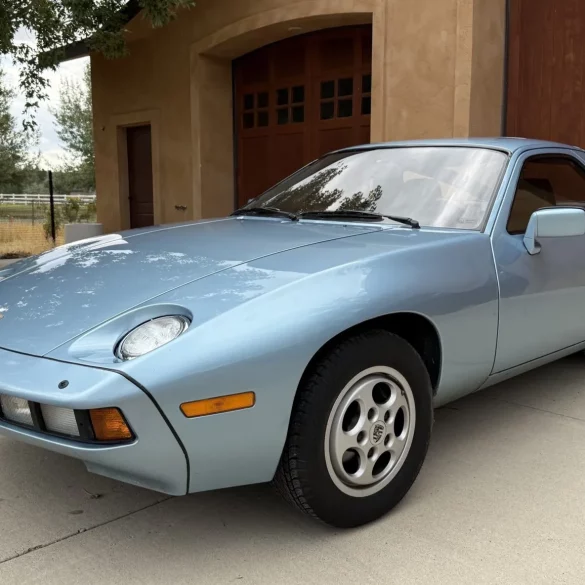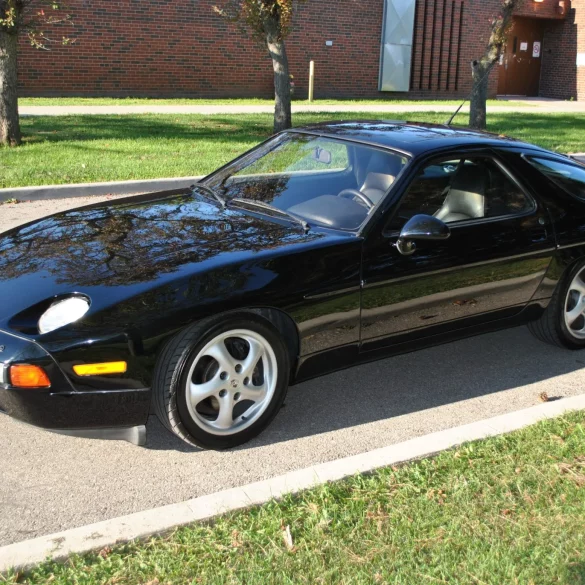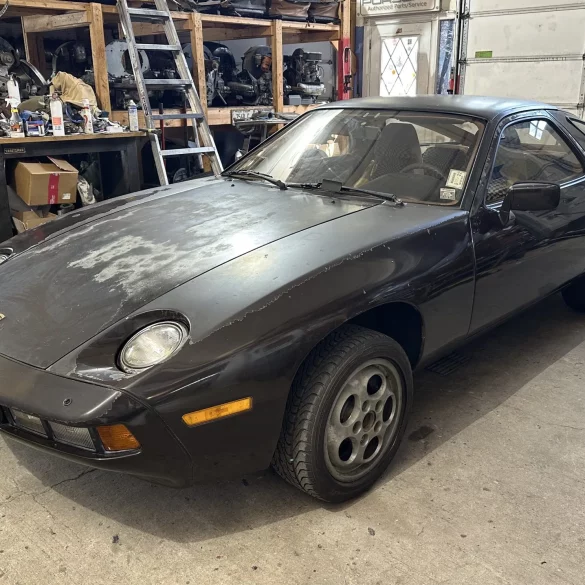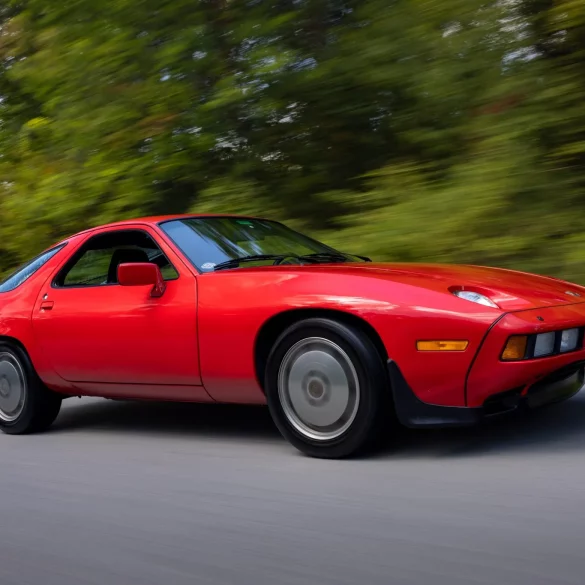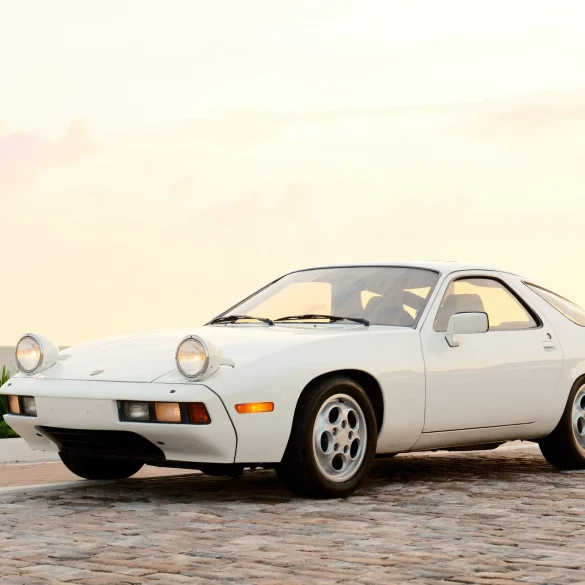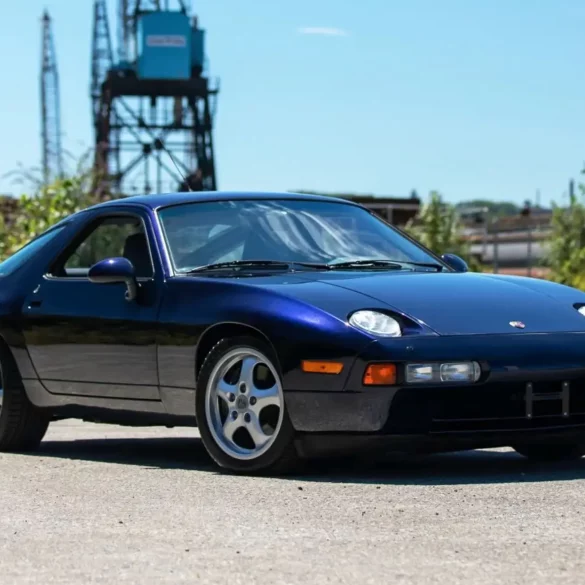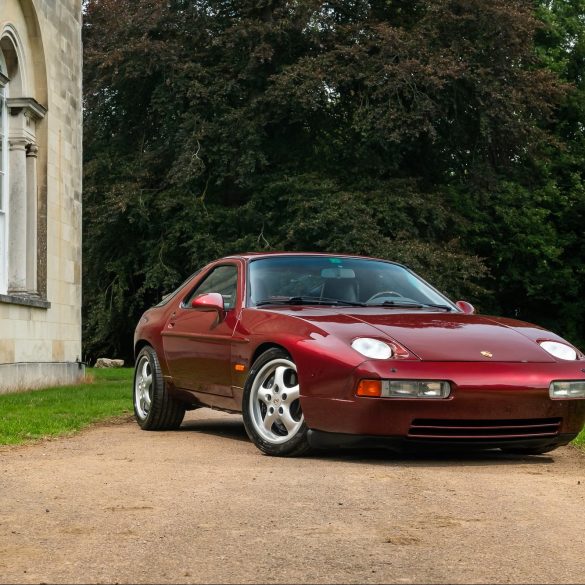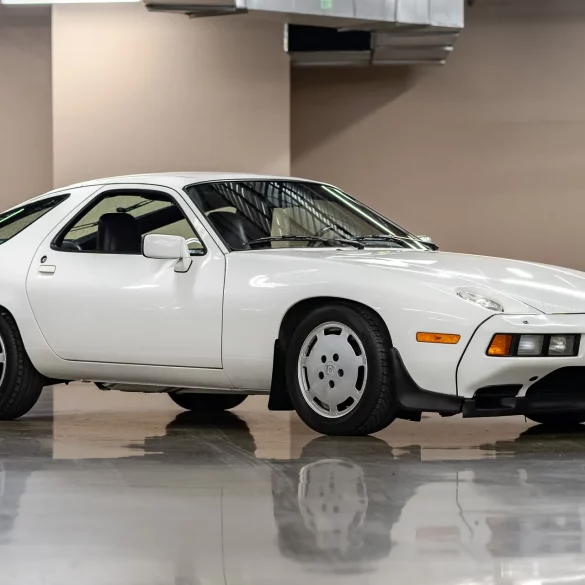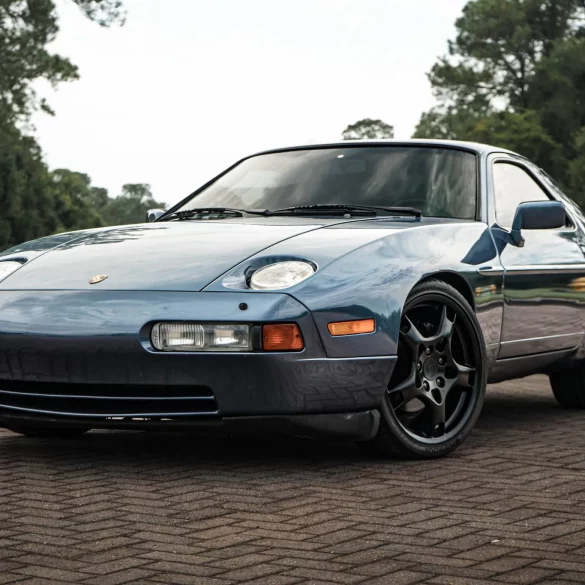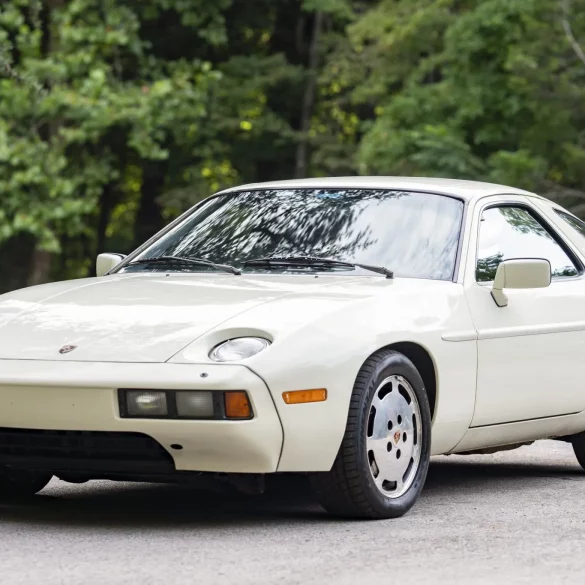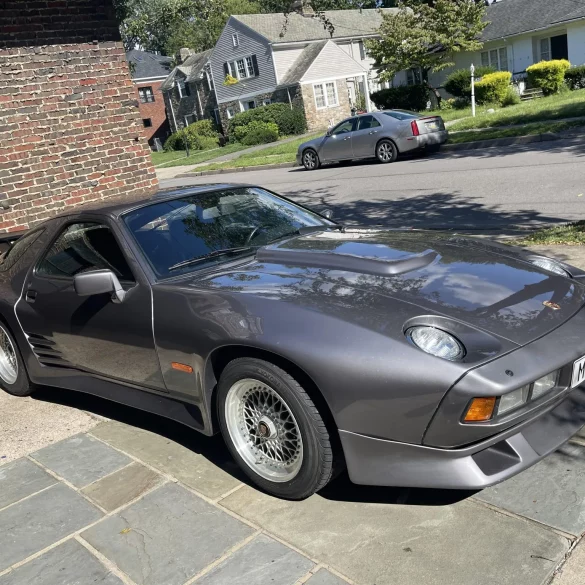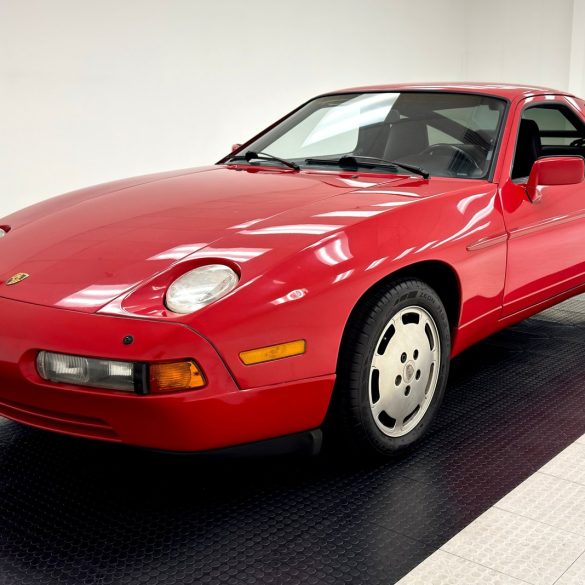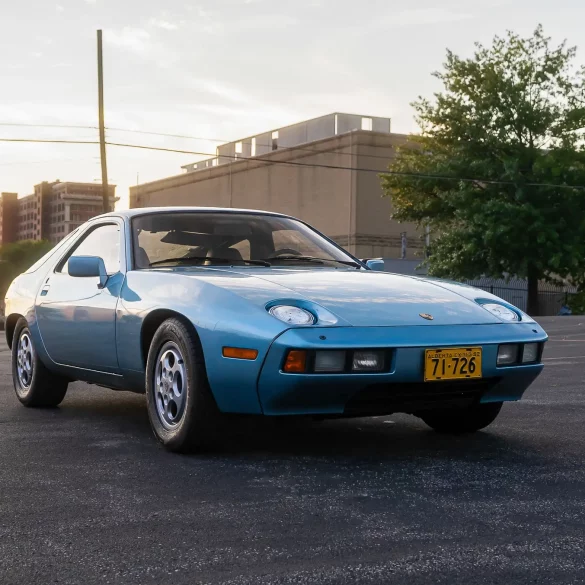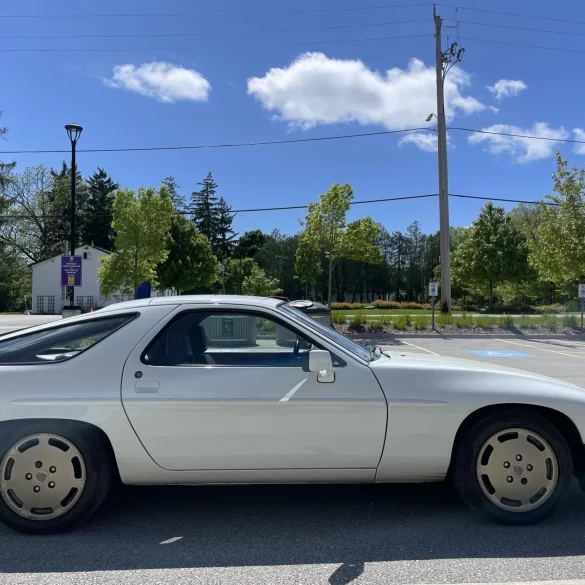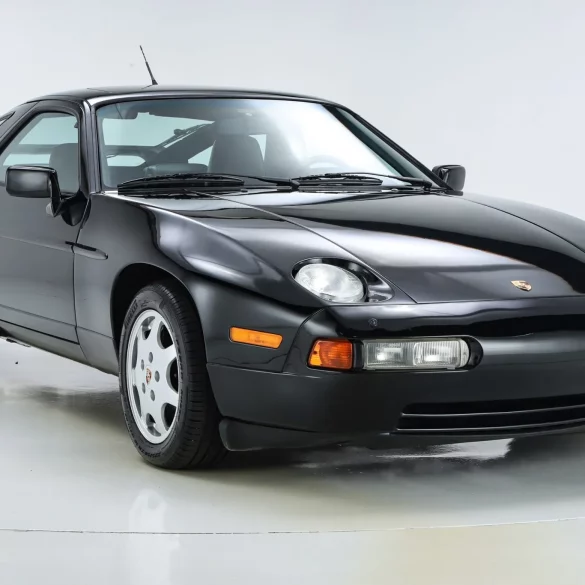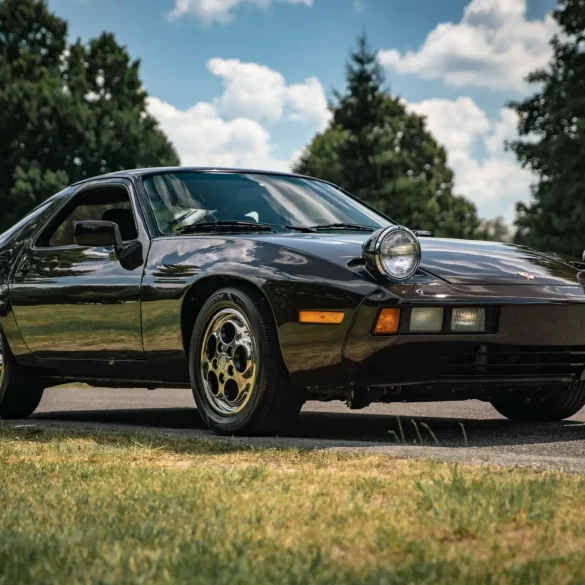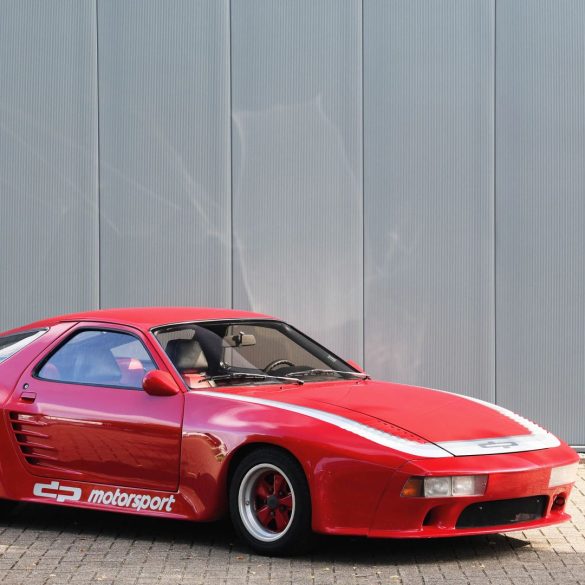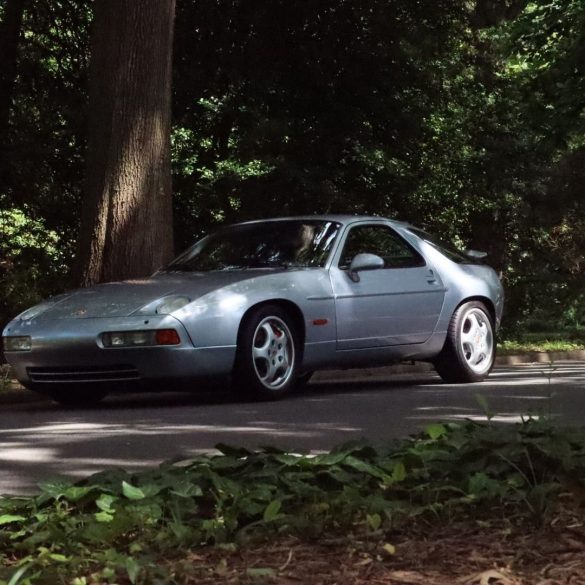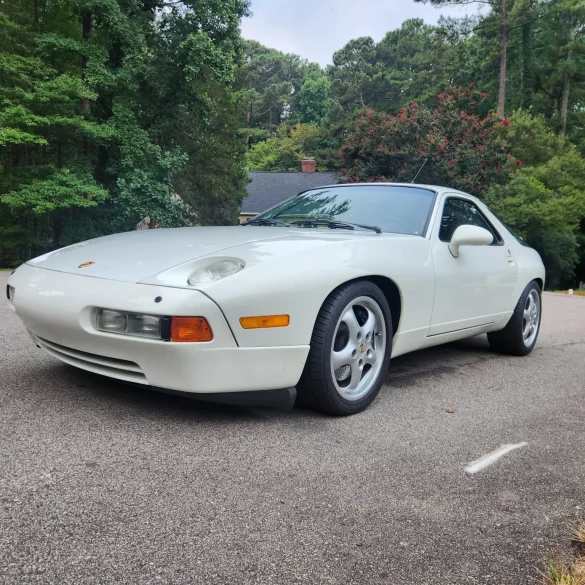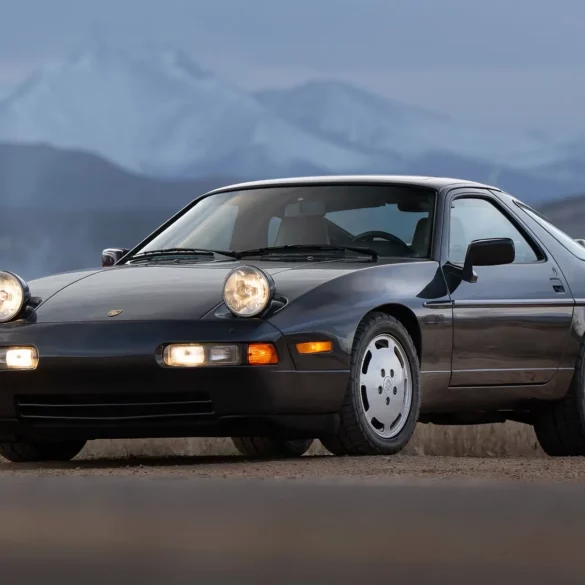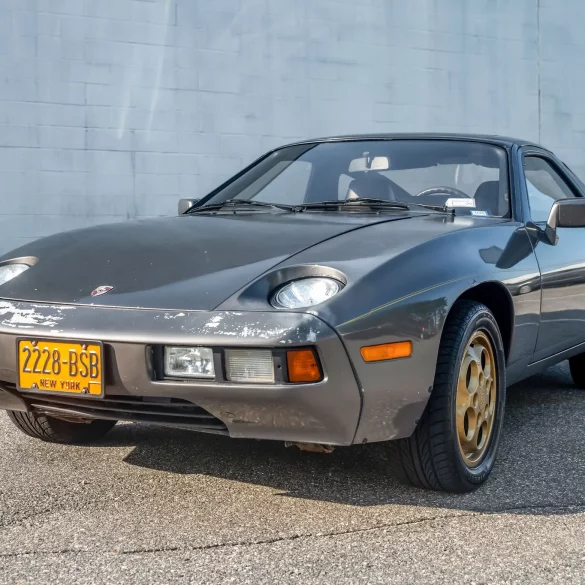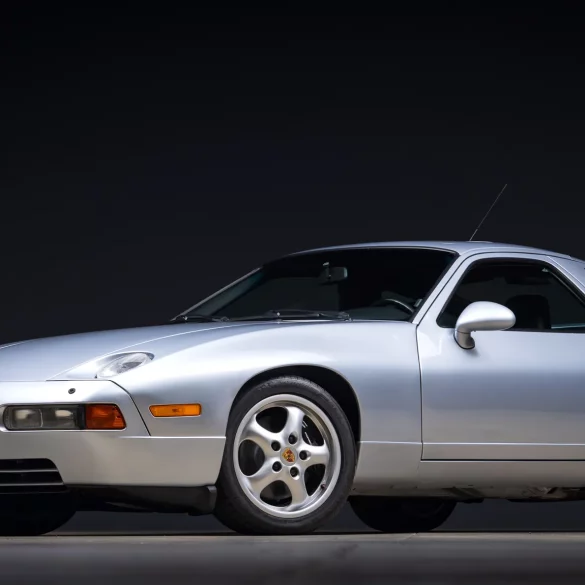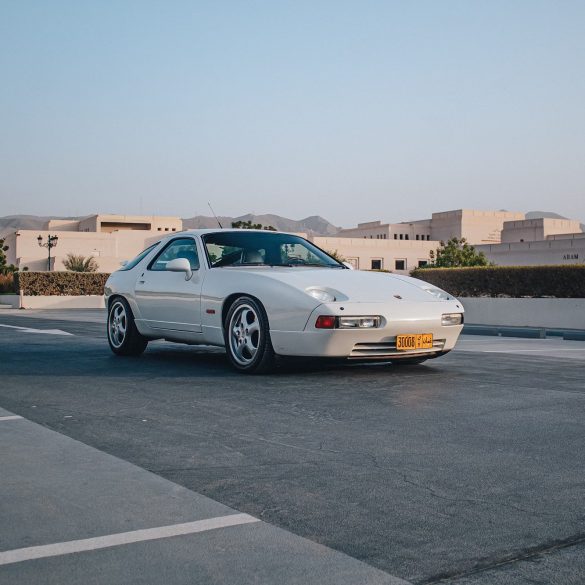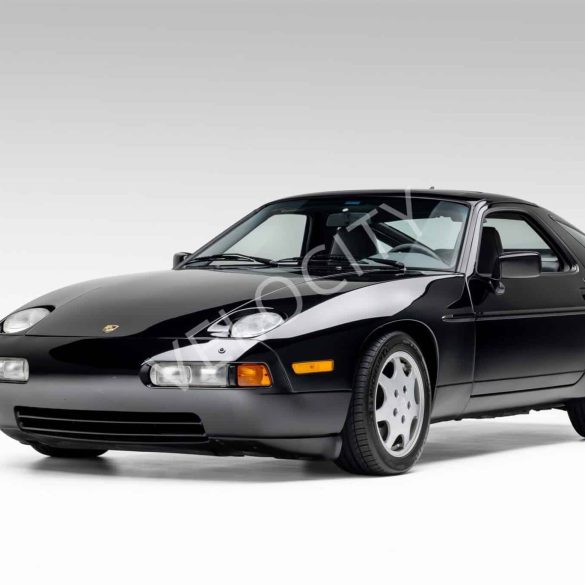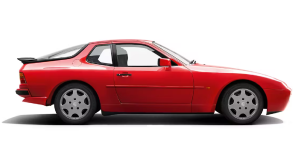
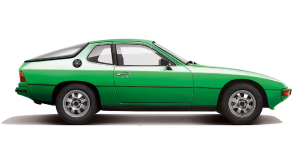
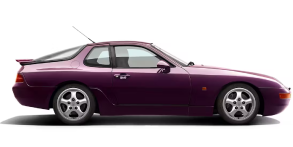
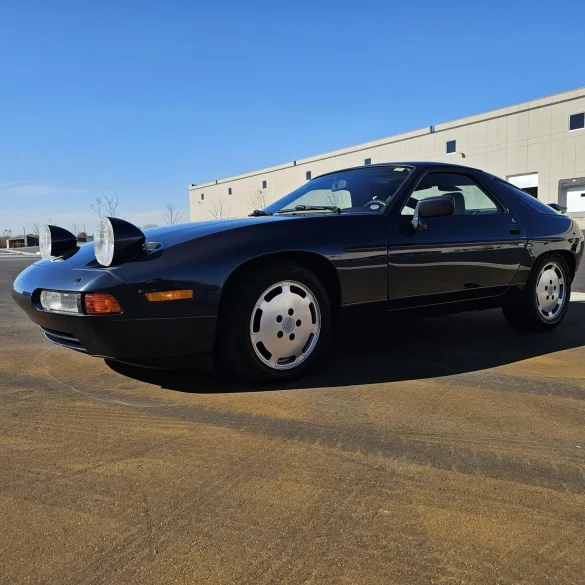
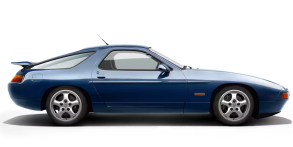
This 1987 Porsche 928 S4 is finished in Marine Blue Metallic over Champagne leather and is powered by a 5.0-liter DOHC V8 linked with a...


The Porsche 928 stands apart as one of the most distinctive and ambitious cars Porsche has ever built. The 928 was designed as a luxury grand tourer with a front-mounted V8, advanced engineering, and long-distance comfort.
Over nearly two decades of production, the 928 evolved through multiple variants, becoming faster, more refined, and increasingly powerful. Today, it’s appreciated for its smooth V8 performance, timeless design, and advanced chassis technology, making it a compelling alternative to traditional classic sports cars. Once overlooked, the 928 has firmly re-established itself as a respected and increasingly collectible Porsche.
Refine Search: 928 (All) / 928 (Base) / 928 S4 / 928 GT / 928 S / 928 GTS
Browse Porsche 928s listed by our community alongside a curated selection of standout cars for sale across the web. We showcase only the most interesting and well-presented examples, making it easier to find the 928 that fits your budget, build goals, or collection.
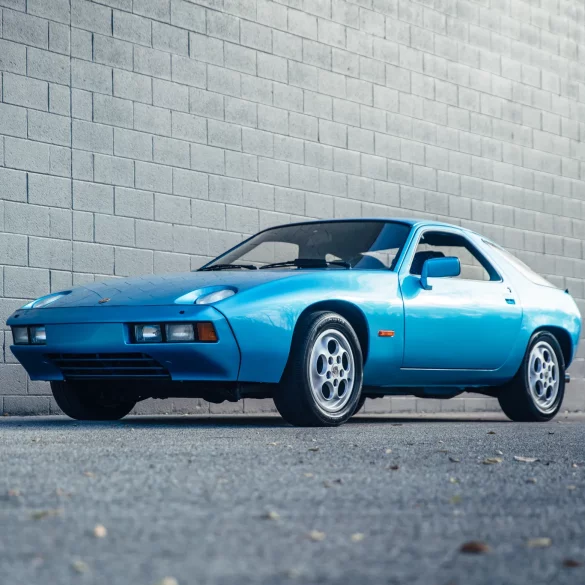
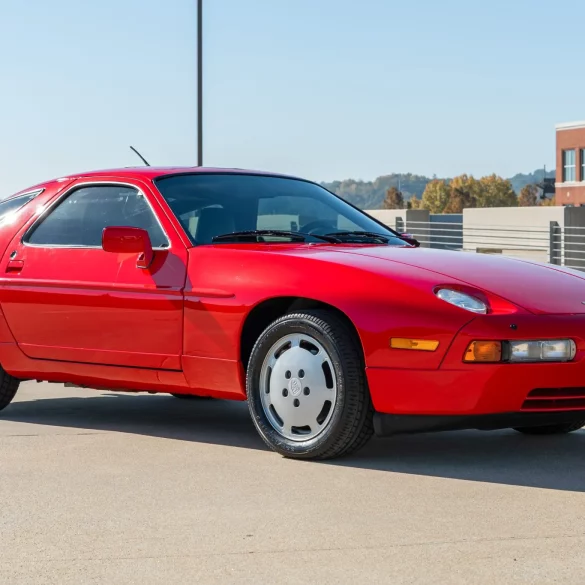
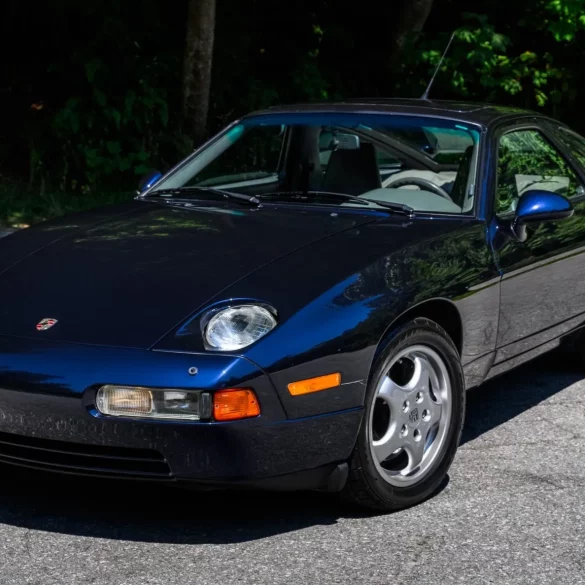
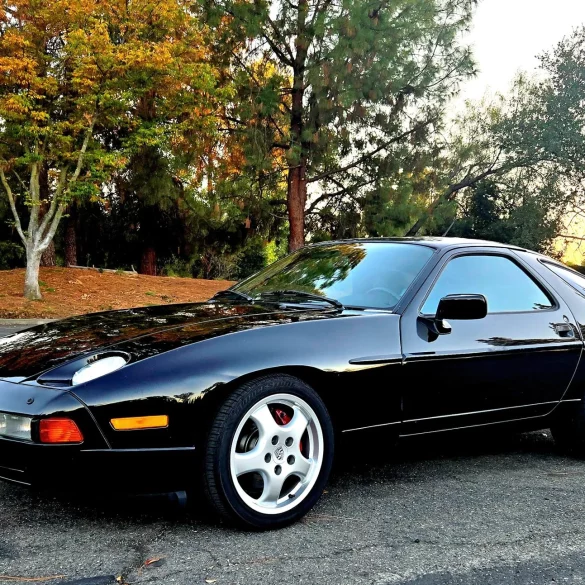
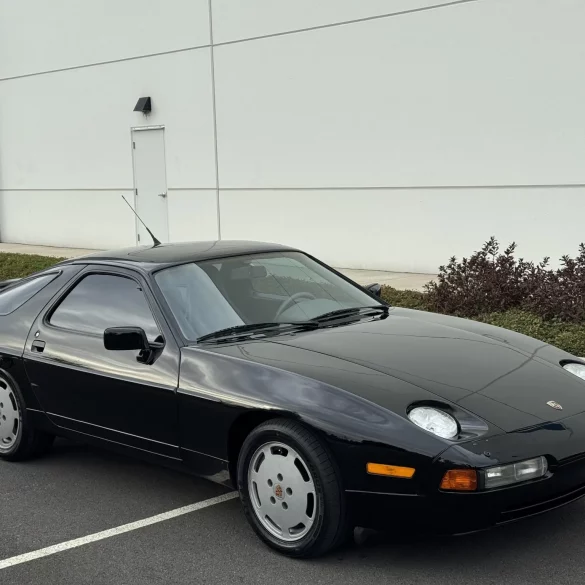
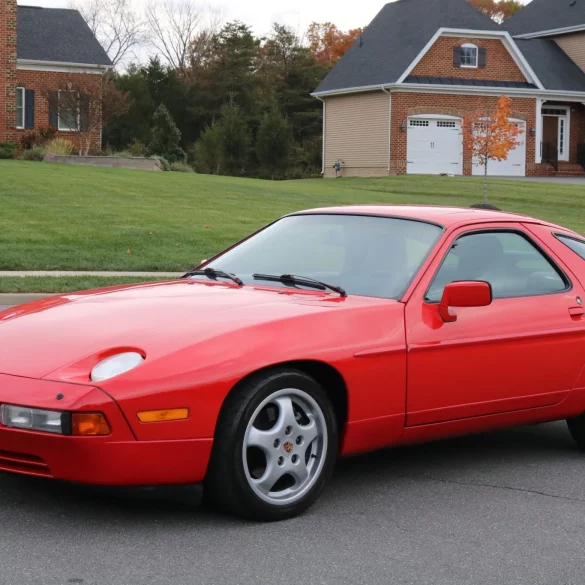
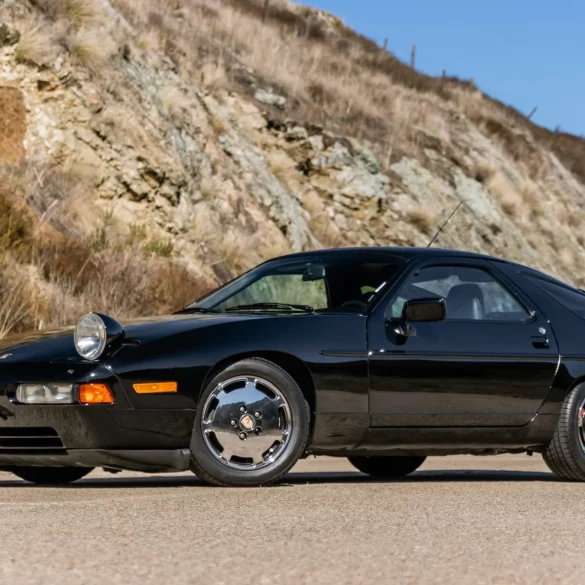
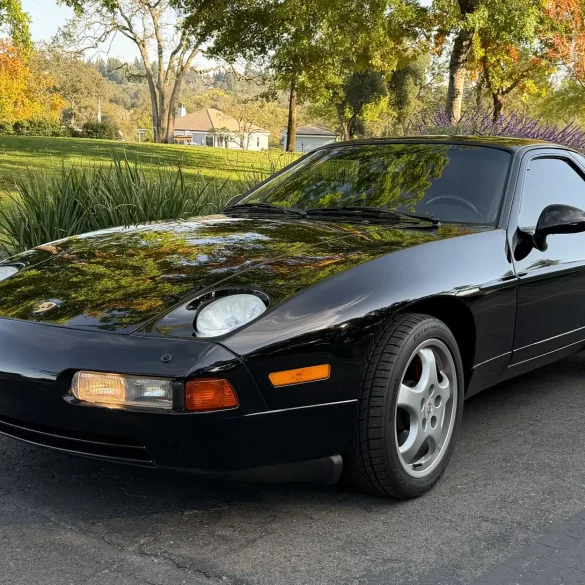
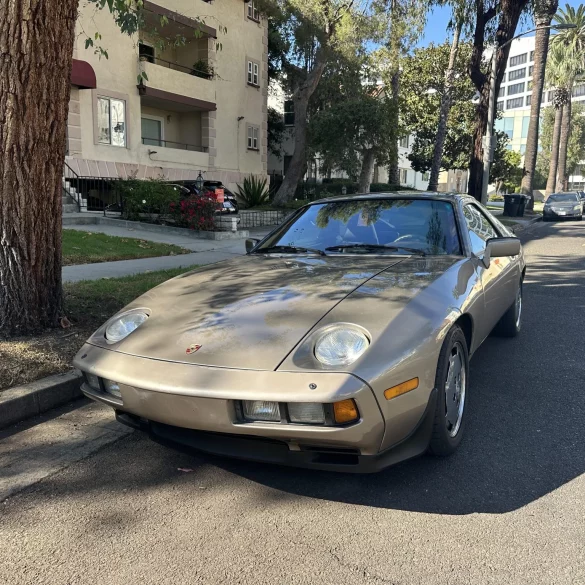
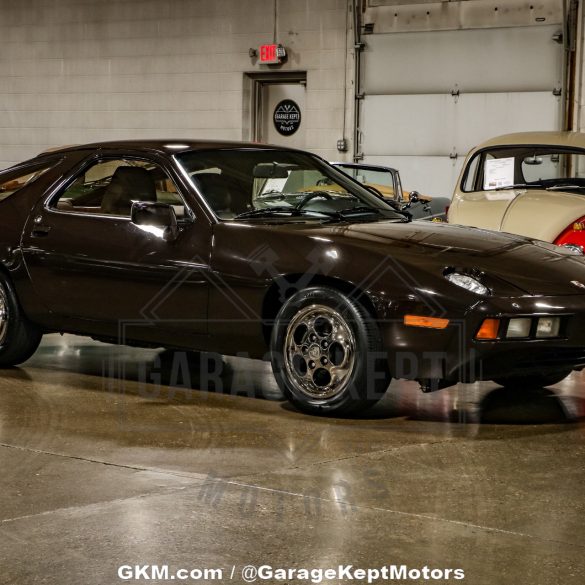
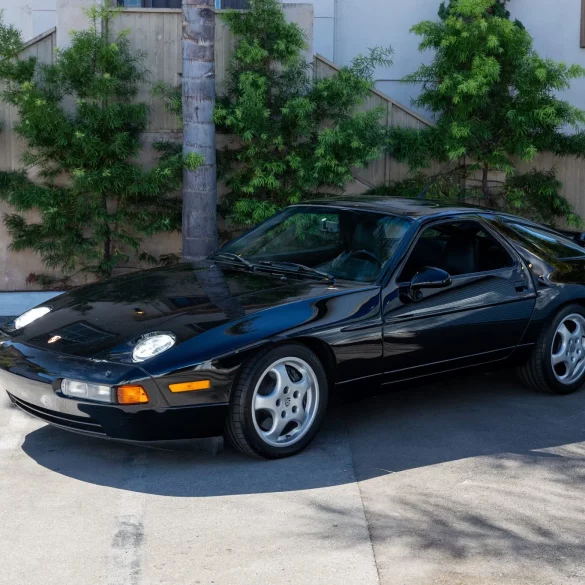
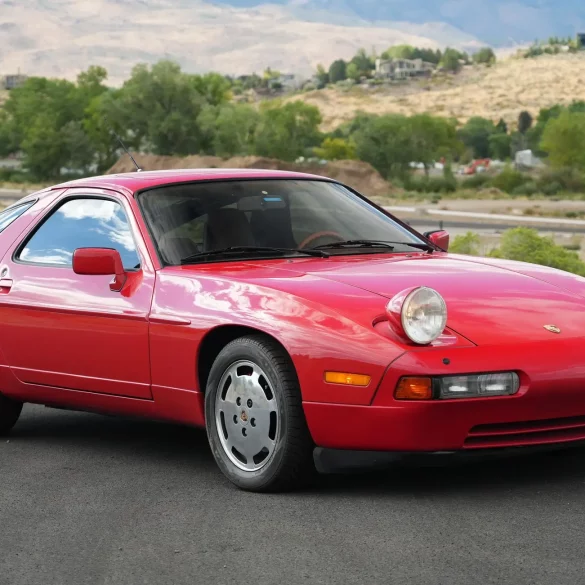
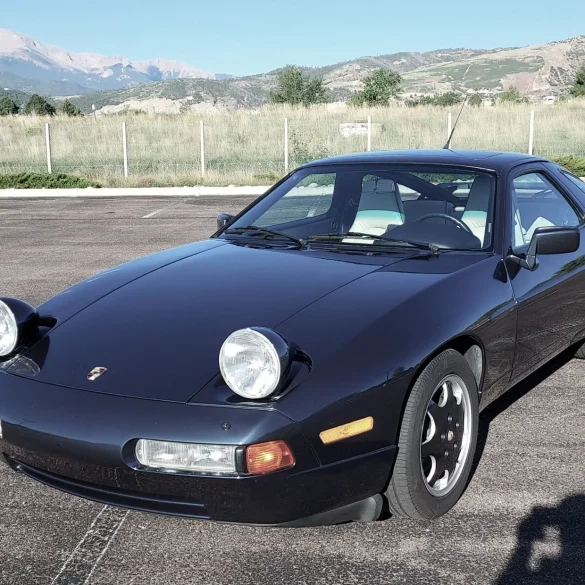
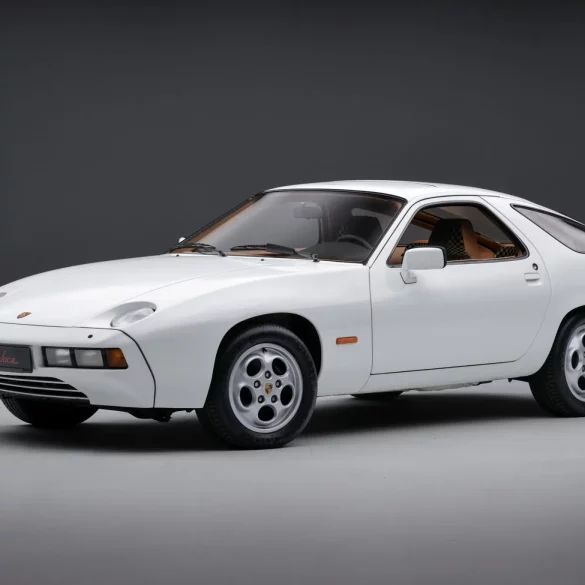

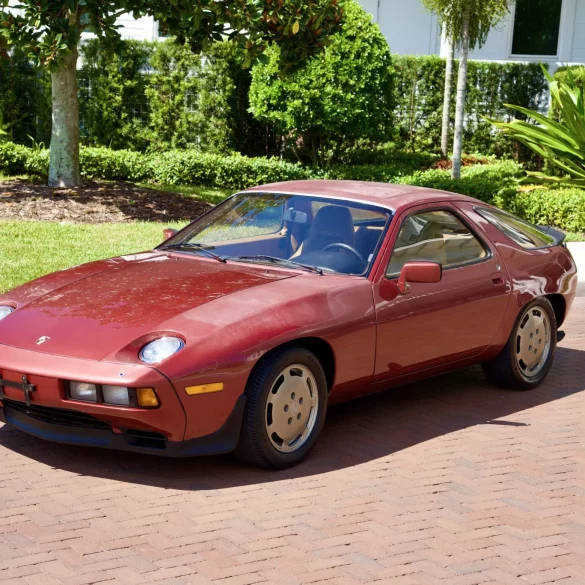
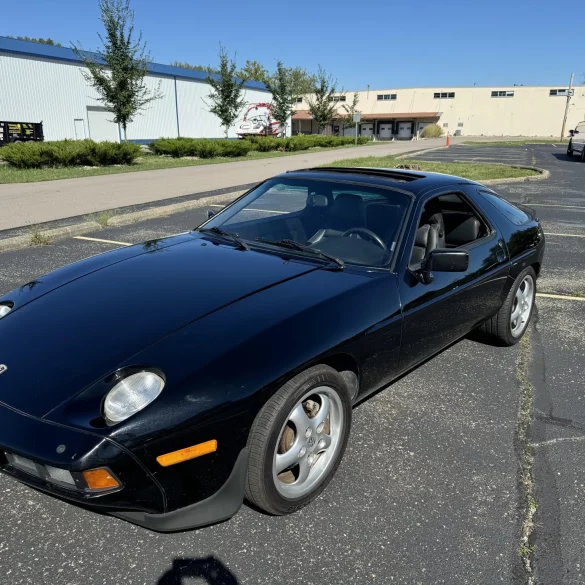
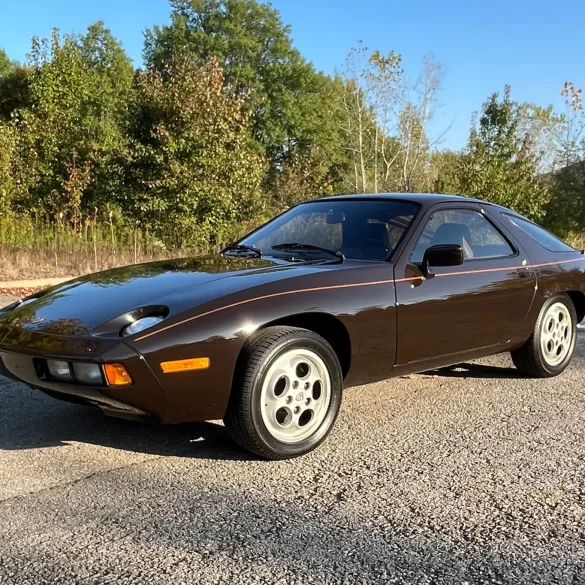
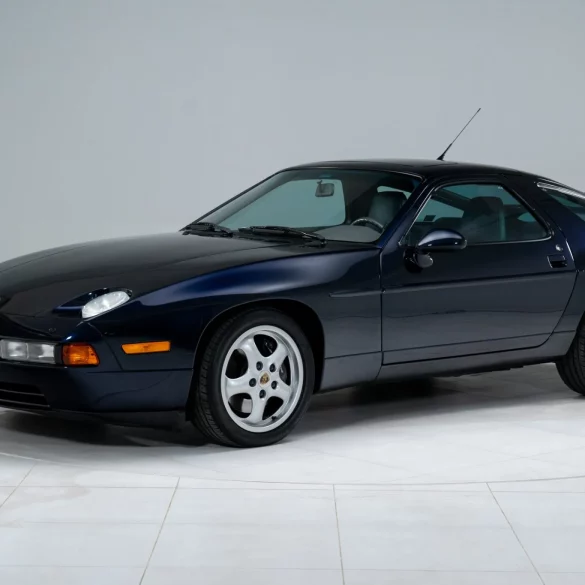
The most sought-after Porsche 928 variants tend to be the ones that combine performance, rarity, and originality, especially as interest in transaxle-era Porsches has grown in recent years. While every 928 has its appeal, certain models stand out for collectors and enthusiasts alike. Here's a breakdown of the most desirable versions and what makes them special:
The 928 GTS is the undisputed king of the lineup—the final and most powerful evolution of the model. With its 5.4-liter DOHC V8 producing 345 horsepower, flared rear fenders, updated styling, larger brakes, and improved electronics, the GTS represents everything Porsche learned over the 928’s long production run. It's also the rarest in the U.S., with only 406 units imported between 1993 and 1995, and even fewer with the highly desirable 5-speed manual transmission. These cars have become true blue-chip collectibles, with values often exceeding $100,000 for low-mile, manual examples in excellent condition.
The 928 GT is a close second in terms of desirability. It was designed for the enthusiast who wanted more driver involvement—available only with a manual transmission and featuring a sportier suspension, limited-slip differential, and subtle aesthetic upgrades. With 326 horsepower from its 5.0-liter V8 and reduced weight compared to the GTS, the GT is often considered the sweet spot between performance and analog purity. It was produced in limited numbers, especially in the U.S., and has steadily climbed in value as enthusiasts seek more focused transaxle Porsches.
While not as rare as the GT or GTS, the 928 S4 offers excellent performance and refinement, making it one of the best all-around 928s for both driving and long-term collectibility. The S4 introduced a redesigned, more aerodynamic body, updated interior features, and a 32-valve, 5.0-liter V8 with 316 horsepower. Both automatic and manual versions were available, but manual S4s are considerably rarer and command higher values. A clean, low-mileage S4 with good service history is still an attainable classic with upward investment potential.
1978–1979 U.S. models are becoming more collectible as “first-year” cars, though they lack the performance and refinement of later variants. Euro-spec 928 S (1980–1982) cars had more power (up to 300 hp) compared to U.S. versions and sometimes feature unique trim and equipment. Low-mile, original examples of any variant, especially in rare colors or with rare factory options (like sport seats, LSD, or sunroof delete), are gaining attention.
If you're looking at the 928 from an investment or collector’s standpoint, the 928 GTS with a manual transmission is the holy grail. The 928 GT is also highly desirable for its rarity and analog driving experience, while the S4 offers an excellent balance of performance, comfort, and value—especially if you find a well-kept manual car. Whichever variant you pursue, originality, documentation, and condition will always be the biggest value drivers in the long term.
The 928 GTS represents the ultimate evolution of the 928 line: a 5.4-liter V8 delivering about 345-350 hp, with substantial performance, improved brakes, widened track, and all the refinements from an 18-year development. It’s widely regarded as the most desirable, collectible 928 — the “top of the tree” for buyers who want 928 performance, rarity, and long-term value. If you want a 928 that can still impress and perform with modern-ish expectations, the GTS is hard to beat.
The 928 S4 upgraded the V8 to 5.0 liters and improved power (~316 hp), handling, braking, and comfort — making it a strong “daily-driver classic” or GT candidate. For many buyers, the S4 hits the sweet spot: it’s more affordable than a GTS, yet delivers solid performance and reliability (when maintained properly). Because of its balance of price, usability, and 928 pedigree — many consider S4s as perhaps the “best all-around 928.”
The earliest 928s (the original 4.5-liter V8 and early 928 S / early-S2 cars) deliver the purest expression of the 928’s original design intent: a front-engined V8 grand tourer with distinctive styling and a simpler mechanical package. For enthusiasts who love the history, “retro 928” feel, or want a project/restoration candidate, these early cars have strong emotional and classic-car appeal. As long as you approach one carefully (checking for age-related issues, maintenance history, rust, etc.), an early 928 can be a fun, relatively affordable entry into the 928 world compared with later, more expensive variants.
928s — especially earlier models — are not difficult cars to ruin with deferred maintenance. Many of the reliability complaints stem from cars that weren’t cared for properly. The more complex and powerful later variants (S4, GT, GTS) demand good maintenance. If a 928 shows signs of neglect, even later models can become expensive to restore. Because of their age, rust, electrical issues, and general wear — even a “good year” won’t guarantee a trouble-free experience. Always check maintenance history, and if possible, have a specialist inspect it before buying.
If you want top performance + collectibility + long-term value → Go for a 928 GTS (1992-1995). If you want a balanced Porsche GT: performance + usability + more approachable price → 928 S4 (1987-1991) often offers the best value/performance ratio. If you want classic-car feels, vintage charm, or a restoration project → Early-production 928 (late ‘70s / early ‘80s) gives you the original 928 experience — with historical character.
The market for 928s has remained active and somewhat varied in 2025, with a wide spread in values depending heavily on model, condition, mileage, provenance, and trim.
For many standard or “driver-quality” 928s (older S-series, basic spec, higher mileage or needing some work), asking prices often fall in the US $15,000–$40,000 range. Clean, well-kept mid- to late-’80s examples (e.g. S4 or GT-era 928s) seem to command more — many recent listings sit near $25,000–$45,000. At the top end of the market—particularly for rare, well-preserved, low-mile, desirable trims (manual-transmission 928 GTS or exceptional GT/S4s)—values can climb significantly. Recent 928 GTS listings/sales have ranged from about $90,000 up to roughly $130,000+ depending on condition. Thus, the 928 remains one of the more “affordable classic Porsches” overall — but there’s still big upside (and big variation) depending on the specific car.
Renewed interest in under-valued classics. Enthusiast sentiment, especially among buyers wanting something different than the over-hyped 911 or 928’s air-cooled brethren, appears to be driving fresh demand for 928s — especially those with better performance or rarer trim levels.
Rarity and desirability of high-spec variants. The later, more powerful V8 versions (GT, S4, GTS) are increasingly viewed as the “sweet spot” by many buyers: offering grand-touring performance, better drivability for modern roads, yet still vintage-era charm. That’s pushing their values higher.
Wide variation due to condition and maintenance history. As with many older cars, actual value is strongly influenced by how well the car has been cared for. Rust, neglect, missing records, or high miles tend to push a 928 into the lower end — while documented, original (or well-restored) cars command a premium.
For Buyers: There are still opportunities to get a 928 for a relatively reasonable price — if you’re willing to accept a “driver” with some age or imperfections. If you want a 928 that holds value (or appreciates) — pay attention to trim, provenance, maintenance history, and condition. A clean, well-documented S4/GT or GTS will likely hold up much better than a high-mile, neglected early model. Be realistic about costs: given the wide spread in values, expect to do homework (inspection, maintenance history, rust check) — or treat the purchase as a restoration project.
For Sellers / Owners Considering Selling: Well-kept, original-condition 928s — especially higher-trim versions — are in demand. Presenting good documentation, maintenance history, and no rust/damage helps maximize value. Expect a wide buyer-market: some will shop for “affordable classic GT” (lower-price cars), others will chase collectible or investment-worthy examples (top-end models).
For a free to download printable version, check out our full Porsche 928 Inspection Checklist page.
✅ Verify timing belt and water pump replacement history (every 4-5 years or 40,000-50,000 miles).
✅ Check for oil leaks around the front crankshaft seal, camshaft seals, valve covers, and oil pan.
✅ Listen for ticking noises at idle, which may indicate worn camshaft lobes or lifter issues.
✅ Inspect timing belt tensioners and rollers—worn components can lead to belt failure.
✅ Ensure the engine idles smoothly and accelerates without hesitation—misfires may indicate fuel injection or ignition issues.
✅ Check for coolant leaks near the radiator, water pump, and expansion tank.
✅ Inspect the cooling fans—they should activate at the correct temperature (fan relays are a known weak point).
✅ Ensure the temperature gauge stays within normal range—928s can suffer from overheating due to thermostat or sensor failures.
✅ Look for white smoke from the exhaust, which could indicate a blown head gasket.
✅ Inspect coolant hoses for cracks or swelling, as aged hoses can burst under pressure.
✅ Automatic Transmission: Ensure smooth shifting with no hesitation or slipping—delayed shifts could mean valve body or torque converter issues.
✅ Manual Transmission: Test for notchy shifts or grinding in 2nd/3rd gear, which may indicate synchro wear.
✅ Look for fluid leaks from the transmission pan—leaking fluid can cause erratic shifting or failure.
✅ Listen for whining or clunking sounds from the torque tube, which may suggest worn bearings.
✅ Test the clutch engagement (manual models)—a high biting point or slipping suggests clutch wear.
✅ Inspect for power steering fluid leaks, especially from the high-pressure hoses and steering rack.
✅ Test the steering feel—excessive play or a “dead spot” may indicate worn rack bushings or internal rack wear.
✅ Listen for whining noises while turning, which may signal a failing power steering pump.
✅ Check control arms, bushings, and ball joints for excessive play, cracks, or wear.
✅ Look for sagging rear suspension, which may indicate worn shocks or failing rear torsion bar mounts.
✅ Test for firm brake pedal feel—a spongy pedal could indicate air in the system or a bad master cylinder.
✅ Inspect brake rotors for warping, which causes vibrations during braking.
✅ Check for brake fluid leaks near the calipers, master cylinder, and brake lines.
✅ Ensure the ABS warning light turns off after startup—if not, faulty sensors or module failure may be the issue.
✅ Look for seized calipers, which can cause uneven braking or excessive pad wear.
✅ Test power windows, mirrors, sunroof, and central locking—slow or inoperative components indicate motor or switch failure.
✅ Inspect the fuse box for corrosion—928s are known for bad relays and weak grounding points.
✅ Ensure the pop-up headlights operate smoothly—sticking or slow operation may indicate relay or motor issues.
✅ Check that all gauges work properly—erratic readings could mean bad senders or wiring faults.
✅ If considering a Tiptronic model (later 928s), test for smooth gear changes and working manual shift mode.
✅ Inspect the dashboard for cracks or peeling leather—928 dashes are prone to heat damage and shrinkage.
✅ Test the climate control system in all modes—928 HVAC systems suffer from stuck blend doors and vacuum leaks.
✅ Listen for blower motor noise—if it’s silent, the motor may be failing.
✅ Check for coolant smells inside the cabin, which may indicate a leaking heater core.
✅ Inspect seat bolsters for excessive wear or sagging foam, especially on high-mileage cars.
✅ Inspect rust-prone areas: battery tray, spare tire well, lower rocker panels, and wheel arches.
✅ Check for moisture buildup around windshield and rear hatch seals, which can lead to hidden rust.
✅ Look for signs of previous accident repairs, such as mismatched paint or uneven panel gaps.
✅ Examine the sunroof seals for leaks—928 sunroof mechanisms can be expensive to repair.
✅ Run a magnet along body panels to check for excessive body filler from previous rust repairs.
For more information, see our full article on common Porsche 928 problems here or read our Porsche 928 Buyer's Guide.
This is the big one. The 928’s V8 engine is an interference design, meaning if the timing belt fails, it can cause catastrophic engine damage. Look for documentation showing the timing belt and water pump were replaced within the last 4–5 years or 40,000 miles. A failed belt can lead to bent valves, destroyed pistons, and a massive repair bill—easily $10,000+. If there’s no proof of recent service, negotiate the price down and plan to do it immediately.
The 928 is loaded with wiring and relays, and after decades of use, electrical issues are extremely common—especially in later models like the S4, GT, and GTS. Known issues include failing window regulators, inoperative HVAC controls, broken seat motors, faulty light switches, and intermittent dash lights. The cause is usually aging connectors, corroded grounds, and worn relays/fuses. Test every electrical function—windows, mirrors, lights, gauges, HVAC, and seat adjustments—before you buy.
928s can run hot if the radiator, thermostat, fan clutch, or associated components are aging or clogged. Watch for overheating in traffic, especially with the A/C on. If left, overheating can warp the heads or damage the head gasket. Check for signs of coolant leaks, recent radiator replacements, and confirm the cooling fans operate properly.
Most 928s were automatics (especially in the U.S.), and while they are generally reliable, neglected fluid changes and overheating can lead to failures. Common signs include slipping, delayed engagement, or harsh shifts. A full rebuild can run $3,000–$5,000. Look for clean fluid and smooth operation on a test drive; manuals are more desirable but less common.
The 928’s engine mounts often collapse over time due to heat and age, leading to engine vibration and misalignment. Symptoms include shaking at idle, driveline thump, or excessive movement. It costs around $1,000–$1,500 for engine mounts, more if the torque tube bearings need replacement. During a PPI, have the mechanic inspect mounts and driveline play carefully.
As a heavy GT car, the 928 puts a lot of stress on its suspension over time. Common issues includes worn front control arm bushings, failing tie rods, creaky sway bar mounts, and aging shocks. The effect will be poor handling, clunking noises, and vague steering. Budget for $1,500–$3,000 if the suspension hasn't been refreshed. A well-sorted 928 should feel planted and smooth.
928 engines rely heavily on vacuum for engine management and HVAC controls. Cracked hoses or failing vacuum actuators can cause rough idling or inoperative air conditioning modes. Symptoms include high or hunting idle, poor throttle response, or climate control stuck on defrost. The fix is replacing vacuum lines and actuators can be tedious and time-consuming. Listen for idle issues, test HVAC functionality, and ask about prior vacuum system servicing.
While well-built, many 928 interiors suffer from sun damage, cracked dashboards, worn leather, and delaminated plastic trim—especially in warmer climates. Common issues include cracked dash pods, sagging headliners, cracked seats, faded switches. Interior restoration can cost thousands if OEM-quality work is desired. Factor cosmetic condition into your budget. Clean interiors are harder to find and worth paying extra for.
The Porsche 928 is not a car you buy cheap and fix later—because later always ends up costing more. Instead, look for a well-maintained example with service records, especially for major work like the timing belt, suspension, cooling system, and electronics. A clean, sorted 928 will be a joy to own and drive. A neglected one? It’s a money pit.