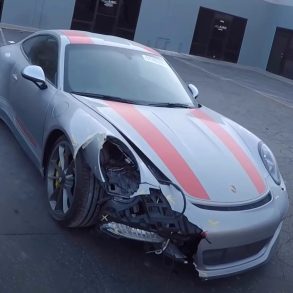


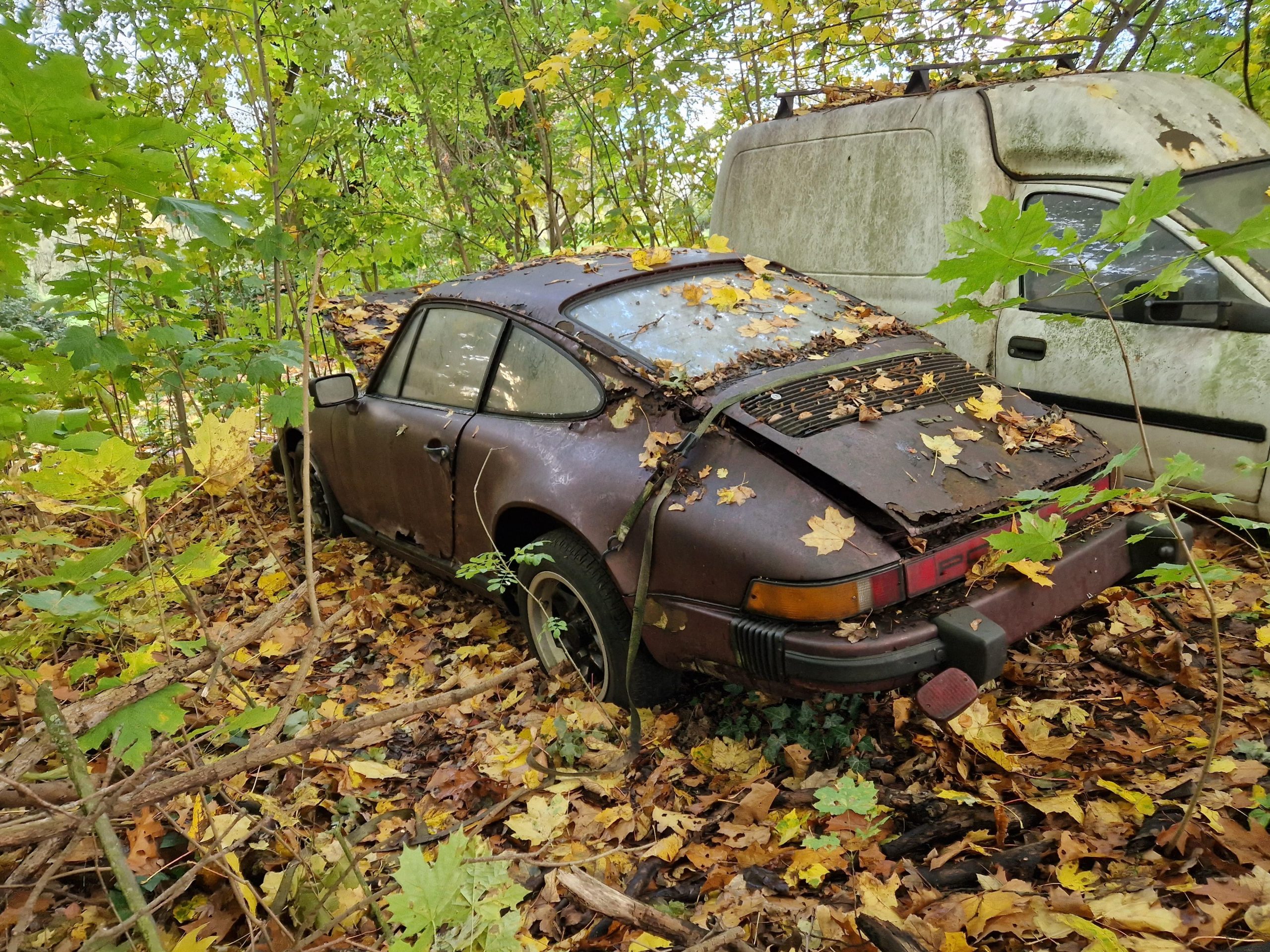
If you’re a Porsche enthusiast who follows news regularly, you probably know by now that prices for used 911s have skyrocketed in the last few years. The current market for 911 often forces prospective owners to buy a damaged car and turn it into a rebuilding project, potentially saving thousands of dollars. Plus, the satisfaction of bringing to life and restoring your Porsche’s former glory is a good enough excuse to pull the trigger on a salvage or maybe a barn find 911.
Unfortunately, there’s no definitive way to acquire a damaged Porsche 911, and each car listing you can find online will have its own risks and challenges in terms of the extent of the damage, potential title issues, and the overall cost of restoring it. This guide is your ideal starting point if you’re in the market for a damaged Porsche to make it your next rebuild project.
Understanding 911 Damage Categories
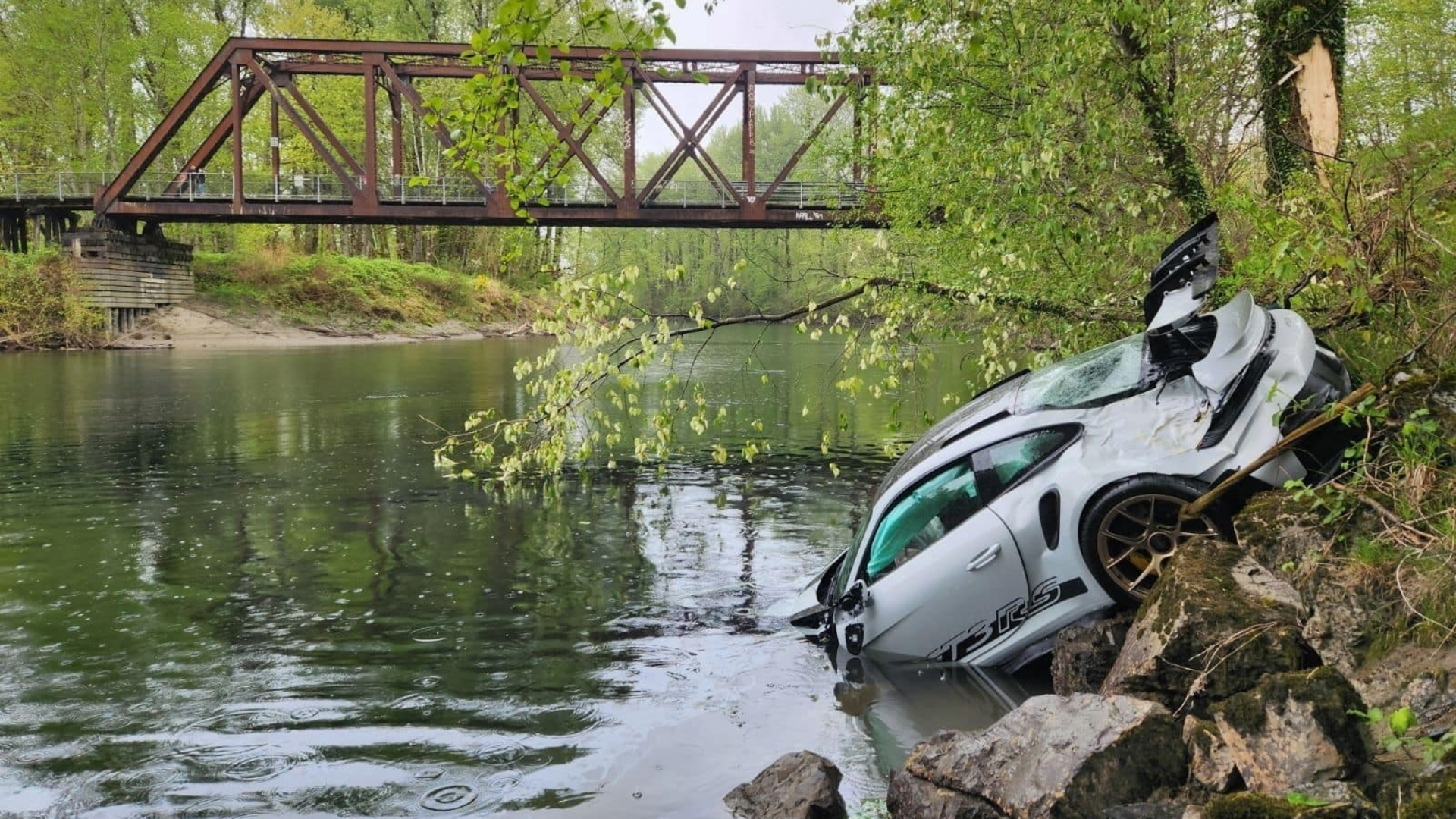
Insurance companies typically total a 911 when repair costs exceed 70 to 80% of its pre-accident value. This threshold varies by state, which explains why relatively minor damage can result in a salvage title. Not all damage is the same:
Manageable Damage: Cosmetic damage, theft recovery, hail damage, or a single impact collision that only involves a body panel typically is repairable with very good results. These are the best projects because the critical mechanical systems are still sound.
Proceed with Caution: Front, side, or rear crashes can damage the suspension components, steering geometry, and driveline mounts. Rollovers can cause more damage than the pictures suggest. These require careful inspection and professional alignment work post-repair.
Walk Away: Flood damage, fire damage, multiple impacts, or frame damage should be avoided unless you are a professional rebuilder with specialized equipment. Water can damage electronics and wiring harnesses in a modern 911. Frame damage on a unibody car is almost impossible to repair correctly.
Generation-specific vulnerabilities to consider:
- Air-cooled 911s (pre-1998): These Porsches are mechanically simpler but prone to rust, especially in rocker panels and floor pans
- 996 (1998-2004): This generation introduced water cooling but also the IMS bearing issue, potentially costing between $15,000 to $32,500 to repair
- 997 (2005-2012): Reliability was improved in this generation but it also added complexity and more expensive parts
The Reality of Rebuilding
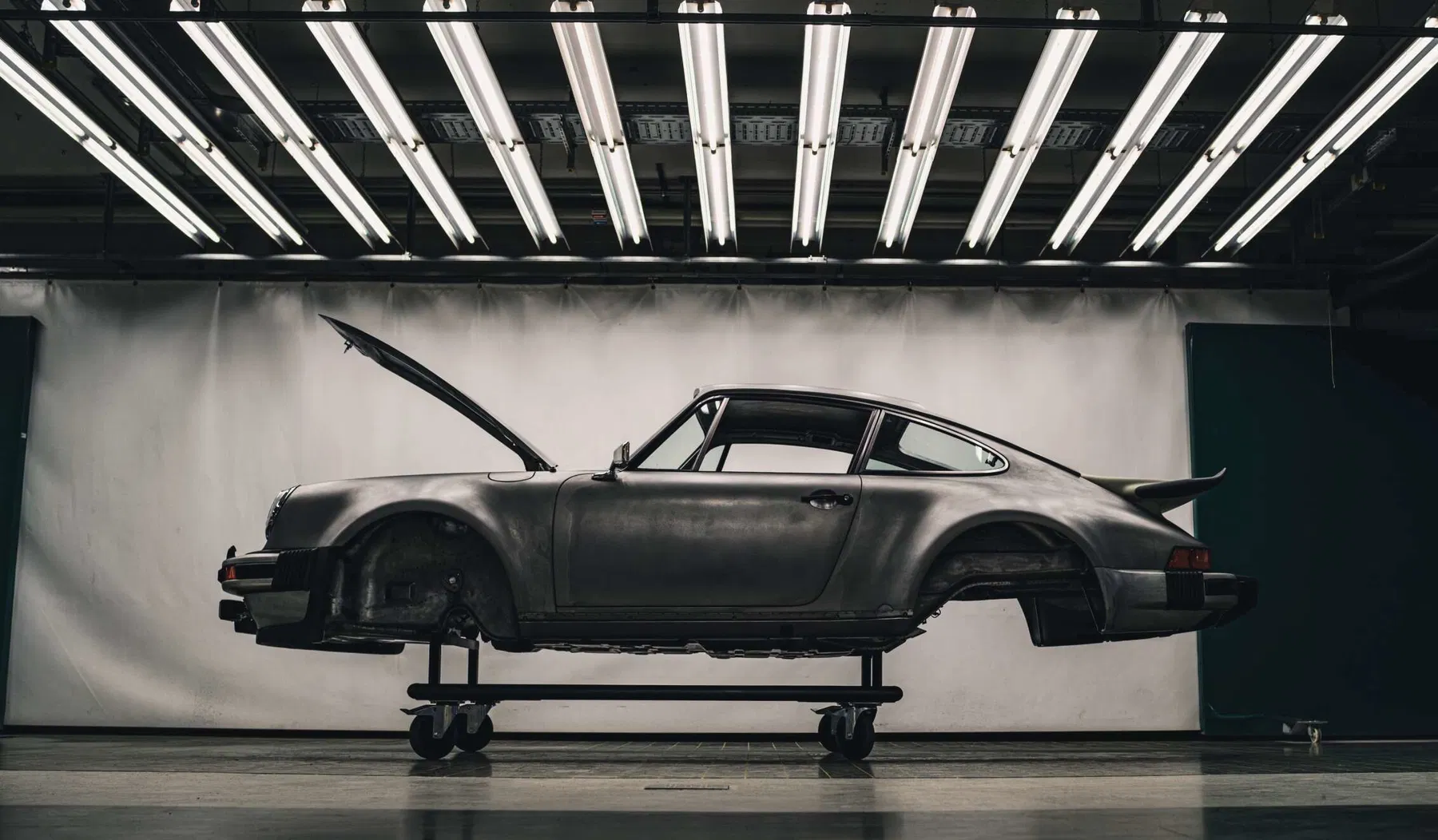
Now lets talk costs and market value. A salvage title 911 typically costs about 25% to 50% less than a clean title car. Take a 996 Carrera. A clean one will set you back $45,000 to $55,000 these days. Find one with a salvage title and repairable damage? You’re looking at $25,000 to $35,000. Sounds great until you add repair costs. Here’s what to expect by generation:
| Generation | Salvage Price Range | Common Repairs | Key Vulnerability |
| Air-cooled (pre-1998) | $15,000 – $30,000 | Rust repair, engine seals, suspension | Rust in floor pans and rockers |
| 996 (1998-2004) | $20,000 – $35,000 | Body panels, IMS bearing, suspension | IMS bearing failure ($15k-$32k) |
| 997 (2005-2012) | $30,000 – $50,000 | Body panels, electronics, suspension | Complex systems, higher parts costs |
A 996 with moderate collision damage to the body panels, suspension, and some mechanical components plus painting, can cost you $8,000 to $15,000 in parts and labor at a shop that charges $150-$200/hour. Engine work can be a nightmare. For instance, rebuilding a 996/997 engine can run you $15,000 for a basic rebuild and $30,000 if you’re looking for higher performance. You can expect to pay $4,000-$7,000 for transmission work and at least a 25 to 30% buffer for surprises. There’s always an unexpected part that wasn’t in the book.
Real-world examples illustrate this reality. DarrylD’s 1974 911 restoration shows how costs accumulate. He purchased the car for $9,500 with relatively minor issues and spent years methodically addressing everything. His documented expenses included a complete 915 transmission rebuild at $4,341, new brake calipers for $460, $600 to $800 on body work and paint, plus countless hours of his own labor. While he treated his project as a long-term restoration rather than a salvage rebuild, it shows how even “minor” repairs add up.
Forum discussions on Rennlist and Pelican Parts reveal mixed experiences. One member purchased a 1991 964 Carrera 4 with fire damage to the rear bumper and invested $20,000 in engine rebuild work alone.
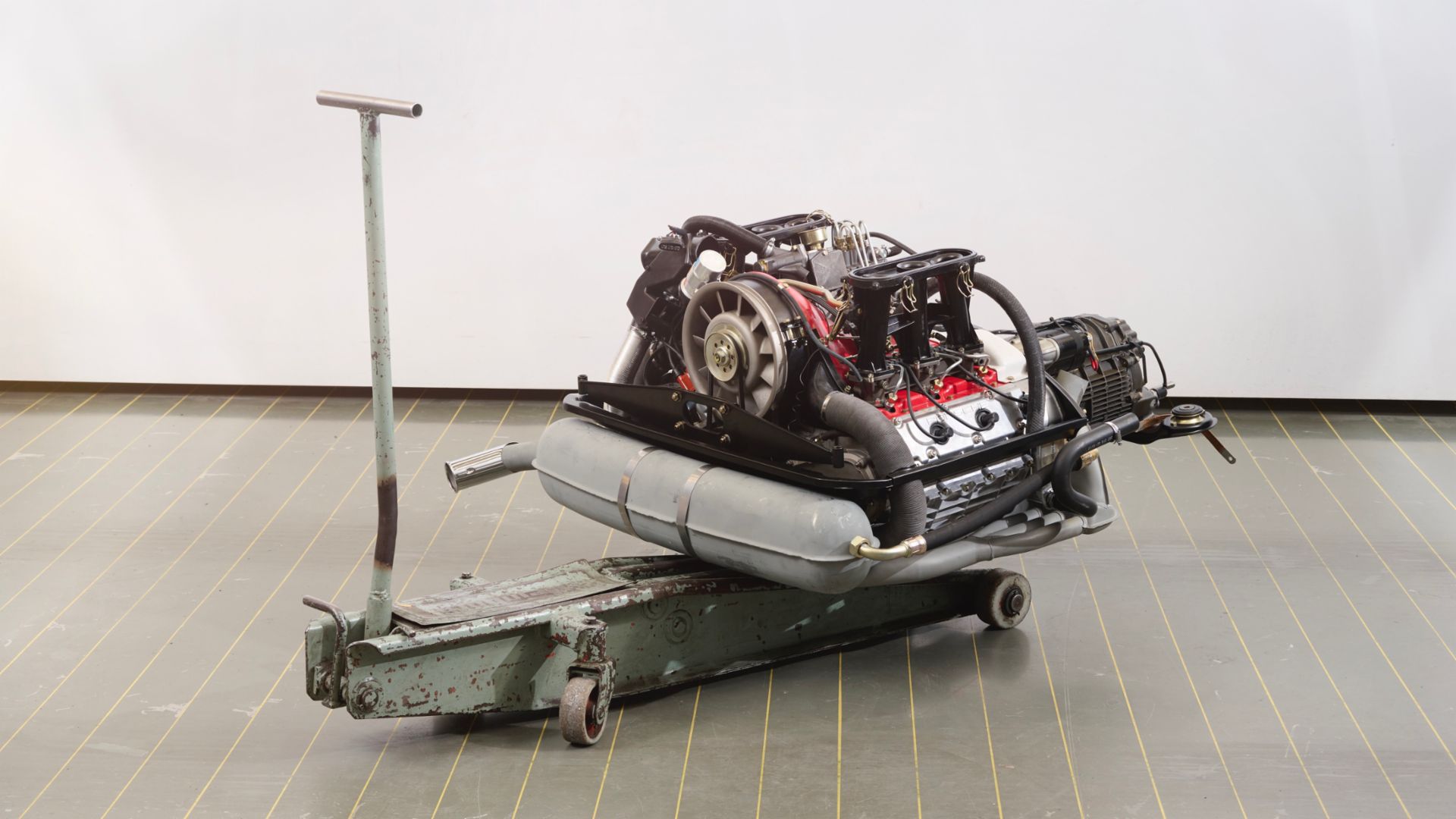
Generation-specific concerns matter. Air-cooled 911s (pre-1998) are mechanically simpler, but rust can be aggressive, and body panels are hard to find and expensive. The 996 generation is the cheapest entry at about $25,000 for high-mileage Carreras. However, it’s the IMS bearing that makes the headlines. Be prepared to spend $2,500 to $6,000 for preventive replacement, or $15,000 to $32,500 for a full engine rebuild if it fails and ruins the engine.
Whether you do it yourself or take it to a shop will dramatically impact the cost. If you’re skilled, have a well-equipped garage, and can take your time, you’ll save a lot on labor. But you will need special tools to perform all the work. Professional shops’ expertise and accountability come at a cost; however, paying $150 to $250 an hour means that even basic work can stretch your budget.
Where to Find and Evaluate Damaged 911s
The market for damaged Porsches has changed significantly in recent years. Online salvage auctions opened up what was once dealer-only territory, giving private buyers direct access to inventory that used to be off-limits. Platforms like https://sca.auction/locations/branch-ca-los-angeles-134 let anyone browse hundreds of salvage 911s without a dealer license, view detailed photos and condition reports, and bid transparently from anywhere. You’ll find everything from minor fender benders to cars that need a complete rebuild, making it easier to match a project to your budget and skill level.
Do your homework before throwing down a bid. Pull an EpicVIn report to see what actually happened to the car. Ask for everything: the original damage estimate, any repair receipts if someone started working on it, and photos from before and right after the crash. Double-check the VIN matches the paperwork and look for anything sketchy that might mean it’s been messed with.
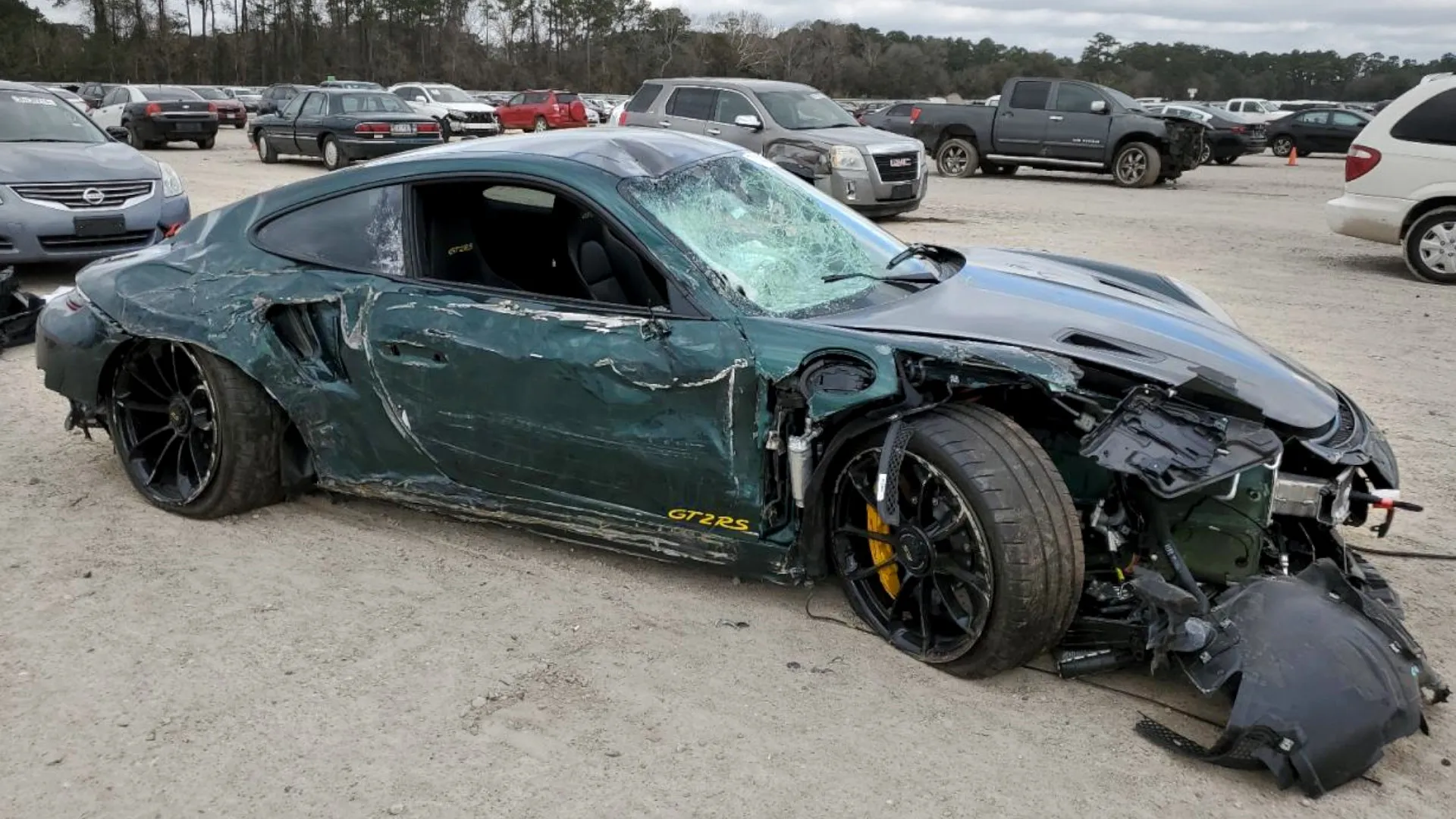
If you’re serious about a car, you need to see it in person. Can’t make the trip? Pay for a virtual inspection service or at least get detailed photos of the sketchy areas. When you do see it yourself, bring a paint thickness gauge to check for previous bodywork. Look at the panel gaps for signs of sloppy repairs or frame damage. Get under the car and check for rust, leaks, and anything structural that looks off. A pre-purchase inspection from a Porsche specialist runs $200 to $400, and it’s the best money you’ll spend to avoid buying a disaster.
Walk away if the seller won’t let you inspect it, the title is “missing,” you see frame welding, there are water lines in the cabin or trunk, or the VIN doesn’t match between the title and the car.
Title, Registration, and Long-Term Ownership
Rebuilt title rules are all over the place depending on your state. Some want certified inspections, repair photos, the whole nine yards. Look up what your state requires before you buy anything.
That salvage history never goes away. Resale value stays 25 to 40% below clean title cars forever. Insurance is a pain. Many companies won’t touch rebuilt titles or they’ll only give you liability coverage. Specialty insurers will cover you but expect to pay 15 to 25% more than a clean title.
Selling it later means a way smaller pool of buyers. Most people filter out salvage cars automatically. Banks won’t finance them, so you’re cutting out anyone who needs a loan. Your best shot is finding another enthusiast who gets it, and that takes time and realistic pricing.
Making It Work
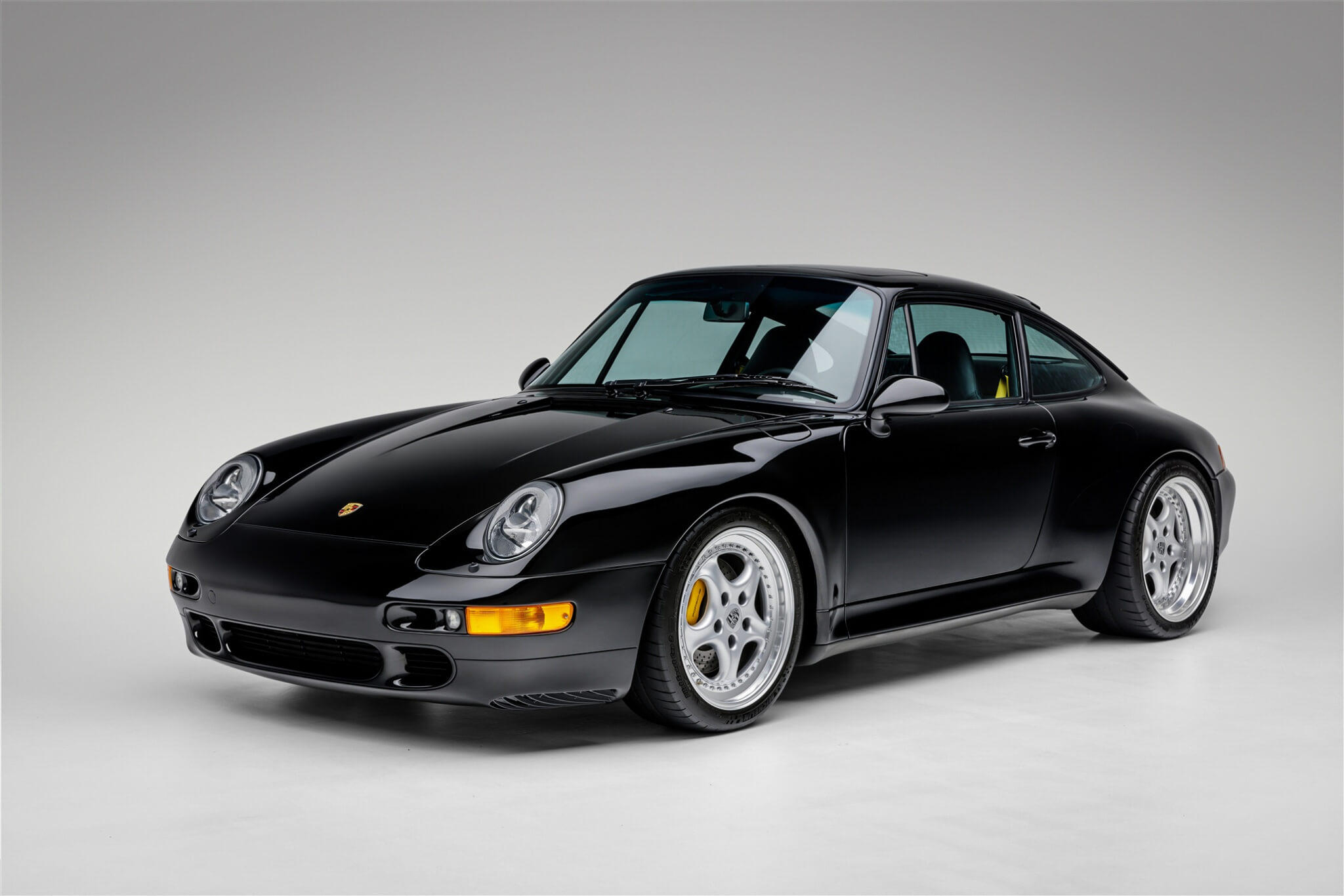
The rebuilds that work out have some things in common. Good documentation of what happened, quality repairs with receipts to prove it, realistic budgets, and owners who aren’t trying to flip it in six months. The ones that don’t? Pretty predictable. Damage nobody mentioned, costs that blow up fast, and shortcuts that end up costing more to fix later.
A damaged 911 makes sense if you know what you’re actually getting into. You need realistic expectations about costs, the ability to do the work yourself or a shop you really trust, patience when stuff inevitably goes wrong, a budget with serious wiggle room, knowledge of how your state handles rebuilt titles, and insurance confirmed before you hand over any money.
The best buys are cars with cosmetic or mechanical issues but clean histories, salvage titles where you know exactly what happened and can see damage photos, and projects where you’re doing most of the heavy lifting yourself.
If you can turn wrenches and you’re building a track car or planning to keep it forever, the money you save is worth the headache. But let’s be real about what this is. It’s not some hack to own a cheap Porsche. It’s for people who actually enjoy this kind of project and know what they’re signing up for. Do your research, look at everything carefully, budget way more than you think you need, and be honest about what you can actually handle. For the right person with the right car, bringing a beat-up 911 back to life is one of the most satisfying things you can do.